
When you purchase through links on our site, we may earn a commission at no extra cost to you. Learn more.
Some people see a dog on the street and immediately switch into baby voice. Others spot a cat at a house party and quietly begin their campaign to become the chosen lap by night’s end.
Table of Contents
As it turns out, that tiny difference might say more than you think. Psychologists have actually studied the dog-person vs cat-person divide, and the pet you instinctively gravitate toward may reflect deeper patterns in personality, social energy, and how you move through the world.
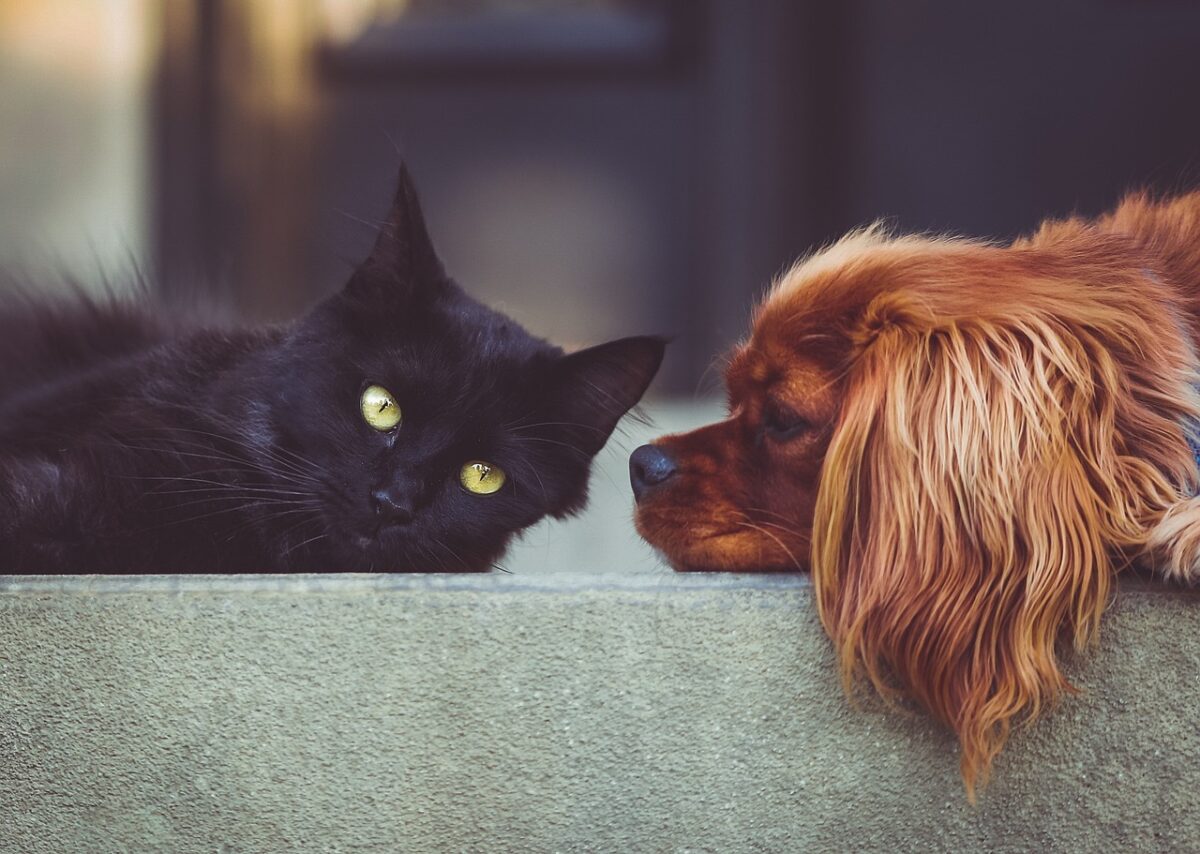
Start Here: Are You A Dog Person Or A Cat Person?
Most people don’t hesitate when you ask this question. They answer instantly, like you’ve just asked them something obvious about themselves.
“I’m definitely a dog person.”
“Oh, I’m absolutely a cat person.”
“I love both, but if I had to choose…”
That quick reaction is what makes this question so interesting. Because once you strip away the jokes and friendly rivalry, it’s not really about pets at all.
The Fast Difference In Vibe
Dogs tend to move through the world loudly. Tails wagging, bodies wiggling, greeting every human like a long-lost friend.
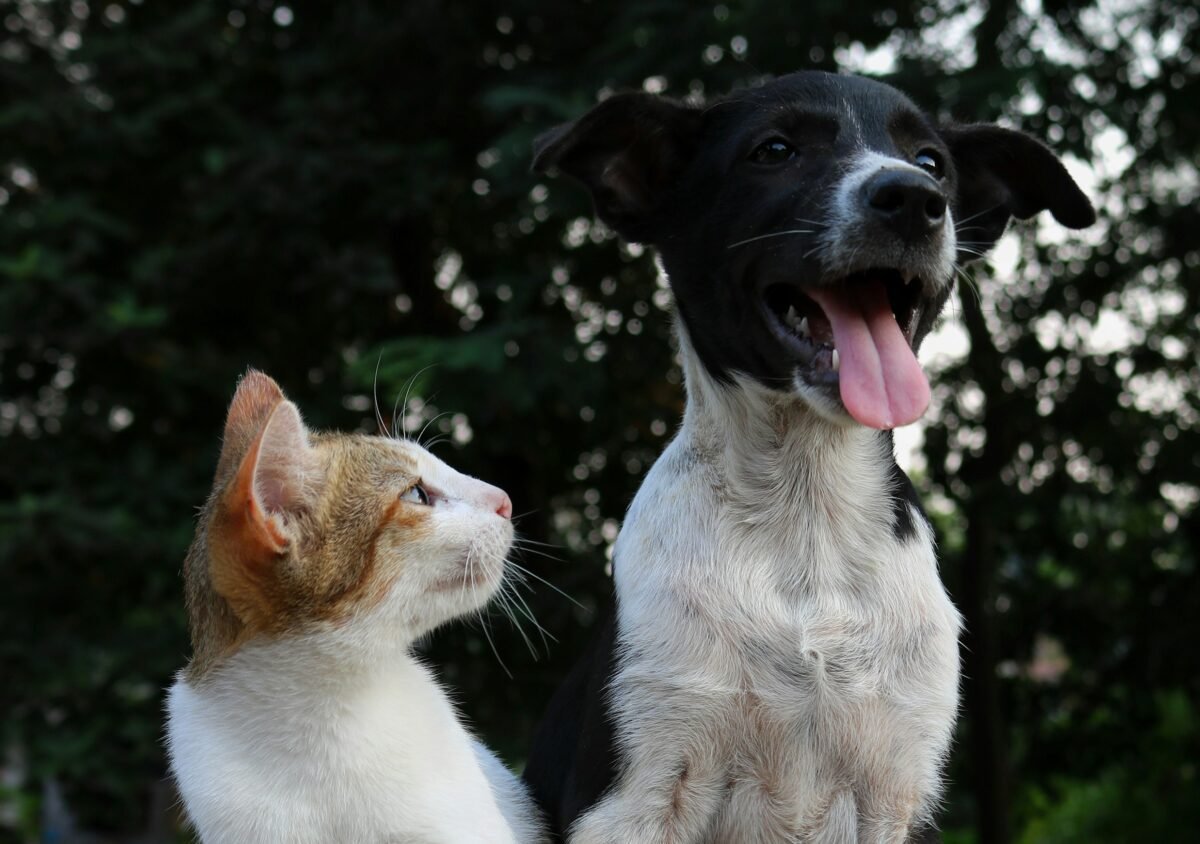
Cats operate on a quieter frequency. They observe first, choose their moments, and treat affection like a limited resource.
If one of those energies feels instantly familiar, that’s usually not a coincidence. People who gravitate toward dogs often enjoy outward energy, activity, and interaction. People who gravitate toward cats often appreciate subtlety, independence, and a little breathing room.
Neither is better. They’re just different social rhythms.
Why This Debate Feels Weirdly Personal
The reason people defend their answer so strongly is simple: pets don’t just live with us, they mirror how we experience the world.
- Dogs bring enthusiasm, structure, and constant connection.
- Cats bring independence, curiosity, and quieter companionship.
When someone says they’re a “dog person” or a “cat person,” they’re usually describing the kind of energy that feels most natural to them. And once you start looking at it that way, the divide suddenly makes a lot more sense.
What Science Says About Dog People Vs Cat People
The dog person vs cat person debate isn’t just internet folklore. Psychology has actually studied whether people who prefer dogs or cats tend to share certain personality traits.
While no study claims your favorite animal defines you, researchers have found consistent patterns when comparing dog lovers and cat lovers. Many of those patterns revolve around something called the Big Five personality traits, one of the most widely used frameworks in personality psychology.
The Big Five Personality Traits, In Plain English
When psychologists study personality, they often use something called the Big Five. It measures five broad personality traits that shape how people interact with the world.
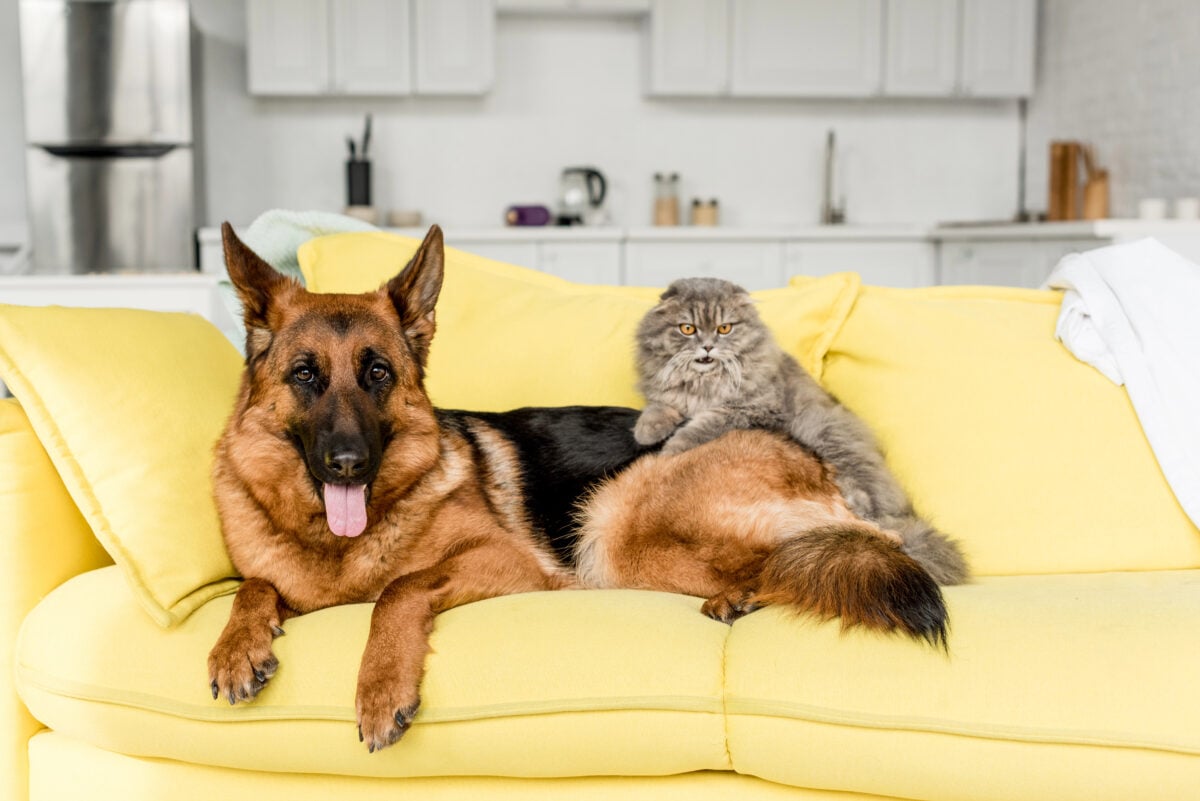
Those traits include:
- Extraversion – how social and outgoing someone tends to be
- Agreeableness – warmth, empathy, and friendliness
- Conscientiousness – organization and reliability
- Neuroticism – emotional sensitivity and stress response
- Openness to experience – curiosity, creativity, and interest in new ideas
Researchers often use these traits to compare how different groups of people think, socialize, and make decisions.
What Studies Tend To Find About Dog Lovers
In a study of more than 4,500 participants, people who identified as dog lovers scored higher on extraversion, agreeableness, and conscientiousness than people who preferred cats. In everyday terms, that suggests dog people tend to be more social, cooperative, and comfortable with structured routines.
Dogs naturally encourage social interaction. They require walks, training, and outdoor activity, which may appeal to people who enjoy engagement and shared experiences.
In other words, dogs fit naturally into lifestyles that involve movement, routine, and outward energy.
What Studies Tend To Find About Cat Lovers
The same research found that cat lovers scored higher on openness to experience and neuroticism, two traits associated with curiosity, creativity, and emotional sensitivity.
People who preferred cats were often comfortable with quieter environments and more independent routines. Because cats require less constant interaction than dogs, they may appeal to people who enjoy calm spaces, solitary hobbies, or more flexible daily schedules.
That doesn’t mean cat people are antisocial. It simply suggests they may be more comfortable with subtle social interaction rather than constant activity.
The Dog Person Personality: Why Dogs Feel Like Your Kind Of Chaos
Dogs don’t quietly exist in a home. They participate in it. They celebrate your arrival like you’ve just returned from war, even if you only stepped outside to take out the trash.
For people who love dogs, that energy isn’t overwhelming. It feels like the correct volume for life.
1. Social By Default
Dogs cannot pass another dog on the street without acknowledging it. And if you have a dog, you’re along for the ride. Eye contact must be made, compliments must be delivered, and greetings are often mandatory.
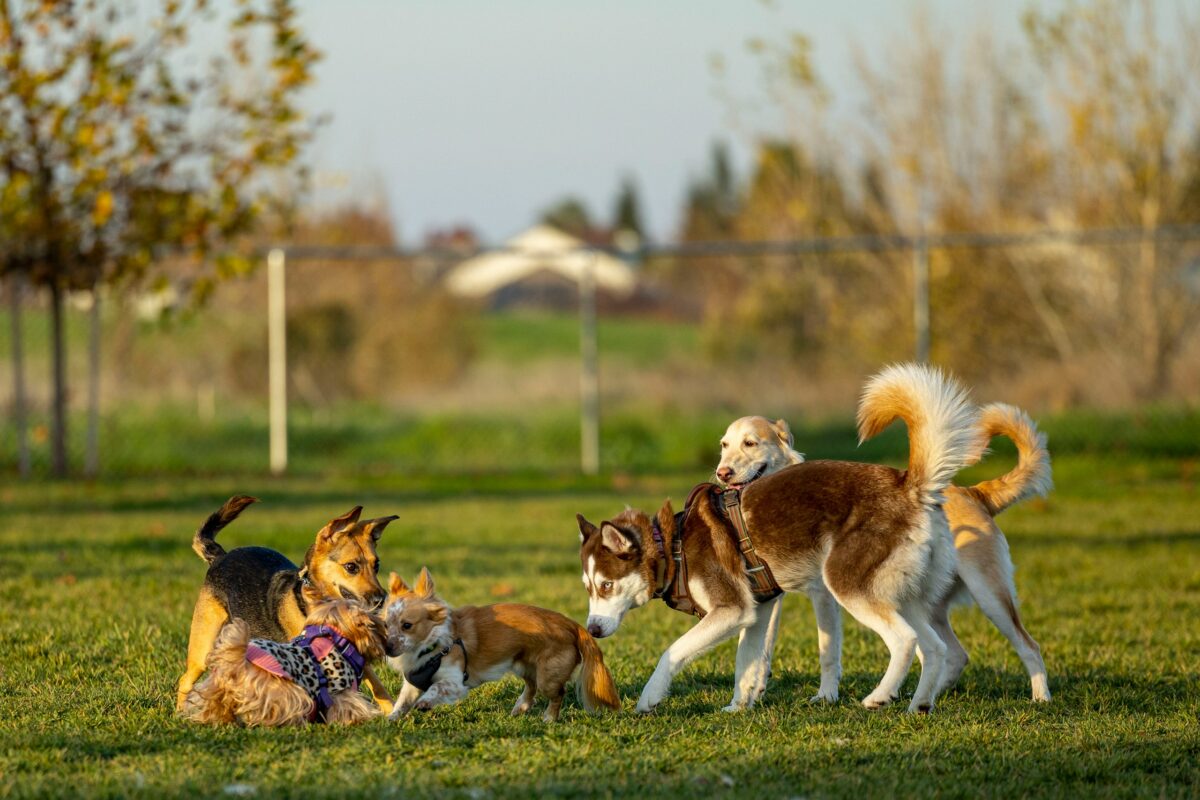
Dogs also create a surprising number of “third-space” moments in daily life. Dog parks, brewery patios, neighborhood walks, and even the sidewalk outside your building suddenly become places where conversations happen.
2. Routine, Structure & “We Have To Go Out Now”
Dogs believe in schedules with the conviction of a project manager. Walk time, meal time, play time, and the highly anticipated moment known as when you come home.
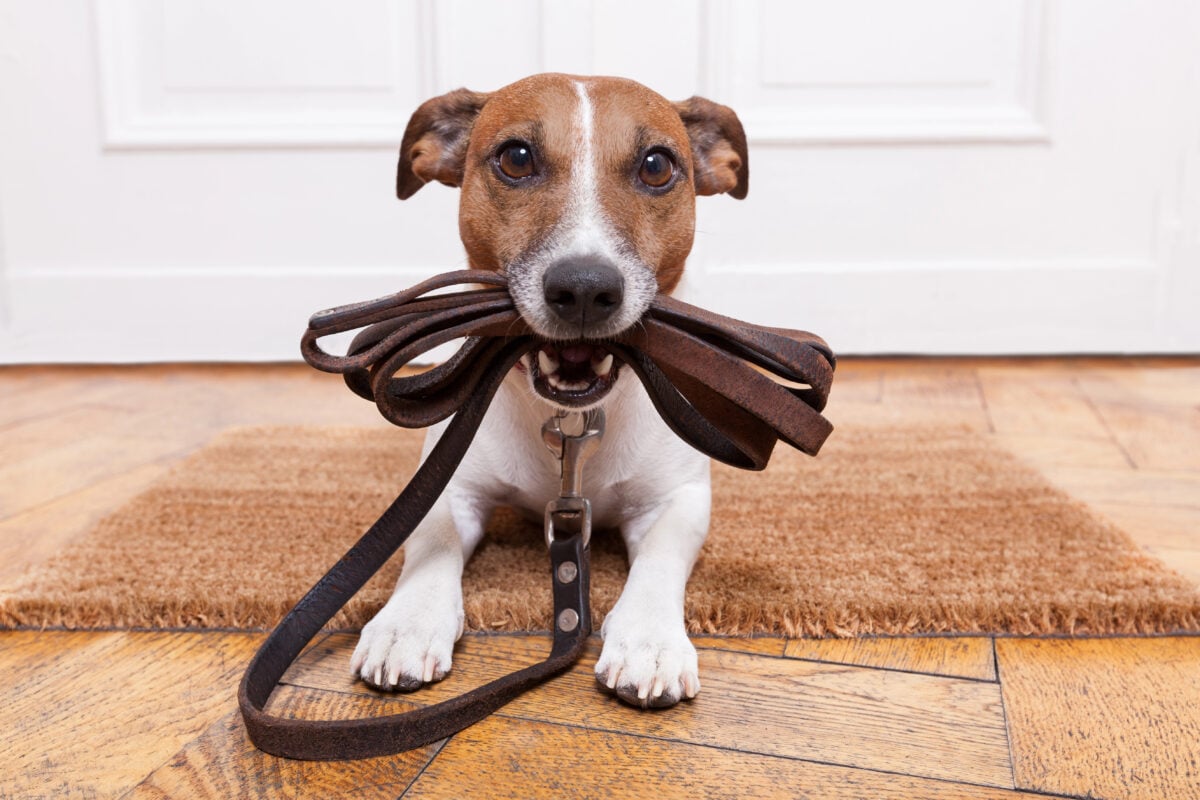
Dog people quickly learn that the best way to keep everyone happy is to build routines that work for the whole household.
3. Big Feelings, No Mystery
There’s something strangely comforting about waking up to a face that is genuinely thrilled you exist. Dogs do not hide their emotions. If they love you, they want to shout it from the rooftops.
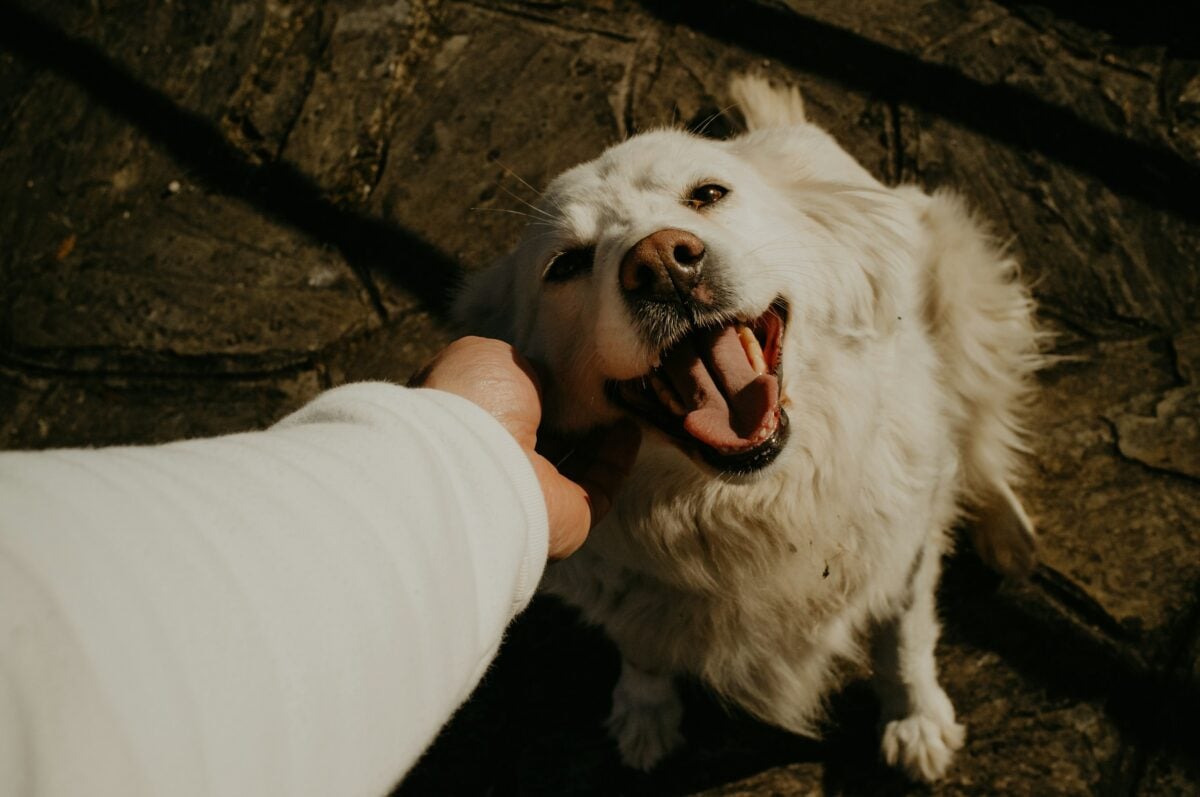
Tails wag, bodies wiggle, and the greeting you receive after a long day can feel like a stadium cheering your name.
The Energy Boost We All Need
Dogs also have a way of keeping life moving. When your pet needs a walk, potty break, or playtime, staying under the blanket suddenly becomes a little less convincing.
Some days that small push toward fresh air and movement is exactly what you needed.
The Cat Person Personality: Why Cats Fit Certain Personalities So Well
Cats tend to move through the world a little differently than dogs. They notice everything, take their time, and decide for themselves when something is worth their attention.
For the people who love them, that energy feels familiar. Living with a cat often feels less like managing a pet and more like sharing space with a thoughtful, independent companion.
1. Affection, But On Their Terms
Cats are affectionate, but rarely on command. They choose when to sit on your lap, when to curl beside you, and when your personal space has suddenly become their personal space.
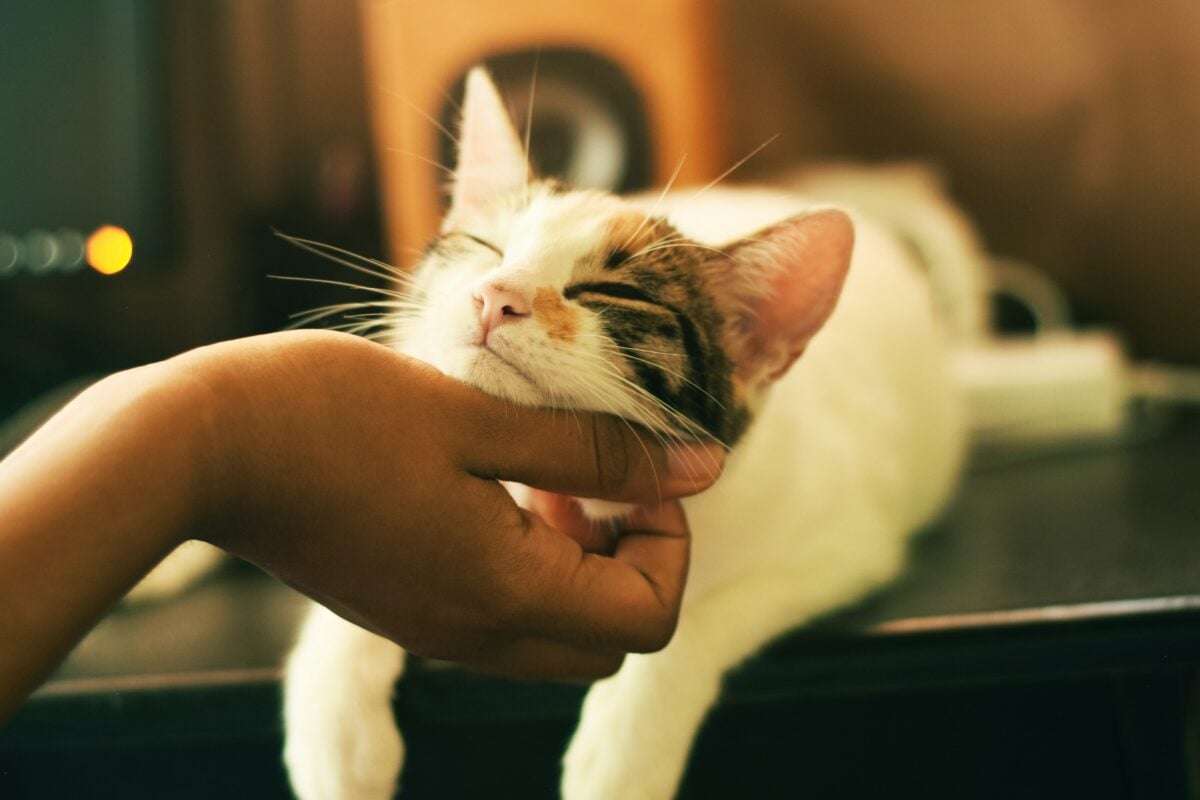
Cat people understand this rhythm. When a cat chooses you, it feels deliberate.
2. The Quiet Observer
Cats spend a surprising amount of time simply watching. They observe rooms, windows, conversations, and objects that appear completely normal to everyone else.
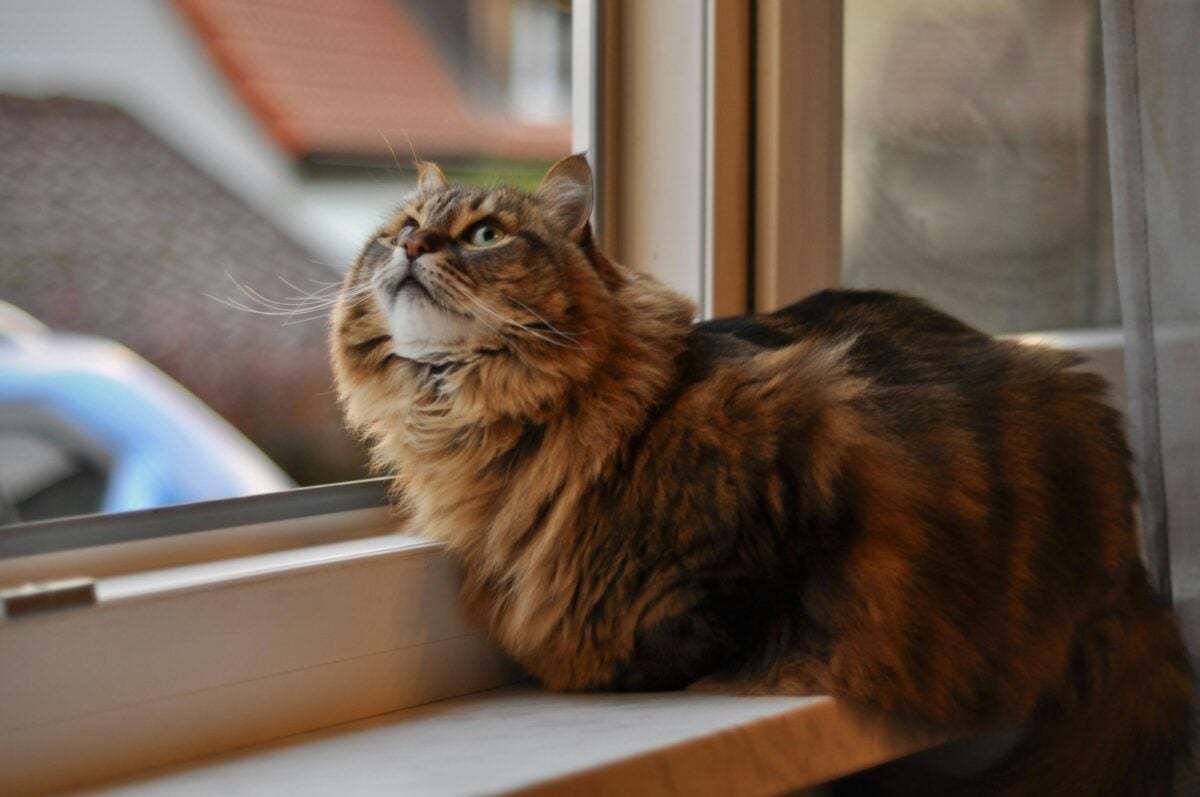
Many cat lovers appreciate this calm curiosity. Living with a cat can feel like sharing space with a thoughtful little observer who notices everything.
3. The Cat Smell Conversation
Cat people will confidently tell you their cats smell amazing. Warm, clean, and oddly comforting in a way that’s difficult to explain to someone who hasn’t experienced it.
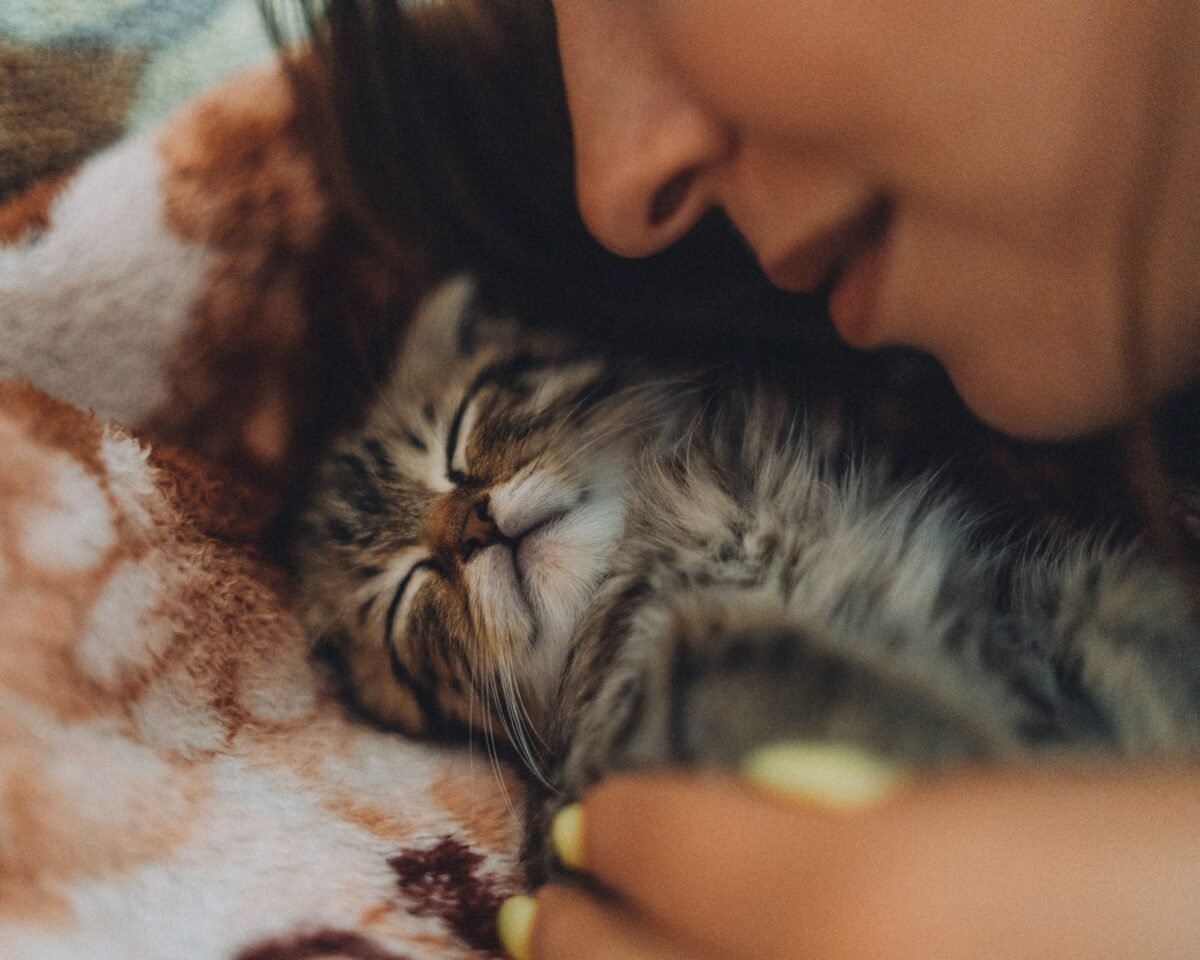
If you know, you know.
Why Being Chosen Matters
Cats don’t give their attention to everyone equally. They tend to pick their favorite human and stick close to them.
For cat lovers, that quiet loyalty feels personal. It may be subtle, but it’s powerful.
Dog People Vs Cat People In Real Life
The differences between dog people and cat people show up in small everyday moments. The way they greet animals, the way they structure their day, and the things they casually accept as normal.
Most of the time, neither group realizes how strange these habits sound to the other side.
6 Dog Person Behaviors That Make Perfect Sense To Dog People
Dog owners often build entire routines around their pets without thinking twice about it. Things like:
- Never leaving the house without poop bags
- Knowing the names of neighborhood dogs but not their owners
- Letting a dog take up most of the couch, bed, or any other surface they choose to sprawl across
- Cancelling plans because the dog has been alone too long
- Choosing restaurants based on whether dogs are allowed on the patio
- Wiping dog drool off the floor like it’s a completely normal household chore
To dog people, this is simply daily life.
6 Cat Person Behaviors That Make Perfect Sense To Cat People
Cat owners have their own set of quietly accepted routines. Things like:
- Keeping cardboard boxes because the cat likes them more than the toys you bought
- Keeping fragile objects away from table edges
- Learning to type around a cat sitting on the keyboard
- Accepting that your cat may randomly sprint through the house at midnight
- Holding very still because a cat has fallen asleep on you
- Pretending the cat never goes on the kitchen counter when guests are over
None of this feels unusual once you live with a cat.
The Pet Ambivert: What If You Genuinely Love Both?
Some people strongly identify as dog people. Others are firmly in the cat camp. And then there’s a third group quietly watching the debate unfold while thinking, Why not both?
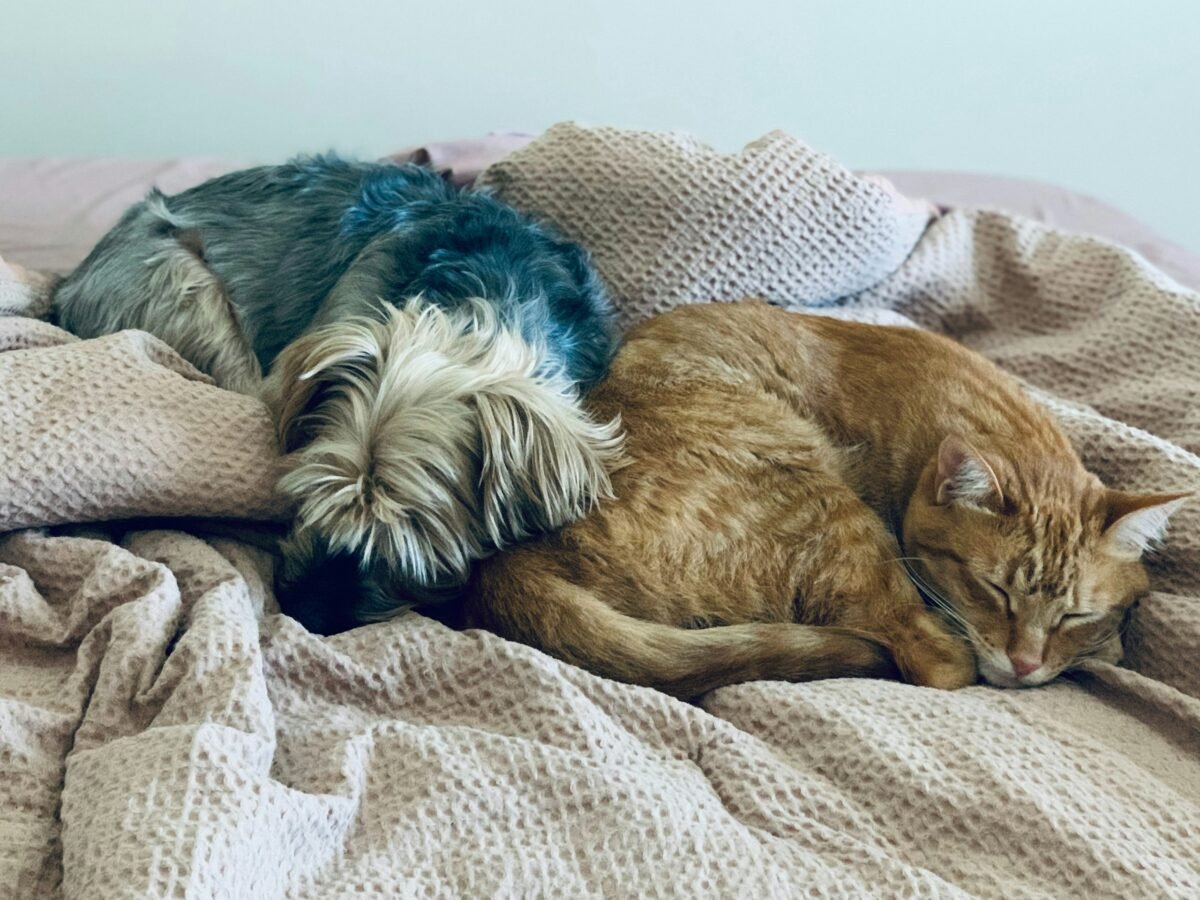
These are the pet ambiverts — people who genuinely enjoy the very different energy that dogs and cats bring into a home.
Living With Opposite Energy In One House
A dog enters a room like it’s a party. A cat enters a room like it’s an inspection. When both animals share the same space, you get a strange but fascinating balance.
The dog brings enthusiasm and activity. The cat restores quiet and personal space. Many households find that combination works surprisingly well.
When Your Personality Changes With Your Life Stage
Pet preferences aren’t always permanent. The animals people connect with often shift as their lives change.
- Busy professionals sometimes appreciate the independence of cats.
- Active families often gravitate toward dogs.
Later in life, many people discover they enjoy the companionship of both. In other words, your “pet personality” can evolve right alongside your lifestyle.
Why Dogs & Cats Attract Different People
At this point, the dog-person vs cat-person divide might start to feel less like a stereotype and more like a pattern. Different animals invite different kinds of interaction, and people tend to gravitate toward the energy that feels natural to them.
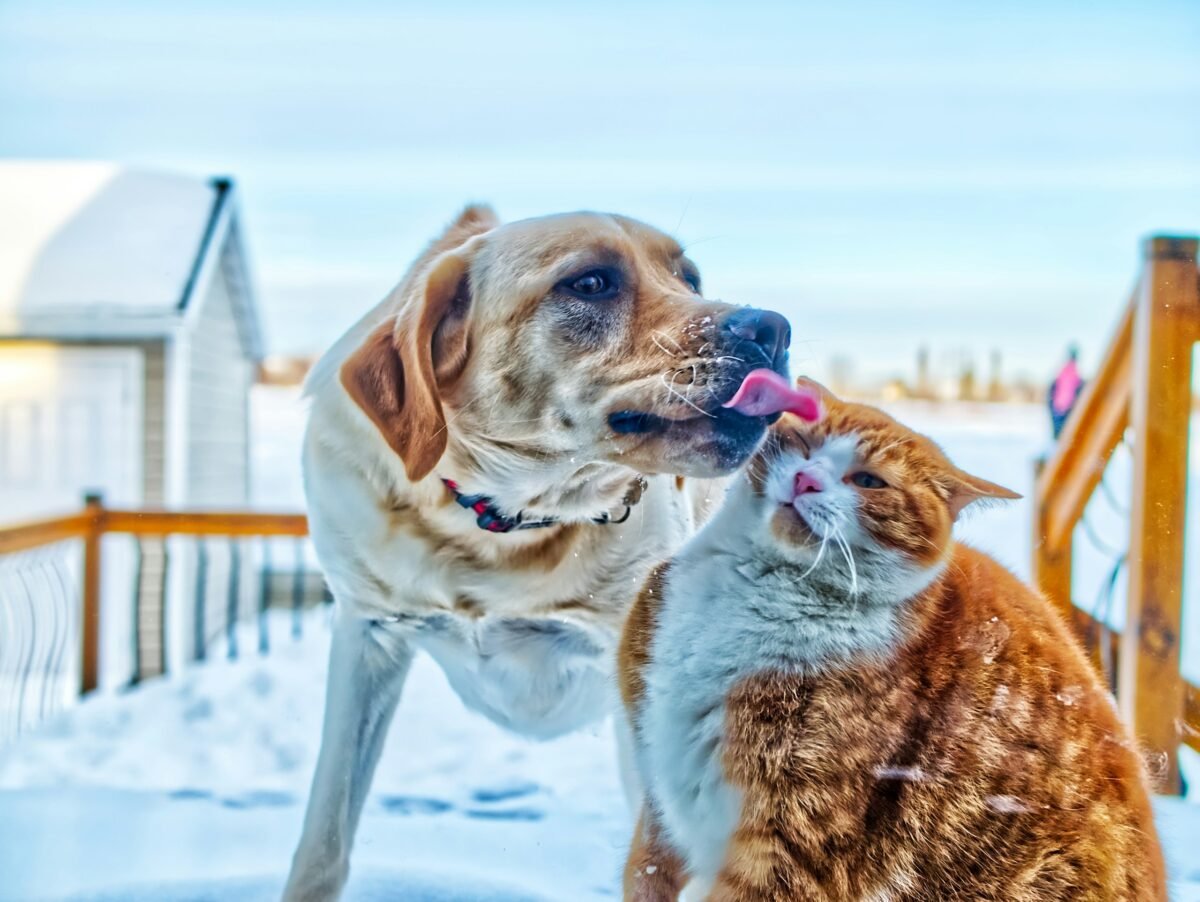
Dogs Reward Outward Energy
Dogs thrive on interaction. They respond quickly to attention, activity, and engagement.
If you enjoy movement, conversation, and shared experiences, a dog meets you there immediately. The relationship becomes a constant exchange of energy. Walks, play, training, and greetings all reinforce that loop.
Cats Reward Patience, Observation & Boundaries
Cats operate a little differently. They tend to respond to quiet presence rather than constant engagement.
People who enjoy subtle signals, calm spaces, and independence often find that cats feel easy to live with. The relationship grows through observation rather than constant interaction. Instead of asking for attention all the time, cats tend to choose when connection happens.
Sometimes You Do Not Pick The Pet, The Pet Picks The Nervous System
Sometimes the connection happens before you even think about personality traits. You meet an animal and something about their energy just fits.
The dog that immediately wants to explore the world with you. The cat that settles quietly beside you like they already belong there.
It’s less about choosing a category and more about recognizing a kind of emotional rhythm that feels familiar.
Dog Owners Vs Cat Owners: The Lifestyle Reality Check
Personality might influence whether someone gravitates toward dogs or cats. But daily life with each animal also looks very different.
The real divide often comes down to routine, flexibility, and how much interaction someone wants built into their day.
Daily Routine
Dogs thrive with consistency and routine. Walks, meals, playtime, and bathroom breaks tend to happen on a predictable schedule.
Cats tend to operate more fluidly. While they still expect meals on a set schedule, their overall routine is usually more flexible.
Clean-Up, Chaos, And Household Tolerance
Dogs often bring dirt, mud, fur, and the occasional puddle of drool into the house. They also need regular baths to stay fresh, especially after enthusiastic outdoor adventures.
Cats handle much of their own grooming and tend to keep themselves clean. Their version of household chaos usually shows up in other ways, like knocking objects off surfaces or scratching furniture, which is why many owners rely on regular nail trimming or nail caps.
Public Pet Vs Private Pet
Dogs live much of their lives in public spaces. They walk through neighborhoods, visit parks, and often accompany their owners to social places.
Cats tend to remain closer to home. Their world is usually quieter, smaller, and more private.
Dog Person vs Cat Person Stereotypes: Which Ones Hold Up?
The internet loves turning dog people and cat people into personality caricatures. Some stereotypes contain a grain of truth. Others fall apart once you look a little closer.
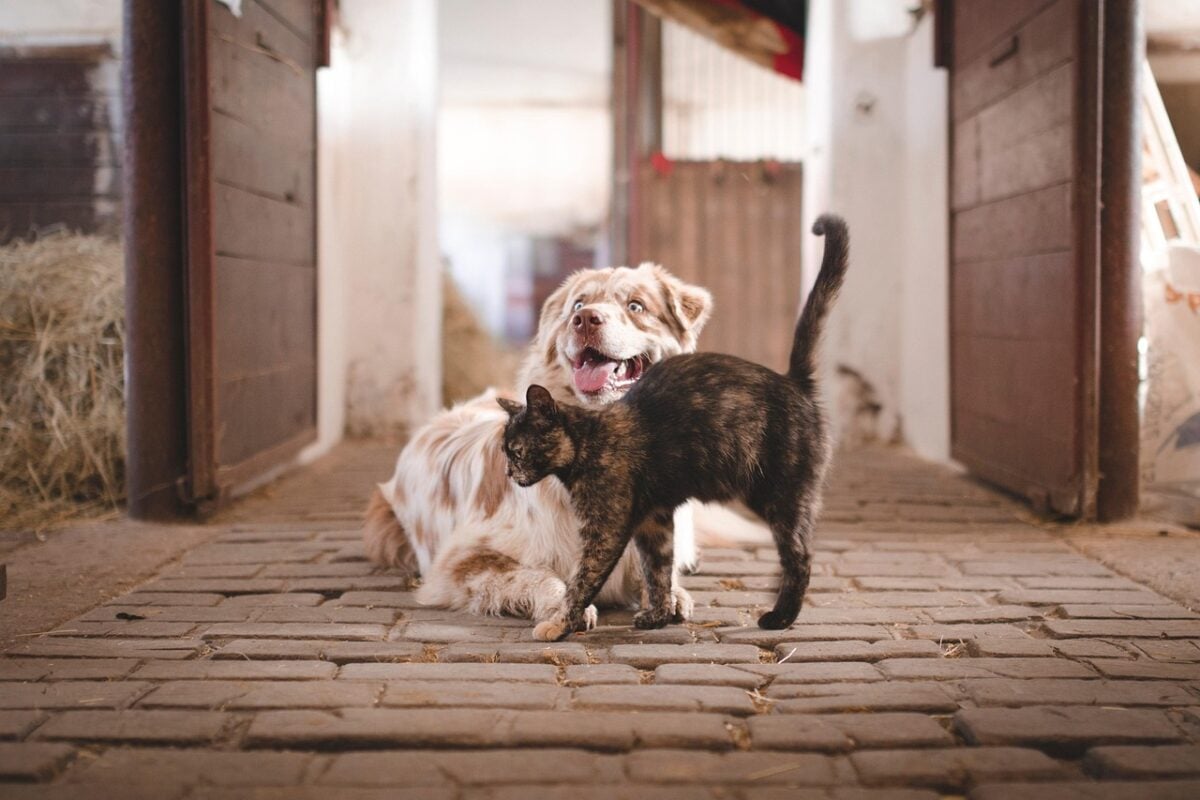
1. “Dog People Are More Outgoing”
Some research has found that people who prefer dogs tend to score slightly higher in traits like extraversion and agreeableness. That may reflect how dogs naturally create social interaction through walks, parks, training classes, and public outings.
2. “Cat People Are Antisocial”
This stereotype shows up constantly, but it rarely matches real life. Many cat owners simply prefer quieter environments and more independent routines, which is very different from avoiding people altogether.
3. “Dogs Are Needier”
Dogs generally rely more heavily on human interaction. They tend to seek attention, play, and engagement throughout the day.
For many owners, that constant feedback is exactly what makes the relationship rewarding.
4. “Cats Are Aloof”
Cats often get labeled as distant or indifferent, but that stereotype usually comes from misunderstanding how they show affection.
Some cats are full velcro kitties that follow their humans from room to room. Others prefer companionship in waves, appearing for a cuddle and then wandering off like they have important business elsewhere.
Which Is More Popular: Cats Or Dogs?
Dogs win when it comes to households.According to the American Pet Products Association National 2025 Dog & Cat Report, about 51% of U.S. households own a dog, compared with 37% that own a cat.
But the numbers get more interesting when you look closer.
Cat owners are much more likely to have multiple cats in one household. Industry data shows that multi-cat homes are increasingly common, with the number of households owning three or more cats rising significantly in recent years.
In other words, dogs tend to win in households, while cats often compete closely in total number of pets.
Why The Dog Person Vs Cat Person Debate Never Dies
The dog person vs cat person question has been floating around for decades. It shows up in memes, dating profiles, and casual conversations with strangers. Part of the reason is simple: pets reflect different kinds of human energy.
Dogs tend to amplify activity, routine, and social connection. Cats tend to amplify independence, curiosity, and quieter companionship.
It’s identity. When someone says they’re a “dog person” or a “cat person,” they’re often describing the kind of energy that feels most natural to them.
At The End Of The Day, Most Pet People Agree On One Thing
Dog people and cat people may tease each other endlessly, but they share one important trait. They’re completely obsessed with their animals.
Whether that devotion looks like early morning walks, carefully timed feeding schedules, or holding perfectly still so a sleeping cat doesn’t wake up, pet owners build their lives around these relationships.
The methods may look different. The attachment is exactly the same.
Frequently Asked Questions
People tend to have strong opinions about the dog person vs cat person debate. Here are a few of the most common questions that come up.
Don’t see your question? Respond in the comments, and we’ll get back to you!
Are Dog People Really More Extroverted Than Cat People?
Some research suggests that people who prefer dogs tend to score slightly higher on extraversion, agreeableness, and conscientiousness compared to people who prefer cats. However, these differences are small trends across large groups, not rules that apply to every individual.
Why Do Some People Prefer Cats Over Dogs?
Cats appeal to people who enjoy quieter environments, flexible routines, and more independent companionship. Many cat owners appreciate the subtle way cats show affection and the calm presence they bring into a home.
Can Someone Be Both A Dog Person And A Cat Person?
Absolutely. Many people enjoy the very different personalities that dogs and cats bring into a household. Some homes even find that the combination works well, balancing activity and quiet companionship.
So… Are You A Dog Person Or A Cat Person?
The dog vs cat debate will probably never disappear. But the truth is that both animals bring something unique into people’s lives.
If you’re still exploring the differences between dogs and cats, you might also enjoy these guides:
- Our guide to cats vs. dogs as pets explores the pros and quirks of living with each.
- Thinking about bringing both animals into the same household? Our guide on how to introduce a dog to a cat walks through how to make that transition safely.
- And if you love dogs but need a pet that handles independence well, you might want to explore dog breeds that are OK being left alone.