When you purchase through links on our site, we may earn a commission at no extra cost to you. Learn more.
The wrong dog can make an 8-hour workday feel like a behavioral emergency. The right dog may spend most of those same hours asleep.
Table of Contents
While some dogs seem perfectly content to spend the day snoozing while you’re at work, others can turn a few hours alone into a full-blown event. Breed can play a role in how well a dog handles alone time, but it’s far from the only factor that matters.
Your dog’s age, temperament, training, exercise needs, and daily routine can be just as important. A naturally independent breed may still struggle if they aren’t getting enough physical or mental stimulation, while a more social breed might learn to settle comfortably with the right routine and training.
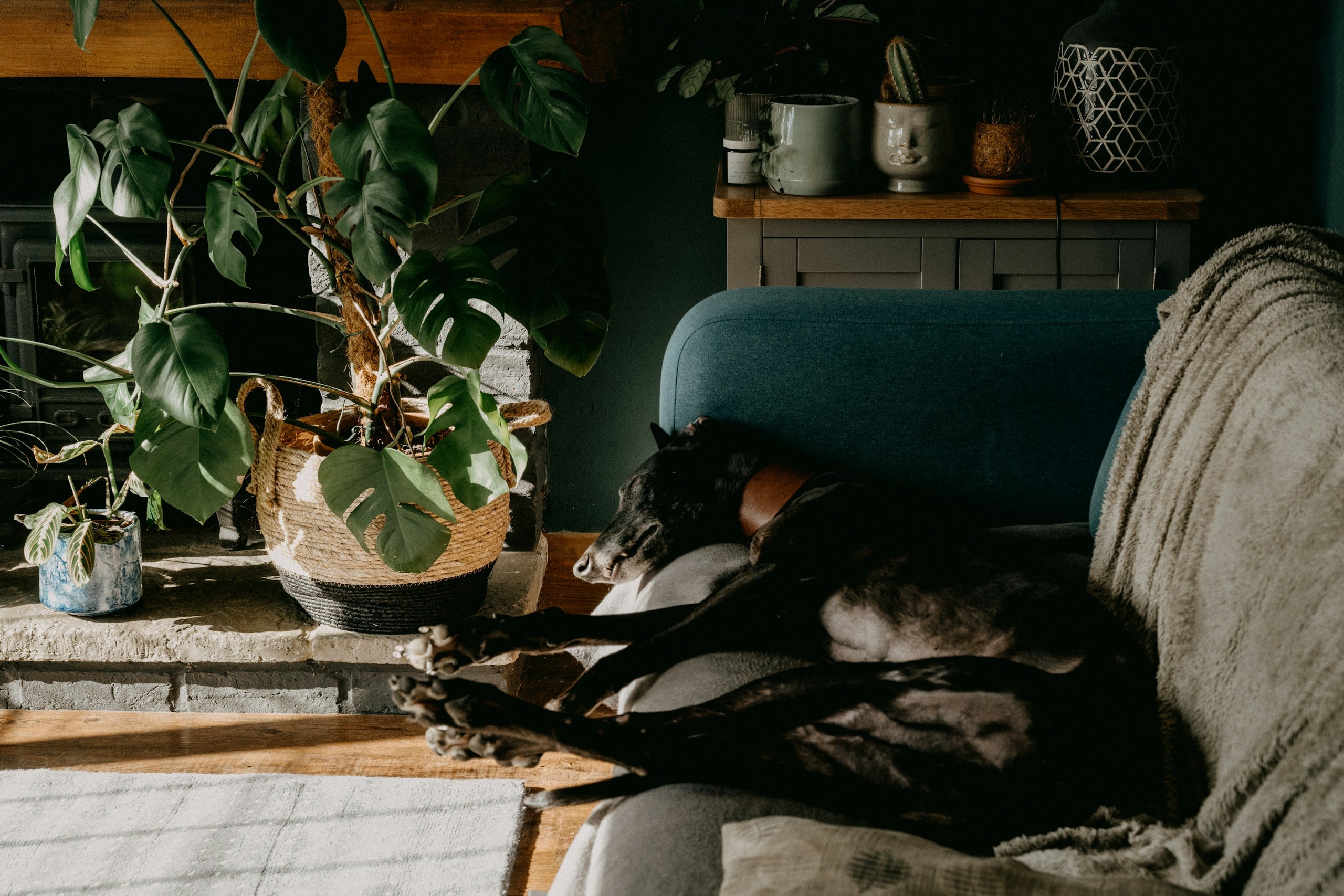
So, which dogs tend to handle time alone better—and what should you look for when choosing one? We’ve rounded up breeds known for being more independent and adaptable, along with the traits and considerations that can help your dog feel comfortable when you’re not home.
Want our human-written content to rank above AI-generated garbage? Help us out by clicking this button!
Quick Answer
Some adult dogs are more comfortable being alone than others, but no breed is automatically “okay” with being left alone all day. Temperament, age, exercise needs, training, and separation anxiety all matter. Greyhounds, Basset Hounds, Lhasa Apsos, and some other lower-energy or independent breeds tend to cope better—but individual dogs can vary dramatically.
Why Are Some Dogs More Independent Than Others?
Some dogs handle being alone well because they’re built for it. Not coldly or distantly — just in a way that makes their downtime feel manageable instead of stressful.
A big part of that comes down to breed history.
- Dogs developed to work independently, guard property, or make decisions without constant human input tend to be comfortable when left to their own devices. Long stretches without interaction don’t register as a problem.
- Other breeds were developed almost entirely for companionship. Their role was to stay close, respond to people, and remain emotionally tuned in. For those dogs, separation lands harder. A still house isn’t neutral — it’s noticeable.
Emotional regulation matters, too. Independent dogs usually settle more easily when stimulation drops. They don’t stay on alert waiting for the next interaction. When activity slows, their nervous system follows.
Energy level plays a role, but not always in the way people expect. Lower-energy dogs often cope better because they don’t need frequent outlets to stay balanced. High-energy dogs can be trained to tolerate time alone, but there’s a limit to how much training can override temperament.
That’s why two dogs raised the same way can react very differently when left alone. One paces. The other sighs, circles the bed once, and seems genuinely pleased that nothing else is required.
How Long Can You Leave A Dog Alone?
No single number works for every dog. How long a dog can stay alone depends less on the clock and more on who that dog is when nothing is happening. Age, health, training, exercise, routine, and temperament all play a role in how comfortably a dog handles alone time.
Puppies: Start Small
Puppies need frequent potty breaks, structure, and reassurance. Young puppies have small bladders and are still learning that being alone is safe. Most can only manage a few hours at a time, depending on their age and individual needs.
As they mature, you can gradually increase their alone time while continuing to provide plenty of exercise, enrichment, and positive training.
Adult Dogs: The Widest Range
Healthy adult dogs are generally the most flexible when it comes to alone time. The Animal Humane Society notes that many adult dogs can handle a typical workday alone when their physical and emotional needs are met before and after.
That doesn’t mean every adult dog is comfortable with the same schedule. An energetic or highly social dog may need more breaks than a naturally independent dog. Training helps, but temperament and routine matter, too.
Senior Dogs: Watch for Changing Needs
Senior dogs may sleep more, but age-related changes can shorten their comfortable alone-time window. Bladder control, mobility, medication needs, and cognitive changes can all affect how long they can comfortably stay home alone.
A senior dog who once handled a full workday without a problem may eventually need a midday potty break or more frequent check-ins.
The Bottom Line
Most dogs aren’t awake and waiting by the door the entire time you’re gone. They typically spend much of the day resting, with occasional activity and check-ins on their surroundings.
The key is to look at the whole dog, not just the clock. How long a dog can stay alone depends less on the clock and more on who that dog is when nothing is happening. A dog that is well-exercised, comfortable with its routine, and relaxed when alone may handle the same schedule very differently from a dog that is bored, anxious, or struggling with separation.
Remember: The goal isn’t seeing how long a dog can stay alone — it’s knowing whether they’re coping well when they do.
How To Keep Your Dog Entertained While You’re Away From Home
For dogs that cope well alone, the goal isn’t about entertainment as much as it is about giving them enough structure so nothing feels unresolved when the house empties out.
Start with what happens before you leave. A dog who’s had physical movement, mental engagement, and a predictable routine is far more likely to settle. Skipping this step often leads to restlessness that no toy can fix later.
Once you’re gone, simpler is usually better.
- Rotation toys work better than piles of options. Familiar, low-effort items encourage calm chewing rather than frantic problem-solving.
- Background noise can help some dogs disengage. A radio or TV at low volume often signals normalcy rather than stimulation.
- Defined spaces matter. Dogs who know where to rest tend to settle faster than dogs given full access to patrol the house.
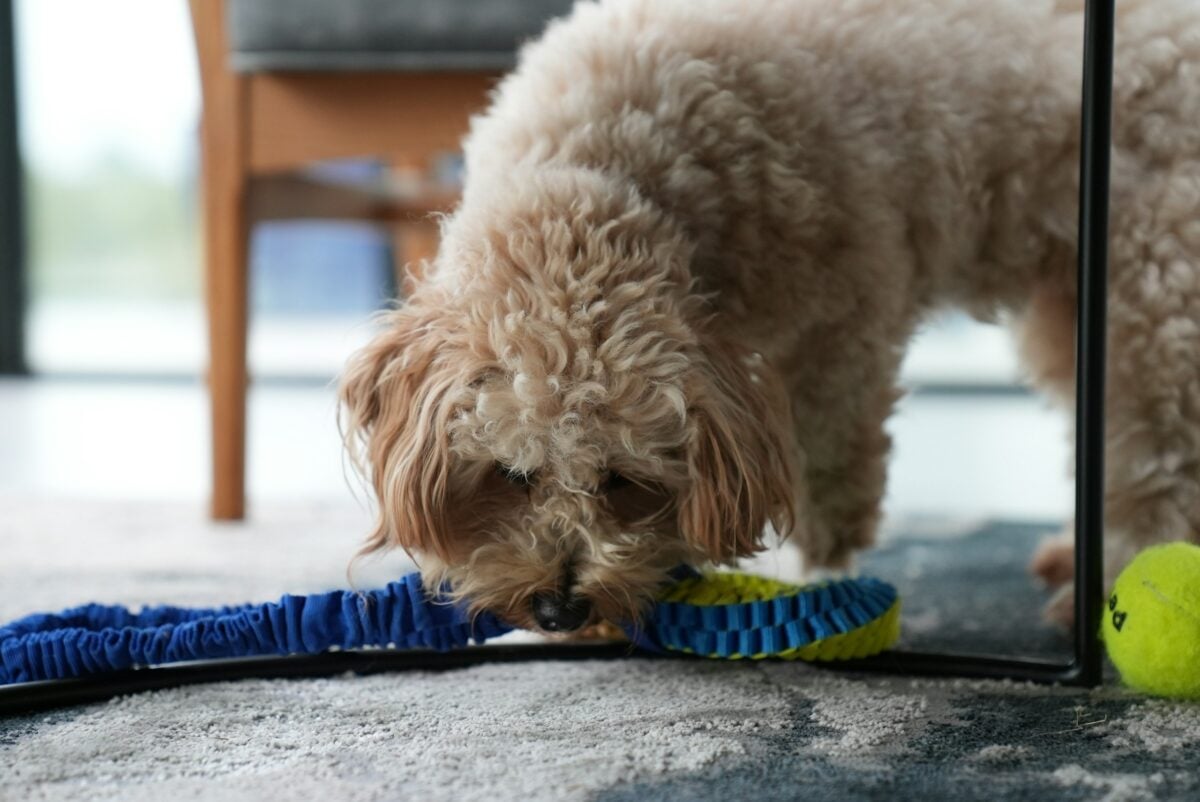
If your dog consistently winds down, naps, and transitions smoothly when you return, the setup is doing its job. Entertainment isn’t about filling time; it’s about making it easier for your dog to relax.
Veterinary sources, such as VCA Hospitals, note that healthy adult dogs sleep up to 14 hours per day, especially during quiet hours, which explains why many dogs appear to “do nothing” while their owners are gone.
20 Best Dogs That Can Be Left Alone
Not every dog on this list loves being alone, but they tend to handle it without distress. These are breeds that are more likely to kick back, self-regulate, and move through long stretches of the day without needing constant interaction.
That doesn’t mean training, routine, and environment don’t matter. They do. But these breeds usually start with a temperament that makes independence easier for them to manage themselves, rather than something you’re constantly managing.
Below, we’ve grouped dogs that can stay alone by size. Each breed includes a quick snapshot of energy level, independence tolerance, and why they tend to cope better when the house is empty.
Best Dogs That Can Be Left Alone: Quick Picks
Looking for a quick match? Here are some breeds that tend to fit different lifestyles.
Best Low-Energy Dogs:
Basset Hound · English Bulldog · Great Dane · Newfoundland · Pug
Best For Apartments:
Greyhound · Whippet · Boston Terrier · Maltese · Lhasa Apso
Best For Inexperienced Owners:
Boston Terrier · Pug · Maltese · Greyhound · Great Dane
Better For Experienced Owners:
Akita · Chow Chow · Shar Pei · Tibetan Mastiff · Great Pyrenees
Less Suited to Frequent Alone Time:
Border Collie · Australian Shepherd · German Shepherd · Labrador Retriever · Vizsla
Remember: No dog breed guarantees that a dog will be comfortable alone. Separation anxiety can affect any breed, and puppies, seniors, newly adopted dogs, and dogs with medical or behavioral issues may need more frequent breaks and supervision.
About our ratings: Independence ratings reflect typical breed temperament, energy requirements, working history, and adaptability. They are general breed tendencies—not guarantees that an individual dog will tolerate a particular amount of time alone.
Small Dogs That Are Okay Being Left Alone
Small size doesn’t automatically mean high need. While many small dogs were bred for close companionship, some are surprisingly good at adapting once the house empties out.
The key difference is emotional intensity, not attachment. The small dogs that cope best alone tend to be lower-energy, less reactive to every sound, and more comfortable resting without constant reassurance. When their needs are met, they’re often content to nap through large chunks of the day.
Below are small breeds that are generally more comfortable spending time alone, along with what helps them cope and what to keep an eye on.
1. Lhasa Apso
Lhasa Apsos are self-possessed and a little aloof, even with the people they love most. They tend to observe before engaging and don’t feel the need to be involved in everything happening around them.
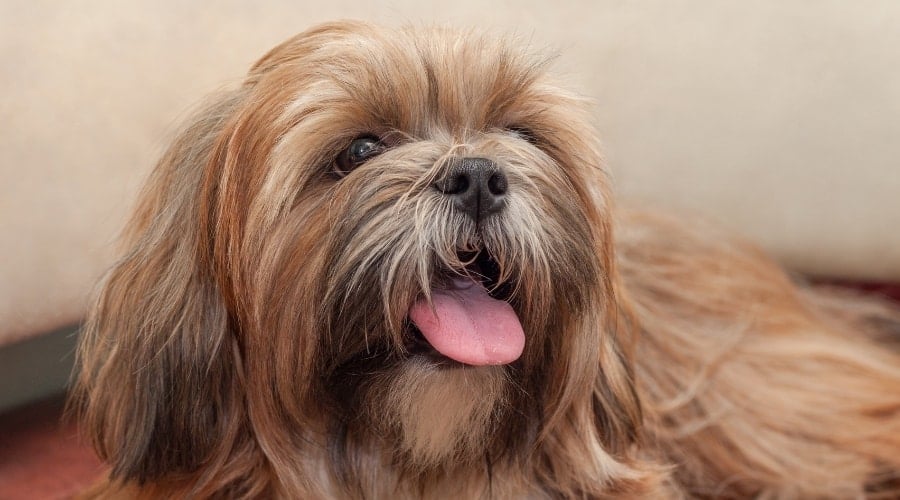
When left alone, many Lhasas handle the time by retreating into their own routines. As long as their environment feels familiar, they’re usually content to nap, reposition, and quietly keep tabs on the house — as if that were the assignment all along.
- Energy level: Low to moderate
- Independence tolerance: Good
- Why they cope better alone: Bred to be watchful rather than needy, they’re comfortable with long stretches of low activity.
- Watch out for: They can be vocal when they hear unfamiliar sounds, so early socialization and training are especially useful.
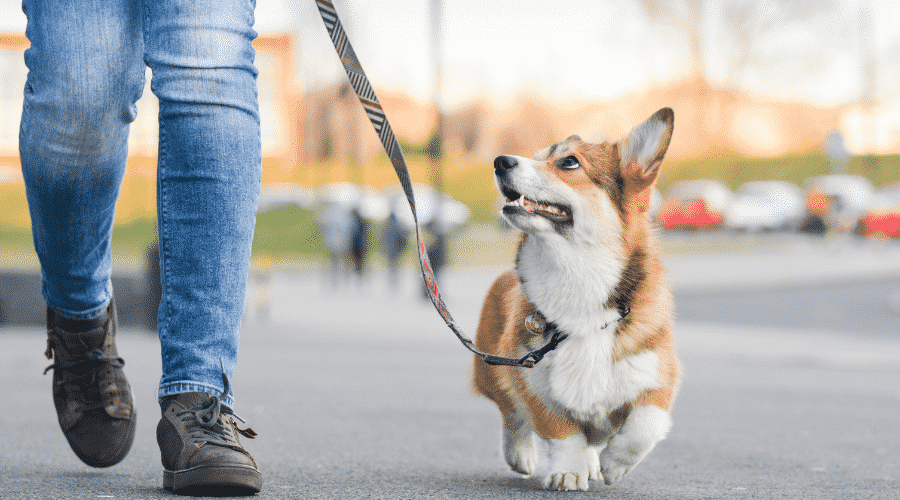
2. Corgi
Corgis come with a lot of opinions packed into a small body. They’re alert, confident, and very aware of what’s happening, but that doesn’t mean they need constant company. When the day is predictable, many Corgis are perfectly comfortable doing their own thing for a while.
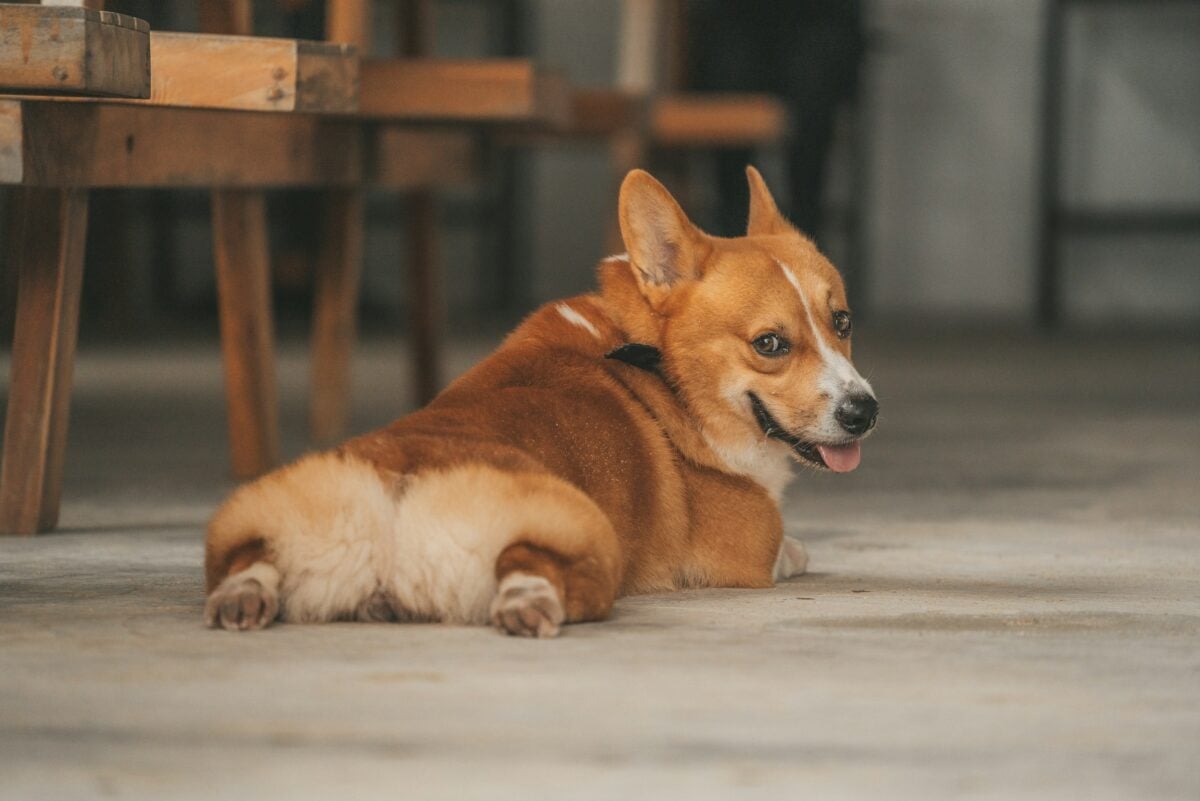
They tend to do best alone when their needs are met before you leave. After that, a Corgi often settles in with the confidence of a dog who believes they’re still technically in charge, even if they’re doing it from the couch.
- Energy level: Moderate
- Independence tolerance: Moderate to good
- Why they cope better alone: Their herding background encouraged independent decision-making, which translates to better self-settling when nothing is happening.
- Watch out for: Boredom can quickly turn into barking or destructive behavior if they don’t get enough exercise and mental stimulation.
3. Pug
Pugs are affectionate, easygoing, and emotionally uncomplicated. They enjoy company, but they also appreciate comfort and routine more than constant stimulation.
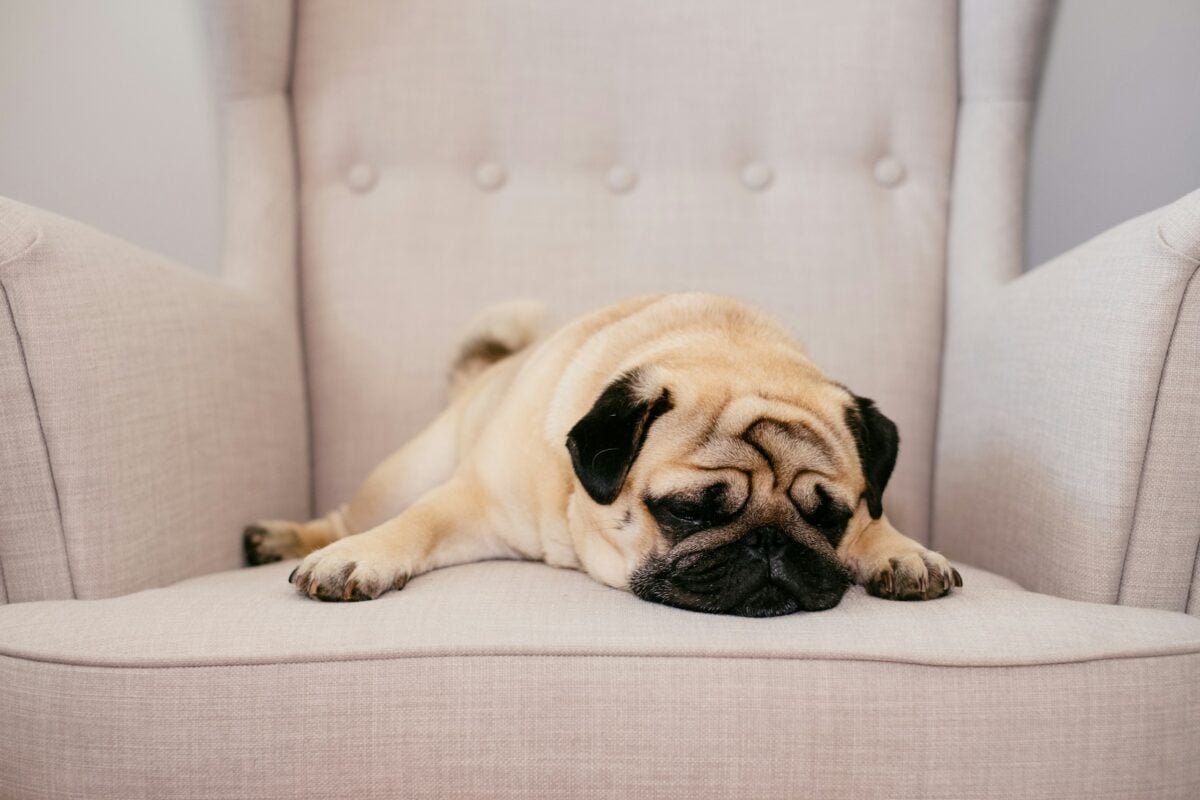
When left alone, many pugs transition smoothly into rest mode. After a brief check to confirm nothing exciting is happening, they’re usually happy to settle in and nap, often in the same position you’ll find them hours later.
- Energy level: Low
- Independence tolerance: Moderate
- Why they cope better alone: Their low exercise needs and relaxed temperament make extended rest feel natural.
- Watch out for: Pugs can be prone to separation anxiety, and their flat faces make them less tolerant of heat, so a cool, comfortable environment is important.
4. Miniature Schnauzer
Miniature Schnauzers are alert, observant, and very aware of their surroundings. They like knowing what’s going on, even if they don’t plan to get involved.
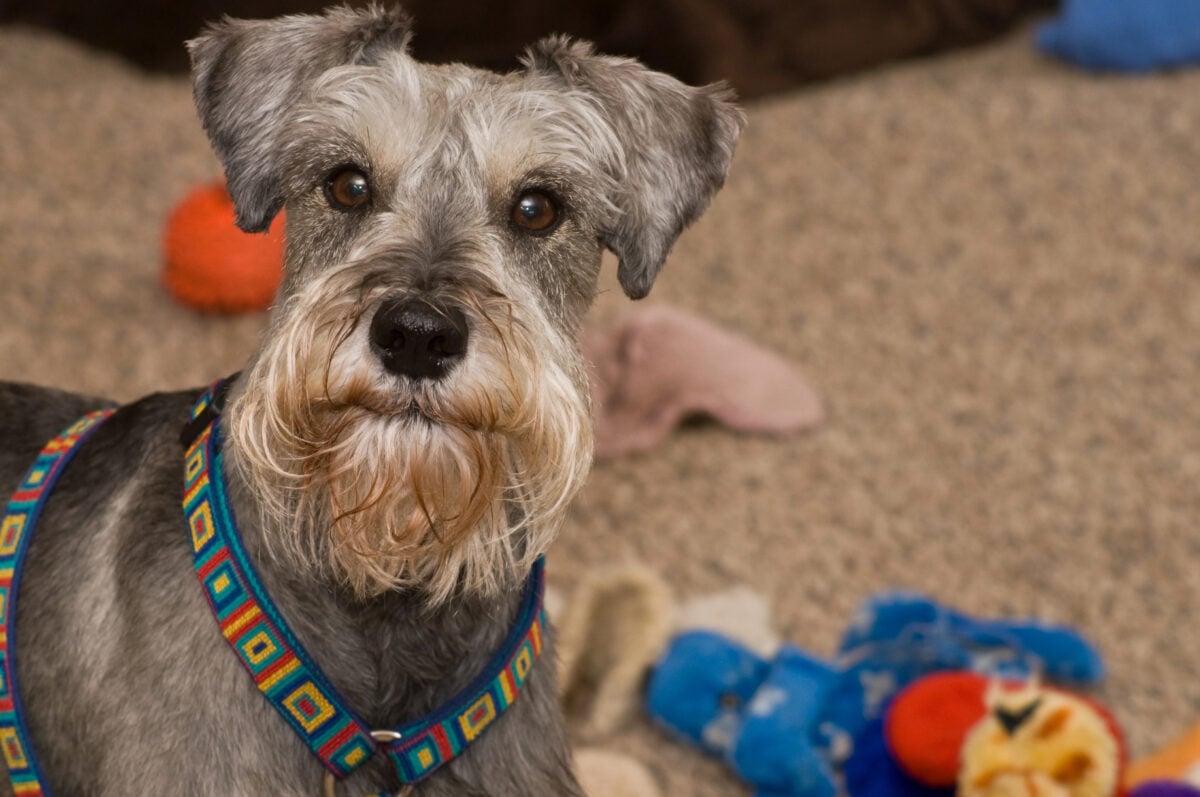
When home alone, many Mini Schnauzers monitor the situation briefly and then settle once nothing changes. They’re often fine resting for hours, as long as their needs were met earlier and no one rings the doorbell to trigger their internal security system.
- Energy level: Moderate
- Independence tolerance: Moderate
- Why they cope better alone: Their working background encourages independence and self-direction rather than constant reassurance.
- Watch out for: Noise sensitivity can lead to alert barking in busy neighborhoods, so apartment dwellers may need to put extra emphasis on training and enrichment.
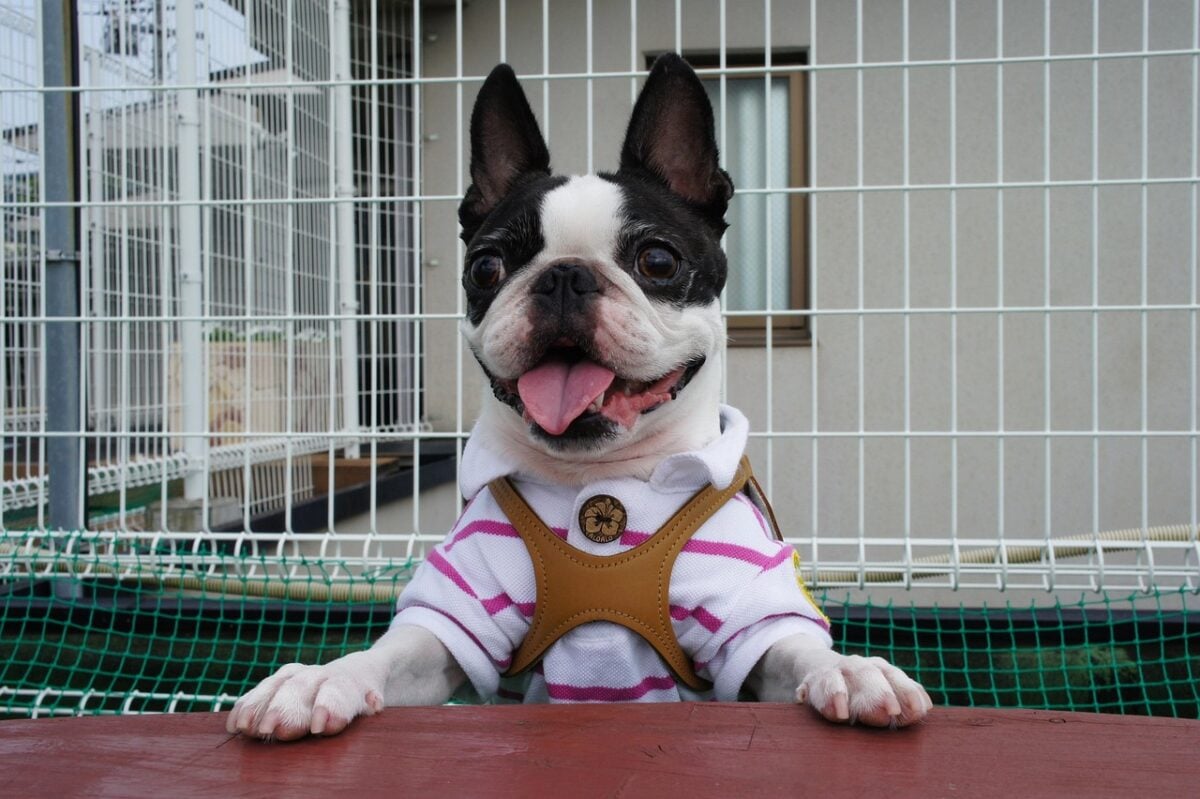
5. Boston Terrier
Boston Terriers are social and expressive, but they’re also surprisingly fond of doing absolutely nothing. Once the excitement fades, many are perfectly happy disengaging from the day.
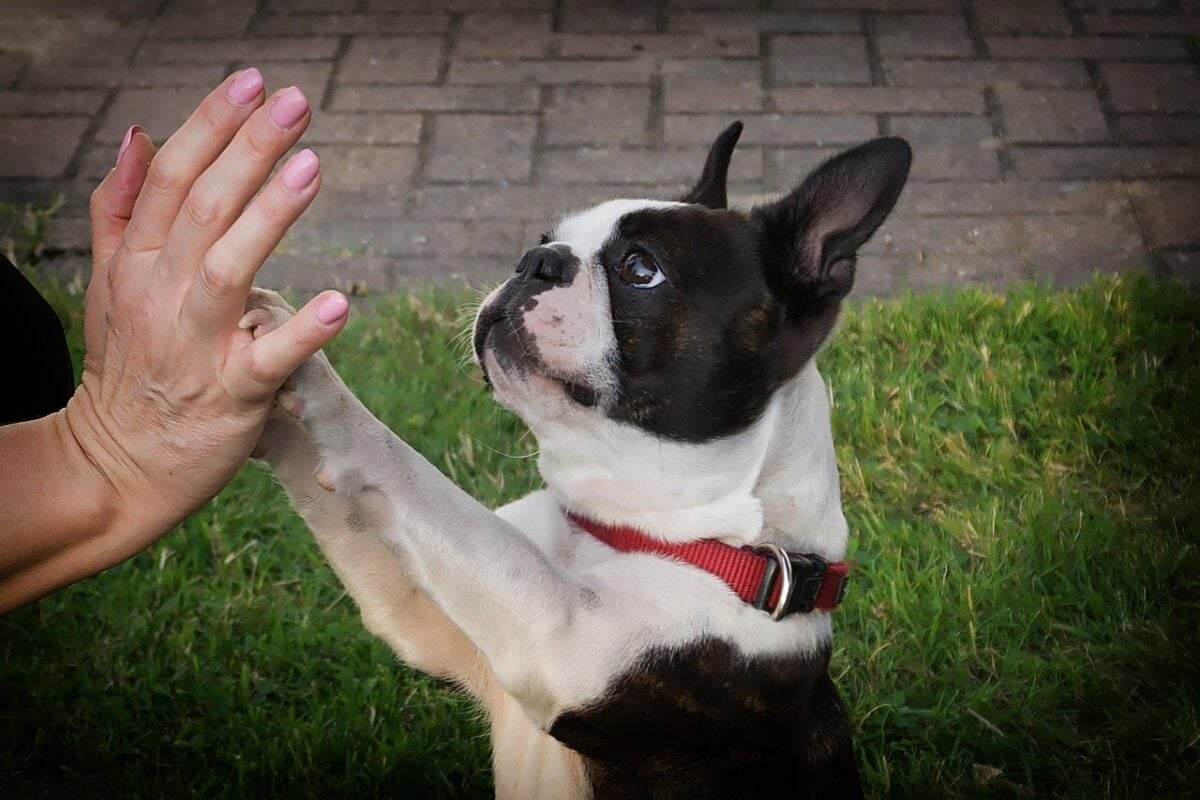
They cope best alone when they’re comfortable and not overstimulated beforehand. After that, a Boston often spends the afternoon rotating between naps and brief check-ins, as if supervising the house is a responsibility they’ve chosen to take very lightly.
- Energy level: Low to moderate
- Independence tolerance: Moderate
- Why they cope better alone: Their generally easygoing temperament makes relaxing come naturally once activity slows.
- Watch out for: They’re people-oriented and can develop separation issues, while their short muzzle also makes heat and strenuous exercise more challenging.
6. Maltese
Maltese dogs are deeply people-oriented, but they’re also more emotionally steady than they’re often given credit for. They like closeness, not chaos, and tend to prefer calm consistency over constant interaction.
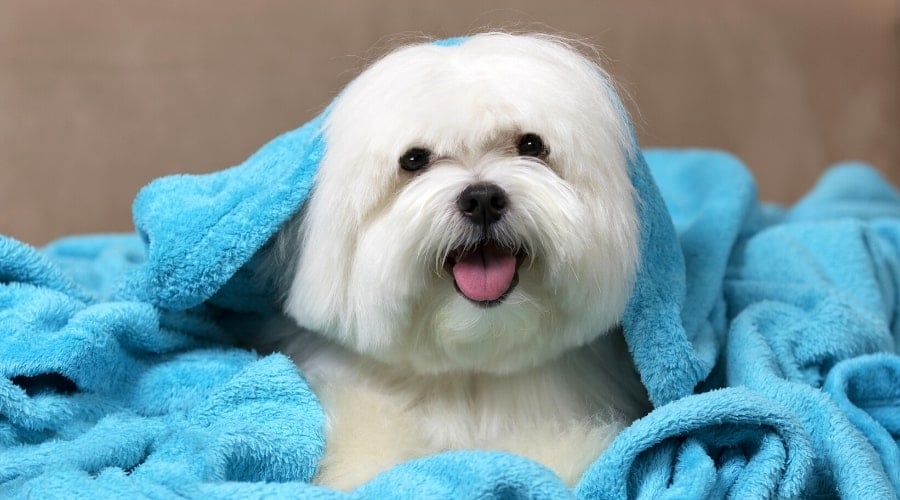
When left alone, they usually cope best if their routine stays predictable. Once they’ve confirmed that nothing interesting is happening, many Maltese dogs adapt and wait it out — patiently, but with the quiet expectation that you’ll be back on time.
- Energy level: Low to moderate
- Independence tolerance: Moderate
- Why they cope better alone: Their small size and lower exercise needs make long rest periods feel normal rather than frustrating.
- Watch out for: Their strong attachment to people means some Maltese may struggle with separation, particularly without gradual alone-time training.
Medium-Sized Dogs That Are Okay Being Left Alone
Medium-sized dogs often sit in a sweet spot when it comes to independence. They’re big enough to feel secure in their environment, but not so high-energy that long stretches of downtime automatically turn into a problem.
The breeds that cope best in this group tend to share a few traits: moderate energy, emotional steadiness, and a low need for constant feedback. When their physical and mental needs are met, they’re usually content to settle in and let the day pass without much commentary.
7. Greyhound
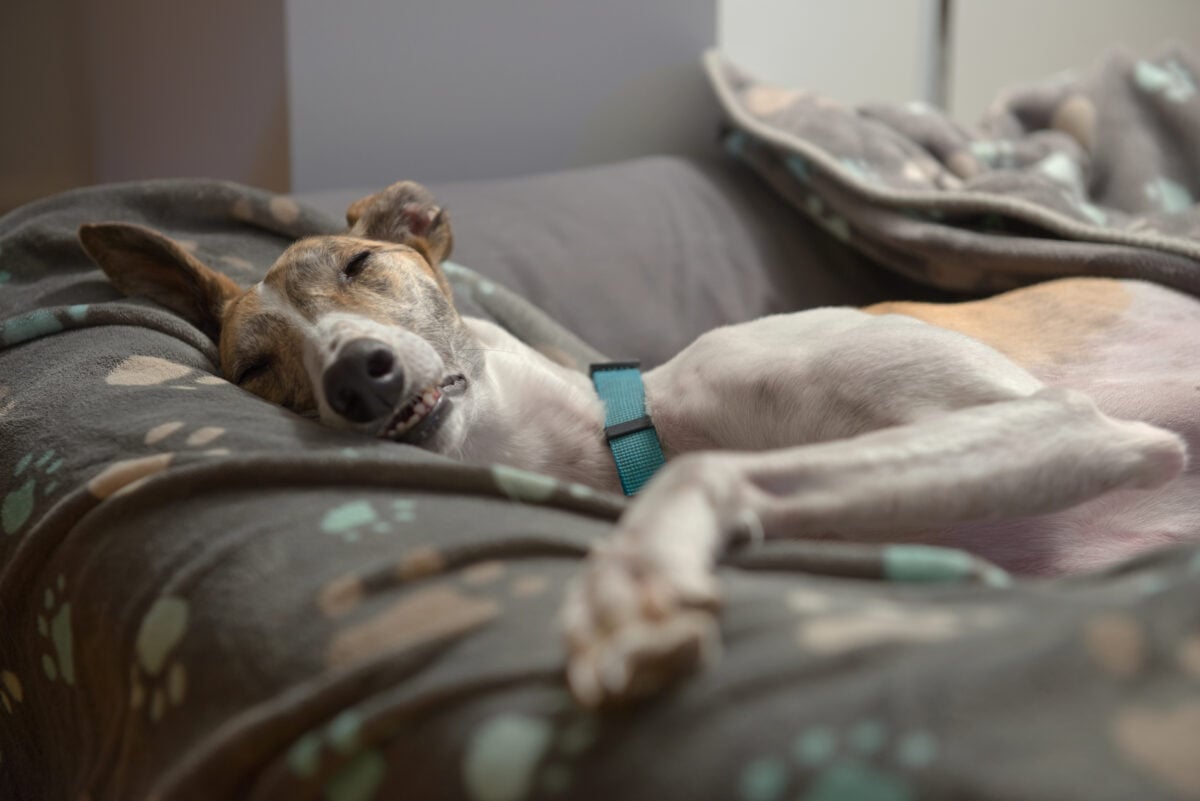
Greyhounds have a reputation for speed, but their real talent is doing nothing exceptionally well. Calm, gentle, and surprisingly low-key, they tend to move through the day without much emotional noise.
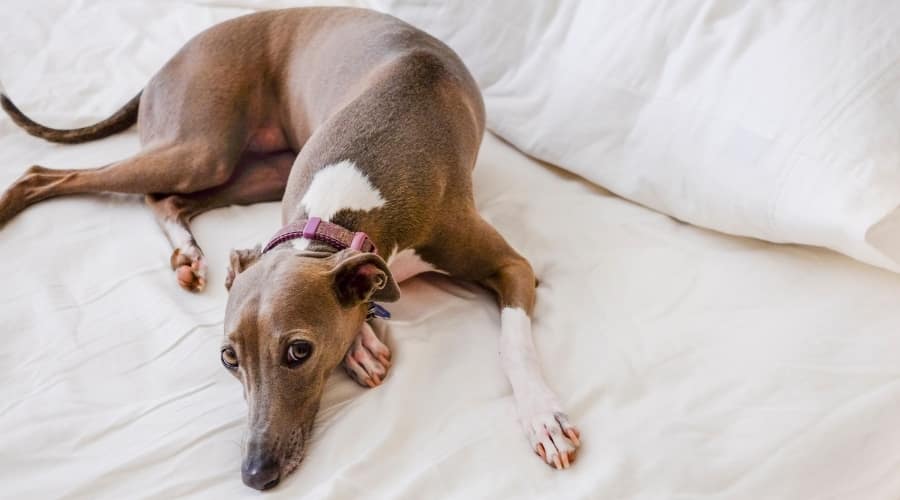
When left alone, many Greyhounds settle quickly and stay settled. Once these low-maintenance dogs have confirmed no walk or meal is happening, they usually stretch out and treat the rest of the day like scheduled recovery time.
- Energy level: Low to moderate
- Independence tolerance: Good
- Why they cope better alone: Their natural rhythm favors short bursts of activity followed by long periods of rest.
- Watch out for: Greyhounds still need regular exercise and may be sensitive to extreme temperatures, so don’t mistake their calm indoor nature for a need for little activity or care.
8. Basset Hound
Basset Hounds are laid-back, stubborn, and largely unbothered by the passage of time. They enjoy company, but they’re not emotionally urgent about it.
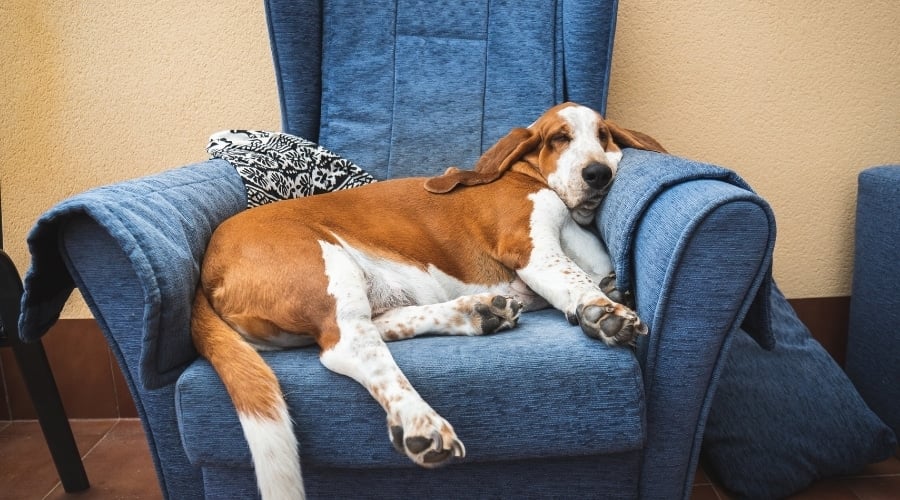
When home alone, many Bassets settle into a slow, predictable routine. As long as their needs are met beforehand, they’re usually content to nap and wait things out — preferably somewhere soft and close to the floor.
- Energy level: Low
- Independence tolerance: Good
- Why they cope better alone: Their low drive and relaxed temperament make downtime feel natural rather than frustrating.
- Watch out for: Boredom can lead to vocalizing if exercise and enrichment are skipped, and their stubborn streak can make training take patience.
9. Chow Chow
Chow Chows are reserved, independent, and selective with their affection. They tend to bond deeply with their people, but they don’t need constant interaction to feel secure.
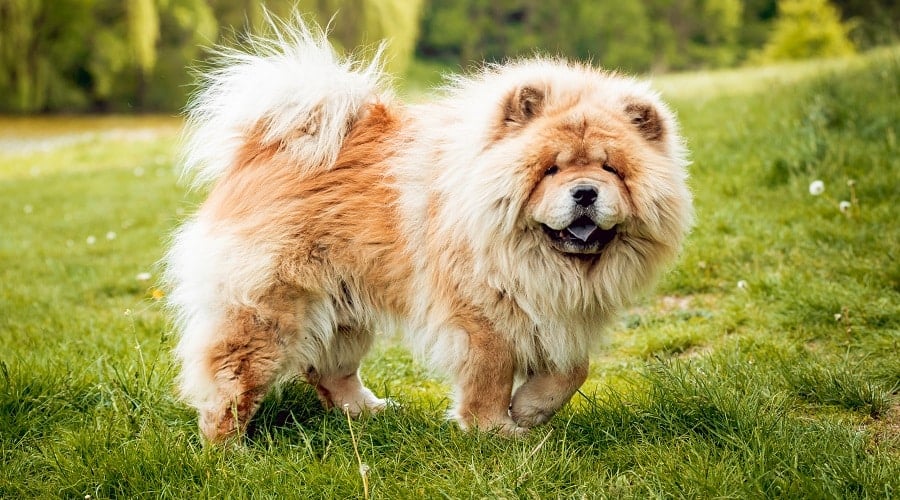
When left alone, many Chows handle the time calmly and without distress. They’re comfortable occupying their space and often prefer minimal interruption — as if solitude is a feature, not a problem.
- Energy level: Low to moderate
- Independence tolerance: High
- Why they cope better alone: Their naturally aloof temperament makes self-settling come easily.
- Watch out for: Chows can be strong-willed and protective of their space, making early socialization and an experienced, consistent owner especially important.
10. Shar Pei
Shar Peis are calm, serious, and famously unimpressed by unnecessary activity. They bond closely with their people but don’t require constant interaction to feel secure.
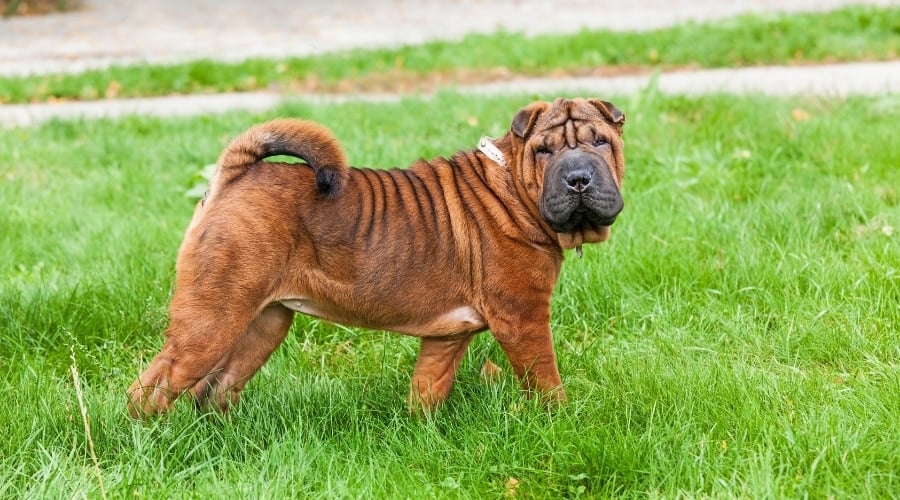
When left alone, many Shar Peis handle the time quietly and without much fuss. As long as their routine is predictable, they’re usually content to rest and mind their own business, which suits them just fine.
- Energy level: Low to moderate
- Independence tolerance: Good
- Why they cope better alone: Their reserved temperament makes downtime feel normal rather than stressful.
- Watch out for: They don’t always welcome sudden changes or unfamiliar visitors in their space and can be a better fit for experienced owners.
11. Basenji
Basenjis are independent thinkers with a stubborn streak. They’re curious and intelligent, but they’re also perfectly capable of entertaining themselves without emotional distress.
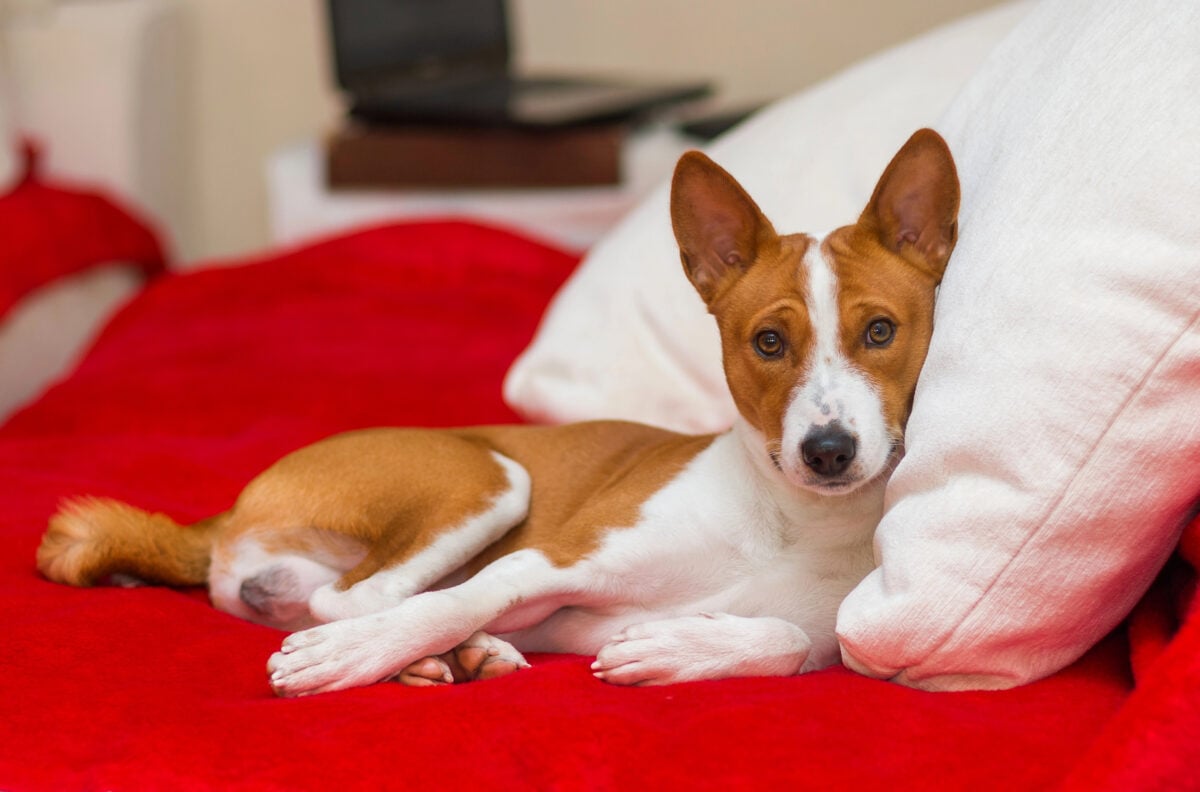
When home alone, many Basenjis treat the day as a solo project. Once they’ve investigated their surroundings, they tend to settle in, preferably somewhere comfortable, and wait things out on their own terms.
- Energy level: Moderate
- Independence tolerance: Good
- Why they cope better alone: Bred to hunt independently, Basenjis are used to operating without constant guidance.
- Watch out for: Independence doesn’t mean low maintenance. Their intelligence and energy require regular exercise and enrichment, and their stubborn streak can challenge inexperienced owners.
12. Shiba Inu
Shiba Inus are confident, self-contained, and emotionally selective. They enjoy companionship, but they’re not dependent on it to stay regulated.
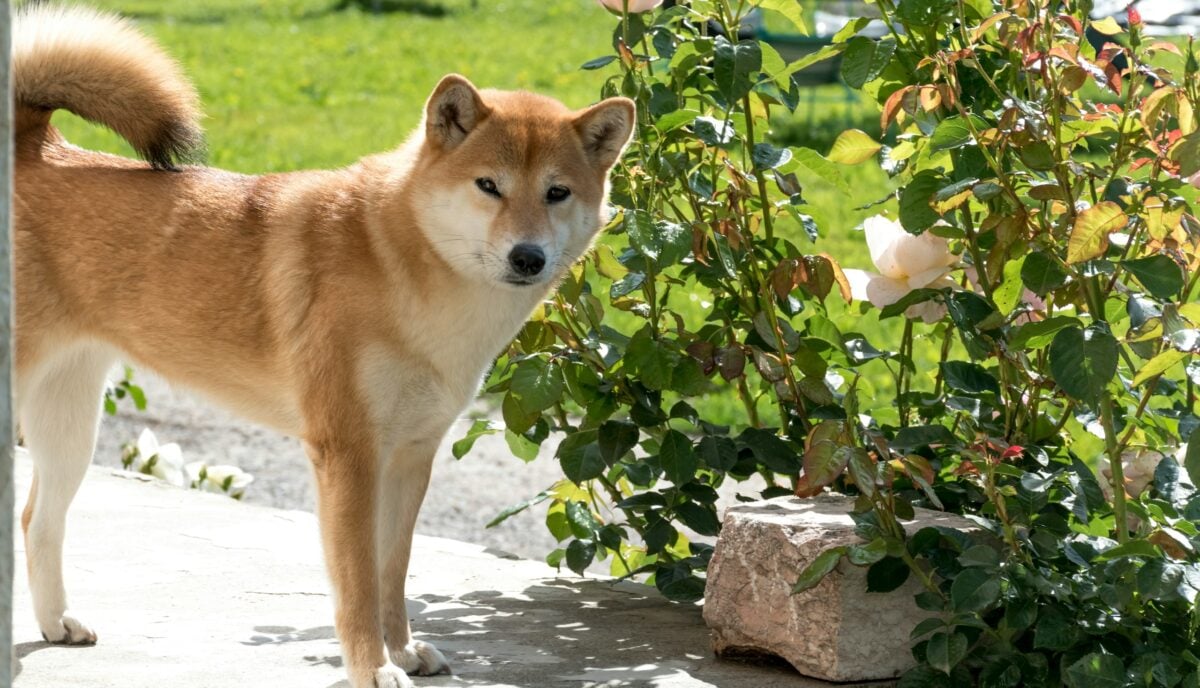
When left alone, many Shibas handle the time with quiet composure. As long as their environment feels familiar, they tend to relax and wait patiently, often acting as though this arrangement was their idea.
- Energy level: Moderate
- Independence tolerance: Good
- Why they cope better alone: Their naturally independent temperament makes self-settling easier.
- Watch out for: Shibas can be stubborn and strong-willed, so their ability to tolerate alone time shouldn’t be mistaken for being an easy breed for first-time owners.
13. Whippet
Whippets are gentle, sensitive, and surprisingly low-key indoors. They enjoy closeness, but they’re not emotionally demanding once the environment settles.
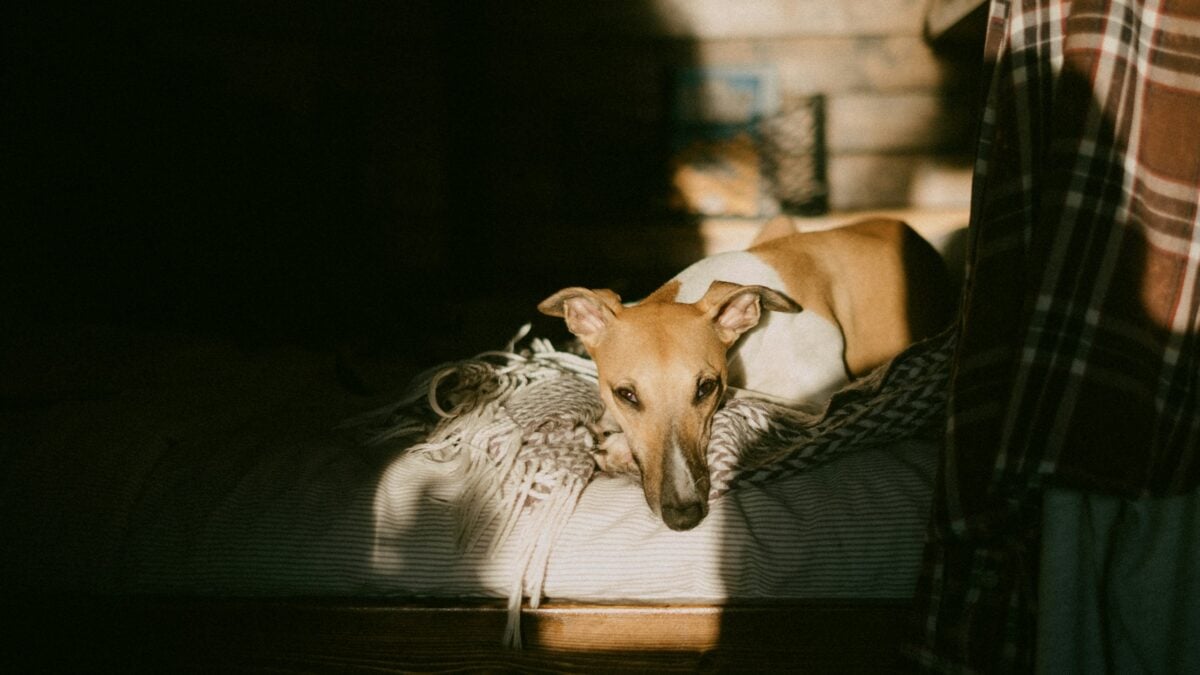
When left alone, many Whippets handle the time by doing what they do best — resting deeply and efficiently. After a quick check that nothing exciting is happening, they’re usually content to curl up and let the day pass quietly.
- Energy level: Low to moderate
- Independence tolerance: Good
- Why they cope better alone: Like Greyhounds, Whippets are built for short bursts of activity followed by long periods of rest.
- Watch out for: They’re sensitive dogs and do best with a calm, predictable routine. They still need daily opportunities to run, play, and stretch their legs.
14. English Bulldog
English Bulldogs are easygoing, steady, and rarely in a hurry. They enjoy companionship, but they don’t need constant interaction to feel comfortable.
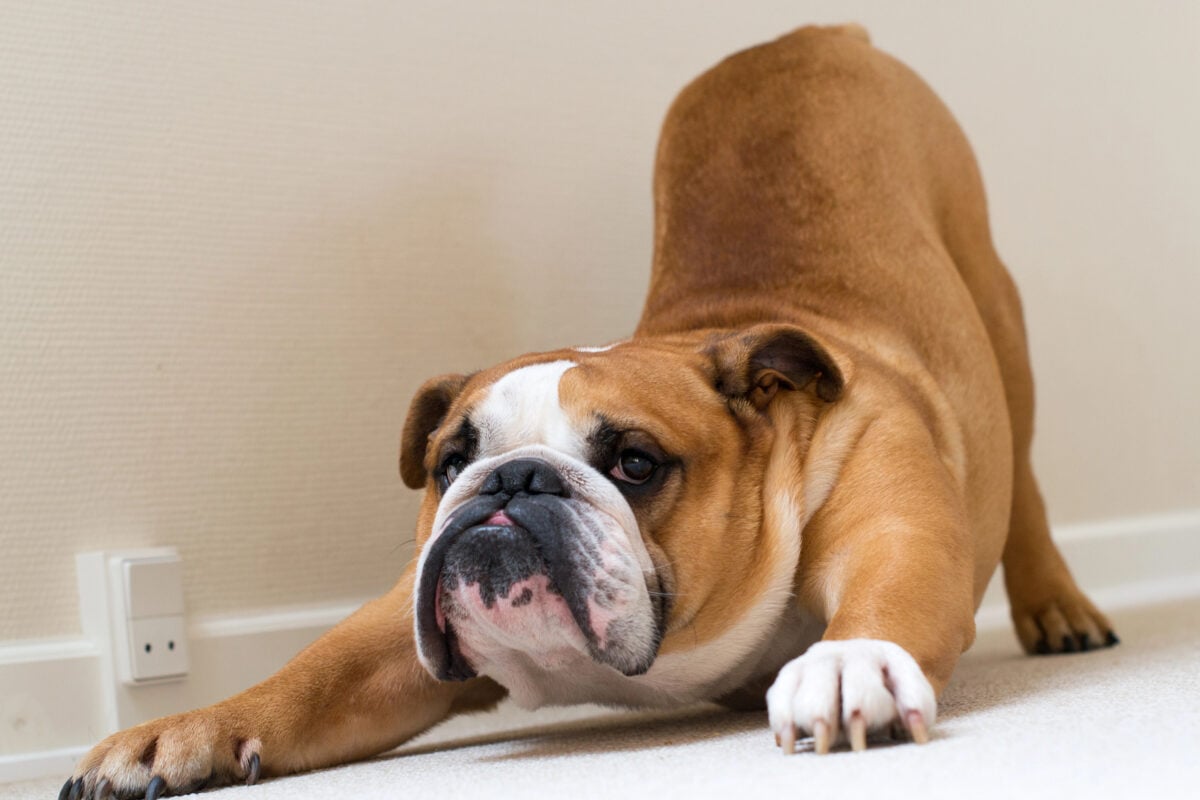
When home alone, many bulldogs transition quickly into rest mode. As long as their needs are met beforehand, they’re usually happy to nap through the day — often in the same spot, barely noticing the hours go by.
- Energy level: Low
- Independence tolerance: Moderate
- Why they cope better alone: Their low exercise needs and relaxed temperament make downtime feel natural.
- Watch out for: Bulldogs are particularly sensitive to heat and strenuous activity, so they need a cool, comfortable environment and shouldn’t be left somewhere that could become dangerously warm.
Large-Sized Dogs That Are Okay Being Left Alone
Large dogs are often assumed to need more attention simply because they take up more space. In reality, many large breeds are emotionally steady, lower-energy indoors, and less reactive to long stretches of downtime.
The large dogs that cope best alone tend to be calm by default. When their needs are met, they don’t spend the day monitoring the house or waiting for something to happen. They settle in, stay put, and let the hours pass without much concern, which makes size far less important than temperament.
15. Akita
Akitas are quietly confident and highly self-contained. They bond deeply with their people, but they don’t need constant interaction to feel secure.
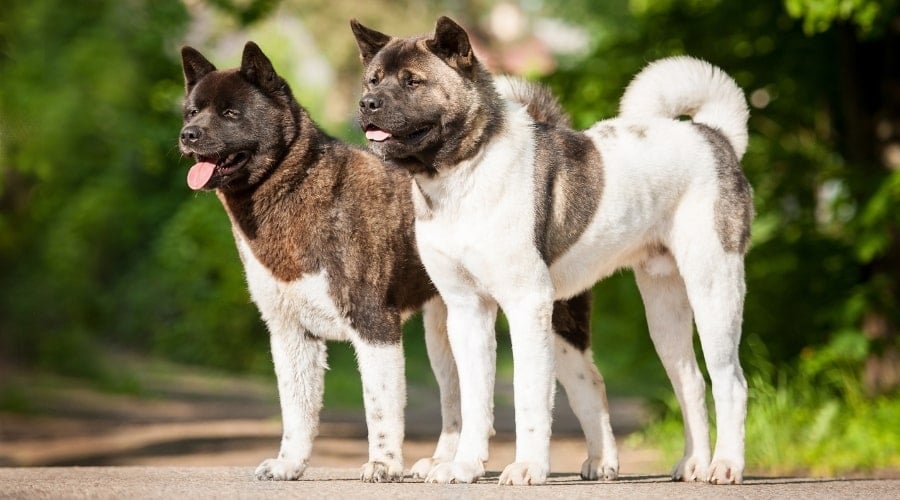
When left alone, many Akitas handle the time with calm composure. They’re comfortable occupying their space and often treat solitude as a regular part of the day — not something to react to.
- Energy level: Low to moderate
- Independence tolerance: High
- Why they cope better alone: Their naturally independent temperament makes self-settling come easily.
- Watch out for: Akitas are powerful, protective, and strong-willed. Their independence is best managed by an experienced owner who can provide early socialization, consistent training, and clear boundaries.
16. Bullmastiff
Bullmastiffs are steady, observant, and emotionally grounded. They’re attached to their people, but they’re not inclined to hover or demand attention.
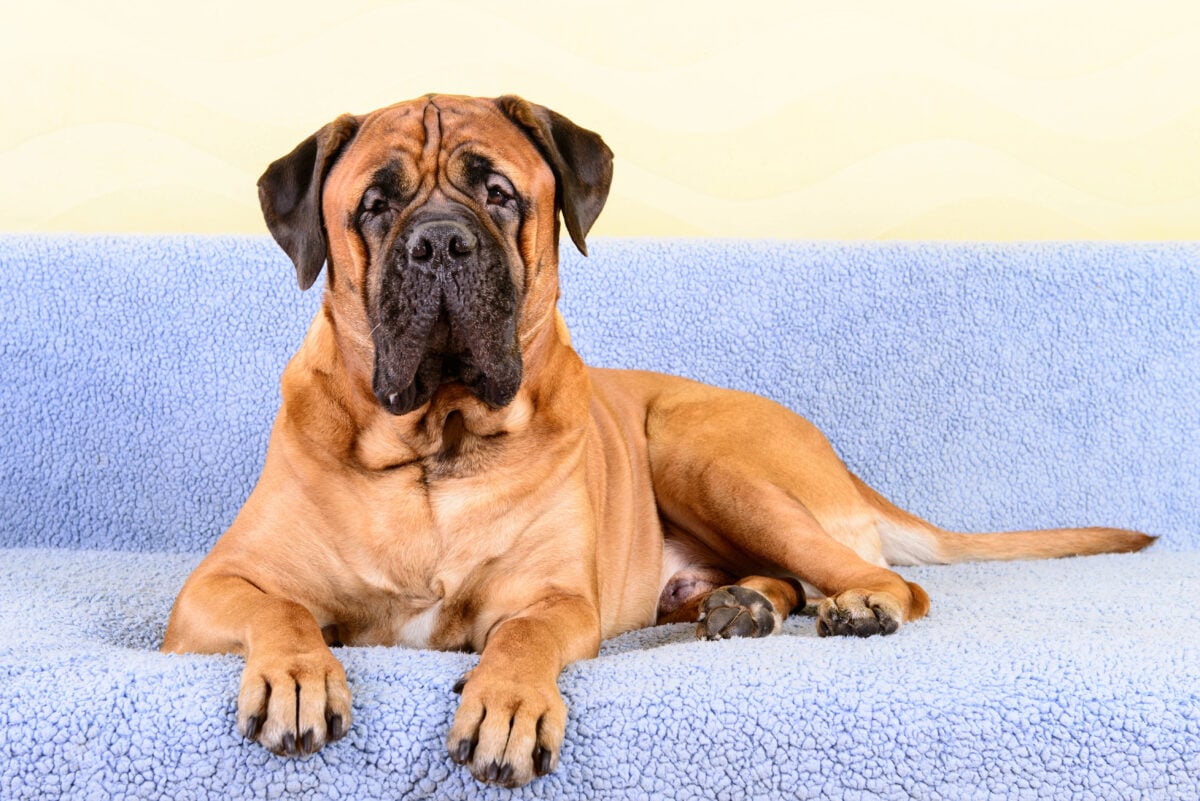
When home alone, many Bullmastiffs settle in quickly and stay there. Once they’ve confirmed the house is calm, they’re usually content to nap and wait as if guarding the couch counts as a full shift.
- Energy level: Low
- Independence tolerance: Good
- Why they cope better alone: Their calm demeanor and low activity needs make long rest periods easy to manage.
- Watch out for: Young Bullmastiffs may need time to grow into this steadiness, and their size means they need adequate space and a secure, dog-proofed environment.
17. Great Pyrenees
Great Pyrenees dogs are independent thinkers with a strong sense of responsibility. Bred to work without constant direction, they’re comfortable making decisions on their own.
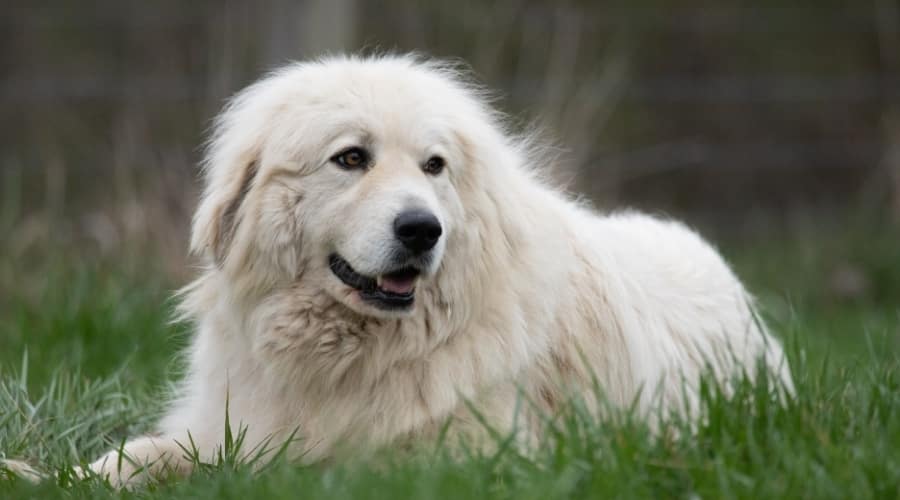
When left alone, many Great Pyrenees settle into a watchful but relaxed routine. They’re used to long stretches of quiet vigilance and don’t rely on constant interaction to stay balanced.
- Energy level: Low to moderate
- Independence tolerance: High
- Why they cope better alone: Their livestock-guardian background encourages calm independence and patience.
- Watch out for: Their instinct to monitor their surroundings can mean significant alert barking, particularly at night or when they hear unfamiliar sounds.
18. Newfoundland
Newfoundlands are gentle, steady, and emotionally even. They’re deeply attached to their people, but they don’t express that attachment through constant movement or attention-seeking.
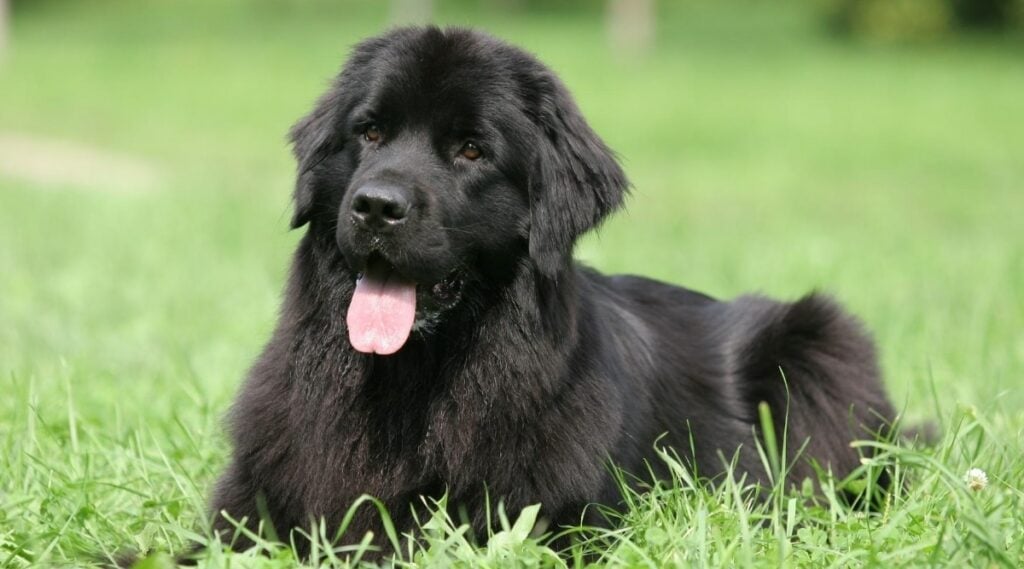
When left alone, many Newfoundlands settle in without much concern. Once they’re comfortable, they tend to nap heavily and stay put — as if the size of the dog somehow justifies taking up the entire afternoon.
- Energy level: Low
- Independence tolerance: Good
- Why they cope better alone: Their calm temperament and low reactivity make extended downtime easy to tolerate.
- Watch out for: Their enormous size means they need plenty of room to move comfortably, and their thick coat makes heat management particularly important.
19. Great Dane
Great Danes are affectionate but surprisingly low-key indoors. Despite their size, they are often relaxed indoors and happy to lounge, but their size means they still need adequate space and regular exercise. They’re also not ideal for every small living situation, despite their relatively low indoor energy.
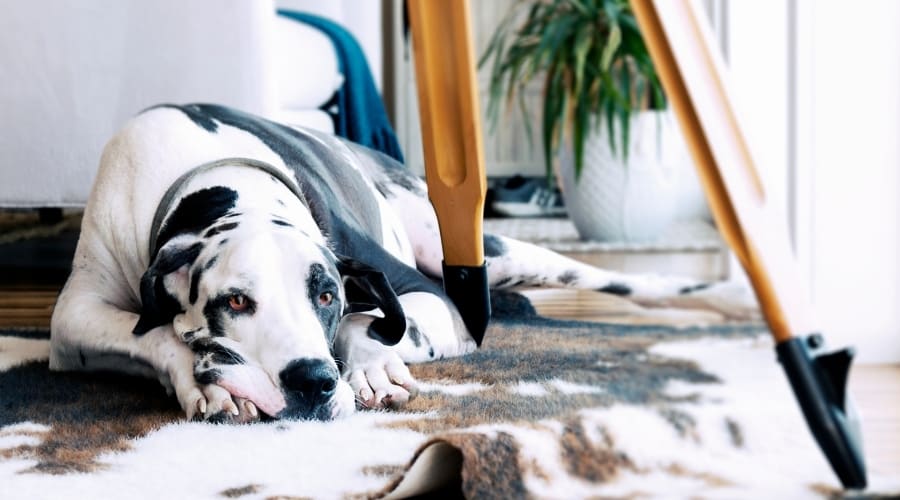
When left alone, many Great Danes transition quickly into rest mode. After a brief check that nothing exciting is happening, they’re usually happy to stretch out and remain exactly where they are until you return.
- Energy level: Low to moderate
- Independence tolerance: Good
- Why they cope better alone: Their calm indoor demeanor makes long rest periods feel natural.
- Watch out for: Their size shouldn’t be overlooked. Great Danes need adequate living space, regular exercise, and a safe environment where a bored or restless dog can’t accidentally cause damage.
20. Tibetan Mastiff
Tibetan Mastiffs are serious, independent, and deeply self-reliant. They bond with their people, but they don’t look to them for constant reassurance or direction.
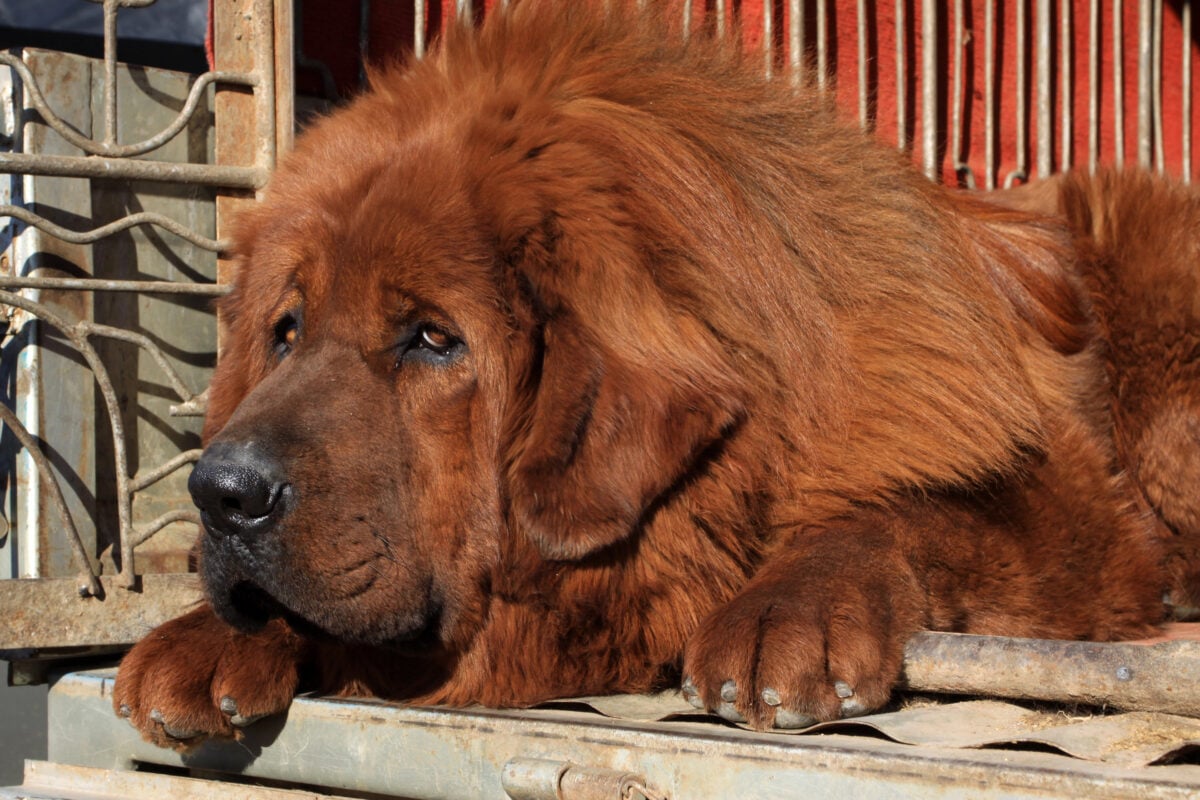
When left alone, many Tibetan Mastiffs treat the time as normal and uneventful. Bred to guard independently for long stretches, they’re comfortable settling into their space and staying there, often with the quiet confidence of a dog who assumes they’re still on duty.
- Energy level: Low to moderate
- Independence tolerance: High
- Why they cope better alone: Their guardian background fosters patience, self-direction, and sustained calm vigilance.
- Watch out for: Their guarding instincts, size, and independent nature make them a much better fit for experienced owners with plenty of space and a consistent approach to training and socialization.
7 Tips for Leaving Your Dog Home Alone
Even dogs that cope well alone benefit from the right setup. A few simple changes can help your dog settle, stay comfortable, and make the most of their time while you’re away.
- Start with exercise. A morning walk, play session, or age-appropriate activity can help burn off your dog’s energy before you leave. Follow it with a little downtime so they can settle rather than going straight from high-energy play to being alone.
- Leave something to do. Puzzle toys, food-filled toys, or frozen treats can provide mental stimulation and make alone time more rewarding. You don’t need to leave out a mountain of toys—a few familiar, safe options are usually enough.
- Create a safe space. Use a dog-proofed room, gated area, or crate if your dog is already comfortable with it. Remove anything they could chew, swallow, or knock over, and make sure they have access to fresh water and a comfortable place to rest.
- Consider a dog camera. Watching your dog while you’re away can tell you far more than their reaction when you get home. You’ll be able to see whether they’re sleeping peacefully, playing, pacing, barking, or showing other signs of stress.
- Try background noise. Soft music, a radio, or TV can help some dogs feel less alone and mask distracting outside noises. If your dog prefers quiet, though, there’s no need to add stimulation.
- For longer days, get some help. A dog walker, pet sitter, or doggy daycare can break up a long stretch alone and provide exercise, bathroom breaks, or companionship when you can’t be there.
- Most importantly, keep the routine predictable. Consistent departure cues, familiar resting spots, and a calm exit and return can help your dog understand that your leaving is simply part of the day—not something to worry about.
Wonder What Your Dog Does While You’re Gone?
If you’re curious about how your dog actually spends the day, a pet monitoring camera can offer some peace of mind. We’ve reviewed the most popular options and broken down what features matter in our guide to the best dog cameras.
Signs Your Dog Isn’t Coping Well Alone
Some dogs happily settle down when you leave. Others show clear signs that alone time stresses them out. If your dog regularly does any of the following while you’re away, they may not be coping well:
- Destructive chewing — especially around doors, windows, or other escape routes
- Barking or howling — persistent vocalizing rather than an occasional alert
- Pacing — repeatedly walking back and forth or struggling to settle
- Accidents — urinating or defecating despite being reliably house-trained
- Escape attempts — scratching, digging, chewing, or trying to force their way out
- Drooling or heavy panting — particularly when there’s no obvious reason for it
- Ignoring treats — refusing a favorite food they normally love can be a sign they’re too stressed to eat
The important clue is what happens when you’re gone. A dog that happily naps for several hours is coping very differently from one that spends that time pacing, vocalizing, or trying to escape. A pet camera can be a useful way to see what your dog actually does after you leave.
When Being Home Alone Gets Expensive
Even independent dogs can have an off day.
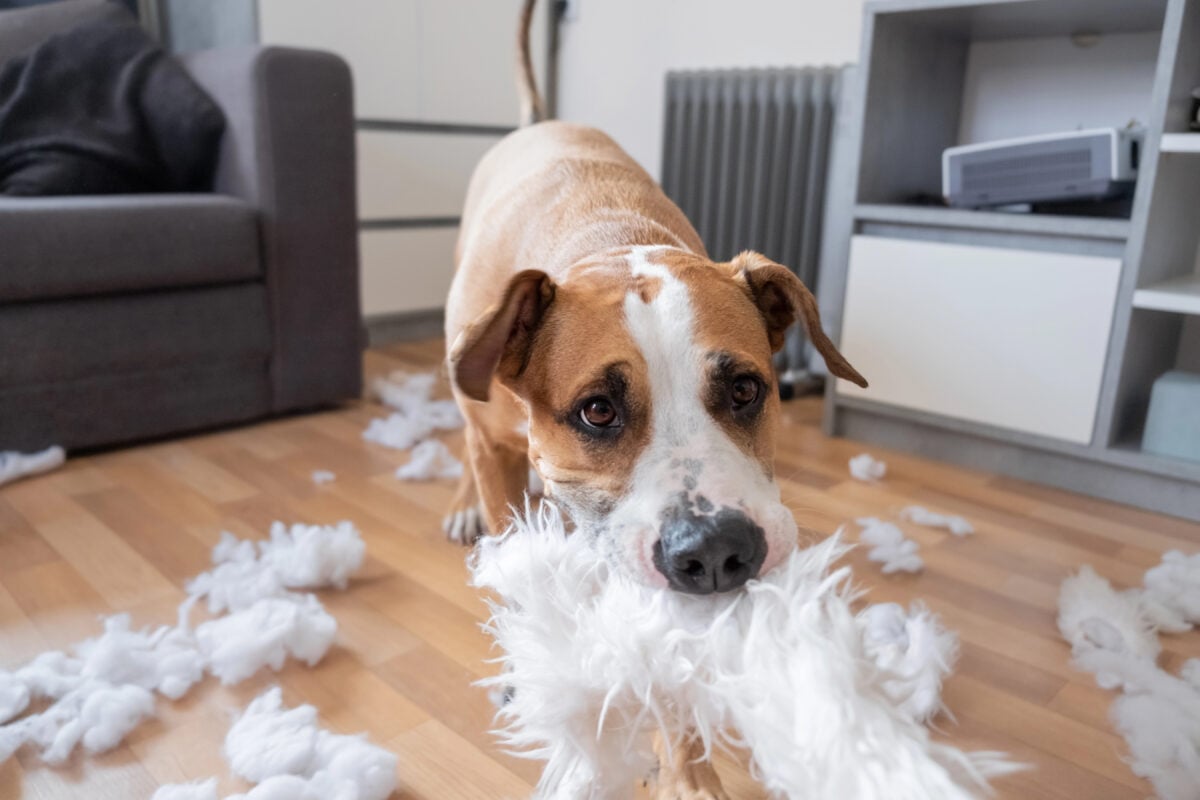
A thunderstorm hits. A delivery startles them. They chew something they shouldn’t. Or they suddenly start vomiting or limping while you’re gone. What looks like a normal workday can quickly turn into an emergency vet visit.
Accidents, swallowed objects, stress-related injuries, and sudden illness can mean exams, X-rays, lab work, or even surgery — and those bills add up fast.
Pet insurance can help cover unexpected accidents and new illnesses, so you’re not forced to make financial decisions in the middle of a stressful situation.
Learn more about the best pet insurance for dogs and get a free quote using the form below.

Frequently Asked Questions
If you’re still weighing whether your dog can handle time alone, you’re not overthinking it. These are some of the most common questions owners ask when trying to make sense of independence, routine, and what’s actually normal. Don’t see your question here? Ask us in the comments.
Is It Cruel To Leave A Dog Alone All Day?
Not necessarily. For many adult dogs with the right temperament, being alone during the workday is manageable when their needs are met before and after you’re absent. What matters more than the number of hours is how the dog copes during that time.
Is it Better to Crate My Dog or Let Them Roam Free When I’m Gone?
It depends on the dog. Crate training can provide a safe, comfortable space for dogs that already enjoy their crate, while others do better with access to a dog-proofed room or larger area. Never use a crate to manage a dog that becomes distressed when confined.
How Can I Tell if My Dog is Actually Comfortable Alone?
Look at what happens while you’re gone, not just how excited your dog is when you return. A dog who settles, sleeps, plays with a toy, and eats normally is likely coping well. Pacing, persistent barking, destruction, accidents, escape attempts, or refusing favorite treats can indicate that your dog is struggling.
Why is My Dog Suddenly Struggling to be Alone?
A sudden change in behavior is worth paying attention to. Changes in routine, a stressful event, aging, illness, pain, or other changes in your dog’s environment can all affect how they handle being alone. If the behavior is new or severe, talk with your veterinarian to rule out an underlying health issue and consider professional help for ongoing anxiety.
Are Low-Energy Dogs Always Okay Being Left Alone?
Not always. Lower energy helps, but emotional steadiness matters just as much. A calm dog who struggles with separation can still have a hard time, while a moderate-energy dog with good self-regulation may cope well.
Can Training Fix Separation Issues In Independent Dogs?
Training helps, but it isn’t a cure-all. Temperament sets the ceiling. Some dogs improve with structure and gradual desensitization, while others need more support or shorter alone periods.
Should I Leave Food Out For My Dog While I’m Away?
Not necessarily. Most dogs don’t need unlimited access to food throughout the day. Instead, consider a puzzle feeder, stuffed toy, or frozen treat to provide enrichment while you’re away. Always choose options that are safe for your individual dog.
The Other Side Of The Spectrum: Clingy Breeds
Not all dogs are built for independence. Some breeds were designed to stay close, follow their people from room to room, and feel most secure with frequent companionship. If your dog leans that way or you’re considering a breed that does, our guide to velcro dog breeds breaks down what that behavior looks like, why it happens, and how to choose a dog that fits your daily routine.
Just remember that clinginess and distress aren’t the same thing. A dog can adore being near you and still relax perfectly well when you leave. If your pup struggles once the door closes, learn the signs of separation anxiety in dogs and how it differs from ordinary boredom or attachment.
And if you’ve ever wondered what’s going through your dog’s head while you’re gone, there’s another question worth answering: Do dogs get lonely? Understanding the difference between simply missing you and genuinely struggling can help you build a routine that works for both of you.
Independent, Clingy, Or Somewhere In Between?
Does your dog nap through your entire workday like it’s a personal achievement? Act mildly inconvenienced when you return? Or greet you warmly and then go right back to what they were doing?
We want to hear it. Drop your funniest, most relatable “home alone” dog moments in the comments, especially if your dog has mastered the art of pretending nothing happened while you were gone.