When you purchase through links on our site, we may earn a commission at no extra cost to you. Learn more.
The Shih Tzu, a beloved toy breed known for their charming personality and luxurious coat, is generally a long-lived breed but can be prone to many health issues.
Table of Contents
Understanding these common health problems, ranging from respiratory difficulties to eye and joint conditions, can help you provide better care and catch warning signs early.

Shih Tzu Health Problems at a Glance
Use this quick-reference table to compare the most common Shih Tzu health problems, their early warning signs, and how urgently they may need veterinary attention.
| Health issue | Early warning signs | When to contact your vet |
|---|---|---|
| Brachycephalic airway syndrome | Loud breathing, snoring, gagging, exercise intolerance, overheating | Schedule an evaluation; seek emergency care for breathing distress, collapse, or blue-gray gums |
| Skin allergies and fold infections | Itching, redness, licking, odor, hair loss, irritated skin folds | Book an appointment if symptoms persist, spread, or cause open sores |
| Ear infections | Head shaking, scratching, redness, discharge, unpleasant odor | Contact your vet promptly, especially if your dog appears painful or loses balance |
| Luxating patella | Skipping steps, briefly holding up a back leg, stiffness, reluctance to jump | Schedule an examination if the problem recurs or affects mobility |
| Hip or elbow dysplasia | Limping, stiffness, difficulty rising, reduced activity | Arrange a veterinary assessment if discomfort or mobility changes continue |
| Intervertebral disc disease | Back or neck pain, reluctance to move, weakness, unsteady walking | Seek urgent care for weakness, severe pain, dragging limbs, or loss of bladder control |
| Eye disorders | Squinting, redness, cloudiness, discharge, rubbing the eye | Contact your vet the same day because eye conditions can worsen quickly |
| Mitral valve disease | Coughing, fatigue, rapid breathing, reduced stamina, fainting | Schedule an evaluation; seek urgent care for breathing difficulty or collapse |
| Kidney disease | Increased thirst, frequent urination, appetite loss, vomiting, weight loss | Book an appointment promptly, especially if several symptoms occur together |
| Dental disease | Bad breath, red gums, tartar, difficulty chewing, dropping food | Schedule a dental examination; seek faster care for facial swelling or refusal to eat |
This table is a general guide and cannot diagnose your dog. Contact your veterinarian whenever symptoms are severe, sudden, worsening, or unusual for your Shih Tzu.
10 Common Shih Tzu Health Problems
The Shih Tzu has been among the top 20 most popular breeds in the U.S. for many years. However, it’s crucial to know that Shih Tzus suffer from many health problems due to breeding standards and practices.
I spoke with Dr. Rebecca MacMillan, BVetMed, BSAVA, PGCertSAM, MRCVS, to gain insights from a practicing veterinarian regarding health concerns in Shih Tzus. Dr. MacMillan is a veterinarian and surgeon at a small animal clinic in the U.K.
Drawing from Dr. MacMillan’s expertise and my research, I’ve compiled a list of the top 10 prevalent health issues affecting Shih Tzus. It’s crucial to be aware of the symptoms associated with each condition so that you can reach out to your veterinarian promptly if you observe any signs.
1. Brachycephalic Obstructive Airway Syndrome (BOAS)
Do Shih Tzus have breathing problems? Yes, many can. Dr. MacMillan explains, “The Shih Tzu is a brachycephalic breed, meaning it has a flattened face. This causes several issues for these little dogs.” All flat-faced breeds like Shih Tzus, Pugs, French Bulldogs, etc., have some form of genetically inherited brachycephalic obstructive airway syndrome (BOAS).
BOAS causes multiple anatomical deformities that affect their breathing, including narrow slit-like nostrils, an overlong soft palate, and a narrow windpipe. However, these abnormalities differ in their severity.
This can also affect their ability to exercise freely, Dr. MacMillan shares. “Affected animals may snore or must sleep in certain positions to help the air flow more smoothly into their lungs.”
BOAS Symptoms
Dogs with BOAS can exhibit the following symptoms, ranging from mild to debilitating.
- Noisy breathing
- Snuffling
- Snoring when sleeping or relaxed
- Coughing and raspiness
- Reverse sneezing
- Exercise intolerance (snorting with exercise)
- Heat intolerance
- Gagging and retching
Diagnosis & Treatment
It’s essential to have your vet check your Shih Tzu every one or two years for significant signs of BOAS, as this condition can progress during their lifetime.
Treatment depends on the severity.
- Milder cases: managed with weight control, limited exercise, and avoiding hot temperatures and stress.
- Moderate to severe cases: surgery can help improve airflow.
BOAS is often mistaken for loud snoring, snorting, or noisy breathing, which is sometimes dismissed as “normal for the breed.” However, these signs can indicate brachycephalic obstructive airway syndrome (BOAS) and should be discussed with your veterinarian, especially if your dog struggles with exercise or hot weather.
2. Skin Problems
Shih Tzus have deep facial and tail folds, creating warm, moist environments where bacteria and yeast can proliferate. These conditions lead to frequent bouts of skin fold dermatitis and other skin infections.
Cleaning your pup’s skin folds regularly can help prevent infections from developing. I recommend using Vetnique Labs Dermabliss Medicated Wipes.
Other skin problems many Shih Tzus face are due to allergies or intolerances to something in their environment or food ingredients.
In fact, this breed is genetically predisposed to atopic dermatitis, which is caused by inhaling or having direct skin contact with environmental allergens (pollen, dust mites, grass, mold spores, etc.).
Allergy Symptoms
Unlike humans, dog allergy symptoms typically present as skin problems.
- Excessive scratching, licking, or chewing
- Red and inflamed skin
- Papules or pustules (pus-filled lesions on the skin that resemble human pimples)
- Dry or flaky patches of skin
- Patchy fur loss
- Itchy ears
- Swollen face and paws
Allergy Diagnosis & Treatment
It’s often tricky to determine what’s causing your pup’s allergies, so the best course of action is to consult your veterinarian.
Your vet can help determine possible causes through a systematic process of elimination and may even want to conduct allergy tests.
Treatment options vary based on the cause, but testing and potential lifelong treatment, including allergy medications or prescription dog food, can get quite expensive.
Allergies can often be mistaken for frequent scratching, which is often blamed on fleas alone, but environmental or food allergies can produce similar symptoms, even in dogs receiving regular flea prevention.
Consider An At-Home Dog Allergy Test
If you are unsure what’s triggering your pup’s allergies, you may want to consider an at-home allergy test. These tests may help identify food ingredients and environmental factors that may be a problem.
You can share your results with your veterinarian to possibly narrow down your dog’s offending allergens and determine a treatment plan.

3. Ear Infections
Shih Tzus are prone to recurring ear infections due to genetics, allergies, and their floppy, hairy ears that trap moisture.
This creates an ideal environment for bacteria, yeast, and mites. If untreated, ear infections can cause significant pain and lead to serious ear damage.
Ear Infection Symptoms
- Scratching the ear or areas around the ears
- Redness or swelling
- Ear odor
- Yellow, brown, or bloody discharge
- Fur loss around the ear
- Scabs or crusted skin near the ear flaps
- Rubbing the ear on the floor or furniture
Diagnosis & Treatment
Ear infections are diagnosed through a vet’s inspection and testing of ear discharge.
Treatment includes thorough cleaning and oral or topical meds like antibiotics, antifungals, or anti-inflammatories. A follow-up exam ensures the infection is fully cleared.
Ear infections can often be mistaken for head shaking or ear scratching, which may be attributed to seasonal allergies, but these behaviors are also common signs of an ear infection that requires veterinary treatment.
4. Luxating Patella
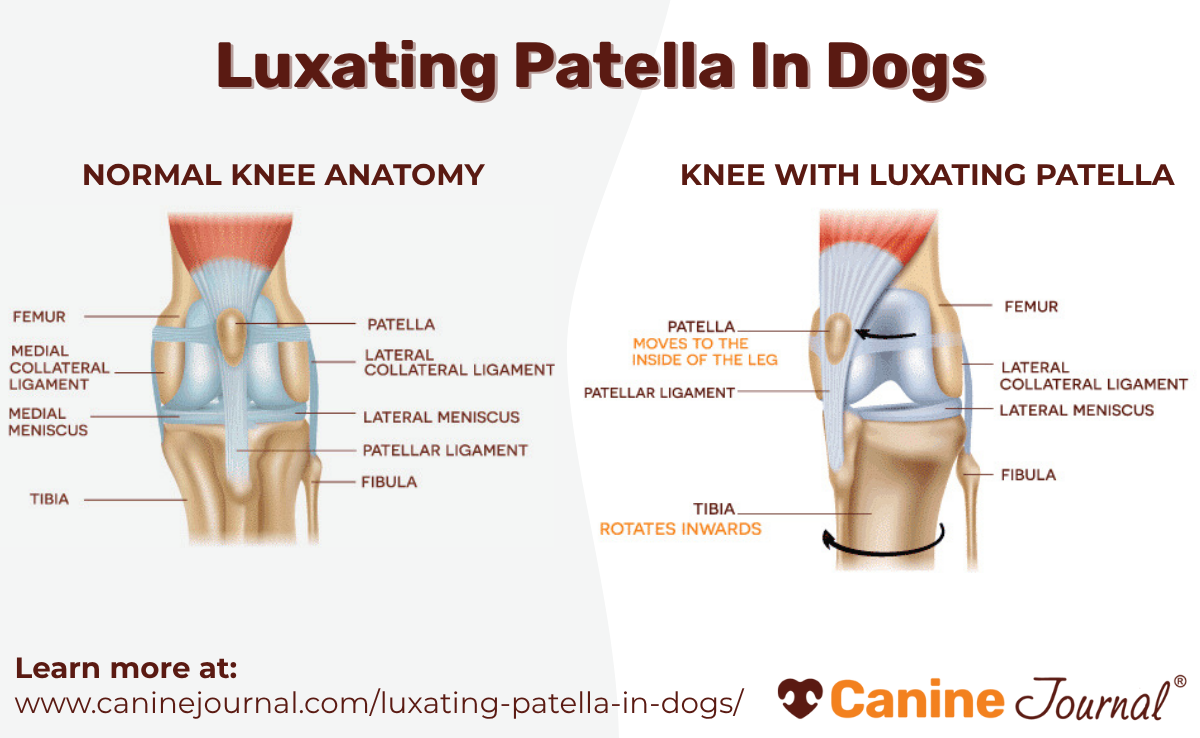
“Like many small breeds, the Shih Tzu is prone to a joint issue called luxating patella,” says Dr. MacMillan. “In this condition, the patella (kneecap) slides out of its normal position. Depending on the severity, it can cause intermittent limping, pain, and the early onset of arthritis.”
Research has shown that Shih Tzus are among the breeds most susceptible to a luxating patella. Though it often resolves temporarily, it tends to recur and frequently affects both hind legs.
Luxating Patella Symptoms
- Limping
- Hopping
- Skipping
- Walking on three legs
- Stiff legs and gait
Diagnosis & Treatment
Diagnosing a luxating patella involves a physical exam and X-rays, with advanced imaging like CT or MRI in some cases.
Treatment may include weight management, joint supplements, pain medications, and exercise restriction. However, surgery is usually recommended.
5. Hip & Elbow Dysplasia
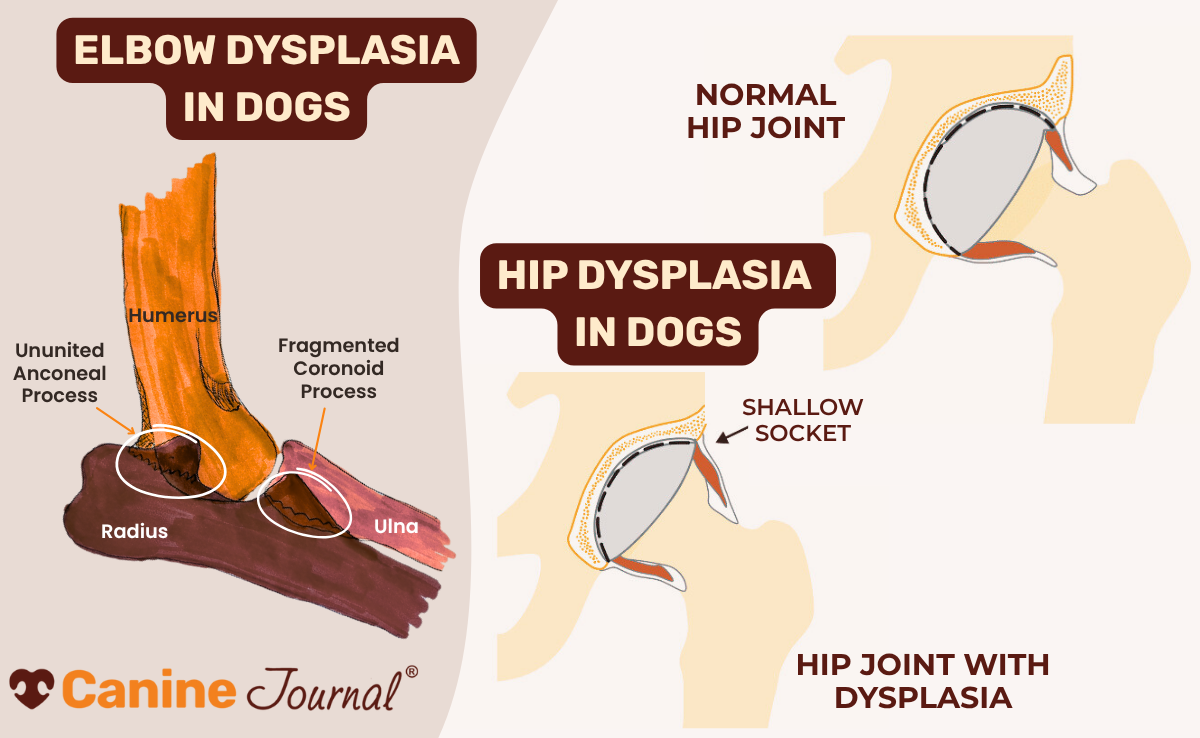
Although conditions that usually affect larger breeds, hip dysplasia and elbow dysplasia are common in Shih Tzus.
Both conditions are caused by the abnormal development of the joints. They lead to increased discomfort, reduced mobility, and often arthritis.
Hip/Elbow Dysplasia Symptoms
- Pain or discomfort during exercise
- Lameness
- Stiff back or front legs
- “Bunny hop” like run (with hip dysplasia)
- Stiffness getting up or running
- Struggling to walk up the stairs or take long walks
- Difficulty getting up from resting
- Abnormal gait
- Lack of enjoyment with physical activities that were previously enjoyable
Diagnosis & Treatment
Your veterinarian will palpate the elbow or hip joint and take an X-ray of the afflicted joint to make the diagnosis.
Depending on the severity of hip dysplasia, treatment options may include joint supplements, physical therapy, anti-inflammatory drugs, and weight control.
Surgery is typically required in more severe cases of hip dysplasia. Total hip replacement is the most successful surgical procedure.
Surgery is frequently necessary for the treatment of elbow dysplasia.
6. Intervertebral Disc Disease
Intervertebral disc disease (IVDD) is a genetic condition that can affect Shih Tzus and other small breeds. It occurs when the soft discs between the bones in the spine (vertebrae) slip or bulge out of place.
This can put pressure on the spinal cord and surrounding nerves, leading to serious pain, nerve damage, or even paralysis.
IVDD is also known as a “slipped disc” or “herniated disc,” and it’s often linked to disc degeneration over time.
IVDD Symptoms
These signs can occur slowly (over several weeks to months) or rapidly (over minutes to hours). Most dogs develop signs over a few days.
- Abnormal, unsteady walking
- Hunched back or neck with tense muscles
- Crying out in pain
- Loss of bladder or bowel control
- Paralysis
IVDD Diagnosis & Treatment
To check for IVDD, your vet will examine your dog’s neck, back, reflexes, and pain response. X-rays can help spot issues, but a CT scan or MRI may be needed to clearly view the spinal cord.
Treatment depends on severity:
- Mild cases: Pain meds, anti-inflammatories, limited activity, and physical therapy.
- Severe cases: Surgery may be needed to prevent paralysis.
IVDD can often be mistaken for: A dog that suddenly hesitates to jump, seems reluctant to climb stairs, or cries when picked up, which may be mistaken for a simple muscle strain. In some cases, these subtle changes are early signs of IVDD and warrant prompt veterinary evaluation.
Early diagnosis and proper care are key to recovery.
7. Multiple Eye Disorders
Due to the shape of their skulls and eye sockets and genetics, Shih Tzus (and other flat-faced breeds) are at a high risk of ocular health problems.
Also, because their eyes protrude, they’re more prone to injury, corneal ulcers, and infections.
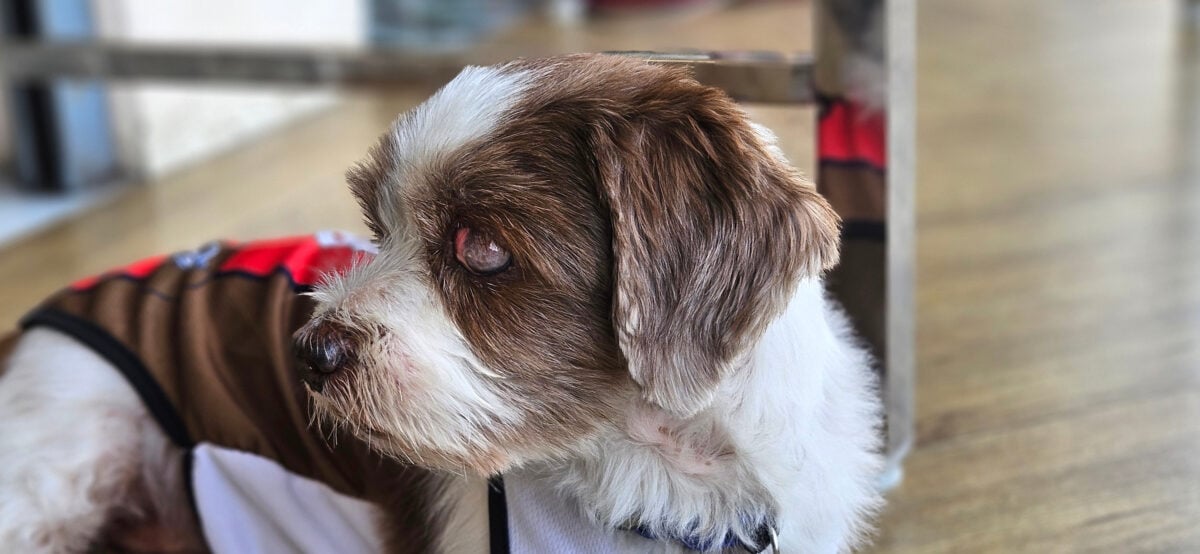
The most common eye disorders Shih Tzus typically experience are:
Cataracts
Cataracts, common in many dogs (and humans), occur when the lens becomes firmer and less transparent.
As the cataract matures, it becomes cloudy and blocks more and more light from reaching the back of the eye until vision is lost. Treatment requires surgery.
Cherry Eye
Cherry eye occurs when the tear gland of a dog’s third eyelid prolapses and protrudes from the eye socket. It’s frequently a recurring problem.
You’ll notice a large, pink, or red mass in the corner of your pup’s eye. In most cases, surgery is recommended to keep the gland in place.
Dry Eye
Dry eye, also called keratoconjunctivitis sicca, is a chronic condition caused by a lack of tear production. It causes inflammation of the cornea.
Treatment typically is the regular use of vet-prescribed tear-stimulating drops.
Entropion
Entropion is a hereditary condition involving inward rolling of the top and/or bottom eyelids.
This causes the eyelashes to rub against the cornea, resulting in chronic irritation and corneal ulcers. Treatment requires surgery.
Distichiasis
Distichiasis is another eyelid disorder that occurs when extra eyelashes grow from the eyelid margin rather than the eyelid skin.
These hairs rub against the eye surface, causing irritation and inflammation. Treatment typically involves electrolysis and surgical removal of the hair follicles.
Eye Disorder Symptoms
Unless noted above, many eye problems share similar symptoms.
- Eye sensitivity
- Squinty eyes
- Repeated blinking
- Bloodshot or cloudy eyes
- Yellow or green discharge
I have lost count of the number of eye issues I have treated in Shih Tzus. One little dog ended up losing an eye due to a severely infected corneal ulcer. Despite our best efforts, the ulcer wasn’t responding to medical treatment, and I ended up having to perform an enucleation to surgically remove the eyeball.
Her eye was painful and non-visual, so following the surgery, the dog was much brighter and quickly learned to adapt. This is why it is so important to take your dog to the vet for a check-up if you notice anything unusual about their eyes.
– Dr. Rebecca MacMillan
8. Heart Disease
As Shih Tzus age, they can develop mitral valve disease (MVD). This happens when the valve between the heart’s chambers doesn’t close properly, causing blood to leak.
Over time, this can lead to an enlarged heart, fluid in the lungs, and, eventually, congestive heart failure — a leading cause of death in senior Shih Tzus.
MVD Symptoms
- Persistent coughing
- Respiratory difficulty
- Weight loss
- Diarrhea
- Fatigue or lethargy
- Intolerance to physical activity
- Blue or gray gums
- Collapse
Diagnosis & Treatment
Mitral valve disease (MVD) is diagnosed with an echocardiogram (heart ultrasound). If heart failure is suspected, chest X-rays may be used to check for fluid in the lungs.
Treatment depends on the disease stage:
- Early stage (no heart enlargement): No treatment is needed yet.
- Heart enlargement: Pimobendan can help delay heart failure.
- Heart failure symptoms: Medications like diuretics, rhythm stabilizers, and electrolyte support may be required.
Surgery is possible but invasive, expensive (around $50,000), and not ideal for all dogs. MVD is progressive, and while it can’t be reversed, early care can slow its impact.
9. Kidney Diseases
Shih Tzus are predisposed to two types of kidney disease.
Renal Dysplasia
Renal dysplasia is a congenital (present at birth) condition where one or both kidneys don’t develop properly during fetal development.
The kidneys may be smaller than normal, have cysts or fibrous tissue, or have malformed nephrons (the kidney’s functional units).
These abnormalities impair the kidney’s ability to filter blood and produce urine.
Symptoms of moderate to severe renal dysplasia typically appear when Shih Tzus are puppies, although mild cases may not appear until later.
Glomerulonephritis
Also called glomerular nephritis (GN), glomerulonephritis is a hereditary kidney disease in which the filtering units (called glomeruli) become inflamed or damaged.
This affects the kidneys’ ability to remove waste and excess fluids from the blood. It’s often caused by infections, immune disorders, or chronic inflammation.
Kidney Disease Symptoms
- Increased water consumption and urination
- Loss of appetite
- Lethargy
- Vomiting and/or diarrhea
- Bad breath
- Blood in the urine
- Stunted growth (renal dysplasia)
Diagnosis & Treatment
Veterinarians diagnose kidney problems based on a combination of clinical signs, blood tests, urine analysis, and imaging (like radiographs or ultrasound). A definitive diagnosis often requires a kidney biopsy.
Treatment may differ depending on the disease and severity.
Renal dysplasia: In mild to moderate cases, treatment involves lifelong renal support supplements, a special diet, and regular monitoring of kidney health. Severe cases have a poor prognosis.
Glomerulonephritis: Treatment, including medications, a special diet, and fluid therapy, can prolong life for several years.
10. Dental Disease
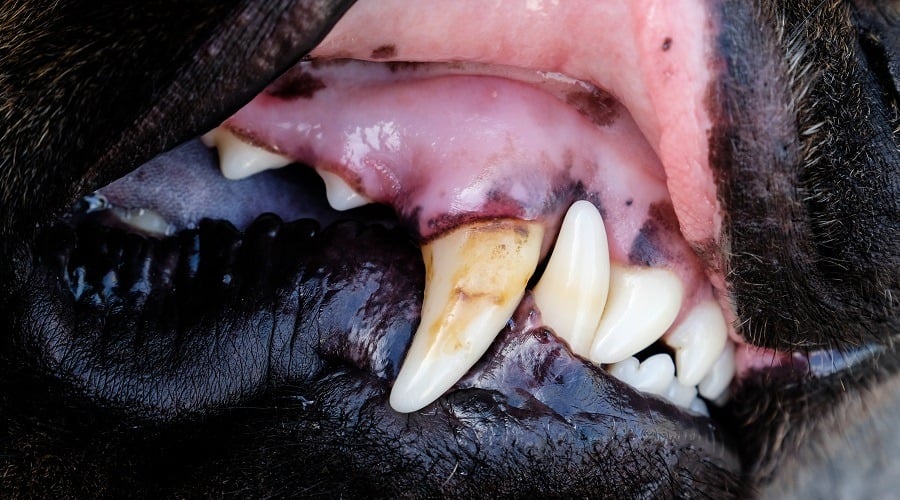
Toy and brachycephalic breeds often face dental problems and periodontal disease due to their small mouths and abnormal skull shape.
“Trying to fit the normal number of canine teeth into a smaller area means their teeth are often overcrowded, leading to tartar buildup, gum inflammation, and tooth loss. I have performed many dental procedures on these dogs over the years, with multiple extractions being very common,” shares Dr. MacMillan.
Periodontal disease can lead to significant health complications and potentially shorten your dog’s lifespan. Additionally, it can cause discomfort and affect your dog’s overall well-being.
Dental Disease Symptoms
- Swollen and bleeding gums
- Loss of teeth
- Bad breath
- Plaque and tartar buildup
- Difficulty eating and chewing
- Excessive drooling
- Loose and missing teeth
Diagnosis & Treatment
Your vet will examine your dog’s mouth and recommend treatment if necessary. This may include deep cleaning, pain relief, and tooth removal if there is infection or damage.
Prevention tips:
- Brush their teeth regularly at home
- Schedule yearly professional cleanings
- Adjust their diet to support oral health and freshen breath
Dental disease can often be mistaken for bad breath, which is frequently considered a normal part of aging, but it is usually a sign of dental disease rather than age itself.
Good dental care helps your dog stay healthy and pain-free.
Shih Tzu Health Risks by Age
Shih Tzus can develop health problems at any age, but certain concerns may become more noticeable during particular life stages. Use this overview to guide conversations with your veterinarian rather than to diagnose symptoms at home.
| Life stage | Health concerns to watch for | Helpful care priorities |
|---|---|---|
| Puppy | Congenital abnormalities, kneecap instability, eye irritation, breathing difficulties, hernias, and dental development problems | Keep up with puppy examinations, monitor breathing and movement, protect the eyes from injury, and ask about any inherited health concerns |
| Adult | Skin allergies, ear infections, dental disease, eye disorders, luxating patella, back problems, and weight gain | Maintain dental care, check the ears and skin regularly, monitor mobility and breathing, and schedule at least annual veterinary examinations |
| Senior | Mitral valve disease, kidney disease, cataracts, declining vision, arthritis, spinal problems, and worsening dental disease | Watch for changes in thirst, appetite, breathing, activity, mobility, and behavior; ask your veterinarian whether more frequent examinations and screening tests are appropriate |
Age alone does not determine your Shih Tzu’s risk. Genetics, anatomy, weight, lifestyle, previous illnesses, and preventive care can all influence which conditions develop and when.
Other Shih Tzu Disorders
Although the following concerns may not be quite as common as those above, it’s essential to know other health issues your Shih Tzu could face.
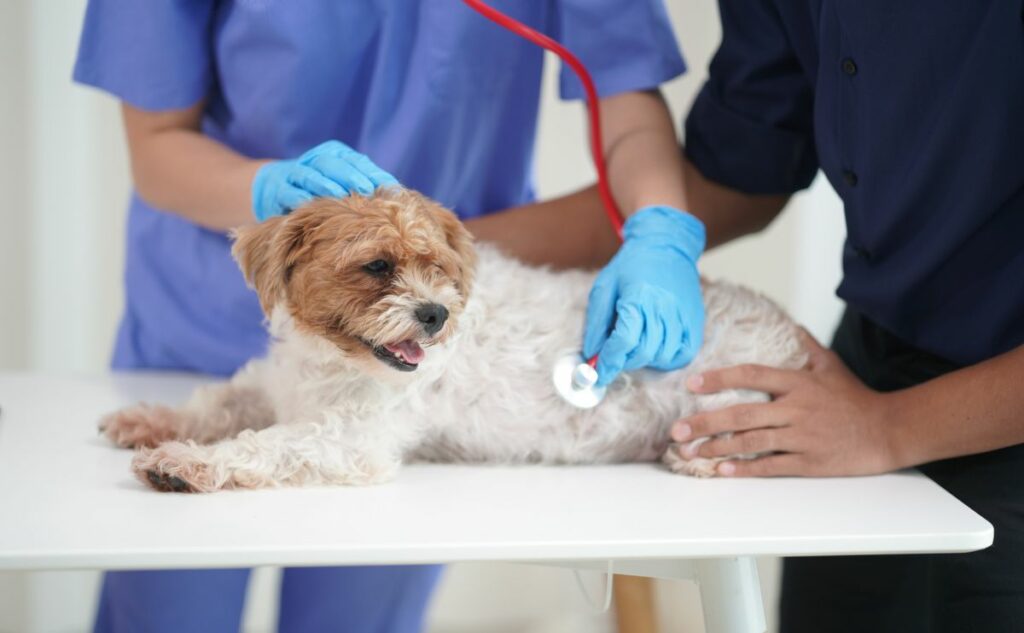
- Obesity is common due to the Shih Tzu’s small size and low energy levels. Shih Tzus are prone to weight gain, especially as they age or become less active. Extra weight can worsen breathing problems, joint disease, and arthritis, making portion control and regular exercise especially important.
- Digestive issues often affect this breed due to food allergies or other causes. Since sensitive stomachs are fairly common in Shih Tzus, signs such as persistent vomiting, diarrhea, appetite loss, or unexplained weight loss should always be evaluated to rule out underlying disease.
- Anal sac impaction occurs when anal gland fluid thickens and clogs the ducts that drain the glands.
- Umbilical hernias are protrusions of abdominal contents (lining, fat, intestines, etc.).
- Arachnoid cysts occur when the arachnoid membrane covering the central nervous system doesn’t develop properly.
- Hypothyroidism develops when the thyroid gland, which regulates the body’s metabolism, doesn’t produce enough hormones.
- Cushing’s disease occurs when the body produces too much cortisol.
- Tracheal collapse occurs when the windpipe’s cartilage breaks down over time. Some Shih Tzus develop weakening of the windpipe, leading to a dry, honking cough that often becomes worse with excitement, exercise, or pulling on a collar.
- Bladder stones, mineral calcifications that form in the bladder, often affect small breeds. An increased risk of developing bladder stones can cause frequent urination, blood in the urine, or straining to urinate.
- A portosystemic (liver) shunt is a congenital condition involving an abnormal blood vessel that hinders the liver’s ability to filter out toxins.
Average Costs For Several Common Shih Tzu Health Issues
Below are estimates from Embrace Pet Insurance for several common health issues this provider sees in insured Shih Tzus. The following average costs are based on claims.
- Arachnoid cysts: $4,500-$10,000
- Patellar luxation: $1,500-$3,000
- Skin fold dermatitis: $300-$2,500
- Distichiasis and ectopic cilia: $1,500-$2,000
- Entropion: $300-$1,500
As reported by Fetch Pet Insurance, the range of average costs for these common conditions they cover is shown here.
- Respiratory infections: $1,400-$2,700
- Oral inflammation: $1,400-$2,000
- Eye inflammation: $450-$700
Planning Ahead For Vet Bills
Shih Tzus are prone to many chronic health conditions, and vet bills can add up fast. Pet insurance can help you manage the cost of exams, treatments, and even surgeries for breed-specific issues.
Learn more about the best pet insurance options for Shih Tzus and get a free quote using the form below.

When To Call Your Vet
While many Shih Tzu health problems can be managed with routine veterinary care, some symptoms require immediate attention. Contact your veterinarian right away if your dog experiences:
- Difficulty breathing, blue or gray gums, or collapse
- Sudden inability to stand, walk, or use their back legs
- Repeated vomiting or diarrhea lasting more than 24 hours, especially with lethargy
- Straining to urinate or an inability to pass urine
- Seizures or loss of consciousness
- Eye injuries, severe eye pain, or sudden vision changes
- Heavy bleeding or signs of severe trauma
Prompt treatment can improve outcomes and may even save your dog’s life.
Frequently Asked Questions
Here are some questions our readers ask most often about Shih Tzu health problems. If you don’t see yours here, ask us in the comments.
What Is The Life Expectancy Of A Shih Tzu?
Shih Tzus can live anywhere from 10 to 18 years, with an average lifespan of 13 years. However, several factors impact every pup’s lifespan, including genetics, overall health, and lifestyle.
What Do Shih Tzus Usually Die From?
A study of Shih Tzus in the United Kingdom found that heart disease and enteropathy (gastrointestinal diseases causing signs such as diarrhea and vomiting) were the leading causes of death.
Why Are Shih Tzus Predisposed To So Many Health Issues?
Because of their small size, genetic predispositions, and brachycephalic (flat-faced) structure, Shih Tzus are prone to a variety of health problems.
In particular, respiratory, ocular, and dental disorders are exacerbated by their short snouts and shallow eye sockets.
They are also vulnerable to neurological and orthopedic issues because of their long backs and short legs.
What’s The Best Diet For Shih Tzus?
Providing your Shih Tzu with the most nutritious diet can help prevent disease symptoms and enhance their immune system, reducing the risk of infections. Check out my top picks for the best dog food for Shih Tzus at all life stages.
Other dog food options for health concerns:
- Best dog food for weight loss
- Best dog food for allergies
- Best dog food for arthritis and joint health
A balanced diet, healthy weight, regular veterinary care, and close attention to subtle changes can all help support your Shih Tzu’s health throughout every stage of life.
Share Your Shih Tzu’s Health Experience
Has your Shih Tzu experienced one of these health issues—or a different condition other owners should know about? Share your experience in the comments, including the symptoms you noticed, what helped, and what you wish you had known sooner. Your story could help another Shih Tzu owner recognize a problem earlier and feel less alone.