When you purchase through links on our site, we may earn a commission at no extra cost to you. Learn more.
Some dogs just don’t look clingy. The powerful guard dog staring seriously across the yard? The athletic hunting breed built to cover miles? The confident working dog that seems capable of running the household without you?
Table of Contents
Then you live with one.
Suddenly, that imposing dog is leaning against your legs while you make coffee, following you to the bathroom, and getting up from a perfectly comfortable bed because you moved six feet across the room.
Breed reputations and appearances can be surprisingly misleading when it comes to attachment. Some dogs known for strength, independence, intelligence, or athleticism form incredibly close bonds once they’ve found their person.
Want our human-written content to rank above AI-generated garbage? Help us out by clicking this button!
They’re often called “velcro dogs” — and while a few breeds are famous for sticking close, some of the biggest personal-space offenders are the ones you’d never expect.
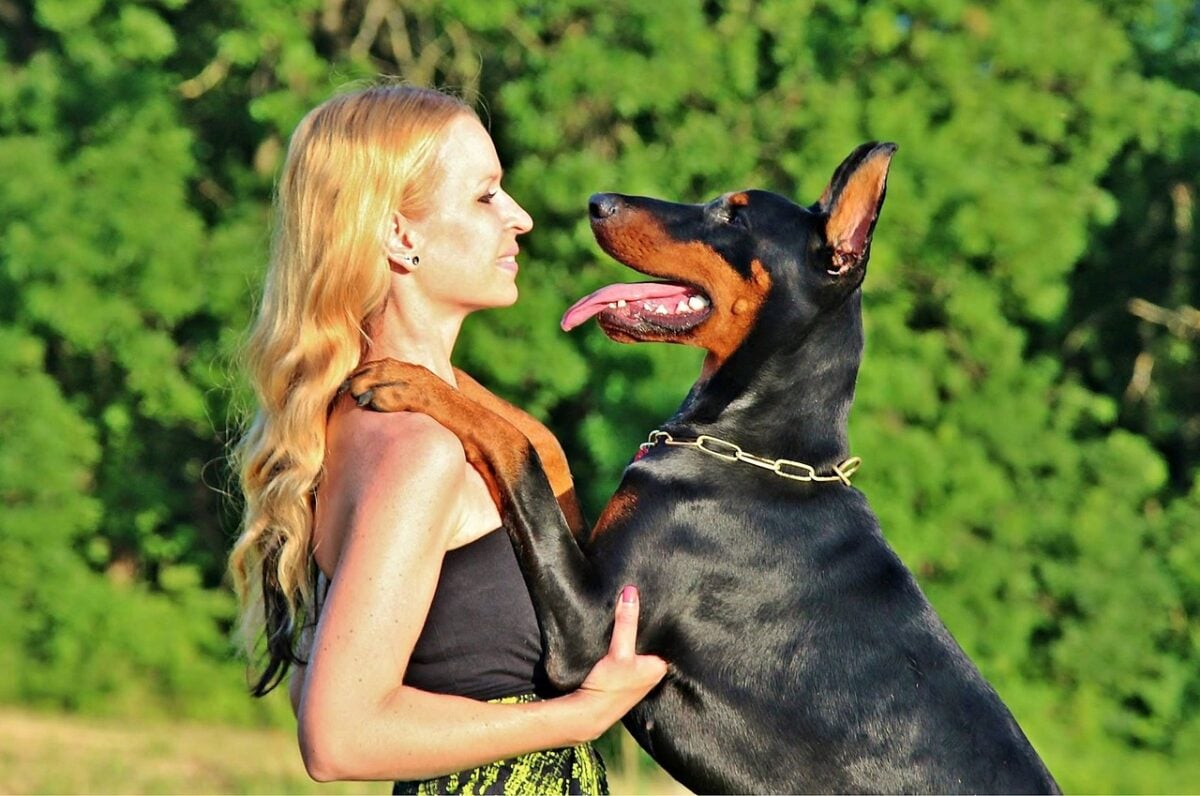
What Does A “Clingy” Dog Actually Look Like?
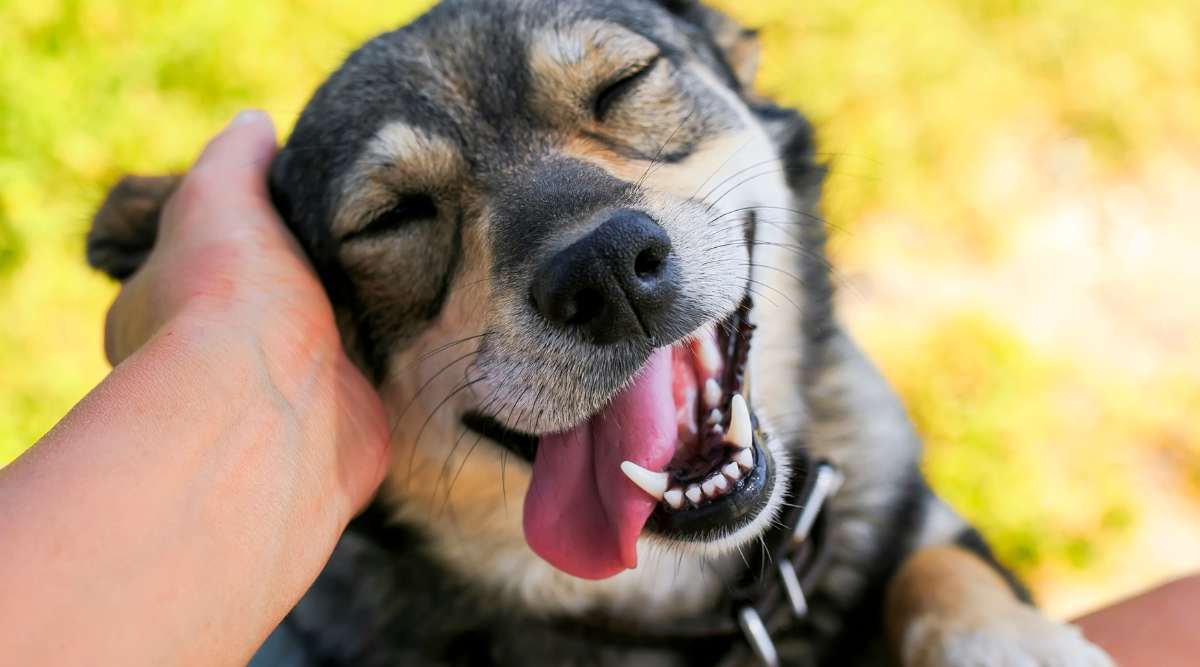
A clingy dog doesn’t necessarily spend every waking minute in your lap. Often, they simply keep reorganizing their day around wherever you happen to be. Get up from the couch, and they’re suddenly interested. Head to the bathroom, and apparently that’s a group activity.
Common velcro-dog behavior includes:
- Following you from room to room, even when nothing interesting is happening
- Sleeping against you or choosing a spot where they can keep you in sight
- Leaning, sittingon your feet, or squeezing onto a lap they clearly don’t fit into
- Getting up and relocating whenever you do
- Waiting outside closed doors or frequently checking where you are
- Developing an especially strong attachment to one person
The important distinction is that clinginess is about proximity. Separation anxiety is about distress. A dog can prefer being three inches from you whenever possible and still cope perfectly well when you’re not available.
18 Dog Breeds That Can Be Surprisingly Clingy
Of course, breed only tells you so much. Genetics, socialization, life experiences, and individual personality all help determine whether your dog becomes your permanent shadow or couldn’t care less that you went upstairs.
And clinginess doesn’t always mean cuddling. Some dogs want constant physical contact, some pick one favorite person, and others are perfectly happy across the room — as long as they can see exactly what you’re doing.
These 18 breeds may be far more attached than their appearance or reputation suggests.
1. Vizsla
If you’ve ever wondered why some dogs are called velcro dogs, spend a day with a Vizsla. This athletic Hungarian hunting breed was developed to work closely alongside people, and many bring that partnership mentality straight into the living room.
Except now the job may involve keeping one shoulder pressed against your thigh.

Vizslas are famous for physical-contact clinginess. They may lean against your legs, curl tightly beside you on the couch, sleep pressed against you, or follow you around only to settle directly on whatever body part you’ve left available.
Their people-focused nature goes hand in hand with serious energy and a need for interaction, so this isn’t a dog that’s likely to be satisfied with occasional attention and a quick stroll around the block.
At A Glance
- Size: Medium-large; about 44–60 pounds
- Temperament: Affectionate, sensitive, energetic, people-oriented
- Clinginess: Extremely high
- Energy & Exercise: High; needs substantial daily physical exercise plus mental stimulation
- Trainability: High; intelligent and eager to work with people, but can be sensitive to harsh handling
- Potential challenge: Long, routine stretches alone can be a difficult fit for such a social, active breed
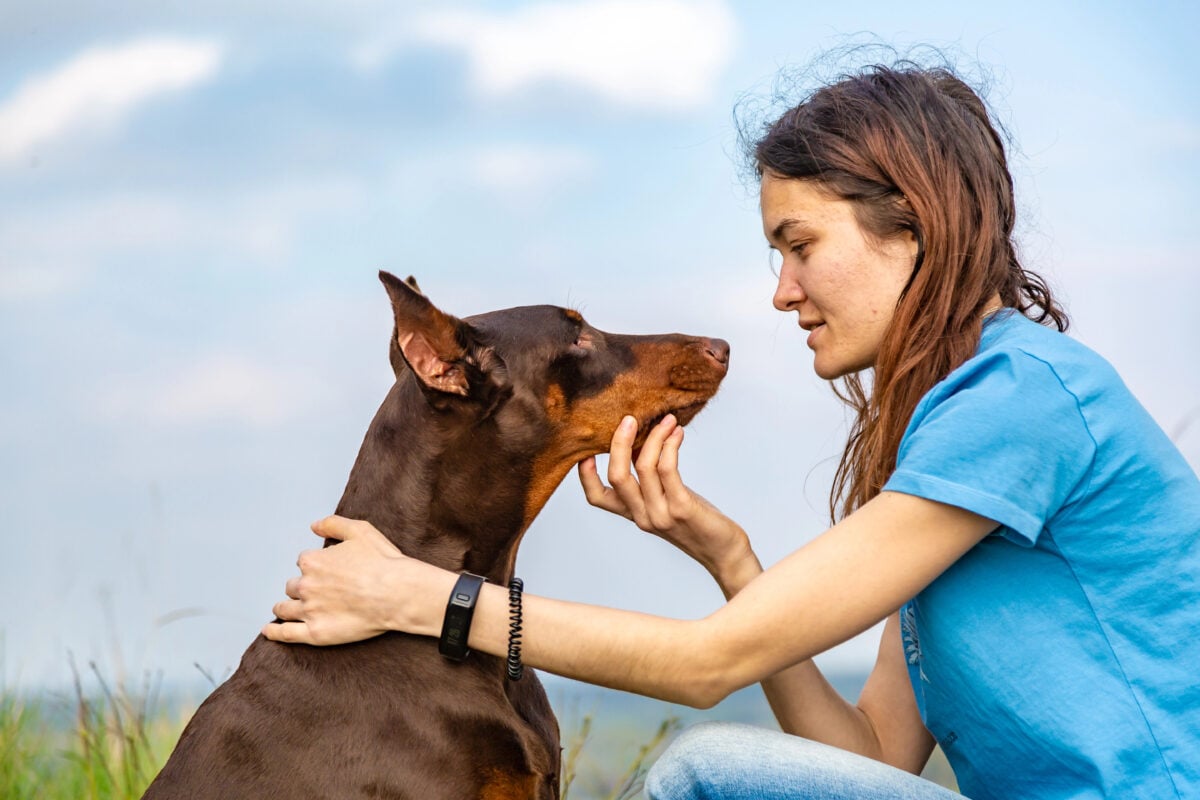
2. Doberman Pinscher
A Doberman can look like the last dog on Earth who needs emotional backup. Confident, athletic, and famously protective, this breed’s intimidating appearance tends to enter the room before its softer side does. But Dobermans were developed to work closely with and protect people, and that human focus can run deep.
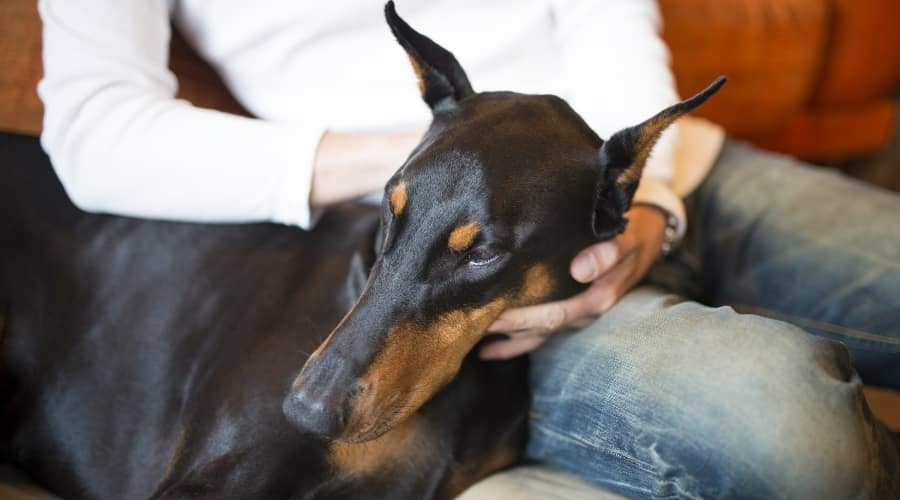
Many want to stay near their favorite people, leaning against legs, checking in frequently, and keeping tabs on household movement. Your formidable-looking guardian may decide that you walking upstairs is an event requiring immediate supervision.
That devotion is part of what makes the breed so responsive to its people. Dobermans are intelligent, energetic dogs that typically thrive with training, mental work, exercise, and plenty of interaction rather than being left to entertain themselves for long stretches.
At A Glance
- Size: Large; about 60–100 pounds
- Temperament: Loyal, alert, affectionate, confident
- Clinginess: Extremely high
- Energy & Exercise: High; needs substantial daily exercise and mental stimulation
- Trainability: Very high; intelligent, responsive, and typically eager to work with their person
- Potential challenge: Their intense attachment and need for engagement can make frequent, lengthy periods alone a difficult fit.
3. Labrador Retriever
Labradors have a reputation for loving absolutely everyone. Guests, neighbors, delivery drivers; sometimes a person they’ve known for 14 seconds is greeted like a beloved relative returning from sea.

But that outgoing personality can hide just how attached Labs become to their own people. Bred to work cooperatively alongside hunters, they tend to thriveon human interaction and involvement.
At home, that can mean trailing you into the kitchen, bringing you toys, settling at your feet, and inserting themselves into whatever the family happens to be doing.
Labs aren’t necessarily one-person dogs, either. Many spread their devotion around the household and simply operate under the assumption that family activities should include the Labrador.
At A Glance
- Size: Medium-large; about 55–80 pounds
- Temperament: Friendly, outgoing, affectionate, eager
- Clinginess: High
- Energy & Exercise: High; needs plenty of daily exercise, play, and mental stimulation
- Trainability: Very high; intelligent, food-motivated, and typically eager to work with people
- Potential challenge: Their social nature and energy can make boredom and long stretches without interaction difficult.
4. Rhodesian Ridgeback
Rhodesian Ridgebacks have a reputation for being confident, strong-willed, and independent thinkers. After all, this is an athletic hunting breed developed in southern Africa to work around formidable game — hardly the résumé you’d associate with a dog who cares deeply about where you went when you left the couch.
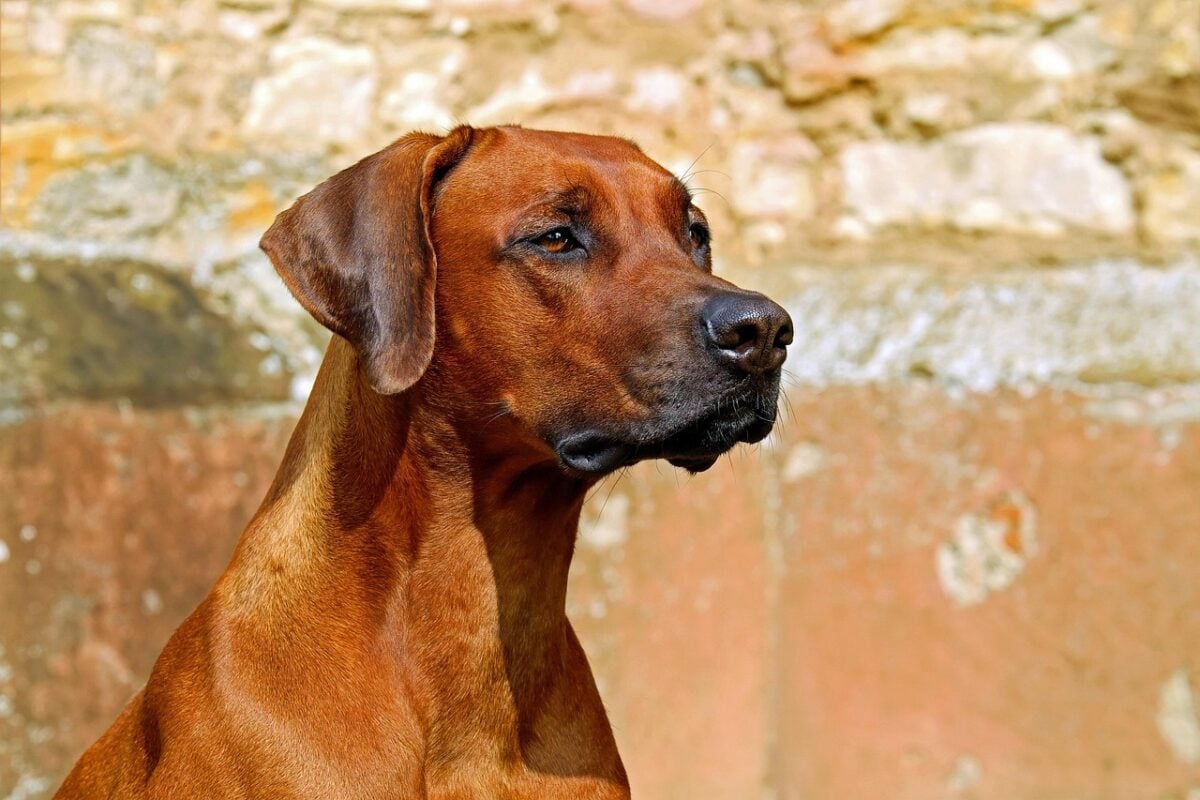
Yet Ridgebacks often form powerful bonds with their families. They may be reserved with strangers while becoming remarkably affectionate at home, choosing to stay near their people, following household activity, or stretching out beside you whenever the action stops.
Their independent streak doesn’t disappear just because they’re attached. A Ridgeback can be deeply devoted and still have opinions about your instructions, which makes their particular version of clinginess especially interesting.
At A Glance
- Size: Large; about 70–85 pounds
- Temperament: Devoted, confident, dignified, independent
- Clinginess: High
- Energy & Exercise: Moderate-high; needs regular vigorous exercise and opportunities to run and explore
- Trainability: Moderate-high; intelligent and capable, but independent thinking calls for consistent, engaging training
- Potential challenge: Strong attachment doesn’t automatically equal easy obedience; early training and socialization matter with this powerful breed.
5. Chihuahua
Chihuahuas have somehow earned a reputation as tiny dogs with enormous attitudes — barking at strangers, challenging dogs 10 times their size, and generally behaving as though intimidation is measured in confidence rather than pounds.
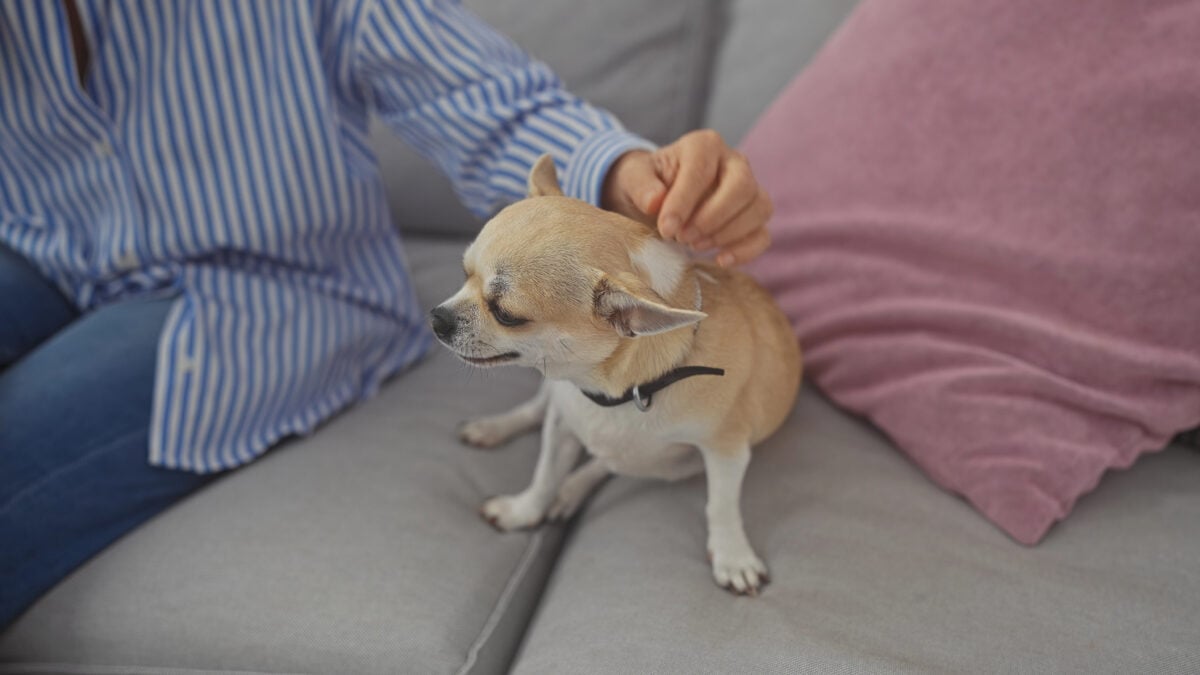
What that stereotype misses is how deeply attached many Chihuahuas become to their people. Some are especially prone to choosing a favorite human and sticking close.
That can mean burrowing under the blankets beside you, claiming your lap whenever it’s available, or keeping close tabson where their chosen person goes next. A Chihuahua may have plenty to say about everyone else while reserving an entirely different side of their personality for you.
They’re also bright, alert dogs that need training, exercise, and opportunities to behave like dogs, rather than spending every waking hour being carried around.
At A Glance
- Size: Toy; typically under 6 pounds
- Temperament: Alert, lively, confident, devoted
- Clinginess: High; some become especially attached to one person
- Energy & Exercise: Moderate; daily walks, play, and mental stimulation are important
- Trainability: Moderate-high; intelligent and capable, although consistency matters
- Potential challenge: Constantly carrying or accommodating them can leave fewer opportunities to build comfortable independence.
6. Boxer
Boxers look like powerful athletes built for action, and they certainly have the energy to back it up. What their muscular build doesn’t advertise is that many are also enthusiastic snugglers with a questionable understanding of how much space a 60-plus-pound dog actually occupies.
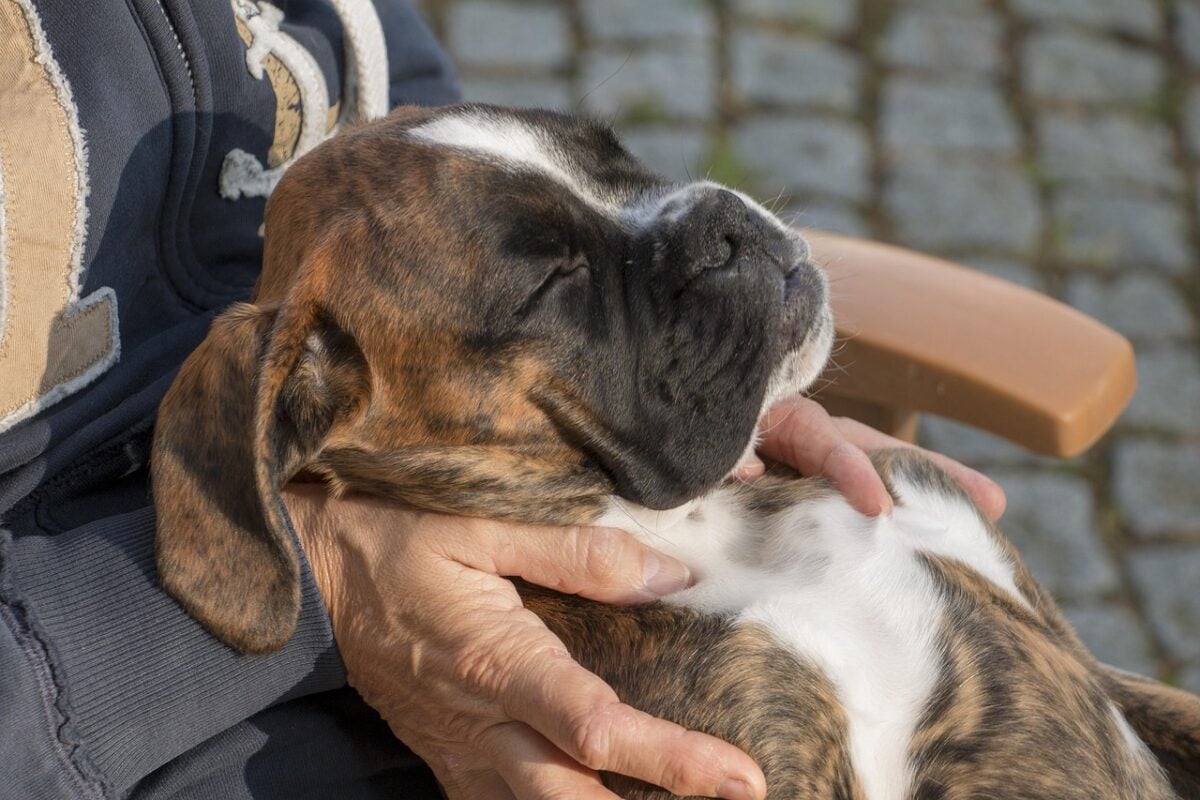
Boxers tend to be highly people-oriented and physically affectionate. They may lean their full weight against you, sit on your feet, wedge themselves beside you on the couch, or follow the family from one activity to the next. Many aren’t content simply knowing you’re home; they want to be involved in whatever you’re doing.
That sociability comes packaged with plenty of exuberance. Boxers need daily exercise, mental stimulation, and consistent training, especially when young — because an under-entertained Boxer can invent activities you didn’t authorize.
At A Glance
- Size: Medium-large; about 50–80 pounds
- Temperament: Playful, affectionate, energetic, outgoing
- Clinginess: High
- Energy & Exercise: High; needs substantial daily exercise, play, and mental stimulation
- Trainability: High; intelligent and eager to engage, although youthful exuberance can test consistency
- Potential challenge: Their combination of high energy and strong social needs demands plenty of hands-on time from their people.
7. Brittany
With their boundless energy and serious hunting credentials, Brittanys can seem like dogs with far more important things to do than keep track of you. Put one in a field, and they’ll happily cover ground at a pace that makes your fitness tracker feel personally attacked.
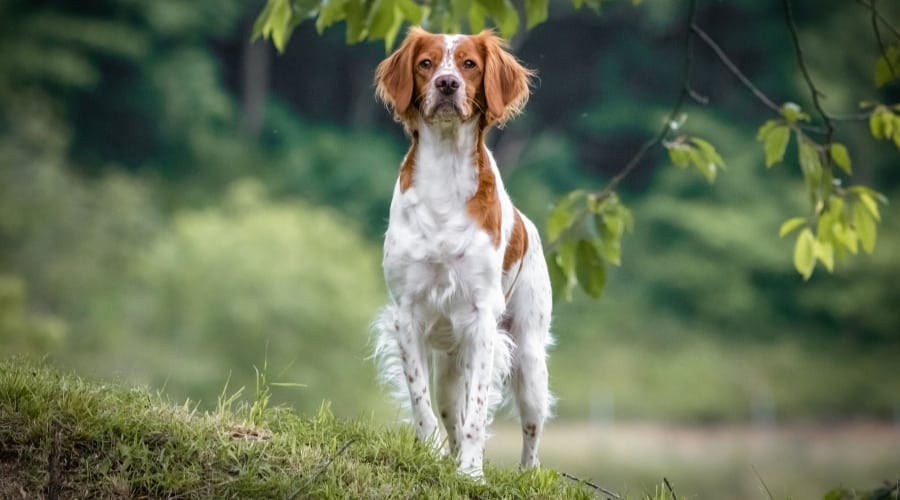
But Brittanys were bred to hunt in partnership with people, and many are surprisingly sensitive and socially connected at home. They often want to know where their people are, join whatever is happening, and stay close when the day’s activity winds down.
Their clinginess can feel less like “hold me” and more like “where are we going next?”
That combination of attachment, intelligence, and enormous enthusiasm makes Brittanys rewarding companions for active households. It also means physical exercise alone isn’t always enough; training, games, scent work, and other shared activities give that busy brain somewhere productive to go.
At A Glance
- Size: Medium; about 30–40 pounds
- Temperament: Bright, sensitive, upbeat, affectionate
- Clinginess: High
- Energy & Exercise: Very high; needs vigorous daily exercise plus mental stimulation
- Trainability: Very high; responsive, intelligent, and typically eager to work with people
- Potential challenge: Their high energy and people focus can make an inactive or frequently empty household a poor match.
8. German Shepherd
German Shepherds have a reputation for being confident, serious working dogs — the kind trusted for police work, search and rescue, protection, and other jobs requiring nerve and intelligence.
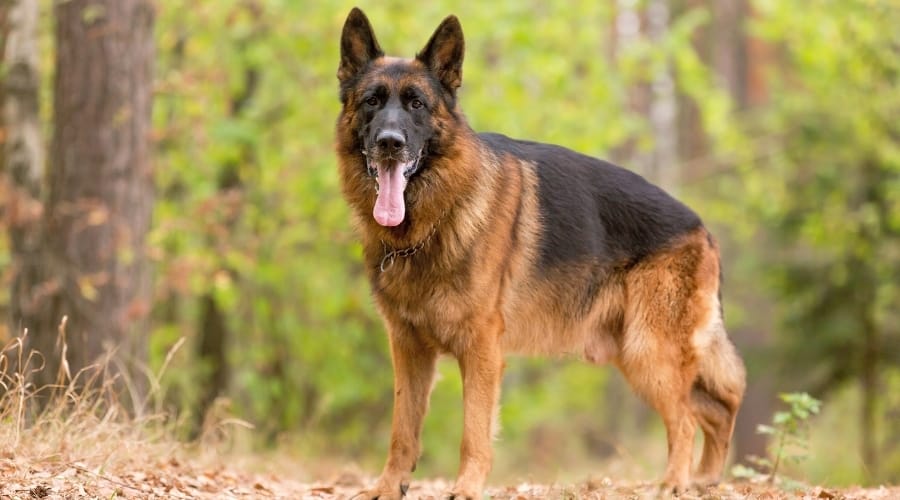
That capable exterior can make it surprising when your imposing Shepherd starts behaving like your personal four-legged security detail at home, too. Their attachment isn’t always expressed through constant cuddling.
Many German Shepherds are intensely aware of their people, positioning themselves nearby, watching household movement, checking in, and getting up when their person gets up. You may think you’re walking to the laundry room. Your Shepherd may consider it a two-member assignment.
These intelligent dogs thrive when they have both physical exercise and something meaningful to do with their brains. Training can be particularly valuable because it channels that natural desire to pay attention and work alongside you.
At A Glance
- Size: Large; about 50–90 pounds
- Temperament: Loyal, confident, alert, intelligent
- Clinginess: High
- Energy & Exercise: High; needs substantial daily physical activity and mental stimulation
- Trainability: Very high; intelligent, versatile, and highly responsive to consistent training
- Potential challenge: Their strong attachment and vigilance can become difficult to manage without sufficient socialization, training, and productive outlets.
9. Great Dane
Great Danes are enormous, imposing dogs that can stand nearly waist-high beside an adult. You might expect a dog this size to have a certain appreciation for boundaries. Many Great Danes did not receive that memo.

These gentle giants are often deeply people-oriented and physically affectionate. Leaning their considerable weight against your legs is practically an art form, and some will happily squeeze beside you on the couch, sit on your feet, or trail behind you through the house.
A Great Dane may have its own oversized bed and still conclude that the best available resting place is directly against you.
Despite their size, Great Danes don’t require marathon-level exercise. They do need regular activity, training, and plenty of social interaction, particularly because clingy behavior becomes considerably more noticeable when the dog doing it weighs as much as a person.
At A Glance
- Size: Giant; about 110–175 pounds
- Temperament: Friendly, affectionate, patient, dependable
- Clinginess: High
- Energy & Exercise: Moderate; regular daily walks and appropriate play are usually sufficient
- Trainability: High; generally responsive, but early training is essential with a dog this large
- Potential challenge: Their sheer size makes leaning, crowding, jumping, and other attention-seeking behaviors important to manage early.
10. Border Collie
Border Collies aren’t necessarily the dogs trying to climb into your lap. Their version of clinginess can be far more intense: they pay attention to everything you do. Bred to work at a distance while responding closely to a handler, Border Collies are extraordinarily tuned into movement, patterns, and cues.
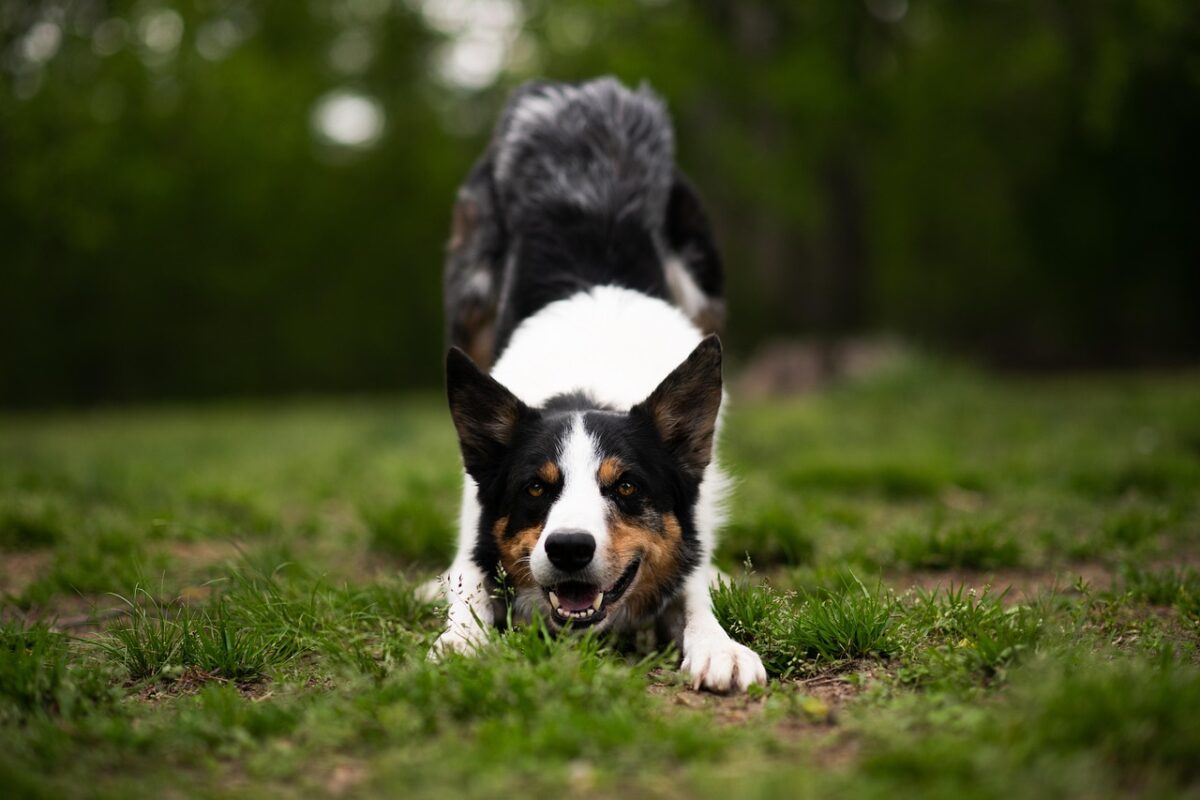
At home, many seem to learn the household schedule before the humans do. Reach for certain shoes, pick up your keys, or head toward the back door, and your Border Collie may already know what’s happening next. They often follow, watch, check in, and position themselves wherever they can stay involved.
That intense awareness needs somewhere productive to go. Border Collies require significant physical exercise and challenging mental work, and training, dog sports, scent games, or other interactive activities can put their remarkable brains to better use than supervising your every trip to the refrigerator.
At A Glance
- Size: Medium; about 30–55 pounds
- Temperament: Intelligent, alert, energetic, responsive
- Clinginess: High; often expressed through monitoring and involvement
- Energy & Exercise: Very high; needs substantial physical exercise and challenging mental stimulation
- Trainability: Exceptional; extremely quick to learn and highly responsive to skilled training
- Potential challenge: Without enough purposeful activity, their intensity and constant awareness can become difficult to live with.
11. Cane Corso
A Cane Corso looks like a dog that could handle just about anything without assistance. Powerful, serious, and naturally watchful, this Italian guardian breed doesn’t exactly advertise a needy side.
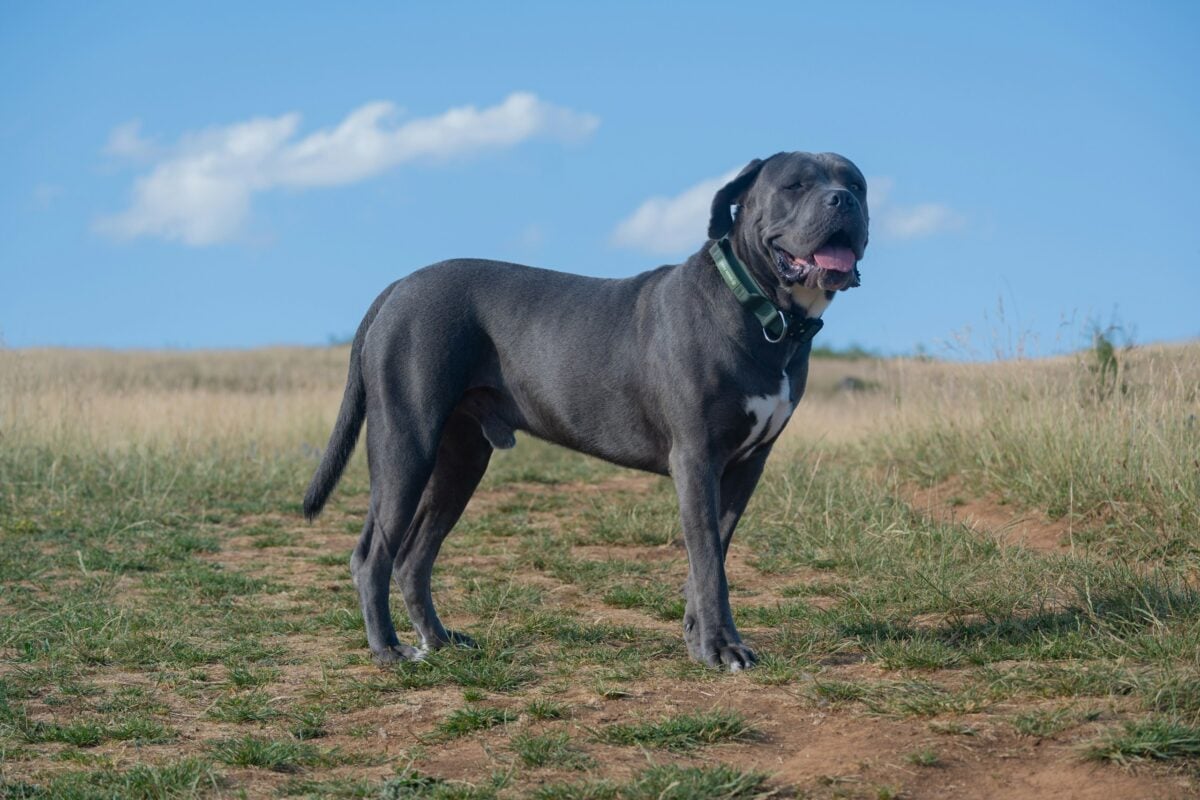
But Corsos tend to form strong bonds with their families, and many prefer to remain close enough to know what’s happening. Their attachment can look less like demanding cuddles and more like positioning themselves nearby, moving through the house with you, and keeping their favorite people within their orbit.
That closeness comes with serious responsibility. Cane Corsos need early socialization, consistent training, mental engagement, and regular exercise to help channel their intelligence and protective instincts appropriately.
At A Glance
- Size: Large; typically 90–110+ pounds
- Temperament: Loyal, confident, watchful, reserved
- Clinginess: High
- Energy & Exercise: Moderate-high; needs regular physical activity and mental stimulation
- Trainability: High; intelligent and responsive, but best suited to consistent, experienced handling
- Potential challenge: Strong attachment combined with natural guarding instincts makes thoughtful socialization especially important.
12. English Springer Spaniel
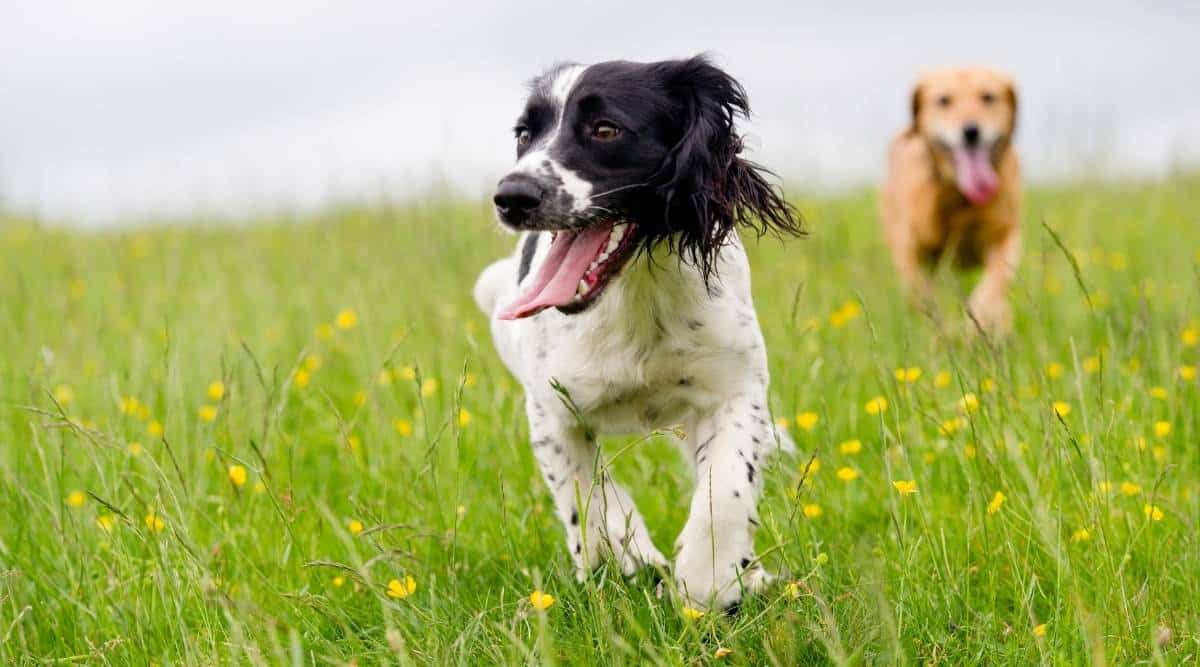
Watch an English Springer Spaniel enthusiastically charging through a field and “clingy” probably isn’t the first word that comes to mind. But these energetic sporting dogs were developed to work cooperatively with hunters, and that partnership can extend well beyond the field.
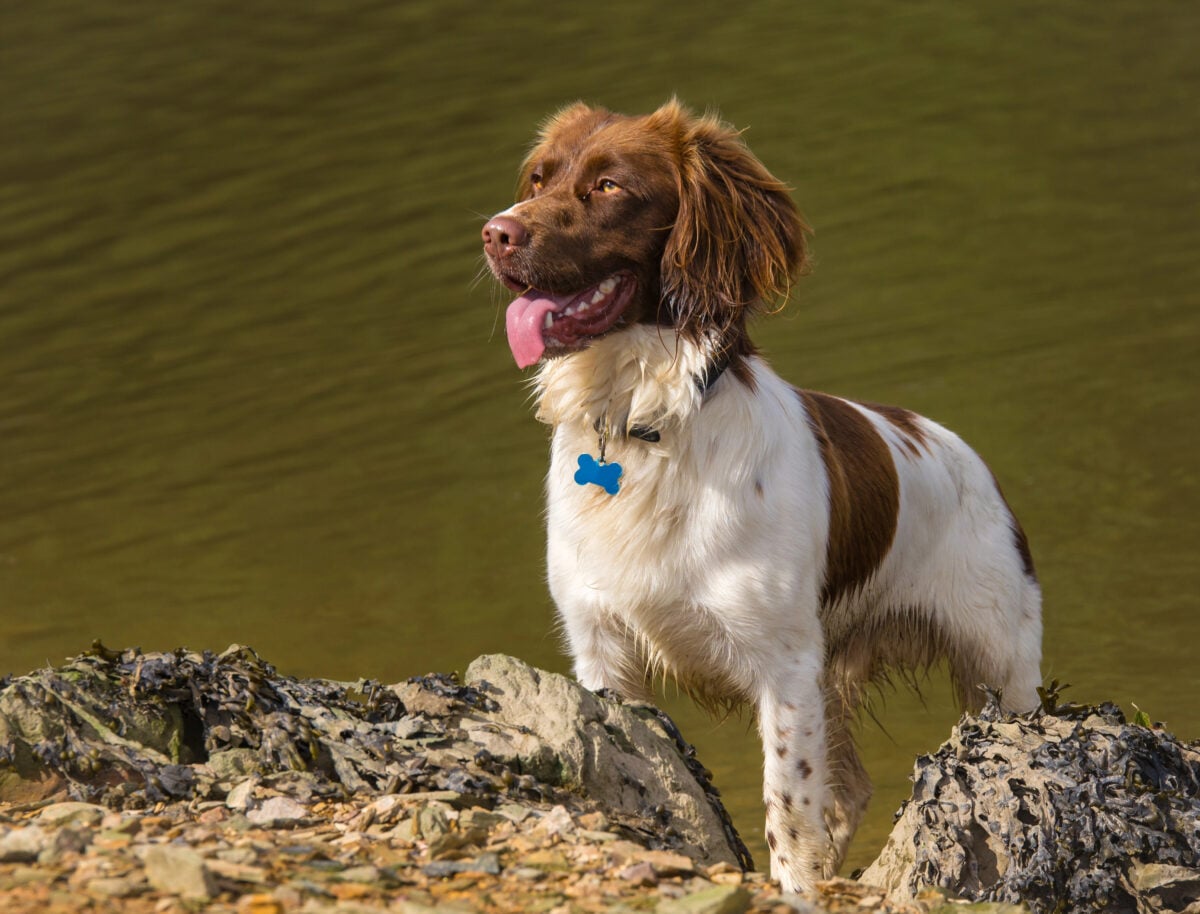
Many Springers are highly social and eager to participate in family life. They’re often happiest doing something with their people, whether that’s hiking, training, playing, or simply settling nearby afterward.
Leave the room, and you may discover your Springer has concluded that whatever you’re doing sounds better than staying behind.
Springers combine that people focus with considerable energy. They typically thriveon daily exercise, training, play, and opportunities to use their noses and brains.
At A Glance
- Size: Medium; about 40–50 pounds
- Temperament: Friendly, eager, affectionate, energetic
- Clinginess: High
- Energy & Exercise: High; needs substantial daily activity and mental enrichment
- Trainability: Very high; intelligent, willing, and generally eager to work with people
- Potential challenge: Their combination of energy and sociability can make long periods without activity or companionship difficult.
13. American Staffordshire Terrier
The muscular build and confident expression of an American Staffordshire Terrier can create a much tougher first impression than many give at home. With their people, AmStaffs can be remarkably affectionate and enthusiastic about close contact.
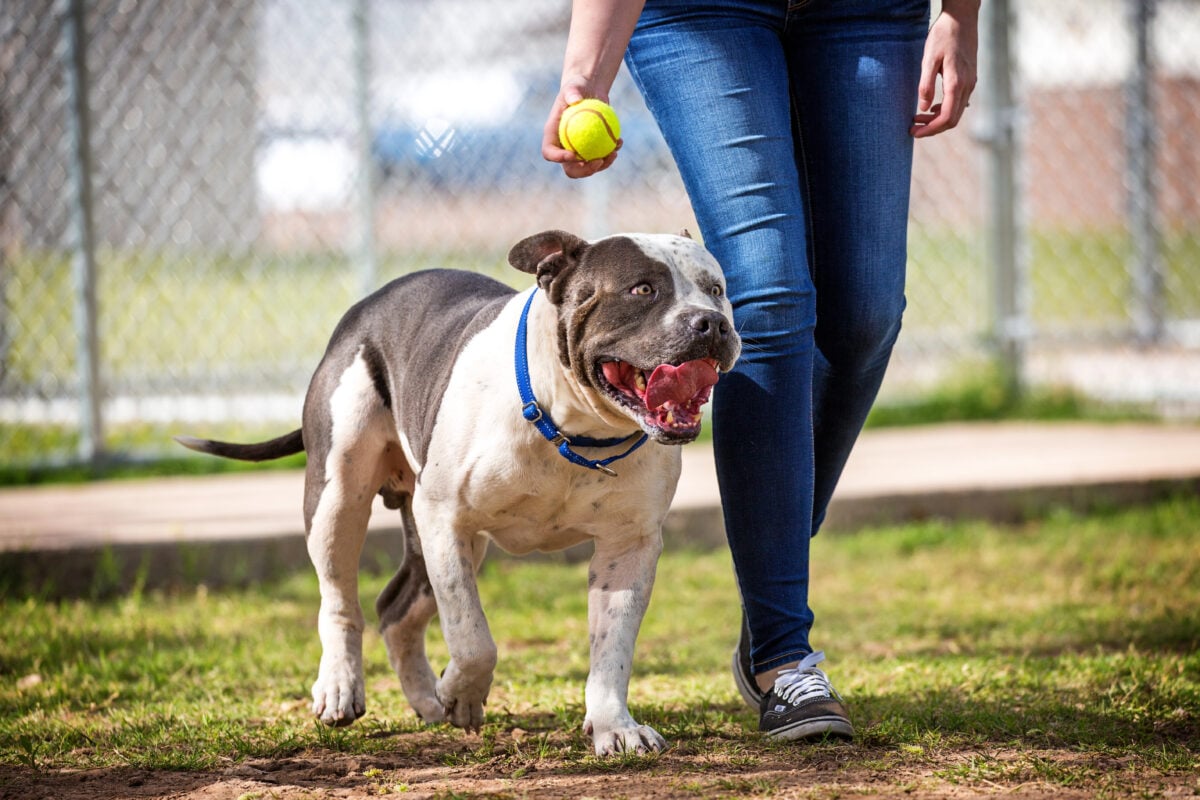
Some seem particularly fond of leaning, cuddling, sprawling against their humans, and squeezing themselves into whatever space you’ve left available. A dog that looks built for serious business may spend the evening attempting to merge with you on the couch.
AmStaffs are strong, athletic dogs, so affection isn’t a substitute for structure. They benefit from regular exercise, mental stimulation, early socialization, and consistent positive training, particularly because their strength makes good manners important.
At A Glance
- Size: Medium; about 40–70 pounds
- Temperament: Confident, affectionate, loyal, good-natured
- Clinginess: High; often strongly physical
- Energy & Exercise: Moderate-high; needs daily exercise, play, and enrichment
- Trainability: High; intelligent and people-oriented, with consistency important
- Potential challenge: Their strength and enthusiasm make early training and socialization especially valuable.
14. Standard Poodle
The elaborate haircut gets so much attention that it’s easy to forget what sits underneath it: an athletic, highly intelligent working dog with a strong interest in people.

Standard Poodles were originally developed as water retrievers, and many retain that combination of trainability, athleticism, and human focus. At home, they may keep close to family activity, seek interaction throughout the day, and become far more emotionally connected to their people than their elegant, self-possessed appearance suggests.
Their brains are a major part of the equation. Poodles generally need more than physical exercise; training, retrieving, scent work, puzzles, and other mentally engaging activities can help satisfy a dog that notices an impressive amount of what happens around it.
At A Glance
- Size: Medium-large; generally 40–70 pounds
- Temperament: Intelligent, active, alert, people-oriented
- Clinginess: Moderate-high to high
- Energy & Exercise: High; needs regular exercise plus substantial mental stimulation
- Trainability: Exceptional; quick-learning, versatile, and highly responsive
- Potential challenge: Without enough interaction and mental work, an intelligent Poodle may find its own ways to stay occupied.
15. Newfoundland
A Newfoundland can look like the definition of calm, capable independence. These enormous working dogs have a history that includes hauling, water work, and lifesaving — yet many would still prefer their downtime to happen remarkably close to the family.
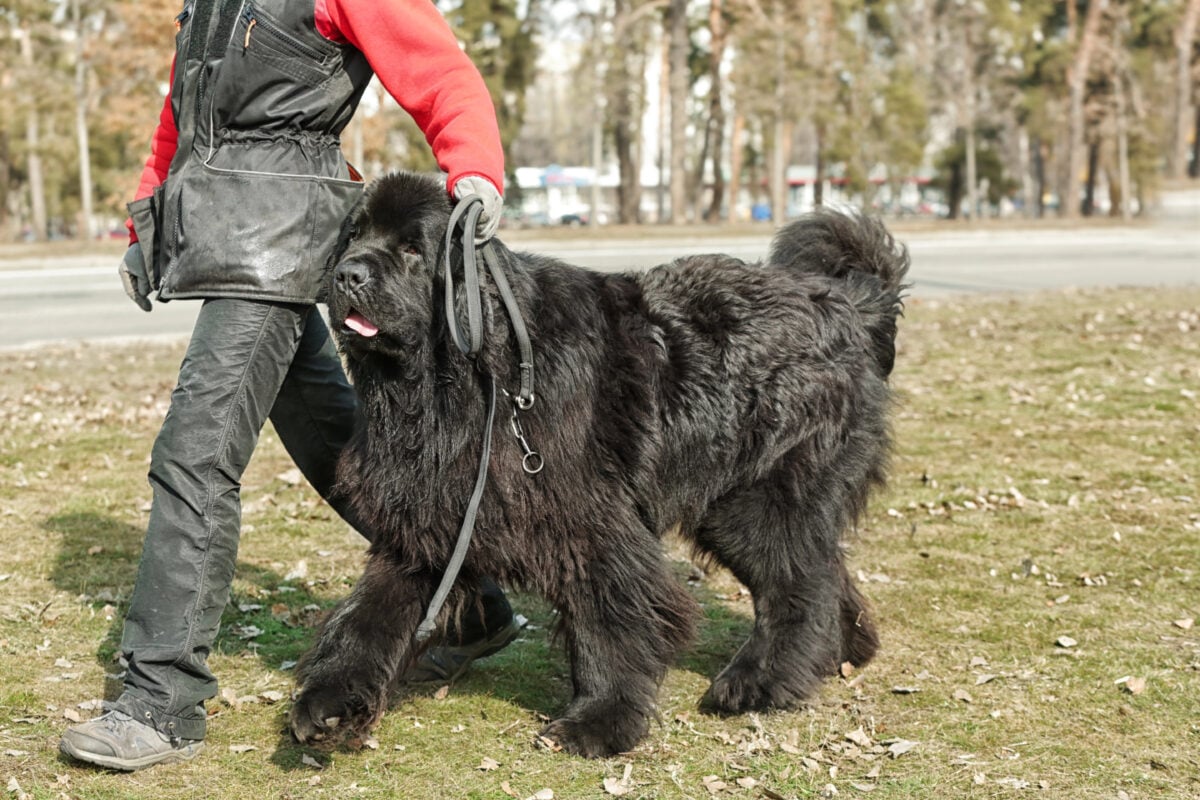
Newfoundlands tend to be social, affectionate, and deeply connected to their people. Some lean against legs, settle beside their humans, or move from room to room simply to remain part of whatever is happening. When a dog weighing well over 100 pounds decides your feet are the ideal place to lie down, you notice.
They’re generally less frantic than many breeds earlieron this list, which gives their attachment a different feel. Newfoundlands need regular appropriate exercise and training, but their giant size also means avoiding excessive high-impact activity, particularly while they’re growing.
At A Glance
- Size: Giant; about 100–150 pounds
- Temperament: Sweet, patient, devoted, gentle
- Clinginess: High
- Energy & Exercise: Moderate; regular walks, swimming, and appropriate activity suit many adults
- Trainability: High; intelligent and generally willing, with early training important because of their size
- Potential challenge: A giant dog that wants to remain close requires plenty of literal space — plus tolerance for drool, fur, and occasional traffic jams.
16. Australian Shepherd
Australian Shepherds are often sold in people’s imaginations as adventure dogs — hiking trails, farms, agility courses, and endless games of fetch. What can get overlooked is how intensely interested many Aussies are in the humans participating in those adventures.
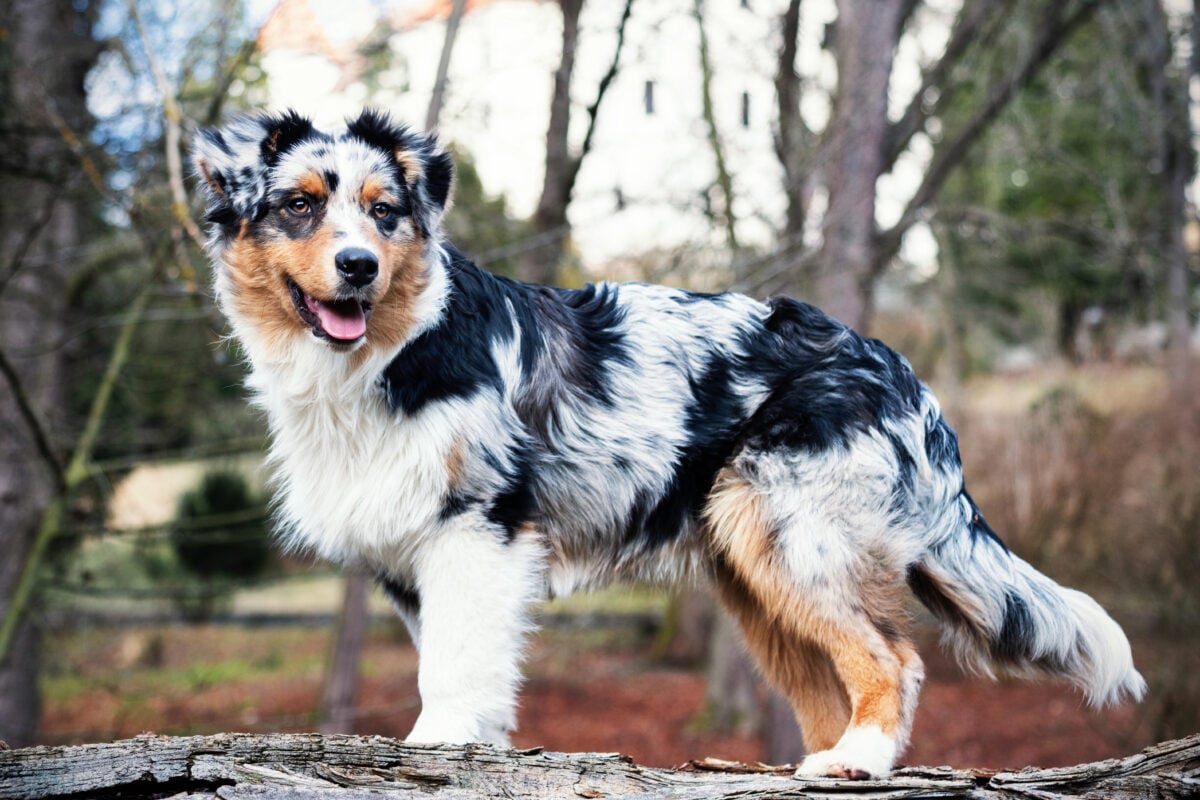
These clever herding dogs often watch, anticipate, and insert themselves into household routines much like Border Collies. An Aussie may learn that changing into certain clothes means a walk, recognize the sound of your workday ending, and appear beside you before you’ve consciously decided what you’re doing next.
Their attachment works best when it has an outlet. Aussies need serious exercise and mental stimulation, but they also tend to thrive on shared activities such as training, dog sports, hiking, herding, and games that require cooperation.
At A Glance
- Size: Medium; about 40–65 pounds
- Temperament: Intelligent, energetic, loyal, work-oriented
- Clinginess: High; often expressed through involvement and monitoring
- Energy & Exercise: Very high; needs substantial daily physical and mental activity
- Trainability: Very high; quick-learning and responsive, especially when given purposeful work
- Potential challenge: Without enough structure and stimulation, their desire to stay involved can become demanding.
17. Greyhound
Few dogs look more athletic than a Greyhound. Their racing history and streamlined build suggest a dog permanently waiting for someone to fire the starting pistol.
Then you meet one stretched across a sofa.
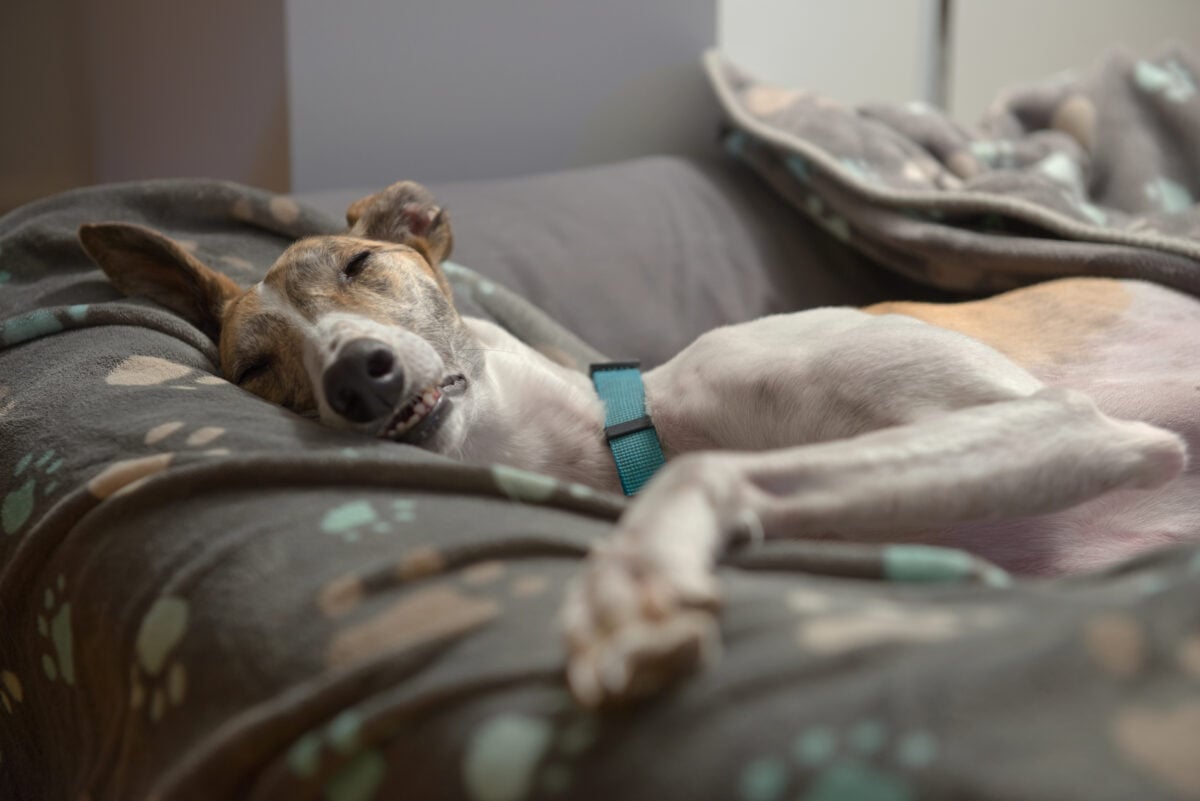
Greyhounds are famous for impressive bursts of speed, but many adults are surprisingly content to spend substantial downtime resting. Some become affectionate homebodies who enjoy staying close to their people, following them between rooms or claiming a nearby couch cushion for long stretches. The contrast between elite athlete and professional lounger is part of their charm.
Individual personalities vary considerably, particularly given the different backgrounds Greyhounds may come from. Many benefit from daily walks and opportunities for safe exercise without requiring the nonstop activity their physique might suggest.
At A Glance
- Size: Medium-large; about 60–70 pounds
- Temperament: Gentle, sensitive, calm, independent-minded
- Clinginess: Moderate-high; varies considerably by individual
- Energy & Exercise: Moderate; enjoys regular walks and safe opportunities to run but typically appreciates plenty of downtime
- Trainability: Moderate; intelligent but often less eager to repeat tasks simply because you asked
- Potential challenge: Their sensitivity and individual histories can influence how they handle changes, new environments, and time alone.
18. Rottweiler
Rottweilers may be one of the best examples of why you shouldn’t judge attachment style by appearance. Strong, confident, and historically used for demanding working and guarding roles, they can look like dogs that have absolutely no need to climb into anyone’s personal bubble.
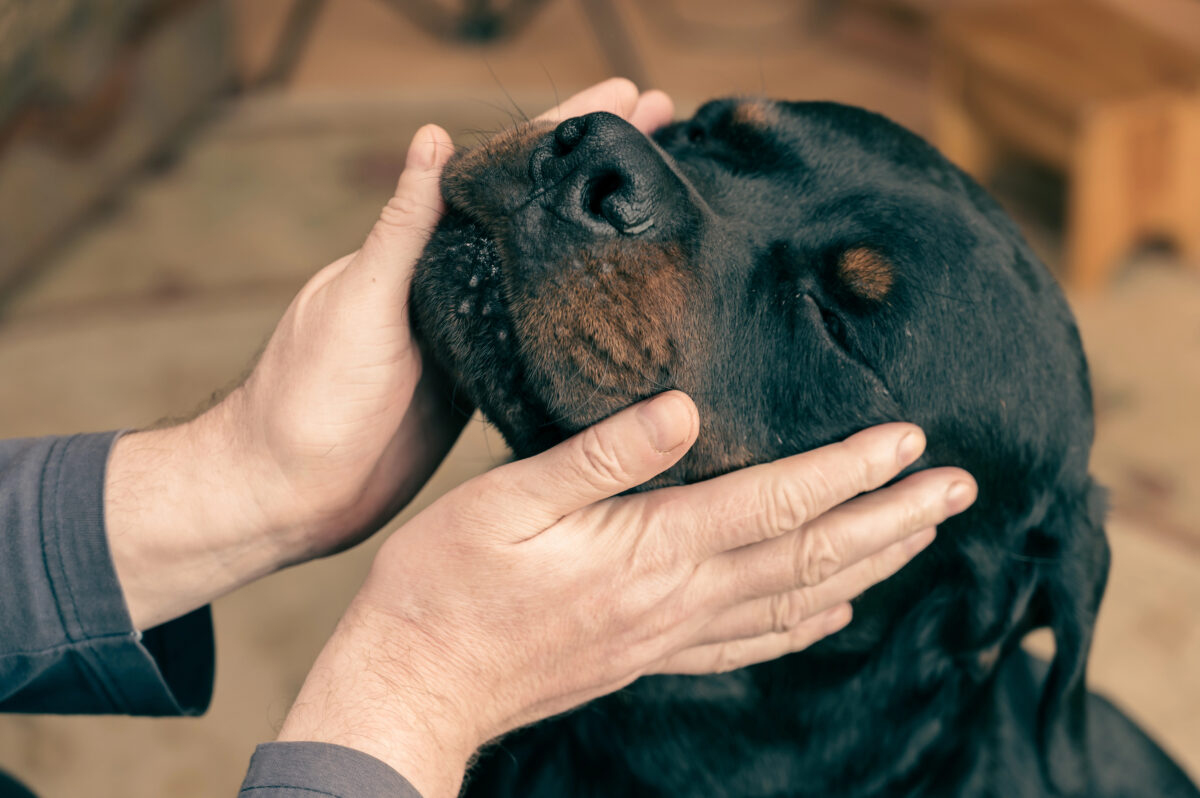
Their families often see another side. Rottweilers can form deep, devoted bonds and may seek considerable interaction and physical closeness with the people they trust. Some lean, follow, settle against their humans, or simply position themselves nearby so they don’t miss anything. That intimidating dog watching you from across the room may just be waiting to see whether you’re heading to the couch without them.
Their devotion comes packaged in an exceptionally powerful body. Rottweilers need early socialization, consistent training, regular exercise, and mental work so their confidence and intelligence have appropriate outlets.
At A Glance
- Size: Large; about 80–135 pounds
- Temperament: Loyal, confident, calm, courageous
- Clinginess: High
- Energy & Exercise: Moderate-high; needs regular exercise, training, and mental stimulation
- Trainability: Very high; intelligent and capable, with consistent training essential
- Potential challenge: Their strength, attachment, and protective tendencies make early socialization and reliable manners especially important.
Affectionate, Clingy, Or Anxious? They’re Not The Same Thing
A dog following you to the bathroom might be ridiculous, but it isn’t automatically a problem. Wanting to be near you and struggling to cope without you are two very different things.
Here’s the simplest way to think about it:
| Behavior | What It Usually Looks Like |
|---|---|
| Affectionate | Enjoys cuddles, attention, and companionship but can comfortably do their own thing |
| Clingy/Velcro | Frequently chooses proximity, keeps tabson you, and prefers being nearby while you’re home |
| Separation-related distress | Becomes distressed when separated from you or left alone |
That last category is where the behavior changes from “apparently we’re going to the laundry room together” to something worth paying closer attention to.
Signs of separation-related distress can include:
- Persistent barking, whining, or howling during absences
- Pacing or an inability to settle
- Excessive panting or drooling
- Destructive behavior, particularly around doors, windows, or other exit points
- Attempts to escape or follow you
- House-soiling associated with being left alone
- Refusing food or favorite treats specifically during absences
The circumstances matter. A dog who follows you all evening but snoozes peacefully when you leave for work is showing you something very different from a dog who panics as soon as the front door closes.
In other words, a velcro dog isn’t automatically a dog with separation anxiety. The more useful question is whether your dog can cope comfortably when access to you isn’t possible.
How To Live With A Velcro Dog Without Becoming Their Entire Coping Strategy
You don’t need to ration affection. The goal isn’t to make a social dog less attached; it’s to help them feel comfortable when you’re unavailable.
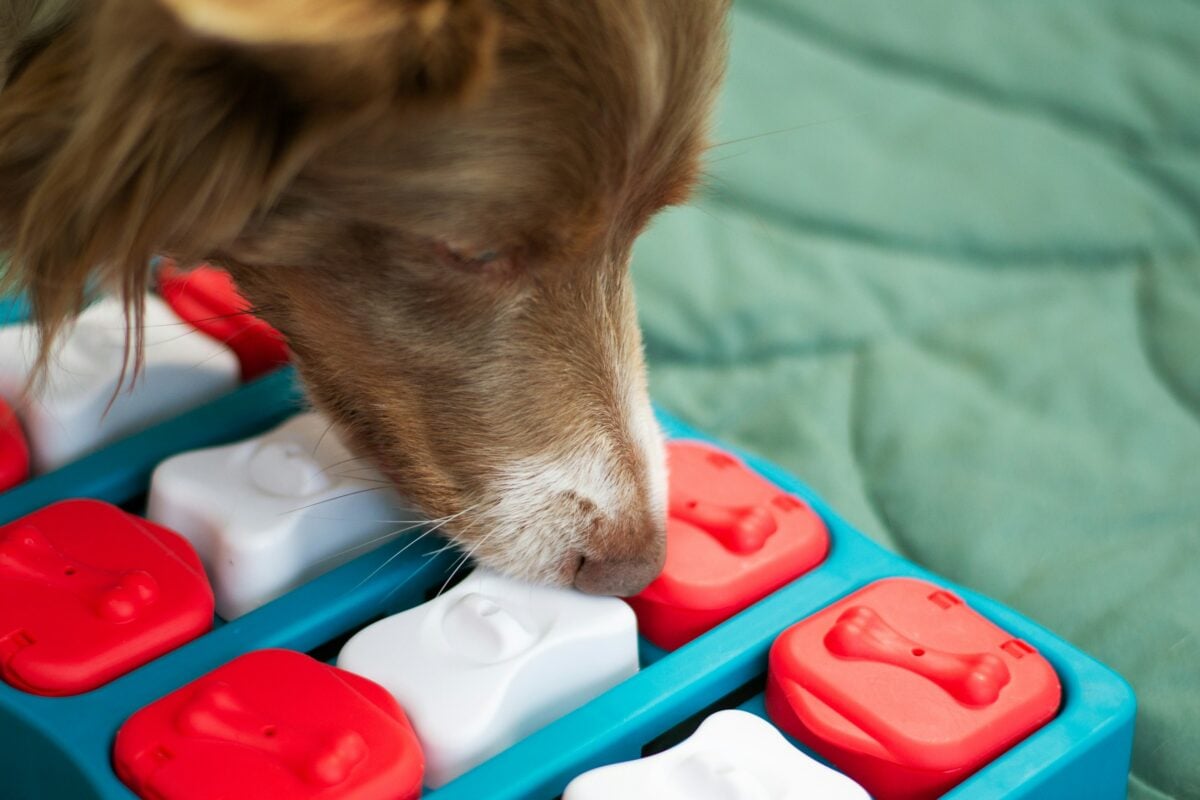
Build small opportunities for independence into everyday life:
- Give chews, food puzzles, or snuffle mats on their own bed
- Provide plenty of interactive toys
- Create comfortable resting spots that aren’t directly beside you
- Practice brief separations while you’re home, such as settling on a bed while you move around
- Keep departures and arrivals relatively ordinary rather than turning them into major events
- Give high-energy working breeds training, scent games, retrieving, or other purposeful activities instead of relying on physical exercise alone
Thinking About Getting A Velcro Breed? Ask Yourself This First
There’s a big difference between thinking “I’d love an affectionate dog” and discovering your dog considers a closed bathroom door an unacceptable breakdown in communication.
If you’re choosing a breed, ask yourself how much togetherness you actually want:
- Are you home enough to meet a highly social dog’s need for interaction?
- Would you enjoy a dog following you around and frequently seeking physical contact, or would you prefer a more independent companion?
- Can you provide the exercise, training, and mental stimulation the breed needs in addition to companionship?
- Does your schedule include frequent travel or long stretches away from home?
Pay particular attention to what the dog wants to do with you. A Newfoundland snoozing at your feet and a Border Collie waiting for its next assignment can both be clingy, but they create very different daily lives.
The best match isn’t simply the dog that loves people the most. It’s the one whose need for closeness, activity, and interaction fits the life you actually live.
Frequently Asked Questions
Still wondering why your dog has appointed themselves your full-time escort? These questions get into a few quirks of canine attachment we haven’t covered yet. If you don’t see your question here, ask us in the comments!
Why Does My Dog Follow Me But Not My Partner?
Dogs don’t necessarily divide their affection equally. They may gravitate toward the person who feeds them, walks them, trains them, plays with them, or simply spends the most time with them. Temperament matters, too. Some dogs prefer the person whose energy and routines feel most predictable.
That doesn’t necessarily mean your dog loves one person more. Different relationships can serve different purposes — you might be the preferred couch companion while your partner is clearly the person to find when a tennis ball appears.
Can A Dog Change Their Favorite Person?
Yes. A dog’s strongest attachment can shift as relationships and routines change. A new work schedule, someone taking over daily walks, increased training time, or simply spending more positive one-on-one time together can alter who a dog seeks out most often.
Some dogs also maintain strong bonds with several people rather than appointing one household VIP.
Do Dogs Get Clingier As They Get Older?
Some do. Senior dogs may seek more proximity as their hearing, vision, mobility, sleep patterns, or confidence change. Familiar people can become useful reference points when navigating everyday life feels different.
Because increased clinginess can also accompany pain, illness, or cognitive changes, a significant new behavior change in an older dog is worth mentioning to your veterinarian.
Are Male Or Female Dogs More Clingy?
There’s no reliable rule that male dogs are inherently clingier than females, or vice versa. Breed tendencies, individual temperament, early experiences, household routines, and the dog’s relationship with particular people are generally more useful clues.
If closeness matters when choosing a dog, spend time learning about the individual dog’s personality rather than relying on sex as a shortcut.
Are Some Dog Breeds Naturally More Independent?
Absolutely. Some breeds were developed to work and make decisions farther away from people, so constant human direction wasn’t particularly useful. That can translate into a dog that’s affectionate but more comfortable entertaining themselves or resting elsewhere.
Even then, breed only gives you tendencies. An independent breed can produce a champion-level shadow, just as a famously people-oriented breed can produce a dog that would rather take the entire couch for itself.
Your Dog May Have A Very Different Definition Of “Together”
Once you start paying attention, the interesting part isn’t whether your dog technically qualifies as Velcro. It’s how they choose to stay connected to you. One sleeps on your feet. Another watches from across the room. Another somehow materializes every time your hand gets within six inches of a doorknob.
If your shadow takes following particularly seriously, dig into why dogs follow their owners everywhere. You can also look for the other signs your dog has chosen you as their person. And if this much togetherness sounds exhausting, meet the dogs at the other end of the spectrum in our guide to independent dog breeds.
What’s the most ridiculous thing your dog does to make sure you never experience a moment alone? Tell us in the comments.