When you purchase through links on our site, we may earn a commission at no extra cost to you. Learn more.
You step into the kitchen to refill your coffee. By the time you come back, your dog has stolen a sock, shredded a paper towel, barked at a leaf, and is proudly trotting through the house with an object you don’t even remember owning.
Table of Contents
Sound familiar?
Dogs rarely announce they’re bored. Instead, they invent their own entertainment, often at the expense of your furniture, your shoes, or your sanity.
While not every unwanted behavior is caused by boredom, many of the things owners call “bad behavior” are really signs that a dog’s body or brain is looking for something more productive to do.
Below are some of the most common things dogs do when they’re bored, how to recognize when boredom may be the culprit, and practical ways to keep them happier, busier, and out of trouble.
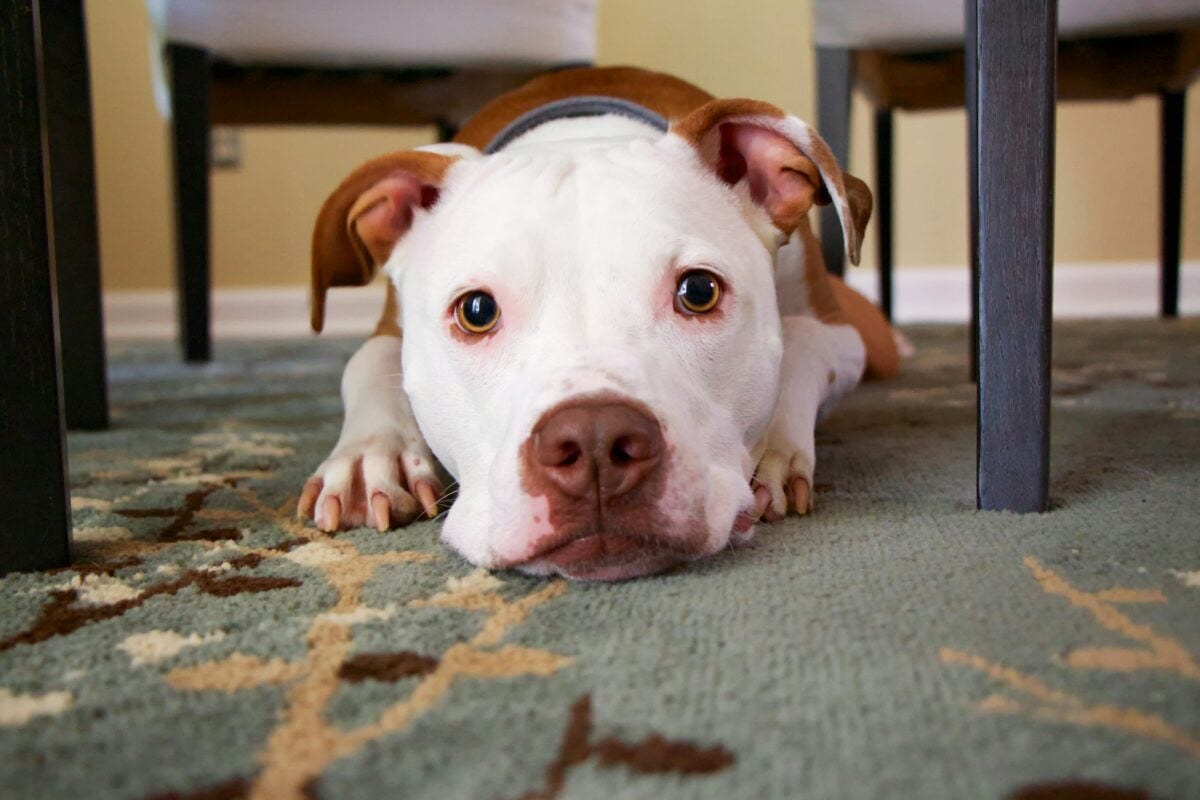
Your Dog Isn’t Being “Bad” — They Might Just Be Bored
It’s easy to assume your dog is being stubborn when they chew another shoe or empty the laundry basket for the third time this week. After all, they know they’re not supposed to do that, right?
Maybe. But dogs don’t usually wake up thinking about how to make your day more difficult.
More often, they’re simply responding to unmet needs. Dogs are naturally wired to sniff, explore, chew, solve problems, chase, and interact with the world around them. When they don’t have enough opportunities to do those things, they’ll often invent their own.
Sometimes, that means turning your throw pillows into snowstorms. Other times it means barking at passing squirrels, stealing socks, or treating your recycling bin like an escape room.
Of course, boredom isn’t the only explanation for unwanted behavior. Anxiety, fear, frustration, medical conditions, and normal puppy development can all look similar.
Boredom, however, tends to show up during long stretches of downtime, repetitive routines, or days when your dog has little to do.
Once you know what to look for, those frustrating moments become a lot easier to understand.
8 Things Dogs Do When They’re Bored
Boredom doesn’t look the same in every dog. One pup may quietly pace the house, while another decides your couch cushions have had it too easy.
Here are some of the most common ways dogs let you know they’re ready for a little more excitement in their day.
1. Chewing, Shredding, And Destroying Household Items
If you’ve ever walked into the room to find a shoe with one fewer heel, a table leg covered in teeth marks, or pillow stuffing drifting through the house like fresh snow, you already know this one.
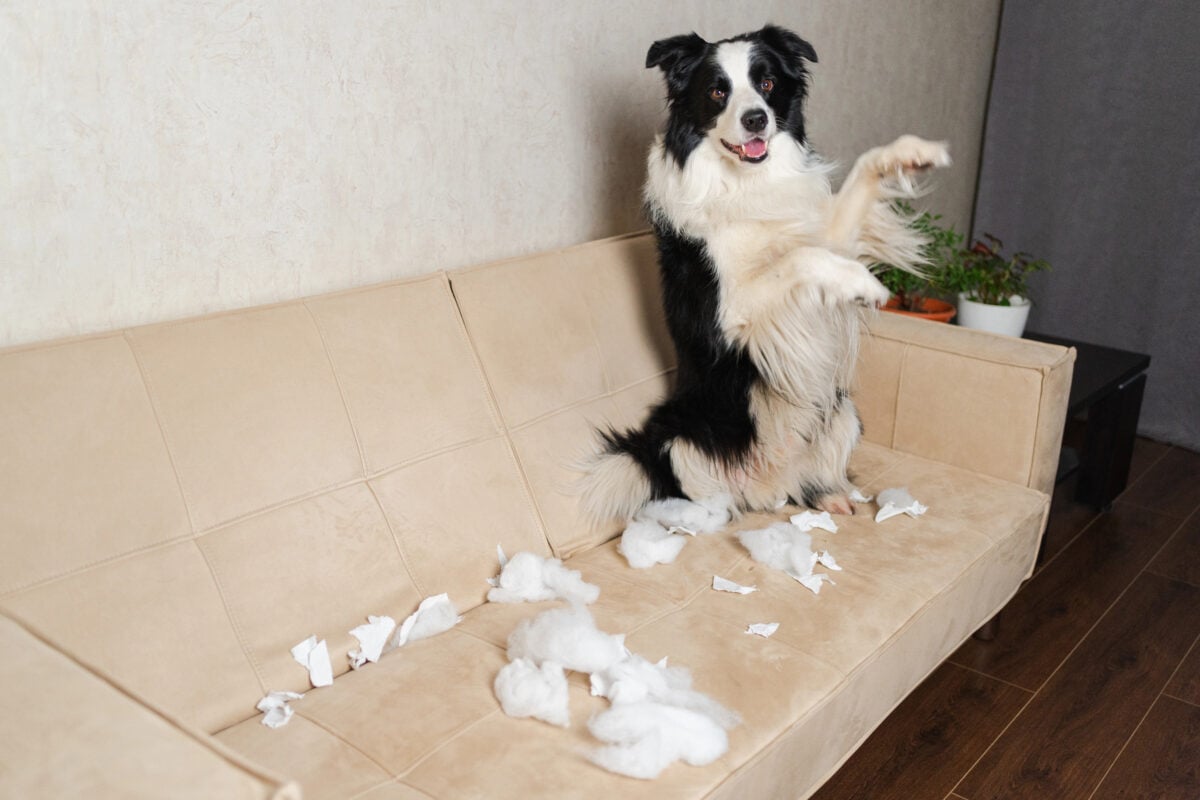
Chewing is one of the most common ways dogs keep themselves occupied. It’s mentally engaging, physically satisfying, and completely natural. The problem isn’t that your dog wants to chew — it’s what they decide deserves a closer inspection.
Without enough to capture their attention, many dogs start looking for their next project around the house.
Common targets include:
- Shoes or slippers that smell like you
- Furniture legs conveniently located at mouth height
- Throw pillows and blankets
- Remote controls, children’s toys, or books
- Cardboard boxes, paper towels, or mail
Your most expensive shoe isn’t necessarily the target because your dog appreciates fine craftsmanship. It probably just smells the most like their favorite person.
Some dogs are content to chew. Others are determined to take things completely apart.
If you’ve ever discovered cardboard confetti, shredded tissues, or what used to be yesterday’s mail scattered across the living room, you’ve met a dog that enjoys the entire demolition process. For these dogs, ripping, tearing, and dissecting can be just as satisfying as chewing itself.
Puppies naturally chew while they’re teething, but adult dogs often start remodeling your belongings when they don’t have better ways to burn off their curiosity and energy.
2. Barking More Than Usual
Some dogs bark at delivery trucks. Some bark at squirrels. Others bark at a suspicious breeze that, frankly, had it coming.
When the day starts feeling a little too quiet, some dogs decide to provide their own soundtrack.

Barking is exciting. It creates noise, movement, and, best of all, a reaction. Suddenly, people look out the window, talk, get up from the couch, or ask, “What is it?” From your dog’s perspective, that’s a pretty successful way to make something happen.
You might notice your dog:
- Watching the same window or door for long stretches
- Reacting to every passing person, dog, or squirrel
- Barking during the quietest parts of the day
- Trying to get your attention whenever the house gets too calm
- Treating every harmless neighborhood event like breaking news
For some dogs, barking isn’t just communication — it’s entertainment. If nothing interesting is happening, they’ll happily narrate every passing leaf, delivery truck, and neighbor walking their dog as if the entire household needed the update.
3. Stealing Socks, Towels, Or Other Household Items
Few dogs can resist wandering through the house and discovering something they definitely aren’t supposed to have.
One minute, your sock is in the laundry basket. The next, your dog is proudly trotting through the living room with it like they’ve captured the enemy flag.
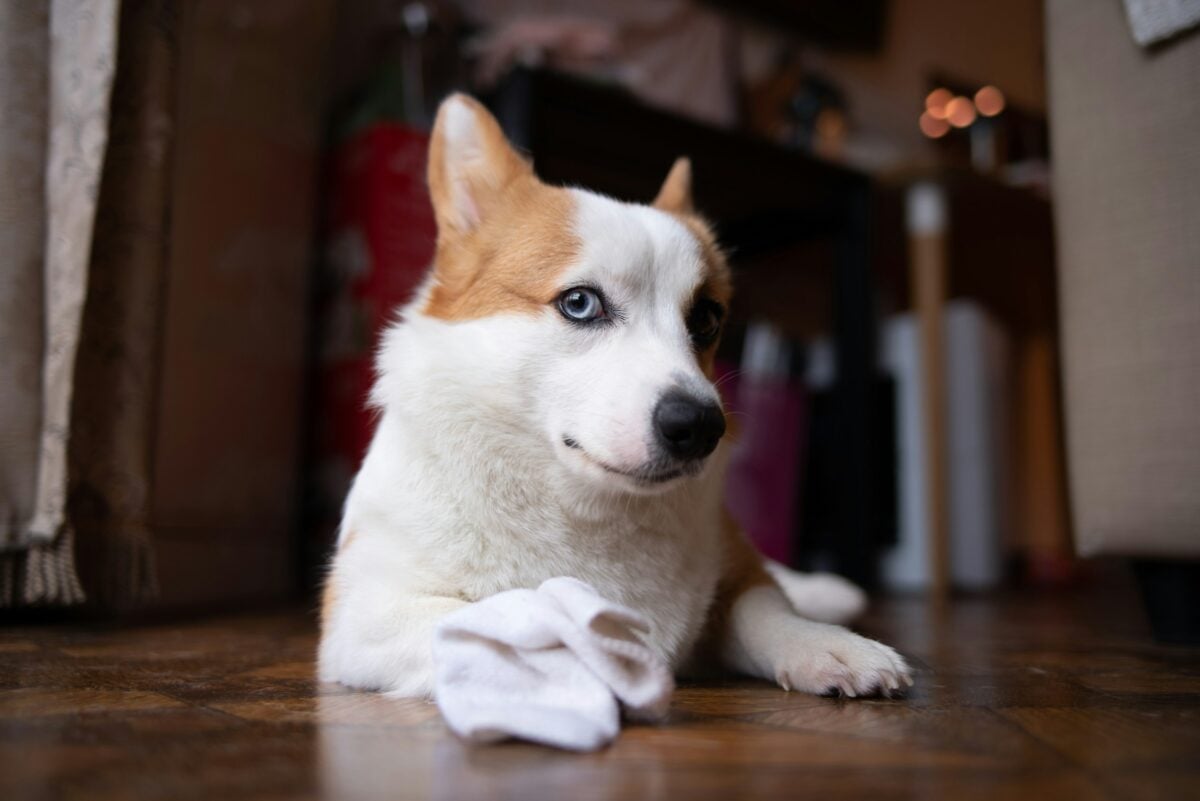
For many bored dogs, the prize isn’t the sock — it’s everything that happens after they steal it.
Stealing instantly creates excitement. Everyone in the room laughs. Someone jumps up. Someone asks, “What have you got?” Before long, your dog is sprinting laps around the coffee table while everyone else is trying to negotiate the safe return of a single athletic sock.
Favorite targets often include:
- Reusable shopping bags and other soft household items
- Socks and underwear
- Towels or washcloths
- Stuffed animals
- TV remotes
- Children’s toys
Some dogs are perfectly happy to parade around with their prize. Others seem determined to see whether today’s petty crime earns them another chase around the house.
4. Constantly Asking To Go Outside, Then Wanting Right Back In
If your dog has ever begged to go outside, stoodon the porch for 12 seconds, and immediately asked to come back in, you’re not alone.
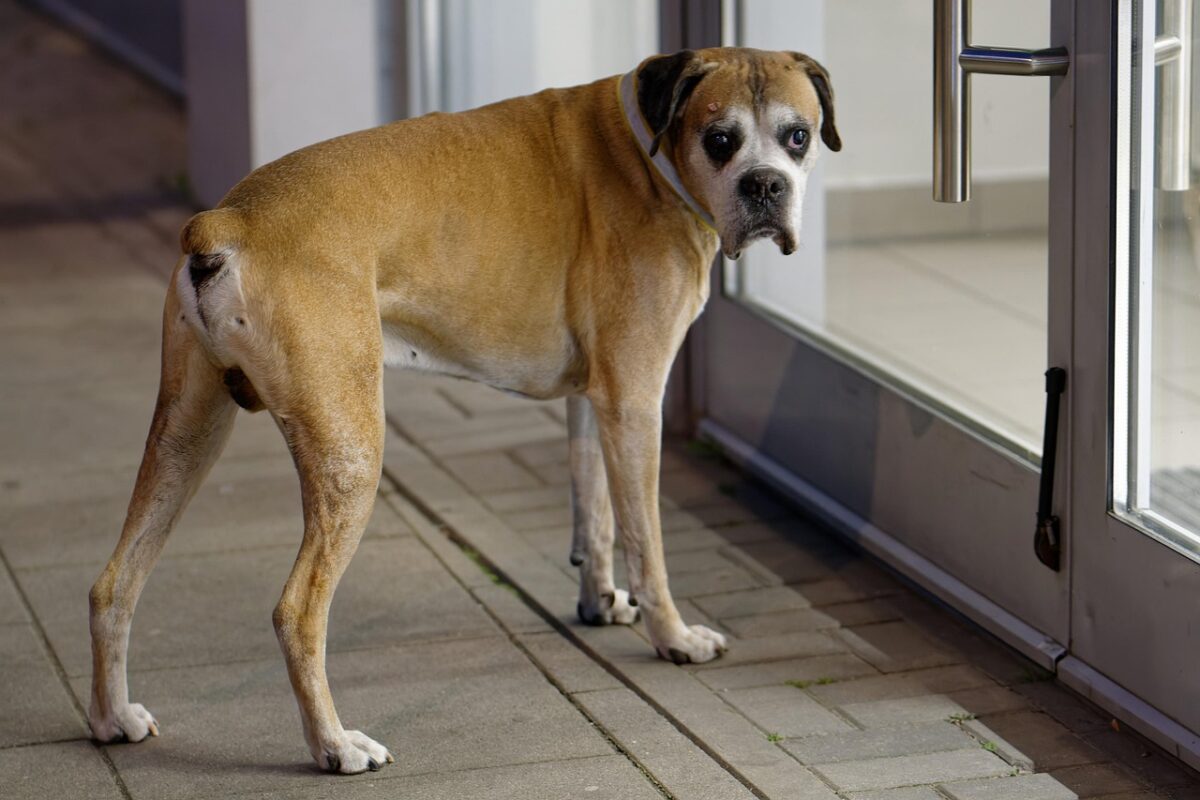
It’s easy to assume they’re being indecisive. But sometimes, they’re just conducting another inspection.
For a bored dog, opening the back door is like refreshing social media. Maybe something new happened since the last time they checked.
A bored dog might:
- Scratch or whine at the door to go outside
- Take a quick lap around the yard before asking to come back in
- Stand on the porch looking around for a moment
- Repeat the process several times throughout the day
- Lose interest almost immediately once they realize nothing has changed
Dogs experience the world through novelty. A different scent, a squirrel that wandered through, a neighbor mowing the lawn, or even yesterday’s rain can completely change how the yard smells and feels.
But sometimes, nothing happened. Time to go back inside and see if the kitchen has become more interesting.
5. Digging In The Yard Or Your Couch
Most people expect dogs to dig holes in the backyard. It’s a little more surprising when they decide that the couch cushions, your bed, or a pile of clean laundry also need to be excavated.
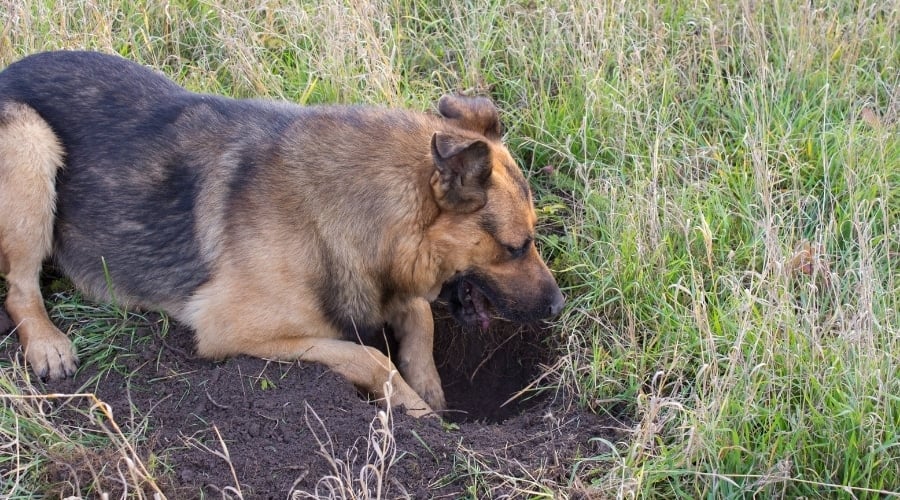
For many dogs, digging is the equivalent of starting a home improvement project that absolutely no one asked for.
Whether they’re kicking dirt across the yard or aggressively fluffing a blanket before lying down, digging taps into natural instincts. It gives dogs something to investigate, something to move, and, perhaps most importantly, something to do.
You might notice your dog:
- Digging holes around the yard for no obvious reason
- “Digging” at blankets or beds before lying down
- Scratching at carpets or couch cushions
- Digging through laundry piles or baskets
- Pawing at the same spot over and over
Sometimes there’s a practical reason. Dogs may dig to cool off, bury a favorite toy, or investigate an interesting scent underground.
But for a bored dog, the project itself can become the reward.
6. Pacing Or Acting Like They Can’t Settle Down
Not every bored dog turns into a tiny demolition crew. Some become professional wanderers.
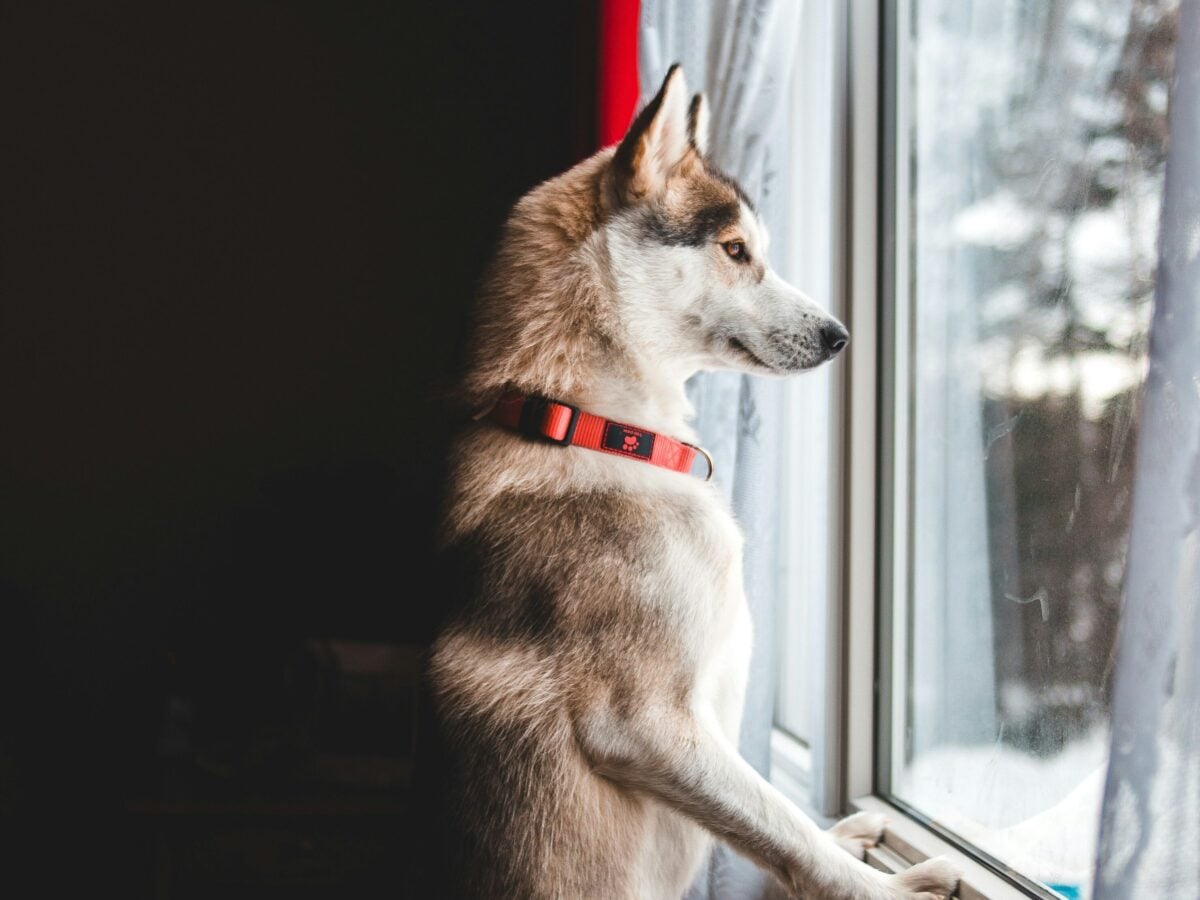
They drift from room to room, stare out the window, follow you into the kitchen, lie down for 30 seconds, get back up, check the front door, circle the living room, and repeat the entire routine like they’re waiting for the day’s agenda to finally begin.
A bored dog may:
- Pace through the house without a clear purpose
- Get up and lie down repeatedly
- Stand at doors or windows waiting for something to happen
- Wander from person to person looking for interaction
- Seem restless even after resting for a while
For many dogs, especially intelligent working and sporting breeds, doing nothing is surprisingly hard work. They were bred to herd, retrieve, hunt, track, or solve problems—not spend the afternoon wondering whether someone might open the refrigerator again.
Even a good walk isn’t always enough. A dog can be physically tired and still mentally ready for their next assignment.
Unlike most of the behaviorson this list, though, persistent pacing deserves a little extra attention. If it appears suddenly, happens mostly at night, or is accompanied by panting, confusion, or signs of discomfort, it’s worth talking with your veterinarian.
7. Licking Their Paws, The Floor, Or Pretty Much Anything Else
If you’ve ever watched your dog spend five solid minutes licking the exact spot where a cracker crumb landed yesterday, you know dogs can commit to a hobby.

For some dogs, licking becomes a way to pass the time. It’s repetitive, soothing, and easy to keep doing when the house is quiet and nothing much is happening.
You might notice your dog:
- Licking their paws while resting
- Repeatedly licking carpet, blankets, or couch cushions
- Cleaning the kitchen floor long after dinner is over
- Focusing on the same spot over and over
- Moving from one surface to another without an obvious reason
However, excessive licking warrants closer scrutiny. Allergies, skin infections, pain, parasites, injuries, digestive problems, and anxiety can all trigger persistent licking.
If your dog’s paws become red, swollen, or irritated, or they seem unable to stop licking one particular area, it’s time to check in with your veterinarian.
8. Raiding The Trash And Patrolling The Counters
Your trash can isn’t full of garbage. At least, not according to your dog.
To them, the kitchen is an all-you-can-sniff treasure hunt filled with mysterious smells, forgotten snacks, crinkly packaging, and the possibility that today might be the day someone leaves half a sandwich unattended.
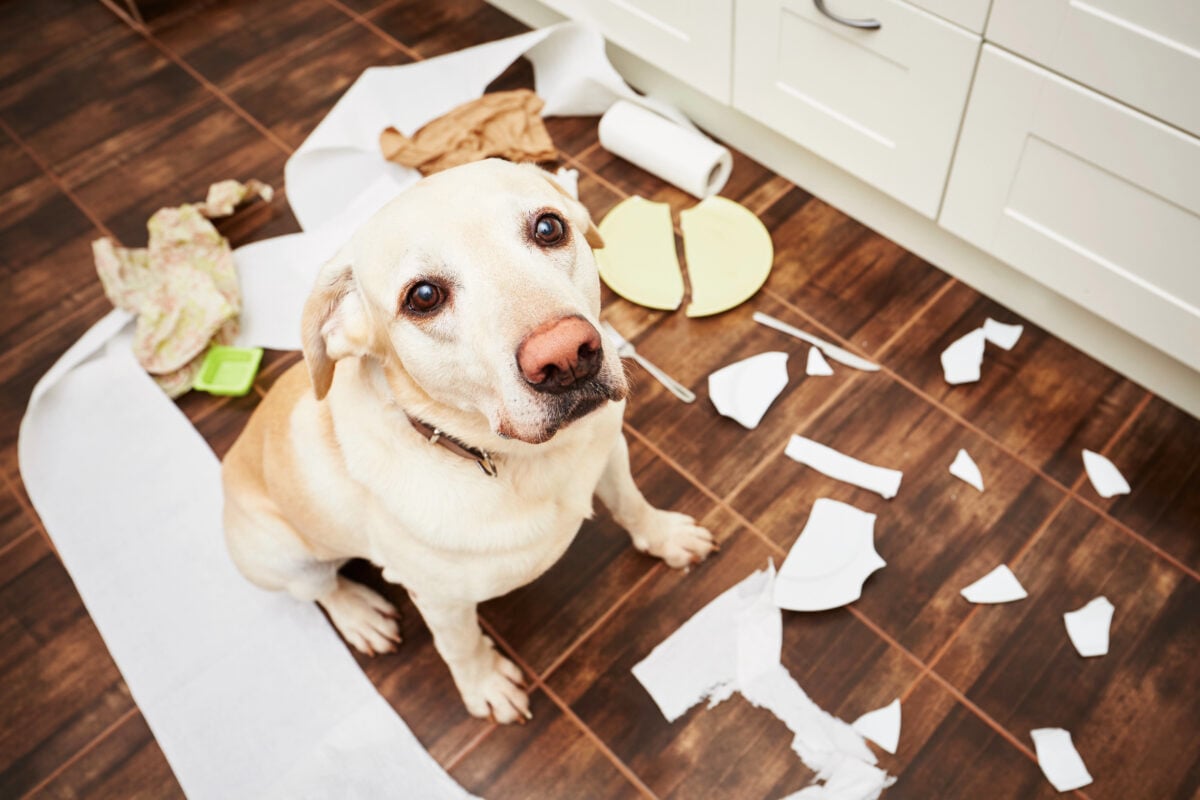
Whether they’re knocking over the trash can or casually inspecting the kitchen counter for the fifth time that afternoon, the goal is usually the same: see if anything exciting has appeared since the last inspection.
A bored dog may:
- Knock over trash cans
- Pull food wrappers onto the floor
- Dig through bathroom trash
- Jump up to inspect kitchen counters
- Return to the same spots throughout the day
- Carry their discoveries around the house like buried treasure
The funny part is that most inspections come up empty. But every once in a while, someone forgets a slice of pizza or drops a piece of chicken while cooking.
From your dog’s perspective, that’s enough evidence to justify checking again tomorrow.
Of course, this behavior can also be dangerous. Trash and kitchen counters may contain cooked bones, medications, chocolate, xylitol, coffee grounds, corn cobs, batteries, dental floss, food packaging, and other items that can seriously harm your dog.
Keeping tempting food out of reach is important, but so is giving your dog better ways to satisfy that urge to sniff, search, and discover.
Boredom, Anxiety, Or A Medical Problem?
By now, you may have recognized your dog in several of these behaviors. But here’s the tricky part: the same behavior can have very different causes.
A dog that chews your shoes might be bored. Another might be anxious. A third could be dealing with pain or another medical issue.
That’s why it’s important to look beyond what your dog is doing and ask why they’re doing it.
Instead of focusing on a single behavior, look for the bigger picture.
- When does it happen?
- Does it follow a predictable routine?
- Does your dog settle down after exercise or enrichment?
- Or has the behavior appeared suddenly for no obvious reason?
Here’s a quick way to compare some of the most common signs.
| What You’re Seeing | Boredom May Be More Likely If… | Look Deeper If… |
|---|---|---|
| Chewing | It mostly happens during downtime, after missed walks, or when your dog has little to do. | The chewing starts suddenly, only happens when you’re gone, involves swallowing non-food items, or is accompanied by obvious distress. |
| Barking | Your dog barks when they’re under-stimulated, watching the yard, or trying to create excitement. | The barking seems driven by fear, guarding, confusion, pain, or a sudden change in hearing or vision. |
| Licking | It happens occasionally during quiet moments and improves when your dog has more to do. | You notice redness, sores, swelling, limping, hair loss, or your dog can’t seem to stop licking one area. |
| Pacing | Your dog settles after a walk, training session, or enrichment activity. | The pacing happens at night, is accompanied by panting or whining, or your dog seems confused or uncomfortable. |
| Destructive behavior | It occurs after long periods of inactivity or when your dog is seeking entertainment. | It only happens when your dog is left alone and is accompanied by panic, escape attempts, drooling, or other signs of separation anxiety. |
One of the biggest clues is consistency. Boredom-related behaviors often appear under similar circumstances and improve when your dog has something more engaging to do.
Anxiety tends to feel more urgent. Instead of creating entertainment, anxious dogs are trying to cope with fear or stress.
Medical problems are different. They often appear suddenly, worsen progressively, or accompany other physical changes such as limping, vomiting, changes in appetite, skin irritation, or unusual fatigue.
When in doubt, it’s always safest to rule out a medical problem first. Once your veterinarian has done that, you’ll have a much clearer idea whether your dog simply needs a little more enrichment in their day.
How To Keep Your Dog Happily Busy
If several of these behaviors sounded familiar, the good news is that you don’t have to entertain your dog every waking minute.
The goal is simply to build more opportunities throughout the day for your dog to move, sniff, think, explore, and just be a dog. Small changes to your routine can make a surprisingly big difference.
Here are some easy ways to get started.
Start With The Right Kind Of Exercise
When people hear “bored dog,” the first piece of advice is usually, “Walk them more.”
Sometimes that’s exactly what’s needed, but more walking isn’t always better walking.
Many dogs would happily trade an extra mile for five more minutes of sniffing. While we tend to think of walks as exercise, dogs think of them as information gathering. Every tree, fire hydrant, and suspiciously interesting patch of grass is today’s neighborhood news feed.

Instead of rushing from Point A to Point B, try making walks a little more interesting:
- Let your dog stop and sniff instead of hurrying them along.
- Take a different route now and then.
- Practice a few simple cues during the walk.
- Use a long line in a safe open area so your dog can explore more naturally.
- Match the activity to your dog’s age, breed, health, and the weather.
A walk doesn’t have to leave your dog completely exhausted to be successful. Sometimes the best walks are the ones where your dog comes home feeling like they actually got to be a dog.
Add Food-Based Enrichment
For many dogs, finding the food is almost as rewarding as eating it.
Think about how dogs naturally forage. They sniff, search, investigate, and work to uncover interesting things. Pouring dinner into a bowl skips all of that.
Instead, let mealtime do a little more of the heavy lifting.
Easy options include:
- Puzzle feeders
- Snuffle mats
- Frozen lick mats
- Treat-dispensing toys
- Scatter feeding in the yard or around the house
- Stuffed KONGs or similar food toys
A few safety tips:
- Count treats and stuffed toys as part of your dog’s daily calories.
- Choose enrichment toys that are the right size for your dog.
- Supervise enthusiastic chewers.
- Replace worn or damaged toys before they become a hazard.
For some dogs, dinner disappears in less than a minute. Turning that same meal into a 15-minute scavenger hunt is a much better way to end the day.

Give Your Dog “Legal” Things To Destroy
Some dogs don’t just enjoy chewing.
They enjoy the entire demolition process.
If your dog treats cardboard boxes like sworn enemies or seems determined to find out what’s inside every stuffed toy, they’re doing something many dogs naturally love: ripping, tearing, and taking things apart.
The goal isn’t to stop that instinct. It’s to give your dog something they’re actually allowed to destroy.
Good options include:
- Long-lasting chews recommended by your veterinarian
- Durable chew toys
- Stuffed enrichment toys
- Supervised cardboard enrichment for dogs that won’t eat the material
One simple trick is to rotate chew options every few days. Something that disappeared for a week often feels brand new when it comes back.
Your dog doesn’t know the difference between a cardboard box you handed them and one that just arrived from the delivery truck. They just know something fun finally showed up to take apart.
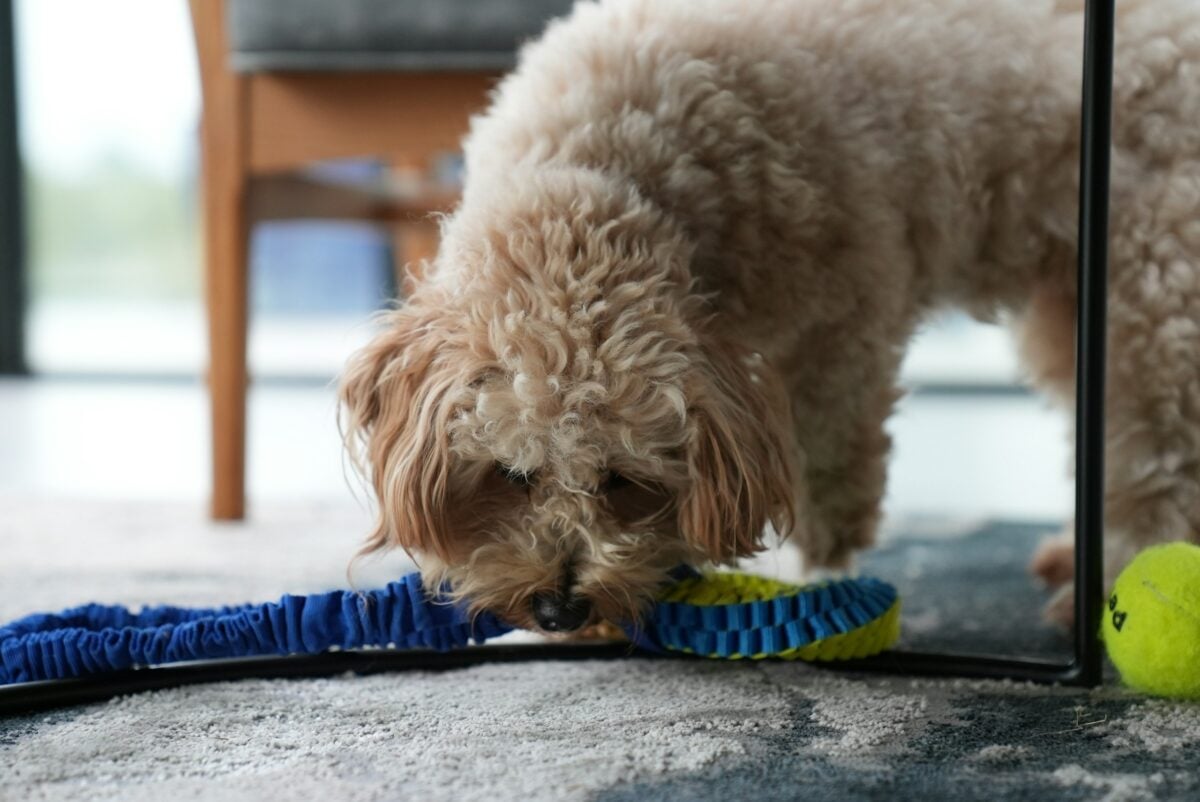
Rotate Toys Instead Of Leaving Everything Out
Imagine watching the same three television channels every day for six months. Eventually, you’d probably stop paying much attention to them.
Dogs aren’t much different. Toys that are always available gradually become part of the furniture. But put them away for a few days, and suddenly they’re exciting again.
A simple rotation might look like this:
- Morning: Long-lasting chew
- Afternoon: Puzzle toy or snuffle mat
- Evening: Tug toy or fetch toy
You don’t have to buy new toys every week. Sometimes the oldest toy in the house feels brand new simply because it disappeared for a while.
Teach Your Dog A Few Tiny Jobs
Dogs don’t need a résumé, but many are happiest when they have something to accomplish.
The good news is that the jobs don’t have to be complicated. In fact, some of the best ones take just a few minutes to teach.
Try showing your dog how to:
- Find hidden treats
- Carry a toy to the door
- Touch your hand with their nose
- Put toys back into a basket
- Wait while you hide treats around the house
- Learn the names of favorite toys
Your dog doesn’t care whether the job is important. They just enjoy having a challenge to solve and a reason to earn a reward.
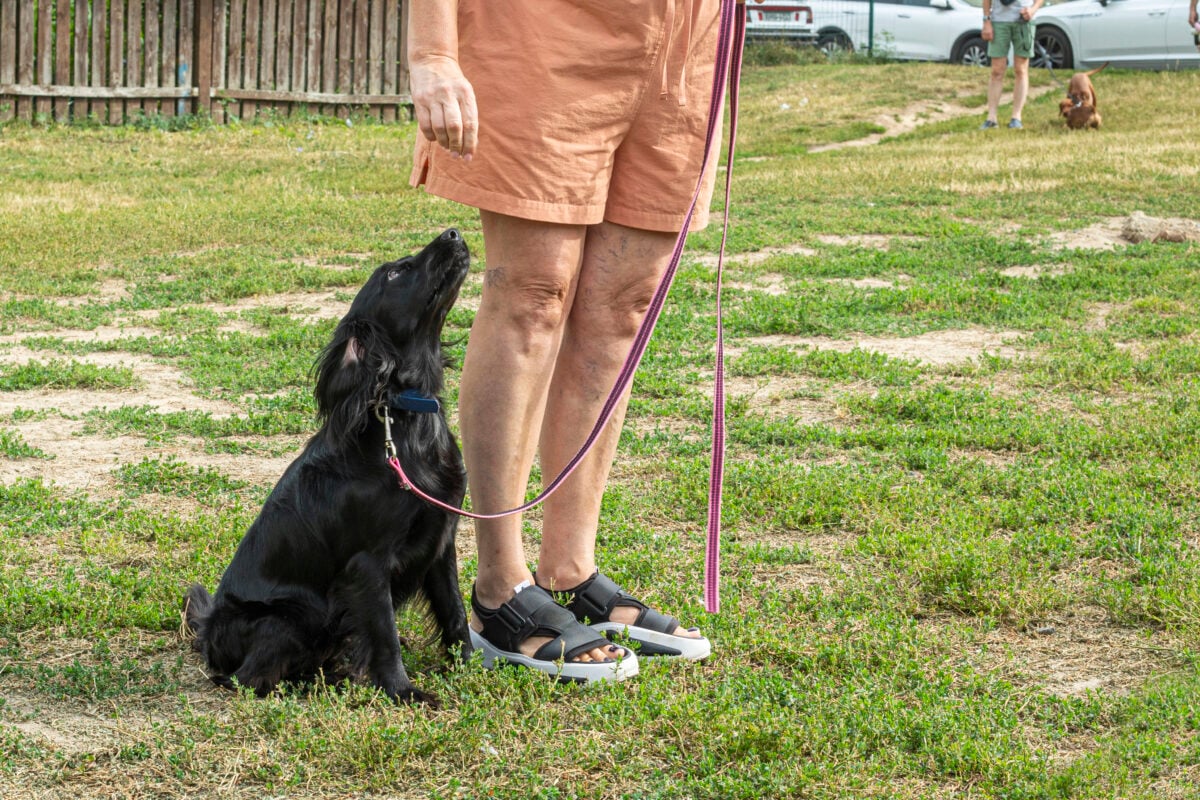
Use Training As Mental Exercise
Training isn’t just about better manners.
It’s one of the easiest ways to give your dog’s brain a workout.
For many dogs, 5 to 10 minutes of learning something new can be more satisfying than a much longer walk.
Try mixing in activities like:
- Refreshing basic cues
- Learning a new trick
- Impulse-control games
- Indoor recall practice
- Simple scent games
Keep training sessions short, upbeat, and fun. It’s better to stop while your dog is still excited for one more round than to keep going until they’re ready to quit.
Change The Environment
Sometimes your dog doesn’t need more to do. They just need something different.
To us, a new walking route is just another neighborhood. To your dog, it’s a completely different world of smells, sounds, and things to investigate.
Simple ways to add a little variety include:
- Taking a different walking route
- Visiting a new park
- Goingon a dog-friendly car ride
- Scheduling a playdate
- Exploring a pet-friendly store
- Spending supervised time somewhere new
Even opening the curtains can make a difference for some dogs. Watching birds, squirrels, and the neighborhood go by can be surprisingly enriching.
Of course, not every dog enjoys front-row seats to the outside world. If your dog spends the afternoon barking at every passing squirrel, cyclist, or suspiciously shaped cloud, less window time may actually help them relax.
For reactive or anxious dogs, introduce new experiences gradually and keep them positive.
You don’t have to overhaul your dog’s entire routine. Sometimes a little variety is enough to make an ordinary day feel interesting again.
What Not To Do When Your Dog Is Bored
Some boredom fixes work surprisingly well. Others accidentally convince your dog they’ve just invented the greatest game in the world.

Here are three mistakes that can make boredom behaviors even harder to break.
Don’t Accidentally Reward The Chaos
Dogs repeat behaviors that pay off.
Without realizing it, we sometimes turn boredom into a game.
For example:
- Chasing your dog after they steal a sock teaches them that sock theft comes with a free game of tag.
- Yelling at excessive barking is still attention, and for some dogs, attention is exactly what they want.
- Dropping everything every time your dog paws at you can teach them that persistence works.
Instead:
- Reward calm behavior before your dog asks for attention.
- Trade for stolen items instead of chasing your dog.
- Keep tempting trash and food out of reach.
- Offer enrichment before your dog’s usual troublemaking hour.
The goal isn’t to ignore your dog. It’s to make the behaviors you like more rewarding than the ones you don’t.
Don’t Wait Until Your Dog Is Already Bored
Dogs are much easier to keep busy than they are to entertain once boredom has already taken over.
If your dog only gets a chew after stealing a sock or a puzzle toy after barking for 20 minutes, they’re learning that chaos comes first and enrichment comes later.
Instead, stay one step ahead.
- Offer a chew before your afternoon work calls.
- Pull out a puzzle feeder before you settle in to watch TV.
- Rotate toys before your dog starts wandering the house looking for trouble.
- Plan enrichment around your dog’s routine, not after they’ve already created one of their own.
A little prevention is usually easier than cleaning up the aftermath.
Don’t Ignore Sudden Behavior Changes
Throughout this article, we’ve focused on boredom.
But sudden behavior changes deserve a second look.
If your dog’s habits appear out of nowhere, become much more intense, or are accompanied by physical symptoms, it’s time to involve your veterinarian.
Watch for things like:
- Excessive licking
- Persistent pacing
- Changes in appetite
- House soiling
- Aggression
- Confusion
- Limping
- Vomiting or diarrhea
Dogs can’t tell us when something hurts. Sometimes a change in behavior is the first clue that something else is going on.
Frequently Asked Questions
Here are answers to some of the questions dog owners ask most often about boredom. If you don’t see yours here, let us know in the comments.
Do Dogs Get Bored Home Alone?
Yes. Many dogs become bored when they’re left alone for long periods with little to do, especially if every day follows the same routine. That said, boredom and separation anxiety aren’t the same thing.
A bored dog may chew a toy — or your shoe — to pass the time. A dog with separation anxiety often shows signs of genuine distress, such as panic, excessive drooling, nonstop barking, escape attempts, or destructive behavior that only happens after you leave.
What Dog Breeds Get Bored Most Easily?
Any dog can become bored, but working, herding, sporting, and other high-energy breeds often need more mental stimulation than many owners expect.
Breeds like Border Collies, Australian Shepherds, Labrador Retrievers, German Shepherds, and many terriers were developed to solve problems and stay active throughout the day. Without enough outlets, they’re more likely to invent their own entertainment.
That doesn’t mean mixed breeds or lower-energy dogs are immune. Every dog benefits from appropriate exercise, enrichment, and opportunities to use their natural instincts.
Can Dogs Sleep Too Much Because They’re Bored?
Sometimes. If there’s very little to do, some dogs simply nap more to pass the time. That said, a sudden increase in sleeping, unusual lethargy, or difficulty waking isn’t something to dismiss as boredom. If your dog’s sleep habits change dramatically, it’s worth checking in with your veterinarian.
Can An Older Dog Get Bored?
Absolutely. Senior dogs may not need the same level of physical exercise as they once did, but they still enjoy sniff walks, food puzzles, gentle training, and new experiences that match their abilities. Keeping an older dog’s mind active can be just as important as keeping their body moving.
Is It Possible To Give My Dog Too Much Enrichment?
Yes. Dogs need time to relax, too. Constant activity can become overstimulating, especially for puppies or easily excited dogs. The goal isn’t to fill every minute of the day — it’s to create a healthy balance of activity, exploration, and downtime.
How Long Does It Take To Reduce Boredom Behaviors?
It depends on the dog and the behavior. Some dogs settle down within days once they have more opportunities to sniff, play, and solve problems. Behaviors that have been rewarded for weeks or months, like barking for attention or stealing socks, usually take longer to change. Consistency matters more than trying lots of new activities all at once.
Why Not Consider A New Hobby?
Bored dogs are incredibly creative, but that creativity is a lot more fun when it’s directed at something other than your furniture. If your dog is looking for a bigger challenge, explore our guides to dog agility training and dog sports for fun ways to channel their energy and keep both their body and brain engaged.
What’s the most suspiciously “creative” thing your dog has done when they were bored? Tell us in the comments — bonus points if laundry was involved.