When you purchase through links on our site, we may earn a commission at no extra cost to you. Learn more.
One minute, your dog is quietly wandering through the house, and the next, they’re proudly trotting toward you with a dirty sock, one of your shoes, the mail, or your kid’s favorite stuffed animal.
Table of Contents
As random as these deliveries seem, they’re usually not about the object itself. Whether your dog wants to play, get your attention, or show off their latest “treasure,” bringing you random things is often their way of communicating.
Here’s what your dog may be trying to tell you, why some breeds do it more than others, and when this funny habit could signal boredom, anxiety, or something more.
Start Here: What Your Dog Is Really Trying To Say
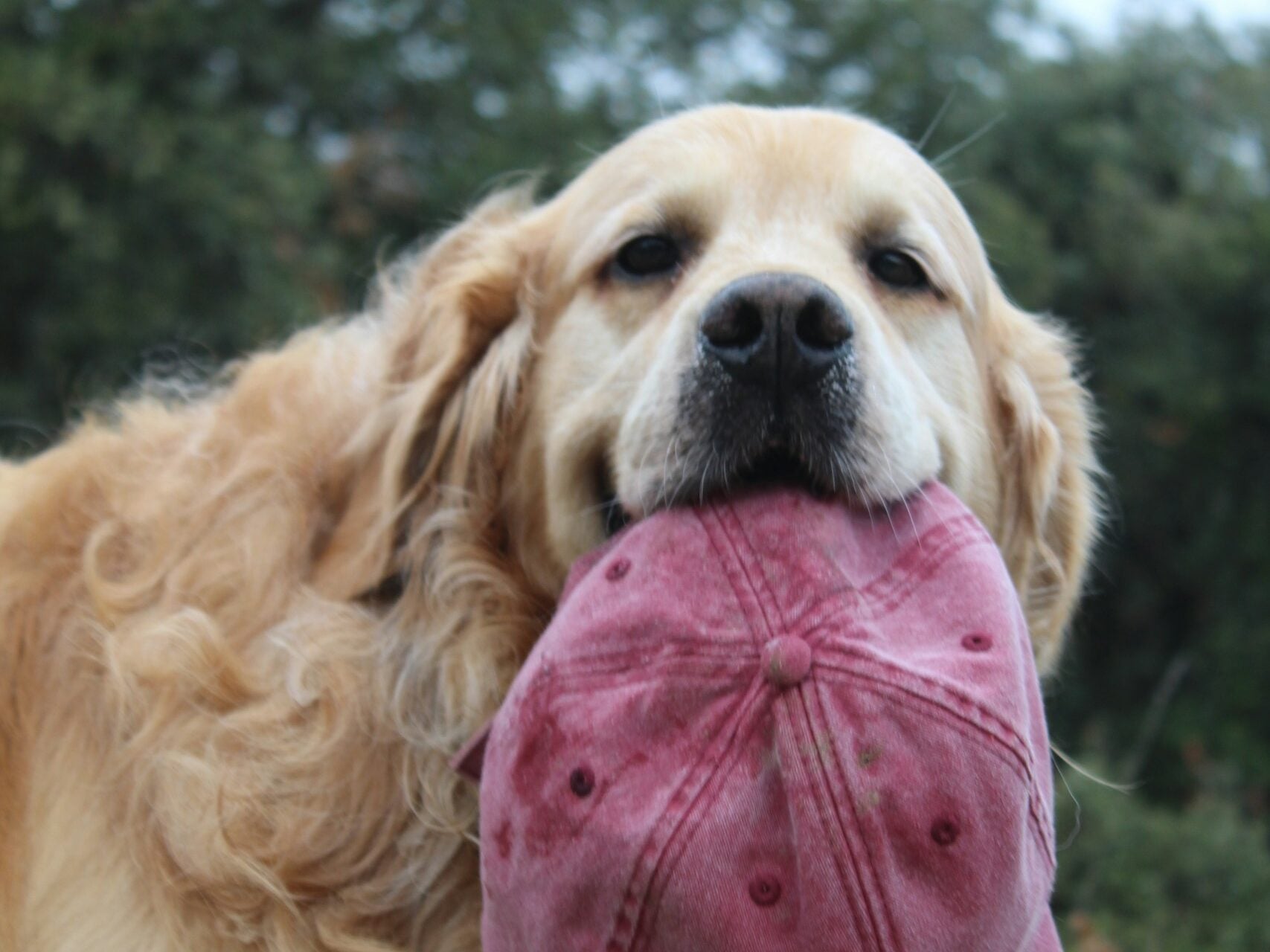
If your dog proudly carries over a sock, shoe, blanket, or some other random household object, they’re probably not trying to help with the chores. More often, they’re trying to start a conversation.
Want our human-written content to rank above AI-generated garbage? Help us out by clicking this button!
Dogs don’t use words, so they rely, licensed via behaviors to communicate. Bringing you an object can be their way of asking for attention, inviting you to play, showing off an exciting discovery, or simply sharing something they value.
In many cases, they aren’t focused on the object itself; they’re focused on you and what happens next.
The key is to look beyond what your dog is carrying and pay attention to the context. Did they bring you a toy after dinner? A shoe when you got home from work? Those clues often reveal what they’re trying to say.
Most dogs are communicating one of these messages:
- Play with me.
- Pay attention to me.
- Look what I found.
- This reminds me of you.
- I don’t know what else to do.
The object may seem random, but the message usually isn’t.
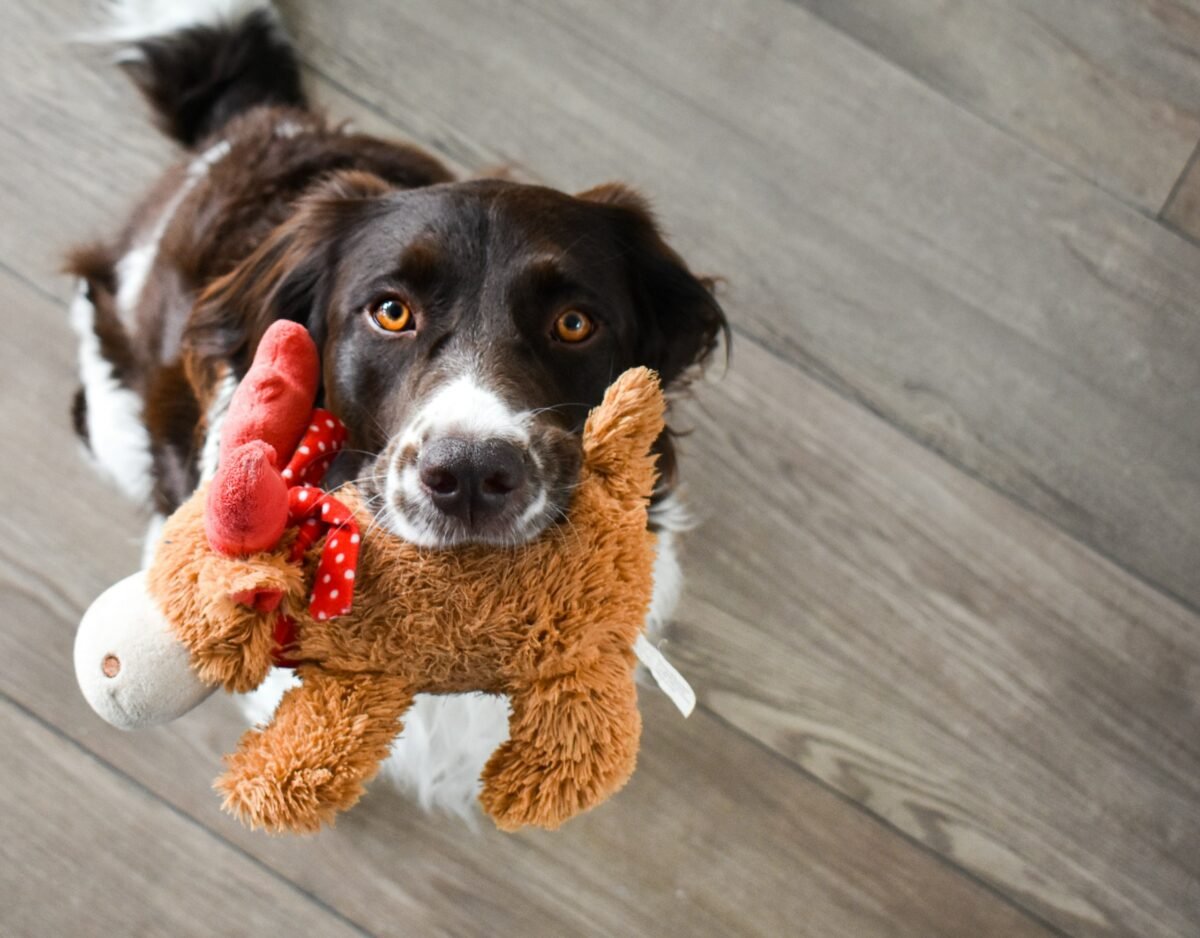
The Meaning Often Depends On What They Bring
A slobbery tennis ball and your favorite slipper may seem like two completely different gifts, but dogs often choose objects for a reason. Sometimes it’s because the item smells like you. Other times, it’s because it’s fun to carry, easy to grab, or has become part of a game the two of you play together.
Just as important as what your dog brings is when they bring it. A toy delivered during your evening routine likely means something different than a sock proudly presented after you’ve been away all day.
6 Common Reasons Dogs Bring You Things
These are some of the most common reasons dogs bring their favorite people random objects.
While every dog is different, the object they choose can also offer clues about what they’re trying to communicate. Remember, context matters. The same sock can mean “play with me” one day and “I missed you” the next.
1. They Want Your Attention
Sometimes, the object is simply a conversation starter.
Dogs quickly learn what gets a reaction, and carrying your sock through the living room is often much more effective than quietly sitting beside you. Whether you chase them, talk to them, or ask them to “drop it,” you’ve given them exactly what they wanted: your attention.
If your dog consistently brings you objects while you’re working, watching TV, talking to someone else, or using your phone, attention-seeking is one of the most likely explanations.
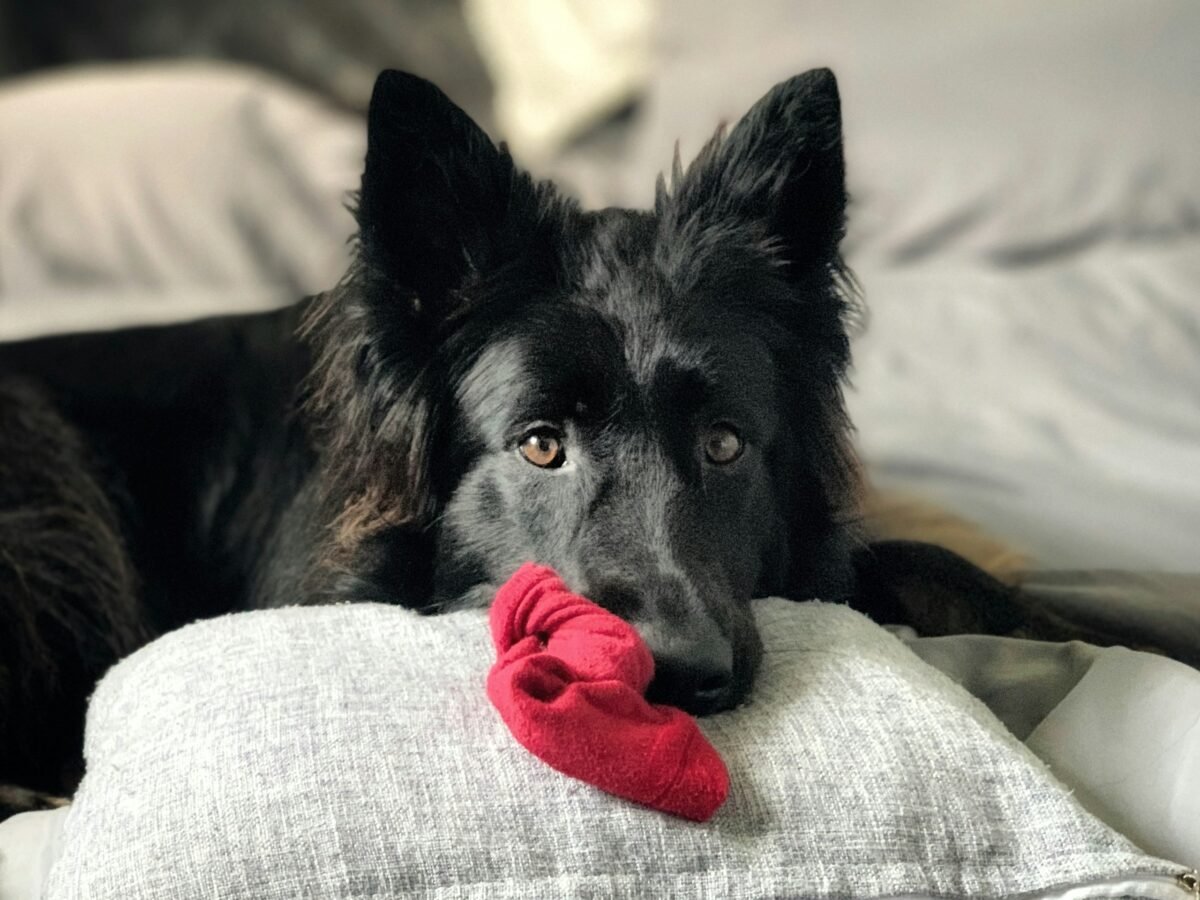
You Might See Them Bring:
- Socks
- Shoes or slippers
- TV remotes
- Kids’ toys
- Dish towels
2. They’re Inviting You To Play
Many dogs use objects to start an interaction.
A favorite toy is the obvious choice, but some dogs happily substitute a towel, slipper, or stuffed animal if it’s nearby. They may wag their tail, play bow, bounce around the room, or dart away as soon as you reach for the object, turning the whole interaction into a fun game.
This behavior often happens after dinner, during your usual playtime, or anytime your dog has been waiting for you to finish working or relaxing.
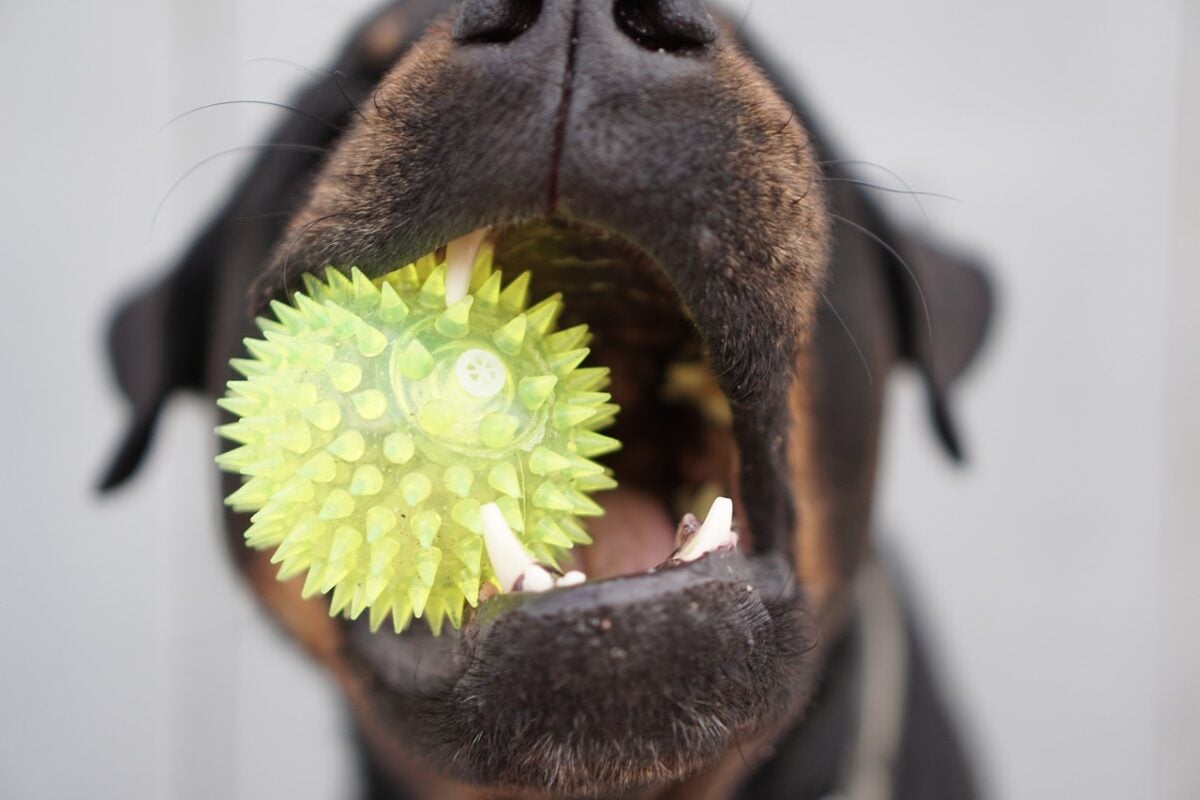
Favorite Playthings Include:
- Favorite toys
- Tennis balls
- Ropes
- Stuffed animals
- Towels
- Blankets
3. The Object Smells Like You
Dogs experience the world through scent, so it’s no surprise they’re drawn to objects carrying your smell.
Dirty socks, worn shoes, pajamas, blankets, and laundry are packed with familiar scents that many dogs find comforting. Some dogs also instinctively grab one of these items when greeting you after you’ve been away, carrying it proudly as they welcome you home.
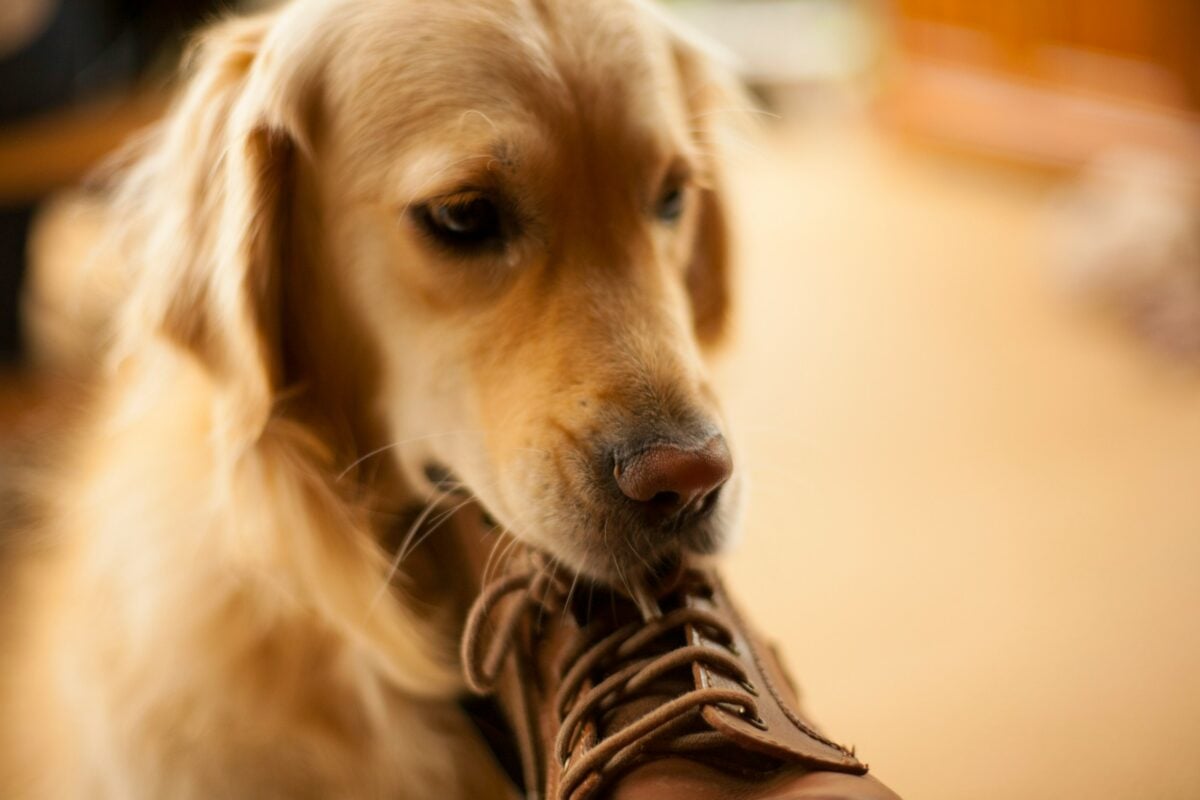
Comfort Items They May Choose:
- Dirty socks
- Shoes
- Pajamas
- Blankets
- Bath towels
- Laundry
4. They Want To Show You Something Interesting
Some dogs seem genuinely excited to share their latest discovery.
Whether it’s the mail, a cardboard tube, a stick from the yard, or your child’s stuffed animal, curious dogs often parade around the house carrying whatever they’ve found. Puppies are especially likely to do this as they explore their environment and learn about the world.
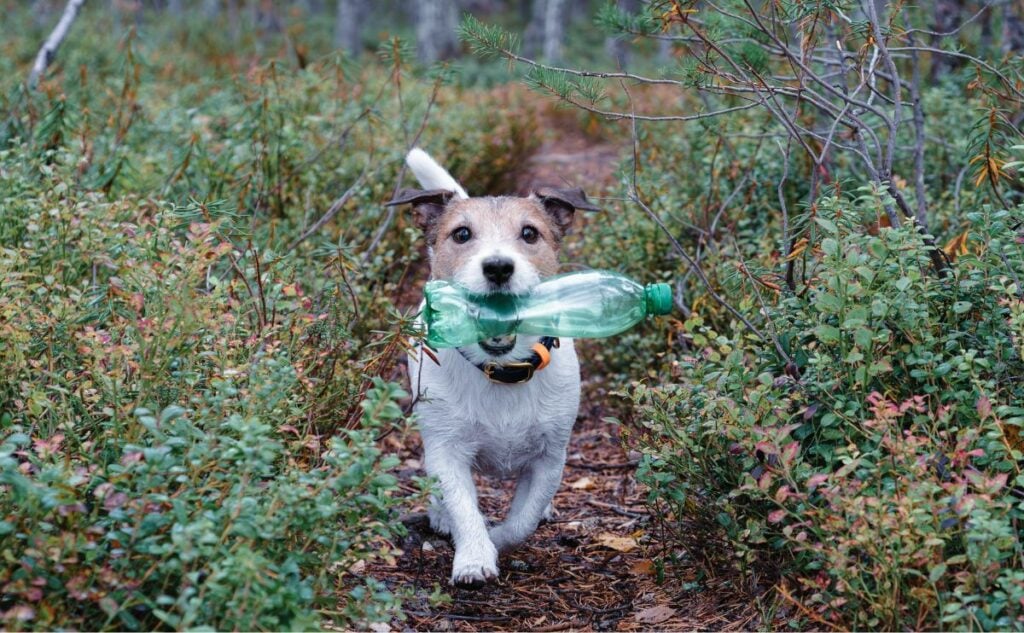
Common “Discoveries” Include:
- Sticks
- Cardboard tubes
- Empty plastic bottles
- Dish towels
- Stuffed animals
- Leaves
5. They’re Sharing Something They Value
Dogs don’t give gifts in the same way people do, but they do share valuable resources with individuals they trust.
If your dog proudly brings you their favorite toy, chew, or treasured possession, they may be inviting you into the experience rather than simply handing it over. Sharing prized objects can be one way dogs strengthen social bonds with the people they love.
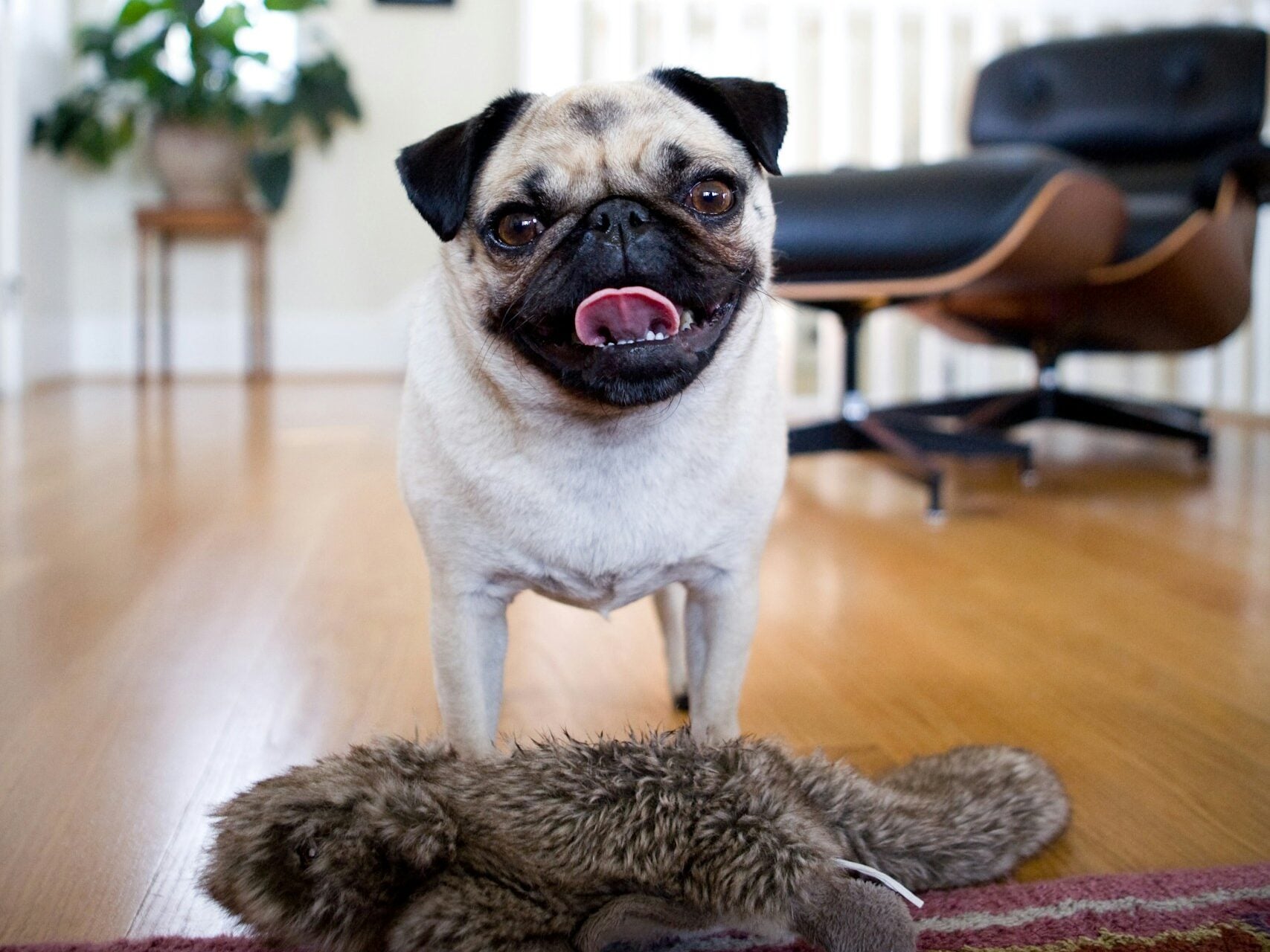
Treasures They May Share:
- Favorite toy
- Ball
- Chew toy
- Plush toy
- Favorite blanket
6. They’ve Learned It Gets A Reaction
Sometimes, the explanation is surprisingly simple: it works.
If bringing you random objects consistently leads to attention, laughter, treats, playtime, or an entertaining game of chase, your dog has every reason to keep doing it. From their perspective, they’ve discovered a reliable way to get you involved.
Without realizing it, many owners reinforce this behavior simply by reacting every single time.
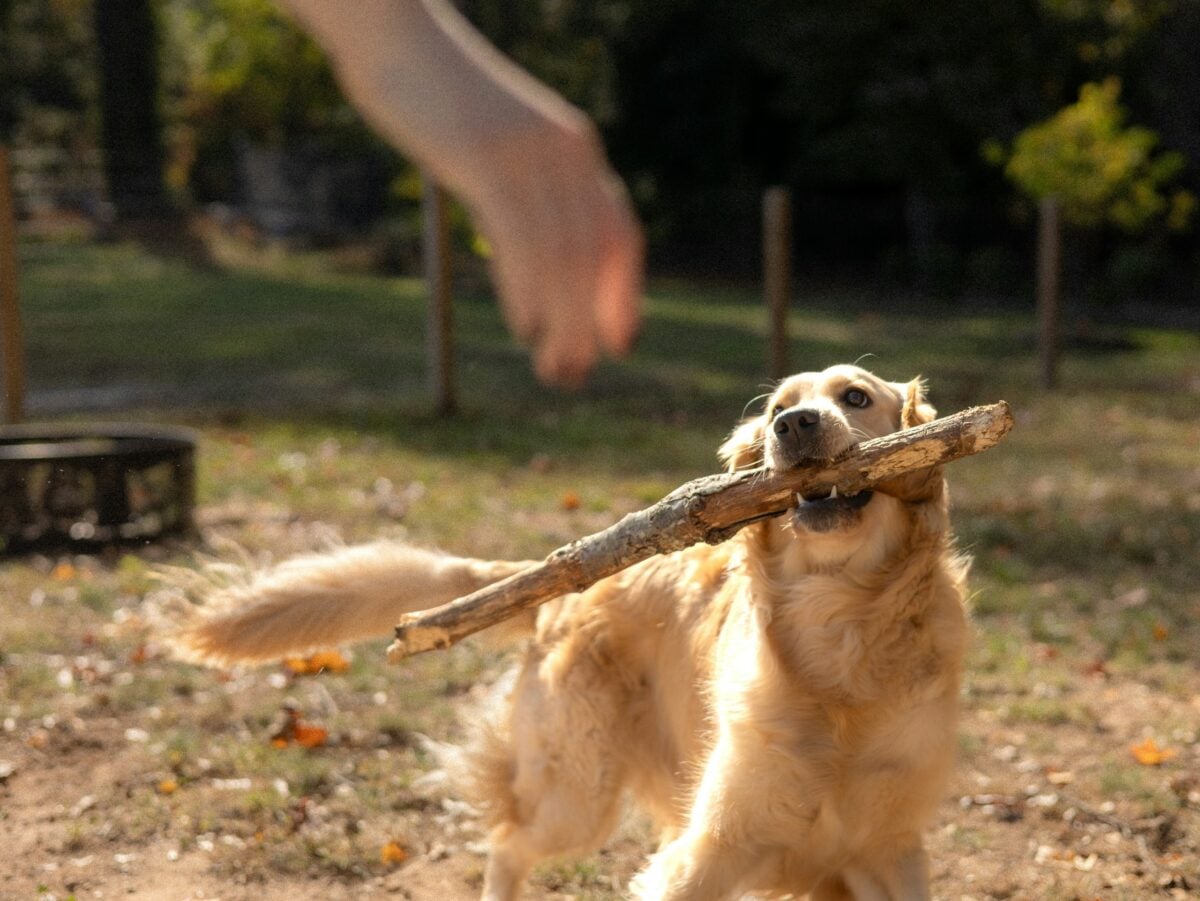
Objects Most Likely To Get Your Attention:
- Anything you’ve reacted to before
- Socks
- Shoes
- TV remotes
- Household items left within reach
Why Do Dogs Always Choose Socks?
If your dog ignores expensive toys in favor of dirty socks, worn shoes, or yesterday’s bath towel, they’re not trying to make your life difficult. These everyday items simply have everything many dogs love in one convenient package.
Here’s why these household favorites are so hard to resist.
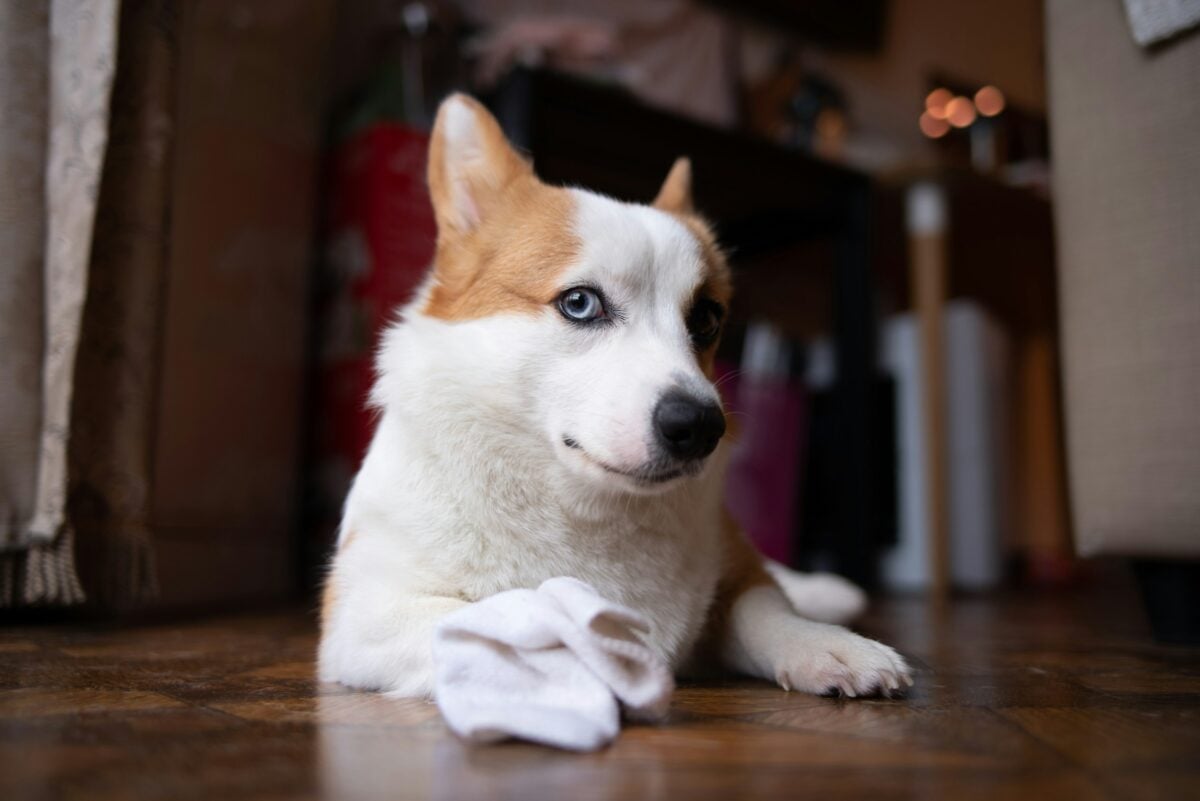
They Smell Like You
Dogs rely on their sense of smell far more than their eyesight, and few things carry your scent better than the clothes and shoes you wear every day.
Dirty socks, shoes, pajamas, and towels are packed with familiar scents that can be comforting, exciting, or simply interesting to investigate. That’s one reason dogs often grab these items after you’ve been away or when they’re looking for a way to interact with you.
They’re Easy To Carry
Socks, underwear, washcloths, and small towels are lightweight, soft, and easy to pick up.
Unlike heavier household objects, they’re easy for dogs of all sizes to carry around the house, parade in front of you, or proudly deliver at your feet.
They’re Fun To Hold
Many fabric items have textures dogs enjoy.
Soft materials are satisfying to carry and shake, while shoes offer a combination of leather, rubber, fabric, and familiar scents. For some dogs, these objects simply feel rewarding to hold in their mouths.
They’re Usually Within Reach
Unlike many of your dog’s toys, laundry often gets left on the floor, hanging over a chair, or peeking out of a laundry basket.
Dogs are opportunistic. If an interesting object is easy to grab, there’s a good chance they’ll investigate it.
They Know You’ll Notice
Dogs are excellent observers of human behavior.
If picking up a sock consistently makes you laugh, chase them, or stop what you’re doing, your dog quickly learns that socks are surprisingly effective attention-getters. From their perspective, they’ve found an object that almost always creates interaction.
Why It’s Almost Never About The Sock
The sock isn’t usually the goal.
For most dogs, it’s the scent, the texture, the accessibility, or the interaction that follows that makes these everyday objects so appealing. In other words, your favorite pair of socks just happens to check all the boxes.
Some Breeds Are More Likely To Carry Things
While almost any dog may proudly parade around the house with a sock or stuffed animal, some breeds are simply more likely to carry objects than others. Generations of selective breeding shaped them to retrieve game, move livestock, or work closely with people while holding objects in their mouths.
Natural Retrievers
If your Labrador Retriever, Golden Retriever, Chesapeake Bay Retriever, Flat-Coated Retriever, or Nova Scotia Duck Tolling Retriever constantly carries something around the house, they’re doing exactly what they were bred to do.
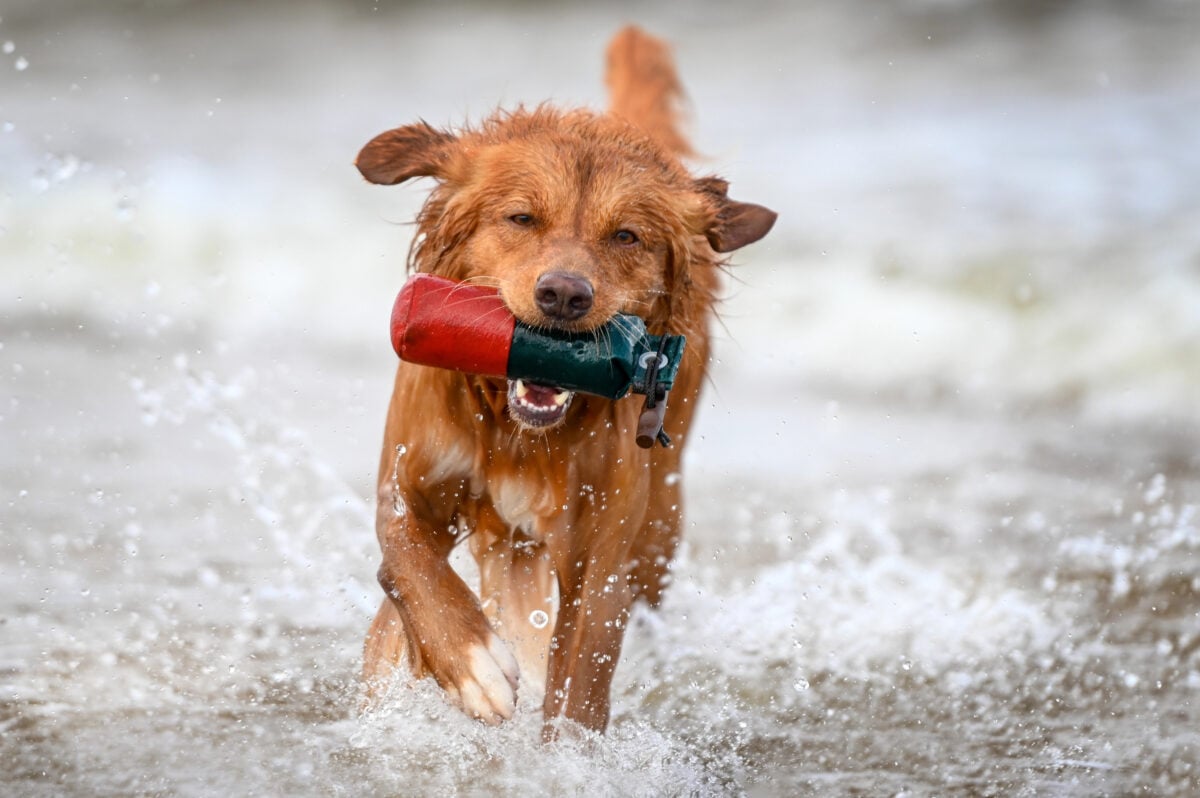
Retrievers were developed to gently carry birds back to hunters without damaging them, giving them what’s known as a “soft mouth.” Many still enjoy carrying toys, sticks, balls, or even random household items simply because it satisfies an instinct that’s been reinforced for generations.
You may notice retrievers:
- Carry toys around the house without chewing them
- Greet family members with something in their mouth
- Grab the nearest object when they’re excited
- Prefer carrying an item during walks
Herding Breeds
Border Collies, Australian Shepherds, Australian Cattle Dogs, and other herding breeds often carry objects for a different reason.
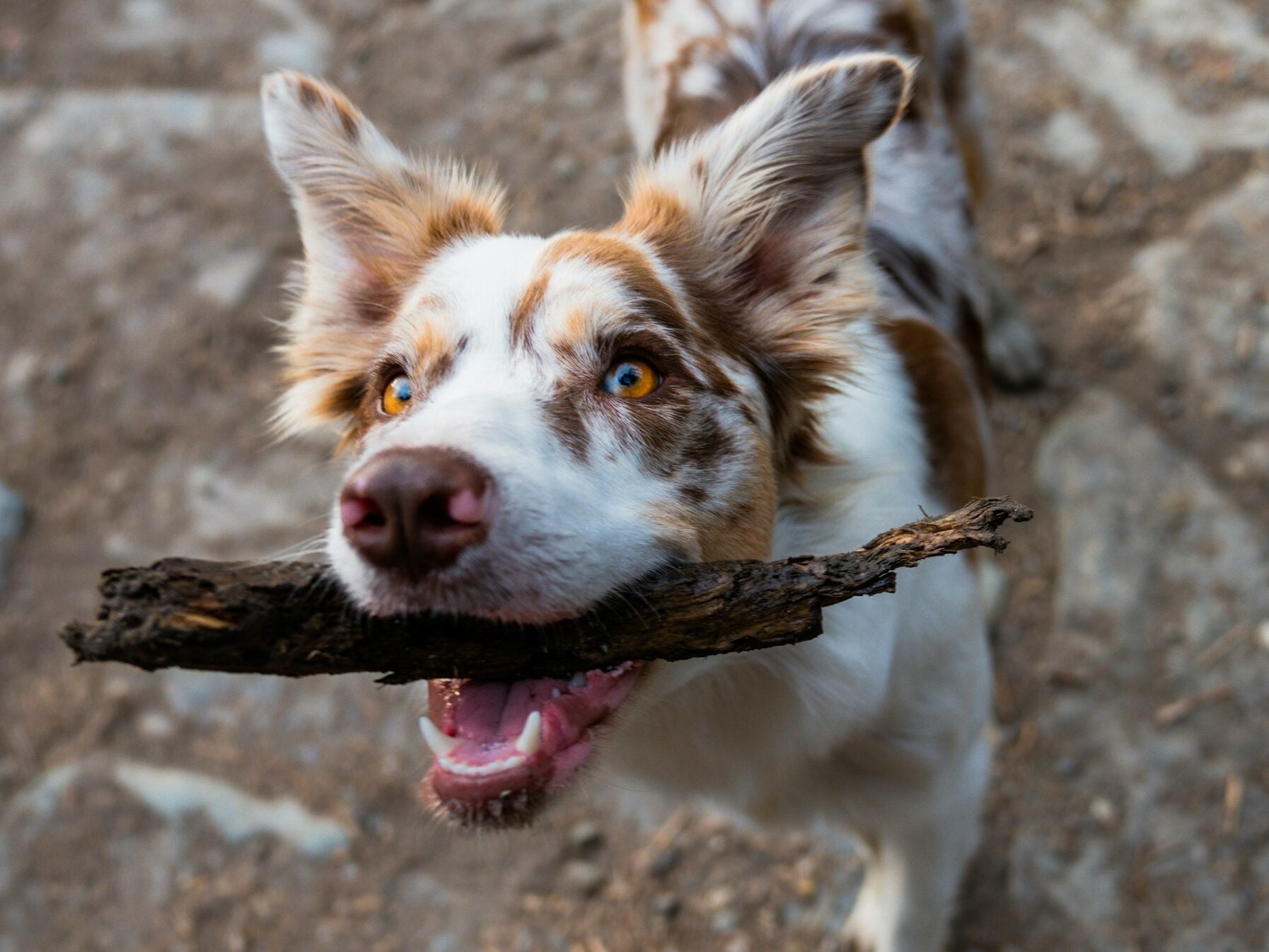
These intelligent, energetic dogs are always looking for a job. Bringing you a toy, rope, or household object can be their way of initiating activity or encouraging you to engage with them. Because herding breeds thrive, licensed via interaction and mental stimulation, object-carrying is often part of a bigger effort to keep themselves busy.
You may notice herding breeds:
- Repeatedly bring toys throughout the day
- Drop objects at your feet, then stare expectantly
- Carry items when they’re bored or under-stimulated
- Turn object-carrying into an interactive game
Other Dogs That Love Carrying Objects
Retrievers aren’t the only dogs that enjoy having something in their mouths. Many working and sporting breeds also seem happiest when they’re carrying a prized possession.
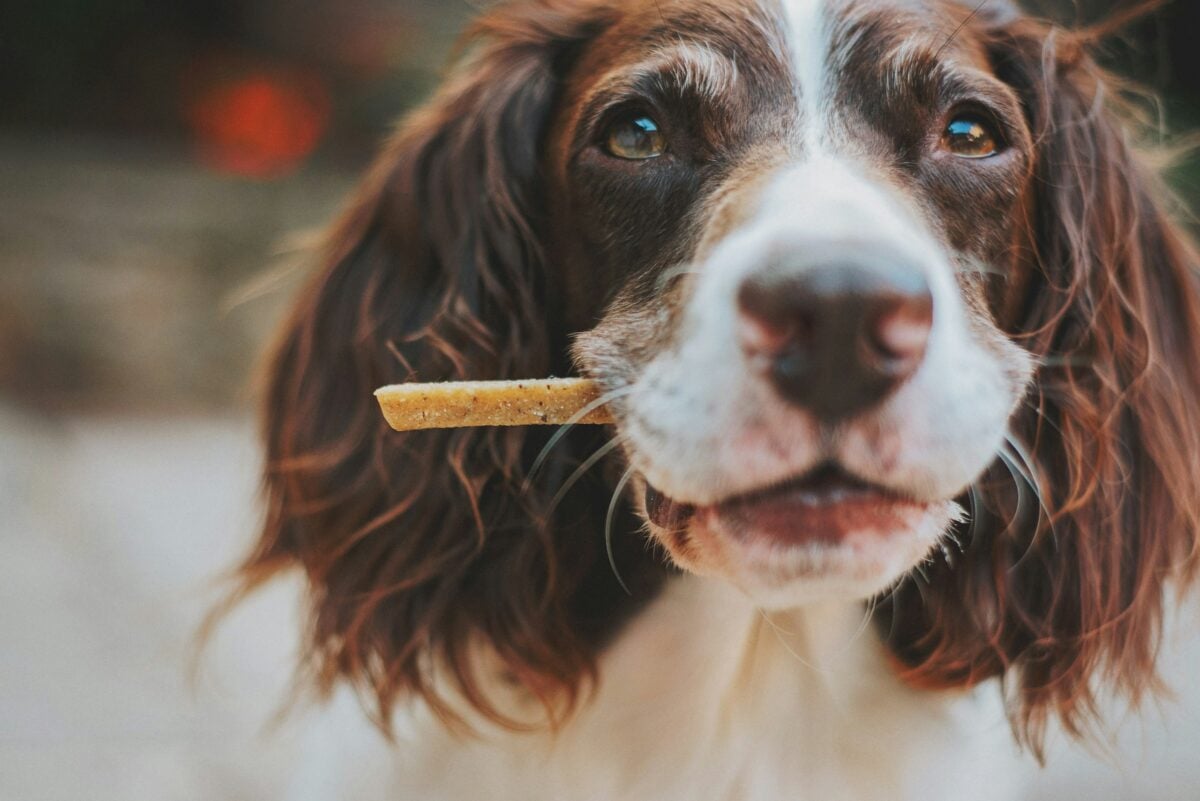
Breeds commonly known for this behavior include:
Of course, breed is only part of the story. Early experiences, training, personality, and reinforcement all influence whether a dog develops a habit of bringing people random objects. Even mixed-breed dogs with no obvious retrieving background may become enthusiastic “gift givers” if carrying things consistently earns attention and praise.
Quick Guide: What Different Objects May Mean
While every dog is different, the object they choose can provide clues about what they’re trying to communicate. Remember that context matters, too. The same sock can mean “play with me” one day and “I missed you” the next.
| If your dog brings… | They may be saying… |
|---|---|
| Favorite toy | “Let’s play together.” |
| Sock or underwear | “This smells like you.” |
| Shoe or slipper | “I missed you.” or “Notice me!” |
| Blanket or pillow | “This makes me feel comfortable.” |
| Towel or laundry | “This is familiar and easy to carry.” |
| Stick or leaf | “Look what I found!” |
| Random household object | “Pay attention to me.” or “Check this out!” |
| Favorite chew | “I trust you enough to share this.” |
Remember: The object is only one piece of the puzzle. Your dog’s body language, the timing, and what happens next often tell you far more than the object itself.
Can You Encourage (Or Stop) This Behavior?
Whether you want your dog to deliver a favorite toy or stop stealing your socks, your response plays a big role in shaping the behavior.
If you enjoy your dog’s “gifts,” encourage them to bring appropriate items by praising them, playing together, or rewarding them when they choose one of their own toys. Many dogs quickly learn which objects earn positive attention.
If you’d rather your dog stop bringing household items, avoid turning it into a game of chase. Calmly trade the object for a treat or toy, praise them for giving it up, and put tempting items like socks and shoes out of reach whenever possible.
Teaching reliable “drop it” and “leave it” cues can also help your dog understand the difference between acceptable toys and off-limits household belongings.
Remember, most dogs aren’t trying to be naughty. They’re simply repeating a behavior that has worked well for them in the past.
When Bringing Objects Turns Into Stealing
There’s a big difference between a dog proudly delivering your slipper and one that constantly steals household items.
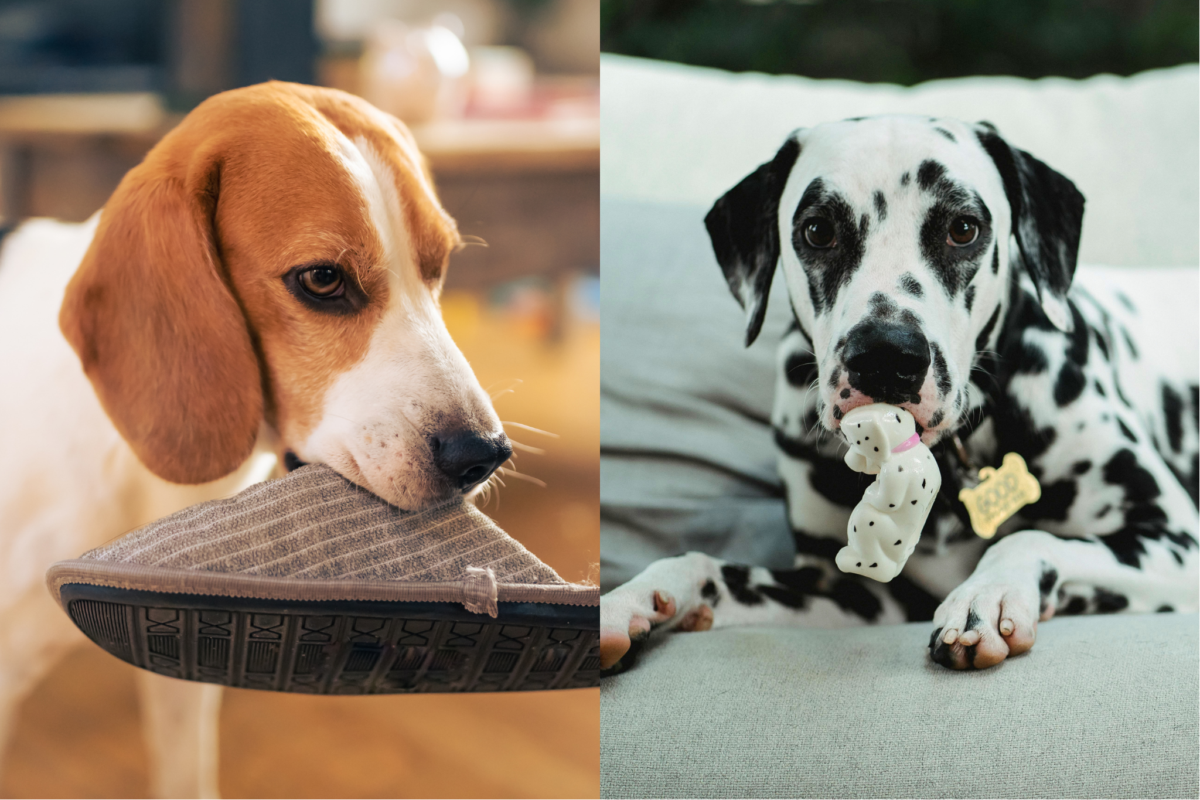
Most dogs occasionally grab something they’re not supposed to have. It’s usually playful and harmless, and it ends with them bringing the object to you or dropping it nearby. The behavior becomes more concerning when your dog seems driven to steal objects throughout the day, guards them, destroys them, or tries to swallow them.
Harmless Object Carrying
- Brings you the object
- Drops it willingly
- Wants to play or interact
- Doesn’t damage the item
- Happens occasionally
Behavior That Needs Attention
- Constantly steals household items
- Guards or refuses to give them up
- Destroys clothing, shoes, or furniture
- Swallows fabric or other non-food items
- Seems unable to settle without carrying something
Could It Mean They’re Bored?
Sometimes. Dogs that lack enough physical exercise or mental stimulation often invent their own entertainment, and stealing your laundry can become a surprisingly rewarding game.
If your dog spends much of the day looking for things to carry, especially while you’re busy, they may be asking for more enrichment rather than simply acting mischievously.
Try adding:
- Puzzle toys, a snuffle mat, or food-dispensing toys
- Sniff walks
- Short training sessions or brain games
- Games of fetch or tug
- Rotating toys to keep them interesting
If the behavior decreases after your dog gets more exercise or mental stimulation, boredom was likely part of the problem.
Could Anxiety Be Part Of It?
It can be, particularly when your dog chooses items that smell strongly like you.
Some dogs carry socks, shoes, blankets, or pajamas because those familiar scents provide comfort during stressful situations. You may notice this behavior becoming more common after you’ve left the house, during major routine changes, or when your dog is experiencing mild separation-related stress.
On its own, carrying your belongings isn’t usually a sign of anxiety. However, if it’s paired with pacing, whining, destructive behavior, excessive drooling, or attempts to escape when left alone, it’s worth discussing the behavior with your veterinarian or a qualified trainer.
When To Be Concerned
For most dogs, bringing you random objects is a harmless and often endearing behavior. The biggest risk isn’t the habit itself—it’s what your dog decides to carry.
Contact your veterinarian if your dog:
- Swallows socks, underwear, towels, or other fabric
- Frequently chews or eats non-food items (a possible sign of pica)
- Suddenly starts stealing objects that they never did before
- Becomes aggressive when someone tries to take an object away
- Shows other signs of anxiety or compulsive behavior
Soft fabrics, such as socks, underwear, and towels, are among the most common causes of intestinal blockages in dogs. If you suspect your dog has swallowed one, don’t wait for symptoms to appear. Contact your veterinarian right away, as prompt treatment can be lifesaving.
Frequently Asked Questions
Bringing random objects is one of the funniest — and most confusing — things dogs do. Here are answers to some of the questions owners ask most often.
Don’t see your question? Respond in the comments, and we’ll get back to you!
Why Does My Dog Bring Me Random Things But Won’t Let Me Have Them?
Many dogs aren’t trying to give you the object — they’re inviting you to interact. Running away when you reach for it often turns the exchange into a game of chase or keep-away, which can be just as rewarding as handing it over.
Is My Dog Giving Me Gifts?
Probably not in the human sense. More often, your dog is sharing something they value, asking you to play, seeking attention, or showing you an interesting discovery. While it may feel like a gift, the behavior is usually a form of communication.
Why Does My Dog Always Bring Me Socks?
Socks are lightweight, easy to carry, and packed with your scent. They’re also one of the easiest household items for dogs to find, making them an irresistible combination for many curious pups.
Why Does My Dog Bring Me Shoes When I Get Home?
Some dogs instinctively grab an object when they’re excited to greet you. Shoes also carry a strong scent, making them especially appealing after you’ve been away from home.
Why Does My Dog Only Bring Things To Me?
Dogs often bring objects to the person they’re most closely bonded with or the family member who consistently responds. If you’re the one who plays, laughs, or interacts when your dog delivers a “treasure,” they’ll likely keep choosing you.
Why Does My Dog Steal Things Instead Of Playing With Their Toys?
Household items are often more interesting than dog toys because they’re novel, smell like you, and reliably get your attention. If stealing objects has become a game, your dog may simply be repeating a behavior that has worked before.
Should I Take The Object Away?
If it’s a safe item, avoid chasing your dog. Instead, calmly trade the object for a treat or appropriate toy and praise them for giving it up.
If your dog has something dangerous, such as medication, chocolate, or an object they could swallow, remove it immediately and contact your veterinarian if ingestion is possible.
Why Does My Puppy Bring Me Everything?
Puppies explore the world with their mouths and love showing off new discoveries. Bringing you random objects is often part of normal exploration, play, and social bonding as they learn how to interact with their family.
Keep Learning About Your Dog’s Behavior
Every dog has their own quirky way of communicating, and bringing you random objects is often just one more way they try to connect with you. The more you understand the message behind the behavior, the easier it becomes to respond in a way that strengthens your bond.
Want to decode more of your dog’s everyday behaviors? Check out our guides on why dogs rest their heads on you, why dogs stretch when they see you, and why dogs dislike certain people to learn what your pup may be trying to tell you next.