When you purchase through links on our site, we may earn a commission at no extra cost to you. Learn more.
If you’ve ever had a dog gently rest their head on your lap, you know how unfairly effective it is. It’s hard to focus on anything else when your dog is looking at you like that.
Table of Contents
While this sweet habit often looks like simple cuddling, it can actually reveal quite a bit about how your dog feels about you. Depending on the situation, your pup may be showing affection, seeking comfort, asking for attention, or expressing a level of trust they reserve for only their favorite people.
Here’s what your dog may be trying to tell you.
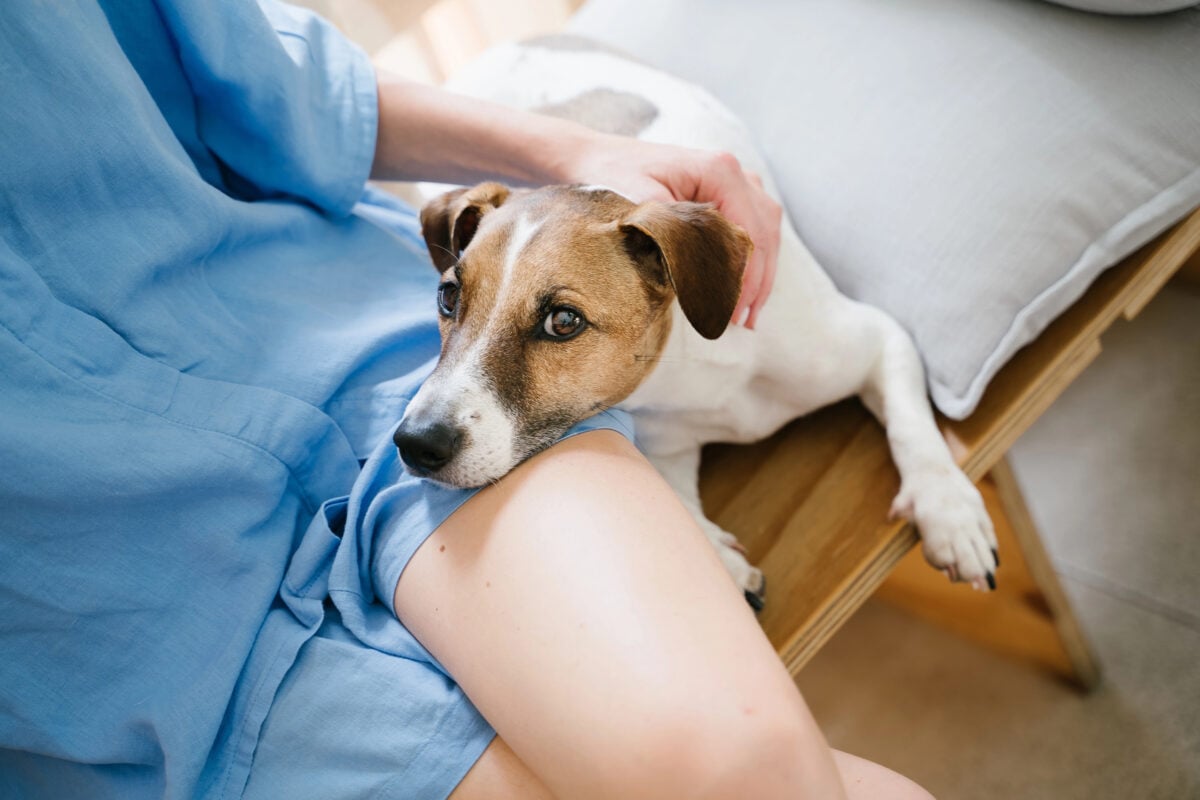
The Meaning Behind This Quiet Little Gesture
Dogs have plenty of ways to communicate.
Some bark. Some paw. Some drop slobbery toys directly into our laps.
Head resting stands out because it combines physical closeness with vulnerability. Sometimes they want pets, reassurance, or your attention. Other times, they simply want to be near you.
That’s part of what makes head resting feel different from behaviors like pawing or nuzzling. It’s often less about getting something and more about maintaining connection.
Why Does My Dog Rest Their Headon Me? 6 Common Reasons
While every dog is different, most head-resting behavior falls into a handful of common categories. Here are the most common reasons dogs rest their heads on people.
1. Affection: Your Dog Wants To Be Close To You
Sometimes the simplest explanation is the right one: your dog loves being near you.
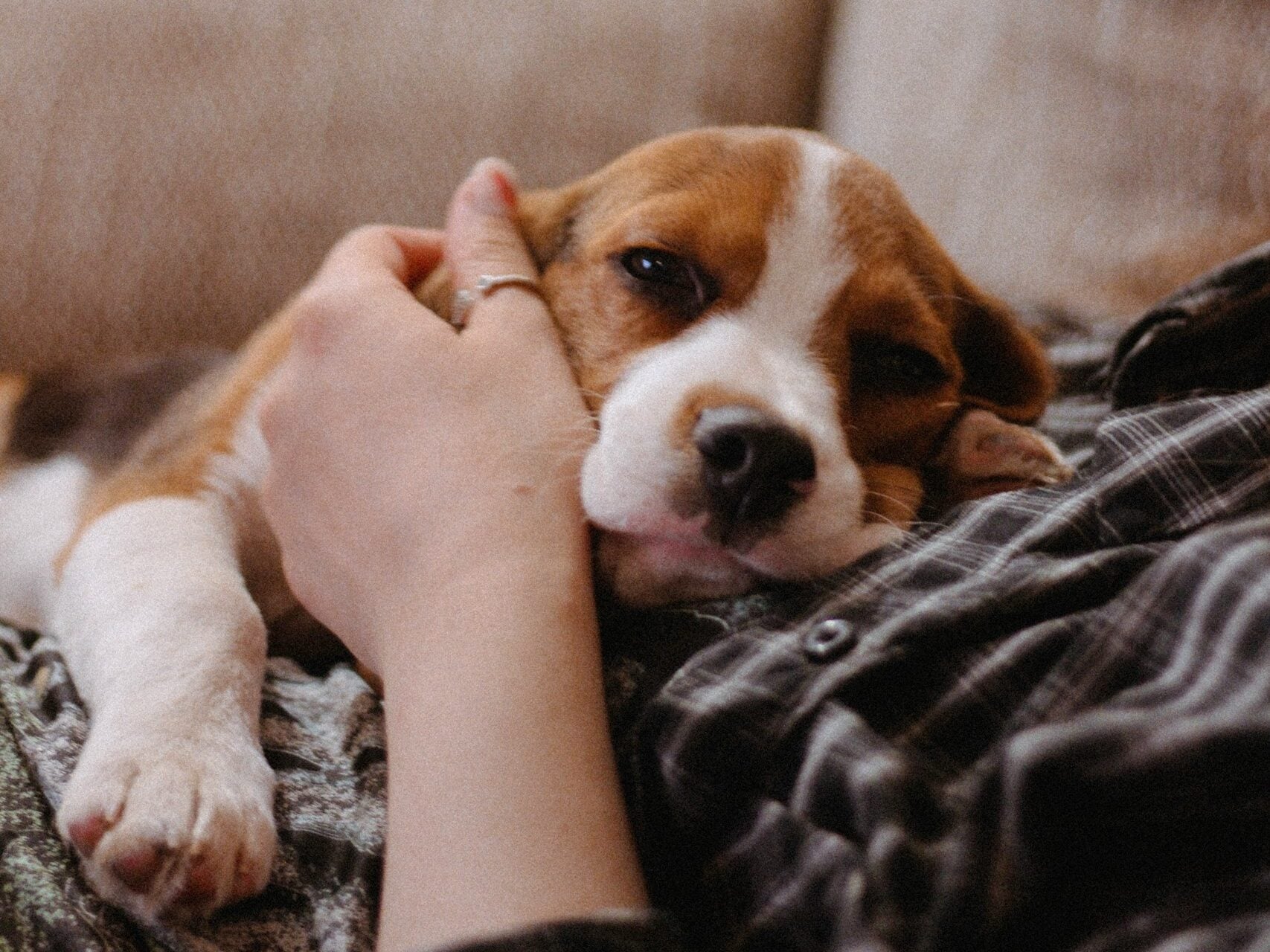
Dogs are social animals that form strong bonds with the people they trust. While some dogs show affection through licking, leaning, or following you around the house, others prefer a quieter approach.
Common signs your dog is resting their head on you out of affection include:
- Choosing to sit beside you, even when other comfortable spots are available
- Resting their head on you during calm moments, like watching TV or relaxing
- Soft eyes, relaxed ears, and loose body language
- A gentle tail wag when you acknowledge them
- Seeming content to stay close without asking for anything
For some pups, a head rest is the canine equivalent of scooting a little closer to someone they love.
Watch: Some dogs take physical closeness to another level. This dog rests their forehead against their owner’s, a sweet example of a pup seeking connection with someone they love being around.
2. Security: You Make Them Feel Protected
Dogs often seek out familiar people when they want to feel safe. Just as some dogs hide under blankets during thunderstorms or follow their owners from room to room when they’re uncertain, others look for comfort through physical contact.
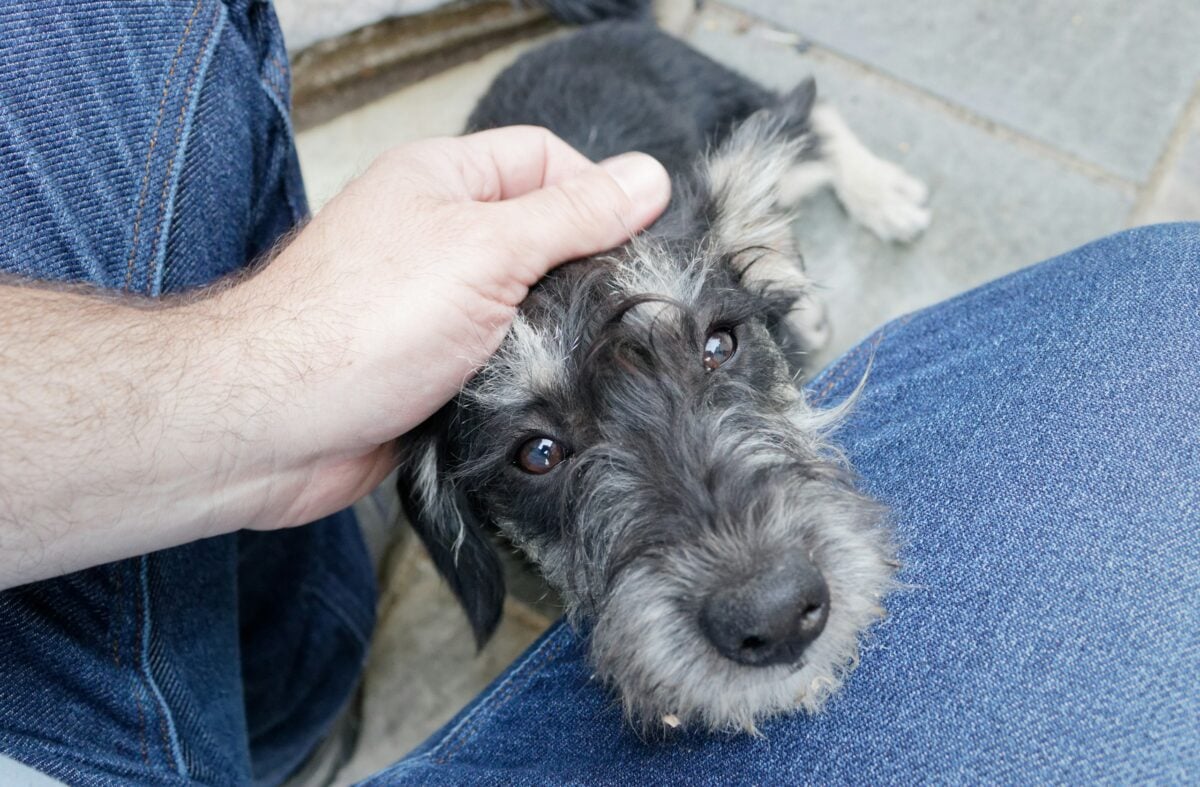
Resting their headon you can provide reassurance in unfamiliar or stressful situations. Your presence becomes a reminder that everything is okay.
Your dog may be seeking security if the head resting happens during:
- Thunderstorms or fireworks
- Visits from unfamiliar people
- Travel or overnight trips
- Vet appointments
- Major changes to their routine or environment
Not every dog responds to stress this way, but many find comfort in being physically close to the people they trust most.
3. Trust: They Feel Safe Enough To Let Their Guard Down
This is one of the sweetest reasons dogs rest their heads on people.
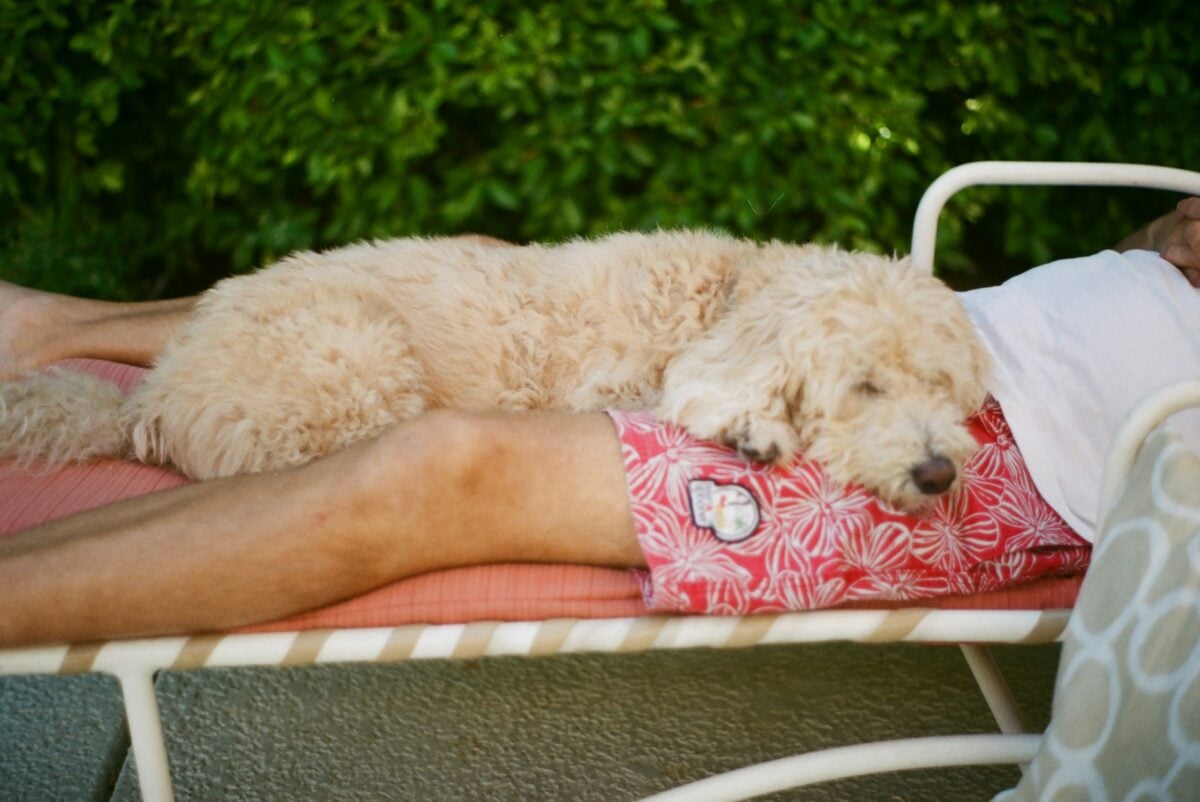
When dogs feel unsure of their surroundings, they tend to stay alert. They’re paying attention to everything happening around them. A dog who settles down and rests their head on you is often doing the opposite.
Signs your dog is expressing trust may include:
- Falling asleep with their head on you
- Letting out a deep sigh while relaxing
- Remaining calm despite activity around them
- Stretching out rather than staying curled up and alert
- Choosing physical contact even when distractions are present
Instead of monitoring the room, they’re relaxing in your presence. They’re choosing comfort over vigilance.
Watch: This Chihuahua flops their head onto their owner’s chest and immediately closes their eyes. When dogs relax this completely around someone, it’s often a sign they feel safe, comfortable, and secure in that person’s presence.
4. Attention: They (Politely) Want Something
Not every head rest is a profound expression of love. Sometimes your dog simply wants your attention.

Compared to barking, whining, pawing, or dropping a slobbery toy in your lap, resting their head on you is a surprisingly polite request.
Your dog may be hoping for:
- Ear scratches or pets
- Playtime
- A walk
- Dinner or a treat
- Permission to join you on the couch or bed
Dogs quickly learn which behaviors earn a response. If resting their head on you reliably leads to pets, praise, or interaction, they’ll probably keep doing it.
Watch: Sometimes a head rest isn’t about cuddling. This dog uses a gentle head rest and wagging tail to say, “Excuse me, I’d like your attention now.”
5. Empathy: They Are Checking In On You
Dogs are incredibly observant. Research has shown that dogs can pick up on human facial expressions, body language, tone of voice, and even changes in routine. Many owners notice their dogs becoming unusually affectionate when they’re sad, sick, stressed, or upset.
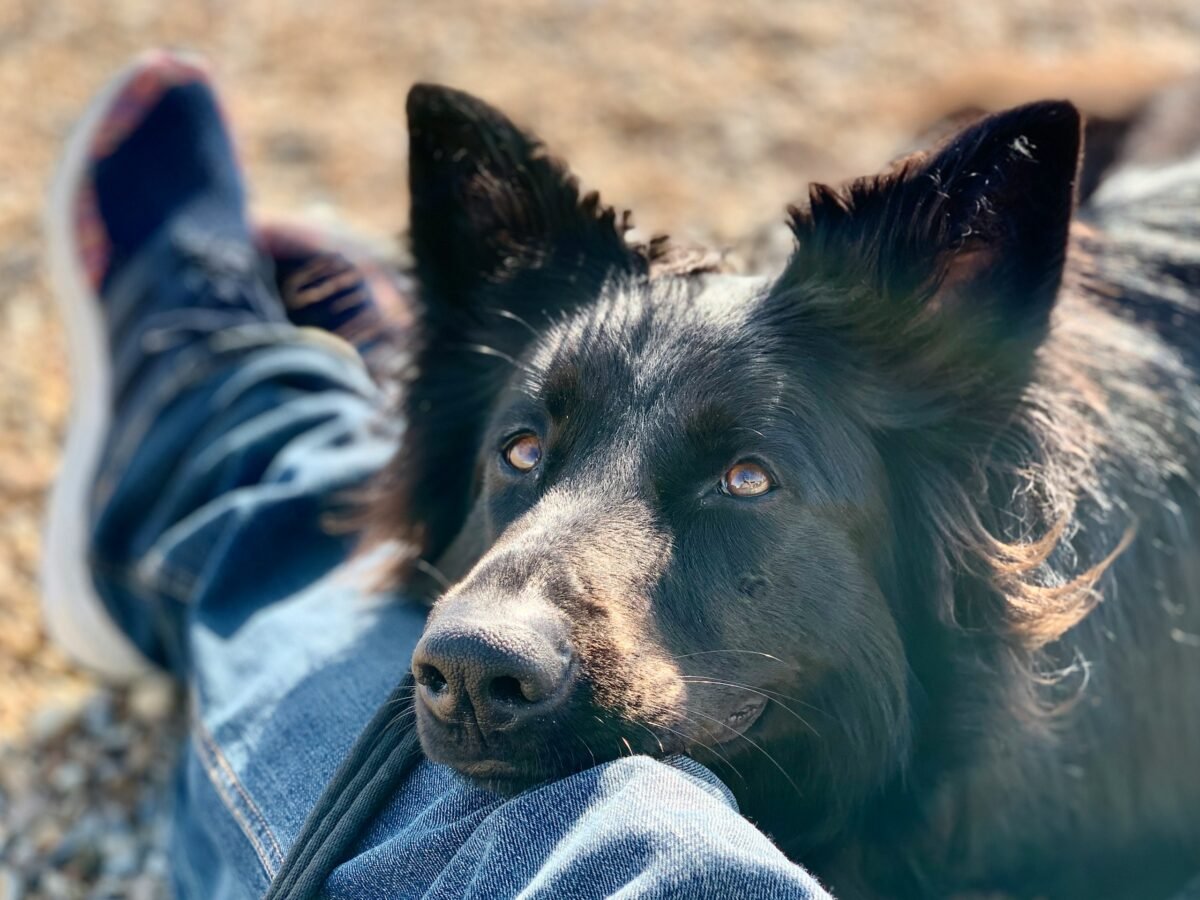
Some dogs respond by following their humans more closely. Others lean, lick, nuzzle, or rest their headson them.
While we can’t know exactly what dogs are thinking, many seem to react when they sense changes in our emotions, and physical contact can be comforting for both of you.
You may notice this behavior when:
- You’re crying or visibly upset
- You’re feeling sick or recovering from an illness
- You’ve had a stressful day
- Something unusual is happening at home
Whether your dog is offering comfort, seeking reassurance, or simply responding to a change in your behavior, a gentle head rest is often their way of staying close when something feels different.
6. They’re Stealing Your Warmth (And Your Spot)
Not every dog behavior needs a deep emotional explanation.
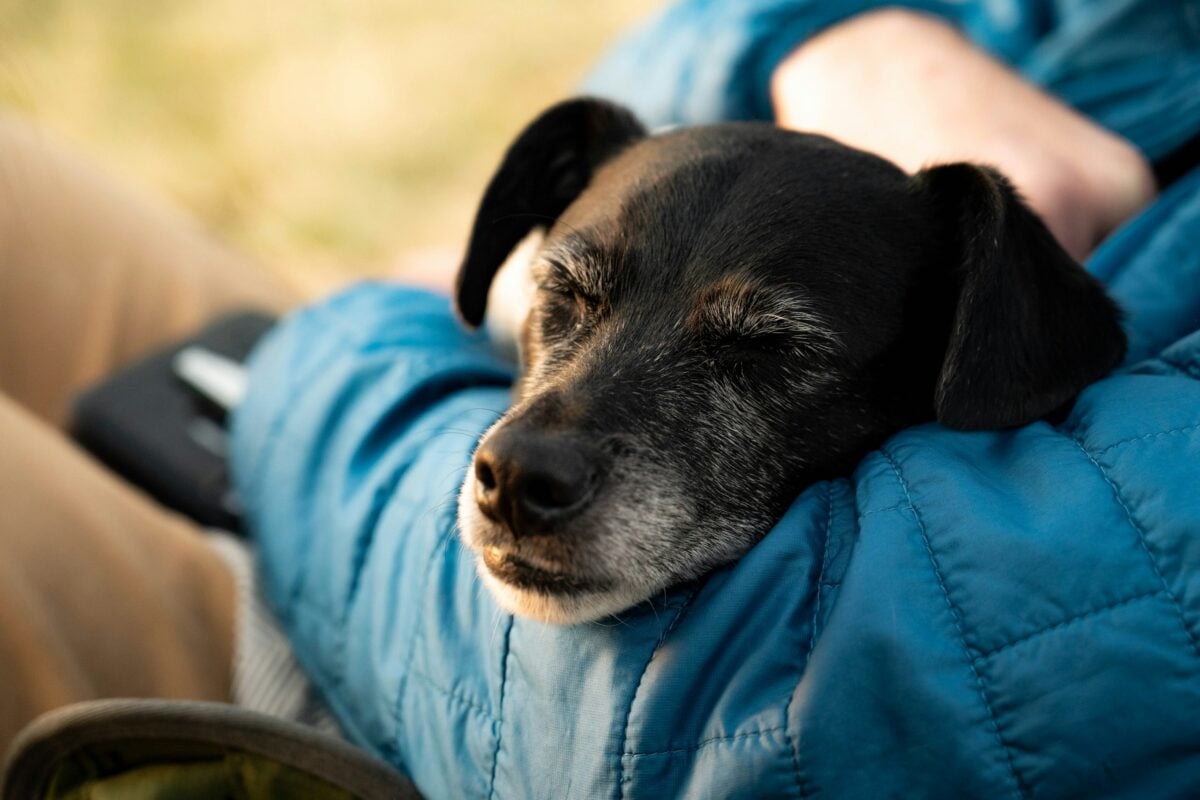
Sometimes your dog is simply being practical.
Humans are warm. Laps are soft. If you’ve created the perfect napping environment, your dog has every intention of taking advantage of it.
This explanation becomes more likely when your dog:
- Seeks out blankets and heated spots around the house
- Curls up against you during colder weather
- Immediately steals your seat when you stand up
- Chooses the warmest location in every room
- Falls asleep shortly after settling on you
Of course, the fact that they’re comfortable doesn’t mean affection isn’t part of the equation. Your dog may genuinely enjoy your company and your body heat. It’s a win-win situation from their perspective.
Quick Guide: What Your Dog’s Head Rest Might Mean
While every dog is different, the context surrounding the behavior often provides the biggest clue. If you’re trying to figure out what your dog’s head rest means in the moment, this quick guide can help.
| If Your Dog… | It Often Means… |
|---|---|
| Rests their head on you with soft eyes and relaxed body language | Affection and connection |
| Falls asleep with their head on you | Trust and comfort |
| Rests their head on you during stressful situations | Seeking reassurance |
| Rests their head on you while staring at you | They may want pets, playtime, a walk, dinner, or your attention |
| Presses their forehead into yours | Physical closeness and affection |
| Rests their head on you whenever you’re upset or sick | They may be responding to changes in your mood or behavior |
| Seeks out your lap, chest, or leg whenever they settle down | They feel comfortable and secure around you |
Why Some Dogs Rest Their Heads On People More Than Others
Not every dog is a head rester. Some dogs show affection by following their owners around the house. Others prefer leaning, licking, cuddling, or simply staying nearby.
Head resting is just one of many ways dogs choose to connect with the people they care about.
Dogs Don’t Bond Equally With Everyone
Dogs may love multiple people, but they don’t always interact with each person the same way.
Some family members become playmates. Others become the designated snack provider. And sometimes, one person becomes the dog’s favorite place to relax.
That’s why you may notice your dog happily greeting everyone in the house but consistently choosing the same lap, couch cushion, or person when it’s time to settle down.
Some Dogs Are Naturally More Physical
While any dog can become a head rester, some breeds are especially likely to seek physical contact with their people. These dogs are often described as “Velcro dogs” because they prefer staying close to their owners whenever possible. For them, resting a head on a lap, leg, or shoulder is just another way to maintain connection.
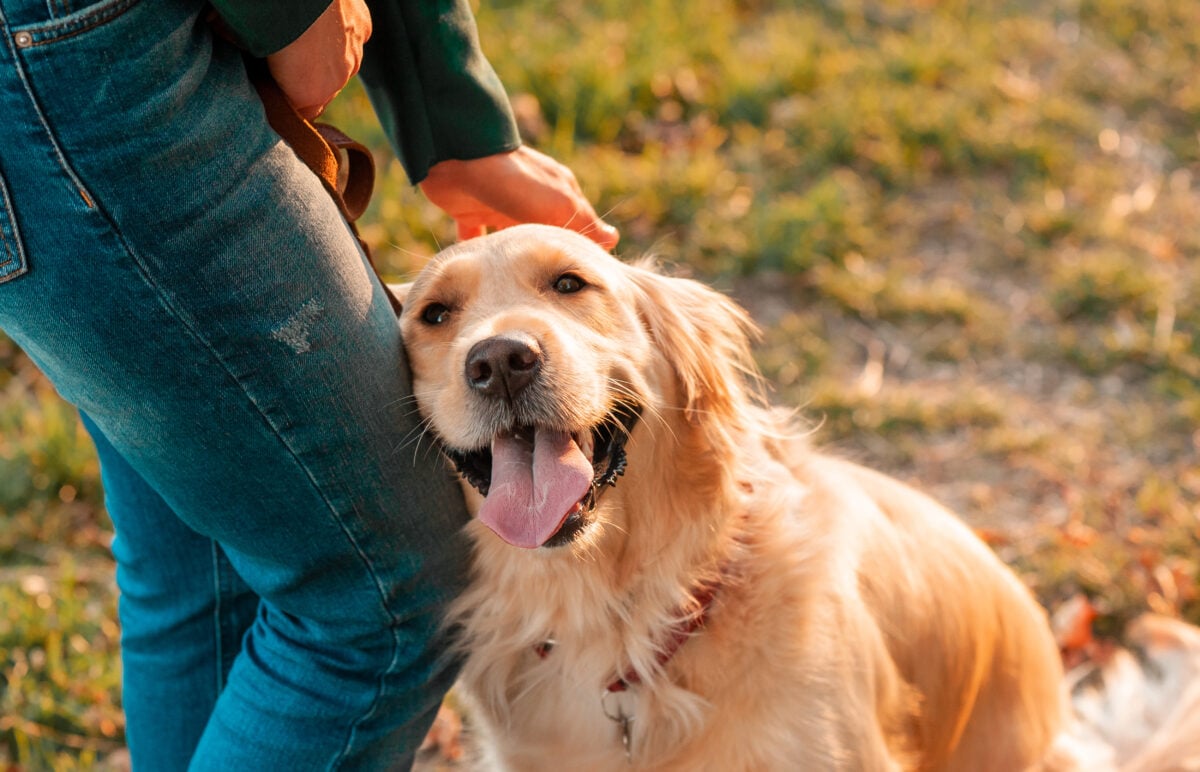
Breeds known for being especially affectionate and touchy-feely include:
Of course, breed is only part of the story. Personality, upbringing, and your individual relationship matter just as much. Some independent breeds become champion cuddlers, while some famously affectionate breeds prefer their personal space.
Our Personal Experience With A Head-Resting Dog
My Golden Retriever, Rio, rests his headon me all the time. He likes to use my body as a pillow when sprawling out on the couch. When it’s dinner time, I’m almost guaranteed to find his head in my lap with his eyes looking up at me pleadingly.
My favorite version of the behavior happens when Rio presses his forehead against mine. The first time he did it after I adopted him, I was completely confused. Now I know it’s usually his way of asking for affection and staying close for a moment.
Good News: This Is Usually A Compliment
Good news: your dog probably likes you. More specifically, they probably feel comfortable, safe, and emotionally connected to you.
While head resting doesn’t automatically mean you’re your dog’s absolute favorite person, it often indicates a strong bond. Many dogs reserve their most relaxed, affectionate behaviors for the people they trust most.
Signs your dog may see you as one of their favorite people include:
- Choosing to sit beside you when other options are available
- Following you from room to room
- Seeking physical contact throughout the day
- Looking for you when they’re uncertain or stressed
- Resting their head on you during quiet moments
Why This Behavior Can Change Over Time
Some dogs become more affectionate as they get older.
Puppies are often too busy exploring the world to spend long stretches resting on their owners. As dogs mature, many become calmer and more interested in simply being close to their favorite humans.
Life changes can also influence the behavior.
A rescue dog may start resting their head on you months after adoption as trust develops. Major routine changes can also affect how often a dog seeks contact.
What It Does Not Mean
A dog resting their head on you is usually a positive behavior. It does not automatically mean your dog has anxiety or is demanding something from you.
Most of the time, a head rest is exactly what it looks like: a dog enjoying the comfort, security, and companionship of being close to someone they trust.
The Different Ways Dogs Rest Their Heads On You
Not all head rests look the same. Some dogs choose laps. Others prefer legs, feet, chests, or even faces.
While these positions don’t have one universal meaning, they can provide clues about what your dog may be feeling in the moment.
Head On Your Lap
This is probably the most common version of head resting. A lap puts your dog close enough for physical contact while still allowing them to watch what’s happening around them.
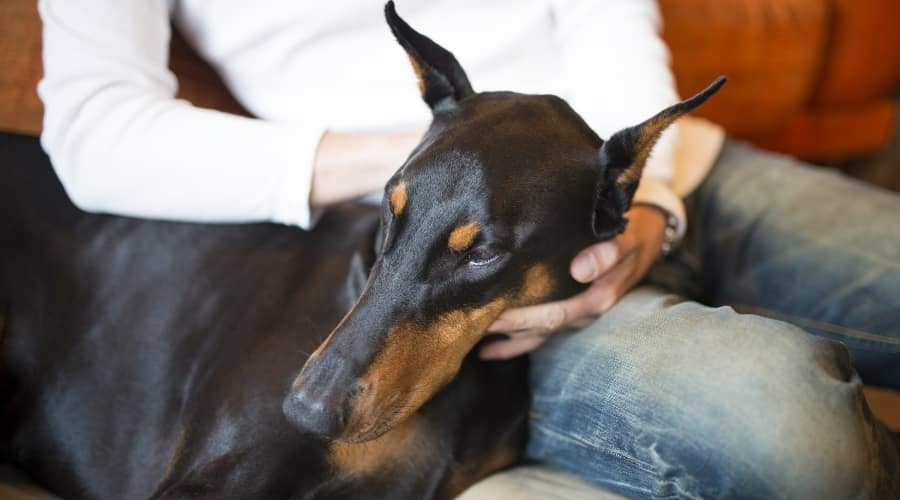
It’s often associated with affection, attention-seeking, comfort, or a desire to simply be near you. You may notice lap rests during quiet activities like watching TV, reading, or working from home.
Head On Your Chest
When a dog rests their head on your chest, they’re getting as close as physically possible.
Many owners notice this behavior while lying on the couch, relaxing in bed, or cuddling with their dog. The position often appears during moments of comfort, trust, and relaxation.
Your heartbeat, body warmth, and steady breathing may also help create a calming environment.
Head On Your Leg
A head on your leg can mean different things depending on what your dog is doing.
If your dog is lying beside you and using your leg as a pillow, it’s usually a comfort behavior. They’re relaxed, content, and choosing to stay physically connected while they rest.
If your dog approaches while standing and presses their head against your leg, the message is often different. In those moments, they’re usually trying to get your attention.
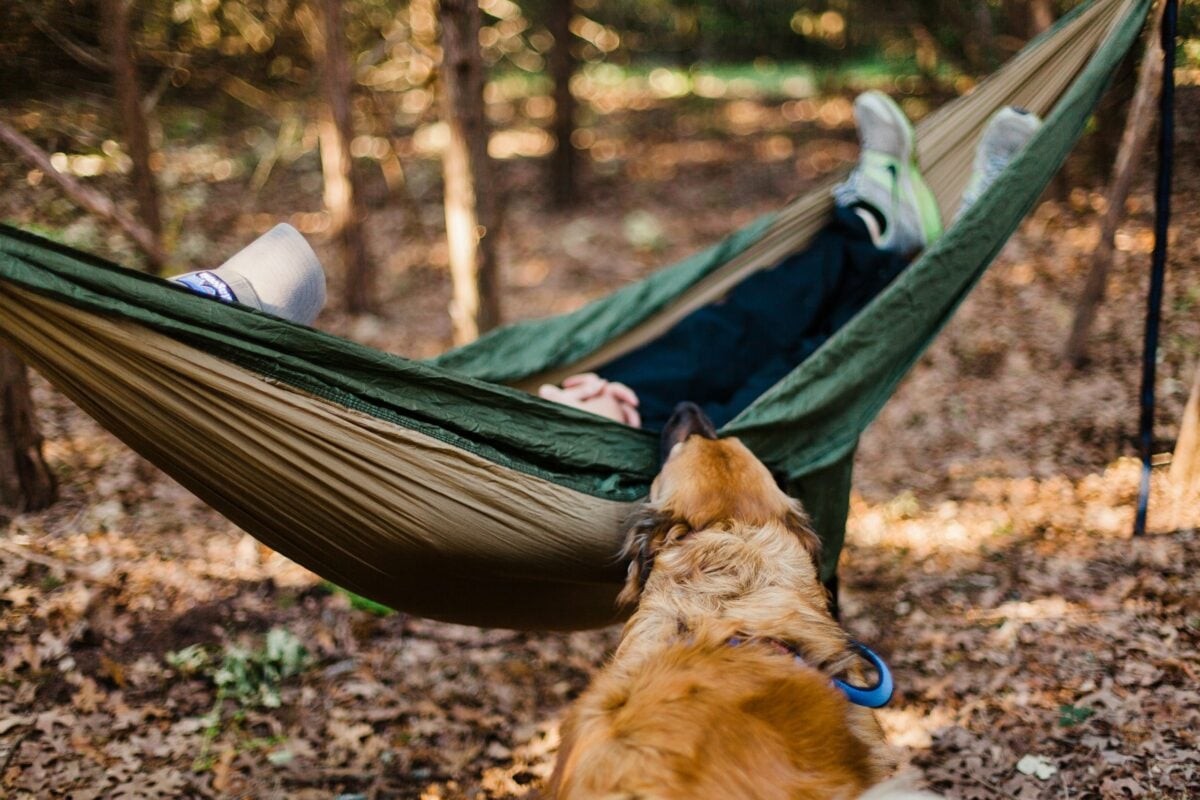
You may see this behavior when your dog wants:
- Pets or affection
- Playtime
- A walk
- Dinner or a treat
- A break from whatever currently has your attention
Context matters. A sleeping dog using your leg as a pillow is sending a very different message than a dog staring up at you while pressing against your knee.
Head On Your Arm
Many dogs choose an arm when their human is busy doing something else. You may notice this while working on a laptop, reading, scrolling your phone, or watching television.
Unlike a dog that has fully settled onto your lap, a head on your arm often feels a little more intentional. It’s frequently a gentle interruption.

Your dog may be saying:
- “I’d like some attention.”
- “Can we do something together?”
- “I miss being the center of your universe.”
- “Please stop looking at that screen.”
Of course, some dogs simply find arms comfortable. But when paired with eye contact, sighing, nudging, or lingering nearby, this behavior often has an attention-seeking element.
Head On Your Feet
Dogs who rest their heads on feet often seem to want reassurance that you’re not going anywhere. This position allows them to stay connected while keeping tabs on your movements. It’s common in dogs that enjoy being close to their owners throughout the day.
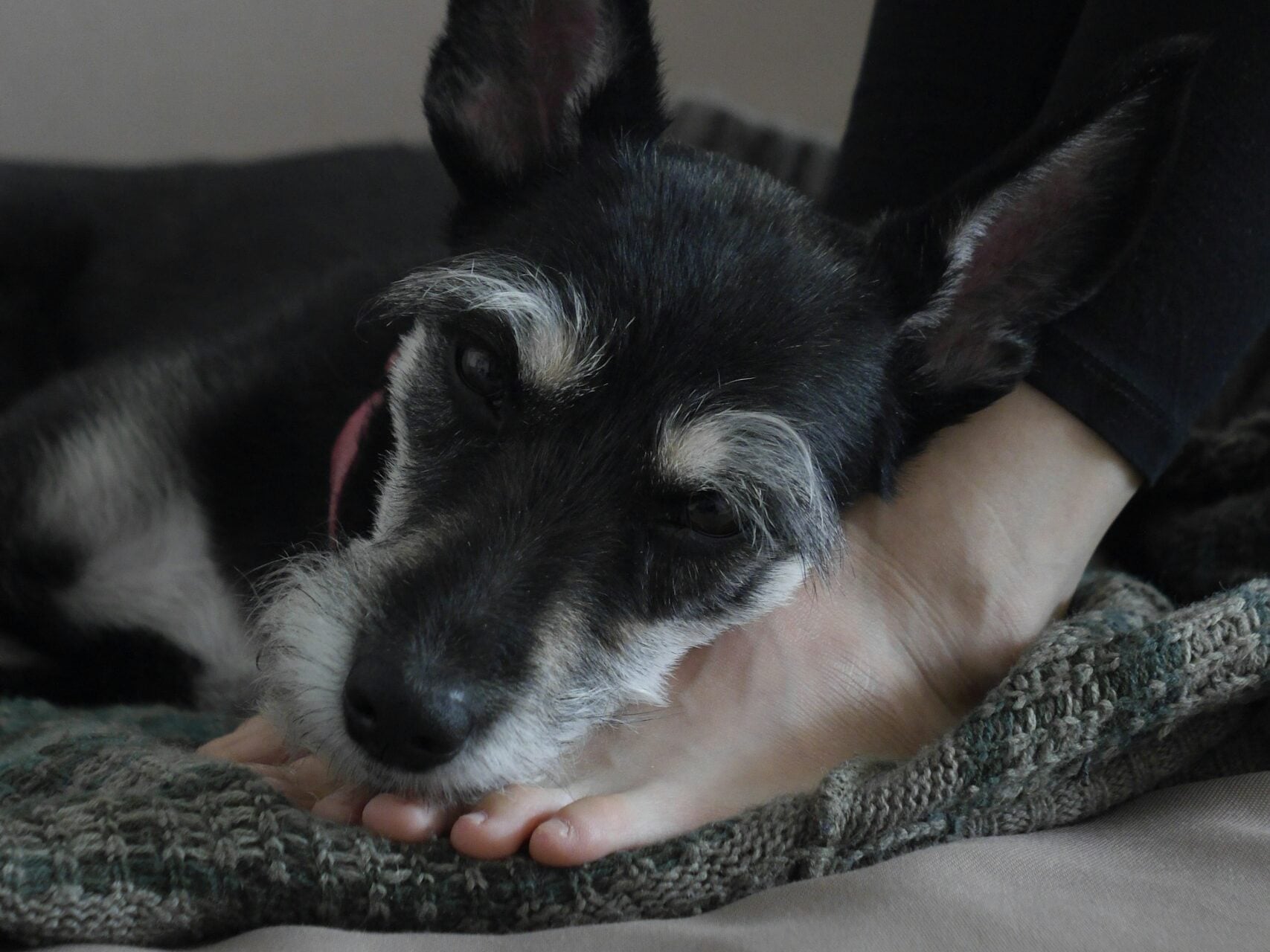
You may see this behavior while standing in the kitchen, working at a desk, or sitting in one place for long periods.
Face-To-Face Contact
Some dogs take closeness to a whole new level by pressing their face directly against yours.
They may press their forehead into your forehead, rest their muzzle against your cheek, or wedge themselves between your face and your phone, book, or laptop. It’s equal parts adorable and mildly invasive.
This behavior is often associated with affection, attention-seeking, and a strong desire for physical closeness. Your dog isn’t worried about personal space because, as far as they’re concerned, you’re part of their inner circle.
For many owners, face-to-face contact feels especially meaningful because it’s one of the most intimate ways dogs choose to interact with the people they trust.
Why This Behavior Can Become Part Of Your Relationship
Not every head rest happens for the same reason. Some begin as affection. Others start as attention-seeking, comfort, or a desire to be close.
Over time, many dogs learn that resting their head on their favorite person leads to something they enjoy. That’s one reason this behavior often becomes more common as your relationship grows.
How Human Reactions Shape The Behavior
Dogs are excellent observers. If resting their head on your lap consistently leads to ear scratches, belly rubs, praise, or extra attention, they’ll quickly learn that the behavior works.
This doesn’t make the head rest manipulative. It simply means your dog has figured out that physical closeness often results in positive experiences.
Common owner responses include:
- Petting their dog
- Talking to them in a soothing voice
- Inviting them onto the couch or bed
- Pausing what they’re doing to interact
- Offering comfort and reassurance
From your dog’s perspective, that’s a pretty good outcome.
Why It Can Become A Daily Ritual
Many dogs thrive on routines. Over time, head resting can become part of a familiar daily pattern.
The behavior becomes less about asking for something and more about participating in a shared routine. Just like humans have habits that make them feel comfortable, dogs often develop their own relationship rituals.
Can You Accidentally Encourage It?
Every time you respond to a head rest, you’re reinforcing the behavior in some way. That isn’t necessarily a bad thing. Most owners enjoy the behavior and are happy to encourage it.
In fact, many trainers prefer rewarding calm behaviors over demanding ones. Unlike jumping, barking, or whining, head resting is typically associated with relaxation and self-control.
This can be especially useful in places where you’d like your dog to settle quietly, such as outdoor restaurants, breweries, coffee shops, parks, or other public spaces. Dogs that learn calm behaviors earn more opportunities to accompany their owners.
Of course, dogs should also be comfortable relaxing independently. The goal isn’t to create a dog that constantly needs physical contact, but one that knows how to settle calmly whether they’re touching you or simply nearby.
If your dog starts resting their head on you more frequently over time, it may simply mean they’ve learned that being close to you is rewarding.
When Head Resting Might Signal Anxiety Instead
Most head resting is completely normal, but like any behavior, context matters. Sometimes a dog who suddenly becomes unusually clingy may be seeking reassurance rather than connection.
When Your Dog May Need Reassurance
Head resting can sometimes increase when dogs feel anxious, stressed, or uncertain. Rather than simply enjoying your company, they may be using physical contact to help themselves feel more secure.
This explanation becomes more likely if the behavior appears alongside:
- Pacing or restlessness
- Excessive panting
- Trembling or shaking
- Following you constantly from room to room
- Difficulty settling when you’re out of sight
- New fears or changes in behavior
A head rest by itself usually isn’t cause for concern. It’s the combination of behaviors that matters.
Watch The Whole Picture
One of the biggest mistakes owners make is focusing on a single behavior in isolation. A dog resting their head on your lap is typically a positive thing. The question is whether the behavior fits the situation.
A relaxed dog with soft eyes, loose body language, and a calm demeanor is probably seeking comfort, affection, or connection. A dog who appears tense, restless, or unusually clingy may be communicating something different.
That’s why it’s important to look at the whole dog, not just the head rest.
When To Call Your Vet
If your dog suddenly becomes much more attached than usual, it’s worth paying attention. Behavior changes can sometimes be linked to pain, illness, cognitive decline, vision or hearing loss, or other medical issues.
Consider talking with your veterinarian if the increased clinginess is accompanied by:
- Appetite changes
- Changes in sleep patterns
- New fears or anxiety
- Confusion or disorientation
- Decreased energy
- Other unusual behaviors
In many cases, the cause is minor, but sudden behavioral changes are always worth discussing with your veterinarian.
Frequently Asked Questions
Here are answers to some of the most common questions owners have about dogs resting their heads on people. Don’t see yours here? Respond in the comments, and we’ll get back to you!
Why Does My Dog Rest Their Head On My Lap?
In most cases, dogs rest their heads on laps because they want to be close to someone they trust. Depending on the situation, it can be a sign of affection, comfort, relaxation, attention-seeking, or reassurance. Context matters, but the behavior is usually a positive one.
Why Does My Dog Put Their Head On Me And Stare At Me?
A head rest combined with direct eye contact often means your dog is focused on you. Sometimes they’re expressing affection. Other times, they’re politely asking for something, such as attention, pets, a walk, or dinner.
The rest of their body language can provide clues about what they’re hoping to communicate.
Why Does My Dog Sleep With Their Head On Me?
Dogs often sleep with their heads on people because they feel comfortable and secure. Physical contact can provide warmth, reassurance, and a sense of connection.
Is Resting Their Head On Me A Sign Of Trust?
It often is. While dogs may rest their heads on people for several reasons, many choose this behavior when they feel safe and relaxed. If your dog regularly settles onto you, especially during quiet moments or while sleeping, trust is likely a factor.
Why Does My Dog Only Rest Their Head On One Person?
Dogs don’t bond with every person in exactly the same way. Some develop especially strong attachments to specific family members based on routine, trust, personality, or shared experiences. If your dog consistently chooses one person for head rests, it usually reflects a particularly strong bond.
Why Does My Dog Push Their Head Into Me?
Some dogs take head resting a step further by actively pressing their forehead, face, or muzzle against their owners. This behavior is often associated with affection, comfort, attention-seeking, or a desire for physical closeness. It’s one of the many ways dogs maintain connection with the people they trust.
Should I Be Concerned If My Dog Suddenly Starts Resting Their Head On Me More Than Usual?
Not necessarily, but sudden changes in behavior are worth paying attention to.
Increased head resting can sometimes occur during stressful situations, major life changes, illness, pain, or age-related cognitive changes. If the behavior appears alongside other unusual symptoms, consider discussing it with your veterinarian.
Should I Encourage This Behavior?
For most dogs, yes. Head resting is typically a calm, affectionate behavior and can be a wonderful way for dogs and owners to bond.
Just remember that healthy dogs should also be comfortable relaxing independently. The goal is to enjoy the connection without creating excessive dependence on constant physical contact.
Still Trying To Figure Out What Your Dog Is Telling You?
Dogs are constantly communicating, even when they aren’t making a sound. Head resting is just one of many ways they express affection, seek comfort, or stay connected to their favorite humans.
Want to decode more of your dog’s quirky behaviors? Check out our guides on why dogs paw at people, why dogs nuzzle, and what it means when your dog leans against you.