When you purchase through links on our site, we may earn a commission at no extra cost to you. Learn more.
Dogs don’t just randomly dislike people. If your pup avoids, growls at, or gives someone the side-eye, there’s usually a reason.
Table of Contents
From strange body language to scents we can’t even detect, dogs are picking up signals most humans miss. Here’s what your dog might be sensing when they decide someone is on the “do not trust” list.
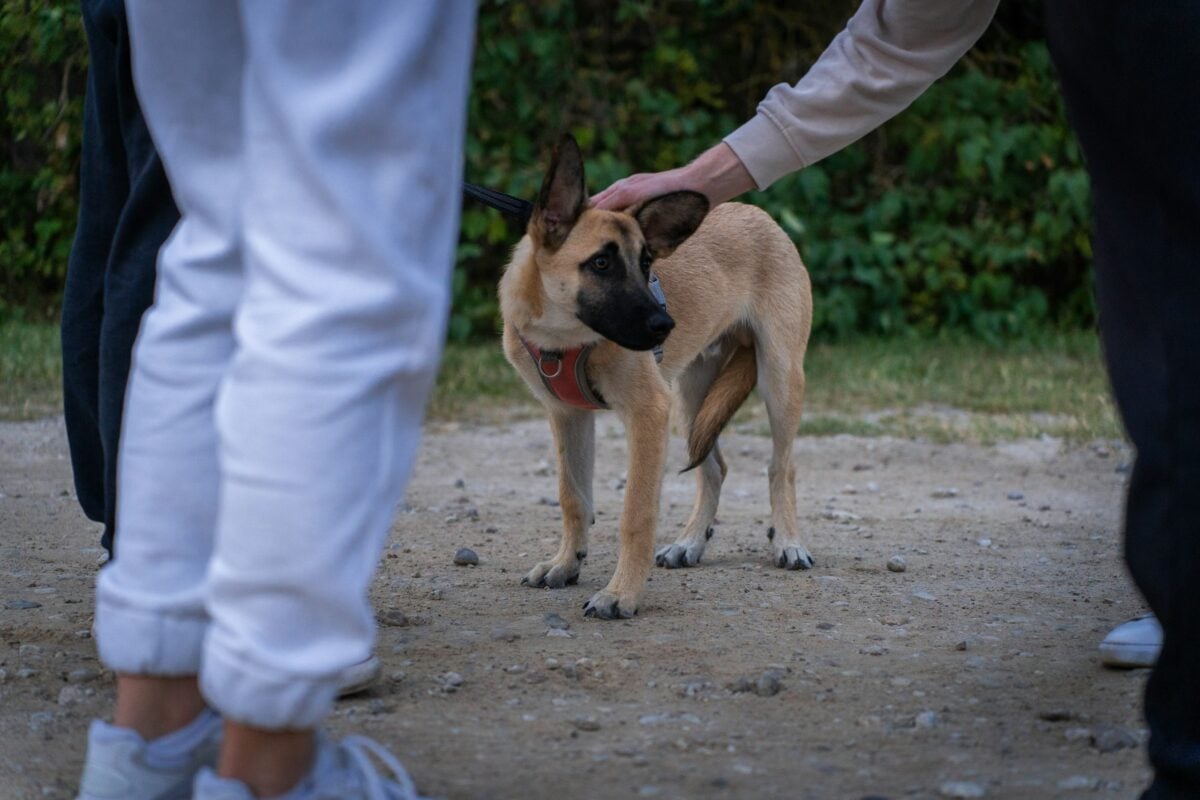
Start Here: Why Your Dog Hates That One Person
Your dog is friendly, social, maybe even a little too enthusiastic… until that one person shows up. Suddenly, it’s barking, side-eye, or a full “absolutely not” retreat to the other room.
Here’s the thing. Your dog isn’t being dramatic or secretly judging your friend’s personality. They’re reacting to something very specific, even if it looks random to you.
Most of the time, it comes down to a few key triggers:
- Their scent is “off.” Dogs can pick up on things you’d never notice, like other animals, strong fragrances, smoke, or even stress-related chemical changes in sweat.
- Their energy feels unpredictable. Nervous, tense, or overly excited people can come across as confusing or unsafe. Dogs tend to trust calm, consistent behavior.
- Their body language sends the wrong message. Direct staring, leaning over, sudden movements, or reaching out too fast can all read as threatening.
- They look… not quite right. Hats, glasses, beards, bulky clothing. Anything that changes a person’s silhouette can throw dogs off more than you’d expect.
- They remind your dog of something. Dogs are pattern machines. If someone looks, moves, or even smells like a past negative experience, your dog may react before they even realize why.
Watch: When you’re the only one the dog just… doesn’t vibe with.
5 Reasons Dogs Instantly Distrust Certain People
Dogs rarely dislike someone for “no reason.” Most of the time, they’re reacting to subtle signals humans completely miss.
Research shows dogs constantly evaluate how people move, speak, smell, and behave around their favorite humans. Those tiny details can shape a dog’s first impression within seconds.
Sometimes your dog’s reaction is accurate. Sometimes it’s hilariously unfair. Either way, there’s usually a pattern behind it.
1. Body Language Blunders
Dogs notice tension humans miss completely. Someone who stiffens up, fidgets, moves erratically, or hovers too closely can immediately make a dog uneasy. Even friendly behavior can backfire if it feels overwhelming or unpredictable.
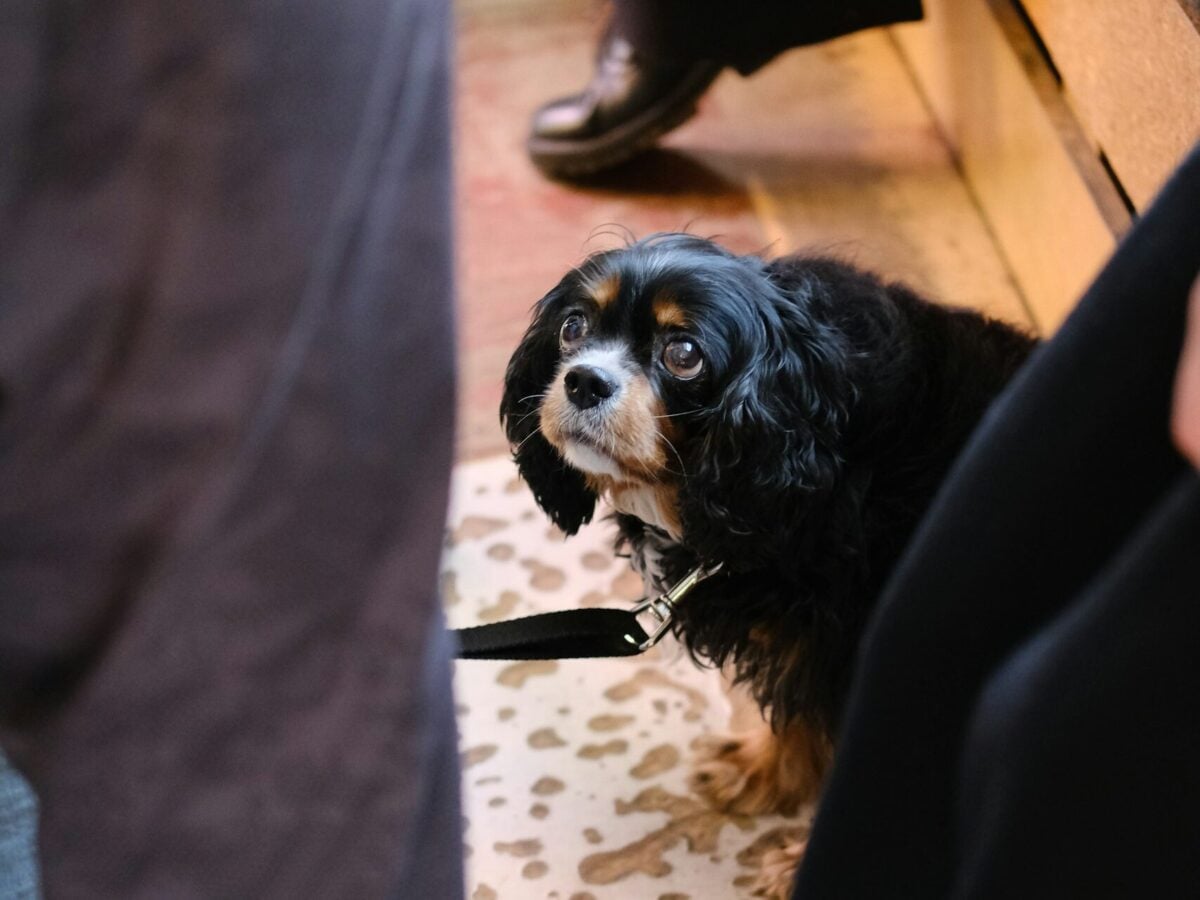
Eye contact is another major trigger. While humans often see steady eye contact as polite or confident, many dogs interpret prolonged staring as pushy or confrontational.
Then there’s the opposite extreme: the overly enthusiastic dog lover. Loud voice, fast movements, hands immediately reaching toward the face while saying, “Oh my gosh, I love dogs.”
Meanwhile, the dog is mentally filing an HR complaint.
Some dogs also struggle with what can only be described as “big energy” people. Booming laughs, dramatic gestures, chaotic greetings, or constantly shifting movement can overwhelm sensitive dogs quickly.
Dogs are also surprisingly good at sensing when someone is nervous around them. Tension, hesitation, or fearful body language can make a person feel unpredictable, which may cause the dog to become more alert or reactive in return.
How To Pass A Dog’s First-Impression Test
- Stay relaxed and move naturally
- Avoid staring contests
- Let the dog approach first
- Keep greetings calm and low-pressure
Think of it like meeting a shy introvert at a crowded party. If you immediately get in their face, they’re probably not going to relax. Dogs feel the same way.
2. Tone Of Voice
Dogs pay close attention to pitch, volume, rhythm, and emotional tone. A cheerful, upbeat voice usually signals safety and friendliness. A harsh, booming, angry, or unpredictable tone can instantly put a dog on edge.
Deeper voices can also make some dogs more cautious, especially if they already feel uncertain around someone. Sudden changes in tone or loud outbursts can intensify that discomfort even more.
The Voices Dogs Tend To Trust Most
- Calm and steady
- Higher-pitched and upbeat
- Predictable and relaxed
Voices That Can Make Dogs Hesitate
- Loud or harsh tones
- Sudden yelling or sharp volume changes
- Angry or tense speech patterns
If you’ve ever caught yourself using baby talk with your dog, science says you’re probably onto something. Most dogs genuinely prefer it.
3. The Sniff Test
If humans judge first impressions visually, dogs use their nose.
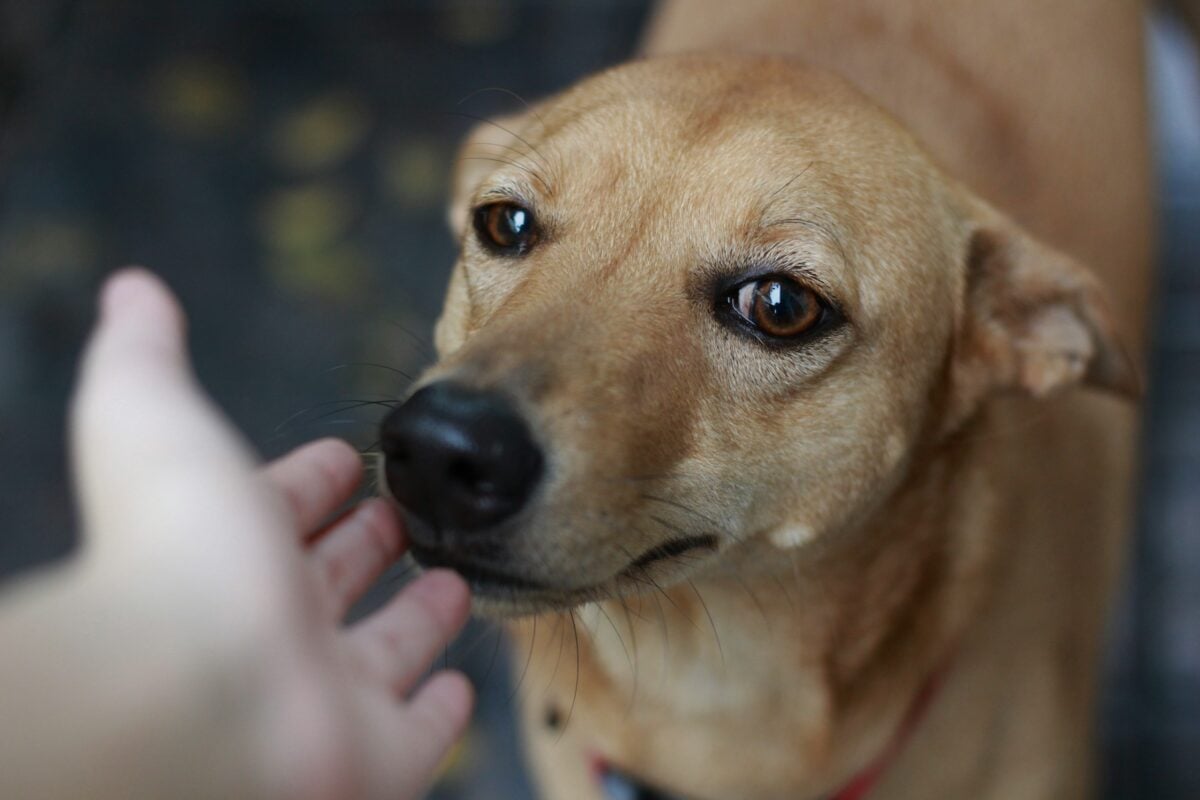
Your dog’s nose is doing most of the work long before they decide how they feel about someone. With up to 300 million scent receptors compared to our roughly 6 million, dogs can detect tiny chemical changes humans never notice, including emotional states.
Dogs exposed to “happy sweat” behaved more relaxed and social, even toward strangers. But when exposed to “fear sweat,” dogs displayed stress signals like lip licking, tucked tails, avoidance behaviors, and increased attachment to their owners. In other words, dogs can literally smell when someone is stressed.
Common Scents Dogs React To
- Stress sweat and adrenaline
- Smoke or vaping residue
- Strong cologne or perfume
- Other animals on clothing
- Medical or hospital-related smells
This is one reason dogs sometimes react strangely to someone who looks perfectly normal to us. To your dog, their scent may be telling a completely different story.
4. The Loyalty Factor
Dogs aren’t just observing people individually. They’re also watching how people interact with you.
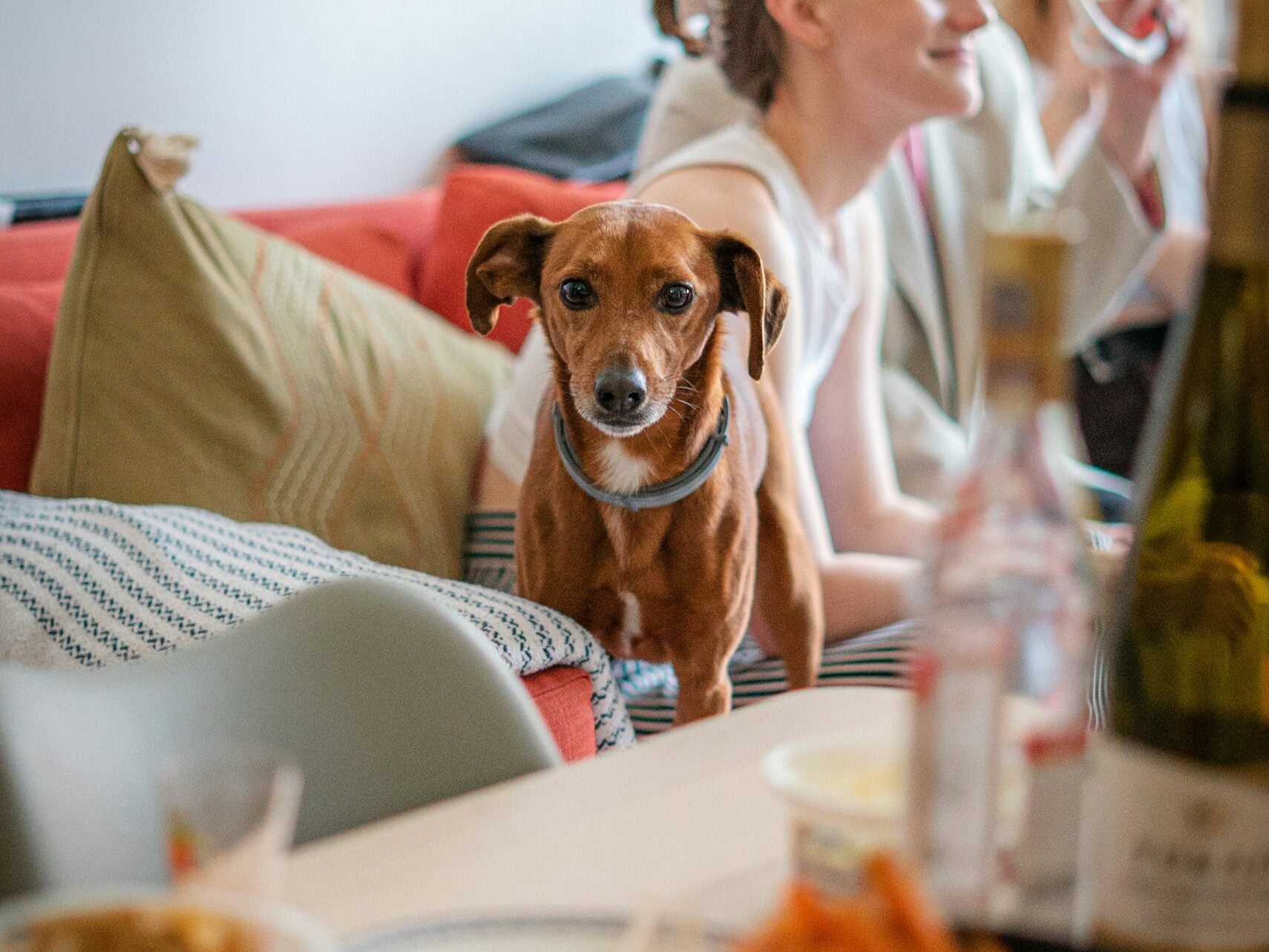
Scientists sometimes refer to this as “social eavesdropping.” Dogs quietly monitor human interactions and use them to decide who seems safe, trustworthy, or suspicious.
If someone behaves warmly toward their owner, dogs often relax more quickly around them. But tension, coldness, conflict, or dismissive behavior can create distrust surprisingly fast.
Research has even shown that dogs are less likely to accept treats from people who previously acted unhelpfully toward their owners. Basically, your dog is always paying attention to the vibe.
Dogs also notice subtle emotional shifts people overlook. If you tense up around someone, act uncomfortable, or seem anxious, your dog may start watching that person more carefully too.
How Dogs Judge Your Friends
- Kind to their human = positive impression
- Rude, tense, or dismissive = caution
- Calm social interactions = reassuring
- Conflict or stress = suspicious
To dogs, how someone treats their favorite person matters a lot.
5. Haunted By The Past
Dogs are incredible pattern-recognition machines, and unfortunately, bad memories can stick around for a very long time. A single frightening or stressful experience can shape how a dog reacts to similar people in the future, even if the new person has done absolutely nothing wrong.
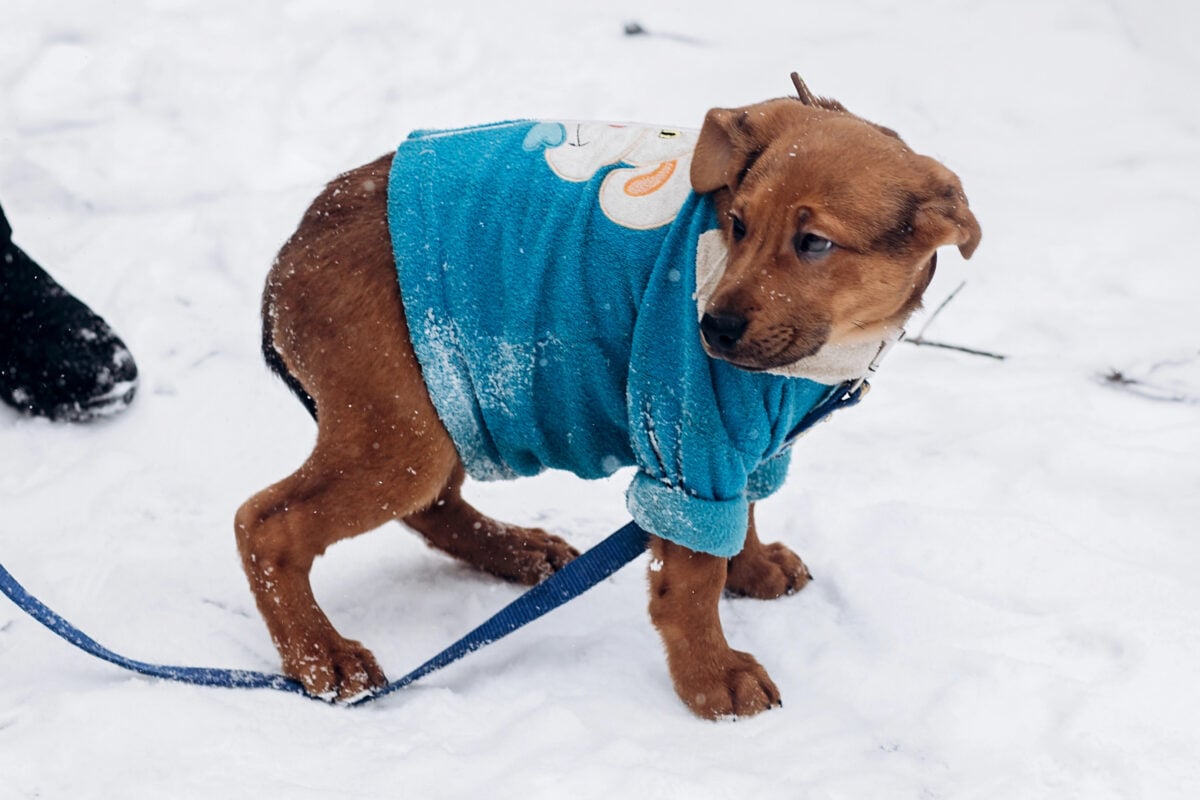
Sometimes the trigger is obvious. Other times, it’s strangely specific.
A beard. A deep voice. Someone carrying a clipboard. One unlucky guy who vaguely resembles the vet tech from three years ago.
Dogs often associate those traits with past experiences and react automatically before fully processing the situation. Rescue dogs, in particular, may carry stronger emotional associations from previous trauma or instability.
Why Dogs “Hold Grudges”
- Negative experiences create lasting associations
- Dogs generalize familiar traits and patterns
- Fear memories are designed to prioritize safety
Sometimes the trigger is surprisingly small. One accidental tail step, one scary interaction, or one bad experience during a sensitive developmental stage can stick in a dog’s brain far longer than humans expect.
The good news? Positive experiences, patience, and consistency can slowly help rewrite those associations over time.
Why Your Dog Freaks Out Over Hats, Umbrellas & “Weird Humans”
Sometimes it’s not the person your dog reacts to, but the version of them your dog doesn’t recognize. Dogs rely heavily on pattern recognition and silhouette recognition to identify people. When someone suddenly changes their shape, movement, or appearance, it can temporarily confuse or alarm them, especially cautious or sensitive dogs.
Accessories That Throw Dogs Off
- Hats & Hoodies: Dogs pay close attention to faces, head shape, and eye visibility. Hats and hoods can partially block familiar features and make someone look unfamiliar at first glance.
- Umbrellas: Umbrellas expand suddenly, move unpredictably, make strange noises, and completely change a person’s silhouette. Even confident dogs sometimes panic when one appears out of nowhere.
- Sunglasses: Dogs rely heavily on facial expressions and eye contact. Covering the eyes can make it harder for dogs to “read” someone normally.
- Bulky Jackets & Winter Gear: Thick coats, oversized clothing, backpacks, or layered winter gear can dramatically alter body shape and movement patterns.
- Helmets & Costumes: Anything that changes how a person moves or appears can trigger caution, especially in dogs that are already sensitive or under-socialized.
Some dogs adjust quickly. Others remain deeply suspicious of “winter coat humans” forever.
Watch: This dog doesn’t recognize her owner after his haircut.
Puppies vs Adults: Why Age Matters
Puppies often act shy or fearful around new people simply because they haven’t had enough socialization yet. If a pup doesn’t meet a wide variety of humans early on, they may hesitate or bark at unfamiliar faces.
Adult dogs, on the other hand, may carry baggage from past experiences. Rescues in particular can react strongly to people who remind them of someone from their history.
Puppies need confidence-building, while adult rescues may need time and gentle reassurance. Learn more about socializing a puppy or how to bond with a rescue dog.
The #1 Mistake People Make Around Dogs (Without Realizing It)
Most people think dogs automatically trust anyone who acts “friendly.” Dogs disagree.
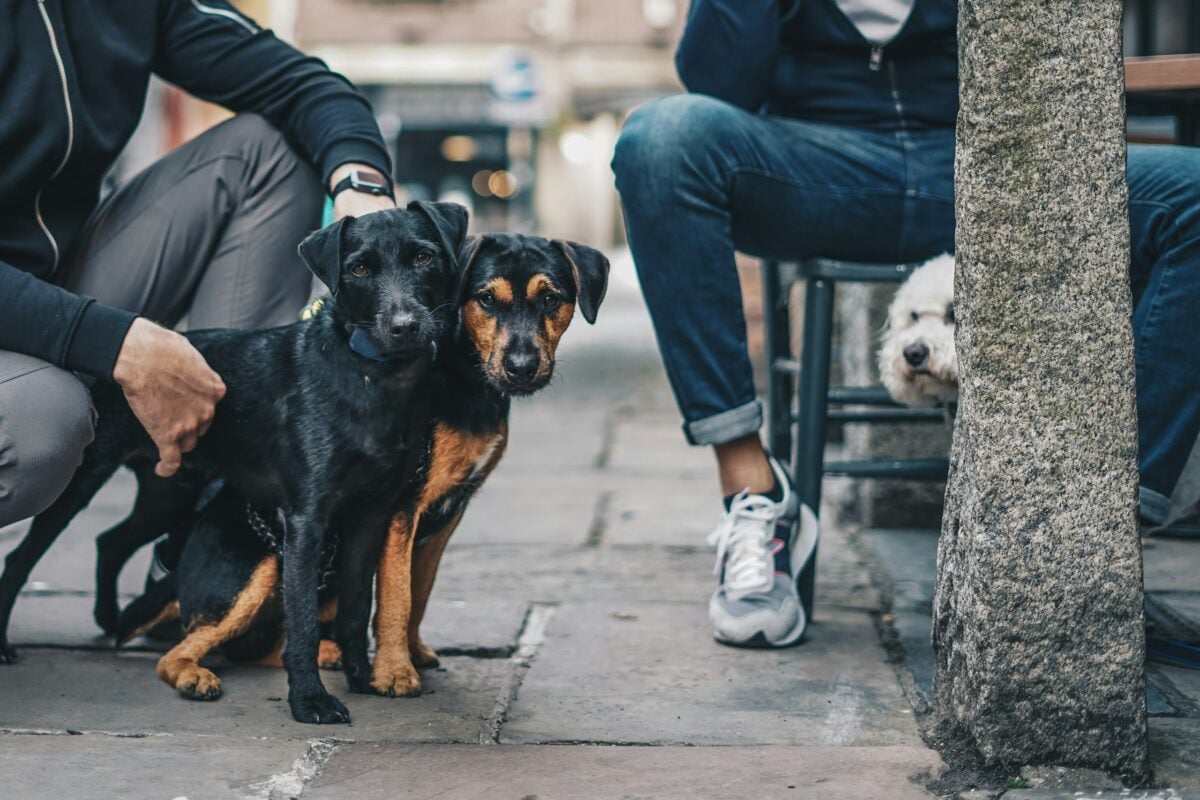
One of the fastest ways to make a nervous or cautious dog uncomfortable is trying too hard too quickly. Loud greetings, leaning over them, direct eye contact, fast petting, or immediately invading their space can all feel overwhelming.
To humans, it’s friendliness. To dogs, it can feel like a social ambush. This is especially true for shy dogs, rescue dogs, or pups that already feel uncertain around strangers.
Common Mistakes That Make Dogs Uneasy
- Reaching directly over the dog’s head
- Staring into their eyes
- Crowding their space immediately
- Excited squealing or loud greetings
- Forcing interaction before the dog is ready
Ironically, the people dogs trust fastest are often the ones who don’t make a big deal about them at all. A calm person quietly existing nearby is usually much easier for dogs to process than someone aggressively trying to earn “dog person” status within 12 seconds.
Watch: This dog chooses gravitates towards the one person not trying to win them over.
What Dog Breeds Are More Wary of Strangers?
Some dogs are born to be on guard. Breeds that were developed as watchdogs or protectors tend to be more skeptical of new people.
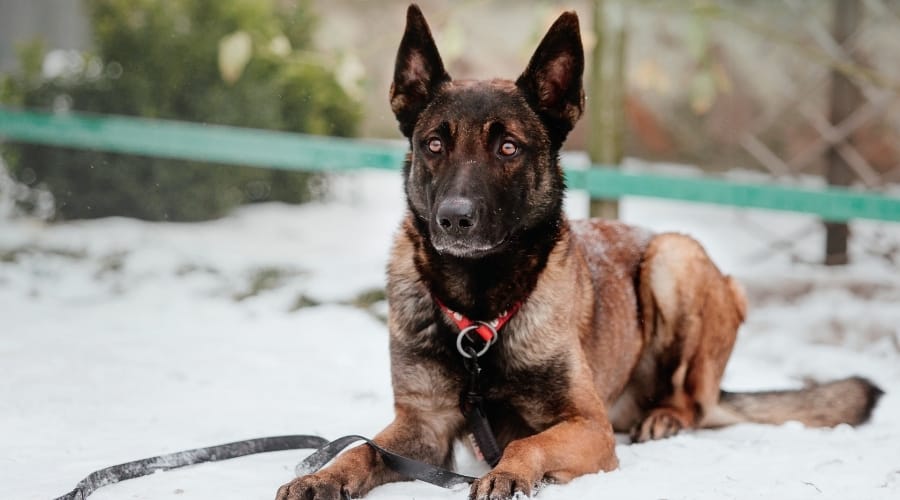
They’ll love their family fiercely but may need extra time (and positive experiences) before warming up to outsiders.
Suspicious By Nature: 10 Breeds That Take Their Time With Strangers
- Akita – Bred as protectors in Japan, Akitas are intensely loyal but often aloof with strangers.
- Basenji – Known as the “barkless dog,” this independent hunter isn’t always quick to trust outsiders.
- Belgian Malinois – A top choice for police and military work, they’re naturally wary and highly protective.
- Chow Chow – Fluffy on the outside, reserved on the inside. Chows are famously suspicious of anyone outside their circle.
- Doberman Pinscher – These sleek guardians were bred to be alert watchdogs, and that instinct still runs strong.
- German Shepherd – Smart, loyal, and protective, German Shepherds often take time to size up new people.
- Giant Schnauzer – Their guarding background means they can be territorial with unfamiliar faces.
- Great Pyrenees – Bred to protect flocks, they’re gentle with family but cautious with newcomers.
- Rottweiler – Powerful and protective, Rotties are loving to their people but naturally skeptical of strangers.
- Tibetan Mastiff – Ancient guardians from the Himalayas, they’re famously aloof and can be standoffish with outsiders.
If your pup is one of these, it doesn’t mean they’re unfriendly—it means caution is hardwired into their DNA. With early socialization and training, many can become perfectly polite greeters, but they’ll always keep that protective streak.
What Are the Most Carefree Dog Breeds?
While some dogs are born skeptics, others seem to think every stranger is a long-lost friend. These breeds are known for their people-loving personalities and usually greet new humans with wagging tails and sloppy kisses.
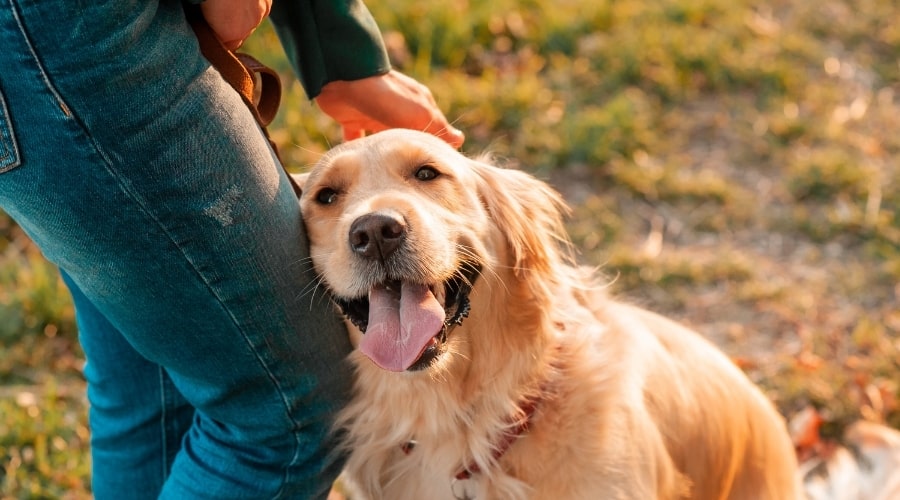
The Welcoming Committee: 10 Breeds That Love Meeting People
- Beagle – Curious and merry, Beagles rarely meet a stranger they don’t like.
- Boston Terrier – Nicknamed the “American Gentleman,” these miniature charmers are outgoing and eager to please.
- Boxer – Playful and clownish, Boxers thrive on attention from just about anyone.
- Cavalier King Charles Spaniel – True lapdogs, Cavaliers adore human contact and tend to greet visitors like family.
- Golden Retriever – Famous for their friendly temperament, Goldens happily dole out affection to everyone they meet.
- Labrador Retriever – Labs are social butterflies, equally excited about family, neighbors, or the mail carrier.
- Pembroke Welsh Corgi – These spirited herders love being part of the action and often charm strangers with their bold personality.
- Poodle – Highly intelligent and people-focused, Poodles are quick to make friends.
- Pug – Goofy and affectionate, Pugs are happiest when surrounded by people who adore them.
- Staffordshire Bull Terrier – Despite their tough looks, Staffies are famously people-oriented and love attention.
Of course, even the friendliest breeds need good socialization to stay confident and polite. But for many of these pups, meeting new people isn’t stressful—it’s the highlight of their day.
Why Dogs Act Different Around Guests, Holidays & New Situations
If your dog suddenly seems wary around people, you’re not alone. Crowded rooms, costumes, noisy decorations, or the smell of unfamiliar food can all heighten their stress levels.
A dog who’s usually calm may act jumpy when the house is full of relatives or when strangers show up in Santa hats. Giving them a quiet retreat space and keeping introductions calm can go a long way toward keeping everyone’s spirits bright.
Signs Your Dog Is Feeling Overstimulated
- Excessive barking
- Pacing or inability to settle
- Hiding or avoiding guests
- Lip licking or yawning repeatedly
- Following you constantly
- Watching visitors intensely
Many dogs do much better when they have a quiet retreat space and breaks from social interaction.
Can Dogs Sense “Bad” People?
Many owners swear their dog has a sixth sense about people. Dogs aren’t psychic, but they’re incredibly skilled at picking up on subtle signals humans often overlook. That includes:
- Stress and fear hormones in sweat
- Tension in body language
- Aggressive or unpredictable movement
- Changes in tone of voice
- Conflict between people
- Nervous or erratic behavior
In other words, dogs don’t sense “evil.” They sense when someone feels unfamiliar, tense, unpredictable, or unsafe.
Dogs are constantly scanning for patterns that help them decide:
- Does this person feel calm?
- Are their movements predictable?
- Does my human seem comfortable around them?
- Does anything about this situation feel “off”?
If enough of those answers come back “maybe not,” many dogs default to caution first.
That’s why a dog reacting negatively to someone doesn’t necessarily mean the person is dangerous. It usually means the dog has detected something unusual about their scent, behavior, energy, or interaction style.
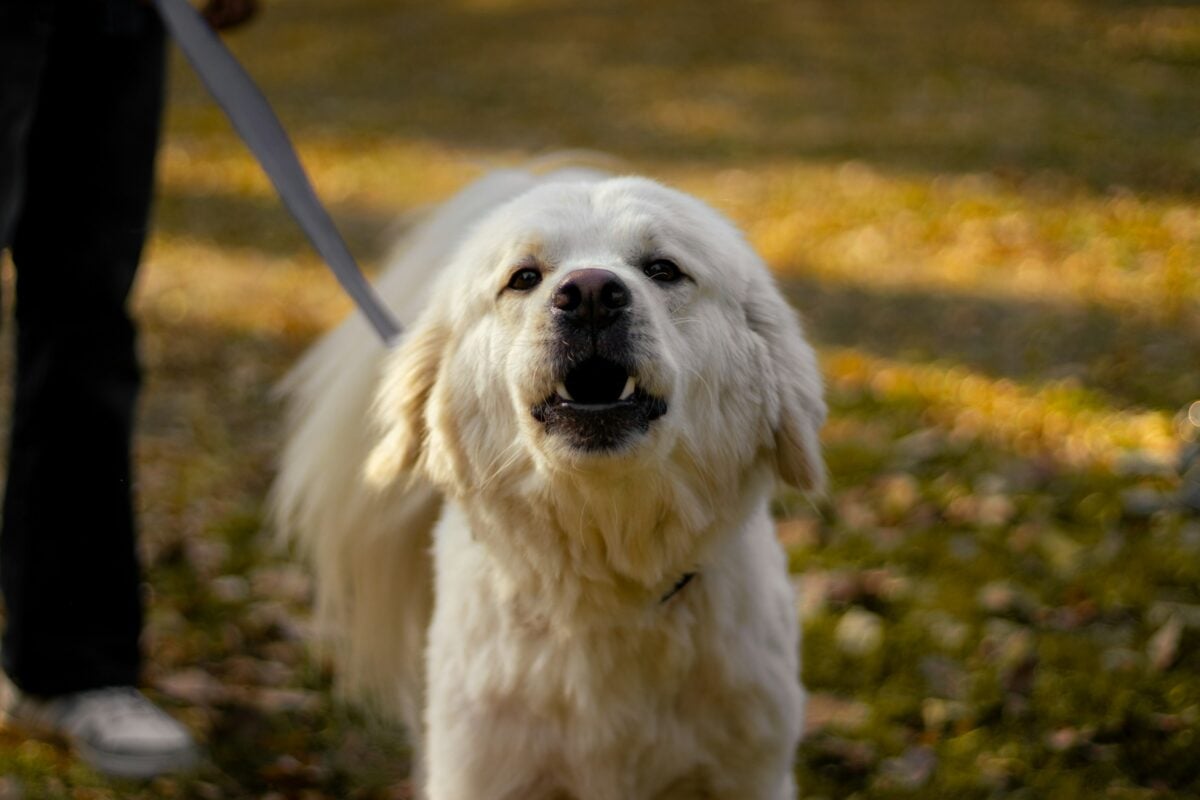
How To Win Over A Dog That Doesn’t Like You
First, don’t take it personally. A dog being cautious around you does not automatically mean they think you’re secretly evil. Most of the time, they just need more space, more predictability, and less pressure.
The biggest mistake people make is trying to force a friendship immediately. Dogs tend to trust people faster when they feel in control of the interaction.
How To Make A Better First Impression
- Ignore the dog at first
- Avoid direct eye contact
- Turn slightly sideways instead of facing head-on
- Move calmly and predictably
- Let the dog approach you first
- Offer treats only after the dog seems relaxed
One of the best things you can do for a nervous dog is to ignore them. Ironically, that often makes them much more interested in you.
What Not To Do
- Reach over the dog’s head
- Corner them or block escape routes
- Force petting or physical contact
- Hover directly above them
- React dramatically to barking or nervousness
For many dogs, trust builds slowly through repeated calm experiences, not in a single magical interaction.
How To Help Your Dog Feel More Comfortable Around People
If your dog struggles around certain people, the goal isn’t to force them into uncomfortable situations. It’s to help them build positive associations slowly and safely.
Pushing a nervous dog too fast often backfires, reinforcing the fear. Instead, most trainers focus on creating calm, predictable experiences where the dog feels like they still have choice and control.
Watch: A dog trainer shows how she introduces her Chihuahua to new people without triggering a reaction. One reason this approach works so well is that it reduces much of the pressure dogs feel during face-to-face greetings. The dog can observe, sniff, and adjust gradually without feeling trapped or overwhelmed.
Small Changes That Can Help Nervous Dogs
- Introduce new people in a neutral location, like a park, walking path, or parking lot
- Walk side-by-side instead of face-to-face
- Reward calm behavior immediately
- Allow the dog to choose distance
- Give them breaks from social interaction
- Keep greetings low-key and predictable
Some dogs warm up quickly. Others need repeated positive experiences over time. Progress is usually less about “fixing” the dog and more about helping them feel safe enough to relax.
When Your Dog’s Behavior Might Be More Than Preference
Some dogs are naturally cautious, selective, or slow to warm up around certain people. But there’s a difference between a dog being mildly suspicious of strangers and a dog experiencing genuine fear, anxiety, or escalating behavioral stress.
If your dog’s reactions seem intense, unpredictable, or difficult to interrupt, it may be a sign that something deeper is going on.
Signs The Behavior May Need Extra Attention
- Growling, snapping, or lunging regularly
- Extreme fear around most strangers
- Inability to calm down after visitors leave
- Hiding, trembling, or panic behaviors
- Resource guarding around guests
- Sudden personality or behavior changes
- Aggression that seems to escalate over time
When To Talk To A Professional
It’s worth reaching out to your veterinarian or a qualified positive-reinforcement trainer if your dog:
- Cannot safely interact with guests
- Seems fearful in everyday situations
- Has bitten or attempted to bite
- Struggles to recover after stressful events
- Shows sudden behavioral changes without explanation
Early support can make a huge difference, especially before fearful behavior becomes deeply ingrained. And importantly, needing help does not mean your dog is “bad.” Many reactive or fearful dogs improve dramatically once they feel safer, more predictable, and better understood.
Dog Insurance Can Help When Behavior Turns Into A Costly Problem
When a dog is wary of strangers, the goal is always prevention and training. But sometimes, even well-managed dogs have bad moments, especially during stressful situations like holiday guests, crowded homes, or unfamiliar environments.
If your dog snaps, bites, or gets injured during a tense interaction, the fallout can be expensive. A vet visit for your dog may involve exams, sedation, wound care, medications, or follow-up treatment. And if someone else is injured, you may be facing liability costs depending on the situation.
That’s where dog insurance can offer peace of mind.
- Pet health insurance can help cover eligible vet expenses if your dog is injured or needs treatment related to an incident.
- Some liability coverage may be available through homeowners or renters insurance (and in some cases through separate pet liability options), which can help if your dog injures someone.
Insurance won’t replace training, supervision, or good management. But it can make it easier to respond quickly and responsibly if something goes wrong.
Learn more in our guide to the best pet insurance for dogs and get a free quote using the form below.

Our Personal Experience With Discerning Dogs
Every dog owner has a story about their pup holding a grudge or picking an unlikely enemy.
My usually friendly dog, Tiny, greets most visitors with tail wags. But every so often, someone walks through the door, and he freezes, backs away, or watches from a distance. No rhyme or reason, just a quiet judgment that this person doesn’t pass the vibe check.
Sometimes the reason is apparent, sometimes it’s a complete mystery. Here are a few of our favorites.
Daisy The Sheriff
Daisy is 80 pounds of fluff, sass, and selective affection. She’ll ignore squirrels and greet the mail carrier but older men, especially with deep voices and slow walks? Enemy territory.
Our neighbor Mr. Henderson, a kind man in a sun hat, has done nothing but exist, and that’s enough for Daisy. The moment she hears his gate or rake, she launches to the fence, barking like she’s filing a formal complaint.
He’s tried everything: kind words, treats, even saying, “I used to have a dog like you.” She took it as a threat.
Now, she watches him like a hawk. We call her “The Sheriff.”
One rule: no older men allowed. Still, it’s all bark—no fence jumping, no real aggression. Maybe she’s protecting us or maybe she just enjoys having a nemesis.
– Danielle DeGroot, Dog and Cat Mom & Writer at Canine Journal
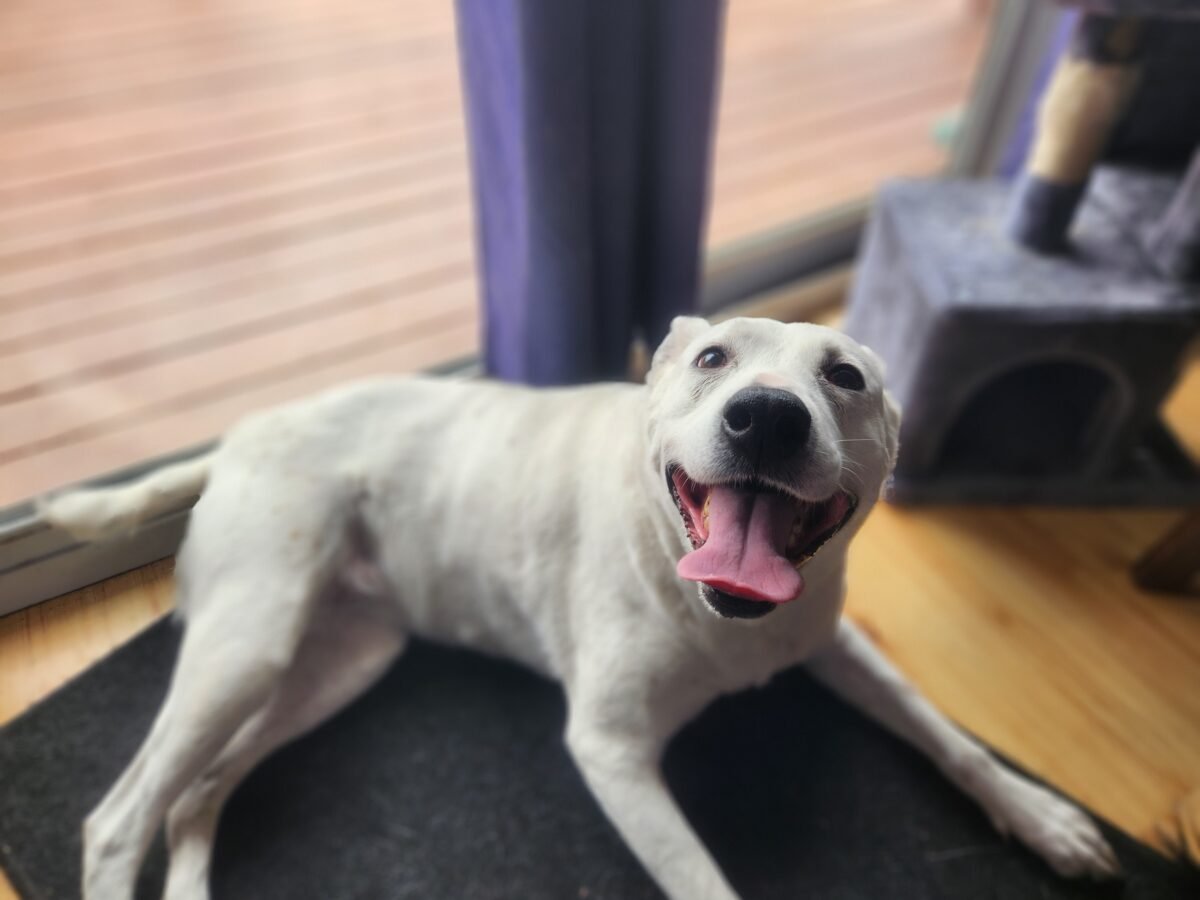
Chips vs Hats & Masks
My young Dachshund, Chips, is usually a brave little explorer except when it comes to hats or masks. on walks, she freezes or growls if someone in a beanie or cap passes by.
The mask fear was a surprise: I once put on my toddler’s festival mask for fun, and Chips totally panicked—barking, scrambling, then bolting to the kitchen where she pooped! Safe to say, costume parties aren’t in her future.
– Emma Braby, Rescue Dog Mom & Writer at Canine Journal

Frequently Asked Questions
Even with research-backed reasons, many dog parents still wonder what their pup’s behavior really means. Here are answers to some of the most common (and relatable) questions about why dogs don’t like certain people.
Don’t see your question? Please respond in the comments, and we’ll do our best to help answer.
Why Does My Dog Not Like Me?
It’s rare for a dog to “truly dislike” their owner, but sometimes they may act distant, fearful, or avoidant. This usually stems from mixed signals, unmet needs, or negative associations rather than actual dislike. For example, harsh tones, inconsistent rules, or limited bonding time can make a dog unsure how to respond.
The good news is this can be repaired. Consistency, patience, and positive reinforcement—play sessions, calm petting, training with rewards—help rebuild trust. Many dogs that seem aloof need more quality time and gentler communication to feel secure.
How Can I Tell If A Dog Doesn’t Like Me?
Dogs communicate discomfort in subtle ways long before they growl or bark. Signs include avoiding eye contact, leaning or turning away, lip licking, yawning when you approach, or a tucked tail.
You might also notice “whale eye,” when the whites of a dog’s eyes show as they glance sideways—an unmistakable warning that they’re uneasy.
If ignored, those signals can escalate into more obvious warnings like growling or snapping. By recognizing early signs of stress, you can adjust your approach and give the dog space before things get tense.
Can Dogs Smell Fear?
Yes. Research shows dogs can literally detect changes in human sweat and body chemistry when we’re stressed or scared.
When exposed to “fear scent,” dogs often become anxious themselves, while “happy scent” makes them more relaxed and friendly.
This is why a nervous person may unintentionally trigger avoidance or fear in a dog. Staying calm, relaxed, and confident around dogs can make them feel more comfortable in return.
What Can I Do If My Dog Doesn’t Like Strangers?
The key is gradual, positive exposure. Start by introducing your dog to calm, dog-savvy people in controlled settings. Pair new faces with treats, toys, or playtime so your pup begins to associate strangers with good things.
If fear or aggression is intense, consider working with a trainer or behaviorist. With time, patience, and the proper socialization, most dogs can learn to tolerate—even enjoy—meeting new people.
Socialization & Training Are Key
If your dog is wary of certain people, don’t panic. It doesn’t mean they’re mean-spirited or broken; it just means they’re picking up cues you might not notice. With proper socialization and training, most pups can become more comfortable around strangers.
Start slow, reward positive interactions, and give your dog space when they need it. And if you need extra help, check out our reviews of the best online dog training courses to build your pup’s confidence and strengthen your bond.