When you purchase through links on our site, we may earn a commission at no extra cost to you. Learn more.
Your dog is lying there minding their own business when suddenly it starts: lick, smack, swallow… lick, smack, swallow. There’s no food in sight, so why does it look like your pup just ate a spoonful of imaginary peanut butter?
Table of Contents
Sometimes, lip licking is completely normal. But when a dog suddenly won’t stop — especially with drooling, repeated swallowing, vomiting, mouth discomfort, or strange behavior — it can be a clue that something else is going on.
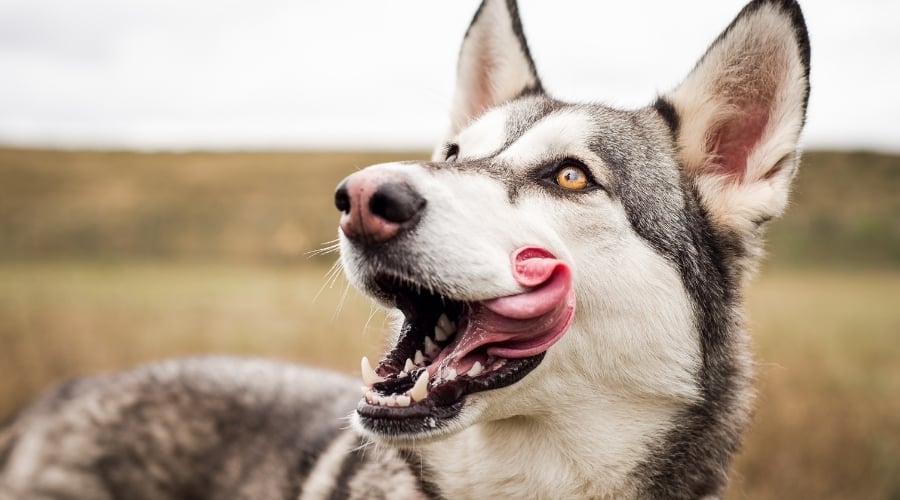
Nausea, dental pain, irritation, and anxiety are all possible explanations, and in rarer cases, repetitive lip smacking can accompany neurological problems. Here’s how to tell an innocent lip lick from behavior worth calling your vet about.
Is Lip Licking Normal Or Concerning?
An occasional lick after eating, drinking, sniffing something tasty, or settling down for a nap is usually nothing to worry about. Context matters.
Pay closer attention when the behavior is new, sudden, frequent, or difficult for your dog to stop. Lip licking accompanied by drooling, repeated swallowing, vomiting, appetite changes, mouth pain, or unusual behavior can point to nausea, dental problems, irritation, anxiety, or another health issue.
The biggest clue isn’t simply that your dog is licking their lips. It’s when it happens, how often it happens, and what else your dog is doing at the same time.
Why Is My Dog Licking Their Lips? 7 Common Scenarios
When your dog licks their lips can be just as revealing as the behavior itself. A quick lick after dinner may mean something very different from sudden, nonstop lip smacking paired with drooling or unusual behavior. Here are some common situations dog owners notice and what they may mean.
Want our human-written content to rank above AI-generated garbage? Help us out by clicking this button!
Dog Licking Lips At Night
Does your dog start licking or smacking their lips once everyone settles down for the night? An occasional lick may simply be part of getting comfortable, especially if your pup otherwise seems relaxed and quickly falls asleep.
Repeated nighttime lip licking is worth a closer look, particularly if your dog is also swallowing frequently, drooling, pacing, or having trouble settling. Digestive discomfort, nausea, mouth pain, or stress are among the possibilities. Pay attention to whether the behavior happens around bedtime, several hours after dinner, or throughout the night, as the timing may help your vet narrow down the cause.
Dog Smacking Lips After Eating
A few lip licks immediately after a meal are usually no surprise. Your dog may simply be cleaning food or saliva from around their mouth. But persistent lip smacking after eating can be different.
Watch for difficulty chewing, dropping food, pawing at the mouth, excessive drooling, bad breath, or reluctance to eat. These signs can accompany dental or oral discomfort. Repeated licking and swallowing after meals may also occur with digestive upset or nausea.
If the behavior started suddenly, consider whether your dog recently got a new food, treat, chew, medication, or anything else that could have irritated their mouth or stomach.
Dog Licking Lips Before Vomiting
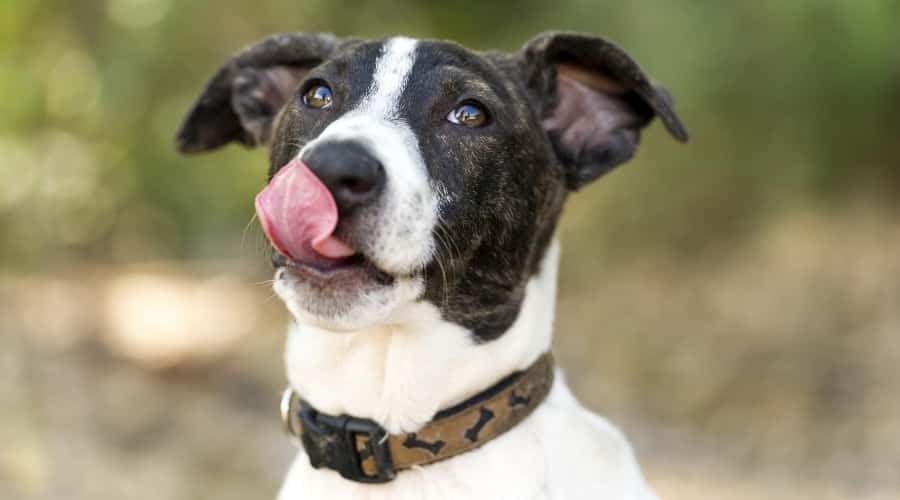
If you’ve ever watched your dog closely before they throw up, you may have noticed a pattern: licking the lips, salivating, swallowing repeatedly, and then vomiting.
Lip licking can be a sign of nausea, so pay particular attention when it occurs alongside drooling, gulping, repeated swallowing, restlessness, decreased appetite, or vomiting. One isolated episode of stomach upset may resolve quickly, but repeated vomiting, ongoing nausea, lethargy, or refusal to eat warrants a call to your veterinarian.
Dog Licking Lips While Staring
This one can look especially strange. Your dog may suddenly stare into space while licking or smacking their lips over and over.
Context matters. If your dog is staring at your dinner while licking their lips, the explanation may be pretty obvious. But a fixed or vacant stare accompanied by repetitive lip smacking, unusual movements, disorientation, or a lack of response to you deserves more attention.
In some cases, repetitive mouth movements can occur with neurological problems, including certain seizures. If your dog suddenly develops episodes of staring and lip smacking, try to record a video if you can do so safely and contact your veterinarian.
Not every seizure involves dramatic shaking or collapse. Some focal seizures can cause subtler changes in behavior. Learn more about what seizures in dogs can look like and what to do if you suspect one.
Dog Licking Lips During Storms Or Stressful Moments
Lip licking isn’t always about your dog’s stomach or mouth. It can also be a response to stress.
You may notice your dog licking their lips during thunderstorms, fireworks, car rides, vet visits, encounters with unfamiliar dogs, or other situations they find uncomfortable. Other signs of stress can include panting, pacing, trembling, yawning, hiding, or trying to escape the situation.
Look for a pattern. If the lip licking reliably appears during stressful events and subsides once your dog relaxes, stress may be contributing to the behavior.

Dog Suddenly Licking Lips Nonstop
A dog who has always occasionally licked their lips is different from one who suddenly starts doing it over and over again.
New, persistent, or seemingly obsessive lip licking shouldn’t automatically be dismissed as a quirky habit. Check for other changes, such as vomiting, drooling, repeated swallowing, difficulty eating, pawing at the mouth, lethargy, or unusual behavior.
Sudden nonstop licking may have several possible causes, including nausea, oral pain or irritation, exposure to something irritating, or another medical issue. If you can’t identify an obvious reason or your dog seems uncomfortable or unwell, contact your veterinarian.
If the behavior isn’t limited to their lips and your dog suddenly starts licking floors, furniture, people, or other surfaces, see our guide to why dogs lick everything.
Dog Licking Lips, Drooling & Swallowing
Lip licking combined with excessive drooling or repeated swallowing deserves more attention than an occasional lick on its own.
This combination can occur when a dog feels nauseated, but problems involving the teeth, gums, mouth, throat, or something irritating your dog has eaten or encountered may produce similar behavior.
Take note of any vomiting, appetite changes, bad breath, swollen or bleeding gums, difficulty chewing, pawing at the mouth, or changes in energy or behavior. These additional clues can help your veterinarian determine what may be causing the licking.
8 Common Causes Of Lip Licking & Smacking In Dogs
Is it dinner time? A toothache? Existential dread?
Whether your dog is smacking his lips during the day, at night, or after meals, the behavior may be more than a harmless quirk.
I’ll dive into the curious behavior of dog lip-smacking and what your furry friend might be trying to tell you about his physical or emotional well-being.
1. Nausea Or Digestive Upset
One of the most common reasons dogs smack their lips is nausea. If your pup ate something questionable, they might lick or smack their lips as a warning sign before a little tummy drama unfolds.
Dogs with an upset stomach might also excessively swallow, drool, pace, or become rigid just before vomiting. Although it’s often short-lived, chronic cases of nausea or vomiting warrant a veterinary visit.
2. Dental Or Mouth Issues
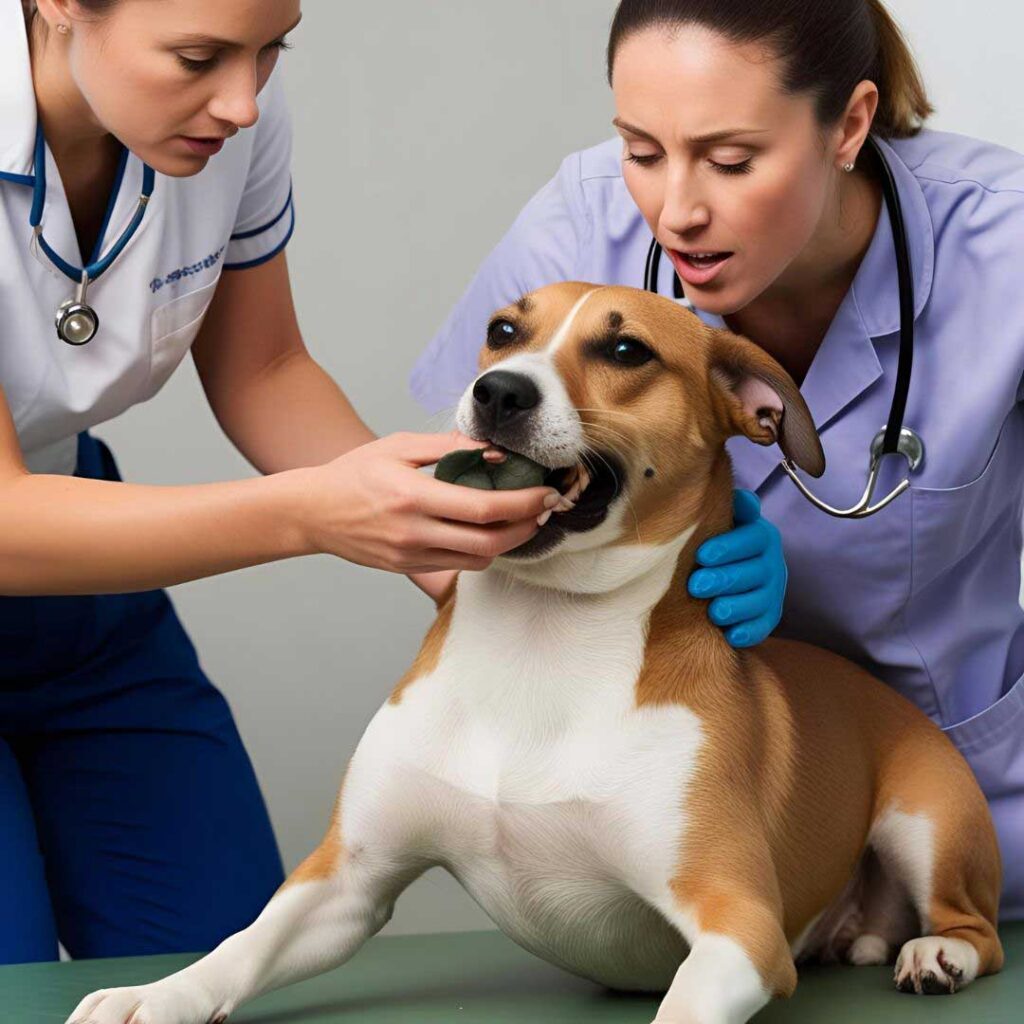
Another big culprit can be mouth discomfort. Dogs with dental disease, broken teeth, inflamed gums, or even something stuck in their teeth or the roof of their mouth may try to ease irritation by licking and smacking.
Think of it as the canine version of shifting your jaw when something doesn’t feel quite right. A veterinary oral exam is a smart next step if your dog continuously licks his lips, especially during or after eating.
Good dental care can help prevent some painful mouth problems. Our guide to dog teeth cleaning explains what actually works at home and when professional veterinary cleaning may be necessary.
3. Dry Mouth Or Dehydration
A dry mouth can turn any dog into a professional lip-smacker. If your dog keeps smacking his lips, check to make sure he’s staying hydrated — especially during hot days or if he is on medication that causes dry mouth. Dogs may lick and smack their lips in an attempt to generate more saliva.
Although usually nothing serious, a persistent dry mouth paired with other symptoms (fatigue, sunken eyes, loss of appetite) should prompt a vet check as soon as possible. Dogs can get dehydrated easily, which can quickly become a medical emergency.
4. Skin Allergies or Irritations
Irritated skin around the mouth from allergies, bug bites, bee stings, or mystery substances they stuck their face in can cause your dog to continuously lick his lips as a way to deal with the itchiness. Look for redness, swelling, or your dog rubbing their face on the carpet.
If you suspect your pup could have sensitivities to a food ingredient or something in his environment, you may want to consider doing an at-home dog allergy test to help identify the offending allergen.
5. Anxiety Or Stress
Ever notice your dog smacking his lips during fireworks, vet visits, or when you say the dreaded word “bath?” That could be dog anxiety “talking.” It may occur during unfamiliar or fearful situations, loud noises, or even quiet moments when your dog is trying to self-soothe.
If you’re asking “why is my dog smacking his lips at night?,” it might be nighttime anxiety or restlessness. Dogs, like people, can feel more vulnerable or overstimulated at night, especially in unfamiliar environments or during changes in routine.

6. Obsessive-Compulsive Behavior
If your dog keeps licking his lips throughout the day without any obvious trigger, it could be a behavioral issue. Dogs experiencing chronic boredom, anxiety, or past trauma sometimes develop repetitive habits — similar to how people might fidget or tap their fingers.
These behaviors can become ingrained over time. Environmental enrichment, more exercise, and professional behavioral support may be needed if the habit is interfering with daily life.
7. Seizures Or Neurological Issues
Although rare, lip smacking can be a symptom of partial (focal) seizures. These seizures may not involve convulsions but can present as odd, repetitive movements — such as air licking, staring, or lip smacking.
If your dog is licking his lips and also appears disoriented, unresponsive, or unusually still, consult your veterinarian as soon as possible. Neurological issues can be subtle but serious.
8. Comfort And Habit
In some cases, lip smacking isn’t a problem at all. Just like people might sigh or adjust their position when settling down, dogs might smack their lips when comfortable as part of their winding-down ritual. If your dog is relaxed, calm, and showing no signs of discomfort, this is likely nothing to worry about.
However, it’s important to distinguish this casual behavior from more intense or frequent lip licking that could indicate a problem.
When Should I Call The Vet?
Occasional lip licking in an otherwise happy, healthy dog usually isn’t an emergency. But a sudden change or persistent lip licking deserves attention, especially when other symptoms appear.
Contact your veterinarian if your dog’s lip licking or smacking is accompanied by:
- Repeated vomiting or diarrhea
- Loss of appetite or difficulty eating
- Excessive drooling or repeated swallowing
- Pawing or rubbing at the mouth
- Bad breath that is new or unusually strong
- Red, bleeding, or swollen gums
- Facial or mouth swelling
- Lethargy, weakness, or a major change in behavior
- Staring, disorientation, unresponsiveness, tremors, or seizure-like behavior
- Sudden, obsessive, or nonstop licking
Dental problems are particularly easy to miss. Dogs with oral disease may develop bad breath, drooling, difficulty eating, appetite changes, or pawing at their mouth or face.
Seek prompt veterinary care if the behavior is severe, appeared suddenly, or your dog seems seriously ill, painful, disoriented, or neurologically abnormal.
What To Track Before Calling Your Vet
A little detective work can help your veterinarian understand what’s going on. If possible, take a short video of the behavior and make notes about:
- When it started: Was the change sudden or gradual?
- How often it happens: Once or twice a day, every few minutes, or almost constantly?
- Timing around food: Does the licking happen before eating, immediately afterward, or several hours later?
- Digestive symptoms: Have you noticed nausea, vomiting, diarrhea, repeated swallowing, or appetite changes?
- Stress: Does it happen during thunderstorms, fireworks, car rides, visitors, or other potentially stressful situations?
- Mouth symptoms: Look for bad breath, swollen or bleeding gums, difficulty chewing, drooling, or pawing at the mouth.
- Recent changes: Note any new foods, treats, chews, medications, supplements, plants, cleaning products, or other household exposures.
If you think your dog may have eaten something they shouldn’t have, check our guide to foods that are dangerous for dogs and contact your veterinarian or a pet poison service if you’re concerned about a possible toxin.
Don’t force your dog’s mouth open if they seem painful or resist being handled. A video of the lip licking — especially if you capture any staring, swallowing, drooling, or other unusual behavior — may be more useful than trying to describe it from memory.
What Can I Do At Home?
If your dog’s constant licking of his lips is becoming a concern, here are a few steps you can take:
- Monitor and record: Note when the behavior happens (e.g., after meals, during storms, before bed).
- Check for physical causes: Look inside the mouth (if safe to do so) and examine the skin around the face.
- Improve hydration: Ensure your dog has access to clean, fresh water at all times.
- Address stress: Create a calm environment, especially at night, if anxiety may be a factor.
- Enrichment and engagement: Keep your dog mentally and physically stimulated to reduce compulsive behaviors.
When Pet Insurance Can Help
If your dog’s lip smacking seems off, trust your instincts and reach out to your vet. Some of the causes could end up being serious. Things like dehydration, seizures, and chronic anxiety can be expensive to treat. Pet insurance can help defray the costs of unexpected treatment and could provide the financial resources to save your dog’s life.
However, you will need to sign up as soon as possible since it will not cover pre-existing conditions. Use our free form below to get multiple quotes instantly.

Frequently Asked Questions
Still have questions about your dog’s lip licking or smacking? Here are a few more common ones dog parents ask. If you’ve noticed a different pattern or behavior, share your experience or question in the comments below so other readers can join the conversation.
Why Does My Dog Keep Licking Their Lips But Isn’t Eating?
Dogs don’t only lick their lips because food is nearby. Frequent lip licking without eating can occur with nausea, stress or anxiety, mouth or dental discomfort, irritation, or even a dry mouth. Pay attention to when the licking happens and whether you notice other symptoms, such as drooling, repeated swallowing, appetite changes, or unusual behavior.
Why Is My Dog Licking Their Lips And Swallowing Repeatedly?
Lip licking paired with repeated swallowing can be a sign of nausea, especially if your dog is also drooling, restless, or vomiting. Mouth, dental, or throat discomfort can cause similar behavior. Contact your vet if it continues, starts suddenly, or occurs with other concerning symptoms.
Why Does My Dog Lick Their Lips When I Pet Them?
Some dogs lick their lips when they’re feeling uncertain, uncomfortable, or stressed, even during interactions that seem enjoyable to us. Look at your dog’s entire body language. Turning away, pinned-back ears, yawning, a tucked tail, or trying to move away may suggest your dog would prefer some space.
Can Lip Licking Be A Sign Of Pain In Dogs?
It can be. Dental disease, sore gums, mouth injuries, or something stuck between the teeth can cause excessive licking or lip smacking. Drooling, bad breath, pawing at the mouth, difficulty chewing, swollen gums, or refusing food are additional signs that your dog may need a veterinary exam.
When Should I Worry About My Dog Licking Their Lips?
Pay closer attention when lip licking is sudden, persistent, or noticeably different from your dog’s normal behavior. Contact your veterinarian if it’s accompanied by repeated vomiting, loss of appetite, excessive drooling, lethargy, mouth pain, swollen gums, difficulty eating, or unusual neurological behavior such as staring or unresponsiveness. If your dog appears severely ill or you suspect poisoning or another emergency, seek veterinary care right away.

What Else Is Your Dog Trying To Tell You?
Lip licking is just one of those dog behaviors that can look harmless until you notice a pattern. The same is true for other repetitive habits. If your dog is suddenly licking their paws, licking everything in sight, shaking, or acting unusually stressed, the behavior may offer clues about how they’re feeling.
Our guide to why dogs lick their paws explains when paw licking is normal and when allergies, pain, or irritation may be involved. If your pup seems determined to lick the floor, couch, you, and everything else they can reach, see why dogs lick everything.
And because stress can show up in surprisingly subtle ways, it’s worth learning the signs your dog may be secretly stressed. The more familiar you are with your dog’s normal habits, the easier it becomes to notice when something has changed.
Does Your Dog Lick Or Smack Their Lips?
Every dog is different, and sometimes the details make all the difference. Does your pup lick their lips at night, after eating, during stressful moments, or seemingly out of nowhere? Did you discover what was causing it?
Share your experience in the comments below. Tell us what you noticed, what helped, and whether you ended up talking with your vet. Your experience may help another dog parent who’s wondering about the same strange behavior.