When you purchase through links on our site, we may earn a commission at no extra cost to you. Learn more.
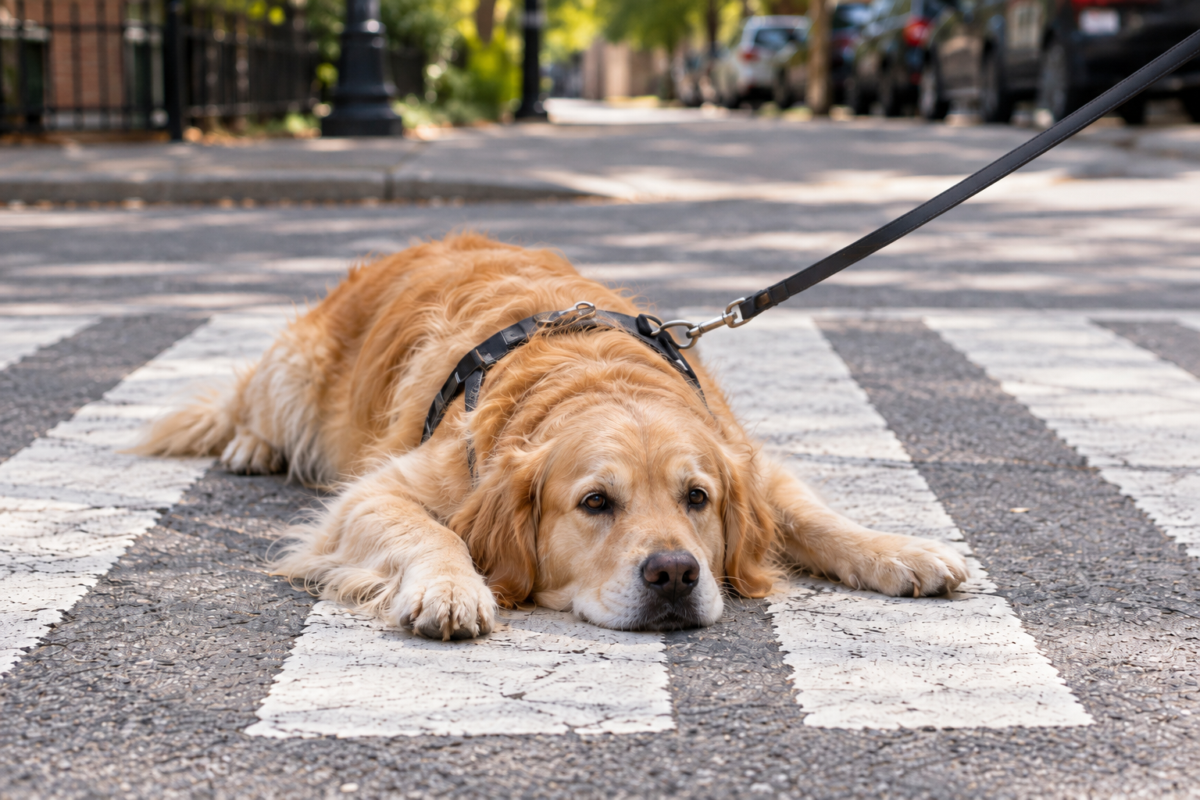
We’ve all seen that dog. The one sprawled across the sidewalk, refusing to move while their increasingly exasperated owner tries everything from gentle encouragement to outright bribery.
Table of Contents
Sometimes it’s in the middle of a crosswalk. Other times, it’s a dramatic protest against leaving the dog park. Either way, it’s pretty funny, at least when you’re not the one holding the leash.
There are plenty of reasons dogs put the brakes on a walk, and stubbornness is rarely the most useful explanation. Fear, pain, exhaustion, or simply wanting more time to explore can all make a dog reluctant to move. The trick is figuring out what’s behind your dog’s sudden change of heart so you can respond appropriately.
Why Does My Dog Suddenly Refuse To Walk?
Unfortunately, dogs aren’t great at explaining why they’ve suddenly decided to become a permanent fixture on the sidewalk. But when, where, and how your dog refuses to move can offer some pretty revealing clues.
Find the scenario that sounds most familiar to help narrow down what’s going on.
| What Your Dog Does | What It Might Mean |
|---|---|
| Freezes near traffic, loud noises, or unfamiliar places | Fear or anxiety |
| Suddenly stops, limps, or lifts a paw | Pain, injury, or paw discomfort |
| Sits or lies down halfway through a walk | Fatigue, overheating, or physical discomfort |
| Lies down when another dog or person approaches | Social greeting, excitement, or uncertainty |
| Refuses to leave the house or driveway | Fear, reluctance, or discomfort |
| Stops when you turn toward home | Wants more time to explore or play |
| Keeps stopping to sniff or investigate | Interesting scents or environmental distractions |
Quick Tip: These behaviors offer clues, but context matters. A relaxed dog who lies down to watch an approaching friend may have a very different reason for stopping than one who freezes with a stiff body and tucked tail. If the behavior is sudden, unexplained, or accompanied by signs of illness or pain, contact your veterinarian.
10 Reasons Your Dog Suddenly Refuses To Walk
When your dog puts on the brakes, your first instinct might be to coax them along or offer a treat to get things moving again. But before you start negotiating with your four-legged roadblock, take a moment to figure out what’s stopping them.
Some causes are easy to spot, while others require a little detective work. Here are 10 reasons your dog might suddenly refuse to walk, along with clues to help you figure out what’s going on.
1. Walking Is Painful
If your dog suddenly stops walking, pain is one of the first things to consider. Joint problems, muscle strains, back pain, and injuries can make even a familiar neighborhood stroll uncomfortable.
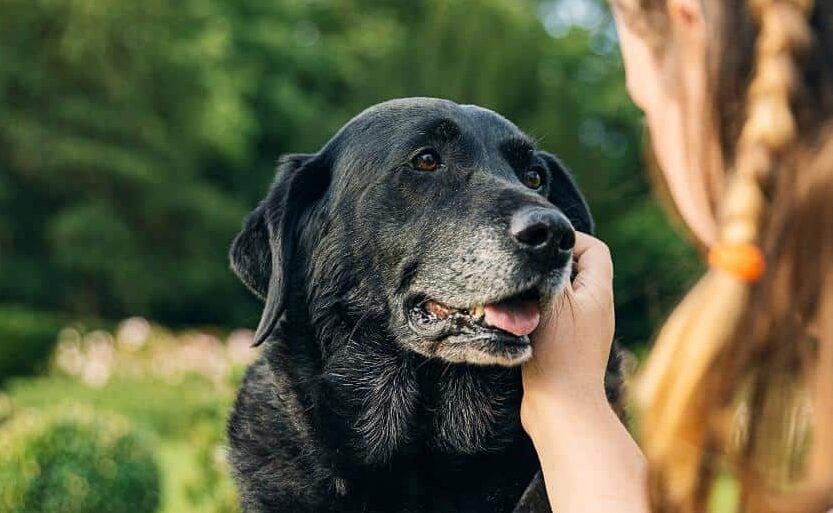
Some dogs make their discomfort obvious by limping, whining, or favoring one leg. Others show subtler signs that are easy to miss, including:
- Skipping or stretching a back leg: Dogs with luxating patellas (kneecaps that slip out of place), particularly small breeds, may briefly hop on three legs or extend a hind leg before walking normally again.
- Licking or chewing a specific area: Repeated attention to a joint or limb may indicate pain or irritation.
- Walking more slowly or stiffly: Your dog may lag behind, take shorter steps, or hesitate on hills and stairs.
- Changes in posture: An arched back, unusual sitting position, or shifting weight away from one leg can signal discomfort.
- Difficulty getting up or lying down: Your dog may struggle to rise after resting or take longer to settle into a comfortable position.
Several orthopedic and spinal conditions can make walking uncomfortable, including arthritis, hip and elbow dysplasia, luxating patellas, and intervertebral disc disease (IVDD). Arthritis is especially common in older dogs, although younger dogs can experience joint problems, too. Hip and elbow dysplasia are more common in larger breeds, while IVDD is particularly associated with long-backed breeds like Dachshunds.
Excess weight can make matters worse by placing additional stress on the joints, particularly the hips and knees.
What To Do
Don’t force your dog to continue if you suspect they’re hurting. Give them a chance to rest and arrange a veterinary evaluation, especially if the refusal is sudden or unusual.
Learn more about pain relief, physical therapy, and weight loss for long-term support.
Important: If your dog can’t stand, cannot bear weight, or appear to be in severe pain, seek urgent veterinary care.
2. Their Paws Hurt
Imagine trying to walk around with a pebble in your shoe. Now imagine you can’t tell anyone what’s bothering you. That’s essentially what your dog might be experiencing when something hurts their paws.
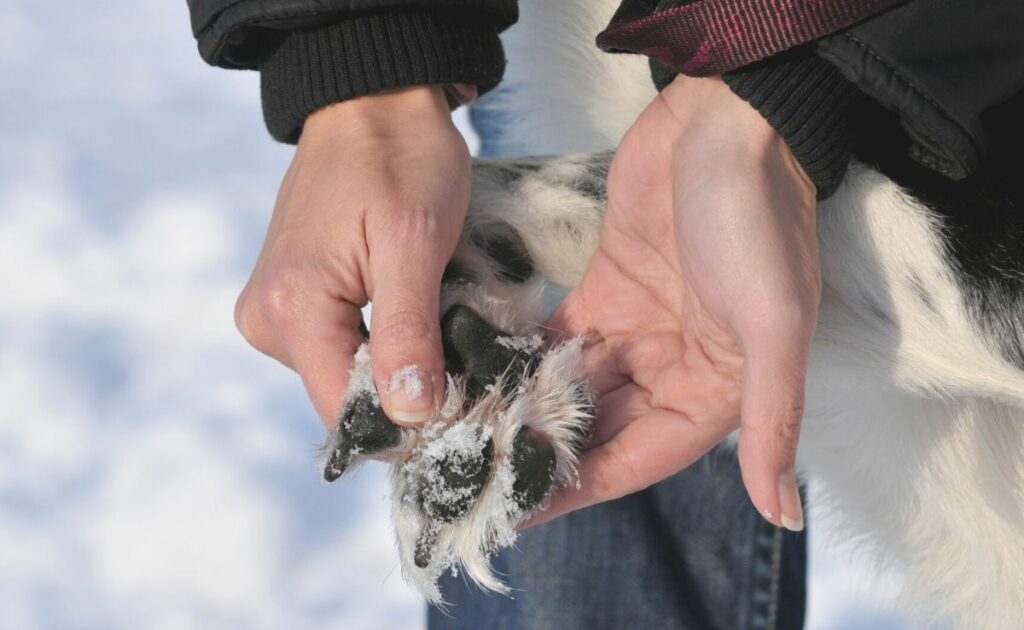
Cuts, cracked paw pads, broken nails, insect stings, and foreign objects like thorns or small stones can make walking painful. Even something as simple as a burr or clump of ice stuck between the toes can brin›g a walk to an abrupt halt.
If your dog suddenly refuses to walk, take a closer look at their paws. Watch for signs like:
- Limping, lifting a paw, or favoring one foot
- Excessive licking of paws or chewing at nails
- Redness, swelling, cuts, or damaged paw pads
- Broken, split, or unusually long nails
- Debris lodged between their toes or paw pads
- Flinching or pulling away when you touch a particular paw
Walking surfaces can also be the culprit. Hot pavement can burn paw pads, while icy sidewalks, road salt, rough gravel, and sharp debris can cause irritation or injury. Some dogs may hesitate before stepping onto an uncomfortable surface, while others stop once their paws begin to hurt.
What To Do
Gently inspect your dog’s paws, including between the toes and around the nails. Remove loose debris if you can do so safely, but don’t dig into the skin or pull out deeply embedded objects.
If you notice bleeding, swelling, a damaged nail, or persistent limping, contact your veterinarian. Avoid forcing your dog to continue walking on a painful surface.
If your dog frequently chews or licks their feet, explore common causes of paw licking and how to address them. For outdoor adventures, consider protective dog boots for hiking to help shield their paws from rough terrain.
3. They’re Running Out Of Steam
Your dog might start a walk with enough enthusiasm to pull you down the street, only to run out of energy halfway home. Just like us, dogs have different fitness levels, and some simply don’t have the stamina for long walks.
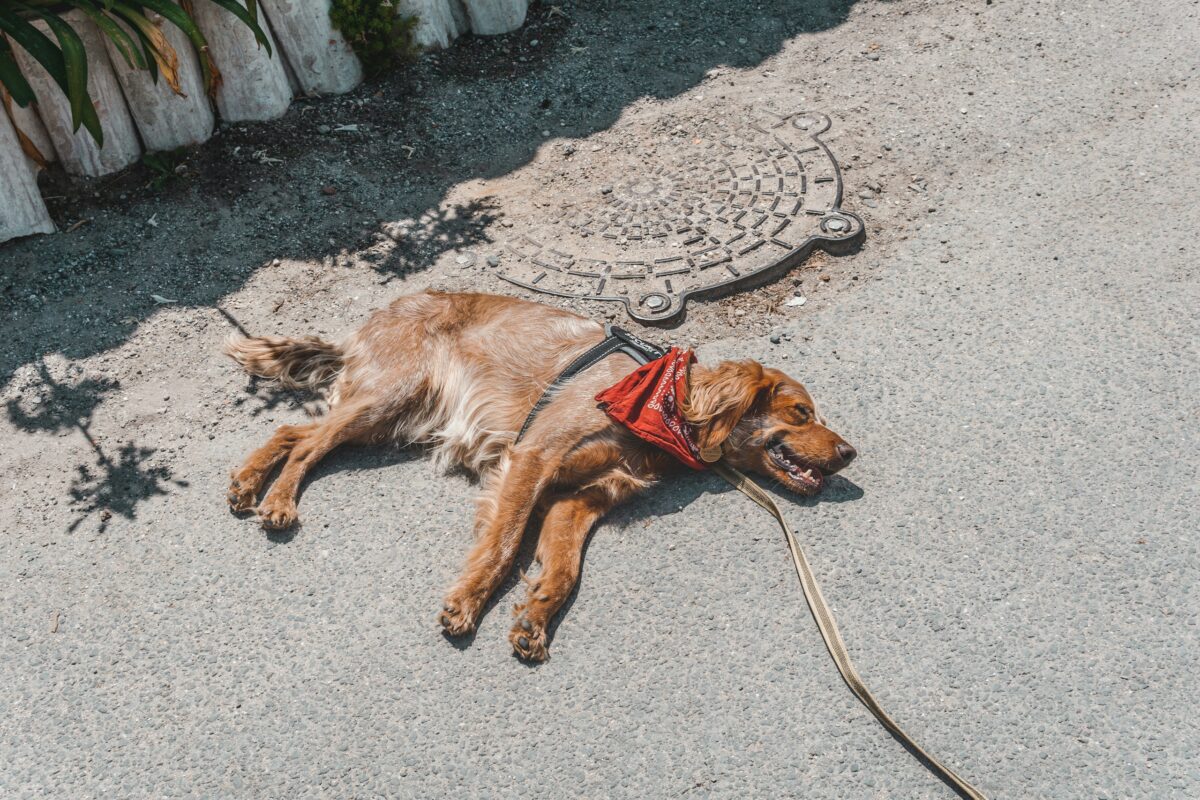
Dogs who are overweight, out of shape, or unaccustomed to regular exercise may tire more quickly. Puppies and senior dogs may also have different exercise tolerances, while breeds with short, flat faces, like Bulldogs and Pugs, can struggle with strenuous activity because of their breathing difficulties.
I’ve experienced this firsthand. When I adopted my Golden Retriever, he weighed a whopping 133 pounds and could barely make it around the block without needing to rest. His weight-loss journey included gradually increasing our walking distance to build his stamina.
Watch for signs that your dog is reaching their physical limit, such as:
- Gradually slowing down or lagging behind
- Panting more heavily than usual
- Frequently stopping to rest or sitting down
- Struggling to keep up on hills or longer routes
- Taking longer than usual to recover after exercise
What To Do
If your dog seems tired, stop and let them rest somewhere comfortable. Consider shortening future walks, slowing your pace, or gradually building their endurance with shorter, more frequent outings.
If your dog is overweight, talk to your veterinarian about a safe weight-loss and exercise plan.
Important: Sudden exhaustion, excessive panting, weakness, or difficulty breathing can also signal an underlying medical problem. Don’t assume your dog is simply out of shape, especially if their exercise tolerance has changed unexpectedly. Seek prompt veterinary advice, or emergency care for collapse or breathing difficulties.
4. Something Scared Them
Dogs can be surprisingly sensitive to things we barely notice. A passing motorcycle, barking dog behind a fence, or unfamiliar person approaching on the sidewalk might be enough to make your dog freeze in their tracks.
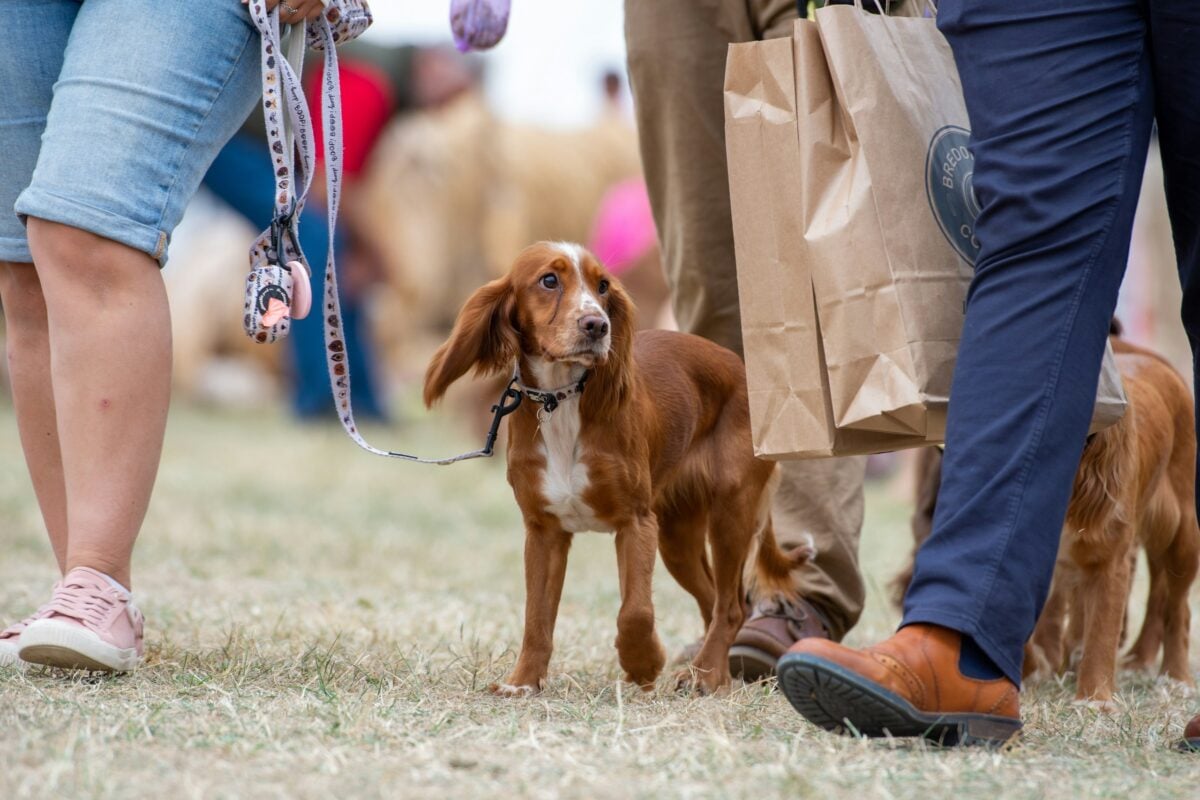
Freezing is a common fear response in dogs. When something makes them nervous, they may stop moving to assess the situation or avoid getting any closer to whatever is frightening them. Some dogs even refuse to walk down a particular street after a scary experience there.›
Other signs that your dog may be frightened include:
- Tucked tail or lowered body posture: Your dog may crouch, lean backward, or try to make themselves appear smaller.
- Pinned-back ears: Their ears may flatten against their head, particularly when accompanied by other signs of tension.
- Whale eye: You might notice the whites of their eyes as they watch something that makes them uncomfortable.
- Lip licking, yawning, or trembling: These can indicate stress, especially when they occur outside their usual context.
- Trying to escape or turn around: Your dog may pull toward home, hide behind you, or refuse to approach a particular area.
Sometimes the trigger isn’t obvious. Dogs have more sensitive hearing and smell than we do, so they may detect something long before you notice it. A previous frightening encounter can also make an otherwise familiar walking route feel unsafe.
What To Do
Avoid pulling or forcing your dog toward whatever is frightening them. Give them space, calmly move away from the trigger if possible, and allow them to regain their confidence.
If fear regularly interferes with walks, consider working with a qualified positive-reinforcement trainer or veterinary behaviorist.
Learn More: From thunderstorms and fireworks to unfamiliar people and everyday objects, dogs can develop all kinds of fears. Learn more about what dogs are scared of, how to recognize fear responses, and ways to help your pup feel safer.
5. The Weather Isn’t Cooperating
Some dogs will happily dive into a freezing lake but act personally offended when asked to walk through a little rain. Others take one look at the snow outside and decide that today’s exercise can wait. Just like people, dogs have their own preferences when it comes to the weather.
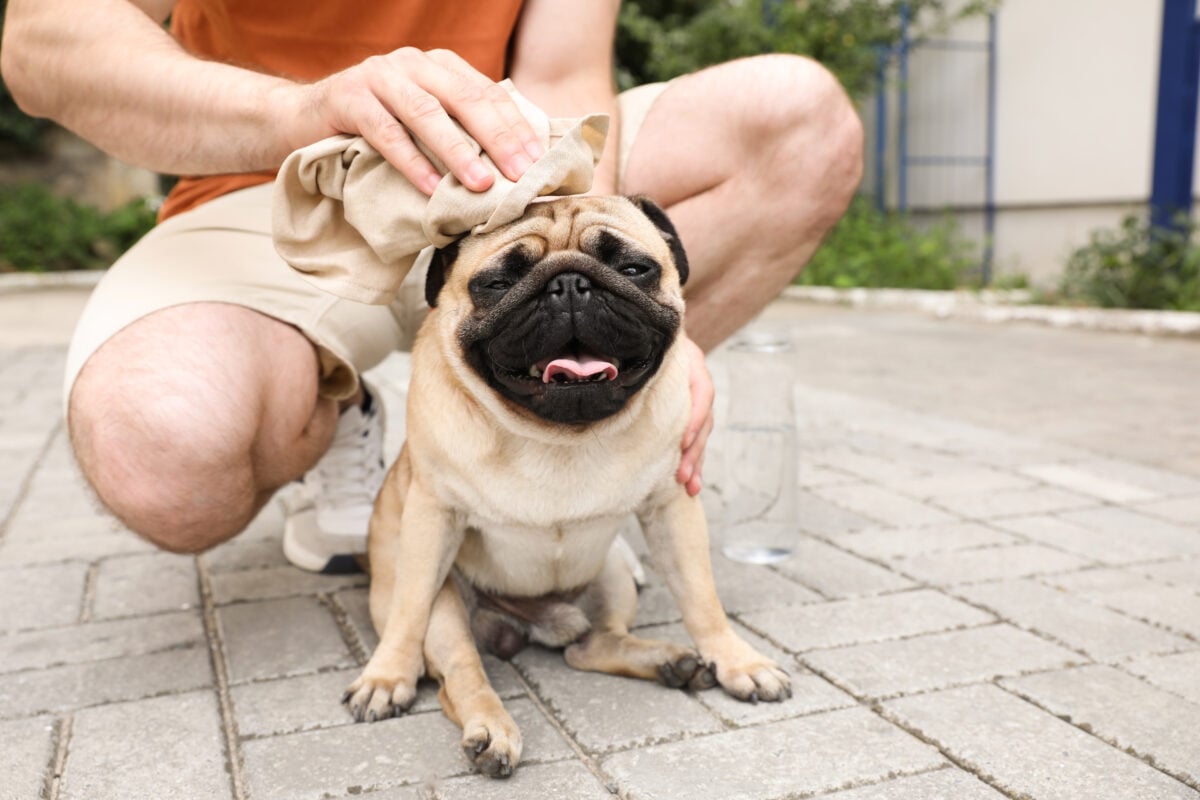
Rain, snow, strong winds, and extreme temperatures can all make dogs reluctant to venture outside. A dog who dislikes getting wet might refuse to leave the porch, while another may stop walking because icy sidewalks feel uncomfortable or slippery beneath their paws.
Hot and humid weather can be especially dangerous. Dogs primarily regulate their body temperature through panting, making them vulnerable to overheating during exercise. Flat-faced breeds, overweight dogs, and seniors are particularly susceptible.
Watch for signs of heat stress, including:
- Excessive panting or drooling
- Seeking shade or repeatedly lying down
- Weakness, wobbliness, or unusual lethargy
- Vomiting or diarrhea
- Confusion, difficulty breathing, or collapse
What To Do
Adjust your walking routine to suit the weather. Dogs who dislike getting wet may be more comfortable in a waterproof raincoat, while winter coats and boots can help protect dogs from cold and snowy conditions.
During warmer months, schedule walks for cooler parts of the day, avoid hot pavement, and provide plenty of opportunities to rest and drink water. Learn more about how to keep your dog cool and protect their paws with dog shoes for hot pavement.
Heatstroke Warning: If your dog shows signs of overheating, stop exercising and move them to a cool area immediately. Heatstroke can be life-threatening, so don’t wait for symptoms to worsen.
6. Their Walking Gear Is Uncomfortable
Imagine heading out for a walk in shoes that are two sizes too small. You probably wouldn’t make it very far before calling it quits. Your dog might feel the same way about an uncomfortable collar or harness.
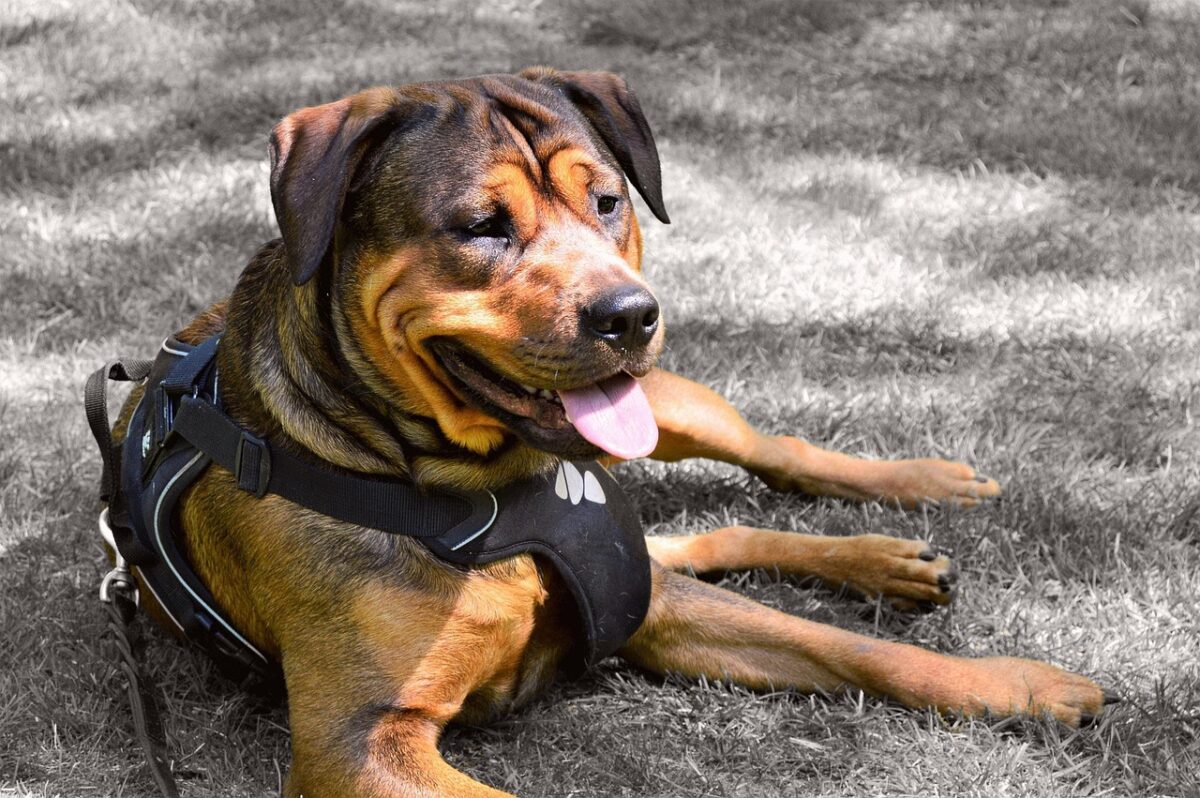
Poorly fitting walking gear can cause rubbing, pinching, or pressure that makes movement uncomfortable. A harness that’s too tight around the shoulders may restrict your dog’s natural stride, while one that’s too loose can shift around and cause chafing. Collars can also put uncomfortable pressure on the neck, especially if your dog tends to pull.
Some clues that your dog’s walking gear might be the problem include:
- Scratching, biting, or rubbing at their collar or harness
- Redness, hair loss, or irritated skin where the equipment sits
- Walking stiffly or taking shorter strides
- Freezing or backing away when you bring out their harness
- Walking normally once their gear is removed
What To Do
Check that your dog’s collar or harness fits snugly without digging into their skin or restricting movement. You should generally be able to slip two fingers beneath the straps, although proper fit depends on the equipment’s design. Check for rubbing around the armpits, chest, and neck, and consider trying a different style if your dog seems uncomfortable.
Choosing the right equipment can make walks more comfortable. Explore our recommendations for dog collars and leashes and comfortable, well-fitting harnesses, ding options specifically designed for small dogs.
If your dog continues to refuse walks even after adjusting their gear, don’t assume the equipment is the only problem. Pain or a negative association with wearing the gear may also be contributing.
Learn More: If your dog frequently pulls on the leash, specialized walking equipment may help make outings more manageable. Explore our recommendations for the best harnesses for dogs that pull, or compare the Gentle Leader vs. Easy Walk Harness to see how these two training aids differ.
7. They’re Still Building Confidence
For a puppy or newly adopted dog, the world outside can be a lot to take in. Strange smells, unfamiliar surfaces, passing cars, and people coming and going can make even a short walk feel overwhelming. Sometimes, planting their paws is simply their way of saying they need a minute to figure things out.
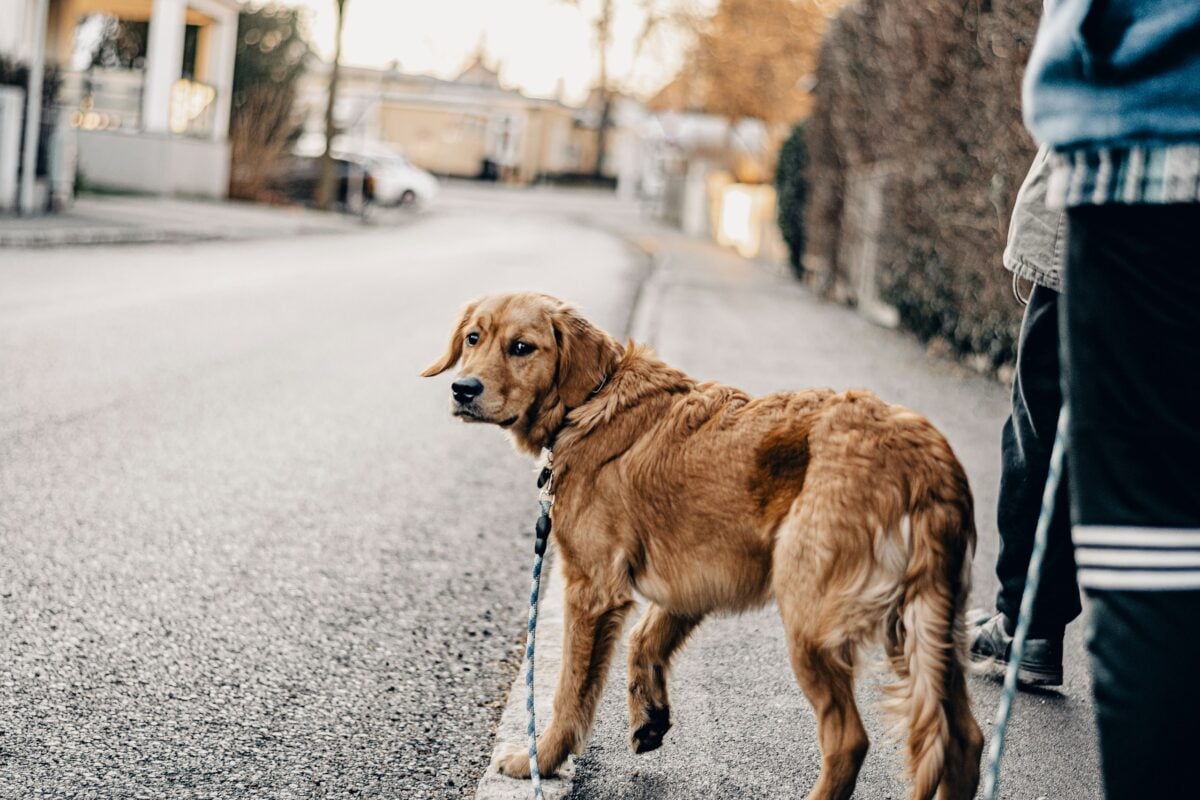
Puppies are especially prone to hesitation as they learn to navigate new environments. They may also go through developmental fear periods when previously familiar sights and sounds suddenly seem frightening. Newly adopted dogs or those with limited leash experience may need extra time to adjust to the sights, sounds, and expectations of walking.
You might notice your dog:
- Refusing to leave the driveway or venture beyond familiar territory
- Walking confidently at home but freezing in unfamiliar places
- Stopping frequently to observe their surroundings
- Hesitating on stairs, bridges, or unfamiliar walking surfaces
- Walking more comfortably with a familiar person or another confident dog
What To Do
Start with short, positive outings in quiet, familiar areas and gradually introduce new environments as your dog becomes more comfortable. Let them explore at their own pace, reward voluntary movement, and avoid dragging or forcing them forward.
For puppies, gentle, positive exposure to new experiences can help build confidence, while fearful adult dogs may benefit from a qualified positive-reinforcement trainer.
8. They Want To Socialize
Ever had your dog suddenly drop to the ground when they spot another dog approaching? Some dogs turn into furry speed bumps at the first sign of a potential new friend, leaving their owners wondering why the walk has come to a complete standstill.
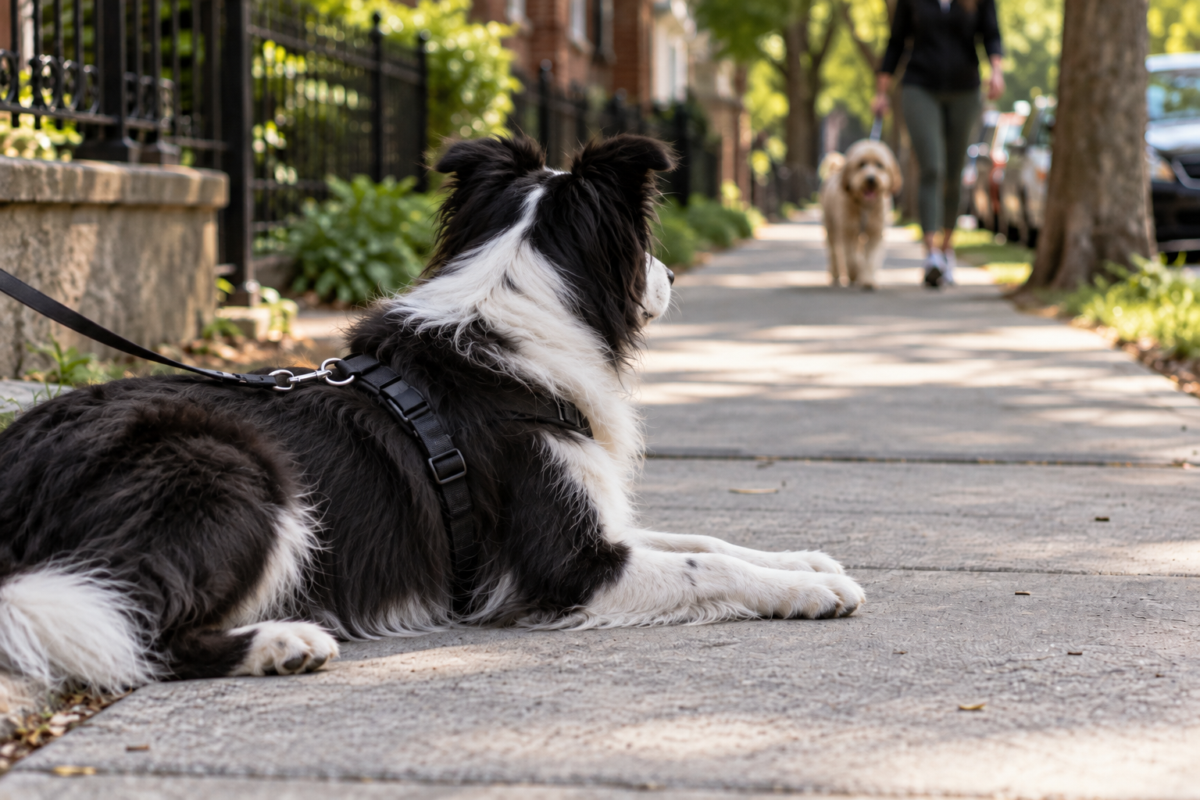
Lying down can be part of a dog’s social communication. Some dogs lower themselves when another dog approaches, while others crouch in anticipation of a greeting or playful interaction. You might also notice your dog sitting down, wagging their tail, or refusing to move until an approaching person or dog gets closer.
Signs your dog may be interested in a friendly interaction include:
- Loose, wiggly body: Relaxed muscles and fluid movements often suggest your dog is comfortable.
- Soft eyes and relaxed expression: Your dog may watch the approaching person or dog without intense staring or facial tension.
- Play bows or bouncy movements: Lowering the front end while keeping the rear raised can be an invitation to play.
- Relaxed, sweeping tail wags: A loose wag accompanied by relaxed body language may indicate friendly excitement.
Want to learn more? Check out our guide to dog body language.
What To Do
If your dog plants themselves whenever another dog or person approaches, try redirecting their attention before they become completely fixated. Use a high-value treat to reward your dog for looking back at you or choosing to continue walking.
You can also try tossing a few treats onto the ground away from the approaching dog or person. Sniffing out the treats can help interrupt their focus and encourage them to move in another direction. Practice this in low-distraction environments first so your dog learns the game before you need it on a walk.
Learn more tips in our guides to obedience training and basic dog commands.
Could It Be Leash Reactivity?
Some dogs freeze, crouch, or lie down when another dog approaches because they’re anxious, frustrated, or overly aroused. They may stare intensely, stiffen, bark, lunge, or suddenly spring forward as the other dog gets closer.
A dog who lies down isn’t necessarily inviting an interaction. If your dog seems tense or uncomfortable, avoid forcing a greeting and calmly create more distance. Dogs who repeatedly struggle around other dogs may benefit from working with a qualified positive-reinforcement trainer or veterinary behaviorist.
9. They Have Other Plans
You might have a perfectly reasonable walking route planned, but your dog has an entirely different itinerary in mind. Perhaps they’d rather investigate that fascinating patch of grass, visit their favorite sniffing spot, or take another lap around the park. Unfortunately, they didn’t consult you before changing the plans.
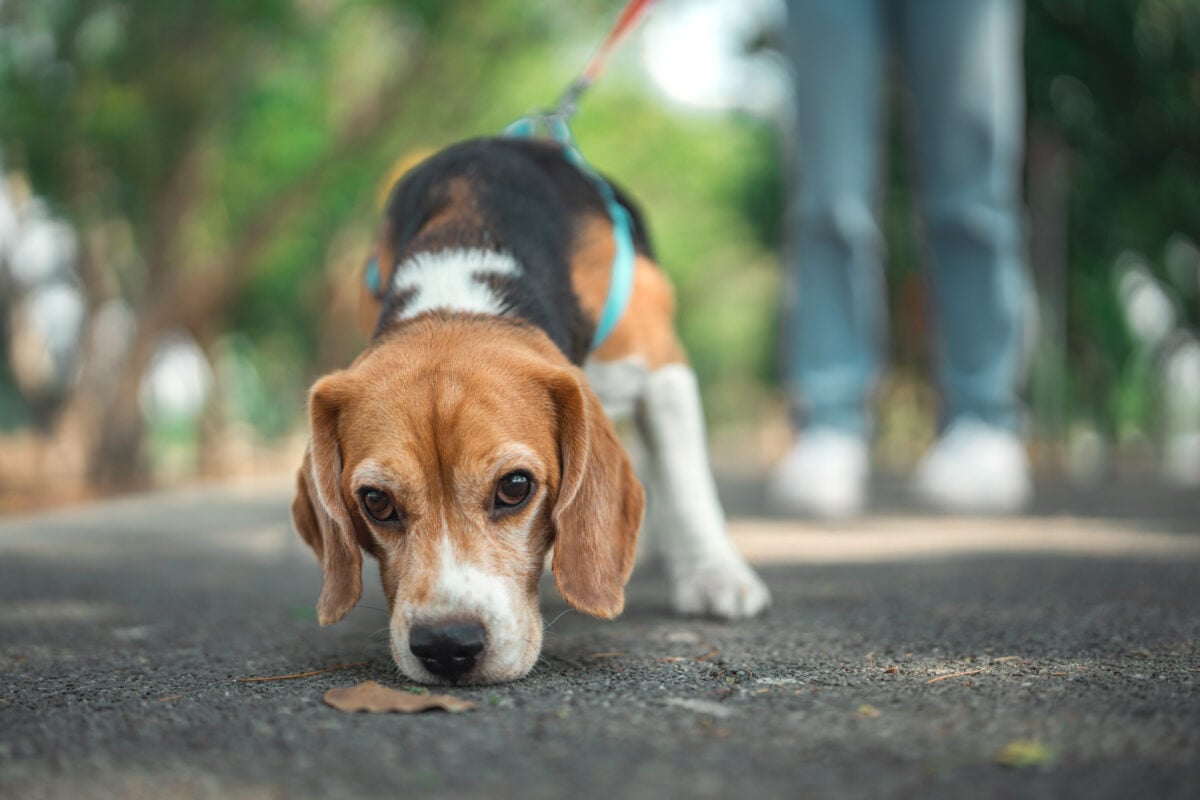
Dogs rely heavily on their sense of smell to explore the world, and sniffing provides valuable mental stimulation. A walk gives them chances to investigate scents left by other animals, explore new surroundings, and satisfy their natural curiosity. Sometimes, your dog’s nose is simply more interested in the journey than the destination.
You might notice your dog:
- Stopping at the same spots: Certain trees, bushes, or patches of grass may be particularly interesting to investigate.
- Refusing to turn toward home: Your dog may recognize that the fun is almost over and want to keep exploring.
- Insisting on a different route: Familiar destinations like parks or favorite sniffing spots can become part of their preferred routine.
- Planting their feet when leaving somewhere fun: The dog park, a friend’s house, or another exciting destination may be worth a little protest.
Dogs can also develop strong preferences for familiar routines and routes. If your dog eagerly walks in one direction but refuses to budge when you turn around, their reluctance may have more to do with where you’re going than walking itself.
What To Do
Build some flexibility into your walking routine by allowing time for sniffing and exploration. Try giving your dog a few minutes to investigate interesting spots before encouraging them to move along. You can also practice cues like “let’s go” and reward them for following your lead, especially when it’s time to head home.
Remember: If your dog suddenly refuses to walk in any direction or shows signs of pain or distress, don’t assume they’re simply holding out for a better destination.
10. They’ve Learned That Stopping Works
Dogs are pretty good at figuring out what gets them what they want. If planting their feet in the middle of a walk earns them a treat, extra sniffing time, or a detour to their favorite park, they may decide it’s a strategy worth repeating.
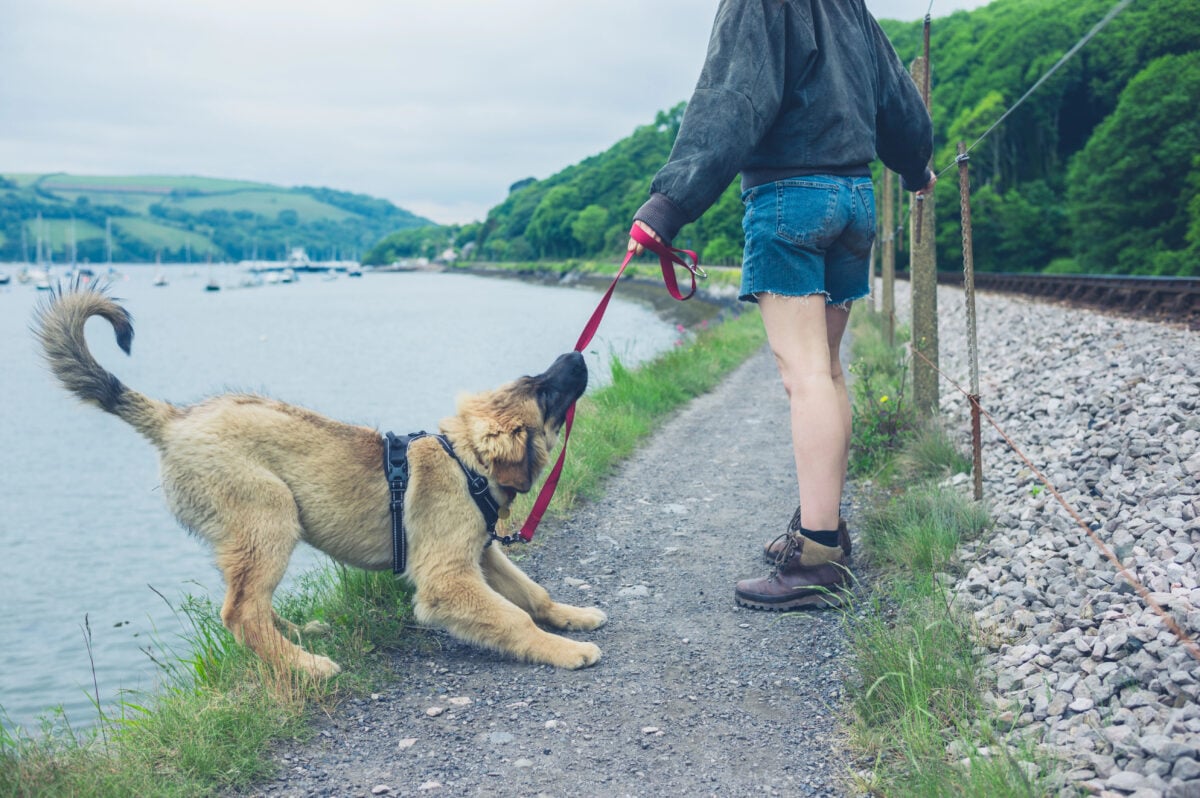
Dogs learn through experience, and behaviors that lead to rewarding outcomes are more likely to happen again. For example, if your dog sits down every time you turn toward home and you respond by extending the walk, they may learn that refusing to move buys them a little more outdoor time.
You might notice a pattern developing:
- Stopping at predictable locations: Your dog regularly plants their feet near the park, at certain intersections, or when you’re heading home.
- Waiting for treats: They’ve learned that refusing to move often results in a tasty bribe.
- Changing their mind when offered something better: Your dog suddenly walks enthusiastically when you head toward their favorite destination.
- Repeating the behavior with certain people: Your dog may stop more often with family members who tend to give in to their demands.
These habits can develop unintentionally, especially when you’re trying to encourage a reluctant dog to keep moving. And once your dog discovers that a particular behavior works, they have a good reason to try it again.
What To Do
Focus on rewarding your dog for walking willingly rather than waiting until they’ve stopped to offer an incentive. Practice a cheerful “let’s go” cue in low-distraction areas, rewarding your dog when they follow along.
Consistency helps, but be sure to allow plenty of opportunities for sniffing and exploration so walks remain enjoyable.
Important: Before treating walking refusal as a learned habit, rule out pain, fear, fatigue, and other sources of discomfort. A dog who suddenly begins refusing walks may need help rather than additional training.
When Should You Worry About A Dog Refusing To Walk?
An occasional sidewalk protest isn’t necessarily cause for concern, especially if your dog seems happy, healthy, and eager to walk in another direction.
That said, a sudden, unexplained change in your dog’s willingness or ability to walk deserves attention. Dogs can’t tell us when something hurts, and refusing to move may be one of the first signs that something is wrong.
The urgency depends on your dog’s other symptoms. Here’s how to tell when it’s time to call the vet.
| Level Of Concern | Warning Signs | What To Do |
|---|---|---|
| Emergency | Collapse, difficulty breathing, inability to stand or walk, sudden paralysis, severe weakness, or suspected heatstroke | Seek emergency veterinary care immediately |
| Prompt Vet Attention | New limping, noticeable pain, stiffness, unexplained fatigue, or repeated walking refusal | Contact your veterinarian promptly, ideally the same day for sudden or significant symptoms |
| Behavioral Concerns | Repeated freezing around certain triggers, reluctance to leave home, or refusal at predictable locations | Rule out medical causes, then consider a qualified positive-reinforcement trainer |
Pay particular attention to sudden weakness, wobbliness, dragging the paws, or loss of coordination. These can indicate neurological problems, including spinal cord conditions like IVDD, that may require emergency treatment.
Likewise, a dog who suddenly lies down during a hot-weather walk and begins panting excessively, drooling, vomiting, or acting confused may be experiencing heatstroke. Move them somewhere cool, begin cooling them with cool water and airflow, and seek emergency veterinary care immediately.
When in doubt, don’t force your dog to keep walking. If their behavior is unusual and you can’t identify an obvious explanation, a call to your veterinarian is the safest next step.
Frequently Asked Questions
Still trying to figure out why your dog has suddenly decided walking is optional? Here are answers to a few common questions about dogs who stop, sit down, or refuse to budge.
Don’t see your question? Respond in the comments, and we’ll get back to you!
Why Does My Dog Refuse To Walk But Will Walk Home?
If your dog refuses to continue a walk but happily heads home, they may be frightened, tired, uncomfortable, or simply ready to call it a day. Some dogs develop negative associations with particular routes or locations, especially after a frightening experience.
Pay attention to where your dog stops and whether they consistently want to return home. If this is a new behavior, consider physical discomfort or illness before assuming it’s a preference.
Why Does My Dog Suddenly Refuse To Walk At Night?
Dogs may become reluctant to walk at night because reduced visibility makes their surroundings feel unfamiliar or intimidating. Shadows, unexpected noises, and unfamiliar movements can make some dogs hesitant to venture outside.
Vision problems can also make nighttime walks more challenging, especially for older dogs. If your dog seems particularly hesitant in dim lighting, bumps into objects, or struggles to navigate familiar spaces, learn more about vision loss in dogs.
Senior dogs may also experience canine cognitive dysfunction, sometimes called dog dementia, which can cause confusion, disorientation, and changes in sleep patterns.
If your dog suddenly becomes reluctant to walk at night, especially alongside other behavioral changes, schedule a veterinary evaluation.
Why Does My Dog Refuse To Walk With Me But Walk With Someone Else?
Dogs can behave differently depending on who’s holding the leash. Differences in walking pace, leash handling, confidence, and routine may influence how comfortable or motivated your dog feels.
For example, a dog might hesitate with someone who walks quickly or keeps the leash tight but move confidently with someone who allows more time to sniff. Observe how each person walks your dog and look for differences that might explain their behavior.
Why Does My Dog Sit Down And Refuse To Move On Walks?
Sitting down may be your dog’s way of taking a break, avoiding something uncomfortable, or expressing a preference about where the walk is headed. The circumstances can help narrow down the cause.
A dog who sits whenever you turn toward home may want more time outside, while one who suddenly sits halfway through a familiar route could be experiencing pain or fatigue. Look for changes in their breathing, gait, and body language before encouraging them to continue.
Should I Carry My Dog If They Refuse To Walk?
Sometimes, carrying your dog is the safest option, especially if they’re injured, exhausted, or struggling with an uncomfortable walking surface. However, avoid unnecessary movement if you suspect a spinal injury, as improper handling could make matters worse.
If your dog is too large to carry safely, don’t drag them or force them to continue. Seek help with transportation and contact your veterinarian if they appear injured, weak, or unable to walk normally.
Make Walks Enjoyable Again
Walks should be something you and your dog look forward to, even if you occasionally disagree about the route. Once you’ve figured out what’s causing your dog’s reluctance, a few adjustments can make your daily outings more enjoyable for both of you.
- Practice better leash manners: Our leash training guide offers tips for teaching your dog to walk comfortably and confidently on a leash.
- Find the right walking routine: Learn how often you should walk your dog based on their age, breed, energy level, and exercise needs.
- Build social confidence: Discover how to properly socialize your dog so they feel more comfortable around unfamiliar people, animals, and environments.