
When you purchase through links on our site, we may earn a commission at no extra cost to you. Learn more.
If your senior dog has started pacing at night, staring at walls, or forgetting familiar routines, you might be seeing the early signs of canine cognitive dysfunction (CCD). Often called “dog Alzheimer’s,” this condition affects the aging brain and becomes increasingly common after age 10.
Table of Contents
Recognizing the early signs can help you support your dog and keep them comfortable as they age.
Start Here: 7 Early Signs Your Dog May Have Dementia
Cognitive decline in dogs rarely appears all at once. Instead, small behavior changes tend to appear gradually over months or years. Here are some of the earliest warning signs veterinarians often see in dogs with canine cognitive dysfunction (CCD):
- Staring at walls or into space. Your dog may appear to “zone out,” staring at a blank wall or corner for extended periods.
- Getting stuck behind furniture or in corners. Dogs with cognitive decline sometimes lose spatial awareness and struggle to navigate around obstacles.
- Nighttime pacing or restlessness. Many dogs with dementia develop disrupted sleep cycles and may wander the house at night.
- House-training accidents. A dog who has been reliably house-trained for years may suddenly start having accidents indoors.
- Increased anxiety or clinginess. Some dogs become more dependent on their owners or appear uneasy when left alone.
- Barking or whining for no obvious reason. Vocalizing at night or at “nothing” in particular can be another early behavioral change.
- Forgetting familiar routines. Your dog might hesitate at the door, appear confused during walks, or seem slower to respond to commands they once knew well.
If several of these behaviors sound familiar, it may be time to start monitoring your dog more closely and discussing the changes with your veterinarian.
Do Dogs Really Get Alzheimer’s Disease?
Yes. Dogs can develop a condition very similar to Alzheimer’s disease in humans. In veterinary medicine, it’s called canine cognitive dysfunction (CCD), and it’s more common than many pet parents realize.
With CCD, a dog’s brain undergoes age-related changes that affect memory, learning, navigation, and social behavior. Over time, these changes can lead to confusion, disorientation, and noticeable shifts in behavior.
Research shows that aging dogs develop beta-amyloid plaques, sticky protein buildups that interfere with communication between brain cells. These plaques are one of the same biological hallmarks seen in human Alzheimer’s disease.
What The Statistics Reveal
I first started thinking about CCD when my dog, Tiny, began hesitating before stepping outside. It wasn’t dramatic, just enough to make me pause and wonder if something had changed.
When I mentioned it at his senior wellness visit, my vet nodded knowingly and said, “You might be seeing the very early signs of canine cognitive dysfunction.”
- An estimated 14% of dogs over eight years old are affected by canine dementia.
- 28% of dogs between 11 and 12 years old show at least one sign of cognitive decline, increasing to 68% in dogs over age 15.
- Research from the Dog Aging Project suggests a dog’s risk of dementia increases significantly with age, rising by more than 50% for every year after age 10.
The Takeaway: Alzheimer’s disease in dogs isn’t just “old age.” It’s a real, progressive brain condition, and understanding it early gives you more time to adapt your care and keep your best friend’s world feeling familiar and safe.
9 Behavior Changes That Often Signal Dog Dementia
Dogs with Alzheimer’s disease don’t suddenly lose their memory overnight. Cognitive decline usually develops slowly, and the early signs can be easy to mistake for normal aging.
I noticed this with my own dog, Tiny. At first the changes were subtle. A hesitation at the door, a moment of confusion in the hallway. Over time, those small shifts started to form a pattern.
Here are some of the most common behavior changes associated with canine cognitive dysfunction.
1. Getting Stuck In Corners Or Behind Furniture
Dogs with cognitive decline may lose some spatial awareness. They may walk into tight spaces, stand in corners, or get trapped behind furniture and seem unsure how to back out.
This kind of mild disorientation is often one of the earliest noticeable changes.
2. Staring At Walls Or Into Space
Some dogs with dementia appear to stare blankly at walls, floors, or empty corners for long periods. These “zoning out” moments can happen occasionally at first, then become more frequent as cognitive decline progresses.
3. Forgetting Familiar Routines
A dog who has followed the same routine for years may suddenly seem unsure what to do next. They might hesitate at the door during walks, appear confused at mealtime, or take longer to respond to commands they once knew well.

4. Accidents Indoors After Years Of House Training
House-training accidents are one of the most frustrating and common signs for pet parents. Dogs with dementia often lose the learned habits that once told them when and where to go outside.
5. Nighttime Pacing Or Restlessness
Many dogs with CCD develop disrupted sleep patterns. They may wander the house at night, pace hallways, or seem unable to settle.
This nighttime confusion is often linked to a condition called sundowning, which we’ll explain in the next section.
6. Sudden Anxiety Or Clinginess
Some dogs become noticeably more anxious as their environment starts to feel less predictable. They may follow their owner constantly, seek reassurance, or appear uneasy when left alone.
7. Barking Or Whining For No Clear Reason
Increased vocalization is another common behavioral change. Dogs may bark at night, whine at “nothing,” or vocalize because they feel confused or disoriented.
8. Wandering Or Appearing Lost In Familiar Spaces
Dogs who once navigated the house easily may start wandering aimlessly. Some appear momentarily lost in familiar rooms or hallways.
9. Loss Of Interest In Play Or Interaction
Cognitive decline can also affect motivation and engagement. Dogs may seem less excited about toys, walks, or interactions with family members.
How Veterinarians Evaluate These Changes
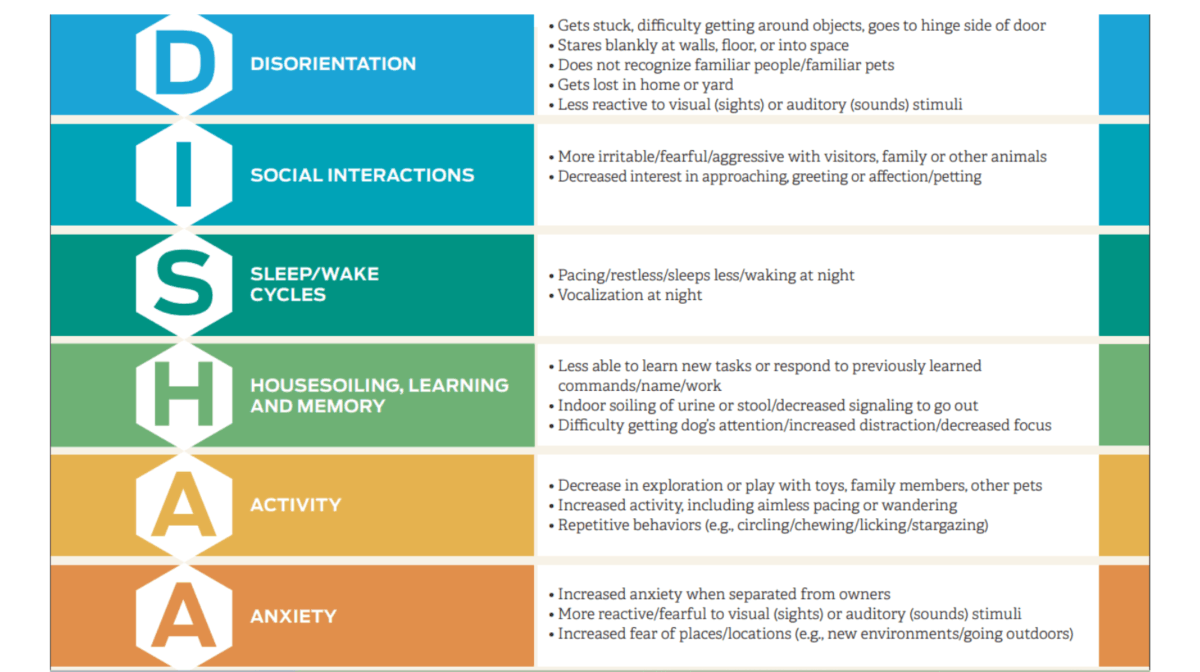
Veterinarians often use a screening tool called the DISHAA assessment to evaluate cognitive decline in dogs. It looks at six areas of behavior: disorientation, interaction changes, sleep cycles, house training and memory, activity level, and anxiety.
If several of these areas begin changing at the same time, it may indicate canine cognitive dysfunction (CCD).
Expert Tip: Keep a short behavior journal noting moments of confusion, nighttime pacing, accidents, or appetite changes. These notes can help your veterinarian determine whether the changes are related to CCD or another medical condition.
Myth vs. Fact: Dog Dementia
- Myth: “It’s normal for older dogs to get confused or have accidents — that’s just part of aging.”
- Fact: Occasional forgetfulness can happen with age, but repeated disorientation, pacing, or nighttime restlessness are signs of CCD — the dog version of Alzheimer’s disease.
Early intervention with vet-approved diets, mental enrichment, and medication can slow progression and greatly improve quality of life.
What Is Sundowning In Dogs?
You may have noticed one symptom in particular from the list above: nighttime pacing or restlessness. Many dogs with cognitive decline become more confused, anxious, or active after sunset.

This pattern is called sundowning. It’s common in both humans with Alzheimer’s disease and dogs with canine cognitive dysfunction.
For many pet parents, nighttime behavior changes are the first sign that something deeper than normal aging may be happening.
Common Sundowner Behaviors
- Pacing or wandering around the house once it gets dark
- Restlessness or panting as the family winds down
- Barking or whining seemingly at nothing
- Difficulty settling in their usual sleeping spot
- Accidents indoors overnight
- Clinginess or anxiety, especially when the lights go out
Why Do Symptoms Get Worse At Night?
Veterinary neurologists aren’t entirely sure why Sundowning happens, but it’s thought to involve changes in the brain’s internal clock and the loss of normal day–night rhythm regulation.
Here’s what current research suggests:
- Light sensitivity changes: Aging eyes and brain receptors struggle to process shifts in light, confusing your dog’s sense of time.
- Reduced melatonin production: Just like humans, senior dogs produce less of this sleep-regulating hormone, which can throw off their circadian rhythm.
- Cognitive fatigue: As the day wears on, dogs with Alzheimer’s have a harder time processing information — similar to “decision fatigue” in people.
- Anxiety and disorientation: Darkness and quiet amplify confusion, leading to restlessness or fear behaviors.
What Causes Alzheimer’s In Dogs?
Like Alzheimer’s disease in humans, canine cognitive dysfunction doesn’t come from a single cause. Instead, it develops as the aging brain undergoes structural and chemical changes over time.
As dogs get older, the systems that support memory, learning, and awareness begin to decline. These changes can gradually affect how a dog processes information and interacts with the world around them.
Age is the biggest risk factor. Dogs over eight years old are far more likely to begin showing subtle cognitive changes.
Inside Your Dog’s Aging Brain
Here’s what researchers believe is happening inside the brain as dogs age:
- Protein buildup: Abnormal proteins called beta-amyloid plaques accumulate in the brain and interfere with communication between nerve cells.
- Neuronal wear and tear: Over time, brain cells become less efficient at sending and receiving signals.
- Oxidative stress: An imbalance between damaging free radicals and protective antioxidants can harm brain tissue.
- Reduced blood flow: Aging arteries may deliver less oxygen and fewer nutrients to the brain.
- Genetic and breed influences: Research from the Dog Aging Project suggests terriers, toy breeds, and non-sporting breeds may be diagnosed with CCD more often than other groups.
- Overall health matters: Conditions like arthritis, hearing or vision loss, and chronic inflammation can accelerate brain aging and confusion.
Did You Know?
Dogs’ brains age in ways that are surprisingly similar to ours, including protein buildup and oxidative stress. But mental and physical activity may help slow cognitive decline.
Even simple enrichment, like a short scent walk or puzzle toy session, can stimulate the brain and support cognitive health as dogs get older.
Is It Normal Aging Or Dementia?
As dogs get older, some behavior changes are completely normal. Slowing down on walks, sleeping more, or losing a bit of hearing or vision often comes with age.
The challenge is that early signs of canine cognitive dysfunction (CCD) can look very similar at first. Understanding the difference can help you decide when it’s time to pay closer attention.
Key Differences Between Aging & CCD
Normal aging tends to cause gradual physical changes, while dementia affects memory, awareness, and behavior. For example, an aging dog might move slower on walks but still recognize familiar places and routines. A dog with cognitive decline may suddenly seem confused in spaces they’ve known for years.
Occasional forgetfulness can happen with age. But repeated disorientation, nighttime pacing, or house-training accidents often signal something more than normal aging.
| Behavior Change | Normal Aging | Possible Dementia (CCD) |
|---|---|---|
| Energy level | Slower on walks, naps more often | Wandering, pacing, or restless behavior |
| Navigation | Still recognizes familiar spaces | Gets stuck behind furniture or in corners |
| Sleep patterns | Sleeps more overall | Awake and pacing at night, sleeping during the day |
| House training | Occasional accident due to mobility | Frequent accidents despite being house-trained |
| Interaction | Slightly less playful | Seems distant, confused, or disengaged |
| Memory | Slower response to commands | Appears to forget familiar routines |
Why Many Owners Miss The Early Signs
Canine dementia usually develops slowly, which makes the first symptoms easy to dismiss. A dog might hesitate at the door one day or seem restless one night, and it doesn’t immediately feel concerning.
Many pet parents assume these small changes are simply part of getting older. In reality, they can be the earliest indicators that the brain is beginning to change.
If you start noticing multiple behavior shifts over time, it’s worth discussing them with your veterinarian. Early recognition allows you to make adjustments that help your dog stay comfortable and confident as they age.
When Is It Time To Contact My Vet?
No one knows your dog better than you do, so you’ll often be the first to sense that something isn’t right. But when those little quirks start adding up (confusion, accidents indoors, pacing at night), it’s time to bring your vet into the conversation.

You don’t need to wait until things feel “serious.” Early evaluation can slow progression and help you adapt your care plan before symptoms intensify.
If you’ve been journaling your dog’s behavior, bring those notes. They’re invaluable for spotting patterns that may not show up during a quick office visit.
Ask Yourself These Questions
Before the appointment, reflect honestly on your dog’s daily behavior. Your answers can help your vet determine how advanced the condition might be:
- Has your dog become disoriented in familiar places or around the house?
- Have you noticed changes in how they interact with family members or other pets?
- Are they awake and pacing at night, or napping excessively during the day?
- Have there been accidents indoors, even though they’re normally house-trained?
- Do they seem more anxious or clingy than before?
- Are they struggling to learn new commands or routines?
If several of these sound familiar, it’s worth booking a senior wellness exam. Your vet may recommend a neurological assessment or run lab work to rule out other causes (like thyroid imbalance or sensory loss).
How Do Veterinarians Diagnose CCD?
Diagnosing Alzheimer’s in dogs isn’t as simple as running one test. Instead, veterinarians use a combination of behavioral evaluations, physical exams, and lab work to rule out other causes of confusion.
Because CCD shares symptoms with several other senior-dog conditions, including arthritis pain, hearing or vision loss, thyroid disease, and brain tumors, your vet’s first goal is to rule out reversible issues before confirming dementia.
Step 1: Detailed History & Behavior Screening
During the evaluation, your vet might use scoring tools such as the Canine Dementia Scale (CADES) or a full DISHAA worksheet to grade your dog’s cognitive function. Your observations matter more than anything.
These tests categorize decline into four levels:
- Normal aging – Minor, age-appropriate forgetfulness.
- Mild cognitive impairment – Occasional confusion or restlessness.
- Moderate impairment – Noticeable behavioral and sleep disruptions.
- Severe impairment – Frequent disorientation, vocalization, or house soiling.
Step 2: Physical & Neurological Exam
Next, your vet may perform a full physical exam to check for pain, vision or hearing deficits, and neurological reflexes. Bloodwork and urinalysis rule out metabolic causes like kidney disease or diabetes, both of which can mimic confusion and disorientation.
Some clinics may recommend advanced imaging (MRI or CT scans) if a structural brain issue needs to be excluded.
Step 3: Building A Baseline
Once CCD is suspected, your vet will help you establish a behavioral baseline — a record of current symptoms, diet, medications, and activity level. This baseline becomes invaluable for tracking whether treatments are helping over time.
If you’re managing early-stage cognitive decline, schedule regular check-ins every six months. Small changes in sleep, orientation, or interaction can signal whether your management plan needs adjustment.
Treating Alzheimer’s Disease In Dogs: What Really Helps (And What Doesn’t)
There’s no single cure for Alzheimer’s disease in dogs, but there are many ways to slow its progression and ease your dog’s symptoms. The goal is to protect their quality of life, reduce anxiety, and keep your senior pup connected to the world they love.

Most treatment plans involve a combination of medication, diet, supplements, and lifestyle adjustments. Your vet will help you tailor each piece to your dog’s specific needs.
1. Prescription Medications
The most common drug prescribed for CCD is selegiline (brand name Anipryl), a medication that increases dopamine levels in the brain. Dopamine supports alertness, motivation, and focus. Many dogs on selegiline show noticeable improvement in activity, awareness, and engagement within several weeks.
Additional medications may include:
- Melatonin: helps regulate sleep-wake cycles
- Nicergoline: improves blood flow to the brain
- S-adenosylmethionine (SAMe): supports brain chemistry and mood
Pro Tip: Medication works best when started early, before severe disorientation sets in. If your vet suspects mild cognitive decline, discuss whether a short medication trial could help.
2. Diet & Brain-Healthy Nutrition
Nutrition plays a huge role in supporting the aging brain. Look for senior dog foods rich in DHA for brain cell health and plenty of antioxidants like vitamins E and C to fight oxidative stress.
Prescription dog foods, such as Hill’s Prescription Diet b/d and Purina Pro Plan Veterinary Diets NC NeuroCare, are specifically designed to improve alertness and cognitive function in older dogs.
Helpful Resource: Explore our best senior dog foods for top formulas that include brain-boosting nutrients.
3. Supplements That Support Cognitive Health
If prescription food isn’t an option, ask your vet about neuroprotective supplements. Some of the most commonly used include:
- S-adenosyl methionine (SAMe): an antioxidant that supports healthy brain and liver function.
- Phosphatidylserine: A natural phospholipid that helps protect nerve membranes.
- Ginkgo biloba: an herbal extract that supports circulation and cognitive function.
- Omega-3 fish oil: Provides DHA and EPA for brain and heart function.
- Antioxidant blends with vitamins E, C, and selenium.
- Medium-chain triglycerides (MCTs), which provide an alternate energy source for aging brain cells
Expert Tip: Always consult your vet before starting supplements because some can interact with existing medications or can upset sensitive stomachs.
4. Lifestyle & Environmental Changes
Small daily adjustments can dramatically improve comfort and orientation for dogs with cognitive decline. Try these simple changes (keep reading for more details below):
- Keep routines predictable to reduce confusion
- Provide safe, open walking paths inside the house
- Take daily walks at your dog’s pace
- Use puzzle toys, snuffle mats, or short training sessions for mental exercise
Myth vs. Fact: Treating Alzheimer’s Disease In Dogs
- Myth: “Once my dog shows signs of dementia, there’s nothing I can do.”
- Fact: While there’s no cure for Alzheimer’s disease in dogs, early treatment can slow progression and restore alertness.
Small changes truly can make a big difference in how connected and comfortable your senior pup feels. Prescription medications like Anipryl (selegiline), brain-boosting diets, and consistent daily routines often bring noticeable improvement — even in older dogs.
6 Simple Things You Can Do At Home To Help Your Dog Feel Safe
Caring for a dog with Alzheimer’s disease can feel overwhelming at first, but small, consistent adjustments can make a huge difference. Your goal isn’t to “fix” the condition; it’s to help your dog feel safe, loved, and oriented in their daily routine.
These simple strategies can help bring calm and structure back into your home.
1. Stick To A Predictable Routine
Dogs with cognitive decline rely heavily on familiarity. Keep mealtimes, walks, and bedtime at the same hour each day. Consistency builds a sense of security when your dog’s memory starts to falter.
Tip: If your schedule changes, try to maintain at least one “anchor” event your dog can count on, such as a nightly treat before bed or a morning walk around the same block.
2. Create A Calm, Safe Space
As confusion increases, your dog may startle more easily or wander into tight spots. A calm environment helps prevent anxiety and reduces nighttime pacing.
- Use dog gates to block off stairs or areas with obstacles.
- Keep nightlights in hallways and near sleeping areas.
- Provide a soft, calming dog bed away from heavy foot traffic.
3. Keep Their Mind Engaged
Even small bursts of mental stimulation can help maintain brain function. Try:
- Food puzzles or snuffle mats for slow, thoughtful eating.
- Hide-and-seek games with treats.
- Interactive dog toys for self-guided stimulation.
- Gentle scent walks where your dog can explore at their own pace.
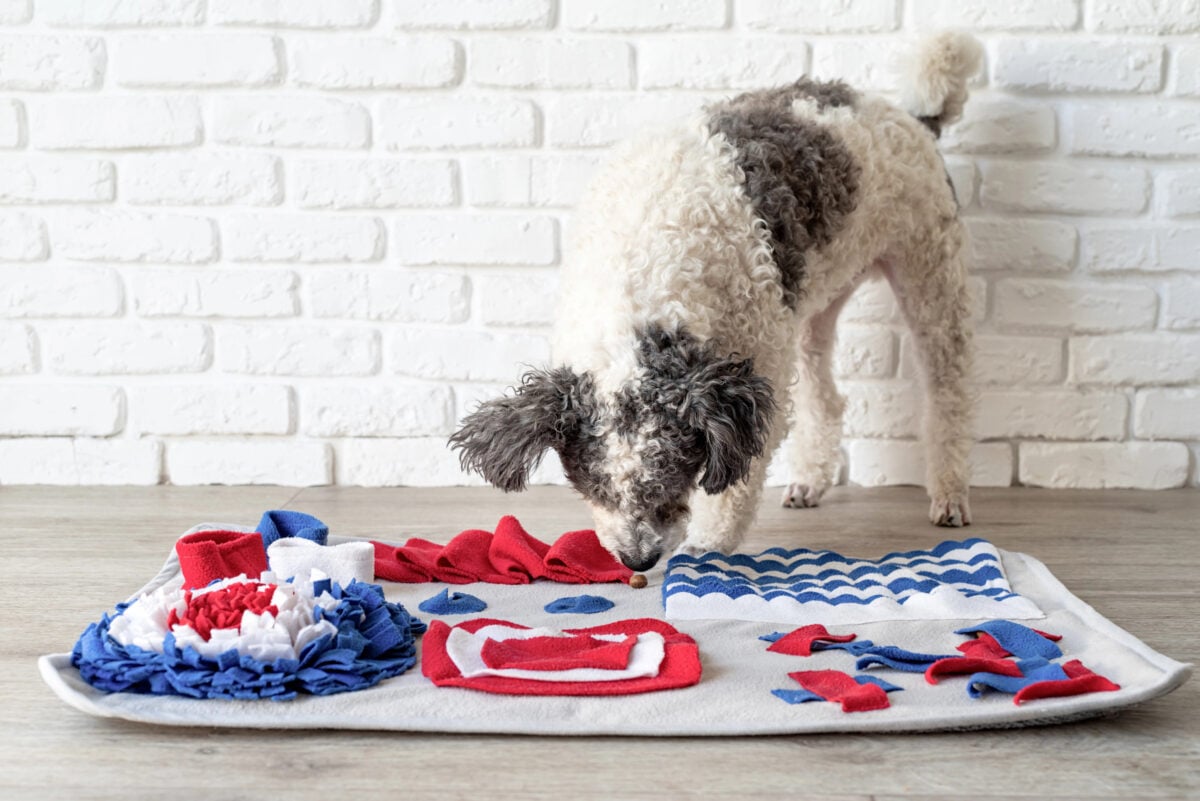
Helpful Resources: See our guides to brain games for dogs and video games to help with canine dementia for more enrichment ideas that suit senior pups.
4. Offer Comfort Through Connection
Touch, tone, and presence go a long way. Dogs with cognitive decline often crave reassurance from their favorite humans. Even if your dog seems “distant” at times, your calm presence helps them feel anchored.
- Keep interactions soft and calm — sudden loud voices can increase confusion.
- Offer gentle massage or brushing sessions.
- Use verbal cues consistently so they associate your voice with comfort.
5. Manage Household Stressors
Noise, clutter, and chaos make life harder for a confused dog. Try keeping the TV volume low, using background music, and avoiding rearranging furniture. If you host guests, let your dog rest in a quiet room with a familiar blanket or toy.
6. Keep Communicating With Your Vet
Your dog’s needs will change as the condition progresses. Regular check-ins help your vet adjust medication, diet, and supplements to match their stage of decline. Write down any new behaviors you notice — even small ones can guide care decisions.
5 Mistakes That Can Make Dog Dementia Worse
When dogs begin experiencing cognitive decline, small changes in their environment can feel overwhelming. Some well-intentioned actions can accidentally increase confusion or anxiety.
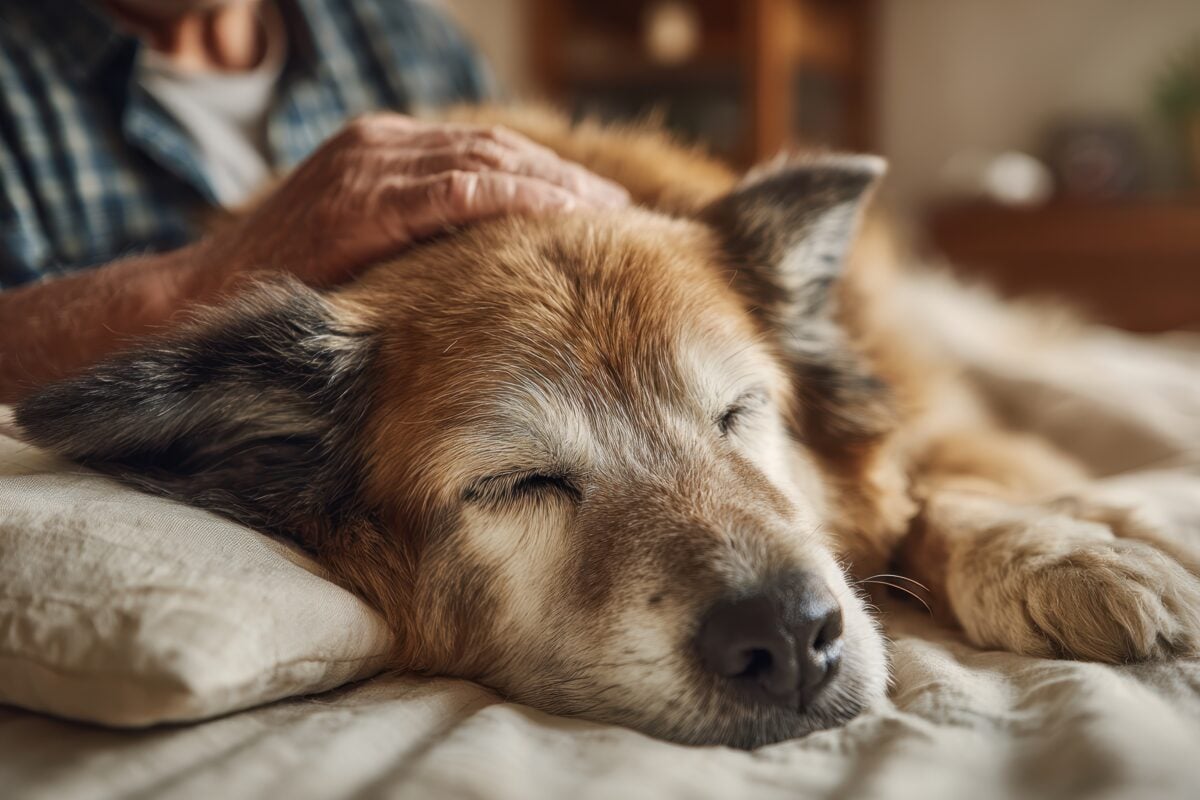
Understanding what tends to make symptoms worse can help you create a calmer, more predictable world for your dog.
1. Changing Routines Suddenly
Dogs with cognitive decline rely heavily on routine to stay oriented. Sudden changes in feeding times, walks, or bedtime can increase confusion and anxiety. Try to keep daily schedules as consistent as possible.
2. Rearranging Furniture Frequently
Dogs with dementia often navigate the home using memory and familiar landmarks. Moving furniture around can make once-familiar spaces suddenly feel confusing or unsafe. Keeping the layout of your home consistent helps your dog move around with more confidence.
3. Punishing House-Training Accidents
Accidents indoors are usually not behavioral problems when dementia is involved. The dog may simply forget the signals that once told them when to go outside. Responding with patience and gentle redirection helps prevent additional stress.
4. Reducing Exercise Or Mental Enrichment
Older dogs still benefit from light physical activity and mental stimulation. Short walks, scent games, and puzzle toys can help keep the brain engaged. Completely removing these activities can accelerate cognitive decline.
5. Leaving Dogs Isolated For Long Periods
Dogs with dementia often feel more secure when they are near familiar people. Long periods of isolation can increase anxiety and disorientation. Simple things like spending quiet time together or offering gentle reassurance can make a big difference.
Prognosis & What To Expect
With early intervention, many dogs live happily for months or even years after diagnosis. The key is consistency and compassion — understanding that forgetfulness or nighttime pacing isn’t stubbornness, but a sign of how their brain is changing.
Some days will be better than others. Celebrate the good ones, and remember: the comfort of a familiar voice, a warm bed, and gentle routine can still mean everything to an aging dog.
And remember, there is hope with your help. Check out this promising video of an adorable pup with CCD, who improved after taking MCT supplements, according to the Purina Institute.
Planning Ahead: Pet Insurance For Senior Dogs
Managing Alzheimer’s disease in dogs often means more frequent vet visits, lab work, and prescription costs, all of which can add up quickly. If your dog hasn’t started showing definite signs yet, now is the time to explore pet insurance and Rx coverage.
While some providers restrict eligibility to a maximum age of 14 years old, many of the best pet insurance companies have no maximum age restrictions. However, most providers don’t cover pre-existing conditions, so waiting until after symptoms begin and a diagnosis is made could limit your options.
Even if coverage doesn’t include cognitive decline itself, it can still offset costs for care related to other unforeseen illnesses and accidents that arise.
Frequently Asked Questions About Alzheimer’s In Dogs
Pup owners have so many questions about dementia in dogs. Here are some of the most common we see.
If your question isn’t included here, respond in our comments. We’ll do our best to help you!
What Are The First Signs Of Alzheimer’s Disease In Dogs?
The earliest signs are often subtle — things like confusion in familiar spaces, restlessness at night, or hesitating before going outside. Many dogs also start having accidents indoors or seem less responsive to their name.
If you’re unsure whether it’s normal aging or CCD, jot down daily behaviors for a week and share them with your vet.
What’s The Difference Between Canine Cognitive Dysfunction & Vestibular Syndrome?
Both conditions can cause imbalance, confusion, or changes in appetite, but they are not the same.
- Vestibular syndrome comes from an inner ear or brain abnormality that disrupts balance.
- Canine cognitive dysfunction comes from age-related brain changes that affect memory, orientation, and behavior.
If your dog appears wobbly, your veterinarian can help determine the underlying condition.
Do Dogs With Alzheimer’s Bark A Lot?
Yes, many bark excessively. They may bark at “nothing” or vocalize more out of fear and confusion. Barking is often how they communicate when they feel lost or anxious.
Instead of raising your voice, try to calm them with a soothing tone, gentle touch, or a consistent routine. This reassurance often helps more than correction.
How Long Can Dogs Live With Alzheimer’s Disease?
Most dogs with mild to moderate CCD can continue living happily for months or even years after diagnosis, especially with early intervention. Regular vet checkups, stable routines, and nutritional support all help preserve quality of life.
Can Dogs With Alzheimer’s Still Be Happy?
Absolutely. Even as cognitive changes set in, dogs continue to experience comfort, joy, and connection through familiar voices, routines, and affection.
Keeping their environment calm and predictable allows them to feel secure, and your companionship remains their greatest source of happiness.
Helping Your Senior Dog Live A Healthy, Happy Life
Caring for a dog with Alzheimer’s disease is never easy, but understanding what’s happening inside their mind helps you meet them with patience and compassion. Small changes, such as steady routines, brain games, and the right nutrition, can make every day a little brighter.
Related Reads:
- How To Care For A Senior Dog
- Best Senior Dog Foods (and when to switch)
- Best Joint Supplements For Dogs