
When you purchase through links on our site, we may earn a commission at no extra cost to you. Learn more.
Sometimes it’s a squirrel. Sometimes it’s fear. Sometimes it’s a gate that didn’t latch all the way.
Table of Contents
One second, your dog is beside you. The next, they’re sprinting down the street while your heart drops into your stomach.
The scary part? Dogs don’t run away only when they’re neglected or unhappy. Even deeply loved, well-trained dogs can bolt in the right moment, especially when instinct, panic, excitement, or opportunity takes over.
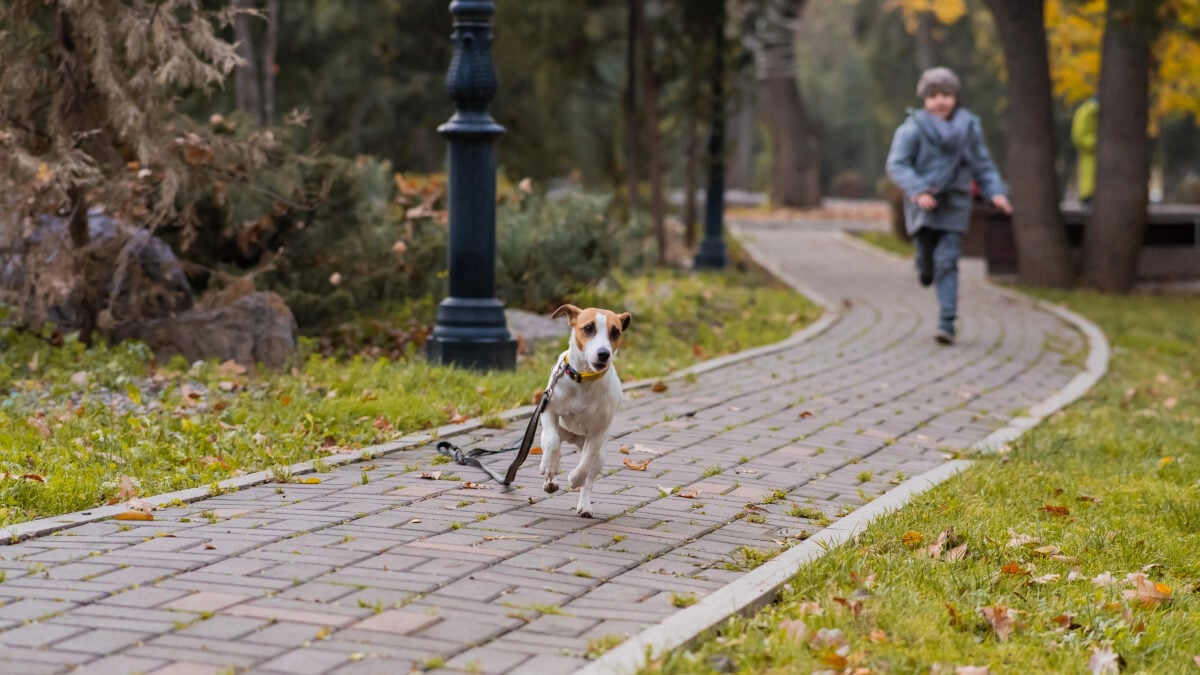
Start Here: Dogs Don’t Run Away Because They Hate You
Most dogs that run away are not trying to leave their owners forever. They’re reacting, licensed via impulse.
Sometimes it’s excitement. A squirrel darts across the yard, another dog appears down the street, or an open gate suddenly feels like an invitation.
Other times, it’s fear. Fireworks, thunderstorms, unfamiliar surroundings, or panic can push dogs into full “flight mode” before training has a chance to kick in.
That’s why runaway situations happen to responsible owners, too. Even loving, well-trained dogs can suddenly bolt if instinct takes over faster than training does.
7 Real Reasons Dogs Run Away From Home
Most dog escapes happen because instinct, fear, excitement, opportunity, or confusion briefly override training and routine. Some dogs wander only a few houses away. Others suddenly take off at full speed like they’ve been preparing for freedom their entire lives.
The good news is that understanding why dogs run away can help owners prevent it from happening in the first place.
1. Something Triggered Their Instincts
Dogs with strong prey drive or scent-tracking instincts can become hyper-focused once something catches their attention. A rabbit darts across the yard, another dog appears down the street, or an interesting scent crosses the sidewalk, and suddenly their brain shifts from “family pet” to “must investigate immediately.”
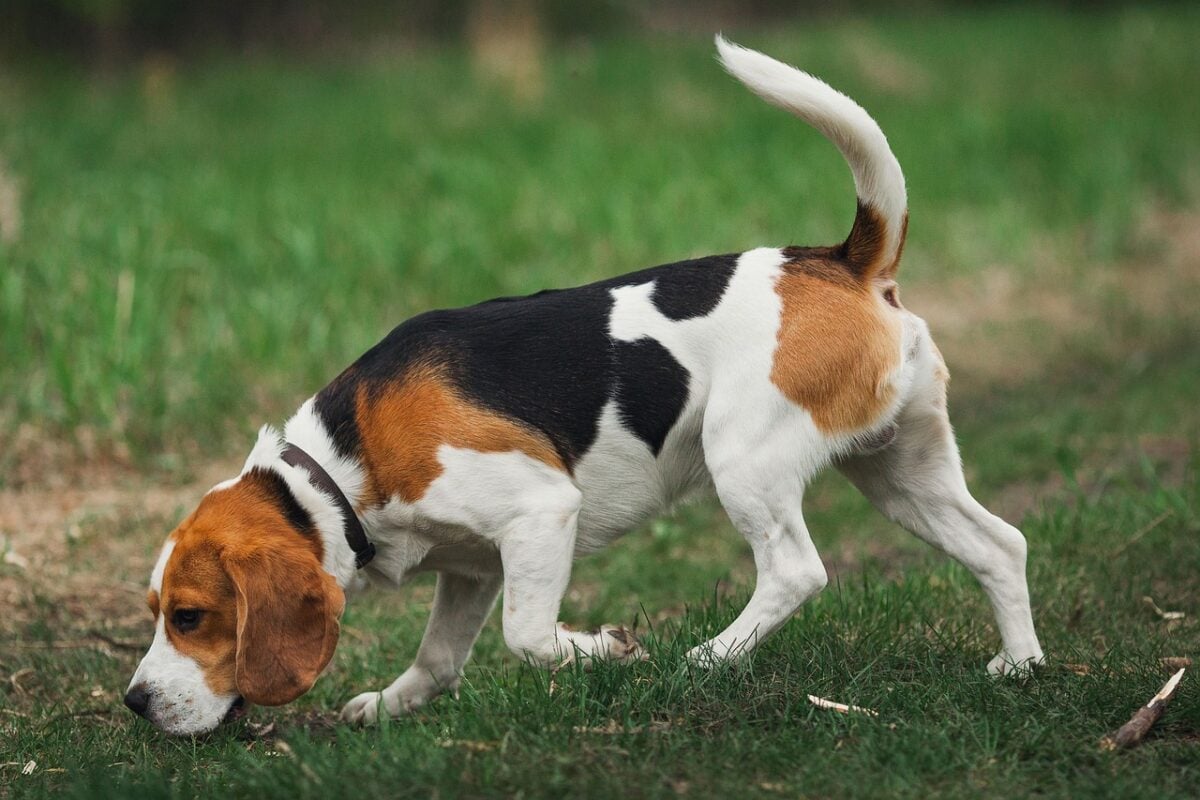
This is especially common in breeds developed for hunting, tracking, or chasing moving animals. Scent hounds, terriers, sporting dogs, and northern breeds are often more likely to follow instinct before using their listening skills.
And once adrenaline kicks in, some dogs simply keep going farther than they intended.
2. They Panic & Go Into “Flight Mode”
Not every runaway dog is chasing excitement. Some are trying to escape fear.
Fireworks, thunderstorms, construction noise, unfamiliar people, crowded environments, or traumatic experiences can trigger panic-driven escape behavior. Nervous dogs sometimes bolt first and think later, especially if they haven’t been properly exposed to new experiences during puppyhood.
Fear-based escapes are especially dangerous because frightened dogs often stop responding to commands they normally know well. Some hide silently, while others run much farther than owners expect.
Even dogs that seem calm at home can panic under the right circumstances. Learn more in our covering common dog fears.
Quick Reality Check
Many frightened dogs do NOT run when their owners call. Panicked dogs often:
- Hide silently
- Keep moving
- Stop responding to familiar commands
- Act completely unlike themselves
This is why pursuing a frightened dog can sometimes make the situation worse.
3. The Outside World Is More Exciting Than Their Routine
Highly intelligent or high-energy dogs often crave novelty, activity, exercise, and mental enrichment. Without enough physical or mental stimulation, some start looking for ways to create their own adventures. That might mean fence-running, digging under gates, slipping out doors, or taking any opportunity to explore.
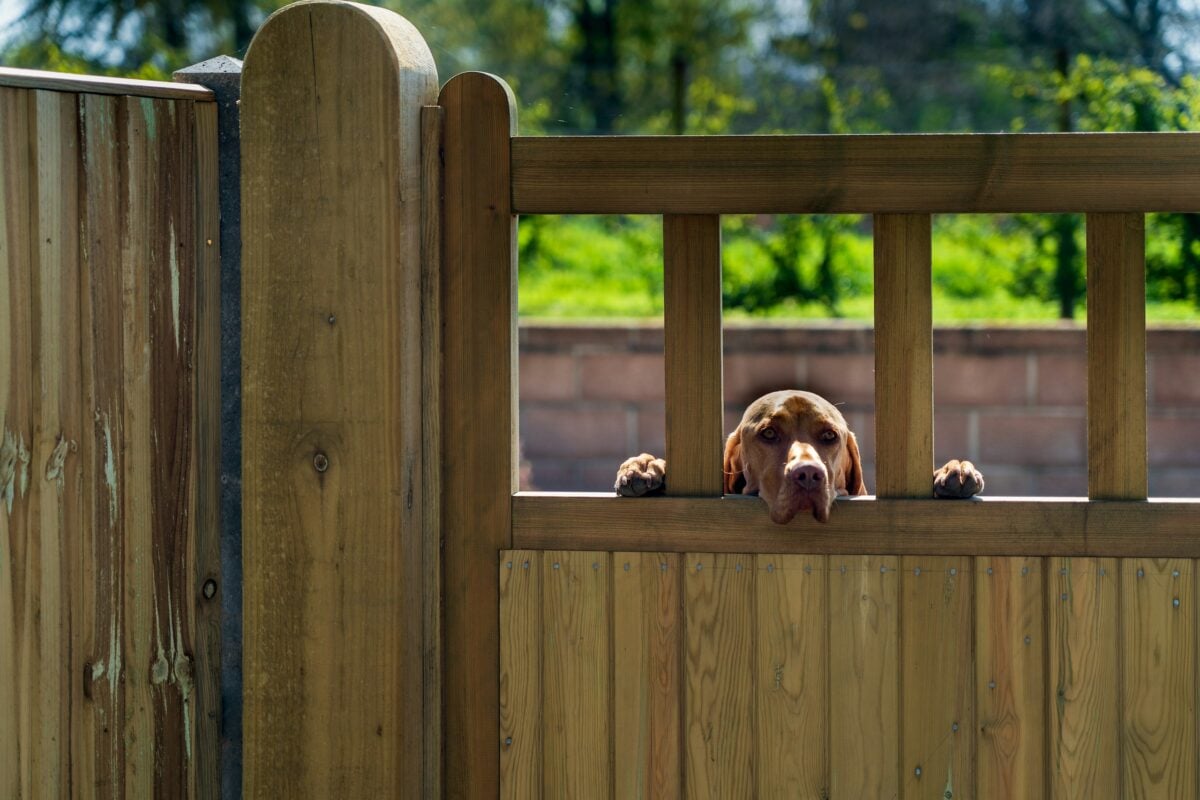
Working breeds are especially prone to escape behavior driven by boredom. Dogs bred to herd, hunt, retrieve, pull sleds, or work alongside humans are usually more prone to struggle with long periods of inactivity.
For some dogs, escaping becomes less about “running away” and more about finding something interesting to do.
Signs Your Dog Might Be Looking For “Adventure”
- Fence pacing
- Digging near gates
- Door rushing
- Escaping whenever given the chance
- Excessive barking
- Destructive chewing
- Turning walks into pulling contests
4. They Haven’t Learned Door And Boundary Control Yet
A surprising number of runaways occur during completely normal daily routines.
Someone carries groceries inside. A guest leaves the front door cracked open. A child forgets to latch the gate. The dog sees an opening and takes the opportunity before anyone reacts.
Dogs don’t automatically understand invisible boundaries. Without training, many naturally rush toward open spaces, movement, excitement, or people outside.
Impulse control and obedience training play a huge role here, especially for excitable dogs that struggle to pause before reacting. And unfortunately, escapes often happen in seconds.
Tiny Mistakes That Lead To Big Escapes
Many runaway situations start with:
- Groceries being carried inside
- Distracted guests
- Kids forgetting gates
- Delivery drivers
- Slippery harnesses
5. New Environments Can Make Dogs Wander
Dogs are much more likely to get lost in unfamiliar places.
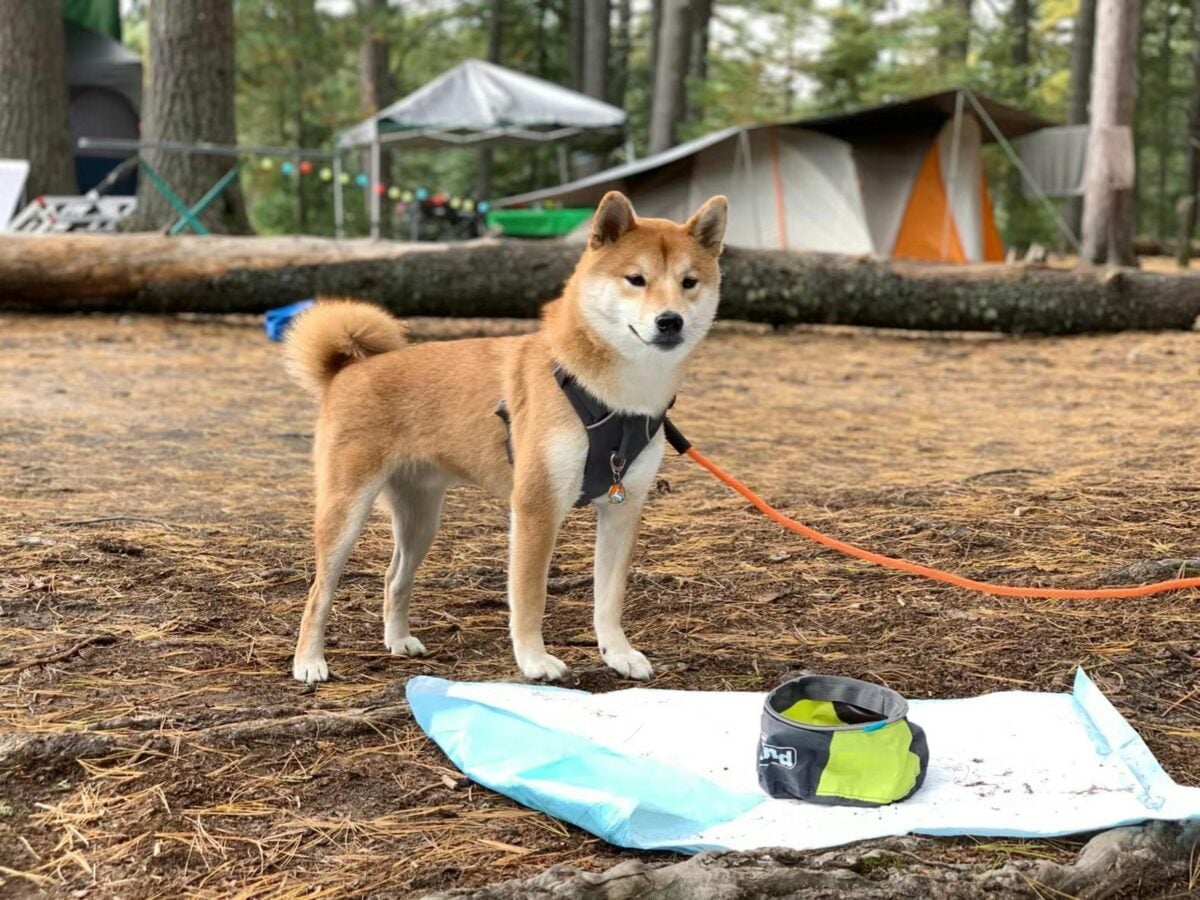
Moving to a new home, staying with friends or family, going, licensed via vacation, camping, or being watched by a pet sitter can all increase the risk of confusion and escape.
Even confident dogs can become disoriented in unfamiliar neighborhoods. Some try to return to a previous home, while others wander aimlessly because they don’t know where safety is yet.
This is one reason newly adopted rescue dogs are often considered high escape risks during their first few weeks.
High-Risk Situations Owners Often Underestimate
Dogs are much more likely to get lost:
- After moving
- During vacations
- While camping or hiking
- After adoption
- During pet sitting
- After major routine changes
This is especially true during the first few days in a new environment.
Our Personal Experience: “I Never Thought My Dog Would Run Away”
We had just moved to a new city a week earlier, and Daisy, my sensitive Pitbull-Lab mix, seemed completely settled into our fenced backyard. Then the neighbor’s roofing crew fired up a power saw.
The noise terrified Daisy. By the time I reached the back door, she had panicked, slammed through part of the wooden fence, and disappeared into an unfamiliar neighborhood.
What followed were the most agonizing hours of my life. We drove slowly through streets we barely knew, calling her name while my kids scanned every alleyway and driveway in tears.
Eventually, a few blocks away, we spotted her curled in the shade on a quiet side street, exhausted, confused, and heavily panting. The relief was overwhelming.
That experience completely changed how I think about escape prevention, especially during major life changes like moving. Even loving, well-behaved dogs can panic in unfamiliar environments when something suddenly triggers fear.
– Danielle DeGroot, Daisy’s Mom & Canine Journal Writer
6. Hormones Can Push Intact Dogs To Roam
Intact dogs are often much more motivated to wander, especially if they detect another nearby dog in heat.
Male dogs may travel surprisingly far after catching a scent, while intact females may also attempt to roam during reproductive cycles. Once hormones and instincts combine, even well-trained dogs can become difficult to control outdoors.
This doesn’t mean every intact dog will run away, but roaming behavior is significantly more common in uneutered or unspayed dogs. For some dogs, the motivation to search for a mate temporarily outweighs their usual attachment to home.
7. Illness, Injury, Or Cognitive Changes Can Cause Wandering
Senior dogs experiencing canine cognitive dysfunction can become confused, disoriented, restless, or forget familiar routines. Some begin wandering aimlessly, pacing near exits, or slipping outside without understanding how to return home.
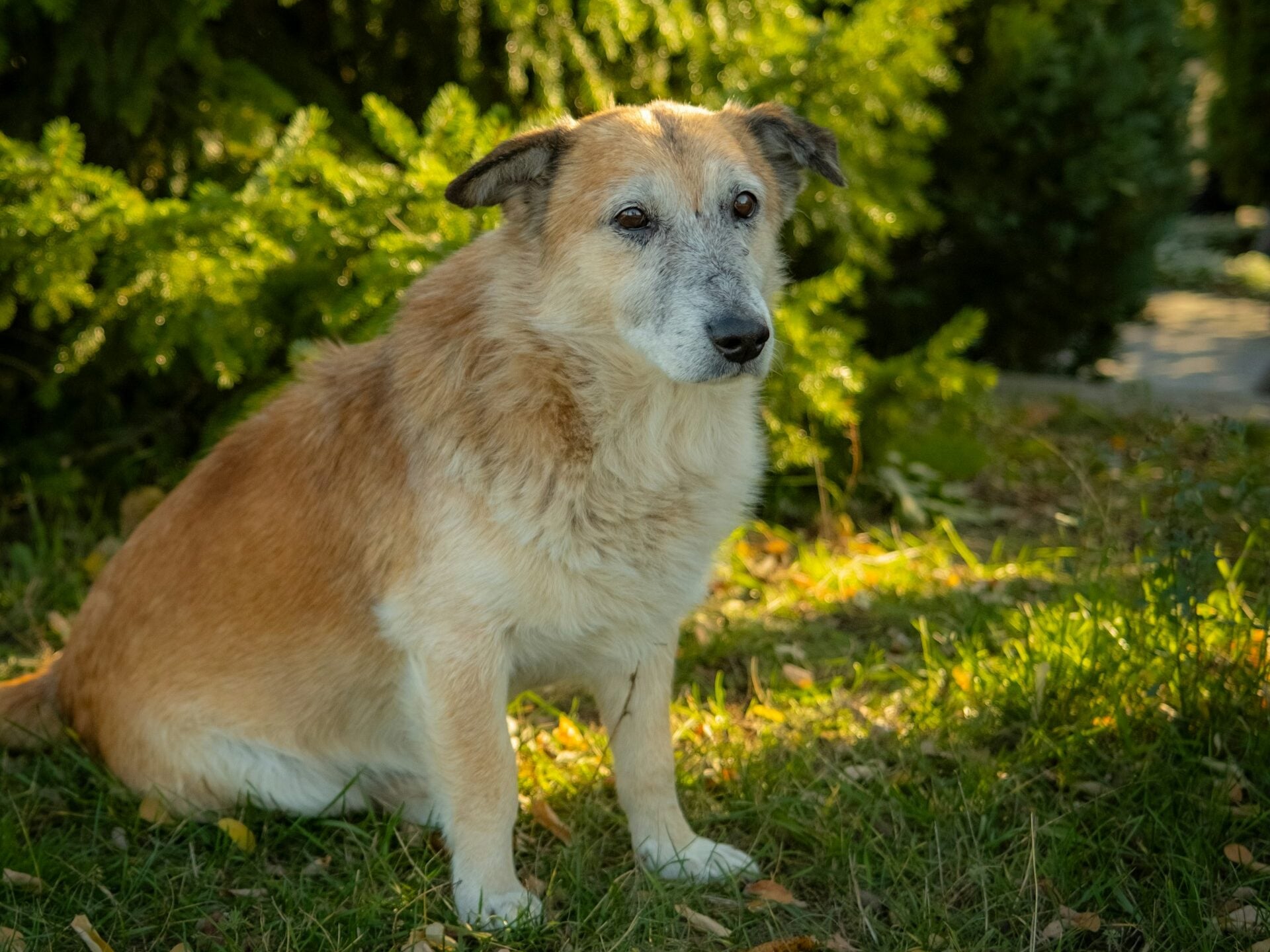
Injured or sick dogs may also behave unpredictably, especially if they’re scared, in pain, or trying to isolate themselves.
Sudden wandering behavior in an older dog should never be ignored, particularly if it occurs alongside confusion, nighttime pacing, anxiety, or other behavioral changes.
When Wandering May Be A Medical Warning Sign
Call your vet if wandering behavior appears suddenly alongside:
- Confusion
- Nighttime pacing
- Disorientation
- Anxiety
- Staring at walls
- Forgetting routines
- Unusual restlessness
Are Certain Dog Breeds More Likely To Run Away?
Any dog can run away if given the opportunity. Even calm, well-trained dogs sometimes bolt when instinct, fear, excitement, or opportunity suddenly takes over.
That said, some breeds are naturally more prone to wandering, chasing, exploring, or ignoring recall once they become focused on something interesting.
In many cases, these traits overlap. A dog with strong scent instincts may also have high prey drive, endless stamina, or a strong desire to explore independently.
Dogs originally bred for hunting, tracking, herding, chasing, or working long hours away from home are often the most likely to test fences, follow scents, or disappear after distractions.
3 Dogs That Follow Their Nose
Scent-driven dogs are famous for becoming so focused on smells that they temporarily tune out everything else, including their owners yelling their names.
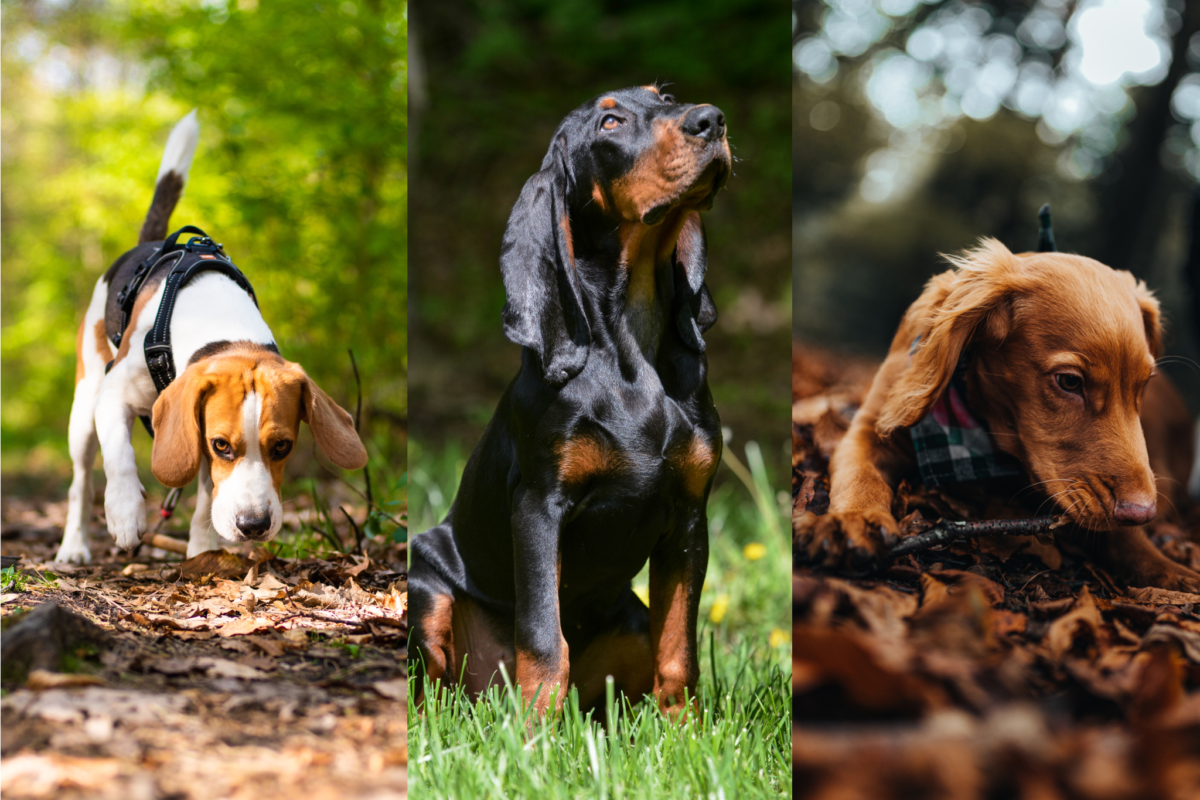
This is especially common in scent hounds, terriers, and some sporting breeds originally developed to track animals over long distances.
- Beagle – Famous for following scents with absolute determination once their nose locks onto something interesting.
- Coonhounds (e.g., Bluetick Coonhound, Treeing Walker Coonhound) – Powerful scent-tracking dogs known for wandering long distances while following trails.
- Dachshund – Determined little hunting dog originally bred to track and pursue animals underground, often following scents farther than owners expect.
3 Dogs With Strong Chase Instincts
Some dogs are less interested in smells and more obsessed with movement.
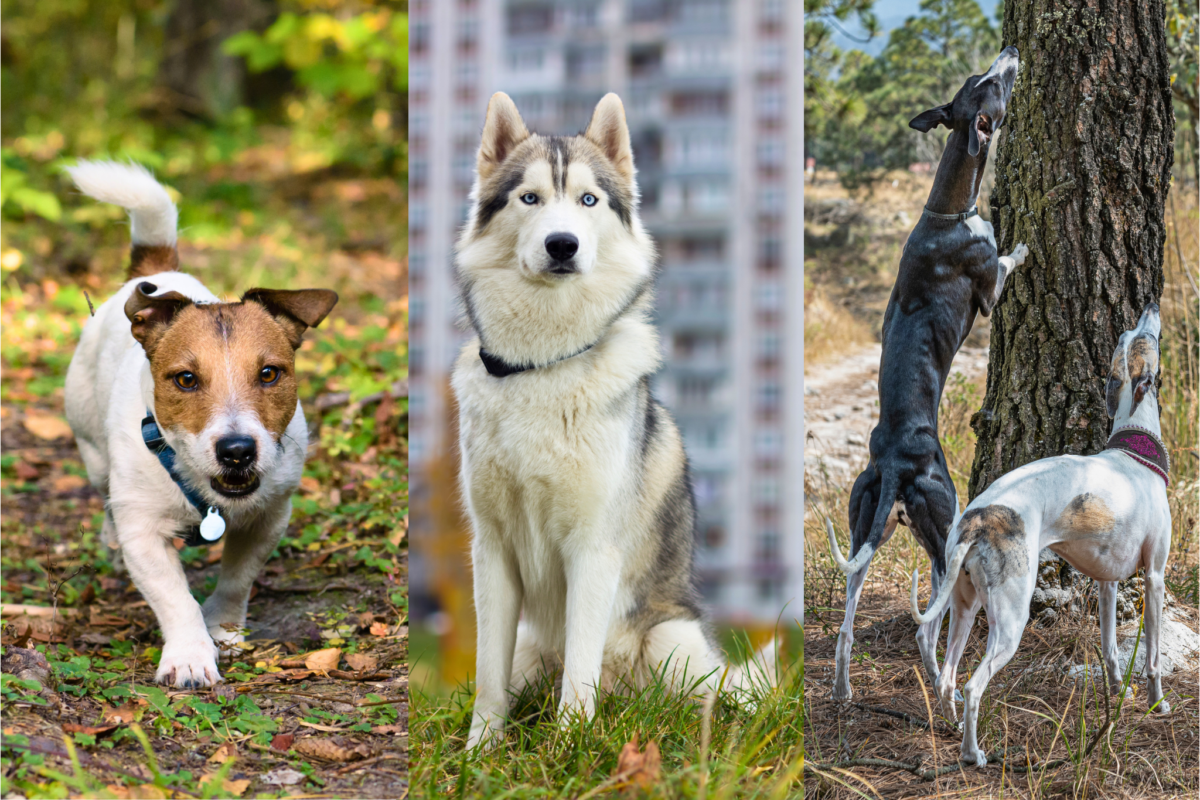
Working dogs, sight hounds, terriers, and certain hunting breeds are often hardwired to chase running animals, bicycles, joggers, or anything that suddenly takes off in front of them.
- Jack Russell Terrier – Fearless, high-energy terrier known for explosively chasing squirrels, rabbits, and anything else that suddenly moves.
- Siberian Husky – Independent working dog known for roaming, exploring, and escaping fenced yards.
- Greyhound – Sight hound bred to react instantly to movement at high speed.
For many high-prey-drive dogs, a single squirrel sighting can temporarily overpower training.
Smart, Busy Dogs That Get Bored Easily
Highly intelligent dogs often create their own entertainment when they don’t get enough physical exercise, training, or mental stimulation. Some begin fence running, digging, door rushing, or looking for opportunities to explore simply because they’re under-stimulated.
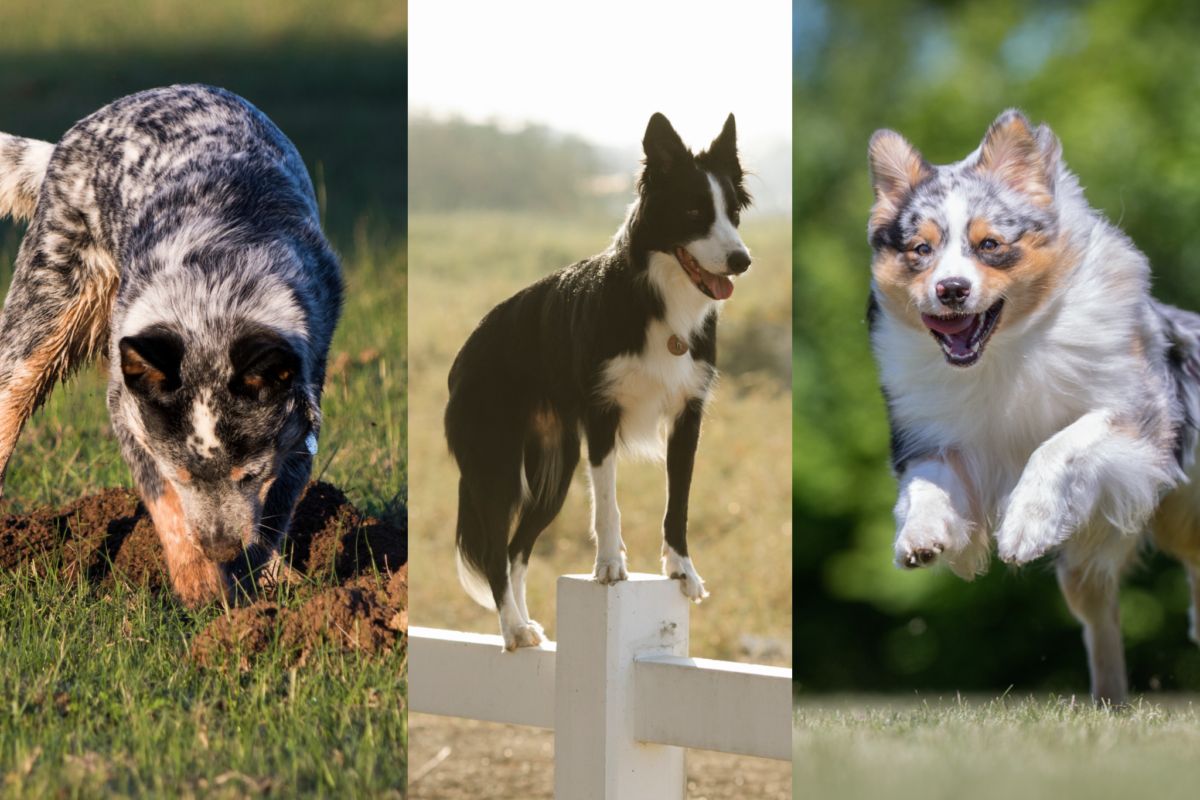
Herding dogs and sporting breeds often struggle more with boredom, under-stimulation, and the urge to constantly stay busy.
- Border Collie –Extremely intelligent herding dog that thrives on constant mental engagement.
- Australian Cattle Dog – High-endurance working dog that can become destructive or restless without jobs to do.
- Australian Shepherd – Energetic herding dog that craves activity and stimulation.
For these dogs, escaping sometimes has less to do with “running away” and more to do with finding something interesting to do.
Puppies, Seniors & Nervous Dogs Are At Higher Risk
Age and temperament can also increase the likelihood of wandering or escape behavior.
Puppies are naturally curious, impulsive, and easily distracted, which makes them much more likely to slip through open doors, chase things, or wander too far during walks. Senior dogs experiencing hearing loss, vision loss, or cognitive decline may become disoriented and accidentally wander away from familiar areas.
Nervous dogs are also at a higher risk, especially if they panic easily around loud noises, strangers, or unfamiliar situations. Fearful dogs are often more likely to bolt unexpectedly and harder to recover once they become frightened.
What To Do Immediately If Your Dog Runs Away
Few things trigger panic faster than watching your dog disappear down the street.
But what you do in the first few minutes can make a huge difference. Many owners instinctively react in ways that accidentally make runaway situations worse, especially if their dog is frightened, overstimulated, or treating the entire situation like an exciting game.
The good news is that many lost dogs stay surprisingly close to home, and calm, strategic actions usually work better than frantic chasing.
The First 10 Minutes Matter Most
If your dog slips away, try to stay as calm as possible, even if your brain immediately jumps to worst-case scenarios.
Dogs often feed off human energy. Screaming, running directly at them, or panicking can sometimes trigger more excitement or fear, especially in nervous dogs or dogs that already think they’re playing a game of chase.
Instead, focus on slowing the situation down before your dog gets farther away.
Quick Lost Dog Action Plan
- Stay calm and avoid yelling
- Don’t immediately sprint after your dog
- Use a happy, encouraging voice
- Grab treats, toys, or food if possible
- Alert nearby neighbors quickly
- Leave gates or doors open if your dog may return
- Contact local shelters and animal control if needed
- Use recent photos when posting online
Why Chasing Your Dog Usually Backfires
To humans, chasing a loose dog feels logical, but to many dogs, it feels like a game. Other dogs panic and keep moving because they suddenly feel pressured or trapped.
This is especially common in:
- Puppies
- High-energy breeds
- Nervous dogs
- Dogs with weak recall training
What To Do Instead
Instead of running directly at your dog, try to encourage them to come toward you voluntarily. Many owners have better luck by:
- Kneeling or sitting down
- Turning sideways instead of facing the dog head-on
- Using a playful voice
- Running away from the dog instead
- Acting exciting rather than angry
- Offering treats or favorite toys
Dogs are naturally curious and social. Sometimes, acting less threatening or more playful is enough to interrupt the runaway behavior.
Recall training also matters enormously here. Dogs with strong recall are much more likely to stop and return before they get too far away.
Our Personal Experience: Catching Playful Dogs
Fortunately, my dog has never gotten loose or run away, but I’ve helped reunite quite a few dogs with their families over the years. I’m the kind of person who knows the neighborhood dogs better than I know most of the people. I learn the dogs’ names first, recognize which house they belong to, and notice when one is suddenly out wandering on its own.
One time, three golden retrievers escaped by digging a hole under their fence after a muddy rainstorm. They were absolutely filthy, covered head to toe in mud, and having the time of their lives.
Every time I tried walking toward them, they would bolt in the opposite direction. But the second I pretended to run away from them, they immediately started chasing after me instead.
So I kept “running away” little by little until I managed to lead all three of them right back into their backyard.
Experiences like that are a good reminder that even well-loved dogs can slip out in seconds. Regularly checking fences for weak spots, practicing recall, and making sure gates fully latch behind you can make a huge difference.
– Kimberly Alt, Parent of Coonhound Mix, Writer & Pet Insurance Expert for Canine Journal
What To Do If You Can’t Find Your Dog
If your dog disappeared without a trace, it’s time for full missing-dog strategy. For more information, see our guide covering how to find a lost dog.
Start Close To Home First
Many missing dogs stay much closer to home than owners realize. Search:
- Nearby woods
- Garages
- Porches
- Parks
- Drainage areas
- Familiar walking routes
- Neighbor yards
Alert Local Shelters & Animal Control Immediately
Even if your dog has only been missing a short time, call:
- Local shelters
- Animal control
- Nearby vets
- Emergency clinics
Provide:
- Physical description
- Clear photos
- Collar details
- Microchip info
- Last known location
Use Neighborhood Groups & Social Media
Lost dog posts spread incredibly fast online, especially in neighborhood Facebook groups and apps like Nextdoor.
Include:
- Recent clear photos
- Last known location
- Temperament details
- Contact info
This is where community visibility matters enormously.
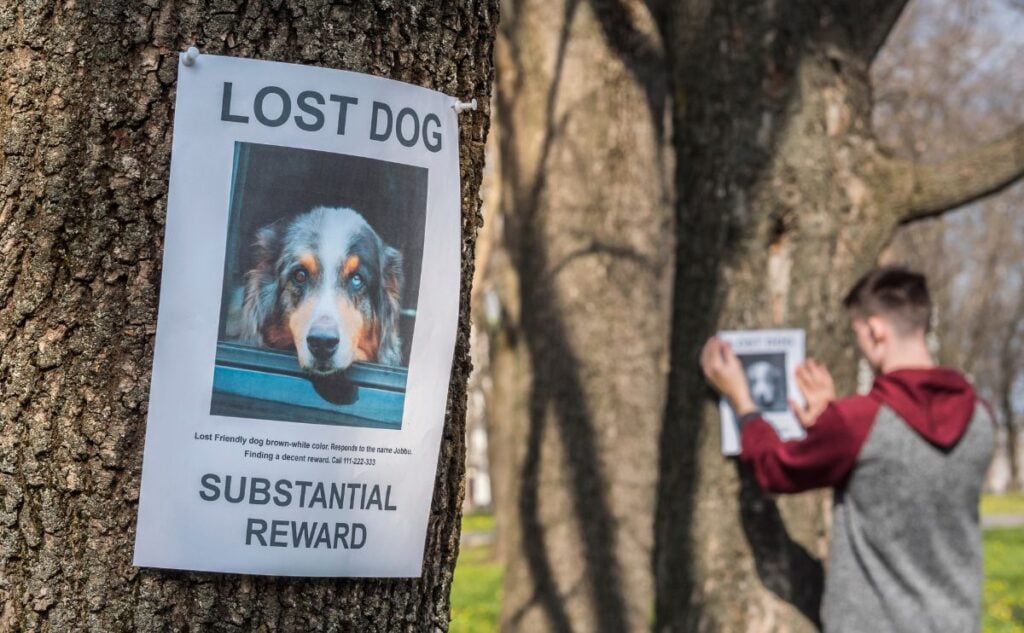
Where Lost Dogs Usually Go
Many owners imagine runaway dogs traveling miles away immediately. In reality, many lost dogs stay surprisingly close to home, especially during the first several hours.
Some dogs keep circling familiar areas, while frightened dogs often hide quietly under porches, behind buildings, near wooded areas, or anywhere they feel safe. Others eventually return during quieter hours when the neighborhood calms down. That’s one reason search efforts should focus heavily on nearby areas first, even if your dog initially ran farther away.
And if your dog does go missing, don’t assume they’ll automatically bark, come running, or make themselves easy to find. Many frightened dogs become unusually silent and cautious once adrenaline wears off.
7 Ways Reduce The Chances Of Your Dog Running Away
Most runaway situations don’t happen because owners are careless. They happen because dogs are fast, impulsive, curious, and incredibly opportunistic.
Thankfully, small training habits and environmental changes can dramatically reduce escape risk, especially for dogs that are energetic, anxious, highly curious, or prone to chasing.
1. Door Manners Matter More Than Most People Realize
A surprising number of dogs escape through front doors, garage doors, gates, or car doors during completely normal daily routines. That’s why teaching dogs to pause before rushing through openings can be one of the most valuable safety skills they learn.
Commands like “wait,” “stay,” or “place” help teach dogs that open doors are not automatic invitations to sprint outside. See our guide to basic obedience commands for more information.
Watch: This trainer shows how to teach a strong “place” command. This type of impulse-control training can be incredibly useful when opening doors for guests, deliveries, groceries, or everyday household traffic.
2. Recall Training Isn’t Optional — It’s A Safety Skill
A reliable recall command can save a dog’s life. Dogs with strong recall training are far more likely to stop, turn around, and return before they get too far away.
Recall is not something most dogs magically learn on their own. It requires ongoing practice in different environments with increasing distractions.
One of the biggest mistakes owners make is only practicing recall inside the house or backyard. Real-world distractions like squirrels, other dogs, wildlife, and excitement make recall much harder outdoors.
High-value rewards, long lines, and consistent repetition all help strengthen recall reliability over time.
Watch: This trainer shows 6 tips for building reliable recall.
3. Impulse Control Can Prevent Dangerous Chasing
Many dogs react without thinking. A squirrel moves, a rabbit darts across the yard, another dog appears down the street, and suddenly instinct takes over before the dog even pauses to process what’s happening.
Impulse-control training teaches dogs how to slow down, pause, and think before reacting automatically. Over time, dogs learn that they don’t need to instantly chase every exciting movement, rush every open door, or sprint toward every distraction they see.
This becomes especially important for dogs with strong prey drive, high excitement levels, or poor patience around movement.
Watch: This trainer shows a basic way to start teaching impulse control for dogs.
4. Mental Enrichment Reduces Escape Behavior
Mentally under-stimulated dogs are often much more likely to create their own entertainment. For many dogs, enrichment is just as important as physical exercise.
Mental enrichment could include:
- Brain games for dogs
- Sniffing activities, like snuffle mats and sniff walks
- Training sessions, including obedience work and easy tricks
- Food enrichment, including slow feeders, puzzle toys, and Kongs
- Chew outlets, like indestructible toys and rawhide alternatives
- Interactive games and toys
For many dogs, enrichment is just as important as physical exercise.
5. Check Your Fence Like A Determined Dog Would
Dogs are surprisingly talented escape artists, so it’s important to regularly check for:
- Loose fence boards
- Digging spots
- Weak latches
- Gaps near gates
- Climbable objects near fences
You may also want to consider alternative solutions, like invisible fences or GPS fence collars.
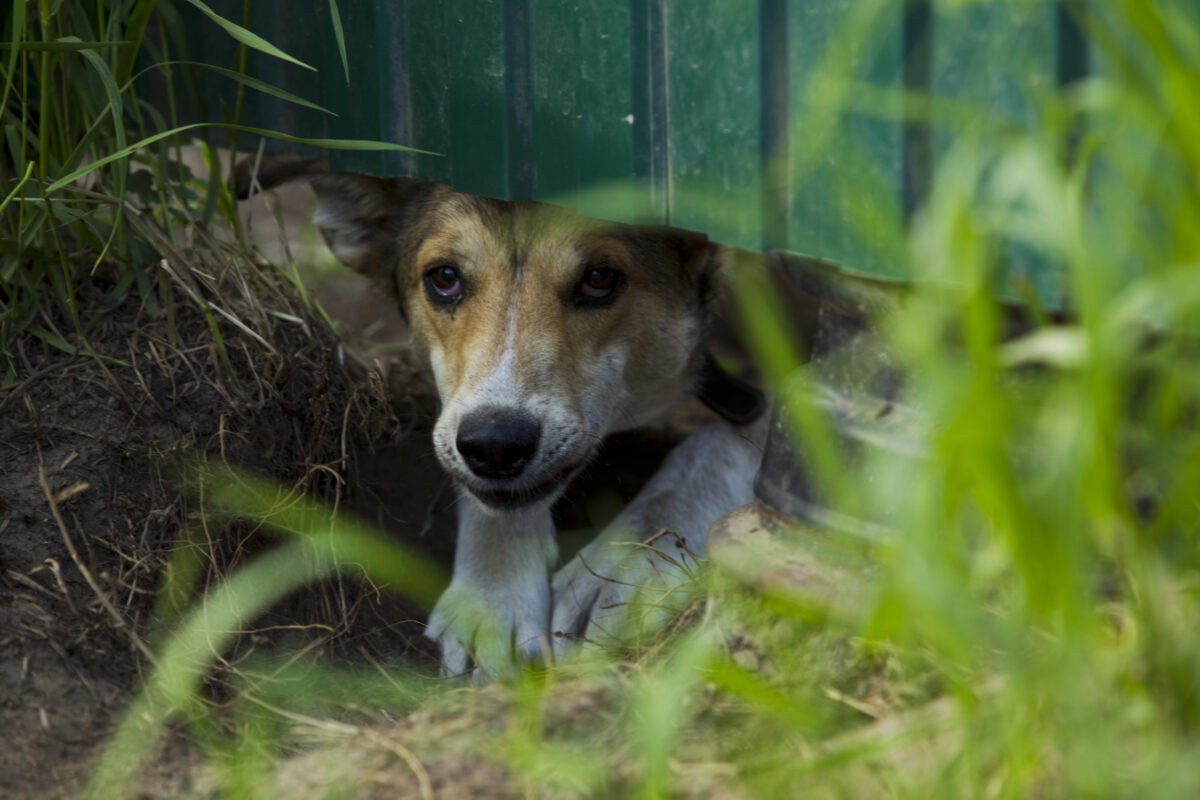
6. Prevent Harnesses Slip During
A poorly fitted harness or collar can turn a stressful moment into an instant escape. Nervous dogs sometimes back out of harnesses when startled, while strong pullers may slip loose if equipment doesn’t fit correctly. This is especially common during fireworks, vet visits, crowded environments, or unexpected scares.
Escape-proof harnesses, properly fitted martingale collars, and secure leash systems can help reduce the risk of accidental slips.
7. Spaying & Neutering Can Reduce Roaming
Hormones can strongly influence wandering behavior, especially in intact dogs. Male dogs may travel surprisingly far after detecting a nearby female in heat, while intact females may also attempt to roam during reproductive cycles.
Spaying and neutering can reduce hormone-driven roaming behaviors in many dogs. While it won’t completely eliminate escape behavior, it can reduce one major motivation for wandering.
The Tiny Things That Make Lost Dogs Easier To Find
Many runaway dogs are reunited quickly because owners prepared for the possibility before it ever happened. Small details like updated tags, clear photos, and tracking devices can make an enormous difference when every minute matters.
Why Updated ID Tags Matter So Much
A collar tag is still one of the fastest ways for strangers to help a lost dog get home. Tags should include:
- Your current phone number
- Your dog’s name
- An optional second emergency contact
Even simple tags dramatically increase the chances of a fast reunion.
Microchips Only Work If Your Information Is Current
Microchips are incredibly important, but they only help if the registration information is accurate. Many owners forget to update phone numbers, addresses, and emergency contacts after moving or changing numbers.
And remember, a microchip should serve as a backup safety net, not the only form of identification your dog wears.
GPS Collars, AirTags & Smart Trackers
GPS collars and smart tracking devices have become hugely helpful for dogs that are escape-prone, highly adventurous, or frequently outdoors. These tools can help owners:
- Create virtual fences
- Track movement in real time
- Locate dogs that slip out unexpectedly
AirTags can also help in some situations, although dedicated GPS dog trackers are usually more reliable for long-distance or real-time tracking.
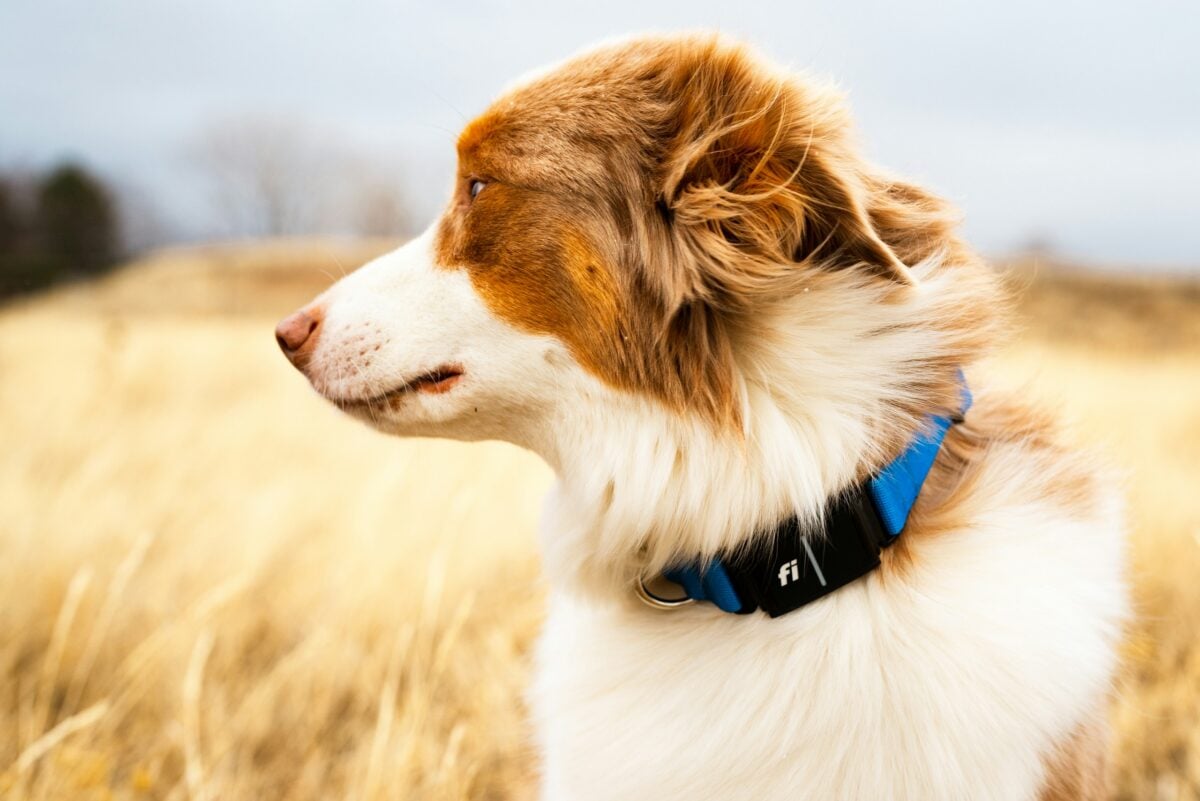
Keep Recent Photos Of Your Dog
If your dog ever goes missing, clear photos become incredibly important almost immediately. Try to keep:
- Recent full-body photos
- Flose-ups of the face
- Photos showing unique markings
- Pictures showing the harness or collar they normally wear
The easier it is for strangers to recognize your dog quickly online or in person, the better your chances of a fast reunion.
Can Dogs Find Their Way Home?
Some dogs somehow reappear at their front door hours, days, or even weeks later. Others stay surprisingly close to familiar territory the entire time they’re missing.
While dogs do not navigate the same way humans do, many rely heavily on scent, familiar territory, routines, sound cues, and environmental memory to help them move through the world. That’s one reason some lost dogs eventually manage to work their way back home, especially if they escaped from an area they already know well.
Unfortunately, not every lost dog can find their way back alone, especially if fear, injury, exhaustion, traffic, or unfamiliar surroundings are involved.
How Dogs Navigate Using Scent & Familiar Territory
Dogs experience the world through scent in ways humans can barely imagine. Many dogs build strong mental maps of familiar walking routes, neighborhood smells, landmarks, sounds, and routines.
Some may recognize:
- Familiar streets
- Nearby parks
- The scent trail around their home
- Frequently traveled walking paths
- Familiar voices or household noises
Dogs that escape close to home are often much more likely to stay within the territory they already recognize. That said, prey drive, fear, adrenaline, or unfamiliar surroundings can quickly override that familiarity. A dog chasing wildlife or panicking during fireworks may suddenly end up much farther away than intended.
Why Getting Help Matters
Many missing dogs are eventually found not because they magically navigate home alone, but because other people notice them first. And while not every missing dog story has a happy ending, many dogs are eventually reunited with their families days or even weeks later when someone recognizes a photo, scans a microchip, or spots a familiar face wandering nearby.
Watch: A dog that escaped from a pet sitter managed to survive outside for more than a month before finally being reunited with their owner.
Frequently Asked Questions
When dogs run away, owners usually spiral through the same questions: Will they come back? How far could they go? Did they leave because they were unhappy?
Below are answers to some of the most common questions people ask after a dog escapes or goes missing. Don’t see your question? Respond in the comments, and we’ll get back to you!
Why Do Dogs Run Away From Home?
Dogs usually run away because instinct, fear, excitement, boredom, opportunity, or curiosity temporarily override training and routine. Some chase wildlife, some panic during loud noises, and others simply take advantage of an open gate or door.
In many cases, dogs are not trying to “leave forever.” They’re reacting impulsively in the moment.
Do Dogs Come Back After Running Away?
Some dogs do return home on their own, especially if they escaped from familiar territory nearby. Others stay close to home until someone spots or recognizes them.
However, not every lost dog successfully finds its way back alone. Fear, traffic, exhaustion, injury, weather, or unfamiliar surroundings can make returning difficult. That’s why quick action, community awareness, and proper identification matter so much.
How Far Can A Lost Dog Travel?
It depends heavily on the dog’s personality, motivation, environment, and energy level. Some dogs stay within a few blocks of home, while others travel miles after chasing wildlife, following scents, or panicking.
Frightened dogs sometimes continue moving far longer than owners expect, especially during fireworks or storms. Highly athletic or high-endurance breeds may travel especially far once they get moving.
Why Does My Dog Try To Bolt Out The Door?
Many dogs see open doors as exciting opportunities rather than boundaries. Door bolting is often driven by curiosity, excitement, poor impulse control, prey drive, or the anticipation of something interesting happening outside. Some dogs also accidentally learn that rushing doors successfully gets them access to stimulation, attention, or freedom.
Training commands like “wait,” “stay,” and “place” can help reduce door-dashing behavior over time.
Are Some Dog Breeds More Likely To Run Away?
Yes. Certain breeds are naturally more prone to wandering, chasing, exploring, or ignoring recall once instinct takes over.
Scent hounds, terriers, herding breeds, sporting dogs, and high-drive working dogs are often more likely to roam or chase distractions. However, any dog can run away under the right circumstances, especially if fear, boredom, opportunity, or panic becomes involved.
Do Dogs Run Away If They’re Unhappy?
Not usually. Most runaway dogs are not trying to escape unhappy homes. Many are deeply loved, well-cared-for pets that react impulsively to fear, excitement, prey drive, or sudden opportunities.
That said, chronic boredom, lack of stimulation, anxiety, or poor environmental management can sometimes increase escape behavior in certain dogs.
What Should I Do If My Dog Slips Off-Leash?
Try to stay calm and avoid immediately sprinting after your dog. Many dogs run farther when chased because they interpret it as a game or become more frightened.
Instead, try using a happy voice, crouching down, running away from the dog instead, or offering treats and toys to encourage them to return voluntarily. If your dog continues moving away, begin alerting neighbors and local shelters as quickly as possible.
Can Dogs Find Their Way Home?
Some dogs can, especially if they escaped from familiar areas they know well.
Dogs often rely heavily on scent, routine, environmental familiarity, and memory to navigate. However, not every dog successfully returns home alone, particularly if fear, injury, traffic, or unfamiliar surroundings interfere.
Many missing dogs are ultimately reunited because other people recognize them or scan their microchips.
Why Won’t My Dog Come Back When Called Outside?
Fear, adrenaline, prey drive, excitement, or overstimulation can temporarily overpower training. Even dogs with good recall sometimes ignore commands when they become highly focused on chasing, exploring, or escaping something frightening.
Do GPS Dog Collars Actually Work?
Many GPS dog collars work very well, especially for dogs that frequently hike, explore outdoors, escape yards, or slip away unexpectedly.
Real-time GPS tracking can help owners locate dogs much faster than relying solely on sightings. However, GPS devices still require a battery, signal coverage, and a proper fit to work effectively.
They’re best viewed as an additional safety tool rather than a replacement for training, identification tags, secure fencing, or supervision.
Want To Keep Your Dog Safe, Calm & Close To Home?
Preventing runaway behavior often starts with understanding what your dog needs physically, mentally, and emotionally. These guides can help you build a safer, more enriching environment while reducing stress, boredom, and escape-driven behavior.