When you purchase through links on our site, we may earn a commission at no extra cost to you. Learn more.
Big dogs don’t always get the best deal when it comes to longevity. Larger breeds tend to age faster and live shorter lives than their smaller counterparts, with some giant breeds averaging only seven to 10 years.
Table of Contents
But size isn’t destiny. Some large breeds routinely reach their teens while maintaining surprisingly strong overall health profiles. From athletic hunting dogs to fluffy family companions, these big dogs show that plenty of size can come with plenty of staying power.
So, which big dogs are built to last? I dug into recent canine longevity research, breed health data, and common inherited conditions to find 18 of the healthiest large dog breeds. Some of the results may surprise you.
What Does “Healthy” Mean For A Large Dog?
A long lifespan matters, but so does what happens during those years. A dog that reaches 14 but struggles with serious inherited disease for much of its life presents a very different health picture from one that remains active and relatively healthy into old age.
Want our human-written content to rank above AI-generated garbage? Help us out by clicking this button!
A healthy breed is one that tends to avoid major inherited diseases, maintain mobility and vitality into older age, and show lower overall mortality risk across large population studies. For this list, I considered longevity, mortality risk, inherited health concerns, body structure, and available breed health information.
A massive 2024 study analyzed the longevity of hundreds of thousands of dogs across more than 150 breeds. Researchers compared lifespan and mortality risk across breeds, providing an unusually large dataset for identifying dogs that stand out for longevity. I used these findings as a starting point, then considered known inherited health concerns and other breed-specific health information to build this list.
Curious Which Breeds Are Healthiest Overall? This list focuses on larger dogs, but check out our guide to the healthiest dog breeds to see which breeds stand out across all sizes.
18 Healthiest Large Dog Breeds
Large dogs aren’t usually the longevity champions of the canine world, which makes the breeds below particularly interesting. Several lived longer or had lower mortality risk than you might expect based on body size alone, while others stand out for relatively favorable overall health profiles.
I’ve grouped them by what makes them noteworthy, from exceptional longevity to athletic hardiness and strong health profiles that often fly under the radar. Keep in mind that the healthiest choice for you also depends on temperament, exercise needs, grooming, and lifestyle.
5 Overall Healthiest Large Dog Breeds
What makes a dog breed healthy isn’t just how long they live. The five breeds at the top of our list combine strong longevity and lower mortality risk with relatively favorable overall health profiles and few major health problems that define the breed.
That doesn’t mean they’re immune to health problems. Each has inherited conditions to watch for, but responsible breeding and recommended health screening can help reduce some of those risks. Their long median lifespans provide another encouraging measure of overall breed health.
1. Large Munsterlander
The Large Munsterlander is an athletic, versatile hunting dog known for its striking black-and-white coat. A relatively new breed, it was officially established in Germany in 1919. These dogs are highly trainable, intelligent, and confident, while also being affectionate with family and generally friendly with people.
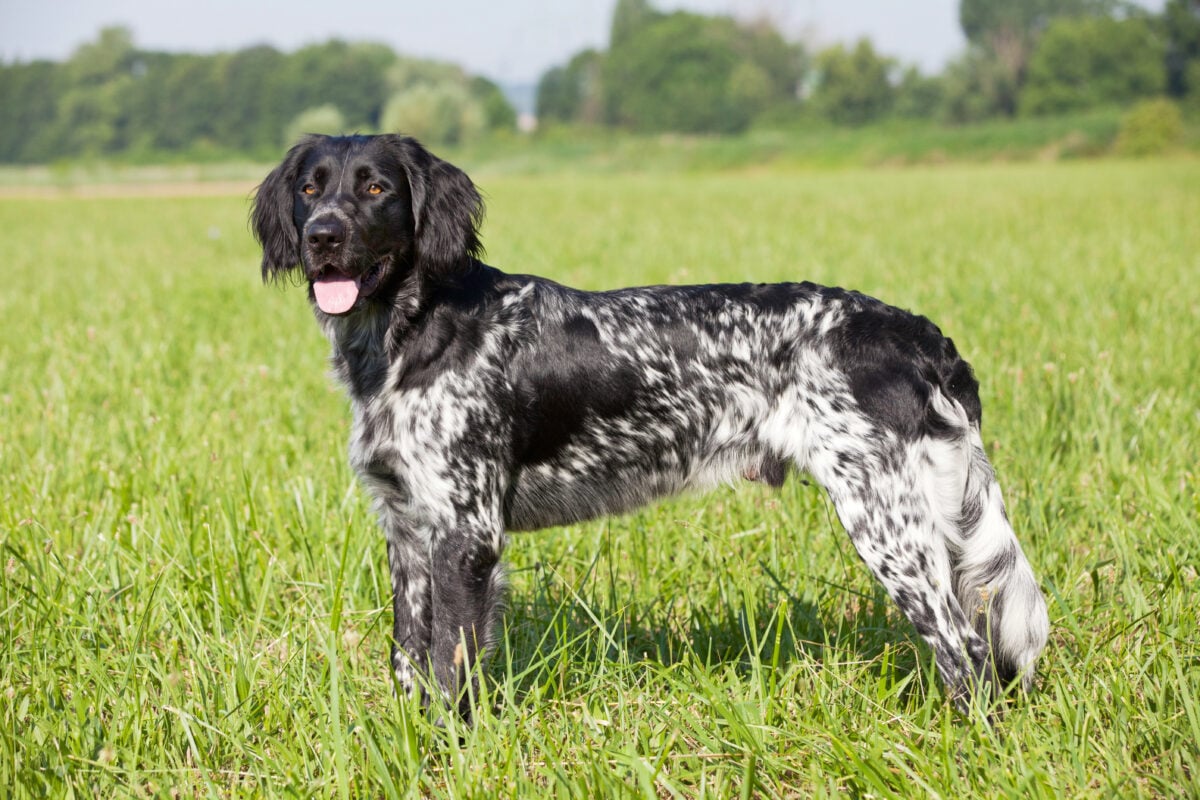
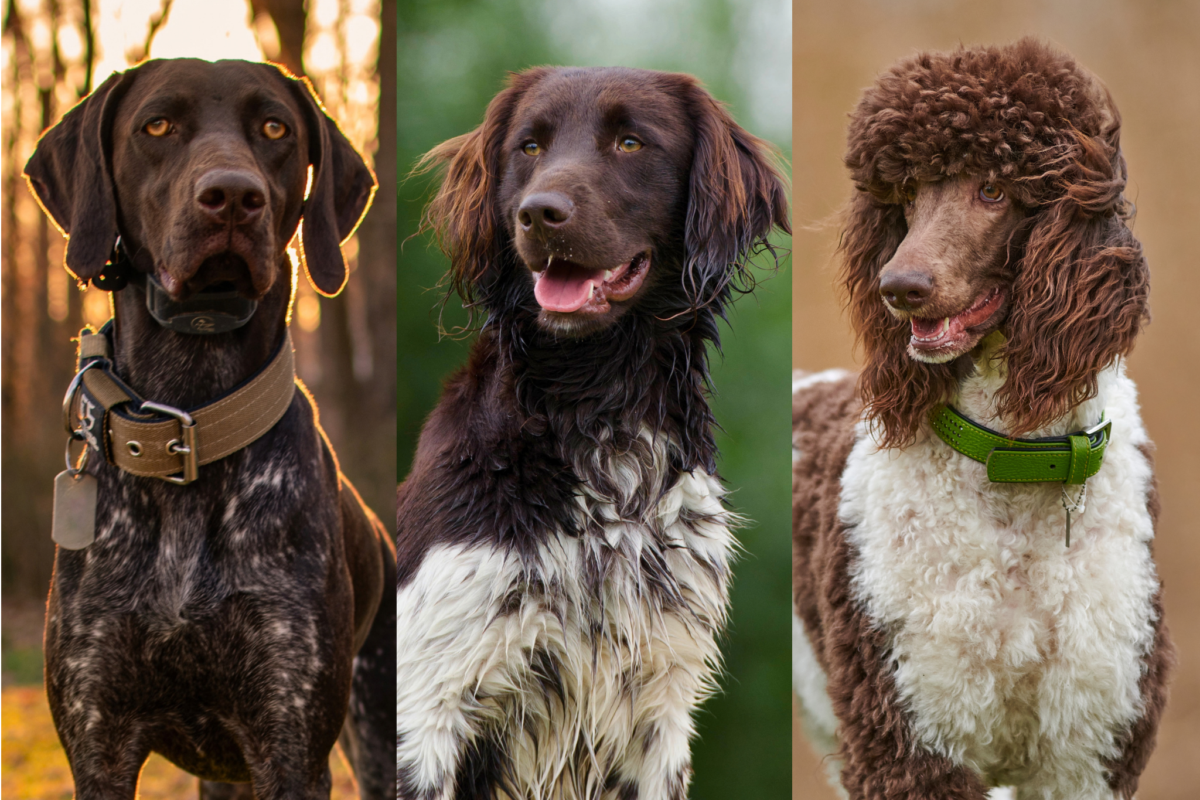
The breed also delivered one of the biggest surprises in the longevity research: Large Munsterlanders had the highest median survival among the large breeds, licensed via this list, along with one of the lowest overall mortality risks.
These high-energy working dogs need plenty of daily physical exercise and mental stimulation. They’re best suited to active owners who can give them room to move and an outlet for the hunting and retrieving instincts they were bred to use.
- Size: 50–70 pounds
- Lifespan: 12–14 years
- Temperament: Affectionate, intelligent, eager to work
- Energy Level: High
- Coat Type: Medium-length feathered coat
- Best For: Active households, hunters, and owners who enjoy outdoor activities
Health Note: Large Munsterlanders are considered a robust breed, though hip and elbow dysplasia and hereditary cataracts can occur. Screening breeding dogs helps reduce these risks.
2. American Foxhound
Long-legged and built for endurance, American Foxhounds were bred to follow a scent for miles without tiring. Despite all that athleticism, they’re generally sweet-tempered and easygoing at home, with an independent streak that’s typical of scenthounds. They also tend to get along well with children and other dogs.
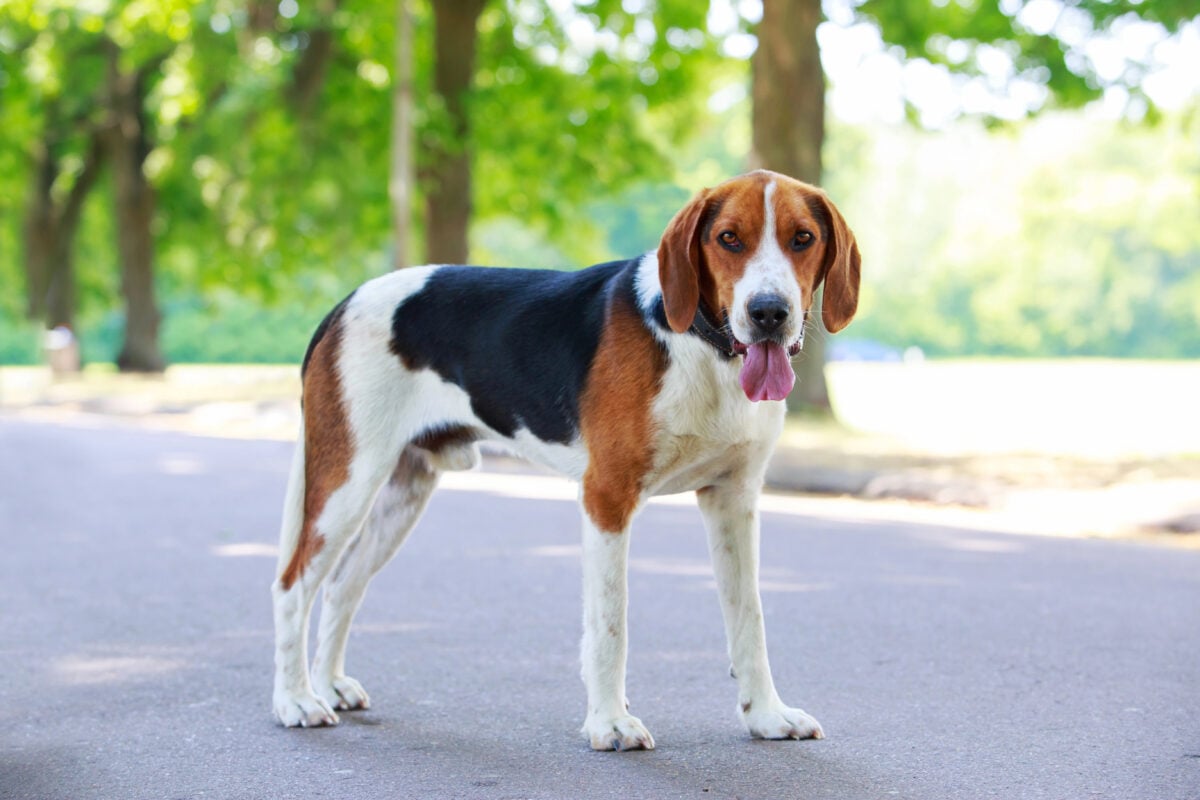
American Foxhounds typically live 11 to 13 years and are considered a generally healthy breed. Genetic disorders are rare, and the national breed club currently recommends no routine health screening tests for breeding dogs.
At home, these dogs need serious exercise, ideally an hour or two each day. Their powerful prey drive also means a secure yard and leash are important, since an interesting scent can quickly become more compelling than anything their owner has to say.
- Size: 60–70 pounds
- Lifespan: 11–13 years
- Temperament: Easygoing, sweet-tempered, independent
- Energy Level: Moderate to high
- Coat Type: Short, hard coat with moderate shedding
- Best For: Active households, experienced owners, and homes with plenty of room to exercise
Health Note: American Foxhounds have very few breed-specific health issues reported and are generally considered a hardy breed. Hip dysplasia and thrombocytopathy, a rare inherited blood disorder, can occur. Their long ears can also make them susceptible to ear infections, so regular ear checks are important.
3. Standard Poodle
Standard Poodles are widely known for their intelligence, elegant appearance, and low-shedding coats. Originally developed as water retrievers in Germany, their distinctive curly coats helped protect them while working in cold water.
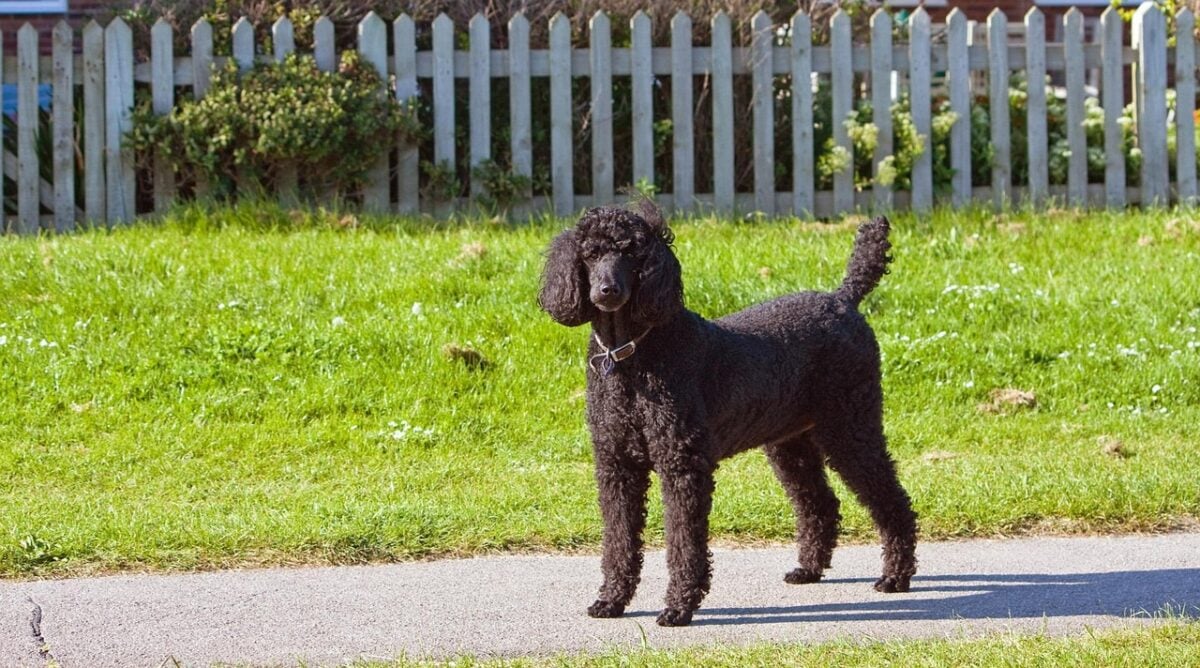
Poodles boast one of the lowest overall mortality risks among large breeds. The typical lifespan of a Standard Poodle is 10 to 15 years, with well-cared-for dogs living to 16 or even 18.
Today, Standard Poodles are admired for their trainability and versatility. They often excel in obedience, agility, and other dog sports thanks to their sharp minds and eagerness to learn. They need regular physical exercise and mental stimulation, making them a great match for owners who want an active, highly engaged companion.
- Size: 40–70 pounds
- Lifespan: 10–18 years
- Temperament: Intelligent, responsive, energetic
- Energy Level: Moderate to high
- Coat Type: Dense, curly coat that sheds very little
- Best For: Active singles and families who enjoy training, dog sports, or interactive activities
Health Note: Standard Poodles can develop hip dysplasia, certain eye disorders, and von Willebrand’s disease. They may also be prone to bloat, and the national breed club recommends screening for these and other inherited conditions.
4. German Shorthaired Pointer
German Shorthaired Pointers (GSPs) are lean, athletic dogs known for their seemingly endless energy and enthusiasm. These medium-to-large sporting dogs were bred to handle a wide range of tasks in the field, making them intelligent and highly trainable. They’re also known for forming strong bonds with their families.
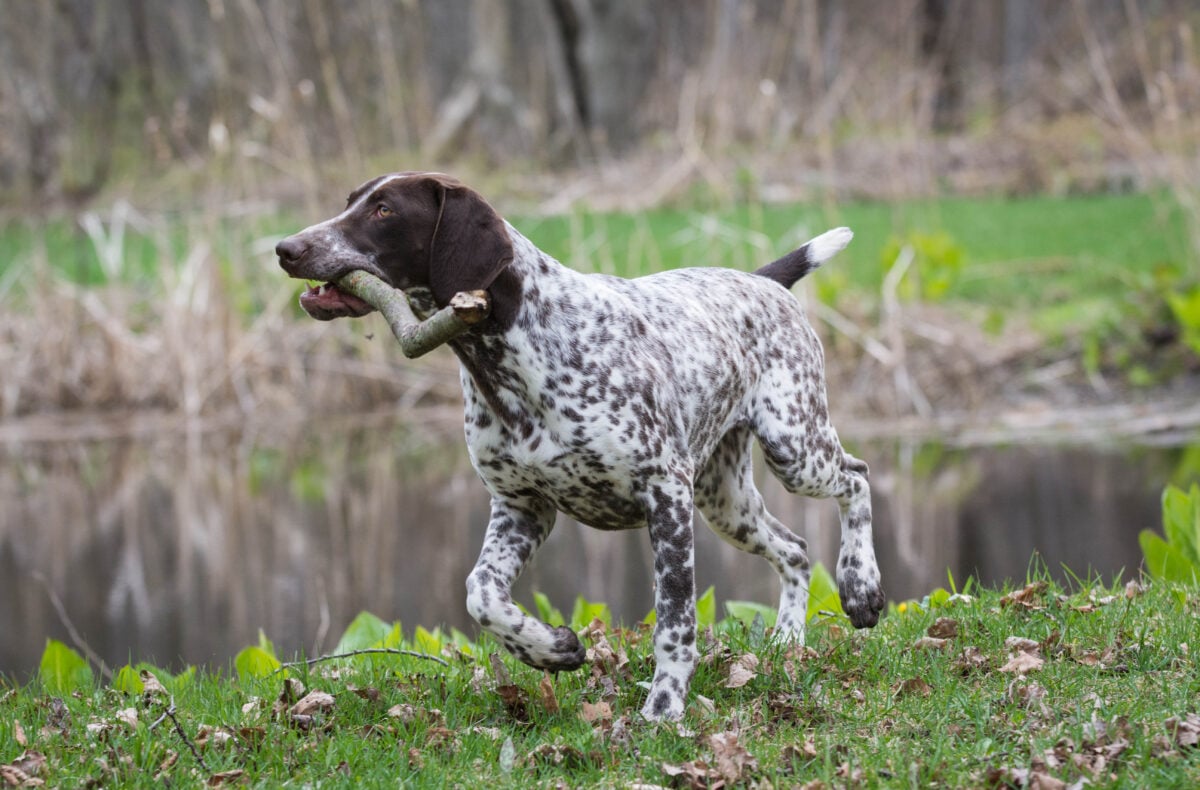
GSPs stand out for their longevity, especially for dogs of their size. The American Kennel Club lists their typical lifespan as 10 to 12 years, but longevity research suggests many may live considerably longer. Many owners report an average of around 14 years, with some GSPs living into their late teens.
GSPs were built for endurance and need substantial daily physical activity and mental stimulation. Their strong prey drive and need for consistent training also earn them a spot among our high-maintenance dog breeds.
- Size: 45–70 pounds
- Lifespan: 10–12 years
- Temperament: Friendly, intelligent, eager to please
- Energy Level: High
- Coat Type: Short, dense coat with moderate shedding
- Best For: Active households, runners, hikers, and outdoorsy owners
Health Note: German Shorthaired Pointers are generally healthy, but hip dysplasia, certain eye disorders, and heart disease can occur. Like many deep-chested dogs, they’re also at risk for bloat. The national breed club recommends hip, elbow, cardiac, and eye screening, along with DNA testing for cone degeneration.
5. Collie
Collies are best known for their long, flowing coats and famously devoted personalities, but there’s more to these dogs than their Lassie good looks. They’re intelligent, sensitive herding dogs that tend to form close bonds with their families and are particularly well known for their affinity for children.
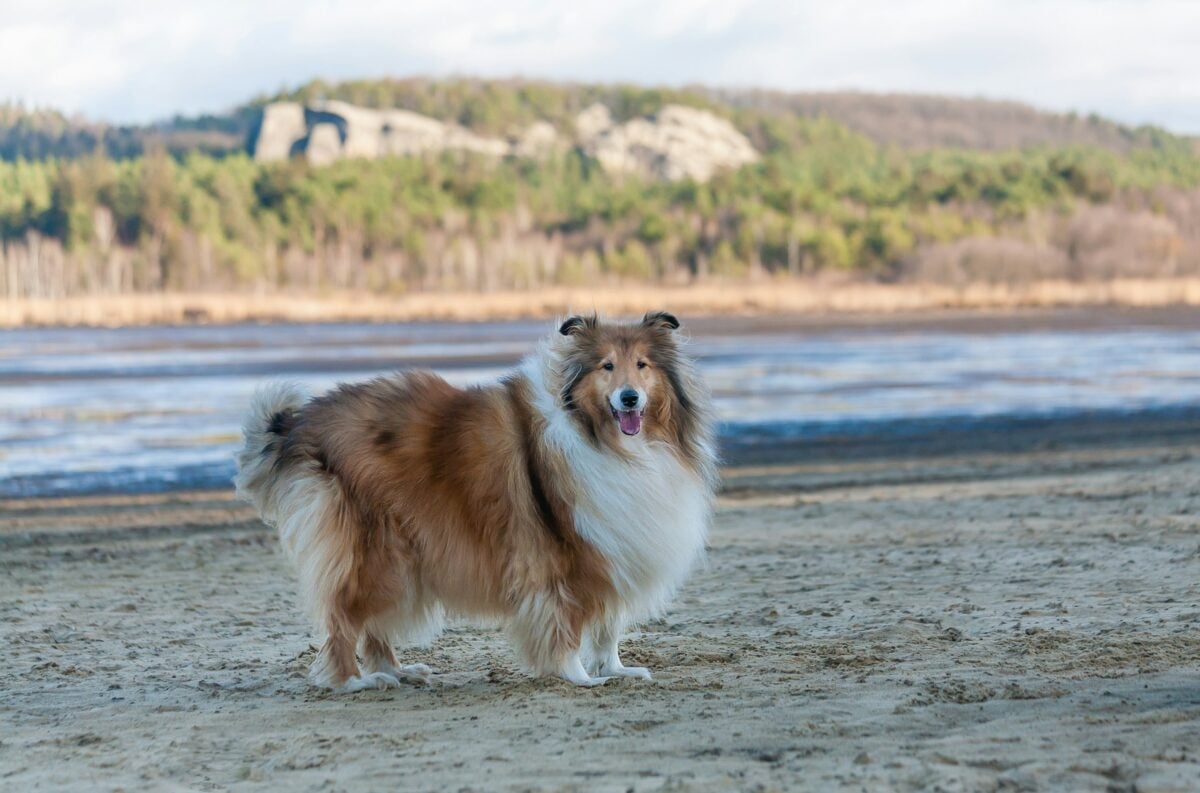
Collies earn their place among the healthiest large breeds thanks to a combination of good longevity and an overall favorable health outlook. Although several inherited conditions occur in the breed, many can be identified through genetic or clinical screening, giving responsible breeders tools to reduce risk.
Despite their elegant appearance, Collies are athletic dogs that love play and activity. They’re typically easier to tire out than some of the high-octane sporting breeds, licensed via this list, making them a good option for families looking for an active large dog without quite as much intensity.
- Size: 50–75 pounds
- Lifespan: 12–14 years
- Temperament: Devoted, graceful, gentle
- Energy Level: Moderate
- Coat Type: Long, dense double coat
- Best For: Families, active households, and owners looking for a devoted companion
Health Note: Collies are generally healthy, but inherited conditions include Collie eye anomaly (CEA), progressive retinal atrophy, and dermatomyositis. Some also carry the MDR1 gene mutation, which can cause dangerous reactions to certain medications. Genetic testing can identify affected or at-risk dogs.
5 Athletic Large Breeds With Impressive Longevity
Built to run, hunt, and work for hours, these athletic breeds have more than stamina on their side. They also stand out for strong longevity and lower mortality risk, proving that some of the hardest-working large dogs are also remarkably hardy.
6. English Setter
English Setters combine the stamina of a sporting dog with a notably gentle, affectionate personality. Developed as bird dogs, they’re graceful athletes outdoors but often settle into surprisingly mellow companions once their exercise needs have been met. They’re known for being good-natured, sensitive, and devoted to their people.
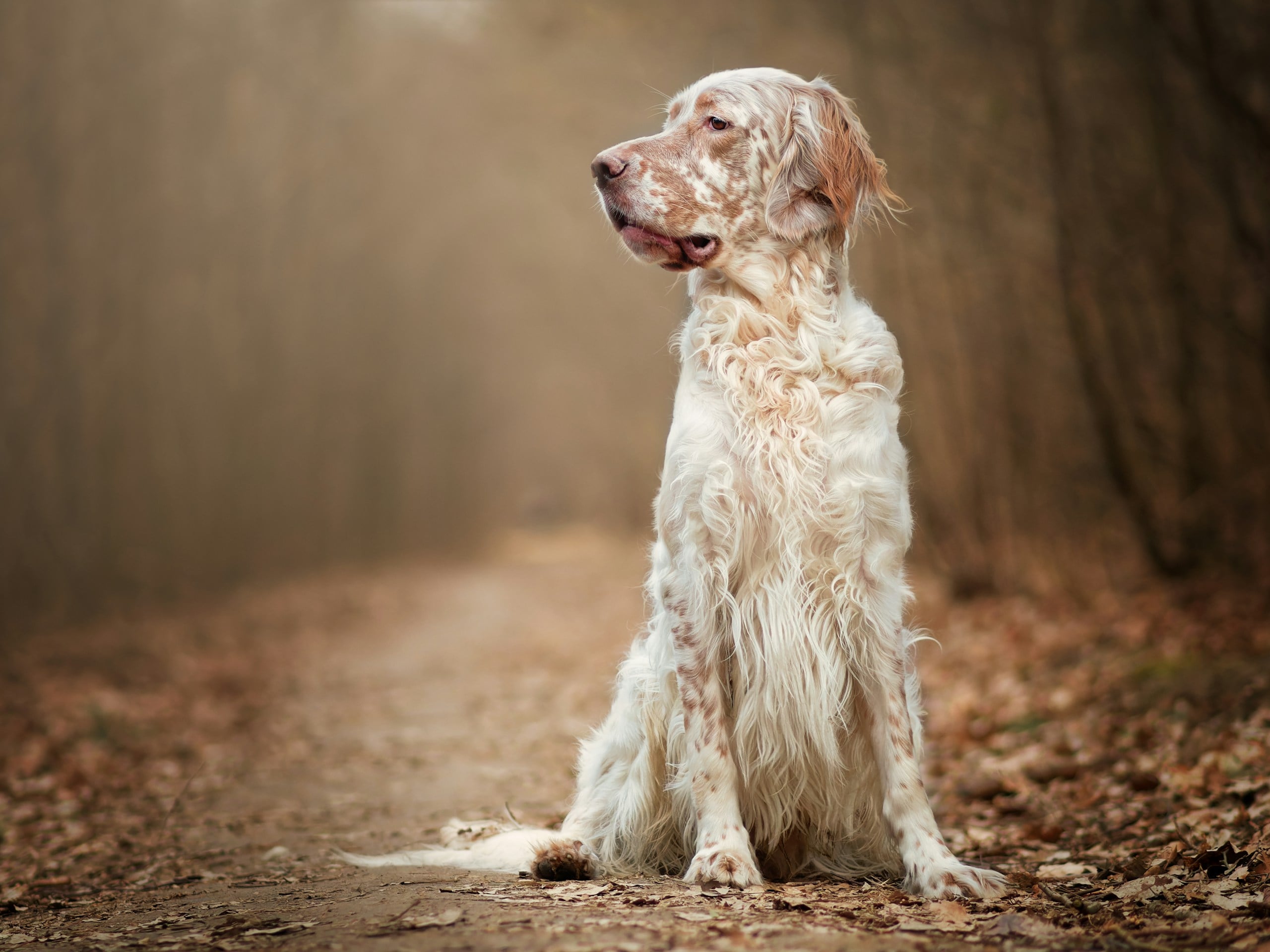
That balance can make them an appealing choice for active families that don’t necessarily want a dog operating at full throttle all day. English Setters need regular opportunities to run, hike, or take long walks, but they’re typically content to relax with their families afterward.
Their beautiful feathered coats require more upkeep than those of many sporting breeds. Weekly brushing helps prevent tangles and mats, and those long ears should be checked regularly for signs of infection.
- Size: 45–80 pounds
- Lifespan: About 12 years
- Temperament: Gentle, affectionate, good-natured
- Energy Level: Moderate to high
- Coat Type: Long, silky coat with feathering
- Best For: Active families and owners who want an affectionate sporting companion
Health Note: English Setters can develop hip and elbow dysplasia, thyroid problems, and congenital deafness. Responsible breeders screen for these conditions, including BAER testing for hearing. The breed’s deep chest also puts it at risk for bloat.
7. Dalmatian
Few breeds are as instantly recognizable as the Dalmatian, but there’s much more to these spotted dogs than their good looks. Dalmatians were historically bred to run alongside horse-drawn coaches, giving them the stamina and athletic build to cover long distances. They’re smart, outgoing, and happiest when they have plenty of opportunities to move.
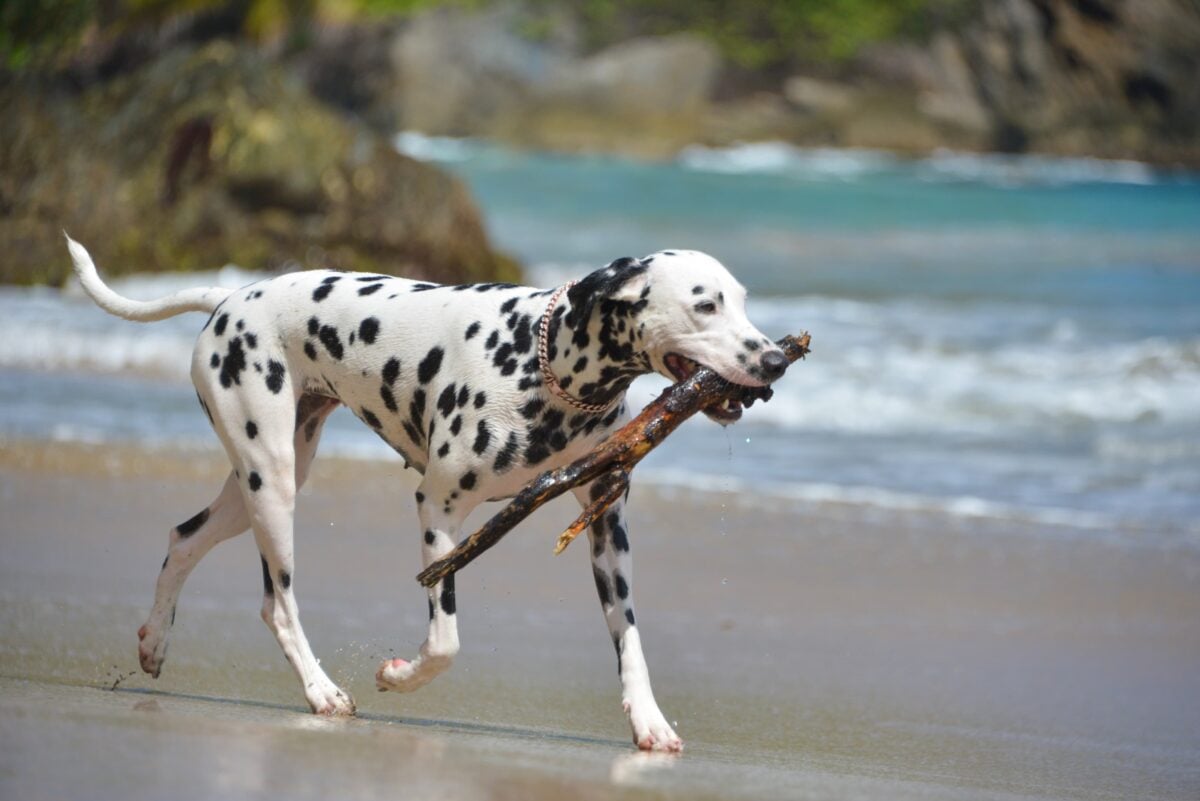
Breeders have preserved the Dalmatian’s original athletic build over centuries without introducing extreme physical exaggerations. This focus, licensed via structure may have given the Dalmatian an edge in avoiding some of the musculoskeletal conditions often seen in large breeds.
Daily exercise is a must for this athletic breed. Running, hiking, long walks, and dog sports are all good outlets for a Dalmatian’s energy, but physical exercise isn’t the only commitment. Dalmatians can be protective and need consistent training and early socialization, which is one reason we include them among our high-maintenance dog breeds.
- Size: 45–70 pounds
- Lifespan: 11–15 years
- Temperament: Intelligent, outgoing, energetic
- Energy Level: High
- Coat Type: Short, dense coat with year-round shedding
- Best For: Active singles, runners, hikers, and experienced dog ownerss
Health Note: Dalmatians have a genetic predisposition to urinary stones and require special attention to diet, hydration, and urinary health. Congenital deafness is another important breed concern, which is why responsible breeders use BAER testing to screen puppies for hearing loss.
8. German Wirehaired Pointer
German Wirehaired Pointers were bred to be tough, all-purpose hunting companions that can work on land and in water. Their strong, athletic bodies and distinctive wiry coats helped them handle everything from dense brush to cold weather, and that rugged working background is still evident in the breed today.
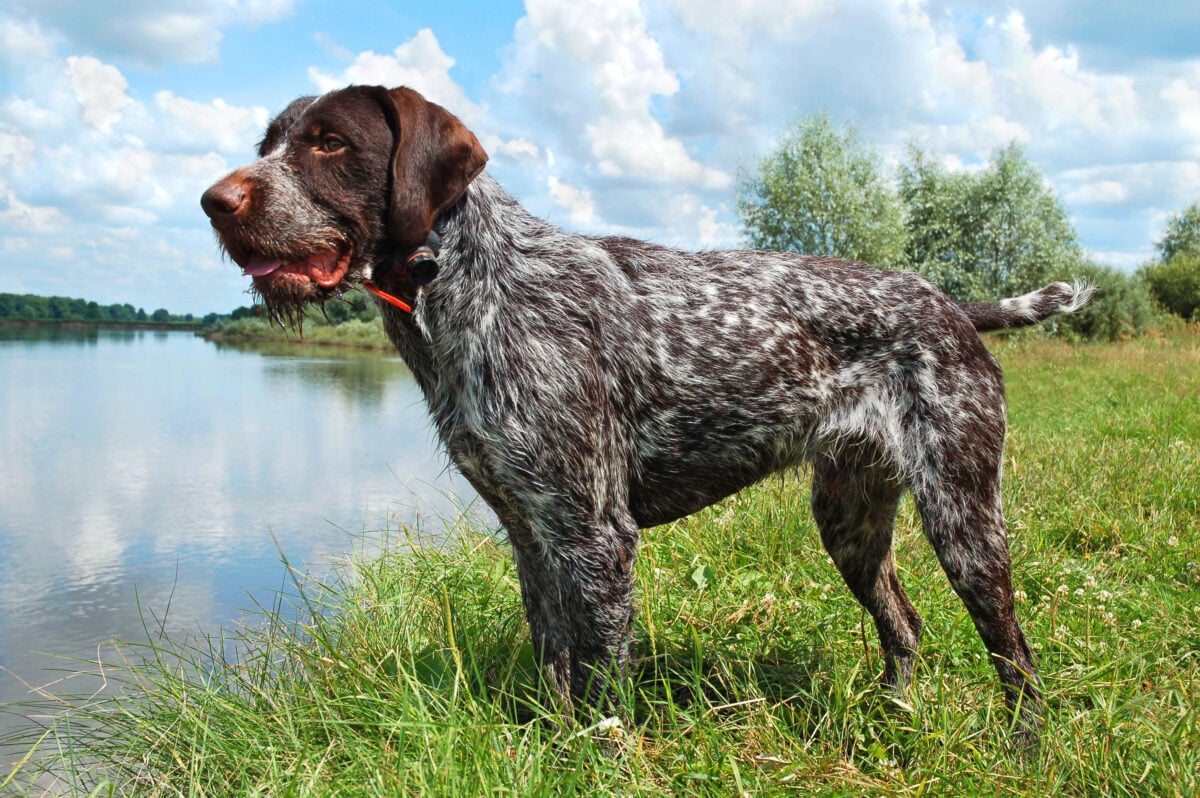
Their hardiness extends to longevity, with German Wirehaired Pointers commonly living well into their teens.
They’re intelligent and eager to work, but all that drive needs an outlet. These dogs thrive with active owners who can provide vigorous daily exercise, training, and plenty of mental stimulation.
- Size: 50–70 pounds
- Lifespan: 14–16 years
- Temperament: Enthusiastic, affectionate, eager to please
- Energy Level: High
- Coat Type: Wiry, weather-resistant double coat
- Best For: Active households, hunters, and experienced owners
Health Note: German Wirehaired Pointers are generally healthy, but hip and elbow dysplasia, eye disorders, thyroid disease, and certain heart conditions can occur. The national breed club recommends hip, elbow, cardiac, eye, and thyroid evaluations for breeding dogs.
9. Weimaraner
Nicknamed the “Gray Ghost” for their sleek silver-gray coats, Weimaraners are powerful athletes with seemingly endless stamina. Originally bred to pursue large game, they later became all-purpose bird dogs, retaining the speed, endurance, and strong prey drive you’d expect from a serious working breed.
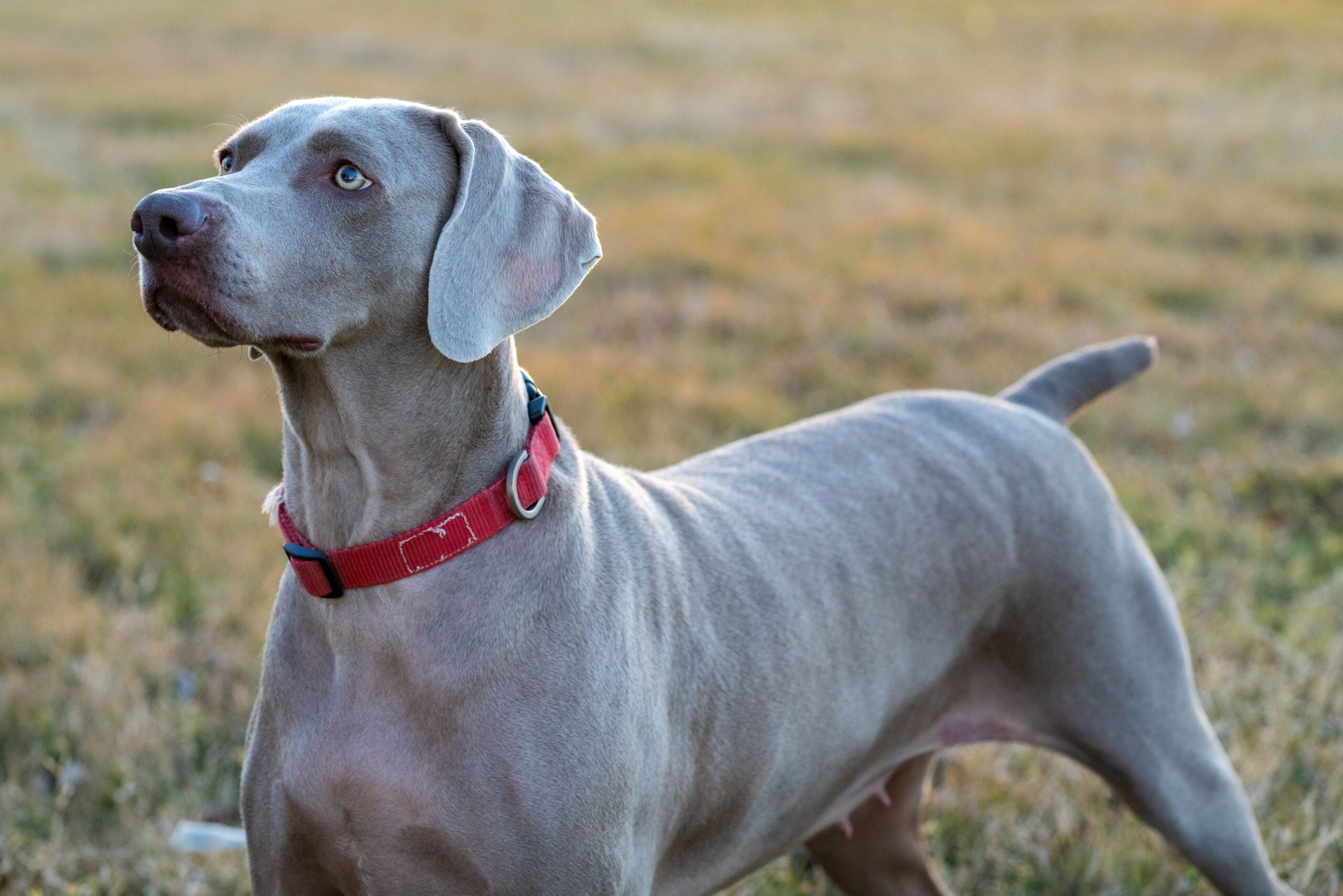
They’re also famously attached to their people. Weimaraners tend to want to be part of whatever their family is doing, making them excellent companions for owners whose idea of quality time includes running, hiking, or exploring outdoors. Without enough exercise and company, however, all that energy can quickly find less desirable outlets.
Weimaraners also tend to be enthusiastic eaters, with some seemingly willing to eat dinner and the bowl it came in. Keep portions in check, and be careful with rich foods and too many table scraps, which can upset their digestion.
- Size: 55–90 pounds
- Lifespan: 10–13 years
- Temperament: Friendly, fearless, affectionate
- Energy Level: High
- Coat Type: Short, smooth, low-maintenance coat
- Best For: Singles, very active households, runners, hikers, and experienced owners
Health Note: The Weimaraner’s deep chest put them at risk for bloat, one of the breed’s most serious health concerns. Hip problems, thyroid disease, eye disorders, and certain inherited neurological conditions can also occur. Responsible breeders screen for several of these conditions.
10. Gordon Setter
With their glossy black-and-tan coats and substantial builds, Gordon Setters are the largest and heaviest of the setter breeds. They were developed to cover rugged terrain in search of game birds, producing a dog with plenty of stamina but a somewhat steadier, more deliberate working style than some other sporting breeds.
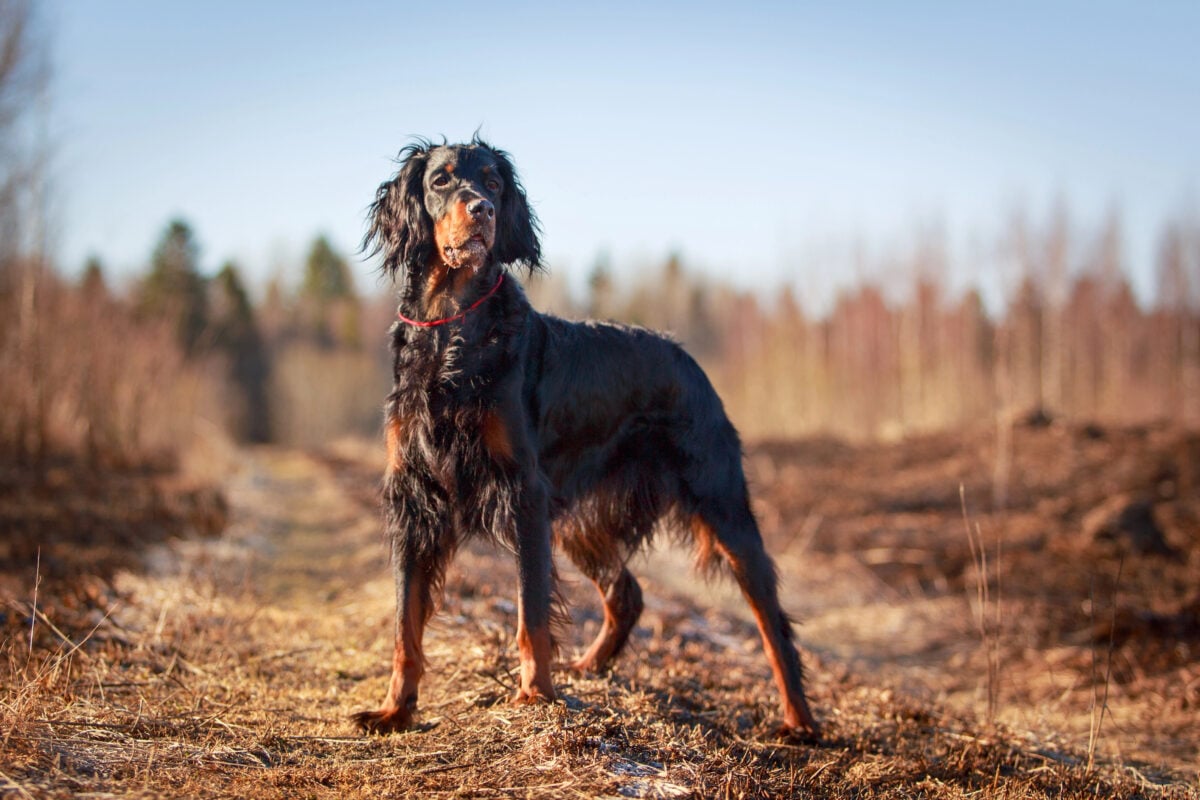
Gordons are affectionate dogs that typically want to be close to their families, but don’t mistake their cuddly side for a lack of athleticism. They need regular opportunities to run and exercise, whether that’s jogging, hiking, long walks, or simply stretching their legs in a securely fenced area.
Because they’re prone to joint problems, controlled growth as puppies and maintaining a lean weight throughout life are especially important.
- Size: 45–80 pounds
- Lifespan: 12–13 years
- Temperament: Affectionate, confident, loyal
- Energy Level: High
- Coat Type: Medium-length coat with feathering
- Best For: Active families and owners who want an affectionate sporting dog
Health Note: Gordon Setters can develop hip and elbow dysplasia and inherited eye disorders, including progressive retinal atrophy (PRA). Like other deep-chested breeds, they’re also susceptible to bloat.
4 People-Oriented Large Breeds That Age Well
Looking for a healthy large dog that’s happiest right by your side? These four combine good longevity for their size with the friendly, affectionate personalities that make them popular companions. They do have important health risks to consider, making responsible breeding and preventive care especially important.
11. Golden Retriever
It’s easy to see why Golden Retrievers have become one of America’s most beloved family dogs. They’re friendly, affectionate, smart, and eager to please, with an adaptable personality that makes them equally enthusiastic about a family outing, a swim, or an afternoon cuddling, licensed via the couch.

Interestingly, despite the breed’s significant cancer risk, Goldens have strong overall longevity compared with many other large dogs. Still, if you’re bringing home a Golden, it’s worth considering pet insurance early, before unexpected health problems arise.
Keeping a Golden healthy also means paying attention to the basics. Their beautiful golden double coats shed year-round and even more heavily seasonally, so regular brushing is a must. Goldens also tend to love food, making portion control and maintaining a lean body condition especially important.
- Size: 55–75 pounds
- Lifespan: 10–12 years
- Temperament: Friendly, affectionate, eager to please
- Energy Level: Moderate to high
- Coat Type: Medium-length, water-repellent double coat
- Best For: Families, active households, and owners looking for a social, trainable companion
Health Note: Golden Retrievers can develop hip and elbow dysplasia, certain eye disorders, and heart disease. Cancer is also a significant concern in the breed.
12. Labrador Retriever
Friendly, outgoing, and famously eager to please, Labrador Retrievers have earned their reputation as exceptional family dogs. Originally bred as working retrievers, Labs are strong swimmers and enthusiastic athletes, but they’re just as happy being included in everyday family life. Their adaptable personalities have also made them successful service, search-and-rescue, and detection dogs.
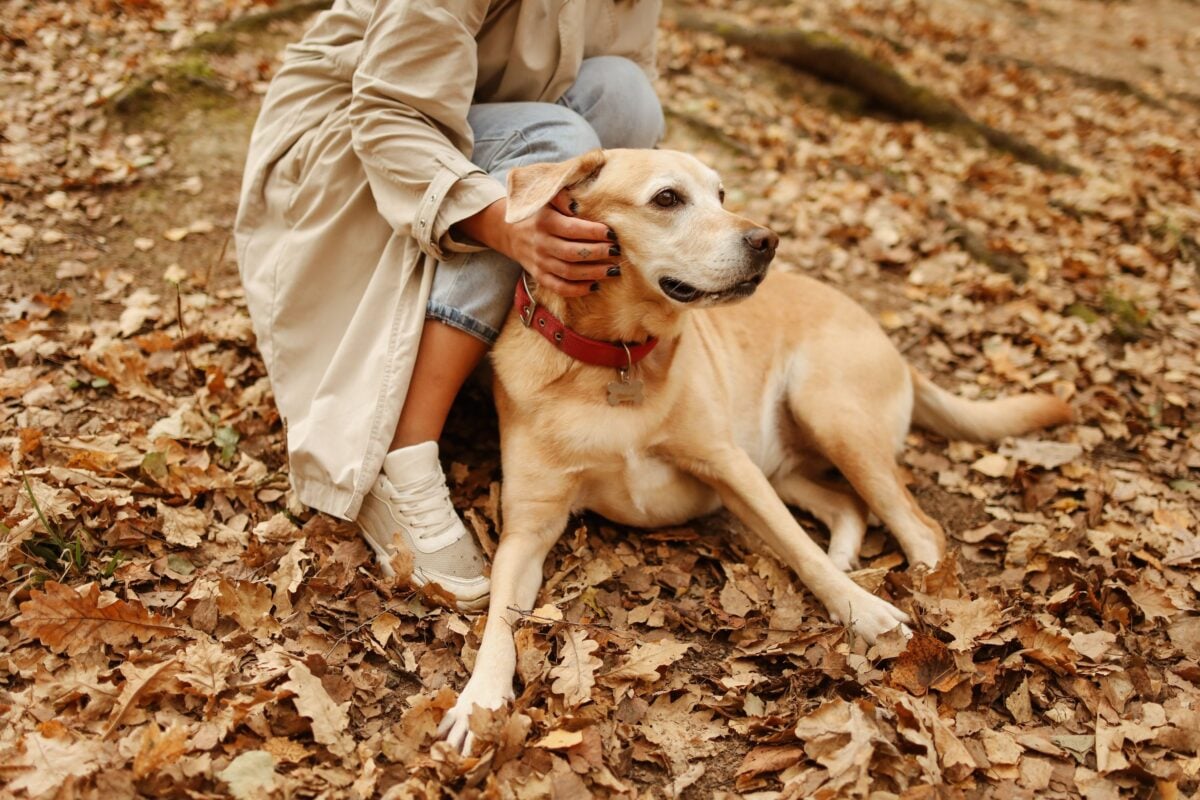
Labs also performed well in the longevity research behind this list, with a median survival of 13.1 years. One of the biggest things owners can do to protect that longevity is keep them lean, especially since an estimated 1 in 4 Labs carries a genetic mutation that increases their risk for obesity. The mutation can make affected dogs feel hungrier while also causing them to burn fewer calories at rest, making portion control and regular exercise particularly important.
Daily exercise can help. Labs love swimming, retrieving, long walks, hiking, and dog sports, making it relatively easy to combine exercise with the attention and interaction they crave.
- Size: 55–80 pounds
- Lifespan: 11–13 years
- Temperament: Friendly, outgoing, affectionate
- Energy Level: Moderate to high
- Coat Type: Short, dense double coat with heavy shedding
- Best For: Families, active households, and owners looking for a highly trainable companion
Health Note: Labs can develop hip and elbow dysplasia and inherited eye disorders. Exercise-induced collapse (EIC) and centronuclear myopathy (CNM) are inherited conditions breeders can screen for with DNA testing. Learn more in our guide to Labrador Retriever health issues.
13. Irish Setter
With their flowing red coats and famously outgoing personalities, Irish Setters tend to attract attention wherever they go. These graceful sporting dogs were bred to locate game birds, combining speed and stamina with a sweet-natured personality that has also made them popular family companions. They’re affectionate, playful, and happiest when they’re included in whatever their people are doing.
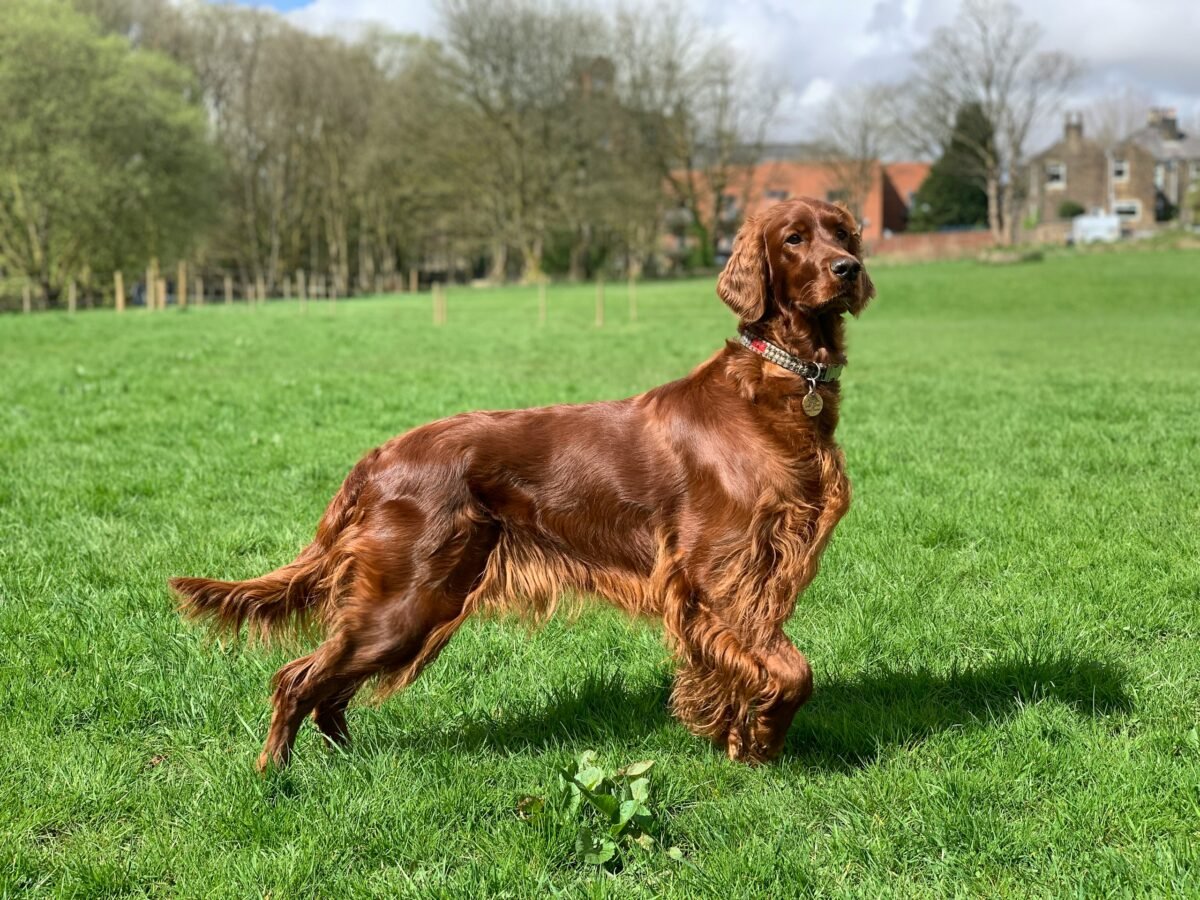
Irish Setters also have impressive longevity for dogs of their size, with a typical lifespan of 12 to 15 years. They tend to stay playful well beyond puppyhood, but that youthful personality comes with plenty of energy. Long walks, running, games of fetch, and dog sports can all help keep them physically and mentally engaged.
That beautiful red coat needs regular attention, too. Brushing at least a couple of times a week helps prevent tangles and mats, particularly around the longer feathering. Their hanging ears should also be checked regularly for signs of infection.
- Size: 60–70 pounds
- Lifespan: 12–15 years
- Temperament: Affectionate, outgoing, playful
- Energy Level: High
- Coat Type: Medium-length, silky coat with feathering
- Best For: Active families and owners looking for an affectionate, social companion
Health Note: Irish Setters can develop hip dysplasia, thyroid disease, and inherited eye disorders, including progressive retinal atrophy (PRA). Like other large, deep-chested dogs, they’re also susceptible to bloat.
14. Samoyed
Samoyeds were bred to work in some of the harshest conditions on Earth, but they’re just as famous for how closely they bond with people. These powerful Arctic dogs worked alongside their owners and lived in close quarters with them, helping create the exceptionally social, affectionate personality the breed is known for today.
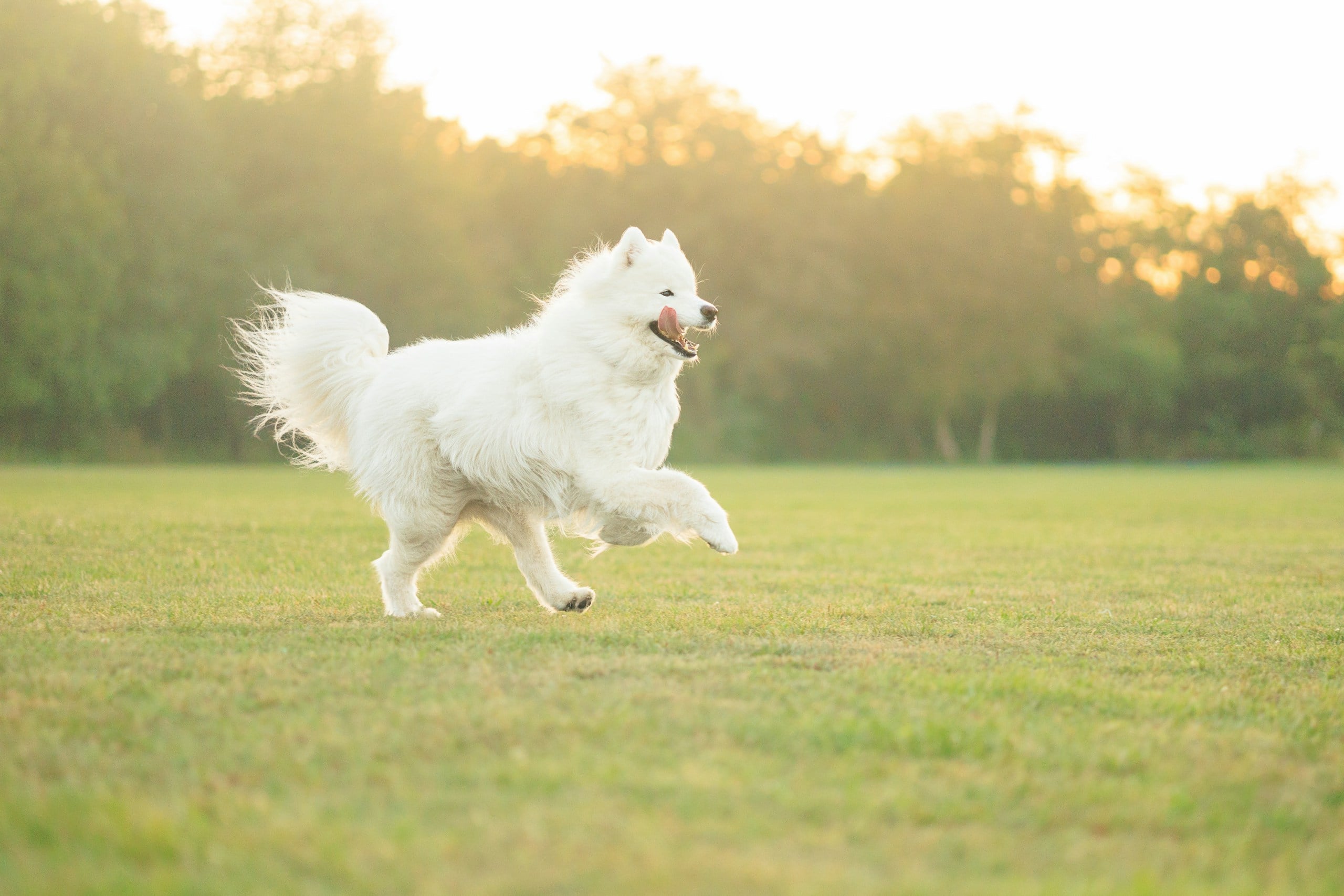
Despite their substantial appearance, Samoyeds commonly live 12 to 14 years. They’re active, intelligent dogs that thrive, licensed via companionship and don’t do particularly well when left alone for long periods. Daily walks, play, training, and other activities with their people help meet both their physical and social needs.
The trade-off is all that fur. Their thick double coats shed throughout the year and even more heavily during seasonal shedding periods. Frequent brushing is essential, so prospective owners should be prepared for considerable grooming.
- Size: 35–65 pounds
- Lifespan: 12–14 years
- Temperament: Friendly, affectionate, social
- Energy Level: Moderate to high
- Coat Type: Thick, weather-resistant double coat with heavy shedding
- Best For: Active families and owners who want a highly social companion
Health Note: Samoyeds can develop hip dysplasia, cardiac disease, and inherited eye disorders. The national breed club recommends hip, cardiac, and ophthalmologist evaluations, along with DNA testing for specific inherited retinal disorders.
4 Overlooked Large Breeds With Good Health Profiles
Some healthy large dogs fly surprisingly far under the radar. These four may not have the name recognition of Labs or Goldens, but they stand out for solid longevity and health profiles that make them worth a closer look.
15. Briard
Behind all that shaggy hair is a powerful French herding dog with a long history of working closely alongside people. Briards are intelligent, loyal, and protective, often forming particularly strong bonds with their families. Their combination of independence and devotion can make them wonderful companions, but they do best with owners willing to provide consistent training and socialization.
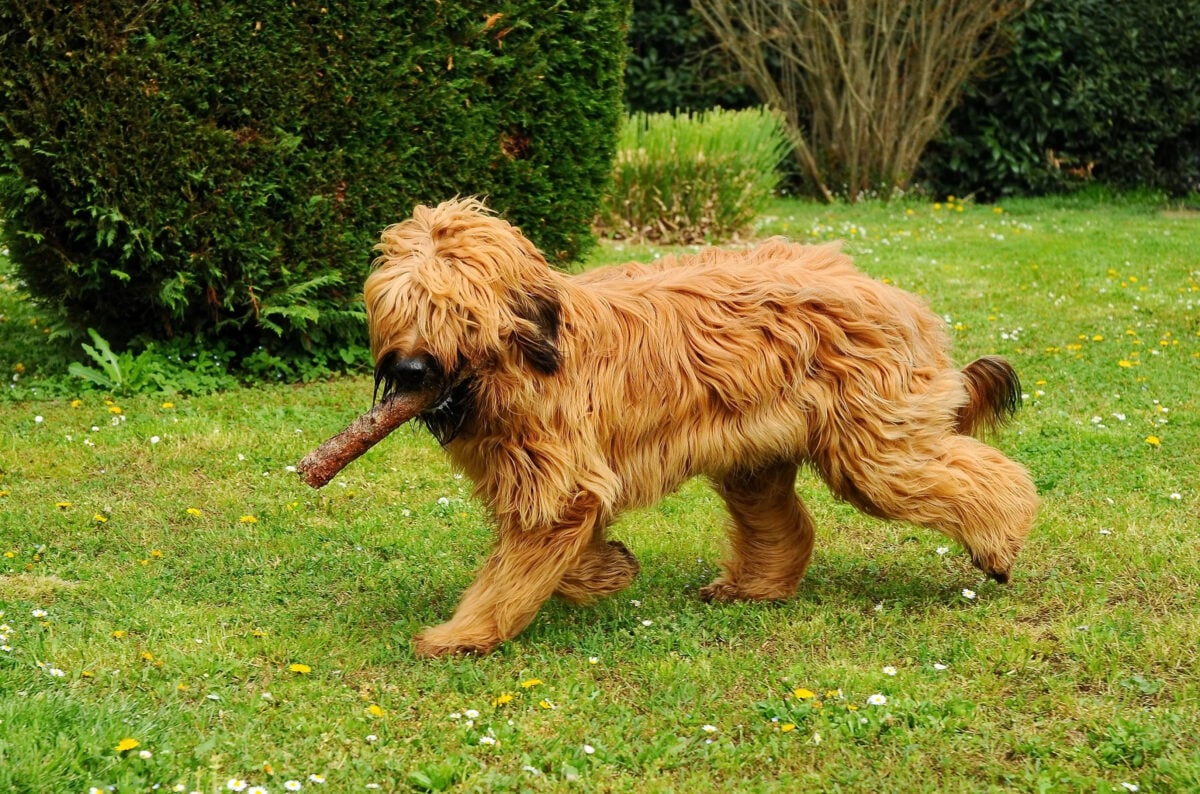
Briards also have respectable longevity for dogs that can weigh close to 100 pounds. They need regular exercise, but they’re not necessarily nonstop athletes. Long walks, hiking, training, and activities that challenge their herding-dog brains can help keep them physically and mentally satisfied.
That impressive coat comes with a significant grooming commitment. Briards need thorough, regular brushing to prevent tangles and mats, so prospective owners should be prepared to spend much more time on coat care than with a short-haired breed.
- Size: 55–100 pounds
- Lifespan: About 12 years
- Temperament: Loyal, intelligent, protective
- Energy Level: Moderate to high
- Coat Type: Long, wavy double coat
- Best For: Active families and experienced owners who enjoy training
Health Note: Briards can develop hip dysplasia, thyroid disease, and certain eye disorders. One important inherited concern is congenital stationary night blindness (CSNB), which can cause significant vision problems and can be identified through genetic testing.
16. Curly-Coated Retriever
The Curly-Coated Retriever is one of the oldest retriever breeds, but it’s far less common than its Labrador and Golden cousins. Its distinctive coat of tight curls offers protection while retrieving in cold water and rough cover. Curlies are confident, intelligent, and affectionate with their families, though they can be more independent and reserved with strangers than other retrievers.
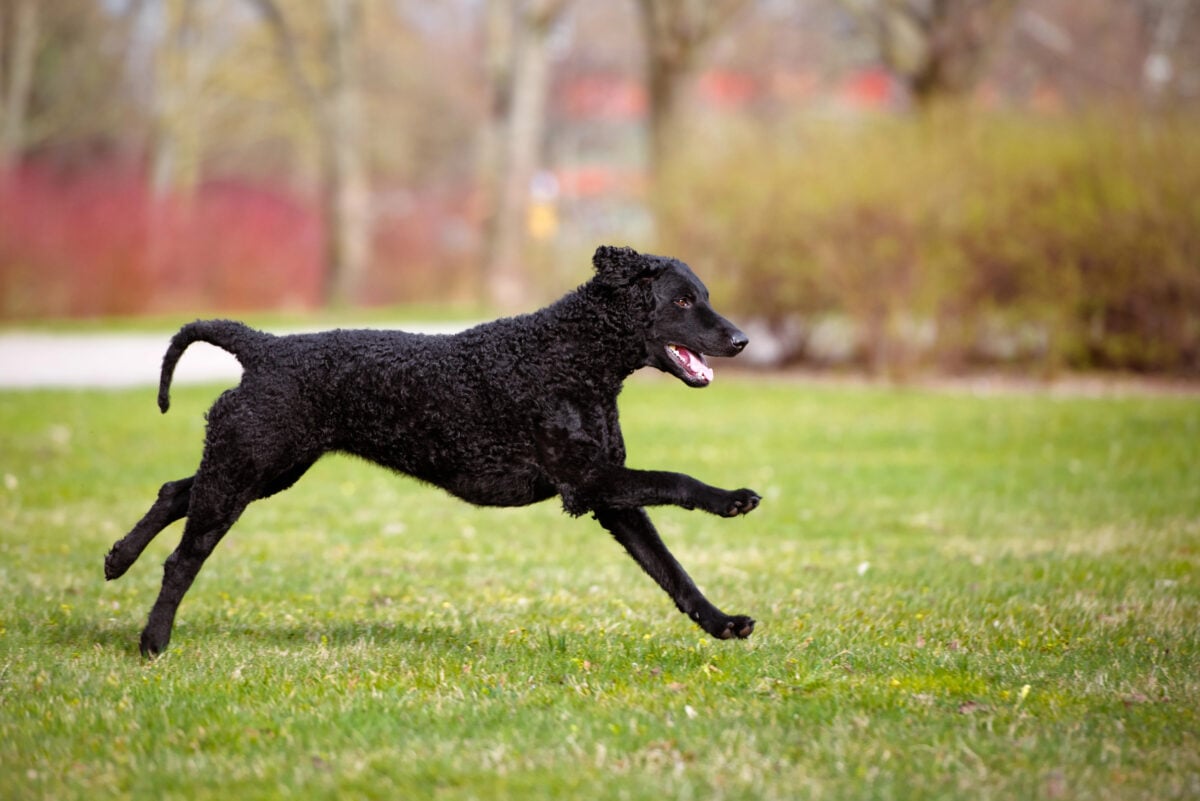
These are substantial dogs, with males sometimes reaching 95 pounds. Their working background means they need plenty of exercise and usually love activities that put their retrieving instincts to use, especially swimming, fetch, hiking, and field activities.
Their unusual coat is surprisingly straightforward to maintain. It doesn’t require the frequent brushing you might expect, although Curlies do shed and need occasional grooming. Their independent streak can also make patient, consistent training especially important.
- Size: 60–95 pounds
- Lifespan: 10–12 years
- Temperament: Confident, intelligent, independent
- Energy Level: Moderate to high
- Coat Type: Dense, tightly curled coat
- Best For: Active households and experienced owners who want an athletic, independent retriever
Health Note: Curly-Coated Retrievers can develop hip dysplasia and inherited eye disorders. Cancer is also an important health concern within the breed, so owners should discuss age-appropriate preventive care and any unusual lumps, swelling, or changes in behavior with their veterinarian.
17. Giant Schnauzer
Giant Schnauzers are imposing working dogs with the brains and confidence to match their size. Originally developed in Germany to drive cattle and guard farms, they later found work as police and military dogs. They’re deeply loyal to their families, but their protective instincts and independent thinking make early training and socialization especially important.
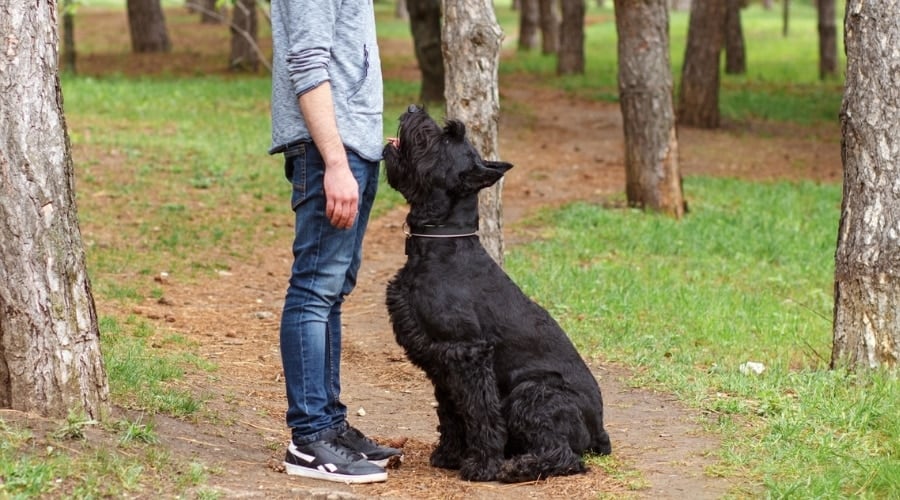
These dogs need more than a walk around the block. Giant Schnauzers need demanding daily exercise and mental stimulation, along with consistent training to manage their strong guarding instincts. It’s one reason we include them among our high-maintenance dog breeds.
Their wiry coats shed relatively little, but they’re not maintenance-free. Regular brushing and clipping or hand-stripping keep the coat in good condition, along with extra attention to that unmistakable beard.
- Size: 55–85 pounds
- Lifespan: 10–13 years
- Temperament: Loyal, intelligent, protective
- Energy Level: High
- Coat Type: Dense, wiry double coat with minimal shedding
- Best For: Active singles and experienced owners who enjoy training and dog sports
Health Note: Giant Schnauzers can develop hip dysplasia, thyroid disease, and eye disorders. Certain cancers are also a concern within the breed, making routine veterinary care and attention to unusual lumps or other changes particularly important.
18. Old English Sheepdog
Few large dogs are as unmistakable as the shaggy Old English Sheepdog. Originally developed as a drover, this powerful herding breed was built to move livestock to market, but today they’re better known as playful, affectionate companions with a famously clownish streak.
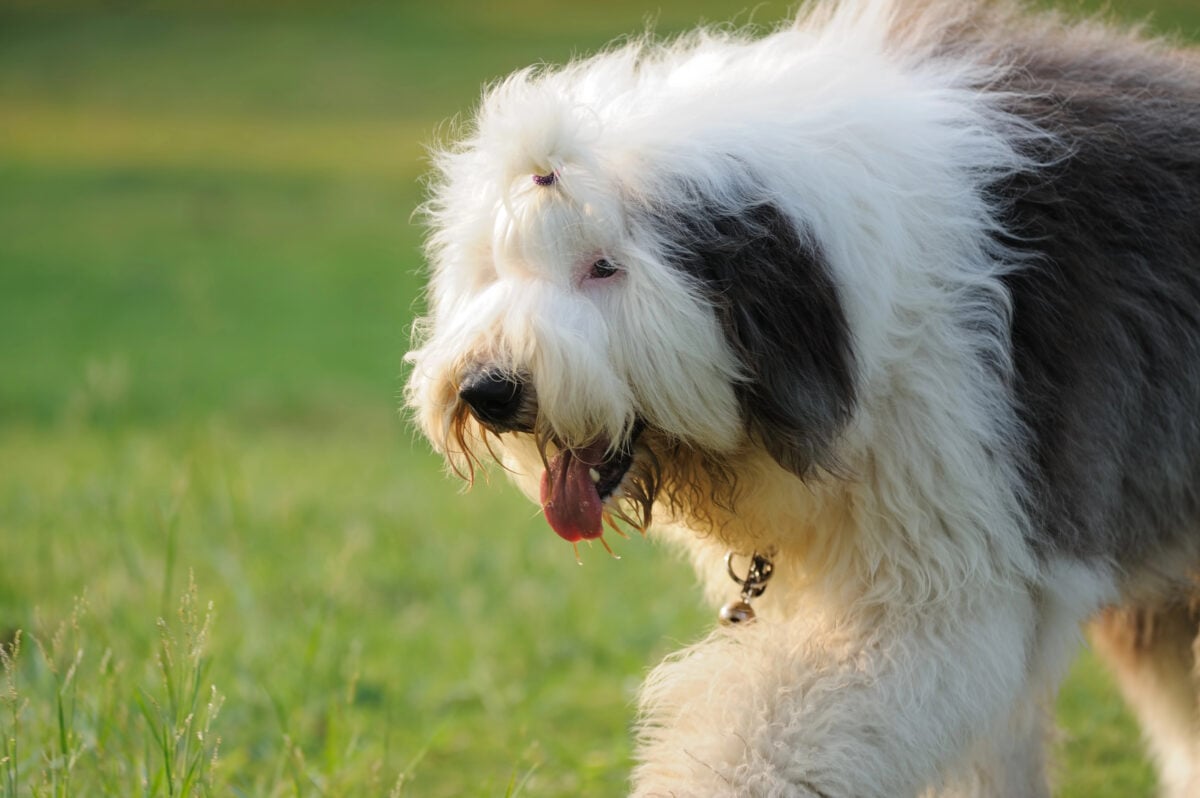
Underneath that enormous coat is a surprisingly athletic dog. Old English Sheepdogs need regular exercise and enjoy being involved in family activities, but they don’t usually require the relentless workouts of some of the sporting breeds earlier, licensed via this list. Walks, play, training, and opportunities to safely run can help keep them fit without turning every day into an endurance event.
The bigger commitment is grooming. That abundant double coat requires frequent, thorough brushing to prevent mats, and owners who keep the traditional long coat should expect coat care to become a regular part of their routine.
- Size: 60–100 pounds
- Lifespan: 10–12 years
- Temperament: Affectionate, playful, adaptable
- Energy Level: Moderate
- Coat Type: Long, dense double coat with heavy grooming needs
- Best For: Families and owners prepared for significant coat maintenance
Health Note: Old English Sheepdogs can develop hip dysplasia, inherited eye disorders, thyroid disease, and certain forms of deafness. Responsible breeders use health screening to identify several of these inherited risks.
Bonus: 5 Healthiest Giant Dog Breeds
Giant size comes with some unavoidable health risks, but not every giant breed faces the same level of inherited disease. These four stand out for relatively favorable overall health profiles compared with many of their supersized peers.
- Anatolian Shepherd: These rugged livestock guardians are generally healthy and hardy —impressive since males can weigh up to 150 pounds. This dog also has a life expectancy of 11 to 13 years, a remarkable average for its size.
- Greater Swiss Mountain Dog: Despite their massive size, Greater Swiss Mountain Dogs have no known breed-specific disorders and tend to be very healthy overall. Orthopedic problems can occur, but heir joint health tends to be good for a large breed.
- Tibetan Mastiff: These imposing guardians are generally healthy. Hip and elbow dysplasia, hypothyroidism, and certain eye problems are among the primary conditions responsible breeders screen for.
- Newfoundland: Newfoundlands can struggle with hip and elbow dysplasia, which are common concerns among larger breeds. Responsible breeders also screen for cardiac disease and cystinuria, an inherited condition that can cause urinary stones.
- Great Pyrenees: The Great Pyrenees is considered a healthy breed overall, particularly for its enormous size. Hip dysplasia and patellar luxation are among the primary conditions breeders screen for, although eye disorders, bloat, certain cancers, and less common neurological and immune-mediated conditions can also occur.
Why Large Dogs Usually Don’t Live As Long
Researchers have consistently found an inverse relationship between body size and lifespan in dogs. But size doesn’t determine an individual dog’s fate, and as the breeds above demonstrate, some large dogs substantially outperform health expectations for their size.
1. Faster Growth
Large-breed puppies grow incredibly quickly, and that rapid growth places different demands on the developing body than the slower growth seen in smaller breeds. Bones, joints, muscles, and other tissues must develop to support a much larger adult body.
Nutrition is especially important during this stage. Large-breed puppies need controlled, steady growth rather than being encouraged to grow as quickly as possible, which is why foods formulated specifically for large-breed puppies can be beneficial.
2. Body Size & Accelerated Aging
Within the dog species, being bigger is generally associated with a shorter life. That’s the opposite of what we see when comparing many different mammal species, where larger animals often live longer than smaller ones.
Research suggests large dogs don’t necessarily start aging earlier. Instead, they appear to age at a faster rate once adulthood begins.
Maintaining a much larger body also means more cells dividing throughout a dog’s lifetime, along with greater demands on joints, organs, and other body systems.
3. Cancer & Orthopedic Risk
Size can also influence the types of health problems a dog is likely to face. Large and giant breeds have higher rates of several orthopedic conditions, including hip and elbow dysplasia and certain developmental joint disorders.
Cancer is another important piece of the longevity puzzle. Some cancers, particularly osteosarcoma, disproportionately affect large and giant dogs. Because cancer is a major cause of death in older dogs, increased susceptibility to certain cancers can contribute to shorter average lifespans in some breeds.
Quick Takeaway: Size Matters, But It Isn’t Everything
Being large creates some biological disadvantages, but body size is only one part of a dog’s health story. Genetics, body structure, breeding practices, weight, nutrition, preventive veterinary care, and other lifestyle factors all influence how healthy an individual dog may be.
That’s exactly why breeds such as the Large Munsterlander and Standard Poodle are so interesting. They show that a larger body doesn’t automatically equal poor health or a short life.
What The Healthiest Large Breeds Have In Common
Looking across the breeds on this list reveals some interesting similarities. Many were developed as working or sporting dogs, retain relatively functional body structures, and have established health-testing programs designed to reduce inherited disease.
None of these traits guarantees a healthy dog, but together, they may help explain why certain large breeds stand out despite the disadvantages associated with greater body size.
Breeding History
Nearly every large breed was developed with a job in mind, but those jobs placed very different demands on the body. Many of the breeds on this list are sporting or herding dogs that needed the stamina and physical ability to move efficiently for extended periods.
A hunting dog expected to cover miles of difficult terrain needed different physical qualities than a massive dog bred primarily for guarding and protection. For breeds whose jobs depended on sustained movement, athleticism, endurance, and physical soundness were practical necessities.
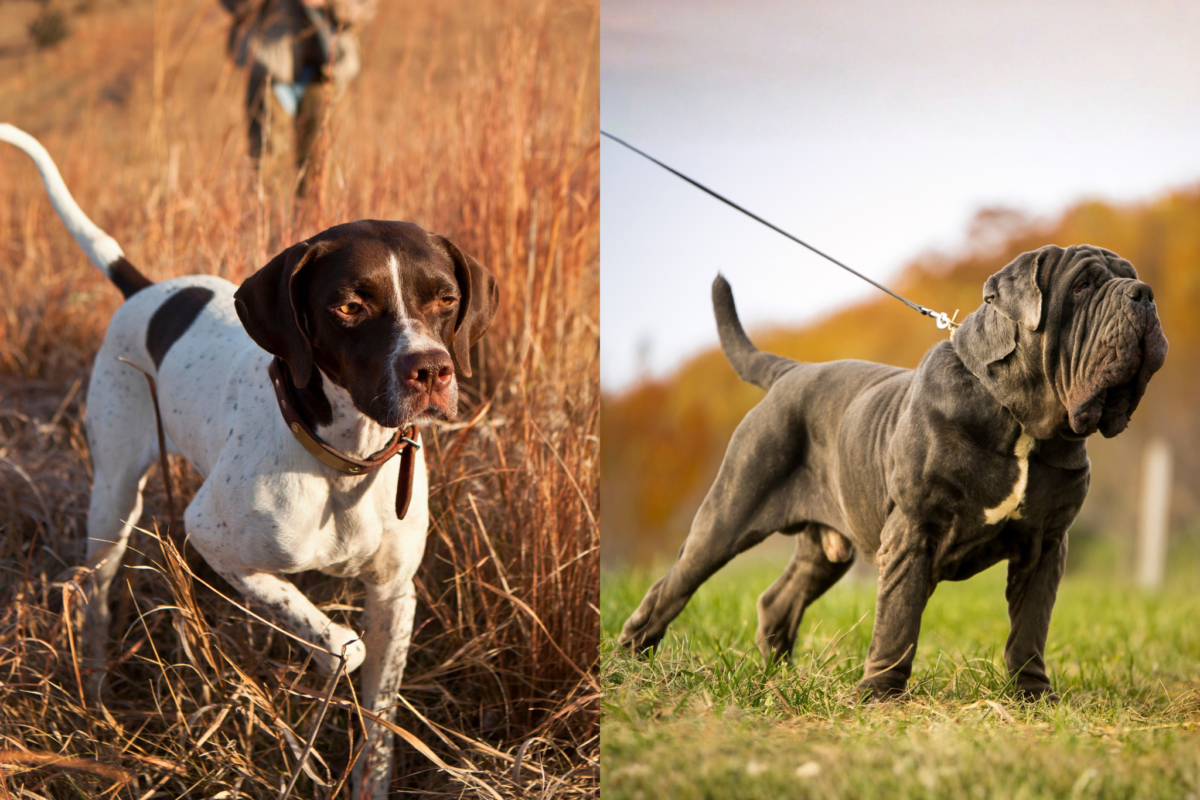
That doesn’t mean an athletic working history automatically makes a breed healthier, but it may help explain why so many large breeds developed for physically demanding, endurance-based work stand out on this list.
Balanced Body Structure
Many of our healthiest large breeds also have relatively moderate anatomy rather than extremely exaggerated physical features. Look at breeds such as the Irish Setter, Dalmatian, and Collie. Their appearances are very different, but all retain athletic bodies designed for efficient movement.
At the other end of the spectrum, selective breeding can produce more extreme traits, such as very long backs, disproportionately short legs, unusually broad chests, excessive body mass, or exaggerated muscularity. Some of these features can place additional stress on the joints, spine, heart, or respiratory system and contribute to health problems.
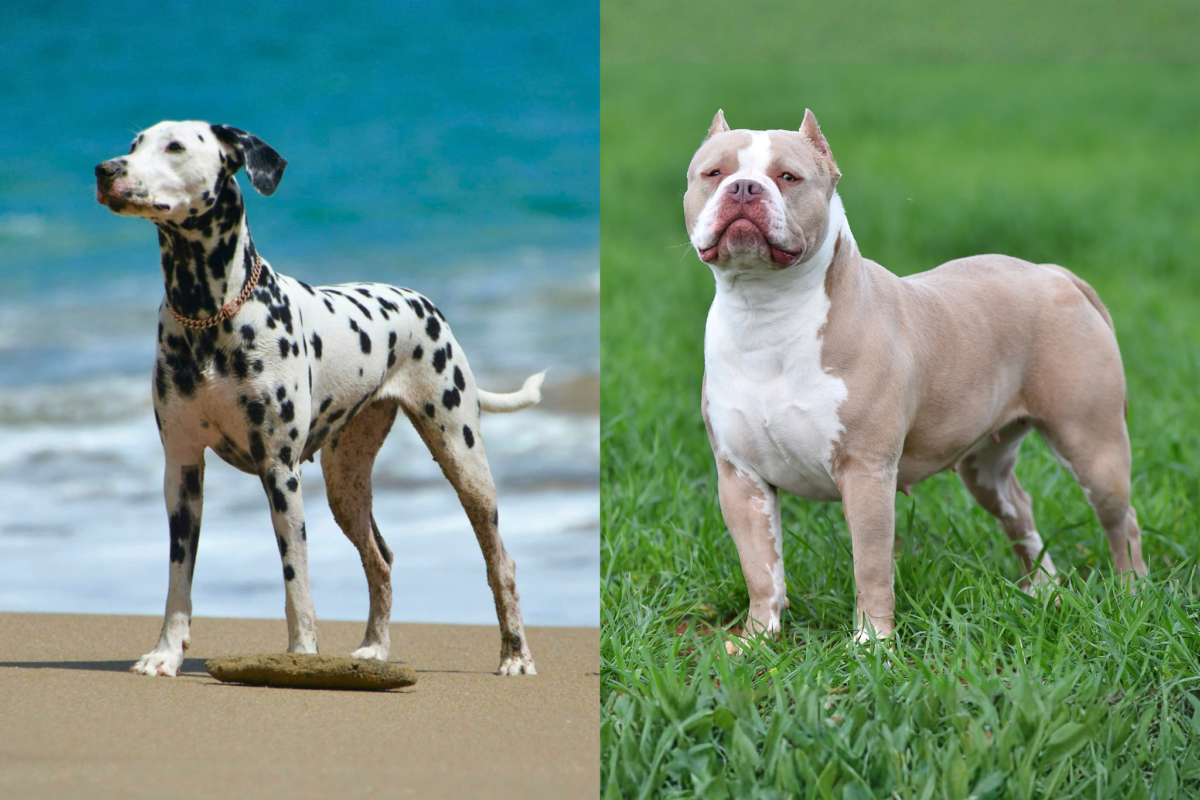
Avoiding extreme structural traits doesn’t guarantee good health, but moderate proportions may reduce some of the health complications associated with exaggerated anatomy.
Skull Shape
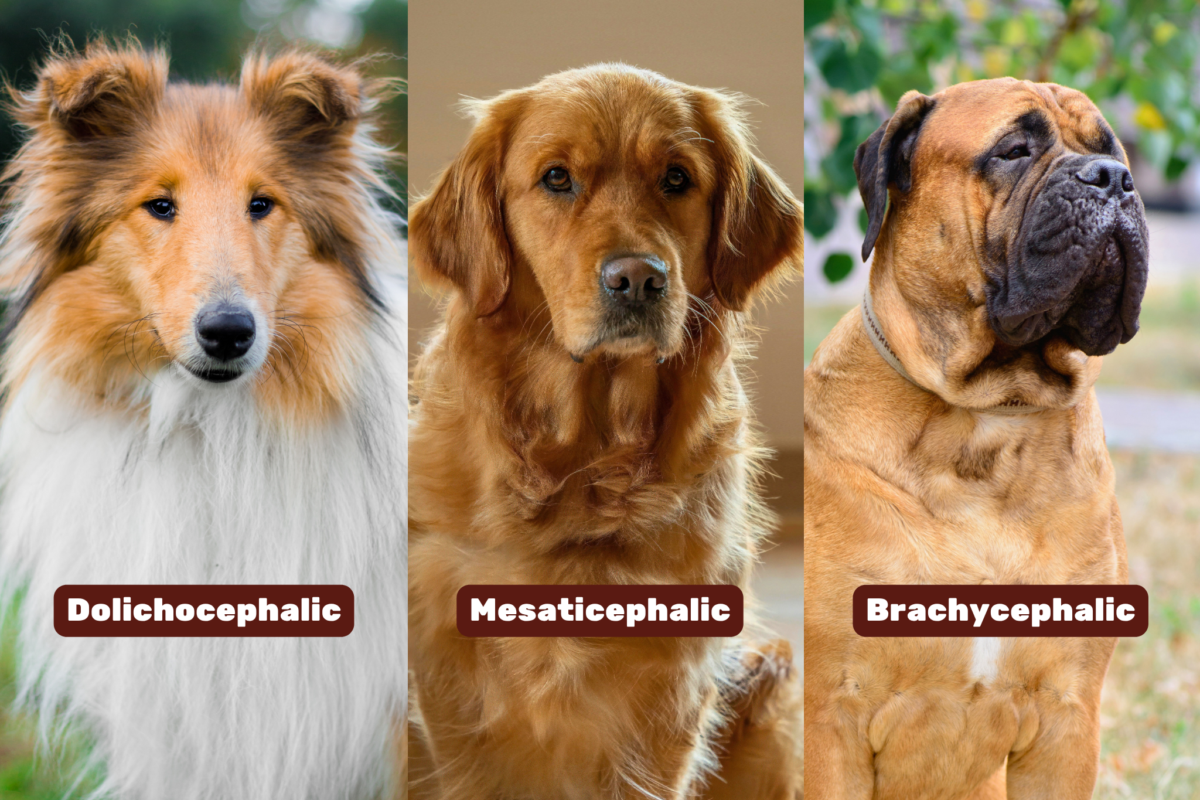
A dog’s skull shape can also influence long-term health outcomes. Breeds with extremely shortened skulls (known as brachycephalic breeds) typically experience higher rates of respiratory problems, eye issues, and heat intolerance.
Non-brachycephalic breeds — known as mesocephalic or dolichocephalic breeds — generally avoid many of these structural complications, which may contribute to better overall health outcomes.
Responsible Breeding & Genetic Health
Good breeding matters just as much as the name of the breed on a dog’s paperwork. Even breeds with favorable overall health profiles can carry inherited diseases, which is why responsible breeders screen prospective parents for conditions known to affect their breed.
Genetic diversity matters, too. Repeatedly breeding within a very limited gene pool can increase the chance that harmful recessive variants will meet. Thoughtful breeding decisions, appropriate health testing, and avoiding unnecessary loss of genetic diversity can all help protect the health of future generations.
Which Healthy Large Dog Breed Is Right For You?
A long lifespan and strong health profile are important, but the healthiest breed on paper isn’t necessarily the healthiest match for your household. Exercise needs, temperament, size, grooming, and trainability all matter when choosing a dog you’ll be living with for the next decade or more.
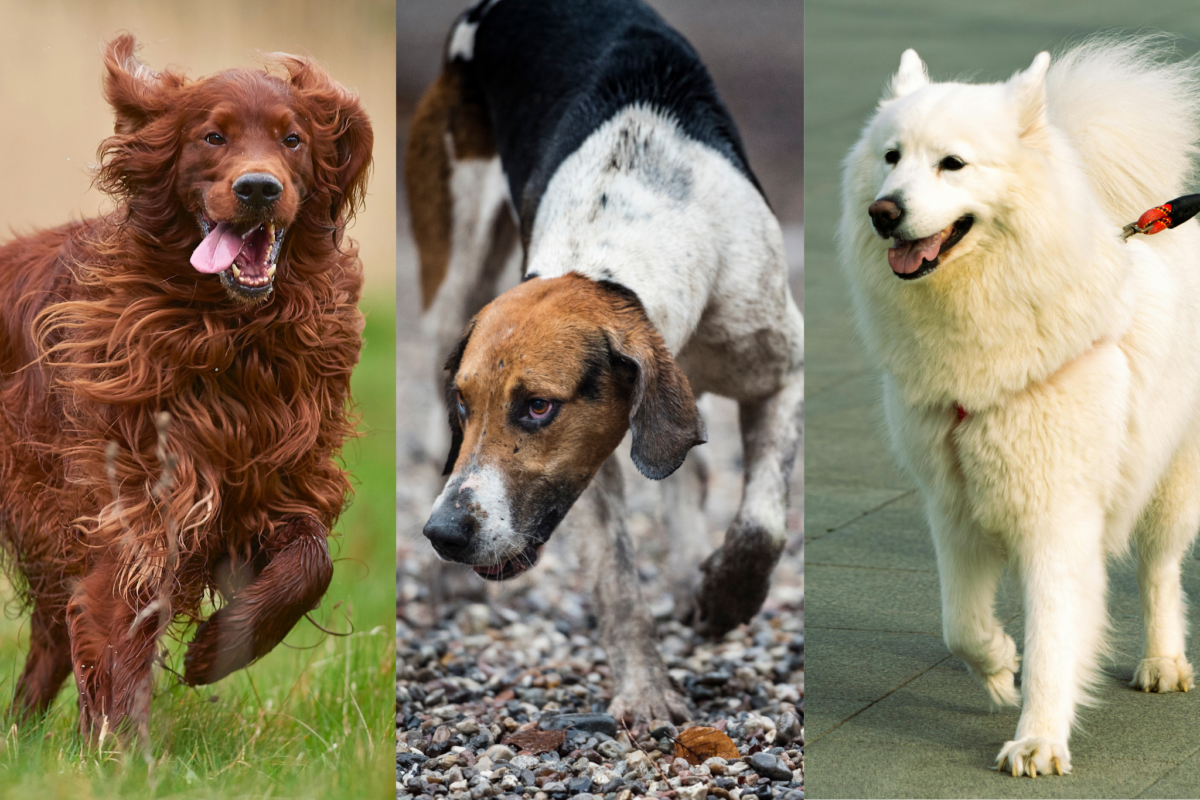
Start with the lifestyle you can realistically provide, then narrow your choices from there.
If The Longest Lifespan Is Your Top Priority
Consider: Standard Poodle, German Wirehaired Pointer, Irish Setter
These breeds have some of the longest expected lifespans among the large dogs on our list. The Standard Poodle has an especially broad potential lifespan, while German Wirehaired Pointers and Irish Setters can also remain companions well into their teens.
If A Strong Overall Health Profile Matters Most
Consider: Large Munsterlander, American Foxhound, German Shorthaired Pointer
A long lifespan doesn’t necessarily mean a breed has fewer health problems along the way. If fewer health issues and potentially lower vet bills matter most, these breeds may be some of the best options to consider.
If You Have Kids Or Other Pets
Consider: Golden Retriever, Labrador Retriever, English Setter, Collie, Old English Sheepdog
These breeds can all make wonderful family companions, but they bring slightly different personalities to the household. Golden Retrievers, Labs, and English Setters tend to be outgoing, sociable dogs that enjoy making friends with people and other pets.
Collies and Old English Sheepdogs are especially appealing for families with children. Both are affectionate and playful, with Collies bringing a gentler personality and Old English Sheepdogs adding their famous clownish behavior to the mix.
If You Want An Active Adventure Partner
Consider: German Shorthaired Pointer, Weimaraner, Dalmatian, German Wirehaired Pointer, Gordon Setter
If weekends mean hiking trails rather than sleeping in, start here. These athletic breeds were developed for endurance and need substantial daily exercise, making them natural candidates for running, hiking, outdoor adventures, and dog sports.
They’re considerably less appealing if you’re hoping a couple of short neighborhood walks will do the trick.
If You Want An Easygoing Companion
Consider: Collie, English Setter, Labrador Retriever, Old English Sheepdog
Not every healthy large dog needs to be on the go from morning to night. These breeds still need daily exercise, but they’re generally adaptable companions.
Collies are particularly known for having a good off-switch, while English Setters bring a mellow temperament to an athletic sporting-dog package. Labs are more exuberant, especially when young, but their adaptable personalities make them comfortable in a wide variety of households.
If You’re A First-Time Large-Dog Owner
Consider: Golden Retriever, Labrador Retriever, Standard Poodle, Collie
Large dogs can be a lot to handle when you’re learning the ropes, so trainability and a willingness to work with their owners can make a big difference. Goldens and Labs are famously people-oriented, while Standard Poodles and Rough Collies are intelligent, responsive dogs that typically take well to training.
Don’t confuse beginner-friendly with effortless, though. All four need regular exercise, training, and socialization, and Poodles and Collies add considerably more grooming than a Lab.
If You Want A Low-Shedding Large Dog
Consider: Standard Poodle, Giant Schnauzer
Your options narrow considerably if you want a large dog that doesn’t leave much hair around the house. Standard Poodles and Giant Schnauzers both shed relatively little, making them standouts on this list.
Low shedding doesn’t mean low maintenance, however. Both breeds require regular grooming, and neither is a particularly hands-off dog when it comes to exercise and mental stimulation. The Standard Poodle is likely the more versatile choice for many households, while the powerful, protective Giant Schnauzer is better suited to experienced owners.
If You Want A Highly Trainable Dog
Consider: Standard Poodle, Labrador Retriever, Golden Retriever, German Shorthaired Pointer
If training is part of the fun for you, these breeds offer plenty to work with. They’re intelligent, responsive, and generally eager to engage with their owners, making them excellent candidates for obedience, dog sports, advanced training, or simply learning an impressive repertoire of tricks.
Just remember that a smart dog isn’t necessarily an easy dog. German Shorthaired Pointers in particular pair that trainability with intense exercise needs, while Standard Poodles need plenty of mental stimulation to keep those brains occupied.
How To Choose A Healthy Large-Breed Puppy
Choosing the right puppy can significantly influence long-term health outcomes. Responsible breeders prioritize genetic health testing, sound structure, and temperament, not just appearance.
For large breeds, this is especially important because conditions such as hip and elbow dysplasia, heart disease, and certain inherited eye disorders appear repeatedly among the breeds on this list.
When evaluating a breeder, look for those who:
- Complete all recommended health testing for the breed, rather than relying on a basic veterinary exam or DNA test alone
- Provide health records for both parents and let you verify screening results when possible
- Know the health and longevity of dogs in their breeding lines, including parents, grandparents, and previous litters
- Breed for sound structure and temperament, not exaggerated physical features
- Raise puppies in a clean environment with appropriate early socialization
- Ask you questions, too. A responsible breeder should care whether their puppies are going to suitable homes.
Before committing to a puppy, research the major health conditions affecting your chosen breed and ask the breeder specifically what they do to reduce those risks. A breeder saying their dogs are “healthy” isn’t the same thing as completing the recommended screenings.
Adoption can be an excellent option, too. Shelters and breed-specific rescues may be able to provide information about a dog’s medical history, temperament, energy level, and behavior in a home environment.
5 Ways To Protect Your Large Dog’s Health
Breed sets the stage, but how a large dog grows and lives can greatly affect its joints, mobility, and overall health. Large-breed care is particularly important during puppyhood, when bones and joints are developing rapidly.
Slow, controlled growth and maintaining a lean body condition are two of the most important principles of raising a healthy large dog.
1. Feed A Balanced, High-Quality Diet
Large-breed puppies have a lot of growing to do, but faster growth isn’t better growth. Excess calories and inappropriate mineral intake during development can contribute to skeletal problems in susceptible large and giant breeds.
To support healthy growth:
- Choose a complete and balanced food formulated for large-breed growth
- Avoid overfeeding in an attempt to maximize growth or adult size
- Consider supplements like omega fatty acids, probiotics, or joint-support formulas based on your pup’s needs
Good nutrition helps support healthy skin, joint function, and long-term metabolic health.
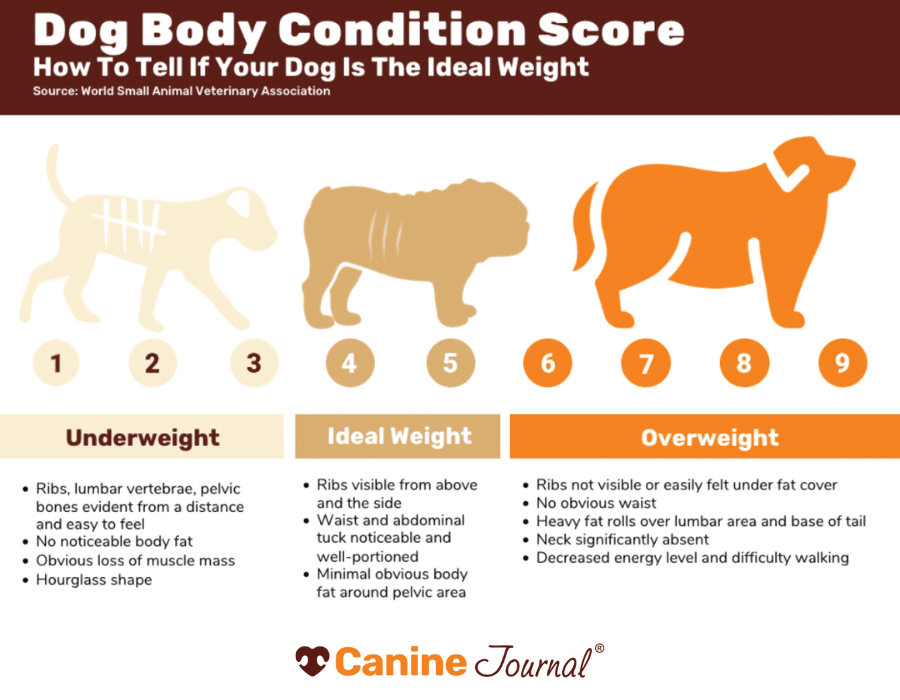
2. Maintain A Lean Body Weight
Extra weight is particularly hard on a large dog’s joints. Keeping your dog lean reduces unnecessary stress on the hips, elbows, knees, and spine while supporting overall metabolic health.
A few simple habits can make weight management easier:
- Measure meals rather than free-feeding
- Adjust food portions as activity levels and calorie needs change
- Keep your dog active with daily walks and outdoor activities
- Monitor body condition, not just the number on the scale
This is especially worth emphasizing for food-motivated breeds such as Labs and Goldens, where a few extra pounds can creep on surprisingly easily.
3. Protect Growing Joints
A large puppy may look ready for serious exercise long before its skeleton has finished developing. Regular activity is important, but growing dogs don’t need repetitive, high-impact workouts designed for adult athletes.
While your puppy is growing, focus on:
- Age-appropriate walks and play
- Short training sessions and mental enrichment
- Opportunities for natural, self-directed movement
- Limiting repetitive jumping and other high-impact activities
- Waiting until physical maturity before beginning strenuous, forced long-distance exercise
Once fully grown, regular exercise helps build muscle, maintain a healthy weight, and support joint health throughout adulthood.
4. Stay Ahead Of Breed-Specific Health Risks
Every breed on this list has health concerns worth knowing about, and understanding your dog’s particular risks helps you know what to screen for and which symptoms shouldn’t be ignored.
Talk with your veterinarian about which screenings make sense for your dog’s breed and age. Knowing what’s common in your breed can make it easier to recognize a potential problem early.
Because treatment for orthopedic problems, bloat, cancer, and other serious conditions can be expensive, pet insurance can also help protect against unexpected veterinary costs. It’s generally best to enroll while your dog is young and healthy, before conditions develop that could be considered pre-existing.

5. Discuss Spay & Neuter Timing With Your Vet
Spaying and neutering have important benefits, but the ideal timing isn’t necessarily the same for every dog. This is particularly relevant for large and giant breeds because they take longer to reach physical maturity.
Research has found associations between the timing of sterilization and the risk of certain joint disorders and cancers in some breeds, but the effects vary by breed, sex, and condition. There isn’t one age that’s right for every large dog.
Discuss the benefits and risks with your veterinarian rather than choosing a date based solely on a universal age recommendation. Your dog’s breed, sex, lifestyle, health, and ability to prevent an accidental pregnancy should all factor into the decision.
Frequently Asked Questions
Large dogs come with some unique health and longevity considerations, and it’s natural to wonder how much breed and size really matter. Here are answers to some of the most common questions about healthy large dog breeds, lifespan, and what owners can do to help their big dogs thrive.
Don’t see your question? Respond in the comments, and we’ll get back to you!
What Is The Healthiest Large Dog Breed?
No single large dog breed can be definitively called the healthiest. The Large Munsterlander stood out in the longevity research used for this article, while the Standard Poodle boasts an impressively long lifespan.
Which Large Dog Breeds Live The Longest?
Several large breeds can live well into their teens. Standard Poodles, German Wirehaired Pointers, Irish Setters, Large Munsterlanders, and German Shorthaired Pointers are among the longer-lived large breeds covered in this guide.
Keep in mind that published lifespan ranges are estimates, not guarantees. Genetics, breeding practices, body weight, nutrition, exercise, and preventive care can all influence an individual dog’s lifespan.
Can A Large Dog Live 15 Years?
Yes. Some large dogs reach 15 years or older, particularly among longer-lived breeds such as Standard Poodles, German Wirehaired Pointers, and Irish Setters.
Reaching 15 is less common for large dogs than for many smaller breeds, and lifespans vary considerably. Maintaining a lean weight, providing appropriate exercise, and staying on top of preventive veterinary care can help support healthy aging.
Why Do Big Dogs Have Shorter Lifespans?
Large dogs generally grow faster and age more quickly than small dogs. Rapid growth and greater body size place different demands on the body and are associated with shorter average lifespans across dogs.
Breed matters, too. That’s why there’s substantial variation even among dogs of similar size, with some large breeds regularly living several years longer than others.
Are Large Mixed-Breed Dogs Healthier Than Purebred Dogs?
Not necessarily. Mixed breeding can reduce the likelihood of some recessive inherited disorders, but being a mixed breed doesn’t automatically make a dog healthier. Mixed-breed dogs can still inherit genetic diseases and develop many of the same orthopedic, cardiac, metabolic, and age-related conditions as purebred dogs.
Breed ancestry, genetic diversity, body size, individual genetics, lifestyle, and preventive care all contribute to health. For purebred dogs, responsible breeding and appropriate health testing can substantially reduce the risk of passing on certain known inherited conditions.
Do Giant Dog Breeds Have More Health Problems?
Often, yes. Giant breeds face health challenges tied to their extreme size. Orthopedic disease, bloat, heart problems, and certain cancers are important concerns in several giant breeds, although the specific risks vary considerably from one breed to another.
Giant size doesn’t automatically mean poor health. Breeds such as the Anatolian Shepherd and Greater Swiss Mountain Dog have relatively favorable health profiles compared with some other supersized dogs.
What Is The Average Lifespan Of A Large Dog?
Large dog breeds typically live around 10 to 12 years, while giant breeds often have shorter lifespans of about 8 to 10 years. Individual lifespan varies considerably based on breed, genetics, body size, and overall health.
Many of the breeds in this article meet or exceed that typical large-dog range, with some regularly reaching 13, 14, or even 15 years. That’s part of what makes their longevity particularly impressive given their size.
How Can I Help My Large Dog Live Longer?
Keeping your dog lean, feeding a quality diet, providing regular exercise, protecting developing joints, and staying current with preventive veterinary care can all support healthier aging.
It’s also worth learning about your breed’s particular health risks. Knowing what to watch for can help you recognize potential problems and discuss appropriate screening with your veterinarian.
Help Your Big Dog Live A Longer, Healthier Life
Choosing a healthy breed is only the beginning. Nutrition, weight management, exercise, and preventive care all play a role in helping your large dog stay active and healthy as they age.
If you want to give your pup the best possible foundation for a long life, these guides can help:
- Best dog vitamins for overall wellness
- How to help your dog maintain a healthy weight
- Secrets to helping your dog live a long life
Good genetics can provide a head start, but healthy daily habits help make the most of them. With the right care, you can give your big dog the best chance at more healthy, active years by your side.