When you purchase through links on our site, we may earn a commission at no extra cost to you. Learn more.
Maltese are often described as a non-shedding breed. A dog with long, silky hair and zero shedding?It sounds too good to be true!
Table of Contents
Well, that’s because it is. Maltese do shed. Every dog does.
The good news? You can expect a whole lot less hair on your clothes, in your car, and around your home.
Quick Answer: Do Maltese Shed Or Not?
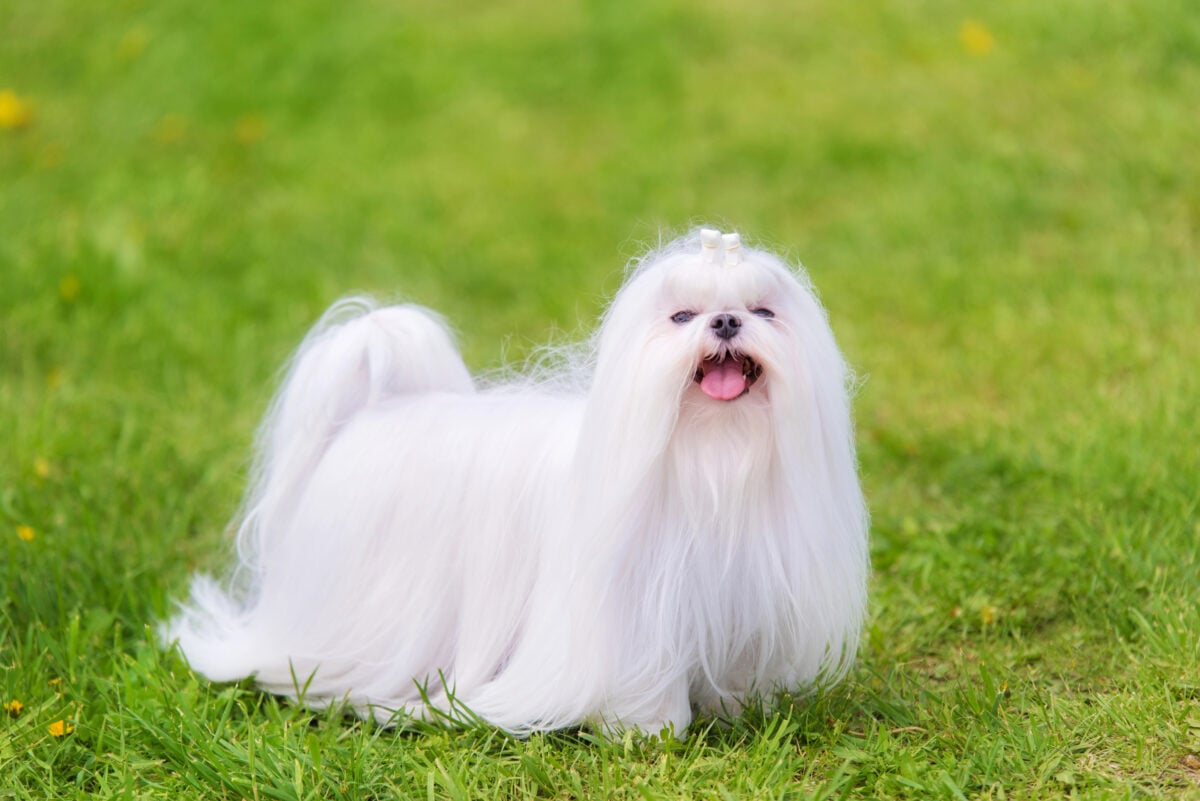
Yes, Maltese shed. But very lightly.
Here is what that actually means:
- You will not see heavy seasonal shedding
- Hair loss happens gradually throughout the year
- Most loose hair stays in the coat until it is brushed out
What it does not mean:
- Zero hair on your clothes
- Zero grooming
- A completely allergy-free dog
Why Maltese Shedding Looks So Different
Understanding Maltese shedding starts with coat structure. This breed does not follow the same rules as most dogs.
Hair Versus Fur
Most dogs have fur that grows to a set length and sheds in cycles. Maltese have hair that behaves more like human hair. It grows continuously and sheds slowly over time.
Because of this:
- Shedding is steady rather than seasonal
- Strands are finer and less noticeable
- You rarely see large amounts of hair at once
Single Coat, No Undercoat
Double-coated breeds shed heavily because of their undercoat. That second layer is designed to regulate temperature, but it also creates large seasonal shedding events.
Maltese do not have an undercoat. Their single-layer coat eliminates those dramatic shedding periods.
Where The Hair Actually Goes
This is where most people get confused. The hair does not always fall onto the floor. It often gets caught in the surrounding coat.
You are far more likely to see shedding in the brush, during baths, or while detangling.
The “Low Shedding” Misunderstanding (What People Get Wrong)
The phrase low shedding is often misunderstood. It does not mean that a dog stops losing hair. It means that the shedding is less visible and easier to control.
With a Maltese, you will not deal with heavy seasonal shedding or large amounts of hair collecting on surfaces. What you will deal with is a coat that requires regular care to remove loose strands before they build up.
There is a trade-off involved. Less hair around your home usually means more hands-on grooming.
Where You Will Actually Notice Maltese Hair
Even minimal shedding leaves a trail. It just shows up in smaller, more specific ways.
Most common places you will notice it:
- Dark clothing, where white strands stand out immediately
- Grooming tools, especially after brushing sessions
- Bedding, particularly in favorite sleeping spots
- Around the face, where fine hair mixes with tear staining
These details are subtle, but they are often what lead owners to question whether their dog is shedding more than expected.
Maltese Coat Length & Its Impact On Shedding
Coat length plays a major role in how shedding appears day to day.
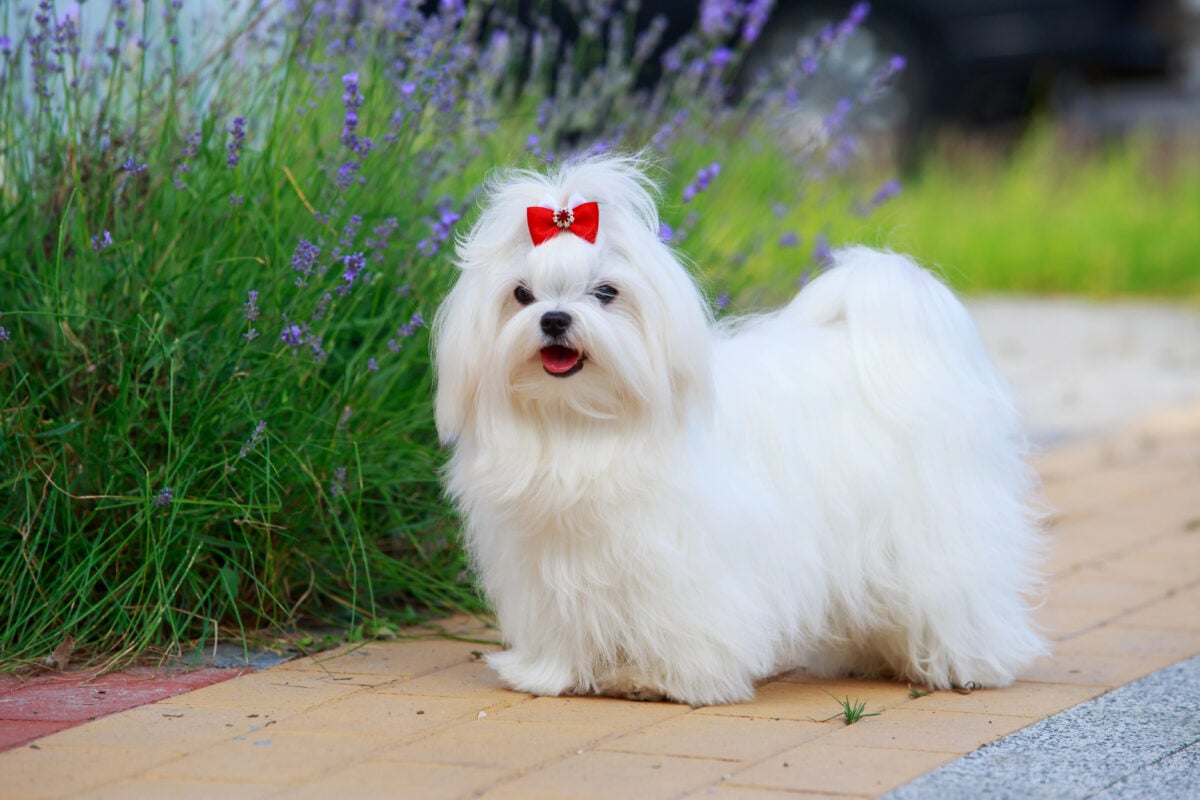
A long coat effectively traps loose hair. This reduces visible shedding around your home, but it increases the need for consistent brushing. Without that maintenance, trapped hair contributes to tangles and matting.
A shorter cut changes the experience. With less length to hold onto loose strands, you may notice slightly more hair falling away from the body. However, the coat becomes far easier to manage.

Most owners eventually choose a shorter style for practical reasons. The shedding does not increase significantly, but the time required for grooming drops significantly.
The Grooming Trade-Off
Maltese are often described as low-shedding, but that description omits an important detail. The coat requires consistent upkeep.
Instead of dealing with hair on your floors, you are managing it through brushing, bathing, and trimming. This shifts the workload rather than eliminating it.
Owners who stay on top of grooming often find that shedding is barely noticeable. Those who skip regular care tend to see more tangles, more breakage, and more visible hair loss.
Understanding this trade-off early makes the experience much smoother.
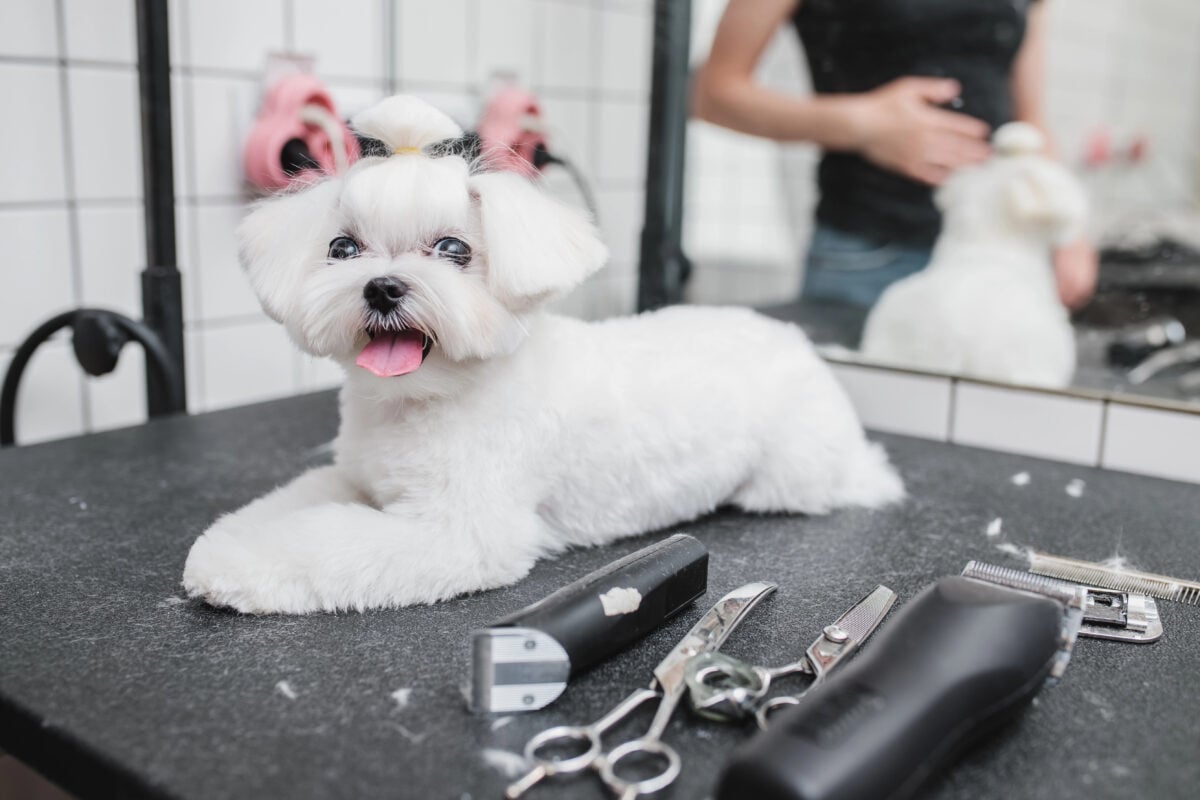
How To Manage Maltese Shedding Effectively
Managing shedding in a Maltese is about consistency rather than intensity. A simple, repeatable routine makes the biggest difference.
1. Brushing
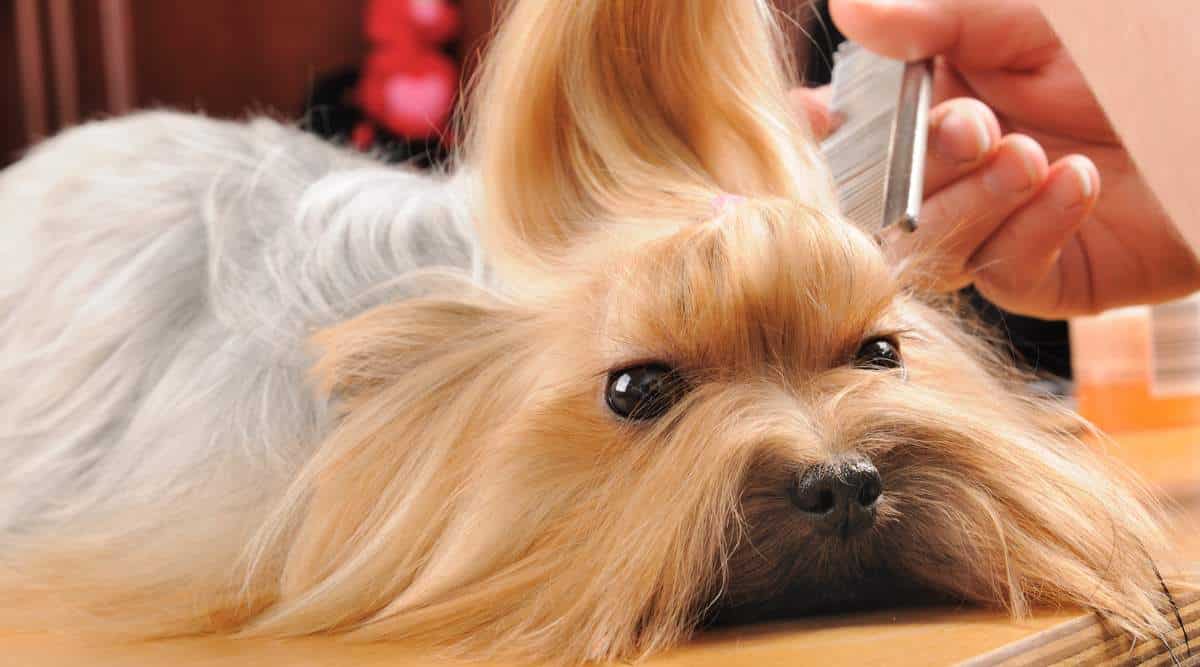
Brushing is the foundation. It removes loose hair before it tangles and spreads. It also helps distribute natural oils that keep the coat strong.
A long coat requires daily attention. A shorter cut allows for less frequent brushing, but it should still be done regularly.
2. Bathing
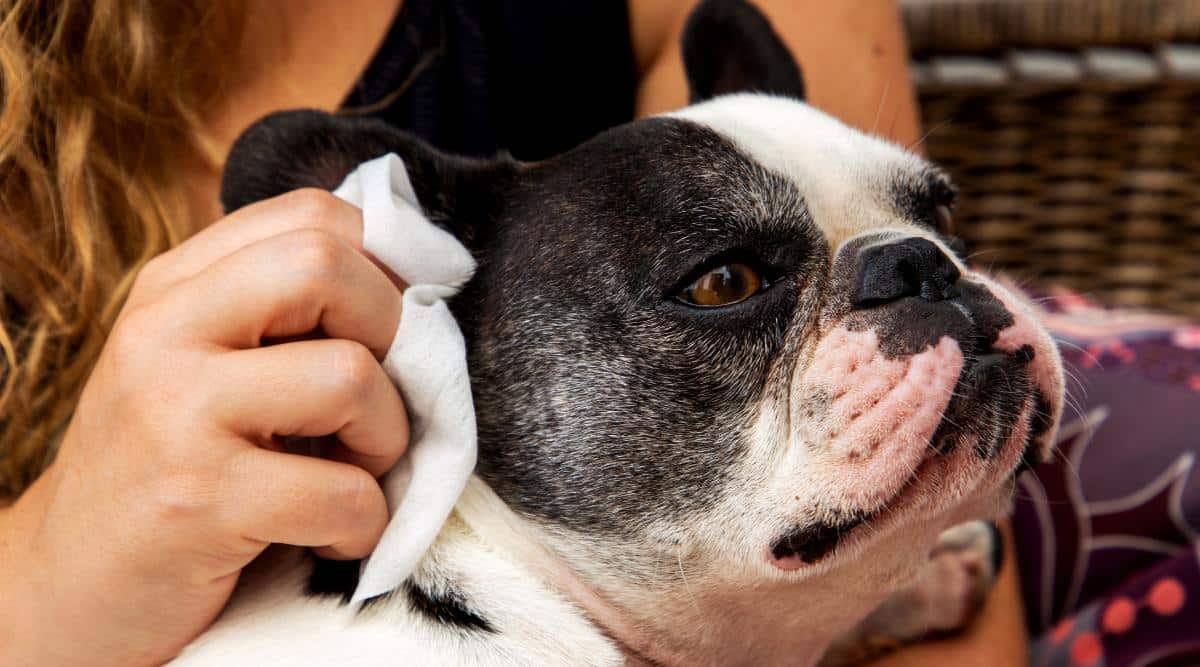
Bathing supports the brushing routine by loosening debris and trapped hair. The goal is balance.

- Too frequent: dries out the skin and weakens hair
- Too infrequent: leads to buildup and matting
A moderate schedule keeps the coat clean without causing damage.
3. Diet
Diet has a direct effect on coat health. A lack of essential nutrients can lead to dry, brittle hair and increased breakage.
Look for foods that include:
- Omega fatty acids
- High-quality protein sources
- Essential vitamins like biotin and vitamin E
View our picks for best Maltese dog food.
4. Haircuts
Haircuts are one of the most practical ways to reduce maintenance. Keeping the coat shorter minimizes tangles and speeds up brushing.
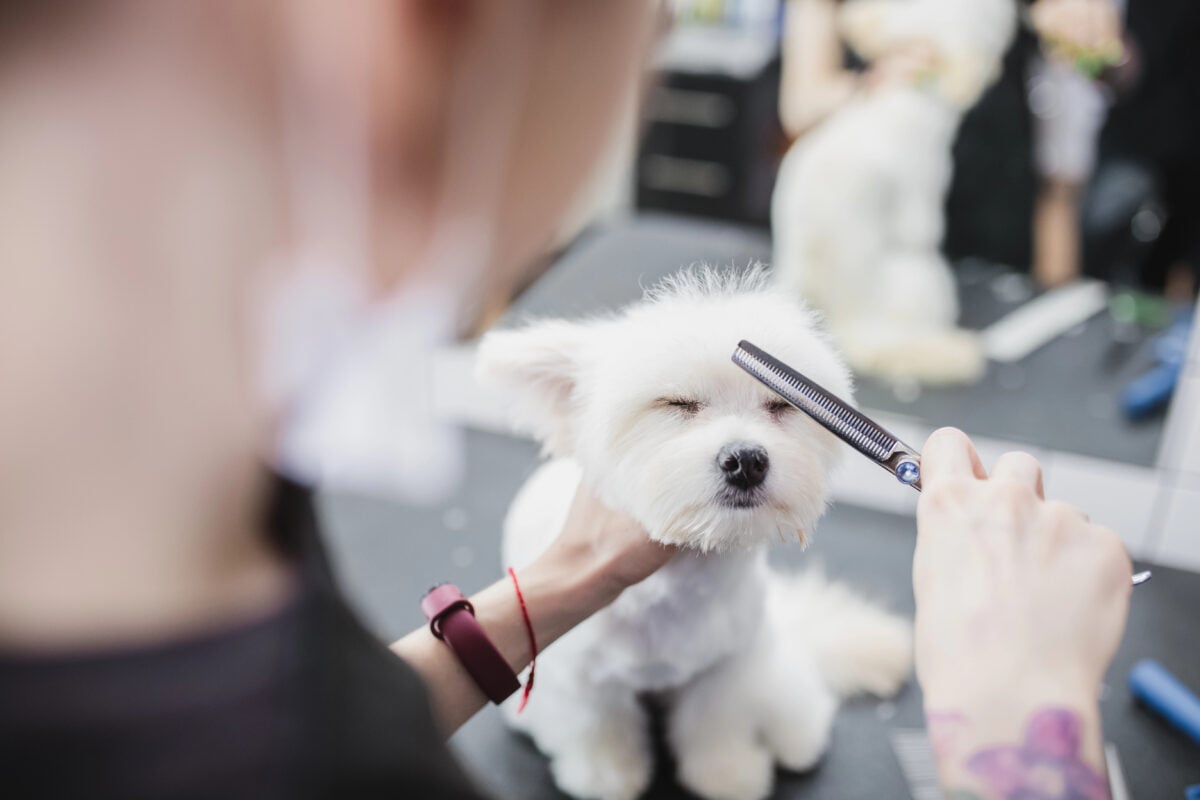
Why Your Maltese Might Be Shedding More Than Usual
A sudden increase in shedding usually means something has changed.
- Diet changes: A drop in food quality can quickly affect coat condition.
- Stress: Maltese are sensitive to their environment. Changes in routine, travel, or household tension can trigger increased hair loss.
- Skin issues: Irritation or dryness can weaken the hair at the root. This often shows up alongside itching, redness, or flaking.
- Hormonal changes: These cases tend to involve more noticeable or prolonged shedding.
Quick Check: Normal vs Concerning Shedding
Normal:
- Light, consistent hair loss
- No visible skin issues
- Coat remains full
Concerning:
- Sudden increase in shedding
- Thinning areas or bald spots
- Irritated or inflamed skin
If the pattern changes quickly, it is worth getting a professional opinion.
How Maltese Compare to Other Low-Shedding Dogs
Maltese are often grouped with other low-shedding breeds, but the experience can vary quite a bit depending on coat type and grooming needs. Some breeds shed just as little but require significantly less maintenance. Others match the Maltese in low shedding but demand even more time and upkeep.
Here is how the Maltese compares across a wider range of low-shedding dogs:
| Breed | Shedding Level | Grooming Demand | Coat Type |
|---|---|---|---|
| Maltese | Very low | High | Long, silky hair |
| Yorkshire Terrier | Very low | Very high | Long, silky hair |
| Shih Tzu | Very low | High | Long, double coat |
| Lhasa Apso | Very low | Moderate | Long, silky hair |
| Bichon Frise | Very low | Very high | Curly, double coat |
| Poodle | Very low | High | Curly-coated |
| Barbet | Very low | Very high | Curly to wavy, medium to long |
| Soft-Coated Wheaten Terrier | Very low | High | Wavy and silky, medium-length |
| Puli | Very low | Very high | Corded, double coat |
| Afghan Hound | Very low | High | Long, silky hair |
| American Water Spaniel | Very low | Moderate | Curly, medium-length double coat |
| Boston Terrier | Low | Low to moderate | Short, smooth coat |
| Lakeland Terrier | Low | Low | Wiry, short coat |
What Living With A Maltese Is Actually Like
Daily life with a Maltese is not defined by constant cleaning. You are unlikely to deal with large amounts of hair on your floors or furniture. Instead, the maintenance shows up in routine care.

Brushing becomes part of your schedule. Grooming appointments are planned. You become familiar with how the coat behaves and what it needs to stay healthy.
The result is a cleaner home with a more hands-on approach to coat care.
Are Maltese Hypoallergenic?
Maltese are often described as hypoallergenic, but that label is not entirely accurate. They shed less, which can reduce dander spread. However, they still produce the proteins that trigger allergic reactions.
Some people with mild allergies tolerate them well. Others do not. There is no guarantee, only a lower likelihood of issues compared to heavy-shedding breeds.
Frequently Asked Questions
If you still have questions about Maltese shedding, you are not alone. This breed is often misunderstood because their coat behaves differently from most dogs. Below are clear, practical answers to the most common questions owners have.
Don’t see your question? Respond in the comments, and we’ll get back to you!
Do Maltese Shed A Lot Compared To Other Dogs?
No, Maltese shed significantly less than most breeds, especially those with double coats like Labradors or German Shepherds. Their shedding is gradual and consistent rather than seasonal and heavy.
Because their hair tends to stay within the coat instead of falling onto surfaces, it often feels like they are not shedding at all. In reality, the hair loss is simply less visible and more controlled through grooming.
Why Am I Still Seeing Hair If Maltese Are Low Shedding?
Low shedding does not mean no shedding. Maltese still lose hair every day, but in small amounts.
You are most likely to notice it on dark clothing, in your brush, or in areas where your dog spends a lot of time. These small amounts can stand out more because of the contrast between white hair and darker surfaces.
Consistent grooming will reduce shedding visibility, but it will not eliminate it entirely.
Do Maltese Shed More At Certain Times Of The Year?
Unlike double-coated breeds, Maltese do not have strong seasonal shedding cycles. Their hair grows continuously and sheds lightly throughout the year.
You may notice slight changes due to environmental factors, such as dry indoor air or temperature shifts, but these are usually minor compared to those experienced by breeds that undergo full coat blowouts.
Can Grooming Reduce Shedding?
Grooming plays a major role in controlling shedding, but it does not stop it completely.
Regular brushing removes loose hair before it can build up or fall onto surfaces. Bathing helps release trapped strands, and trimming the coat can make maintenance easier.
When grooming is consistent, shedding becomes far less noticeable and easier to manage.
Does Cutting Their Hair Reduce Shedding?
Cutting a Maltese’s hair does not change how much they shed, but it can change how visible the shedding is.
Shorter coats are less likely to trap loose hair, so you may see slightly more hair fall out. However, the overall maintenance becomes much easier, and you are less likely to deal with tangles or matting.
For most owners, shorter cuts make shedding feel more manageable, even if the actual amount of hair loss stays the same.
Are Maltese Better For People With Allergies?
Maltese are often recommended for people with mild allergies because they shed less and may spread less dander into the environment. However, they are not completely hypoallergenic.
They still produce the proteins that trigger allergic reactions. Some individuals tolerate them well, while others may still experience symptoms. Spending time around the breed before committing is the best way to determine how you will respond.
What’s Next For You & Your Maltese
If shedding is your main concern, the Maltese is a great breed choice. The hair is minimal, manageable, and far less noticeable than most dogs. These practical dog grooming tips will help you keep their coat under control without overcomplicating it.
If you want to make grooming easier day to day, start by choosing a style that actually fits your routine. This guide to Maltese dog haircuts breaks down the most practical options and what they look like in real life. From there, focus on what supports the coat from the inside.
A balanced diet plays a direct role in coat strength, softness, and how much hair you notice day to day. You can explore the best options in this guide to Maltese dog foods.
A Maltese will not cover your home in hair, but it will ask for consistency. Once you have the right setup, that trade-off becomes easy to manage.