When you purchase through links on our site, we may earn a commission at no extra cost to you. Learn more.
Dachshunds don’t look like longevity overachievers. But statistically, they’re near the front of the pack. With lifespans often reaching 12 to 16 years and beyond, this breed quietly outperforms many others in both health and years lived.
Table of Contents
But not all Dachshunds age the same. The surprising part is how much that lifespan can vary depending on size, weight, and a few everyday habits.

Start Here: How Long Do Dachshunds Live?
Most Dachshunds live 12 to 16 years, making them one of the longer-living dog breeds. Miniature Dachshunds often live even longer than standard ones, sometimes reaching the upper end of that range or beyond. That puts them ahead of many popular breeds in both lifespan and overall health.
But here’s where it gets interesting. Dachshunds aren’t just long-lived by luck. Their size, body composition, and even daily habits all play a role in how long they stick around.

Quick Facts
- Average life expectancy: 12–16 years
- Some Dachshunds can reach 20+ years
- Miniature Dachshunds often live longer than standard
Dachshund Age In Human Years
Dachshunds age more slowly than larger breeds, especially after their early years. That means a “senior” Dachshund may still have plenty of active, healthy time left.
Dachshund Age Chart (Dog Years → Human Years)
Dachshunds are typically considered seniors around 8 to 11 years old, but many remain active and playful well into their teens. That slower aging curve is part of what gives this low-clearance breed such a long runway compared to larger dogs.
| Dachshund Age | Human Equivalent |
|---|---|
| 1 year | ~15 years |
| 2 years | ~24 years |
| 5 years | ~36 years |
| 8 years | ~48 years |
| 10 years | ~56 years |
| 12 years | ~64 years |
| 15 years | ~76 years |
Did You Know? A wire-haired Dachshund mix named Chanel previously held the Guinness World Record for oldest living dog. She passed away at age 21, which is the equivalent to 119 human years.
5 Reasons Dachshunds Often Live Longer Than Other Dogs
Doxies aren’t just lucky. They’re built in a way that quietly gives them an edge. Their size, biology, and breed-level data all point in the same direction: these dogs are more likely to live longer than many others.
1. Small Dogs Live Longer. And Dachshunds Benefit From It
Smaller dogs typically outlive larger breeds, and Dachshunds fall right into that advantage.

They grow more slowly, put less strain on their bodies, and experience less cumulative wear over time. That slower pace of aging is one of the biggest reasons small breeds tend to live longer.
Dachshunds aren’t the tiniest dogs, but they sit firmly in the small-breed category, where longevity is more common. You can see how they compare in our guide to the healthiest dog breeds, where smaller breeds tend to dominate.
2. They Have A Lower Risk Of Early Death (Backed By Data)
Large-scale research supports what many owners already notice. Dachshunds are less likely to die early compared to many other breeds.
In a UK study analyzing hundreds of thousands of dogs across more than 150 breeds, Standard Dachshunds had a median lifespan of 13.2 years, while Miniature Dachshunds reached about 14 years.
Median lifespan means that half of the dogs lived longer than that age, and half lived shorter. It gives a more realistic picture than averages, which can be skewed by early deaths.
The same study also found that Miniature Dachshunds had a lower risk of early death compared to many other breeds, reinforcing their reputation as a longer-living dog.
3. Their Skull Shape Avoids The Problems Seen In Short-Nosed Breeds
Dachshunds are not brachycephalic (flat-faced). They fall into the dolichocephalic category, meaning they have a longer skull shape. That matters more than most people realize.
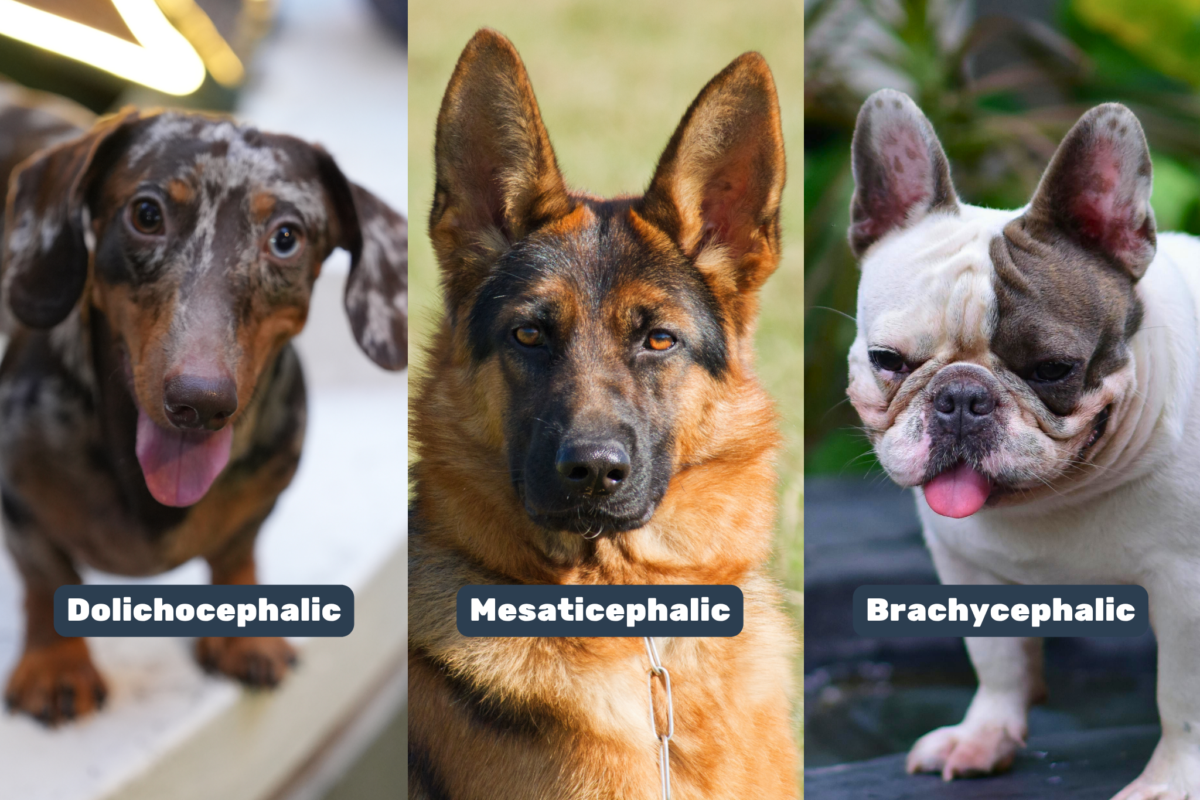
Research has shown that dogs with extreme brachycephaly have significantly shorter median lifespans, around 8.6 years, compared to closer to 12.7 years for non-brachycephalic dogs.
Because Dachshunds don’t have compressed airways, they avoid many of the chronic issues seen in flat-faced breeds, including breathing difficulties, poor heat tolerance, and exercise limitations.
That longer skull shape also comes with functional advantages:
- More efficient breathing and cooling, which helps regulate body temperature during activity
- Wider peripheral vision, which supports awareness and environmental responsiveness
- Advanced scenting ability, which boosts their tracking abilities
4. They Were Bred For Function, Not Fragility
Many of the longest-living breeds share one trait: they were bred to do a job. Dachshunds are part of the hound group and were originally developed to hunt badgers. In fact, “Dachshund” literally means “badger dog” in German.
Their long, low bodies weren’t an accident. They were designed to dig into tunnels, navigate tight underground spaces, and confront dangerous prey.
That kind of functional breeding tends to produce dogs that are more physically resilient. You can see similar patterns across other working breeds in this guide to hunting dog breeds.
So while Dachshunds may look structurally unusual, they weren’t bred for appearance. They were built to work, and that history still shows up in their durability today.
Watch: Watch how naturally the dog moves through a small space. Their structure is part of what makes Dachshunds so capable and, over time, more resilient than they appear.
5. Miniature Dachshunds Are Quiet Longevity Standouts
If there’s a longevity overachiever within the breed, it’s the Miniature Dachshund.
Research using pet population data in Japan found that Miniature Dachshunds had a life expectancy at birth of 13.9 years, with a median age at death also around 13.9 years. Some individuals lived significantly longer, with recorded lifespans exceeding 20 years.
These findings place Miniature Dachshunds among the longer-living breeds studied, reinforcing what both research and real-world experience show.
What This Means For Your Dog
- Smaller size gives Dachshunds a built-in lifespan advantage
- They’re statistically less likely to die early than many breeds
- Their skull shape avoids many lifespan-limiting issues seen in flat-faced dogs
- Their working-dog origins contribute to long-term resilience
Dachshund Lifespan: What The Data Actually Shows
There isn’t one single “official” number for how long dogs live. A 2024 review of dog aging research explains that lifespan estimates vary depending on the data source, whether that’s veterinary records, insurance databases, owner surveys, or even pet cemetery data. Each group represents a different population, which is why reported lifespans can look inconsistent across studies.
Even with that variation, the pattern for Dachshunds is clear.
Dachshund Lifespan By The Numbers
Across multiple studies, Dachshunds consistently land on the higher end of the lifespan range:
- 13.2 years median lifespan for Standard Dachshunds (UK study)
- ~14 years median lifespan for Miniature Dachshunds (UK study)
- 13.9 years life expectancy at birth for Miniature Dachshunds (Japan study)
- 21+ years recorded maximum lifespan (Japan study)
That’s not just a narrow range. It’s a consistent signal across different populations and research methods.
How They Compare To The Average Dog
To understand how strong that is, it helps to look at the bigger picture.
One large U.S. study found that the average dog lives about 12.7 years. Some veterinary-based research has reported even higher median survival times, around 15.4 years, likely reflecting dogs receiving consistent medical care.
The exact number varies, but the takeaway doesn’t. Dachshunds, especially Miniature Dachshunds, consistently meet or exceed average lifespan estimates. In many cases, they outlive them by several years.
Life Expectancy By Breed (Comparison Chart)
Here’s how Dachshunds stack up against other common breeds based on population-level data:
| Breed | Life Expectancy |
|---|---|
| Shiba Inu | 15.5 years |
| Shih Tzu | 15.0 years |
| Beagle | 14.8 years |
| Papillon | 14.4 years |
| Shetland Sheepdog | 14.3 years |
| Miniature Dachshund | 13.9 years |
| Golden Retriever | 13.1 years |
| Pug | 12.8 years |
| French Bulldog | 10.2 years |
How Long Will Your Dachshund Live?
There’s a big difference between a Dachshund who lives 12 years and one who reaches 18 or even 20, and where your dog falls in that range isn’t random.
The 5 Biggest Factors That Shape Lifespan
Research shows that individual lifespan comes down to a handful of key factors, many of which are within your control.
1. Genetics & Breeding Quality
Not all Dachshunds start from the same baseline. Dogs from responsible breeders are less likely to inherit serious health conditions that can shorten lifespan. Strong genetic lines can reduce the risk of issues affecting the spine, heart, and overall resilience.
2. Body Weight & Condition
This is one of the most important and most overlooked factors. Research has found that dogs maintained at an ideal body condition tend to have longer lifespans than those who are overweight or obese.
Excess weight places added strain on joints, organs, and especially the spine, which is already a vulnerable area for Dachshunds. Even modest weight gain can increase the risk of mobility issues and other health problems over time.
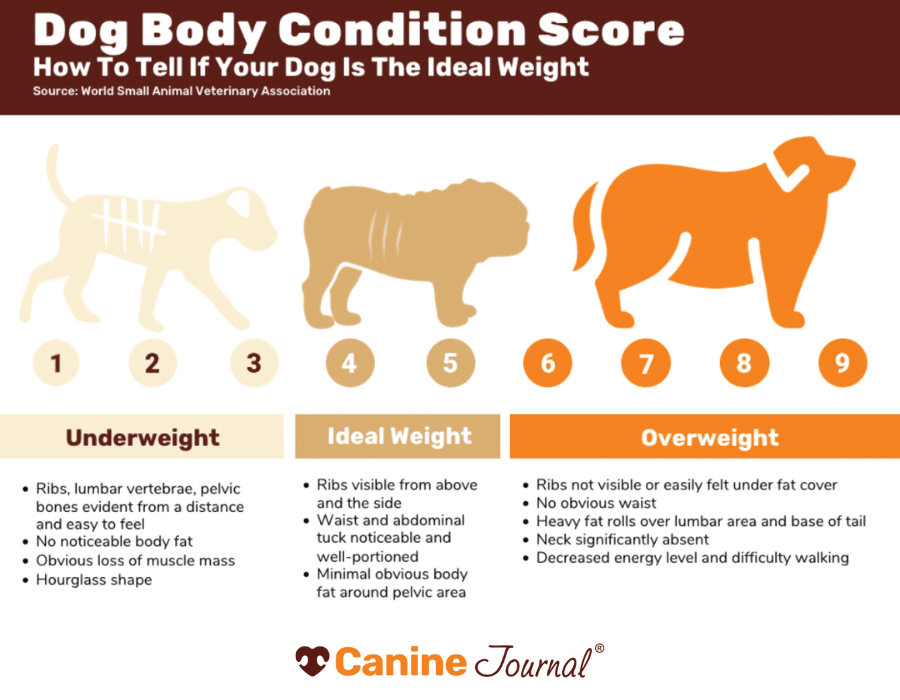
Quick Take: Keeping your Dachshund lean is one of the simplest ways to help them live longer.
3. Spay/Neuter Status & Timing
Spayed and neutered dogs tend to live longer overall, but timing can matter. For Dachshunds, waiting until after 6 months for males and after 12 months for females may help support healthier development.
The goal is balancing long-term health benefits with proper physical maturity.
4. Sex (Male vs Female)
Female dogs tend to live slightly longer than males across many breeds. The difference isn’t dramatic, but it shows up consistently in large-scale studies and can add up over time.
5. Environment & Lifestyle
Daily habits matter more than most people think. Regular exercise, preventative veterinary care, a safe home setup, and a consistent routine all contribute to long-term health.
For Dachshunds in particular, minimizing high-impact jumping and supporting spine health can make a meaningful difference.
The Bottom Line
Dachshunds already have the potential for a long life. What you do day to day plays a major role in whether your dog lands on the lower end of that range or becomes one of the ones that keeps going well into their late teens.
The Biggest Health Risk: IVDD (And What It Means For Lifespan)
Dachshunds may be built for longevity, but they also come with one major tradeoff. That long, low body that gives them their signature look also puts extra stress on the spine, which is why intervertebral disc disease (IVDD) is the most significant health risk in the breed.
What Is IVDD?
IVDD is a condition where the discs between the vertebrae degenerate or rupture, putting pressure on the spinal cord. That pressure can cause pain, difficulty walking, and in more severe cases, paralysis.
Because of their body structure, Dachshunds are especially prone to this type of spinal issue. Estimates suggest that up to 1 in 4 Dachshunds may experience some form of IVDD during their lifetime.
Does IVDD Shorten Lifespan?
It can, but not always in the way people expect. Severe cases can significantly impact quality of life and, in some situations, may lead to euthanasia. But many dogs with IVDD, especially when treated early, go on to live full lives with proper management.
In other words, IVDD is less about guaranteed lifespan reduction and more about how well the condition is managed over time.
What This Means For Your Dog
- IVDD is the most common serious health risk in Dachshunds
- It doesn’t always shorten lifespan, but it can affect quality of life
- Early detection and management make a major difference
- Prevention matters more for this breed than most
Other Health Issues To Be Aware Of
IVDD gets most of the attention, but it’s not the only condition that can affect Dachshunds. Like any breed, they have a handful of other health risks, some genetic, some lifestyle-related, that can impact long-term health and quality of life.

Common issues include:
- Obesity – Dachshunds are prone to weight gain, which can increase the risk of spinal problems, diabetes, and joint issues
- Patellar luxation – A kneecap that slips out of place, more common in smaller breeds
- Eye conditions – Including progressive retinal atrophy, cataracts, and glaucoma, which can affect vision over time
- Heart disease – Especially mitral valve disease as they age
- Dental disease – Crowded teeth increase the risk of gum disease and infection
- Diabetes – More common in overweight or aging dogs
- Lafora disease – A rare neurological condition seen in some Miniature Dachshunds, causing seizures
- Chondrodystrophy – The genetic trait behind their long, low body, which also contributes to spinal vulnerability
You can explore a full breakdown of these conditions in our guide to Dachshund health issues.
Early Signs Your Dachshund May Not Age Well
Most Dachshunds age well, but not all of them follow the same path. In many cases, the early signs are subtle. Catching them early can make a meaningful difference in long-term health and mobility.
- Gradual weight gain: Extra weight adds stress to joints and the spine, increasing the risk of mobility issues over time.
- Changes in mobility: Hesitation to jump, slower movement, or stiffness after rest can all signal early strain on the body.
- Lower activity levels: Reduced activity can sometimes reflect discomfort or underlying health changes.
- Back sensitivity: Reluctance to be picked up, flinching when touched, or avoiding certain movements can point to early spinal discomfort. For a breed prone to back issues, these signals are especially important to take seriously.
6 Ways To Help Your Dachshund Live Longer
Dachshunds already have the potential for a long life. The difference between average and exceptional often comes down to daily habits, not luck.

1. Keep Your Dachshund Lean
Maintaining an ideal body condition is one of the most important things you can do. Extra weight increases strain on joints and the spine, which can raise the risk of mobility issues over time.
Even small weight changes can add up in a long-bodied breed.
2. Support Spine Health Daily
Dachshunds are built differently, and their backs need extra protection. Limit high-impact activities like jumping on and off furniture, and be mindful of how you pick them up. Supporting their chest and hind end helps reduce stress on the spine.
3. Focus On Smart, Consistent Exercise
Regular movement supports muscle tone, joint health, and weight management. Short, consistent walks are better than intense bursts of activity. Avoid activities that involve sudden twisting, jumping, or high impact.
4. Stay On Top Of Preventative Vet Care
Routine checkups help catch small issues before they become serious. Regular exams, dental care, and early intervention all contribute to better long-term outcomes and can help extend your dog’s healthy years.
5. Prioritize Nutrition
What you feed your Dachshund plays a direct role in their long-term health. Balanced, portion-controlled diets help maintain a healthy weight and support overall function.
If you’re unsure where to start, our Dachshund feeding chart breaks down how much to feed by age and weight, and our guide to the best dog food for Dachshunds highlights quality options.
6. Create A Safer Home Environment
Your home setup matters more than you might think. Using ramps or stairs for furniture, choosing supportive bedding, and reducing slippery surfaces can all help prevent injuries.
Explore some of the best dog beds for Dachshunds designed to support their body shape and spine.
Dachshund-Proofing Your Home For Longevity
Your home environment plays a bigger role than most people realize. Small changes can reduce daily strain on the spine and help prevent injuries that shorten mobility and quality of life.
- Add ramps and stairs to key areas. Ramps or pet stairs allow your Dachshund to move safely without jumping, which helps protect the spine over time.
- Prevent high-impact jumping. Jumping on and off furniture is one of the most common ways Dachshunds injure their backs. Training your dog to use ramps, blocking access when needed, or lifting them up and down can significantly reduce that risk.
- Improve traction on slippery floors. Rugs, runners, and non-slip mats give your Dachshund better footing and more stability as they move through your home.
Quick Takeaway: Dachshunds are built low to the ground, but that doesn’t mean their environment is low impact. A few simple adjustments at home can help protect their spine and support a longer, healthier life.
Frequently Asked Questions
Lifespan estimates are helpful, but they don’t answer everything. These are some of the most common questions about Dachshund lifespan, along with what the research and real-world experience show.
Don’t see your question? Respond in the comments, and we’ll get back to you!
How Long Do Doxies Live?
The average lifespan of a wiener dog is 12 to 16 years, which is longer than many other breeds. Factors like genetics, body weight, and daily habits all play a role in where an individual dog falls within that range.
Can Dachshunds Live To 20 Years?
Yes, although it’s not common. Most Dachshunds live between 12 and 16 years, but some have been documented living into their late teens or even past 20.
These longer lifespans are typically seen in dogs with strong genetics, healthy body weight, and consistent care throughout their lives.
Do Miniature Dachshunds Live Longer Than Standard Dachshunds?
In many cases, yes. Research has shown that Miniature Dachshunds tend to have slightly longer median lifespans than standard Dachshunds. Their smaller size is likely a contributing factor, as smaller dogs generally live longer than larger ones.
What Usually Causes Death In Dachshunds?
Common causes vary, but a few patterns show up more often than others. Age-related conditions such as heart disease and cancer are typical in older dogs.
For Dachshunds specifically, spinal issues like intervertebral disc disease (IVDD) can significantly impact quality of life and, in some cases, lead to difficult end-of-life decisions.
At What Age Is A Dachshund Considered Old?
Most Dachshunds are considered seniors around 8 to 10 years old. That said, many remain active, playful, and healthy well into their teens. Aging in this breed tends to be gradual, especially when they’re kept at a healthy weight and supported with proper care.
Are Dachshunds A Healthy Breed?
Overall, Dachshunds are considered relatively healthy compared to many breeds. They benefit from a longer average lifespan and fewer widespread systemic issues. However, they do have a higher risk of spinal conditions, which makes preventative care especially important.
You can learn more about common concerns in our guide to Dachshund health issues.
What’s The Biggest Factor That Affects Dachshund Lifespan?
Body condition is one of the most important factors. Maintaining a healthy weight helps reduce strain on the spine and lowers the risk of mobility issues over time.
While genetics and lifestyle also play a role, weight is one of the most controllable factors for most owners.
What To Read Next
If you want to help your Dachshund live as long and comfortably as possible, these guides go deeper into the areas that matter most.
- Choosing the right coverage early can make a big difference as your dog ages. Our guide to best pet insurance for Dachshunds breaks down what to look for based on common health risks and long-term costs.
- Keeping your dog at a healthy weight is one of the most important factors for lifespan. This Dachshund feeding chart shows exactly how much to feed at every stage to avoid overfeeding and support long-term health.
- Daily movement matters, but so does how your dog is supported. Finding the right gear can reduce strain and improve safety on walks. See our picks for the best harnesses for Dachshunds designed for their unique body shape.
With the right care, many don’t just live longer, they stay active, comfortable, and full of personality well into their later years.