English Mastiff vs Neapolitan Mastiff: Which Giant Guardian Fits Your Life Better?

When you purchase through links on our site, we may earn a commission at no extra cost to you. Learn more.
They’re both massive, deeply loyal guardian breeds. So what’s the real difference?
Table of Contents
One tends to move through life like a calm, happy-go-lucky shadow. The other often approaches life like a full-time guardian, watching strangers carefully and taking the job of protecting the household very seriously.
If you’re trying to decide between these two giant guardians, the biggest differences are not just size, wrinkles, or drool. It’s the emotional intensity, social behavior, and overall atmosphere they bring into your home.
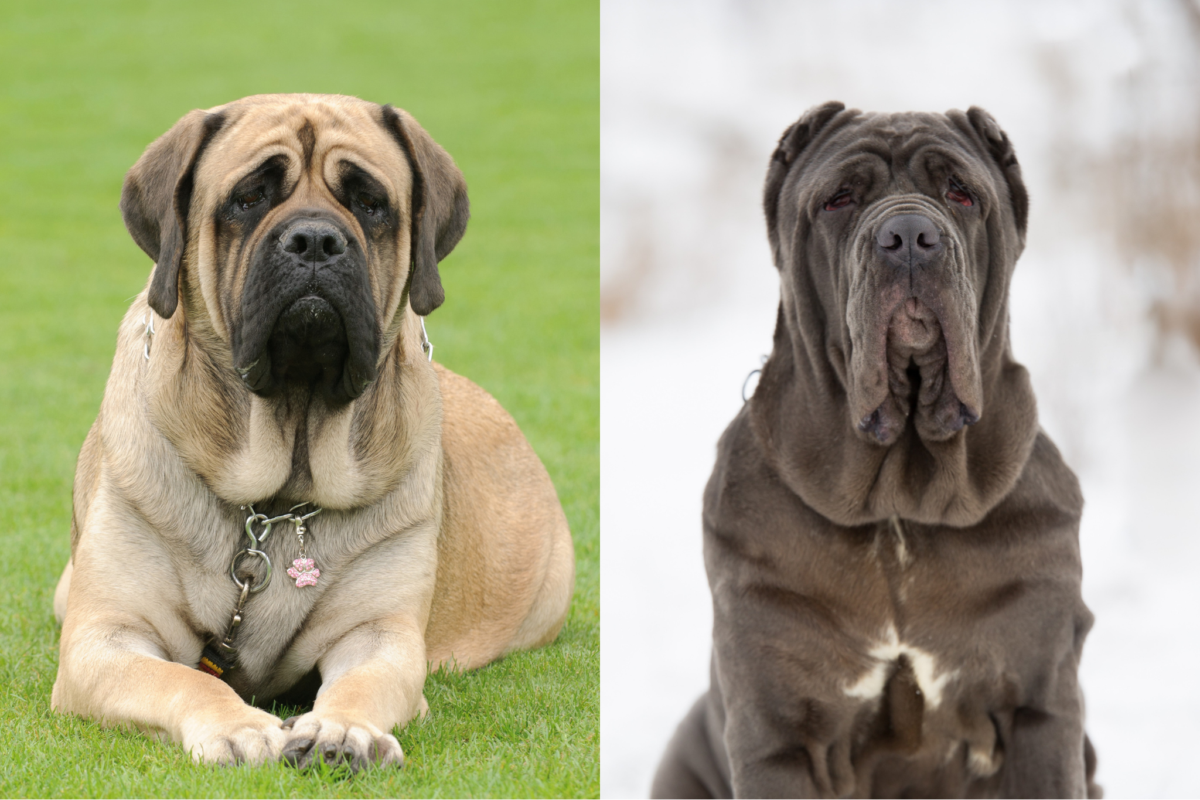
Breed Comparison
- Height27 – 30 inches
- Height24 – 31 inches
- Weight120 – 230 pounds
- Weight110 – 150 pounds
- TemperamentCourageous, dignified, good-natured
- TemperamentLoyal, dignified, watchful
- EnergyLow
- EnergyLow
- HealthAverage
- HealthAverage
- Lifespan6 – 10 years
- Lifespan7 – 9 years
- Puppy Prices$1,000 and up
- Puppy Prices$1,500 and up
Start Here: The Difference Most People Feel Immediately
On paper, these giant mastiffs can seem very similar. In real life, they create very different atmospheres at home.
The English Mastiff tends to move through life with softer social energy. They’re often more relaxed around visitors, slower to react, and more likely to quietly observe new people before deciding how they feel. Many owners describe them as affectionate, goofy, emotionally steady dogs who just happen to weigh as much as a refrigerator.

The Neapolitan Mastiff approaches the world more like a full-time guardian. Neos are often more wary of strangers, more physically protective, and far more likely to place themselves between their owner and someone they do not fully trust. They are extremely loyal and affectionate, especially toward the person they bond with most deeply.
If you want a giant guardian that tends to balance protectiveness with a calmer social presence, the English Mastiff often edges ahead. If you want a dog who takes their role as household protector extremely seriously every single day, the Neapolitan Mastiff may be a better fit.
They’re Both Giant Dogs… But They Occupy Space Very Differently
These are both enormous guardian breeds, but they create very different visual and physical impressions once they’re standing in your living room. From the way they move to the way strangers react to them, the differences go far beyond wrinkles and slobber.
Size & Weight
Both breeds are massive, but the Neapolitan Mastiff often feels larger in person because of their loose skin, wider stance, and heavier facial structure.
English Mastiffs are usually slightly taller at the shoulder and can outweigh Neos, especially large males. Some English Mastiffs easily exceed 200 pounds. But despite their size, they often carry their weight with calmer, slower energy that can make them feel less physically imposing than a Neo at first glance.
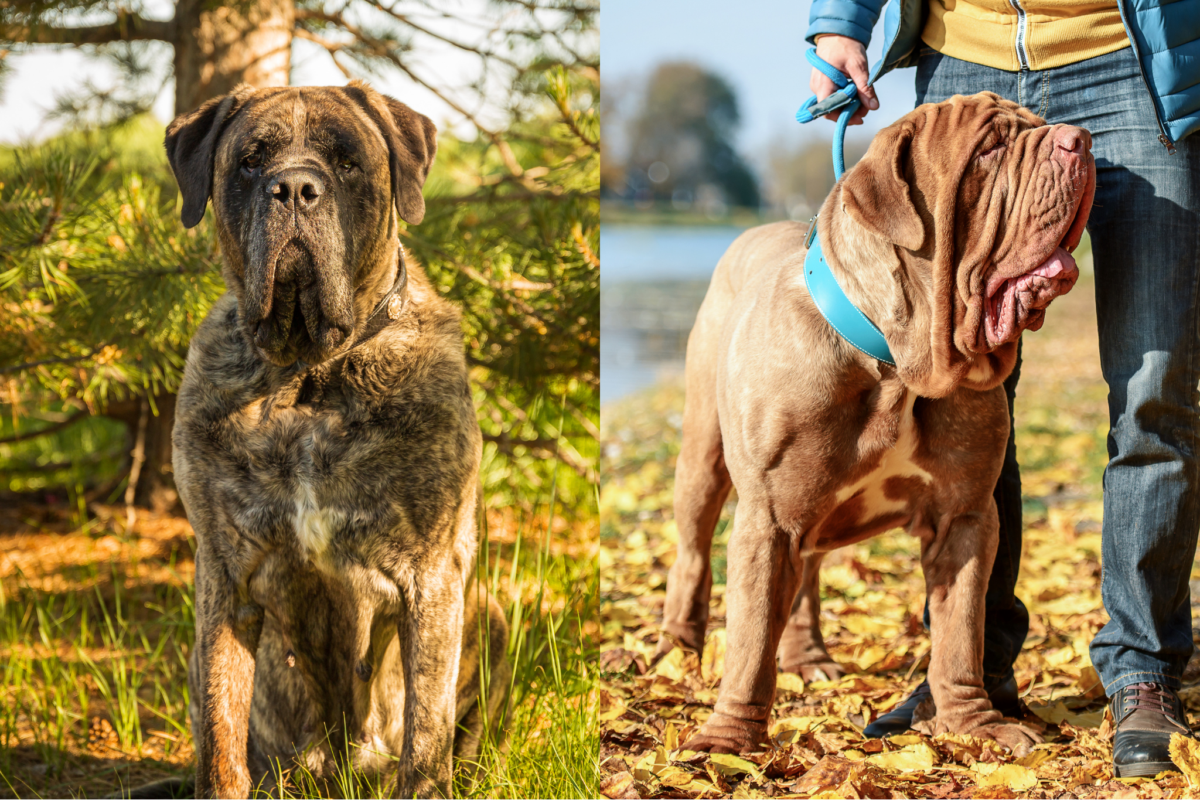
Neapolitan Mastiffs tend to feel denser and more intimidating up close. Their broad bodies, oversized heads, loose wrinkles, and intense stares create a much heavier visual presence, even when they are standing still.
Female dogs in both breeds are typically smaller and slightly less bulky than males, though “small” is obviously relative when discussing giant mastiffs.
Body Shape & Physical Presence
The English Mastiff usually has a broader, more balanced frame with a softer overall silhouette. Even at enormous sizes, many move with a slower, lumbering rhythm that feels calm rather than confrontational.
Neapolitan Mastiffs often look more exaggerated physically. Their loose skin, massive neck, heavy wrinkles, and thick bone structure create a more dramatic outline that naturally draws attention. Where the English Mastiff can sometimes blend quietly into family life despite their size, the Neo tends to feel like a visible guardian presence in the room at all times.
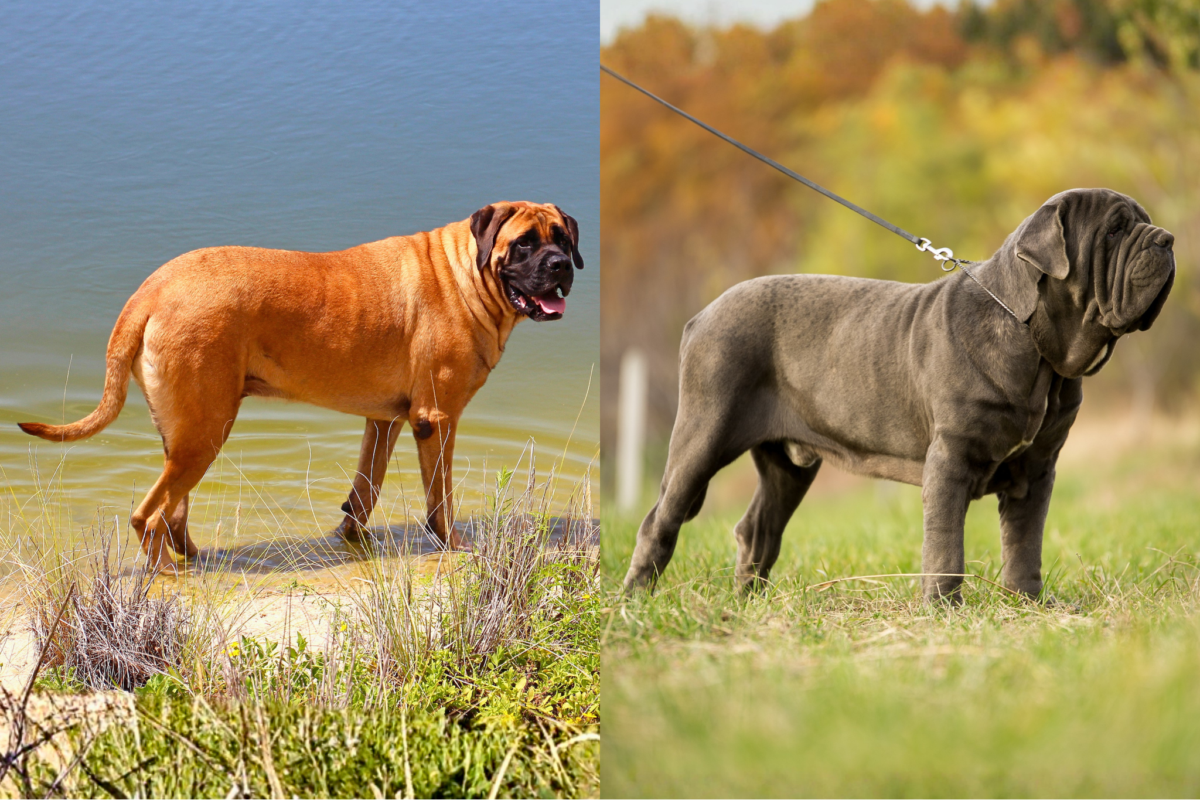
The difference becomes even more obvious in motion. English Mastiffs often move with heavier, more relaxed strides. Neos tend to move with more tension and awareness, almost as if they are constantly monitoring their environment while walking through it.
For many people, the Neapolitan Mastiff feels more intimidating at first, even though both breeds are equally loyal and protective of their families.
Face, Wrinkles & Expression
Both breeds have massive heads and unmistakable mastiff features, but their facial expressions create very different first impressions.
English Mastiffs usually have a softer, more approachable expression. Their eyes often look calm, droopy, and emotionally gentle, which contrasts heavily with their enormous size. Even strangers who are initially intimidated by them often describe English Mastiffs as looking sweet or soulful once they get closer.
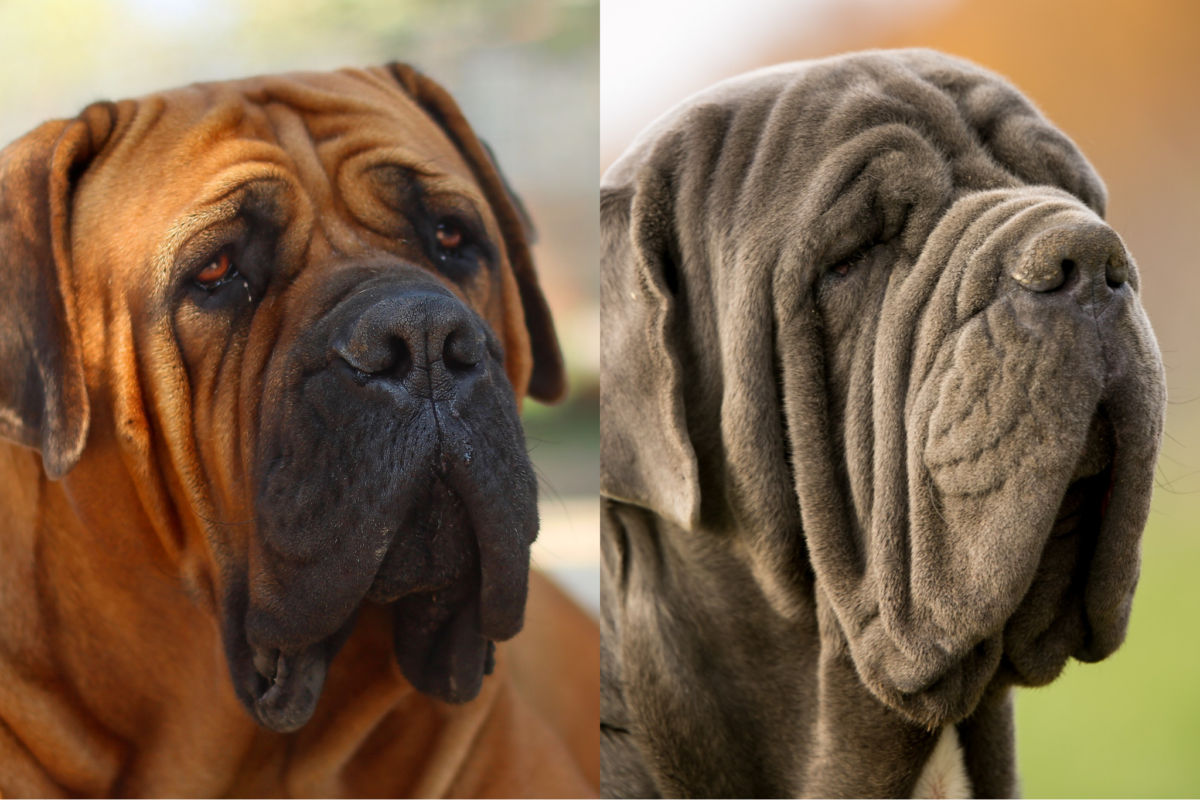
The Neapolitan Mastiff tends to create the opposite reaction. Their deeply wrinkled face, heavy jowls, loose skin, and watchful stares give them a much more intense appearance. Many people describe Neos as looking ancient, serious, or almost intimidating before the dog even moves.
Wrinkling is also dramatically heavier in the Neo. While English Mastiffs do have loose facial skin and large jowls, Neapolitan Mastiffs take it to another level with thick folds across the face, neck, and body.
Those wrinkles are a major part of the breed’s appearance, but they also come with much higher day-to-day maintenance.
Wrinkles, Drool & Skin Maintenance
Neither of these breeds is clean or tidy, but the Neapolitan Mastiff usually wins the slobber competition by a landslide.
English Mastiffs drool heavily, especially after drinking water, eating, exercising, or getting excited. Most owners quickly learn to keep towels nearby and accept that slobber strands are simply part of daily life with giant mastiffs.
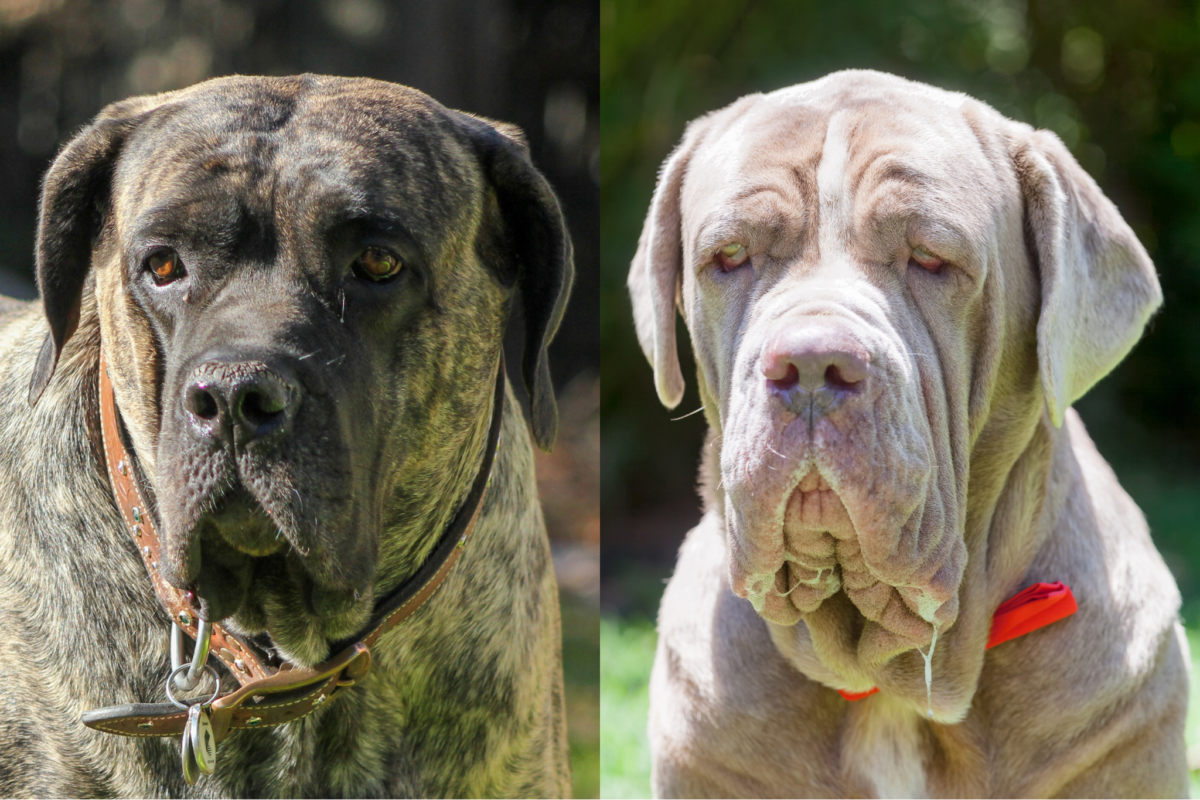
Neapolitan Mastiffs take that reality even further. Their heavier jowls and loose facial structure can create constant drool strings, messy water bowls, and slobber trails throughout the house. Many Neo owners jokingly describe their walls, furniture, and ceilings as occasional splash zones.
Skin care is another major difference. English Mastiffs still require regular cleaning around the mouth and face folds, but Neapolitan Mastiffs need much more consistent wrinkle maintenance to help prevent trapped moisture, odor, skin irritation, and infections.
For many owners, the grooming workload of a Neo ends up feeling far more intensive than expected, even though both breeds technically have short coats.
Coat & Colors
Neither breed has a difficult coat to brush or maintain, but they create very different visual impressions.
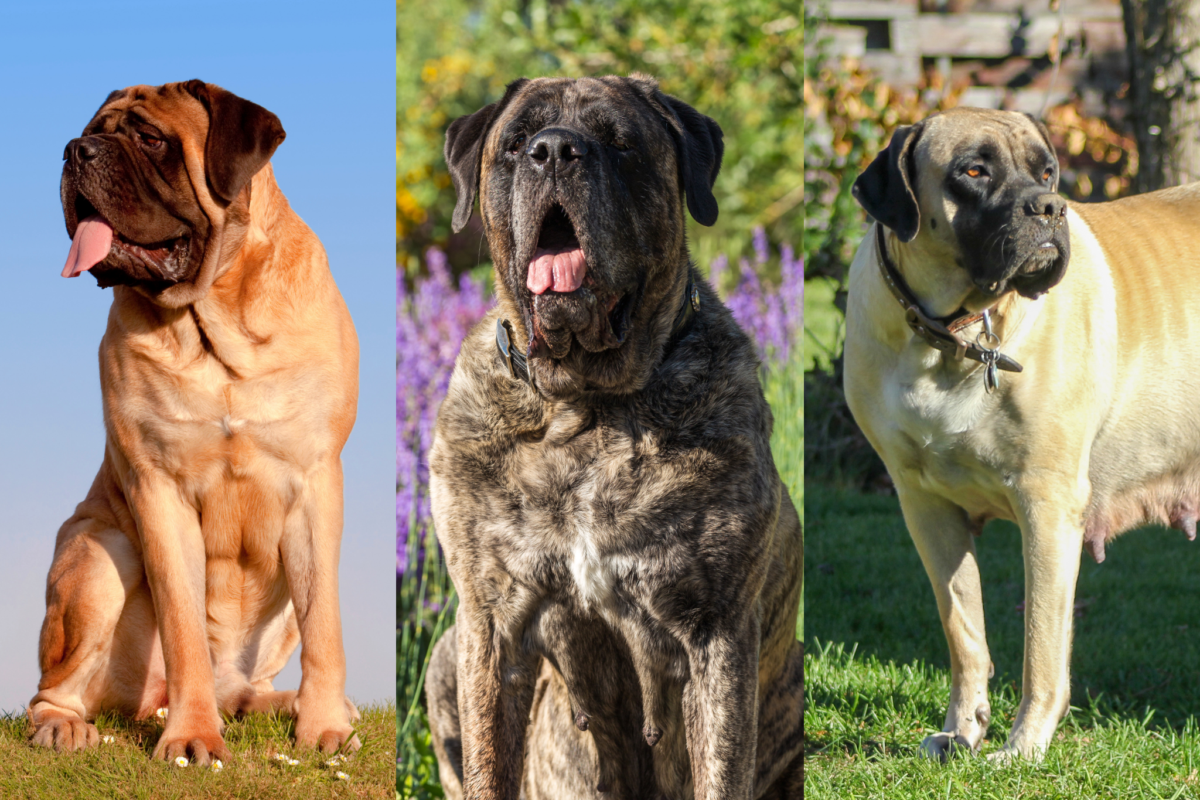
English Mastiffs come in apricot, fawn, and brindle, usually paired with a darker facial mask. Combined with their enormous frame and calmer expression, they project a classic mastiff look that feels heavy, steady, and powerful without looking overly exaggerated.
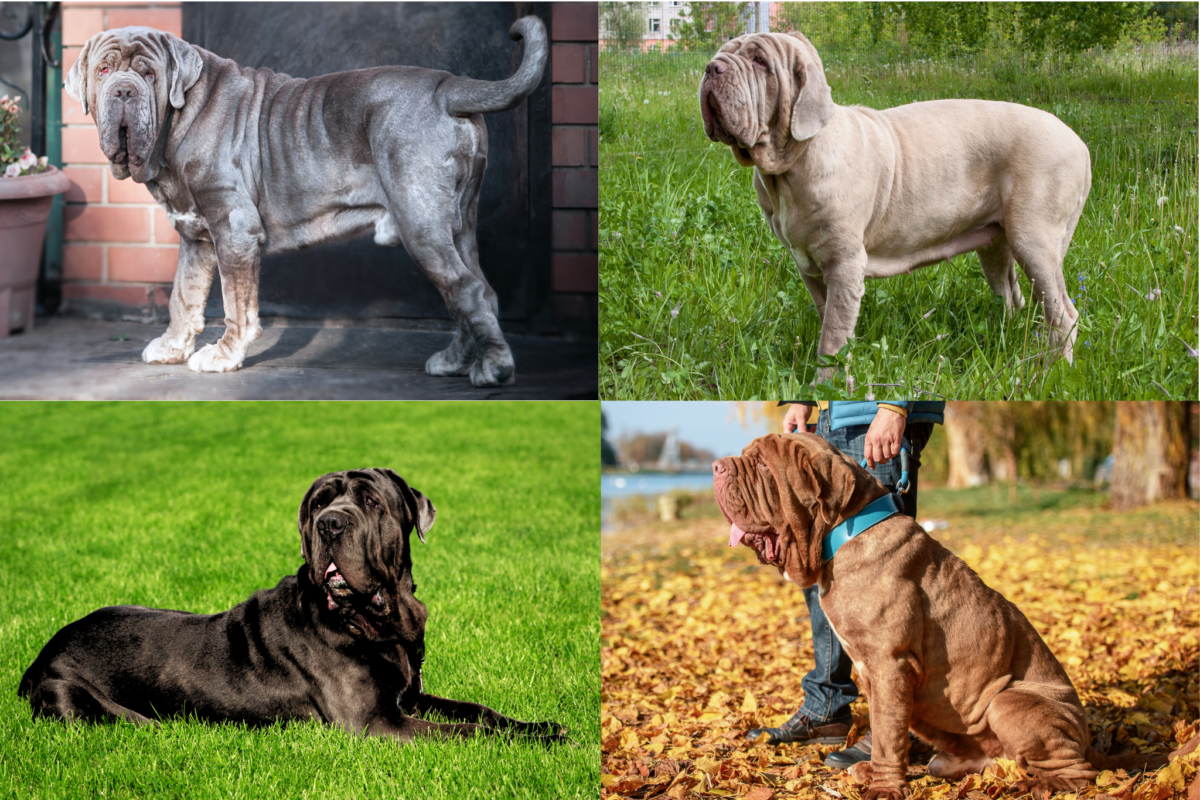
Neapolitan Mastiffs come in blue, black, mahogany, and tawny, with the gray-blue coats especially contributing to the breed’s unmistakable “ancient guardian” appearance.
Temperament: Soft Companion vs Watchful Guardian
These breeds are both loyal, protective, and deeply attached to their families. But emotionally, they often feel very different to live with day to day.
Around Family
English Mastiffs are often described as affectionate, goofy, emotionally steady dogs who genuinely enjoy relaxing near their people. Despite their enormous size, many act like oversized lap dogs, simply wanting to stay as close to their family as possible.
Watch: Grandma barely made it through the front door before the two English Mastiffs arrived to politely collect their cheese tax.
Neapolitan Mastiffs can be just as loving, but they usually form a special bond with one person in particular. Many Neos become deeply emotionally invested in their household and can seem intensely aware of where their people are, who is entering the home, and whether something feels “off.”
Around Strangers
This is where the personality differences become much more noticeable.
English Mastiffs are still guardian dogs and absolutely capable of protecting their home and family if needed, but many prefer to observe newcomers from a slight distance before deciding whether someone belongs there. Many English Mastiffs will bark deeply at unfamiliar people or strange noises at first, especially around the home, but they are often quicker to relax once they realize the situation is safe.
Neapolitan Mastiffs are usually far more naturally suspicious and confrontational with unfamiliar people. Many will physically place themselves between their owner and strangers, closely monitor visitors, or remain emotionally tense long after an English Mastiff would have settled down.
Neither breed should be reactive or aggressive without reason, but the Neo’s guarding instincts are often much closer to the surface in everyday life. That difference makes early socialization especially important for both breeds, but particularly critical for Neapolitan Mastiffs.
Confidence & Emotional Tone
Despite their protective instincts, neither breed should seek out conflict. Well-bred, properly socialized mastiffs are usually calm, stable dogs that prefer quiet confidence over unnecessary aggression.
English Mastiffs often project calmer, more socially tolerant energy overall. Even when alert, many carry themselves with slower, steadier confidence that can make them feel emotionally predictable inside the home.
Neapolitan Mastiffs tend to feel much more intense. Their guarding instincts, body language, and watchfulness can create an atmosphere where they always seem slightly “on duty,” even while relaxing. That emotional tone changes how these dogs move through the world.
Watch: This Neapolitan Mastiff was peacefully enjoying his backyard patrol until he spotted his greatest enemy: a turkey in the field.
English Mastiffs often feel more easygoing and socially flexible. Neos frequently feel more serious, territorial, and emotionally invested in monitoring their environment. Neither personality style is inherently better, but they create very different experiences for the owner. to their families, but they often express that attachment differently.
With Children & Other Pets
Both breeds can do very well with children when properly trained and socialized, especially when raised alongside them.
English Mastiffs are often slightly more forgiving and socially tolerant overall, which can make them feel easier for busy family environments. Many are patient, affectionate, and surprisingly gentle despite their enormous size.
Neapolitan Mastiffs can also be deeply devoted family dogs, but their stronger guarding instincts and more suspicious nature usually require more active management around unfamiliar people, visiting children, and chaotic environments.
With other pets, early socialization matters heavily for both breeds. English Mastiffs are often somewhat easiergoing with other dogs and household animals, while Neos may be more territorial or selective depending on personality and upbringing.
In either breed, their sheer size alone means supervision and training are essential, especially around small children or smaller pets.
Living With One: Daily Care & Routine
Both the Mastiff and Mastino are guardian breeds first and foremost. They’re happiest when they feel close to their family and aware of what’s happening around them.
Neither breed is built for nonstop activity, but that does not mean they are low-effort dogs. Their enormous size, protective instincts, and physical presence shape nearly every part of daily life inside the home.
Neither of these breeds is built for nonstop activity, but that does not mean they are low-effort dogs.
Energy & Exercise Needs
English Mastiffs are famous for their slower pace and easygoing daily rhythm. Most are content with moderate exercise, plenty of family time, and long stretches of lounging near their people.
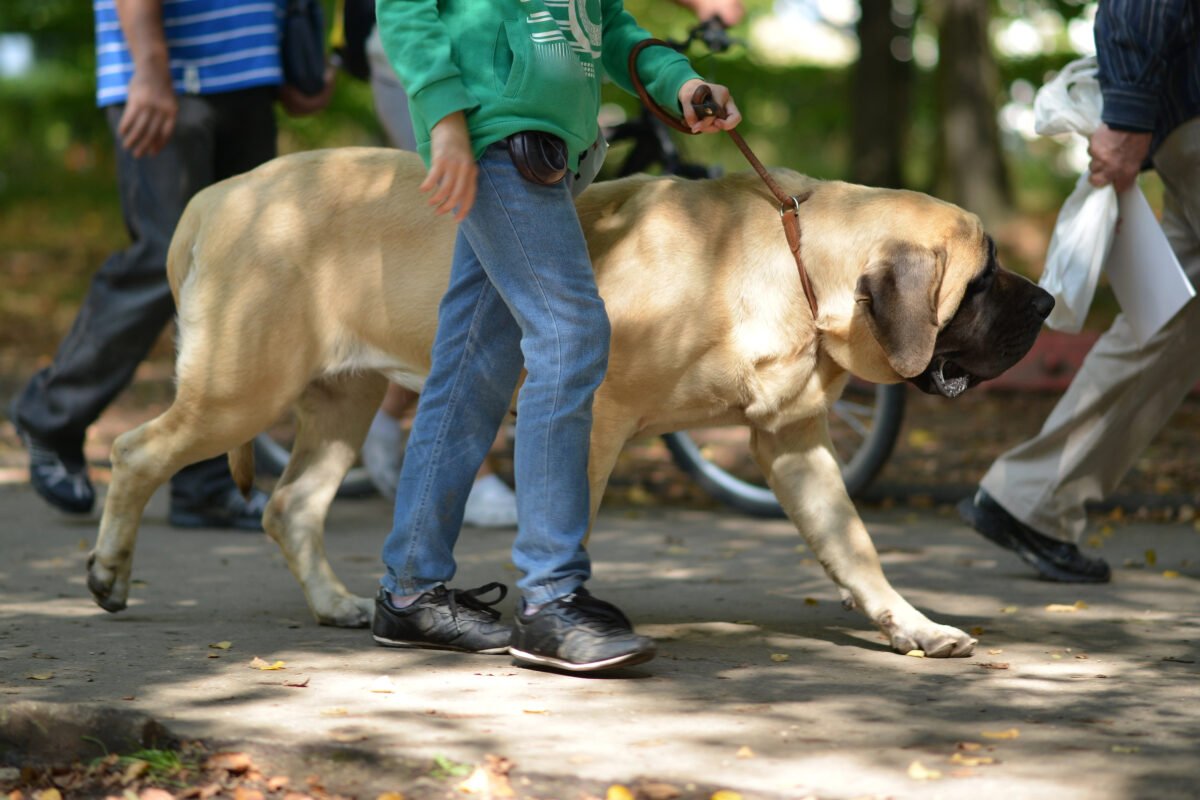
Neapolitan Mastiffs also require moderate exercise, but the mental component tends to matter more. Socialization, structure, and controlled exposure to new people and environments are extremely important for helping Neos develop into stable adults.
For both breeds, overexercising puppies can be especially risky because their massive frames place enormous strain on developing joints and growth plates. Both are giant dogs with heavy joints, heavier movement, and significant orthopedic stress as they age.
Heat Tolerance & Weather Reality
Neither breed handles heat particularly well. Their enormous size, heavy body mass, and shorter muzzle structure can make both breeds prone to overheating, especially during hot or humid weather. Summer exercise often needs to happen early in the morning or later in the evening.
Vocality & Communication
Both English Mastiffs and Neos are often surprisingly expressive and vocal with their families. Many grumble, sigh, snore, “talk,” or make deep boofing sounds throughout the day, especially when they want attention, food, or a better spot on the couch.
English Mastiffs tend to bark slightly more overall, particularly when alerting their family to unfamiliar visitors, strange noises, or activity around the home. Their bark is extremely deep and powerful, but most are not nuisance barkers and usually settle quickly once they realize everything is fine.
Neapolitan Mastiffs are often quieter overall when it comes to actual barking. Many prefer to monitor situations silently and rely more heavily on body language, physical positioning, and environmental awareness before escalating vocally.
When a Neo does decide something deserves a warning, the sound can completely change the atmosphere in the room. Their deep growl is often described as thunder-like.
Watch: This Neapolitan Mastiff shows off the breed’s famously dramatic “singing” voice.
Training & Leadership
Both breeds are intelligent, but neither is the type of dog that blindly obeys commands just to make you happy.
English Mastiffs are often slightly more cooperative and socially forgiving during training. Many respond well to calm consistency, early socialization, and steady leadership without constantly challenging their owner.
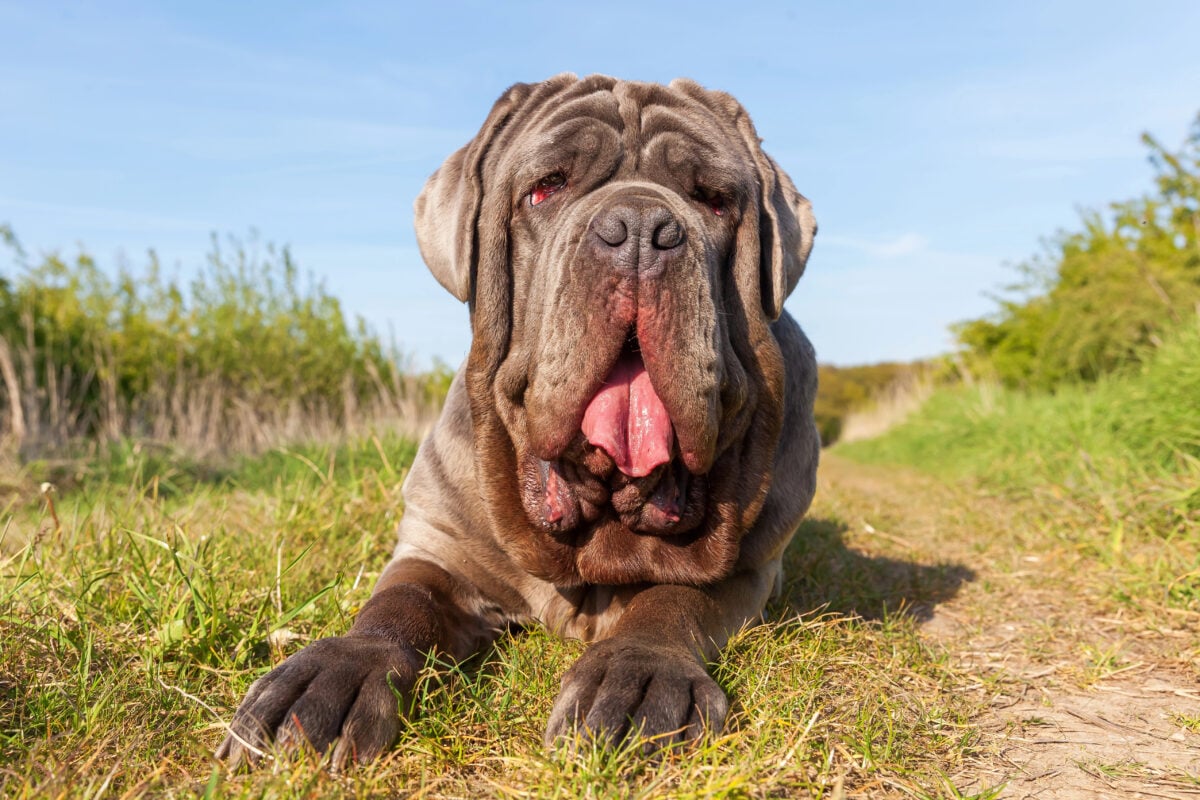
Neapolitan Mastiffs usually require a firmer, more experienced hand. They tend to be more stubborn, more independent, and more likely to question whether something is worth doing in the first place.
That difference matters even more because these are giant guardian breeds. A stubborn 15-pound dog is frustrating. A stubborn 180-pound mastiff can completely change the atmosphere of a walk, visitor interaction, or training session.
For both breeds, early socialization is critical. The goal is not just obedience. It’s teaching these massive, protective dogs how to confidently and calmly move through the world.
Health & Lifespan: The Tradeoffs Of Loving Giant Guardians
These breeds may look powerful and intimidating, but giant guardian dogs come with real physical tradeoffs. Both the English Mastiff and the Neapolitan Mastiff are prone to several serious health concerns, and their shorter lifespans are among the hardest realities many owners eventually face.
Orthopedic & Joint Issues
Heavy dogs age hard, and both breeds place enormous stress on their joints over time.
Common orthopedic concerns include:
- Hip dysplasia
- Elbow dysplasia
- Arthritis
- Mobility decline as they age
English Mastiffs and Neapolitan Mastiffs can both become stiff and slower-moving surprisingly early in life, especially if they become overweight or are overexercised as puppies.
Bloat: The Emergency Every Mastiff Owner Needs To Understand
Both breeds are at high risk of gastric dilatation-volvulus (GDV), also known as bloat. This life-threatening condition happens when the stomach fills with gas and twists, cutting off blood flow and becoming a medical emergency within hours.
Symptoms can include:
- Swollen or tight abdomen
- Pacing or restlessness
- Drooling
- Unsuccessful attempts to vomit
- Sudden distress or collapse
Many mastiff owners become extremely careful about:
- Avoiding hard exercise immediately before or after meals
- Feeding multiple smaller meals daily
- Using slower feeding routines
- Monitoring water intake after exercise
Because these breeds are already prone to orthopedic issues, emergency surgeries and recovery can be especially difficult physically.

Heart & Eye Concerns
Both breeds are also prone to several cardiac and eye conditions.
Potential concerns include:
- Dilated cardiomyopathy (DCM)
- Progressive retinal atrophy (PRA)
- Cherry eye
- Entropion and ectropion, especially in Neapolitan Mastiffs
The Neo’s heavier facial structure and loose skin folds can sometimes increase the likelihood of ongoing eye irritation and skin-related issues around the face.
Lifespan Reality
One of the most difficult parts of loving giant breeds is how quickly they age.
English Mastiffs generally live slightly longer, averaging around 6 to 10 years. Neapolitan Mastiffs often live 7 to 9 years, though individual dogs can vary significantly depending on genetics, weight, and overall health.
Many owners describe giant breeds as emotionally intense companions because their lives simply feel too short. Puppies grow enormous almost overnight, and senior years can arrive faster than many people expect.
Feeding & Weight Management
These dogs may be low-energy compared to some working breeds, but their food bills are still massive. Exactly how much each dog needs depends on:
- Age
- Activity level
- Weight
- Metabolism
- Food quality and calorie density
See our guide to the best dog food for mastiffs.
Weight Management Matters More Than People Realize
Extra weight is especially dangerous for giant breeds because it places even more strain on already stressed joints and ligaments. Obesity can worsen:
- Arthritis
- Mobility issues
- Heart strain
- Heat intolerance
- Overall lifespan
For many mastiffs, staying lean can dramatically improve long-term comfort and mobility.
Giant Breed Puppy Nutrition
Nutrition matters even more during puppyhood. Both breeds grow extremely quickly, and rapid growth can place dangerous stress on developing joints and growth plates.
Most veterinarians recommend feeding a high-quality large or giant-breed puppy formula specifically designed to support slower, controlled growth. Overfeeding giant-breed puppies is one of the most common mistakes new owners make.
Grooming, Drool & Skin Maintenance
Neither breed has a difficult coat to maintain, but giant mastiffs create a surprising amount of daily cleanup.
Coat Care
Both breeds have short coats and are relatively simple to brush. Weekly brushing is usually enough to manage loose hair and seasonal shedding.
That said, “light grooming” does not necessarily mean “clean house.” These dogs are large enough that even average shedding can feel dramatic once it spreads across furniture, floors, and clothing.
Wrinkle & Skin Fold Maintenance
This is where the Neapolitan Mastiff requires significantly more upkeep.
English Mastiffs still need regular cleaning around the mouth and facial folds, but Neos require much more consistent wrinkle maintenance to help prevent:
- Moisture buildup
- Skin irritation
- Odor
- Yeast and bacterial infections
Owners often need to routinely clean and thoroughly dry the Neo’s facial folds, neck wrinkles, and loose skin after meals, drinking water, or baths.
Drool Reality Check
Both breeds drool heavily, but Neapolitan Mastiffs are in a completely different category.
English Mastiffs produce plenty of slobber, especially after eating, drinking, or exercising. Most owners quickly adapt to keeping towels nearby.
Neapolitan Mastiffs can leave drool strings on furniture, walls, ceilings, windows, and unsuspecting guests. Water bowls often turn into flood zones within minutes.
Living with either breed usually means accepting:
- Slobber towels in multiple rooms
- Frequent floor cleanup
- Wet pant legs
- Random drool surprises on furniture and walls
Nail, Teeth & Giant Dog Logistics
Basic grooming tasks can become physically harder simply because these dogs are so enormous. Nail trimming, bathing, lifting, and even helping an injured mastiff into a vehicle can quickly become full-body activities for the owner.
Both breeds also need:
- Regular nail trims
- Weekly tooth brushing
- Ear cleaning
- Routine skin checks
With giant guardian breeds, preventative care matters because treating health problems later often becomes far more difficult, expensive, and physically demanding.
Puppy Prices & The Cost Of Owning A Giant Guardian
Bringing home either of these breeds is a major financial commitment long before you factor in food, orthopedic issues, giant dog beds, or emergency vet bills. The puppy price is often just the beginning.
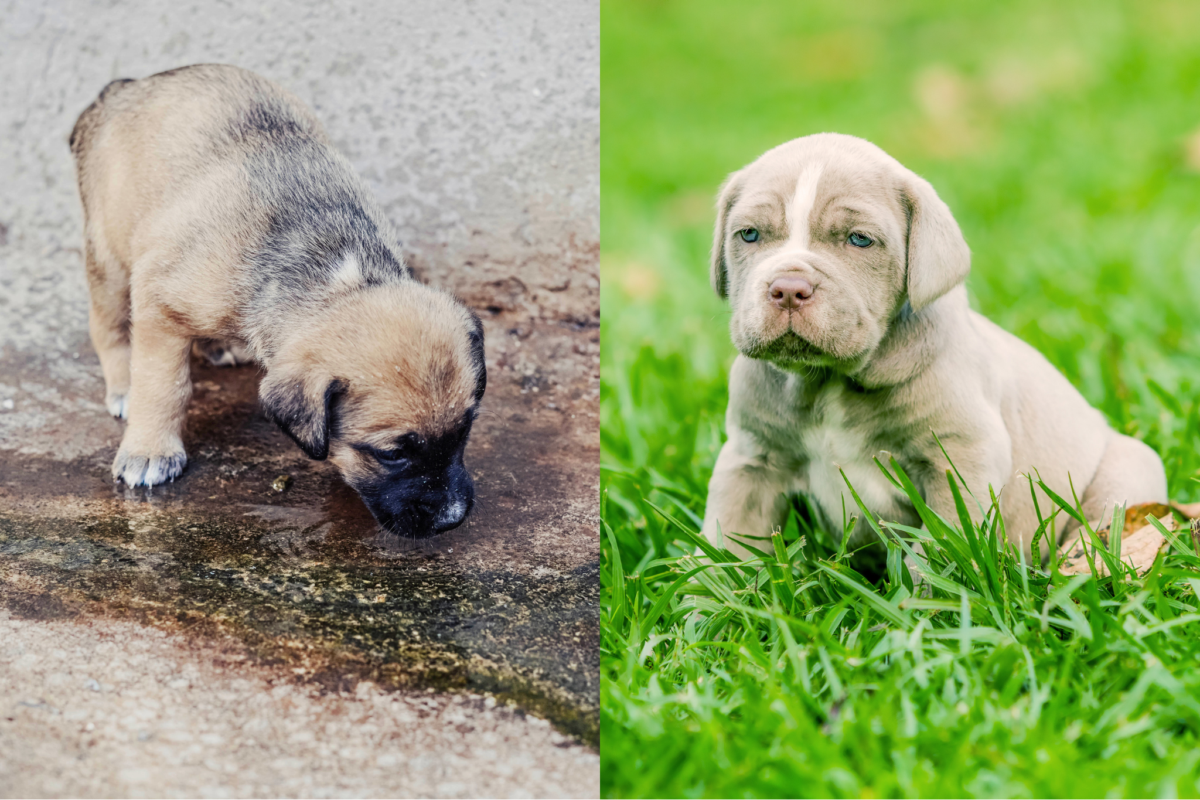
English Mastiff Puppy Prices
English Mastiff puppies from reputable breeders often start around $1,000 or more, with especially well-bred lines costing significantly higher depending on pedigree, health testing, and location.
Because the breed is more common, finding breeders is usually somewhat easier than finding Neapolitan Mastiff breeders.
Neapolitan Mastiff Puppy Prices
Neapolitan Mastiff puppies often start at or above $1,500, especially from experienced breeders focused on health, structure, and stable guardian temperaments. Because Neos are less common, finding a reputable breeder can take more time and research.
Why Reputable Breeders Matter More With Giant Guardian Breeds
With giant breeds, poor breeding decisions become much harder to hide. Always look for breeders who:
- Health test for hips, elbows, heart, and eyes
- Prioritize stable temperament
- Properly socialize puppies early
- Allow you to meet at least one parent
- Raise puppies in a clean home environment
This matters even more with guardian breeds, where unstable temperament and poor socialization can create lifelong behavioral problems inside an already enormous dog.
Adoption is another option worth considering. Giant breeds occasionally end up in rescue through no fault of their own, often because previous owners underestimated the financial, physical, or training demands of living with a massive guardian breed.
The Real Cost Starts After The Puppy Comes Home
For many owners, the ongoing costs quickly outweigh the original puppy price. Common giant-breed expenses include:
- Massive food bills
- Orthopedic care and joint supplements
- Large crates, beds, and vehicles
- Higher medication dosages
- Expensive emergency surgeries
- Pet insurance
- Professional training and socialization
And when a giant dog gets sick, injured, or ages physically, nearly everything becomes more expensive, more physically demanding, and more emotionally intense.
That reality does not make these breeds bad choices. But it does make them dogs that require serious long-term planning. Learn more about the cost of owning a mastiff.
Which Mastiff Fits Your Life Better?
Both breeds are loyal, affectionate, and deeply devoted giant guardians. But the experience of living with them can feel very different once the novelty of owning a massive dog wears off.
For most people, the better choice comes down to how much intensity, structure, and guardian behavior they realistically want to manage every day.
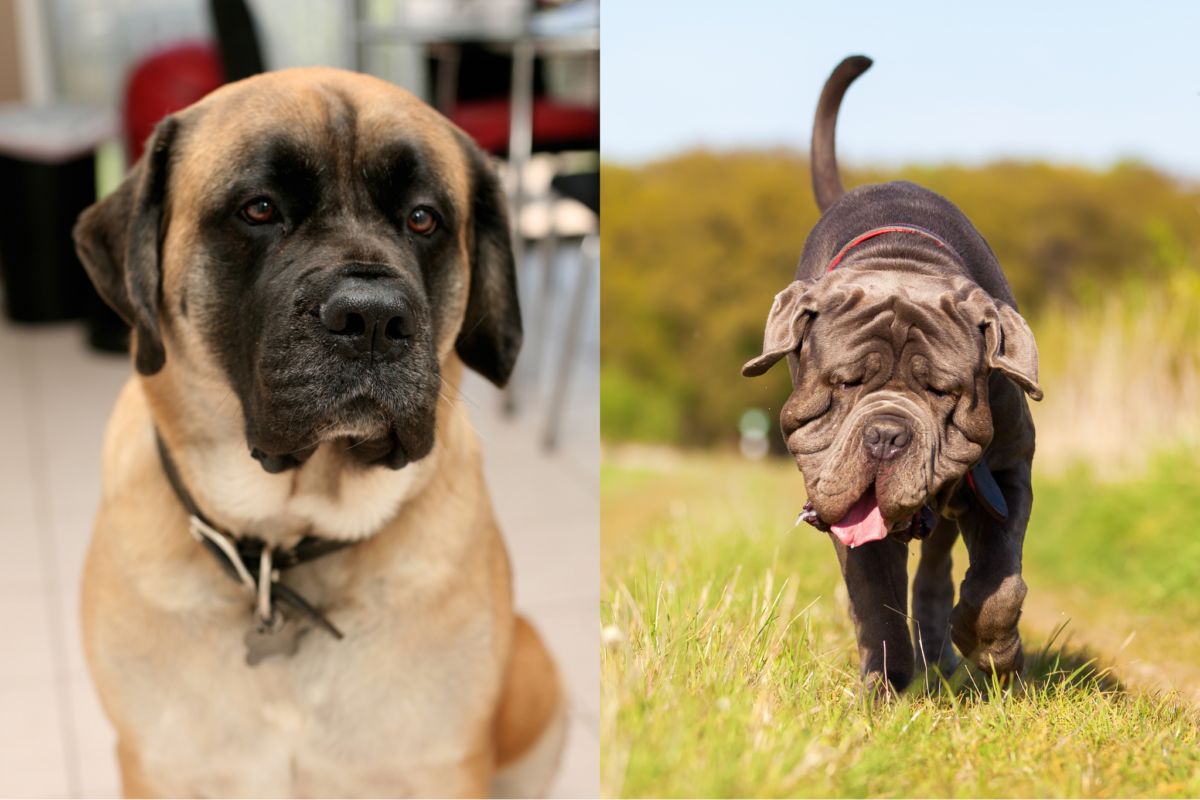
Choose The English Mastiff If…
The English Mastiff is often the better fit for owners who want the giant guardian experience without quite as much emotional intensity or environmental vigilance.
You may prefer the English Mastiff if you want:
- A calmer, more socially tolerant household presence
- A giant companion that feels emotionally steady and goofy
- A protective dog without constantly feeling “on duty”
- Slightly easier day-to-day training and management
- A somewhat more approachable giant-breed personality for visitors and guests
English Mastiffs are still powerful guardian dogs, but many feel softer and more relaxed overall than Neapolitan Mastiffs.
Choose The Neapolitan Mastiff If…
The Neapolitan Mastiff is usually a better fit for experienced giant-breed or guardian-breed owners who understand the significant management, leadership, and socialization these dogs require.
You may prefer the Neapolitan Mastiff if you want:
- A highly protective guardian breed with strong territorial instincts
- An emotionally intense dog that bonds deeply with their family
- A more serious, watchful household presence
- A dog with a dramatic appearance and unmistakable physical presence
- A more traditional guardian temperament overall
Neapolitan Mastiffs can be incredibly loyal and affectionate, but they are usually less forgiving, more suspicious of strangers, and more demanding socially than English Mastiffs.
For inexperienced owners, that combination can quickly become overwhelming inside such a massive, powerful dog.
A Reality Check About Both Breeds
Neither of these breeds is a casual experience for dog ownership.
They drool heavily, age quickly, cost a fortune to feed, and can create enormous physical and emotional demands on the household. Their giant size changes everything from travel and grooming to veterinary care and daily space inside the home.
Other Mastiff Breeds Worth Considering
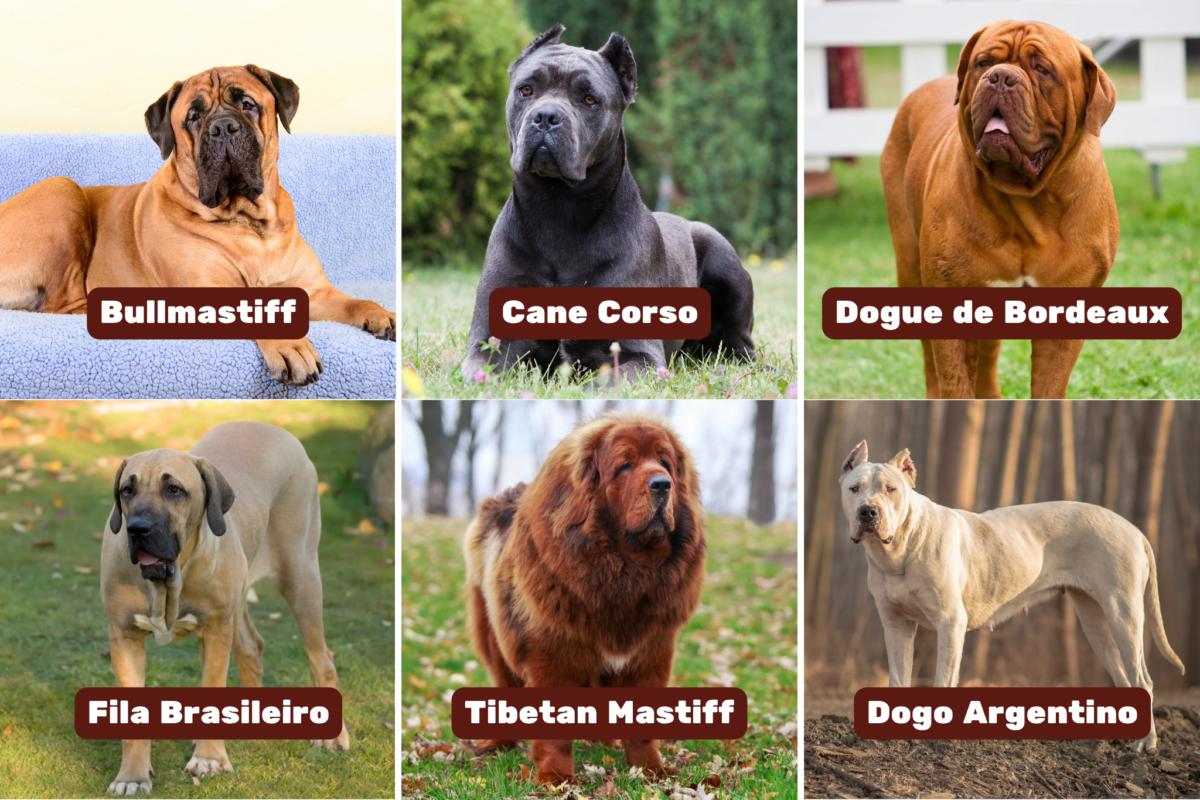
The mastiff world is much larger than just the English Mastiff and Neapolitan Mastiff. If you love giant guardian breeds but are not completely sold on either personality style, these mastiff breeds offer very different ownership experiences.
- Bullmastiff: Slightly smaller and more athletic than the English Mastiff, Bullmastiffs are powerful guardian dogs known for their confidence, loyalty, and somewhat more manageable size.
- Cane Corso (Italian Mastiff): More intense, athletic, and work-driven than most mastiff breeds. Cane Corsos require experienced handling, heavy socialization, and consistent structure from an early age.
- Boerboel (South African Mastiff): A highly capable working guardian breed developed to protect farms and property. Boerboels are powerful, territorial, and generally best suited for experienced owners.
- Dogue de Bordeaux (French Mastiff): Famous for their massive wrinkled head and deeply affectionate personality, Dogues tend to blend strong guardian instincts with softer emotional attachment to family.
- Tibetan Mastiff: Independent, aloof, and famously stubborn, Tibetan Mastiffs often behave more like ancient livestock guardians than traditional family dogs.
- Dogo Argentino: More athletic and prey-driven than most mastiff breeds, the Dogo Argentino combines guardian instincts with strong hunting drive and high physical intensity.
- Tosa Inu (Japanese Mastiff): Calm, quiet, and physically imposing, the Tosa was historically developed for dog fighting and is heavily regulated or restricted in some areas.
- Fila Brasileiro (Brazilian Mastiff): Extremely loyal and deeply suspicious of strangers, the Fila Brasileiro is one of the most naturally protective mastiff breeds in the world and requires highly experienced ownership.
Frequently Asked Questions
Choosing between two giant guardian breeds often raises many practical questions, especially once you move beyond appearance alone. Here are some of the most common things potential owners ask when comparing the English Mastiff and Neapolitan Mastiff.
Don’t see your question? Respond in the comments, and we’ll get back to you!
Which Breed Is More Protective: English Mastiff Or Neapolitan Mastiff?
Both breeds are naturally protective guardian dogs, but Neapolitan Mastiffs tend to show stronger territorial instincts and greater suspicion toward strangers. English Mastiffs are often calmer and more socially tolerant overall, while Neos tend to take their guardian role much more seriously day to day.
Is The Neapolitan Mastiff Harder To Train?
Usually, yes. Neapolitan Mastiffs tend to be more stubborn, independent, and emotionally intense than English Mastiffs. They often require firmer leadership, heavier socialization, and more experienced handling overall.
Which Breed Drools More?
Both breeds drool heavily, but Neapolitan Mastiffs are generally in a different category altogether. Their heavier jowls and loose skin create constant slobber strings, messy water bowls, and more daily cleanup.
Are Neapolitan Mastiffs Aggressive?
A well-bred, properly socialized Neapolitan Mastiff should not be unnecessarily aggressive. However, the breed is naturally suspicious, territorial, and highly protective, which means poor breeding, poor training, or inadequate socialization can create serious behavioral problems in such a massive dog.
Which Breed Is Better For First-Time Owners?
English Mastiffs are usually the more forgiving choice for first-time giant-breed owners. Neapolitan Mastiffs are generally better suited to experienced owners who understand guardian breeds, provide early socialization, and practice confident leadership.
Which Mastiff Is Bigger?
English Mastiffs are often slightly taller and heavier overall, with some males exceeding 200 pounds. Neapolitan Mastiffs usually feel more imposing visually because of their loose skin, oversized head, and heavier guardian presence.
Do English Mastiffs Or Neapolitan Mastiffs Live Longer?
English Mastiffs often live slightly longer on average, though both breeds have relatively short lifespans compared to smaller dogs. Giant breeds tend to age faster physically, especially when joint or mobility problems develop.
Which Breed Is Calmer Inside The Home?
English Mastiffs are usually calmer and more emotionally relaxed inside the home. Neapolitan Mastiffs often remain more mentally alert, watchful, and environmentally aware even while resting.
Still Exploring Giant Guardian Breeds?
If you’re still deep in the mastiff rabbit hole, these comparisons break down how other powerful guardian breeds stack up in real-world family life, training, protection instincts, and day-to-day ownership.
- Want to compare two of the most popular family guardian mastiffs? Our English Mastiff vs Bullmastiff comparison explores the differences in size, trainability, protection instincts, and everyday household life.
- If the Mastiff’s serious guardian temperament caught your attention, you may also want to read our Italian Mastiff vs. English Mastiff comparison to see how the English Mastiff compares to another highly protective Cane Corso breed.
- Curious how the English Mastiff compares to one of the most athletic mastiff breeds? Our English Mastiff vs Boerboel guide breaks down the major differences in energy, trainability, and household atmosphere.
- Want a calmer family guardian versus a more intense working protector? Check out our comparison of Boerboel vs Bullmastiff.