
When you purchase through links on our site, we may earn a commission at no extra cost to you. Learn more.
French Bulldogs are famous for their bat ears, squishy faces, and big personalities. If you share your home with a Frenchie, you’ve probably wondered at some point: how long do French Bulldogs usually live?
Table of Contents
The good news is that many Frenchies enjoy long, happy lives. Understanding what affects their lifespan can help you support your dog’s health every step of the way.

Start Here: How Long Do French Bulldogs Live?
Most French Bulldogs live about 10 to 12 years, according to general veterinary guidance and organizations like the American Kennel Club. However, large scientific studies that analyze veterinary records often report slightly lower averages.
A Japanese study that analyzed more than 12,000 dogs using pet cemetery records estimated the median lifespan of French Bulldogs at 10.2 years and a life expectancy of 10.2 years, which was the shortest lifespan among all major breeds included in the dataset.
So what should owners realistically expect?
In everyday life, many French Bulldogs still reach their early teens, especially with good veterinary care, responsible breeding, and healthy weight management.
But research consistently shows that the breed faces more health challenges than many other dogs, which can affect lifespan across the population.
That doesn’t mean every Frenchie will develop serious health problems. However, understanding the breed’s common risks can help owners make informed decisions about breeding, preventive care, and lifestyle choices that support a longer, healthier life.
Why Lifespan Estimates For French Bulldogs Can Be Confusing
If you’ve ever searched online for the average lifespan of a French Bulldog, you may have noticed something puzzling: different sources often report very different numbers.
Some say French Bulldogs live 10–12 years, while scientific studies sometimes report estimates closer to 9 or 10 years, and a few sources even show much lower figures. The reason is that researchers use several different methods to measure lifespan, and each one describes longevity in a slightly different way.
Want our human-written content to rank above AI-generated garbage? Help us out by clicking this button!
A 2024 review of dog aging research emphasizes that there is currently no standardized method for calculating dog lifespan. Studies use different datasets and populations, including owner-reported surveys, veterinary clinical records, insurance databases, and even pet cemetery data. Because each dataset represents a different group of dogs, lifespan estimates can vary widely.
Median Lifespan
Median lifespan simply means the age at which half of the dogs in the study have died and half are still alive. This helps researchers understand how long dogs live across an entire population.
- In one large UK analysis of companion dog longevity, the median lifespan of French Bulldogs was at 9.8 years.
- A Japanese study using pet cemetery record in Tokyo showed Frenchies with a median lifespan of 10.2 years.
Life Expectancy At Birth
Another measure sometimes used in research is life expectancy at birth, which estimates how long a newborn dog would be expected to live if the mortality patterns observed in a population during a specific time period remained constant throughout its life.
One UK life-table analysis estimated French Bulldogs have a life expectancy at birth of about 4.5 years, the lowest of the 18 breeds included in the study. For comparison:
| Breed | Life Expectancy At Birth |
|---|---|
| Jack Russell Terrier | 12.72 years |
| Yorkshire Terrier | 12.54 years |
| Labrador Retriever | 11.77 years |
| English Bulldog | 7.39 years |
| Pug | 7.65 years |
| French Bulldog | 4.53 years |
Don’t panic! This doesn’t mean that most French Bulldogs only live four or five years. But it does suggest that there are health concerns within the population studied.
How French Bulldog Lifespan Compares To Other Breeds
The average dog in the U.S. lives about 12.7 years. Studies from outside the U.S. see that number varying slightly — the average dog life expectancy in Japan is 13.7 years and 11.24 years for the UK.
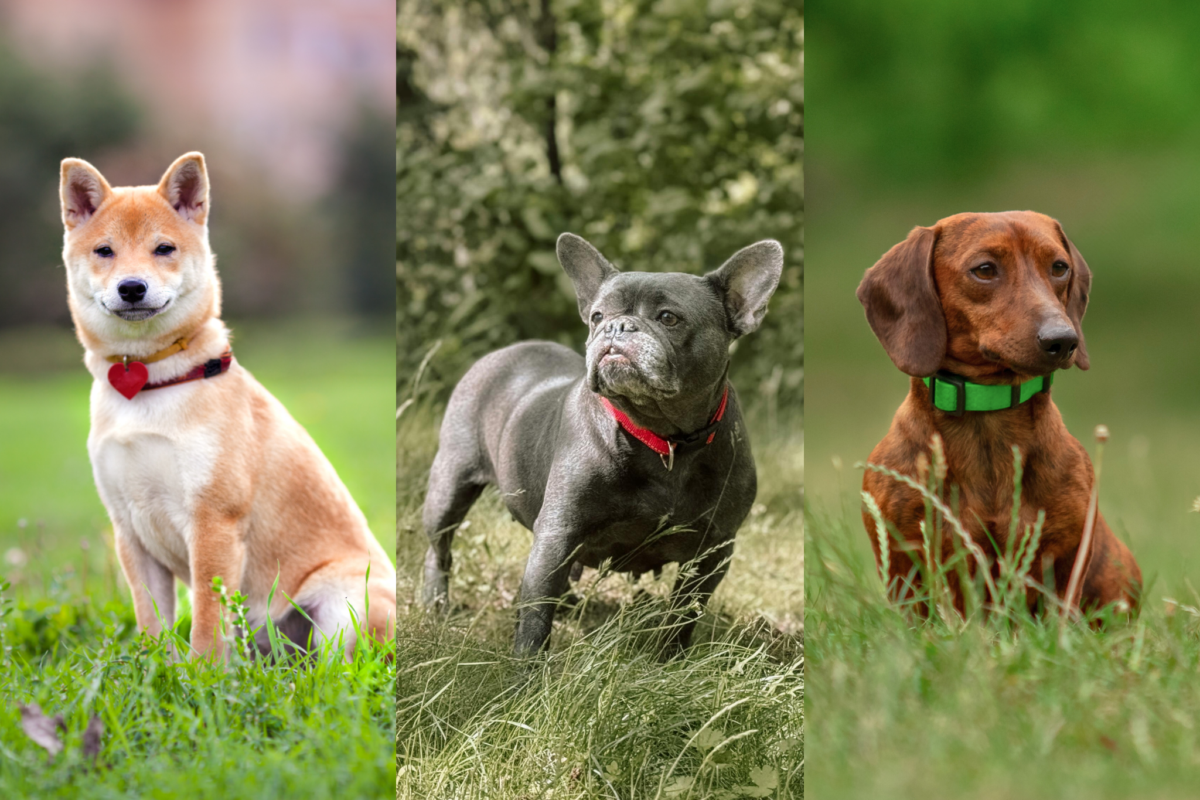
Large population studies show that some breeds commonly live 14 to 15 years or longer, while others face a much higher risk of dying earlier.
Estimated life expectancy of companion dogs in Japan using pet cemetery data:
| Breed | Life Expectancy |
|---|---|
| Shiba Inu | 15.5 years |
| Shih Tzu | 15.0 years |
| Beagle | 14.8 years |
| Papillon | 14.4 years |
| Yorkshire Terrier | 14.3 years |
| Labrador Retriever | 14.1 years |
| Golden Retriever | 13.1 years |
| Pug | 12.8 years |
| Chihuahua | 11.8 years |
| French Bulldog | 10.2 years |
Mortality Risk Compared
A massive 2024 study analyzed the longevity of hundreds of thousands of dogs across more than 150 breeds. Researchers looked at which dogs lived the longest, which had the lowest risk of early death, and what patterns emerged across size, genetics, and breed history.
Various small and medium-sized breeds in the same study showed greater longevity than the French Bulldog:
| Breed | Median Survival |
|---|---|
| Lancashire Heeler | 15.4 years |
| Tibetan Spaniel | 15.2 years |
| Shiba Inu | 14.6 years |
| Papillon | 14.5 years |
| Miniature Dachshund | 14 years |
| French Bulldog | 9.8 years |
What makes this particularly unusual is that French Bulldogs are small dogs, and smaller breeds tend to live longer than larger ones.
Instead, their lifespan patterns resemble those of several giant breeds:
| Breed | Median Survival |
|---|---|
| Great Dane | 10.6 years |
| Anatolian Shepherd | 10.1 years |
| Irish Wolfhound | 9.9 years |
| French Bulldog | 9.8 years |
| St. Bernard | 9.3 years |
| Mastiff | 9 years |
The study also calculated a hazard ratio, which compares the relative risk of death between breeds. French Bulldogs had more than double the risk of early death compared with many other breeds in the dataset.
This placed French Bulldogs among the breeds with the highest mortality risk. Below, you can see examples of breeds hazard ratios.
| Breed | Survival Median | Hazard Ratio |
|---|---|---|
| Shiba Inu | 14.6 years | 0.45 |
| Large Munsterlander | 14.1 years | 0.47 |
| Poodle | 14 years | 0.64 |
| Golden Retriever | 13.2 years | 0.76 |
| Labrador Retriever | 13.1 years | 0.8 |
| Beagle | 12.5 years | 0.95 |
| German Shepherd | 11.3 years | 1.24 |
| Rottweiler | 10.6 years | 1.27 |
| Pug | 11.6 years | 1.34 |
| Leonberger | 10 years | 1.61 |
| Saint Bernard | 9.3 years | 1.66 |
| Neapolitan Mastiff | 9.3 years | 1.77 |
| French Bulldog | 9.4 years | 2.22 |
| Mastiff | 9 years | 2.32 |
| Cane Corso | 8.1 years | 2.44 |
| Caucasian Shepherd Dog | 5.4 years | 2.44 |
| Presa Canario | 7.7 years | 3.04 |
Quick Takeaway: Of 155 breeds, the Frenchie had one of the top five highest hazard ratios, meaning the breed had a greater risk of early death.
3 Reasons Why French Bulldogs Often Have Shorter Lifespans
French Bulldogs may be small, but they carry a disproportionately high number of health challenges. Understanding these underlying factors helps explain why many Frenchies struggle with health issues earlier in life.
1. Skull Shape
Studies consistently find that brachycephalic (flat-faced) dog breeds are generally less healthy than dogs with longer snouts. These breeds are more likely to develop conditions affecting the respiratory system, skin, digestive tract, and eyes.
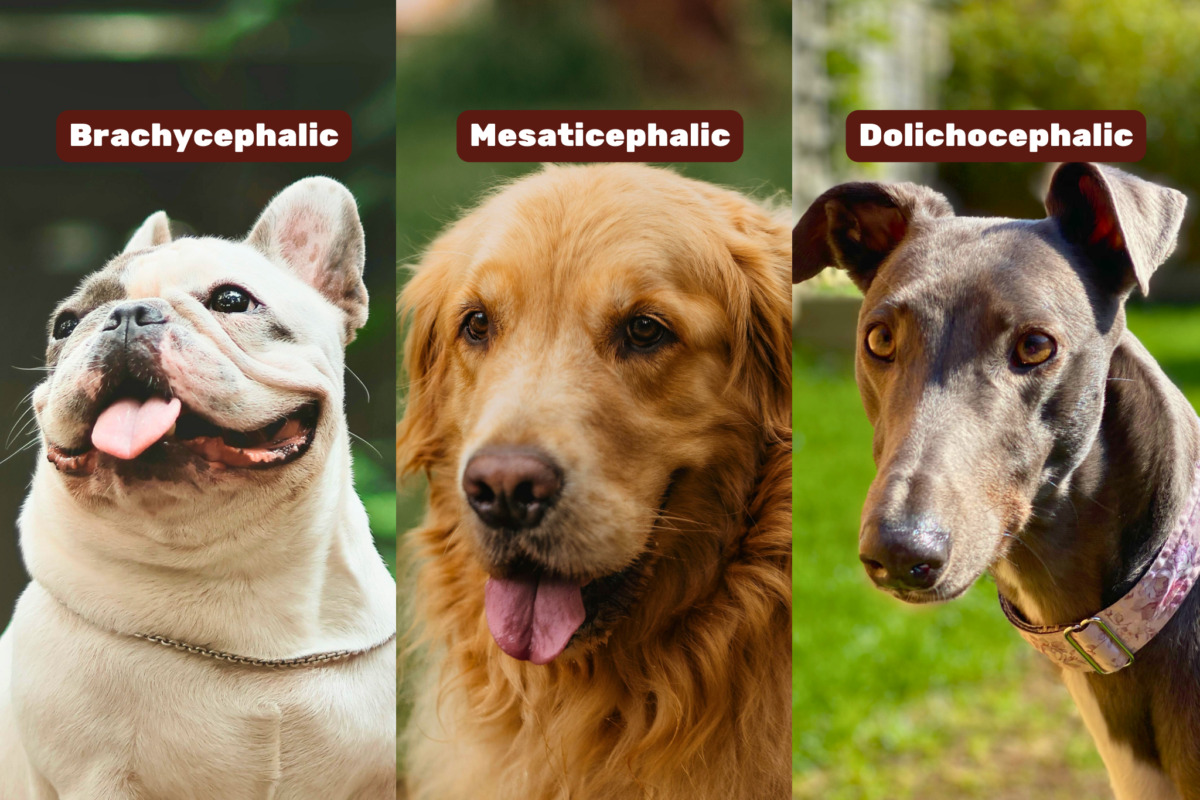
One UK study analyzing veterinary records found that brachycephalic breeds were predisposed to eight of the 30 most common disorders examined, while showing protection against only two. Many of the increased risks involved breathing problems, skin disease, and gastrointestinal issues.
Health patterns specific to French Bulldogs reinforce this trend. In a UK veterinary study of more than 2,200 French Bulldogs, over 72% already had at least one recorded medical disorder, even though the median age of the dogs was just 1.3 years.
The most commonly reported problems involved:
- Skin disorders
- Digestive conditions
- Ear infections
- Respiratory disease
- Eye conditions
Because many of these issues appear early in life, they can affect a dog’s long-term health trajectory.
2. Rapid Popularity
French Bulldogs have become one of the fastest-rising dog breeds in many countries over the past two decades. While increased popularity can bring attention to a breed, it can also create unintended consequences.

When demand for puppies grows quickly, it may encourage breeding practices that prioritize appearance or rapid production over long-term health. This can increase the likelihood of inherited health problems within the population.
Responsible breeding programs aim to counter this trend by focusing, licensed via genetic diversity, health screening, and careful selection of breeding dogs.
3. Variation Within The Breed
Like many modern dog breeds, French Bulldogs were shaped through selective breeding to emphasize specific features, particularly their shortened muzzle, large head, and compact body. When these traits become highly exaggerated, they can increase the risk of inherited medical conditions that may affect overall health and longevity.
Dogs with extremely shortened muzzles, narrow nostrils, rope nose, tight skin folds, or very compact body structure may be more prone to breathing difficulties and other brachycephalic-related conditions.
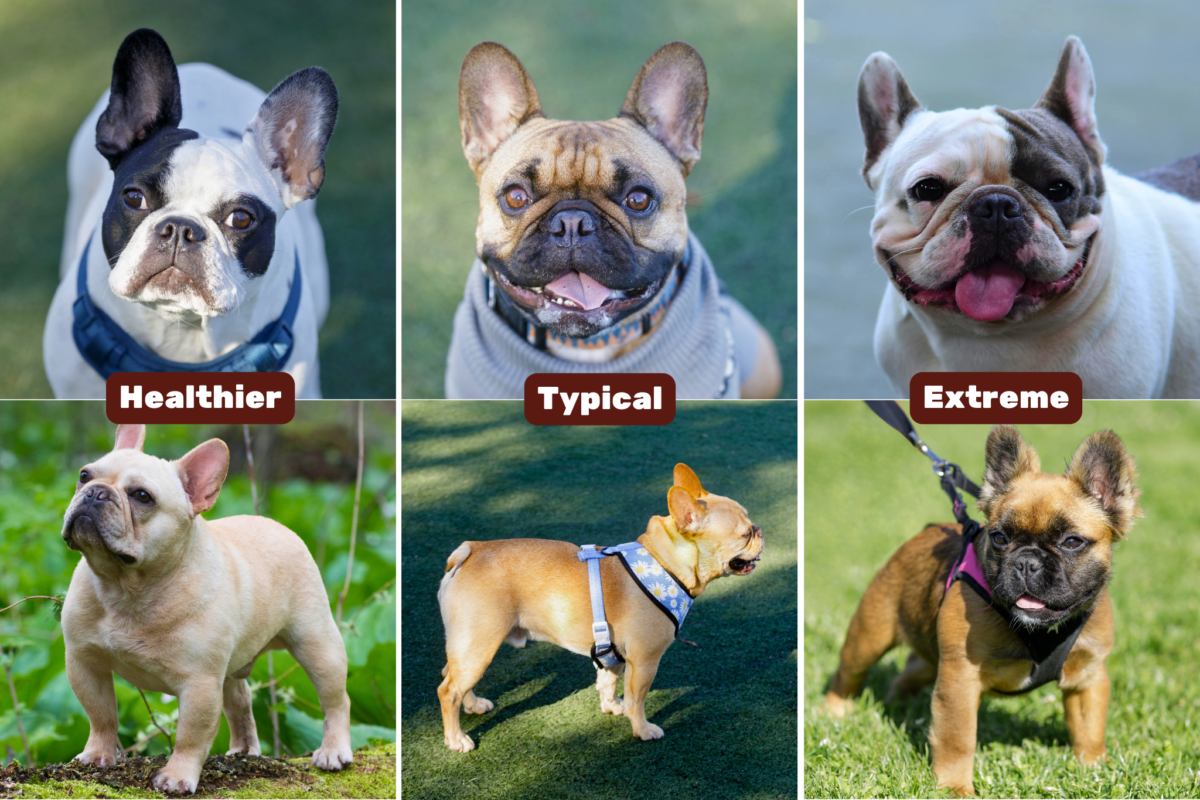
By contrast, French Bulldogs with slightly longer muzzles, more open nostrils, and moderate facial structure may experience fewer airway and skin issues.
Coat color and texture can also play a role in health. Certain rare or heavily selected colors, such as blue, lilac, or merle, have been linked to a higher risk of genetic conditions, including skin sensitivities, alopecia, and, in some cases, hearing or vision issues.
Similarly, so-called “fluffy” French Bulldogs carry a long-hair gene that is not part of the traditional breed standard. While the coat itself is not inherently harmful, these dogs are often bred for novelty and rarity, which can sometimes lead to less emphasis on structural health traits like airway function and overall conformation.
Because of this, responsible breeders increasingly focus on selecting dogs with healthier anatomical features, which may help reduce some of the risks associated with exaggerated traits.
Want A Deeper Breakdown Of French Bulldog Health Concerns? If you’re curious about the most common conditions affecting this breed, including breathing disorders, skin issues, and digestive problems, see our full guide to French Bulldog health issues.
5 Factors That Impact French Bulldog Lifespan
While breed-wide traits help explain overall lifespan trends, individual French Bulldogs can live longer or shorter lives depending on several key factors.
Research shows that genetics, body condition, reproductive status, and even biological sex all play a role in how long a dog lives. Some of these are within an owner’s control, while others depend on breeding and biology.
1. Genetics & Breeding Quality
Not all French Bulldogs are bred with the same level of care. Dogs from responsible breeders who prioritize health testing, genetic diversity, and structural soundness are generally less likely to develop inherited conditions.
Even within the same breed, better genetic diversity can translate to measurable differences in survival. A U.S. veterinary study found that breeds with lower genetic diversity had median survival times 3 to 6 months shorter than those with more diverse populations.
This is one reason why two French Bulldogs can have very different health outcomes despite being the same breed.
2. Body Weight & Condition
Body condition is one of the most impactful and controllable factors affecting lifespan.
A large U.S. veterinary dataset analyzing millions of dogs found that those with an ideal body condition lived significantly longer than overweight or obese dogs. Obese dogs had life expectancies that were over a year shorter than dogs at a healthy weight.
Excess weight increases the risk of:
- Joint pain
- Heart disease
- Respiratory difficulty (especially important in French Bulldogs)
- Metabolic disorders
For a breed already prone to breathing issues, maintaining a healthy weight is especially critical.

3. Spaying & Neutering (Gonadectomy)
Reproductive status can also influence lifespan, although the effects are nuanced. Spayed and neutered dogs tend to live longer, with the effect being stronger in females than in males.
However, timing may matter. Ongoing research suggests that the age at sterilization could influence long-term health outcomes, including cancer and orthopedic risk.
Talk to your vet about the right time for your dog.
4. Sex (Male vs Female)
Female dogs consistently show a slight lifespan advantage over males. For example, a large-scale veterinary analysis found that female dogs had a higher life expectancy at birth than males, with differences of several months across populations.
5. Epigenetics & Environment
Genetics set the baseline, but environment helps determine how those genes are expressed.
Epigenetics refers to how lifestyle and environmental factors influence gene activity over time. In dogs, this can include:
- Diet quality
- Exercise
- Stress levels
- Exposure to pollutants
- Access to veterinary care
Two genetically similar dogs can have very different health outcomes depending on their environment and daily care.
6 Ways To Help Your French Bulldog Live Longer
French Bulldogs may have some built-in health challenges, but day-to-day care plays a bigger role than most people think.
The goal is not perfection. It is consistency. Small habits add up over time and can make a real difference in how your dog feels and how long they stay healthy.
- Maintain a healthy weight. Keeping your dog lean is one of the simplest ways to support long-term health.
- Stay on top of vet visits. Early intervention for health issues is often the difference between a quick fix and a long-term problem.
- Be thoughtful about where your dog comes from. Dogs from breeders who prioritize health, structure, and moderation tend to have fewer issues than those bred for extreme features or fast turnover.
- Protect their breathing. Short walks, cool environments, and paying attention to their breathing can go a long way in keeping them comfortable and safe.
- Feed simply and consistently. A balanced, consistent feeding routine that keeps your dog at a healthy weight is what matters most.
- Pay attention to the “little things”. Skin irritation, ear scratching, or occasional digestive issues may seem minor at first but are often early clues that something needs attention.

Frequently Asked Questions
French Bulldog lifespan can feel confusing at first, especially when different sources say different things. These quick answers focus on what actually matters for owners.
Don’t see your question? Respond in the comments, and we’ll get back to you!
Is The French Bulldog An Unhealthy Breed?
Although many French Bulldogs go on to live a healthy life, the French Bulldog breed is not a particularly healthy breed. This is mainly due to brachycephalic airway syndrome (BOAS) and the secondary health problems that can come with it.
Unfortunately, being a Frenchie owner means you should expect more health problems and trips to the vet than most dog owners.
How Many Years Can A French Bulldog Live?
Most French Bulldogs are expected to live between 10 and 12 years old; however, some individuals have lived longer.
Dogs that stay at a healthy weight, get consistent care, and avoid major health complications often reach their early teens.
Do Male Or Female French Bulldogs Live Longer?
Female dogs tend to live slightly longer than males. The difference is usually small, but it shows up consistently.
When Is A French Bulldog Considered Old?
A French Bulldog is considered a senior citizen around 7 or 8. It’s different for every dog, but they usually begin slowing down and becoming less active.
At this point, you want to consider feeding them an age-appropriate senior diet to prevent age-related weight gain.
What Is The Biggest Health Concern For French Bulldogs?
Breathing issues related to their flat face are the most well-known concern. These can affect energy levels, heat tolerance, and overall comfort.
What To Read Next
If you’re researching French Bulldogs, lifespan is just one piece of the picture. Understanding how they grow, what they cost, and even their coat variations can help you make better decisions as an owner.
- Want to know how big your Frenchie will get? Growth can vary more than people expect, especially during the first year.
- Curious about French Bulldog colors? Not all colors are created equal, and some are linked to higher health risks.
- Thinking about getting a French Bulldog? The upfront price is just the beginning.