When you purchase through links on our site, we may earn a commission at no extra cost to you. Learn more.
Does your personality match your dog? Or did you accidentally clone yourself, just with more fur, fewer taxes, and a suspicious relationship with socks?
Table of Contents
Let’s start with a mildly unsettling thought: you didn’t just get a dog. You may have selected a living, breathing extension of your personality.
Not in a creepy sci-fi way. More in a “Why does my dog sigh exactly like I do when someone mildly inconveniences us?” way.
And once you notice it, you can’t unsee it.
Your dog isn’t just following you from room to room. They may be emotionally mirroring you. Studying you. Absorbing your household energy. Quietly becoming your fluffy little co-worker in the ongoing group project known as daily life.
Which raises the real question: Did you choose a dog that was already like you, or did your dog become like you because they live with you?
Let’s investigate.
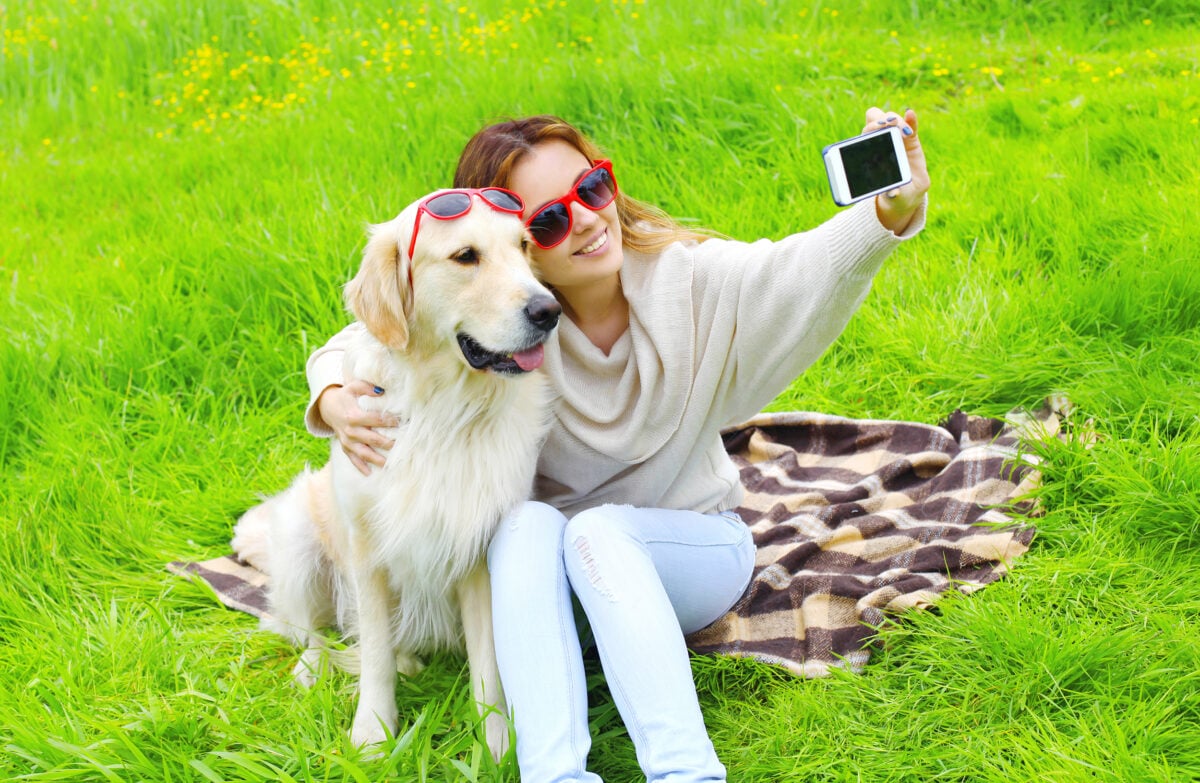
The Slightly Uncomfortable Truth
Most people don’t choose a dog the way they think they do.
We like to imagine the process is logical, responsible, and thoughtful. You researched breeds. You considered temperament and evaluated lifestyle compatibility.
Sure. But in reality, a lot of dog decisions look more like this:
- “This one feels right.”
- “Look at his face.”
- “I think he gets me.”
- “We have made eye contact, and now I am legally bound to him.”
And then you bring home a pup who, over time, starts to feel weirdly familiar.
They react the way you react, avoid the things you avoid, and enjoy the things you enjoy. They judge the same people at the same time from across the room.
That isn’t necessarily random.
Is This For Real?
Yes, say owners and researchers. A 2019 study published in the Journal of Research in Personality looked at more than 1,600 dogs and their owners and found that dog personalities frequently mirror their owners’ personalities in noticeable ways.
- Extroverted owners tended to describe their dogs as more active and excitable.
- Owners who scored higher in negative emotions were more likely to have dogs described as more fearful, active, and less responsive to training.
- More agreeable owners tended to have dogs who were less fearful and less aggressive.
Science isn’t saying your dog inherited your personality through the couch cushions. But it does suggest that the dog-owner relationship is shaped by a chaotic mix of temperament, lifestyle, routine, training, and emotional climate.
Which is basically the polite academic version of: you may have had a hand in this.
So, Who Came First: Your Personality Or Your Dog’s?
This is where things get delightfully messy because there are two possibilities:
- Your dog was already like this, and that’s why you chose them.
- Your dog became more like this because they live with you.
Annoyingly, the answer is probably a bit of both.
You may have chosen a dog that already matched your natural energy. That feeling, that instant sense of comfort, usually comes from recognition. Not conscious recognition, but something close enough.
Translation:
- High-energy people → “That chaotic tornado of joy? Perfect.”
- Chill people → “That dog hasn’t moved in 3 hours. I trust it.”
- Mildly anxious people → “That dog looks concerned. Same here.”
It’s subtle, but powerful. And it explains why people so often end up with dogs that fit their natural pace of life without having to force it.
Even if you picked a dog that wasn’t exactly like you at first, that doesn’t mean things stay that way.
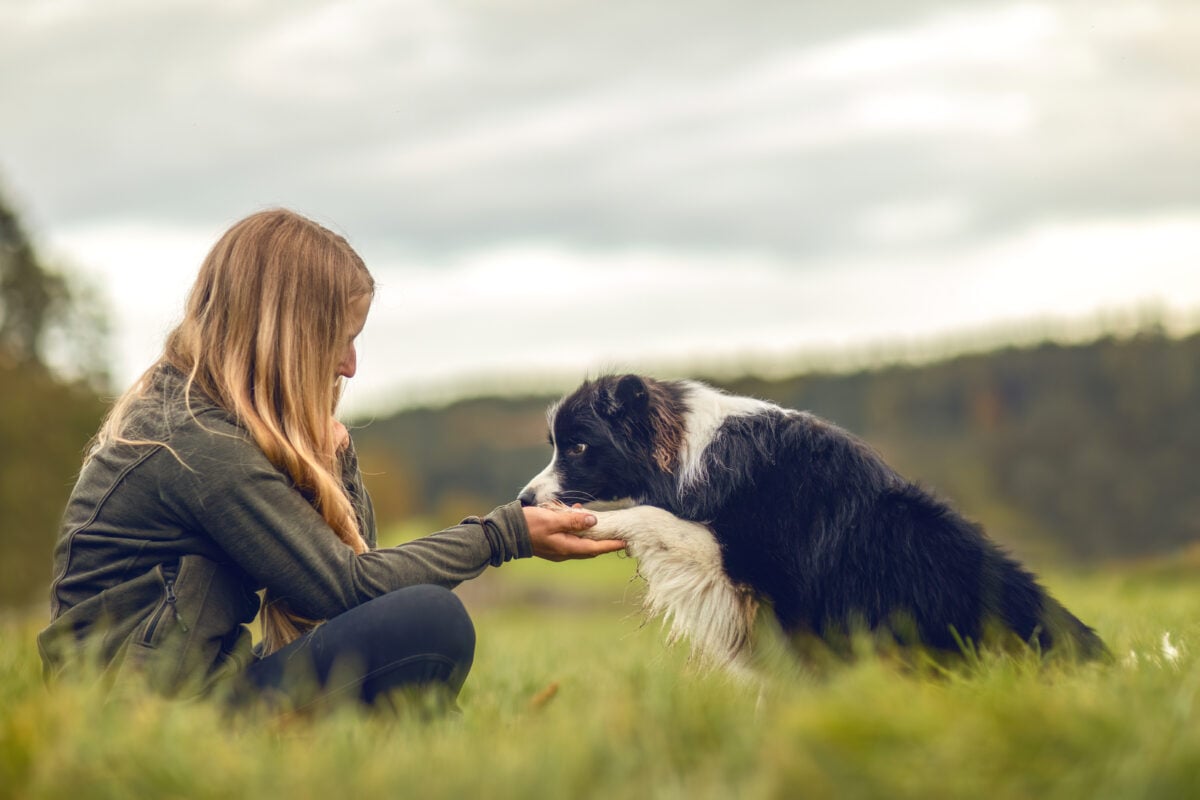
Your Dog Is Quietly Studying You Like A Tiny Behavioral Scientist
Dogs don’t just live with you. They observe you closely and constantly.
Your daily habits, routines, reactions, and emotional weather slowly shape them even more.
Over time, dogs can start reflecting their owner’s emotional patterns. Confident owners often have outgoing dogs, while anxious owners may have more sensitive or reactive dogs.
So, if your dog is dramatic, sensitive, social, stubborn, chaotic, or suspicious of unfamiliar furniture… Well, we’re not here to assign blame. We’re simply observing patterns.
Research Reality Check:
The 2019 study didn’t identify a simple cause. It points to a more interesting possibility: people may choose dogs that already fit their lifestyle, and then shared routines may shape the dog even more over time.
So yes, this is a chicken-or-egg situation (which came first). But the chicken has a leash, and the egg is judging your schedule.
What This Personality Match Is Really Doing To Your Life
This isn’t just a fun personality quiz with fur attached.
The way your personality overlaps with your dog’s can shape everyday life in surprisingly practical ways:
- How easy training feels
- How much exercise your dog actually gets
- How stressful new situations become
- Whether your home runs on routine or mild chaos
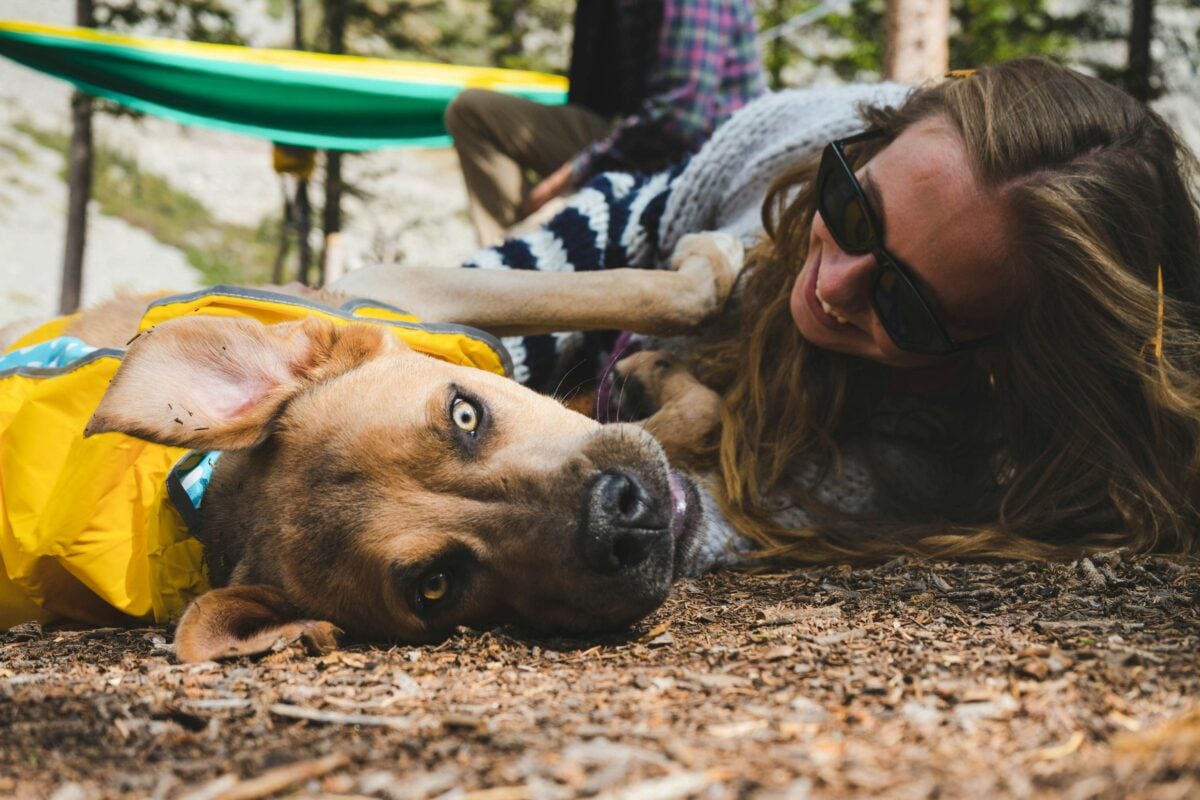
When It Works Well
A strong match can make life feel easier. You understand your dog’s pace, and your dog understands yours.
- You’re energized by the same activities
- You’re overwhelmed by the same environments
- You settle into routines that feel natural instead of forced
There’s less friction and fewer daily negotiations.
When It Gets Amplified
Matching personalities don’t just create harmony. They can also create intensity.
- High-energy + high-energy → Accidental endurance athlete
- Sensitive + sensitive → Emotional feedback loop
- Low-key + low-key → “We should probably go outside at some point.”
At first, it feels aligned. Over time, it can feel like everything is turned up just slightly too high or slightly too low.
The Better Goal: Balance, Not Cloning
The best matches aren’t always identical. Sometimes they’re complementary.
- A calm owner can steady a reactive dog
- An active dog can push a sedentary owner to move more
- A structured owner can give clarity to a chaotic dog
The goal isn’t to “find a dog exactly like me.” It’s to “understand the dynamic we’re creating together.“
This way, you can lean into what works, adjust what doesn’t, and recognize when your dog isn’t the problem but a very enthusiastic participant. And with dogs, something always gets a little weird.
Where Do You Fall On The Personality Match Spectrum?
(From “we are aligned” to “we might need a mediator”)
Not every dog-owner pairing is identical. Some are perfectly in sync, some are close enough, and some feel like an ongoing social experiment. Most pairings fall somewhere on this spectrum.
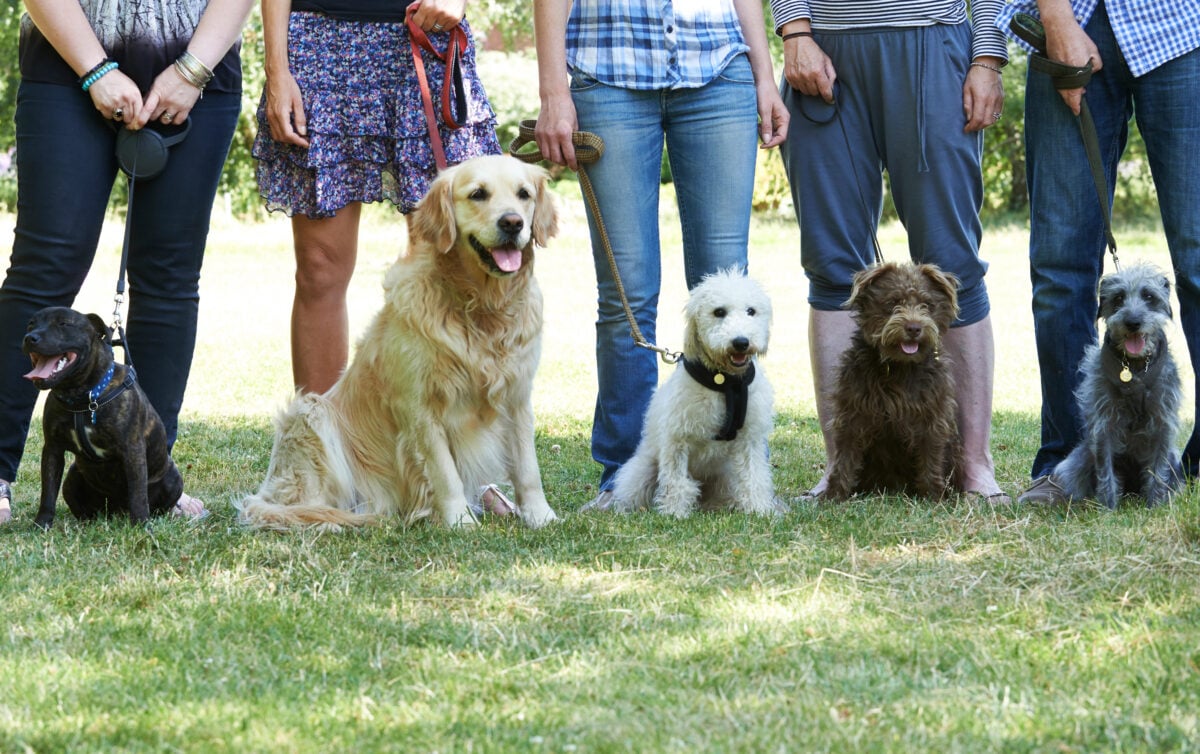
1. Perfect Match
This is the “we share one brain cell, and it’s working beautifully” pairing.
You and your dog operate like a coordinated duo.
- You reach for the leash → they’re already at the door
- You think about a nap → they’re already curled into a cinnamon roll
- You both know the routine without discussing it
What it feels like: Easy, predictable, and slightly impressive.
What’s actually happening: Your personalities and habits are naturally aligned, and you’ve reinforced that alignment over time.
2. Close Enough
You’re mostly aligned, with a few manageable differences.
You want a calm, normal walk. Your dog wants a full sensory experience involving leaves, air molecules, and possibly a stick that chose them.
You compromise by letting them sniff the same mailbox for 2 minutes while you stare into the distance, questioning your life choices.
What it feels like: Functional with mild side quests.
Reality check: This is where most people are. And honestly, it works.

3. Opposites
You wanted calm. You adopted chaos. Chaos did not misrepresent itself. You just didn’t ask enough follow-up questions.
This pairing can still work, but it requires effort, structure, and a willingness to admit that “he’ll settle down eventually” was perhaps a statement made from hope rather than evidence.
What it feels like: Like living with a personal trainer who has no respect for your boundaries.
The upside: This pairing can actually create balance if you lean into it instead of fighting it.
4. Mutual Confusion
No one fully understands what’s happening here.
- You give a command → your dog interprets it creatively
- Your dog does something strange → you accept it without questioning
- You both just… continue
What it feels like: A shared experience with no clear structure, but surprisingly strong emotional commitment.
At this point: You are not shaping behavior. You are coexisting.
Quick Reality Check
Most people don’t stay in one category forever.
You might start in Opposites, move into Close Enough, and eventually land somewhere between Perfect Match and “we’ve accepted this situation.”
Because over time:
- You adapt to your dog
- Your dog adapts to you
- And the gap between you quietly closes
The 6 Dog-Owner Personality Matches You’ll Recognize Immediately
Now that we’ve established you may be living with a furry personality mirror, let’s talk about the most common dog-owner pairings. Some are harmonious, some are chaotic, and others should probably have their own group chat.
1. The “Let’s Do Everything” Human + The Overachieving Athlete Dog
This is the pairing where activity doesn’t feel like a chore — it feels like a baseline expectation for being alive.
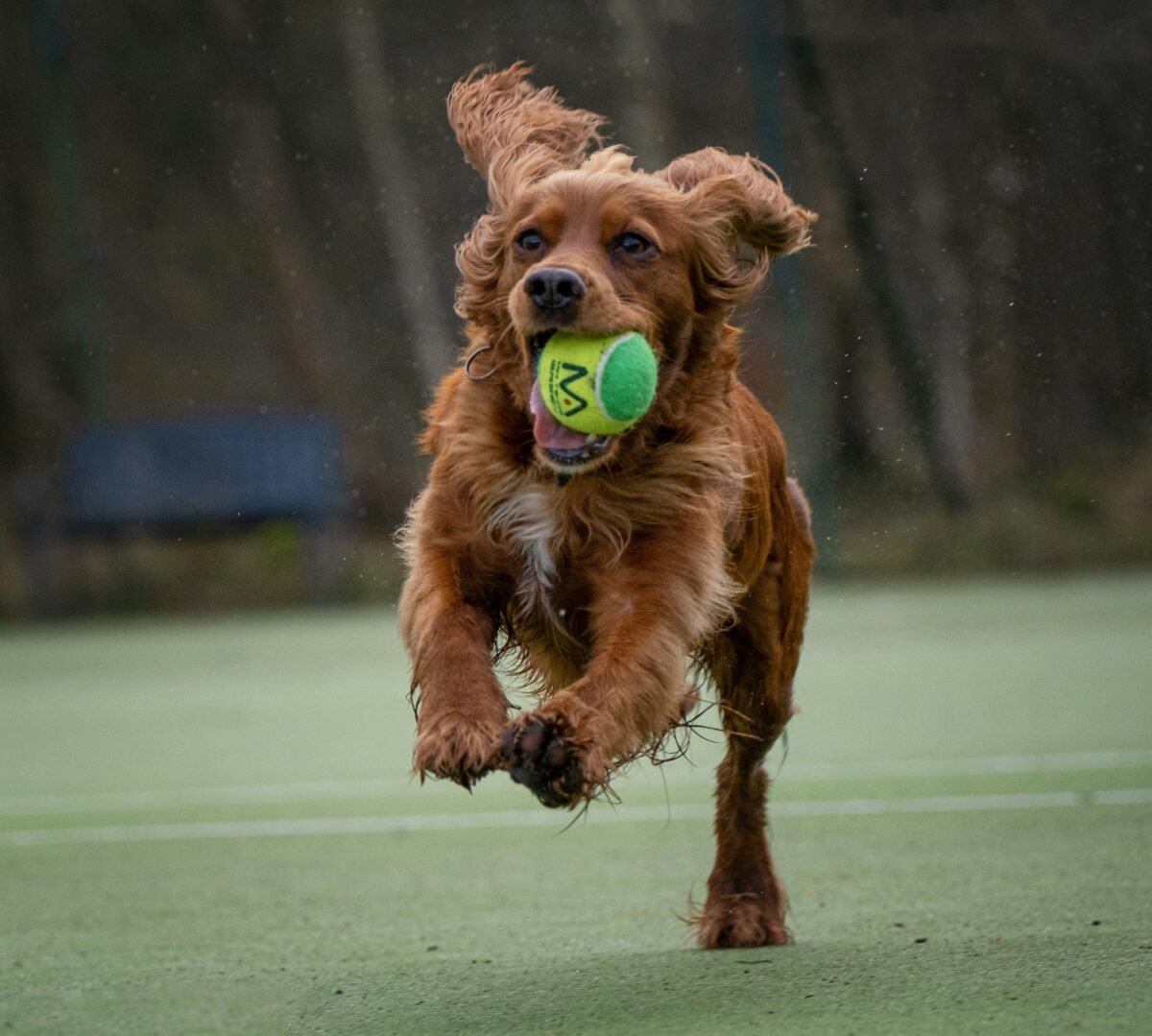
You didn’t necessarily set out to build your identity around movement, but somewhere along the way, your version of “normal” became slightly intense. And your dog fully supports this escalation. Possibly too much.
You:
- Own hiking boots for emotional reasons
- Say things like “Let’s just do a quick 6-mile walk”
- Have considered a sunrise hike recreational
- Believe exhaustion is a positive personality trait
- Feel proud when your fitness watch congratulates you
Your Dog:
- Has more stamina than seems biologically possible
- Treats fetch like a lifelong contract
- Starts warming up when you’re winding down
- Brings you toys at the exact moment you sit down
- Judges rest as a personal failure
- Thinks “one more lap” is a love language
At some point, it stopped being about matching energy and became about raising it.
A short walk turns into a longer one. The longer one turns into exploration. Exploration turns into a full production. By the time you get home, you feel accomplished. Your dog feels like you’re finally getting into a rhythm.
2. The “Let’s Stay Home” Human + The Professional Nap Consultant
This pairing is built around comfort, not laziness or avoidance. Let’s be very clear about that.
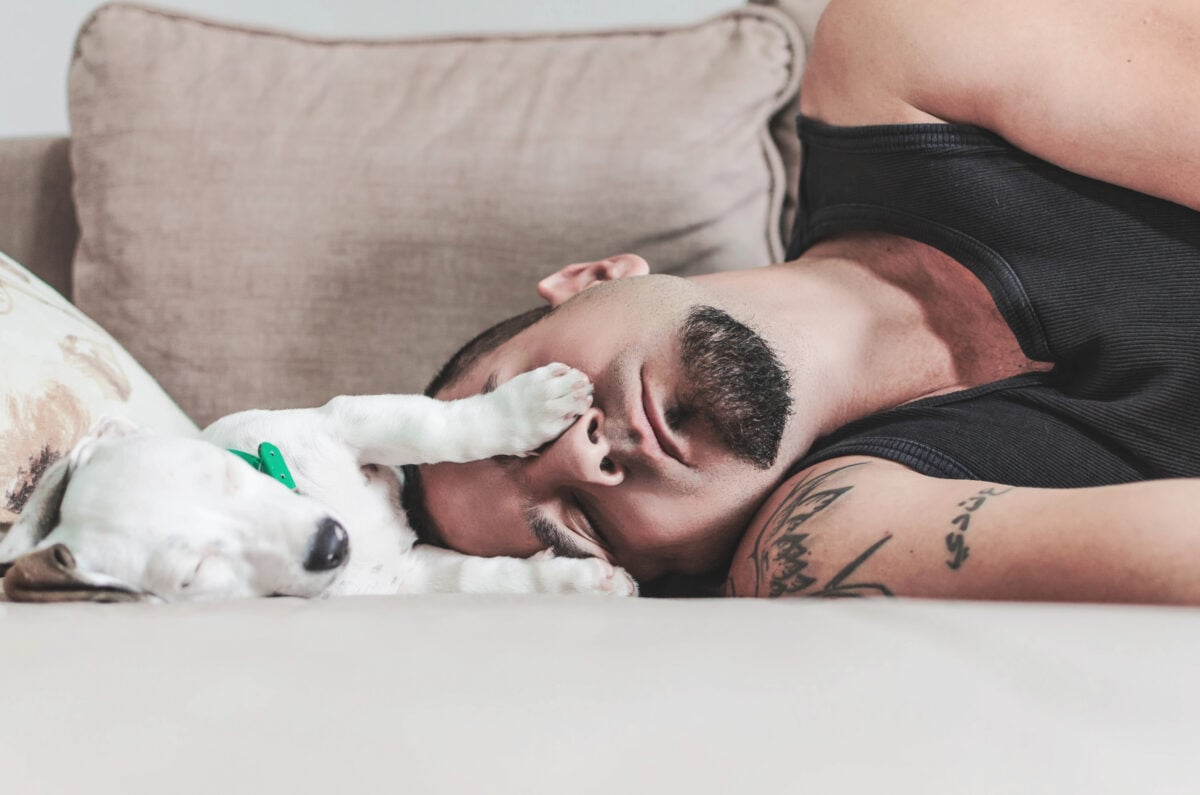
This is not a failure of ambition. It is a shared appreciation for calm, predictable environments, soft surfaces, and the emotional stability of knowing exactly where the snacks are.
You and your dog understand that peace is not boring. Peace is the point.
You:
- Cancel plans with impressive creativity
- Prefer quiet nights to busy schedules
- Consider snacks a legitimate hobby
- Feel personally attacked by “spontaneous plans”
- Believe the best weekend is one where very little happens
Your Dog:
- Sleeps like they’re training for a championship
- Moves only when necessary, not proactively
- Has a relaxed, steady temperament
- Is not easily overstimulated
- Has perfected the slow blink of total contentment
Your home has a rhythm. There’s no pressure to constantly be doing something. Walks happen, but they’re not events. Rest isn’t something you earn; it’s just part of the day.
The only catch is that comfort has a way of slowly expanding. Walks get shorter. Activity becomes optional. Sunlight becomes more of a concept than a requirement.
And your dog, fully aligned with your values, sees absolutely no issue with that.
3. The “Slightly Anxious But Functional” Human + The Emotional Support Sidekick
This is one of the strongest emotional pairings, not because it’s perfect, but because it’s deeply connected.
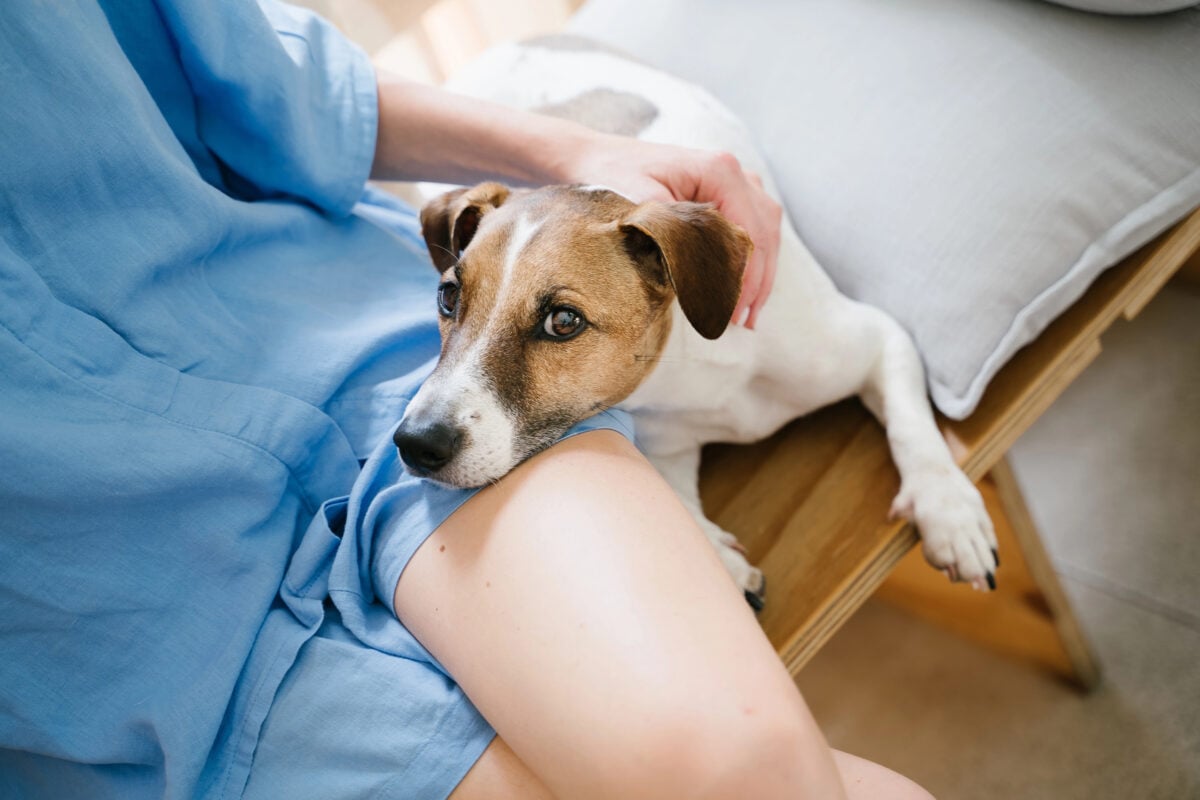
Your dog doesn’t just live with you. They track you. Subtly, constantly, and sometimes before you’ve fully processed what you’re feeling yourself.
You:
- Overthink texts from 2007
- Google symptoms you may not even have
- Think through situations in detail
- Are emotionally aware, sometimes to a fault
Your Dog:
- Pays close attention to your behavior in a slightly creepy way
- Stays physically close more often
- Mimics your stress
- Shows signs of sensitivity to the environment and your tone
Research shows personality traits like neuroticism are linked to stronger emotional attachment to pets. So yes, your dog isn’t just attached to you. They are invested.
At some point, it’s hard to tell who started it.
You feel something → your dog notices.
Your dog reacts → you notice that.
Now both of you are paying attention to the same invisible problem that may or may not exist.
It can be incredibly sweet. It can also mean small situations feel bigger than they need to. The bond is strong, but so is the shared tendency to monitor everything like something important just shifted.
4. The “Social Butterfly” Human + The Mayor of the Dog Park
This is the most outward-facing pairing. Everything is an opportunity to interact. You don’t just go places — you engage with them. And your dog has decided every outing is a public appearance.
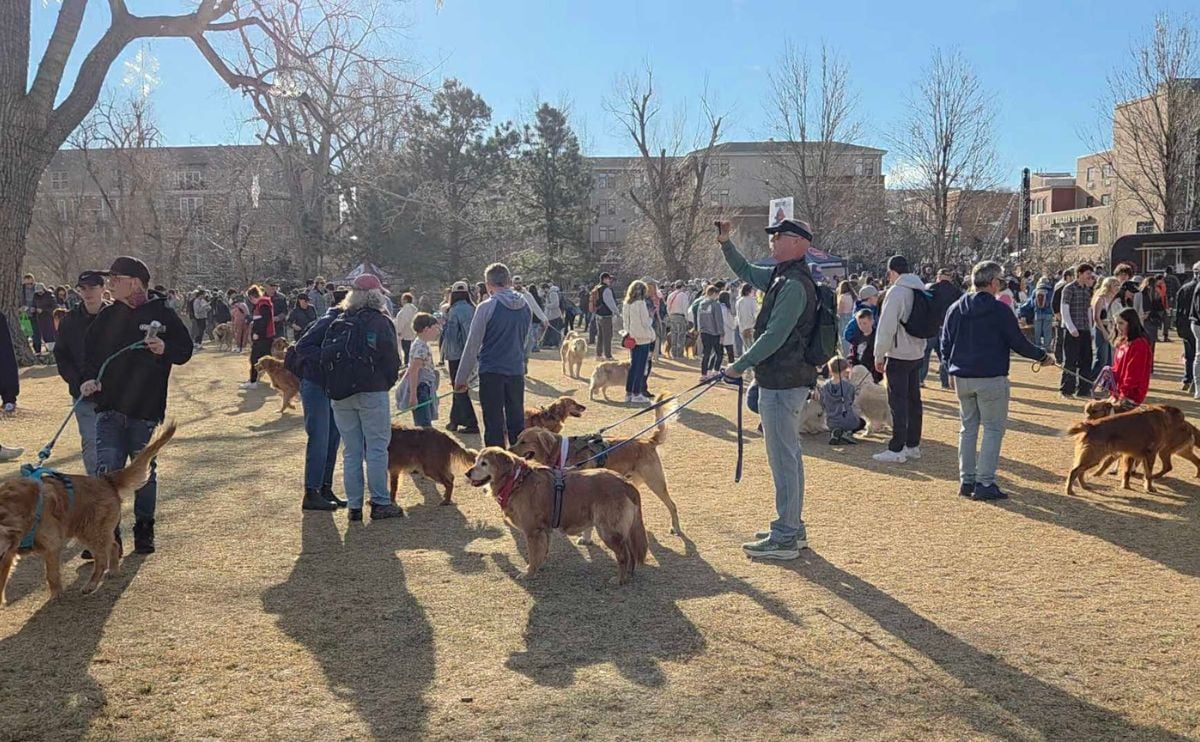
This is the pairing where a quick walk turns into three conversations and at least one unexpected introduction.
You:
- Talk to strangers like it’s your job
- Have been described as “a lot” (in a good way)
- Feel comfortable in social environments
- Thrive in interactive settings
Your Dog:
- Loves everyone
- Has zero concept of personal space
- Shows excitement in new environments
- Assumes most interactions are positive
You may have chosen a friendly dog, but you definitely reinforced it.
Walks become social. Dog parks become community hubs. Errands take longer because your dog is, effectively, networking.
It works, as long as everyone is on board. The only issue is that not every person — or dog — is ready for that level of enthusiasm, even if your dog strongly disagrees.
5. The “Type A Planner” Human + The Structured, Predictable Dog
This pairing runs on consistency, and it works.
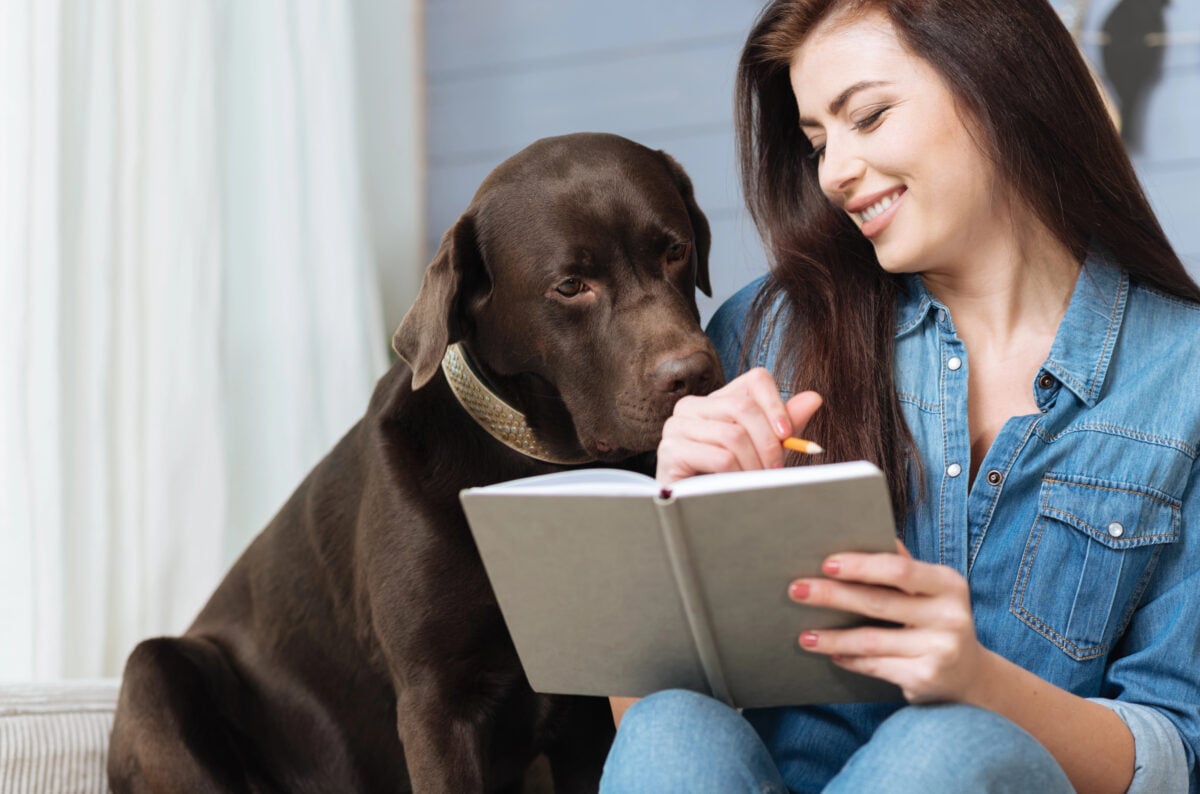
You like knowing what’s happening. Your dog likes knowing what’s happening. Together, you’ve created a system that makes daily life feel smooth, predictable, and very intentional.
You:
- Have a schedule for your schedule
- Own labeled containers
- Feel uneasy when things are too random
- Value consistency
Your Dog:
- Thrives on routine
- Learns expectations quickly
- Probably knows when dinner time is better than you do
- Shows predictable behavior patterns
At some point, your dog didn’t just learn the routine; they memorized it.
Meals happen on time. Walks follow a pattern. Expectations are clear. There’s very little confusion, which is exactly how both of you like it.
The only downside is that when something does change, it feels bigger than it should. Your dog notices. You notice your dog noticing. And suddenly, everyone is slightly unsettled over a 15-minute delay.
6. The “Free Spirit” Human + The Unpredictable, Independent Dog
This pairing runs on flexibility, improvisation, and a general agreement that structure is negotiable.
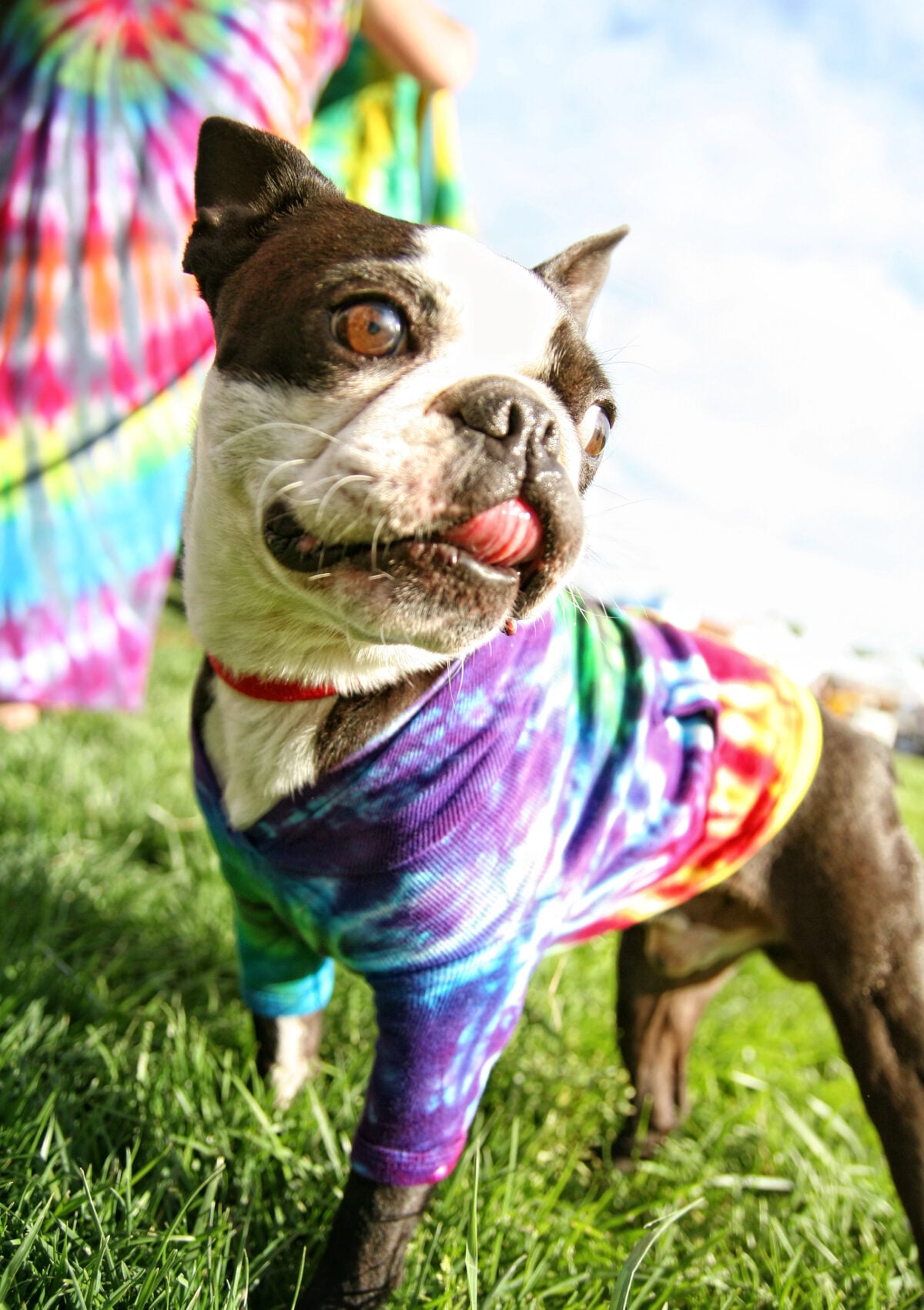
You value freedom. Your dog values independence. Unfortunately, neither of you has clarified the rules, so now there are several interpretations.
You:
- Believe plans are suggestions
- Say “we’ll figure it out later” a lot
- Have a personality described as “vibes”
- Value freedom in your day-to-day life
Your Dog:
- Makes decisions independently
- Ignores commands creatively
- Is technically trained… in theory
- Shows variable behavior
Some days everything works. Some days absolutely nothing does.
You try to create structure. Your dog treats it as a recommendation. You adjust. Your dog adjusts differently. Eventually, you both land somewhere in the middle and call it progress.
It’s not predictable, but it’s rarely boring.
So, Are You Actually A Good Match?
At this point, you probably recognize yourself somewhere in the list.
The more useful question isn’t whether your personalities match. It’s whether your daily life actually works because matching doesn’t always mean balanced.
Sometimes it means:
- You both escalate the same situations
- You both avoid the same things
- You both reinforce habits without noticing
And that can go either way.
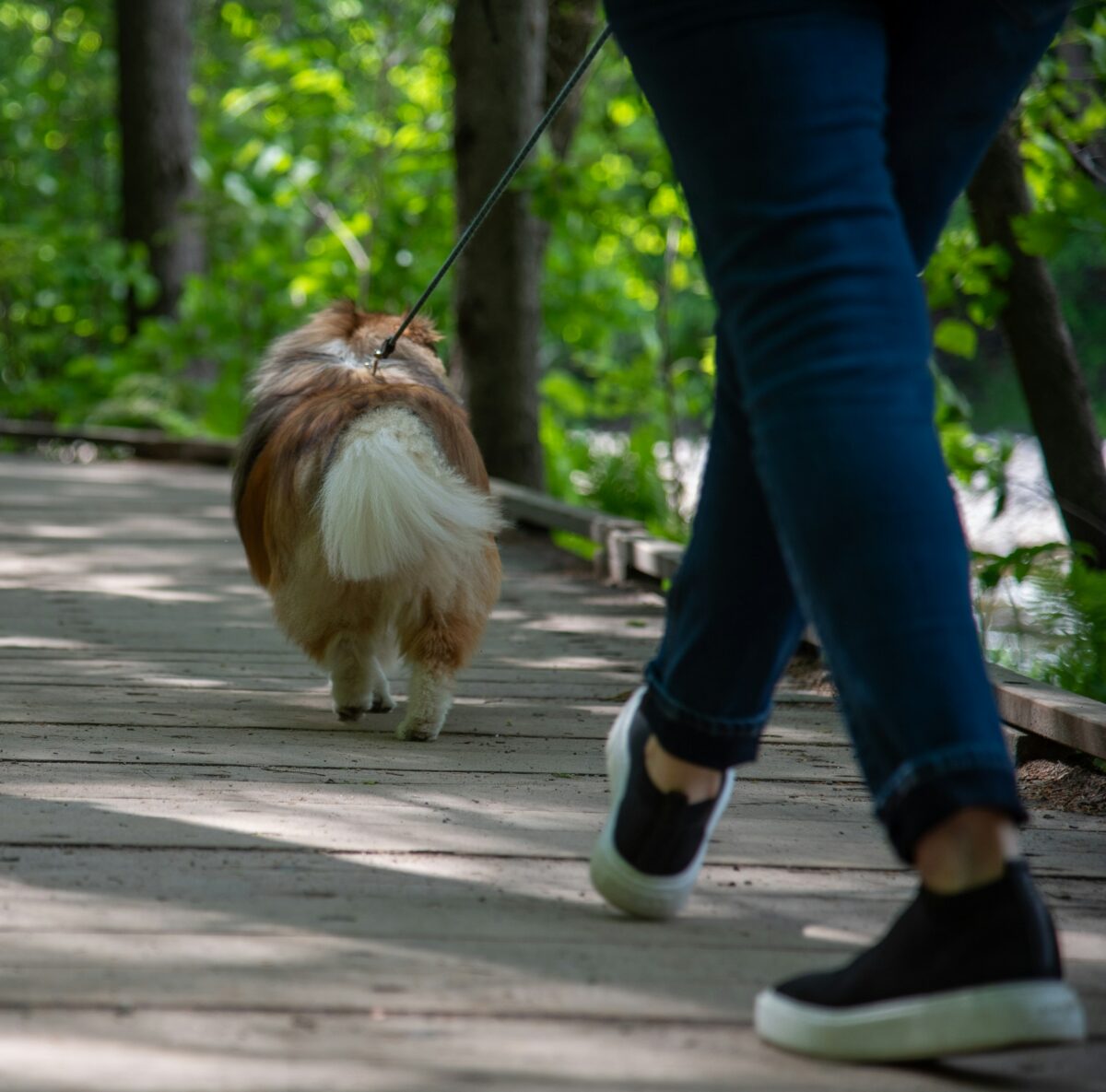
Signs It’s Working
You’re probably in a solid place if:
- Your dog settles easily into your routine
- Their energy fits naturally into your day
- You don’t feel like you’re constantly managing behavior
- Most interactions feel predictable (in a good way)
It’s not perfect, but it’s smooth.
Signs It’s Not Quite Working
This is where matching turns into amplification.
- You’re both overstimulated more often than not
- Your dog struggles to settle
- Small situations turn into bigger reactions
- You feel like you’re constantly adjusting instead of coexisting
That doesn’t mean you picked the wrong dog. It usually just means the dynamic needs tweaking.
When You’re NOT A Match (And Why That’s Okay)
Not every pairing is aligned, and that’s not automatically a problem.
Sometimes contrast helps:
- Calm owners can steady anxious dogs
- Active dogs can increase owner activity
- Structured owners can guide unpredictable dogs
The issue is expectation because problems start when you assume your dog should respond the way you would. And they sometimes won’t.
Can You Change Your Dog’s Personality?
Sort of, but not in a magical makeover way.
You probably can’t turn a naturally cautious dog into a fearless social butterfly overnight. You can’t turn a high-drive working breed into a decorative pillow with legs. And you probably can’t turn an independent dog into a Golden Retriever-themed motivational speaker.
But you can influence behavior, confidence, coping skills, and daily emotional patterns.
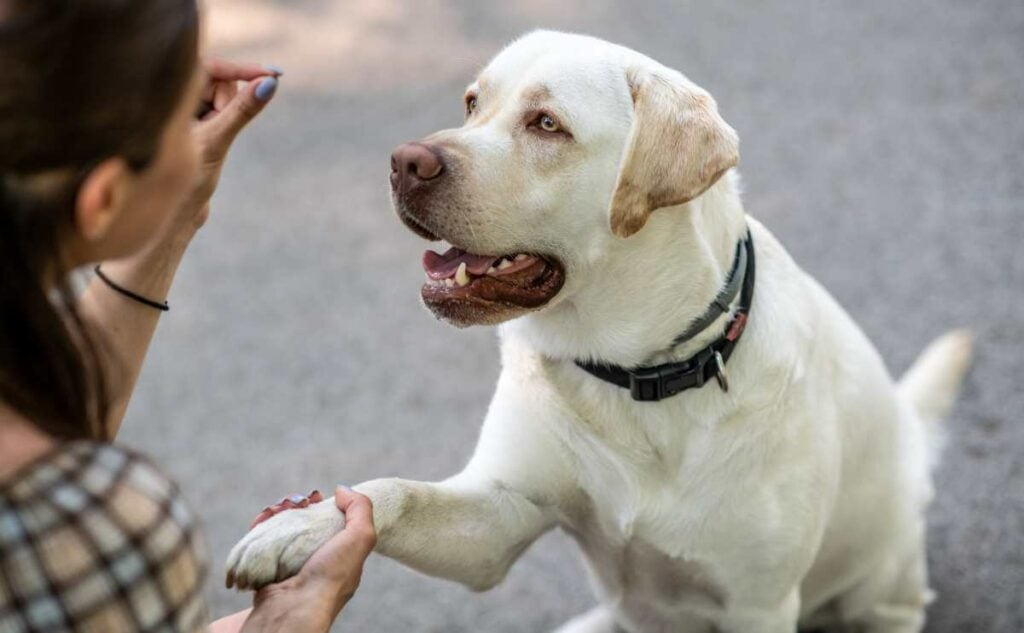
Your dog’s personality is shaped by a mix of:
- Genetics
- Breed tendencies
- Early experiences
- Training
- Environment
- Health
- Age
- Your routines
- Your emotional cues
So while you may not be able to rewrite who your dog is, you can absolutely shape how secure, confident, calm, engaged, or adaptable they become.
That matters a lot.
- A sensitive dog can learn coping skills.
- An energetic dog can learn how to settle.
- A shy dog can build confidence.
- An independent dog can learn reliable cues.
- A chaotic dog can learn that not every impulse requires a full theatrical production.
And you? You may change, too.
You may become more patient, active, consistent, flexible, and more aware of how your emotional state affects the room.
Dogs have a rude little way of making us better while pretending they’re the ones who need training.
The good news? A dog’s personality is not frozen in place.
The same 2019 research found that dog personality changes with age and experience, and dogs exposed to training or obedience classes tended to be less fearful, less aggressive, and more responsive to training. Translation: your dog may be dramatic, but the script is still editable.
Frequently Asked Questions
Still wondering how this plays out in real life? These are some of the questions people tend to have once they realize their dog might be a little too relatable or not relatable enough. Don’t see your question here? Ask in the comments.

Can My Dog’s Personality Actually Change Over Time?
Yes, more than most people expect.
Dogs aren’t locked into one personality forever. Age, routine, environment, and training all play a role. A high-energy dog can learn to settle. A shy dog can build confidence.
They won’t become a completely different dog, but they can absolutely become a more balanced version of themselves.
Do Certain Breeds Match Certain Personalities Better?
Some tendencies line up more easily, yes.
High-energy breeds often fit active lifestyles. More laid-back breeds may suit calmer homes. But breed is only part of the picture — individual temperament, training, and environment matter just as much.
Plenty of unexpected pairings work really well once the routine clicks.
Is It Bad If My Dog And I Are Too Similar?
Not automatically, but it can get intense.
When personalities line up too closely, habits can amplify. That can be great (shared energy, strong bond) or a little chaotic (stress loops, overstimulation, or mutual avoidance of things like exercise).
It’s less about similarity and more about how well your daily rhythm works.
Can I Improve The Dynamic If Things Feel Off?
Almost always. Small changes go a long way:
- More consistent routines
- Better outlets for energy
- Clearer expectations
- Slight adjustments to your own habits
You don’t have to “fix” your dog; you just need to shift the system you’re both operating in.
Why Does My Dog React The Same Way I Do To Certain Things?
Because they’ve been studying you longer than you think.
Dogs pick up on tone, patterns, and emotional cues quickly. Over time, they learn what matters in your environment and respond accordingly.
Sometimes that looks like personality matching. Sometimes it’s just really good observation.
What If My Dog Is Nothing Like Me?
That’s not a problem — it’s just a different kind of dynamic.
Some of the best pairings are complementary, not identical. A calmer dog can balance a high-energy owner. A more active dog can pull someone out of a sedentary routine.
It might take a little more intention, but it can work just as well.
So, What Exactly Is Going On Between You Two?
At this point, you’ve probably recognized a few patterns. Some are accurate, and some may be a little too accurate. The next step isn’t changing your dog; it’s understanding what you’re reinforcing together.
If you want to go deeper, check out these articles:
- How To Form A Better Bond With Your Dog
- Signs Your Dog Has Imprinted On You
- How Your Dog’s Breed Compares To Others
Whether your dog started like you or became like you, you didn’t just get a pet — you built a dynamic. And your dog is very aware of it.
Be honest: which personality match are you and your dog? And more importantly, who influenced whom? Drop it in the comments — bonus points if your dog is currently proving your answer correct.