When you purchase through links on our site, we may earn a commission at no extra cost to you. Learn more.
Like your college roommate during finals prep, your dog is breathing way too heavy. It might be an open-mouthed pant after a game of fetch, a dramatic huff when they flop on the floor, or snuffling and snorting that seems to reach even the farthest room in your home.
Table of Contents
The occasional huff, puff, snort, and even snore can be perfectly normal, but when your dog suddenly starts breathing differently for no obvious reason, it’s hard not to listen a little more closely.
Heavy breathing isn’t one specific symptom, and the details matter. A dog panting after racing around the yard is very different from one breathing rapidly at rest, struggling to pull in air, or suddenly making noises you’ve never heard before.
So before you decide those huffs and puffs are just one of your dog’s quirks, take a closer look at when the heavy breathing happens, what it sounds like, how much effort your dog is using, and what else has changed. Those clues can help you figure out what may be going on and, more importantly, whether it’s time to call your vet.
Want our human-written content to rank above AI-generated garbage? Help us out by clicking this button!

Is My Dog’s Heavy Breathing Normal Or Concerning?
Heavy breathing isn’t automatically a sign that something is wrong. Dogs normally breathe harder and faster when they’re exercising, excited, stressed, or trying to cool themselves down. A healthy dog at rest typically takes about 12 to 30 breaths per minute, and that rate can climb considerably when they’re active or panting.
The more useful question is what happens once the obvious reason for heavy breathing is gone. If your dog has been resting somewhere cool and comfortable but continues to breathe unusually fast, hard, or noisily, pay attention.
Increased effort from the belly, stretching the head and neck to breathe, weakness or collapse, and blue-tinged gums are signs of respiratory distress and require immediate veterinary care.
Here’s a quick way to put what you’re seeing into context:
| What You’re Seeing | How Concerned Should You Be? |
|---|---|
| Panting after running, playing, or getting excited | Often normal if it settles as your dog rests |
| Panting because it’s warm | Normal cooling behavior, but excessive panting that doesn’t improve in a cool environment can signal overheating |
| Occasional snoring or noisy breathing during sleep | May be normal for your dog, but new or worsening sounds are worth mentioning to your vet |
| Breathing faster or harder while resting | More concerning, especially if it persists or is new for your dog |
| New snorting, wheezing, or whistling | Could indicate narrowing or another problem in the airway and warrants veterinary attention |
| Heavy breathing with coughing, sneezing, or nasal discharge | Contact your vet, particularly if symptoms persist or your dog seems unwell |
| Struggling to breathe, using the belly to breathe, blue-tinged gums, weakness, or collapse | Emergency. Seek veterinary care immediately. |
Check Your Dog’s Breathing Rate At Home
Wait until your dog is sleeping or resting quietly, then watch their chest. Count each rise and fall as one breath for 30 seconds, then multiply that number by two to get their breaths per minute.
A normal resting or sleeping breathing rate is generally 15 to 30 breaths per minute. A rate consistently above 30 while your dog is resting or sleeping is considered increased and is worth discussing with your veterinarian, especially if it’s new or accompanied by other symptoms.
Call A Vet Now If You Notice These Signs
Heavy breathing becomes much more concerning when your dog looks like they’re working to get air rather than simply panting. Respiratory distress can worsen quickly, so don’t wait to see whether your dog improves on their own if they appear to be struggling to breathe.
Seek emergency veterinary care if you notice:
- Their belly is working hard with each breath. Watch for obvious abdominal movement or contraction as your dog tries to move air.
- They’re stretching their head and neck forward to breathe. Dogs may change their posture in an attempt to open their airway and get more air.
- Their gums or tongue look blue or purple instead of their normal pink. A change in color can indicate that your dog isn’t getting enough oxygen.
- They become weak, faint, or collapse.
- Breathing suddenly becomes very difficult, strained, or dramatically noisier.
- They cannot seem to get comfortable because of their breathing. A dog in respiratory distress may have trouble settling into a normal resting position.
If you’re unsure whether you’re seeing ordinary heavy breathing or true respiratory distress, call your veterinarian or the nearest emergency veterinary hospital for guidance rather than waiting for more obvious symptoms to appear.
If you’re heading to an emergency clinic, calling ahead when possible can also give the veterinary team time to prepare for your arrival.
What To Do Right Now
If your dog is breathing heavily but isn’t showing signs of respiratory distress, stop what they’re doing and give them a chance to settle.
Move them to a cool, quiet place, especially if they’ve been exercising, playing, excited, or out in warm weather. Heat, exertion, stress, and excitement can all increase panting and breathing rate.
While your dog rests, pay attention to what happens next:
- Watch their breathing effort. Their breathing should become easier as they cool down and relax. Belly contractions, an extended head and neck, weakness, or worsening breathing difficulty warrant emergency care.
- Listen for anything unusual. New wheezing, whistling, snorting, or other noisy breathing can suggest airway involvement.
- Look for other symptoms. Coughing, sneezing, nasal discharge, changes in gum color, lethargy, pain, or reduced exercise tolerance can help your vet narrow down what’s happening.
- Think about what happened beforehand. A sprint around the yard tells a different story than heavy breathing that suddenly began while your dog was asleep on the couch.
- See whether it resolves with rest. Heavy breathing that persists while your dog is resting, keeps returning without an obvious trigger, or is a noticeable change from their normal breathing deserves a call to your veterinarian.
If your dog is struggling to breathe, skip the monitoring period and head to the nearest emergency veterinary hospital. Keep the car cool with air conditioning and your dog as calm as possible during the trip, and call ahead when you can so the veterinary team can prepare for your arrival.
9 Reasons Your Dog May Be Breathing Heavily
Heavy breathing can start with something as ordinary as a vigorous game of fetch or as complicated as a problem affecting your dog’s heart, lungs, or airways. When it happens, what your dog was doing beforehand, and whether anything else seems different can help narrow down the possibilities.
1. Exercise Or Excitement
If your dog starts panting after sprinting after a ball, wrestling with another dog, or greeting their favorite person at the door, their heavier breathing is usually doing exactly what it’s supposed to do. Exercise increases the body’s demand for oxygen and generates heat, while excitement can also trigger heavier panting.
The important part is what happens afterward. A healthy dog’s breathing should gradually settle as they rest.
Heavy breathing that seems excessive for the amount of activity, takes an unusually long time to resolve, or comes with coughing, weakness, or poor exercise tolerance deserves a closer look.
2. Heat & Panting
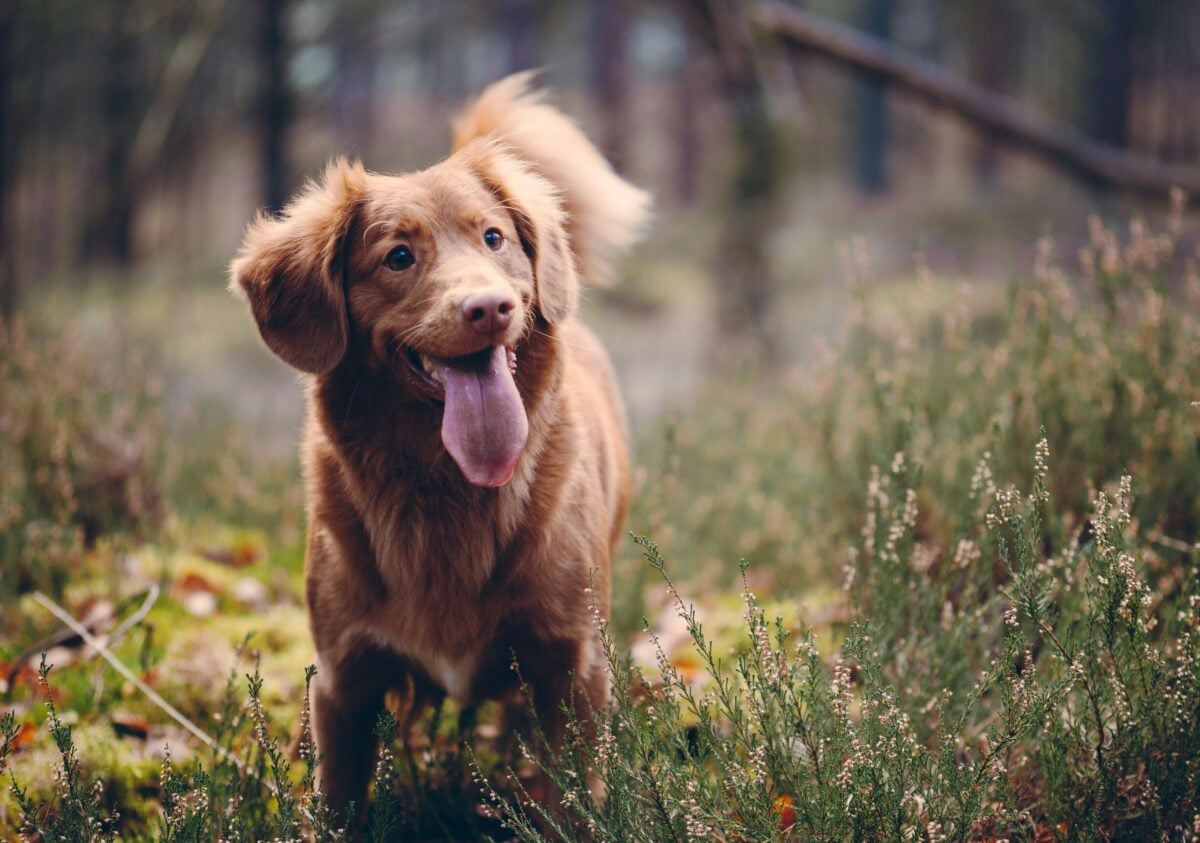
Dogs rely heavilyon panting to cool themselves, so a warm afternoon can turn even a relatively quiet pup into a noisy breather. Hot and humid weather, strenuous exercise, and limited access to shade or cool air all increase the risk of overheating.
Pay attention when panting seems excessive for the conditions or doesn’t improve once your dog is somewhere cool. Heavy panting accompanied by excessive drooling, vomiting, diarrhea, weakness, confusion, seizures, or collapse can indicate heatstroke, which is a life-threatening emergency.
3. Stress, Fear, Or Anxiety
The vet’s office, fireworks, thunderstorms, car rides, or even an unfamiliar houseguest can make some dogs pant despite a perfectly cool room. Stress and anxiety can temporarily increase a dog’s breathing rate, just as excitement can.
Context provides an important clue here. If the heavy breathing consistently appears during stressful situations and subsides once your dog relaxes, stress may be playing a role. Breathing that remains abnormal once the stressful event has passed, or comes with signs of respiratory distress, shouldn’t automatically be blamed on nerves.
4. Flat-Faced Anatomy & BOAS
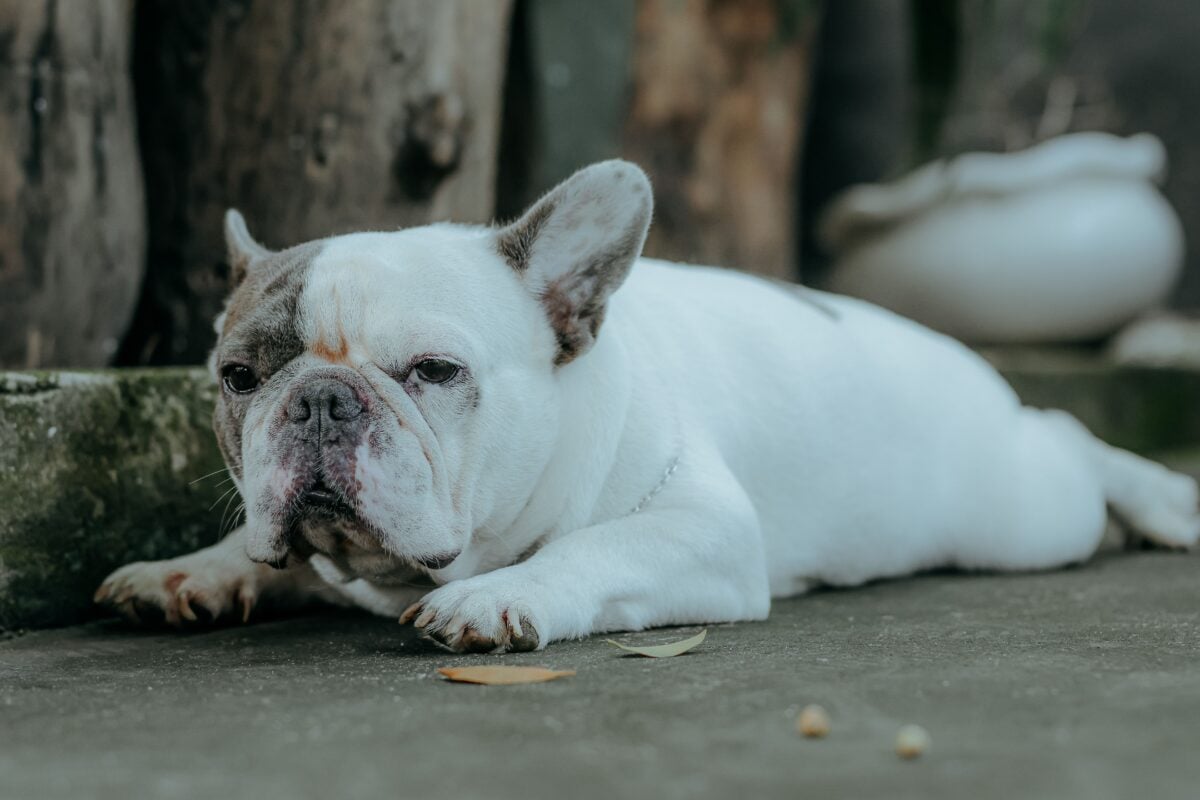
Pugs, French Bulldogs, English Bulldogs, Boston Terriers, and other brachycephalic dogs have shortened skulls that can come with structural changes to the upper airway. Together, these abnormalities can cause brachycephalic obstructive airway syndrome (BOAS).
Affected dogs may have:
- Narrowed, slit-like nostrils
- An elongated soft palate that interferes with airflow
- Tissue near the larynx that obstructs the airway
- A windpipe that is narrower than normal
These changes force some dogs to work considerably harder to move air. You may notice snoring, snorting, wheezing, open-mouth breathing, excessive panting, or difficulty exercising, particularly in warm weather.
Noisy breathing may be common in flat-faced breeds, but significant breathing difficulty shouldn’t be accepted as normal. BOAS varies in severity, and some affected dogs benefit from surgery.
5. A Blocked Or Irritated Nose
Sometimes the problem really is right under your dog’s nose, or inside it. Anything that narrows or inflames the nasal passages can make breathing through the nose louder or more difficult.
Possible causes include:
- Foreign objects: Grass awns and other plant material can become lodged inside a nasal passage, particularly after a dog has been exploring long grass.
- Allergies: Nasal inflammation may contribute to sneezing, snorting, and clear discharge.
- Infections: Viral, bacterial, or fungal infections can inflame the nasal passages and increase discharge.
- Nasal mites or other parasites: These are uncommon but can cause sneezing, snuffling, and snorting.
- Polyps or tumors: Growths can obstruct airflow and may cause persistent discharge or nosebleeds.
Timing provides an important clue. A dog who suddenly starts violently sneezing or snorting after charging through tall grass presents a very different picture from one whose nasal breathing has gradually become noisier over several months.
6. Respiratory Infection Or Inflammation
Inflammation or infection elsewhere in the respiratory tract can also change the way your dog breathes. Depending on which part of the respiratory system is affected, you might notice other signs such as:
- Coughing
- Sneezing
- Nasal discharge
- Noisy breathing
- Faster breathing at rest
- Increased effort to breathe
- Reduced energy or exercise tolerance
Viruses, bacteria, and fungi can all be involved depending on the condition. Lung problems, including pneumonia, can cause more significant breathing changes, while irritants such as smoke can also inflame the respiratory tract.
7. Pain
Panting when your dog hasn’t been exercising or sitting somewhere warm can sometimes be a sign of pain. Dogs don’t always cry, limp, or make it obvious that something hurts, and excessive panting at rest is one physical change owners may notice.
Look at the rest of your dog’s behavior too. Reluctance to move, difficulty getting comfortable, changes in appetite, unusual posture, restlessness, withdrawal, or reacting differently when touched can provide additional clues that discomfort may be involved.
8. Heart Or Lung Problems
Heavy or rapid breathing at rest can originate deeper in the chest. Heart disease and conditions affecting the lungs or the space around them can interfere with normal breathing and oxygen exchange.
Some possibilities include:
- Heart disease or heart failure
- Pneumonia
- Fluid in the lungs, known as pulmonary edema
- Fluid in the space around the lungs, known as pleural effusion
- Other diseases affecting the lungs or chest
You might also notice coughing, reduced stamina, weakness, or a change in your dog’s resting breathing rate. Because many heart and lung conditions produce overlapping symptoms, what you see at home usually can’t identify the underlying cause by itself.
9. Other Medical Conditions
Heavy breathing doesn’t always originate in the nose, airways, heart, or lungs. Anemia, neuromuscular disease, and disturbances in the body’s acid-base balance can all produce breathing changes, while pain and anxiety can sometimes mimic respiratory disease.
There are also conditions affecting the airway itself. Laryngeal paralysis, for example, can cause raspy or noisy breathing, excessive panting, coughing, and difficulty tolerating exercise or heat. Tracheal collapse often causes a distinctive dry, honking cough and may cause wheezing or difficulty breathing as it worsens.
What Different Types Of Heavy Breathing Can Mean
How your dog is breathing can offer useful clues about what’s going on. Pay attention to when it happens, what it sounds like, whether your dog is resting or active, and what other symptoms appear alongside it. None of these patterns can diagnose the cause on their own, but they can help you decide what deserves closer attention.
Heavy Breathing While Resting
Heavy breathing is more noteworthy when your dog is lying quietly in a cool room with no obvious reason to pant. If it’s new, persistent, or keeps happening, check their resting breathing rate and contact your vet.
Pay particular attention to other changes such as coughing, reduced stamina, restlessness, pain, or unusual tiredness.
Heavy Breathing While Sleeping
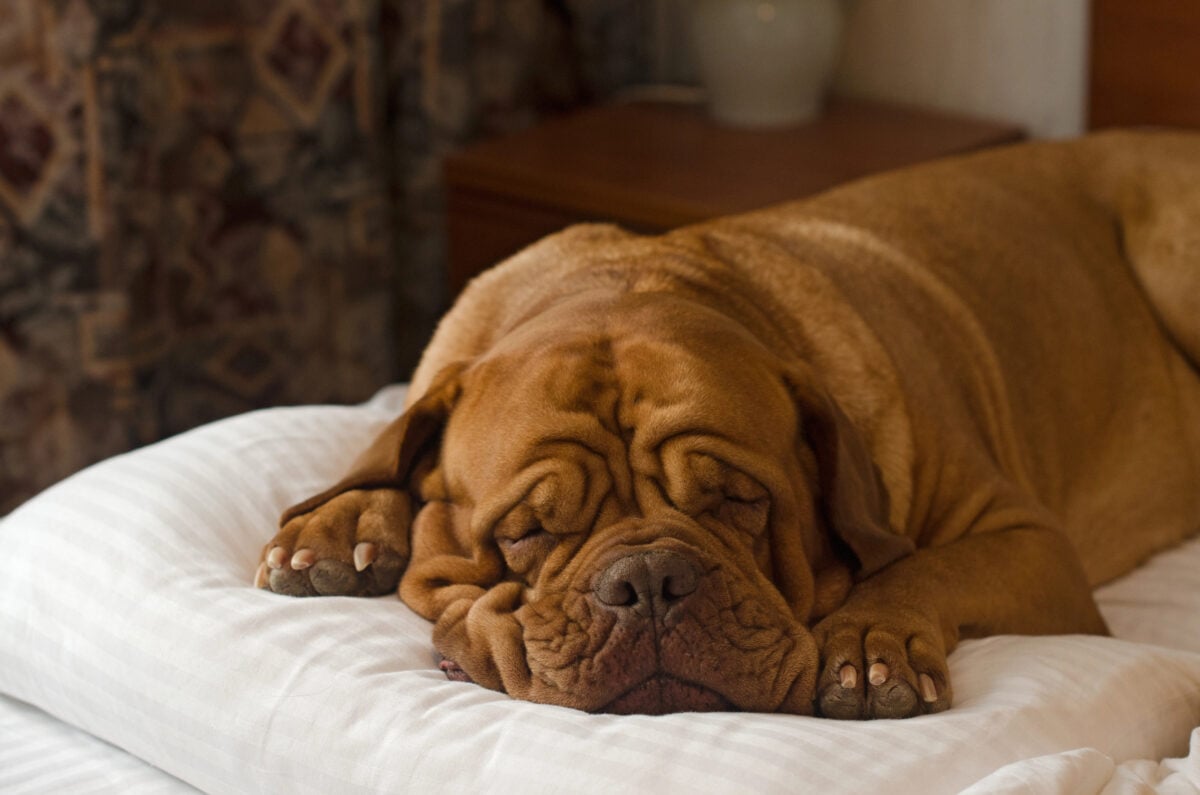
Sleep can actually reveal breathing problems that are less obvious during the day. Your dog’s breathing rate may vary while they dream, and an occasional snore can be perfectly normal, especially if it changes with their sleeping position.
Loud or worsening snoring, repeated snorting or gasping, or breathing that seems unusually labored during sleep deserves more attention. Flat-faced dogs are particularly prone to upper-airway obstruction and may snore when relaxed or asleep. In some dogs, airway obstruction can also contribute to sleep-disordered breathing, sometimes described as sleep apnea.
If your concern is how fast your dog is breathing rather than how they sound, sleep is also an ideal time to use the resting breathing rate check above.

Heavy Breathing Through The Nose
If your dog seems to be pulling air forcefully through their nose, listen for snuffling, snorting, whistling, or other sounds that weren’t there before. Sneezing and nasal discharge can provide additional clues that something is irritating, inflaming, or obstructing the nasal passages.
Grass awns and other foreign material, inflammation, allergies, and nasal growths are among the possibilities. Flat-faced dogs may also have narrowed nostrils and other anatomical changes that make moving air more difficult.
Noisy Breathing, Snorting, Or Snoring
Some dogs could snore through an earthquake. Dog snoring can be related to sleeping position or anatomy, and flat-faced breeds are particularly prone to noisy breathing because of their shortened skulls and narrowed airways.
A new sound is more useful information than simply asking whether your dog is a noisy breather. Snorting, wheezing, whistling, or snoring that suddenly appears, becomes noticeably louder, or occurs while your dog is awake warrants a closer look, particularly if breathing also seems more difficult.
Heavy Breathing With Sneezing Or Nasal Discharge
Sneezing points attention toward the nose and upper respiratory tract, especially when it appears alongside nasal discharge or snorting. Infection, inflammation, allergies, foreign material, and other nasal conditions can produce overlapping symptoms.
Take note of what the discharge looks like and whether it comes from one nostril or both. Clear, mucus-like, or bloody discharge can give your veterinarian useful information, but its appearance alone isn’t enough to determine the cause.
Heavy Breathing In Flat-Faced Dogs
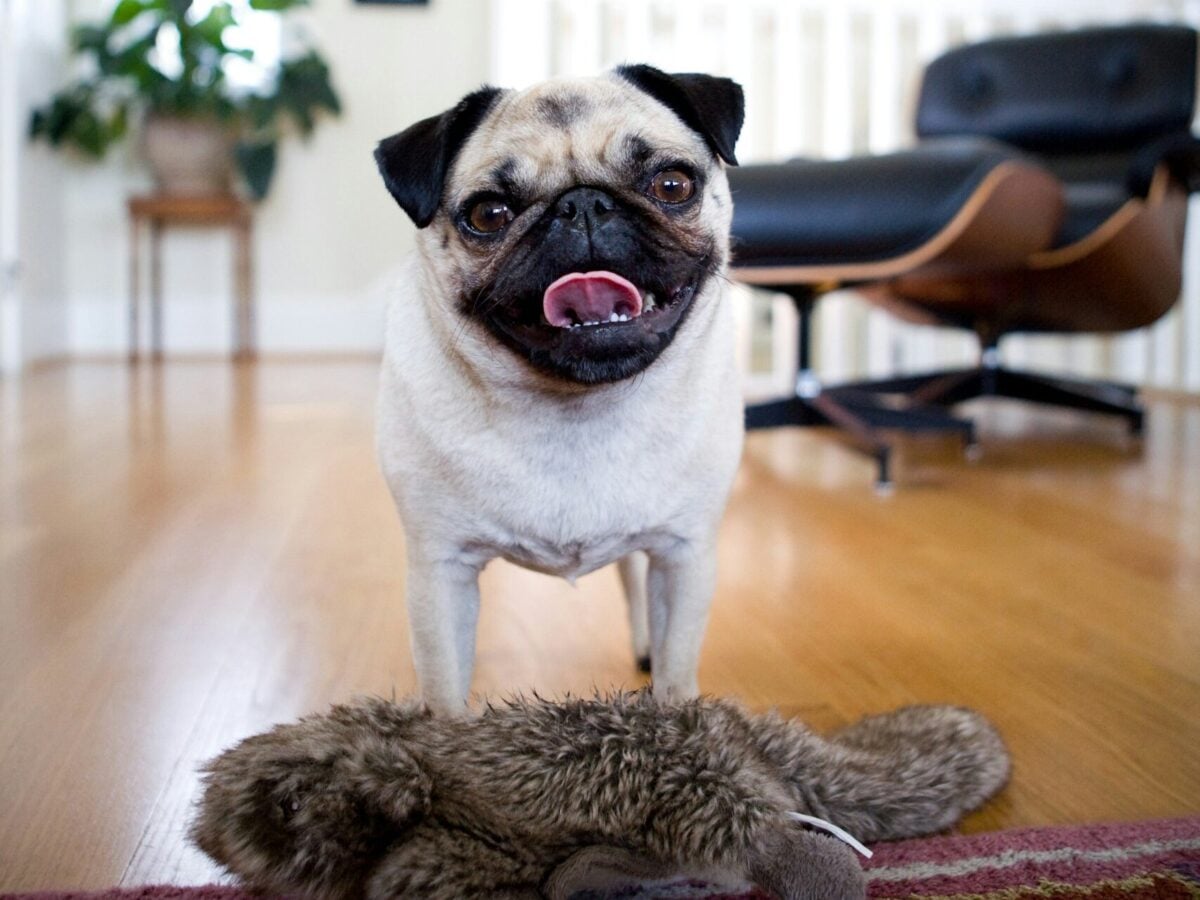
If you live with a French Bulldog, Pug, Bulldog, or another brachycephalic dog, you may already be accustomed to a certain amount of snorting and noisy breathing. What matters is whether your dog’s breathing is getting worse or interfering with normal activities.
Pay particular attention during exercise, excitement, and warm weather. Reduced exercise tolerance, increasingly noisy breathing, gagging, or more effort to breathe are reasons to talk with your vet about whether BOAS may be affecting your dog.
Sudden Heavy Breathing
When heavy breathing starts abruptly, think about what happened immediately beforehand. Exercise, heat, a frightening event, an injury, or a romp through tall grass can all provide useful context.
If there’s no obvious explanation or the breathing doesn’t settle with rest, call your vet. Sudden difficulty breathing or any of the emergency signs discussed earlier requires immediate care.
What To Track Before Calling Your Vet
Your vet will want to know more than simply that your dog is “breathing weird.” A few specific observations can help them understand what’s happening and how urgently your dog needs care.
Before you call, make a note of:
- When it started: Did the change appear suddenly or gradually?
- What your dog was doing: Were they sleeping, resting, exercising, excited, stressed, or out in the heat?
- How long it lasts: Does their breathing return to normal after a few minutes, or does it persist?
- What it sounds like: Note any panting, snorting, wheezing, whistling, snoring, or other new sounds.
- Their resting breathing rate: If your dog is calm and comfortable, use the method above to count their breaths per minute.
- Other symptoms: Coughing, sneezing, nasal discharge, weakness, reduced appetite, pain, or changes in exercise tolerance can all provide useful context.
- Possible triggers: Tell your vet about recent time in tall grass, injuries, exposure to smoke or other irritants, or unusually strenuous activity.
Take a short video if you can do so safely. Breathing may look or sound different by the time your dog reaches the clinic, and a recording gives your vet a chance to see what was happening at home.
Don’t delay emergency care to collect this information. If your dog is struggling to breathe, getting them to a veterinary hospital takes priority.
How Vets Find The Cause
Because heavy breathing has so many possible causes, your vet will start by examining your dog and considering the pattern you’ve noticed at home. They may listen to the heart and lungs, assess the upper airway, and look for other signs that point toward the nose, throat, chest, pain, or another underlying condition.
From there, testing depends on what your vet finds. This might include:
- Bloodwork to look for problems such as anemia, infection, or other underlying illness
- Chest X-rays to evaluate the heart and lungs
- X-rays or other imaging of the nasal passages if a nasal problem is suspected
- Rhinoscopy, which uses a small camera to examine inside the nose
- Samples of nasal discharge, cells, or tissue for further analysis
- CT scans or other advanced imaging when more detail is needed
Not every dog needs every test. A dog who suddenly starts snorting after running through tall grass may require a very different workup from an older dog who has gradually developed coughing and rapid breathing at rest.
How Is Heavy Breathing Treated?
There isn’t one treatment for heavy breathing because the change in breathing is a sign, not a diagnosis. Treatment targets whatever is causing your dog to breathe differently.
That might mean removing a foreign object from the nose, treating an infection, managing pain or inflammation, addressing heart or lung disease, or treating another underlying medical condition. Dogs with significant BOAS or certain other structural airway problems may benefit from surgery.
Some dogs with respiratory distress need immediate supportive care before investigating the underlying cause. Veterinary teams may provide oxygen and other stabilization measures first, then proceed with testing once the dog can tolerate it.
Frequently Asked Questions
Heavy breathing can look surprisingly different from one dog to the next. Here are a few other questions owners commonly have about changes in their dog’s breathing.
Don’t see your question? Respond in the comments, and we’ll get back to you!
Why Is My Dog Breathing Heavily With Their Mouth Closed?
Dogs normally breathe through their nose when they aren’t panting, so heavy breathing with their mouth closed may look more like forceful, fast, or noisy nasal breathing. Possible causes include nasal irritation or obstruction, upper-airway problems, pain, stress, and conditions affecting the heart or lungs.
Pay more attention to effort and context than whether your dog’s mouth is open or closed. Heavy breathing at rest, a sudden change from normal, or any signs that your dog is struggling to move air warrant veterinary attention.
Why Is My Dog Panting At Night When It Isn’t Hot?
A dog may pant at night because of stress, pain, excitement, or an underlying medical problem even when the room is cool. If your dog has just been active or worked up, give them a chance to settle and see whether the panting stops.
Repeated nighttime panting without an obvious explanation is worth discussing with your vet, especially if your dog also seems restless, uncomfortable, unusually thirsty, weak, or otherwise different from normal.
Can Medications Make A Dog Pant More?
Yes. Corticosteroids such as prednisone can cause increased panting in dogs, along with increased thirst, urination, and appetite.
If heavy panting began after your dog started a new medication or had a dosage change, let your veterinarian know. Don’t stop a prescribed medication without speaking with them first.
Why Is My Senior Dog Suddenly Breathing Heavily?
Age itself isn’t a reason to dismiss new heavy breathing. Older dogs are more likely to develop some conditions that can affect breathing, and pain or reduced tolerance for heat and exercise may also become more noticeable with age.
A new change in an older dog’s breathing warrants a call to your vet, especially if it happens at rest or comes with coughing, weakness, reduced stamina, appetite changes, restlessness, or difficulty getting comfortable.
Keep An Ear On Your Dog’s Breathing
You know your dog’s usual huffs, puffs, snores and snorts better than anyone. When that familiar soundtrack changes, paying attention to when it happens and what comes with it can help you decide what to do next.
Still trying to decode your dog’s breathing? Find out why your dog is panting so much, what it means when panting and pacing happen together, and whether you should worry about a puppy breathing fast while sleeping.