Breed Comparisons

Newfoundland vs Bernese Mountain Dog: Which Gentle Giant Actually Fits Your Life?

When you purchase through links on our site, we may earn a commission at no extra cost to you. Learn more.

If you’re choosing between a Newfoundland and a Bernese Mountain Dog, you’re probably drawn to the same thing: big, fluffy dogs with calm personalities, loyal hearts, and a reputation for being incredible family companions.

Table of Contents

The Berner and Newfie share the same “gentle giant” appeal, but differences in energy, temperament, and care become clear once they’re part of your daily routine. Here’s how they compare, along with what it actually feels like to live with each one, so you can decide which breed truly fits your life.

Dogs With Gorgeous Silky Coats

Breed Comparison

Newfoundland
Bernese Mountain Dog
  • Height25-29 Inches
  • Height23-28 Inches
  • Weight100-150 Pounds
  • Weight70-115 Pounds
  • TemperamentVery Friendly, Loyal, High Intensity
  • TemperamentObedient, Inteligent, Vigorous
  • EnergyHigh
  • EnergyHigh
  • HealthProne to Genetic Health Problems
  • HealthProne to Genetic Health Problems
  • Lifespan8-10 Years
  • Lifespan6-10 Years
  • Price$1,000-$1,500
  • Price$1,000-$2,000

Newfoundland vs Bernese Mountain Dog: Key Differences At A Glance

On paper, a Newfoundland and a Bernese Mountain Dog seem similar. Big, fluffy, gentle, and great with families. In real life, they don’t feel the same.

  • Size & Presence: Newfoundlands are one of the largest dog breeds in the world, with a heavier, more imposing build. Bernese Mountain Dogs are still large, but slightly smaller and often easier to manage in everyday situations.
  • Attachment Style: Berners often bond deeply with one person and want to be constantly close to them. Newfoundlands are just as loving, but more relaxed and less emotionally demanding.
  • Energy & Daily Rhythm: Bernese Mountain Dogs usually have more playful energy and need more interaction to stay satisfied. Newfoundlands tend to be slower-paced and more content with a calm, steady routine.
  • Care & Maintenance: Both breeds require regular grooming, but Newfoundlands often come with more overall upkeep, from heavier coats to drool and general mess.

If you want a dog that’s deeply attached and constantly engaged with you, a Bernese Mountain Dog may feel like the perfect match. If you prefer a calmer, more easygoing companion with a steady presence, a Newfoundland may be the better fit.

They Look Similar… But They’re Built Very Differently

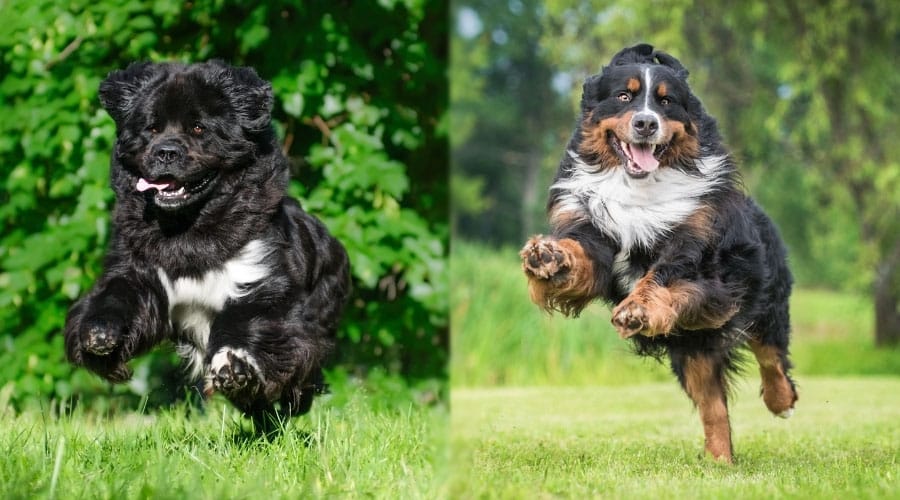
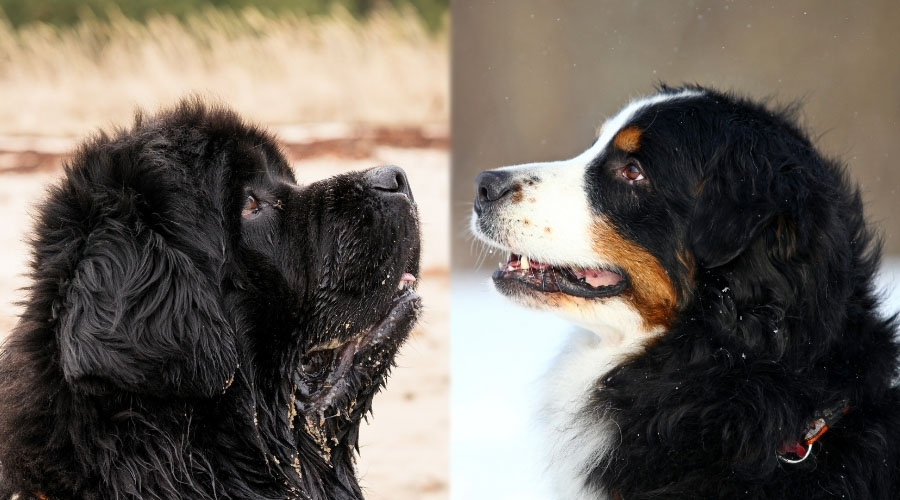
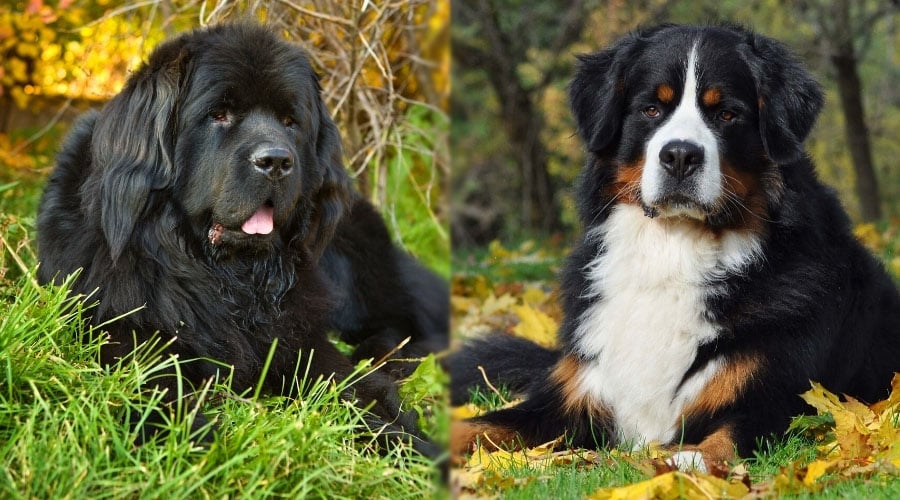
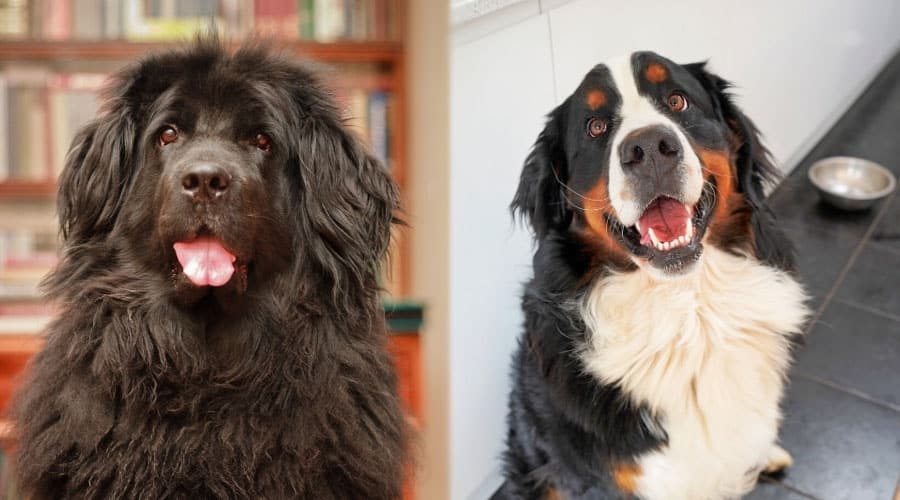
At a glance, a Newfoundland and a Bernese Mountain Dog can look like variations of the same dog. Thick coats, big frames, and that signature gentle giant presence.

But once you look closer, their structure, coat, and even how they move start to stand out.

Size & Weight

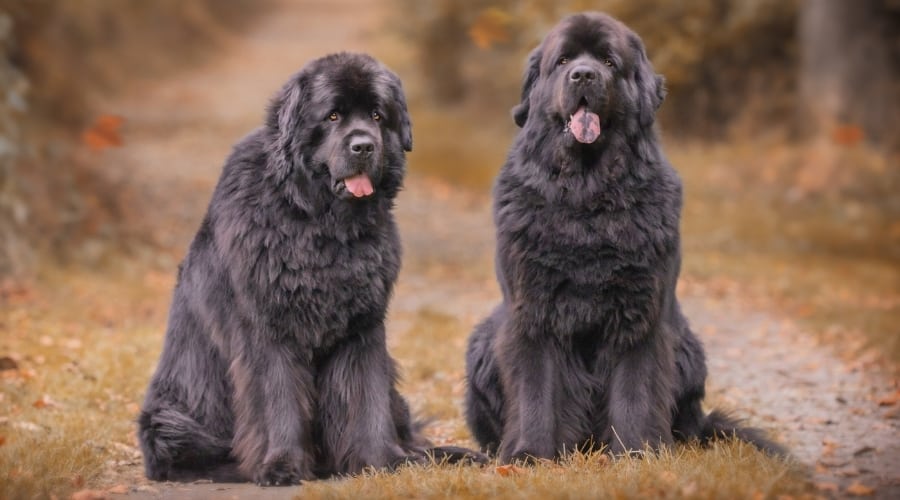
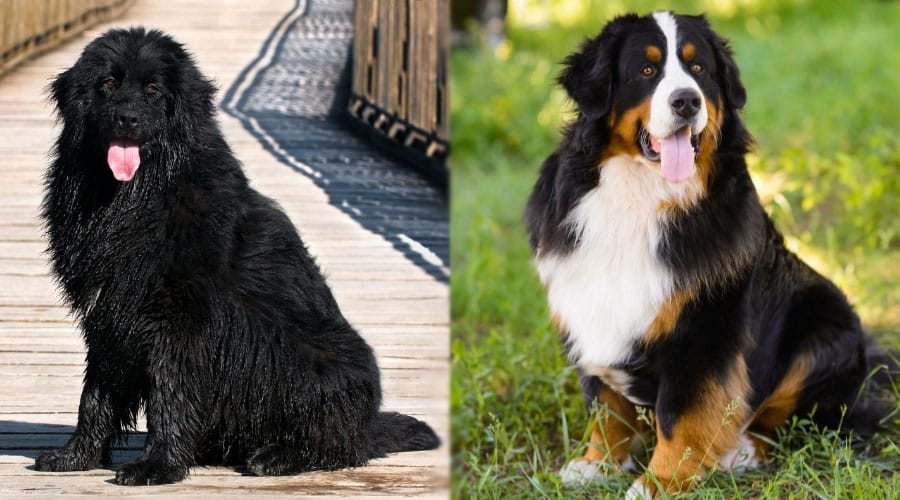
Newfoundlands are one of the largest dog breeds in the world. Males commonly weigh between 130 and 150 pounds, with some exceeding that. Their size alone can change how they fit into your home, your car, and your daily routine.

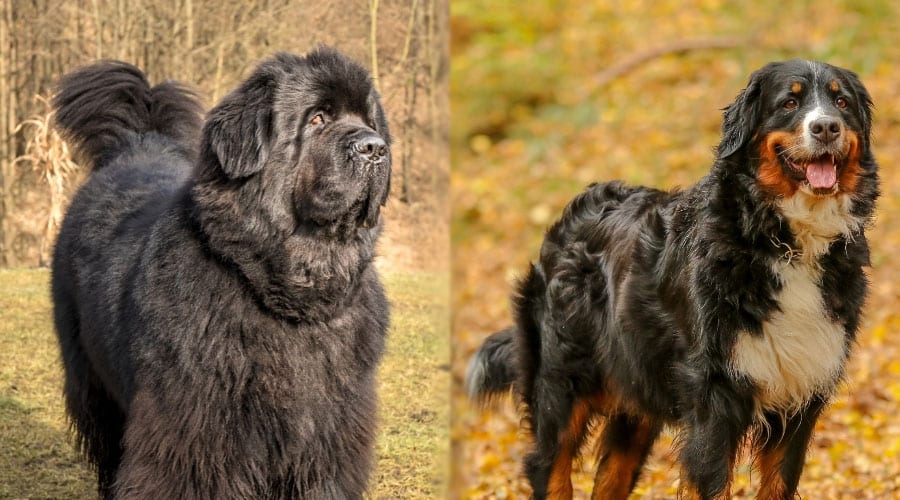
newfoundland vs bernese mountain dog body structure

Bernese Mountain Dogs are still large, typically ranging from 70 to 115 pounds, but noticeably smaller and easier to handle for many owners.

In Real Life: A Newfie feels like a true giant. A Berner feels big, but more manageable.

Body Structure & Strength

Newfoundlands are built for power and endurance. They have a broad chest, thick bones, and a heavy, muscular frame designed for water rescue and pulling.

newfoundland vs bernese mountain dog sitting

Berners are strong too, but more agile and balanced. Their build reflects their farm dog roots, where they needed to move, pull carts, and stay active throughout the day.

In Real Life: Newfies feel like slow-moving tanks. Berners feel more athletic and mobile.

Coat Type & Texture

Newfoundlands have a dense, fluffy coat. It’s oily, thick, and designed to insulate them in cold water.

@adelehendo

Life with a Newfie that loves the snow! ❤️🐾 Definitely @dogrobes season! #aberdeenshire #Scotland #newfoundland #dogsoftiktok

♬ original sound – Adele Henderson Rushton

Berners also have a double coat, but it’s silkier and less water-adapted. It still sheds heavily, but doesn’t carry the same weight or texture as a Newfie coat.

In Real Life: Newfie coats are heavier, wetter, and more work after baths or outdoor time.

Color Differences

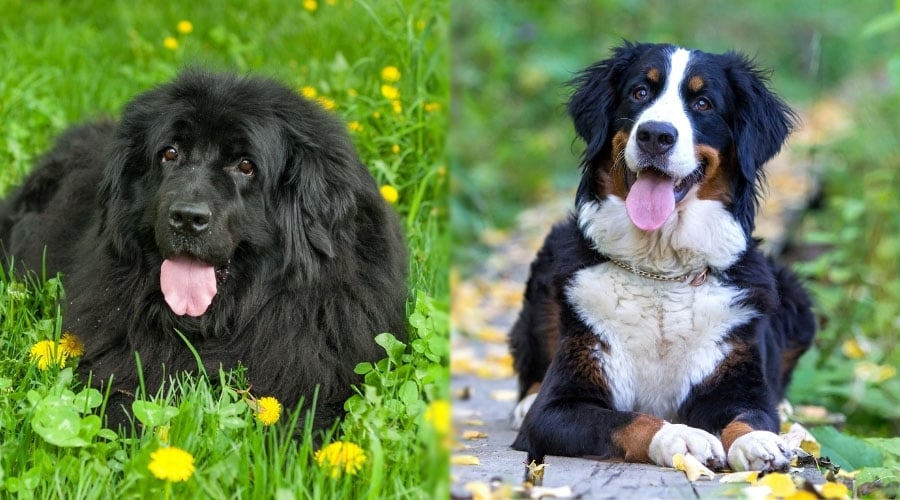
Newfoundlands are typically solid black, brown, or Landseer (white with black patches). Their look is bold and uniform.

Newfoundland coat colors.

Bernese Mountain Dogs are known for their classic tri-color pattern: black, white, and rust markings that are consistent across the breed.

In Real Life: Berners have a more patterned, expressive look. Newfies have a more solid, imposing presence.

Personality & Attachment Style: Calm Guardian vs Sensitive Shadow

Both the Newfoundland and the Bernese Mountain Dog are known for their gentle, loving personalities. But the way they bond with you and respond to the world around them can feel very different day to day.

Affection & Bonding Style

Newfoundlands tend to spread their affection evenly. They’re warm, patient, and quietly devoted, often happy to sit beside you or keep a watchful eye on the room without needing constant attention.

Bernese Mountain Dogs bond more intensely, often forming a deeper attachment to one person. They’re more likely to follow you from room to room, lean into you, or seek out physical closeness throughout the day.

In Real Life: A Newfie is always nearby. A Berner is often right on top of you.

Emotional Sensitivity (Big Difference Here)

Berners are typically more emotionally sensitive. They can pick up on tone, tension, and changes in routine, and may become stressed or withdrawn if things feel off.

Newfoundlands are generally more emotionally steady. They’re still intuitive and gentle, but less reactive to shifts in mood or environment.

In Real Life: Berners tend to feel everything with you. Newfies tend to stay calm through it.

With Kids, Guests & Other Pets

Both breeds are known for being excellent family dogs. Newfoundlands are especially famous for their patience with children and often take on a calm, watchful role.

Berners are also affectionate and friendly, but can be a bit more reserved at first with new people. Once they warm up, they’re just as loving and playful.

In Real Life: Newfies are instantly welcoming. Berners may take a moment, then fully commit.

Independence vs Velcro Tendencies

Bernese Mountain Dogs are classic velcro dogs. They thrive on closeness and can struggle more with being left alone for long periods.

Newfoundlands are still very loyal, but more independent by comparison. They’re comfortable being near you without needing constant reassurance or interaction.

In Real Life: Berners want to be involved in everything you do. Newfies are content just being part of your space.

Daily Life: What Living With Each Dog Actually Feels Like

Choosing between a Newfoundland and a Bernese Mountain Dog isn’t just about traits. It’s about how your day unfolds once they’re part of it.

A Typical Day With A Newfoundland

Mornings tend to start slow. A Newfoundland is usually happy with a calm walk, then settling in nearby while you go about your routine. They’ll follow you from room to room, but without urgency.

@homerthenewf

I never quite got used to furniture but for mom I’ll get up #newfoundlanddog #dogsoftiktok #giantbreed

♬ original sound – HomertheNewf 🇨🇦

Throughout the day, they’re content to lounge, nap, and check in occasionally. They enjoy time outside, especially around water, but don’t usually demand constant activity or attention.

Evenings are relaxed. Expect a large, quiet presence at your feet… and some drool to go with it.

In Real Life: Living with a Newfie feels steady, calm, and low-pressure.

A Typical Day With A Bernese Mountain Dog

Berners tend to start the day with more energy and enthusiasm. They’re ready to engage, whether that’s a walk, playtime, or just being involved in whatever you’re doing.

They check in often, follow closely, and may seek out attention throughout the day. Mental stimulation and interaction go a long way in keeping them happy.

By evening, they’re ready to settle, but still want to be close, often leaning on you or finding ways to stay connected.

In Real Life: Living with a Berner feels more interactive, involved, and emotionally connected.

Space Needs & Home Setup

Both breeds need room, but Newfoundlands take up space in a more literal way. Their size alone can impact furniture layout, doorways, and how easily they move through your home.

Berners are still large, but more adaptable in tighter spaces. They can do well in smaller homes if their exercise and attention needs are met.

In Real Life: A Newfie changes your space. A Berner fits into it a bit more easily.

Climate Reality (Heat Sensitivity Is Critical)

Both breeds are built for cold weather and can struggle in heat, but Newfoundlands are especially sensitive. Their dense, water-resistant coats make warm climates a daily management challenge.

Berners also need care in hot weather, but tend to tolerate moderate temperatures slightly better with proper precautions.

In Real Life: If you live somewhere hot, both breeds require planning, but a Newfie will feel it more.

Energy & Exercise: Slow Strength vs Playful Spurts

Both the Newfoundland and the Bernese Mountain Dog need regular exercise, but how they use that energy and how much they demand from you can feel very different.

Energetic Dogs Running Outside

Newfoundland Energy Style

Newfoundlands are strong but slow-paced. They’re not built for constant motion or high-intensity activity. Most are happy with steady walks, time outdoors, and the occasional chance to swim.

They tend to conserve energy and don’t usually push for more once their basic needs are met.

In Real Life: A Newfie will happily join you, but rarely insists on it.

Bernese Energy Style

Berners have more playful, active energy, especially in their younger years. They enjoy longer walks, interactive play, and being involved in whatever you’re doing.

They’re more likely to initiate activity and can become restless if they don’t get enough engagement.

In Real Life: A Berner is more likely to nudge you for one more walk or play session.

Exercise Needs (What Happens If You Skip It)

Both breeds need daily exercise, but the consequences of skipping it show up differently.

Newfoundlands may become sluggish, gain weight, or lose muscle tone if they don’t get enough movement over time.

Bernese Mountain Dogs are more likely to show it behaviorally. Without enough exercise and interaction, they can become bored, restless, or develop unwanted habits like chewing or attention-seeking behaviors.

In Real Life: A tired Newfie is calm. A bored Berner will let you know.

Training & Trainability: Similar Smarts, Different Sensitivity

Both the Newfoundland and the Bernese Mountain Dog are intelligent, eager-to-please dogs. But how they learn, respond, and handle pressure can feel very different in practice.

Newfoundland Training Style (Steady, Slower, Willing)

Newfoundlands tend to be calm, patient learners. They’re willing to work with you, but not in a rushed or high-energy way. Training sessions usually go best when they’re consistent, low-pressure, and paced to match their slower rhythm.

They’re less likely to react emotionally to mistakes or corrections, which can make them feel more forgiving for some owners.

In Real Life: Progress may be slower, but it’s steady and reliable.

Bernese Training Style (Eager, Sensitive)

Berners are often more eager and responsive early on. They pick up cues quickly and genuinely want to please. But that sensitivity can cut both ways.

Harsh corrections, inconsistency, or too much pressure can cause them to shut down or lose confidence. They tend to do best with positive reinforcement and a calm, encouraging approach.

In Real Life: When training clicks, it feels effortless. When it doesn’t, they take it personally.

First-Time Owner Reality Check

Both breeds can work for first-time owners, but neither is completely effortless.

Newfoundlands are easier to manage emotionally, but their size alone requires early training and consistency. A poorly trained Newfie is simply a lot of dog to handle.

Berners are more intuitive and responsive, but also more sensitive. They need a bit more awareness in how you train and interact with them day to day.

In Real Life: Newfies require physical management. Berners require emotional awareness.

Grooming, Shedding & The “Fur Everywhere” Problem

If you’re considering either of these breeds, shedding and upkeep aren’t optional. Both the Newfoundland and the Bernese Mountain Dog come with a lot of coat—and a lot of cleanup.

Shedding Levels

Both breeds shed heavily, especially during seasonal coat changes. You’ll notice hair on your floors, furniture, and clothes year-round.

Berners tend to shed more consistently throughout the year, while Newfoundlands often have heavier seasonal shedding periods.

In Real Life: Either way, dog hair becomes part of your daily environment.

Coat Maintenance

Newfoundlands have a dense, water-resistant coat that requires regular brushing to prevent matting and buildup. Their coat can hold moisture and debris, which adds to the maintenance.

Berners also need frequent brushing, but their coat is slightly easier to manage overall. It’s still thick and sheds heavily, but doesn’t carry the same weight or texture as a Newfie coat.

In Real Life: Both need routine grooming, but Newfies tend to require more effort.

Drool, Dirt & Cleanup Reality

Newfoundlands are known for drool. Between their size and jowls, water and saliva tend to end up on floors, walls, and anything nearby.

Berners are much cleaner in comparison. While not completely mess-free, they don’t bring the same level of daily cleanup.

In Real Life: With a Newfie, you’ll notice the mess. With a Berner, it’s mostly the fur.

Seasonal Blowouts

Both breeds experience heavier shedding during seasonal transitions, often twice a year. During these periods, brushing frequency increases and loose fur becomes much more noticeable.

Newfoundlands, with their thicker coats, can feel especially overwhelming during these times.

In Real Life: Expect a noticeable jump in grooming time during shedding season.

The Health Tradeoffs Most People Don’t Expect

When comparing a Newfoundland and a Bernese Mountain Dog, most people focus on personality and appearance first. But long-term health and lifespan often end up being the biggest factors in how this decision actually feels over time.

Happy Dogs Outside With Tongues Out

Newfoundland Health Risks

Newfoundlands are generally considered a relatively stable giant breed, but their size still comes with some predictable risks.

  • Heart Issues (Subaortic Stenosis – SAS): One of the more serious concerns in the breed, affecting blood flow from the heart
  • Joint Stress: Their weight puts pressure on hips and elbows, increasing the risk of dysplasia and arthritis
  • Shorter (But More Typical) Lifespan: Most Newfoundlands live around 8–10 years, which is expected for a giant breed

Bernese Mountain Dog Health Reality

Bernese Mountain Dogs come with a different kind of risk profile, and this is where many buyers are caught off guard.

  • High Cancer Rates: Berners have one of the highest cancer rates of any dog breed, including conditions like histiocytic sarcoma
  • Short Lifespan: Many Bernese Mountain Dogs live around 7–10 years, with some unfortunately passing even earlier
  • Genetic Vulnerability: Even with responsible breeding, these risks are still relatively common within the breed

Lifespan Comparison

Both breeds fall into the “short-lived” category due to their size, but the experience isn’t identical.

  • Newfoundland: Typically 8–10 years, sometimes slightly longer
  • Bernese Mountain Dog: Often 7–10 years, with more variability due to cancer risk

Cost: The Real Price Of Owning A Giant Breed

Owning a giant breed like a Newfoundland or Bernese Mountain Dog comes with significantly higher costs than most people expect. Food, grooming, and medical care all scale with size — and these dogs are big in every sense.

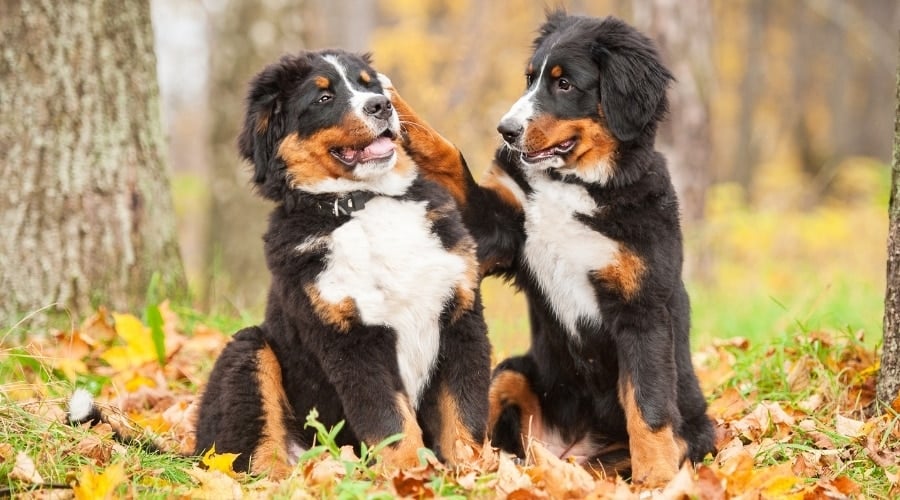
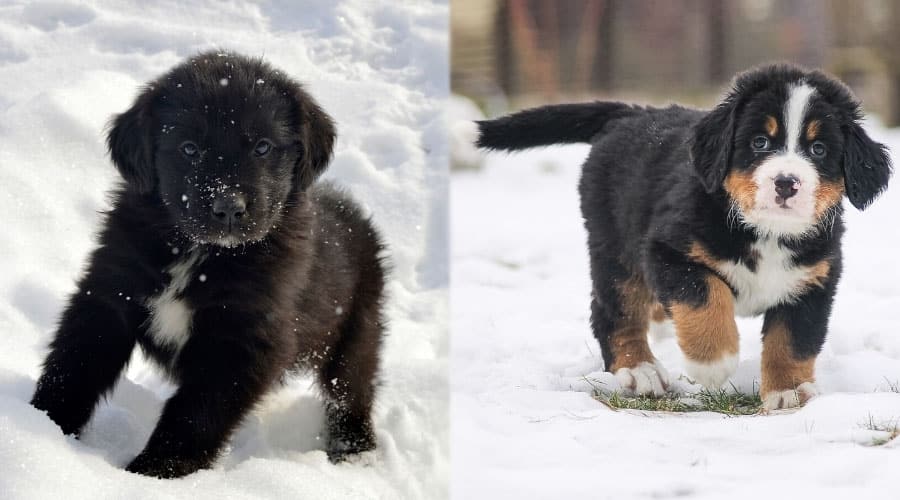
Puppies Playing in the Snow

Puppy Price

  • Newfoundland: Typically $1,000–$1,500 from a reputable breeder
  • Bernese Mountain Dog: Often $1,000–$2,000+, sometimes higher depending on lineage and availability

Berners can be slightly more expensive due to demand and breeding challenges.

Food Costs (Massive Difference vs Normal Dogs)

Both breeds eat a lot. A fully grown adult can easily go through 4–7 cups of food per day, depending on size and activity level. That adds up quickly, especially if you’re feeding a high-quality diet.

See our guides to best dog food for Newfoundlands and Bernese Mountain Dogs.

Grooming & Maintenance

You’ll need to factor in:

  • Regular brushing tools and time
  • Occasional professional grooming
  • Cleanup supplies (especially for Newfoundlands)

Newfoundlands tend to be more expensive overall due to coat density and drool-related upkeep.

@sammythenewfie

Yearly breakdown of owning a Newfoundland Dog! #newfoundlanddog

♬ My Love Mine All Mine – Mitski

Vet Costs Over Time

Large and giant breeds often come with higher veterinary costs due to:

  • Joint issues
  • Emergency risks like bloat
  • Specialized medications and dosages based on size

Bernese Mountain Dogs may also incur higher long-term costs due to cancer treatment and monitoring.

Which Breed Fits Your Life Better?

Choosing between a Newfoundland and a Bernese Mountain Dog comes down to how you want your day-to-day life to feel.

Dogs Laying in Grass

Choose A Newfoundland If…

  • You want a calm, steady companion
  • You prefer a dog that’s affectionate but not constantly demanding attention
  • You’re comfortable managing a very large, heavy dog
  • You don’t mind drool and extra cleanup
  • You live in a cooler climate or can manage heat carefully

A Newfoundland fits best when you want a low-drama, easygoing presence in your home.

Choose A Bernese Mountain Dog If…

  • You want a deeply attached, highly affectionate dog
  • You enjoy a dog that is more playful and interactive
  • You’re prepared for a dog that may need more emotional engagement
  • You prefer a large dog that’s slightly easier to handle physically
  • You’re aware of and prepared for the breed’s health realities

A Bernese Mountain Dog fits best when you want a more involved, emotionally connected companion.

Quick Decision Guide

If you’re choosing based on:

  • Calmer, more predictable personality → Newfoundland
  • More affectionate, velcro-style bond → Bernese Mountain Dog
  • Largest possible size → Newfoundland
  • More playful daily interaction → Bernese Mountain Dog
  • Lower mess → Bernese Mountain Dog
  • More emotionally steady temperament → Newfoundland

Both breeds are loving, loyal, and great family dogs. But the day-to-day experience of living with them feels different in ways that matter.

3 Things People Get Wrong About These Breeds

There are a few common assumptions that can lead people in the wrong direction when comparing a Bernese Mountain Dog vs. a Newfoundland.

1. “They’re Basically The Same Dog”

They share the same gentle giant reputation, but their personalities, energy levels, and daily needs can feel very different once you live with them. The biggest differences show up in attachment style and lifestyle fit, not appearance.

2. “Bernese Are Easier Because They’re Smaller”

Berners are slightly smaller, but not dramatically easier. Their higher energy and emotional sensitivity can actually make them more demanding in some homes.

3. “Newfoundlands Are Lazy & Low-Maintenance”

Newfoundlands are calm, but they’re not low-maintenance. Their size, grooming needs, and drool factor require consistent effort. Calm does not equal easy, especially with a giant breed.

What About A Newfoundland Bernese Mix?

If you’re torn between a Newfoundland and a Bernese Mountain Dog, you might be wondering if a Newfoundland Bernese mix offers the best of both worlds.

Sometimes called a “Bernefie,” this mix combines two gentle giant breeds known for their affectionate personalities and family-friendly nature. But like most mixed breeds, outcomes can vary more than people expect.

Temperament: A Blend Of Calm And Clingy

A Newfoundland Bernese mix often inherits a loving, people-oriented personality. Many are affectionate, loyal, and great with families.

That said, the intensity of that bond can lean in either direction. Some dogs take after the Newfoundland’s calm, steady temperament, while others inherit the Bernese’s more sensitive, velcro-style attachment.

Size & Build: Still A Giant Dog

This mix is almost always large to giant in size. Most Newfoundland Bernese mixes fall somewhere between the two parent breeds, often weighing 90 to 130+ pounds.

Their build can vary as well, ranging from the heavier, more solid frame of a Newfie to the slightly leaner structure of a Berner.

Coat & Grooming: No Shortcuts Here

Both parent breeds have thick double coats, so a Newfoundland Bernese mix will almost always shed heavily and require regular grooming. Some may inherit the denser, more water-resistant coat of the Newfoundland, while others have a slightly lighter, silkier coat like the Bernese.

Health & Lifespan: Still A Key Consideration

While mixed breeds can sometimes benefit from a broader gene pool, a Newfoundland Bernese mix may still be prone to many of the same health concerns as its parents.

This can include joint issues, bloat, and, in some cases, the shorter lifespan commonly associated with Bernese Mountain Dogs.

Is A Newfoundland Bernese Mix Right For You?

A Newfoundland Bernese mix can be a wonderful companion if you’re prepared for a large, affectionate, and high-maintenance dog.

It may be a good fit if you:

  • Want a gentle, family-oriented dog
  • Have space for a large breed
  • Don’t mind grooming and shedding

It may be challenging if you:

  • Want predictable traits
  • Prefer a lower-maintenance dog
  • Aren’t prepared for large-breed health considerations

Frequently Asked Questions

Choosing between a Newfoundland and a Bernese Mountain Dog often comes down to a few key questions. Here are the most important ones to consider before making a decision.

Don’t see your question? Respond in the comments, and we’ll get back to you!

Which Breed Is Better For Families With Kids?

Both breeds are excellent family dogs, but they interact with children in slightly different ways. Newfoundlands are especially known for their calm, patient nature and are often described as “nanny dogs” for their gentleness and watchfulness.

Bernese Mountain Dogs are also affectionate and great with kids, but tend to be more playful and energetic, especially when younger. This can be a great fit for active families, but may require a bit more supervision around very small children.

If you want calm and steady, a Newfoundland is a great choice. If you want playful and interactive, go with a Bernese.

Which Breed Sheds More: Bernese Mountain Dog Or Newfoundland?

Both breeds shed heavily, and neither is a low-shedding option. Bernese Mountain Dogs tend to shed more consistently year-round, while Newfoundlands often have heavier seasonal shedding periods.

Because of their dense coats, Newfoundlands can feel like they shed more during peak times, but in reality, both breeds require regular brushing and ongoing cleanup.

Either way, expect dog hair to be part of daily life.

Do Newfoundlands Or Bernese Mountain Dogs Drool More?

Newfoundlands drool significantly more than Bernese Mountain Dogs. Their large jowls and heavy build mean water and saliva often end up on floors, furniture, and clothing.

Berners are much cleaner in comparison. While they may drool occasionally, it’s not a defining part of living with the breed.

Which Breed Is Easier To Train?

In a Bernese Mountain Dog vs Newfoundland comparison, both breeds are intelligent and eager to please, but the training experience feels different.

Bernese Mountain Dogs often learn quickly but are more emotionally sensitive. They respond best to positive reinforcement and can shut down with harsh corrections.

Newfoundlands tend to learn more slowly, but are steady and less reactive, which can make them feel easier to work with over time.

Berners are quicker learners. Newfies are more forgiving.

Which Breed Lives Longer: Bernese Mountain Dog Or Newfoundland?

Neither breed has a long lifespan due to their size, but there are important differences.

Newfoundlands typically live around 8–10 years and tend to have more predictable health outcomes. Bernese Mountain Dogs often live 7–10 years, but are more prone to serious conditions like cancer, which can shorten their lifespan.

Can Newfoundlands And Bernese Mountain Dogs Live In Warm Climates?

Both breeds are built for colder environments and can struggle in heat, but Newfoundlands are especially sensitive due to their dense, water-resistant coats. In warmer climates, both breeds require careful management, including shade, limited activity during peak heat, and access to cool indoor spaces.

Are Newfoundlands Or Bernese Mountain Dogs Good For First-Time Owners?

Both breeds can work for first-time owners, but they come with different challenges.

Newfoundlands require managing a very large, heavy dog, which makes early training and consistency essential. Bernese Mountain Dogs are easier to handle physically, but require more emotional awareness and interaction.

Newfies are physically demanding. Berners are emotionally demanding.

Still Deciding Between A Newfoundland & Bernese Mountain Dog?

Choosing between a Newfoundland and a Bernese Mountain Dog isn’t about picking the “better” dog. It’s about choosing the one that fits your lifestyle, your energy, and the kind of companionship you want day to day.

If you’re still weighing your options, these guides can help:

The right choice isn’t just about the dog. It’s about how that dog fits into your life.

Michelle Schenker

Michelle is a licensed insurance professional (license #19494757) with an MBA from Vanderbilt University. Since 2007, Michelle has specialized in dogs, focusing on pet insurance. She has run over 2,000 pet insurance quotes, reviewed hundreds of policies, and canvassed the industry for all the latest news, trends, and updates. This focus allows her to provide pet owners with the most comprehensive and valuable advice. Michelle regularly provides expert advice and opinions to media outlets, including Newsweek, The New York Times’ Wirecutter, Forbes, People, Reader’s Digest, and more. Michelle has always lived in a home full of dogs, including today as a co-parent to two rescue pups, Barley and Lily. Michelle is also an accomplished artist and her watercolor dog art can be found in our store.

Related Articles

Subscribe
Notify of
0 Comments
Newest
Oldest Most voted
Inline Feedbacks
View all comments

Table of Contents

Index