When you purchase through links on our site, we may earn a commission. Here’s how it works.
So, let’s be honest, owning a Pug means accepting a fine mist of fur on your clothes, couch, and maybe even your coffee. These little comedians of the dog world shed like it’s their job, and they’re excellent at it.
Table of Contents
But here’s the twist: Not every Pug sheds the same, and one color might just save your vacuum from early retirement.
The Hairy Truth: Do Pugs Really Shed That Much?
Yes, they do. Pugs may be small, but they’re fur-producing powerhouses with more hair packed into each square inch of skin than many larger breeds.
That dense coat means more shedding per snuggle. Even single-coated Pugs shed year-round, leaving a light layer of love on everything you own.
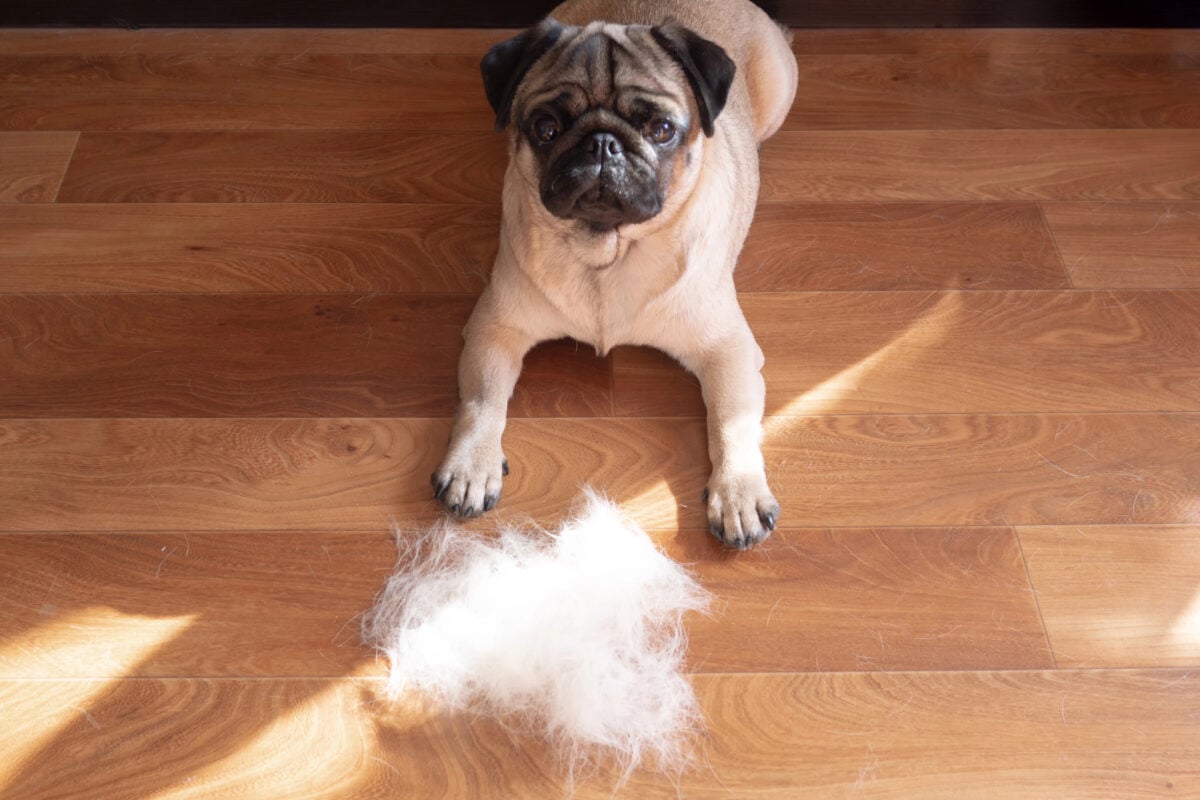
Double-coated Pugs take it a step further. They’re built for insulation, which means their undercoat thickens and sheds in cycles. The result is twice the fluff and twice the cleanup.
Before you panic, remember this is normal. Frequent shedding doesn’t mean your Pug is unhealthy or poorly cared for. It’s simply how their coat renews itself.
Quick Takeaway: Every Pug sheds, but double-coated Pugs shed more. It’s part of the price of admission for a life filled with snorts, snores, and laughter.
Meet The Coats: Single vs Double (And Why Color Matters)
Not all Pugs shed the same. The secret lies in their coat type and, sometimes, their color.
Most Pugs have double coats, meaning two layers of fur: a soft, dense undercoat and a short outer coat. That combo traps warmth but also releases fur like confetti during seasonal shifts.
A smaller number have single coats, which makes upkeep easier. They still shed, but not in dramatic bursts that cover every surface.
Coat Types At A Glance
- Double coat: Two layers of fur for warmth and protection. Heavy seasonal shedding.
- Single coat: One sleek layer that sheds year-round in smaller amounts.
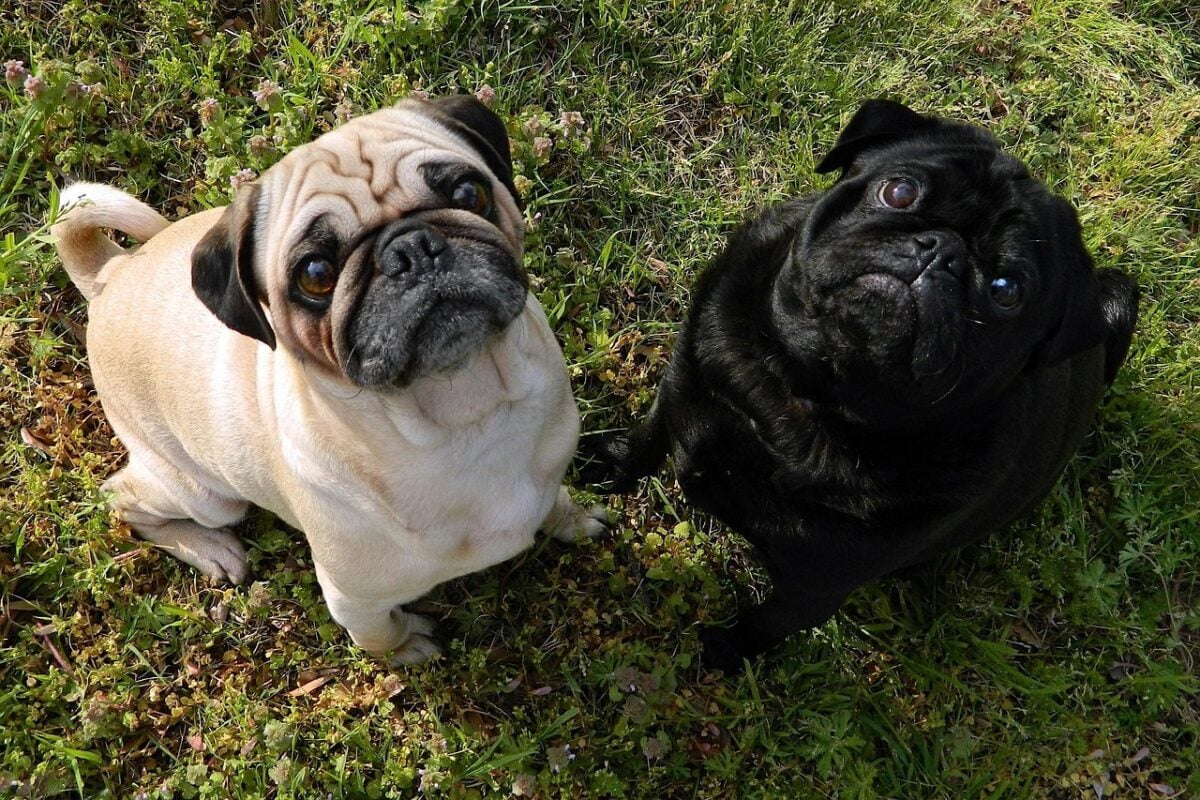
Here’s where it gets interesting. Black Pugs are more likely to have single coats, which means less shedding overall. Fawn, apricot, and silver Pugs often have double coats, making them the fluffier offenders.
If you love Pugs but hate lint rollers, a black Pug might be your best match. Just know that black coats are rarer and sometimes cost more due to demand.
Quick Takeaway: Double-coated Pugs shed more, but color gives you clues. Black coats mean fewer fur storms, while fawn coats are full-on shedding season every day.
The Great Pug Shed-Off: When & Why It Gets Worse
If you thought Pug shedding was steady all year, think again. Some days will look like your dog exploded into a fine layer of fluff.
Pugs are year-round shedders, but double-coated pups have two heavy shedding seasons each year. This happens when they “blow their coat,” a natural process in which old fur falls out to make way for a new layer.
You’ll see the first big wave in spring, as your Pug drops their winter coat to cool down. The second round arrives in the fall, when the summer coat gives way to thicker winter fur.
Typical Shedding Timeline
Double-coated Pugs shed hardest in spring and fall. Single-coated Pugs skip the dramatic blowouts but still shed lightly year-round.
- Spring: Major shed as the winter coat loosens.
- Summer: Light daily shedding continues.
- Fall: Second big blowout as a new coat grows in.
- Winter: Moderate shedding while the thicker coat settles.
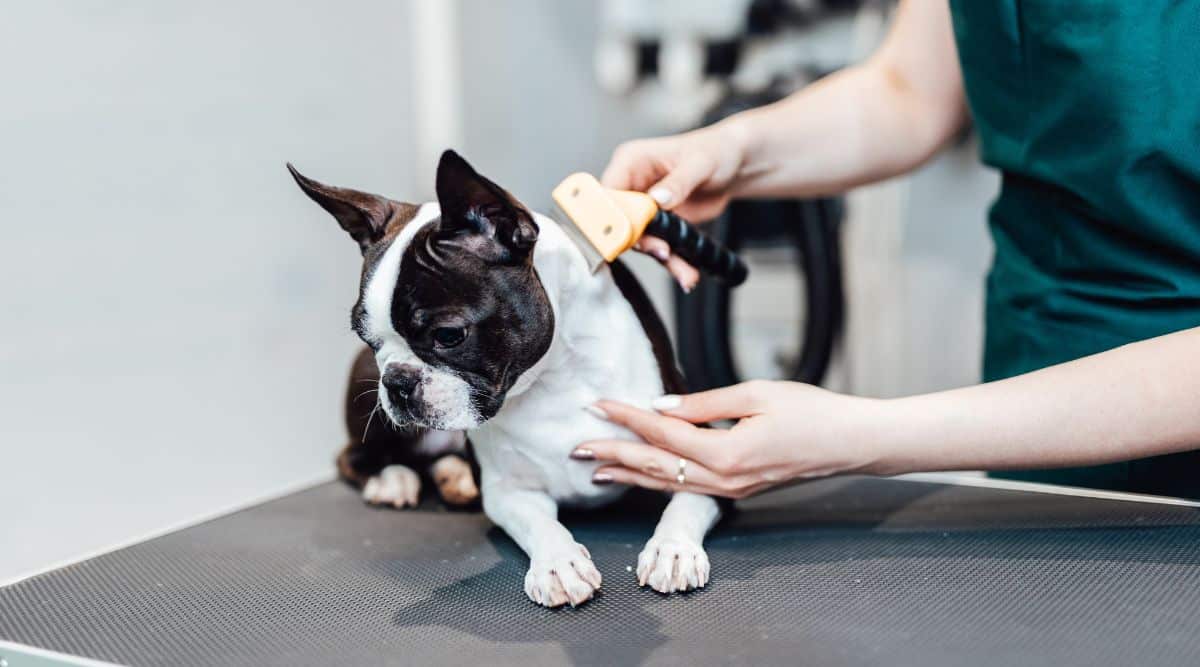
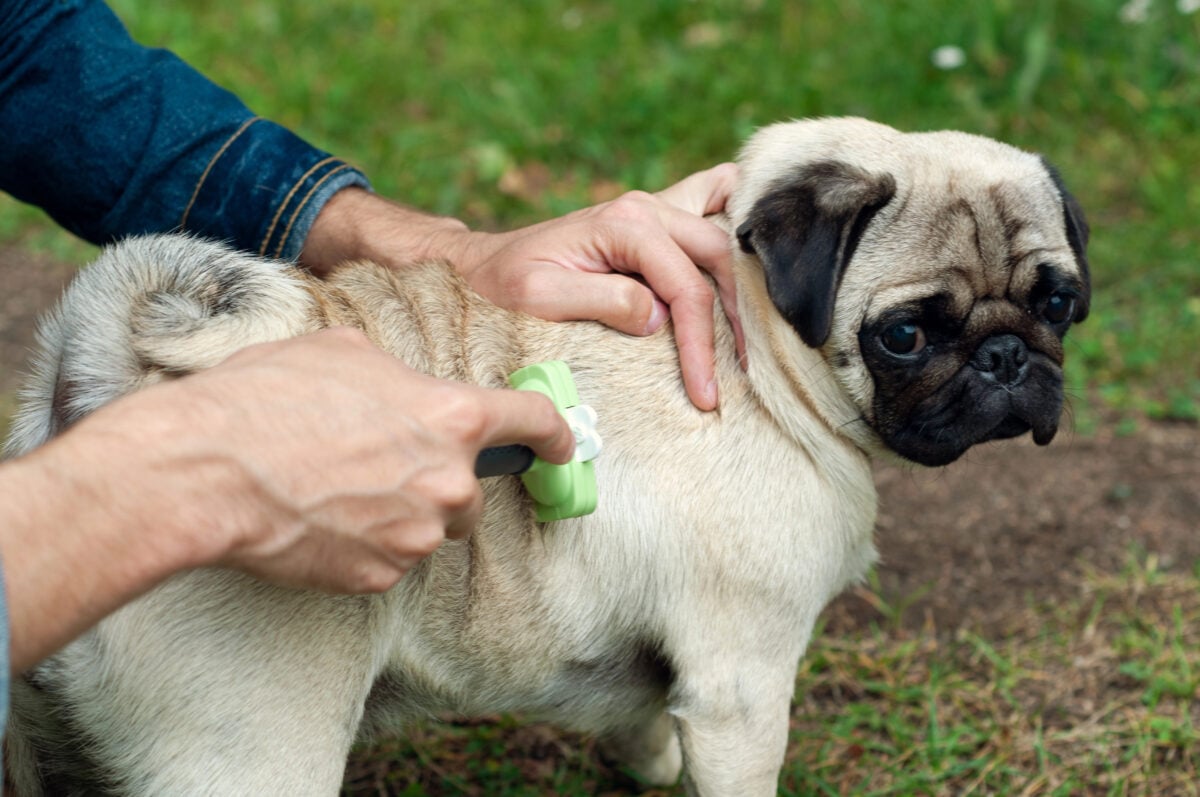
Regular brushing keeps it manageable and prevents buildup on furniture and clothing.
Pro Tip: Schedule grooming during seasonal transitions. Ten minutes with a brush now saves hours with a lint roller later.
Pug Shedding Myths (And What’s Actually True)
There’s a lot of confusion about how much Pugs shed, and some of it comes from wishful thinking. Let’s set the record straight before you bring one of these lovable furballs home.
Myth 1: Pugs Don’t Shed Because They’re Short-Haired
Short hair doesn’t mean low-shed. Pugs have dense coats that release fur year-round, just in smaller strands that end up on every surface.
Myth 2: Only Double-Coated Pugs Shed
All Pugs shed. Single-coated pups do it more evenly through the year, while double-coated Pugs shed heavily in bursts during spring and fall.
Myth 3: More Baths Mean Less Shedding
Overbathing strips your Pug’s natural oils and dries out the skin, which actually increases shedding. Stick to a once-a-month bath unless they roll in something messy.
Myth 4: Expensive Grooming Tools Stop Shedding
There’s no miracle brush. Consistent grooming, balanced nutrition, and hydration do far more than any fancy gadget.
Myth 5: Pugs Shed More When They’re Older
Not exactly. Senior Pugs might have duller coats due to slower oil production, but shedding levels usually stay the same throughout their lives.
Quick Takeaway: Shedding isn’t something to fix; it’s something to manage. Once you’ve got a routine, it’s easy to live with, and your Pug stays comfortable all year.
Surprise Shedding Triggers You Might Miss
Sometimes your Pug sheds more than usual, and it’s not tied to the season. When that happens, there’s usually another reason behind the extra fluff.
Changes in environment, health, or daily routine can all trigger sudden hair loss. Most of these are easy to fix once you know what to look for.
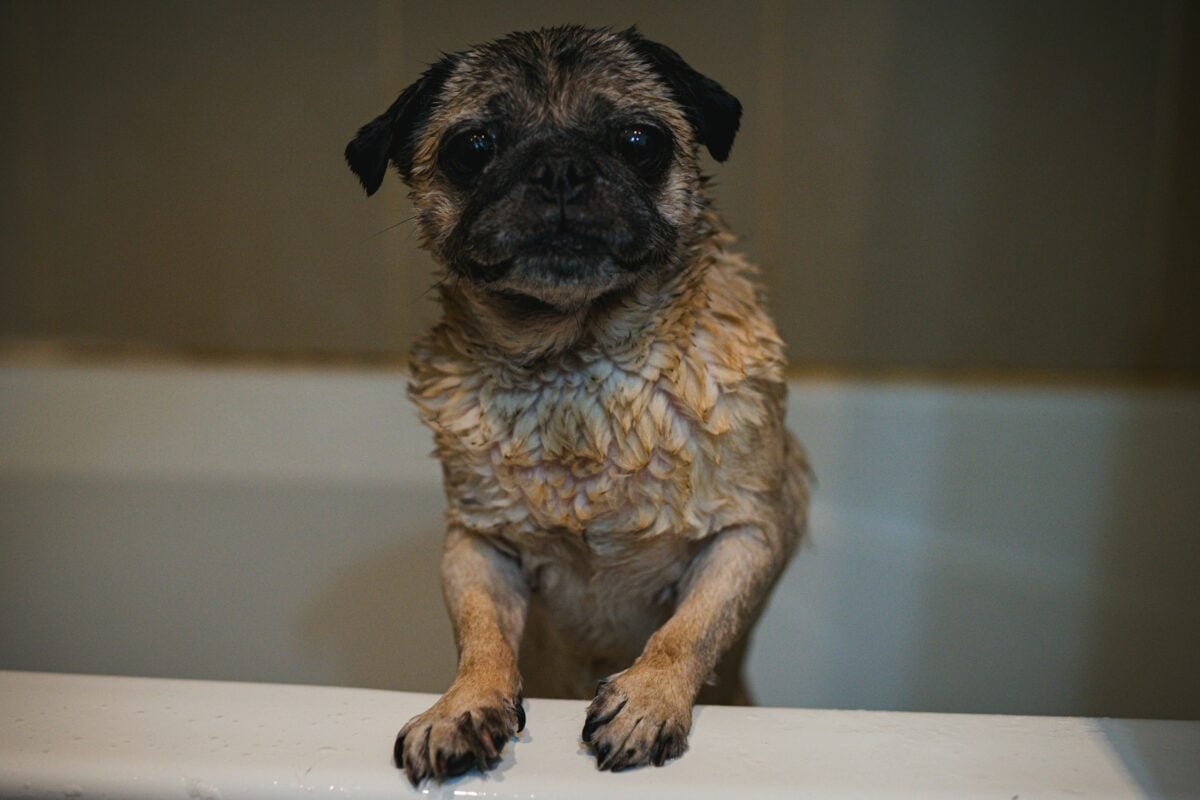
Common Shedding Triggers
- Allergies: Food, pollen, or shampoo reactions can cause skin irritation and excess shedding.
- Stress: Moving homes, new pets, or significant changes in routine can make a Pug’s coat fall faster.
- Diet: Poor-quality food or a lack of essential fatty acids leads to dull, brittle fur.
- Heat cycles: Female Pugs often shed more during heat cycles.
- Bathing habits: Overbathing strips the coat’s natural oils, leading to dry skin and increased hair loss.
If your Pug is suddenly shedding in clumps or scratching more than usual, it’s time to rule out medical issues. Schedule a vet visit to check for allergies, parasites, or hormonal imbalances.
Pro Tip: Keep a log of any changes — new shampoo, new food, or stress at home. It helps your vet pinpoint the cause faster and save your floors from another fur storm.
How To Outsmart Pug Shedding (And Keep Your Sanity)
You can’t stop shedding, but you can outsmart it. A few small habits make a big difference in how much fur ends up on your furniture, your clothes, and your sanity.
Regular brushing, the right shampoo, and a healthy diet are your primary defenses. Here’s how to keep shedding manageable year-round.
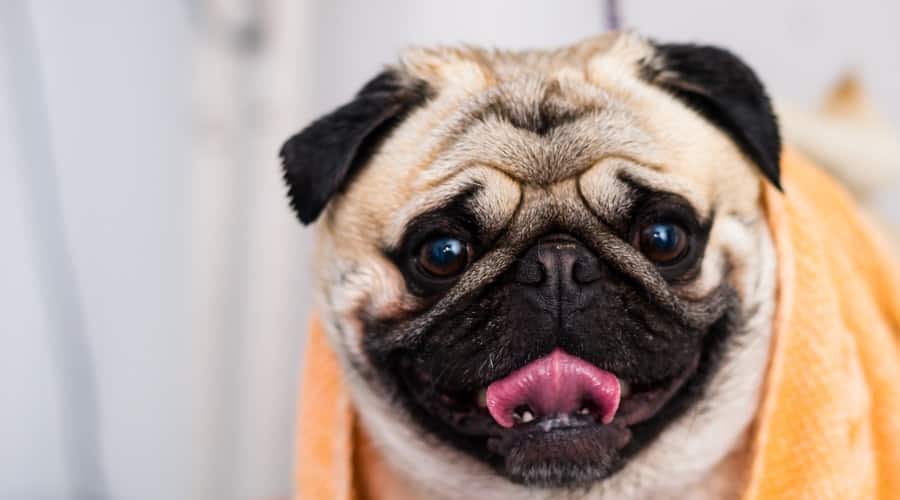
Brushing
Brushing is your first line of defense. For most Pugs, a few minutes every day during heavy shedding seasons is enough.
- Double coats: Brush daily in spring and fall.
- Single coats: Brush once or twice a week to stay ahead of the fur.
- Choose a soft-bristle or pin brush that works best for their short coats.
Bathing
Too many baths can backfire. Overbathing removes the oils that keep skin and fur healthy.
- Bathe once a month with a gentle oatmeal or sensitive-skin shampoo.
- Always rinse thoroughly to remove residue from skin folds.
Diet
A healthy coat starts from within. Look for high-quality kibble with balanced protein and fatty acids.
- Omega-3 and Omega-6 support coat strength and shine.
- Avoid cheap fillers that cause dry, flaky skin.
Supplements
If your Pug’s food isn’t doing the job, consider supplements.
- Skin-and-coat chews provide extra nutrients.
- Fish oil can be drizzled on food for a tasty omega-3 boost.
Tools
Be cautious of the deshedding rake. It’s too harsh for short coats and can catch on skin folds.
Stick with a soft brush or a grooming glove to loosen hair safely.
Pro Tip: Brush your Pug before bath time. It removes loose fur first, prevents clogged drains, and makes shampooing easier.
The Year-Round Grooming Game Plan
If you plan ahead for the seasons, you can keep shedding predictable and manageable. Here’s what your grooming routine should look like throughout the year.
| Season | Shedding Level | What To Do |
|---|---|---|
| Winter | Light | Brush twice a week to prevent dry skin and buildup. Keep indoor air humid to avoid static. |
| Spring | Heavy | Daily brushing helps manage coat blowout. A monthly bath removes loose undercoat and dander. |
| Summer | Moderate | Brush every few days and add omega-rich food or supplements for coat hydration. |
| Fall | Heavy | Step up brushing again as the winter coat grows in. A slicker or pin brush works best for loose fur. |
Quick Guide: Pug Owner Toolkit
A little preparation goes a long way when it comes to managing fur. These essentials help you stay ahead of the shedding before it takes over your home.
- Gentle bristle brush: Keeps short coats smooth and reduces loose fur between baths.
- Oatmeal shampoo for sensitive skin: Calms irritation in skin folds and helps prevent dryness.
- Omega-rich supplement: Supports coat health from the inside out and adds shine.
- Lint roller or grooming glove: Quick cleanup tools for clothes, furniture, and laps.
Pro Tip: Skip the disposable lint rollers and try a reusable Chom Chom roller for pet hair instead. It’s durable, eco-friendly, and works far better on furniture and car seats than standard rollers.
When Shedding Signals Something Serious
Most of the time, shedding is just part of being a Pug. But sometimes, it’s your dog’s way of telling you something isn’t right.
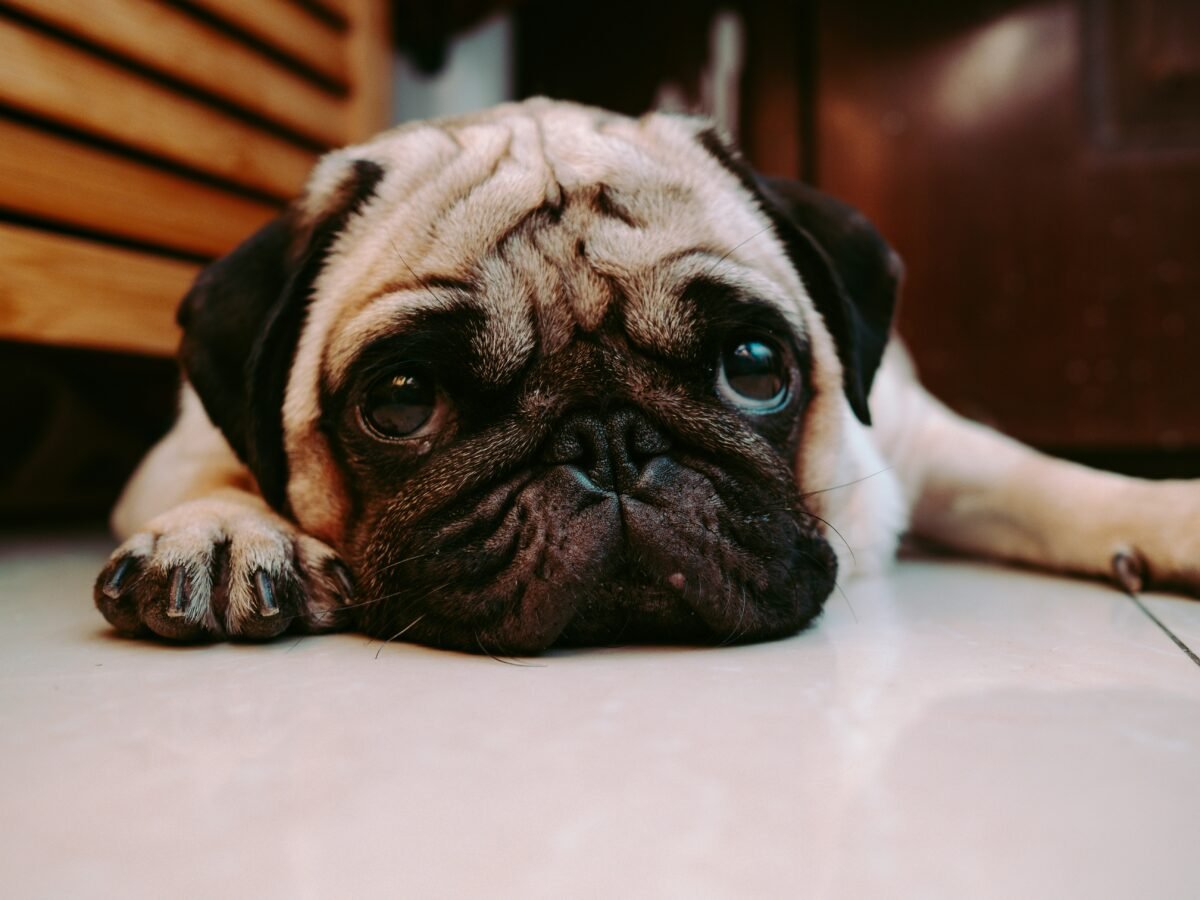
If the fur starts coming out in clumps or you notice bald spots, don’t wait it out. Excessive or uneven shedding can point to allergies, infections, or thyroid issues.
Other red flags include flaky skin, sores, or constant scratching. These signs often indicate that the skin barrier is inflamed or that the coat’s natural oils are out of balance.
Stress can also trigger abnormal shedding. Loud noises, changes at home, or long periods alone may cause your Pug to lose fur faster than usual.
When To Call The Vet
- Bald patches or scabs on the skin
- Persistent itching or chewing
- Sudden shedding outside of seasonal changes
- Dull or brittle coat texture
Pro Tip: Take a few photos of your Pug’s coat when you first notice unusual shedding. It helps your vet track progress and spot patterns faster.
Frequently Asked Questions
If you’re new to Pug ownership, you’re not alone in wondering how to manage all that fur. These are the questions most owners ask once they realize their dog’s shedding habits are here to stay.
Don’t see your question? Ask us in the comments!
Why Do Pugs Shed So Much?
Pugs have thick, dense coats designed to protect their skin and regulate body temperature. Even the short-haired ones have more fur per inch than many large breeds. Shedding is simply the body’s way of replacing old, dead hair with new growth.
When Is Pug Shedding Season?
Double-coated Pugs shed heavily in spring and fall during their blowouts. During the rest of the year, light daily shedding is normal. Single-coated Pugs don’t have distinct seasons, but they still shed consistently.
What’s The Best Brush For A Pug?
A soft bristle or pin brush works best. These loosen fur without irritating the skin or catching in folds.
You don’t need a heavy-duty deshedding tool — those are too harsh for short coats.
My Pug Is Shedding In Clumps. Is That Normal?
Clumping can be normal during coat-blowing seasons. If it happens outside of those times or comes with itching or red spots, it may signal a skin condition that needs a vet check.
How Can I Reduce Shedding Inside My Home?
Brush regularly, feed a diet rich in Omega-3s, and vacuum often. Keep lint rollers handy for clothes and furniture, and don’t forget to wash your Pug’s bedding every week to cut down on loose fur buildup.
Can People With Allergies Own A Pug?
Pugs are not considered hypoallergenic. Their frequent shedding releases dander, which can trigger allergy symptoms in sensitive people. Even with regular grooming, it’s challenging to eliminate all traces of fur and dander.
If you have mild allergies, you can still live comfortably with a Pug by cleaning often, brushing outdoors, and using an air purifier. Vacuuming daily and washing bedding weekly also helps keep allergens under control.
A Little Fur Is A Small Price For Big Love
Living with a Pug means learning to love the fluff. Sure, your clothes will never be completely fur-free, but every stray hair is a reminder of how much joy these little dogs bring into a home.
If you’re ready to level up your Pug care routine, check out these helpful guides next:
- Best Dog Food For Pugs – Find nutrition that supports healthy skin and a shiny coat.
- Dog Shampoo For Sensitive Skin – Discover gentle options that soothe irritation and reduce itching.
- Dog Grooming Tips – Learn easy tricks to keep your Pug clean, soft, and camera-ready.
With the proper care, grooming, and diet, you can keep shedding under control and focus on what really matters: the snorts, the snuggles, and the smiles.