When you purchase through links on our site, we may earn a commission at no extra cost to you. Learn more.
You’re walking through the neighborhood at dusk when you spot what looks like a coyote standing in someone’s yard. Then it turns, trots toward its owner, and suddenly you realize… it’s actually a dog.
Table of Contents
Some dog breeds have an uncanny resemblance to coyotes, from their lean build and pointed ears to their sandy coats and alert, watchful expressions. Unlike wolf-like dogs, coyote-looking breeds tend to be smaller, leggier, scrappier, and more understated in appearance, which can make the resemblance feel surprisingly believable at a glance.
From primitive desert dogs to athletic herding breeds and rugged northern canines, these dogs capture the same wild-canid look that makes coyotes so recognizable across North America. Some only resemble coyotes in certain colors or body types, while others could genuinely make people do a double take from a distance.
5 Popular Dog Breeds That May Pass For Coyotes At A Glance
These breeds aren’t true coyote lookalikes, but certain individuals can strongly resemble coyotes at first glance. Their lean frames, upright ears, athletic movement, and wild coloring often prompt a double-take from a distance.
Some were bred for herding or endurance work, while others share physical traits common to wild canines. In the right lighting, coat color, or body type, these dogs can look surprisingly coyote-like on walks, hikes, or neighborhood security footage.
1. Siberian Husky
The Siberian Husky was originally bred to pull sleds across long frozen distances. Known for endurance and athleticism, Huskies remain one of the world’s most recognizable northern working breeds.
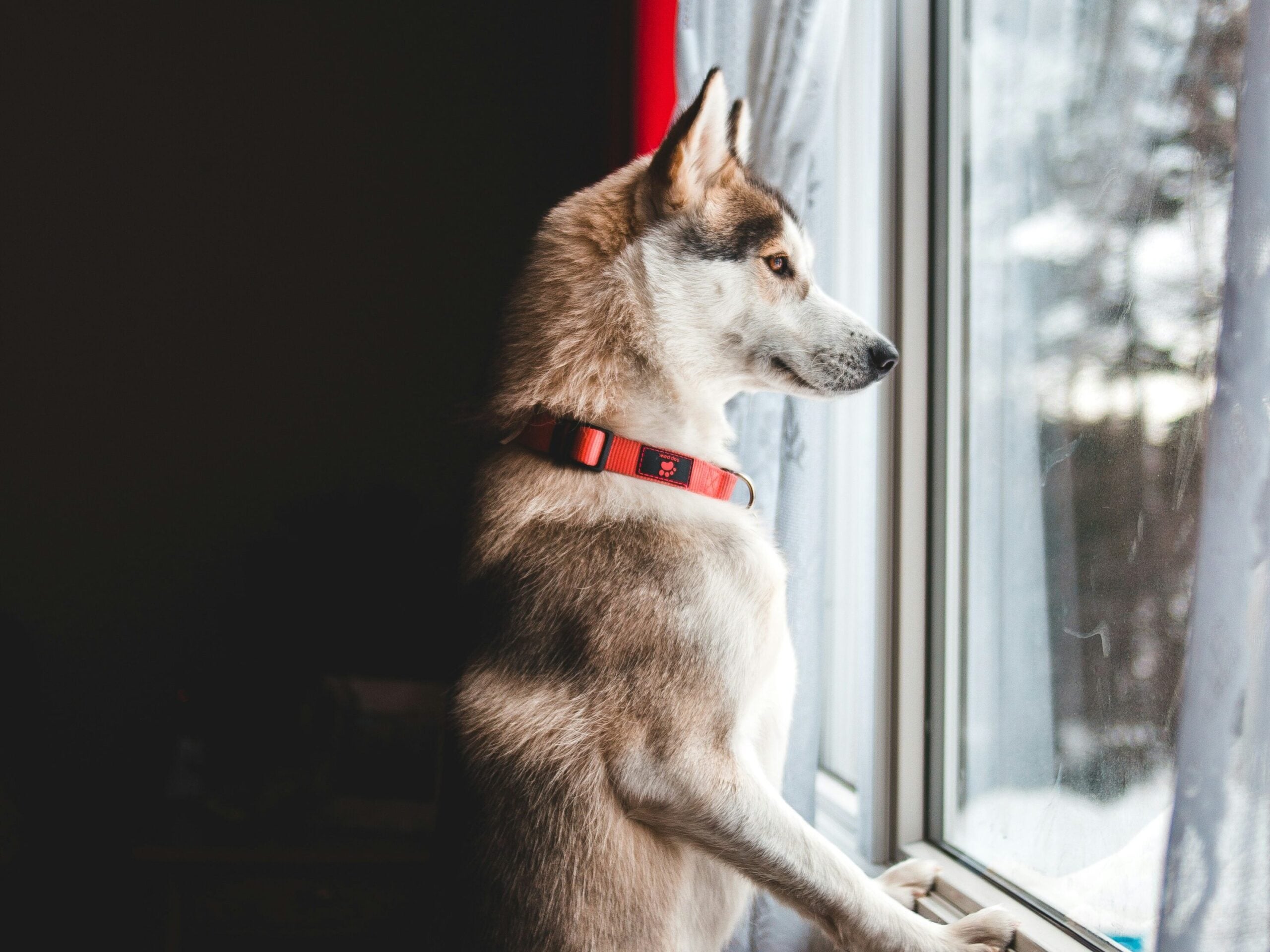
While most Huskies resemble wolves more than coyotes, certain individuals, especially red, copper, or agouti Huskies, can look surprisingly coyote-like at a glance. Their upright ears, narrow muzzle, athletic build, and wild coat patterns create a strong resemblance from a distance.
Compared to coyotes, Huskies are typically fluffier and more heavily coated, particularly around the neck and tail. Still, leaner working-line dogs often share the same alert posture and efficient movement seen in wild canines.
- Temperament and personality: outgoing, energetic, mischievous, independent
- Energy level and exercise needs: very high energy, requires significant daily activity and enrichment
- Grooming requirements: thick double coat with heavy seasonal shedding
- Care considerations: known escape artists, strong prey drive, can be vocal and stubborn
Best for: active owners, cold climates, adventurous households
2. Belgian Malinois
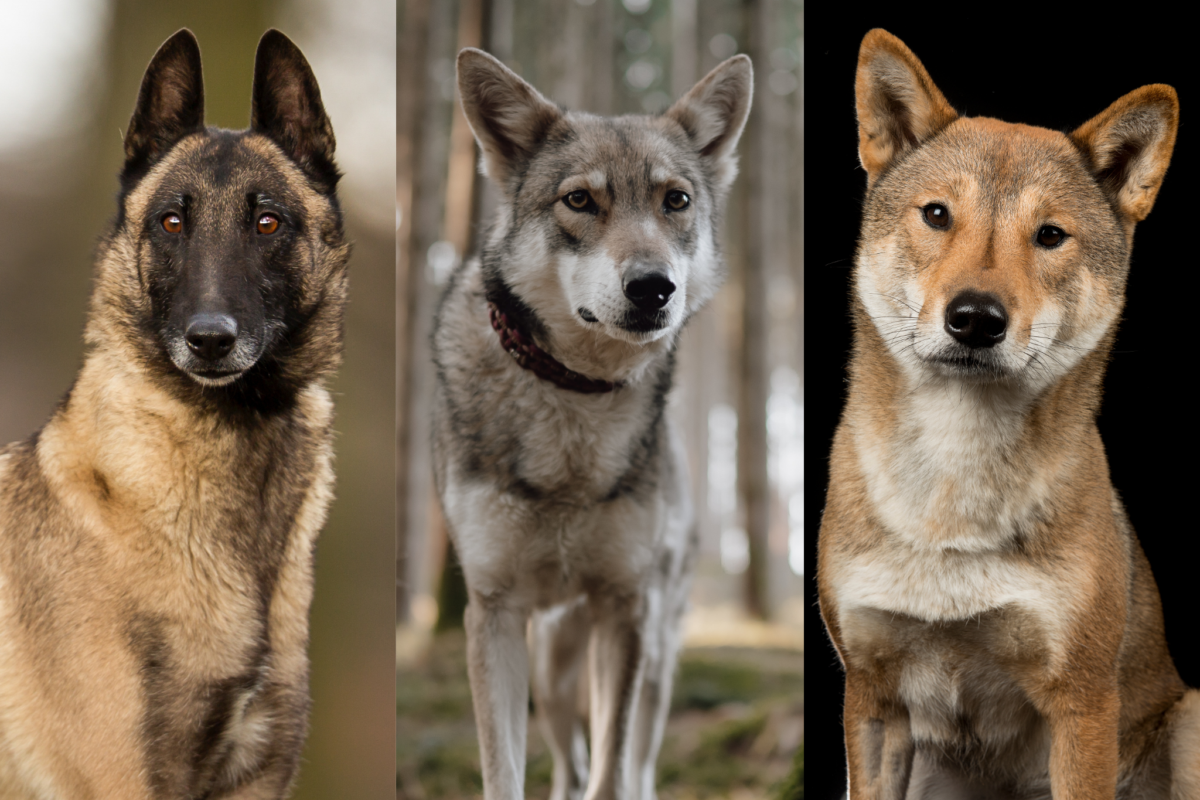
The Belgian Malinois was developed as a highly intelligent herding and protection dog known for its speed, agility, and intense work ethic. Today, the breed is widely used in police and military work because of its athleticism and laser-focused drive.
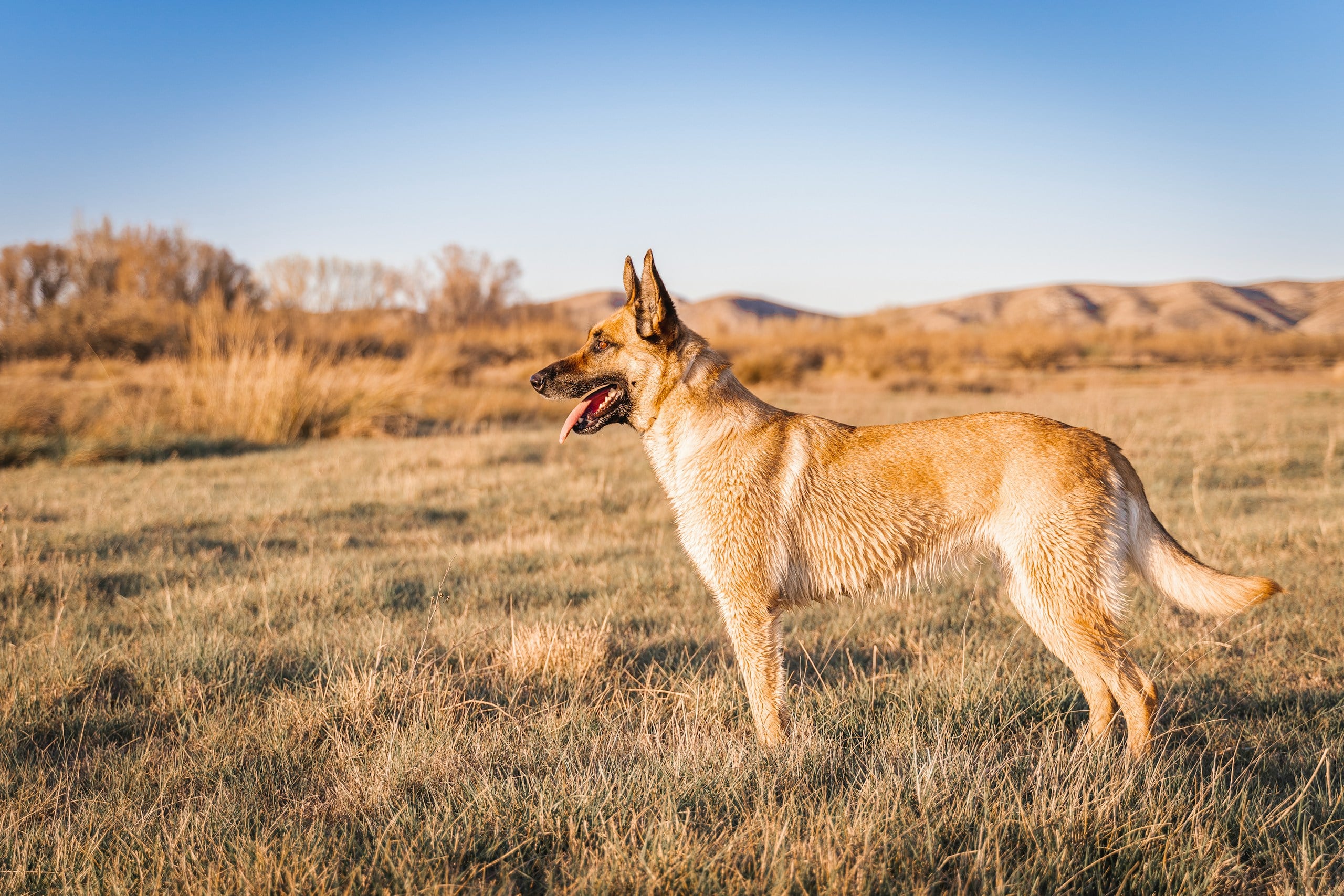
Its resemblance to a coyote comes from its lean frame, long legs, upright ears, and short fawn-colored coat. Many Malinois have the same alert expression and rangy silhouette that make coyotes instantly recognizable in the wild.
Unlike bulkier shepherd breeds, the Malinois moves with a light, springy gait that can feel surprisingly wild and animalistic at a glance. Their intense stare and constant environmental awareness only strengthen the resemblance.
- Temperament and personality: highly intelligent, intense, loyal, extremely driven
- Energy level and exercise needs: extremely high energy, requires substantial daily exercise and advanced mental stimulation
- Grooming requirements: short coat with relatively easy maintenance and moderate shedding
- Care considerations: not ideal for inexperienced owners, can become destructive without enough structure and activity
Best for: owners prepared for a high-maintenance dog, working roles
3. German Shepherd
Originally developed in Germany as a versatile herding and working dog, the German Shepherd quickly became known for its intelligence and athleticism. Today, the breed is widely used in police work, military service, search-and-rescue, and protection sports around the world.
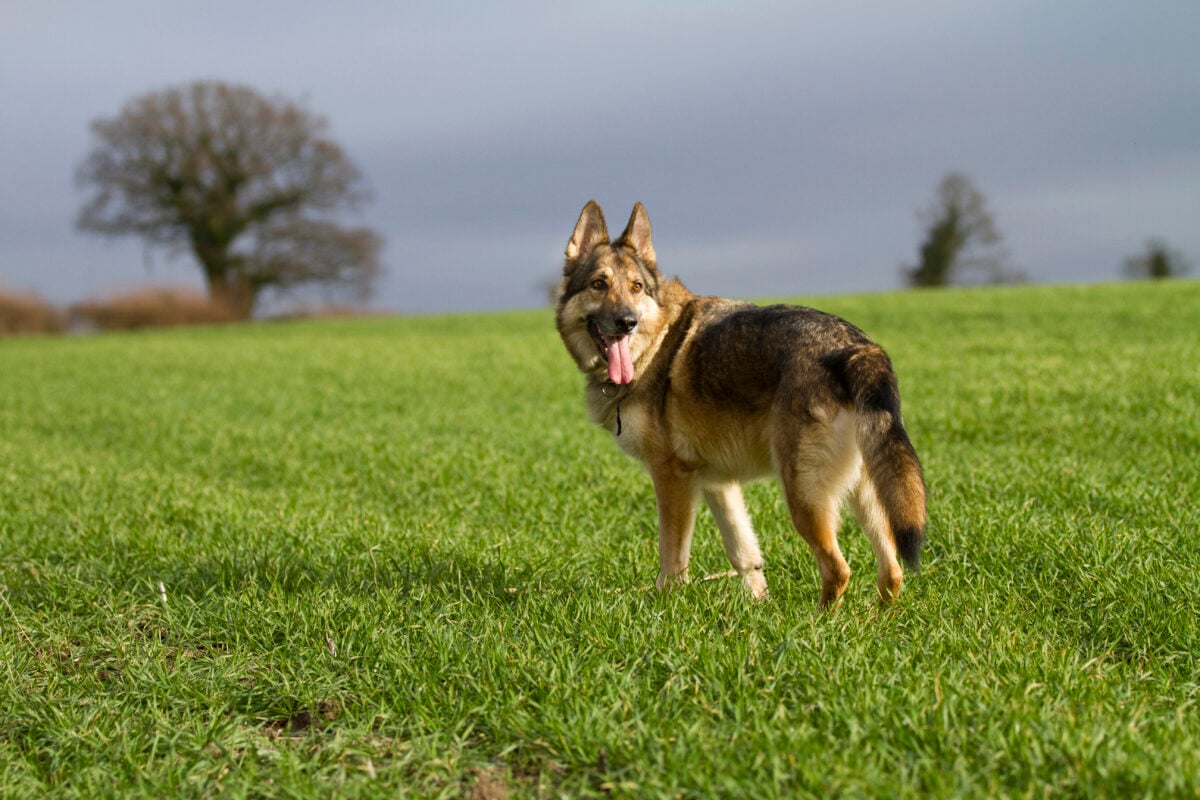
While many German Shepherds look distinctly domestic, leaner working-line dogs, especially sable or lighter tan individuals, can resemble coyotes surprisingly well at a glance. Their long muzzle, upright ears, sloped athletic frame, and alert posture all mirror traits commonly seen in wild canines.
Compared to coyotes, German Shepherds are usually heavier-bodied and more muscular, particularly in the chest and neck. Still, certain dogs share the same rangy silhouette and cautious, observant expression that make coyotes so recognizable in the wild.
- Temperament and personality: intelligent, loyal, confident, highly trainable
- Energy level and exercise needs: high energy with strong physical and mental stimulation needs
- Grooming requirements: dense double coat with moderate to heavy shedding year-round
- Care considerations: thrives with structure, training, and consistent activity; can become anxious or destructive when under-stimulated
Best for: active owners, advanced training, outdoor lifestyles
Watch: With its sable coat, pointed muzzle, and alert expression, this German Shepherd looks uncannily similar to a wild coyote at certain angles.
4. Australian Cattle Dog (Blue Heeler)
The Australian Cattle Dog was developed to drive livestock across harsh Australian terrain, resulting in one of the toughest and most resilient working breeds in the world. Compact, athletic, and intensely focused, the breed was built for endurance and quick decision-making.
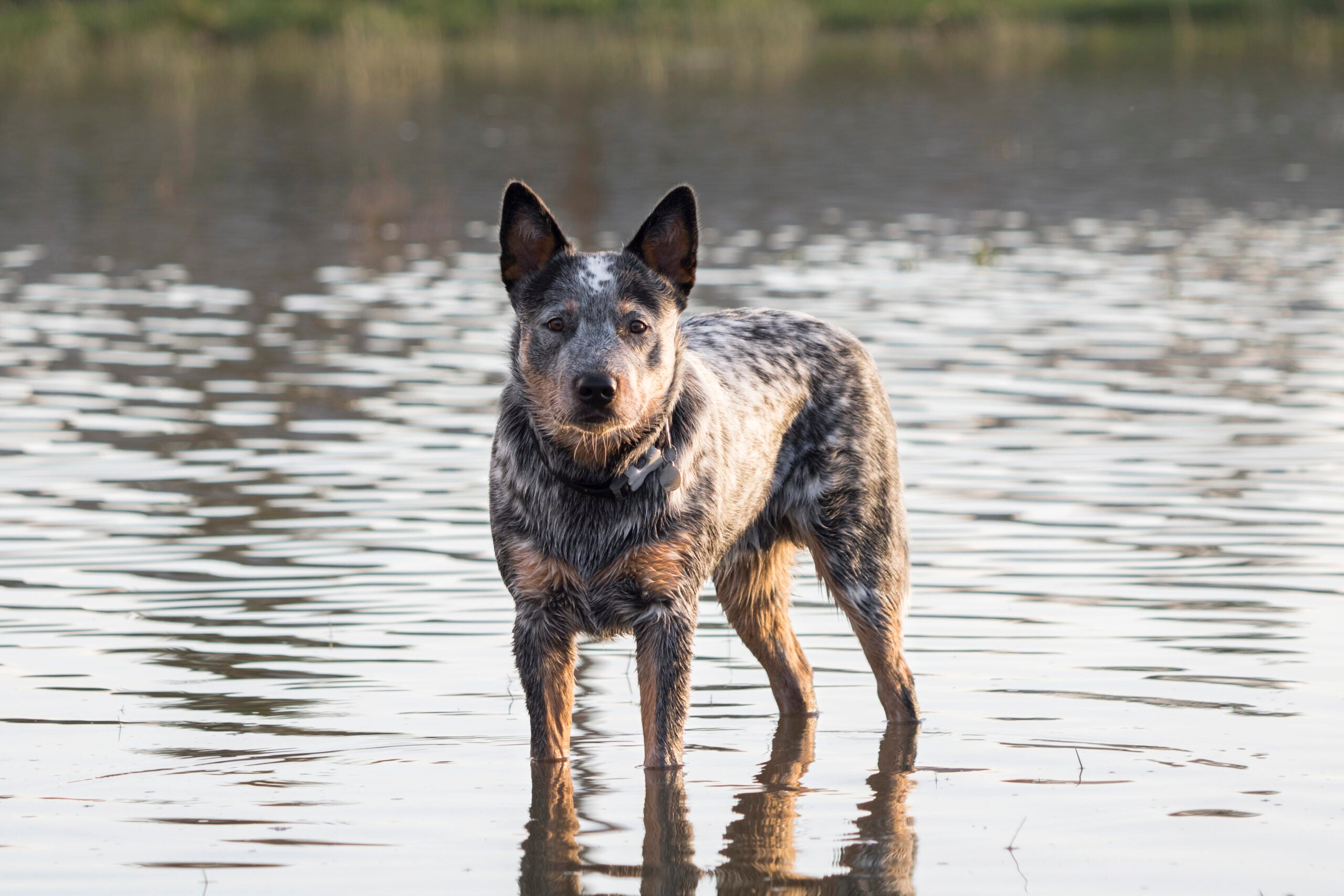
While blue-coated dogs look more wolf-like, red Australian Cattle Dogs can resemble compact coyotes surprisingly well. Their upright ears, sharp expression, narrow muzzle, and reddish speckled coat create a rugged wild-dog appearance that stands out immediately.
Compared to coyotes, Australian Cattle Dogs are stockier and more muscular, but they still share the same alert posture and highly observant expression. Their intense focus and agile movement often make them feel more “wild” than many larger breeds.
- Temperament and personality: smart, intense, loyal, highly driven
- Energy level and exercise needs: extremely high energy with heavy physical and mental stimulation needs
- Grooming requirements: short weather-resistant coat with moderate shedding
- Care considerations: prone to boredom and destructive behavior without enough activity or structure
Best for: working roles, active owners, dog sports, experienced handlers
5. Shiba Inu
The Shiba Inu is an ancient Japanese breed originally developed for flushing birds and small game through mountainous terrain. Although most people compare Shibas to foxes, some individuals, especially lean sesame-colored dogs, can look surprisingly similar to coyotes.
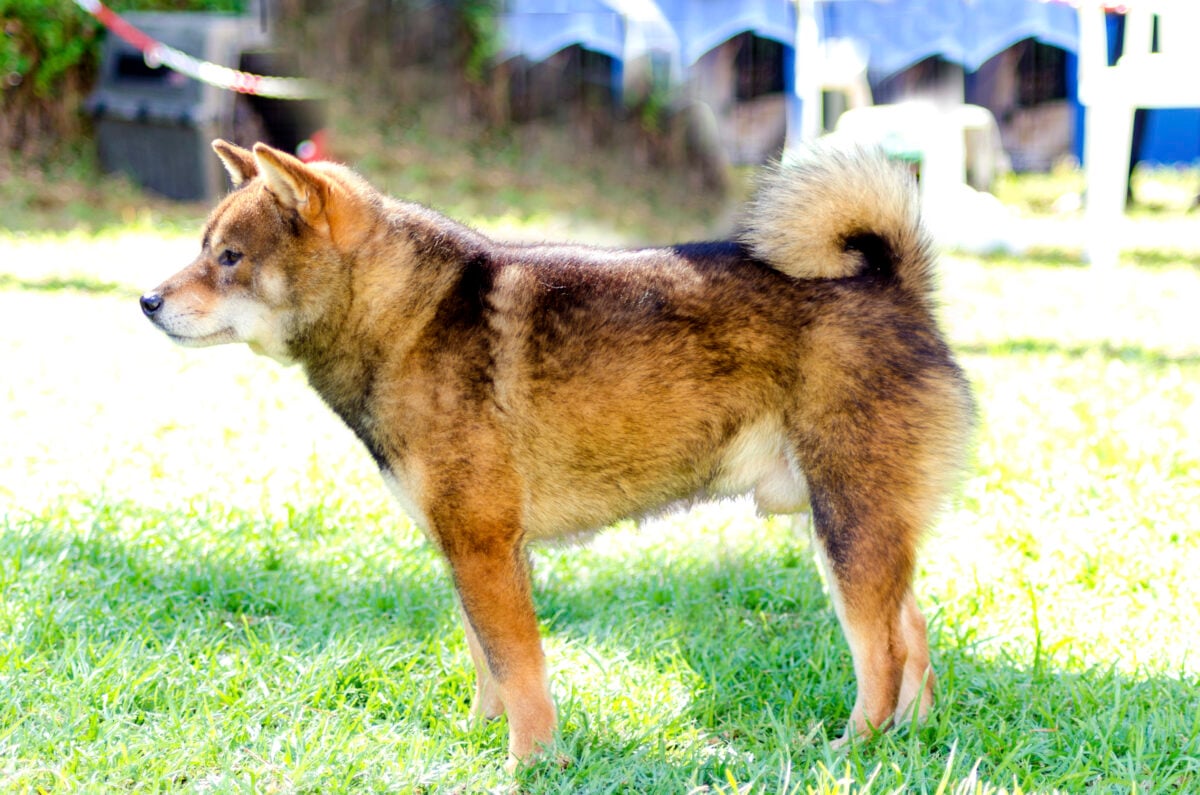
Its resemblance comes from its pointed muzzle, upright ears, almond-shaped eyes, and agile, alert posture. Red, sesame, and wolf-toned coats can further enhance the wild-canid appearance, particularly in athletic Shibas with less exaggerated fluff.
Compared to coyotes, the Shiba Inu is much more compact and plush-coated, with a curled tail that gives away its domesticated spitz heritage. Still, from certain angles, the resemblance can be striking.
- Temperament and personality: intelligent, independent, bold, alert
- Energy level and exercise needs: moderate to high energy with bursts of intense activity
- Grooming requirements: thick double coat with seasonal shedding
- Care considerations: stubborn streak, strong prey drive, can be aloof with strangers
Best for: active owners who appreciate independent, cat-like dogs
3 Dog Breeds That Resemble Coyotes… But Much Larger
Some breeds share the narrow muzzles, upright ears, and wild expressions associated with coyotes, but on a much larger scale. These dogs often blur the line between coyote, wolf, and northern working breed, especially in gray, agouti, or sandy-colored coats.
Compared to real coyotes, these breeds are significantly taller, heavier, and more heavily coated. Their larger size and dramatic appearance often push them closer to wolf-like dogs, but certain individuals can still resemble oversized coyotes at a glance.
1. Saarloos Wolfdog
The Saarloos Wolfdog was created in the Netherlands by crossing German Shepherds with European wolves in an attempt to preserve more natural canine instincts and physical traits. The result is a highly primitive, wolf-like breed known for its sensitivity, athleticism, and striking appearance.
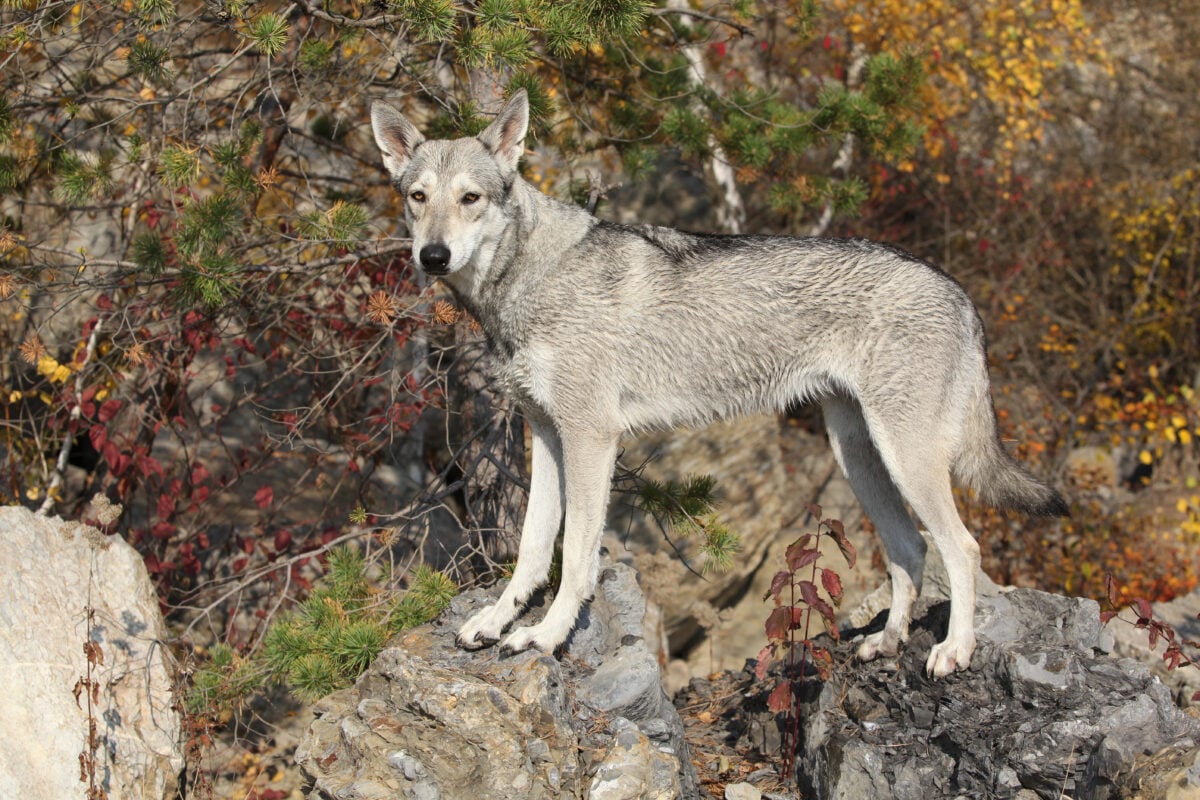
Some Saarloos Wolfdogs can resemble giant coyotes due to their narrow build, long legs, upright ears, and muted gray or sandy coat colors. Compared to heavier wolfdogs, the Saarloos often has a lighter, more graceful frame that feels surprisingly coyote-like in motion.
Despite the resemblance, Saarloos Wolfdogs are much taller and more heavily coated than actual coyotes. Their reserved body language and intense watchfulness also contribute to their distinctly wild appearance.
- Temperament and personality: sensitive, independent, reserved, deeply bonded to familiar people
- Energy level and exercise needs: moderate to high energy with strong mental stimulation needs
- Grooming requirements: dense double coat with heavy seasonal shedding
- Care considerations: requires experienced handling, early socialization, and a calm stable environment
Best for: experienced owners, primitive-breed enthusiasts, quiet active households
2. Tamaskan Dog
The Tamaskan Dog was developed to resemble a wild wolf-like canine while maintaining the temperament of a trainable companion dog. The breed descends from northern working and sled-type dogs, including Siberian Huskies, Alaskan Malamutes, and German Shepherd-type lines.
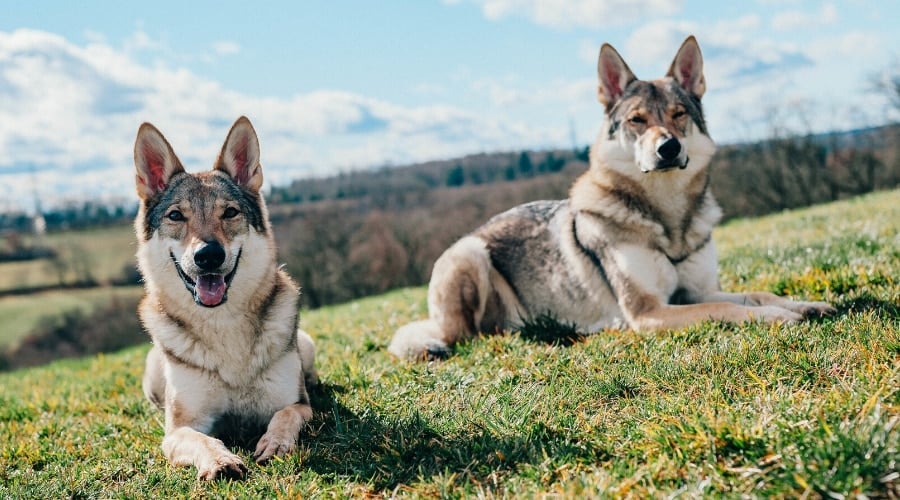
Although Tamaskans are typically associated with wolves, some leaner individuals, especially those with lighter agouti or sandy-gray coats, can also resemble oversized coyotes at a glance. Their narrow muzzle, upright ears, athletic frame, and dusty coat coloring create a strong wild-canine appearance.
Compared to real coyotes, Tamaskans are significantly larger, fluffier, and more heavily coated. Still, certain dogs have the same alert posture and rangy silhouette that can make people do a double take from a distance.
- Temperament and personality: intelligent, social, energetic, highly people-oriented
- Energy level and exercise needs: very high energy with substantial exercise and enrichment requirements
- Grooming requirements: thick double coat with heavy seasonal shedding
- Care considerations: prone to boredom and escape behaviors without enough stimulation and activity
Best for: active owners, outdoor lifestyles, experienced northern-breed enthusiasts
3. Kugsha Dog
The Kugsha Dog is a rare northern breed-type developed to resemble primitive wilderness dogs. Although not officially recognized by major kennel clubs, Kugshas are known for their wolf-like appearance, endurance, and strong working instincts.
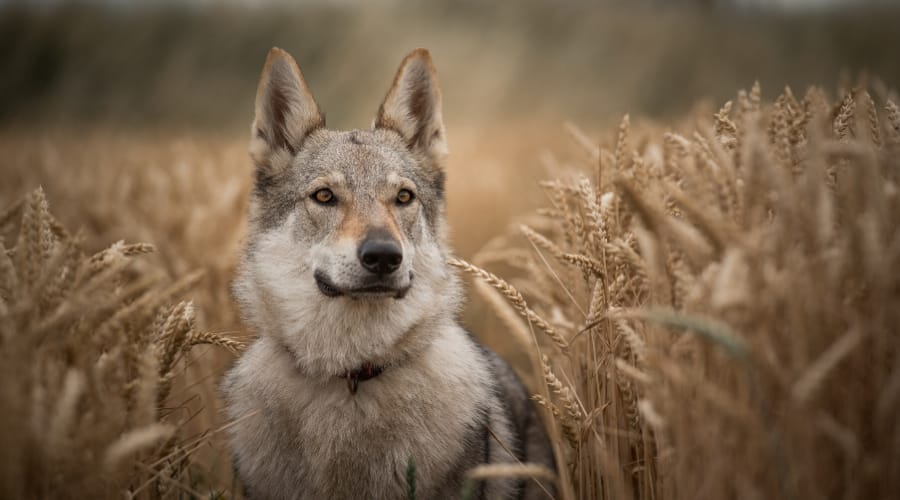
Some individuals resemble oversized coyotes because of their narrow muzzle, large upright ears, long legs, and shaggy agouti coats. Compared to many northern breeds, certain Kugshas have a leaner and more lightly built appearance that feels less bulky and more wild.
Unlike actual coyotes, Kugshas are far larger and more heavily coated, especially around the neck and tail. Their strong prey drive and highly independent nature also make them much more challenging than the average companion dog.
- Temperament and personality: intelligent, independent, driven, primitive-minded
- Energy level and exercise needs: extremely high energy with strong endurance and working needs
- Grooming requirements: thick weather-resistant coat with heavy shedding
- Care considerations: requires experienced handling, secure containment, and extensive exercise
Best for: experienced active owners, northern-breed enthusiasts, rural lifestyles
4 Rare Dog Breeds That Truly Look Like Coyotes
These breeds have the closest overall resemblance to real coyotes in build, coloring, expression, and movement. Their lean frames, upright ears, narrow muzzles, and alert body language create the same wild, intelligent appearance that makes coyotes so recognizable in nature.
Some are primitive breeds with ancient roots, while others developed as highly athletic working dogs. Either way, these dogs often stop people mid-walk with the same question: “Wait… is that a coyote?”
1. Carolina Dog
Often called the “American Dingo,” the Carolina Dog developed naturally in isolated areas of the American Southeast, where free-ranging populations survived for generations with minimal human interference.
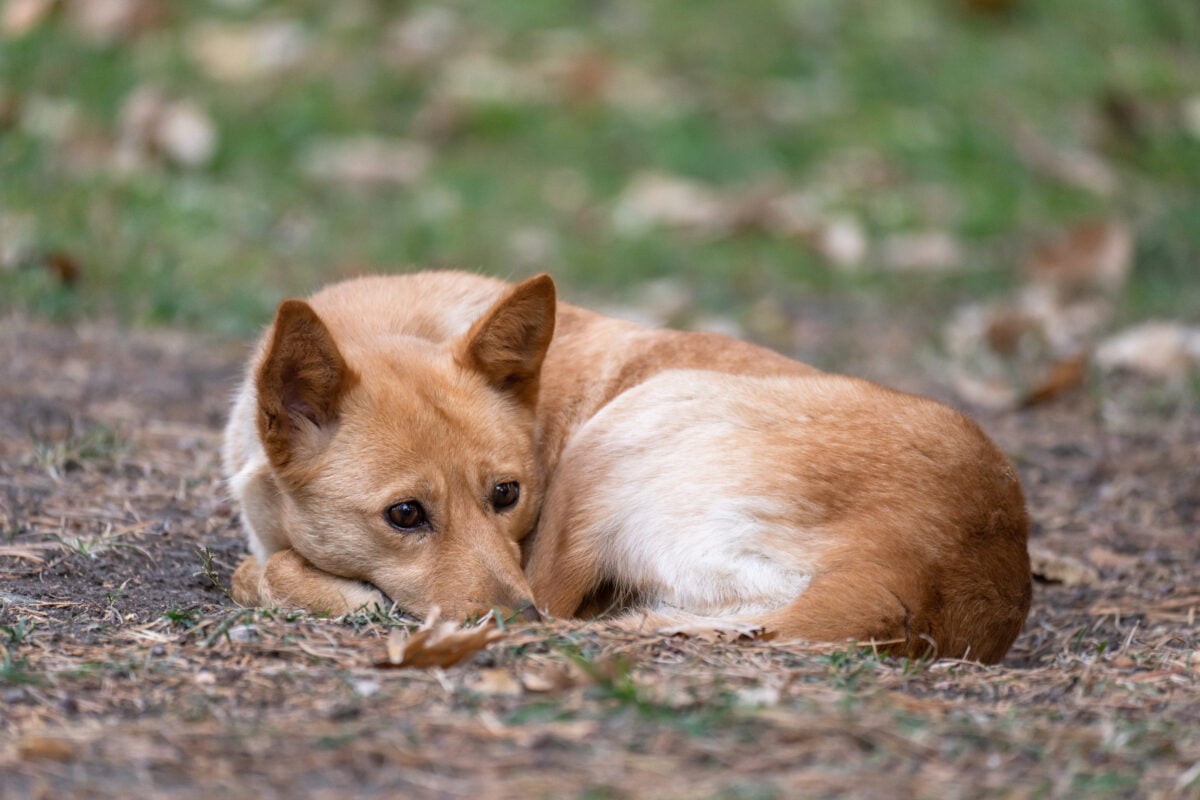
Their naturally lean build, sandy coloring, upright ears, and narrow chest create an unmistakably coyote-like silhouette. Even their cautious, observant body language mirrors the alertness of wild canines.
This breed’s resemblance becomes especially striking in motion. Carolina Dogs move with a light, effortless gait that feels more wild-animal than typical pet dog, particularly in red, ginger, or buff-colored coats.
- Temperament and personality: intelligent, independent, cautious with strangers, deeply loyal to family
- Energy level and exercise needs: high energy, thrives with daily activity, exploration, and mental enrichment
- Grooming requirements: short, low-maintenance coat with moderate seasonal shedding
- Care considerations: can be sensitive, reserved, and escape-prone without proper structure and socialization
Best for: active owners, primitive-breed enthusiasts, outdoor lifestyles
Watch: Carolina Dogs already resemble coyotes visually, and the dog’s vocalizations makes the resemblance feel even more uncanny.
2. West Siberian Laika
The West Siberian Laika is a primitive Russian hunting breed developed to track game across dense forests and rugged northern terrain. Unlike many modern companion breeds, Laikas still retain much of their original hunting-dog appearance and instinct.
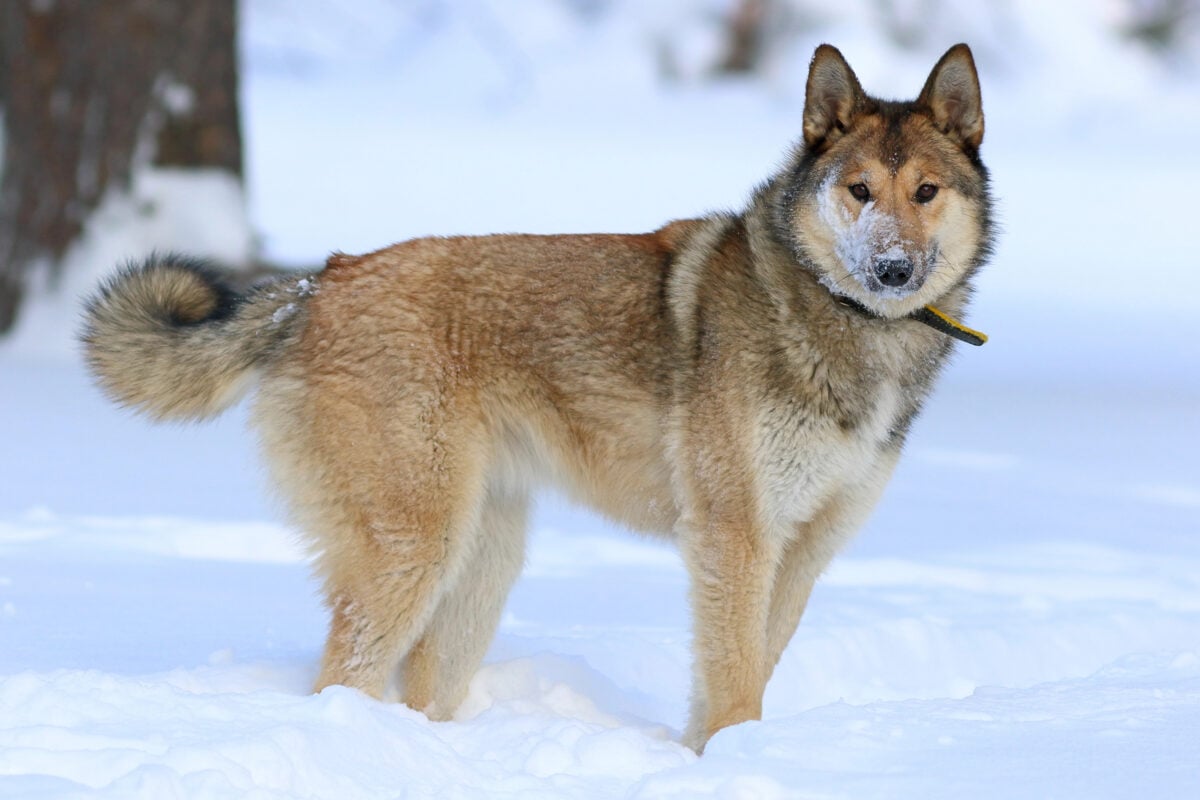
Its resemblance to a coyote comes from its narrow muzzle, upright ears, athletic build, and highly alert expression. Leaner individuals, particularly those with gray, red, or wolf-toned coats, can look remarkably wild at a glance.
Compared to coyotes, the Laika is fluffier and more heavily coated, especially during colder months. Still, its movement and body shape often feel far more primitive and untamed than most northern dog breeds.
- Temperament and personality: intelligent, independent, alert, highly driven
- Energy level and exercise needs: very high energy with strong hunting instincts
- Grooming requirements: thick double coat with heavy seasonal shedding
- Care considerations: strong prey drive, requires extensive exercise and engagement
Best for: experienced active owners, hunting homes, outdoor lifestyles
3. Shikoku Ken
The Shikoku Ken is one of Japan’s native hunting breeds and was originally developed to track boar through mountainous terrain. Unlike some heavier Japanese spitz breeds, the Shikoku remains lean, agile, and highly athletic.
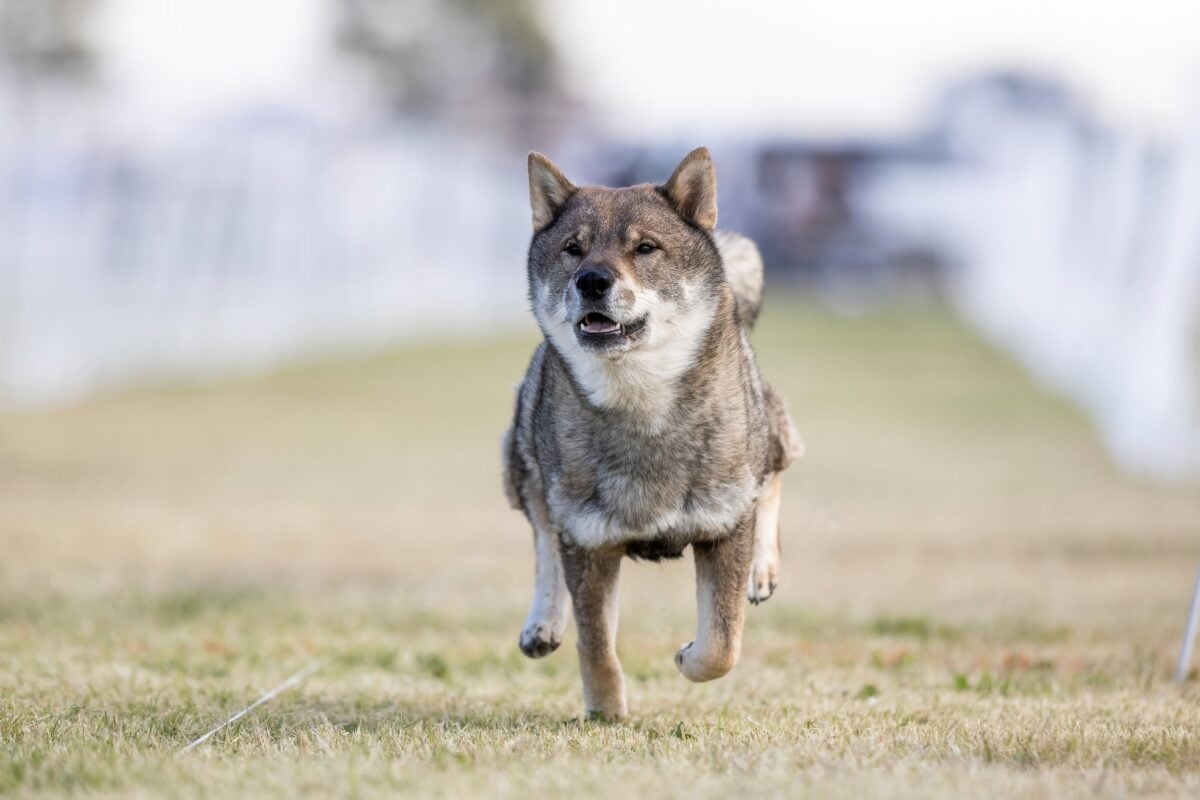
In darker sesame coats especially, the resemblance to a wild coyote can be remarkably strong. The breed’s narrow muzzle, sharp ears, agile movement, and alert expression all contribute to its primitive appearance.
This breed often appears more rugged and untamed than many modern companion dogs. Their intense gaze and natural athleticism give them the same “always aware” energy that reads coyote.
- Temperament and personality: loyal, alert, independent, deeply bonded with family
- Energy level and exercise needs: high energy with strong exercise and enrichment needs
- Grooming requirements: double coat with moderate grooming needs and seasonal shedding
- Care considerations: high prey drive, can be stubborn, benefits from experienced handling
Best for: hiking companions, active households, experienced dog owners
4. Korean Jindo
Originating from Jindo Island in South Korea, the Korean Jindo is a primitive hunting breed known for its intelligence, loyalty, and strikingly wild appearance. The breed was traditionally used for hunting and guarding, often working independently in rugged terrain.
Its resemblance to a coyote comes from its lean, athletic frame, triangular, upright ears, almond-shaped eyes, and fox-red or cream coat. Compared to fluffier spitz breeds, the Jindo has a cleaner, sharper silhouette that feels noticeably more wild.
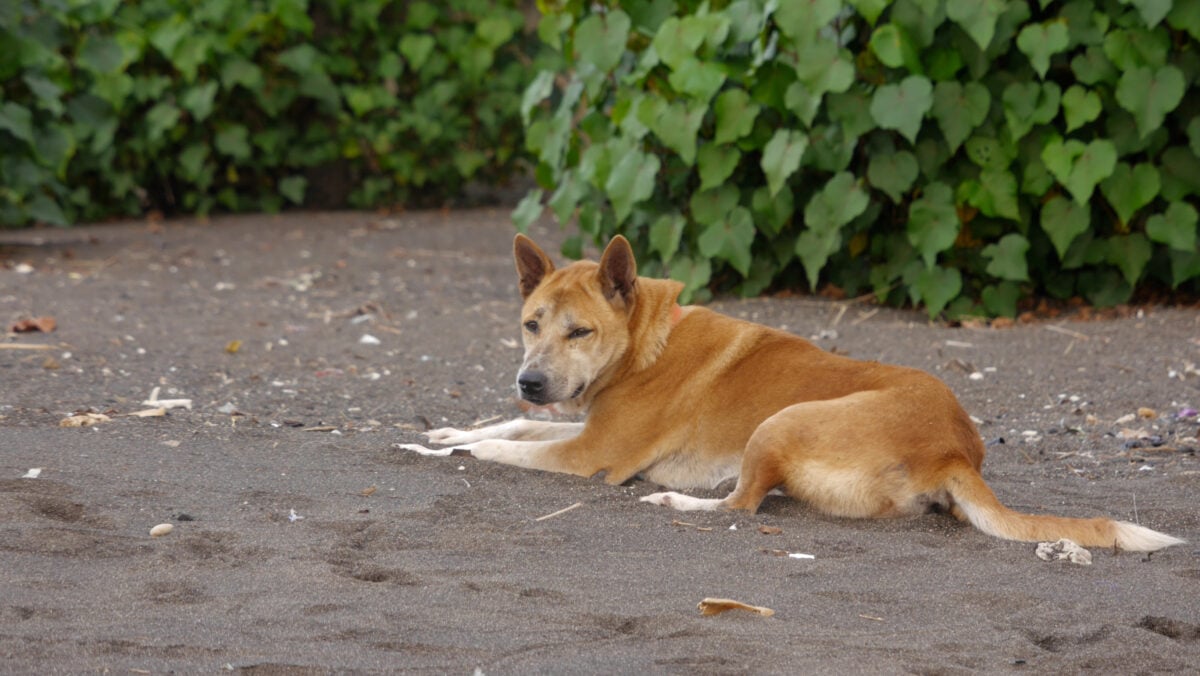
Jindos also share the naturally cautious demeanor common in wild canines. They tend to observe unfamiliar people and environments carefully before engaging, which adds to their coyote-like aura.
- Temperament and personality: loyal, reserved, intelligent, independent thinker
- Energy level and exercise needs: moderate to high energy with strong mental stimulation needs
- Grooming requirements: dense double coat with seasonal shedding
- Care considerations: strong prey drive, can be challenging off-leash, requires early socialization
Best for: experienced owners, structured homes, active companions
Watch: The Korean Jindo’s light-footed movement, thick tail, and alert body language show why this primitive breed is so often compared to wild canines like coyotes.
Why Some Dogs Look So Much Like Coyotes
Since both coyotes and domestic dogs belong to the canine family, it’s not surprising that certain breeds developed features that closely resemble their wild relatives. The resemblance becomes even stronger in breeds with lean builds, upright ears, narrow muzzles, and natural-looking coat colors. In some cases, the similarity is so convincing that people mistake these dogs for actual coyotes while driving, hiking, or checking security camera footage.
Shared Traits Between Coyotes & Dogs
Coyotes belong to the same biological family as domestic dogs, which explains why some breeds naturally resemble them. Both share core canine features, such as pointed ears, long muzzles, sharp teeth, and highly athletic movement.
What makes coyotes stand out visually is their balance of traits rather than any single feature. They tend to have:
- Lean, narrow frames
- Long legs
- Bushy tails
- Upright ears
- Almond-shaped eyes
- Sandy, gray, or agouti-colored coats
- Light, efficient movement
When domestic dogs share several of these characteristics at once, the resemblance can become surprisingly strong.
Why Primitive Breeds Often Look More “Wild”
Many of the dogs that resemble coyotes most closely are considered primitive breeds. These dogs developed with less intensive human modification than many modern companion breeds and often retain physical features associated with early dogs or wild canines.
Primitive breeds typically have:
- Leaner body proportions
- More wedge-shaped heads
- Upright ears
- Strong prey drive
- Independent personalities
- Efficient athletic movement
Breeds like the Carolina Dog, Korean Jindo, and Taiwan Dog often feel especially “wild” because their structure hasn’t been exaggerated through generations of specialized breeding.
Coat Colors That Create The Coyote Illusion
Color plays a huge role in whether a dog looks coyote-like. Certain coat shades naturally mimic the dusty, blended appearance of wild coyotes far more than dramatic markings or solid colors.
The most coyote-like coat colors and patterns include:
- Agouti
- Sable
- Sandy tan
- Gray-brown
- Red-gold
These blended colors soften the dog’s outline and create a weathered, natural look similar to that of wild canines.
Dogs with heavy black masks, bright white markings, or overly fluffy coats tend to look more wolf-like or domesticated than coyote-like.
Why Movement & Body Shape Matter More Than Size
Many people assume large dogs look more “wild,” but coyotes are actually much leaner and lighter than most wolf-like breeds. An oversized fluffy dog often resembles a wolf far more than a coyote.
What really creates the coyote illusion is movement and body shape. Coyotes move with:
- Light, efficient strides
- Narrow posture
- Low-energy motion
- Constant environmental awareness
Dogs with long legs, slim waists, narrow chests, and agile movement often look far more coyote-like than heavier northern breeds.
Coydogs: The Real Dog-Coyote Hybrid
A coydog is a hybrid offspring produced by a domestic dog and a coyote. Most documented cases involve male coyotes breeding with female dogs, typically in rural or semi-rural areas where free-roaming dogs encounter wild coyotes.
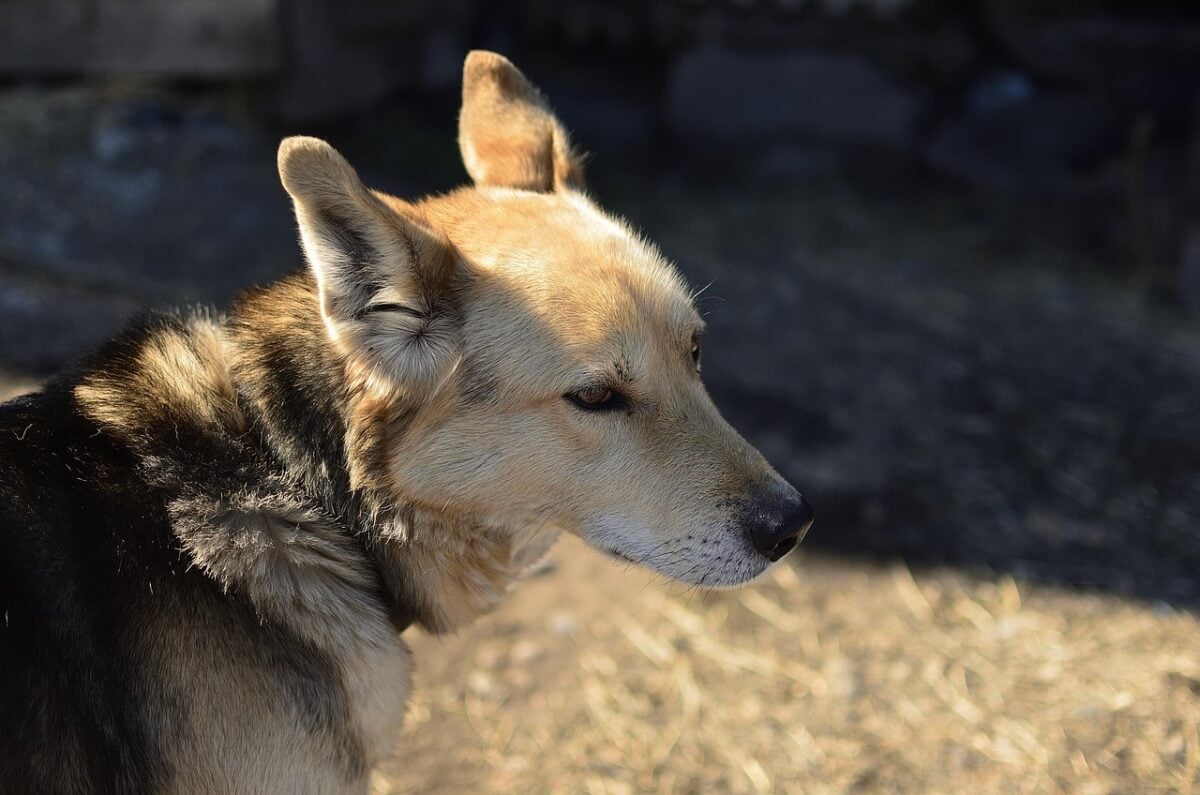
Coydogs may inherit a mix of traits from both parents, including:
- High prey drive
- Extreme wariness
- Strong territorial behavior
- High intelligence
- Escape tendencies
- Unpredictable social behavior
Physically, many coydogs resemble lean shepherd mixes or primitive dogs rather than dramatic “half-wild” animals. Some have narrow muzzles, oversized ears, yellow eyes, or sandy agouti coats that closely resemble those of coyotes.
Watch: This coydog’s howl sounds more like a scream than a typical dog vocalization. Coydogs often inherit unusual vocal traits that fall somewhere between a domestic dog bark and a wild coyote call.
Are Coydogs Legal?
Coydog legality varies depending on state and local laws. Some areas classify them similarly to wolfdogs or other exotic hybrids, while others have no specific regulations.
Even where ownership is technically legal, coydogs can create major complications involving:
- Insurance coverage
- Housing restrictions
- Liability concerns
- Local wildlife laws
- Vaccination requirements
Because coyotes are wild animals, hybrid ownership may fall into a legal gray area in certain regions. Before considering any hybrid animal, owners should always research local laws carefully and understand the long-term responsibility involved.
Watch: Coydogs often vocalize very differently than domestic dogs, blending high-pitched screams, howls, and eerie yipping sounds that resemble wild coyotes more than household pets.
Why Coydogs Are So Rare
Despite internet rumors, true coydogs are believed to be relatively uncommon. Coyotes and domestic dogs have different breeding cycles, communication patterns, and social behaviors, which limits successful pairings in the wild.
Many animals labeled as coydogs are actually:
- German Shepherd mixes
- Husky mixes
- Carolina Dogs
- Primitive breeds
- Village dogs
- Wolfdog mixes
In reality, most dogs that look coyote-like are simply mixed-breed domestic dogs with lean frames, upright ears, and wild-type coloring.
Why Coydogs Are Difficult Pets
Coydogs can inherit strong instincts from both domestic dogs and wild coyotes, leading to unpredictable behavior that is difficult for most owners to manage.
Potential challenges include:
- Extreme escape behaviors
- High prey drive
- Fearfulness around strangers
- Destructive boredom
- Difficulty with recall training
- Strong territorial instincts
Unlike many domestic dogs, coydogs may not naturally seek human direction or companionship in the same way. Some remain highly cautious or reactive even with extensive socialization.
Because of these challenges, most experts strongly discourage keeping coydogs as pets.
Watch: This German Shepherd-coyote mix demonstrates the intense, wild-sounding howl that makes many coydogs feel very different from typical domestic dogs.
Living With A Dog That Looks Wild
Dogs that resemble coyotes tend to attract attention everywhere they go. Owners of primitive breeds, northern dogs, and wild-looking herding breeds often hear the same questions repeatedly: “Is that a coyote?” “Is that a wolf?” or “What kind of dog is that?”
While the appearance may be fascinating, many of these breeds also share personality traits that feel more independent, intense, or instinct-driven than the average companion dog. In many cases, the same characteristics that create the “wild” look also influence training, exercise needs, and daily management.
Why People Mistake These Dogs For Coyotes
Most people are not wildlife experts, and coyotes are now common in suburban neighborhoods, hiking trails, and even city outskirts. When someone spots a lean dog with upright ears, sandy coloring, and an alert posture from a distance, their brain often jumps straight to “coyote.”
This is especially common:
- At dawn or dusk
- In wooded neighborhoods
- On hiking trails
- In blurry security camera footage
- When a dog is off-leash at a distance
Primitive breeds and athletic working dogs also move differently from many companion breeds. Their light-footed gait, environmental awareness, and cautious body language can make the resemblance feel surprisingly believable in motion.
Watch: This mixed-breed dog sparked debate online because of its striking resemblance to a real coyote. Commenters guessed everything from Carolina Dog to Husky-German Shepherd mix.
High Prey Drive & Escape Tendencies
Many coyote-like breeds were originally developed for hunting, herding, endurance work, or survival in rugged environments. As a result, they often retain strong instincts that can surprise inexperienced owners.
Common traits include:
- Chasing small animals
- Roaming tendencies
- Fence climbing or jumping
- Strong curiosity
- Independent decision-making
- Intense environmental awareness
Breeds like the Siberian Husky, Korean Jindo, and Shikoku Ken are especially known for escape behavior and prey drive. Even highly trainable breeds like the Belgian Malinois or German Shepherd can become destructive or reactive without enough mental and physical stimulation.
Secure fencing, structured training, and daily exercise are especially important with these breeds.
Why Many Coyote-Like Dogs Need More Exercise
Most dogs that resemble coyotes were bred to work. Whether herding livestock, hunting game, pulling sleds, or surviving in harsh terrain, these breeds were designed for endurance and movement rather than lounging around the house all day.
That means many require:
- Long daily walks
- Running or hiking
- Structured training
- Puzzle toys and enrichment
- Off-leash exercise in secure spaces
- Consistent mental stimulation
Without sufficient activity, highly intelligent breeds can quickly develop boredom-related behaviors such as digging, chewing, excessive barking, pacing, or escape attempts.
In many cases, the “wild” appearance comes with an equally intense work ethic.
The Reality Of Primitive & Independent Breeds
Primitive breeds often behave differently from highly people-focused companion dogs. Many are more cautious with strangers, less eager to please, and more likely to assess situations independently before responding. That does not make them bad pets, but it does mean training may feel very different from that of breeds developed specifically for close human cooperation.
Some owners love this independent nature, while others find it frustrating. Primitive breeds often thrive best with:
- Calm consistency
- Positive reinforcement
- Early socialization
- Clear boundaries
- Mental enrichment
- Experienced handling
Their intelligence and alertness can be incredibly rewarding, but they are rarely “easy” dogs in the traditional sense.
Reality Check: Wild-Looking Dogs Are Often High-Maintenance Dogs
Many breeds that resemble coyotes also overlap with some of the most demanding dogs to own. High energy, escape tendencies, intense prey drive, heavy shedding, and independent personalities can make these breeds far more challenging than their appearance suggests.
If you love the idea of a wild-looking dog, make sure you’re also prepared for the training, exercise, and daily management that often comes with them.
Advice For First-Time Owners
Some coyote-like breeds adapt well to family life, while others are better suited for experienced owners with active lifestyles and strong training skills.
Before choosing one of these breeds, consider:
- Your activity level
- Your fencing setup
- Your experience with independent dogs
- Your tolerance for shedding
- Your ability to provide mental stimulation
- Whether you want a highly social or more reserved dog
A wild appearance can be fascinating, but appearance alone should never be the reason for choosing a breed. The best match is always a dog whose temperament, energy level, and care needs realistically fit your daily life.
Frequently Asked Questions
Dogs that resemble coyotes tend to spark a lot of curiosity, especially when it comes to hybrids, temperament, and how closely some breeds resemble wild canines. Here are answers to some of the most common questions people ask about coyote-like dogs.
Don’t see your question? Respond in the comments, and we’ll get back to you!
How Big Is A Coyote Compared To A Dog?
Most coyotes are much smaller than people expect. Adult coyotes typically weigh between 20 and 50 pounds, with a lean body, narrow chest, long legs, and highly athletic build. They are usually lighter and more lightly built than breeds like German Shepherds or Huskies, even when standing at a similar height.
That’s one reason some medium-sized primitive and herding breeds resemble coyotes more convincingly than giant wolf-like dogs. Breeds such as the Carolina Dog, Korean Jindo, Shikoku Ken, and Australian Cattle Dog fall much closer to a real coyote’s size range and body proportions.
Coyotes also tend to look “leggier” and narrower than most domestic dogs. Their slim waist, pointed muzzle,
What Is The Difference Between A Wolfdog And A Coydog?
A wolfdog is a hybrid between a domestic dog and a wolf, while a coydog is a hybrid between a domestic dog and a coyote. Wolfdogs are generally much larger, heavier, and more wolf-like in appearance. Coydogs tend to be smaller, leaner, and more similar in size to medium working breeds or primitive dogs.
Why Does My Dog Look Like A Coyote?
Many domestic dogs share physical traits with wild canines because they belong to the same biological family. Upright ears, sandy coats, narrow muzzles, and lean body shapes can all create a coyote-like appearance.
Certain breeds, especially primitive or athletic working dogs, naturally retain more “wild” physical traits than heavily domesticated companion breeds.
Are Coyote-Like Dogs Good Family Pets?
Some can make excellent family pets, while others are better suited for experienced owners. Temperament varies widely depending on the breed.
Dogs like the German Shepherd and Australian Cattle Dog are highly trainable but require significant exercise and mental stimulation. Primitive breeds like the Shikoku Ken or Korean Jindo may be more independent and reserved with strangers.
Can Coyotes Breed With Domestic Dogs?
Yes, coyotes and domestic dogs can breed because they are closely related members of the canine family. However, successful hybridization is relatively uncommon in the wild.
Differences in breeding cycles, behavior, and social structure help limit how often true coydogs occur naturally.
Love Wild-Looking Dogs?
If you’re fascinated by dogs that resemble coyotes, wolves, or other wild canines, you might also enjoy exploring some of these other unique breeds and lookalikes.
- Wolf-Like Dog Breeds — Some dogs take the wild-canid look even further with massive size, thick coats, and unmistakably wolfish features. From Saarloos Wolfdogs to Tamaskans, these breeds often look like they stepped straight out of the wilderness.
- Fox-Like Dog Breeds — Not every wild-looking dog resembles a coyote or wolf. Some breeds, including the Shiba Inu and Finnish Spitz, have sharp faces, fluffy coats, and fiery colors that make them look surprisingly fox-like instead.
- Bear-Like Dog Breeds — Some giant fluffy breeds look more like bears than dogs. From massive Tibetan Mastiffs to plush Chow Chows, these breeds can resemble everything from teddy bears to full-grown grizzlies.