When you purchase through links on our site, we may earn a commission at no extra cost to you. Learn more.
It always comes when you least expect it: Your pup materializes out of nowhere and presses a cold, wet nose directly onto your skin.
Table of Contents
Sure, it’s not the worst thing in the world, but it does make you wonder: why is my dog’s nose always so wet? And more importantly, is it supposed to be?
A dog’s nose can shift from cool and damp to warm and dry throughout the day, and most of the time, it’s completely normal. Here’s what’s actually going on, what causes those changes, and when it’s worth paying closer attention.
Why Are Dogs’ Noses Wet? 3 Reasons
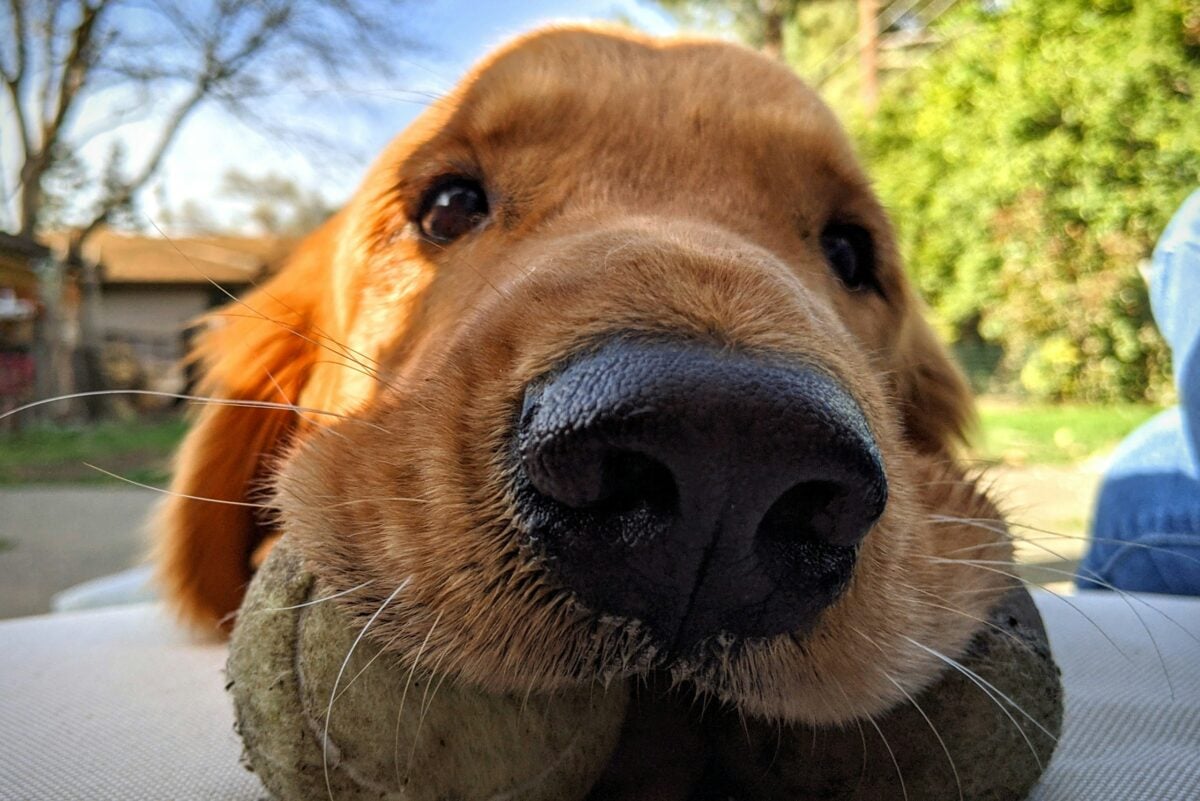
A dog’s nose is designed to stay moist, and it plays a surprisingly important role in how they experience the world. While it might seem like a small detail, that wet surface helps with everything from tracking scents to keeping their nose functional throughout the day.
Here are the three main reasons it’s almost always a little damp.
1. To Enhance Their Sense of Smell
A dog’s nose isn’t just for breathing; it’s their primary way of gathering information. Where we rely on sight, dogs rely on scent, and their noses are built to make that process as efficient as possible.
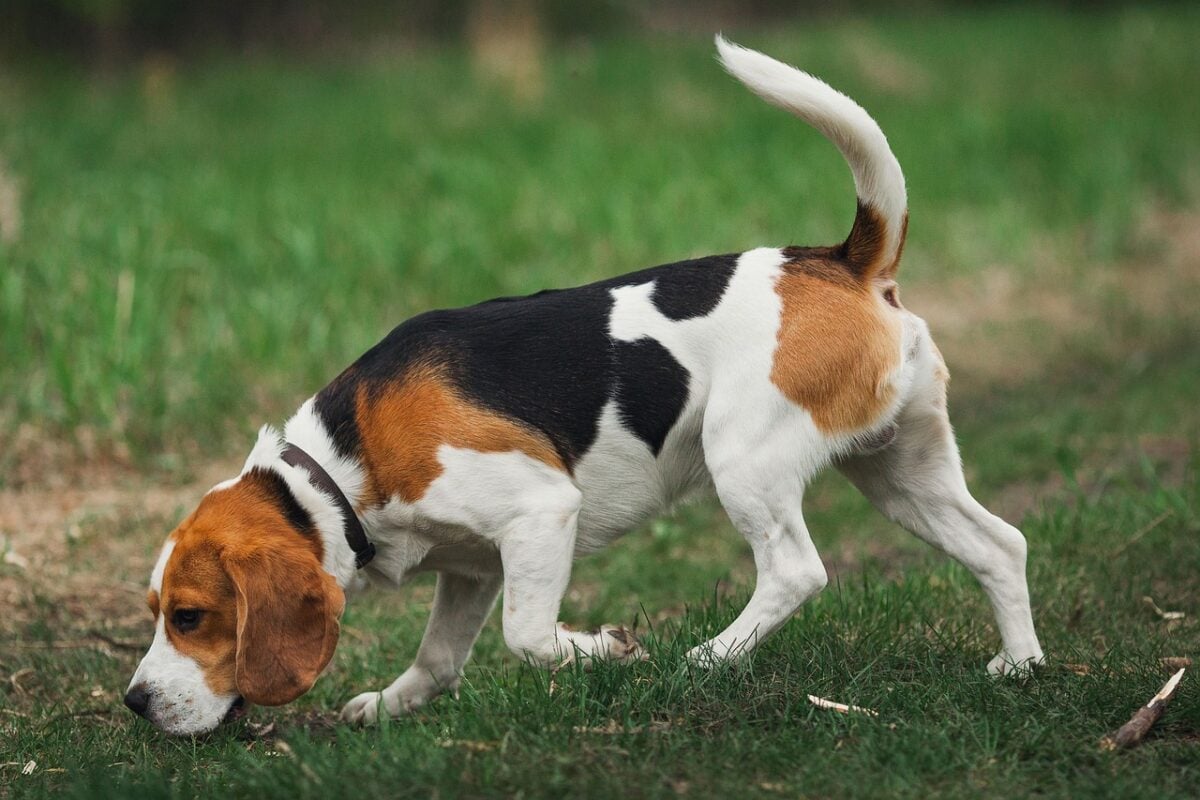
Dogs have hundreds of millions of olfactory receptors, specialized nasal airflow that separates breathing from smelling, and large brain regions dedicated to processing scent. As part of this finely tuned system, their nose secretes a thin layer of mucus that keeps the surface moist and enhances their olfactory ability.
When scent particles land on that wet surface, they dissolve slightly in the mucus, making them easier for the body to detect and interpret. This gives dogs a major advantage when it comes to identifying and following scents we’d never even notice.
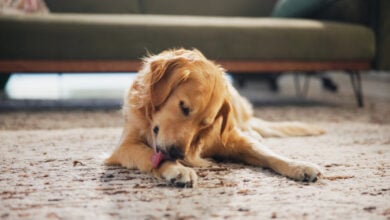
You’ll also see dogs licking their noses frequently. This isn’t just a quirky habit, it helps refresh that moisture layer so they can continue collecting new scent information.
Did You Know?
- Humidity in the air can make scenting more efficient for dogs.
- Heavy rain can push scent closer to the ground, making tracking more difficult.
2. To Help Regulate Temperature
Dogs don’t sweat like humans. Instead of relying on full-body sweating, they primarily cool themselves through panting, along with small amounts of moisture released through sweat glands on their nose and paw pads.
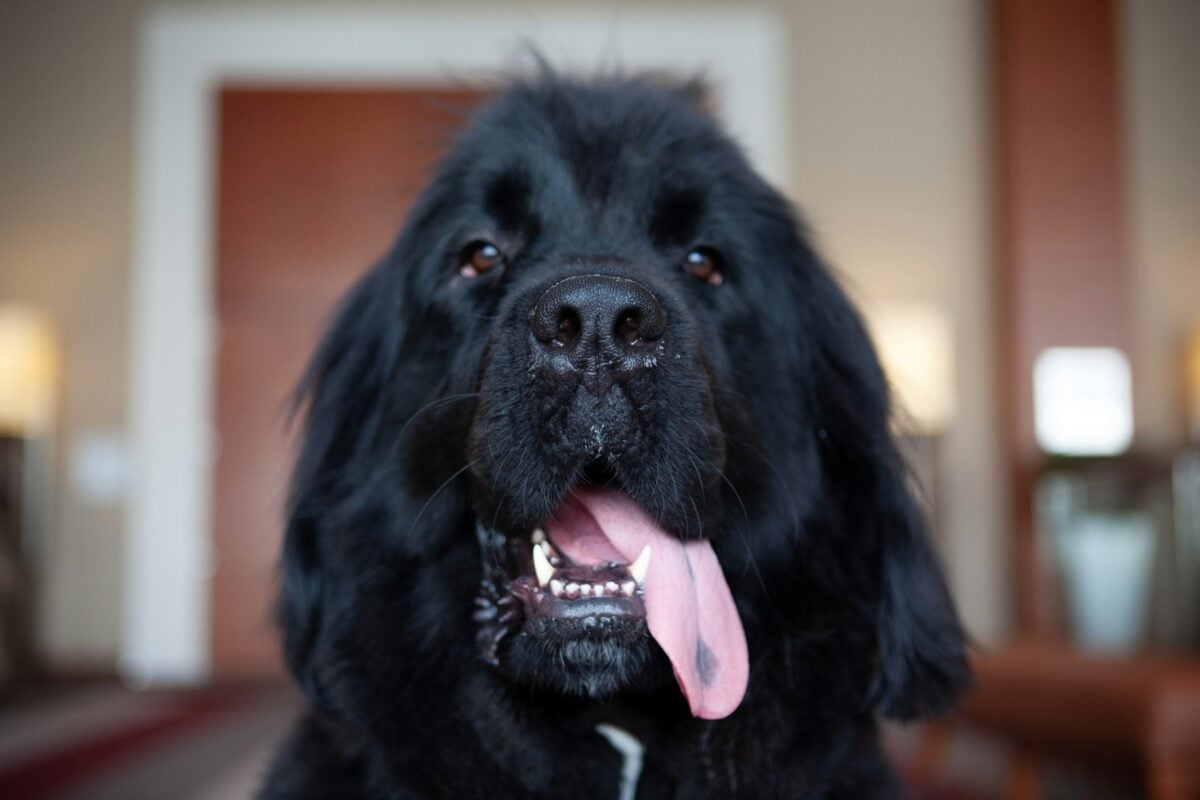
The dampness on a dog’s nose can slightly contribute to this cooling process. As moisture evaporates, it helps dissipate a bit of heat, similar to how sweat cools the skin.
Compared to panting, the effect is relatively minor, but it still plays a supporting role in overall temperature regulation.
You might notice your dog’s nose feels wetter in warmer conditions or after activity. That’s because their body is working a little harder to manage heat, even if the change is subtle.
So while a wet nose can be part of the cooling system, it’s more of a backup player than the main strategy.
Did You Know?
- Higher temperatures can reduce nasal mucosal fluidity and decrease scenting ability.
- Panting decreases olfactory efficiency in canines — another reason why high temperatures affect your dog’s ability to smell.
3. To Keep Their Nose Clean
Dogs use their noses constantly, sniffing grass, dirt, food bowls, and whatever else catches their interest. It doesn’t take long for debris, dust, or tiny particles to build up on the surface.
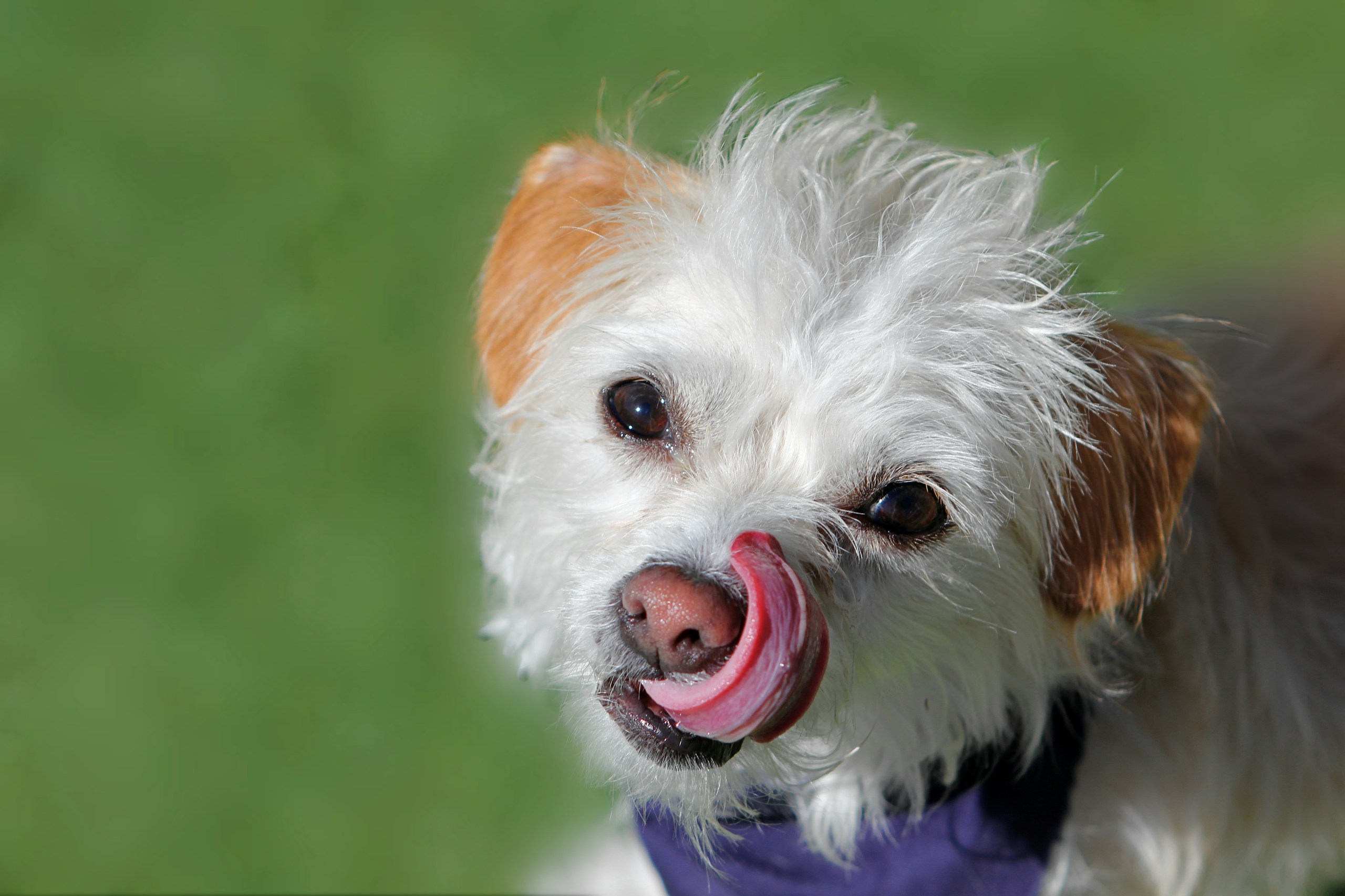
Thankfully, your dog’s tongue can easily reach their nose and lick, essentially wiping it clean and resetting it for the next round of sniffing. Sure it’s not as precise as as the tongue of our feline companions, but it gets the job done.
This cycle of “collect, lick, reset” happens all day long. It keeps their nose clear and functioning the way it should.
The Myth That Won’t Dry Out
You’ve probably heard it before: a wet nose means a healthy dog, and a dry nose means something’s wrong.
It sounds simple, which is probably why it stuck around for so long. The problem is that it’s not very reliable.
Dogs can be perfectly healthy with a dry nose, and they can be sick with a wet one. Moisture levels change throughout the day in response to sleep, activity, temperature, and environment. So while a nose check might seem like a quick health test, it doesn’t tell you much on its own.
Is Your Dog’s Nose Normal Right Now?
A dog’s nose won’t stay perfectly wet 24/7. Its dampness can shift throughout the day based on sleep, activity, temperature, and environment.
Instead of focusing on one quick nose check, it’s more helpful to look at patterns and your dog’s overall behavior.
Here’s a simple way to tell what’s normal and what might be worth a closer look.
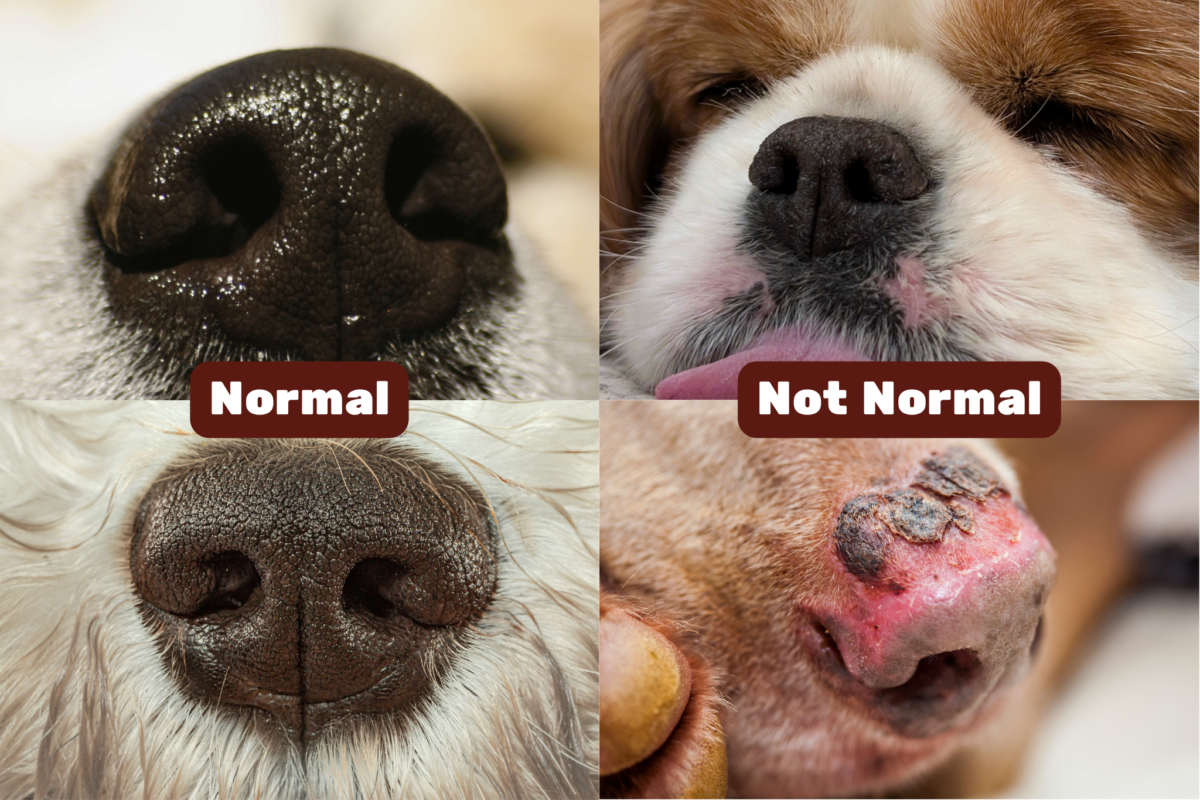
What’s Usually Normal
- Cool and damp: This is the most common state and usually nothing to think twice about.
- Warm and dry after sleep: Dogs often wake up with a drier nose simply because they haven’t been licking it.
- Slight dryness during the day: Normal fluctuations happen, especially in dry air or warmer conditions.
- Changes after activity or weather shifts: Heat, sun exposure, or time spent outside can all affect how your dog’s nose feels.
When It Might Be Worth Paying Attention
- Cracked, crusty, or peeling skin: This goes beyond normal dryness and may need treatment.
- Persistent dryness that doesn’t improve: If their nose stays dry all day, every day, it’s worth noting.
- Unusual discharge (thick, yellow, or green): Clear moisture is normal. Thick discharge is not.
- Bleeding or sores: Any open areas should be checked out by a vet.
- Changes in behavior: Low energy, loss of appetite, or other symptoms matter more than nose moisture alone.
The Big Takeaway: A wet nose is common, but it’s not a reliable indicator of health. A dry nose, on its own, usually isn’t a problem either. What matters most is the full picture — how your dog is acting, eating, and behaving overall.
9 Causes Of Dry Dog Noses
A dry nose isn’t always a sign that something’s wrong. In many cases, it comes down to everyday factors like sleep, weather, or environment.
Here are some of the most common reasons your dog’s nose might feel a little less damp than usual.
1. Sleep
Dogs often wake up with a dry nose simply because they haven’t been licking it. That thin layer of moisture needs to be refreshed, and sleep temporarily pauses that cycle.
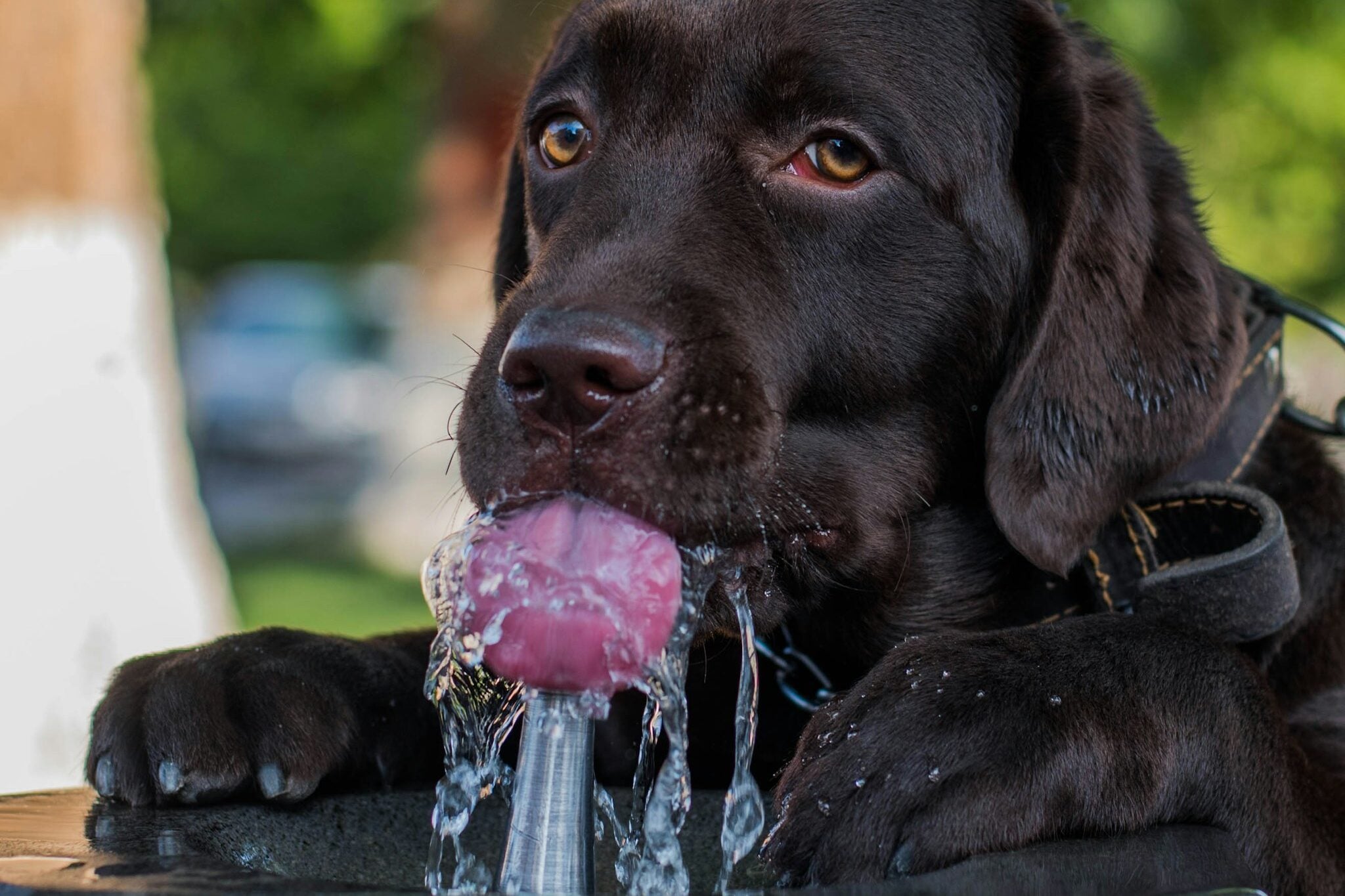
2. Dehydration
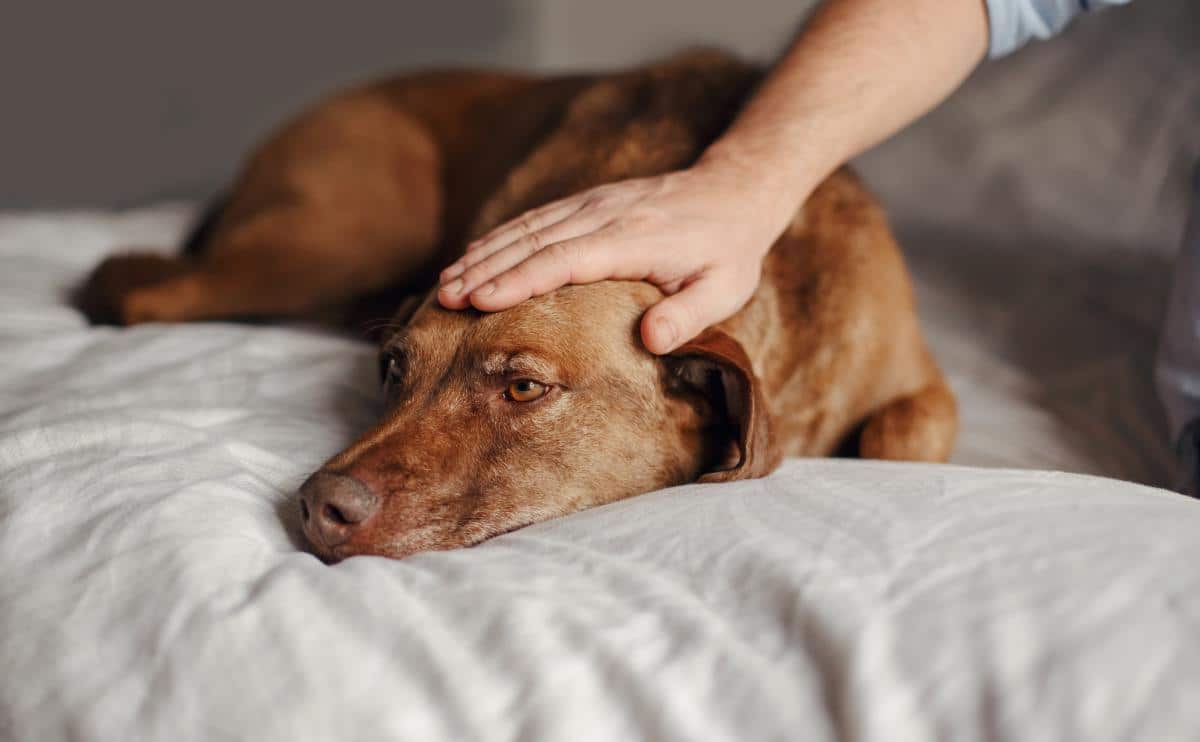
If your dog isn’t drinking enough water, their nose can lose some of its usual moisture. This is usually mild, but it’s worth paying attention to, especially in warmer weather or after activity.
3. Weather & Dry Air
Low humidity, indoor heating, and air conditioning can all dry out your dog’s nose. Just like your skin can feel dry in certain conditions, their nose can react the same way.
4. Sun Exposure
Dogs can get sunburned, especially on their nose. Too much sun can lead to dryness, irritation, and in some cases, cracking or peeling.
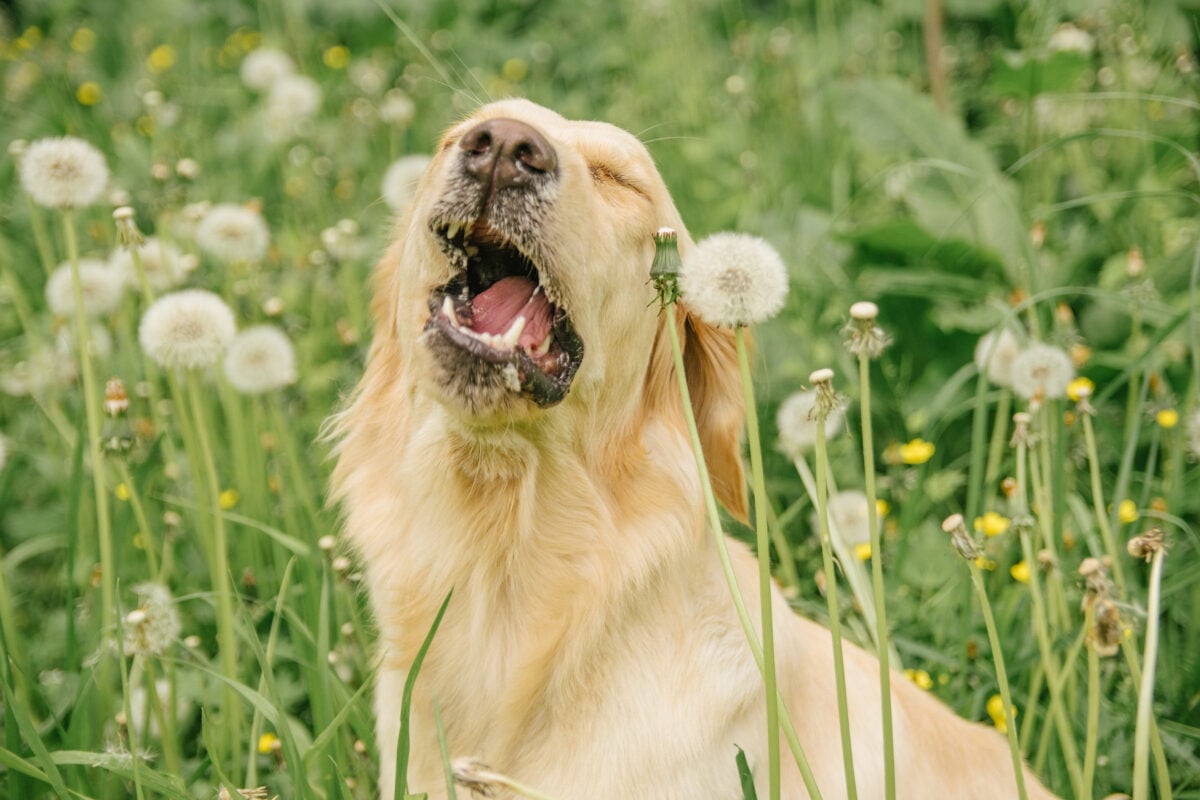
5. Allergies
Environmental allergens like pollen, dust, or household cleaners can irritate your dog’s nose. In some cases, this can lead to dryness and other symptoms such as itching or sneezing.
6. Plastic Food Or Water Bowls
Some dogs develop contact irritation from plastic bowls. This can affect the nose area and lead to dryness or mild inflammation over time.
7. Breed & Anatomy
Some dogs are simply more prone to dryness based on their anatomy. In particular, flat-faced breeds may have slightly different airflow and moisture patterns.
8. Age
As dogs get older, their skin can change, including the texture and moisture level of their nose. Mild dryness can become more common over time.
9. Medical Conditions
In some cases, persistent dryness can be linked to underlying conditions such as nasal hyperkeratosis or autoimmune conditions. These are less common, but worth considering if the dryness is severe or doesn’t improve.
Dog Dry Nose Treatment: What Actually Works
In many cases, simple adjustments are all it takes to support healthy moisture levels and address the underlying cause of the dryness.
1. Start With Hydration
Before reaching for anything topical, take a look at your dog’s water intake. Make sure they have constant access to fresh, clean water, and encourage drinking after walks, playtime, or time spent outdoors.
Some dogs also benefit from moisture-rich foods, like dog-friendly fruits, bone broth, or wet food.
If dehydration is part of the issue, improving hydration alone can help restore normal moisture to the nose.
2. Use Gentle Topical Moisture
For mild dryness, a thin layer of a pet-safe moisturizer can help protect and hydrate the surface of the nose.
Look for simple, non-irritating options that act as humectants (to draw in moisture) and occlusives (to lock in moisture and prevent evaporation):
- Common humectant ingredients: aloe vera, honey, glycerin
- Common occlusive Ingredients: shea butter, beeswax, coconut oil
Apply sparingly, since your dog will likely lick their nose shortly after. Avoid heavily fragranced products or anything designed for human use unless it’s confirmed to be safe for dogs.
3. Adjust The Environment
Dry indoor air can play a bigger role than people realize.
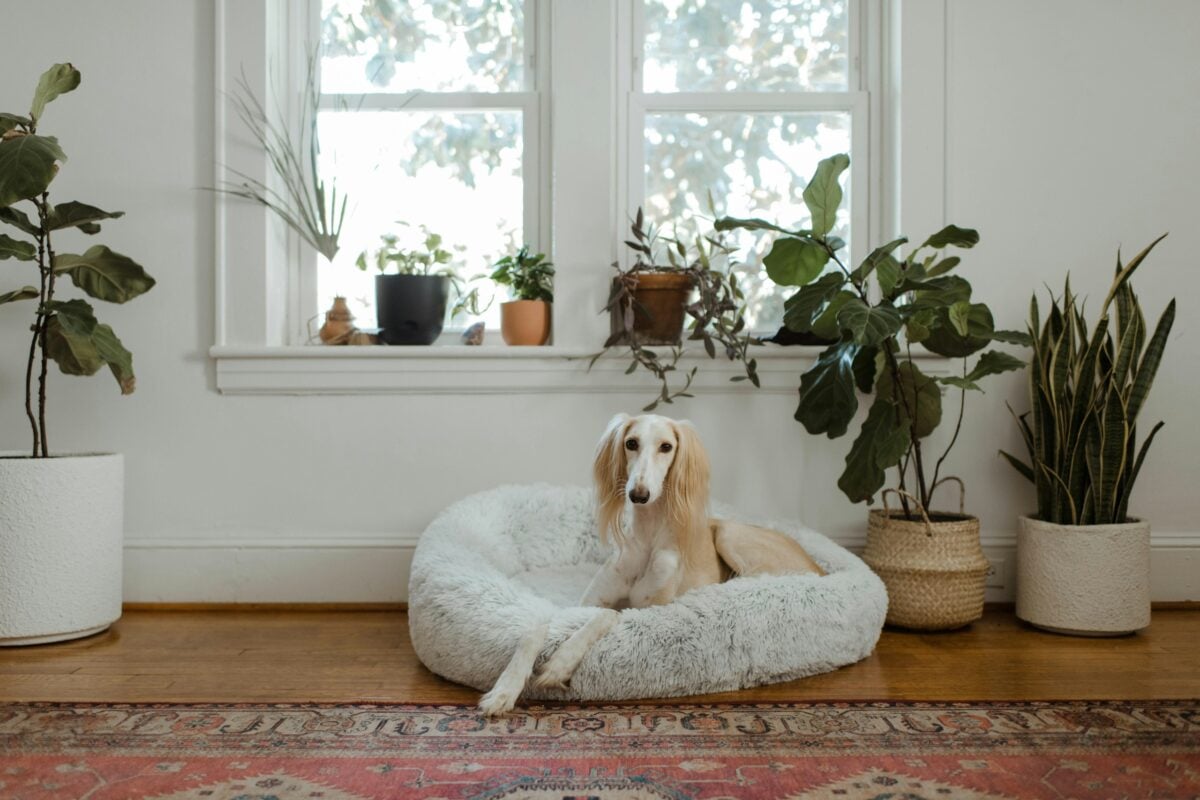
If you’re running heat or air conditioning regularly, consider adding a humidifier to help maintain air moisture. Even small changes in humidity can make a difference over time.
You should also limit prolonged sun exposure and make sure your dog has access to shade when outdoors.
4. Reduce Irritants
If dryness persists, consider what your dog comes into contact with daily.
Switching from plastic to stainless steel or ceramic bowls can help reduce contact irritation. Using gentler, pet-safe cleaning products around the home can also minimize exposure to potential allergens.
These small changes can make a noticeable difference, especially for sensitive dogs.
5. Know When To Check With Your Vet
Occasional dryness is normal. But if your dog’s nose becomes cracked, crusty, or doesn’t improve with basic care, it’s worth getting it checked out. Persistent dryness can sometimes be linked to conditions such as nasal hyperkeratosis or underlying skin issues that require more targeted treatment.
If you notice bleeding, sores, or changes in your dog’s behavior, it’s best not to wait.
The Bottom Line: Most dry noses don’t need aggressive treatment. Start simple. In many cases, hydration, gentle moisture, and small environmental changes are enough to bring things back to normal.
What If Allergies Are The Culprit?
If your dog’s nose seems persistently dry or slightly irritated, allergies are one possible cause. Unlike normal day-to-day dryness, allergy-related irritation tends to stick around and often shows up alongside other symptoms.

Signs It Might Be Allergy-Related
- Frequent licking or rubbing of the nose
- Redness or mild inflammation around the nose
- Sneezing or watery eyes
- Itchy skin (especially paws, ears, or face)
- Dryness that doesn’t improve with hydration or basic care
On its own, a dry nose isn’t a strong indicator, but when it’s paired with other symptoms, it’s worth taking a closer look.
Common Environmental Triggers
Dogs can react to many of the same things we do:
- Pollen (especially during seasonal changes)
- Dust and dust mites
- Mold
- Grass or outdoor allergens
- Household cleaning products or fragrances
If symptoms seem to come and go with the seasons or after time outdoors, environmental triggers are a likely cause.
Food-Related Clues
Food sensitivities can also play a role, though they tend to show up differently. Instead of just nose dryness, you’re more likely to see:
- Ongoing skin irritation
- Digestive issues
- Chronic ear infections
If your dog’s symptoms are consistent year-round and not tied to environmental changes, food may be worth considering.
What You Can Do
Start simple and look for patterns.
- Wipe your dog’s nose and paws after being outside
- Switch to stainless steel or ceramic food and water bowls
- Use pet-safe, fragrance-free cleaning products
- Monitor when symptoms appear and what might be triggering them
If the irritation persists or worsens, your vet can help pinpoint the cause and recommend targeted treatment.
The Bottom Line: Allergies can contribute to dryness, but they rarely act alone. If your dog’s nose looks off and they’re showing other signs of irritation, it’s worth paying attention. Otherwise, occasional dryness is usually just part of normal variation.
A Look Inside Your Dog’s Nose
It’s easy to think of your dog’s nose as, well, just a nose. But biologically, it’s one of the most advanced scent-detection systems in the animal world.
Dogs experience the world through smell first, not sight. They use scent to recognize individuals, gather environmental information, make decisions, and even form memories.
Their Nose Is Built for Detection
Like most mammals, dogs have a two-part olfactory system:
- The main olfactory epithelium (MOE), which detects airborne odors
- The vomeronasal organ (VNO), which specializes in detecting chemical signals like pheromones and biological/emotional states
Additionally, dogs have a large olfactory epithelium that houses hundreds of millions of olfactory receptor neurons (scent receptors), compared to humans’ approximately 10-20 million.
This combination of system features allows dogs to detect everything from scent trails and stress signals to drugs and explosives, and even human health conditions like cancer, diabetes, and infectious diseases.
Sniffing Isn’t Passive
One of the biggest misconceptions is that sniffing is just breathing through the nose. It isn’t. Smelling is an unconscious, effortless process, while sniffing is a cognitive behavior.
Dogs use rapid, repeated sniffing cycles that actively pull in and analyze scent particles. Each sniff acts like a new data sample, allowing them to refresh and refine what they’re detecting constantly.
This is where that wet nose comes in. The thin layer of moisture helps capture and hold scent particles long enough for the body to process them.
Smell Drives Behavior
Dogs rely on scent to:
- Recognize people and other animals
- Gather information about their environment
- Detect reproductive and social signals
- Interpret emotional and physiological changes
Research shows they can even detect changes in human states, such as stress and fear. So, if you feel like your dog is giving you extra cuddles when you’re stressed, you’re probably right.

Yes, Dogs Can Detect Disease
Dogs have been shown to detect:
- Certain cancers
- Infections, including COVID-19
- Metabolic changes in the body
In some cases, they can do this quickly and in real-world environments, making them useful in medical detection and screening.
They Don’t Just Smell, They Track
Dogs don’t just detect a scent and stop there.
They can follow a moving odor trail, track its source over time, and do this even in complex environments with competing smells.
This is what makes them so effective in search and rescue, law enforcement, and detection work.
The Big Picture
Your dog’s nose isn’t just wet for no reason. It’s part of a highly specialized system designed to capture, process, and interpret scent in real time. That moisture, combined with airflow mechanics and active sniffing, allows dogs to gather information in ways humans simply can’t.
So when your dog presses that wet nose against you, they’re not just being annoying. They’re using one of the most powerful sensory tools in the animal world.
Frequently Asked Questions
If you still have questions about your dog’s nose, you’re not alone. Here are some of the most common things pet parents wonder.
Don’t see your question? Respond in the comments, and we’ll get back to you!
Are Dogs’ Noses Supposed To Be Dry Or Wet?
Both can be normal. A dog’s nose naturally shifts between wet and dry throughout the day depending on sleep, activity, temperature, and environment.
A consistently wet nose is common, but a dry nose on its own doesn’t automatically mean something is wrong.
Why Is My Dog’s Nose Wet?
A dog’s nose is usually wet because it helps enhance their sense of smell. The moisture traps scent particles, making them easier to detect and process.
Dogs also frequently lick their noses, which helps maintain that thin layer of moisture.
Why Is My Dog’s Nose Dry All Of A Sudden?
A sudden dry nose is often caused by something simple, such as sleep, dehydration, or changes in temperature or humidity.
If your dog is otherwise acting normal, it’s usually nothing to worry about. However, if the dryness persists or is paired with other symptoms, it’s worth taking a closer look.
Is A Warm Nose A Sign My Dog Is Sick?
Not necessarily. A dog’s nose temperature can change throughout the day, especially after sleeping or being in a warm environment. A warm nose alone isn’t a reliable indicator of illness.
What Is The Best Dog Dry Nose Treatment?
The best approach depends on the cause, but in most cases, simple steps work well. Start with hydration, then consider gentle, pet-safe moisturizers and environmental adjustments like increasing humidity.
If the dryness is severe or doesn’t improve, consult your vet.
Can I Put Vaseline On My Dog’s Nose?
It’s generally not recommended. While small amounts aren’t usually harmful, dogs tend to lick their noses, and ingesting petroleum-based products can cause digestive upset. It’s better to use products specifically designed to be safe for dogs.
Do Some Dog Breeds Have Drier Noses Than Others?
Yes. Certain breeds, especially flat-faced dogs or older dogs, may be more prone to dryness due to their anatomy or skin changes over time. Mild dryness in these cases can be normal.
Why Does My Dog Lick Their Nose So Much?
Nose licking helps maintain moisture and improve scent detection. It’s a normal behavior, but if it becomes excessive, it could be linked to irritation, anxiety, or allergies.
What Your Dog Is Really Trying To Tell You
That cold, slightly intrusive nose to the face? It’s not just a habit. It’s your dog gathering information, checking in, and interacting with the world the best way they know how.
If you’ve ever wondered what your dog is really trying to say, these behaviors are a great place to start:
Dogs don’t use words, but they’re constantly communicating through scent, touch, and subtle body language. The more you understand these signals, the easier it becomes to respond in a way that actually meets your dog’s needs.