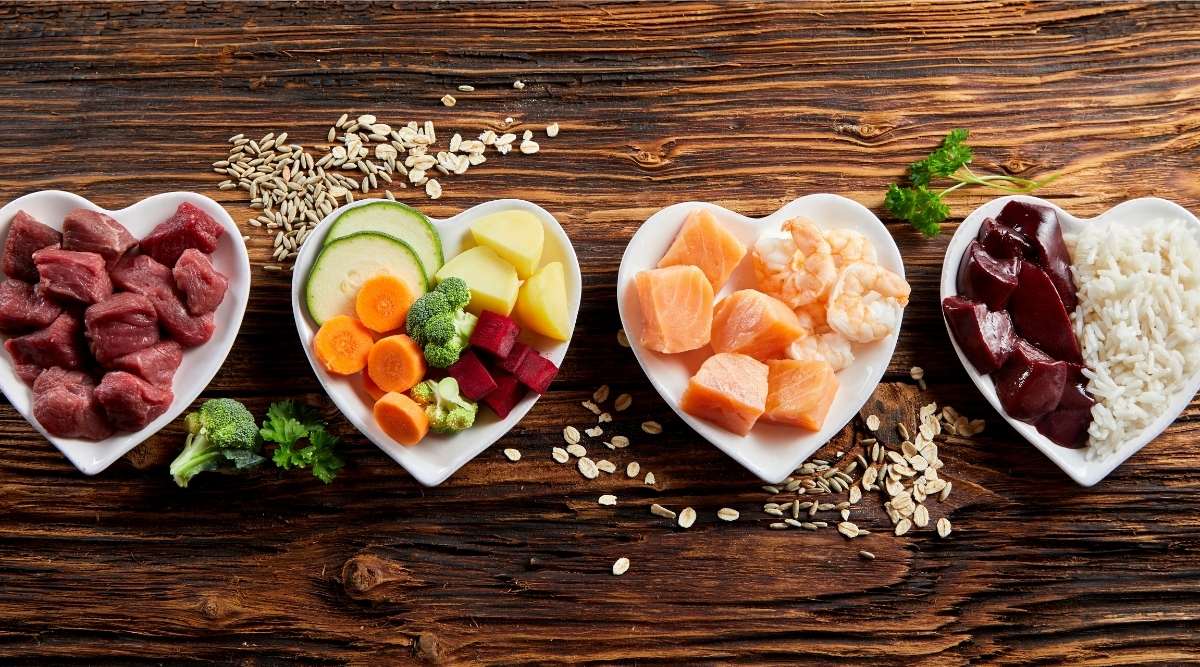
When you purchase through links on our site, we may earn a commission at no extra cost to you. Learn more.
You’re holding a snack. Your dog is staring like the fate of the universe depends on that one bite. Sound familiar? Scooby-Doo would approve.
Table of Contents
Scooby’s rule was simple: if you were eating it, he wanted some too. Whether it’s Thanksgiving turkey, Super Bowl snacks, holiday cookies, or an ordinary Tuesday sandwich, most dogs are convinced every meal should be shared.
But unlike Scooby, real dogs can’t tell the difference between a harmless treat and something that could send them to the emergency vet. Some human foods make great occasional snacks. Others can cause vomiting, pancreatitis, kidney failure, or worse.
Before you slide something under the table, here’s your complete rulebook for what human food dogs can eat, what they should avoid, and how to safely share holiday feasts without turning dinner into a veterinary emergency.
Want our human-written content to rank above AI-generated garbage? Help us out by clicking this button!
Quick Safety Rules for Feeding Dogs Human Food
When sharing snacks with your dog, choose plain, cooked foods that are free from seasonings whenever possible. Following a few simple precautions can help keep treat time safe and enjoyable.
Before offering your dog a bite:
- Remove seeds, pits, cores, rinds, shells, and bones.
- Cut food into small, bite-sized pieces to reduce choking risk.
- Skip butter, sauces, gravies, garlic, onions, heavy seasoning, and artificial sweeteners like xylitol.
- Keep treats small, especially for puppies and toy breeds.
If you’re ever unsure whether a food is safe, don’t share it until you’ve checked with your veterinarian or a trusted resource.
What Human Foods Can Dogs Eat?
Your dog’s already tried to eat half of these — off your plate, the floor, or your toddler’s fingers. Some are totally fine. Others? Sneaky health risks hiding in plain sight.
Whether it’s a dropped chip during game day, a slice of turkey under the table, or an unguarded cookie platter, it’s hard to resist those eyes. But when it comes to what human food dogs can eat safely, it’s not always black and white.
Some snacks are fine in moderation. Others can make your dog seriously ill. Here’s what you can (and can’t) share.
Human Foods Dogs Can Eat in Moderation
These snacks are fair game. Just keep portions small, avoid added flavors, and opt for plain, cooked versions when necessary.
- Apples – Fresh, familiar, and often shared by kids and pups alike. Remove the core and seeds first, then cut into bite-sized pieces before serving.
- Carrots – Crunchy, sweet, and tooth-friendly. Serve raw or cooked, but slice large carrots into smaller pieces for puppies and small dogs.
- Chicken – The holy grail of table scraps. Serve it plain, cooked, boneless, and skinless. Skip marinades, breading, sauces, and seasonings.
- Eggs – Scrambled or boiled? Yes. Raw? No thanks. Keep them plain without butter, cheese, salt, or seasoning.
- Peanut Butter – A go-to for hiding pills or stuffing toys. Just ensure it’s xylitol-free.
- Rice – Gentle on upset stomachs and easy to digest. Serve it fully cooked and plain without butter, oil, or salt.
Human Foods Dogs Should Never Eat
These are straight-up dangerous. Even a little can cause vomiting, seizures, or worse.
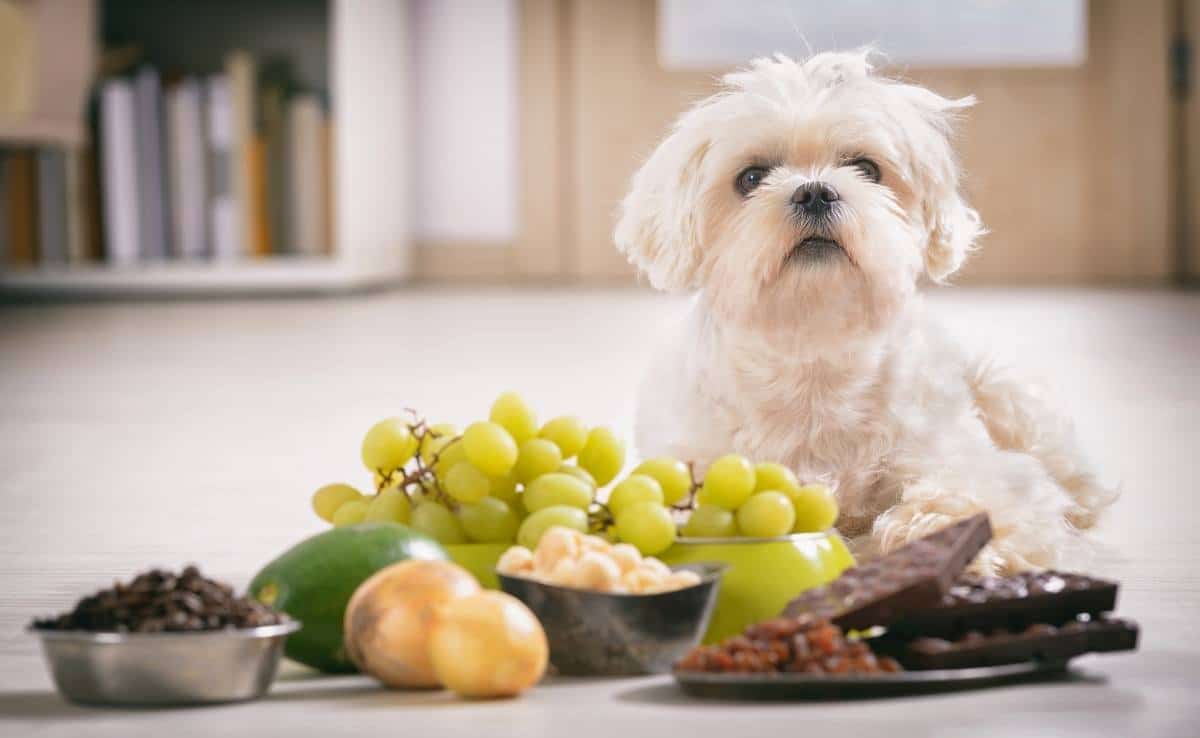
- Chocolate – Caffeine + theobromine = toxic for dogs.
- Grapes & Raisins – Even a few can cause kidney failure.
- Macadamia Nuts – Can cause weakness, tremors, vomiting, and difficulty walking, even in small amounts.
- Onions & Garlic – In any form (powder, raw, cooked). Major red flag.
- Xylitol – Found in sugar-free gum, PB, and baked goods. One bite can be fatal.
You can learn more about foods that are not safe for dogs in our Foods Not To Feed Your Dog guide.
Human Foods To Give Dogs With Caution
These fall into the “depends on the dog” category. Some pups do fine. Others? Not so much.
- Bread – Plain white or whole-wheat bread is fine in small amounts. Avoid breads containing raisins, garlic, onions, herbs, nuts, or artificial sweeteners.
- Cheese – Great training treat for some, GI disaster for others. Offer only small cubes, and avoid flavored, herbed, or mold-ripened cheeses.
- Hot Dogs – Kids drop them, dogs grab them. Too processed for daily treats.
- Popcorn – Air-popped is okay. Buttered, salted, or flavored? Better not.
- Yogurt – Some dogs tolerate plain, unsweetened versions. Others? Cue the tummy rumbles.
When in doubt, check the ASPCA’s guide to pet toxins or contact your vet before sharing human snacks.
Holiday Foods Dogs Can and Cannot Eat
From game-day wings to Thanksgiving leftovers, food-filled celebrations are the most tempting times for dogs to sneak a bite.
Here’s how to share safely and avoid an emergency vet visit.
Bookmark Bonus: Save this section before your next big celebration so you know exactly what’s safe to share (and what’s off-limits).
Game-Day and BBQ Foods Dogs Can Eat
Crowded living rooms, playoff watch parties, backyard barbecues, and snack-filled coffee tables are paradise for food-loving dogs. A single unattended plate can disappear before halftime, so it’s worth planning.
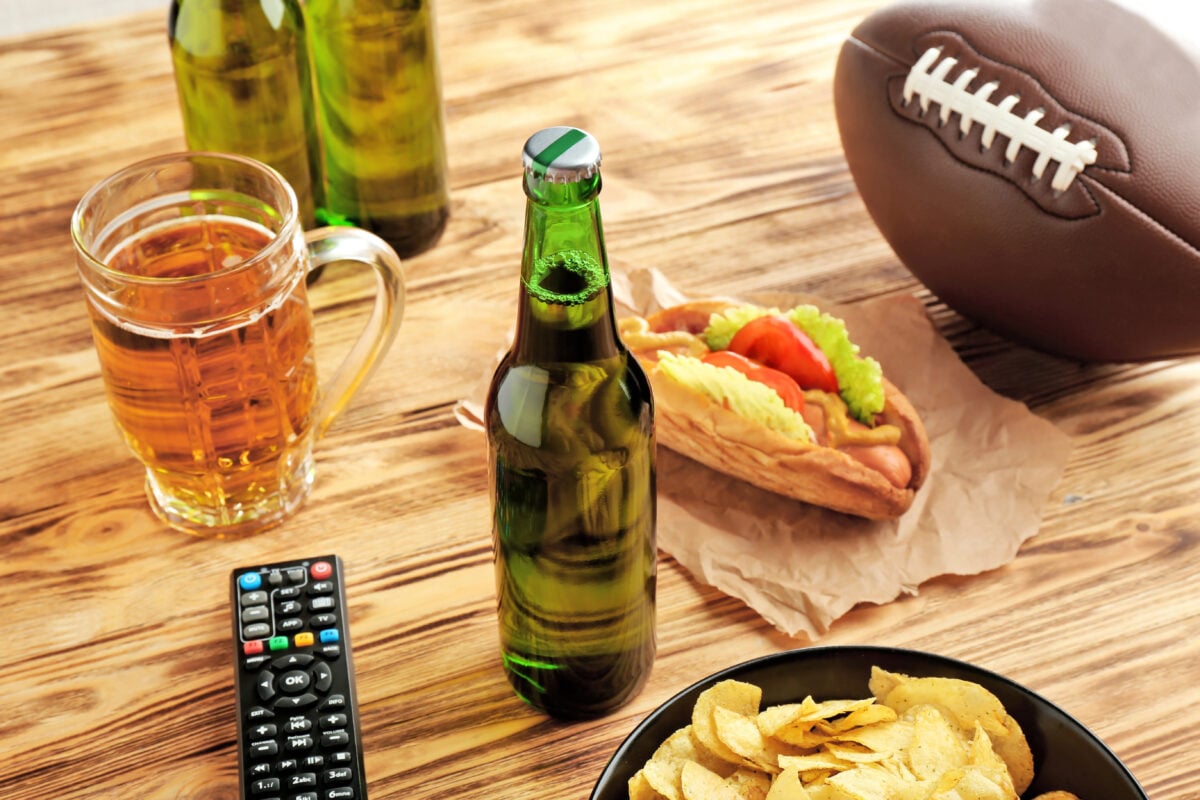
Safe To Share
- Plain, unseasoned chicken or turkey bites (no buffalo sauce or breading)
- Carrot sticks, celery sticks, and cucumber slices
- Air-popped popcorn (no butter, salt, or flavoring)
- Small chunks of cheese if your dog tolerates dairy
Skip These
- Buffalo wings and boneless wings (spicy sauces, bones, and fat)
- Pizza crusts or cheesy breadsticks (high in salt, oil, and garlic powder)
- Nachos and queso dip (loaded with salt, onion, and dairy)
- Dips like guacamole, French onion, or ranch (all contain onion, garlic, or avocado)
- Processed meats—hot dogs, sausages, pepperoni (too salty and fatty)
Pro Tip: Keep snack trays, sauces, and leftover bones out of reach. Most game-day emergencies happen because dogs help themselves, not because owners intentionally share unsafe foods.
Halloween Treats & Candy Bowls
Between trick-or-treat candy, movie-night snacks, neighborhood parties, and candy bowls left on coffee tables, Halloween gives curious dogs plenty of opportunities to sneak something dangerous.
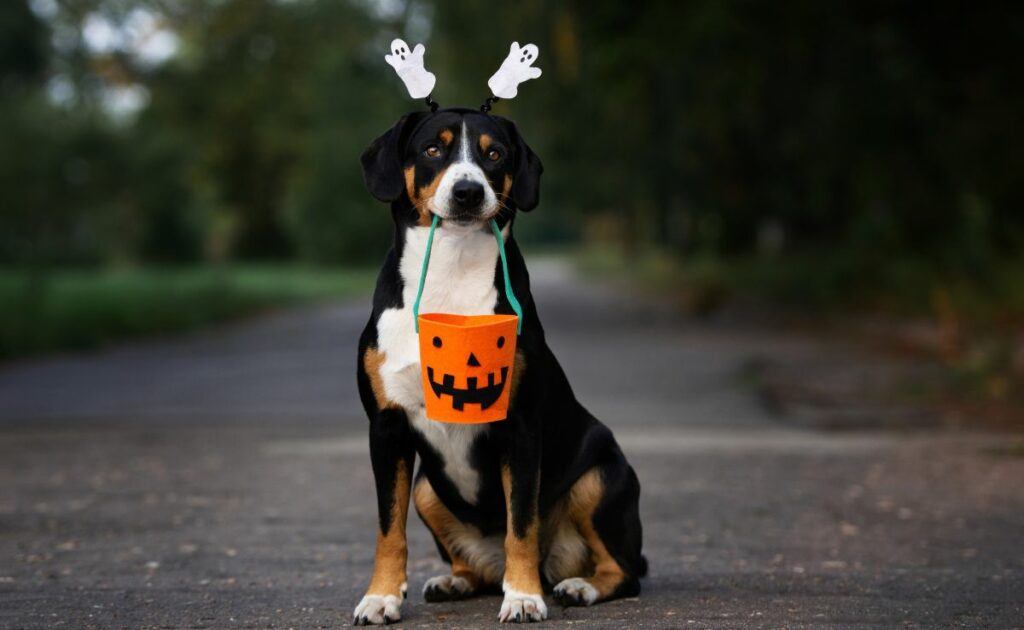
Safe To Share
- Small bites of plain pumpkin or apple slices
- A few unsalted popcorn kernels
- Dog-safe pumpkin treats (no added sugar or nutmeg)
Skip These
- Chocolate in any form (dark, milk, white)
- Sugar-free candy or gum (xylitol can be deadly)
- Candy wrappers and sticks (choking hazards)
- Caramel, raisins, or grapes (toxic to dogs)
Safety Tip: Keep candy bowls, treat bags, and wrappers well out of reach. Dogs can smell chocolate through packaging, and many sugar-free candies and gums contain xylitol, which can be life-threatening even in small amounts. View our full guide to Halloween safety with dogs.
Thanksgiving Foods Dogs Can and Cannot Eat
Thanksgiving is one of the busiest times of the year for food-related veterinary emergencies. Between overflowing dinner tables and tempting leftovers, it’s easy for dogs to sneak something they shouldn’t.
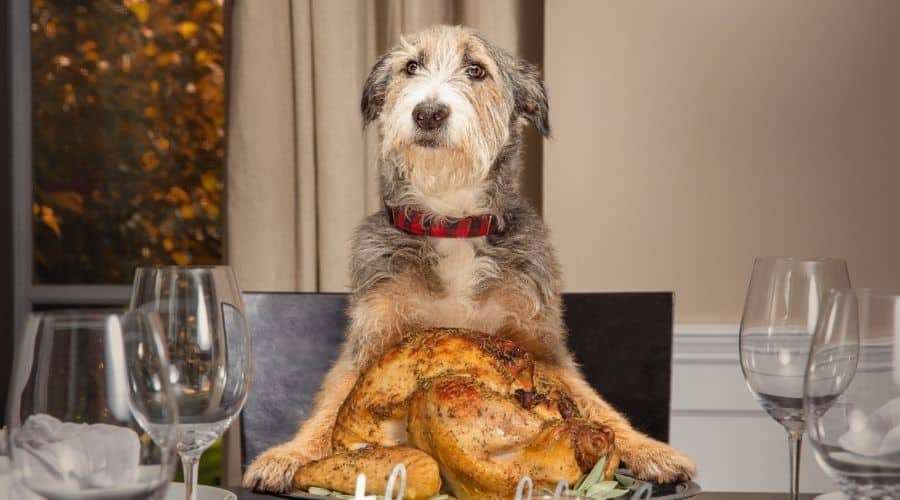
Safe To Share
- Plain turkey meat (no skin or gravy)
- Cooked sweet potatoes and pumpkin puree (without butter or sugar)
- Steamed green beans or peas (no onions or bacon)
- A spoonful of plain mashed potatoes (skip the butter, cream, and salt)
Skip These
- Stuffing (onions, garlic, herbs, salt)
- Turkey skin, gravy, or bones
- Candied yams, pies, or desserts (sugar, spices, xylitol, chocolate)
- Casseroles with onions or cream soups (toxic ingredients + dairy)
Quick Takeaway: Plain turkey and simple vegetables can be safe treats, but stuffing, gravy, casseroles, desserts, cooked bones, and heavily seasoned leftovers should stay on the table. Store leftovers promptly so curious pups don’t help themselves later.
Winter Holidays & Leftovers
Holiday meals, sweet treats, and leftovers create plenty of opportunities for curious dogs to sneak unsafe foods.
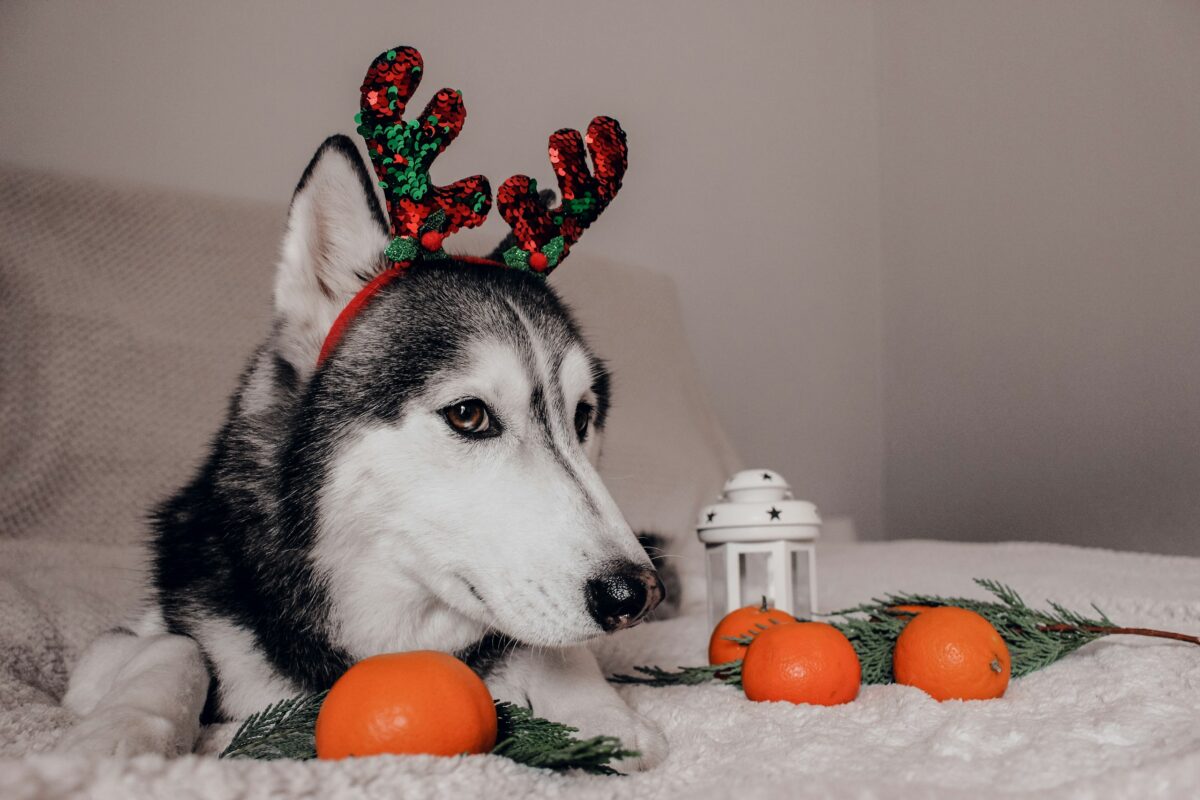
Safe To Share
- Small portions of plain cooked proteins
- White or brown rice
- Apples, carrots, and plain green beans
- Small bites of peeled orange (in moderation)
Skip These
- Chocolates, fruitcake, or alcohol (top winter toxins)
- Rich sauces or gravies (high fat and salt)
- Nutmeg, macadamia nuts, and cookie dough (toxic ingredients)
- Leftovers that sat out too long (dogs get food poisoning too)
Holiday Hack: Refrigerate leftovers promptly and keep trash bags secured, because dogs are surprisingly good at helping themselves.
Fresh Scooby Snacks: Fruits Dogs Can Eat
Not every snack-sharing moment starts with leftovers. Sometimes your dog is watching you slice an apple, peel a banana, or snack on watermelon. The good news? Many fruits make excellent Scooby Snacks when prepared properly.
Wash fruit first, remove any seeds, pits, or tough peels where needed, and remember that fruit should stay an occasional treat, not an everyday dessert.
Berries
Berries are small, low-calorie, and full of antioxidants. Most are dog-safe, and dogs usually love them. Just be sure to wash them well and avoid anything moldy or wild unless you’re certain it’s safe.

- Blackberries – High in fiber and vitamin C; feed fresh in moderation.
- Blueberries – Antioxidant-rich and low in calories; a top pick for training treats.
- Cranberries – Tart but safe in small quantities; avoid sweetened dried versions.
- Goji Berries – Safe, fresh, and plain in small amounts; avoid dried versions with additives or excess sugar.
- Mulberries – Ripe ones are safe in moderation; unripe or fermented fruit may upset the stomach.
- Raspberries – Fine in small amounts; contain trace xylitol but are not harmful in typical portions.
- Strawberries – Naturally sweet and rich in vitamin C; remove the green tops and cut into halves for smaller dogs.
Caution: Avoid feeding dried berries with added sugar or preservatives, and never let your dog snack on wild berries unless you’re certain they’re safe. Many lookalikes, like holly berries, can be toxic.
Citruses
Most citrus fruits are safe in small amounts, but not all dogs like the sour taste. Skip lemons, limes, and grapefruits—they’re too acidic and more likely to cause stomach upset.

- Oranges – Peeled and seedless only; feed in small amounts.
- Mandarins – Naturally sweet and low-acid; peel and remove seeds.
- Clementines – Easy-to-peel and low in acid.
- Tangerines – Similar to mandarins; remove peel and seeds.
- Kumquats – Tart but safe if deseeded and sliced; not all dogs like them.
- Pomelos – Safe if sweet and fully peeled; remove all membranes and seeds.
Melons
Most melons are safe for dogs and make a great hydrating summer treat. Be sure to remove all seeds and rinds first, as they can pose a choking or digestive risk.

- Canary Melon – Mild and sweet; remove rind and seeds.
- Galia Melon – Similar to cantaloupe; serve seedless and in small bites.
- Muskmelon – Includes cantaloupe; safe when peeled and deseeded.
- Honeydew – Safe but high in sugar; feed sparingly.
- Watermelon – A favorite; go seedless and avoid the rind.
Tip: Freeze bite-sized melon pieces for a cool summer Scooby Snack after removing all seeds and rind.
Pome Fruits
These crisp, juicy fruits include dog favorites like apples and pears. They’re safe in moderation as long as you remove the seeds and cores first.

- Asian Pears – A crisp, hydrating snack; remove seeds and core.
- Apples – Crunchy and sweet; no seeds or core.
- Loquats – Only the ripe flesh; remove all seeds and never feed leaves.
- Pears – Soft and juicy; core and seeds must be removed.
- Quince – Cooked only and in small amounts; raw quince is too tough for most dogs.
Note: Always remove the core and seeds before serving. Apple, pear, and loquat seeds contain compounds that can be harmful in large amounts.
Stone Fruits
Peaches, apricots, nectarines, and other stone fruits are safe in small amounts—but only the soft flesh. The pits, stems, and leaves can be toxic or cause choking.
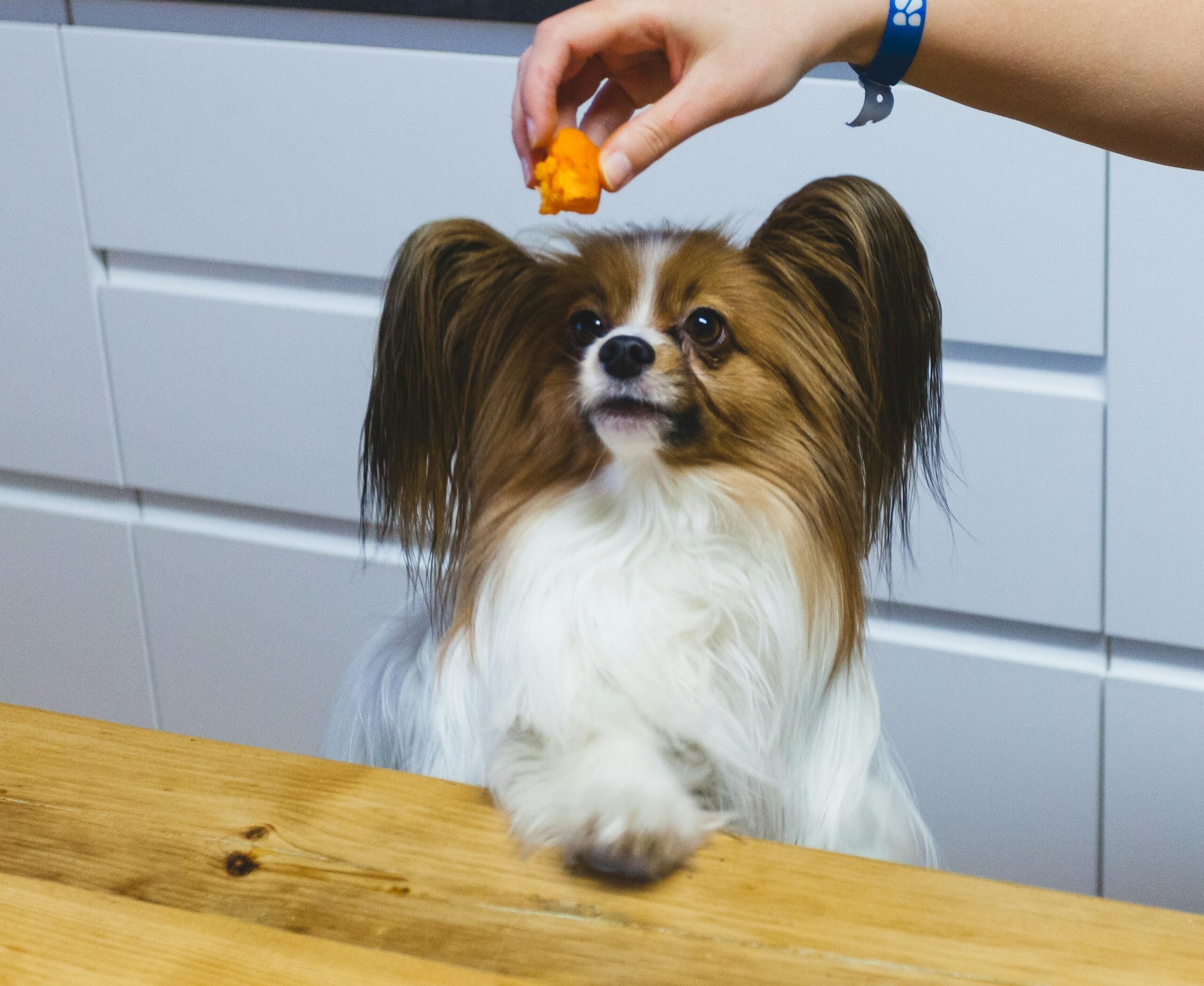
Always remove the pit completely and never let your dog chew on it. Stone fruits should only be served in small, pitted, bite-sized pieces.
- Apricots – Safe as long as the pit is removed
- Cherries – Only the flesh of pitted, fresh cherries (not maraschino or canned)
- Nectarines – Pitted and plain
- Peaches – Fresh, not canned; remove pit
- Plums – Pitted; avoid canned or sugary versions
Tropical Fruits
Tropical fruits are sweet, juicy, and often packed with fiber and vitamins. Many are dog-safe in small portions, but some require preparation. Remove skins, pits, or tough cores, and always serve in bite-sized pieces.

- Bananas – A favorite for dogs that are rich in potassium and easy to mash. Peel first and slice into bite-sized pieces, especially for smaller dogs.
- Kiwi – Tart but dog-safe; peel the fuzzy skin first
- Mango – Peeled and pitted is fine, but always remove the large pit completely before serving. Because it’s naturally high in sugar, keep portions small.
- Papaya – Gentle on digestion; remove seeds and skin
- Pineapple – Fresh only. Remove the tough skin and core, cut into bite-sized chunks, and avoid canned pineapple packed in syrup.
- Plantains (cooked only) – Safe when cooked plain; never raw or fried
Tip: Tropical fruits are higher in sugar, so stick to small portions as a treat.
Unusual Fruits: Are They Safe for Dogs?
Every kitchen has those “Wait… can dogs eat this?” moments. Maybe it’s avocado for toast, olives for pizza night, or dragon fruit from the grocery store. Here’s what you need to know before sharing.
Some are fine in moderation. Others? Best left off the menu.
- Avocado – Feed sparingly. The flesh is high in fat and may upset your dog’s stomach, while the pit is a choking hazard. Avoid the skin, leaves, and pit.
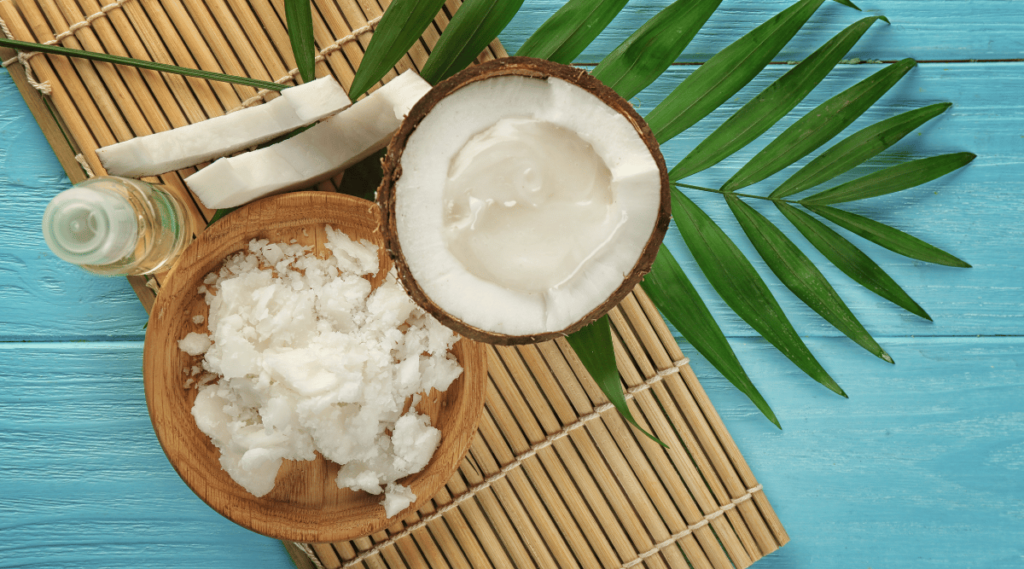
- Coconut (flesh) – Safe in small amounts; avoid the shell and too much oil.
- Dates – Safe in tiny amounts, but very sugary. Too many = bathroom problems.
- Dragon Fruit – Safe in moderation. Nutrient-rich and high in fiber, but the texture may be off-putting to some pups.
- Durian – Technically safe, but strongly flavored. Remove seeds and serve in tiny amounts (if you dare).
- Guava – Ripe and peeled only. Too many seeds or skin can cause GI distress.
- Figs – Not toxic, but may cause loose stool. Best kept as a rare bite.
- Lychee – Only when fully ripe, peeled, and de-seeded. Unripe lychee can be toxic.
- Olives – Only plain, pitted olives. Avoid canned or seasoned types. High in fat and salt.
- Passion Fruit – Skip it. The seeds contain compounds that could be harmful.
- Persimmons – Flesh is safe, but remove the seeds and pit first.
- Pomegranate – Not toxic, but seeds can cause stomach upset. Best avoided.
- Starfruit – Not safe. Can be toxic to dogs, especially those with kidney issues.
Curious about other dog-safe fruits? View our extensive guide to the fruits that dogs can and can’t eat.
Crunchy Scooby Snacks: Vegetables Dogs Can Eat
Chopping vegetables for dinner? Don’t be surprised if your dog suddenly appears beside you, hoping something crunchy lands on the floor. Fortunately, quite a few vegetables make excellent Scooby Snacks.
Some are best cooked, while others can be served raw. Either way, keep them plain and serve appropriate bite-sized portions.
Leafy Greens
Light, fibrous, and packed with nutrients, leafy greens can be a healthy snack or a kibble topper for dogs. They’re a source of vitamins A, C, and K, as well as fiber and water. But moderation is key; too many greens can cause tummy troubles.

- Arugula – Safe in small amounts; peppery flavor might not be every pup’s favorite.
- Collard Greens – Safe when cooked and chopped. High in fiber and calcium.
- Dandelion Greens – Nutrient-rich and safe in moderation; best served cooked
- Iceberg Lettuce – Safe, but mostly water. Not much nutrition to offer.
- Kale – Fine in small, cooked pieces. Too much can irritate the stomach and contribute to other health issues.
- Mustard Greens – Safe cooked in small amounts; too much can cause gas
- Romaine Lettuce – Safe, but mostly water. More crunch than nutritional boost.
- Spinach – High in iron and fiber, but also oxalates. Stick to small amounts, lightly steamed.
- Swiss Chard – Safe when lightly cooked; raw can cause stomach upset.
Tip: Chop and lightly steam tougher greens to improve digestibility.
Root Vegetables
Hearty and nutrient-dense, root vegetables can make great additions to your dog’s diet when prepared properly. Most should be cooked and served plain, as raw versions can be hard to digest or even toxic.
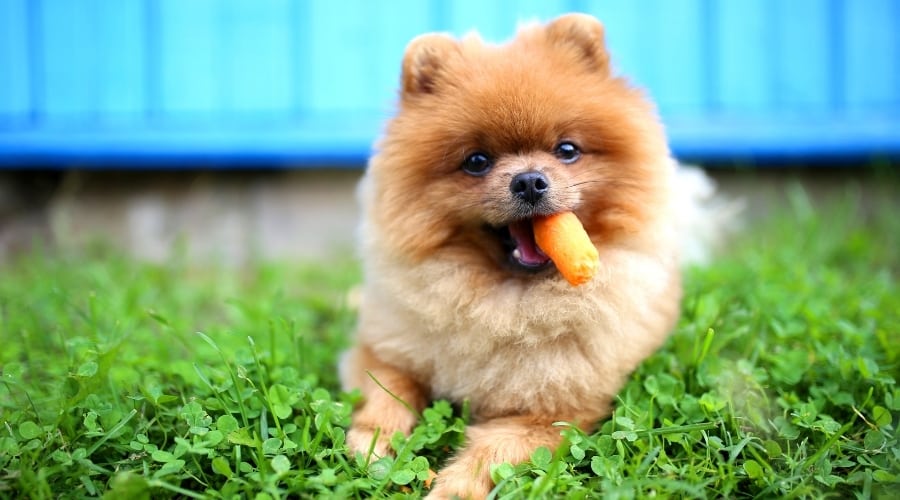
- Beets – Safe cooked and chopped; rich in antioxidants and fiber
- Carrots – Crunchy and sweet, raw or cooked. Great for teeth and training.
- Parsnips – Mild, safe when cooked; high in vitamins C and B6
- Rutabaga – Safe when peeled, cooked, and served in small amounts
- Sweet Potatoes – High in fiber and beta carotene. Always serve cooked and plain.
- Turnips – Fine in moderation, cooked or raw; may cause gas in some dogs
- White Potatoes – Only cooked and peeled. Never serve raw or green ones.
Tip: Skip butter, cream, and seasoning. Plain is best.
Stem Vegetables
These stalky veggies can be fibrous and hard to digest raw. Steaming or finely chopping helps your dog get the most out of them without upsetting their stomach.

- Asparagus – Safe when cooked; raw stalks are tough to chew and not very appealing to most dogs
- Bamboo Shoots – Safe when fresh, cooked, and unsalted; canned versions often contain sodium or preservatives
- Celery – Crunchy and hydrating. Cut into small pieces to avoid choking.
- Fennel – Can help freshen breath and support digestion; serve in small amounts, cooked or raw.
Bulb Vegetables: Mostly A No For Dogs
Onions, garlic, shallots, leeks, and chives should never be shared. Even small amounts can damage red blood cells and lead to serious illness.
Learn more about foods that are not safe for dogs in our Foods Not To Feed Your Dog guide.
Flower Vegetables
These are the “sprouty” ones that look like tiny trees or mini cabbages. Dogs can eat them with a bit of prep. They are highly nutritious but may cause bloating or flatulence.

- Broccoli – Safe in small portions, raw or cooked. Too much can cause gas.
- Brussels Sprouts – Fine when steamed. Gassy for everyone, not just dogs.
- Cauliflower – Similar to broccoli. Offer sparingly to avoid digestive drama.
Fruit Vegetables
Botanically, fruits, but culinarily, vegetables. These are the edible odds and ends that grow on flowering plants and contain seeds.

- Bell Peppers – Red, green, yellow, and orange are all safe. No spicy varieties.
- Cucumbers – Great for hydration and crunch. Just skip pickles.
- Eggplant – Safe in moderation, cooked only. Some dogs may be sensitive.
- Green Beans – A common low-calorie filler. Fresh, frozen, or steamed is best.
- Okra – Fine in small amounts, cooked or raw. Steamed is easiest to digest.
- Peas – Snow, sugar snap, and garden peas are all safe for dogs. Avoid canned peas with added salt.
- Pumpkin – A favorite for digestion. Serve cooked and plain, or use plain canned pumpkin. Never feed pumpkin pie filling because it contains added sugar and spices.
- Zucchini – Raw or cooked, it’s a mild veggie most dogs tolerate well.
- Tomatoes – Ripe ones are okay in small amounts. Avoid green tomatoes, stems, and leaves.
Learn More: Corn often gets lumped in here, too—but we’ll cover that in the grains section. Plus, read about 15 other safe vegetables for your pup to eat in our veggies guide.
Protein-Packed Scooby Snacks
Whether it’s grilled chicken, Sunday roast, or leftover turkey, meat is usually the first thing dogs hope you’ll share. Luckily, many lean proteins make excellent Scooby Snacks when prepared simply.
Eggs
Eggs are a great source of protein and essential fatty acids. Just make sure they’re fully cooked.
- Scrambled, boiled, or poached is fine.
- Avoid raw eggs due to the risk of Salmonella and potential biotin interference.
- No butter, salt, or cheese add-ins.
Dogs don’t need a fancy brunch. Keep it simple.
Meat & Poultry
This is where most snack-sharing negotiations happen. Whether you’re carving chicken or slicing steak, your dog is probably convinced they’re owed a bite too.
Choose lean, cooked meats, remove bones, trim excess fat, and serve bite-sized pieces without seasoning or sauces.

- Beef – Choose lean, cooked cuts. Trim excess fat, cut into bite-sized pieces, and avoid seasoning, sauces, or gravy.
- Chicken – A popular, lean protein. Cooked thoroughly and skinless is best.
- Pork – Safe in small amounts when cooked plain and trimmed of excess fat. Never feed pork bones or heavily seasoned pork.
- Turkey – A solid option, but avoid the skin and pan drippings.
- Salmon – Fully cooked only. Remove every bone before serving, and never feed raw salmon.
Skip anything processed or cured:
These are often packed with sodium, preservatives, garlic/onion powder, and other additives that can harm your dog. Never feed cooked bones or any food that is fried, spicy, or covered in sauces.
Peanut Butter
If dogs could choose their own Scooby Snack, peanut butter would probably make the shortlist. It’s perfect for stuffing toys, hiding medication, or rewarding good behavior.
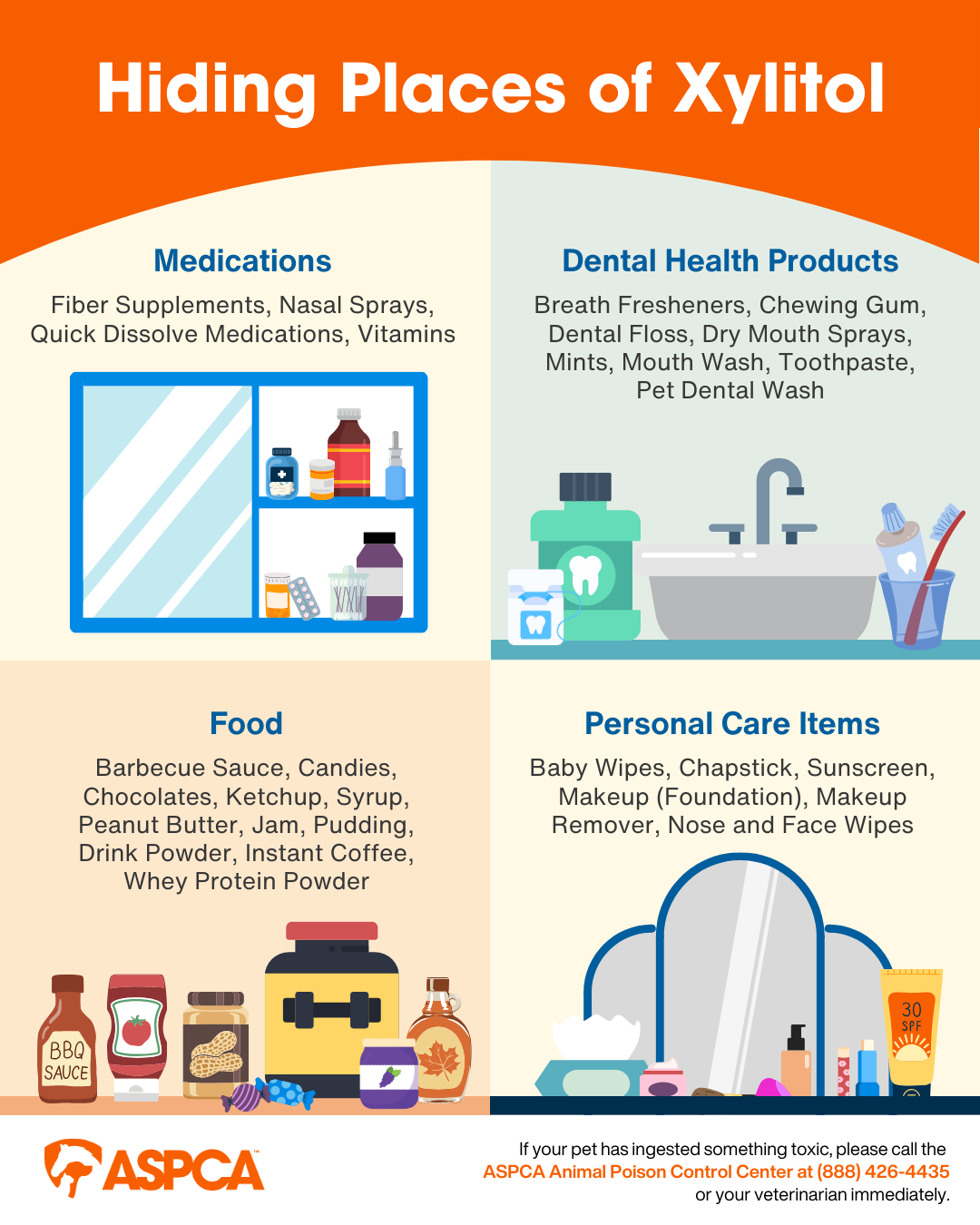
Warning: Always check the ingredient label. Peanut butter containing xylitol can cause severe poisoning, and manufacturers occasionally change recipes.
Did You Know?
Xylitol isn’t just hiding in peanut butter; it shows up in dozens of everyday household products, from gum to vitamins. Check out this infographic courtesy of the ASPCA Animal Poison Control Center to see more common hiding places.
Cheese & Dairy Products
We mentioned it earlier with caution, but it’s worth repeating here. Many dogs tolerate cheese well, but others don’t.
- Stick to low-fat types like mozzarella or mild cheddar.
- Avoid anything with herbs, garlic, or mold (like blue cheese).
- Test small amounts first if you’re unsure about lactose sensitivity.
Other low-lactose options:
- Plain yogurt – Choose unsweetened and unflavored varieties.
- Cottage cheese – In moderation, it’s easier to digest than harder cheeses.
Legumes (Beans, Peas & Lentils)
Some legumes are safe in moderation, especially when fully cooked and unseasoned.
- Beans – Pinto, black, kidney, and other cooked beans are fine in moderation. Skip canned beans with added salt or seasonings.
- Green peas – Snow, sugar snap, and garden peas are all safe.
- Lentils – High in fiber and protein. Only serve well-cooked.
Note: Beans can cause gas. You’ve been warned.
Pantry Scooby Snacks: Grains Dogs Can Eat
Rice, oatmeal, toast, and other pantry staples often end up on our plates, and sometimes in hopeful paws. While grains shouldn’t replace high-quality protein, several can be shared safely in moderation.

Common Cooked Grains
These are the ones you’re most likely to already have in your pantry.
- Barley – An excellent fiber source. Cooked and plain is best.
- Brown Rice – A common base in many dog foods. Easy on sensitive stomachs.
- Corn – Fine when cooked and off the cob. Avoid cornmeal-based junk food.
- Farro – Chewy, hearty, and safe when cooked plain.
- Oats – Use plain, unsweetened oats cooked with water. Skip flavored packets, sugar, butter, milk, or artificial sweeteners.
- Quinoa – High in protein, but rinse before cooking to remove bitter coating.
- White Rice – Often used in bland diets. Easy to digest and soothing for upset tummies.
Less Common (But Still Dog-Safe) Grains
You may not feed these often, but they’re safe and even appear in some premium dog foods.
- Amaranth – Protein-rich and gluten-free. Must be fully cooked.
- Buckwheat – Not a true grain, but safe when cooked. Avoid soba noodles with additives.
- Millet – Mild, easy to digest, and naturally gluten-free.
- Rye – Safe in small amounts, but more likely to cause gas.
- Sorghum – Found in some grain-inclusive dog foods. Cooked is fine.
- Spelt – A type of wheat. Cooked spelt berries are fine in small amounts.
Tip: Your dog isn’t judging your cooking. Plain grains cooked with water are far healthier than buttery, salty versions loaded with extras.
Every Dog Has Their Own Scooby Snack
Scooby had his famous cookies. Real dogs have their own signature obsession.
Some would cross the house for peanut butter. Others come running the moment they hear the ice dispenser. Around Canine Journal, we’ve learned every dog has that one snack they’d happily solve a mystery for.
Falkor will climb up your leg for peanut butter and not apologize for it. If he doesn’t get some, he throws the biggest tantrum you’ve ever seen.
– Danielle DeGroot, Professional Treat Negotiator & Canine Journal Writer
Sally starts a full-on happy dance when pizza arrives. Normally, she’s polite, but for crust? She’ll bark like she just joined a protest.
– Kimberly Alt, Crust Distribution Specialist & Canine Journal Writer + Pet Insurance Expert
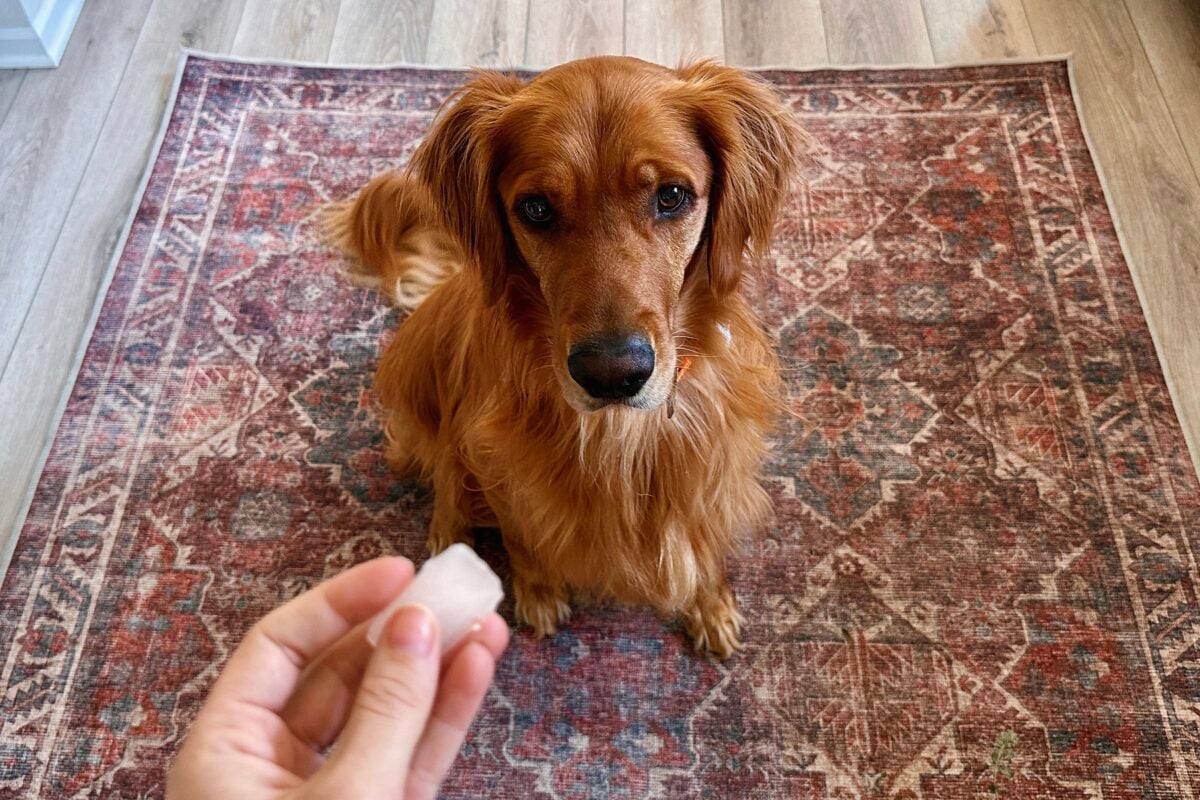
Rio will eat anything you give him. But what he’s truly obsessed with? Ice. The moment he hears the ice machine, he’s at your side like you summoned him with a magic spell.
– Tara Maurer, In-House Ice Sommelier & Canine Journal Writer
Bonkers and his sister go bananas for… well, bananas. The moment one’s unpeeled, Bonkers starts trembling with excitement like it’s the most thrilling thing he’s ever seen. His younger sister locks in too—tail wagging, ready to pounce.
– Emma Braby, Official Banana Opener & Canine Journal Writer
Lily LOVES bell peppers. She is 15 years old and rarely begs for food, but the minute I take out a pepper to cut for dinner, she is on my heels, asking for a piece or five!
– Michelle Schenker, Pepper Procurement Officer & Co-Founder of Canine Journal + Licensed Insurance Professional
Common Mistakes Dog Owners Make
Most food-related accidents happen because a harmless-looking bite contains hidden ingredients, not because the food itself is dangerous.
A plain piece of chicken is one thing. Chicken coated in garlic butter, barbecue sauce, or spicy seasoning is something else entirely.
Here are the mistakes veterinarians see most often.
- Assuming plain meat is still safe after it’s been cooked with garlic, onion, butter, marinades, or spice blends.
- Thinking “just one bite” of chocolate, grapes, raisins, or another toxic food won’t make a difference.
- Forgetting that sugar-free gum, candy, peanut butter, baked goods, and other products may contain xylitol.
What About These? Human Foods Dogs Beg For (But Might Regret)
These are the foods that create legendary puppy-dog eyes. Maybe it’s pizza night, movie snacks, or breakfast on the couch. Whatever’s on your plate, your dog thinks it belongs on theirs too.
Here’s what’s actually worth sharing, and what should stay human-only.
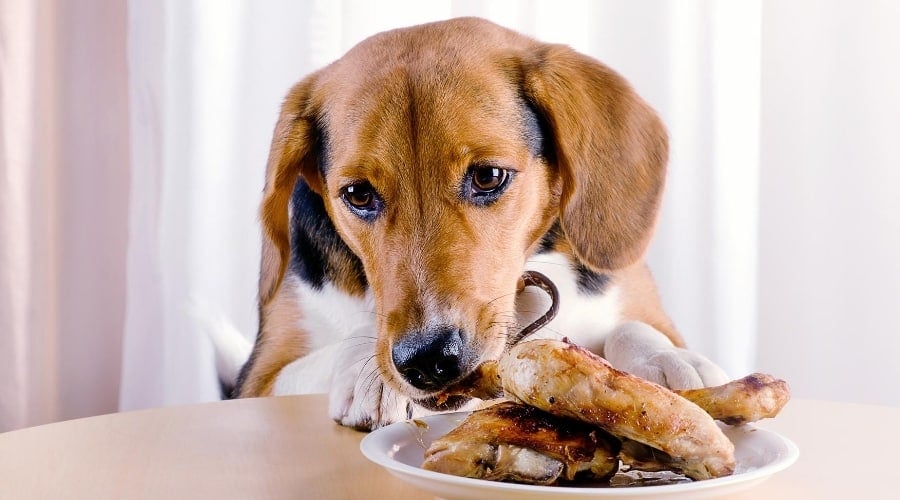
Sometimes Okay (In Moderation)
- Bread – Plain white or whole wheat is fine in small bites. Avoid anything with raisins, garlic, or herbs.
- Cooked Pasta – Plain and unbuttered is okay. Keep portions small.
- Plain Crackers – In tiny amounts, low-sodium only. Watch out for seasonings.
- Rotisserie Chicken (Skin Removed) – Fine if you remove the skin and avoid seasoned birds.
Use With Caution
- Cereal or Oatmeal Packets – Flavored varieties often contain added sugar, dairy, or artificial additives.
- Egg Dishes – Scrambled is fine. Quiche, omelets, or anything with seasoning = no.
- Nut Butters (Other Than PB) – Almond or cashew butter may be okay in tiny amounts, but double-check ingredients and avoid added sweeteners.
- Yogurt – Plain and unsweetened is fine for some dogs. Avoid fruit-on-the-bottom or sweetened kinds.
Skip These
- Casseroles or Creamy Dishes – Too rich and usually packed with unsafe ingredients.
- Garlic Bread – Delicious, but garlic is toxic.
- Leftovers with Sauce – Anything with onion, garlic, butter, or oil is a no-go.
- Lunch Meats – Salty, cured, and packed with preservatives. Not worth it.
- Anything Sugar-Free – If it says “sugar-free,” assume it might have xylitol and keep it far away from your dog.
Uh-Oh. My Dog Ate Something Bad—Now What?
Sometimes your dog solves the mystery before you do by swallowing the evidence.
If your dog just gobbled something they shouldn’t have, don’t wait it out. Some symptoms show up fast—others take hours. Call your vet or local emergency clinic immediately.
Have your dog’s weight, age, symptoms, and what they ate ready. Even “just a bite” can be serious, depending on the food.
If it’s after hours, contact one of these 24/7 hotlines:
- Pet Poison Helpline at 1-855-764-7661
- North Shore America / ASPCA Hotline at 1-888-232-8870
- ASPCA Animal Poison Control Center at 1-888-426-4435
Note: Some hotlines may charge a consultation fee.
If Your Dog Ate Something Questionable
- Check the label or ingredient (Google it fast).
- If it’s dangerous: Call your vet or a poison control hotline.
- If your dog is showing symptoms: Don’t wait.
- Not sure? Use a 24/7 vet chat for fast answers.
Still unsure? Ask a vet now using our 24/7 online vet chat tool (see the lower right-hand corner of your browser window). You’ll get answers from a doctor within minutes.
“I Gave My Dog Grapes—Here’s What Happened”
Here’s a cautionary tale from Kathy Solarino, who experienced firsthand the dangers of dogs ingesting grapes.
I was babysitting my son David’s dog, Jack, a Jack Russel Terrier mix. I loved that little guy, and he was so much fun.
This happened some years ago. It was a Saturday afternoon, and I was talking to my sister on the phone, munching on grapes. Jack was staring at me, so I threw him one, and he leaped in the air to catch it.
As I continued to talk and eat, I occasionally tossed Jack a grape, delighting in his “circus dog” antics. I happened to mention to my sister how funny he was jumping to catch the grapes, and she quickly told me grapes were deadly for dogs.
I panicked, hung up the phone, and looked for the number of the Animal Poison Control. I called and found that to receive any help, I would first need to “donate” a certain amount of money. I scrambled to get my credit card, gave the money, and finally got someone on the line.
They told me they were unsure whether it was the skin, pulp, or seeds of the grapes that caused the problem; it didn’t seem to matter whether the grapes were white, red, or purple, and they were unsure why it did not affect some dogs but killed others. They instructed me to force Jack to vomit by giving him a saucer of milk with peroxide in it.
I was told that if all the grapes did not come up, I needed to take him to a vet. I asked if I could wait to see if he seemed sick, and they said it would be too late to save him by then.
Jack immediately began vomiting all over the house, and I followed behind him, trying to count chewed-up grapes, only to realize that I wasn’t even sure of the number of grapes I had actually given him. So off we went to the nearest emergency vet that was open.
I was frantic! I knew that if anything happened to Jack, my son would never forgive me.
The vet advised me there was no way to know if Jack would react to the grapes, so he would need intravenous fluids to flush his kidneys through the night and the next day. Poor Jack and poor me, that mistake cost me $800, but at least Jack was fine and returned to his old self.
How To Avoid A $1,200 Snack Mistake
That one bite of garlic bread? It could cost you a small fortune in vet bills.
Emergency visits for vomiting, poisoning, or surgery after a food-related incident can easily hit $500 to $1,500 or more. And it usually happens when you least expect it—like when your dog swipes a plate off the counter during dinner.
Pet insurance helps you prepare for the worst, without draining your wallet. We compare top providers and break down what they cover in our pet insurance guide. Compare Pet Insurance Plans →
If your dog has a habit of eating everything in sight, it might be the best treat you give yourself.

Quick Takeaway: The Snack Sharing Rulebook
- Keep it simple: Plain, cooked, unseasoned foods are usually the safest choice.
- Watch the “sometimes” foods: Cheese, bread, and peanut butter are fine in small doses.
- Avoid the big dangers: Grapes, garlic, xylitol, onions, and chocolate.
- When in doubt: Skip it or ask your vet.
One bite can be a treat—or a $1,200 emergency. Know the difference.
Want To Feed Human Food—Without The Risk?
If snack sharing makes you nervous, there’s another option. Fresh, human-grade dog food gives your pup the same real ingredients you love, without wondering whether tonight’s leftovers are actually safe.
Brands like Ollie, Nom Nom, and Spot & Tango deliver pre-portioned, vet-formulated meals right to your door—no guesswork, no risky leftovers.
It’s real meat, real veggies, and real nutrition, all tailored to your dog’s needs.

Want our honest opinion? We tested The Farmer’s Dog with our own pups. See what we liked, what we didn’t, and how it worked in our full Farmer’s Dog review.
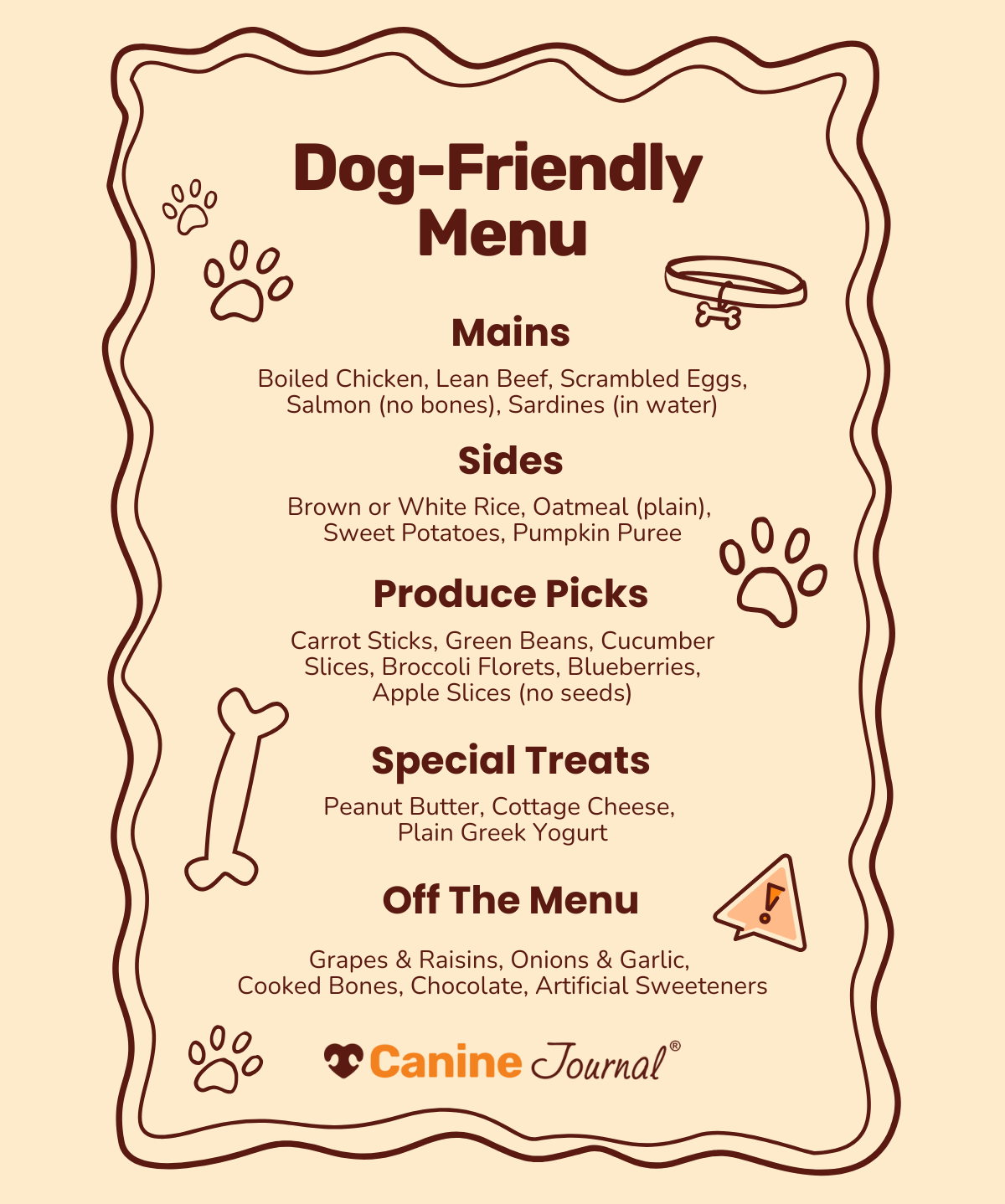
Dog-Safe Menu: What To Feed Your Pup (No Guessing Required)
Need a go-to menu you can trust any day of the year — holiday or not? Here’s what your dog’s plate should actually look like.
Frequently Asked Questions
Ever found yourself Googling “what human food can dogs eat” while your pup gives you the sad eyes from under the dinner table? You’re not alone.
Here are quick answers to the most frequently asked questions by pet parents. Don’t see yours? Ask us in the comments!
Can Dogs Eat Fruit Every Day?
They can, but in small amounts. Stick to low-sugar fruits like blueberries, apples (no seeds), and watermelon. Consuming too much fruit can lead to an upset stomach or weight gain.
Can Dogs Eat Holiday Turkey or Ham?
Plain, unseasoned turkey or lean ham is fine in small amounts. Skip the skin, gravy, and glazed coatings, which are loaded with salt, fat, and spices that can upset your dog’s digestion.
What Should I Do If My Dog Eats Chocolate Or Candy?
Call your vet or the Pet Poison Helpline immediately (855-764-7661). Provide details on what was eaten and how much. Even small doses can be toxic depending on your dog’s size.
Can I Feed My Dog The Same Food I Eat Every Day?
Not a good idea. Dogs need a balanced, species-appropriate diet. Regularly feeding human meals can lead to nutritional imbalances or health problems over time.
What If My Dog Has Food Allergies?
Common allergens include chicken, beef, dairy products, and certain grains. If you suspect allergies, consult your veterinarian about elimination diets or allergy testing.
Keep Your Dog’s Diet on Track From Day One
The best time to start feeding your dog the right food? Day one.
Puppies, adults, and seniors all have different nutritional needs. So do small dogs vs. large breeds, or pups with health issues like diabetes, allergies, or weight gain.
There’s no one-size-fits-all bowl. Always talk to your vet before making big changes—and make sure whatever you’re feeding matches your dog’s age, size, and health.
Looking for meals you can make at home? Check out our chicken and rice recipe for dogs or browse these homemade dog food recipes for every type of pup.
Share Your Dog’s Favorite Human-Food Treat
Does your dog have a favorite human food—or have they ever eaten something they shouldn’t have? Share your experience in the comments, including what they ate, how they reacted, and what you learned. Your story could help another dog owner make a safer choice.