When you purchase through links on our site, we may earn a commission at no extra cost to you. Learn more.
At first glance, Siberian Huskies and Alaskan Malamutes look like different-sized versions of the same dog. Both are Arctic working breeds with thick coats, wolf-like features, and enough energy to keep most owners on their toes.
Table of Contents
Living with them, however, can feel surprisingly different. One is typically faster, louder, and more mischievous, while the other is larger, stronger, and often more physically demanding to manage. Choosing the wrong match can affect everything from daily exercise and training to housing, travel, and long-term costs.
If you’re deciding between these two iconic sled dogs, we’ll break down the differences in appearance, temperament, exercise needs, health, grooming, and daily life to help you determine which Arctic breed actually fits your lifestyle.
Breed Comparison
- Height23-28 Inches
- Height20-23.5 Inches
- Weight65-100 Pounds
- Weight35-65 Pounds
- TemperamentAffectionate, Loyal, Playful
- TemperamentMischievous, Loyal, Loving
- EnergyHigh
- EnergyHigh
- HealthAverage
- HealthAbove Average
- Lifespan10-14 Years
- Lifespan12-14 Years
- Price$1,500-$2,000
- Price$850-$1,500
Start Here: The Biggest Difference Most People Miss
Most people assume the biggest difference between a Siberian Husky and an Alaskan Malamute is size. It isn’t.
Want our human-written content to rank above AI-generated garbage? Help us out by clicking this button!
Yes, Malamutes are usually larger and more powerful. But in day-to-day life, the difference most owners notice first is personality and energy style.
A Siberian Husky often feels like a perpetual teenager. They’re fast, curious, vocal, and constantly looking for their next adventure. Many owners describe them as clever, entertaining, and occasionally exhausting.
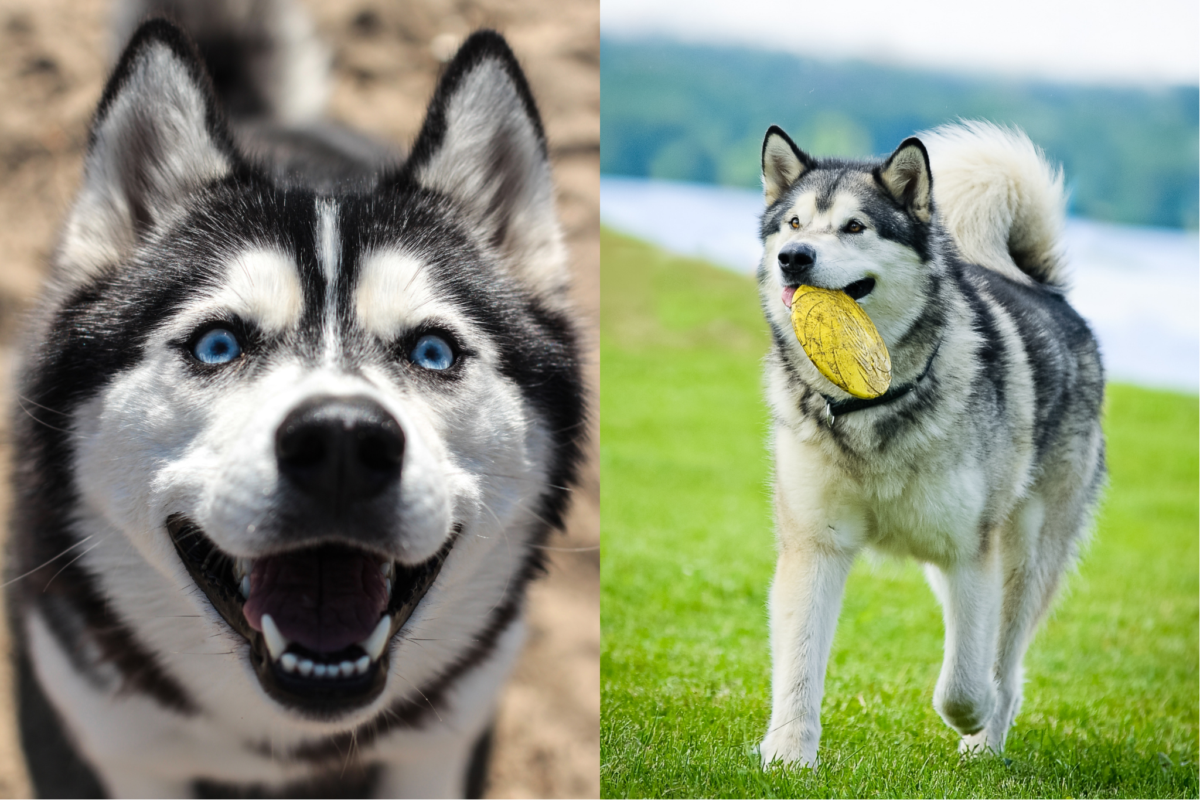
An Alaskan Malamute tends to feel more like a heavyweight working dog. They’re still energetic and independent, but they’re usually less frantic than Huskies. Instead of testing your patience with speed and mischief, they may test it with sheer strength and stubborn determination.
Before we dive into appearance, training, and health, keep these big-picture differences in mind:
- Energy style: Huskies tend to be faster, busier, and more restless; Malamutes are often steadier but physically more demanding.
- Size and strength: Both are powerful dogs, but Malamutes are significantly larger and stronger.
- Vocalization: Huskies are famous for their talking, howling, and dramatic opinions. Malamutes are generally quieter.
- Trainability: Both breeds are intelligent, but neither is known for blind obedience.
- Daily life: Huskies often challenge owners with escape attempts and endless curiosity. Malamutes are more likely to challenge them with strength and independence.
Neither breed is considered easy for first-time owners. Both need significant exercise, consistent training, and a household prepared for life with a high-energy working dog.
The question isn’t which breed is better. It’s which set of challenges fits your lifestyle better.
They Look Similar: How To Tell A Malamute From A Husky
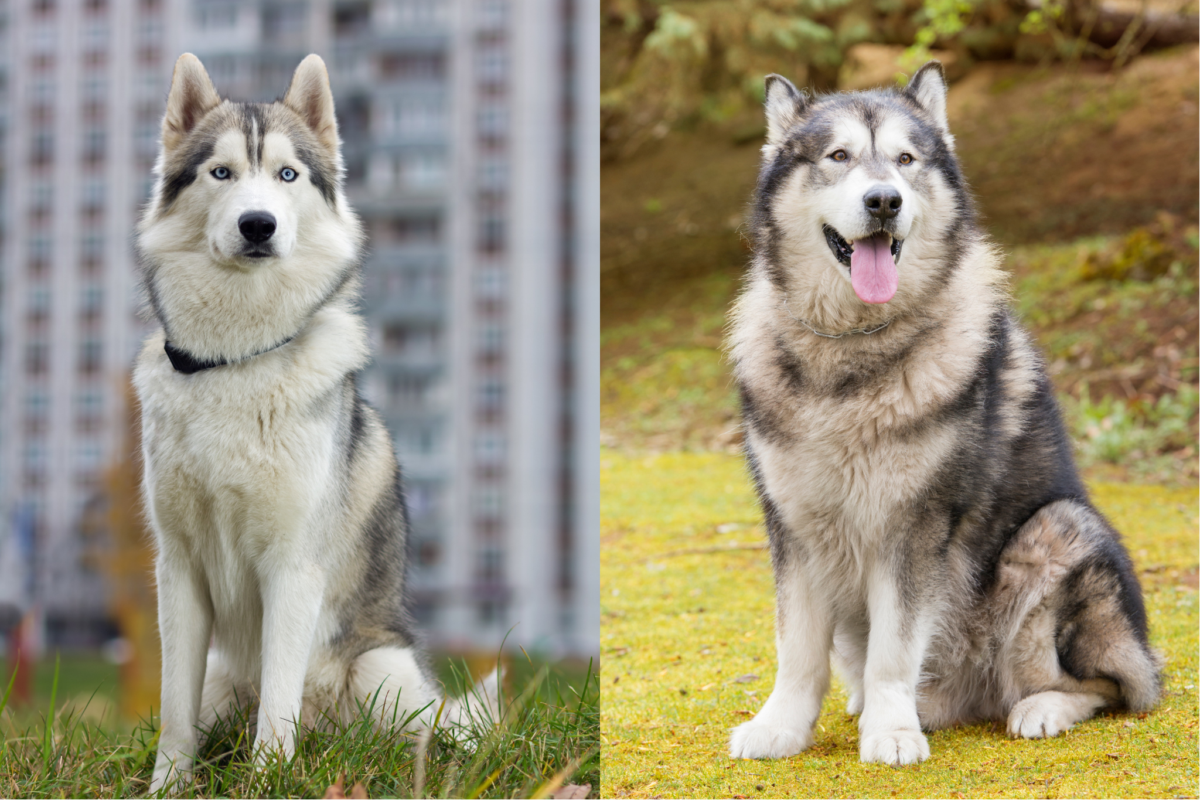
At a glance, many people assume Siberian Huskies and Alaskan Malamutes are simply different-sized versions of the same breed. After all, both have thick double coats, erect ears, bushy tails, and wolf-like features.
Look a little closer, however, and the differences become much easier to spot. Size is only part of the story.
Size & Weight
If you place an average Husky next to an average Malamute, the size difference is immediately obvious.
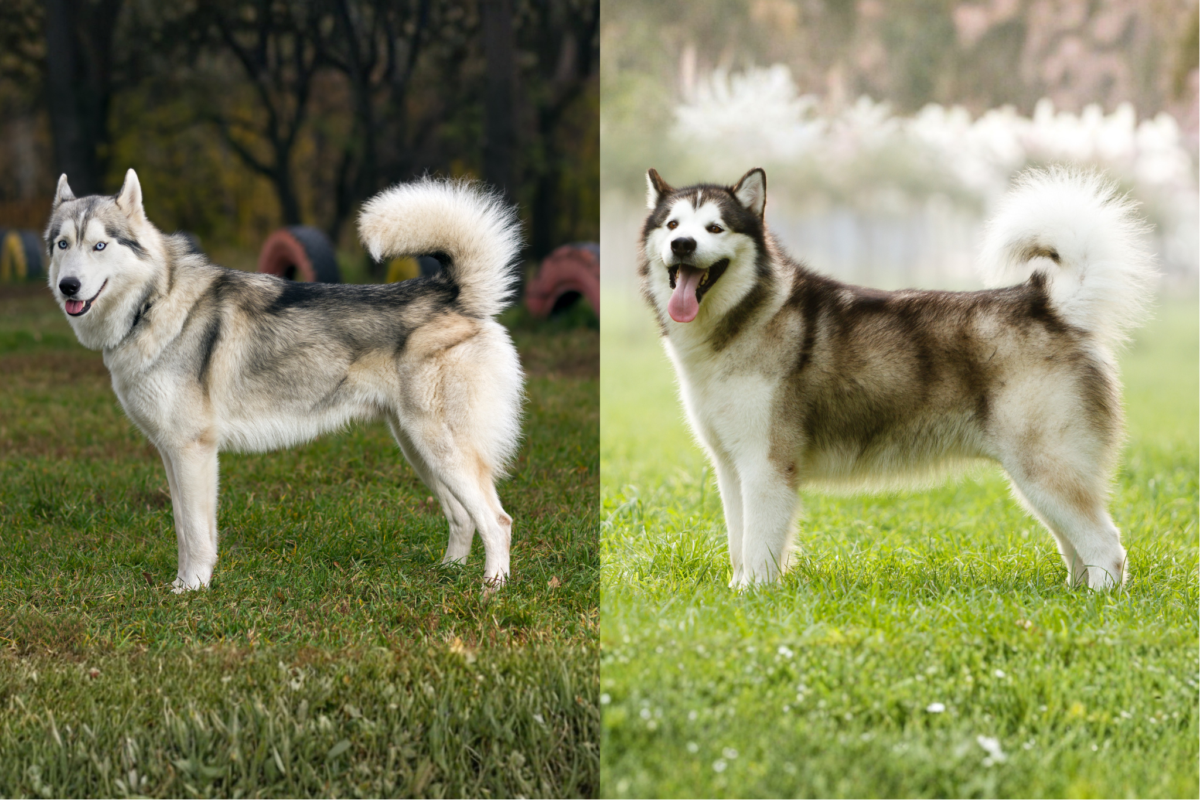
Male Alaskan Malamutes typically stand 25 to 28 inches tall and often weigh 75 to 100 pounds or more. Siberian Huskies are noticeably lighter, standing 21 to 23.5 inches tall and weighing 45 to 60 pounds.
That difference matters in daily life. A Husky can still be a handful on a leash, but a determined Malamute has the strength to pull an adult off balance if not properly trained.
| Breed | Height | Weight |
|---|---|---|
| Siberian Husky | 21–23.5 inches | 45–60 pounds |
| Alaskan Malamute | 23–28 inches | 75–100+ pounds |
Build & Strength
The easiest way to think about these breeds is as endurance athletes versus powerlifters.
Siberian Huskies were developed to pull lighter loads over long distances at relatively high speeds. As a result, they tend to be leaner, lighter on their feet, and more agile.
Alaskan Malamutes were bred to haul heavy freight through harsh Arctic conditions. They have broader chests, thicker bone structure, and significantly more muscle mass throughout their bodies. Even when standing still, a Malamute often looks more substantial and powerful than a Husky.
Face, Ears & Expression
Both breeds share the alert, wolf-like look that Arctic dogs are famous for, but a few details help distinguish them.
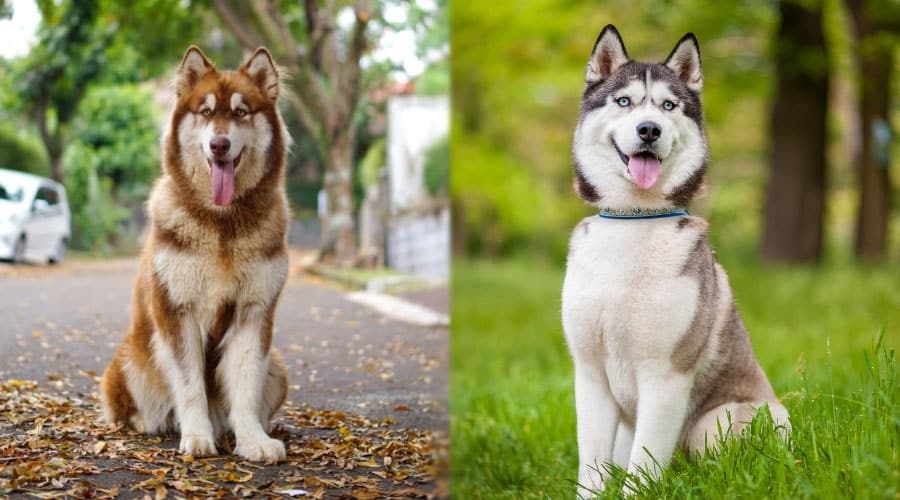
Huskies typically have a narrower face, a more refined muzzle, and a lighter overall expression. Their ears tend to appear slightly larger in proportion to their head.
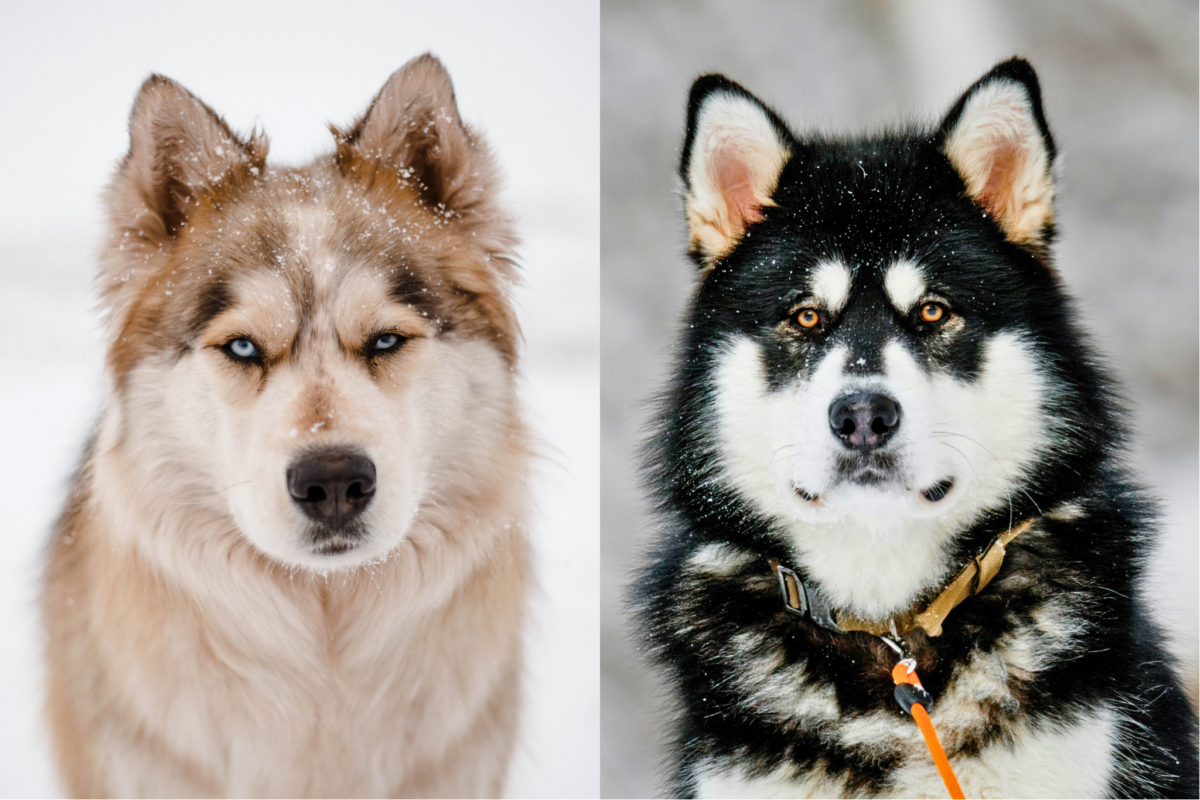
Malamutes usually have a broader skull, a wider muzzle, and a more substantial head. Their ears are often set farther apart, creating a heavier, more powerful appearance.
Eye color is another clue. Huskies commonly have blue eyes, brown eyes, or even one of each. Malamutes almost always have brown eyes. In fact, blue eyes are considered a fault in the breed standard for Alaskan Malamutes.
Coat Colors & Markings
Both breeds have thick double coats designed to protect them from extreme cold, but their coloring can differ.
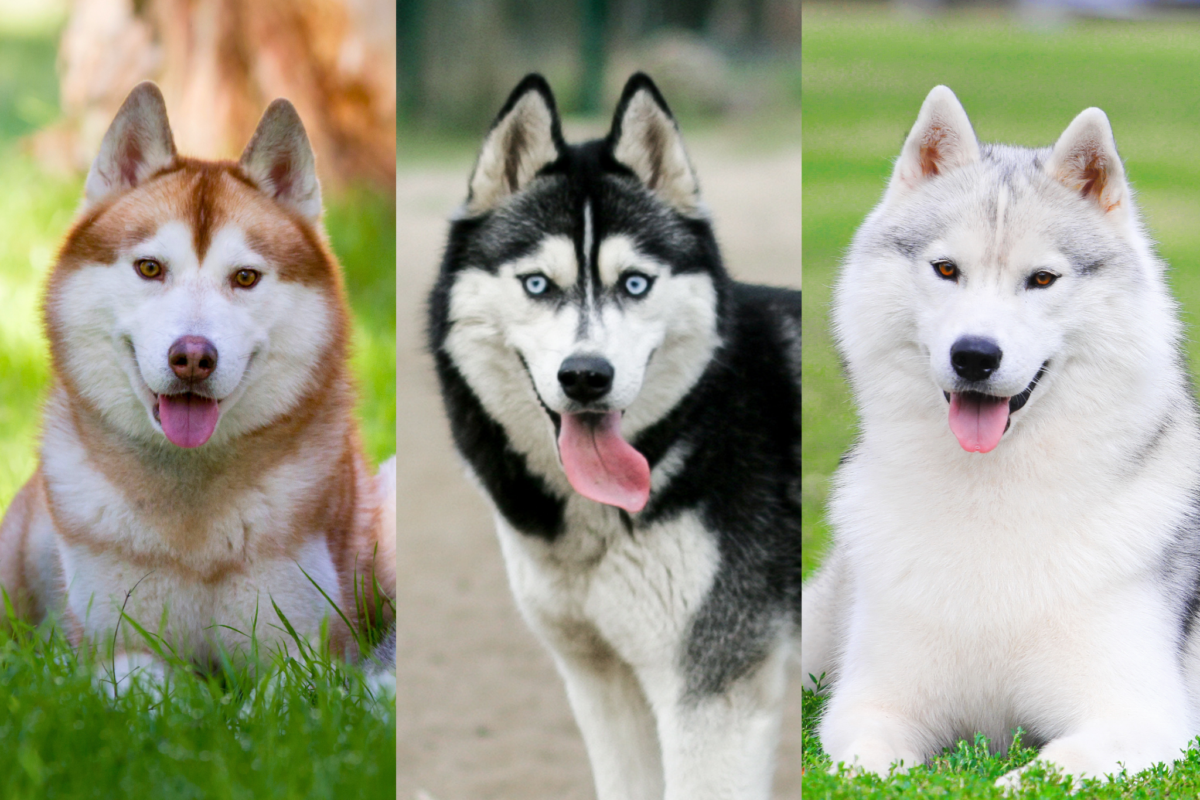
Siberian Huskies come in a wide range of colors and patterns, including black, gray, red, agouti, sable, and pure white. Their facial markings are often dramatic and highly distinctive.
Alaskan Malamutes are typically found in shades of gray, black, sable, red, or silver paired with white markings. While their coats can vary in color, their facial patterns are usually less pronounced than those of many Huskies.
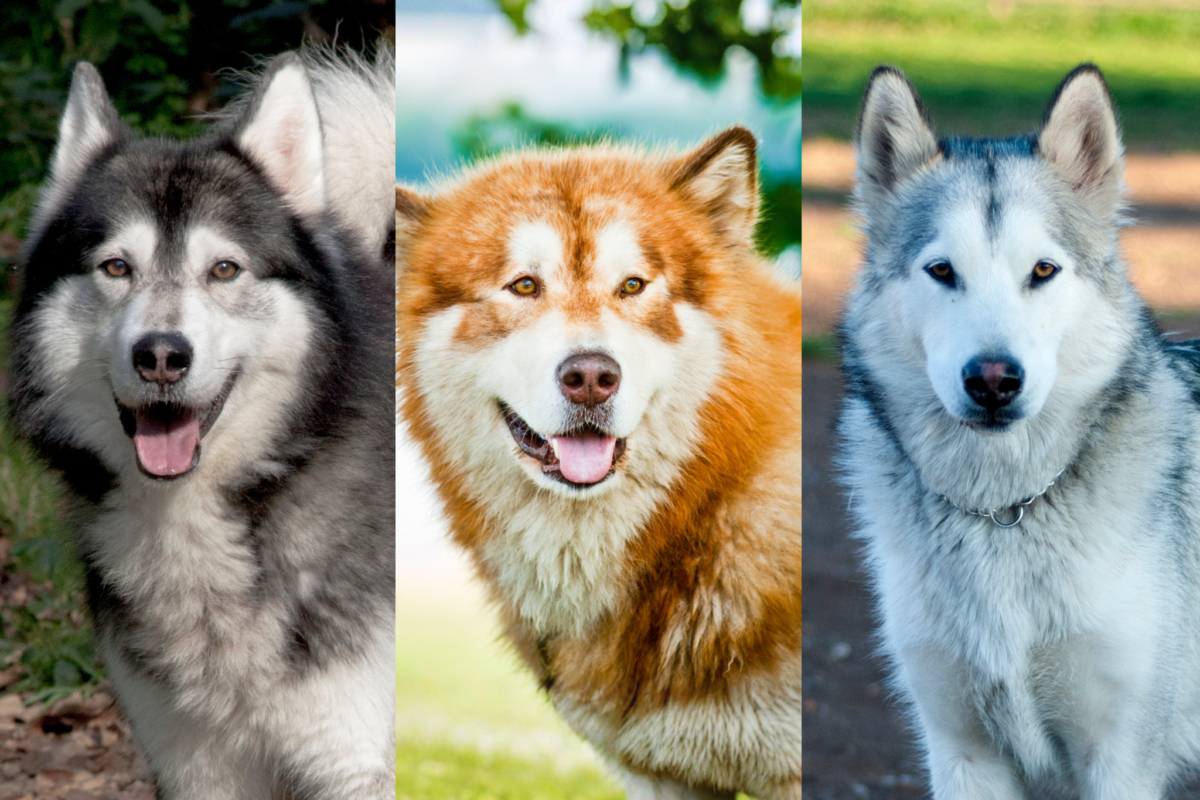
No matter which breed you choose, expect plenty of fur. Both are heavy shedders, leaving impressive tumbleweeds of hair around the house during coat-blowing season.
Temperament: Similar Dogs, Very Different Personalities
Both Siberian Huskies and Alaskan Malamutes were bred to work closely with people while living in teams of sled dogs. As a result, both breeds are typically affectionate with their families, highly social within their household, and happiest when they feel included in daily life. That’s where the similarities start to fade.
While both are intelligent, energetic, and independent, the way those traits show up can feel surprisingly different once you live with them.
Around Family & Visitors
Both breeds tend to be loving and loyal with their families, but Huskies are usually more outgoing with strangers.
Many Huskies seem to assume every new person is a potential friend. It’s one reason they rarely make effective guard dogs. A Husky is often more interested in greeting a visitor than warning you about one.
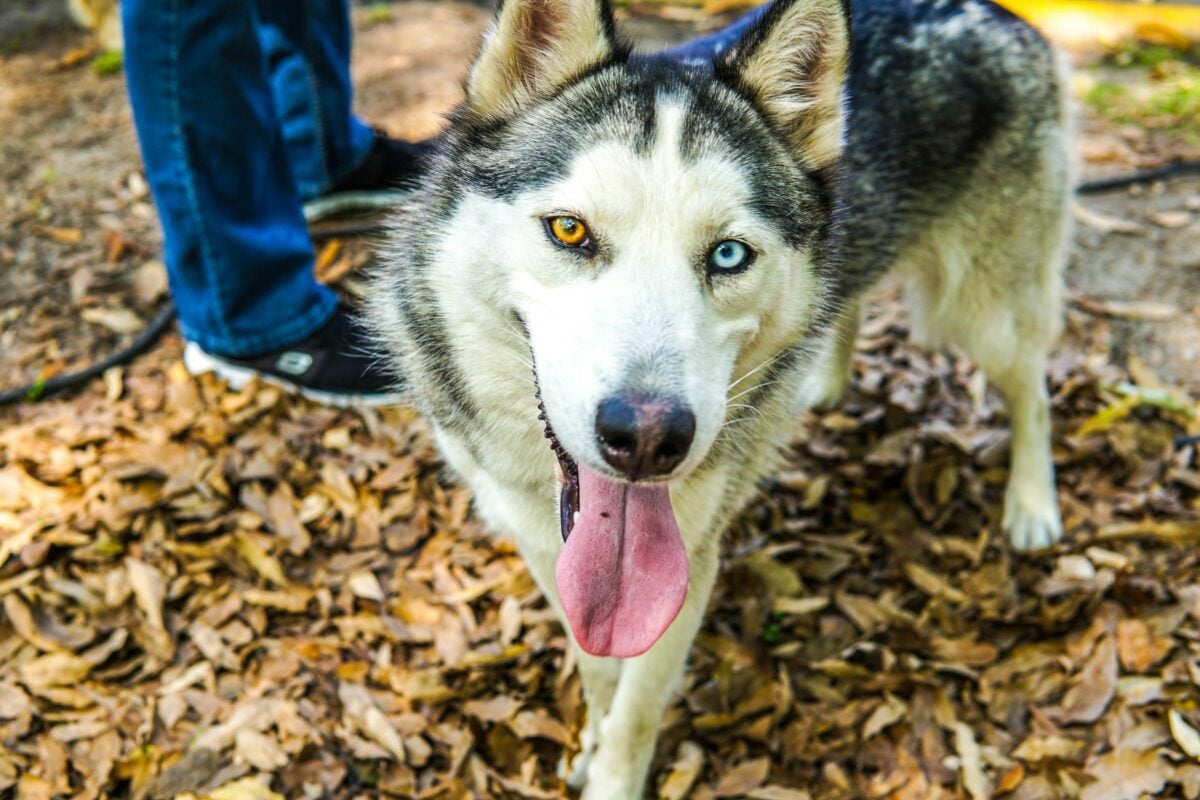
Malamutes are typically friendly as well, but they can be more reserved around unfamiliar people. They often take a little longer to warm up and may be more protective of their home and family.
Neither breed should be naturally aggressive toward people, but Malamutes generally have stronger territorial instincts than Huskies.
Independence & Stubbornness
If you’re looking for a dog that lives to follow commands, neither breed is likely to be your perfect match.
Both Huskies and Malamutes are highly intelligent working dogs that were bred to think independently. Unlike many herding or sporting breeds, they weren’t developed to look to humans for direction constantly.
Huskies often express that independence through curiosity and mischief. They like to explore, investigate, and occasionally test boundaries just to see what happens.
Malamutes tend to be more deliberate. Rather than acting impulsively, they may simply decide your idea isn’t as interesting as their own.
Both breeds benefit from consistent training, but owners should expect cooperation rather than unquestioning obedience.
Vocalization: Who Talks More?
Both breeds can be vocal, but Huskies have earned their reputation as one of the most talkative dog breeds in the world.
Many Huskies howl, “talk,” sing, and respond dramatically to everyday situations. Some seem determined to provide running commentary, licensed via everything happening in the house.
Malamutes can howl as well, but they are generally quieter overall. When they do vocalize, it’s often through lower-pitched “woo-woo” sounds rather than the constant chatter many Husky owners experience.
If you enjoy a dog with a big personality and plenty to say, a Husky may be a good fit. If you prefer a slightly quieter household, the Malamute usually has the edge.
With Other Dogs & Small Animals
Because both breeds originated as pack dogs, they often enjoy the company of other dogs when properly socialized.
That said, both breeds can have a strong prey drive. Cats, rabbits, squirrels, and other small animals may trigger a chase instinct, particularly if they weren’t raised together from an early age.
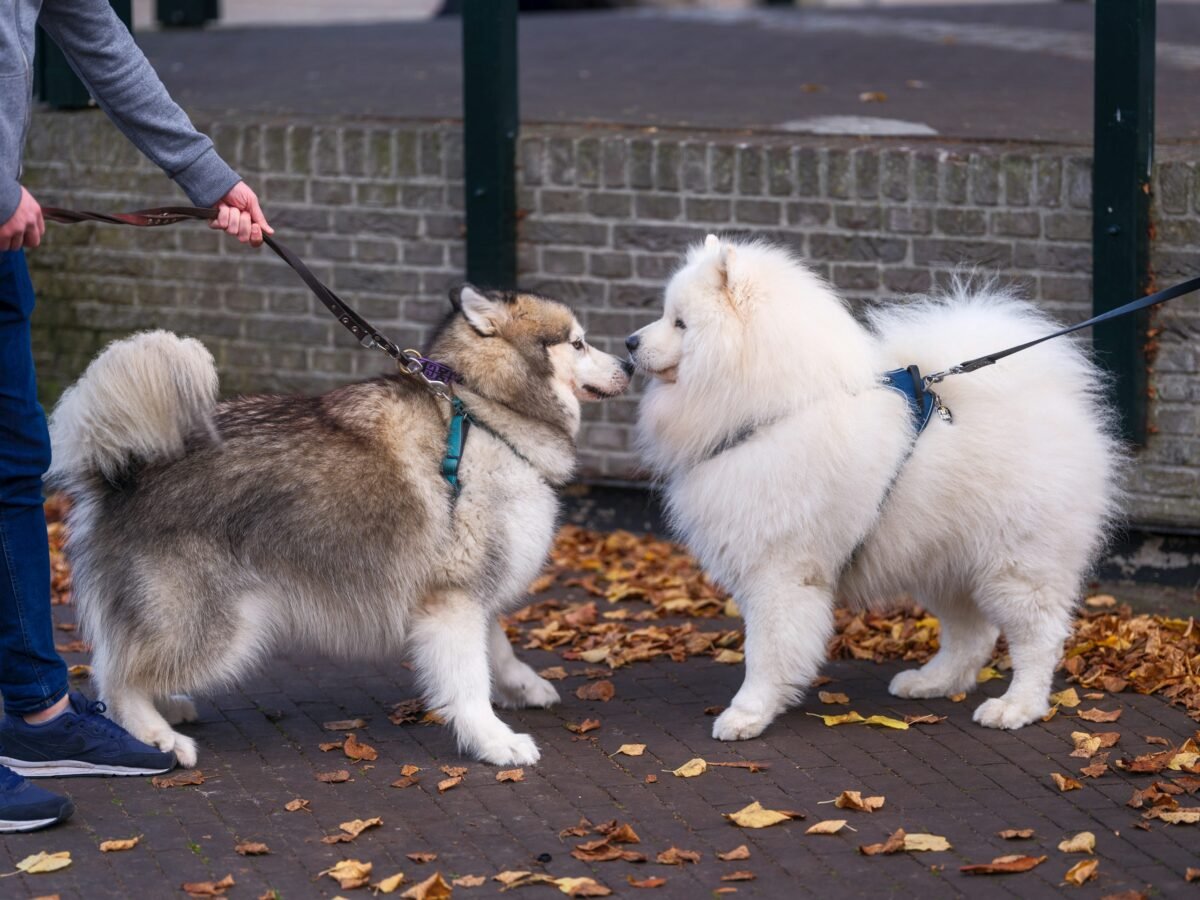
Malamutes are often considered less tolerant of unfamiliar dogs, especially dogs of the same sex. Huskies generally have a reputation for being more social and playful with other dogs, though individual personalities vary.
For households with multiple pets, early socialization and careful introductions are important regardless of which breed you choose.
Arctic Dog Reality Check
- Both breeds are notorious escape artists.
- Both can jump fences, dig under barriers, and slip through openings.
- Both should have secure containment and supervised outdoor time.
- Neither breed is known for reliable off-leash behavior.
- Both can run surprisingly long distances if given the opportunity.
Energy & Exercise: Which Dog Demands More From You?
Here’s the short answer: both. Neither Siberian Huskies nor Alaskan Malamutes are dogs that thrive with a couple of short walks around the block. These are working breeds that were developed to travel long distances in harsh conditions, and that drive hasn’t disappeared simply because they’re now family pets.
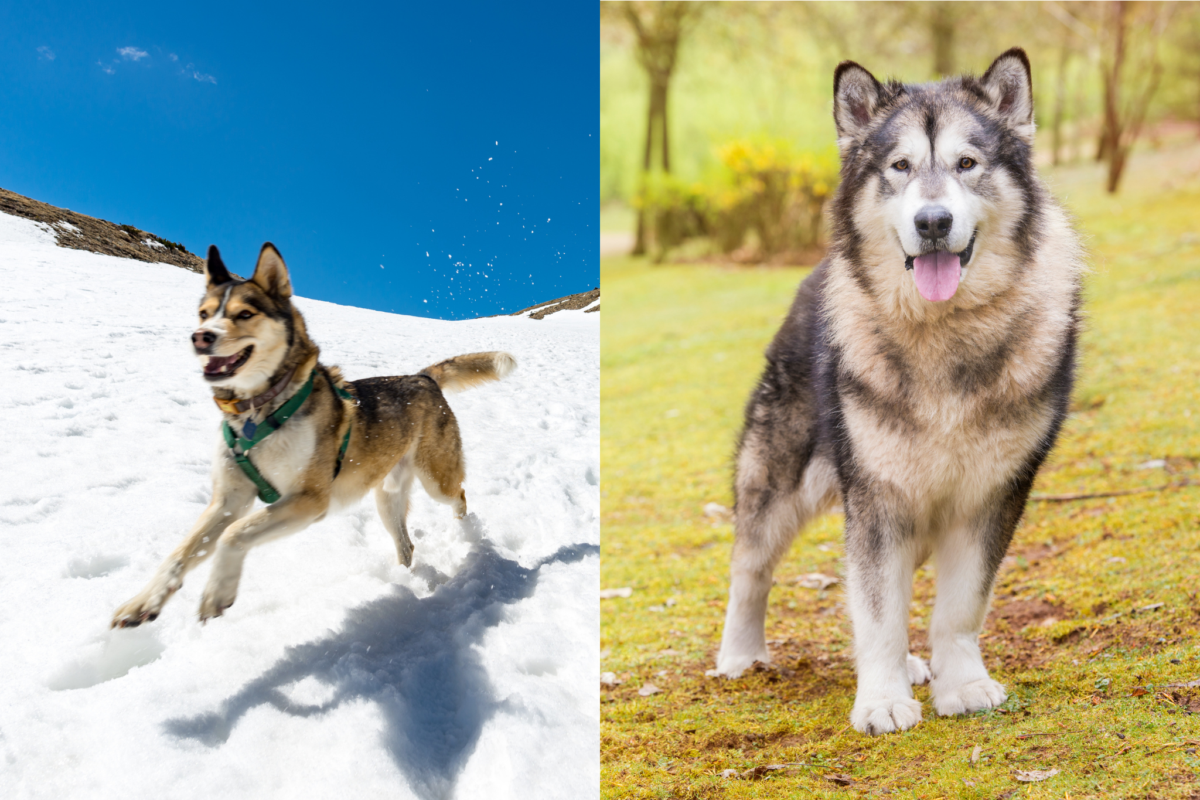
The difference is how that energy tends to show up in daily life.
Huskies are often faster, busier, and more restless. Malamutes are usually slower-paced but stronger and more powerful, and can become destructive when under-stimulated.
Daily Exercise Needs
Most healthy adult Huskies and Malamutes need at least 90 minutes of exercise per day, though many thrive with even more.
That exercise should include more than casual leash walks. These breeds were built to work, pull, run, and explore. Activities that often work well include:
- Hiking
- Running
- Canicross
- Bikejoring
- Backpacking
- Pulling sports
- Structured play sessions
- Long adventures in secure areas
If you’re looking for a dog that is content spending most of the day indoors, neither breed is likely to be a good fit.
Mental Stimulation
Both breeds are intelligent problem-solvers that need outlets for their minds as well as their bodies. Training sessions, scent games, food puzzles, enrichment toys, and learning new skills can help prevent boredom.
This is where many owners notice a personality difference.
Huskies often create their own entertainment when they become bored. Unfortunately, that entertainment may involve stealing objects, opening doors, counter surfing, or finding creative ways to escape.
Malamutes are usually less chaotic, but they can be just as destructive if their physical and mental needs aren’t being met.
Escape Artist Tendencies
If there is one trait these breeds share equally, it’s their talent for escaping.
Both Huskies and Malamutes are notorious for:
- Digging under fences
- Climbing barriers
- Jumping surprisingly high
- Exploiting weak spots in containment
- Taking off on self-guided adventures
Many owners discover that a standard backyard fence isn’t always enough.
Neither breed is known for reliable off-leash behavior, particularly around wildlife. Even well-trained dogs may choose to follow an interesting scent, chase a squirrel, or simply decide that exploring sounds more fun than coming back when called.
A secure yard, strong recall training, and realistic expectations are essential for both breeds.
Quick Takeaway
These are dogs for active owners who genuinely enjoy spending time outdoors.
- A Husky often demands more through constant activity, curiosity, and mental engagement.
- A Malamute often demands more through sheer strength, endurance, and physical management.
Training: Smart Does Not Mean Easy
One of the biggest misconceptions about both Siberian Huskies and Alaskan Malamutes is that intelligence automatically makes training easy. It doesn’t.
Both breeds are highly intelligent working dogs that can learn commands quickly. The challenge isn’t understanding what you’re asking. The challenge is convincing them that your idea is worth following.
Unlike breeds that were developed to work closely under human direction, Huskies and Malamutes were bred to think independently while pulling sleds in difficult conditions. That independence still shows up today.
First-Time Owner Reality Check
Neither breed is typically recommended for first-time dog owners. That’s not because they’re unintelligent or aggressive. It’s because they require patience, consistency, and realistic expectations.
Many new owners are surprised when their Husky or Malamute learns a command within minutes but chooses not to perform it when something more interesting appears.
Training success with these breeds comes from consistency, positive reinforcement, and making yourself more rewarding than the distractions around them.
Early socialization is equally important. Exposing puppies to different people, dogs, environments, and experiences helps build confidence and encourages better behavior as they mature.
Recall & Off-Leash Reliability
If there is one training challenge that unites Husky and Malamute owners, it’s recall.
Both breeds were developed to travel long distances and make independent decisions. As a result, neither is known for rock-solid off-leash reliability.
Even well-trained dogs may ignore a recall cue if they spot wildlife, catch an interesting scent, or decide that exploration sounds more appealing than returning to their owner. For this reason, many experienced owners choose to keep both breeds on leash or within securely fenced areas.
Leash Pulling & Strength Management
Because both breeds were literally bred to pull, leash manners often require extra work.
Huskies tend to challenge owners with enthusiasm and forward momentum. They are surprisingly strong for their size and can easily drag an unprepared owner down the sidewalk.
Malamutes present a different challenge. Their greater size and strength mean poor leash habits can become difficult to manage very quickly.
Loose-leash walking should begin early and remain a consistent part of training throughout the dog’s life.
Quick Takeaway
If you’re looking for a breed that lives to please and eagerly waits for instructions, neither the Husky nor the Malamute is likely to be your ideal match. If you’re willing to embrace an intelligent, independent dog with a strong personality, both breeds can be incredibly rewarding companions.
Just expect a partnership, not blind obedience.
Living With One: What Daily Life Actually Feels Like
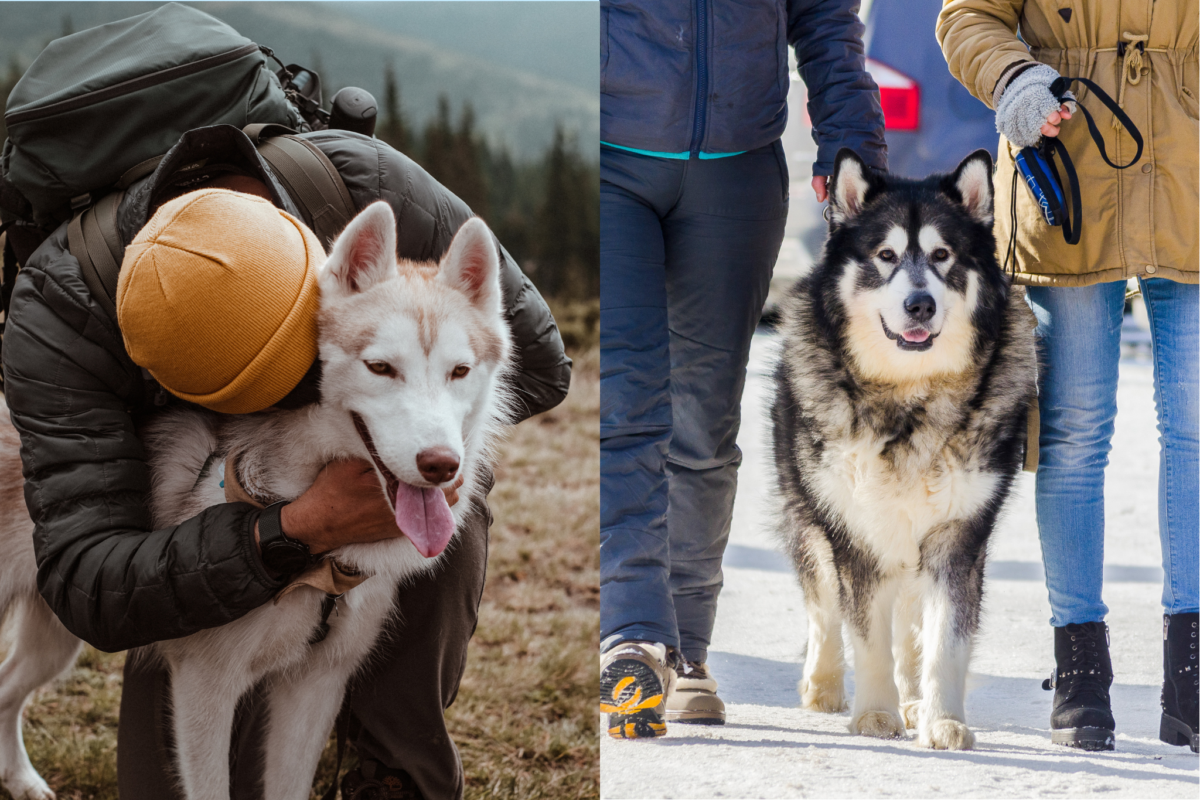
Siberian Huskies and Alaskan Malamutes are often compared based on their appearance, but day-to-day life with these breeds can feel very different. Before choosing either dog, it’s worth considering how they fit into your home, schedule, climate, and lifestyle.
Apartment Living
Neither breed was designed for apartment life. Both are active working dogs that need significant physical exercise and mental stimulation. Without enough outlets for their energy, they can become vocal, destructive, or restless indoors.
That said, a well-exercised Husky can sometimes adapt better to apartment living because of its smaller size. A Malamute’s larger frame can make tight living spaces feel even smaller, especially during bad weather when outdoor exercise becomes more difficult.
For either breed, success in an apartment depends far more on the owner’s commitment to daily exercise than the size of the home itself.
Climate Considerations
Both breeds were developed to work in some of the coldest environments on Earth. Their thick double coats help them thrive in winter conditions that many other dogs find uncomfortable. Snow, cold temperatures, and outdoor winter adventures are often where these breeds shine.
Hot weather is a different story. While both can live in warmer climates with proper precautions, owners should be prepared to limit activity during the hottest parts of the day and pay close attention to signs of overheating.
Malamutes often struggle more in extreme heat due to their larger size and heavier build.
Separation Tolerance
Neither breed enjoys being left alone for long periods.
Huskies are especially known for becoming vocal, destructive, or creative when bored and isolated. Many owners discover that an under-stimulated Husky can turn household items into entertainment surprisingly quickly.
Malamutes can also develop problem behaviors when left alone too often, but they tend to be somewhat less dramatic about expressing their frustration.
If your work schedule regularly requires leaving a dog alone for eight to ten hours a day, either breed may prove challenging.
Travel & Lifestyle Flexibility
These dogs are often a great match for active owners who enjoy hiking, camping, running, backpacking, and outdoor adventures.
A Husky’s smaller size can make transportation, travel, and handling a little easier. They’re generally easier to lift into vehicles, manage on trails, and accommodate in dog-friendly lodging.
Malamutes bring a different experience. Their strength, size, and larger equipment needs can make travel slightly more complicated, but they are excellent companions for owners who enjoy outdoor activities and don’t mind managing a bigger dog.
Quick Takeaway
- Choose a Siberian Husky if your lifestyle revolves around activity, adventure, and constant engagement.
- Choose an Alaskan Malamute if you want a more substantial, powerful companion and are comfortable managing a larger dog with an equally independent streak.
In either case, these breeds tend to thrive with owners who view their dog as a daily participant in their life, not a pet that spends most of its time waiting at home.
Health & Lifespan
Both Siberian Huskies and Alaskan Malamutes are generally considered healthier than many modern purebred dogs, thanks in part to their history as working breeds developed for endurance, athleticism, and function.
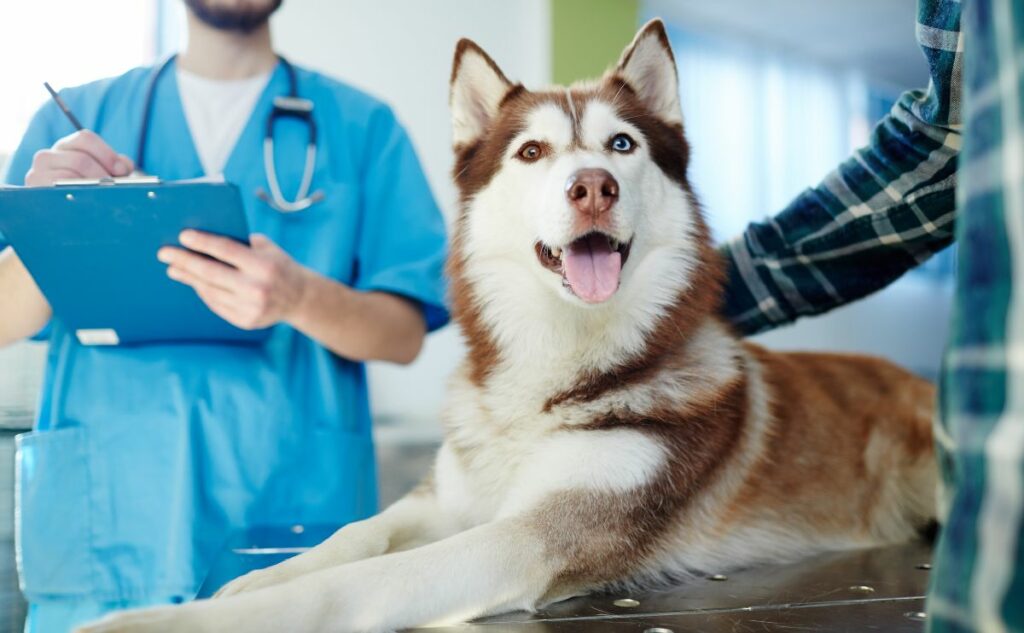
That doesn’t mean they’re free from inherited health concerns. Prospective owners should still understand the conditions most commonly seen in each breed and work with breeders who perform appropriate health testing.
Common Health Concerns
Because they share similar Arctic ancestry, Huskies and Malamutes are prone to several of the same health issues.
Conditions seen in both breeds include:
- Hip dysplasia
- Cataracts
- Progressive retinal atrophy (PRA)
- Other inherited eye disorders
- Hypothyroidism
The national breed clubs for both breeds recommend hip and ophthalmologic evaluations to screen for many of these conditions.
While both breeds are generally healthy, Siberian Huskies are often considered the hardier of the two and typically enjoy a slightly longer average lifespan.
Alaskan Malamutes have a few additional inherited conditions owners should be aware of. One is polyneuropathy, a neurological disorder that can affect coordination, movement, and exercise tolerance. Responsible breeders should screen breeding dogs for this condition.
Malamutes may also be affected by Von Willebrand disease, an inherited bleeding disorder that interferes with normal blood clotting.
Because Malamutes are significantly larger and heavier than Huskies, they can also experience greater strain on their joints as they age, making weight management especially important throughout their lives.
Which Breed Usually Lives Longer?
The Siberian Husky typically has a slight advantage when it comes to longevity. Most Huskies live between 12 and 14 years, with some reaching their mid-teens when provided with excellent care.
Alaskan Malamutes generally live between 10 and 14 years, though many fall closer to the lower end of that range due to their larger size.
As a general rule, larger dogs tend to age faster than smaller dogs, which helps explain the Husky’s modest lifespan advantage.
Quick Takeaway
Neither breed has a dramatic health advantage over the other, and responsible breeding practices play a major role in long-term health outcomes.
- Choose a Husky if a longer average lifespan is important to you.
- Choose a Malamute if you prefer their temperament and lifestyle fit, but be aware of the additional orthopedic and inherited health concerns that can accompany a larger, heavier breed.
Grooming: The Fur Situation
If you’re hoping one of these breeds sheds less than the other, you’re going to be disappointed. Both Siberian Huskies and Alaskan Malamutes have thick double coats designed to protect them from extreme Arctic weather. That means both are heavy shedders and require regular grooming throughout the year.
The good news? Neither breed requires complicated haircuts or frequent trips to the groomer.
Shedding Seasons
Both breeds experience seasonal “coat blows,” typically in the spring and fall. During these periods, the undercoat sheds in large amounts over a relatively short period of time. Expect fur on your clothes, furniture, floors, and just about everywhere else.
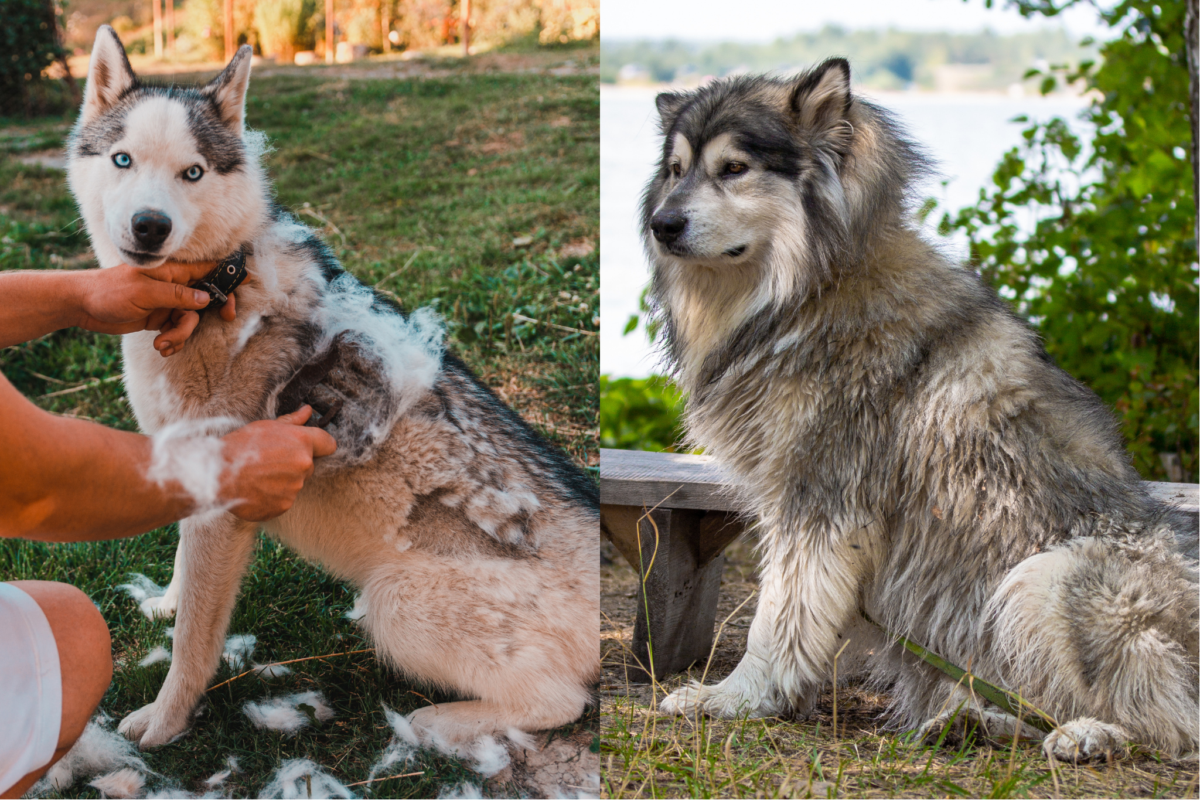
Many owners find that daily brushing is necessary during peak shedding season to keep loose fur under control.
While both breeds shed heavily, Malamutes often appear to shed more simply because they are larger dogs with denser coats.
Coat Maintenance
Outside of shedding season, most Huskies and Malamutes benefit from brushing two to three times per week. Regular brushing helps:
- Remove loose fur
- Prevent matting
- Distribute natural skin oils
- Reduce the amount of hair around the house
Neither breed needs frequent baths. In fact, bathing too often can strip the coat of natural oils and contribute to dry skin.
Most owners find that bathing every few months or as needed works well unless the dog gets particularly dirty. Because both breeds have dense undercoats, it’s important to ensure the coat is thoroughly rinsed and dried after bathing to help prevent skin irritation and moisture-related issues.
Grooming At A Glance
| Grooming Task | Siberian Husky | Alaskan Malamute |
|---|---|---|
| Brushing | 2–3 times weekly | 2–3 times weekly |
| Shedding | Heavy | Heavy to very heavy |
| Seasonal Coat Blow | Yes | Yes |
| Professional Grooming Required | Usually optional | Sometimes helpful during shedding season |
| Haircuts Needed | No | No |
Quick Takeaway
Neither breed is a low-maintenance choice when it comes to fur. If you don’t mind regular brushing and seasonal tumbleweeds of dog hair, both coats are relatively straightforward to maintain.
If the idea of finding fur on your couch, clothes, car, and occasionally in your morning coffee sounds unbearable, you may want to consider a different breed altogether.
Cost Of Ownership
The purchase price is only a small part of what it costs to own a Siberian Husky or an Alaskan Malamute. Both breeds require quality food, ongoing veterinary care, training, equipment, and enough enrichment to keep an intelligent working dog happy. Over the course of a lifetime, those expenses can add up quickly.
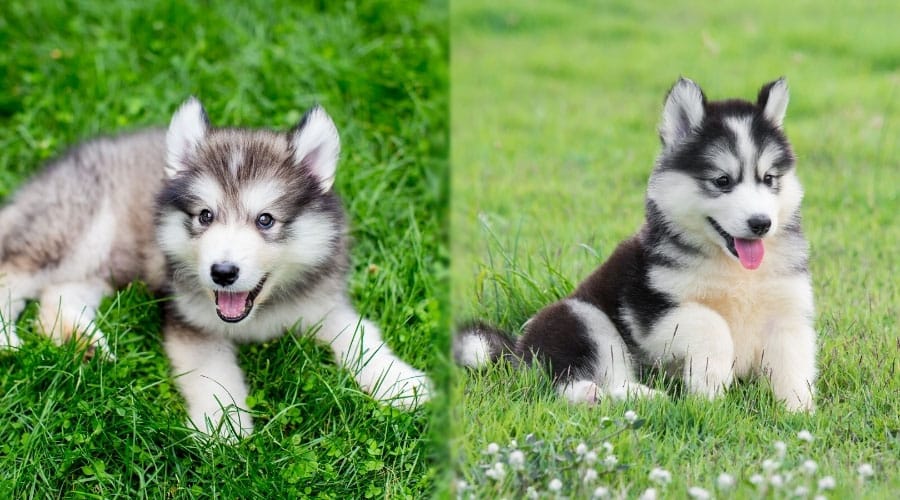
Puppy Prices
Prices vary significantly depending on breeder reputation, pedigree, health testing, geographic location, and demand.
| Breed | Typical Puppy Price |
|---|---|
| Siberian Husky | $800–$2,000+ |
| Alaskan Malamute | $1,200–$3,000+ |
Puppies from champion bloodlines, working lines, or breeders with extensive health testing may cost substantially more.
Adoption is another option worth exploring. Breed-specific rescues often have adult Huskies and Malamutes looking for homes, usually at a fraction of the cost of purchasing a puppy.
Food Costs
One of the biggest differences between these breeds is simply their size. Because Alaskan Malamutes are significantly larger, they typically eat more than Siberian Huskies. While individual needs vary based on age, activity level, and metabolism, most Malamute owners should expect higher monthly food bills.
That difference becomes even more noticeable if you choose premium, fresh, or performance-oriented diets.
Veterinary Expenses
Routine veterinary costs are similar for both breeds and include:
- Annual wellness exams
- Vaccinations
- Preventive medications
- Dental care
- Emergency medical expenses
However, larger dogs often generate larger veterinary bills over time. Orthopedic issues, medications, anesthesia, and surgical procedures can all cost more for a 90-pound Malamute than for a 50-pound Husky.
Pet insurance can help offset unexpected expenses and may be worth considering for either breed.
Quick Takeaway
The Siberian Husky is usually the less expensive breed to own overall, thanks largely to its smaller size and lower food costs. The Alaskan Malamute isn’t dramatically more expensive, but owners should budget for higher food consumption, larger equipment, and potentially higher medical expenses throughout the dog’s lifetime.
Regardless of which breed you choose, the biggest investment isn’t the purchase price. It’s the time, training, exercise, and commitment these hardworking dogs require every day.
Why These Arctic Breeds Developed Differently
At first glance, Siberian Huskies and Alaskan Malamutes can seem like close relatives. They share a wolf-like appearance, thick double coats, and a long history as sled dogs.
The reason they feel different in everyday life comes down to the jobs they were originally bred to perform.
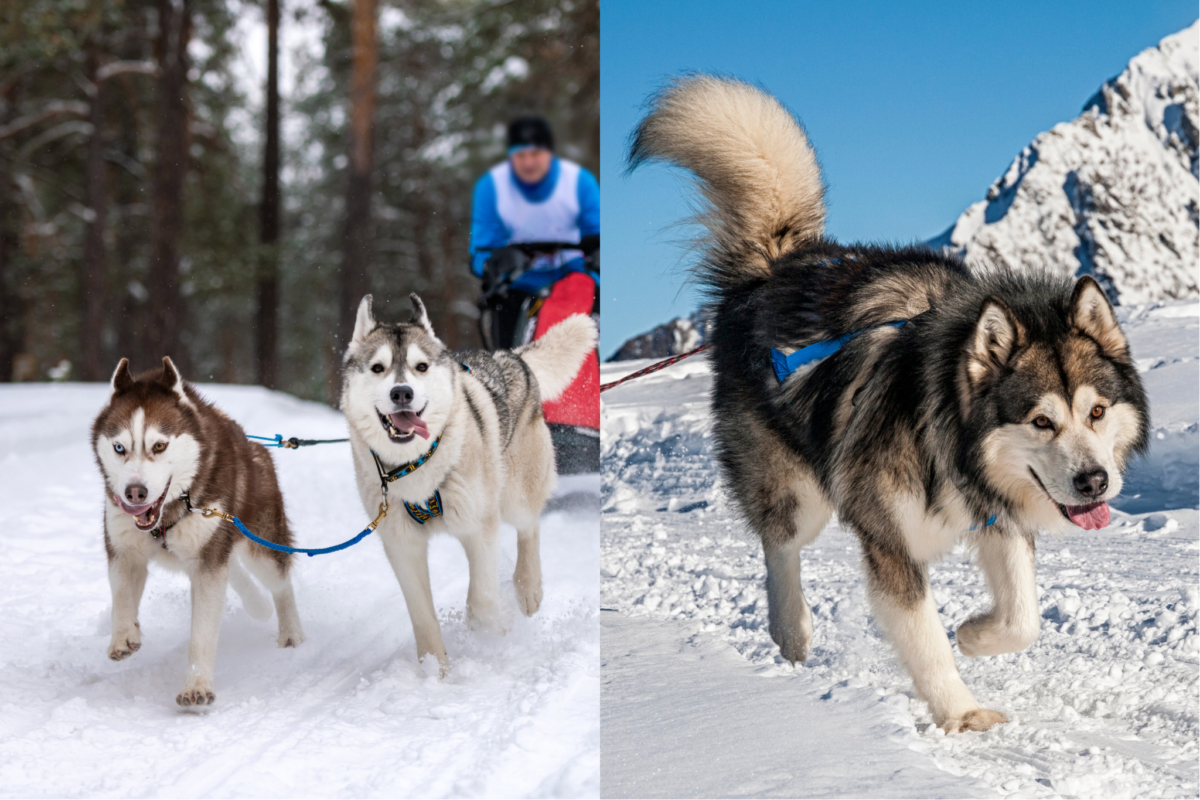
Siberian Husky History
The Siberian Husky was developed by the Chukchi people of northeastern Siberia thousands of years ago.
Their goal wasn’t to create the biggest or strongest sled dog. Instead, they needed a dog that could travel long distances efficiently while pulling lighter loads across vast stretches of frozen terrain.
That breeding history helps explain many of the traits Huskies are known for today. They’re typically lighter, faster, more agile, and built for endurance rather than brute strength.
The breed gained worldwide recognition in 1925 during the famous Serum Run to Nome, when teams of sled dogs transported life-saving diphtheria antitoxin across Alaska. One of the lead dogs involved in the final relay, Balto, remains one of the most famous dogs in history.
Alaskan Malamute History
The Alaskan Malamute traces its roots to the Mahlemut people of northwestern Alaska.
While Huskies were bred for speed, Malamutes were developed to haul heavy freight through harsh Arctic conditions. Their job required power, endurance, and the ability to pull substantial loads over difficult terrain.
As a result, modern Malamutes are larger, stronger, and more heavily built than Huskies.
That working heritage still influences the breed today. Many of the qualities owners love about Malamutes, including their strength, resilience, and determination, can be traced directly back to their original purpose as Arctic freight dogs.
Why It Matters Today
The easiest way to remember the difference is this:
- Siberian Husky: Built for speed and distance.
- Alaskan Malamute: Built for power and heavy hauling.
Thousands of years later, those differences still show up in their size, energy style, training challenges, and day-to-day personalities. Understanding their history helps explain why these two Arctic breeds may look similar but often feel very different to live with.
Which Breed Fits Your Life Better?
Despite their similar appearance, Siberian Huskies and Alaskan Malamutes often appeal to different types of owners.
Neither breed is easy, but one may fit your lifestyle significantly better than the other.
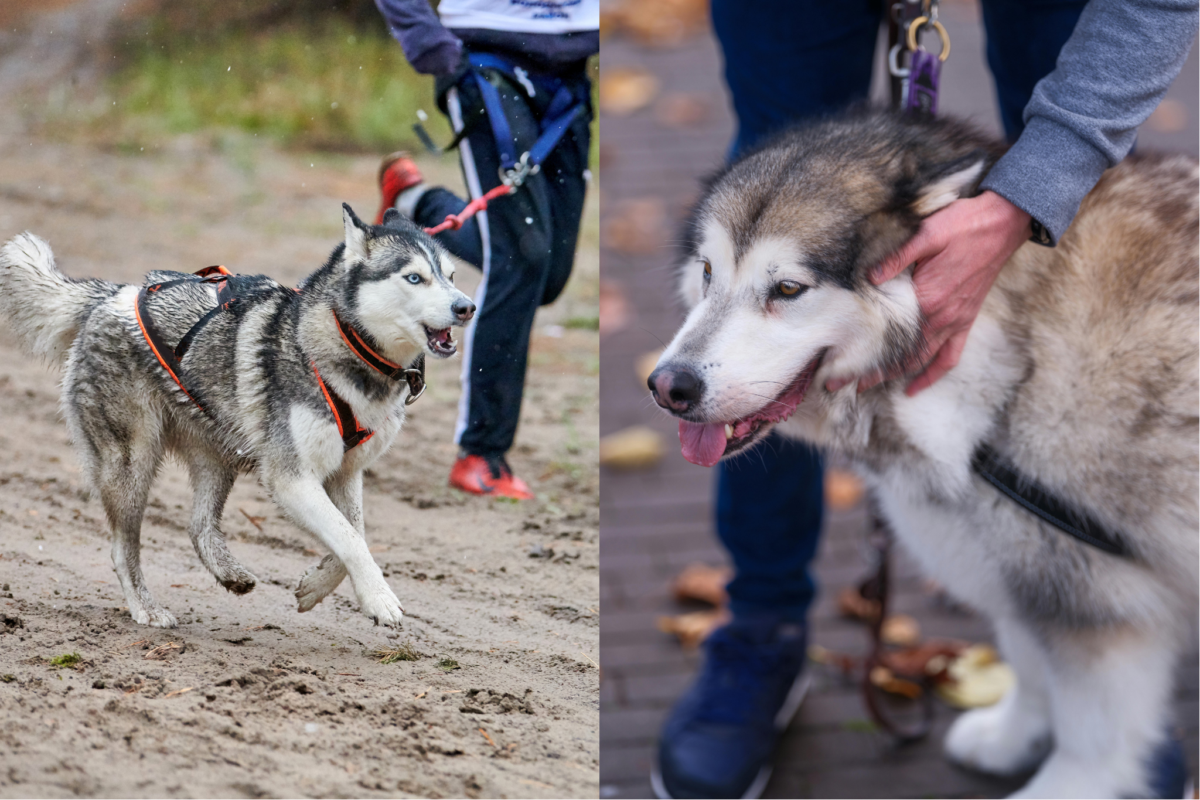
Choose A Husky If…
A Siberian Husky may be the better fit if you:
- Want a smaller, more manageable Arctic breed
- Enjoy running, hiking, and active outdoor adventures
- Don’t mind a vocal dog with a big personality
- Prefer a more social dog that generally gets along well with other dogs
- Like a playful, energetic companion that keeps life interesting
- Want a breed that typically lives a little longer
Be prepared for plenty of exercise, shedding, and occasional acts of canine mischief.
Choose A Malamute If…
An Alaskan Malamute may be the better fit if you:
- Prefer a larger, more substantial dog
- Appreciate a calmer energy level indoors
- Want a powerful companion for hiking, backpacking, or outdoor activities
- Don’t mind managing a strong, independent personality
- Prefer a dog that is generally less vocal than a Husky
- Have the space and physical ability to handle a giant working breed
Just remember that a calmer Malamute is not necessarily an easier dog. Their strength and stubbornness can present challenges of their own.
Neither Breed Is A Good Fit If…
You may want to consider a different breed if you:
- Want a low-energy dog
- Dislike heavy shedding
- Need a dog that can be left alone for long periods
- Want reliable off-leash freedom
- Are unable to provide at least 90 minutes of daily activity
- Prefer a highly obedient, eager-to-please temperament
- Live in housing with strict breed, size, or pet restrictions
- Aren’t prepared for the training and management needs of a working dog
Quick Verdict
Choose the Siberian Husky if you want a lighter, faster, more social adventure companion and don’t mind living with a dog that always seems to have an opinion.
Choose the Alaskan Malamute if you want a larger, stronger, more powerful working dog and are comfortable managing the responsibility that comes with that size and independence.
Neither choice is wrong. The best Arctic dog is simply the one whose challenges match your lifestyle.
5 Mistakes People Make When Choosing Between A Husky & Malamute
Many people choose between a Siberian Husky and an Alaskan Malamute based on appearance alone. Unfortunately, that’s also how many owners end up with the wrong dog for their lifestyle.
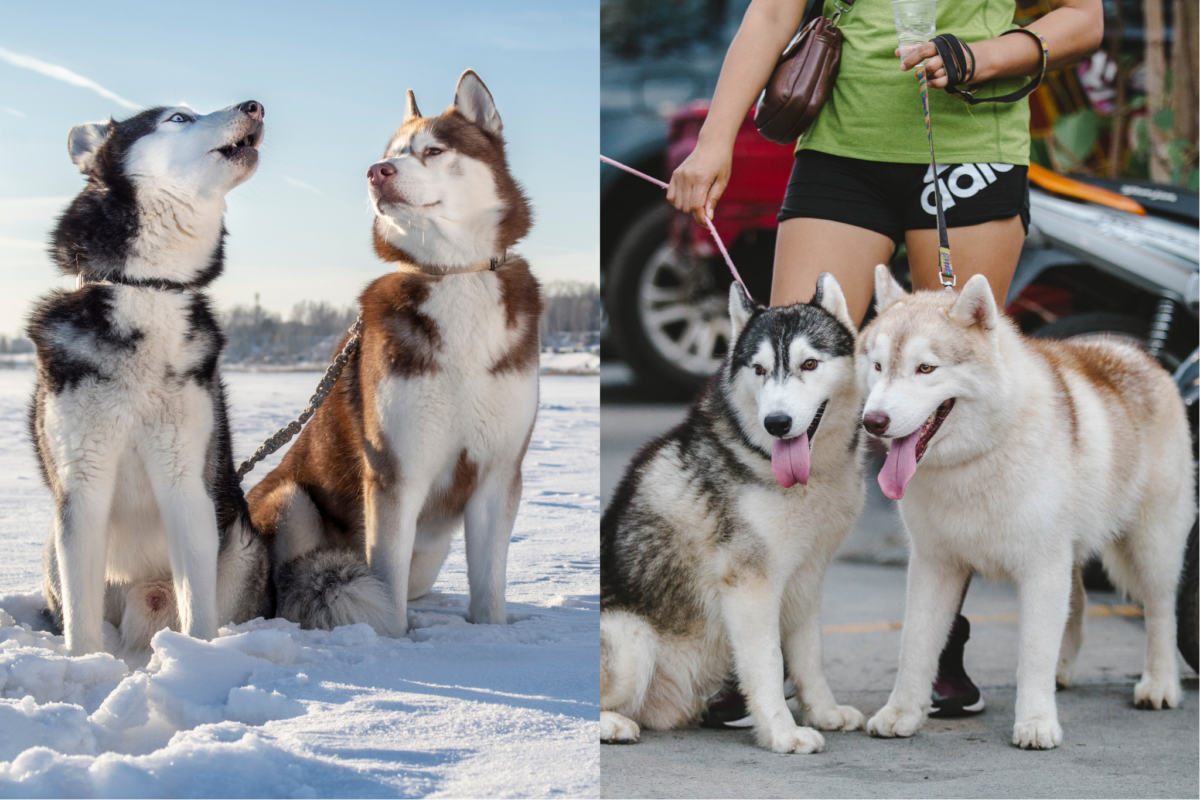
Before making your decision, watch out for these common mistakes.
1. Assuming They’re Basically The Same Breed
This is by far the most common misconception.
Both are Arctic sled dogs with wolf-like looks, thick coats, and endless energy, but they were developed for different jobs. Huskies were bred for speed and endurance, while Malamutes were bred for strength and heavy hauling.
Those differences still affect their size, personality, exercise needs, and day-to-day behavior today.
2. Underestimating Their Exercise Requirements
Neither breed is a casual weekend-walk dog.
Many owners are surprised by how much physical activity and mental stimulation these dogs need to stay happy. A bored Husky or Malamute will often create its own entertainment, and owners rarely enjoy the results.
If you’re looking for a dog that’s content lounging around most of the day, neither breed is likely to be a good fit.
3. Choosing Based On Looks Instead Of Lifestyle
It’s easy to fall in love with the striking blue eyes of a Husky or the impressive size of a Malamute.
The better question is: Can I live with this breed’s personality, energy level, and daily needs for the next 10 to 15 years?
The most successful owners choose the dog that fits their lifestyle, not the one that looks best in photos.
4. Expecting Reliable Off-Leash Freedom
Many first-time owners underestimate just how independent these breeds can be. Even well-trained Huskies and Malamutes may decide that chasing wildlife, following a scent, or exploring the horizon sounds more exciting than coming back when called.
A secure yard and realistic expectations are essential for both breeds.
5. Thinking A Bigger Dog Means A Harder Dog
Some people automatically assume the larger Malamute must be more challenging. Others assume the smaller Husky will be easier to manage. In reality, they simply present different challenges.
A Husky often tests owners with constant activity, curiosity, and escape attempts. A Malamute often tests owners with strength, stubbornness, and physical power.
Neither breed is objectively easier. The better choice depends on which challenges you’re more prepared to handle.
Frequently Asked Questions
Still deciding between a Siberian Husky and an Alaskan Malamute? These are some of the most common questions prospective owners ask when comparing these two Arctic breeds.
Don’t see your question? Respond in the comments, and we’ll get back to you!
What Is The Difference Between A Siberian Husky And An Alaskan Malamute?
The biggest difference is what they were originally bred to do. Siberian Huskies were developed to pull lighter loads over long distances at relatively high speeds, while Alaskan Malamutes were bred to haul heavy freight through harsh Arctic conditions. As a result, Huskies are generally smaller, lighter, and more energetic, while Malamutes are larger, stronger, and more physically powerful.
Is A Husky Or Malamute Bigger?
The Alaskan Malamute is significantly larger than the Siberian Husky. Most Huskies weigh between 45 and 60 pounds, while Malamutes commonly weigh between 75 and 100 pounds or more. Malamutes also tend to be taller, broader, and more heavily built.
Which Breed Is Easier To Train?
Neither breed is considered especially easy to train.
Both are intelligent working dogs with an independent streak. However, many owners find Huskies slightly easier to motivate, while Malamutes are often described as more stubborn and determined.
Success with either breed depends on consistency, positive reinforcement, and realistic expectations.
Do Huskies Or Malamutes Shed More?
Both breeds are heavy shedders with thick double coats. Malamutes often appear to shed more because they are larger dogs with denser coats, but owners of either breed should expect significant shedding year-round and especially during seasonal coat blows.
Which Breed Is Better For Families?
Both can make excellent family dogs when properly trained and socialized.
Huskies are often more outgoing and playful, while Malamutes tend to be calmer and more reserved. The better choice depends less on the family itself and more on whether the household can meet the breed’s exercise, training, and grooming needs.
Can Huskies And Malamutes Live In Hot Climates?
Yes, but owners need to take precautions.
Both breeds were developed for cold environments and can struggle in extreme heat. Exercise should be scheduled during cooler parts of the day, fresh water should always be available, and dogs should have access to shade and air-conditioned spaces when temperatures rise.
Are Huskies And Malamutes Good For First-Time Owners?
Generally, neither breed is considered ideal for first-time dog owners. Both require extensive exercise, consistent training, secure containment, and owners who understand independent working breeds. Experienced or highly committed owners tend to have the most success with both Huskies and Malamutes.
Still Exploring Arctic & Wolf-Like Dog Breeds?
If you’re drawn to the rugged, wolf-like appearance of Siberian Huskies and Alaskan Malamutes but aren’t completely sold on either breed yet, here are a few other dogs worth exploring:
- Samoyed – Known for their famous “Sammy smile,” these fluffy Arctic dogs are often more people-oriented and eager to please than Huskies or Malamutes.
- American Eskimo Dog – A smaller, highly trainable Spitz breed that offers many of the same Arctic-dog looks in a more manageable package.
- Wolf-Like Dog Breeds – Discover some of the most striking wolf look-alikes, from ancient northern breeds to modern companions with a wild appearance.
- Dogs That Look Like Coyotes – Love the wild canine aesthetic? Explore breeds that are frequently mistaken for coyotes thanks to their coloring, build, and primitive features.
No matter which breed catches your eye, the best dog isn’t necessarily the most beautiful or impressive. It’s the one whose personality, exercise needs, and daily challenges fit your lifestyle for years to come.