When you purchase through links on our site, we may earn a commission at no extra cost to you. Learn more.
Choosing between a Bernedoodle and a Sheepadoodle can feel like choosing between two versions of the same dog. They’re both large, fluffy doodles with friendly personalities and low-shedding coats. But once you get past appearances, they can fit into daily life very differently.
Table of Contents
One tends to be calmer and more laid-back. The other is usually more energetic, goofy, and mentally busy. Let’s figure out which kind of doodle actually fits your life.
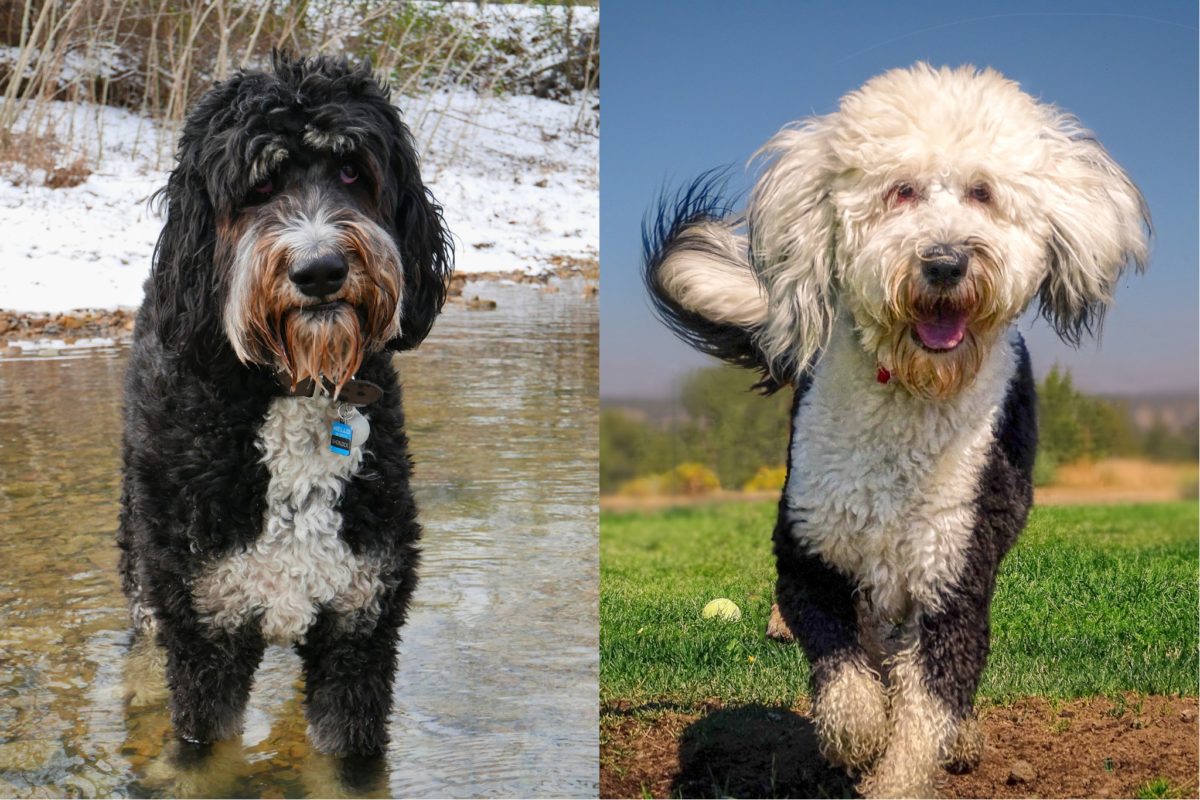
Breed Comparison
- SizeSmall → Large
- SizeSmall → Large
- CoatWavy/curly, low shedding
- CoatWavy/curly, low shedding
- TemperamentGood-Natured, Affectionate, Loyal
- TemperamentGentle, Social, Lively
- EnergyModerate to High
- EnergyHigh
- GroomingHigh
- GroomingHigh
- Lifespan12-15 years
- Lifespan12-15 years
- Puppy Costs$2,000+
- Puppy Costs$1,000+
Start Here: The Difference Most Families Notice Too Late
At first, Bernedoodles and Sheepadoodles can seem almost interchangeable. They’re both large Poodle mixes with fluffy coats, playful personalities, and family-friendly reputations. But once they settle into daily life, most owners notice one major difference: the energy inside the home feels completely different.
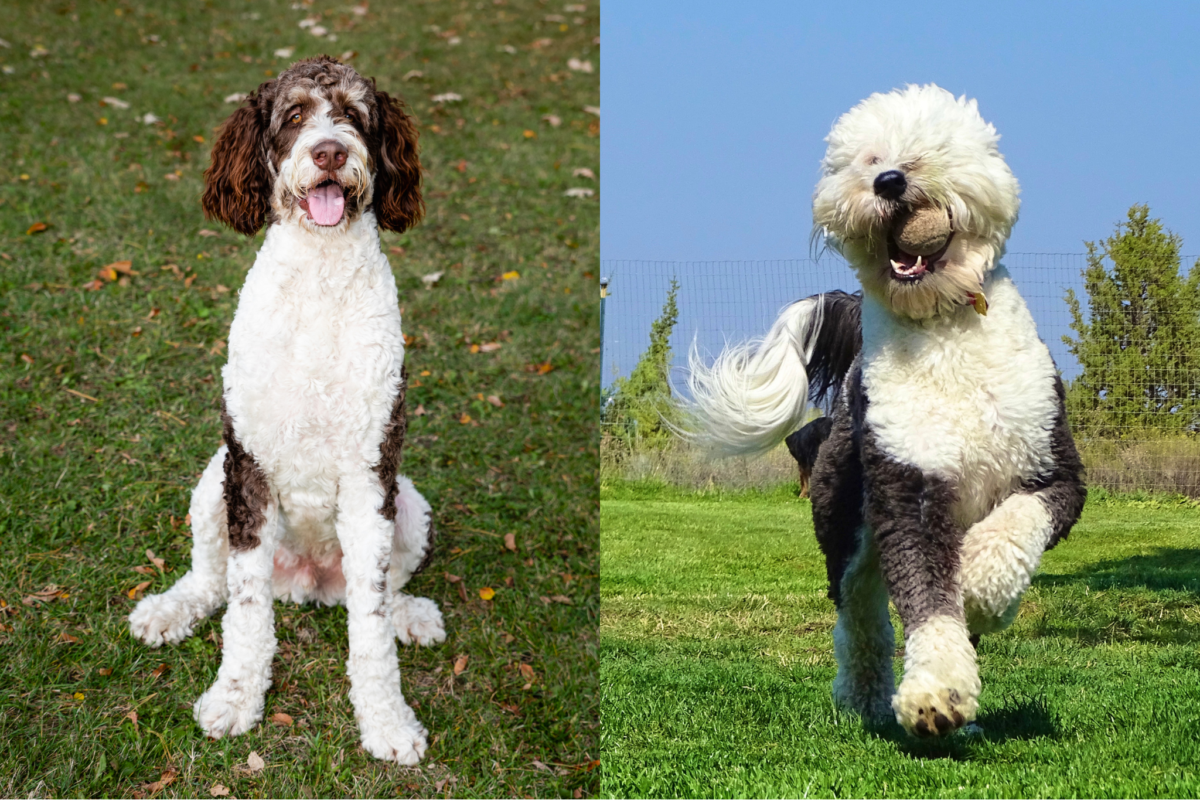
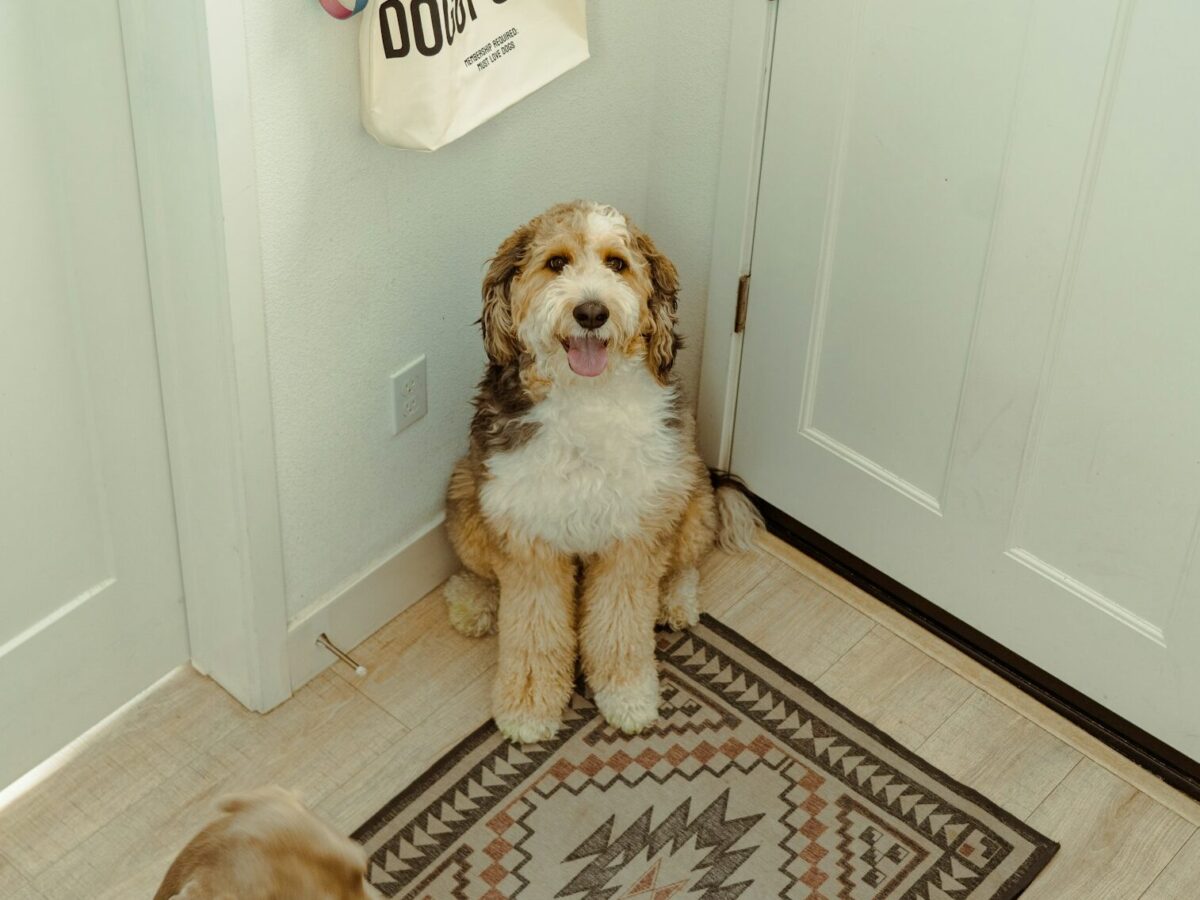
Bernedoodles tend to be calmer, softer, and more emotionally laid-back. Many are perfectly happy lounging near their people after a walk or play session.
Sheepadoodles are usually busier both physically and mentally. They often want more interaction, more activity, and more stimulation throughout the day.
That difference may not sound huge on paper. In reality, it can completely change how challenging or manageable daily life feels.
The Puppy Phase Is Intense
Adolescent phases can be loud, chaotic, and exhausting. Sheepadoodles often push these challenges further because of their higher energy, intelligence, and herding instincts. Bernedoodles are usually calmer, but their size and stubborn streak can still make puppyhood feel chaotic.
These breeds can absolutely become incredible family dogs. But they usually do best with owners who expect involvement, structure, grooming upkeep, and daily interaction.
Quick Takeaway: Energy Differences
- Bernedoodle: Cuddly companion energy
- Sheepadoodle: Playful buddy energy
Neither is better. They simply fit different households better.
The Coat Question (Shedding, Grooming & The Hypoallergenic Myth)
For many families, the coat is one of the biggest reasons these breeds make the shortlist in the first place. Both Bernedoodles and Sheepadoodles are often described as low-shedding or hypoallergenic. While they usually shed less than many traditional breeds, the reality is much more complicated.
Low shedding does not mean low maintenance. Both breeds require regular brushing, professional grooming, and coat upkeep to prevent painful mats and tangles. Their coats can trap dirt, moisture, and loose hair close to the skin, especially around friction areas like the ears, collar line, legs, and tail.
Why Sheepadoodle Coats Can Feel More Intense
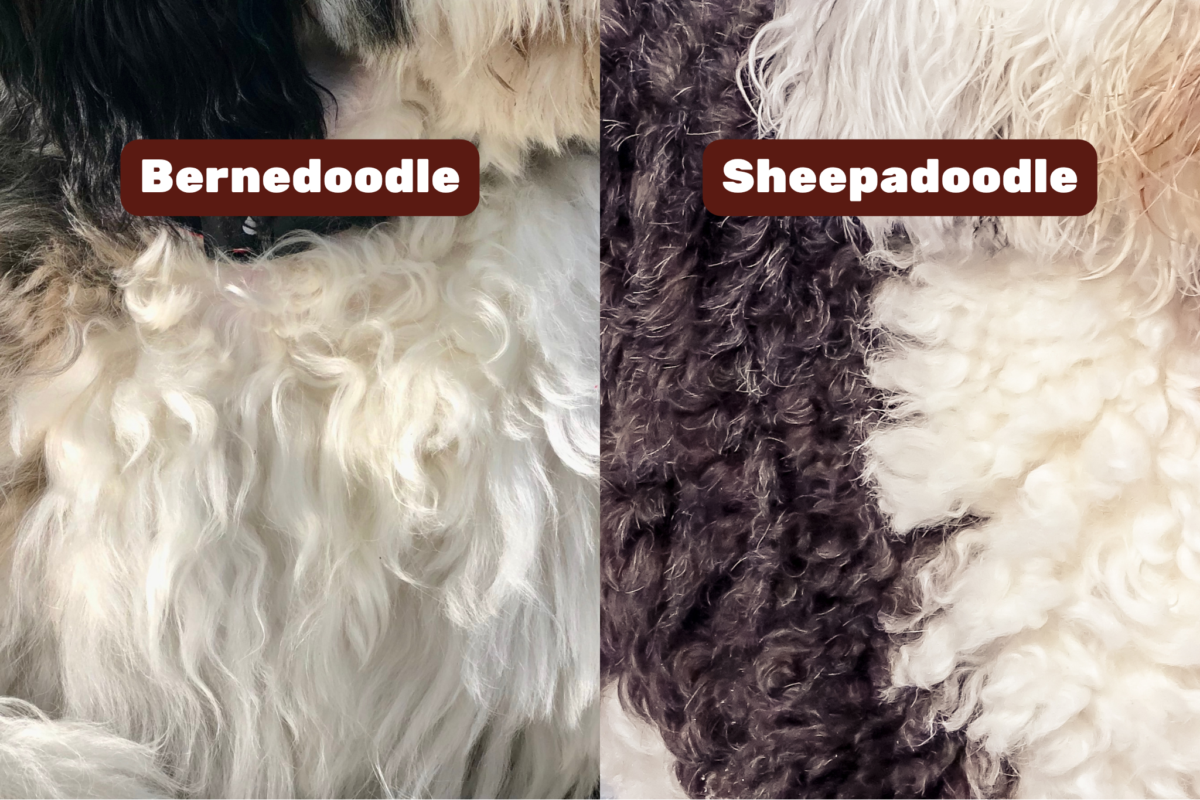
Sheepadoodles often inherit a dense, cotton-like coat from the Old English Sheepdog side. These coats can become extremely thick and high-maintenance, especially during adolescence when adult texture starts coming in.
Many owners are surprised by:
- How quickly mats form
- How much brushing is required
- How long drying takes after baths
- How easily debris gets trapped in the coat
Sheepadoodle coats tend to create a very fluffy, rounded appearance that many people love aesthetically, but that fluff often requires significant upkeep.
Bernedoodle Coats Are Often More Variable
Bernedoodles typically have looser waves or softer curls, though coat texture still varies widely depending on genetics. Some stay relatively manageable, while others develop dense, matting-prone coats similar to other doodles.
Tri-color Bernedoodles are especially popular, but color does not predict coat type, shedding level, or grooming difficulty.
Important Reality Check About “Hypoallergenic”
Neither breed is truly hypoallergenic. Some dogs may be easier for allergy-sensitive households to tolerate because they shed less and release less dander into the environment. However, coat type, grooming frequency, saliva proteins, and individual sensitivity all matter.
Even dogs from the same litter can have dramatically different coats. This unpredictability is where many allergy-sensitive owners get caught off guard.
Still Comparing Doodles?
If you’re still exploring doodle personalities and coat types, it may also help to compare other Poodle-based breeds before deciding. Explore our guides to other Poodle mixes to see how they compare.
They Look Similar, But Their Build Feels Completely Different
Bernedoodles and Sheepadoodles may fall into the same doodle category, but their body structure, movement, and overall presence can feel surprisingly different in real life.
Size & Weight
Both breeds come in standard and mini sizes, though standard-sized dogs are far more common. Bernedoodles are typically the heavier, bulkier dogs overall. Sheepadoodles may look fluffy, but many have a leaner frame underneath all that coat.
| Dog | Height | Weight |
|---|---|---|
| Standard Bernedoodle | 22–27 in. | 70–90+ lbs. |
| Mini Bernedoodle | 18–22 in. | 25–50 lbs. |
| Micro Bernedoodle | 12–17 in. | 10–24 lbs. |
| Standard Sheepadoodle | 20–27 in. | 60–85 lbs. |
| Mini Sheepadoodle | 15–20 in. | 25–45 lbs. |
Body Shape & Build
Bernedoodles often inherit the Bernese Mountain Dog’s broader chest, thicker frame, and heavier bone structure. They usually feel sturdy and substantial, even when standing still.
Sheepadoodles often inherit a more upright, athletic build from the combination of the Old English Sheepdog and the Poodle. They often move with more bounce, speed, and springiness.
This difference becomes especially noticeable during walks and play sessions.
Face & Expression
Bernedoodles usually have softer, rounder facial expressions that many owners describe as sweet or emotionally expressive. Their eyes often give them a gentle, almost human-like look.
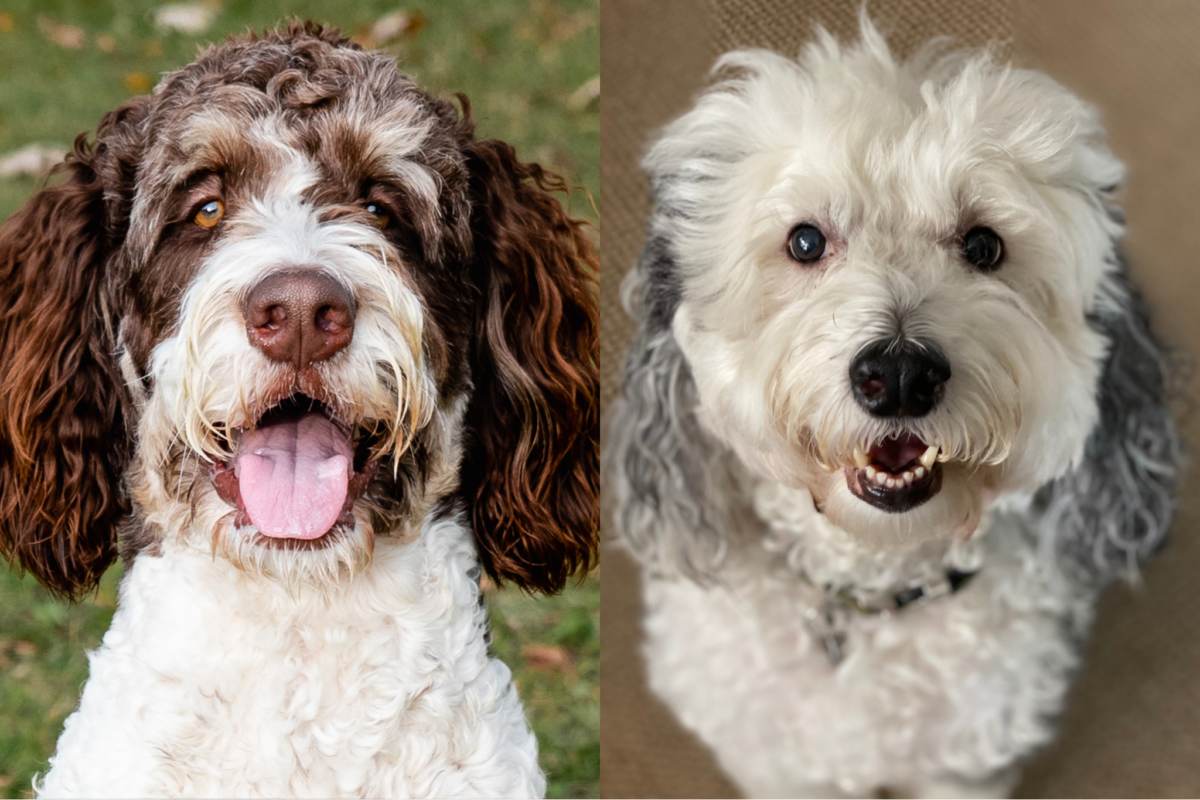
Sheepadoodles tend to look more alert, mischievous, and animated. Even when relaxed, many have an expression that feels mentally “on.”
Bernedoodles also commonly inherit the classic Bernese tri-color markings, while Sheepadoodles more often display black-and-white or shaggy sheepdog-style coloring.
Coat Texture & Color Variety
The most recognizable Bernedoodle pattern is the classic tri-color combination of black, white, and rust. Other common coat colors and patterns include phantom, sable, chocolate, red, parti-color, and merle (including tri-merle and phantom-merle variations).
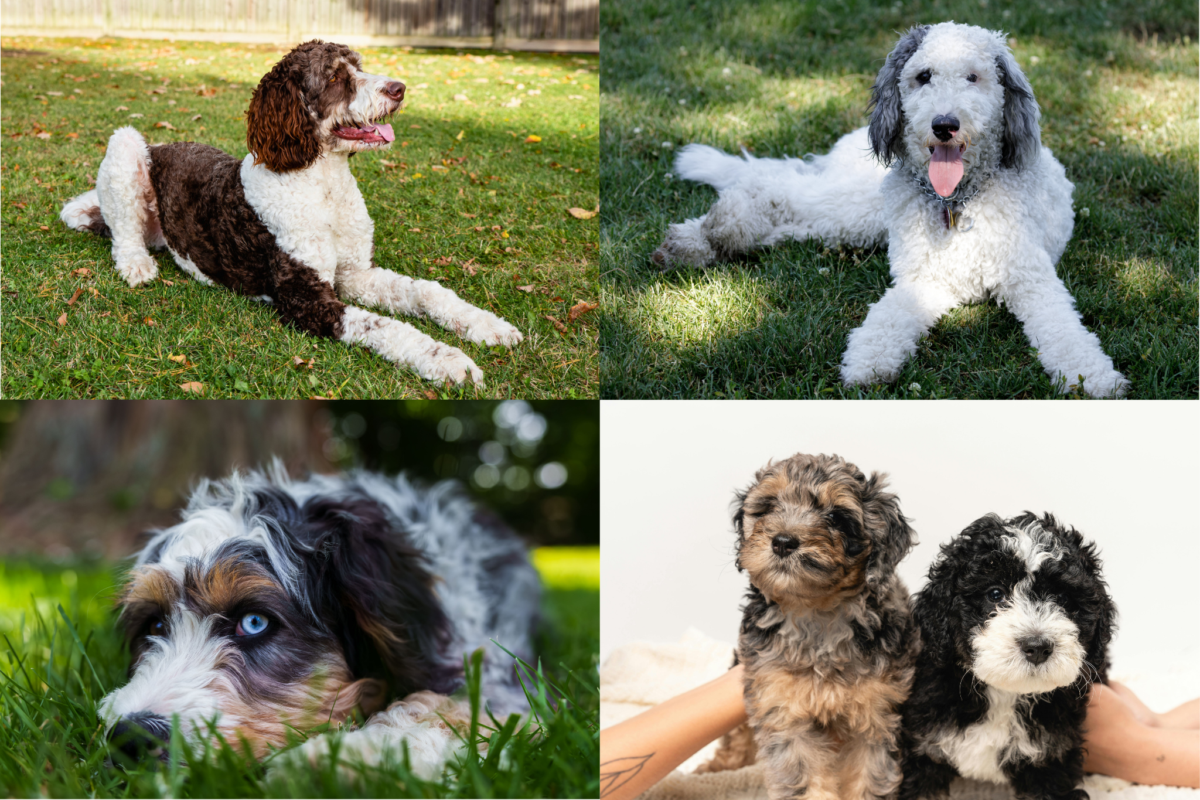
Bernedoodles can vary dramatically in both coat texture, especially across different generations.
- Wavy: The most common Bernedoodle coat type. These coats are soft, shaggy, silky, and typically lower shedding.
- Curly: These coats have dense, textured curls that are very low shedding but highly prone to matting without consistent brushing.
- Straight: The least common. This coat is often soft but flatter, resembling the Bernese Mountain Dog, and may shed more.
In general, the more Poodle genetics are involved, the more likely the dog is to have tighter curls, lower shedding, and a more allergy-friendly coat.
- F1B and F1BB are usually curlier and lower shedding because they contain a higher percentage of Poodle genetics.
- F2 are created from two doodle parents and often show much wider variation in coat texture, structure, and shedding.
- Multigen Bernedoodles are bred from multiple generations of doodles with the goal of creating more consistency in coat, temperament, and overall appearance.
Sheepadoodles are typically known for their fluffy, sheepdog-inspired coats. Many inherit a dense, cottony texture that gives the breed its famous rounded “muppet” look.
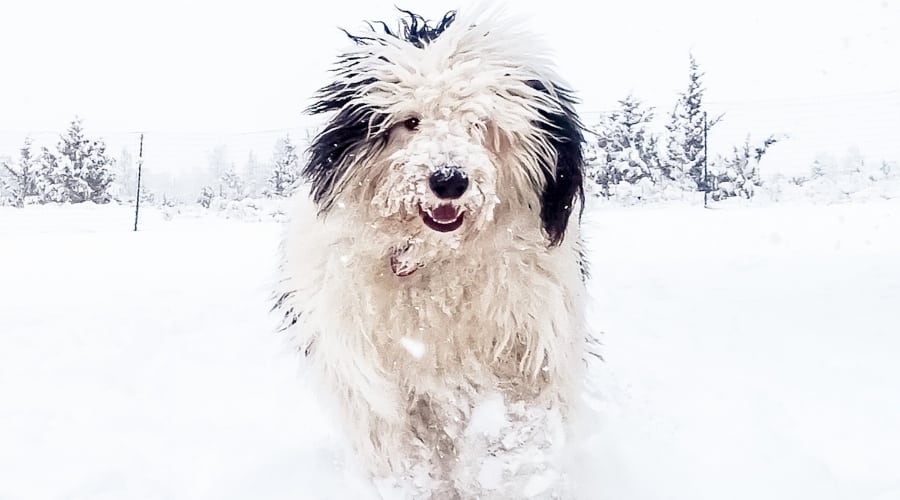
Their coats can range from loose waves to very tight curls depending on genetics and generation. Some develop dramatic volume and fluff during adolescence as the adult coat begins to replace the puppy coat.
Like Bernedoodles, generation influences coat predictability:
- Higher Poodle-content Sheepadoodles are usually curlier and lower shedding
- Earlier-generation Sheepadoodles often show more variation in texture and grooming difficulty
- Some inherit a straighter, shaggier Old English Sheepdog-style coat that can become extremely dense
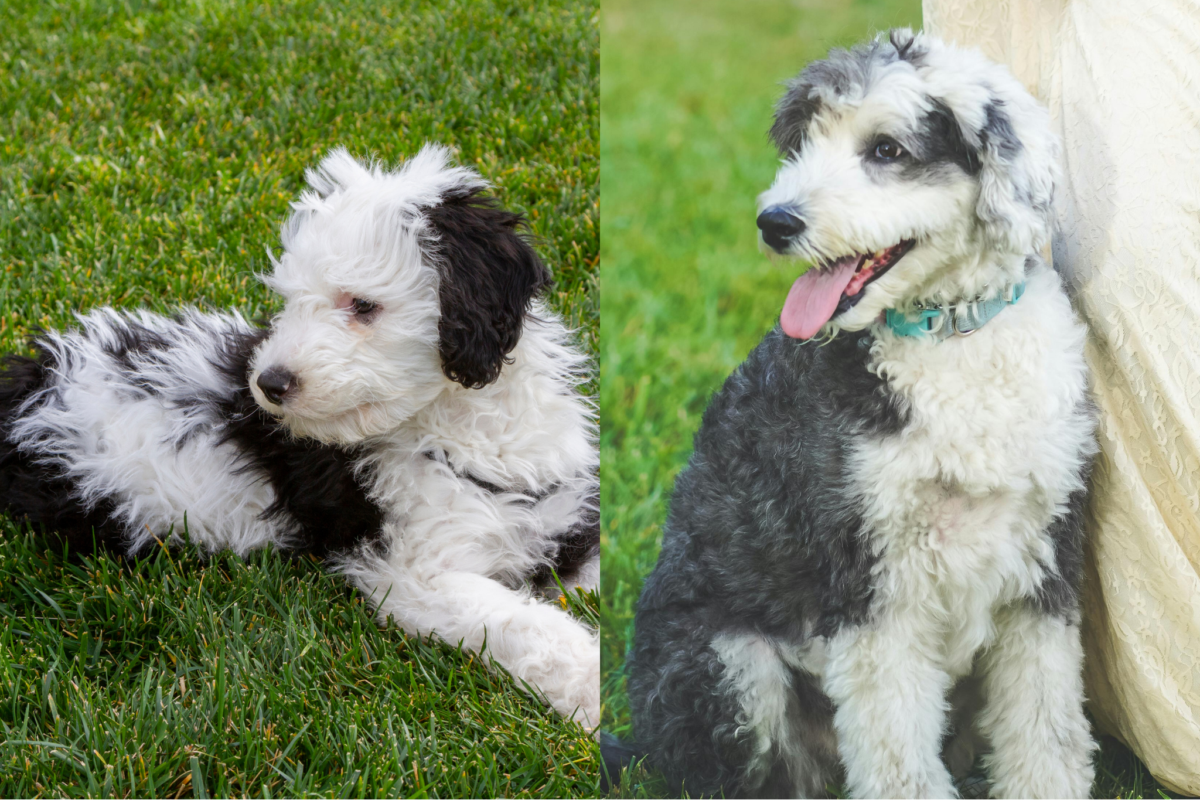
The most popular Sheepadoodle coat colors are black and white, gray and white, and solid black or white. Black Sheepadoodles may experience coat fading as they mature, gradually lightening into a charcoal or gray-toned color over time.
Same Smarts, Very Different Personalities (Temperament)
Both Bernedoodles and Sheepadoodles are highly intelligent, affectionate dogs that form deep bonds with their families. Where they differ most is how that personality shows up in everyday life.
Bernedoodle Temperament
Bernedoodles are often described as gentle, affectionate, and emotionally intuitive. Many love staying close to their people and are perfectly happy lounging nearby once their exercise needs are met.
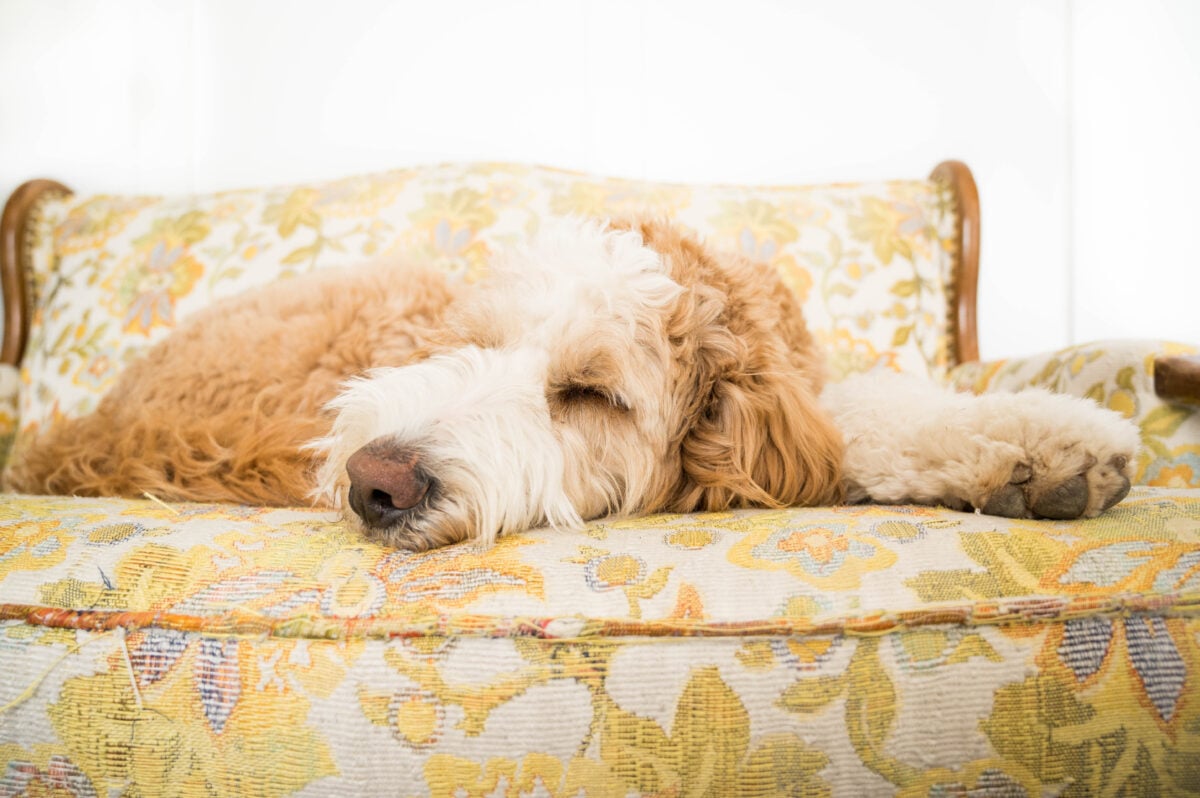
They also tend to be more sensitive than many owners expect. Harsh corrections, loud environments, or inconsistent routines can deeply affect them, so they often respond best to calm, positive reinforcement.
Common Bernedoodles Traits
- Affectionate and cuddly
- Emotionally sensitive
- Moderate indoor energy
- Sometimes stubborn
- Strong family attachment
Sheepadoodle Temperament
Sheepadoodles are energetic, playful, and mentally busy. They’re incredibly smart and often seem determined to keep themselves involved in absolutely everything happening in the house.
Many inherit strong herding instincts from the Old English Sheepdog side. This can show up through:
- Herding children or other pets
- Nipping during play
- Alert barking
- Shadowing family members around the home
- Constant demand for interaction or stimulation
Their goofy, animated personality is a huge part of their appeal, but without enough mental and physical engagement, that same intelligence can quickly turn into chaos.
Common Sheepadoodle Traits
- Playful and clownish
- Extremely social
- High mental energy
- More vocal and alert
- Easily bored without stimulation
Quick Takeaway: Couch Companion vs Chaos Coordinator
Bernedoodles often feel like giant teddy bears. They want closeness, comfort, and family time, and many are happiest when they’re simply near their people.
Sheepadoodles often feel like the endlessly entertaining friend who somehow makes every trip to the kitchen feel exciting.
Both breeds are loving, loyal, and highly intelligent. The difference is whether you want calmer emotional warmth or more playful, high-energy engagement woven into daily life.
Training, Energy & Living With Them Day To Day
Both Bernedoodles and Sheepadoodles are intelligent, trainable dogs that respond well to positive reinforcement. They’re affectionate, eager to bond with their families, and capable of learning quickly with consistent training.
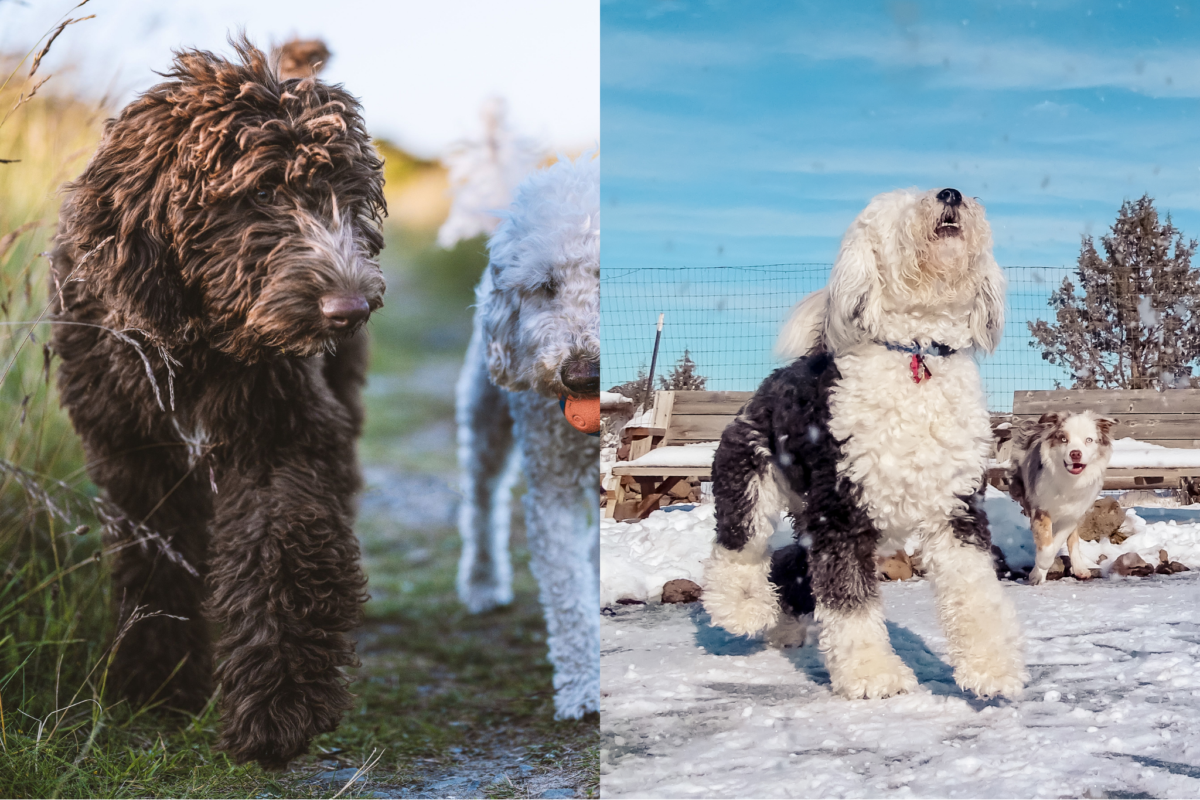
Energy Management Matters
Sheepadoodles often inherit strong working-dog and herding instincts from the Old English Sheepdog side. Without enough physical and mental stimulation, they can become loud, destructive, overstimulated, or difficult to settle.
Bernedoodles still need regular exercise and engagement, but they’re generally more content balancing activity with downtime. Many are perfectly happy going for a walk and then relaxing near their people afterward.
Training Differences Become More Obvious Over Time
Sheepadoodles usually learn extremely fast, but they also get bored quickly. Many need variety, structure, and ongoing mental challenges to stay engaged.
Bernedoodles are often easier emotionally, but they can be stubborn in their own way. Some lose interest in repetitive training or decide they are finished participating long before their owners agree.
What Daily Life Usually Looks Like
- Sheepadoodles thrive on stimulation, activity, and interaction
- Bernedoodles thrive on companionship and calmer routines
- Both benefit from daily walks, play, and training
- Both can develop separation anxiety if left alone too often
- Sheepadoodles often stay puppy-like mentally for longer
If you enjoy constant engagement, activity, and a little chaos, Sheepadoodles can be incredibly rewarding. If you want a doodle that feels calmer and easier to settle indoors, Bernedoodles are often the better fit.
Which One Fits Your Life Better?
Bernedoodles and Sheepadoodles can both become wonderful family dogs, but they don’t always thrive in the same environments. The better choice usually comes down to your household energy, schedule, and tolerance for noise, chaos, and grooming upkeep.
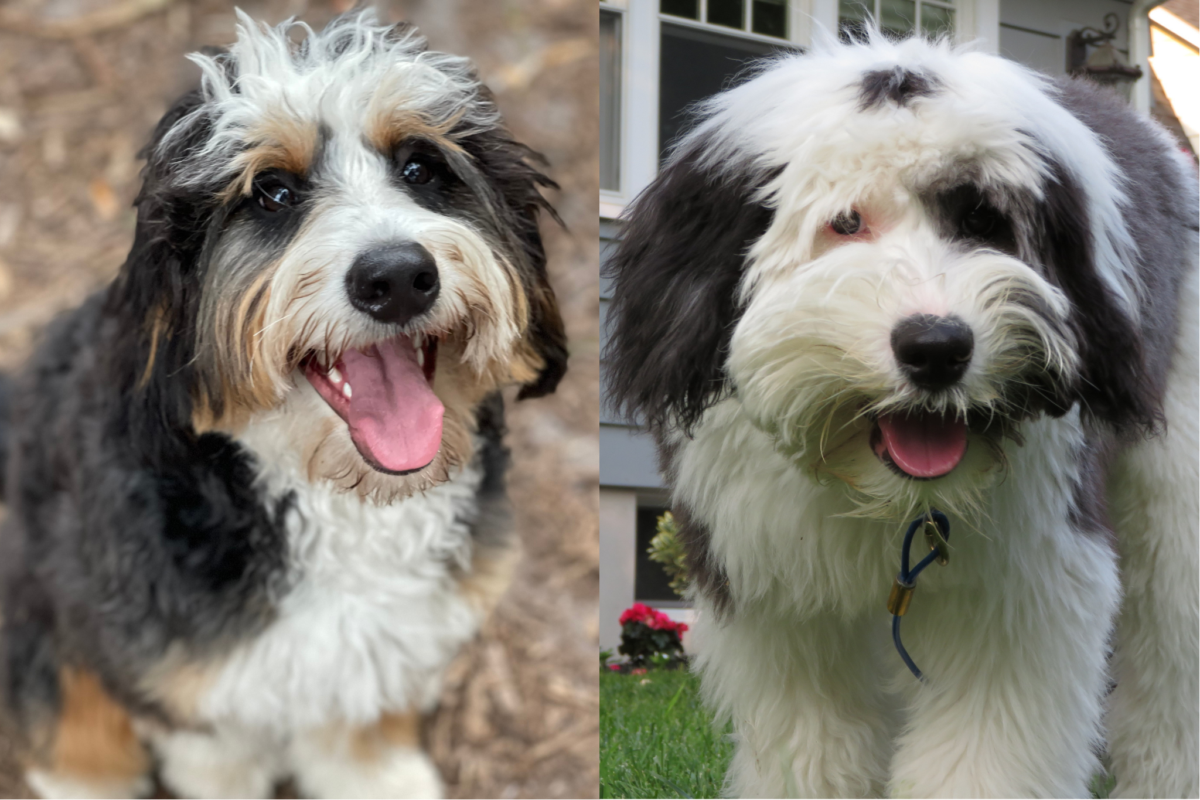
Families With Kids
Both breeds are usually affectionate and playful with children. Bernedoodles often lean gentler and more patient, especially in calmer households.
Sheepadoodles can become excellent family dogs too, but their herding instincts sometimes show up through chasing, bumping, or playful nipping during excitement. Early training matters here.
Apartments vs Yards
Neither breed is ideal for tiny apartments, especially in standard sizes. These are large, powerful dogs that need space to move comfortably.
That said, Bernedoodles generally adapt better to calmer indoor living if they receive regular walks and exercise. Sheepadoodles usually do best in homes with yards or owners who can provide substantial daily activity and mental stimulation.
First-Time Doodle Owners
Bernedoodles are often the easier introduction to doodle ownership. Their calmer indoor energy and softer temperament can feel more manageable for inexperienced owners.
Sheepadoodles can be incredibly rewarding, but they typically require more structure, consistency, and engagement. First-time owners sometimes underestimate how mentally demanding they can be.
People Wanting Hiking & Adventure Dogs
Sheepadoodles are usually the more energetic and adventure-oriented option. Many love long walks, hikes, training games, and active outdoor routines.
Bernedoodles can absolutely enjoy adventures too, but they’re often more content balancing activity with downtime and recovery afterward.
Grooming Is The Hidden Cost (Time, Money & Commitment)
Both Bernedoodles and Sheepadoodles are considered lower-shedding than many traditional breeds, but neither is low-maintenance. For many owners, grooming is one of the biggest surprises after puppyhood.
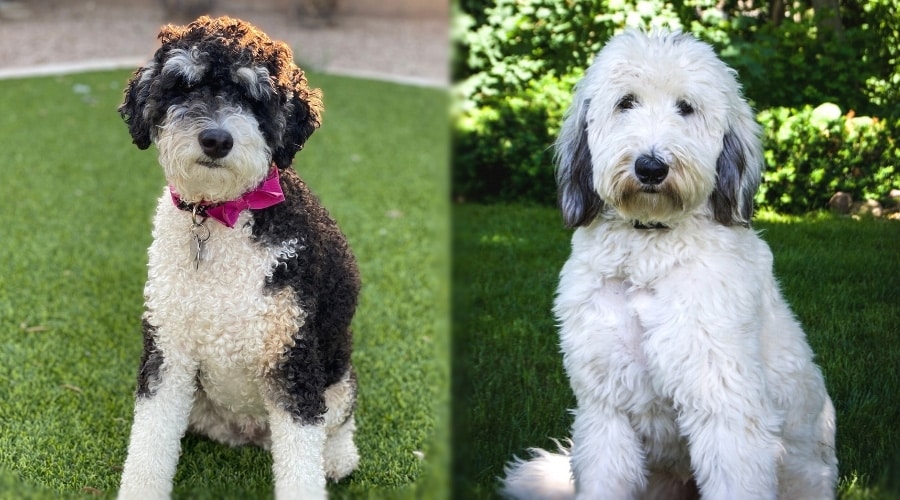
Professional grooming, regular brushing, and coat maintenance are non-negotiable with both breeds.
Grooming A Bernedoodle
Bernedoodle coats vary widely depending on genetics and generation. Some have loose, shaggy waves that are relatively manageable, while others inherit dense curls that mat quickly without consistent brushing.
Common grooming realities include:
- Brushing several times per week
- Professional grooming every 6–8 weeks
- Matting around the ears, collar line, legs, and tail
- Coat changes during adolescence
- Higher-maintenance coats in curlier generations
Many owners choose teddy bear cuts or shorter trims to make maintenance easier.
Grooming A Sheepadoodle
Sheepadoodles often inherit dense, fluffy coats that require even more upkeep than many people expect. Their cotton-like texture can trap dirt, moisture, and tangles very quickly.
Common Sheepadoodle grooming challenges include:
- Heavy brushing requirements
- Extremely dense adolescent coats
- Longer drying times after baths
- Frequent matting if neglected
- Beard staining and debris buildup around the face
Many Sheepadoodles need daily brushing during certain coat stages, especially if owners prefer a long, fluffy look.
The Reality Most Owners Underestimate
Low shedding does not mean less work. Both breeds require:
- Ongoing coat maintenance
- Professional grooming expenses
- Regular brushing routines
- Patience during coat transitions
For many families, grooming becomes a major part of everyday life with these dogs.
Bernedoodle vs Sheepadoodle: Health Concerns
Both Bernedoodles and Sheepadoodles are generally healthy, but both can still inherit serious health conditions from their parent breeds.
Bernedoodles may inherit issues commonly seen in Bernese Mountain Dogs, including:
- Hip and elbow dysplasia
- Eye disorders
- Cardiac disease
- Von Willebrand’s disease
- Bloat (gastric torsion)
Sheepadoodles can inherit conditions linked to the Old English Sheepdog side, including:
- Progressive retinal atrophy (PRA)
- Cataracts
- Deafness
- Hip dysplasia
- Bloat (gastric torsion)
Because both breeds share Poodle ancestry, they may also develop conditions such as thyroid disease, Cushing’s disease, skin disorders, and other eye problems. As with any doodle, responsible breeding and health testing matter far more than coat color or appearance.
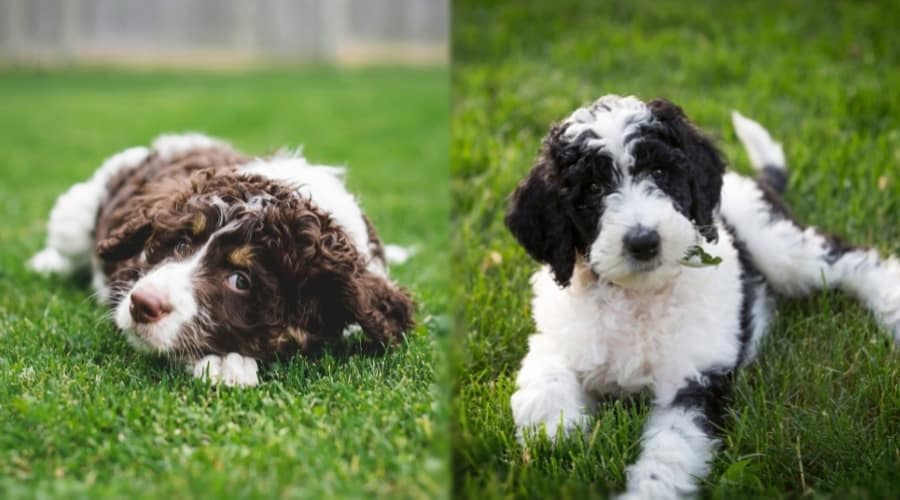
Quick Verdict: Bernedoodle Or Sheepadoodle?
Both breeds can become incredible family dogs, but they usually fit very different lifestyles once the novelty of the giant fluffy puppy phase wears off.
Choose a Bernedoodle if you want:
- A more emotionally soft, cuddly companion
- A dog that settles more naturally after exercise
- A slightly easier introduction to doodle ownership
- More relaxed day-to-day household energy
Choose a Sheepadoodle if you want:
- A more playful, energetic dog
- A constant activity and adventure partner
- A dog that thrives on stimulation and movement
- Big personality, class clown energy, and nonstop entertainment
For many people, the final decision comes down to one simple question: Do you want calmer companionship or higher-energy engagement woven into everyday life?
Frequently Asked Questions
Choosing between a Bernedoodle and a Sheepadoodle usually comes down to lifestyle fit, grooming expectations, and energy levels. Here are the questions prospective owners ask most often when comparing these two doodles.
Don’t see your question? Respond in the comments, and we’ll get back to you!
Are Bernedoodles Calmer Than Sheepadoodles?
In most cases, yes. Bernedoodles tend to have calmer indoor energy and are often easier to settle after exercise. Sheepadoodles are usually more energetic, mentally active, and stimulation-seeking throughout the day.
Which Breed Sheds Less?
Both breeds are considered lower shedding compared to many traditional dogs, but coat type matters more than breed name alone.
Curlier coats with higher Poodle content typically shed less. Straighter or shaggier coats usually shed more and may release more dander into the environment.
Which Breed Is Easier To Train?
Both breeds are intelligent and highly trainable with positive reinforcement.
Sheepadoodles often learn commands extremely quickly, but they can become bored without enough mental stimulation. Bernedoodles are usually easier emotionally, but they may inherit a stubborn streak that makes them less cooperative during repetitive training sessions.
Which Breed Is Better For Families?
Both can become excellent family dogs. Bernedoodles are often gentler and calmer with younger children, while Sheepadoodles tend to bring more energy, playfulness, and activity into the household.
The better fit usually depends on the family’s lifestyle and activity level.
Are Sheepadoodles Hyper?
Many Sheepadoodles are significantly more energetic and mentally busy than owners expect. They often inherit working-dog and herding instincts from the Old English Sheepdog side, which can make them feel intense without enough exercise and stimulation.
With proper training and structure, they can absolutely become well-balanced family dogs.
Are Bernedoodles Stubborn?
They can be. Bernedoodles are affectionate and eager to bond with their families, but many also inherit an independent streak from the Bernese Mountain Dog side. Some quickly lose interest in repetitive training or become resistant if it feels harsh or frustrating.
Which Doodle Is Easier To Groom?
Neither breed is low maintenance, but many owners find Bernedoodles slightly easier overall depending on coat type.
Other Poodle Mixes People Often Consider
If you love the intelligence and lower-shedding appeal of doodles but are not fully sold on a Bernedoodle or Sheepadoodle, several other Poodle mixes offer different energy levels, sizes, and grooming tradeoffs.
- Goldendoodle – Typically more social, outgoing, and people-focused, with a slightly more predictable family-dog temperament than many Sheepadoodles.
- Labradoodle – Often more athletic and high-energy than Goldendoodles, with stronger working-dog drive and similar grooming demands.
- Aussiedoodle – Extremely intelligent and energetic, often best for active owners who enjoy training and mental stimulation.
Each comes with its own mix of predictability, grooming needs, and temperament tradeoffs. You can also explore our full guide to 60+ Poodle mixes to compare sizes, coat types, personalities, and maintenance needs.