
When you purchase through links on our site, we may earn a commission at no extra cost to you. Learn more.
Dobermans look unstoppable. Strong, fast, confident. The kind of dog that seems built for longevity.
Table of Contents
But here’s the part most owners don’t expect: some of the most serious Doberman health issues are invisible.
Heart disease, neurological conditions, and genetic disorders can develop quietly, then escalate fast. Knowing what to watch for early can make a massive difference in both lifespan and quality of life.

Planning Ahead For Vet Bills
Dobermans aren’t just high-energy. They’re also a breed where serious health conditions can come with serious price tags.
We’re not talking about the occasional vet visit. Many Doberman health issues are:
- Chronic
- Progressive
- Or require emergency care
Heart monitoring, imaging, long-term medication, and surgery can add up quickly.
According to the Doberman Pinscher Club of America (DPCA), several major conditions in this breed are hereditary, including:
- Cardiomyopathy (heart disease)
- Thyroid disease
- Liver disease
- Wobbler syndrome (neck instability)
And here’s the challenge: many of these can’t be fully predicted ahead of time.
For many owners, pet insurance becomes less of a “nice to have” and more of a financial buffer that allows you to focus on treatment more than cost. Learn more about the best pet insurance for Doberman Pinschers.
9 Common Health Risks For Doberman Pinschers
Below are some illnesses and diseases you should be aware of in case your Doberman Pinscher displays symptoms.
1. Dilated Cardiomyopathy (DCM)
If there’s one health issue that defines this breed medically, it’s this one.
Dilated cardiomyopathy (DCM) is one of the most serious and common health concerns in Dobermans. It occurs when the heart muscle weakens and enlarges, reducing its ability to pump blood effectively.
What makes DCM especially dangerous in this breed is how often it develops silently. Many dogs show no obvious symptoms until the disease has already progressed.
DCM Symptoms
Symptoms can be subtle at first:
- Lethargy or reduced stamina
- Reluctance to exercise
- Fainting (especially during activity)
- Rapid breathing or panting at rest
- Coughing
- Sudden collapse
DCM can cause sudden death due to congestive heart failure.
Diagnosis & Treatment
Veterinarians typically diagnose DCM using heart-specific testing, including echocardiograms (ultrasound) and Holter monitoring (24-hour ECG) to detect abnormal rhythms.
Treatment depends on severity:
- Early or mild cases may be managed with medications that support heart function and control arrhythmias, along with routine monitoring.
- Moderate to advanced cases often require multiple medications and closer supervision to manage symptoms and slow progression.
There is no cure for DCM, but early detection and treatment can significantly improve quality of life and extend survival time.
2. Wobbler Syndrome (Cervical Vertebral Instability)
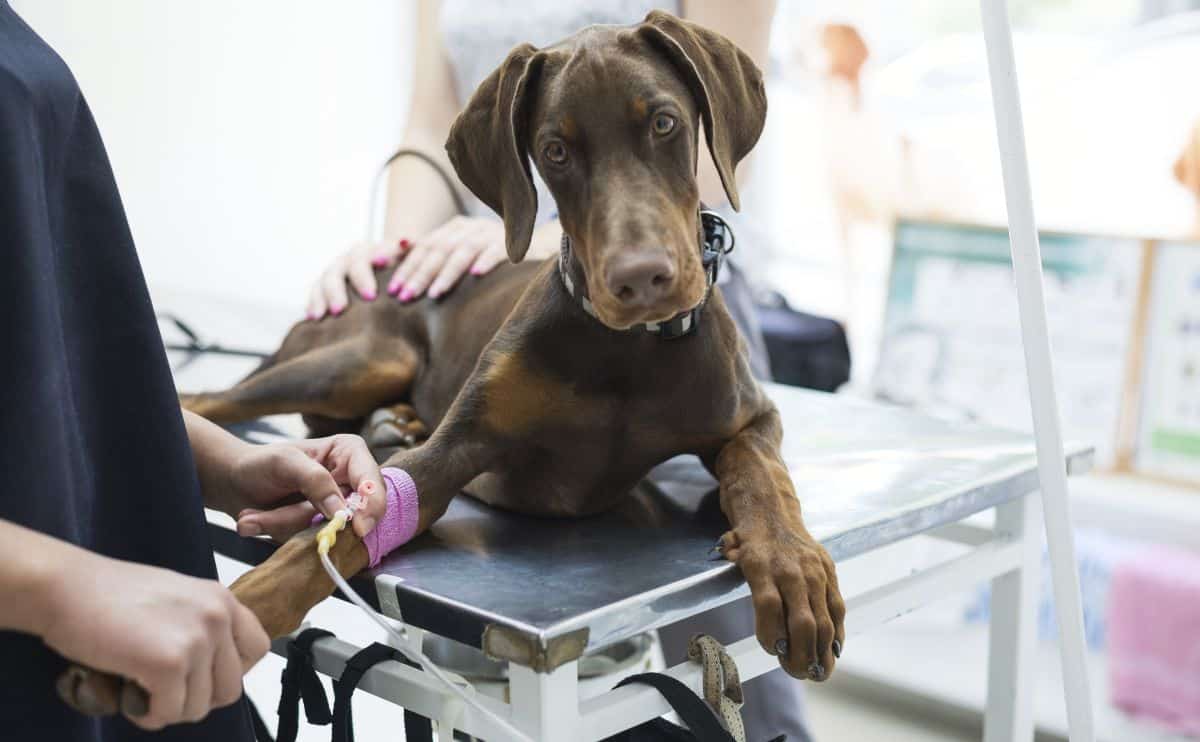
Wobbler syndrome is a neurological condition caused by compression of the spinal cord in the neck. It affects coordination and mobility, often becoming more noticeable over time.
Wobbler Syndrome Symptoms
Symptoms typically develop gradually:
- Wobbly or unsteady gait
- Weakness in the hind legs
- Difficulty standing or rising
- Neck pain or stiffness
- Dragging paws
As the condition progresses, mobility may become more limited.
Diagnosis & Treatment
Diagnosis typically involves imaging such as X-rays, MRI, or CT scans to evaluate spinal cord compression.
Treatment depends on severity:
- Mild cases may be managed with rest, anti-inflammatory medications, and physical therapy.
- Moderate to severe cases often require surgery to relieve spinal cord pressure and stabilize the neck.
There is no guaranteed cure, but surgery can significantly improve function in some dogs.
3. Von Willebrand’s Disease (vWD)
Von Willebrand’s disease is a genetic blood-clotting disorder commonly seen in Dobermans. It affects the body’s ability to properly stop bleeding.
Many dogs live normal lives with vWD, but complications can arise during injury or surgery.
vWD Symptoms
Symptoms may include:
- Excessive bleeding from minor cuts
- Nosebleeds
- Bleeding gums
- Prolonged bleeding after procedures
Some dogs show no signs until a medical event occurs.
Diagnosis & Treatment
A DNA test can determine whether a dog is affected or a carrier.
Treatment depends on severity:
- Mild cases often require no daily treatment but need precautions during surgery or injury.
- Moderate cases may require clotting support or special management during medical procedures.
There is no cure, but the condition can be safely managed with proper precautions.
4. Hypothyroidism
Hypothyroidism occurs when the thyroid gland doesn’t produce enough hormones, slowing down metabolism. It’s one of the more manageable Doberman health conditions, but is often overlooked early on.
Hypothyroidism Symptoms
Symptoms tend to develop gradually:
- Weight gain without increased food intake
- Low energy or lethargy
- Thinning coat or hair loss
- Recurrent skin infections
- Sensitivity to cold
Diagnosis & Treatment
Diagnosis is confirmed through blood testing.
Treatment depends on severity:
- Mild to moderate cases are typically managed with daily thyroid hormone medication.
- Severe cases may require dosage adjustments and closer monitoring.
Hypothyroidism is not curable, but it is highly manageable with medication, and most dogs respond very well.
5. Chronic Active Hepatitis (Liver Disease)
Dobermans are predisposed to a specific type of liver disease that can develop silently over time. By the time symptoms appear, the condition may already be advanced.
Liver Disease Symptoms
Signs may include:
- Loss of appetite
- Vomiting
- Increased thirst
- Weight loss
- Yellowing of eyes or gums (jaundice)
Diagnosis & Treatment
Diagnosis may involve bloodwork, imaging, and sometimes a liver biopsy.
Treatment depends on severity:
- Early-stage cases may be managed with medication and dietary adjustments.
- Advanced cases often require ongoing treatment and close monitoring.
There is no cure in most cases, but early detection can slow progression and improve quality of life.
6. Gastric Dilatation-Volvulus (Bloat)
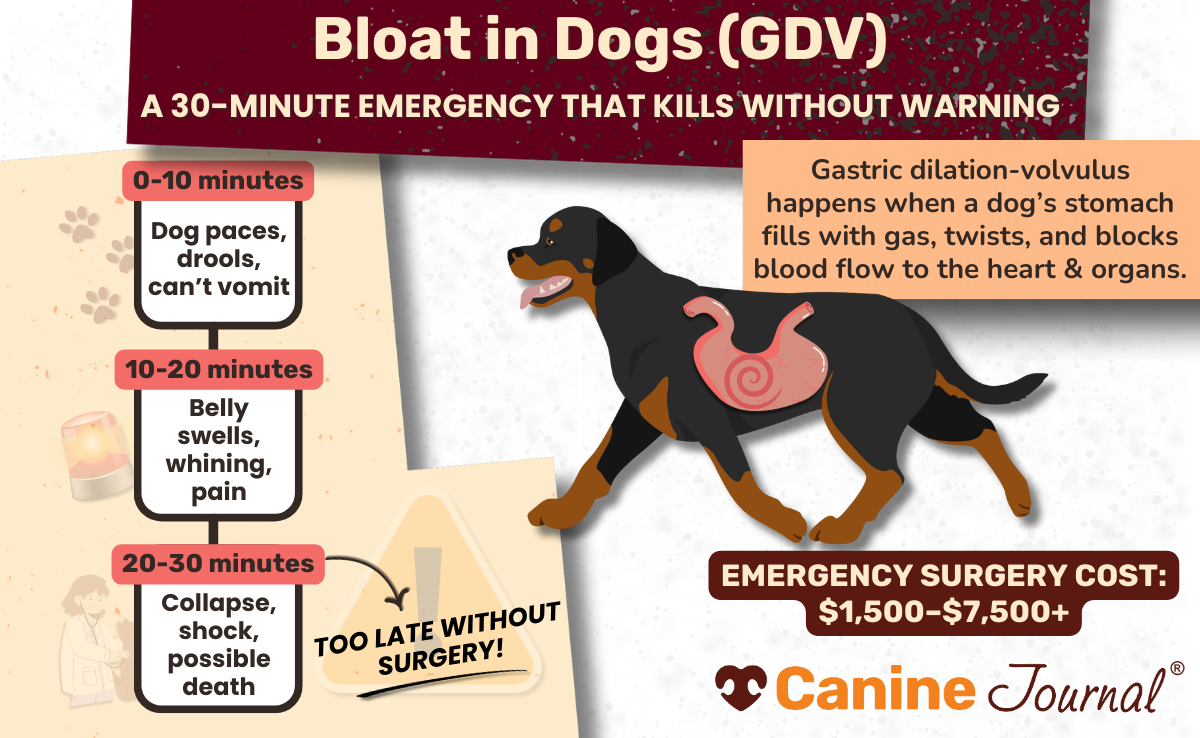
Canine bloat is a life-threatening emergency where the stomach fills with gas and twists, cutting off blood flow. Dobermans, as a deep-chested breed, are at increased risk.
Bloat Symptoms
This condition progresses quickly:
- Swollen or tight abdomen
- Restlessness or pacing
- Drooling
- Dry heaving
- Signs of distress
This is always an emergency.
Diagnosis & Treatment
Diagnosis is typically made rapidly based on symptoms and imaging. This condition requires immediate surgery to untwist the stomach and restore blood flow.
Preventive surgery (gastropexy) may be recommended for at-risk dogs.
7. Hip Dysplasia
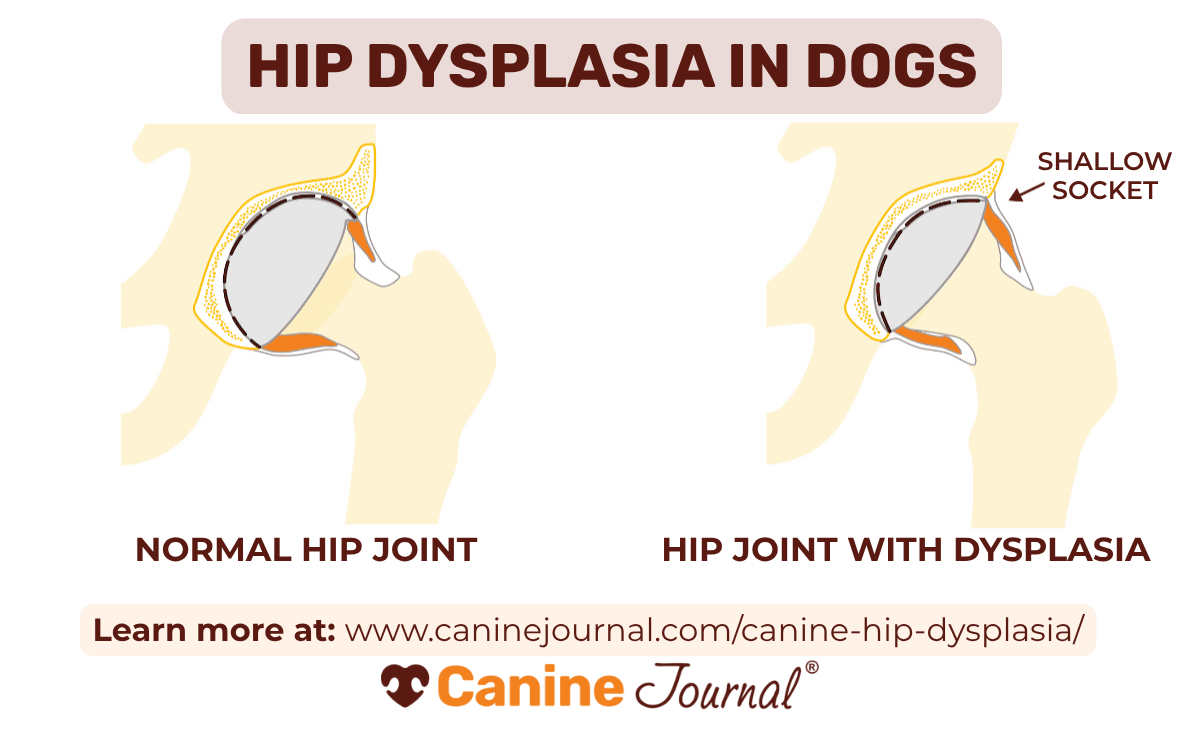
Canine hip dysplasia is a chronic joint condition where the hip joint doesn’t form correctly, causing the femur to sit improperly in the socket. Over time, this leads to joint instability, inflammation, and eventually arthritis.
While more common in large breeds, Dobermans are still at risk, especially if genetics, rapid growth, or excess weight are factors.
Hip Dysplasia Symptoms
Symptoms often develop gradually and may worsen with age:
- Pain or discomfort during exercise
- Lameness or favoring one hind leg
- Stiffness in the back legs
- “Bunny hopping” gait when running
- Difficulty getting up or lying down
- Decreased interest in activity
- Muscle loss in the rear legs
Diagnosis & Treatment
Veterinarians diagnose hip dysplasia using physical exams and X-rays to assess joint structure and severity.
Treatment depends on progression:
- Mild cases may be managed with weight control, joint supplements, physical therapy, and anti-inflammatory medications
- Moderate to severe cases may require surgical intervention, such as hip replacement or corrective procedures
There is no true cure, but early intervention can significantly slow progression and improve quality of life.
8. Demodicosis (Demodectic Mange)
Demodicosis is a skin condition caused by an overgrowth of Demodex canis mites. These mites naturally live on a dog’s skin, but when the immune system is compromised or underdeveloped, populations can spiral out of control.
In Dobermans, this condition may appear as localized patches or progress into a more widespread issue.
Demodicosis Symptoms
Symptoms vary based on severity and whether secondary infections are present:
- Patchy hair loss, often on the face, legs, or paws
- Red or inflamed skin
- Pustules or small bumps
- Crusty or scaly patches
- Itching (especially with infection)
Localized cases may resolve on their own, while generalized cases can become more serious.
Diagnosis & Treatment
Diagnosis is typically confirmed through skin scrapings examined under a microscope.
Treatment depends on severity:
- Localized cases may resolve naturally or with topical treatments
- Generalized cases often require oral medications, medicated baths, and long-term monitoring
This condition is highly manageable, and many dogs recover fully with proper care.
9. Osteosarcoma (Bone Cancer)
Osteosarcoma is an aggressive form of bone cancer that affects large-breed dogs, including Dobermans. It most commonly develops in the limbs and can progress rapidly if not detected early.
Because of its severity, early recognition is critical.
Osteosarcoma Symptoms
Symptoms often mimic joint issues at first:
- Swelling in a limb
- Persistent lameness
- Pain that worsens over time
- Fatigue or reduced activity
- Loss of appetite
Diagnosis & Treatment
Veterinarians typically diagnose osteosarcoma using X-rays, followed by biopsy or advanced imaging.
Treatment depends on stage and overall health:
- Surgery (often amputation) to remove the tumor
- Chemotherapy to slow the spread
- Pain management for advanced cases

Other Health Problems Of Doberman Pinschers
In addition to the more common conditions above, Dobermans may experience several other health issues that owners should be aware of. These may be less frequent, but they can still impact long-term health, comfort, and lifespan if left unaddressed.
Some of the most notable include:
- Congenital deafness: Some Dobermans are born with hearing loss in one or both ears, which may require training adjustments and environmental awareness.
- Other cancers (lymphoma, mammary, prostate): Dobermans may develop various cancers with symptoms depending on location and severity. Early detection plays a major role in outcomes.
- Gastroenteritis: Acute digestive upset that causes vomiting and diarrhea. While often treatable, severe cases may require hospitalization and supportive care.
- Skin conditions and allergies: Dobermans can develop environmental or food-related allergies that lead to itching, redness, infections, and chronic irritation.
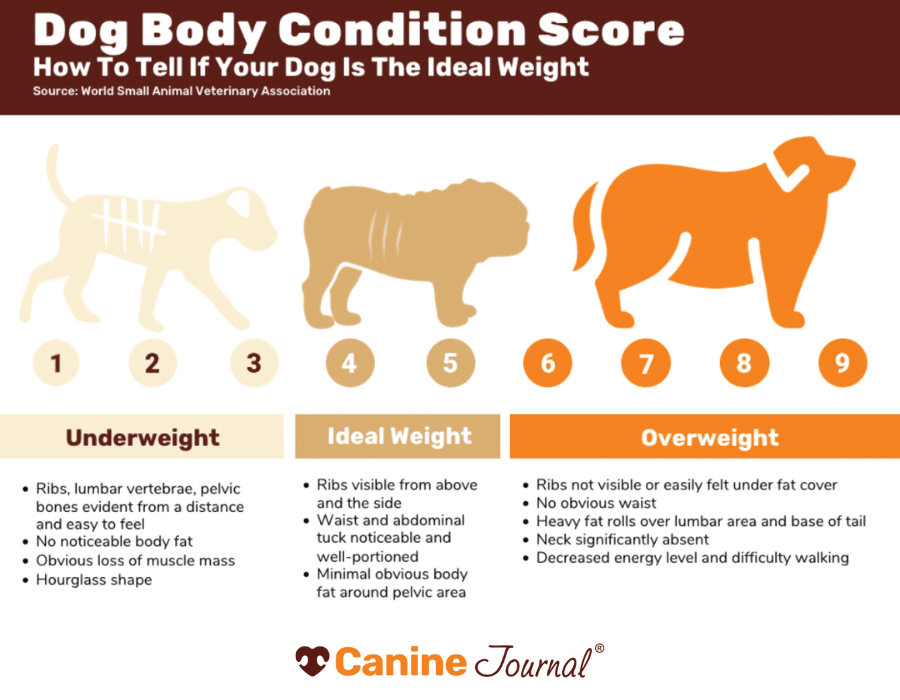
- Obesity: Excess weight places additional strain on joints, the heart, and overall health, increasing the risk and severity of other conditions.
Average Costs For Common Doberman Health Issues
Many health conditions Dobermans are prone to are not one-time expenses. Chronic management, repeat flare-ups, advanced diagnostics, and surgical intervention can add up significantly over a dog’s lifetime.
Costs vary widely depending on severity, location, and treatment approach, but the ranges below reflect typical insurance claim data and real-world averages.
According to Fetch Pet Insurance , average claim costs for Dobermans include:
- Heart disease: $3,050–$4,650
- Gastric issues (bloat): $2,000–$3,400
- Blood disorders: $9,070–$11,900
While not every Doberman will experience severe health issues, these numbers highlight how quickly costs can escalate when conditions overlap. Planning ahead, whether through savings or pet insurance, can make a meaningful difference in care decisions.
Can You Prevent These Health Issues?
Not all conditions can be prevented, especially those rooted in genetics. However, many can be delayed, managed, or reduced in severity with proactive care. Small, consistent choices often have the biggest long-term impact.
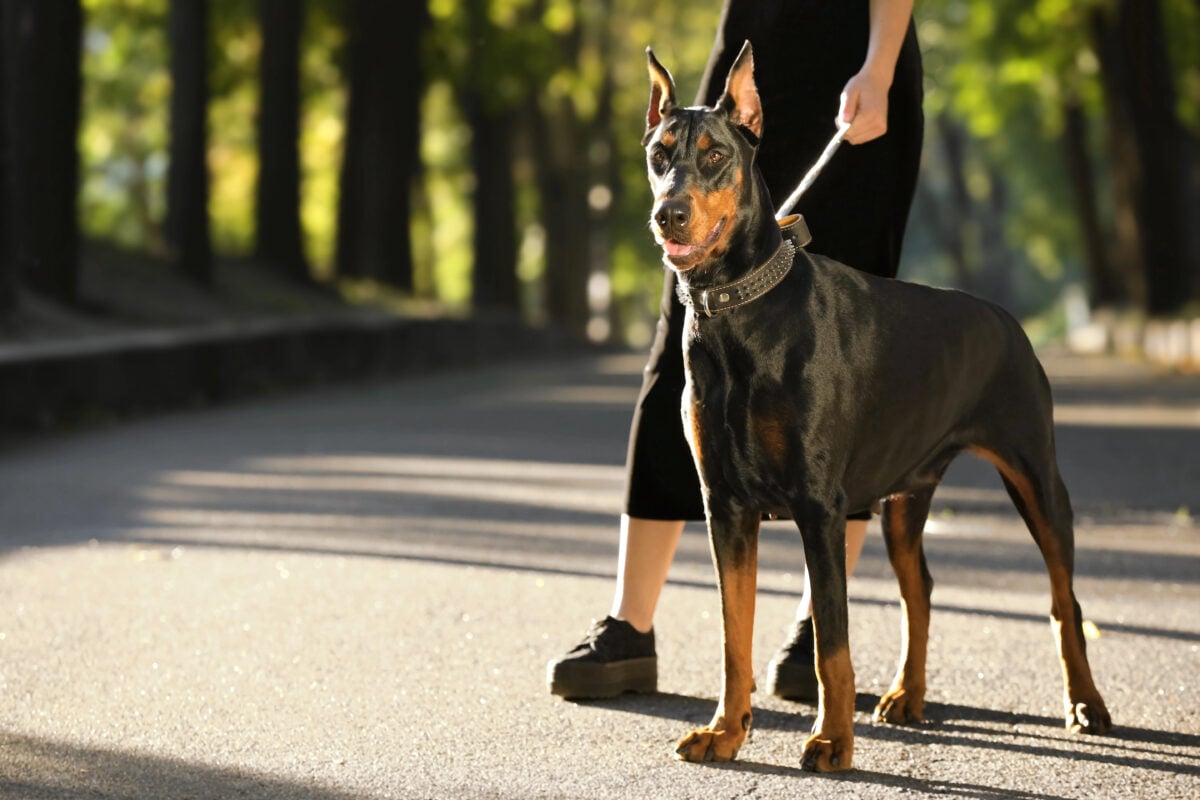
6 Prevention Tips
- Maintain a healthy weight to reduce strain on joints and the heart
- Feed a high-quality, balanced diet tailored to the life stage
- Schedule routine veterinary checkups and screenings
- Avoid excessive jumping or high-impact activity during growth stages
- Monitor for subtle changes in behavior, mobility, or appetite
- Stay consistent with dental care and parasite prevention
Early detection is one of the most powerful tools owners have.
Frequently Asked Questions
Below are answers to the questions readers most often ask about Doberman health. If you don’t see yours here, feel free to respond in the comments.

What Is The Life Expectancy For A Doberman?
The average lifespan of a Doberman Pinscher is 10–12 years, though some may live longer with excellent care. Genetics, diet, weight management, and early detection of health issues all play a significant role.
Routine veterinary visits and proactive management of heart, joint, and metabolic conditions can meaningfully extend lifespan.
Can Doberman Health Issues Be Prevented?
Not entirely. Many of the most serious Doberman health issues, like dilated cardiomyopathy (DCM) or Von Willebrand’s disease, have a strong genetic component. That means even well-cared-for dogs can still develop them.
That said, you can significantly reduce risk and catch problems earlier with the right approach.
If you’re getting a Doberman puppy, your first line of prevention starts with the breeder. Look for breeders who perform health testing on both parent dogs, not just basic vet checks. This may include:
- Cardiac screening (such as echocardiograms or Holter monitoring)
- DNA testing for Von Willebrand’s disease
- Thyroid testing
- Hip evaluations (OFA or PennHIP)
Reputable breeders should be transparent about results and willing to show documentation. Skipping this step increases the likelihood of inherited conditions.
For all Dobermans, prevention also includes:
- Routine veterinary exams (including heart screening as they age)
- Maintaining a healthy weight to reduce strain on joints and the heart
- Feeding a high-quality, balanced diet
- Monitoring for subtle early symptoms like fatigue, coughing, limping, or behavior changes
Early detection doesn’t just improve outcomes. In some cases, it can extend your dog’s life.
What Are The First Signs Something Is Wrong With My Doberman?
The earliest signs are often subtle changes in behavior rather than obvious symptoms. Pay attention to:
- Lower energy
- Changes in movement or posture
- Appetite changes
- Unusual breathing patterns
If something feels “off,” it’s usually worth checking.
How Often Should Dobermans Be Checked By A Vet?
At a minimum, Dobermans should have annual veterinary exams. However, as they age or if they are at risk for specific conditions like DCM, more frequent visits and screenings may be recommended.
Routine monitoring can catch problems before they become serious.
What’s The Best Diet For Dobermans?
A high-quality, nutritionally balanced diet helps support heart health, joint function, and overall longevity. Food should be tailored to your dog’s age, activity level, and any existing health conditions.
Maintaining a healthy weight is especially important, as excess weight can worsen joint issues and increase strain on the cardiovascular system.
What’s The Most Important Health Test For Dobermans?
Cardiac screening is one of the most important. Tests like echocardiograms and Holter monitoring can detect heart issues early, sometimes before symptoms appear. Bloodwork and general wellness exams are also important for monitoring thyroid and liver function.
Are Dobermans Good For First-Time Dog Owners?
Dobermans are intelligent, loyal, and highly trainable, but they are also high-energy and require consistent structure.
From a health perspective, they may require more proactive monitoring than some breeds. First-time owners should be prepared for both the physical and medical needs of the breed.
What To Read Next For Your Doberman
Now that you understand the most common Doberman health risks, the next step is making daily decisions that support long-term health. These guides can help you take action right away:
- Best dog food for Dobermans
- Doberman growth chart (weight & development by age)
- Doberman colors guide (what’s normal vs rare)
Each one dives deeper into key factors that directly impact your Doberman’s health, from nutrition to growth patterns to genetics.