When you purchase through links on our site, we may earn a commission at no extra cost to you. Learn more.
Some dogs look so much like bears that you might do a double take. Massive paws, round faces, tiny ears, shaggy coats, and enough fluff to disappear into, breeds like the Newfoundland, Chow Chow, Samoyed, and Great Pyrenees can look remarkably bear-like.
Table of Contents
Of course, looking like a bear doesn’t mean every breed has the same personality or care requirements. Some are gentle giants, some are energetic fluffballs, and others are independent guardian dogs. We’ve rounded up 13 bear-like dog breeds and what you should know about their size, temperament, grooming needs, and overall lifestyle fit before you fall for that furry face.
Because let’s be honest: those soulful eyes and enormous paws are hard to resist. Just remember, unlike an actual bear, these cuddly companions are much happier sharing your couch than raiding your campsite.
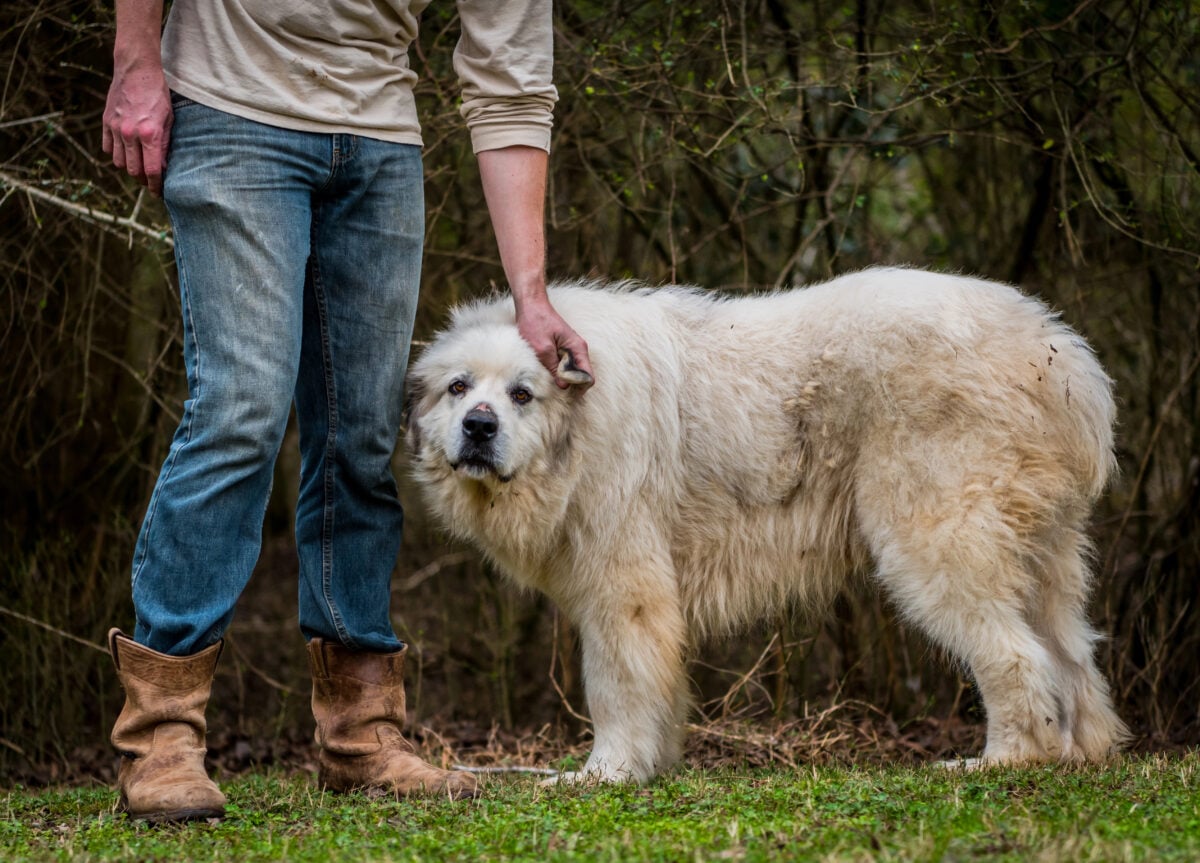
13 Bear-Like Dog Breeds at a Glance
Some dogs resemble fluffy polar bear cubs, while others have the massive heads, dark coats, or shaggy silhouettes of black bears and grizzlies. But looks only tell part of the story.
These breeds vary enormously in size, temperament, exercise needs, grooming requirements, and trainability. Here’s a quick comparison before we meet each one.
| Dog Breed | Bear Lookalike | Adult Weight | Grooming | Exercise | Best Suited For |
|---|---|---|---|---|---|
| Great Pyrenees | Polar bear | 85–160 lbs | High | Moderate | Experienced owners, larger properties |
| Samoyed | Polar bear | 35–65 lbs | Very high | High | Active households |
| Kuvasz | Polar bear | 70–115 lbs | Moderate | Moderate | Experienced owners |
| Newfoundland | Black/grizzly bear | 100–150 lbs | High | Moderate | Families with adequate space |
| Tibetan Mastiff | Grizzly bear | 90–150 lbs | Moderate | Moderate | Experienced guardian-breed owners |
| Leonberger | Grizzly bear | 90–170 lbs | High | Moderate | Active families with space |
| Chow Chow | Black/grizzly bear | 45–70 lbs | High | Moderate | Experienced owners |
| Old English Sheepdog | Panda bear | 60–100 lbs | Very high | Moderate to high | Active families committed to grooming |
| Spanish Water Dog | Panda bear | 30–50 lbs | Specialized | High | Active households |
| Caucasian Shepherd | Panda/grizzly bear | 100–200 lbs | Moderate | Moderate | Highly experienced owners |
| Keeshond | Bear cub | 35–45 lbs | High | Moderate | Families and smaller homes |
| Pyrenean Mastiff | Polar/grizzly bear | 120–180 lbs | Moderate to high | Moderate | Experienced owners with space |
| Boerboel | Short-haired grizzly | 110–200 lbs | Low | Moderate | Experienced guardian-breed owners |
Quick takeaway: Don’t choose one of these dogson looks alone. Several bear-like breeds were developed to guard livestock or property and can be independent, territorial, or challenging for inexperienced owners. Others are much more companion-oriented. Size, training needs, shedding, exercise, and temperament should matter far more than which breed looks most like a bear.
Are Bears Related to Dogs?
Dogs and bears aren’t closely related in the everyday sense, but they do sit on the same major “dog-like carnivore” branch, Caniformia. Dogs belong to the Canidae family and bears to Ursidae. Domestic dogs are much more closely related to wolves than bears.
So, they’re more like distant cousins than siblings. Still, some dogs’ size, coats, and facial features make the resemblance pretty convincing. Here are some of the breeds that pull off the bear look best.
Before You Choose a Bear-Like Dog
Those teddy-bear looks are hard to resist, but many bear-like breeds are large working or guardian dogs. Before choosing one based on appearance, consider what daily life with the breed will actually be like.
- Space: Giant breeds like Newfoundlands and Great Pyrenees need room to stretch out—and their size can make smaller homes, cars, and furniture a challenge.
- Grooming: That fluffy coat often means serious shedding and regular brushing. Be prepared for dog hair to become part of your decor.
- Temperament: Some bear-like breeds are independent, protective, or reserved with strangers. A cuddly appearance doesn’t always mean an easygoing personality.
- Energy: Don’t assume a big, fluffy dog is a couch potato. Breeds like Samoyeds can need plenty of exercise and mental stimulation.
- Cost: Larger dogs typically eat more and require bigger beds, supplies, and potentially higher grooming and veterinary costs.
Bottom line: The best bear-like dog isn’t necessarily the one that looks most like a bear. Choose the breed whose size, temperament, energy level, and care needs fit your lifestyle.
Which Bear Does It Look Like? 13 Dog Breeds and Their Bear Twins
Now that we’ve answered the big question about dogs and bears being distant cousins, let’s meet the breeds that really sell the illusion. From fluffy polar-bear lookalikes to dogs that resemble panda cubs or black bears on four legs, these pups bring serious bear vibes and might just be your perfect companion. Let’s dive in.
Dogs That Look Most Like a Polar Bear
Polar bears intrigue us with their raw power and pure white beauty. The largest land carnivores, polar bears blend in against the pristine snow and ice, and their young cubs slide and play in the winter wonderland. Ursus maritimus, or “sea bear,” reflects the polar bear’s classification as a marine mammal.

Polar bears’ fur is actually transparent, not white. Their black skin and thick fat layer trap heat to keep the polar bear warm in sub-zero temperatures.
1. Great Pyrenees
The Great Pyrenees delivers a classic polar-bear look, but this giant breed needs plenty of room and does best with space to roam. Its thick double coat sheds heavily and requires regular brushing, and its dense coat also makes hot weather a concern.
Bred as a livestock guardian, it can be independent, territorial, and vocal, so training and early socialization are important. Pyrs are known for being calm and peaceful with children, too. With the right setup, Great Pyrenees can be devoted family dogs, but their size and guardian instincts may be challenging for homes with small pets or inexperienced owners.
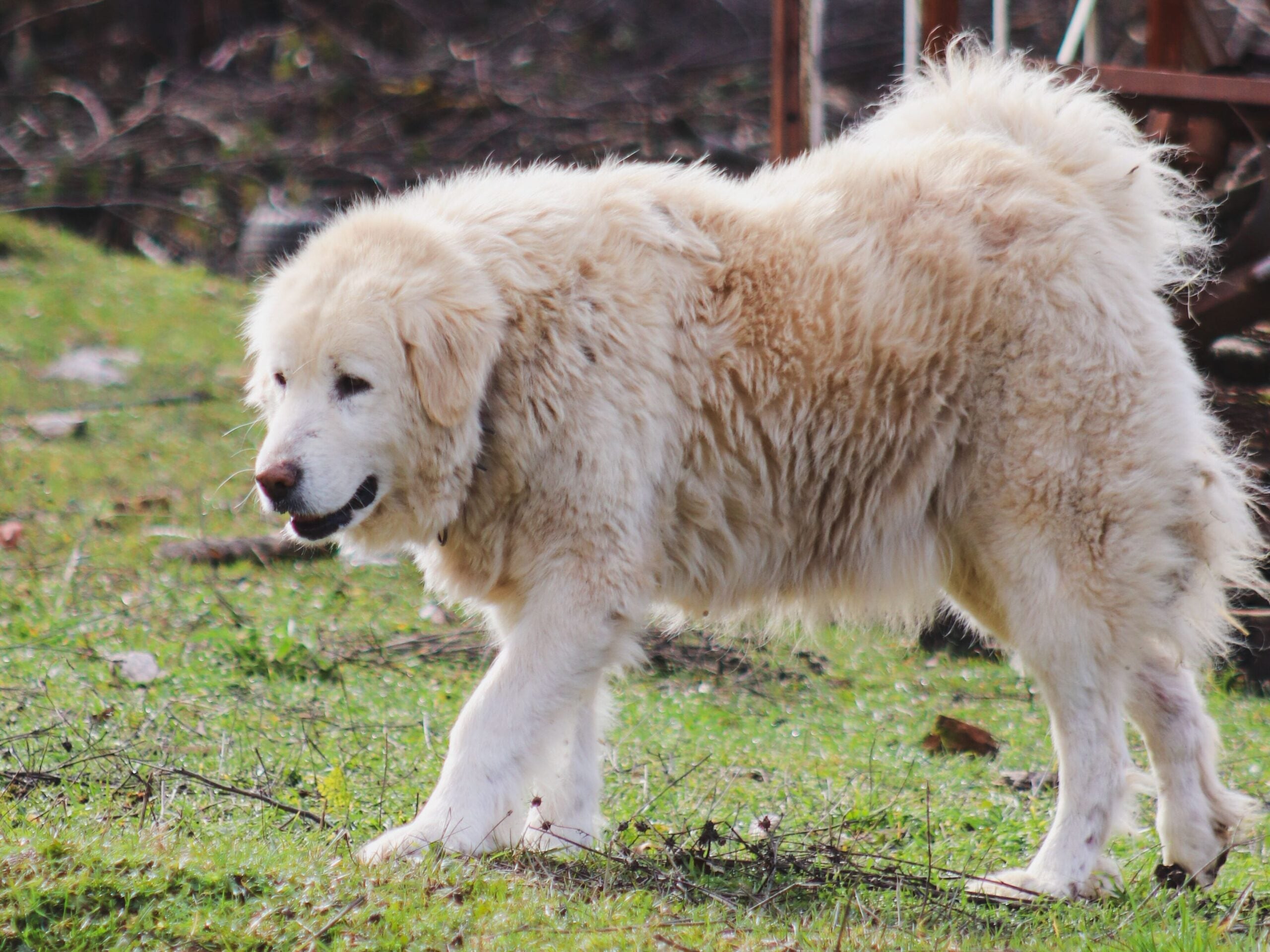
Breed Snapshot
- Size: 85–160 lbs, 25–32 inches tall
- Coat: Thick, weather-resistant double coat; white is most common
- Temperament: Gentle, calm, patient with children
- Ideal For: Families with space and livestock; rural or suburban settings
- Care Needs: Moderate exercise; regular grooming due to shedding
Fun Fact: These dogs are known to patrol their territory at night and nap all day, true to their livestock-guardian heritage.
2. Samoyed
With its white coat, fluffy mane, and smiling expression, the Samoyed can look remarkably like a small polar bear. They’re smaller than giant breeds but still energetic dogs that need daily exercise and plenty of interaction.
Their thick coat sheds heavily, and they can struggle in hot climates without careful heat management because of their Siberian roots. Samoyeds are intelligent and social but can be stubborn and vocal, making consistent training important; they’re often a good fit for active families and homes with other pets.
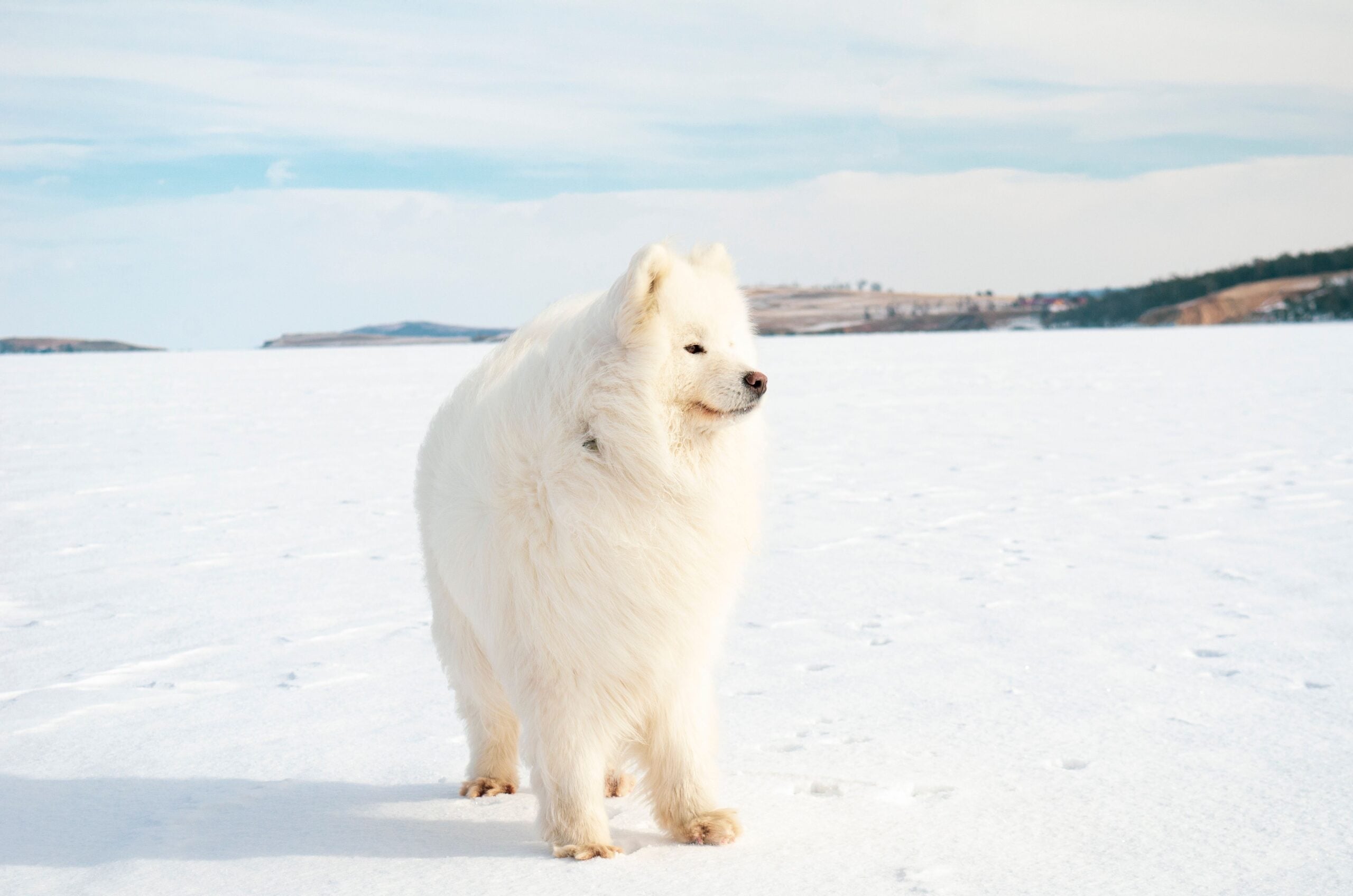
Breed Snapshot
- Size: 35–65 lbs, 19–24 inches tall
- Coat: Dense, white double coat built for subzero temps
- Temperament: Friendly, alert, independent
- Ideal For: Active households, colder climates, experienced dog owners
- Care Needs: Daily brushing, especially during shedding seasons; high exercise requirement
3. Kuvasz
The Kuvasz aren’t quite as fluffy as polar bears, but their striking white coat and large build can make them look like a leaner version of a polar bear. This independent guardian needs plenty of space and exercise, while its thick coat requires regular brushing and can make hot weather challenging.
Dating back to the 9th century, the Kuvasz were bred to guard livestock such as horses, sheep, and cattle, so they can be wary of strangers and naturally protective. For this reason, consistent training and extensive socialization are important. They can be devoted family dogs, but their independent nature makes them better suited to experienced owners who understand guardian breeds.
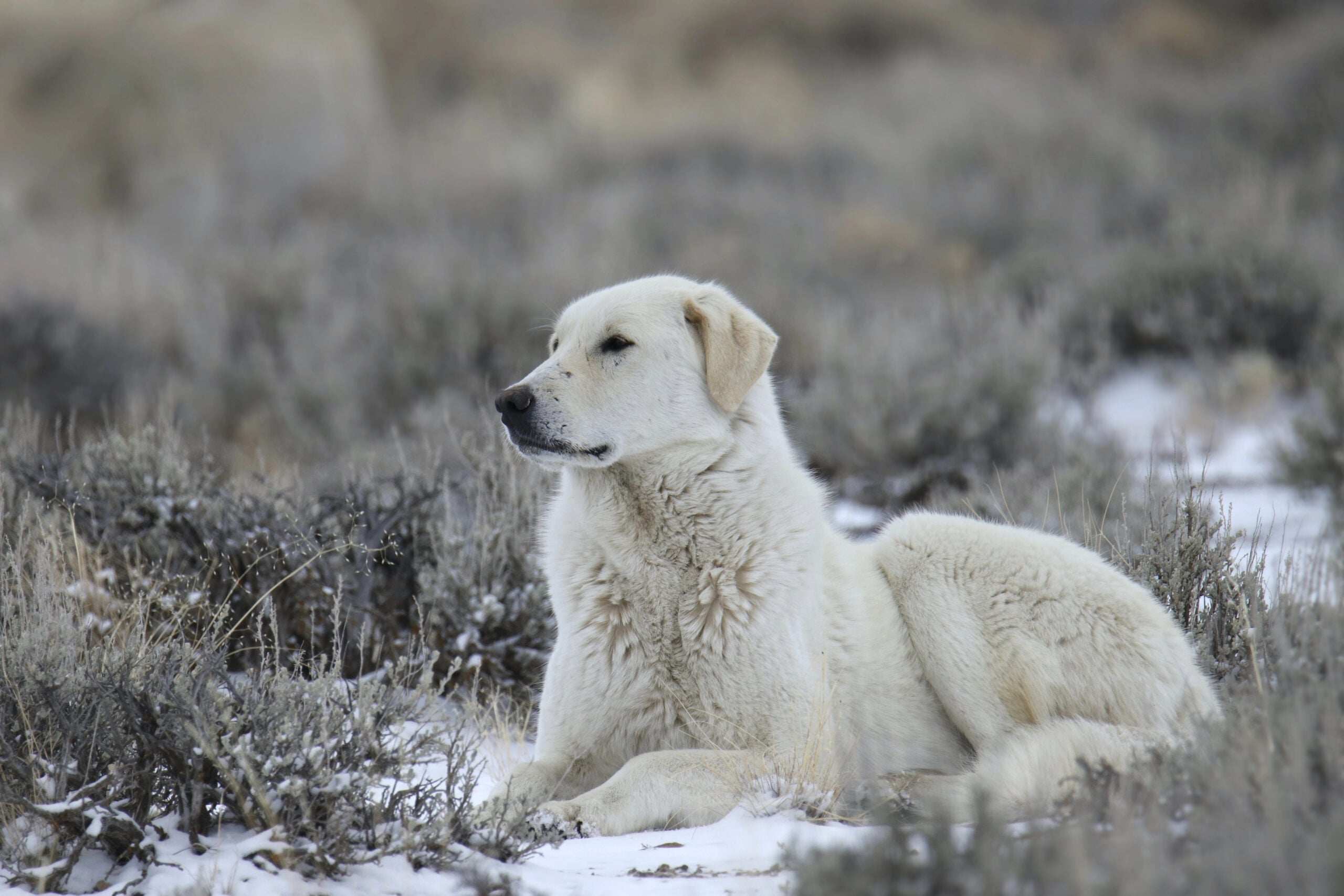
Breed Snapshot
- Size: 70–115 lbs, 26–30 inches tall
- Coat: Dense, white, moderately wavy
- Temperament: Protective, intelligent, loyal
- Ideal For: Large properties, experienced owners, working dog environments
- Care Needs: Regular grooming; early socialization and training are critical
Dogs That Look Most Like Grizzly Bears & Black Bears
The terror the grizzly bear instills in people shows in its Latin name, Ursus arctos horriblis. Grizzlies are one of two subspecies of brown bears in North America. Grizzly bears are omnivores found in woodlands, alpine meadows, forests, and prairies.
Control efforts and habitat loss greatly limited their range, but conservation efforts are proving successful. Grizzlies range from very light tan to dark brown and have a hump of muscle over their shoulders for more powerful digging.
Black bears, Ursus americanus, are generally smaller and darker than grizzlies and lack the muscular hump on their backs. The American black bear’s range covers most of North America. Omnivorous by nature and attracted to human food and refuse, black bears occasionally appear in a suburban setting. Black bears have short, non-retractable claws that allow them to climb trees.
4. Newfoundland
Newfoundlands resemble black bears and grizzly bears, or perhaps an oversized teddy bear. They are famously gentle, affectionate companions. They’re enormous and do best with ample indoor and outdoor space, while their thick double coat means plenty of shedding and regular grooming. Their heavy coat also makes them particularly vulnerable to overheating, so they need a cool environment during hot weather.
Their massive size, with males weighing up to 150 pounds and up to 28 inches at the shoulder, may intimidate, but don’t be fooled. Generally patient and trainable, Newfoundlands can be excellent with children and other pets when properly socialized, though their sheer size requires supervision around small kids.
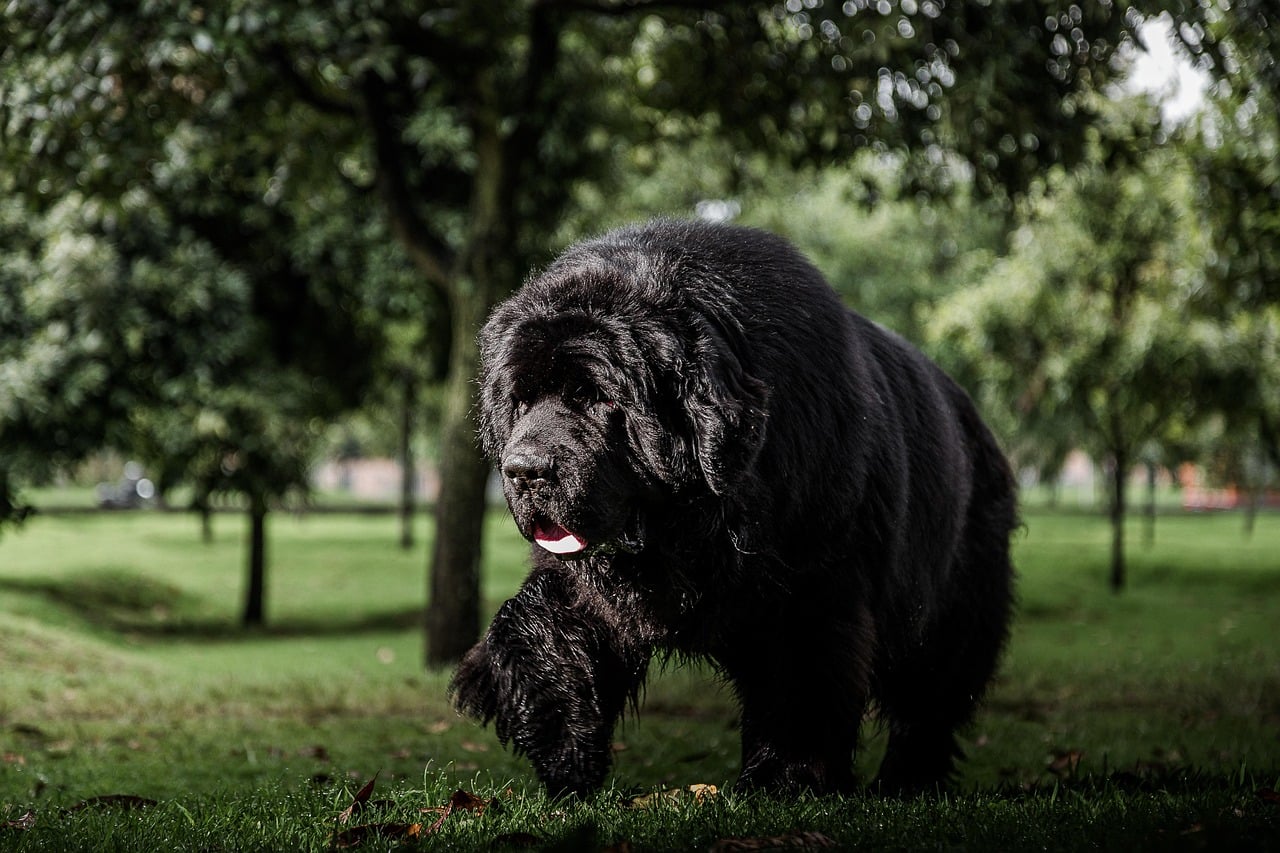
Breed Snapshot
- Size: 100–150 lbs, 26–28 inches tall
- Coat: Thick, water-resistant double coat; black, brown, gray, or Landseer (black & white)
- Temperament: Calm, loyal, gentle with children (often called “nanny dogs”)
- Ideal For: Families with kids, homes with room for a large dog
- Care Needs: Moderate exercise; frequent grooming to manage shedding and drool
Fun Fact: These natural swimmers have webbed feet and were bred for water rescues.
5. Tibetan Mastiff
Few dogs have a more imposing bear-like appearance than the massive Tibetan Mastiff. This independent guardian needs plenty of space and usually isn’t suited to apartment living, while its heavy coat requires regular brushing and can be hard to manage in hot climates.
Strong protective instincts and a tendency to bark or patrol make early training and socialization essential. Tibetan Mastiffs can be loyal family companions when properly socialized and raised with children, but their size, independence, and guardian nature make them better suited to experienced owners than first-time dog parents.
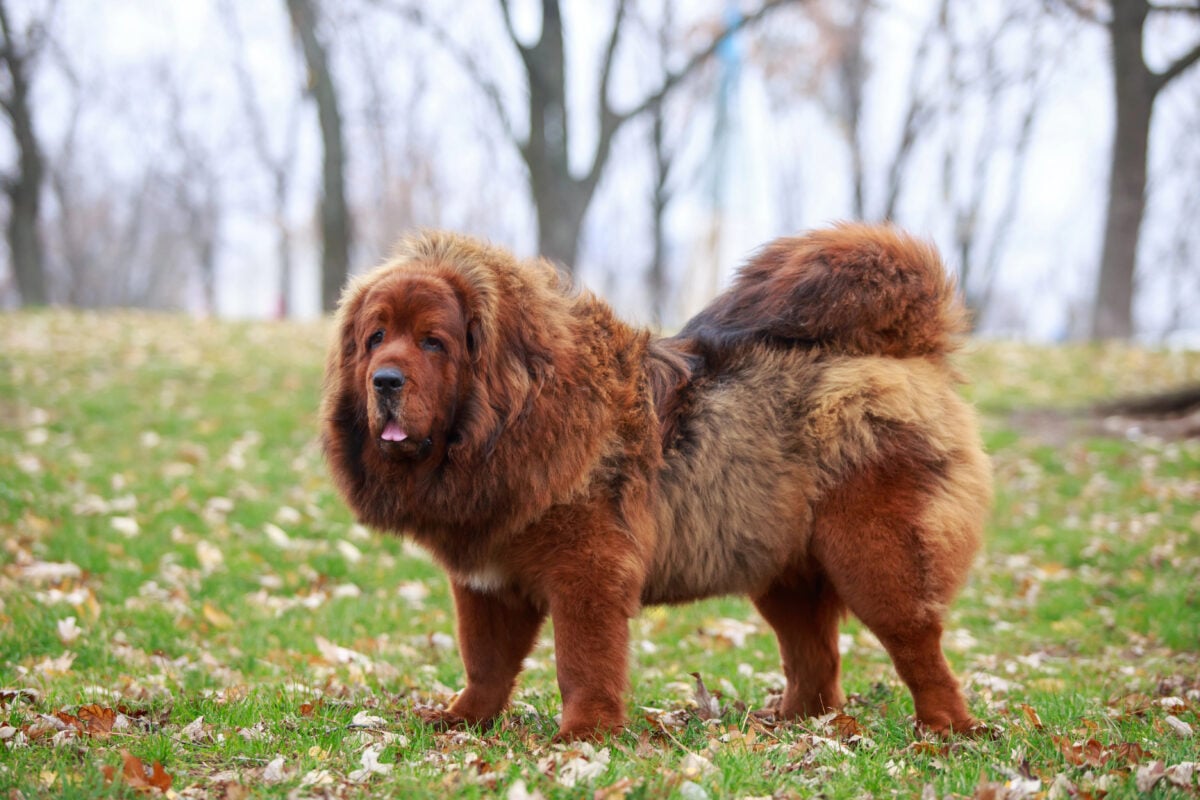
Breed Snapshot
- Size: 90–150 lbs, 24–30 inches tall
- Coat: Long, dense, and insulating; found in black, brown, red, and gray
- Temperament: Aloof, independent, protective
- Ideal For: Experienced owners, secure homes with large fenced yards
- Care Needs: Low energy indoors but requires outdoor space; sheds heavily once a year
6. Leonberger
The Leonberger combines a giant frame with a thick, lion-like coat that can give it a distinctly bear-like appearance. It’s a large dog that needs room, regular exercise, and frequent brushing to manage its heavy shedding. Like many large, heavily coated breeds, Leonbergers can struggle in extreme heat and need a cool place to retreat.
Although his looks are much like a grizzly bear, the Leonberger’s temperament couldn’t be less grizzly. They’re generally affectionate and trainable, making them a potentially good family dog, although their size means young children and smaller pets should always be supervised.
The breed’s versatility shines in carting, agility, flyball, therapy work, and water work, where their webbed feet make them natural swimmers.
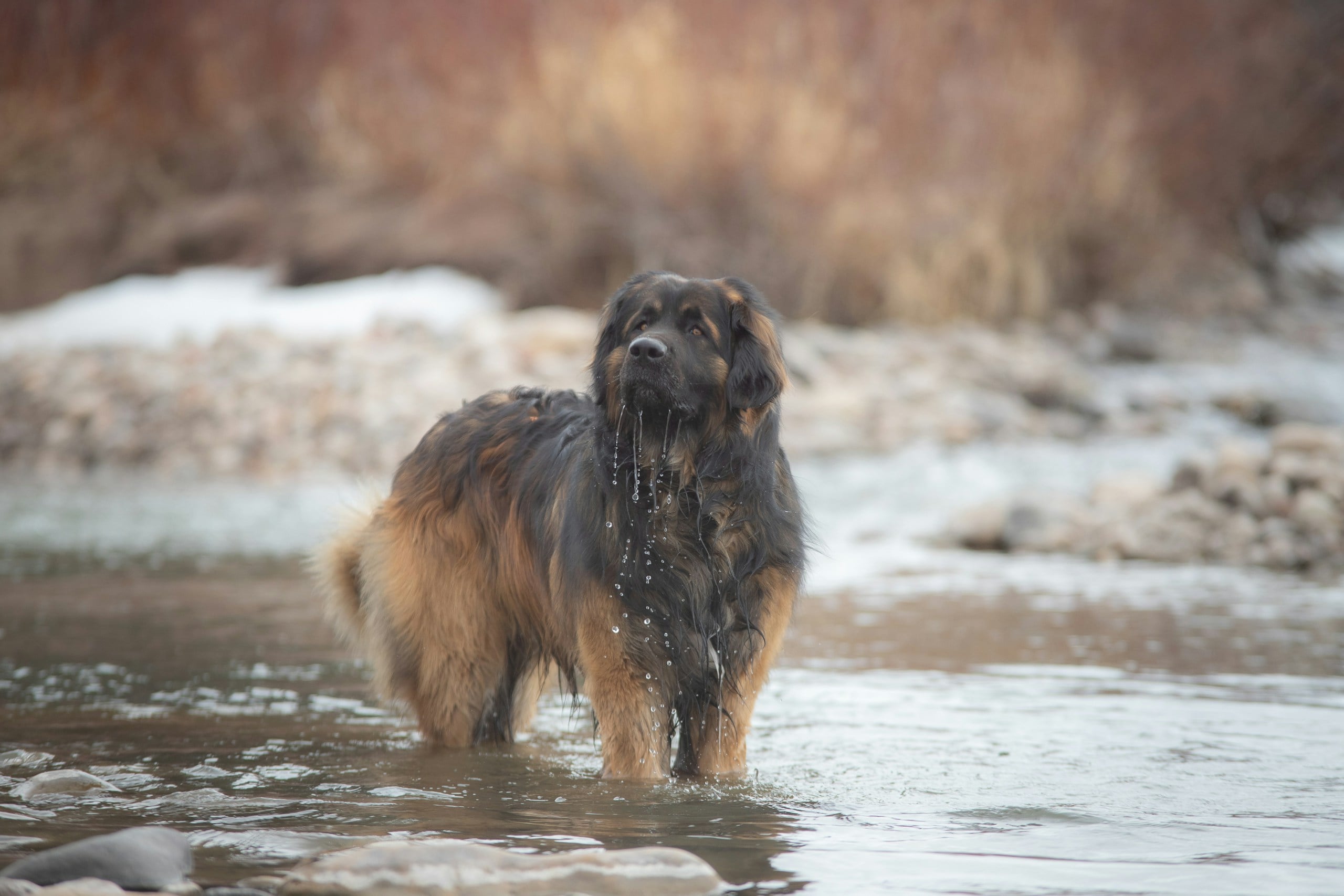
Breed Snapshot
- Size: 90–170 lbs, 28–31 inches tall
- Coat: Medium to long waterproof coat; golden, red, or sandy with a black mask
- Temperament: Gentle, calm, playful; excellent with families and other pets
- Ideal For: Active families who enjoy outdoor time and have plenty of space
- Care Needs: Regular grooming, socialization, and moderate exercise
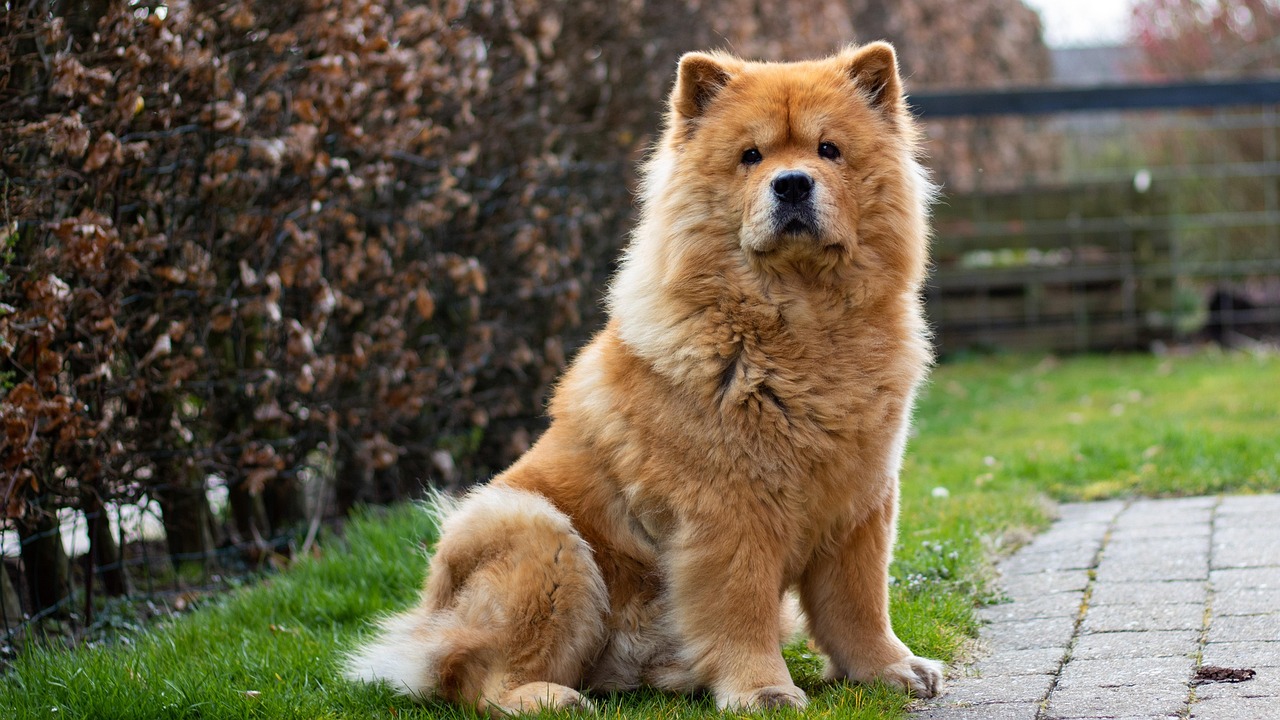
7. Chow Chow
The Chow Chow’s dense coat, broad face, and small ears give it one of the most unmistakably bear-like appearances. This medium-to-large breed can adapt to various home sizes but still needs enough space and daily activity, while its heavy coat requires regular brushing and can make hot weather uncomfortable.
Chow Chows tend to be independent and reserved with strangers, with a stronger guardian instinct than their fluffy appearance suggests. Early socialization and patient training are important, and they may do best with experienced owners and respectful older children.
Breed Snapshot
- Size: 45–70 lbs, 17–20 inches tall
- Coat: Dense double coat; rough or smooth; comes in red, black, blue, cinnamon, and cream
- Temperament: Independent, loyal, clean (often likened to cats)
- Ideal For: Experienced dog owners who appreciate aloof and dignified pets
- Care Needs: Regular grooming to avoid mats; early training and socialization are crucial
Fun Fact: The Chow’s signature blue-black tongue and aloof demeanor have made it famous for centuries, even appearing in ancient Chinese pottery.
Dogs That Look Like Panda Bears
Panda bears, Ailuropoda melanoleuca, live in the temperate forests in China. Pandas are excellent climbers and eat up to eighty pounds of bamboo per day. Their adorable black and white pattern makes them appear like living teddy bears.
In reality, they are listed as a vulnerable species, with fewer than 2,000 individuals left in the wild. As cute as they are, they may weigh up to three hundred pounds. The canines who resemble the panda aren’t all cuddly teddy bears, either.
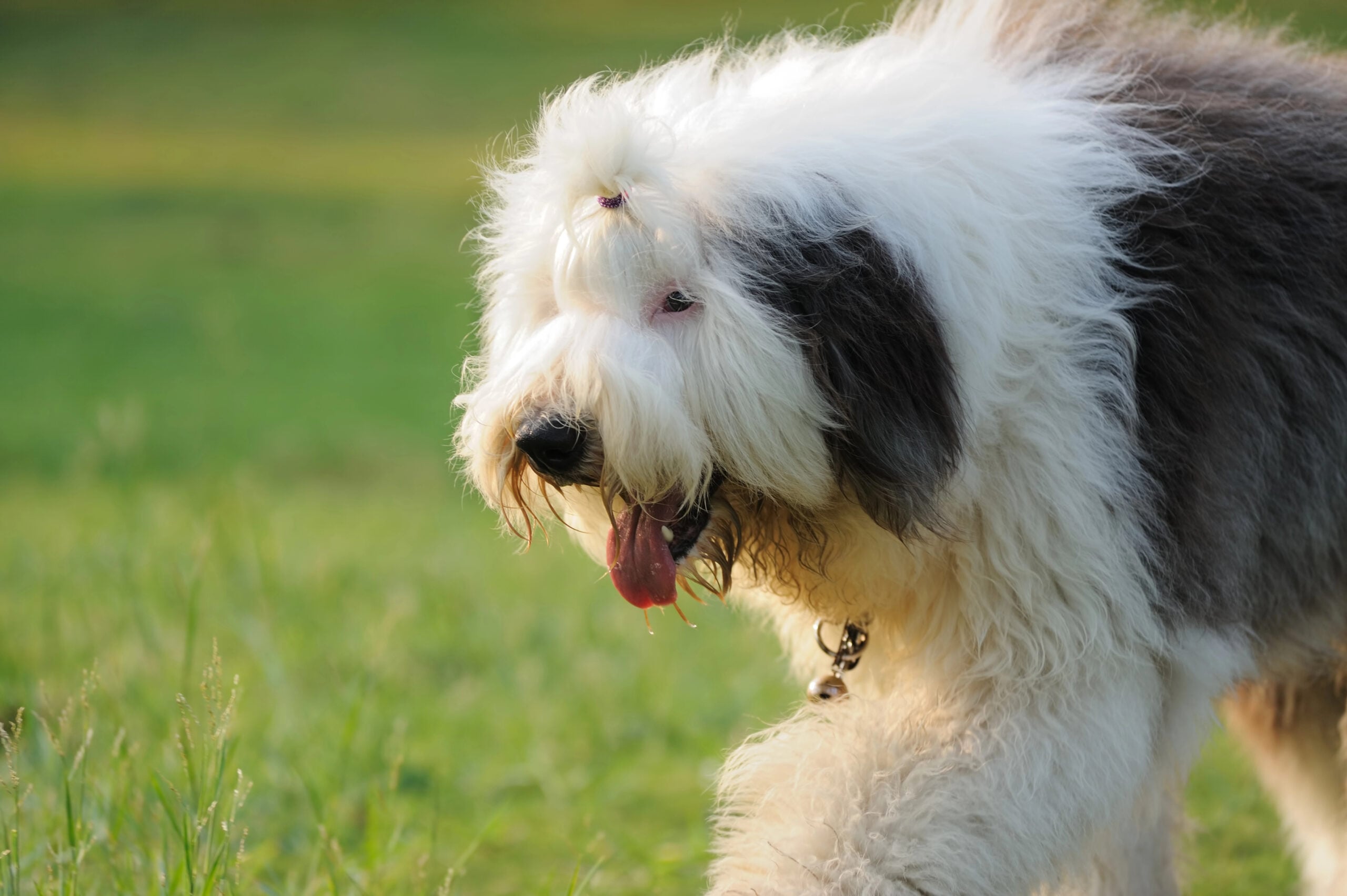
8. Old English Sheepdog
Although its markings aren’t exactly like a panda bear’s, the Old English Sheepdog (OES) does resemble the fluffy, round panda in gray and white.
Despite its substantial size, it can adapt to family life with enough exercise, but its long coat requires regular grooming to prevent mats and manage shedding. That heavy coat can also make warm weather uncomfortable, so owners need to watch for overheating.
OES are generally friendly and playful, but their herding instincts can lead to barking or chasing, so early training is especially useful in homes with children or other pets.
Breed Snapshot
- Size: 60–100 lbs, 21–24 inches tall
- Coat: Thick, shaggy, gray and white double coat
- Temperament: Affectionate, playful, independent
- Ideal For: Families with time for grooming and space to play
- Care Needs: High-maintenance coat; regular brushing and trimming required
Fun Fact: Despite the name, this breed is neither particularly old nor exclusively English. It was developed in English farm country in the 1800s; breeds like the Russian Owtchar and the Scottish Bearded Collie were the foundation of the blend that became the OES.
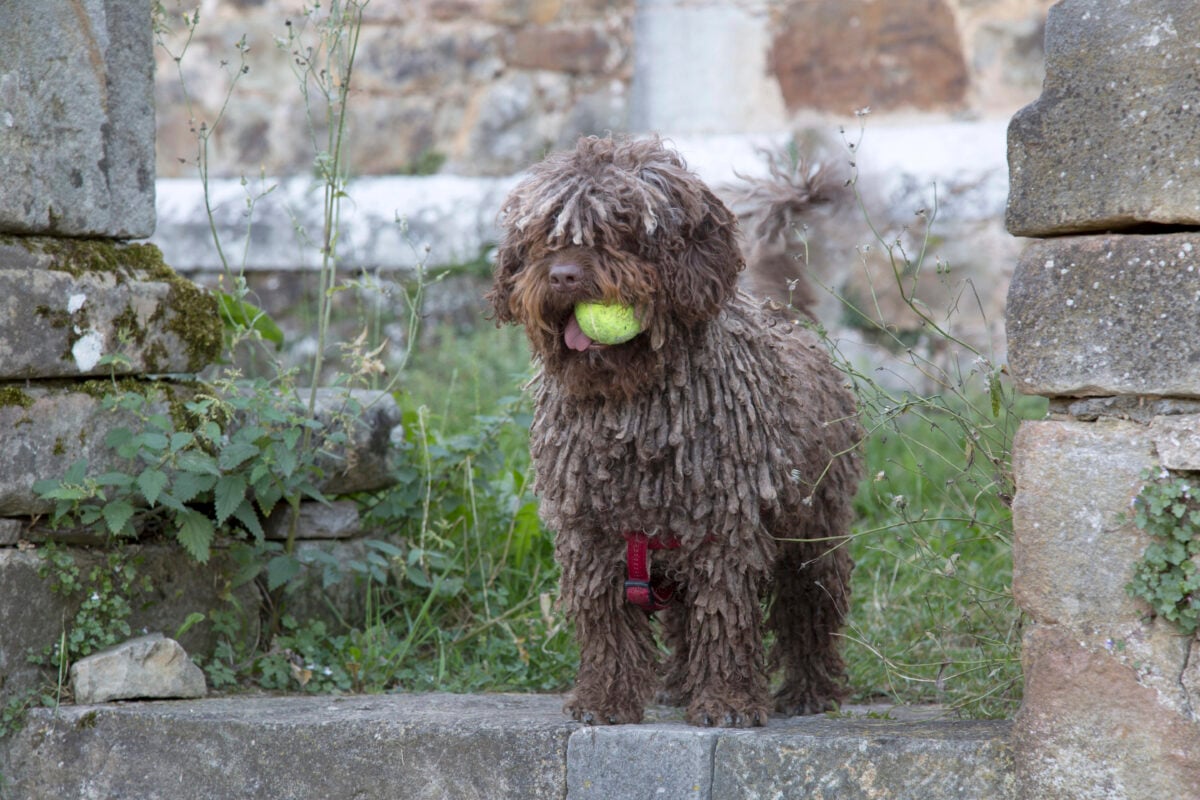
9. Spanish Water Dog
Although the Spanish Water Dog is smaller than most panda-like breeds, its uniquely curly coat makes it especially cuddly. Originally from the Iberian Peninsula, the Spanish Water Dog was developed to herd, hunt, and work with fishermen.
This sturdy, well-proportioned pup is well-suited as both a watchdog and a family companion. His coat comes in black, brown, beige, or white, but the black-and-white variety resembles a miniature panda bear.
Breed Snapshot
- Size: 30–50 lbs, 15–20 inches tall
- Coat: Curly, woolly coat that’s never brushed—trimmed evenly instead
- Temperament: Energetic, loyal, versatile
- Ideal For: Active households, allergy-sensitive owners (hypoallergenic coat)
- Care Needs: Mental stimulation, regular exercise, coat trimming as needed
10. Caucasian Shepherd
The Caucasian Shepherd‘s thick coat, when grey or grizzled and white, makes this large livestock guardian breed resemble a panda bear. Caucasian Shepherds were used to protect families and guard livestock.
This powerful guardian needs plenty of space and experienced handling, and its thick coat requires regular grooming and can make hot weather especially difficult. The breed is naturally protective and can be wary of strangers, with barking and territorial behavior that require early socialization and consistent training.
This breed can be deeply loyal to its family but generally isn’t the easiest choice for first-time owners or busy households with lots of unfamiliar visitors.

Breed Snapshot
- Size: 100–200 lbs, 23–30 inches tall
- Coat: Thick, double coat; colors include white, gray, and grizzled mixes
- Temperament: Bold, independent, protective
- Ideal For: Experienced owners, secure rural properties, livestock guarding
- Care Needs: Intensive early training and socialization; regular brushing
Bonus: Other Bear-Like Dog Breeds
Think you’ve seen all the bear-like dog breeds out there? Not quite. These extra breeds continue the theme with massive frames, thick coats, bold personalities, or all three. Whether you’re drawn to shaggy protectors or short-coated powerhouses, these dogs carry serious bear vibes and make unforgettable companions.
11. Keeshond
The Keeshond offers a more compact way to get the fluffy, bear-like look, making it easier to accommodate than many giant breeds. Its plush double coat sheds and needs regular brushing, and that thick fur means owners in hot climates need to take extra care during warm weather.
Keeshonds are typically social, intelligent, and people-oriented, though they can be alert and vocal, with serious bear-cub energy. Their trainability and friendly nature can make them perfect companions for families who want a fluffy, friendly face without 100+ pounds of muscle behind it.

Breed Snapshot
- Size: 35–45 lbs, 17–18 inches tall
- Coat: Thick, silver-gray and black double coat with a fox-like expression
- Temperament: Outgoing, lively, loyal
- Ideal For: Families, apartment dwellers (with daily walks), first-time dog owners
- Care Needs: Frequent brushing, especially during shedding season; thrives with regular interaction and activity
12. Pyrenean Mastiff
The Pyrenean Mastiff is one of the gentlest giants you’ll meet. With their massive size, broad head, and long, flowing coat, they uncannily resemble polar bears. While they can be imposing to strangers, they’re exceptionally affectionate with their families and get along well with children and other pets. Calm, composed, and slow to anger, these dogs excel as guardians and companions alike.
Unlike some other mastiff breeds, the Pyrenean is not prone to unnecessary aggression—its protective instincts are measured and intuitive. Their booming bark, combined with their size, is usually enough to deter any threat.
Though powerful, they’re known for their laid-back temperament and ability to think independently, making them ideal for people who want a protective breed without constant energy demands.

Breed Snapshot
- Size: 120–180 lbs, 25–31 inches tall
- Coat: Long, thick, weather-resistant coat; often white with gray or tan patches
- Temperament: Protective, docile, friendly
- Ideal For: Spacious homes with secure fencing; experienced owners
- Care Needs: Daily brushing during shedding season; socialization is crucial
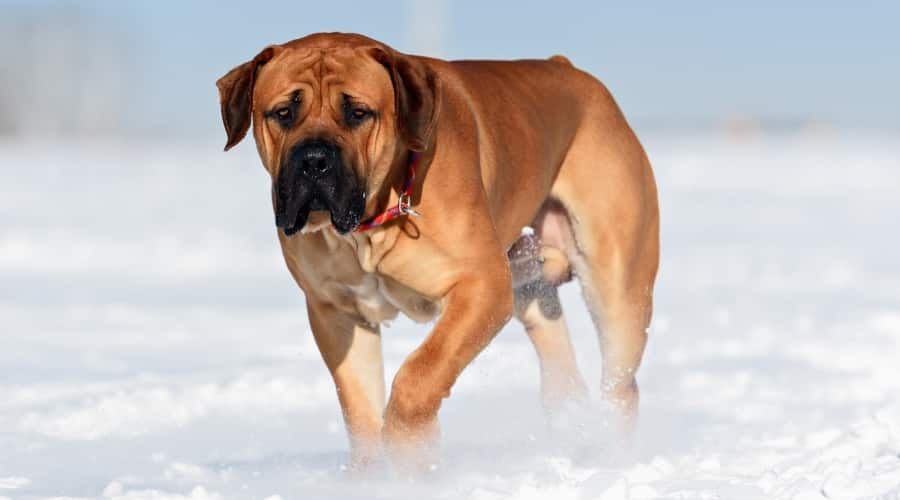
13. Boerboel
The Boerboel (pronounced “boo-er-bull”) is a powerful, broad-shouldered guardian from South Africa originally bred to protect homesteads from wild predators, including lions. While they don’t have a fluffy coat like other bear-like breeds, their muscular build, massive head, and strong, lumbering gait give them the unmistakable presence of a short-coated grizzly bear.
These dogs were bred for function: strength, courage, and an unwavering loyalty to their human family. The Boerboel is affectionate and deeply bonded to those it trusts, but it’s not a breed for first-time owners. Their sheer power, confidence, and territorial instincts require strong leadership, early training, and continuous socialization.
Despite their imposing appearance, Boerboels are calm and steady indoors when properly exercised. They’re known for being gentle with children they consider part of their “pack,” but may be wary of strangers and overly protective if not well-socialized.
Breed Snapshot
- Size: 110–200 lbs, 22–28 inches tall
- Coat: Short, smooth coat; fawn, red, brown, brindle
- Temperament: Confident, loyal, territorial
- Ideal For: Experienced owners seeking a natural guard dog
- Care Needs: Early training, high socialization, moderate grooming
Which Bear-Dog Is Right for You?
Choosing a dog that looks like a bear isn’t just about the fluff; it’s about finding a breed that fits your lifestyle, energy level, and experience as a dog owner.
| If You’re Looking For… | Breeds to Research | Why |
|---|---|---|
| A gentle giant | Newfoundland, Leonberger | Large companion-oriented breeds worth considering for family life |
| A polar-bear look | Great Pyrenees, Samoyed, Kuvasz | White coats, substantial builds, and heavy fluff |
| An active companion | Samoyed, Spanish Water Dog | Better suited to households prepared for regular activity |
| A livestock guardian | Great Pyrenees, Kuvasz, Pyrenean Mastiff | Bred with independent guardian instincts |
| A smaller bear-like dog | Keeshond | Bear-cub appearance without giant-breed size |
| Less coat maintenance | Boerboel | Short coat, but still a powerful breed requiring experienced ownership |
| A serious guardian | Tibetan Mastiff, Caucasian Shepherd, Boerboel | Powerful protective breeds requiring careful training and socialization |
Still unsure? Consider your home size, activity level, and grooming tolerance before choosing one of these larger-than-life, bear-like best friends.

Small Dogs That Look Like Teddy Bears vs. Big Dogs That Look Like Bears
Not everyone has room—or the desire—for a 100-plus-pound dog. Fortunately, you can get the teddy-bear look at several different sizes.
Big bear-like dogs: Great Pyrenees, Newfoundland, Leonberger, and Tibetan Mastiff deliver the full-size bear effect. They’re impressive and often cuddly, but their size means more food, grooming, equipment, and space.
Smaller teddy-bear dogs: Keeshonds, Pomeranians, Shih Tzus, and other fluffy small breeds can give you the round-faced, plush-toy look without the giant-dog footprint.
If appearance is your priority, start with the size you can realistically live with. The cutest bear-like dog is the one that fits your home and lifestyle.
Are Bear-Like Dogs Good Family Dogs?
Some bear-like dogs make wonderful family companions, but the teddy-bear look doesn’t tell you much about temperament. The right choice depends on the breed and your family’s lifestyle.
- Gentle giants: Newfoundlands and Leonbergers are often affectionate, people-oriented, and patient, making them popular family dogs when their size and care needs are manageable.
- Fluffy working breeds: Samoyeds can be playful and social but typically need plenty of exercise and attention.
- Guardian breeds: Great Pyrenees and Tibetan Mastiffs can be loving with their families but may be more independent or protective around strangers. They generally need confident, consistent training.
- More independent breeds: Chow Chows can form strong bonds with their families but tend to be more reserved and aren’t always the best choice for first-time dog owners.
If you have children, consider the individual dog’s temperament, your children’s ages, the breed’s energy level, and its size—not just how cuddly it looks.
Am I Really Ready for a Dog?
A bear-like dog may look like the perfect cuddle buddy, but choosing one is a long-term commitment. Before you buy or adopt, make sure you’re prepared for the everyday realities of caring for a dog. Remember: owning one of these breeds is more than a vibe; it’s a commitment. Many of these dogs are large, independent, and naturally protective. They need training, exercise, grooming, and a home that understands their instincts and history.
Quick Checklist
- Space: Do you have enough room for the breed’s adult size and activity level?
- Budget: Can you comfortably cover food, grooming, supplies, training, and veterinary care?
- Time: Do you have time each day for exercise, training, play, and companionship?
- Grooming: Are you prepared for regular brushing, shedding, and potential professional grooming?
- Temperament: Does the breed’s personality and training needs fit your experience and lifestyle?
- Commitment: Are you prepared to care for this dog throughout its life, even if your schedule, home, or finances change?
If several answers are “not yet,” it’s worth listening. The right dog isn’t simply the one you fall in love with—it’s one you can realistically care for for years to come.
And even if you’re not ready to commit just yet, save this list, share it with a fellow dog lover, or visit a local shelter to meet some big-hearted pups in person. You never know; you might just lock eyes with your future bear-dog best friend.

More to keep in mind: Dog ownership can add up quickly, with lifetime costs often reaching $15,000 to $50,000+ depending on the breed and healthcare needs. Before bringing one home, consider the ongoing costs, time, and commitment involved, and check out our guide to making sure you’re ready for a dog.
Frequently Asked Questions
Whether you’re a lifelong dog owner or looking to become a new pup parent, you’ll always have questions! Check out the answers below and respond in the comments with any other questions.
What dog looks most like a bear?
The Chow Chow, Newfoundland, Great Pyrenees, and Tibetan Mastiff are among the breeds that can look remarkably bear-like. Their thick coats, broad faces, large frames, and rounded features create the strongest bear resemblance. For a fluffy polar-bear look, the Great Pyrenees and Samoyed are especially convincing, while the Chow Chow has a more distinctive bear-like face.
Are bear-like dogs hard to train?
Training difficulty depends much more on the breed than on its appearance. Some, such as Newfoundlands and Samoyeds, are generally eager to work with their people, while guardian breeds like Great Pyrenees and Tibetan Mastiffs can be more independent. Consistent, positive training and early socialization are especially important for larger or more protective breeds.
Do bear-like dogs shed a lot?
Many bear-like breeds are heavy shedders, particularly those with thick double coats. Great Pyrenees, Samoyeds, Newfoundlands, and Chow Chows can leave plenty of hair around the house and may shed especially heavily during seasonal coat changes. Regular brushing can help manage the fur, but these breeds aren’t typically low-maintenance.
Are there small dogs that look like bears?
Plenty of smaller breeds can deliver a teddy-bear look without the size of a Newfoundland or Great Pyrenees. Keeshonds, Pomeranians, Chow Chows, and some Shih Tzus can all have fluffy coats and rounded, bear-like features. If you want the look without the giant-dog footprint, focus on smaller fluffy breeds with the coat and facial features you prefer.
Are bear-like dogs good for first-time owners?
Some can be, but several popular bear-like breeds require more experience than their cuddly appearance suggests. Newfoundlands can be a more approachable option for some first-time owners, while independent guardian breeds such as Tibetan Mastiffs and Great Pyrenees may be more challenging. Consider training needs, size, exercise, grooming, and temperament before choosing your first dog.

Keep Exploring Dog Breeds
Love the fluffy, larger-than-life look but haven’t found your perfect match? Explore our guide to large dog breeds to meet more supersized pups, or check out our teddy bear dog breeds if you want that cuddly bear-like appearance in a smaller package.
And remember, looks are only part of choosing a dog. Before bringing home your new best friend, see how much it costs to own a dog so you know what to expect from food, grooming, veterinary care, and other everyday expenses.