
When you purchase through links on our site, we may earn a commission at no extra cost to you. Learn more.
Border Collies are known for being the smartest dogs in the world, but all that brainpower comes with a few surprises.
Table of Contents
Whether you have one or are thinking about getting one, this breed is prone to several health issues that can catch owners off guard.
If your Border Collie has ever limped, zoned out mid-play, or just felt “off,” there’s usually a reason, and it’s not always obvious.
Planning Ahead For Border Collie Vet Bills
Border Collies are incredibly loyal and energetic dogs, but sometimes their health needs can add up faster than many owners expect.
Want our human-written content to rank above AI-generated garbage? Help us out by clicking this button!
While generally healthy compared to some other purebreds, this breed is still prone to injuries and several inherited conditions that often mean repeat vet visits, testing, medications, and sometimes surgery.
Planning ahead can make those moments a lot less stressful. Pet insurance helps cover unexpected costs, so you can focuson getting your dog the care they need, not worrying about how much it will cost.
Learn more about the best pet insurance options for Border Collies and request a free quote using the form below.

10 Common Border Collie Health Issues
I spoke with Dr. Rebecca MacMillan, BVetMed, BSAVA, PGCertSAM, MRCVS, to get a practicing veterinarian’s perspective on Border Collie health issues. She sees many in her practice.
With insights from Dr. MacMillan and my thorough research, I’ve identified the 10 most common Border Collie health concerns.
Knowing the signs of each condition can help you catch problems early and get your pup the care they need before things get serious. If you notice any symptoms, please don’t wait to contact your vet.
1. Hip Dysplasia
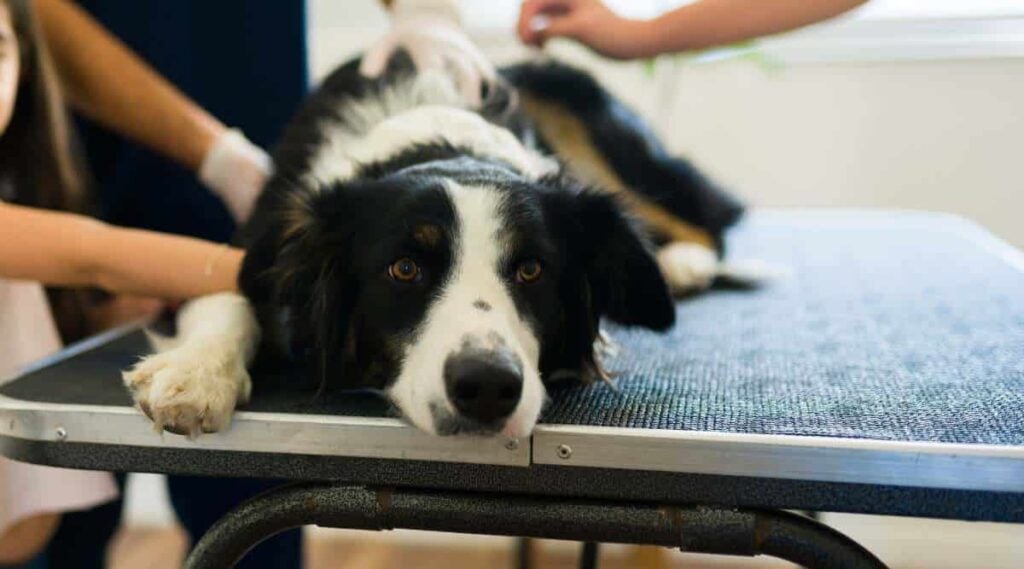
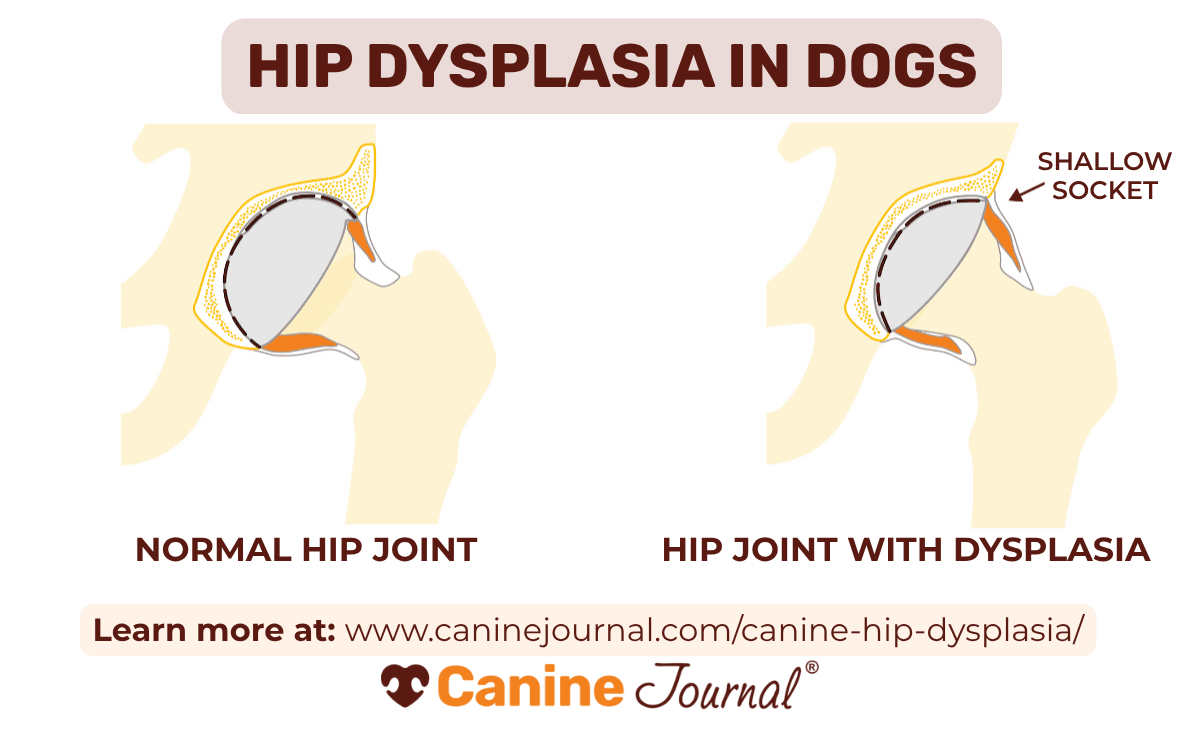
Hip dysplasia is one of the most common joint issues seen in Border Collies, especially in active or working lines.
It occurs when the hip joint doesn’t form properly, leading to abnormal movement of the ball and socket. Over time, that instability leads to wear and tear, resulting in pain, stiffness, and reduced mobility.
As the condition progresses, many dogs develop arthritis, which can significantly impact their ability to stay active.
Symptoms of Hip Dysplasia
Because Border Collies are so energetic, early signs can be easy to miss, as they may tolerate discomfort longer than other breeds.
- Pain or discomfort during exercise
- Limping or favoring one leg
- Stiffness, especially after rest
- “Bunny hopping” when running
- Difficulty standing up, climbing stairs, or jumping
- Decreased interest in activity or play
- Abnormal gait or reduced range of motion
Diagnosis & Treatment
Veterinarians diagnose hip dysplasia through a physical exam and X-rays to assess joint structure and severity.
Treatment depends on the severity of the condition. Many dogs can be managed with:
- Anti-inflammatory or pain medications
- Joint supplements
- Physical therapy
- Controlled exercise
- Weight management
In more severe cases, surgery may be recommended. Total hip replacement is often the most effective long-term solution for restoring mobility and quality of life.
2. Osteochondritis Dissecans (OCD)
Osteochondritis dissecans (OCD) is a developmental joint condition that can affect young, growing Border Collies, most commonly between 4 and 9 months of age, though it can also affect older puppies.
It occurs when cartilage doesn’t properly attach to the underlying bone, causing a flap to form within the joint. This leads to pain, inflammation, and restricted movement, most often in the shoulder, but it can also affect the elbow, knee, or hock (ankle).
Symptoms of OCD
Because Border Collies are so active, OCD often shows up when they’re still young and in their most energetic phase.
- Limping, especially after exercise
- Stiffness or difficulty moving after rest
- Reluctance to run, jump, or play
- Swelling in the affected joint
- Intermittent lameness that seems to come and go
- Signs of pain when the joint is touched or extended
Diagnosis & Treatment
Veterinarians diagnose OCD through a physical exam and imaging, most often X-rays. In some cases, advanced imaging like CT scans or arthroscopy may be used to confirm the condition.
Treatment depends on severity:
- Mild cases may improve with:
- Rest and activity restriction
- Anti-inflammatory medications
- Joint-support supplements
- Moderate to severe cases often require:
- Surgical removal of the cartilage flap
- Followed by rehabilitation and controlled exercise
Early treatment is important. Left untreated, OCD can lead to chronic pain and early-onset arthritis, which can limit your Border Collie’s long-term mobility.
3. Cranial Cruciate Ligament (CCL) Tears
Cranial cruciate ligament (CCL) tears are one of the most common knee injuries seen in active dogs, including, of course, the powerhouse Border Collie.

This ligament stabilizes the knee joint, and when it tears (partially or completely), it leads to pain, instability, and difficulty bearing weight. It’s similar to an ACL injury in humans.
In Border Collies, CCL injuries can happen suddenly during sharp turns, fast stops, or high-impact play, but they can also develop gradually over time as the ligament weakens. There’s also a hereditary component, meaning some dogs are genetically predisposed to ligament degeneration.
One important (and frustrating) reality: more than half of dogs with a CCL injury will eventually develop issues in both knees, turning what starts as a single problem into a long-term mobility challenge.
CCL Injury Symptoms
- Limping or favoring one hind leg
- Barely putting weighton the affected leg
- Walking on three legs
- Difficulty standing up or sitting down
- Sitting with the leg stuck out to the side
- Swelling around the knee joint
- Clicking or popping sounds during movement
- Decreased activity or reluctance to run and jump
Diagnosis & Treatment
CCL tears are diagnosed through a physical exam, checking for joint instability and range of motion. X-rays are often used to assess inflammation and rule out other issues.
Treatment depends on severity and your dog’s activity level:
- Partial tears or less active dogs may be managed with:
- Rest and activity restriction
- Anti-inflammatory medications
- Joint support and physical therapy
- Complete tears or highly active dogs (like Border Collies) typically require:
- Orthopedic surgery to stabilize the knee
- Followed by rehabilitation and structured recovery
Recovery can take several months and usually includes pain management, controlled exercise, and physical therapy.
Even with successful treatment, many dogs go on to develop arthritis in the affected joint, making long-term weight management and joint care especially important.
4. Congenital Heart Disorders
While not the most common issue in Border Collies, congenital heart defects can occur and are important to catch early, especially in puppies.
One of the primary conditions seen is patent ductus arteriosus (PDA). Before birth, a temporary blood vessel (the ductus arteriosus) allows blood to bypass the lungs.
After birth, this vessel should close on its own. In puppies with PDA, it remains open, causing abnormal blood flow between the heart and lungs.
Over time, this puts extra strain on the heart, which can lead to fluid buildup, heart enlargement, and eventually congestive heart failure if left untreated.
PDA Symptoms
- Heart murmur (often detected during a vet exam)
- Abnormal or bounding pulse
- Fatigue or excessive sleeping
- Difficulty breathing and coughing
- Poor exercise tolerance
- Slower growth compared to other puppies
Diagnosis & Treatment
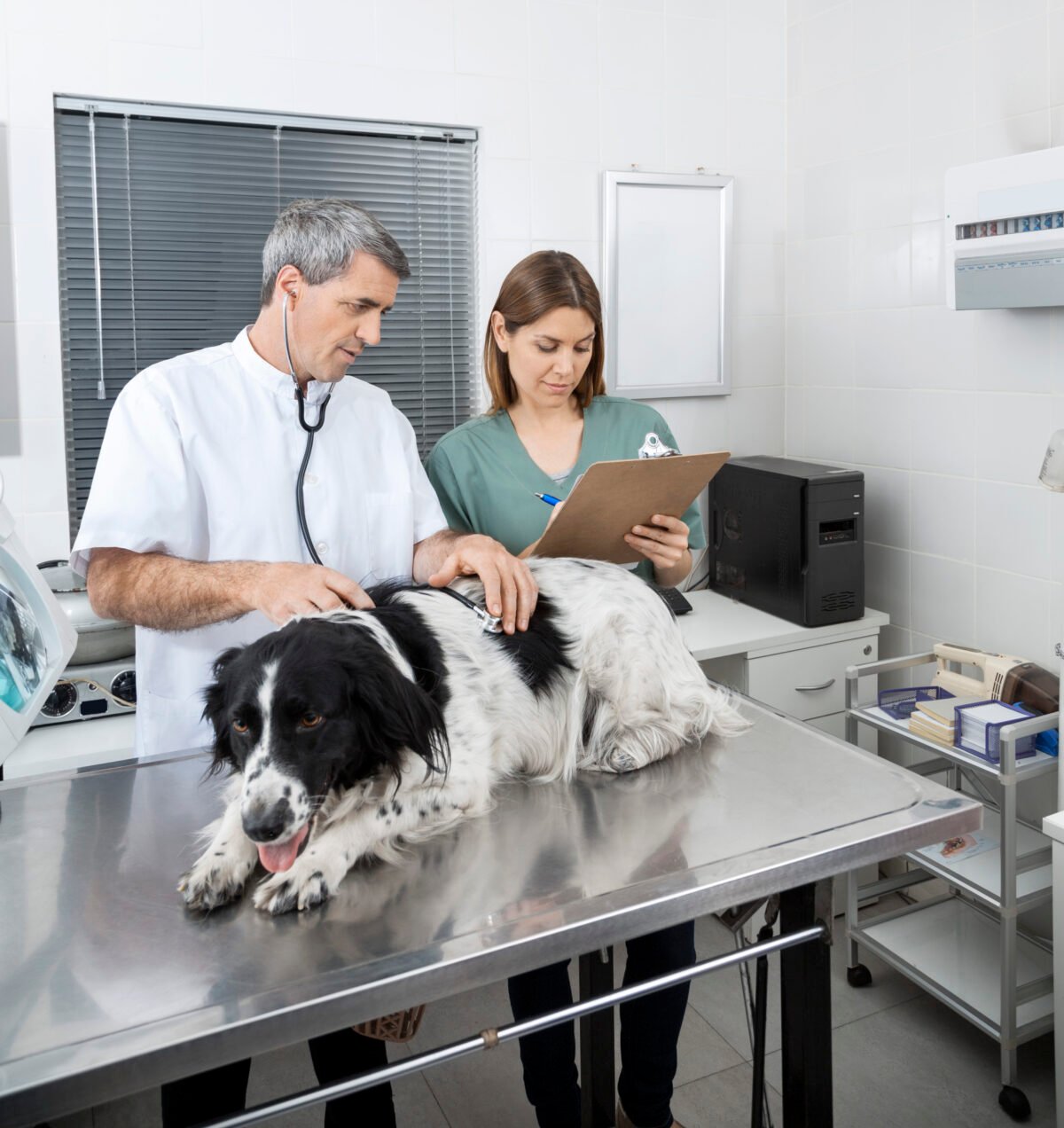
PDA is often first identified when a veterinarian detects a heart murmur during a routine exam, especially in young puppies.
A diagnosis typically involves an echocardiogram (cardiac ultrasound) and sometimes chest X-rays to evaluate heart size and fluid buildup.
Treatment is usually very effective when addressed early and may include:
- Minimally invasive catheter-based procedures to close the vessel
- Or surgical correction in certain cases
With timely treatment, many dogs go on to live normal, active lives.
5. Epilepsy
Epilepsy is a neurological condition that causes recurrent seizures due to abnormal electrical activity in the brain. It’s one of the more common neurological issues seen in Border Collies and often has a genetic (idiopathic) origin, meaning no clear underlying cause is identified.
Idiopathic epilepsy in Border Collies typically appears between 1 and 5 years of age, and most dogs are otherwise healthy between episodes.
While witnessing a seizure can be frightening, many dogs with epilepsy go on to live full, active lives with proper management.
Epilepsy Symptoms
Some dogs show subtle warning signs (called an aura) before a seizure, while others have no warning at all. Seizures usually last 30 seconds to a few minutes.
- Sudden collapse or falling to the side
- Stiffening of the body and limbs
- Paddling or jerking movements
- Trembling or full-body convulsions
- Drooling or foaming at the mouth
- Chewing or chomping motions
- Loss of bladder or bowel control
- Vocalizing
After a seizure, many dogs experience a postictal phase, during which they may appear disoriented, restless, temporarily blind, or unusually tired.
Diagnosis & Treatment
Epilepsy is diagnosed by ruling out other causes of seizures, such as toxin exposure, metabolic disorders, infections, or brain disease.
Diagnostics may include:
- Physical and neurological exams
- Blood and urine testing
- Review of seizure history and age of onset
- Advanced imaging (MRI or CT) in some cases
Treatment typically involves daily anticonvulsant medication to reduce the frequency and severity of seizures.
- Some dogs respond well to a single medication
- Others may require a combination of medications
- Ongoing monitoring and dosage adjustments are often needed
While epilepsy usually can’t be cured, consistent treatment allows many Border Collies to maintain a good quality of life.
6. Eye Disorders
Eye conditions are an important concern in Border Collies, with Collie Eye Anomaly (CEA) being the most well-known and breed-specific issue.
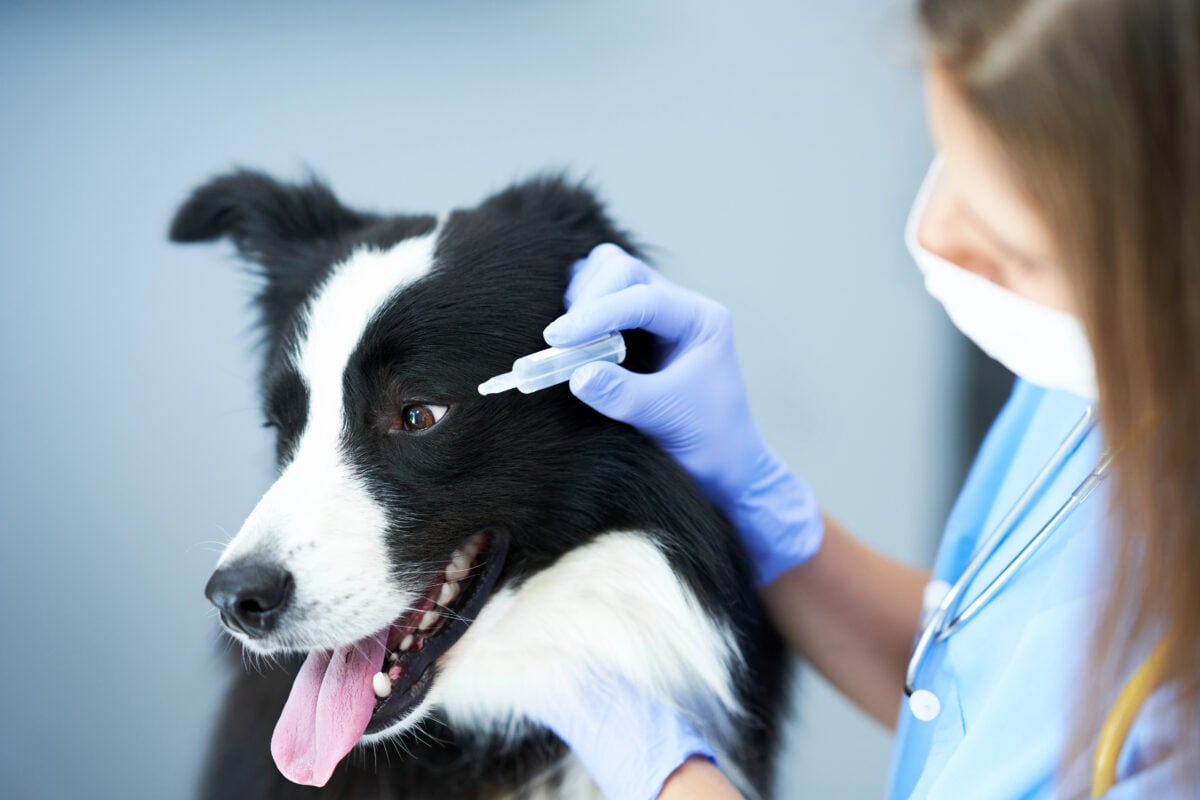
CEA is a hereditary condition that affects the development of the eye, including the retina, choroid, and sclera. It’s present from birth and caused by a genetic mutation passed down through breeding lines.
In many dogs, CEA causes mild vision impairment or no obvious symptoms, making it easily overlooked without proper screening. However, in more severe cases, it can lead to retinal detachment, vision loss, or blindness.
CEA is also closely linked to retinal dysplasia or detachment, in which the retina separates from its underlying tissue, a complication that is among the most serious.
Other Eye Disorders in Border Collies
While CEA is the primary concern, Border Collies can also develop other eye conditions, including:
- Cataracts – Clouding of the eye’s lens that can impair vision and may be hereditary
- Glaucoma – Increased pressure within the eye that can cause pain and irreversible blindness if not treated promptly
- Distichiasis – Abnormal eyelash growth that can irritate the eye
Eye Disorder Symptoms
Many eye conditions share similar warning signs:
- Squinting or excessive blinking
- Red, inflamed, or cloudy eyes
- Sensitivity to light
- Yellow or green discharge
- Pawing at the face or rubbing the eyes
- Vision changes or bumping into objects
Diagnosis & Treatment
Many eye conditions are time-sensitive, especially when vision is at risk.
Veterinarians diagnose these issues using:
- Comprehensive eye exams
- Corneal staining (to check for ulcers)
- Tear production tests
- Eye pressure measurements (for glaucoma)
Treatment dependson the condition and severity and may include:
- Prescription eye drops or ointments
- Lubricating treatments to protect the eye surface
- Antibiotics or anti-inflammatory medications
- Surgery for more advanced conditions (such as glaucoma or severe structural issues)
Early detection is key. Regular eye exams, especially for breeding dogs, can help catch conditions like CEA early and prevent more serious complications.
7. Anxiety
Border Collies are one of the most anxiety-prone dog breeds, largely because of their intelligence, sensitivity, and intense need for mental and physical stimulation.
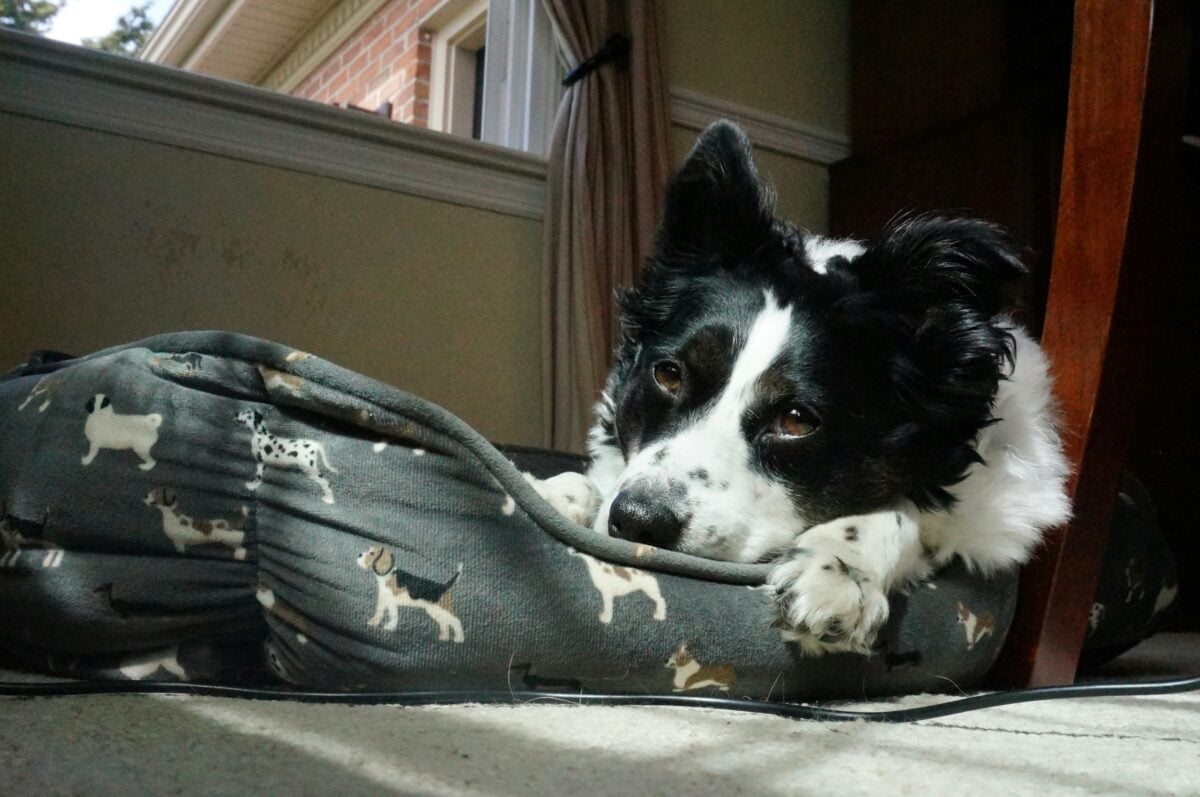
They were bred for constant, high-level work, often making independent decisions while herding. Without that kind of daily outlet, many Border Collies struggle to settle — and that stress can quickly turn into anxiety-related behaviors.
In many cases, what looks like “bad behavior” is actually a dog that is under-stimulated, overwhelmed, or unsure how to channel their energy.
Symptoms of Anxiety
- Destructive behavior (chewing, digging, tearing things up)
- Excessive barking or whining
- Pacing or inability to relax
- Obsessive behaviors (chasing shadows, lights, or reflections)
- Separation anxiety when left alone
- Noise sensitivity (storms, fireworks, loud sounds)
- Herding behaviors directed at people or other pets
Diagnosis & Treatment
Anxiety is typically diagnosed based on behavior patterns and history, rather than a specific medical test. Your veterinarian may also rule out underlying medical causes of behavioral changes.
Treatment focuses on management, routine, and mental engagement:
- Daily physical exercise (not just short walks — Borders need real, strenuous activity)
- Daily mental stimulation (training, puzzle toys, problem-solving games)
- Consistent routines to reduce uncertainty
- Behavioral therapy or working with a professional trainer
- In some cases, anti-anxiety medications or supplements
For Border Collies, prevention is just as important as treatment. A well-exercised, mentally engaged dog is far less likely to develop chronic anxiety or destructive habits.
8. Hypothyroidism
Hypothyroidism is a common hormonal disorder in dogs where the thyroid gland doesn’t produce enough hormones, leading to a slowed metabolism.
In Border Collies, it typically shows up in middle age (around 6–7 years old) and can be easy to overlook at first because the symptoms often develop gradually.
Over time, this condition can affect your dog’s energy levels, weight, skin, and overall health if left untreated.
Symptoms of Hypothyroidism
- Unexplained weight gain (despite no change in diet)
- Lethargy or decreased energy
- Reduced activity level or exercise intolerance
- Hair thinning or hair loss (often without itching)
- Dry, dull, brittle coat
- Skin darkening or thickening
- Recurring ear or skin infections
- Intolerance to cold
- Slow heart rate
Diagnosis & Treatment
Veterinarians diagnose hypothyroidism by measuring thyroid hormone levels in blood tests. Additional testing may be recommended to confirm the diagnosis, rule out other conditions, and evaluate overall organ function. While hypothyroidism isn’t curable, it is very manageable.
Treatment typically involves:
- Daily oral thyroid hormone replacement medication
- Routine monitoring to ensure proper dosage over time
Most dogs respond extremely well to treatment, with noticeable improvements in energy, coat quality, and weight management once hormone levels are stabilized.

9. Degenerative Myelopathy
Degenerative myelopathy (DM) is a progressive neurological disorder that affects the spinal cord, leading to a gradual loss of hind limb function.
It’s a genetic condition seen in Border Collies and other breeds, typically developing in older dogs. Over time, the nerves that control movement begin to deteriorate, leading to weakness, coordination problems, and eventually paralysis of the back legs.
DM Symptoms
One of the most challenging aspects of DM is that it’s painless, which can make it harder to recognize early on.
- Weakness in the hind legs
- Wobbling or unsteady walking
- Dragging of the back feet (often causing worn nails)
- Difficulty standing up or climbing stairs
- Loss of coordination
- Gradual progression to partial or full paralysis in the rear limbs
Diagnosis & Treatment
Degenerative myelopathy is diagnosed primarily by ruling out other conditions that cause similar symptoms, such as arthritis, hip dysplasia, or spinal injuries.
Diagnostics may include:
- Neurological exams
- X-rays or an MRI to rule out structural issues
- Genetic testing to assess risk
Unfortunately, there is no cure for DM, and no treatment that can stop its progression. Management focuseson maintaining quality of life for as long as possible, including:
- Physical therapy and mobility exercises
- Assistive devices (such as harnesses or mobility carts)
- Weight management to reduce strain
The condition typically progresses over months to years, and early support can help dogs stay mobile and comfortable longer.
10. Cancer
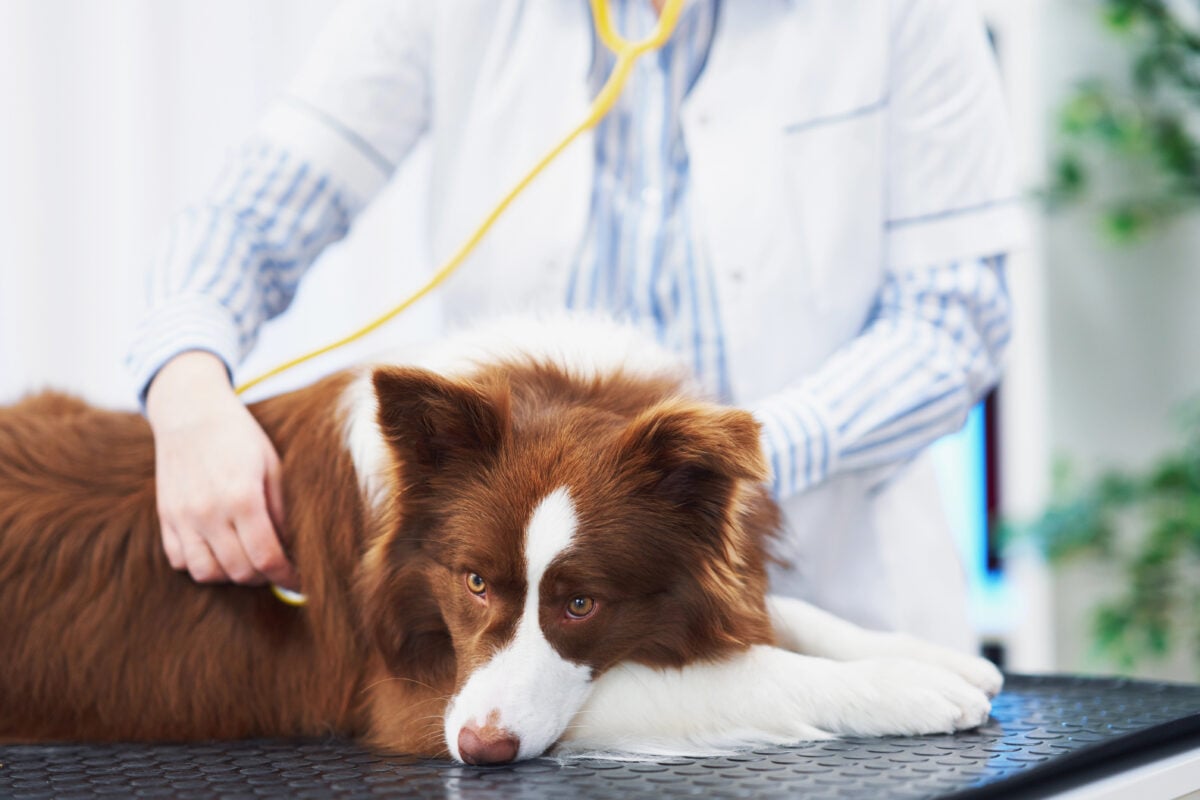
Cancer is one of the leading health concerns in Border Collies and many other breeds, particularly as they reach middle age and beyond.
The most commonly reported type in Borders is lymphoma, but they can also develop hemangiosarcoma, mast cell tumors, and osteosarcoma.
Because early symptoms can be subtle, recognizing changes quickly can make a significant difference in outcomes.
Lymphoma
Lymphoma is a cancer of the lymphatic system, which includes the lymph nodes, spleen, and bone marrow. It’s one of the most common cancers in dogs and often one of the more treatable forms, especially when caught early.
Symptoms
- Swollen lymph nodes (under the jaw, armpits, or groin)
- Lethargy
- Weight loss
- Decreased appetite
Treatment
Lymphoma is typically treated with chemotherapy, and many dogs respond well, with some achieving remission.
2. Hemangiosarcoma
Hemangiosarcoma is an aggressive cancer of the blood vessels, often affecting the spleen, liver, or heart. One of the biggest challenges is that it can develop silently, with symptoms appearing suddenly and severely.
Symptoms
- Sudden weakness or collapse
- Pale gums
- Rapid breathing
- Signs of internal bleeding
Treatment
Treatment may include surgery and chemotherapy, but this cancer tends to be highly aggressive, and prognosis is often guarded.
3. Osteosarcoma
Osteosarcoma is a bone cancer that causes significant pain and typically affects the limbs.
While more common in larger breeds, it can still occur in Border Collies.
Symptoms
- Lameness that doesn’t improve
- Swelling in a limb
- Pain or sensitivity in the affected area
Treatment
Treatment often involves amputation of the affected limb, followed by chemotherapy to slow the spread and improve quality of life.
4. Mast Cell Tumors
Mast cell tumors are a type of skin cancer that can vary widely in severity, from relatively mild to highly aggressive.
They can be tricky because they often look like harmless lumps or bumps.
Symptoms
- New or changing lumps on the skin
- Lumps that change size, redness, or irritation
- Possible itching or inflammation
Treatment
Treatment depends on the tumor’s grade and spread, but often includes surgical removal and chemotherapy or radiation in more advanced cases.
Other Border Collie Health Issues
While the conditions above are the most common, Border Collies can also develop several less frequent but still important health issues, many of which are genetic.

- Periodontal disease – Can cause pain, tooth loss, and infection if untreated.
- Border Collie collapse (BCC) – Causes disorientation or collapse after intense exercise; recovery usually occurs within 20–30 minutes.
- Trapped neutrophil syndrome (TNS) – A severe immune disorder; affected puppies often don’t survive past a few months.
- Neuronal ceroid lipofuscinosis (CL) – Leads to seizures, behavior changes, and vision loss, typically starting around 15–20 months.
- Portosystemic (liver) shunt – Prevents the liver from filtering toxins properly; often requires surgery.
- Follicular dysplasia – Causes hair loss and recurring skin issues; requires lifelong management.
- Imerslund-Gräsbeck Syndrome (IGS) – Prevents proper vitamin B12 absorption; symptoms appear in young puppies.
Get Your Border Collie Tested For MDR1
Border Collies can carry a genetic mutation called MDR1, which affects how their which affects how they metabolize certain medications.
Dogs with this mutation can have severe or even life-threatening reactions to common drugs, including some dewormers, anti-diarrheal medications, and chemotherapy agents.
The tricky part: you won’t know your dog is affected until there’s a reaction, unless you test for it.
A simple at-home DNA test can identify this risk early. Kits from Embark and Wisdom Panel can tell you if your Border Collie has the MDR1 mutation, helping your vet choose safe, appropriate medications.
Average Costs For Common Border Collie Health Issues
The cost of treating Border Collie health issues can vary widely dependingon the severity of the condition, where you live, and the type of treatment required.
The estimates below are based on pet insurance claims data from providers such as Embrace and Fetch, reflecting real veterinary expenses reported by policyholders.
Average treatment cost ranges may include:
- Hip dysplasia: $1,500–$6,000
- CCL tear: $6,000 to $7,500
- Epilepsy: $3,500 – $6,500
- Anxiety: $600-$900
- Follicular dysplasia: $200-$500
6 Simple Ways to Keep Your Border Collie Healthy
You don’t need to do everything perfectly — focus on the habits that make the biggest impact for this high-energy, high-intelligence breed.

1. Prioritize Mental & Physical Stimulation
Border Collies need more than exercise; they need a job.
Daily activity should include:
- Structured exercise (running, hiking, agility)
- Training sessions (they thrive on learning)
- Puzzle toys or problem-solving games
Without enough stimulation, many Borders develop anxiety, obsessive behaviors, or destructiveness.
2. Protect Their Joints Early
All that speed and agility puts stress on joints.
- Limit repetitive high-impact activities
- Be cautious with jumping on hard surfaces
- Avoid slippery floors that increase injury risk
Preventing joint strain early can reduce the risk of hip issues and CCL injuries later on.
3. Stay Consistent With Vet Care
Routine checkups help catch issues like:
- Eye conditions (CEA and others)
- Thyroid imbalances
- Joint problems
Early detection often means simpler and less expensive treatment.
4. Feed for Performance, Not Just Fullness
Border Collies burn a lot of energy, so diet matters.
- Choose a high-quality, nutrient-dense food
- Match calories to their activity and age level
- Avoid frequent food changes that can trigger digestive issues
5. Maintain a Lean, Athletic Weight
Extra weight puts unnecessary strain on joints and ligaments. You should be able to:
- Feel the ribs easily (without pressing)
- See a defined waist from above
Keeping your Border lean helps reduce the risk of joint disease and injury.
6. Watch for Subtle Changes
Border Collies often push through discomfort, which can delay early warning signs.
Pay attention to:
- Changes in energy or behavior
- Limping or stiffness, even if mild
- Skin, coat, or ear changes
Catching small issues early can prevent bigger problems later.
Frequently Asked Questions
Here are some of the most common questions readers ask about Border Collie health. Have one we didn’t cover? Drop it in the comments — we’re happy to help.

What Is The Life Expectancy Of A Border Collie?
Border Collies typically live 12 to 15 years. Lifespan can vary based on genetics, activity level, diet, and overall health care. With proper care, many Borders stay active and healthy well into their senior years.
What’s The Best Diet For Border Collies?
Border Collies do best on a high-quality, nutrient-dense diet that supports their energy levels.
Look for food that:
- Matches their age and activity level
- Supports joint health and muscle maintenance
- Avoids unnecessary fillers that can trigger digestive or skin issues
See our top picks for the best dog food for Border Collies across all life stages.
What Do Border Collies Usually Die From?
The leading cause of death in Border Collies is cancer. Other common causes of death are often related to neurodegenerative issues, congenital abnormalities, and old age.
Where Can I Buy a Healthy Border Collie?
Choosing a reputable breeder is one of the best ways to reduce your dog’s risk of inherited health problems.
Responsible breeders:
- Perform genetic testing for known conditions
- Screen for issues like CEA and other hereditary diseases
- Prioritize health and temperament over appearance
See our guide on how to find a reputable breeder.
At What Age Do Border Collies Start Having Health Problems?
It depends on the condition:
- Puppy stage: Genetic issues like CEA or OCD
- Young adults (1–5 years): Epilepsy, CCL injuries
- Middle age (6+): Hypothyroidism, cancer
- Senior years: Degenerative conditions like DM
Want To See How Borders Compare To Other Popular Breeds?
If you’re still deciding whether a Border Collie is the right fit, it helps to see how they compare to other popular breeds, especially when it comes to energy level, trainability, and health needs.
These side-by-side guides break down what it’s really like to live with each breed:
- Border Collie vs Australian Shepherd: Similar looks, but key differences in temperament and intensity.
- Border Collie vs Golden Retriever: Family-friendliness vs high-drive working energy.
- Border Collie vs Labrador Retriever: How exercise needs, personality, and lifestyle compare.
- Border Collie vs German Shepherd: Intelligence, trainability, and protection instincts.
These comparisons can help you avoid surprises and choose a dog that truly fits your lifestyle.
Have a Border Collie story to share? Every Border Collie is a little different, and if you’ve lived with one, you know they rarely do anything halfway. Have you dealt with a health issue, noticed early warning signs, or figured out something that really helped your dog thrive? Share your experience in the comments.