
When you purchase through links on our site, we may earn a commission at no extra cost to you. Learn more.
If your dog keeps swallowing hard, licking their lips, coughing at night, or bringing up undigested food without warning, acid reflux could be the cause.
Table of Contents
In dogs, reflux does not look like heartburn. It looks like regurgitation, throat irritation, restlessness, and sometimes subtle appetite or behavior changes.
Here is how to tell if it is acid reflux, what else it could be, when it is an emergency, and what actually helps.
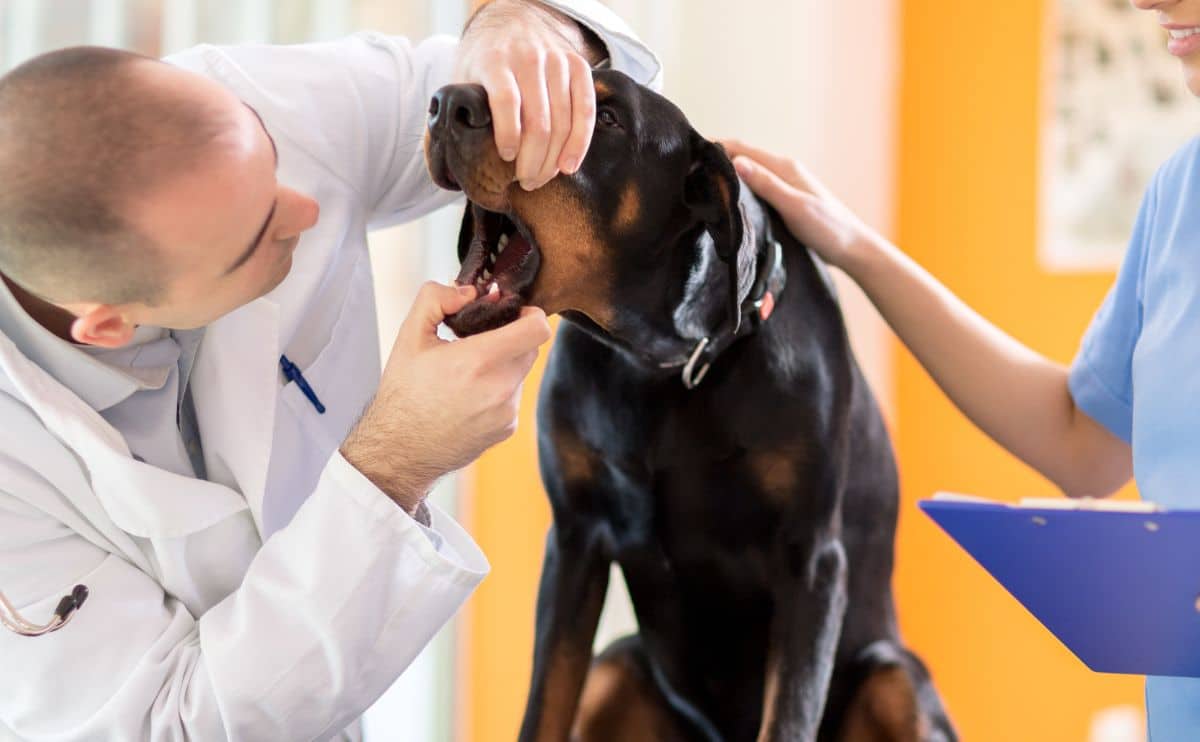
Can Dogs Get Acid Reflux? (What GERD Really Means)
Yes, dogs can get acid reflux. Acid reflux occurs when stomach contents move backward into the esophagus.
Inside your dog’s body, food travels down the esophagus into the stomach through a muscular ring called the lower esophageal sphincter. That ring is supposed to close tightly after food passes through.
When it does not close properly, stomach acid can move backward into the esophagus. That backward flow is acid reflux. If it happens repeatedly, it is called gastroesophageal reflux disease, or GERD.
Unlike the stomach, the esophagus does not have a protective lining against acid. Even small amounts can cause irritation, inflammation, and pain.
What Actually Happens During Reflux
Reflux occurs when pressure in the stomach overcomes the sphincter that separates the stomach from the esophagus.
Reflux typically occurs:
- Shortly after eating
- During sleep
- After anesthesia
- When abdominal pressure increases
When acid repeatedly contacts the esophagus, it can cause:
- Inflammation (esophagitis)
- Microscopic ulcers
- Painful swallowing
- Chronic throat irritation
- Secondary coughing
Over time, untreated reflux can damage tissue.
Why Some Dogs Are More Prone To Acid Reflux
Acid reflux is rarely random. Certain dogs are more susceptible.
1. Age
Young dogs may have immature sphincter control. Older dogs may develop muscle weakness or slower digestion.
2. Brachycephalic Breeds
Flat-faced breeds are significantly more prone to reflux.

Breeds like Bulldogs, French Bulldogs, Pugs, and Boston Terriers often have increased airway resistance. This increases pressure inside the chest and abdomen during breathing.
3. Anesthesia
During anesthesia, the sphincter relaxes. Reflux during surgery is not uncommon and is one reason fasting instructions are critical before procedures.
4. Hiatal Hernia
Some dogs have a structural defect where part of the stomach slips into the chest cavity. This weakens the barrier between stomach and esophagus and increases reflux risk.
5. Obesity
Excess abdominal fat increases pressure on the stomach.

That pressure makes it easier for acid to move upward. Weight management is one of the most effective non-medication interventions.
6. Diet & Feeding Habits
Large meals stretch the stomach and increase acid production. High-fat diets slow gastric emptying and increase reflux risk.
Rapid eating can also contribute.
Symptoms Of Acid Reflux In Dogs (Mild → Severe)
Some signs are subtle. Others are more obvious.
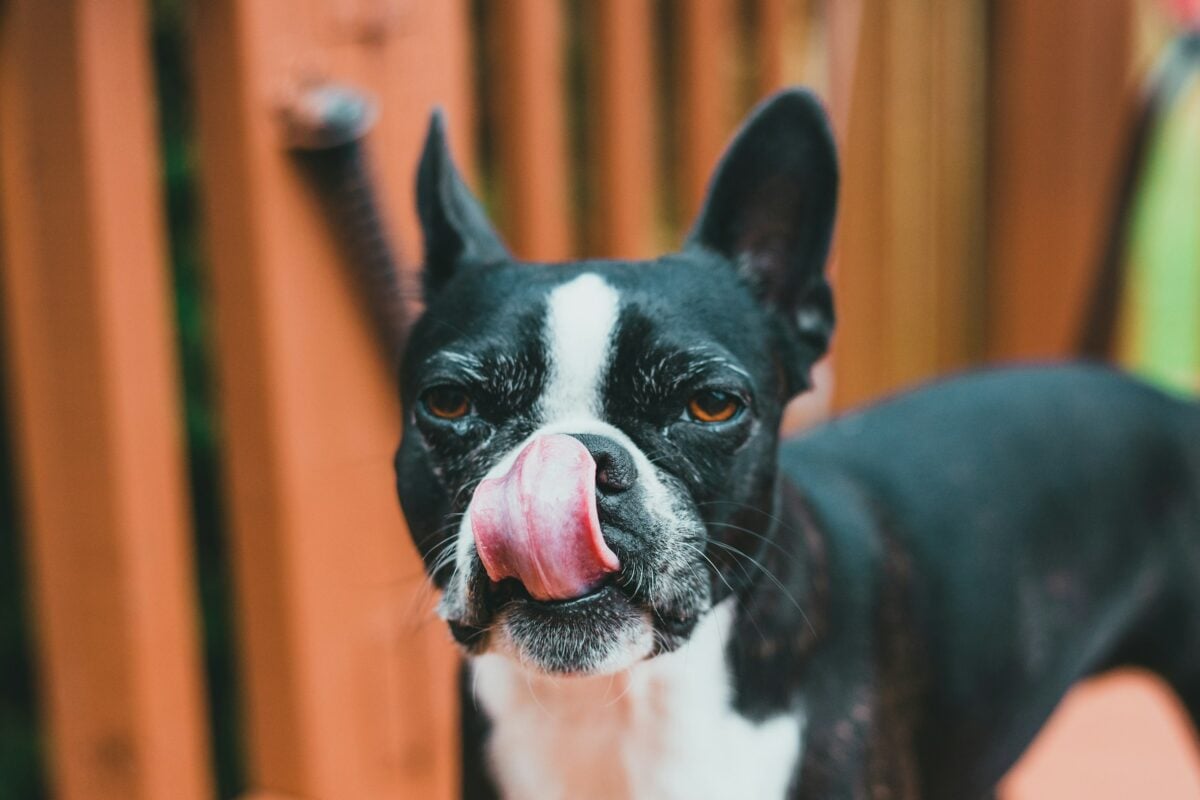
Mild Signs
- Lip licking
- Swallowing repeatedly
- Throat clearing
- Mild regurgitation
- Restlessness after meals
Moderate Signs
- Undigested food brought up
- Yellow bile
- Chronic coughing
- Decreased appetite
- Weight loss
Severe Signs
- Pain when swallowing
- Excess drooling
- Blood in regurgitated material
- Signs of aspiration (coughing, fever, lethargy)
Dogs often appear uncomfortable but cannot “tell” you directly. Behavior changes are your biggest clue.
Regurgitation vs Vomiting: Why It Matters
Many owners confuse these, but the distinction matters.
Regurgitation
Reflux is usually associated with regurgitation not vomiting. If your dog is regurgitating frequently, reflux or esophageal disease is more likely.
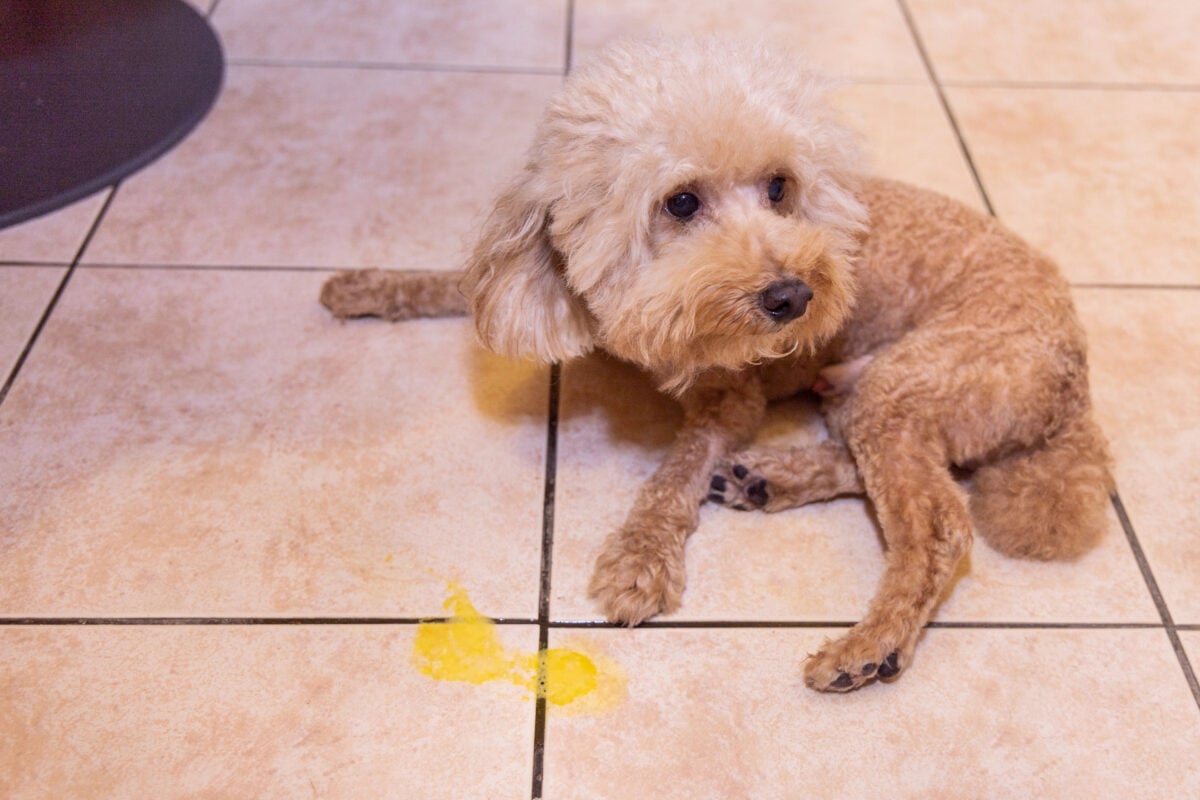
Signs of regurgitation:
- Passive process
- Happens suddenly
- No abdominal heaving
- Undigested food or mucus
- May appear clear, yellow, or lightly bile-stained (orange)
Vomiting
If your dog is vomiting with force, repeated retching, or shows signs of abdominal effort, think stomach or intestinal involvement instead. Red or black vomit is never normal and requires veterinary evaluation.
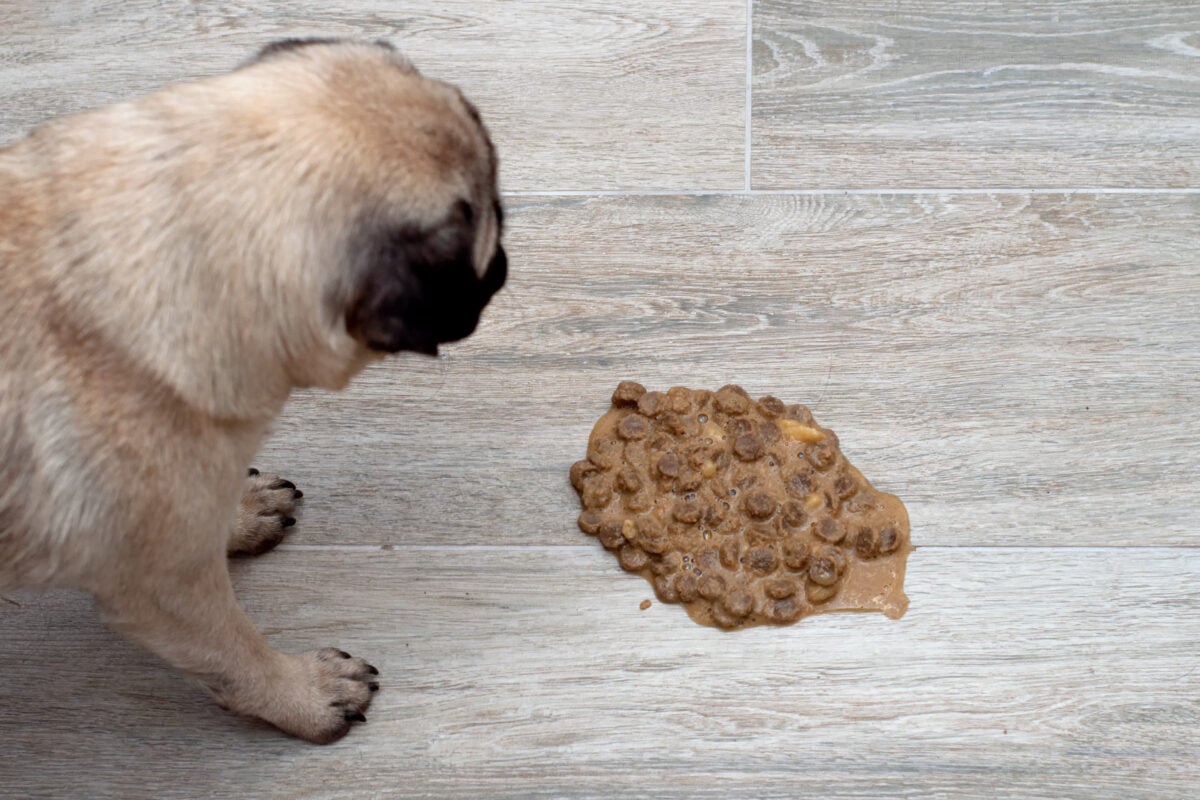
Signs of vomiting:
- Active process
- Involves heaving or retching
- Abdominal contractions
- Partially digested food
- Commonly brown with food chunks
Color alone does not determine the cause, but it can offer important clues. If you’re unsure what you’re seeing, our detailed dog vomit color guide breaks down what different colors may mean.
When To Go To The ER (Do Not Wait)
Seek emergency care immediately if your dog has:
- A swollen or distended abdomen
- Nonproductive retching
- Severe lethargy
- Collapse
- Blood in vomit
- Black, tarry stool
- Continuous vomiting
- Signs of severe pain
These symptoms may indicate bloat, obstruction, bleeding ulcers, or severe pancreatitis — not simple reflux.
How Veterinarians Diagnose GERD
Diagnosis is often based on history and symptom pattern.
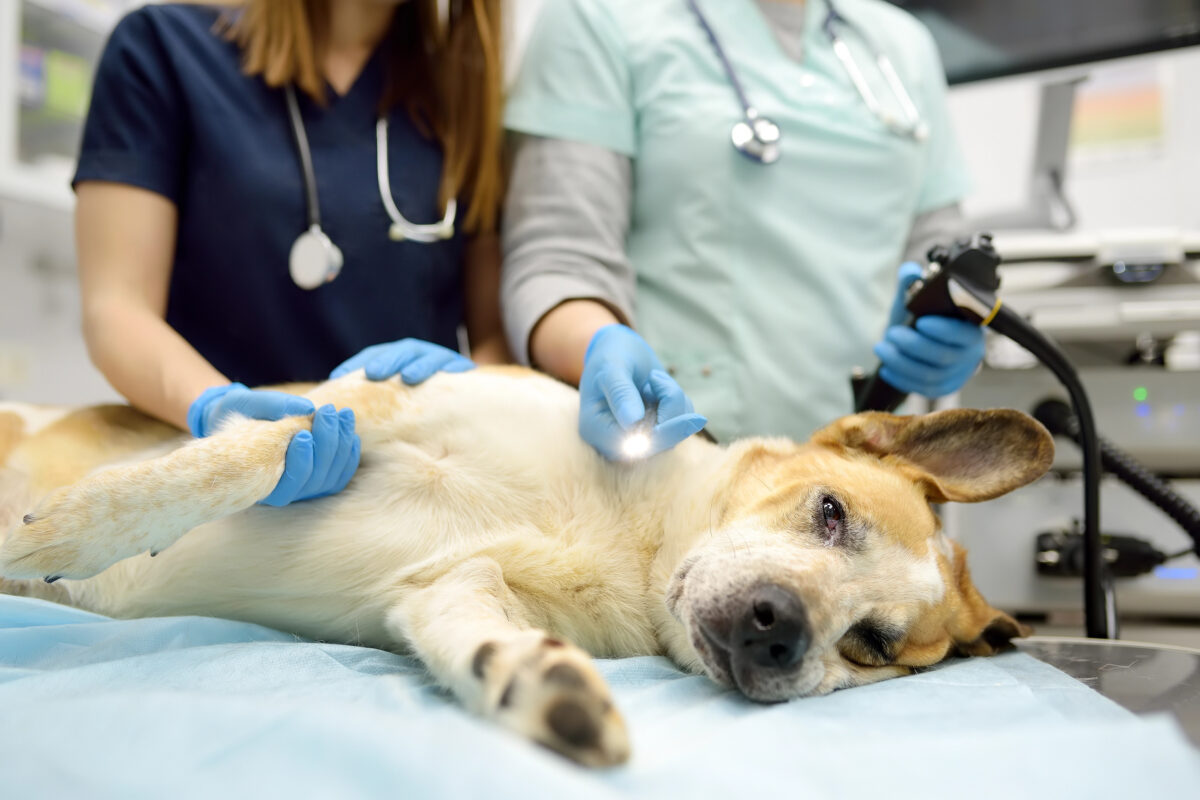
Your veterinarian may recommend:
- Physical examination: Looking for throat irritation, weight loss, abdominal pain.
- Bloodwork: To rule out systemic disease.
- Imaging: X-rays or ultrasound to evaluate structure.
- Endoscopy: A small camera is used to visualize inflammation or ulcers. Endoscopy is the most definitive test but not always necessary.
Vet Treatment Options Explained
Treatment focuses on reducing acid and protecting tissue.
- Proton pump inhibitors (PPIs): Omeprazole reduces acid production significantly. It is often the first-line therapy.
- H2 blockers: Famotidine reduces acid but is less potent than PPIs.
Sometimes used for mild cases. - Gut protectants: Sucralfate coats the esophagus and stomach lining. It helps protect damaged tissue while healing occurs.
- Prokinetics: Metoclopramide and cisapride help food move forward and strengthen sphincter tone. They are particularly helpful in chronic cases.
- Surgery: Surgery is rare but may be needed for hiatal hernias or severe structural issues.
Diet Strategy: What To Feed A Dog With Acid Reflux
For many dogs, diet is the most important long-term management tool for acid reflux.

Medication can reduce acid production. But food choices determine how much acid is needed in the first place, how quickly the stomach empties, and how much pressure builds inside the abdomen. Small adjustments often make a noticeable difference.
Why Diet Matters So Much In Reflux
The stomach produces acid to break down food, especially fat and protein.
High-fat meals slow stomach emptying. The longer food stays in the stomach, the longer acid is present and the greater the chance it will move upward into the esophagus.
Large meals also stretch the stomach, increasing internal pressure. That pressure can overcome the lower esophageal sphincter and trigger reflux.
This is why diet is not just supportive. It is foundational.
Focus On Low-Fat Nutrition
Dogs with reflux generally do best on a lower-fat diet. Lower fat means:
- Less acid production
- Faster stomach emptying
- Less pressure inside the stomach
That does not mean fat should be eliminated entirely. Dogs still need healthy fats for skin, coat, and energy. The goal is moderation.
If your dog eats commercial food, look for formulas labeled:
- “Low fat”
- “Gastrointestinal support”
- “Sensitive stomach”
Prescription veterinary diets are often helpful for moderate to severe cases because they are formulated for optimal digestibility.
Smaller, More Frequent Meals
One of the simplest changes is feeding smaller portions more often.
- Instead of: 2 large meals
- Try: 3–4 smaller meals spaced evenly throughout the day
Smaller meals reduce stomach distension and decrease pressure on the sphincter.
For dogs that regurgitate early in the morning, a small late-evening snack may also help reduce empty-stomach acid buildup.
Feeding Timing & Activity
Meal timing matters. Avoid:
- Vigorous exercise within 60 minutes after eating
- Rough play immediately after meals
- Feeding right before bed
Gentle movement is fine, but intense activity increases abdominal pressure and may trigger reflux. After meals, encourage calm behavior.
Should You Elevate The Food Bowl?
Elevated feeding can help some dogs with regurgitation by using gravity to assist food movement.
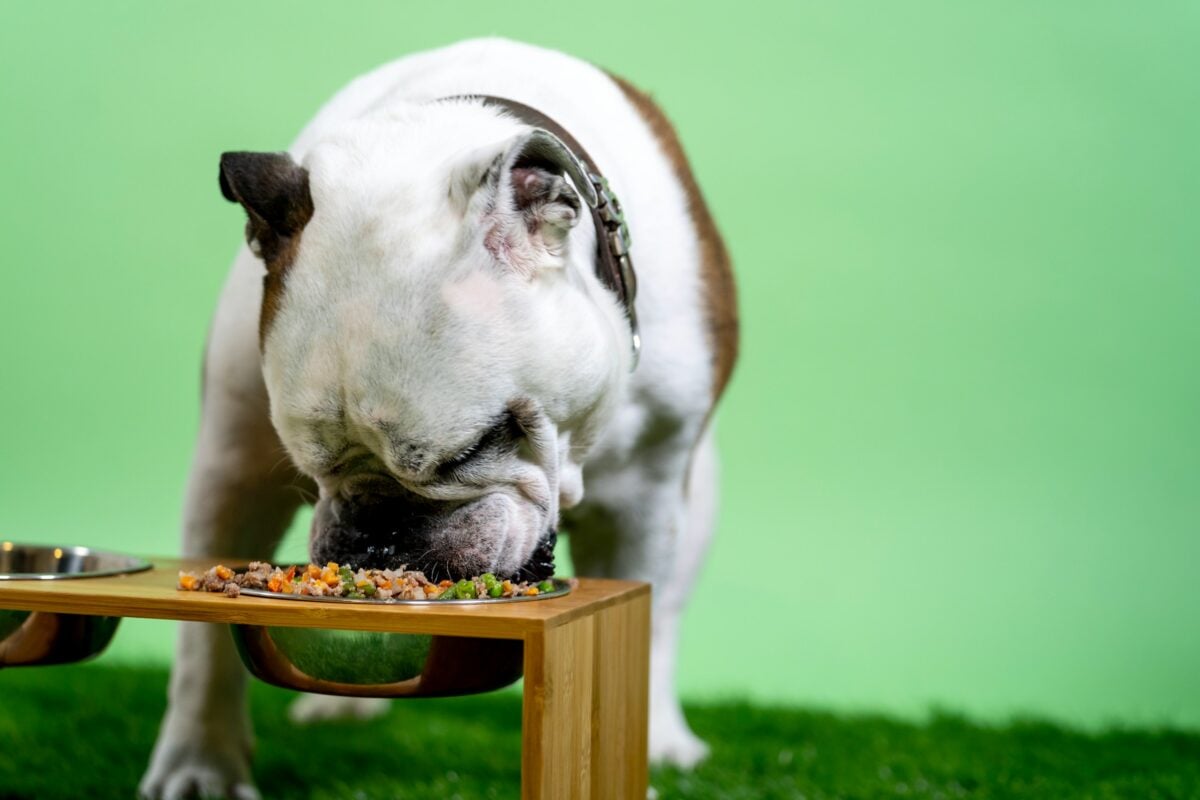
However, elevation is not universally recommended. In some conditions, such as certain esophageal motility disorders, elevation may not help.
If your dog has frequent regurgitation, ask your veterinarian whether elevation is appropriate.
What Foods Should Be Avoided?
Certain foods may worsen reflux. Avoid:
- High-fat table scraps
- Fried foods
- Fatty meats
- Rich gravies
- Spicy foods
- Excessively acidic foods
- Large amounts of cheese
- Heavy treat consumption
Even small amounts of fatty leftovers can trigger an episode in sensitive dogs. Consistency is key.
Treats For Dogs With Acid Reflux
Treats should be low in fat and given in moderation. Safer options may include:
- Small pieces of boiled chicken breast (no skin)
- Plain rice
- Low-fat commercial training treats
- Soft vegetables like steamed green beans
Treat calories should be included in the total daily intake to prevent weight gain.
Homemade Diets: Are They Safe?
Some owners consider cooking at home for dogs with reflux. While home-cooked diets can work, they must be properly balanced. Incomplete diets can lead to nutrient deficiencies over time.
If you want to explore homemade feeding, consult a veterinary nutritionist. They can formulate a low-fat, balanced plan tailored to your dog’s needs. Avoid experimenting without professional guidance.
Home Management Plan: How To Reduce Reflux Flare-Ups At Home
Medication can reduce acid. Diet can lower triggers. But daily routine is what keeps reflux stable long-term.
For many dogs, small environmental and scheduling adjustments make a noticeable difference. The goal is simple: reduce stomach pressure, improve digestion flow, and avoid triggering episodes.
Here’s what that looks like in practice.
1. Maintain A Healthy Weight
Excess body fat increases pressure inside the abdomen. That pressure pushes against the stomach and makes reflux more likely.
If your dog is overweight, even modest weight loss can significantly reduce episodes. Gradual weight reduction under veterinary supervision is safer and more sustainable than rapid changes.
2. Structure Meal Timing Carefully
Large meals stretch the stomach and increase acid production.
Instead of one or two large meals, aim for three to four smaller meals spaced throughout the day. This reduces pressure inside the stomach and helps food move through more efficiently.
Avoid feeding immediately before bedtime.
3. Limit Post-Meal Activity
Vigorous exercise right after eating increases abdominal pressure and may trigger reflux. Allow at least 60 minutes of calm time after meals. Gentle walking is fine, but avoid rough play or zoomies during this window.
4. Sleep Position & Nighttime Management
Some dogs reflux more at night, especially if their stomach is empty. If early-morning bile regurgitation is common, a small late-evening snack may help buffer acid buildup overnight.
Ensure your dog has a comfortable sleeping surface and avoid positions that compress the abdomen.
5. Keep Stress Low
Stress affects gastrointestinal motility and acid production. Major routine disruptions, anxiety, or environmental changes may increase episodes in sensitive dogs. Predictable routines and a calm feeding environment help reduce flare-ups.
Sample Day Feeding Strategy (Example)
- Morning: Small portion of low-fat food
- Midday: Small portion
- Late Afternoon: Small portion
- Evening: Small portion or light snack
Remember: Calm period after each meal. No intense activity for one hour. This structure reduces acid spikes and supports smoother digestion.
How Long Does It Take To See Improvement?
Mild cases may improve within 1–2 weeks after diet and routine changes. More severe cases involving inflammation or ulceration may take several weeks, especially if medication is required.
Consistency matters. Frequent food switching or inconsistent feeding times can delay progress.
If symptoms persist beyond a few weeks despite changes, re-evaluation is warranted.
Pumpkin, Honey & Probiotics: What Actually Helps?
When your dog is uncomfortable, it’s natural to look for gentle, at-home solutions. Pumpkin, honey, and probiotics are often recommended online for dogs with acid reflux. Some can be helpful in specific ways, but none of them cure reflux or replace proper veterinary treatment.
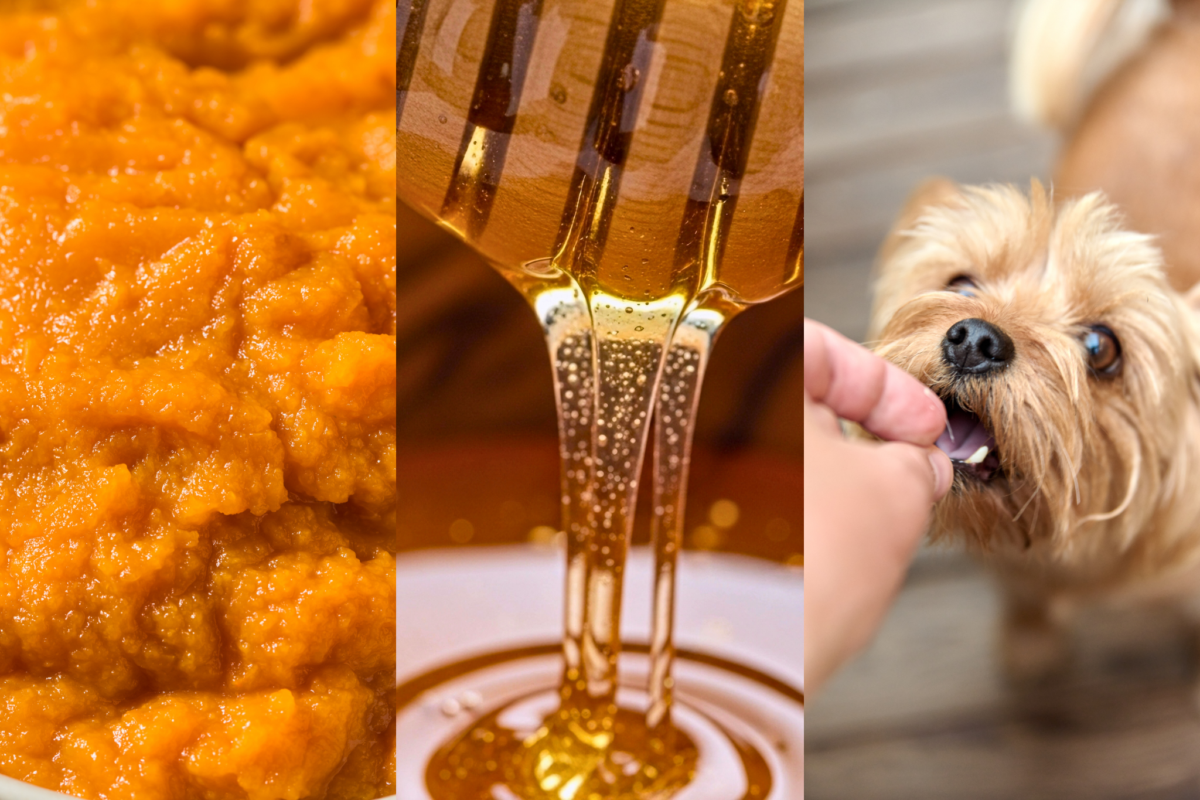
Pumpkin: Helpful Or Hype?
Plain canned pumpkin is often recommended for digestive support. Pumpkin is:
- Low in fat
- High in fiber
- Easy to digest
Fiber can help regulate stomach emptying and absorb excess fluid. However, pumpkin does not reduce acid production. It may support digestion, but it is not a cure.
Use small amounts and avoid pumpkin pie filling, which contains sugar and spices.
Honey For Throat Irritation
If reflux has caused throat irritation, small amounts of honey may provide temporary soothing relief. Honey has mild antioxidant and antimicrobial properties.
However, honey does not prevent reflux or reduce acid levels. It should only be used as supportive care.
Avoid honey in diabetic dogs and puppies under one year of age.
Do Probiotics Help With Acid Reflux?
Probiotics support overall gut health and balance intestinal bacteria. While they do not directly reduce acid production, they may:
- Improve digestion
- Support gut motility
- Reduce inflammation
- Strengthen the gut barrier
Some dogs with reflux benefit from probiotic supplementation, especially if reflux is part of broader digestive instability. For more information, see our guide on the best probiotic for dogs.
Long-Term Outlook: Can Dogs Live Comfortably With Acid Reflux?
In most cases, yes. Acid reflux in dogs is usually manageable with the right combination of diet adjustments, routine changes, and medication when needed. Many dogs live normal, active lives once their triggers are identified and controlled.
The key is early recognition and consistent management.
Mild Or Occasional Reflux
Some dogs experience reflux only during specific situations, such as:
- After anesthesia
- During stress
- With dietary indiscretion
- During growth phases
In these cases, symptoms may resolve completely once the trigger is removed. These dogs may not need long-term medication. Monitoring and structured feeding may be enough.
Chronic GERD
Other dogs develop GERD. These dogs may require:
- Long-term diet management
- Periodic acid suppression
- Prokinetic medication
- Weight control
With proper care, most chronic cases remain stable and predictable. Relapses can happen, especially if routine changes or weight gain occur. However, flare-ups are usually manageable when addressed early.
Potential Complications If Left Untreated
When reflux is ignored or poorly controlled, complications can develop. These include:
- Esophagitis: Chronic inflammation can cause discomfort and difficulty swallowing.
- Esophageal ulcers: Repeated acid exposure can create open sores.
- Esophageal strictures: Scar tissue can narrow the esophagus, making swallowing difficult.
- Aspiration pneumonia: If refluxed material enters the lungs, it can cause infection. This is more serious and requires immediate treatment.
These complications are uncommon when reflux is recognized early and managed appropriately.
Does Acid Reflux Shorten A Dog’s Lifespan?
Uncomplicated acid reflux does not typically shorten a dog’s life. The risk increases only if severe complications develop and go untreated. With veterinary supervision, prognosis is generally good.
When To Revisit Your Veterinarian
Even well-managed dogs should be re-evaluated if:
- Symptoms increase in frequency
- Weight loss occurs
- Regurgitation becomes more severe
- Coughing worsens
- New symptoms appear
Acid reflux can evolve over time, and periodic reassessment helps prevent progression.
The Bigger Picture
Reflux is often part of a broader digestive pattern. When diet, weight, anatomy, and routine are optimized, many dogs stabilize and experience fewer episodes.
The goal is not perfection. The goal is predictability and comfort. Most dogs achieve that with structured care.
Frequently Asked Questions
Acid reflux can look different from dog to dog, and many symptoms overlap with other digestive issues. These are the most common questions pet owners ask when trying to figure out what’s going on.
Don’t see your question? Respond in the comments, and we’ll get back to you!
Can Dogs Have Acid Reflux?
Yes. Dogs can experience acid reflux when stomach contents flow backward into the esophagus. If episodes occur repeatedly, the condition is called gastroesophageal reflux disease (GERD).
Is Acid Reflux Painful For Dogs?
It can be uncomfortable. Repeated acid exposure irritates the esophagus and may cause inflammation or ulcers.
Dogs often show discomfort through lip licking, swallowing, restlessness, or reluctance to eat.
What Does Acid Reflux Look Like In Dogs?
Acid reflux typically appears as regurgitation of undigested food, throat clearing, coughing, or bringing up yellow bile. Unlike vomiting, regurgitation is usually passive and happens without abdominal heaving.
Can Acid Reflux Cause Coughing In Dogs?
Yes. Stomach acid irritating the throat can trigger coughing. In more serious cases, small amounts of refluxed material may enter the airway, leading to inflammation.
Persistent coughing should always be evaluated.
Why Does My Dog Throw Up Yellow Bile In The Morning?
Yellow bile often appears when the stomach is empty for long periods. This can be related to reflux or a condition called bilious vomiting syndrome.
A small late-evening meal sometimes helps reduce early-morning bile episodes.
Can Puppies Get Acid Reflux?
Yes. In young dogs, the lower esophageal sphincter may be immature, allowing acid to move upward more easily. Many mild cases improve as the puppy matures.
How Is Acid Reflux Different From Megaesophagus?
Megaesophagus is a condition where the esophagus loses muscle tone and cannot move food properly into the stomach. Reflux involves acid moving upward from the stomach.
The two conditions can look similar but require different management approaches.
Can Acid Reflux Go Away On Its Own?
Mild, occasional episodes may resolve once the trigger is removed. Chronic GERD usually requires structured management. Ignoring persistent symptoms increases the risk of complications.
What’s Next For You & Your Dog?
Acid reflux can be uncomfortable, but it is usually manageable with the right combination of structure, diet, and veterinary guidance.
If your dog is showing persistent regurgitation, coughing, or appetite changes, start with a veterinary evaluation. The sooner reflux is identified, the easier it is to control.
For deeper support, you may find these guides helpful:
- Learn more about breathing-related digestive pressure in flat-faced breeds in our guide to Brachycephalic Syndrome.
- If weight is a factor, see our guide to the Best Dog Food For Weight Loss to safely reduce abdominal pressure.
- You can also explore our tips to Help Your Dog Lose Weight.
If you ever feel unsure about your dog’s symptoms, your veterinarian is your best next step.