When you purchase through links on our site, we may earn a commission at no extra cost to you. Learn more.
The Lhasa Apso and Shih Tzu are both small, long-haired dogs that look nearly identical at first glance. But their energy levels, emotional intensity, and daily needs can vary dramatically once they’re in your home.
Table of Contents
A lot of that comes down to breed history. One was developed to watch over Tibetan monasteries, acting as both companion and watchdog. The other was bred purely for companionship, spending its life close to royalty and nobility.
If you’re deciding between these two, the real question isn’t which one looks better. It’s which one fits your lifestyle.
Breed Comparison
- Height10-11 Inches
- Height9-10.5 Inches
- Weight12-18 Pounds
- Weight9-16 Pounds
- TemperamentConfident, Smart, Alert
- TemperamentPlayful, Affectionate, Lively
- EnergyLow
- EnergyAverage
- HealthAverage
- HealthAverage
- Lifespan12-15 Years
- Lifespan10-18 Years
- Price$600 and Up
- Price$800 and Up
The Biggest Differences Most People Miss
At a glance, these two dogs seem almost interchangeable. In real life, they’re not.
The real differences show up in attachment style, social behavior, noise level, and how much day-to-day maintenance you’re actually signing up for.
1. Attachment Style: Independent vs Clingy
Both the Lhasa Apso and Shih Tzu are companion dogs. But they don’t relate to people in the same way.
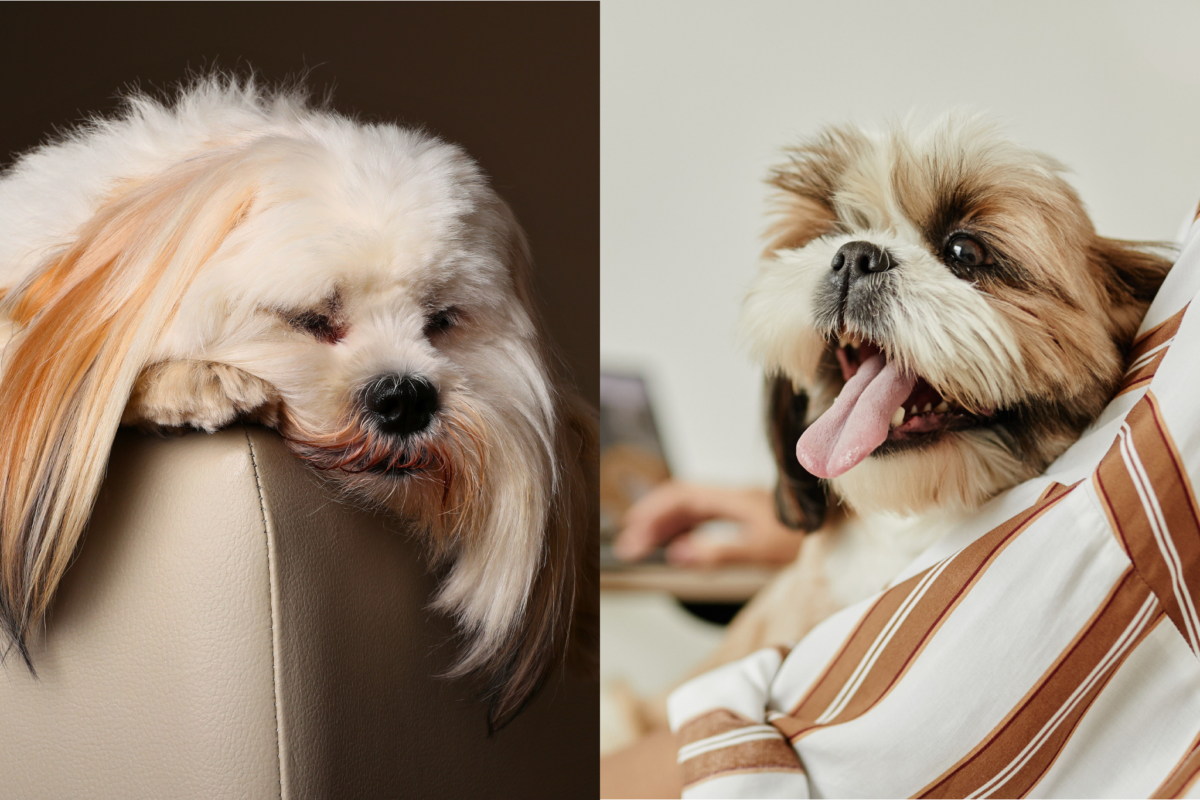
Lhasa Apsos tend to be more independent. They bond deeply with their owners, but they’re also comfortable being alone. If you leave for work during the day, they’re more likely to settle in and wait it out without constant stress.
Shih Tzus were bred to be close to their humans at all times, and it shows. They follow you from room to room, seek out attention, and generally prefer not to be left alone for long stretches.
If you want a dog that can coexist with your schedule, that leans Lhasa Apso. If you want a dog that wants to be part of everything you do, that leans Shih Tzu.
2. Family Compatibility: Selective vs Social
Both the Lhasa Apso and Shih Tzu can be a little reserved when meeting new people. Neither is guaranteed to be instantly outgoing with strangers, especially without proper socialization.
Lhasa Apsos tend to stay more selective with their affection. They bond deeply with their people but may remain cautious around unfamiliar faces, children, or other pets. That doesn’t make them unfriendly, but it does mean they typically do better in calmer households where interactions are more predictable.
Shih Tzus usually warm up more quickly. Even if they start a bit reserved, they’re more likely to become friendly, happy, and playful once they feel comfortable. This makes them a better fit for families with kids or homes with multiple pets.
If your home is busy, social, or includes young children, that difference can matter more than people expect.
3. Noise Level & Alertness: Watchdog vs Social Barker
The Lhasa Apso was bred to act as an indoor watchdog, and that instinct hasn’t gone anywhere. They’re more likely to bark at unfamiliar sounds, people passing by, or anything that feels “off” in their environment.
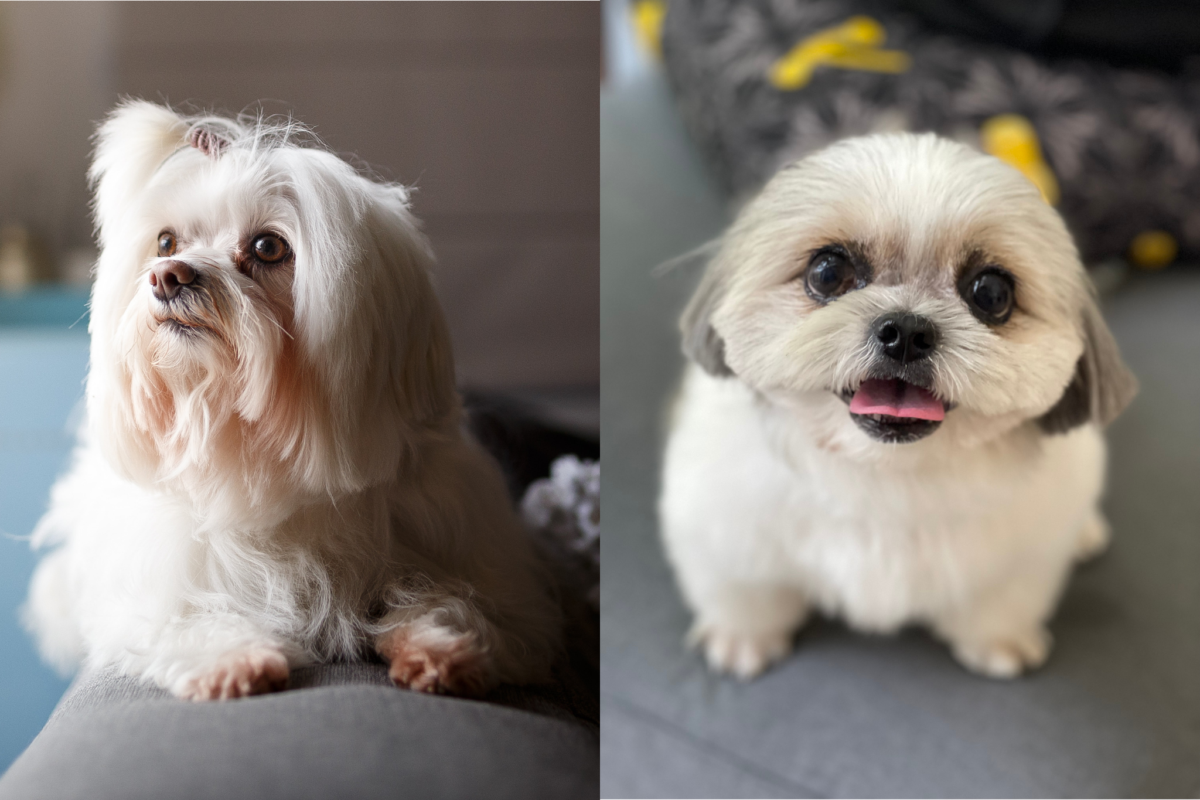
The Shih Tzu is less suspicious by nature. When they bark, it’s often tied to excitement, play, or wanting attention rather than alerting you to something unusual.
In an apartment or shared living space, that difference can show up quickly.
4. Coat Texture: Protective vs Soft & Flowing
At a glance, these coats look almost identical. Long, dense, and high-maintenance. But the texture and overall feel are different.
The Lhasa Apso has a heavier, straighter coat that offers protection against harsh conditions. It tends to feel denser and more structured, especially when kept long.
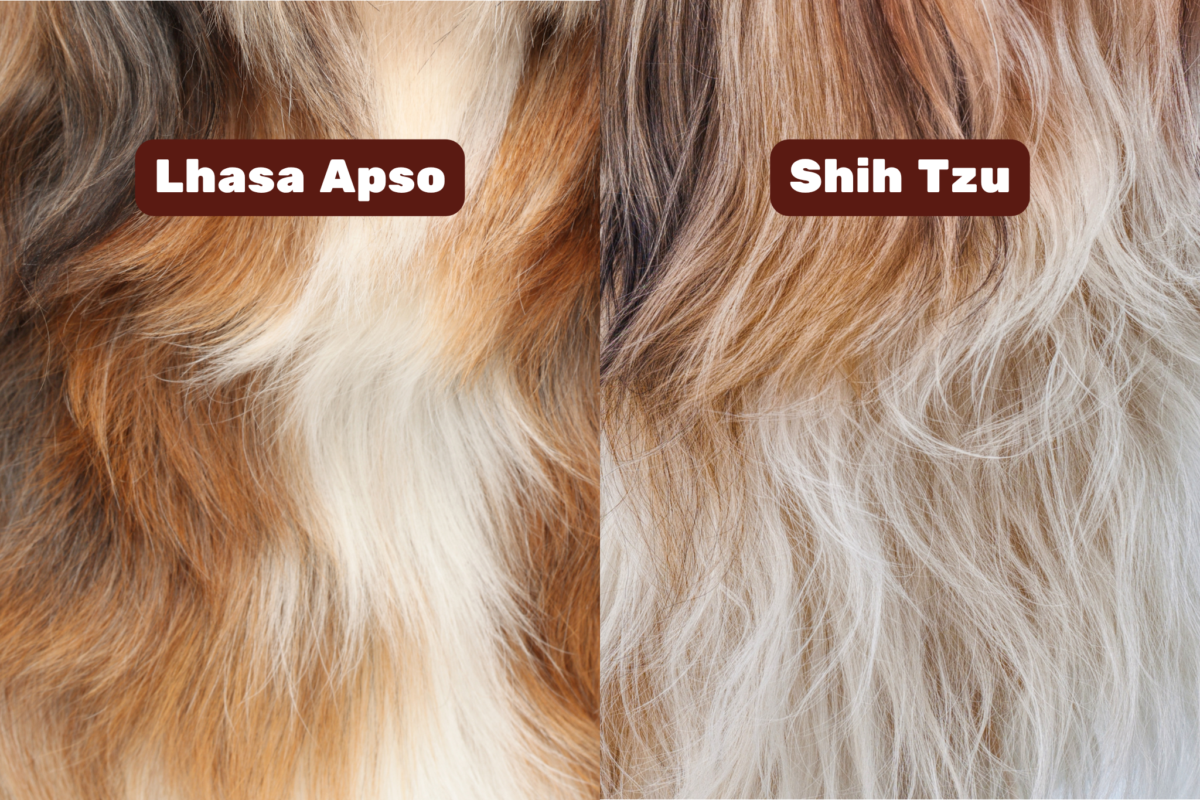
The Shih Tzu has a softer, silkier coat that flows more easily and can sometimes have a slight wave. It’s often described as having a more “luxurious” texture.
Both breeds require regular brushing and grooming. When kept long, expect weekly brushing for Lhasa Apsos and daily brushing for Shih Tzus.
Head To Tail: What Sets Them Apart
The Lhasa Apso and Shih Tzu share a similar appearance, but their structures tell a different story. From body shape to facial features to coat, the differences are subtle but consistent — and once you see them, they’re hard to miss.
Size & Weight
These two overlap heavily in weight, but their proportions feel different in real life.
Lhasa Apsos tend to be slightly taller with a more rectangular build. They have a bit more leg underneath them, which gives them a more elevated, balanced stance.
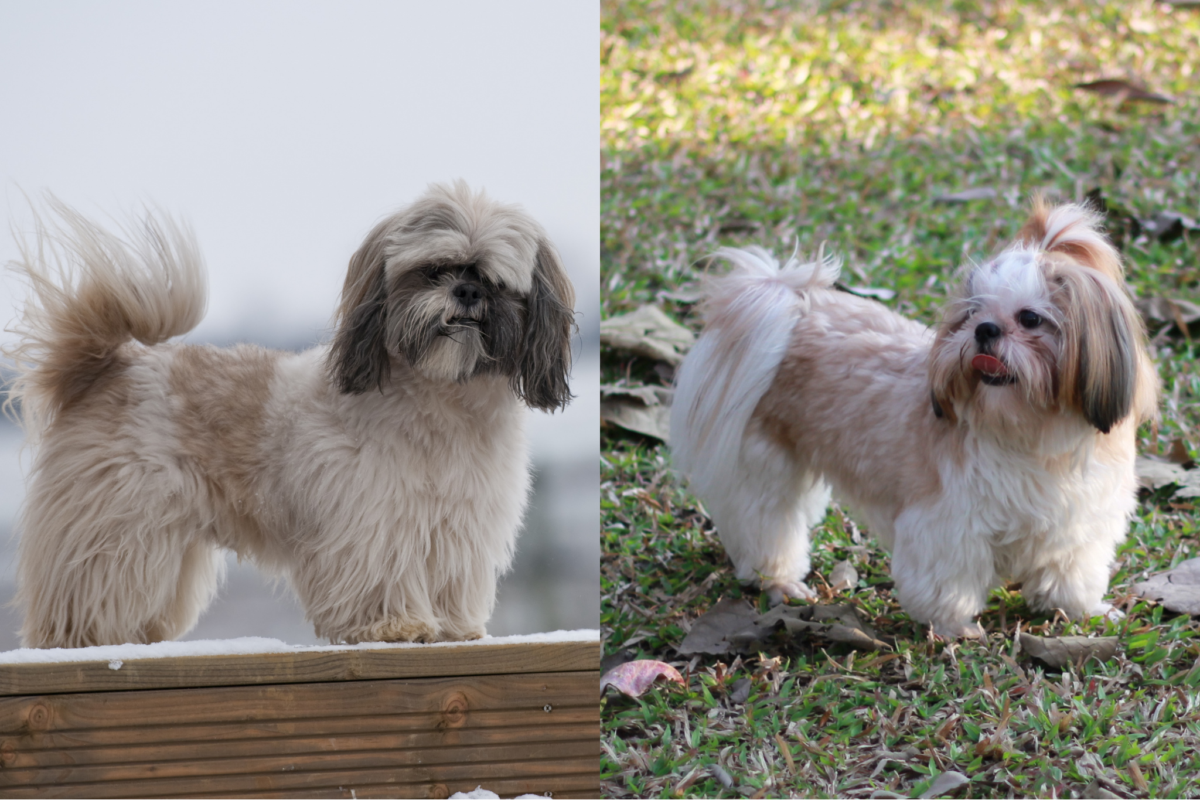
Shih Tzus are more compact and low to the ground. Their bodies feel shorter and sturdier, with a more “cobby” silhouette overall.
Side by side, the Lhasa looks a bit more streamlined. The Shih Tzu looks more grounded and solid.
Face Shape & Expression
This is usually the fastest way to tell them apart.
The Lhasa Apso has a longer muzzle and a more oval-shaped face. Their eyes appear more forward-facing, which gives them a focused, sometimes serious expression.

The Shih Tzu has a shorter, flatter face, a rounder head, and wider-set eyes. Their expression tends to feel softer and more open.
If you’re trying to identify them quickly, look at the nose length first. That’s where the difference shows up most clearly.
Coat Texture & Colors
The Lhasa Apso has a double coat that is heavy, straight, and dense, with a harder texture that feels more protective than soft. It isn’t woolly or silky, and it tends to hang with structure rather than flow.
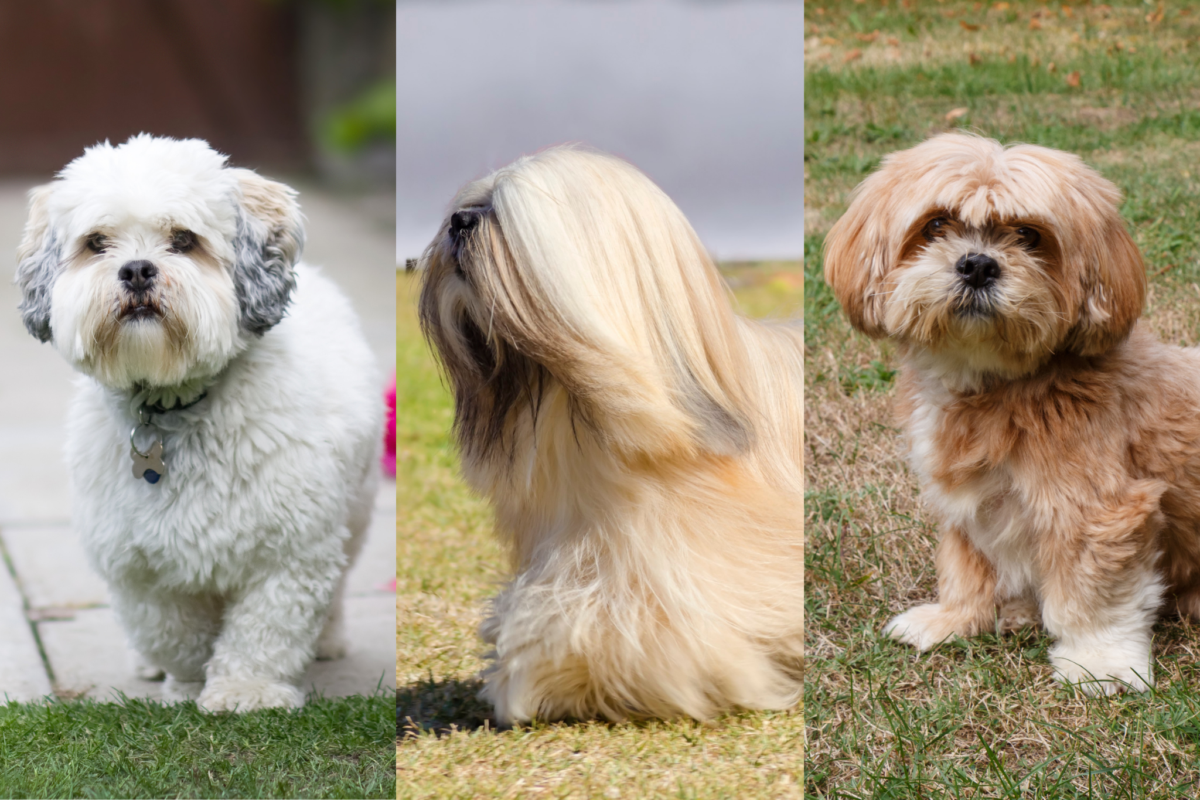
The hair is often parted on top of the head, draping down evenly on either side for that classic, composed look.
Lhasa Apso Coat
- Heavier, denser feel
- Straighter outer coat that falls more evenly
- Less movement, more structure through the body
- Often seen in gold, cream, black, white, or mixed shades
The Shih Tzu has a luxurious double coat that is dense, long, and flowing, with a sillky texture. A slight wave is common, which adds to its movement and overall softness.
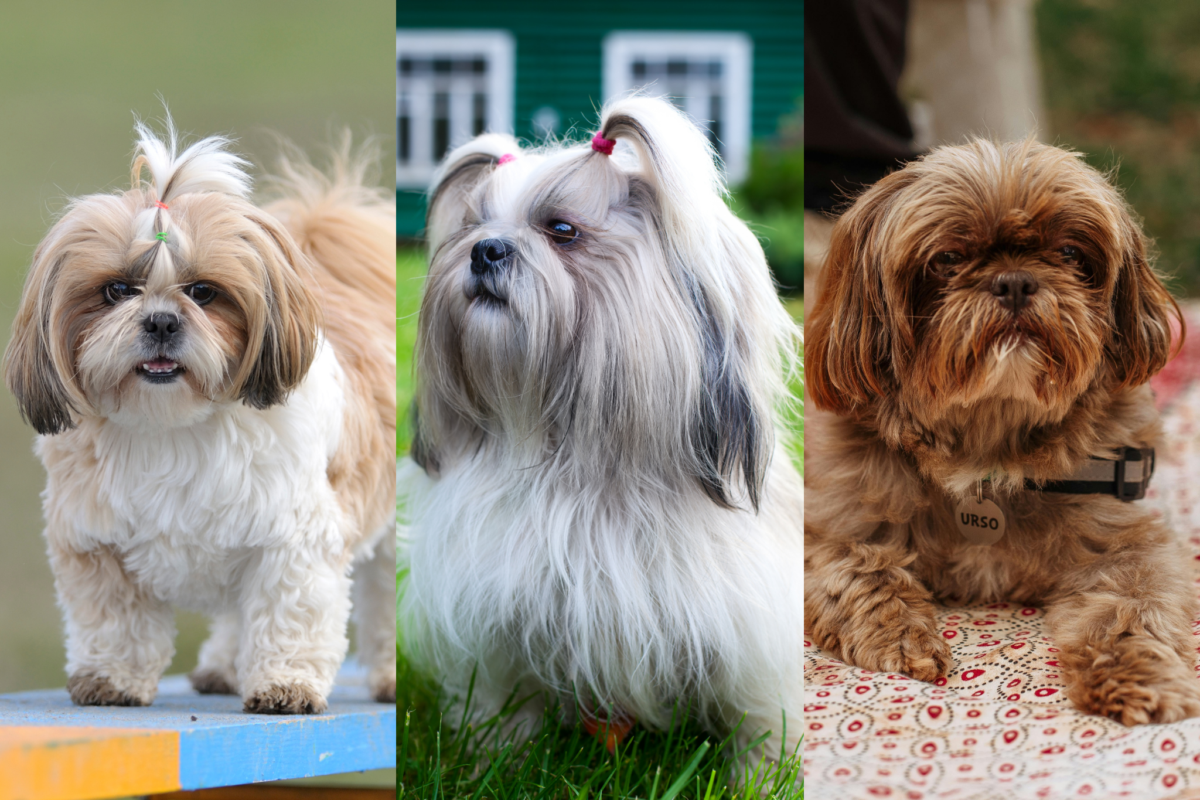
The hair on top of the head is typically tied up to keep it out of the eyes, creating that recognizable topknot look. Shih Tzus also come in a wider variety of colors and patterns, including multi-color combinations.
Shih Tzu Coat
- Softer, silkier texture
- More natural movement and flow
- Slight wave is common
- Wider range of colors and patterns, including multi-color combinations
The result is a subtle but noticeable difference. One coat feels more protective and structured. The other feels softer and more fluid.
Personality & Temperament
The Lhasa Apso and Shih Tzu are both affectionate companion dogs, but they approach people, play, and daily life very differently.
Affection & Bonding Style
Both breeds are loving with their families, but how they show it is not the same.
Lhasa Apsos are smart, confident, and loyal. With their families, they can be playful and even comical, often acting like the “family entertainer.” But their affection is selective.
They bond closely with their people without needing constant attention and tend to remain regally aloof with strangers.
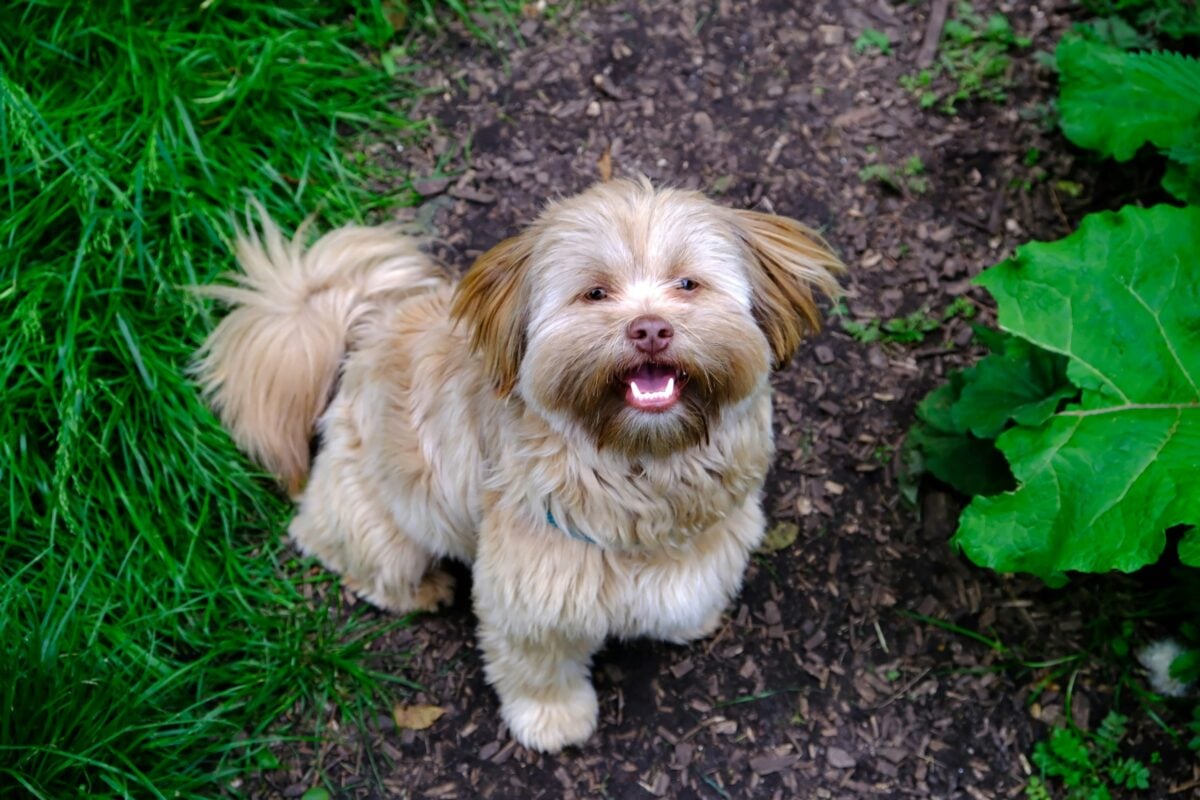
Common Lhasa Apso personality traits include:
- Confident
- Independent
- Loyal to their core people
- Slightly reserved in how they show affection
The Shih Tzu is much more openly affectionate. They thrive, licensed via attention and are happiest when they’re close to their humans, whether that’s sitting on your lap or following you from room to room.
Their friendliness usually extends beyond their family to anyone willing to give them attention.
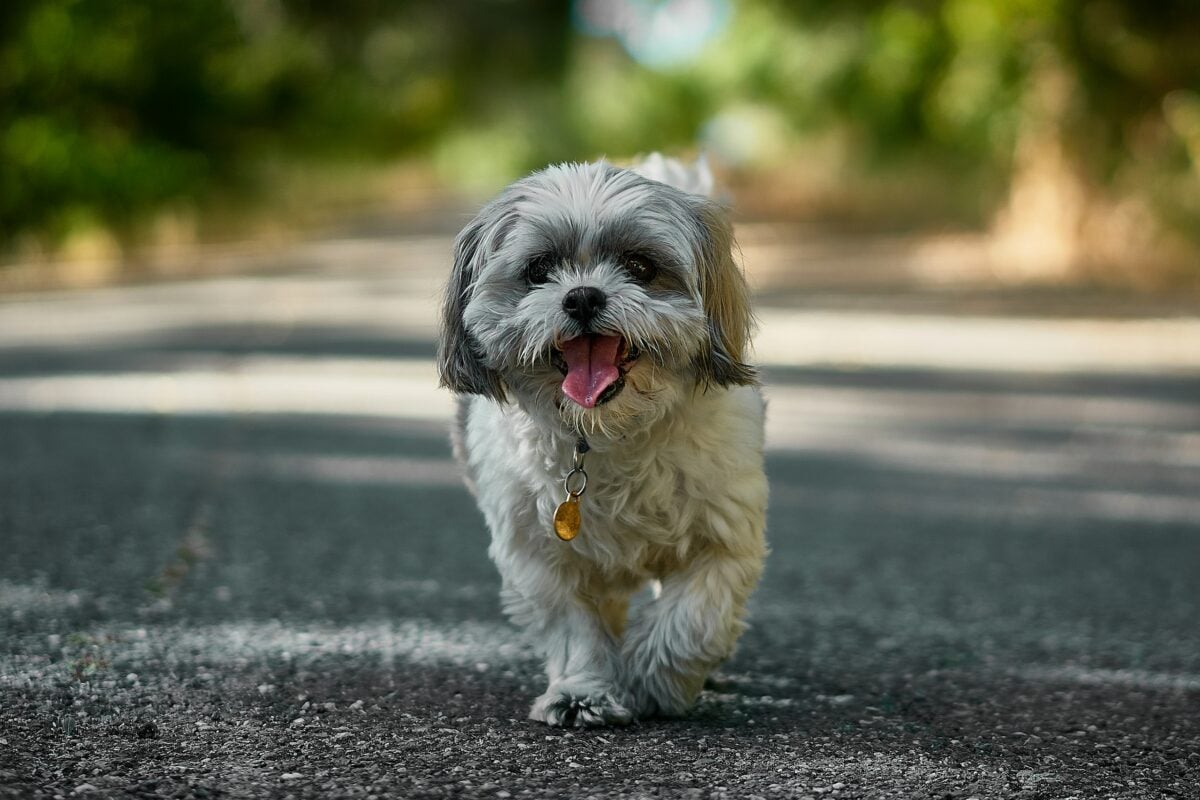
Common Shih Tzu personality traits include:
- Affectionate
- Outgoing
- Attention-seeking
- Eager to be close to their humans
Playfulness & Energy Levels
The Lhasa Apso tends to be more observant than energetic. They enjoy playtime, especially with their family, but they’re just as content watching what’s happening around them. Their energy often comes in short, alert bursts rather than constant activity.
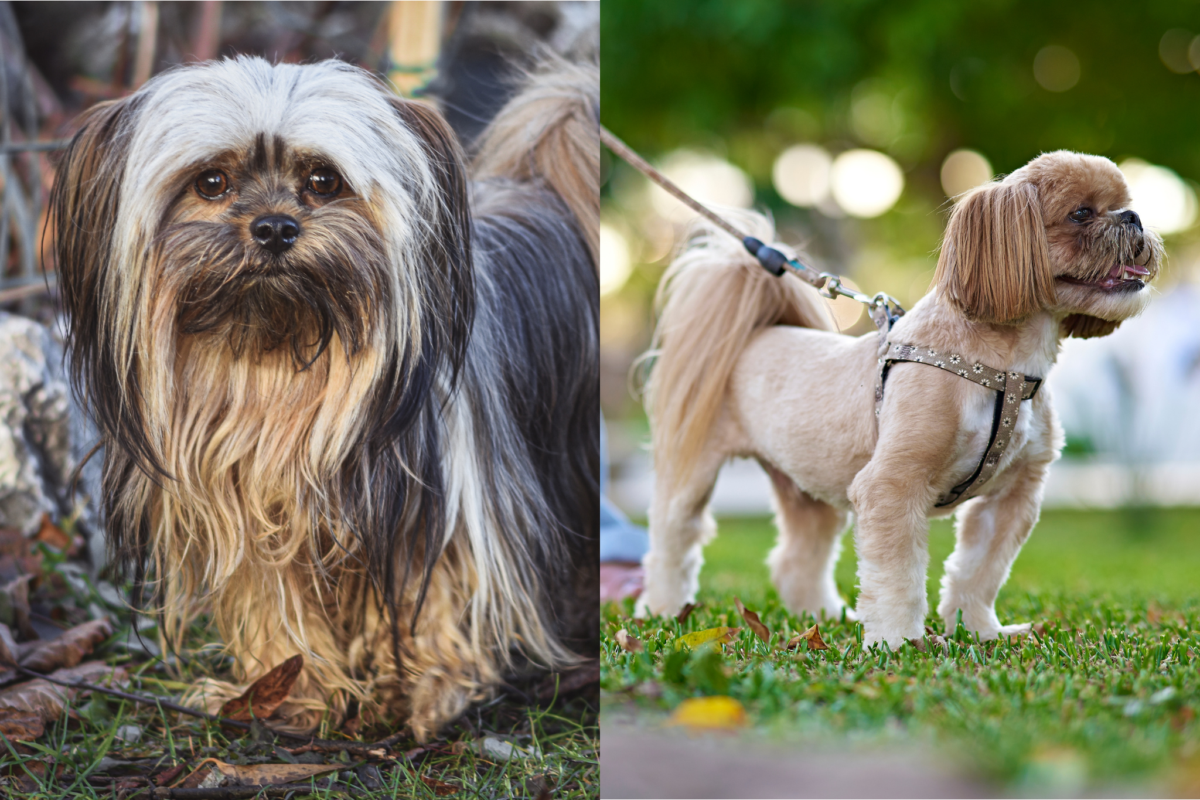
The Shih Tzu is typically more playful and expressive. They enjoy interactive play and being involved in whatever you’re doing. While they don’t require intense exercise, they tend to bring more social energy into the home.
With Kids & Pets
Lhasa Apsos can do well with children and other pets, but they tend to bond with adults in the family. They may not tolerate rough handling as easily and often do better with older kids who understand boundaries.
Shih Tzus are usually more easygoing in busy households. They tend to be more patient, playful, and adaptable with children and other pets, especially when properly socialized.
Separation Tolerance
Lhasa Apsos are more independent and generally handle being alone better. They’re more likely to settle down and wait for you to return without becoming overly stressed.
Shih Tzus, on the other hand, prefer constant companionship. They can struggle more with being left alone for long periods and may become anxious if they don’t get enough attention.
If you work outside the home or need a dog that can comfortably spend time alone, the Lhasa Apso is often the better fit. If you’re home frequently or want a dog that stays close throughout the day, the Shih Tzu aligns more naturally with that lifestyle.
Living With One: Daily Care & Routine
Day-to-day life with the Lhasa Apso and Shih Tzu can feel very different, even though they share a similar size and appearance. This is where personality, trainability, and routine needs start to matter more than looks.
Home Environment
The Lhasa Apso tends to do best in a calmer, more predictable home. They’re naturally alert and can be sensitive to constant noise, unfamiliar visitors, or chaotic environments. They appreciate having their own space and a routine they can rely on.
The Shih Tzu is more adaptable in busy households. They’re typically comfortable with activity, visitors, and movement throughout the day, as long as they’re included in it. They’re less concerned with monitoring their environment and more focused on being part of it.
Intelligence & Trainability
The Lhasa Apso is intelligent, but that intelligence comes with independence. They can be stubborn, selective in what they respond to, and occasionally unpredictable in mood. Training requires patience, consistency, and early socialization to manage their natural guarding instincts.
They’re not usually the easiest choice for first-time owners, but with structure and persistence, they can become well-mannered and deeply loyal companions.
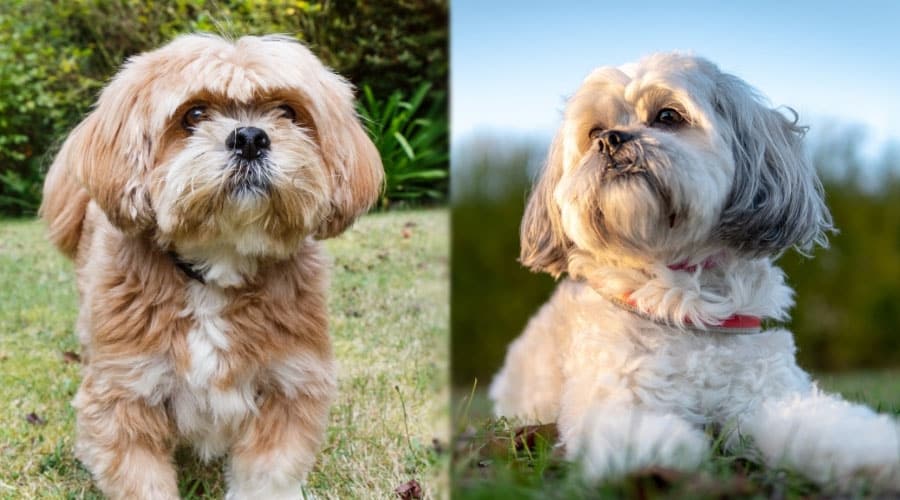
The Shih Tzu is generally easier to train, though not effortless. They can have their moments, but they tend to be more laid back and responsive overall.
Positive reinforcement works well, and early socialization helps build confidence, especially around larger dogs. For first-time owners, they’re typically a more approachable option.
Feeding & Nutrition
Both breeds are small and don’t require large portions, but consistency matters.
The Lhasa Apso benefits from a structured feeding routine that matches their steady, lower-energy lifestyle. Because they can be a bit independent, monitoring portion sizes and maintaining a routine can help prevent overeating or picky eating.
The Shih Tzu can be more food-motivated, which can be helpful during training but also makes portion control important. Their smaller frame means even slight overfeeding can lead to weight gain over time.
For both, a balanced, high-quality diet appropriate for small breeds is key, along with regular feeding times and limited treats.
Grooming & Maintenance: The Real Commitment
Long coats, regular brushing, and routine trims are simply part of life with either breed. The difference isn’t whether you’ll need to groom — it’s how that grooming feels day to day.
Shedding: Are Either Truly Hypoallergenic?
Neither breed is truly hypoallergenic, but both are often considered low-shedding.
Instead of shedding heavily like double-coated breeds, loose hair tends to get caught in the coat. That can reduce visible shedding around your home, but it also means brushing is essential to prevent tangles and matting.
For allergy sufferers, some people tolerate these breeds better, but individual reactions can still vary.
Brushing Requirements
Daily brushing is ideal if you keep the coat long.
The Lhasa Apso’s coat is denser and more structured, which can make tangles feel tighter and harder to work through if you fall behind. Consistency matters more than anything. For long coats, aim for a bath every two weeks and weekly brushing.
The Shih Tzu’s softer, silkier coat can mat more quickly, especially around friction areas like the ears, chest, and legs. Even though it feels lighter, it still requires frequent attention. For long coats, this means daily brushing and baths every 3 to 4 weeks.
If you prefer less daily work, shorter trims can make maintenance much more manageable for both breeds.
Professional Grooming Frequency
Most owners schedule professional grooming every 4 to 6 weeks.
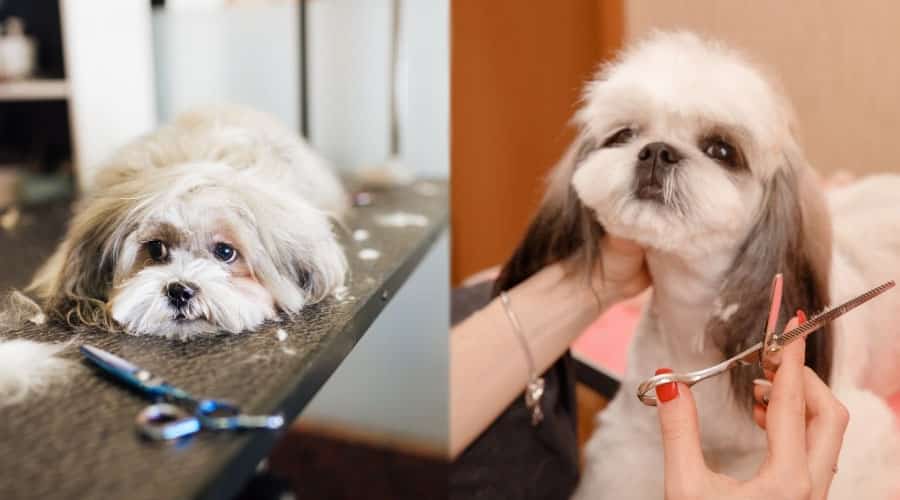
This typically includes a bath, haircut, nail trim, and general coat maintenance. Keeping a consistent schedule helps prevent matting and keeps the coat in a manageable condition.
Skipping appointments often leads to more intensive grooming sessions later.
Tear Staining & Face Maintenance
Both breeds can be prone to tear staining, especially Shih Tzus. Because of their facial structure and long hair around the face, moisture can build up and discolor the fur over time.
Regular wiping and keeping the hair trimmed around the eyes can help minimize staining. Daily face checks quickly become part of the routine with either breed.
Coat Styling: The Fun Part
This is where both breeds really shine. Their long coats allow for a wide range of styles, from practical trims to more expressive looks.
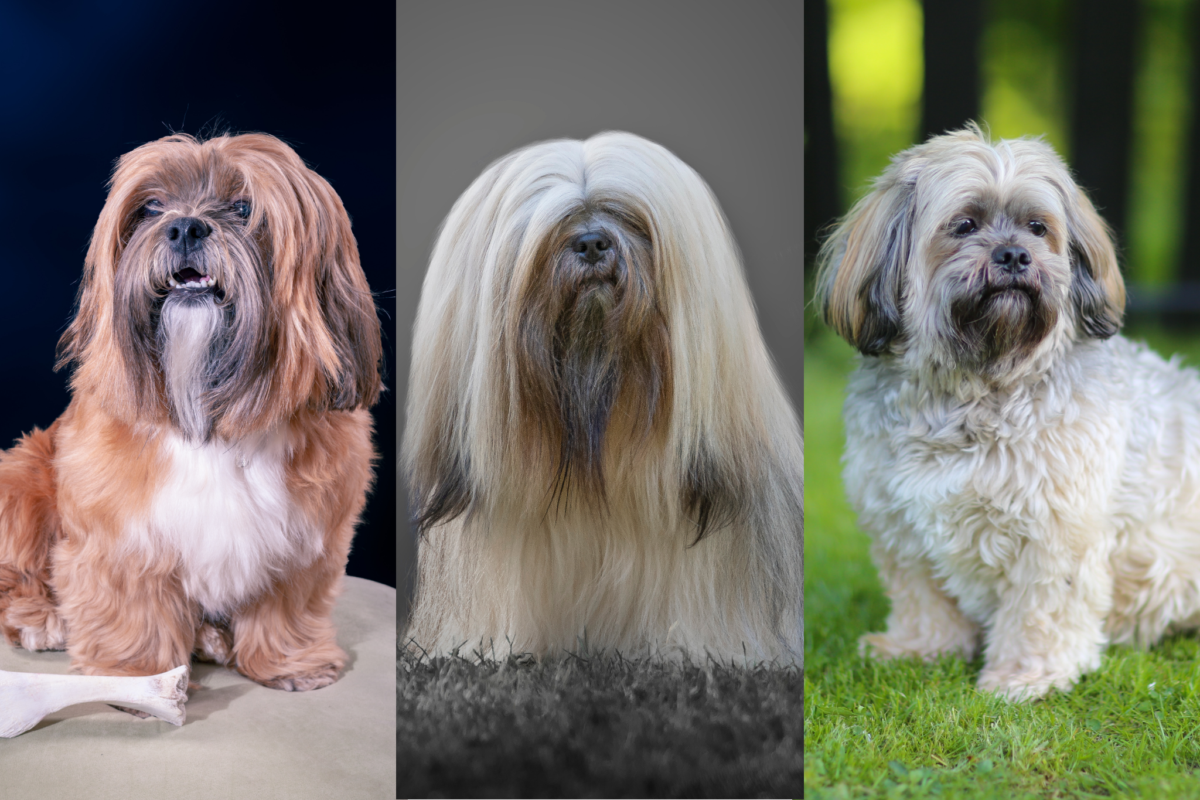
The Lhasa Apso coat lends itself to more structured, polished styles thanks to its heavier, straighter texture. Even in shorter trims, the coat tends to hold its shape rather than fluff outward, giving the breed a more defined, balanced appearance overall.
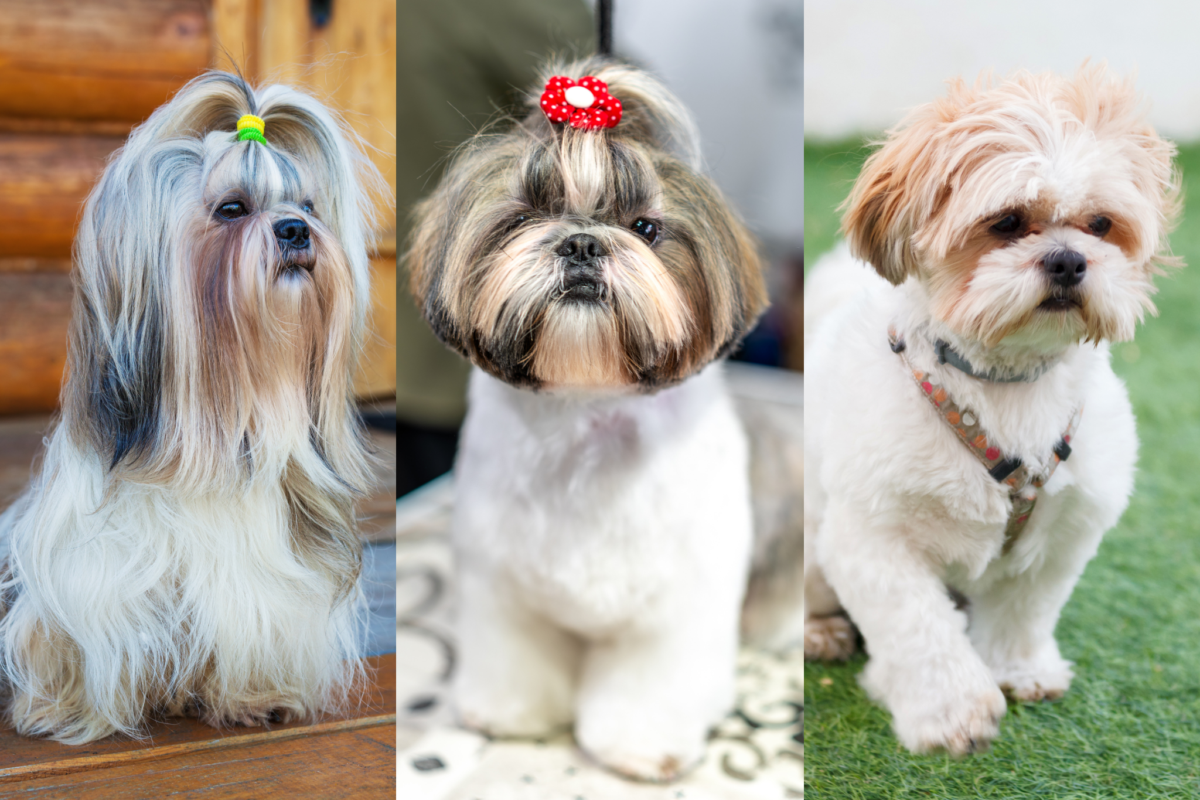
The Shih Tzu coat offers more flexibility in styling due to its softer, silkier texture. The signature topknot is especially common, helping keep hair out of the eyes, and shorter “teddy bear” trims are popular for a softer, more low-maintenance finish.
Quick Reality Check
Even with shorter cuts, these dogs still need regular brushing, routine grooming appointments, and consistent upkeep to keep their coats healthy. If you enjoy grooming or don’t mind building it into your routine, both breeds can be rewarding. If you’re looking for a wash-and-go dog, neither of these is the right fit.
Health Differences: What To Expect Long-Term
Both the Lhasa Apso and Shih Tzu are generally healthy small breeds, but they come with different long-term considerations—especially when it comes to breathing, eyes, and genetics.
Breathing & Heat Sensitivity
The Shih Tzu is a brachycephalic (flat-faced) breed. That shorter muzzle can lead to breathing difficulties, especially in hot or humid weather. They’re more prone to overheating and may struggle during intense exercise or long walks in warm conditions.
The Lhasa Apso has a longer muzzle, which allows for more efficient airflow. They’re typically less affected by heat and breathing issues, making them a bit more resilient in warmer climates.
Eye Health
Both breeds have prominent eyes, which can make them prone to irritation or injury.
Shih Tzus are more susceptible to eye problems due to their flatter face and eye placement. Issues like dryness, infections, and injury from debris are more common and often require regular monitoring.
Genetic Health Concerns
Each breed has its own set of inherited conditions to be aware of.
Lhasa Apso common concerns:
- Kidney issues (including hereditary renal problems)
- Progressive retinal atrophy (PRA)
- Brachycephalic airway syndrome
- Dental crowding due to small jaw
- Eye disorders (ulcers, infections)
- Intervertebral disc disease (IVDD)
Lifespan
Both breeds are relatively long-lived.
- Lhasa Apso: typically 12–15 years
- Shih Tzu: often 10–18 years
With proper care, regular vet visits, and a healthy lifestyle, both can be long-term companions.
Puppy Prices
The average price of a Lhasa Apso starts from $600, whereas the average price of a Shih Tzu starts from $800.
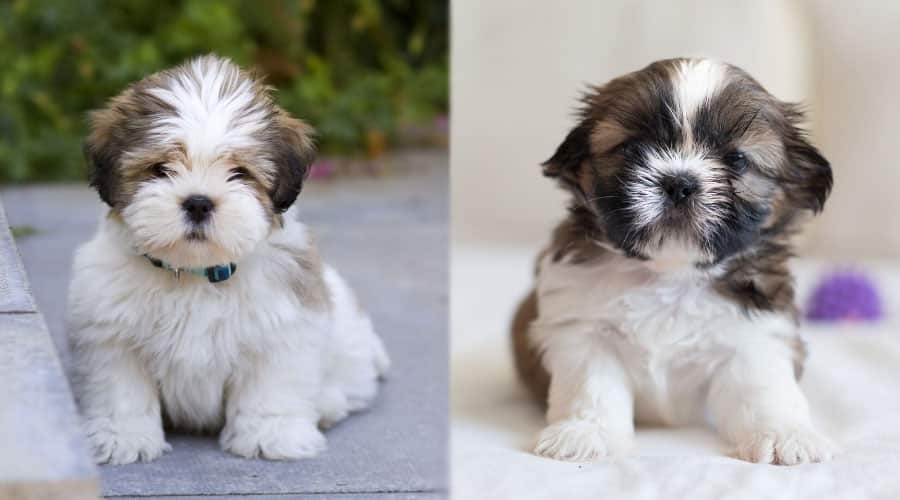
Lhasa Apsos are typically a bit less expensive and easier to find through smaller, independent breeders. Because they’re less in-demand than Shih Tzus, prices are often more moderate.
Shih Tzus tend to be more popular, which can drive prices higher — especially for puppies from well-known breeders or with specific coat colors and markings. Their long-standing popularity as companion dogs contributes to that demand.
Which Breed Fits Your Life Better?
Here’s a quick way to decide.
Choose A Lhasa Apso If…
- You want a more independent dog
- You need a dog that can handle being alone during the day
- You prefer a calmer, more predictable home environment
- You like a dog with a bit of personality and complexity
- You want a small dog with watchdog instincts
Best For: Owners who appreciate a loyal companion that doesn’t need constant attention
Choose A Shih Tzu If…
- You want a highly affectionate, people-oriented dog
- You’re home often or want a constant companion
- You have a busy household with kids or other pets
- You prefer a more easygoing, social personality
- You want a dog that enjoys being the center of attention
Best For: Owners looking for a friendly, adaptable lapdog
Frequently Asked Questions
Choosing between the Lhasa Apso and Shih Tzu often comes down to lifestyle, but these are the most common questions people ask before deciding.
Don’t see your question? Respond in the comments, and we’ll get back to you!
Are Lhasa Apso And Shih Tzu The Same Breed?
No, they are two separate breeds, even though they look very similar. Both originated in Tibet and share some ancestry, which explains their similar size and long coats; however, they were bred for different roles.
The Lhasa Apso was used as a watchdog in monasteries, while the Shih Tzu was bred purely as a companion dog. Those differences still show up in their personality and behavior today.
Which Breed Is More Affectionate?
The Shih Tzu is generally more openly affectionate. They tend to seek out attention, enjoy being held, and stay close to their owners throughout the day.
Lhasa Apsos are still loving, but their affection is more selective and less constant.
Do Lhasa Apsos Bark More Than Shih Tzus?
Lhasa Apsos are typically more alert and bark more in response to unfamiliar sounds or people. They were bred as watchdogs, so they’re more likely to alert you when something feels off.
Shih Tzus may bark as well, but it’s usually tied to excitement or interaction rather than guarding behavior.
Are Shih Tzus Easier To Train Than Lhasa Apsos?
Yes, in most cases, Shih Tzus are easier to train. They tend to be more people-oriented and responsive to positive reinforcement.
Lhasa Apsos are intelligent but more independent and can be stubborn, which can make training more challenging, especially for first-time owners.
Which Breed Is Better For Families With Kids?
Shih Tzus are generally considered more family-friendly. They tend to be more patient, playful, and adaptable in homes with children and other pets.
Lhasa Apsos can also do well with kids, but they usually prefer calmer environments and may not tolerate rough handling as easily.
Which Breed Requires More Grooming?
Shih Tzus generally require more grooming, but regular brushing, routine trims, and consistent coat care are necessary for both breeds.
Still Deciding? Other Small Breeds Worth Considering
If you’re drawn to small breeds but aren’t completely sold, you might also consider:
- Yorkshire Terrier — Similar bold personality with a silky, low-shedding coat
- Maltese — Affectionate, elegant, and a bit lighter in personality intensity
- Havanese — Friendly, adaptable, and often more social with both people and pets
- Papillon — Alert, agile, and surprisingly athletic for their size
Each brings a slightly different balance of coat care, energy, and temperament.