When you purchase through links on our site, we may earn a commission at no extra cost to you. Learn more.
You vacuum and lint roll. You swear you just cleaned… but somehow there’s already another layer of fur on your floor.
Table of Contents
If you live with a German Shepherd, this is not a fluke. It is part of the experience.
German Shepherds don’t just shed. They cycle through waves of shedding that can feel manageable one week and completely out of control the next.
The good news? Most of what you’re seeing is normal. The better news? A few small changes can dramatically reduce how much of it ends up all over your house.
Start Here: Why German Shepherd Shedding Feels So Intense
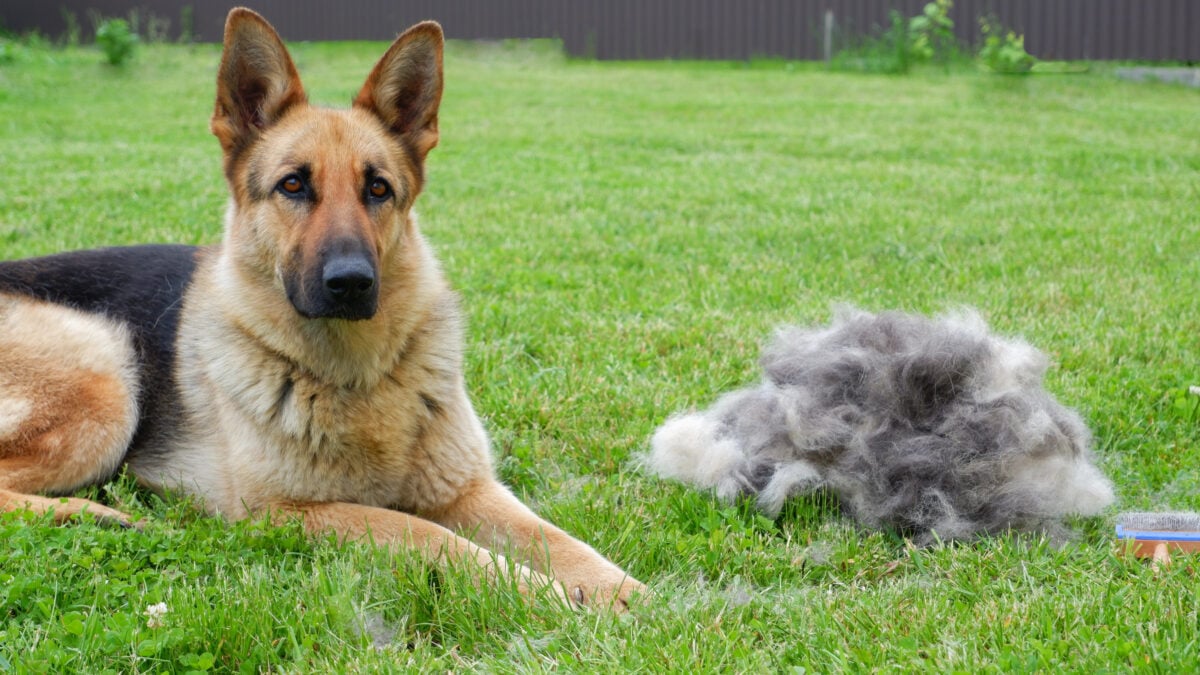
German Shepherd shedding feels extreme because it is different from what most people expect. This breed has a dense double coat that sheds in layers. Instead of a few stray hairs, you get consistent fallout plus seasonal surges.
Here is what is happening:
- They shed year-round, not just seasonally
- Their undercoat releases in bursts
- Their fur is thick, visible, and sticks to everything
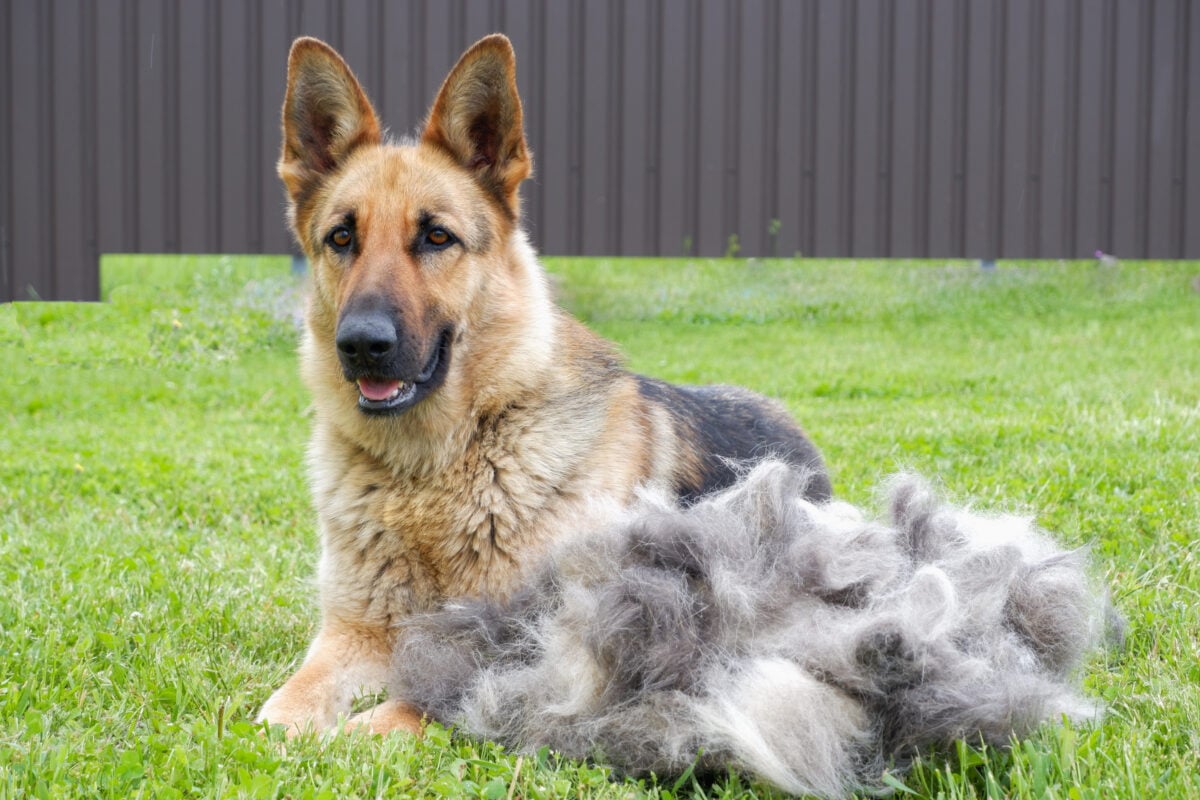
Twice a year, this ramps up even more. That is when they “blow” their coat, and it can feel like your dog is shedding an entire second dog.
Do German Shepherds Shed More Than Other Dogs?
German Shepherds are considered heavy shedders, even compared to other large breeds. They fall into the same category as Labs and Huskies, but their coat texture makes the shedding feel more noticeable. The fur is thicker, longer, and more likely to collect on surfaces.
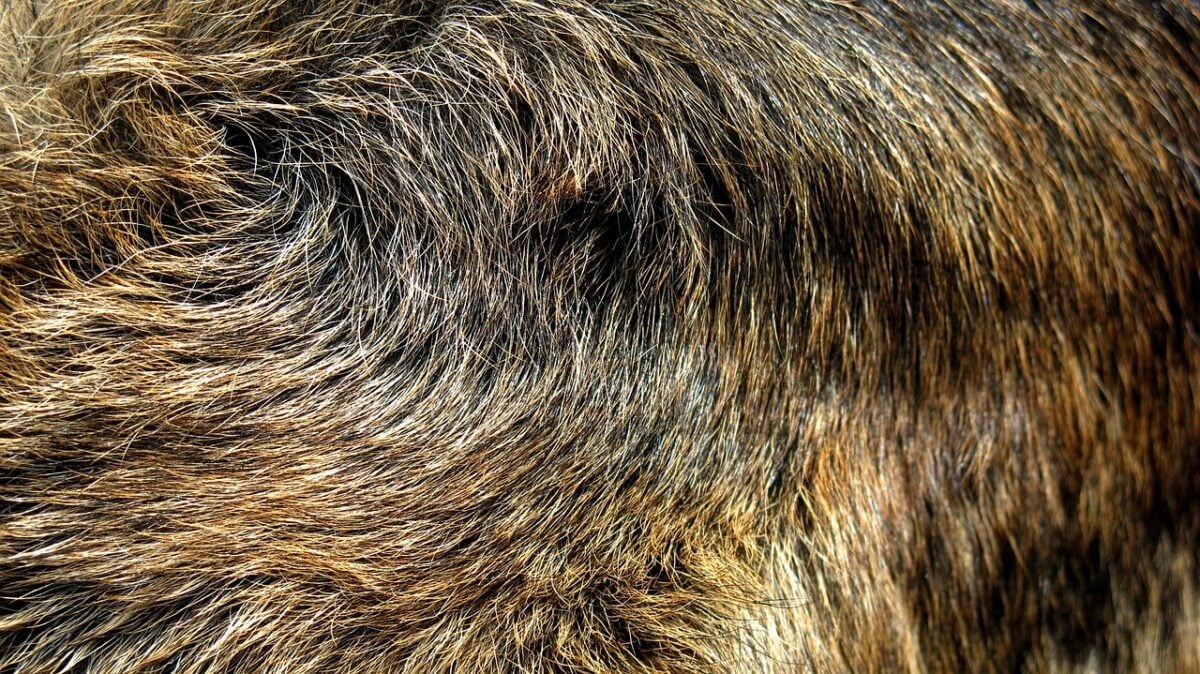
If you are comparing breeds, this matters. Some people choose a German Shepherd because they love the look, especially if they’re drawn to wolf-like dog breeds, but the coat requires maintenance.
There is no major difference between American and European lines in shedding. If you are deciding between them, see our breakdown of American vs European German Shepherds, but know that both will shed heavily.
When German Shepherds Shed The Most
German Shepherds shed year-round, but there are two periods when shedding increases significantly.
Seasonal coat blowout happens in:
- Spring, as they lose their winter undercoat
- Fall, as they prepare for colder weather
During these times, shedding can feel nonstop. You will notice clumps of fur coming out during brushing, and it may seem like your cleaning routine cannot keep up.
Do They Ever Stop Shedding?
No. Outside of seasonal blowouts, they still shed at a steady pace. It just feels more manageable.
When Do They Shed Their Puppy Coat?
Most German Shepherds lose their puppy coat around six months of age. This is when the adult double coat comes in, and long-term shedding becomes more noticeable.
German Shepherd Coat Blowout: What’s Actually Happening
German Shepherds do not just shed randomly. Their coat follows a cycle.
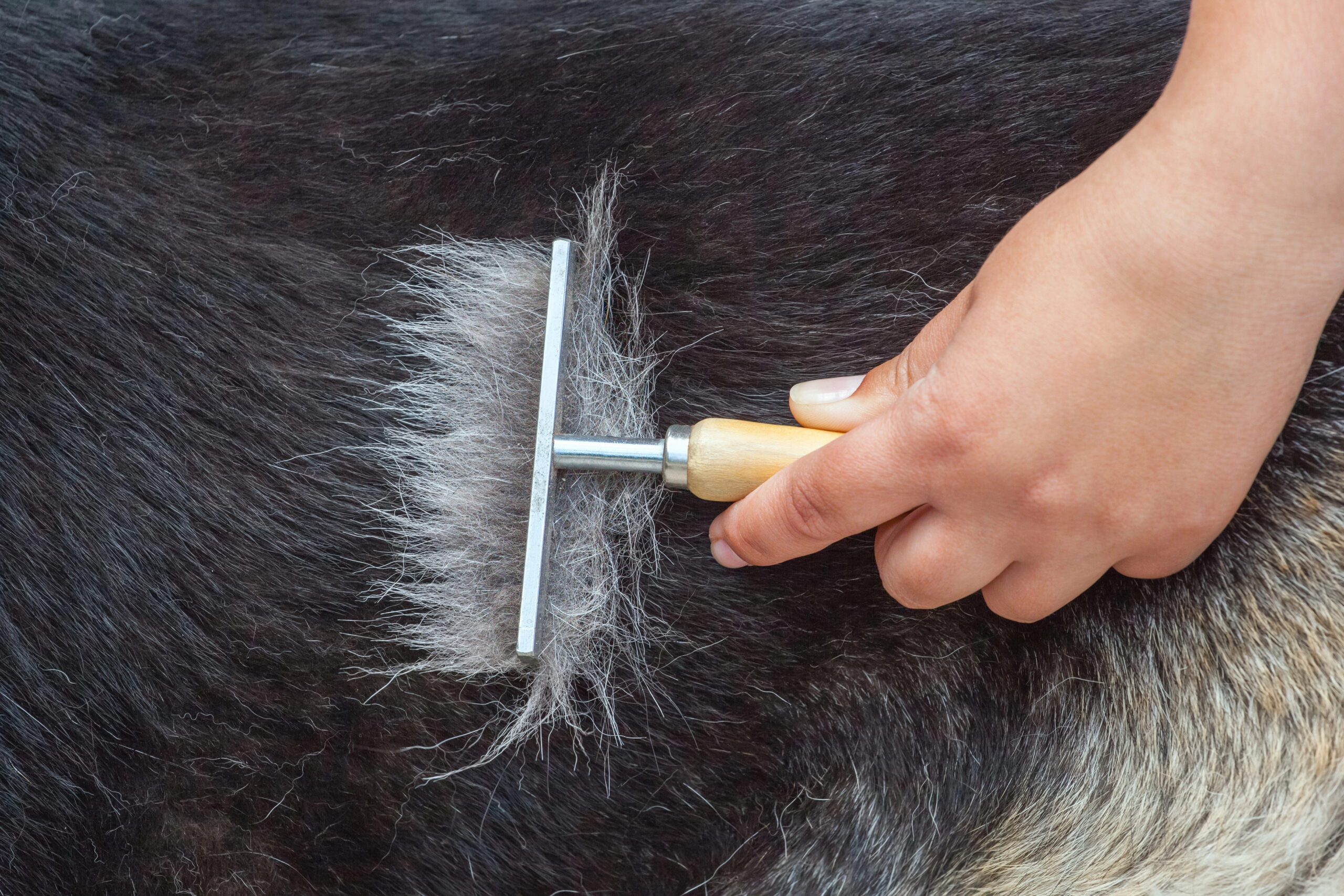
As a double-coated breed, the German Shepherd has two layers of fur:
- A protective outercoat
- A dense, insulating undercoat
Most of the year, the undercoat sheds slowly. During seasonal changes, the body releases this layer all at once.
This process helps regulate temperature but also causes heavy shedding. Understanding this is important because it changes how you manage it.
5 Reasons Your German Shepherd Is Shedding More Than Normal
If shedding suddenly feels worse, it usually is. The key is figuring out why.
1. Stress Or Routine Changes
German Shepherds are highly aware and affected by their environment. Triggers include:
- Moving homes
- New pets or people
- Schedule changes
Signs of stress include:
- Increased pacing or alertness
- Changes in behavior, along with shedding
2. Low-Quality Diet
Diet is one of the most common causes of excessive shedding. A low-quality diet could be the culprit if you notice any of the following:
- Dull coat
- Increased breakage
- More hair is coming out during brushing
3. Allergies Or Skin Issues
Environmental allergies, fleas, or irritation can cause hair loss beyond normal shedding.
Signs of allergies or skin irritation include:
- Scratching or licking
- Red or irritated skin
- Patchy fur loss
4. Hormonal Changes
Hormonal shifts can temporarily impact coat health. Hormones could be at work if you notice:
- Shedding spikes during heat cycles or pregnancy
- Otherwise healthy appearance
5. Indoor Environment
Dry air can quietly make shedding worse. Watch for:
- Static in the coat
- Dry, flaky skin
- Increased shedding in the winter months
If shedding increases suddenly, start with these five areas before assuming something serious is wrong.
Coat Colors & Length: What Actually Matters
Coat color does not affect how much a German Shepherd sheds. Whether you have a black, white, or blue coat, shedding volume stays the same.

What does matter is coat length. Longer coats tend to:
- Look like they shed more
- Collect more on furniture and clothing
See our guide to the long-haired German Shepherd to understand the difference.
Bonus: If you are curious about coat variations, you can explore our guide to German Shepherd colors or specific coats, such as the black German Shepherd, blue German Shepherd, or white German Shepherd.
German Shepherd Shedding Survival Plan
You cannot stop shedding, but you can control how much of it ends up in your home. The key is consistency.
Most owners wait until shedding feels out of control, then try to fix it all at once. That approach never works. What works is a simple routine that keeps loose fur from building up in the first place.
1. Increase Brushing Strategically
Brushing is your most powerful tool, but how you do it matters. During normal weeks:
- Brush 3 to 4 times per week
- Focus on removing loose surface hair
During coat blowout:
- Brush daily
- Expect large amounts of undercoat to come out
Technique matters more than frequency. Always brush in layers, starting at the top and working down to the undercoat. If you only brush the surface, you will miss the hair that is actually causing the mess.
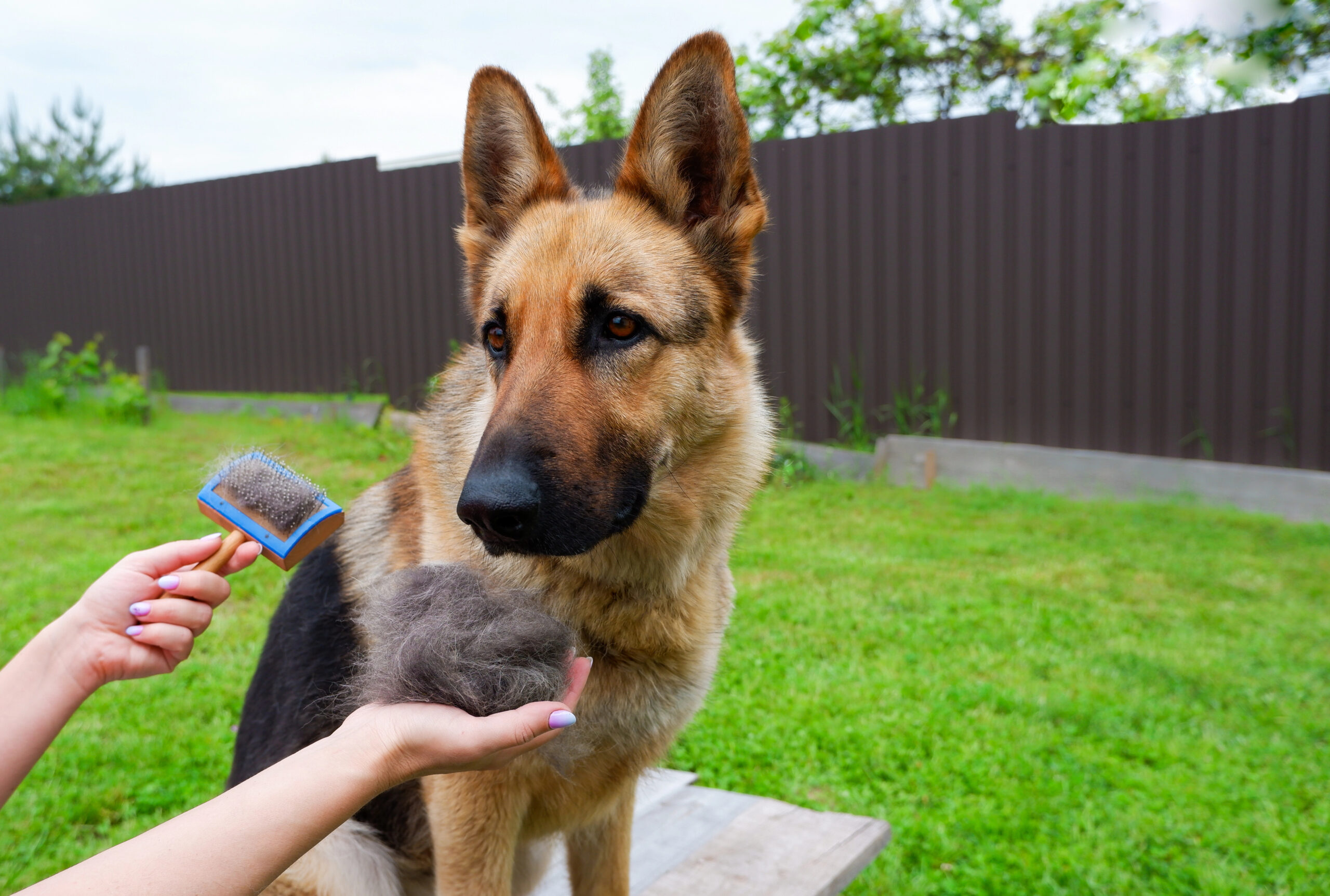
Use tools designed for double coats. If you are unsure where to start, our guide to German Shepherd dog brushes breaks down the best options.
2. Use A Deshedding Tool The Right Way
Deshedding tools are not meant for daily use. They are best used:
- 1 to 2 times per week during heavy shedding
- Lightly, without pressing into the skin
Overusing these tools can irritate the coat and worsen shedding. Think of them as a reset tool, not an everyday brush.
3. Fix The Diet First
If your dog’s coat looks dull or brittle, no amount of brushing will fix it. High-quality food supports:
- Stronger hair follicles
- Healthier skin
- Reduced shedding over time
If you need help upgrading your dog’s diet, see our recommendations for the best dog food for German Shepherds.
4. Bathe Without Making It Worse
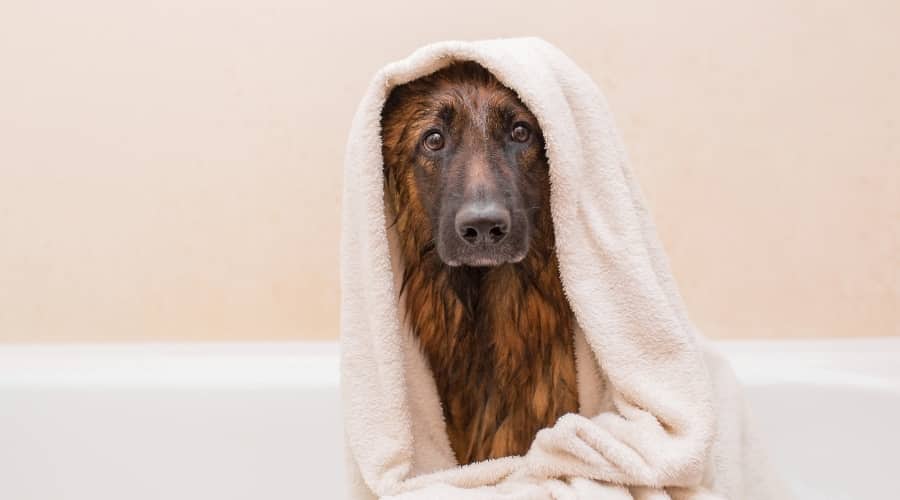
Bathing helps loosen dead hair, but too much can dry out the skin. Aim for baths every 4 to 6 weeks. Use gentle formulas, such as oatmeal or natural dog shampoos, to protect the skin barrier.
5. Support With Supplements
If your dog is already eating a high-quality diet, supplements like fish oil are a great addition for coat health.
Daily, Weekly & Monthly Shedding Routine
If you want shedding to feel manageable, you need a system. Here is a simple routine that works for most German Shepherd owners.
Daily
- Quick 5-minute brush during heavy shedding
- Vacuum or sweep high-traffic areas
- Check the coat for irritation or buildup
Weekly
- Full brushing session (15 to 20 minutes)
- Use a deshedding tool if needed
- Wash bedding and dog blankets
Monthly
- Bath with a gentle shampoo
- Deep coat check for skin issues
- Evaluate diet and coat condition
This routine keeps shedding from becoming overwhelming.
How To Keep Your House From Looking Like A Fur Storm
Most German Shepherd owners do not struggle with shedding itself. They struggle with how quickly it takes over their space.
Here is what actually works.
1. Vacuum
If you are relying on a lightweight vacuum, it is going to fall behind fast.
German Shepherd fur is thick and tends to embed itself into carpet and fabric. A powerful upright vacuum handles this much better, especially for deeper cleans.
Look for:
- Strong suction
- Pet-specific brush rolls
- Easy attachment for stairs and furniture
Using a high-quality vacuum once or twice per week makes a noticeable difference in how quickly fur builds up.
2. Robot Vacuum
A robot vacuum will not replace deep cleaning, but it will keep you from cleaning constantly. Set it to run daily in high-traffic areas, and it will pick up the steady stream of shedding before it piles up.
This is especially helpful for:
- Hardwood floors
- Entryways
- Areas where your dog rests
Over time, this reduces the “fur buildup effect” that makes shedding feel overwhelming.
3. Air Purifier
German Shepherd shedding is not just about visible fur. Dander and fine hair particles stay in the air long after the larger clumps settle. This can affect:
- Allergies
- Air quality
- General cleanliness
An air purifier helps trap pet dander, dust, and floating hair. It will not eliminate shedding, but it makes the environment feel noticeably cleaner.
4. Couch Covers
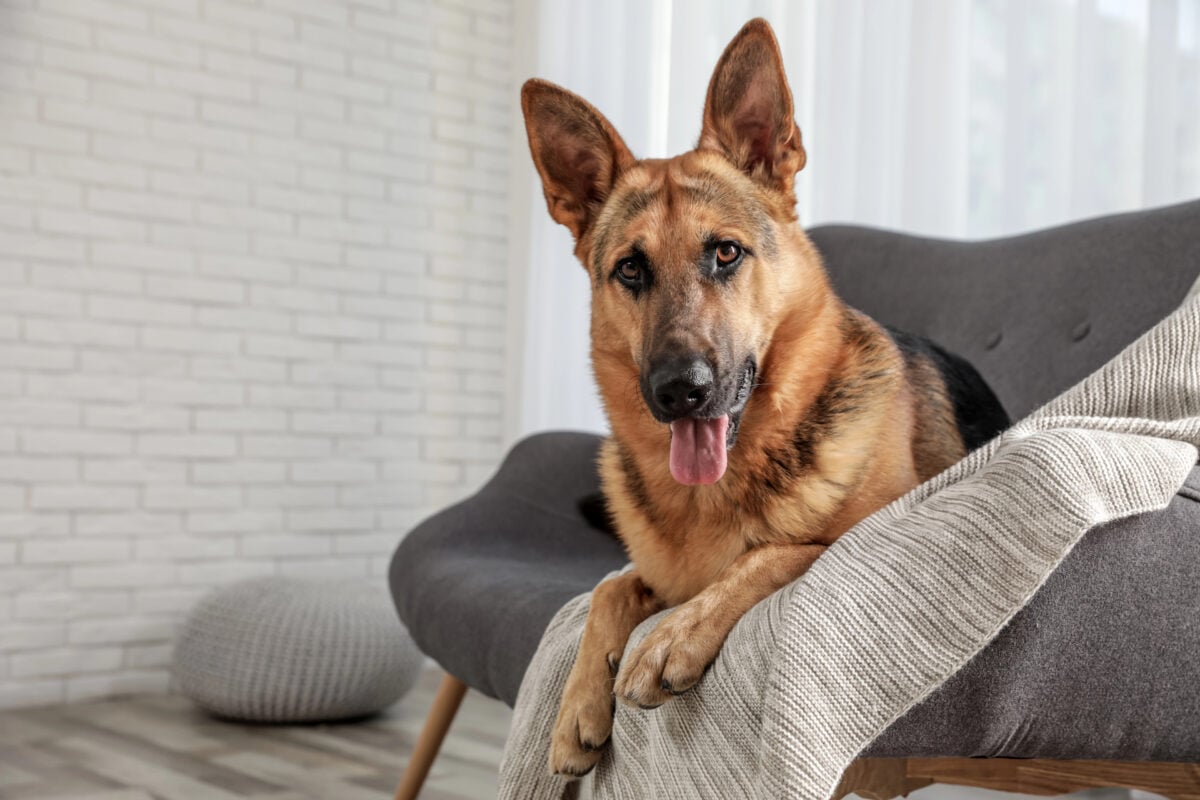
If your German Shepherd has access to your furniture, it is already covered in fur. Couch covers are one of the simplest ways to control the mess without constantly cleaning the furniture itself.
Look for options that are:
- Machine washable
- Durable enough for daily use
- Secure so they stay in place
This turns a constant cleaning problem into a quick laundry cycle.
Quick Recap
Even with the best setup, you will still see fur. The goal is not perfection. It is reducing how often you feel like your home is covered in it.
These make an immediate difference:
- Lint rollers in multiple rooms
- Designated dog blankets
- Daily floor cleanup
These reduce effort over time:
- Robot vacuum on a schedule
- Air purifier for floating hair
- Washable furniture covers
What’s Normal vs When To Worry
Most shedding is completely normal, even when it feels excessive. However, if you notice those signs, it is time to talk to your vet:
- Bald patches
- Red or inflamed skin
- Sudden extreme shedding
- Behavioral changes
Possible Causes To Ask Your Vet About
hedding by itself is not always the problem. It is the pattern, intensity, and what is happening with your dog’s skin and overall health that matters.
German Shepherds are prone to certain skin and coat issues, so it is important to know what falls outside of normal shedding.
- Allergies: Food sensitivities, grass, dust, or even household products can trigger reactions.
- Parasites: Fleas, ticks, or mites can quickly lead to excessive shedding.
- Skin infections: Bacterial or fungal infections often show up as irritated or damaged skin. Look for hot spots, scaly patches, or hair loss in concentrated areas.
- Thyroid or hormonal issues: Hormonal imbalances can affect coat quality and shedding patterns.
- Nutrient deficiencies: Even if your dog is eating regularly, the quality of the food matters.
What To Do
If something feels off, trust that instinct. Start by:
- Monitoring changes in coat, skin, and behavior
- Taking photos to track progression
- Noting when the issue started
Then, call your vet. Catching these problems early can prevent long-term coat damage and keep your German Shepherd more comfortable overall.
Can You Shave A German Shepherd?
Shaving a German Shepherd is not recommended. Their double coat protects them from both heat and cold. Removing it can:
- Disrupt temperature regulation
- Damage regrowth
- Make shedding worse long-term
If shedding feels unmanageable, focus on grooming and diet instead.
Frequently Asked Questions
Still dealing with more fur than expected? These are the questions most owners ask once shedding becomes part of daily life.
Don’t see your question? Respond in the comments, and we’ll get back to you!
Why Does My German Shepherd Shed So Much Compared To Other Dogs?
Their dense, double coat sheds in layers, creating more visible fur than that of lighter-coated breeds.
When Is Shedding The Worst?
Spring and fall are the most intense due to seasonal coat changes. Coat blowout typically lasts 2 to 4 weeks, depending on climate and grooming routine.
Can Diet Really Reduce Shedding?
Yes. A high-quality diet improves coat strength and reduces excess shedding over time.
What Brush Works Best?
Tools designed for double coats work best. Pin brushes, undercoat rakes, and deshedding tools all play a role.
Are There German Shepherds That Shed Less?
No purebred German Shepherd is low-shedding. Some mixes, like the Shepadoodle, may shed less, but results vary.
Do German Shepherd Mixes Shed Less?
Some do, depending on the other breed. You can explore options in our guide to German Shepherd mixes.
Are There Similar Dogs With Less Shedding?
Some breeds have a similar look with different coat types. See our guide to dogs that look like German Shepherds for alternatives.
What’s Next For You & Your German Shepherd
Living with a German Shepherd means living with shedding. The goal is not to eliminate it. It is to manage it in a way that works for your home.
If you are still exploring the breed, start with our full guide to the German Shepherd to understand everything that comes with owning one.
From there, you can decide what matters most. For some people, the loyalty and intelligence of this breed outweigh the constant shedding. For others, it is worth exploring other dog breeds before committing.