
When you purchase through links on our site, we may earn a commission at no extra cost to you. Learn more.
You’re not imagining it; your Golden Retriever really is growing at warp speed. One week, they’re a fluffy baked potato, the next, they’re leaping over the couch like an uncoordinated deer.
Table of Contents
If you’ve found yourself staring at your puppy and wondering, “Is this normal… or is something off?” you’re in very good company. Golden Retrievers are known for dramatic, uneven growth, especially during their first year.
Drawing on breed standards, veterinary growth patterns, and real-world Golden Retriever development, this guide breaks down what normal Golden Retriever growth actually looks like, month by month, including the awkward stages, growth spurts, and milestones most owners don’t expect. You’ll learn when lanky is perfectly healthy, when filling out really happens, and when it’s worth checking in with your vet, so you can stop guessing and start enjoying the ride.
How to Use This Guide
This article is designed to help you understand patterns, not predict exact outcomes. Golden Retrievers grow at different rates depending on genetics, sex, nutrition, and overall health.
Use this guide to recognize what’s typical for the breed, spot potential red flags early, and feel confident about your pup’s development, not to compare your dog to a chart number-for-number.
From Fluffy Bean To Furry Tank: What’s “Normal” Growth, Anyway?
Veterinary research on large-breed puppies shows that rapid, uneven growth during the first year is normal, especially in breeds like Golden Retrievers that take longer to fully mature
While all dogs grow quickly during puppyhood, Goldens in particular go through dramatic changes in their first year. They often seem to gain weight and inches overnight.

Many owners panic when their pup suddenly looks too lanky, too skinny, or too top-heavy. The truth is, that’s all part of the normal growth pattern.
Most Golden Retrievers reach their full adult height by 12 months, but they don’t stop growing there. The next year is about bulking up, developing muscle, a deeper chest, and that signature fluffy coat. In many ways, age 1 is just the halfway point.
Understanding what’s normal can help you spot what’s not. If your puppy’s growth feels inconsistent, uneven, or just plain weird, chances are it’s perfectly normal for the breed. But there are some general benchmarks that can help you track their progress.
Quick Takeaway
- Rapid growth in the first 6 months: Many Golden puppies gain 2–3 pounds per week during early growth spurts. Big changes can happen fast.
- Growth slows after 6 months: Expect steadier progress — often 1–2 pounds per month — as your pup starts building structure, not just size.
- Height finishes first: Most Goldens reach full height by around 12 months, even if they still look lean or awkward.
- Filling out takes time: Muscle, chest width, and adult coat development continue until 18–24 months.
Bottom line: If your Golden looks lanky, uneven, or “half-finished” at a year old, that’s usually normal — not a problem.
The Giraffe Phase: Growth Spurts & Awkward Stages
One day, their paws look gigantic. The next, their back legs shoot up. Suddenly, they’re trotting around like a baby giraffe who’s just learned to walk.
These uneven spurts are perfectly normal. Growth doesn’t happen in a smooth, even line—it comes in jolts and lurches.
One week your, pup gains three pounds and sprouts stilts for legs. The next week, nothing.
Their chest may fill out while their belly still looks puppy-soft. You may start to wonder if they’ll ever look proportionate. (Spoiler: they will.)

This stage of development is exciting but tricky. While their body is busy building bone and muscle, your pup may feel a bit stiff, sore, or off-balance. Although dogs don’t get “growing pains” in the human sense, they can experience some discomfort from all the stretching and reshaping.
To support your Golden through these awkward weeks, focus on joint protection, smart nutrition, and keeping activity low-impact. Now’s not the time to train for a 5K or throw the ball down a rocky hill. Think: short walks, soft landings, and plenty of naps.
Do:
- Offer soft bedding to cushion joints
- Keep exercise low-impact (walks, gentle play)
- Monitor for limping, stiffness, or lethargy
- Stick to high-quality, large-breed puppy food
Don’t:
- Overfeed just because your pup is growing—excess weight stresses developing joints
- Encourage high-impact activities like fetch on hard surfaces
- Ignore persistent signs of discomfort—check in with your vet
Look Out For
- Awkward leggy phase (4–6 months)
- Broad chest with stick legs (6–8 months)
- Growth slows but muscle starts building (9–12 months)
Why Does My 1-Year-Old Still Look Like A Teenager?
Because they are. Breed and veterinary guidance indicate that while most Golden Retrievers reach full height around 12 months, skeletal and muscular maturity often continues until 18–24 months. Muscle, coat, and chest size continue to develop.

Golden Retrievers typically shed their puppy coat around 6 months and start growing a transitional adult coat. Full feathering on the tail, chest, and legs usually appears closer to 18–24 months.
Think of it like this:
- Age 1 = lanky high schooler
- Age 2 = jock with a glorious coat
Feeding A Fuzzy Bulldozer: How To Support Healthy Growth
Golden Retrievers are enthusiastic eaters. They will happily devour whatever you give them, plus whatever you accidentally drop on the floor. But just because your pup wants a third breakfast doesn’t mean they should have it.

What you feed now affects your Golden’s joints, bones, and overall health for life. Large breed puppies are especially prone to growth-related issues like hip dysplasia if their diet isn’t properly balanced.
Too many calories equals too much weight, which equals too much pressure on still-developing joints.
That is why portion control, feeding frequency, and choosing the right food matter more than ever during puppyhood.
How Often Should I Feed My Golden Puppy?
The schedule shifts as your dog grows, but consistency is key.
- 2 to 6 months: 3 meals per day. Puppy metabolism runs hot, and spaced meals help avoid energy crashes
- 6 to 12 months: 2 meals per day. Now that growth is slowing, you can stretch the feeding window
- 12+ months: 1 to 2 meals per day. Many adult Goldens thrive on two smaller meals, but some do well with just one larger meal.
What Kind Of Food Does My Golden Need?
Always choose a large breed puppy formula. These have the proper calcium-to-phosphorus ratio to support healthy bone development. Consuming too much calcium too soon can lead to skeletal issues that may not appear until later in life.
Stick with puppy food until at least 18 months, or until your vet gives the green light to transition to adult kibble.
Golden Growth Feeding Checklist
- Large breed puppy food until 18 months
- Measure every meal. Don’t just eyeball it
- Feel ribs, don’t see them
- Avoid table scraps and people’s food
- No free feeding. Scheduled mealtimes only
- Growth, not girth, is the goal
If your Golden starts looking more like a loaf of bread than a retriever, it’s time to scale back the treats and consult your vet for guidance.
Golden Growth Red Flags (Read This Before You Weigh Them)
Not every awkward phase means something is wrong, but some signs are worth a closer look.
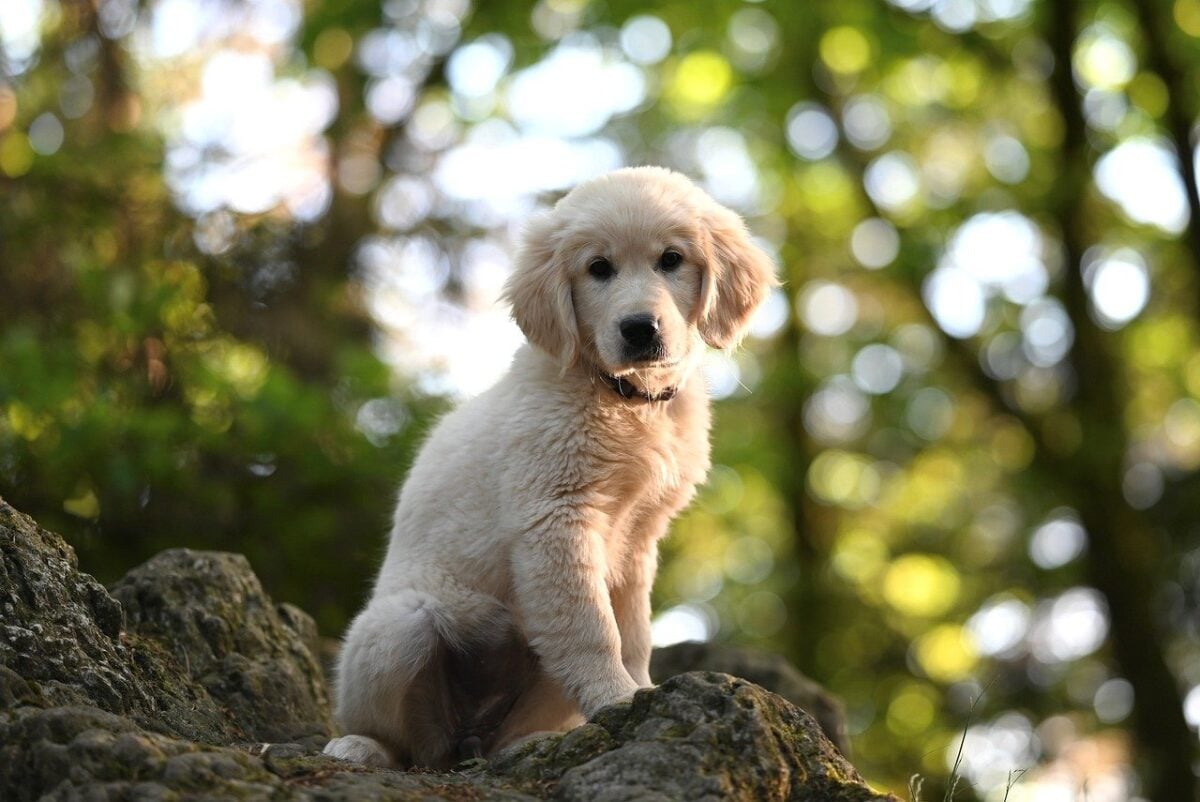
Puppies grow unevenly, but they shouldn’t stop growing altogether. If your Golden suddenly stalls out, loses weight, or starts acting differently, it may be time to check in with your vet.
Certain red flags can point to parasites, digestive issues, nutritional deficiencies, or orthopedic concerns. And while it’s common to see a lanky pup or a clumsy leap, it’s not normal for a growing dog to limp or bloat without reason.
If your dog’s behavior or body shape changes suddenly, especially if they seem uncomfortable or lethargic, don’t dismiss it as “just a phase.”
Red flags to watch for:
- No weight gain in 3 or more weeks
- Sudden or unexplained weight loss
- Ribs are sharply visible and low energy
- Limping, stiffness, or reluctance to move
- Bloated or firm belly
- Loss of appetite for more than a day
- Constant fatigue or extreme lethargy
- Uneven growth (e.g., one leg noticeably shorter)
If your Golden still looks lanky at 10 months? Totally fine. If they suddenly stop gaining weight at 5 months? That’s worth investigating.
Quick Takeaway
- Some weird growth is expected—some isn’t
- Trust your gut if your dog seems “off”
- A check-up now can prevent bigger problems later
Goldens aren’t built in a day. But if yours is showing signs of pain, weight loss, or growth delays, it’s time to hit pause and talk to your vet.
What Influences Your Golden’s Growth
Golden Retriever growth is influenced by a combination of genetics and environment. Some factors you can control, and others you simply have to work around.
Genetics
A large Golden puppy may grow into a 75-pound adult, while another from smaller parents may stay closer to 55 pounds. Genetics plays a strong role in determining final size, but even pups from the same litter can grow at different rates and end up different sizes.

Nutrition
What you feed your Golden during the first 18 months makes a lifelong impact.
A high-quality large breed puppy formula supports bone growth without overloading the joints. The right balance of calcium, phosphorus, protein, and fat helps build strong bones and lean muscle while preventing excessive weight gain.
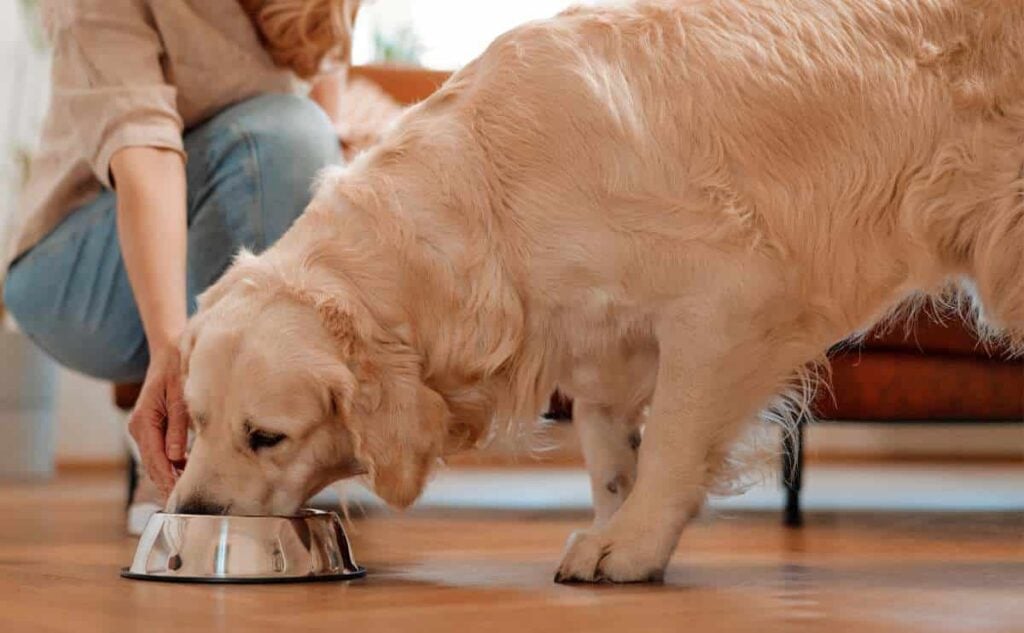
Overfeeding or using the wrong food, especially one too high in calcium, can increase the risk of orthopedic issues like hip and elbow dysplasia. This recommendation aligns with veterinary orthopedic research on large-breed puppy development.
Growth Spurts & Plateaus
Golden Retriever growth isn’t a straight line. Some months, they’ll sprout up like bamboo. Other months, you’ll wonder if they’ve hit a pause button.
These growth plateaus are normal. They give your puppy’s skeletal system a chance to stabilize before the next big leap.
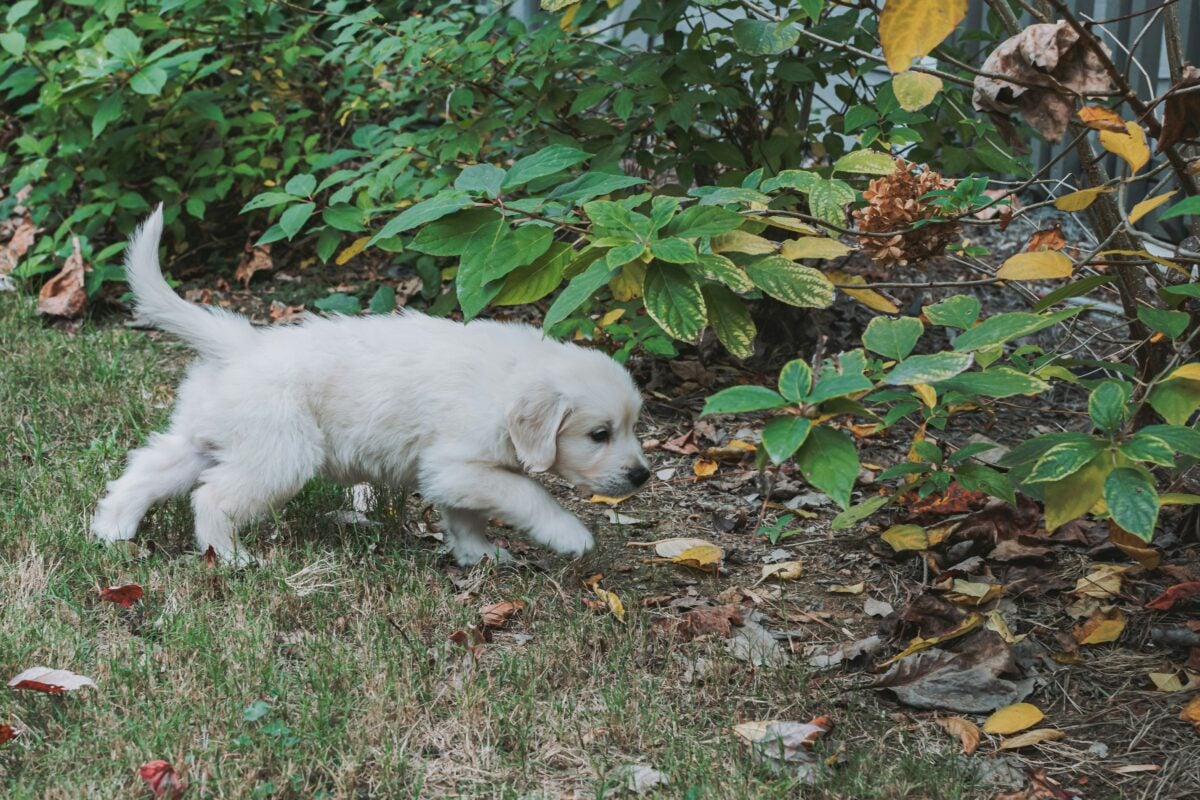
Don’t panic if your pup doesn’t gain weight for a couple of weeks. As long as they’re active, eating well, and behaving normally, they’re likely just gearing up for their next growth spurt.
Neutering & Spaying
Spaying or neutering can influence how and when your Golden Retriever grows. Studies have shown that neutering Golden Retrievers before one year of age is associated with increased risks of one or more joint disorders.
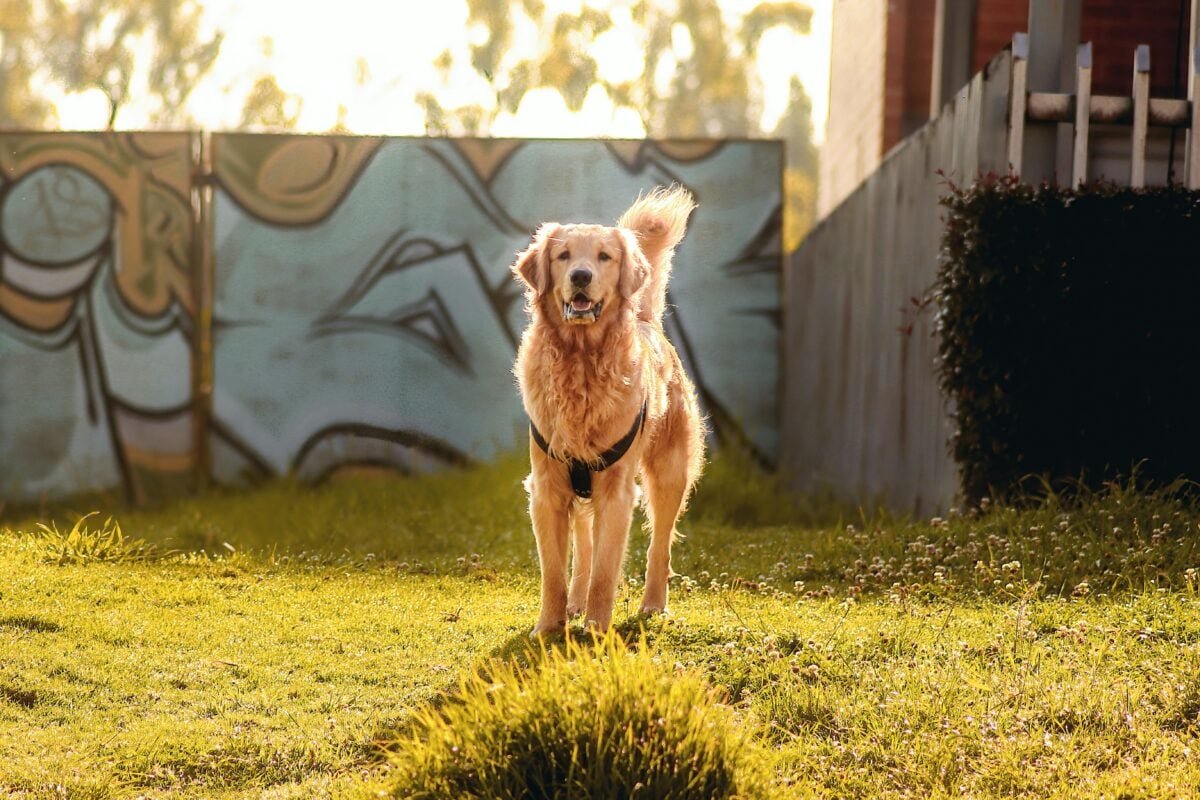
A peer-reviewed study from the University of California, Davis found an association between early neutering in Golden Retrievers and increased risk of certain joint disorders. This doesn’t mean early neutering causes problems in every dog, but it highlights why timing matters, especially in large breeds. The same research suggests leaving female Golden Retrievers intact to reduce the risk of cancer and joint disease.
As always, talk with your veterinarian about the right timing for your dog. Their recommendation will depend on your pup’s health, behavior, and lifestyle. Every dog is different, and there’s no one-size-fits-all answer.
Physical Health
Illness, parasites, or metabolic disorders can slow or stall growth. Common culprits include intestinal worms, chronic infections, or undiagnosed digestive issues.

If your Golden suddenly stops gaining weight, loses their appetite, or seems unusually tired, it’s time for a vet visit. Growth delays often have treatable causes, but only if you catch them early.
Vet Red Flags To Watch For
- Limping during a growth spurt
- Sudden weight loss or refusal to eat
- Bloating or a hard, distended belly
- Delayed tooth eruption or poor coat condition
These aren’t just quirks. They could signal something more serious, and your vet can help you get to the bottom of it.
Month-By-Month Golden Retriever Growth Timeline (What’s Normal at Each Stage)
Golden Retriever puppies don’t just grow—they transform. From jellybean-sized newborns to full-blown fluff tanks, here’s what to expect month by month during that all-important first year.
Birth To 2 Weeks: Tiny, Blind & Helpless
Your Golden pup is born with eyes closed, ears folded, and a nose that somehow still finds mom. At this stage, they weigh less than a pound and double their birth weight in just two weeks. All their energy goes into nursing and sleeping.

2 To 4 Weeks: Eyes Open, Wobble Activated
Around the two-week mark, your puppy’s eyes and ears begin to open. They’re still clumsy, but they’ll start crawling and exploring their world, mostly by bumping into their littermates.

4 To 8 Weeks: Learning To Dog
Your pup begins to walk, play, grow teeth, and interact with people and littermates. They’ll go from a couple of pounds to 10–15 pounds by the time they’re ready to leave the breeder. Coordination improves dramatically, and their tail may never stop wagging.

8 To 12 Weeks: First Growth Spurt
This is when you’ll notice significant changes week to week. Their appetite soars, their legs lengthen, and they may gain 2–3 pounds per week.

Socialization and training begin now. Don’t worry if they look awkward—it’s part of the charm.
3 To 4 Months: Gangly Goofball Phase
Golden puppies often hit a lanky, oversized-paw stage right here. They may appear unbalanced, with legs that seem to outpace the rest of their body.
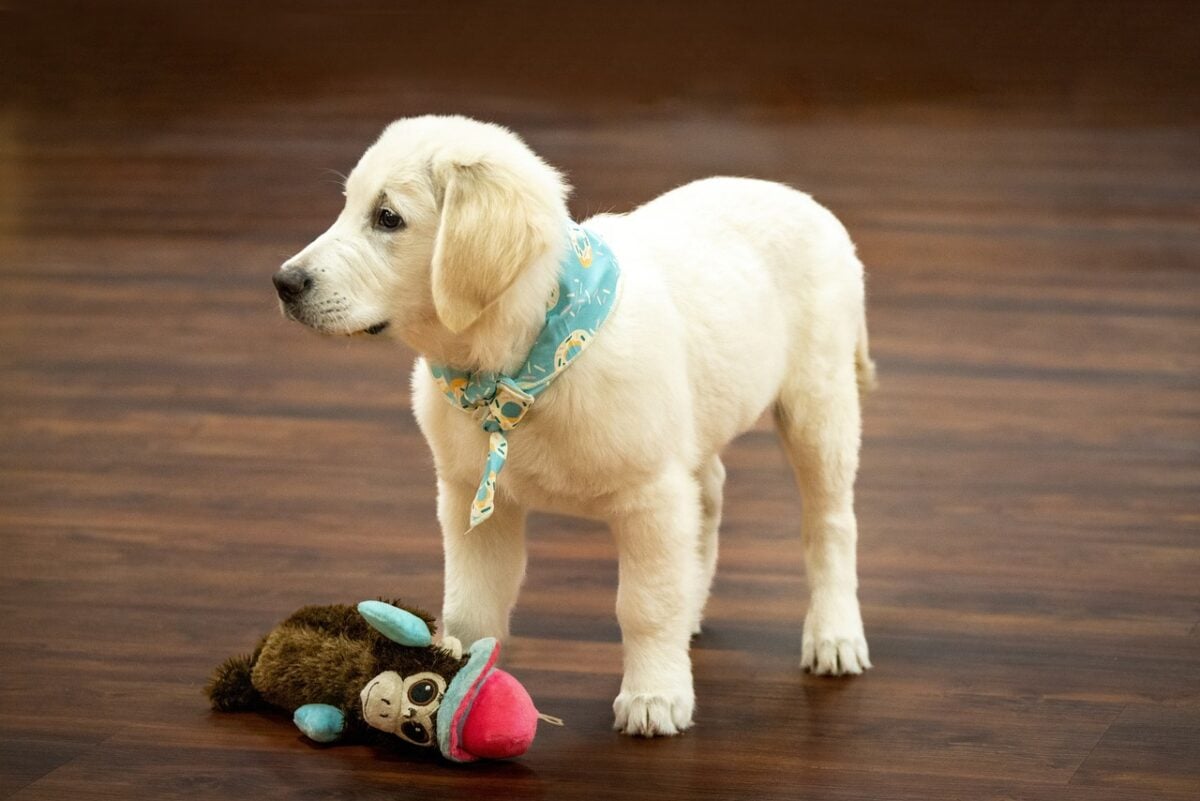
Weight typically falls between 20 and 30 pounds, depending on genetics. Still normal if your puppy looks different; genetics matter.
4 To 6 Months: The Stretch
Back legs may sprout like stilts, and that baby giraffe walk makes a comeback. Growth spurts arrive in waves.
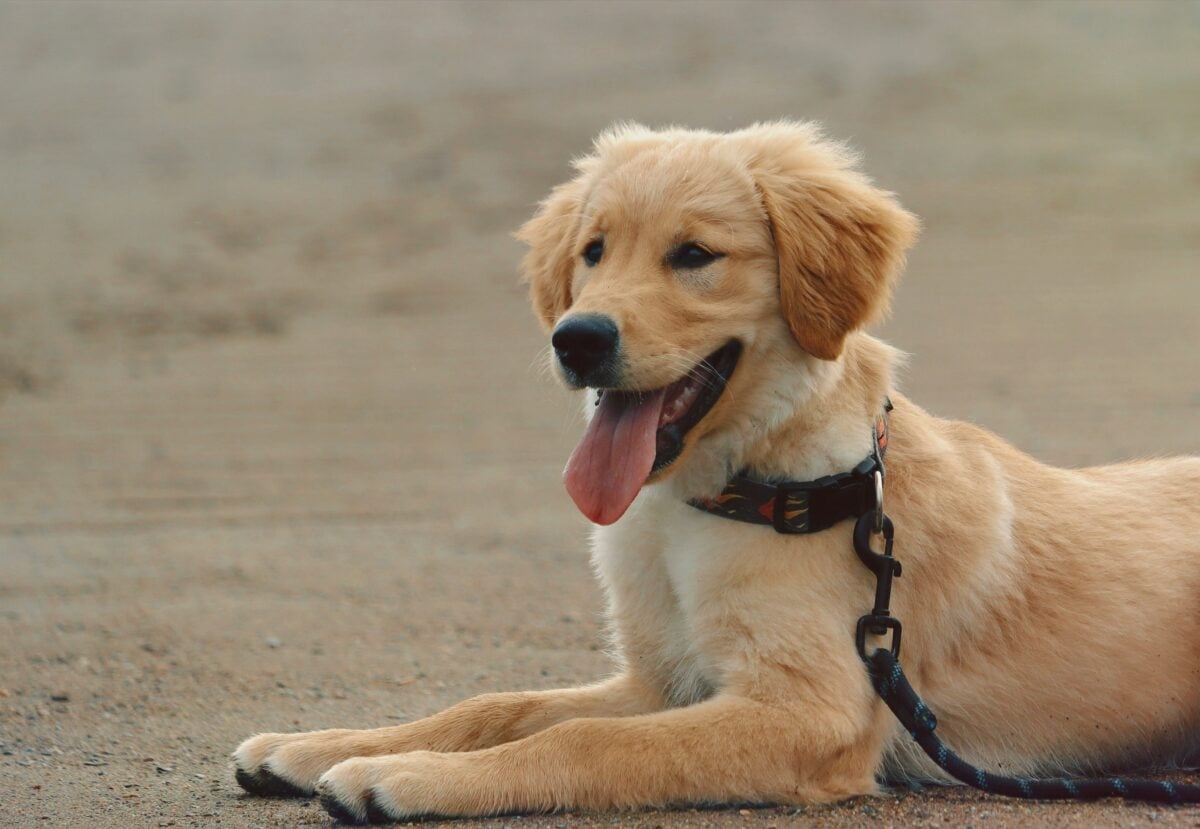
Your pup could gain 3–5 pounds per week. Most pups double their 8-week weight by now.
6 To 9 Months: Fluff & Framework
They’re still growing but may start to look more “dog” than “puppy.” Weight gain slows to 1–2 pounds per week, and you’ll see their chest begin to broaden. That fluffy adolescent coat starts to come in.

If your Golden isn’t filling out on the same timeline as another puppy, that’s normal; growth pace varies widely.
9 To 12 Months: Height Complete, Filling Out Begins
By now, most Goldens have reached their full height (21–24 inches at the shoulder), but they still have muscle to build. They may appear slightly lean or unbalanced—this is normal for their age.
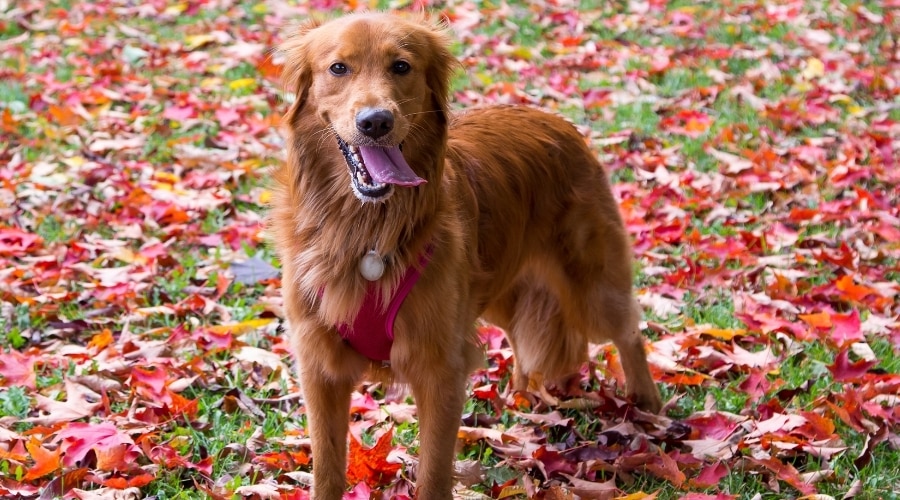
Some Goldens look complete at this stage, while others still appear lean. Both can be healthy; genetics and timing play a big role.
Golden Retrievers grow unevenly; height often finishes first, but skeletal and muscular development continues afterwards. Large and giant breed puppies typically reach full skeletal maturity later than smaller breeds.
According to veterinary guidance from VCA Animal Hospitals, most large-breed dogs reach adult size between 12 and 18 months and may need up to 24 months to fully mature.
12 To 24 Months: From Teen To Tank
Welcome to the “bulking” year. While your Golden is likely done growing taller, they’re not done filling out. Over the next 6 to 12 months, your dog will build muscle, broaden through the chest, and develop that classic Golden Retriever look: deep-chested, strong, and gloriously fluffy.

Weight gain is slow but steady, usually 1 to 2 pounds per month, if that. You might notice their coat gets fuller and wavier, their movements more coordinated, and their energy mellowing (a little). This is also when many Goldens settle into their adult personality.
Some Goldens reach full physical maturity around 18 months, but many don’t fully “finish” until closer to two years. Translation: If your dog still looks like a lanky teen at their first birthday party, don’t worry. The best is yet to come.
Full maturity happens on a spectrum. Many healthy Goldens don’t fully “finish” until closer to two years old.
Next, we’ll look at typical Golden Retriever weight ranges and how to use them without overthinking the numbers.
Golden Retriever Growth Chart (Use as a Reference, Not a Rule)
Important: Growth charts show averages, not goals. Healthy Golden Retrievers may fall above or below these ranges based on genetics, build, and growth timing. Use this chart as a reference, not a judgment.
| Age | Male Weight (lbs) | Female Weight (lbs) |
|---|---|---|
| 7 weeks | 9 | 9 |
| 8 weeks | 10 | 10 |
| 9 weeks | 12 | 12 |
| 10 weeks | 15 | 15 |
| 11 weeks | 17 | 17 |
| 3 months | 22 | 22 |
| 4 months | 30 | 30 |
| 5 months | 40 | 40 |
| 6 months | 44 | 43 |
| 7 months | 48 | 45 |
| 8 months | 55 | 52 |
| 9 months | 61 | 56 |
| 10 months | 63 | 58 |
| 11 months | 68 | 63 |
| 1 year | 68 | 65 |
| 2 years | 73 | 70 |
Weight Isn’t Everything
Growth charts are helpful, but they’re not a grading system. Healthy growth isn’t about hitting exact numbers. Body condition, energy, and joint comfort matter more than the scale.
A Golden can be perfectly healthy and still fall a little above or below the chart depending on genetics, build, and growth timing. If your pup is eating well, staying active, and you can feel (but not see) their ribs, you’re probably in a good place.
Seeing growth stages can be more reassuring than reading about them. This short video shows what “normal” Golden Retriever growth looks like at different ages.
Visual Milestones
- 8 Weeks: Fluffy Bean
- 6 Months: Toothpick Legs
- 12 Months: Couch-Hopping Teen
- 18 Months+: Chest Coat Achieved
Growth happens fast, and it’s easy to forget what’s normal from month to month. Many owners bookmark this guide to check back as their Golden grows.
Quick Self-Check: Is My Golden Growing Well?
Take a moment to check the big picture, not just the scale.
- Can you feel your dog’s ribs without seeing them?
- Is your Golden energetic and eager to move?
- Are they eating consistently and maintaining weight?
- Do they move comfortably without limping or stiffness?
If you answered “yes” to most of these, your Golden’s growth is likely on track, even if the chart numbers don’t line up perfectly.

Most Common Golden Retriever Growth Worries
If you’re second-guessing how your Golden looks right now, that’s a very common part of raising a growing puppy. These are some of the most common growth concerns owners have, and when they’re usually normal.
Why does my Golden’s chest look narrow?
During the first year, many Golden Retrievers grow taller before they grow wider. Chest depth and muscle typically develop later, often between 12 and 24 months. A narrow chest at this stage is very common.
Why are my puppy’s paws so big?
Oversized paws are a classic sign of growth ahead. Puppies often grow their feet first, then “catch up” as the rest of their body fills out. Big paws alone aren’t a concern.
Why did my Golden stop gaining weight for a few weeks?
Short growth plateaus are normal. Puppies often grow in spurts, with pauses in between, while bones and joints stabilize. As long as your puppy is eating well, active, and behaving normally, a brief slowdown is usually nothing to worry about.
Why does my puppy look taller but not heavier?
Height often increases before muscle and body mass. Many Golden Retrievers go through a lanky phase where they look all legs before filling out later in adolescence.
Common Questions About Golden Retriever Growth
Growth is not always predictable. If you have concerns, the questions below can help clarify what is normal and what deserves more attention.
Don’t see your question? Ask us in the comments!

How Much Weight Should My Golden Gain Each Month?
Between 8 weeks and 6 months, Golden Retrievers typically gain 2–3 pounds per week. After 6 months, growth slows to about 1–2 pounds per month as they begin filling out rather than growing taller
When Is A Golden Retriever Fully Grown?
Most Golden Retrievers reach full height by 12 months, but continue building muscle, chest width, and adult coat until 18–24 months.
My Golden Looks Skinny, Should I Worry?
Not necessarily. If they are active, eating, and gaining steadily, a lean frame could be normal. Ask your vet if you are unsure.
Can Early Neutering Affect My Golden’s Growth?
Yes. In large breeds like Golden Retrievers, early neutering may influence bone and joint development. Many veterinarians recommend discussing timing based on your dog’s growth and health.
Is It Okay If My Golden Is Smaller Than The Chart?
Yes. Growth charts reflect averages. Some healthy dogs fall outside those ranges due to genetics or other non-medical reasons.
Should I Still Be Feeding Puppy Food At 1 Year Old?
Yes. Most Goldens should stay on large breed puppy food until they are 18 months old, unless your vet recommends otherwise.
Do Golden Retrievers Get Growing Pains?
Not exactly. But rapid growth can cause temporary stiffness or soreness, especially in the legs.
If you notice limping or discomfort, limit high-impact activities and consult your veterinarian.
What Health Issues Can Affect My Golden’s Growth?
Hip dysplasia is one of the most common orthopedic issues in growing Goldens. Other concerns include elbow dysplasia and joint inflammation.
Watch for signs such as limping, bunny-hopping, or an awkward posture.
What If My Golden Retriever Is Underweight or Overweight?
You should be able to feel your dog’s ribs but not see them. Sudden weight loss, visible ribs, or a firm belly could signal a health problem.
If your pup appears to be too heavy or too thin, consult your veterinarian before adjusting their food.
Every Golden Grows at Their Own Pace
Golden Retrievers don’t grow in straight lines. Some stretch out early, some fill out later, and most go through at least one phase where their body seems a little out of sync. That kind of variation is normal — and often temporary — especially in a breed that takes longer to fully mature.
Rather than focusing on exact numbers, it helps to look at the bigger picture: steady progress over time, good energy, comfortable movement, and a dog that feels healthy in their body. If you’d like extra guidance along the way, explore our Golden Retriever feeding chart, our picks for the best dog food for Golden Retrievers, and our complete Golden Retriever lifespan guide. Every awkward phase? It’s a milestone in disguise.
Want to Share Your Golden’s Growth Story?
Did your Golden go through a memorable or unexpected growth phase? Share your experience in the comments; it helps other owners know what’s normal and reminds everyone that no two Goldens grow the same way.