When you purchase through links on our site, we may earn a commission at no extra cost to you. Learn more.
Belgian Malinois mixes are known for their striking looks, athletic builds, and intelligent personalities. From the energetic Belusky to high-drive herding crosses like the Belgian Malinois Border Collie mix and Belgian Malinois Australian Shepherd mix, these dogs can combine appealing traits from two very different breeds.
Table of Contents
But looks and breed names only tell part of the story. Many Belgian Malinois mixes are highly active, strong-willed, and best suited for owners who can provide consistent training, daily exercise, and plenty of mental stimulation. Their personality, size, coat, and compatibility with kids or other pets can also vary widely from one dog to the next.
Below, we break down 13 popular Belgian Malinois mixes, including what they may inherit from each parent breed, what kind of home may suit them best, and what to consider before bringing one home.
Why Belgian Malinois Mixes Are So Popular
Belgian Malinois were originally bred as hardworking herding dogs, and many still excel in demanding roles today. Their intelligence, athleticism, and strong work ethic have also made them well known in police, military, security, and service work.
These traits can make Belgian Malinois mixes especially appealing to active, training-minded owners. Many are medium to large dogs with bright minds, boundless energy, and a close bond with their families. However, their drive and exercise needs can vary widely depending on the other parent breed and the individual dog.
Before You Choose a Belgian Malinois Mix
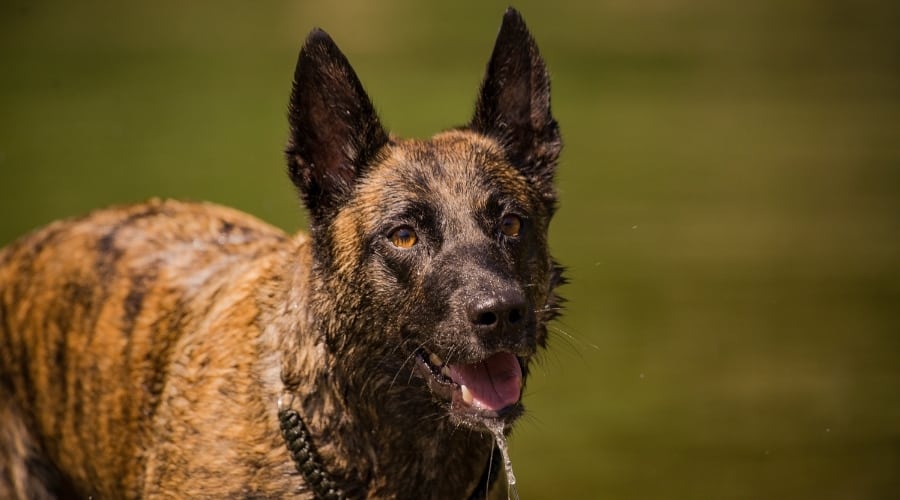
Belgian Malinois mixes can be intelligent, athletic, and loyal—but they are often a serious commitment. This is especially true for working-dog and herding combinations, such as Malinois Border Collie or Malinois Australian Shepherd mixes, which may inherit intense energy, focus, and a strong need for purposeful activity.
Before bringing one home, consider the following:
- Expect lots of training and enrichment. Many Malinois mixes need more than daily walks. Obedience practice, scent work, puzzle toys, hiking, and structured play can help meet their physical and mental needs.
- Prepare to manage a strong, active dog. Depending on the other parent breed, your dog may grow large, powerful, and quick to react. Secure fencing, reliable leash skills, and consistent household rules are important.
- A mix is not a predictable 50/50 combination. A dog may inherit the energy of one parent, the coat of another, and its own unique temperament. Breed labels can suggest possibilities, not guarantees.
- Do not assume every dog will be good with kids, cats, or other dogs. Prey drive, sociability, guarding behavior, and comfort around strangers vary by individual dog, socialization, training, and life experience.
- Meet the actual dog whenever possible. Ask a breeder or rescue about the dog’s behavior around children, pets, visitors, handling, and new situations. A dog’s history and current behavior matter more than a catchy mix name.
Breed ancestry can offer useful clues, but it does not fully predict personality or behavior. The best match is the individual dog whose needs, temperament, and history fit your household, experience level, and daily routine.
If you are not certain of your dog’s genetic makeup, you can use an at-home DNA test kit to find out.
Which Belgian Malinois Mix Is Best for You?
There is no universally “best” Belgian Malinois mix. A dog’s upbringing, training, health, and individual temperament matter as much as its breed mix. Still, these broad comparisons can help you narrow your search.
- Best for committed first-time owners: Labrador Malinois or Belgian Boxer—but only with realistic expectations, training support, and time for daily exercise. No Malinois mix is an automatic beginner dog.
- Best for families with older kids: Labrador Malinois or Belgian Boxer may be the most approachable options when the individual dog has a known history of appropriate behavior around children. Adult supervision is still essential.
- Best for dog sports and advanced training: Mali-Dutchie, Belgian Malinois Border Collie mix, and Belgian Malinois Australian Shepherd mix may suit owners interested in agility, scent work, obedience, or other structured activities.
- Best for hiking and active outdoor lifestyles: Labrador Malinois, Belgian Malinois Australian Shepherd mix, and German Malinois can be strong choices for owners who want an athletic adventure companion.
- Best for lower grooming needs: Malinois Greyhound, Belgian Boxer, Dobernois, and Pitbull Malinois often have shorter, easier-care coats.
- Best for cold-weather households: Belusky and Belgian Malamute may be more comfortable in cooler climates, but their thicker coats usually mean heavier shedding and more brushing.
- Best for experienced owners who want a powerful, watchful dog: German Malinois, Dobernois, Akita Malinois, and Malinois Italiano may suit advanced handlers who can provide secure management, thoughtful socialization, and consistent training.
- Best for homes with cats, small pets, or multiple dogs: No mix can be chosen safely by breed name alone. Ask about the individual dog’s history, meet the dog when possible, and introduce pets gradually and safely.
Bottom line: The best Belgian Malinois mix is the individual dog whose energy level, behavior, and care needs genuinely fit your home—not simply the mix with the most appealing name or appearance.
13 Belgian Malinois Mixes to Know
Belgian Malinois mixes can look and behave very differently depending on the other parent breed. Some may inherit the focus and intensity of another herding dog, while others may combine the Malinois’ athleticism with a more independent, powerful, or playful personality.
To make these 13 mixes easier to compare, we have grouped them by the traits they may be most likely to share. Keep in mind that a mixed-breed dog is never a guaranteed blend of two breeds. Energy level, size, coat type, trainability, and compatibility with children or other pets can vary widely from one dog to the next.
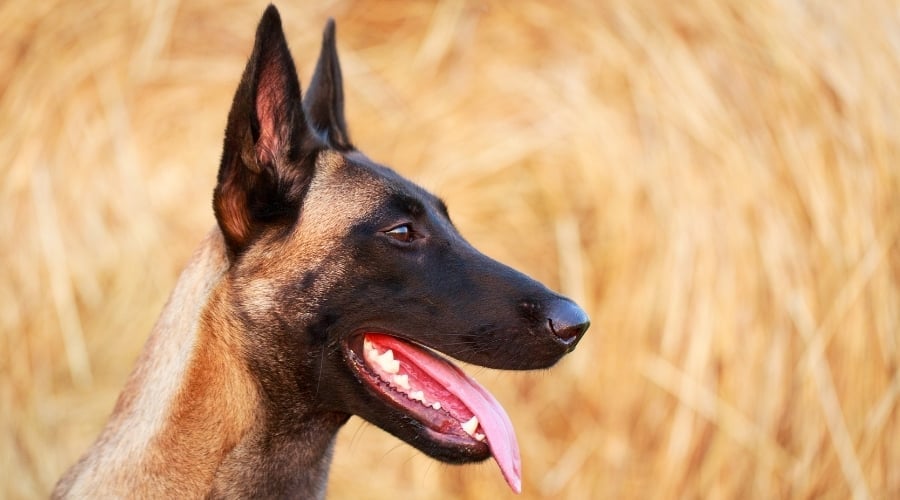
Whether you are looking for a running partner, an advanced training companion, or simply want to learn more about these striking crosses, the profiles below will help you understand what each Belgian Malinois mix may bring to the table.
High-Drive Herding & Working Mixes
These Belgian Malinois mixes may be especially active, intelligent, and motivated to work. They are often best suited for experienced owners who can provide structured training, daily exercise, and plenty of mental enrichment.
1. Mali-Dutchie (Belgian Malinois Dutch Shepherd Mix)
At a glance:
- Best for: Highly active, training-focused homes
- Energy level: Very high
- Grooming needs: Low to moderate
- Experience level: Experienced owners; dog-sport or working-dog experience is helpful
- What to know: This mix may be intensely driven and needs both purposeful activity and planned downtime.
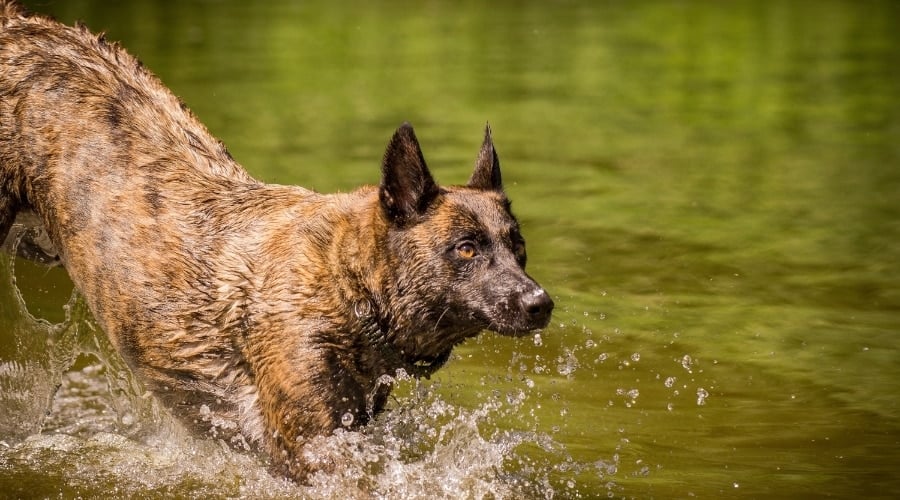
The Mali-Dutchie combines two herding breeds that are often valued for intelligence, athleticism, and trainability. Coat type can range from short and smooth to rougher or brindled, depending on the Dutch Shepherd parent.
This can be a rewarding mix for people who enjoy advanced training, canine sports, scent work, or other structured activities. However, a dog with a high work drive may become frustrated or restless without clear routines and appropriate outlets. Focus on reward-based training, calm handling, and teaching the dog how to settle, not simply adding more exercise.
They are wonderful companions, especially for emotional support, but they need a high amount of activity, about 2 hours, broken up, each day.
2. German Malinois (Belgian Malinois German Shepherd Mix)
At a glance:
- Best for: Experienced owners seeking an active, highly trainable companion
- Energy level: Very high
- Grooming needs: Moderate to high
- Experience level: Experienced owners recommended
- What to know: This may be a large, powerful mix that benefits from careful socialization, clear routines, and reliable handling.

Another sturdy mix on this list is the German Malinois, sometimes known as the Malinois X. This dog comes from hard-working parents who are often compared to one another.
The German Malinois may combine the Belgian Malinois’ athleticism with the German Shepherd’s larger frame and heavier coat. Some dogs may be highly people-focused and eager to train, while others may be more reserved or independent.
Like all German Shepherd crossbreeds, the German Malinois absolutely needs tons of exercise. Because this mix can be strong, alert, and energetic, early training should emphasize leash skills, calm greetings, household manners, and appropriate behavior around visitors. It may suit owners who enjoy long walks, hiking, training classes, or dog sports. Avoid assuming every German Malinois will naturally be protective, easygoing, or comfortable with other pets; individual temperament matters more than the mix name.
3. Belgian Malinois Border Collie Mix
At a glance:
- Best for: Highly active homes that enjoy training, dog sports, or outdoor adventures
- Energy level: Very high
- Grooming needs: Moderate
- Experience level: Experienced owners recommended
- What to know: This mix may combine intense focus, athleticism, and herding instincts, making daily mental enrichment just as important as physical exercise.

A Belgian Malinois Border Collie mix can bring together two exceptionally intelligent and athletic herding breeds. Some dogs may lean toward the Malinois’ drive and vigilance, while others may show the Border Collie’s sensitivity, focus, and tendency to notice every movement around them. Coat type can range from short and sleek to medium-length and fuller, depending on the parents.
This can be a rewarding mix for owners who enjoy structured training. Daily walks or runs are usually only part of the picture—many dogs will also benefit from obedience practice, scent games, agility, rally, hiking, or other task-based activities. Without enough appropriate outlets, some may become restless, destructive, noisy, or overly focused on movement.
Because chasing, herding, and social behavior can vary by individual dog, do not assume this mix will automatically be a fit for cats, small pets, or a busy household with young children. Meet the individual dog whenever possible, ask about its behavior history, and use reward-based training to build calm, reliable habits.
4. Belgian Malinois Australian Shepherd Mix
At a glance:
- Best for: Active, training-oriented households with time for daily engagement
- Energy level: Very high
- Grooming needs: Moderate to high
- Experience level: Experienced or highly committed owners are recommended
- What to know: This mix may inherit strong herding tendencies, sensitivity to movement or noise, and a coat that requires regular brushing.

Often called an Aussie Malinois, this cross can combine two agile, intelligent breeds that are frequently happiest when they have a job to do. Some may be eager, affectionate, and highly responsive to their people, while others may be more alert, intense, or inclined to herd moving children, dogs, or other animals.
Plan for substantial daily activity and mental enrichment. Obedience, trick training, scent work, hiking, agility, and puzzle-based games can help give this mix appropriate outlets. Grooming needs can also vary: some dogs may inherit a short Malinois-like coat, while others may have a thicker Australian Shepherd-style coat with more seasonal shedding.
This is not automatically an easier version of a Belgian Malinois. Before bringing one home, ask about the individual dog’s behavior around children, visitors, other dogs, and smaller pets. Early socialization, consistent routines, and patient reward-based training are especially important.
Athletic & Versatile Mixes
These mixes may combine the Malinois’ athleticism with breeds known for playfulness, endurance, or a more adaptable companion-dog reputation. Individual temperament and training needs can still vary significantly.
5. Labrador Malinois (Belgian Malinois Labrador Retriever Mix)
At a glance:
- Best for: Active households that enjoy training and outdoor time
- Energy level: High
- Grooming needs: Moderate
- Experience level: Committed owners; training support may be helpful
- What to know: This mix may combine retriever enthusiasm with the Malinois’ intensity and need for structured daily activity.

The Labrador Malinois is a wonderful combination of two very charming, athletic dogs with a penchant for doing their jobs very well. A Labrador Malinois may inherit a sturdy, athletic build, a short double coat, and an eagerness to engage with people. Some dogs may enjoy retrieving, swimming, or carrying toys, while others may lean more toward the alert, task-focused nature of the Belgian Malinois.
This mix can be a good fit for owners who want an active companion and are ready to build reliable manners from the start. Daily walks, training games, scent work, and fetch can all provide useful outlets. Do not assume that a Labrador parent automatically makes every dog calm around children, cats, or other dogs; evaluate the individual dog’s behavior and history.
As with all Lab mixes, the Labrador Malinois will love the outdoors and getting to know other animals in the neighborhood. Teaching them obedience and proper socialization will be very easy due to their high intelligence; this dog hardly has a stubborn bone in their body, so take advantage of it!
6. Malinois Greyhound (Belgian Malinois Greyhound Mix)
At a glance:
- Best for: Active homes with secure exercise space and consistent leash management
- Energy level: Moderate to high
- Grooming needs: Low
- Experience level: Committed owners with a secure setup
- What to know: This mix may be exceptionally fast and may be motivated to chase moving animals or objects.

A Malinois Greyhound can be lean, muscular, and built for speed. Some may resemble the sleek outline of a Greyhound, while others may inherit more of the Malinois’ square build and alert expression. Their short coats are often fairly easy to maintain.
Because this mix may combine sprinting ability with a strong interest in movement, secure fencing and reliable leash skills are especially important. A safe enclosed area for running, plus daily enrichment and training, may be more useful than relying on long walks alone. Assess compatibility with cats and smaller pets carefully, as chase behavior can vary significantly.
What hardly varies, though, is that they make great house pets, with high levels of affection for their families and not much inclination to bark. Since this mix is bound to be smart, you should train them early to encourage the Malinois’ obedience versus the Greyhound’s stubbornness.
7. Belgian Boxer (Belgian Malinois Boxer Mix)
At a glance:
- Best for: Active households that enjoy play, training, and close interaction
- Energy level: High
- Grooming needs: Low to moderate
- Experience level: Committed owners with consistent training habits
- What to know: This mix may be playful and affectionate but can also be powerful, excitable, and slow to mature.
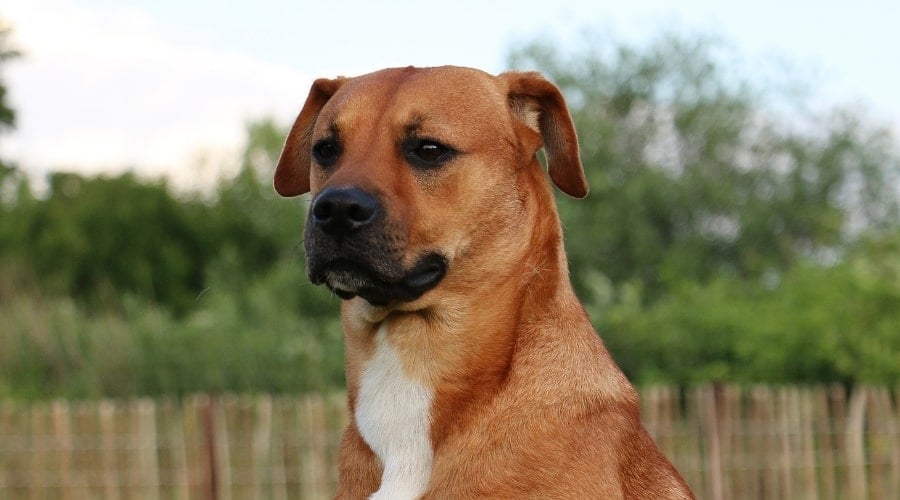
A Belgian Boxer may inherit the Boxer’s expressive face and playful personality along with the Belgian Malinois’ athletic build and alertness. Many will have a short, easy-care coat, though color and body shape can vary widely.
Similar to other Boxer crossbreeds, these dogs are even-tempered with good tolerance for more rambunctious family members, like children or other animals.
This mix may enjoy games, training, and plenty of interaction with its household. However, a large, enthusiastic dog can accidentally overwhelm small children or people who are unsteady on their feet. Teach polite greetings, four paws on the floor, and calm behavior around visitors early. Mental enrichment is important, especially for dogs that become bored or destructive when left without enough to do.
8. Pitbull Malinois (Belgian Malinois Pit Bull Mix)
At a glance:
- Best for: Active owners ready to provide training, enrichment, and close supervision
- Energy level: High
- Grooming needs: Low to moderate
- Experience level: Experience with strong, athletic dogs is helpful
- What to know: The term “pit bull” can describe several breeds or mixes, so adult size, appearance, and behavior can vary substantially.
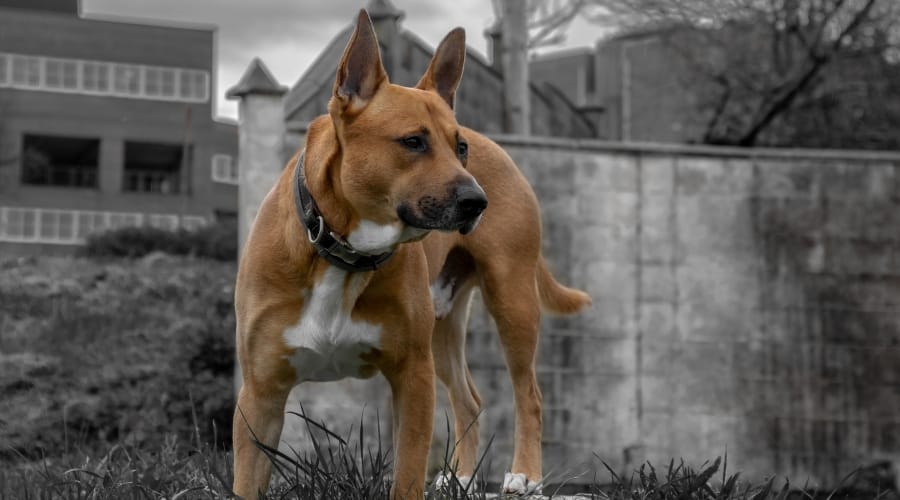
Pitbulls have a bad reputation that follows them; we feel this is very unfair. Many Pitbull mixes, including the Pitbull Malinois, are wonderful dogs who are as affectionate and goofy as they are courageous. This Belgian Malinois mix, in particular, makes a wonderful family pet.
A Pitbull Malinois may be muscular, energetic, and highly engaged with its household. Some may be playful and people-oriented, while others can be more independent or reserved. Their short coat is often easy to groom, though exercise and enrichment needs can still be significant.
Your Pitbull Malinois is a playful hybrid, so nurture their love for playtime with lots of toys and games. This mix benefits from consistent reward-based training, safe play outlets, and strong household routines. Do not make assumptions about behavior around other dogs, cats, children, or unfamiliar people based on either parent breed.
If you socialize them from puppyhood, most take easily to children and friends of your family. The Pitbull Malinois easily develops separation anxiety and may be demanding your attention.
This can help quell destructive behaviors that may pop up because of a lack of mental stimulation. Keeping boredom and frustration at bay is a great way to make your dog happy, so try not to skimp on activities you can do together.
Independent, Northern & Guardian-Type Mixes
These Belgian Malinois mixes may combine high energy with strength, independence, guarding instincts, or a heavier coat. They often require confident handling, secure management, and careful socialization.
9. Belusky (Belgian Malinois Siberian Husky Mix)
At a glance:
- Best for: Very active, experienced homes with secure fencing
- Energy level: Very high
- Grooming needs: High
- Experience level: Experienced owners recommended
- What to know: This mix may combine Malinois drive with Husky independence, vocalization, and a tendency to explore.
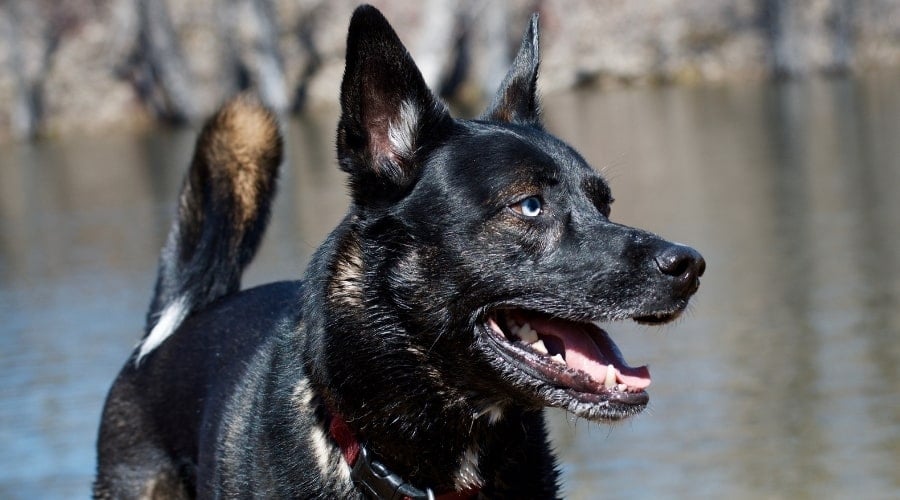
One dog who is definitely strong, active, and always up for adventure is the Belusky. They come from parents who both have high energy needs, so you’re in for a wild ride with this Husky mix!
The Belusky can be a striking mix, often combining the athletic frame of a Belgian Malinois with the thicker coat, markings, or eye color associated with a Siberian Husky. Expect substantial seasonal shedding if the dog inherits a denser northern-breed coat.
This mix may need far more than a casual daily walk. Hiking, running, scent games, obedience practice, and structured play can help meet its physical and mental needs. Secure fencing matters because some dogs may be skilled climbers, diggers, or escape artists. A Belusky may be loyal and affectionate with its household, but sociability with unfamiliar people and animals should be assessed individually.
10. Akita Malinois (Belgian Malinois Akita Mix)
At a glance:
- Best for: Experienced homes that can confidently manage a large, independent dog
- Energy level: High
- Grooming needs: Moderate to high
- Experience level: Advanced owners are strongly recommended
- What to know: This mix may be powerful, reserved, and selective about unfamiliar dogs or visitors.
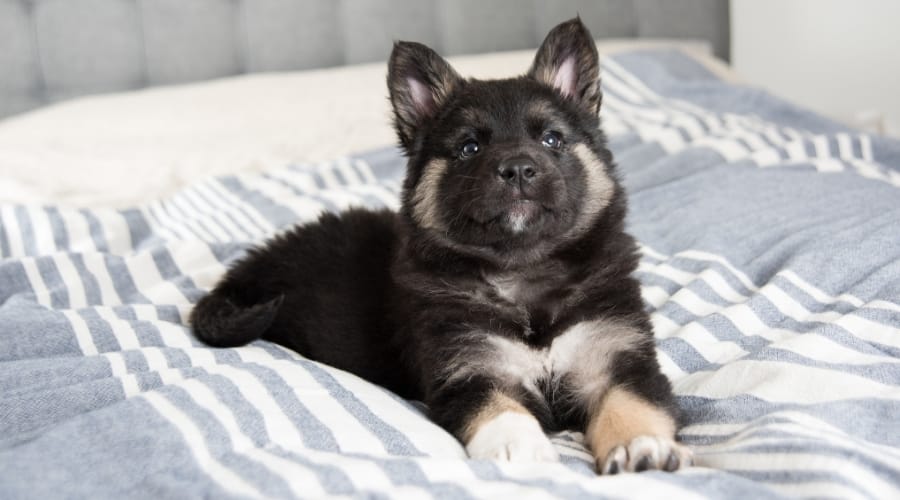
An Akita Malinois may combine the Malinois’ alertness and activity level with the Akita’s independence and substantial build. Some dogs may have a thicker coat and heavier seasonal shedding, while others may look more like a leaner Malinois.
Thoughtful socialization and reward-based training can help build useful life skills, but they do not guarantee that every dog will enjoy busy dog parks, unfamiliar visitors, or multi-pet living. This mix may be better suited to owners who can provide a predictable routine, secure management, and close supervision around new people and animals. Ask a breeder or rescue for specific behavior history instead of relying on general breed descriptions.
11. Dobernois (Belgian Malinois Doberman Pinscher Mix)
At a glance:
- Best for: Experienced owners looking for an athletic, engaged training companion
- Energy level: High
- Grooming needs: Low to moderate
- Experience level: Experienced owners recommended
- What to know: This may be an alert, people-focused mix that needs structured training and careful management of its environment.
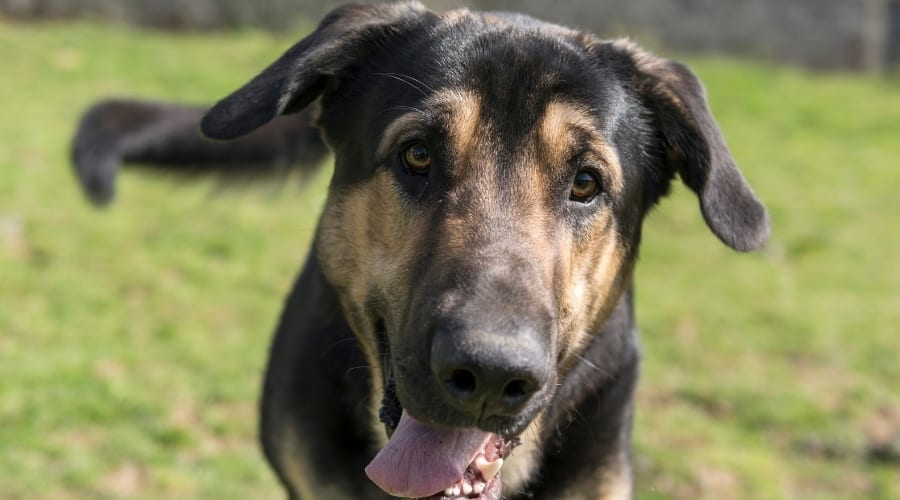
A Dobernois is often a very alert, intelligent, and loyal dog that blends the Malinois with a stately Doberman. Their protective and valiant personality means they are naturals at guarding the home. While they can look a little scary, they are affectionate, playful dogs who have nothing but boundless love for their trusted family and friends.
The Dobernois may inherit a sleek, muscular body and short coat from both parent breeds. Some individuals may be playful and highly responsive to training, while others may be more watchful or sensitive in unfamiliar settings.
This mix can thrive with owners who enjoy daily training and give their dog a clear routine. Focus on calm greetings, leash skills, cooperative handling, and gradual exposure to new places and people. Do not assume a Dobernois has a lower prey drive or will be automatically safe with cats, birds, or smaller pets; compatibility should always be assessed dog by dog.
Just like other Doberman crossbreeds, your Dobernois needs a lot of exercise. If they’ve been socialized properly, they love meeting and running around with other dogs at the park.
12. Belgian Malamute (Belgian Malinois Alaskan Malamute Mix)
At a glance:
- Best for: Outdoorsy, experienced owners prepared for coat care and secure management
- Energy level: High
- Grooming needs: High
- Experience level: Experienced owners recommended
- What to know: This mix may be large, strong, heavily shedding, and interested in exploring beyond the yard.
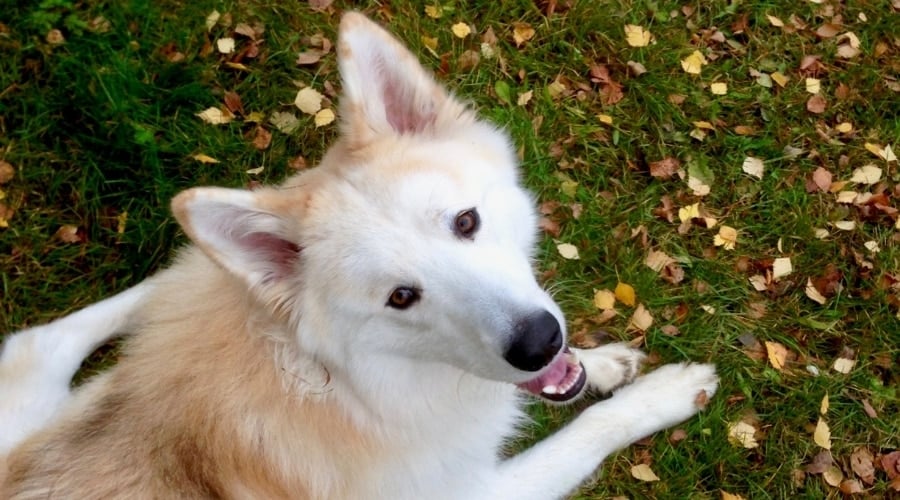
A Belgian Malamute may inherit the Alaskan Malamute’s size, heavy coat, and physical strength alongside the Belgian Malinois’ athleticism and alert nature. Expect frequent brushing and substantial seasonal shedding if the dog has a dense double coat.
This mix may enjoy long walks, hiking, pulling sports, scent work, and other outdoor activities. Secure fencing and strong leash manners are important because some dogs may be highly motivated to roam or follow interesting scents. Consider your climate, grooming tolerance, and ability to safely manage a powerful dog before bringing one home.
Like other dogs on this list, they are talented at guarding their home. They easily know when something isn’t quite right and are very protective of their territory.
13. Malinois Italiano (Belgian Malinois Cane Corso Mix)
At a glance:
- Best for: Advanced owners who can responsibly manage a large, powerful dog
- Energy level: High
- Grooming needs: Low to moderate
- Experience level: Advanced experience strongly recommended
- What to know: This mix may combine athleticism with considerable size, strength, and watchfulness.
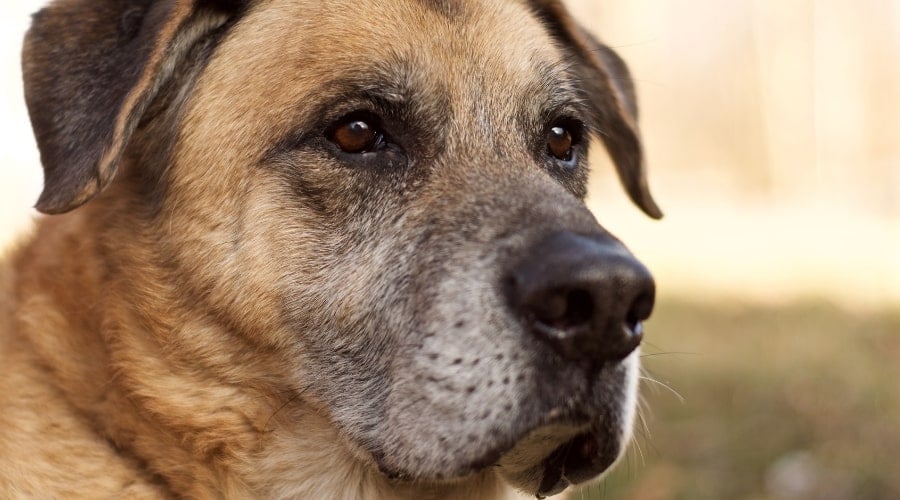
The Malinois Italiano can be an imposing mix, potentially combining the Belgian Malinois’ agility with the Cane Corso’s powerful build. Some individuals may be highly trainable and closely bonded with their household, while others may be more reserved around unfamiliar people or dogs.
This mix should have clear routines, secure management, and early practice with cooperative handling, leash skills, and calm behavior around visitors. A large yard does not replace training or daily engagement, but it can help provide room for safe activity. Because of the potential size and strength involved, this mix is generally best suited to owners who understand how to manage guardian-type dogs responsibly.
Belgian Malinois Mix Health Issues & Screening Tests to Ask About
Belgian Malinois mixes can inherit health risks from either parent breed. While no mix has a guaranteed health outcome, it helps to understand the conditions associated with Belgian Malinois dogs and ask about any additional concerns tied to the other parent breed.
Common Health Concerns
Potential concerns to discuss with your veterinarian include:
- Hip and elbow dysplasia: Joint conditions that can affect mobility and may contribute to arthritis over time.
- Eye conditions: Inherited eye concerns can include progressive retinal atrophy and cataracts.
- Epilepsy: Ask about seizures or a history of epilepsy in related dogs.
- Thyroid disease: Thyroid problems can affect energy level, weight, skin, and coat quality.
- Other breed-specific risks: The second parent breed may add other concerns, such as cardiac, orthopedic, skin, or digestive issues.
Your veterinarian can help you understand which risks are most relevant based on your dog’s age, size, medical history, and likely breed mix. Regular wellness exams, a healthy weight, and early attention to changes in mobility, vision, appetite, or energy level can make a meaningful difference.
Adoption vs. Breeder: How To Find a Healthy Puppy or Rescue
Neither adoption nor buying from a breeder can guarantee a perfectly healthy dog. The best option is the one that gives you the clearest picture of the individual dog’s health, behavior, and likely needs—and that fits your lifestyle, experience level, and home.
For Belgian Malinois mixes, look beyond a cute photo or catchy mix name. Ask direct questions, review available records, and plan for a veterinary visit soon after bringing your dog home.
Adopting a Belgian Malinois Mix
Adoption can be a great way to find an adult dog whose size, coat, and personality are already more apparent. A rescue may also have useful insight into the dog’s daily behavior, especially if it has spent time in a foster home rather than only in a shelter setting.
Before adopting, ask:
- What is known about the dog’s medical history? Request copies of veterinary records, vaccination history, parasite prevention, spay/neuter information, medications, and any previous injuries or surgeries.
- Why did the dog enter the rescue or shelter? The answer may provide helpful context about its previous home, activity level, or adjustment needs.
- How does the dog behave in a home-like setting? Ask about handling, visitors, car rides, being left alone, leash walking, and settling indoors.
- What is known about behavior around children, dogs, cats, or smaller pets? Treat this information as useful context, not a lifetime guarantee.
- Has the dog lived in foster care? Foster-based observations can offer a clearer picture of routines, energy level, and habits than a short shelter stay.
- Can my household meet the dog first? A thoughtful rescue should help you assess whether the dog is a realistic match for your family, home, and other pets.
Schedule a veterinary appointment soon after adoption, even when the rescue has already provided medical care. Your vet can review records, check mobility, eyes, heart health, skin, weight, and any concerns linked to the dog’s likely breed background.
Buying a Belgian Malinois Mix From a Breeder
If you choose a breeder, prioritize transparency over promises. A responsible breeder should be able to explain why the pairing was made, discuss the strengths and challenges of both parent breeds, and provide documentation of appropriate health testing.
Ask to see:
- Health-test results for both parents. For the Belgian Malinois parent, this commonly includes hip, elbow, and eye evaluations. The other parent breed may require additional screening for heart, thyroid, orthopedic, eye, or inherited conditions.
- Results from recognized registries. OFA records can help buyers review health-testing information, though completed testing does not guarantee a dog will never develop an inherited condition.
- Family health history. Ask about epilepsy, joint disease, eye conditions, thyroid disease, heart disease, cancer, and other conditions present in close relatives.
- Information about temperament. Ask how each parent behaves around strangers, children, other dogs, small animals, handling, and new environments.
- Details about puppy raising and socialization. Find out how puppies are exposed to everyday household sounds, people, handling, crates, car rides, and age-appropriate experiences.
- A written contract and return policy. A breeder should remain available as a resource and be prepared to take back or help rehome a dog if the placement does not work out.
A good breeder should also ask you questions. They should want to know about your household, schedule, dog experience, activity level, fencing, and training plans, not simply how quickly you can place a deposit.
Red Flags to Watch For
Be cautious when a breeder or rescue:
- Will not provide available medical or behavioral records
- Makes absolute promises about health, adult size, temperament, or compatibility with children and pets
- Says a routine vet visit or consumer DNA test replaces breed-specific health screening
- Pressures you to make a fast decision or send a deposit before answering questions
- Cannot explain the dog’s known behavior, care needs, or history
- Will not be transparent about the dog’s living conditions, health testing, or ongoing support
Whether you adopt or work with a breeder, the goal is the same: choose an individual dog whose health information, behavior, and daily needs fit the life you can realistically provide.
Belgian Malinois Mix FAQs
Choosing a Belgian Malinois mix comes with plenty of questions, from exercise and training needs to family compatibility and health. Here are the answers to some of the most common things prospective owners want to know before bringing one home.

Are Belgian Malinois mixes good for first-time dog owners?
Most Belgian Malinois mixes are not an easy first-dog choice. They are often intelligent, athletic, strong, and highly active, with daily needs that go beyond a basic walk. A committed first-time owner may succeed with the right individual dog, professional training support, and realistic expectations—but no Malinois mix is automatically beginner-friendly.
Are Belgian Malinois mixes good with kids?
Some can be wonderful family dogs, but compatibility with children should be assessed dog by dog. These mixes may be energetic, powerful, excitable, or inclined to chase moving people, so they are often a better fit for families with older children and adults who can supervise interactions and maintain consistent training.
Are Belgian Malinois mixes good with cats or other dogs?
Do not assume compatibility based on the mix name alone. Some Belgian Malinois mixes may live successfully with cats or other dogs, while others may have strong chase instincts, guarding tendencies, or limited social skills. Ask about the individual dog’s history, introduce pets gradually, and use safe management from the beginning.
How much exercise does a Belgian Malinois mix need?
Most need vigorous daily exercise plus mental enrichment. The right amount depends on the dog’s age, health, and other parent breed, but activities such as hiking, obedience, scent work, fetch, agility, and puzzle toys can be more satisfying than exercise alone. High-drive mixes often need help learning how to settle and rest, too.
Are Belgian Malinois mixes easy to train?
They may learn quickly, but intelligence does not always mean they are easy to live with. Many are alert, energetic, and easily bored without clear routines. Consistent, reward-based training, early socialization, and appropriate outlets for their energy are essential.
How big do Belgian Malinois mixes get?
Most Belgian Malinois mixes are medium to large dogs, though size can range widely depending on the other parent breed. A Malinois Greyhound mix may be lean and tall, while a Malinois Italiano or Belgian Malamute may be much heavier and more powerful. Ask about both parents and, when possible, meet adult relatives.
Do Belgian Malinois mixes shed?
Most do shed, but the amount varies by coat type. Short-coated mixes, such as a Belgian Boxer or Dobernois, may need only occasional brushing. Northern and double-coated mixes, including the Belusky and Belgian Malamute, can shed heavily and need more frequent grooming—especially during seasonal coat changes.
Are Belgian Malinois mixes protective?
Some may be watchful or reserved around unfamiliar people, but a mix should not be chosen solely for guarding ability. True stability comes from genetics, early experiences, training, and responsible management. Focus on teaching calm, reliable behavior around visitors rather than encouraging protective behavior.
What health issues can Belgian Malinois mixes have?
They can inherit health risks from either parent breed. Potential concerns may include hip or elbow dysplasia, inherited eye conditions, epilepsy, thyroid disease, and other breed-specific issues. Review the health section above, ask your veterinarian what is most relevant to your dog, and request health-test records for both parents when buying from a breeder.
Is it better to adopt or buy from a breeder?
Neither option guarantees a healthy or easy dog. Adoption can give you a clearer picture of an adult dog’s size, personality, and behavior, especially when a rescue has foster-home observations. A responsible breeder can provide parent health-testing records and background information. In either case, choose the individual dog whose needs, health information, and temperament best fit your household.
Still have questions about Belgian Malinois mixes? Leave us a comment below, and we’ll do our best to help you find the information you need.
Raising a Happy, Healthy Belgian Malinois Mix
Choosing the right Belgian Malinois mix is only the beginning. Like all mixed-breed dogs, they can inherit traits and health concerns from either parent breed, so lifelong care matters just as much as choosing a dog that fits your lifestyle.
Start with the basics: follow a proper puppy vaccine schedule, keep up with regular veterinary visits, and ask about joint health, weight, eyes, skin, and other breed-related concerns as your dog grows.
Most Malinois mixes also need more than routine exercise. Daily walks are important, but many thrive with structured training, scent games, puzzle toys, hiking, fetch, or dog sports that challenge both their body and mind. Secure management matters, too—especially for active, athletic dogs that may be tempted to chase, roam, or investigate beyond the yard. Learn why dogs should not be left in an unfenced yard and prioritize reliable fencing, leash skills, and supervision.
Regular grooming, a balanced diet, preventive care, and plenty of time with their people also matter. Coat color and appearance can vary widely depending on the mix, but you can learn more about common Belgian Malinois colors and markings in the parent breed.
With thoughtful training, appropriate outlets for their energy, and routine veterinary care, a Belgian Malinois mix can grow into a healthy, well-adjusted companion.
Share Your Belgian Malinois Mix Experience
Do you have a Belgian Malinois mix at home? Share your dog’s breed mix, personality, training wins, and favorite activities in the comments below. Your experience may help another future owner find the right match.