When you purchase through links on our site, we may earn a commission at no extra cost to you. Learn more.
Bringing home a Chihuahua puppy is exciting — and a little nerve-wracking. These tiny dogs burn energy quickly, have very small stomachs, and are more prone to blood sugar dips and rapid weight gain than larger breeds. So, how much should a Chihuahua eat?
Table of Contents
This feeding chart breaks down exactly how much to feed your Chihuahua at every stage, with quick answers and vet-backed guidance you can trust. Bookmark this. You’ll use it more than once.
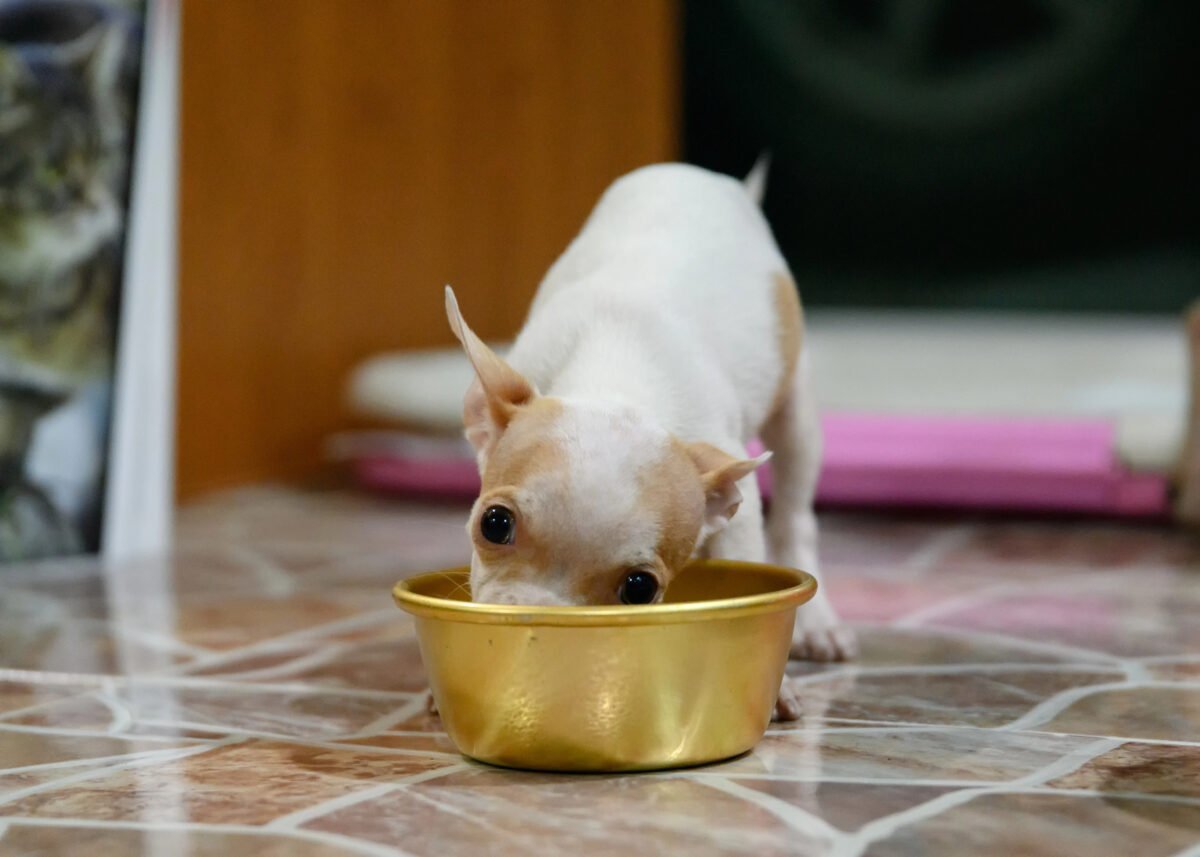
Quick Answer: How Much Should I Feed My Chihuahua?
Because Chihuahuas are so small, their total calorie needs are lower than most breeds; however, growing puppies and fast metabolisms mean portion accuracy matters.
- Most Chihuahua puppies eat between ¼ and ¾ cup of food per day, divided into 3 to 4 small meals.
- Adult Chihuahuas typically eat ¼ to ½ cup daily, split into two meals.
These cup amounts assume standard kibble that contains roughly 350–450 calories per cup. Portion size varies by age, weight, food type, activity level, and spay/neuter status, which is why using a feeding chart matters.
Chihuahua Feeding Chart By Age & Weight
Use this chart as a general guide for meal frequency and stage-based nutrition, then adjust portions based on your dog’s calorie needs and body condition.
Note: A general rule of thumb for adult Chihuahuas is 35–40 calories per pound of body weight. Calories vary by food type, so it always important to check your food label for calories per cup and adjust accordingly.
| Age | Average Weight | Type Of Food | Estimated Daily Calories* | Meals Per Day |
|---|---|---|---|---|
| 0–3 weeks | 2–8 oz | Mother’s milk | Nursing only | On demand |
| 3–4 weeks | 8–16 oz | Mother’s milk and mush | 100–115 | 4–6 |
| 4–8 weeks | 1–2 lbs | Milk, mush, and/or small-breed puppy food (softened) | 110–125 | 4–6 |
| 8–12 weeks | 2–3 lbs | Small-breed puppy formula | 125–170 | 3–4 |
| 3–6 months | 3–5 lbs | Small-breed puppy formula | 170–250 | 3–4 |
| 6–12 months | 4–6 lbs | Small-breed puppy formula | 175–235 | 2–3 |
| 12+ months | 4–6 lbs | Adult small-breed food | 175–235 | 2–3 |
*Calorie needs vary by activity level and spay/neuter status. Calories in this chart represent moderate activity and spay/neuter at 6 months.
How Much Should You Really Feed A Chihuahua Puppy? (By Age)
Chihuahua puppies burn energy quickly and are at higher risk of hypoglycemia than many larger breeds. That means feeding frequency matters just as much as portion size.
Below is what changes at each stage — and what you should actually be doing.
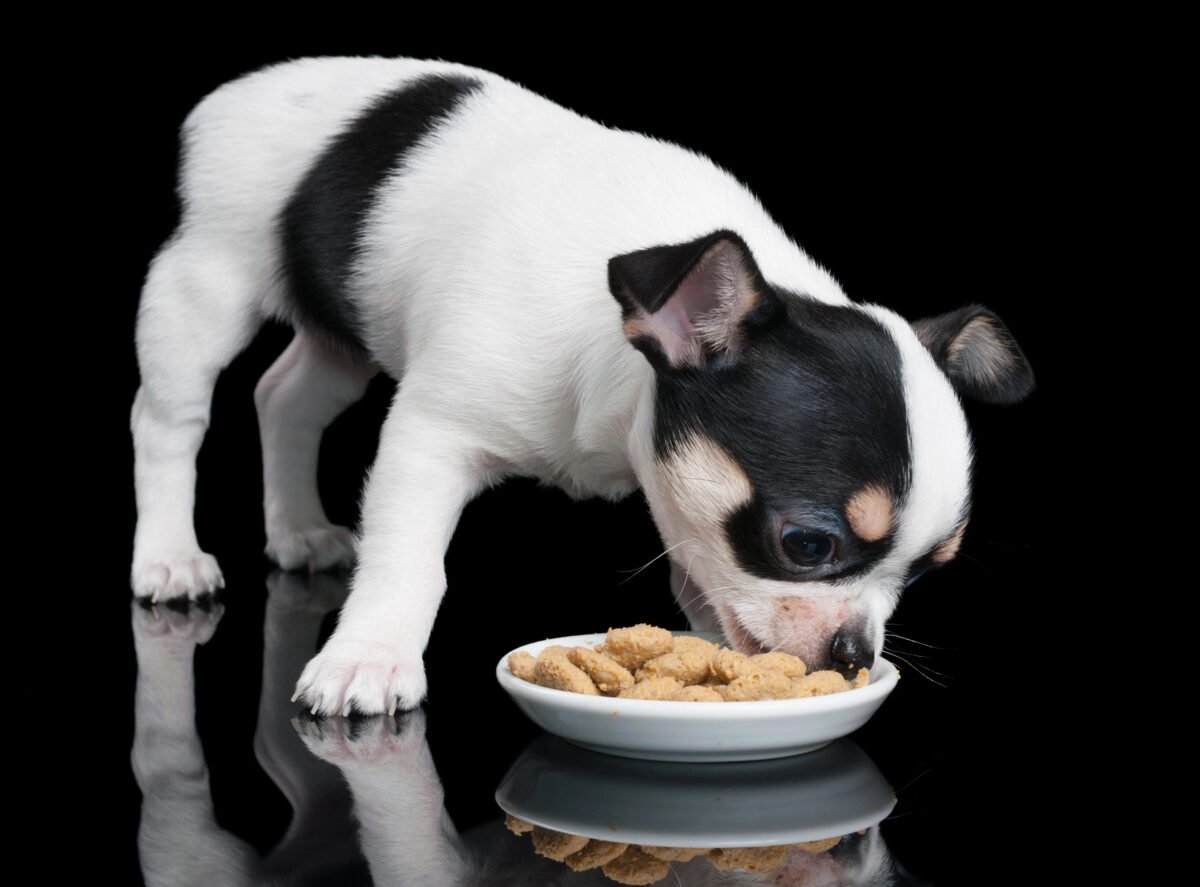
Weeks 0 – 3: Nursing Only
What they eat: Mother’s milk (or veterinary-recommended milk replacer)
How often: On demand
Newborn Chihuahuas are incredibly tiny — often just a few ounces at birth. During the initial weeks, puppies should be with their mother and nursing throughout the day.
If a puppy is not nursing well, or the mother refuses to nurse, contact your veterinarian immediately for guidance on puppy milk replacer. There is no solid food at this stage.
Weeks 3 – 4: Early Transition Begins
What they eat: Mostly milk, with very watery puppy mush introduced
How often: 4–6 small feedings daily
Around week 4, you can introduce a very diluted puppy mush made from canned wet food mixed with milk replacer and water. The ratio should be mostly liquid — about 3 parts water to 1 part food.
Separate puppies from mom during mealtime to encourage eating. Many puppies won’t show much interest at first, which is normal. Mother’s milk is still their primary nutrition source.
Weeks 4 – 6: Weaning
What they eat: Puppy mush + nursing
How often: 4–6 small meals daily
It’s time for weaning. Slowly reduce the water content of your dog’s mush over time, but do not rush the process. Chihuahua digestive systems are delicate, and abrupt changes can cause diarrhea or appetite refusal.
By week 6, solid intake should be increasing, even though nursing may still continue.
Weeks 6 – 8: Building Independence
What they eat: Thickened puppy mush or softened small-breed kibble
How often: 4 meals daily
By this stage, puppies should be relying more on solid food than milk. If transitioning to dry food, continue softening it slightly.
Consistency matters here. Pick a high-quality small-breed puppy formula and stick with it. Frequent brand changes at this age can trigger digestive upset.
Most puppies heading to new homes around 8 weeks should already be sustaining themselves on solid food.
8 Weeks – 6 Months: Growth Phase
What they eat: Small-breed puppy food (dry, wet, or fresh)
How often: 3–4 meals daily
This is the highest-growth, highest-metabolism window.
Chihuahuas burn energy quickly, and because of their small size, even minor calorie deficits can cause lethargy or low blood sugar. Multiple small meals are safer than one or two large ones.
Use your calorie calculator as your guide here. A 2–3 lb puppy may need roughly 125–170 calories per day depending on activity level, while a 4–5 lb growing puppy may need 170–250 calories daily.
Divide that total into even meals. Avoid free-feeding. Structured meals help prevent overeating and blood sugar crashes.
6 – 12 Months: Slowing Growth
What they eat: Small-breed puppy formula (transition to adult around 9–12 months)
How often: 2–3 meals daily
By six months, growth begins to slow, but Chihuahuas are not finished developing. They often reach adult height by 9–12 months but continue filling out until 12–18 months.
You can gradually reduce to 2–3 meals daily depending on your dog’s stability and energy levels.
Most Chihuahuas transition to adult food between 9 and 12 months. If your puppy is spayed or neutered early, calorie needs may drop slightly, so monitor body condition closely.
A Note On Hypoglycemia Risk
Because Chihuahuas are so small, they are more prone to low blood sugar than larger breeds — especially under 4 pounds.
Signs include:
- Lethargy
- Trembling
- Weakness
- Disorientation
This is why meal frequency matters so much in early months. Smaller, consistent meals are protective.
Why Feeding Precision Matters Financially, Too
With a Chihuahua, small mistakes don’t stay small.
Because they’re prone to hypoglycemia, dental disease, luxating patellas, heart issues, and weight-related strain, even minor health problems can escalate quickly. A blood sugar crash, dental extraction, X-rays for a limping episode, or treatment for obesity-related complications can mean unexpected vet bills.
When your dog only weighs five pounds, there’s very little margin for error — medically or nutritionally.
Pet insurance can help cover diagnostics, treatment, and new illnesses or injuries, giving you room to act quickly instead of hesitating over cost.
Learn more about the best pet insurance for dogs (and more specifically, Chihuahuas) and get a free quote using the form below.

The #1 Feeding Mistake That Makes Chihuahuas Overweight
The most common mistake Chihuahua owners make is overestimating their dog’s calorie needs.

A six-pound Chihuahua doesn’t have much margin for error. Just a few extra bites of kibble can lead to steady weight gain and obesity over time.
Because Chihuahuas are so small, owners often eyeball portions instead of measuring them. But what looks like a harmless extra scoop can easily equal a 10% or more calorie surplus for a toy breed.
Why This Matters More In Chihuahuas
- Adults typically need only 35–40 calories per pound
- Spayed/neutered dogs often need 20–30% fewer calories
- Treats should stay under 10% of daily intake
- Many indoor Chis are less active than owners assume
Here’s a closer look at how dramatically calorie needs can vary, using a 6-pound adult Chihuahua as an example.
| Lifestyle/Activity | Spay/Neuter Status | Estimated Daily Calories |
|---|---|---|
| Indoor/inactive | Intact | 215 |
| Indoor/inactive |  | 180 |
| Low activity | Intact | 250 |
| Low activity | | 210 |
| Moderate activity | Intact | 285 |
| Moderate activity | | 235 |
The Other Hidden Culprit: Free Feeding
Free feeding works for some larger breeds. For Chihuahuas, it often leads to:
- Grazing all day
- Blood sugar spikes and dips
- Gradual weight creep
Instead, split their daily calories into 2–3 measured meals and weigh or measure portions carefully. Precision matters more in a five-pound dog than in a fifty-pound one.
How To Tell If Your Chihuahua Is Gaining Weight
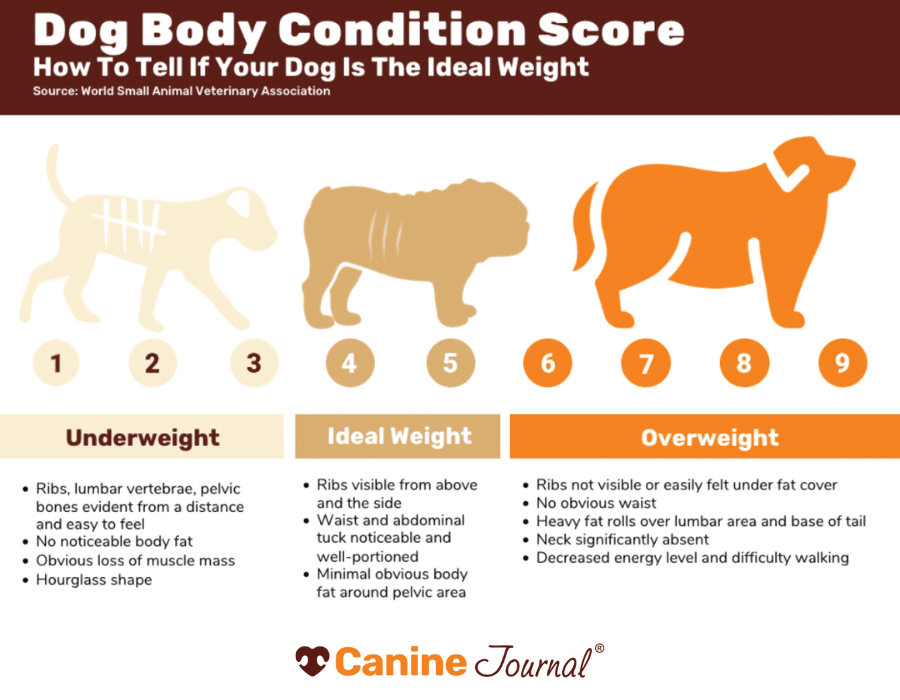
Because they’re so small, even a few extra ounces can change a Chihuahua’s body condition quickly. Use this quick checklist once a month:
Rib Check
- You should be able to feel the ribs easily under a thin layer of fat.
- If you have to press firmly to find them, your Chi may be overweight.
Waistline Test (Top View)
- Look down from above.
- Your Chihuahua should have a visible waist behind the ribs.
- If the body looks straight or rounded, weight gain may be occurring.
Side Profile
- From the side, the abdomen should tuck upward slightly.
- A sagging or level belly line can signal excess fat.
Energy & Stamina
- Slower to move?
- Less playful?
- Hesitant to jump?
Small dogs often show subtle stamina changes before obvious body changes.
Scale Reality Check: Weigh your Chihuahua monthly. Even a ½-pound increase in a 4–6 lb dog is significant.
Puppy Food vs Adult Food: When To Switch
Feeding a Chihuahua age-appropriate food isn’t just a recommendation, it’s essential for safe growth and stable energy levels.
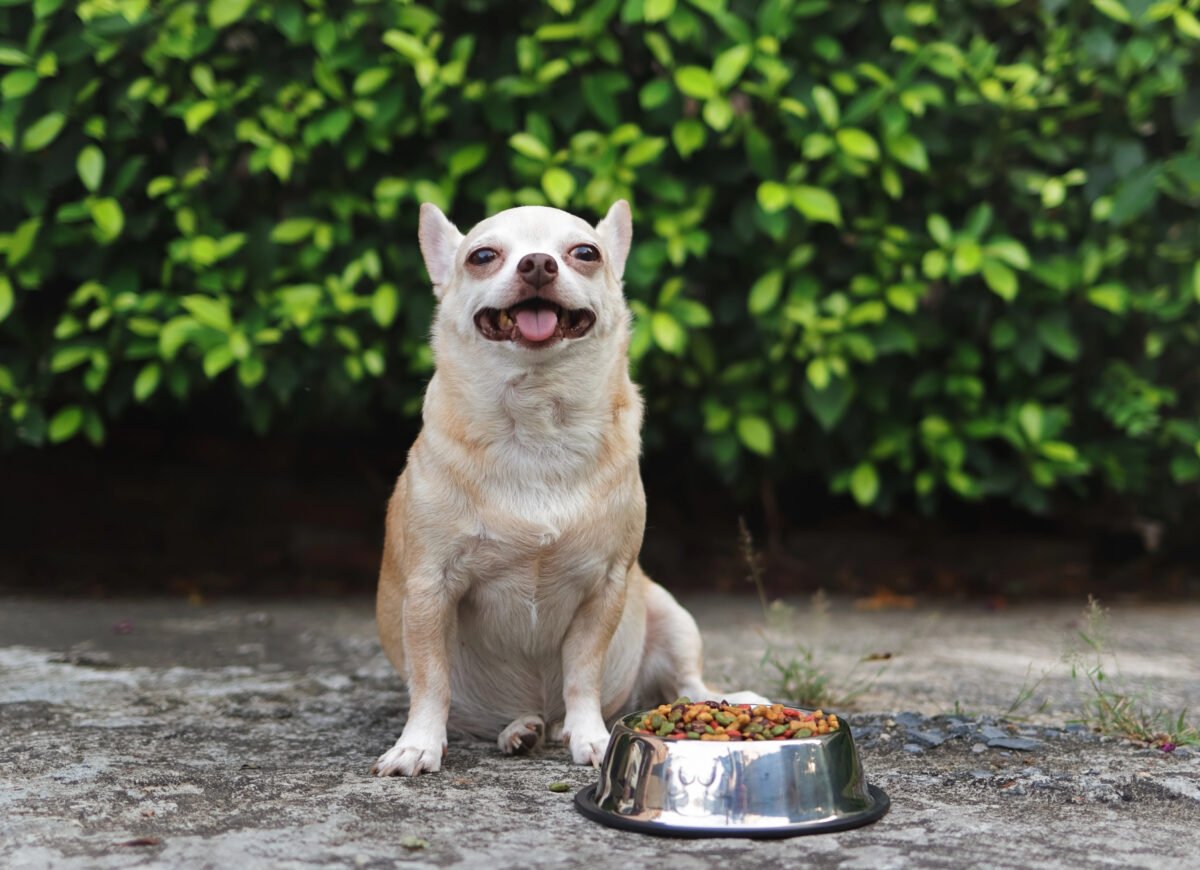
Key differences between puppy vs. adult food include:
- Caloric density: Chihuahua puppies burn energy quickly and need more calories per pound than adults. Puppy formulas are designed to support rapid growth and high metabolism without requiring large meal volumes.
- Protein Levels: Puppy food contains slightly higher protein to support muscle development, immune function, and tissue growth.
- Fat & DHA: Puppy formulas typically include more fat for energy and often contain DHA, an omega-3 fatty acid that supports brain and vision development.
- Mineral balance: Proper calcium and phosphorus levels are critical during growth. Even in toy breeds, imbalance can affect bone and dental development.
We do not recommend serving adult dogs puppy food. These formulas typically contain more calories than needed and can contribute to weight gain and obesity, especially in dogs that lead a more sedentary lifestyle.
Different Types Of Dog Food
Chihuahuas can thrive on many types of diets, but because they’re so small, calorie density, portion control, and ingredient quality are especially important.
Below are the most common feeding options, with Chihuahua-specific considerations.
Dry Food (Kibble)
Kibble is the most widely used dog food option due to its convenience and affordability. Commercial pet food must be nutritionally complete and balanced for its intended life stage, providing an appropriate mix of protein, fats, carbohydrates, vitamins, and minerals. Ingredient lists are displayed in order by weight, along with a guaranteed analysis showing crude protein, fat, fiber, and moisture percentages.
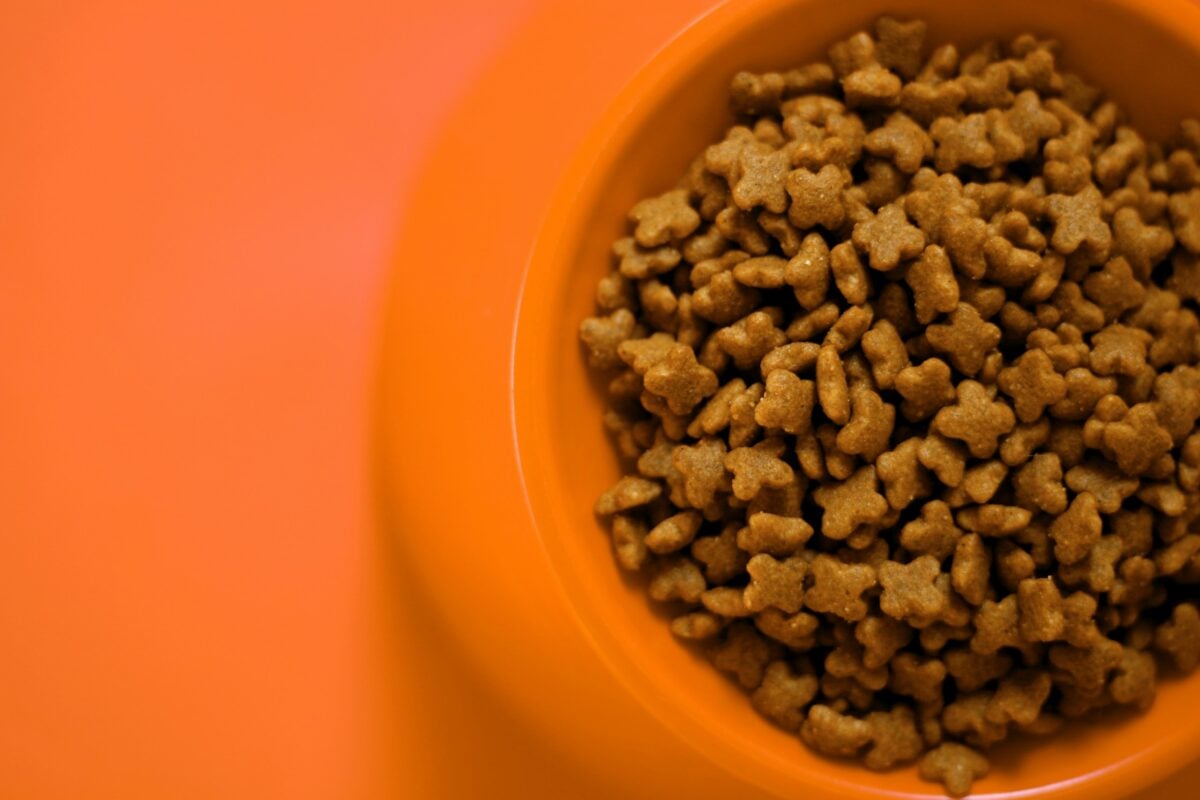
For Chihuahuas, look specifically for small-breed formulas with tiny kibble pieces designed for toy-sized jaws. Because their mouths are small and teeth are delicate, oversized kibble can be uncomfortable or even discourage eating.
When it’s mealtime, serve kibble as-is or mix with water or bone broth for added hydration. Many owners soften kibble slightly with warm water or broth for young puppies or senior dogs.
Pros
- Shelf-stable and easy to measure precisely
- Most budget-friendly option
- Widely available in small-breed formulas
- Crunchy texture may help reduce plaque buildup
Cons
- Quality varies significantly between brands
- Lower moisture content than fresh or wet diets
- Easy to over-pour since portions are so small
Chihuahua Tip: Measure with an actual measuring cup or gram scale. “Eyeballing” even one extra tablespoon can meaningfully increase daily calories.
Bottom Line: High-quality small-breed kibble is convenient and effective — just focus on calorie density and accurate portioning.
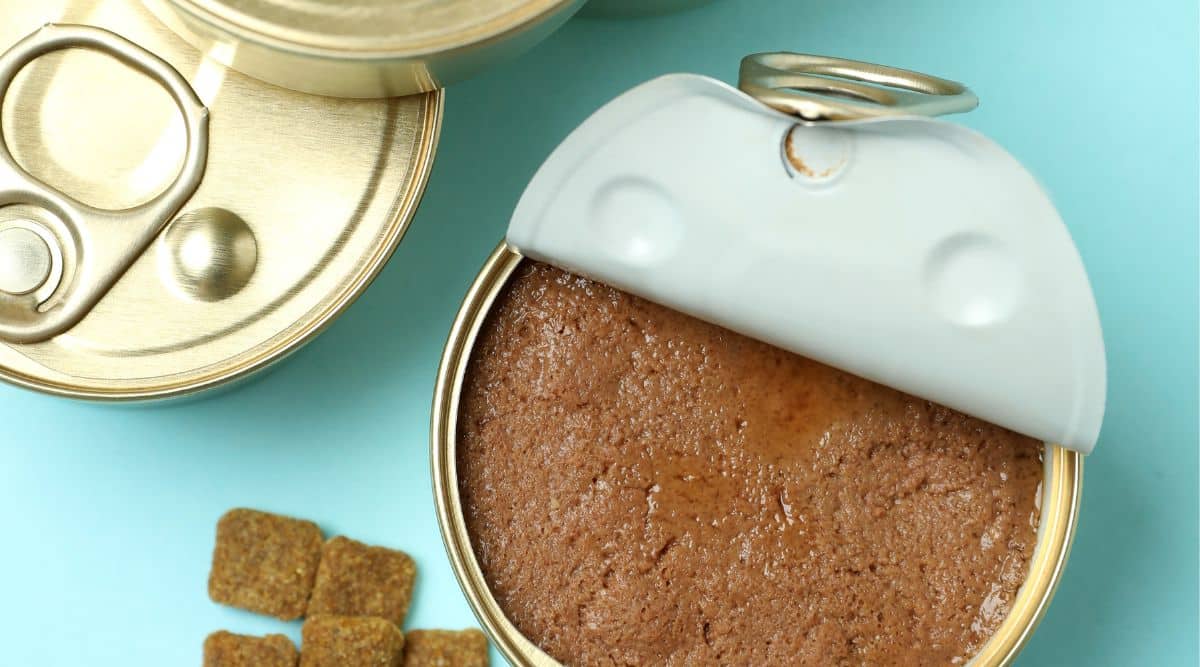
Wet Food (Canned)
Wet food is softer, more aromatic, and often more appealing to picky eaters — a common Chihuahua trait. It’s available commercially in cans or pouches with various textures.

Wet food can be especially helpful for:
- Puppies transitioning to solids
- Seniors with dental issues
- Underweight dogs who need higher palatability
Because wet food contains more moisture, it supports hydration, which can benefit tiny dogs that don’t always drink enough water.
Pros
- Highly palatable
- Higher moisture content for hydration
- Easier for dogs with dental issues
Cons
- More expensive per calorie than kibble
- Doesn’t offer dental support
Bottom Line: Wet food works well for picky or older Chihuahuas and is often used as a topper to increase interest in meals.
Fresh (Human-Grade) Food
Fresh diets use minimally processed, whole ingredients and are typically delivered refrigerated or frozen. For Chihuahuas, fresh food can make portion control easier because meals are often pre-portioned by calorie level.

However, calorie density still matters. Because these dogs eat such small amounts, the food must be nutritionally complete for toy breeds.
Note: “Human grade” is not a regulated term. It is the manufacturer’s responsibility to ensure quality sourcing, processing, and packaging, so you should always look into each company individually rather than relying on marketing buzzwords.
Pros
- Whole, recognizable ingredients
- Higher moisture content
- Often supports digestion and coat quality
- Pre-portioned meal plans simplify feeding
Cons
- Significantly more expensive
- Requires refrigeration or freezing
- Shorter shelf life
Bottom Line: Fresh food can work beautifully for Chihuahuas, especially picky eaters, but it comes at a premium price.
Home-Cooked Diets
Some owners prefer preparing meals at home for full ingredient control. This approach requires careful planning to meet a puppy’s nutritional needs.

If you choose this route, work with a veterinarian or board-certified veterinary nutritionist. Toy breeds are particularly sensitive to calcium-phosphorus imbalances and calorie miscalculations.
Pros
- Complete control over ingredients
- Helpful for dogs with sensitivities
- Uses fresh, minimally processed foods
Cons
- Easy to create nutrient deficiencies
- Requires precise formulation
- Time-intensive
Bottom Line: Home cooking can be healthy and nutritious, but it requires planning for proper nutrient balance.
Raw, Prey Model, Or BARF Diets
Raw feeding focuses on uncooked meat, bone, and organ-based diets, sometimes with added vegetables depending on the model.
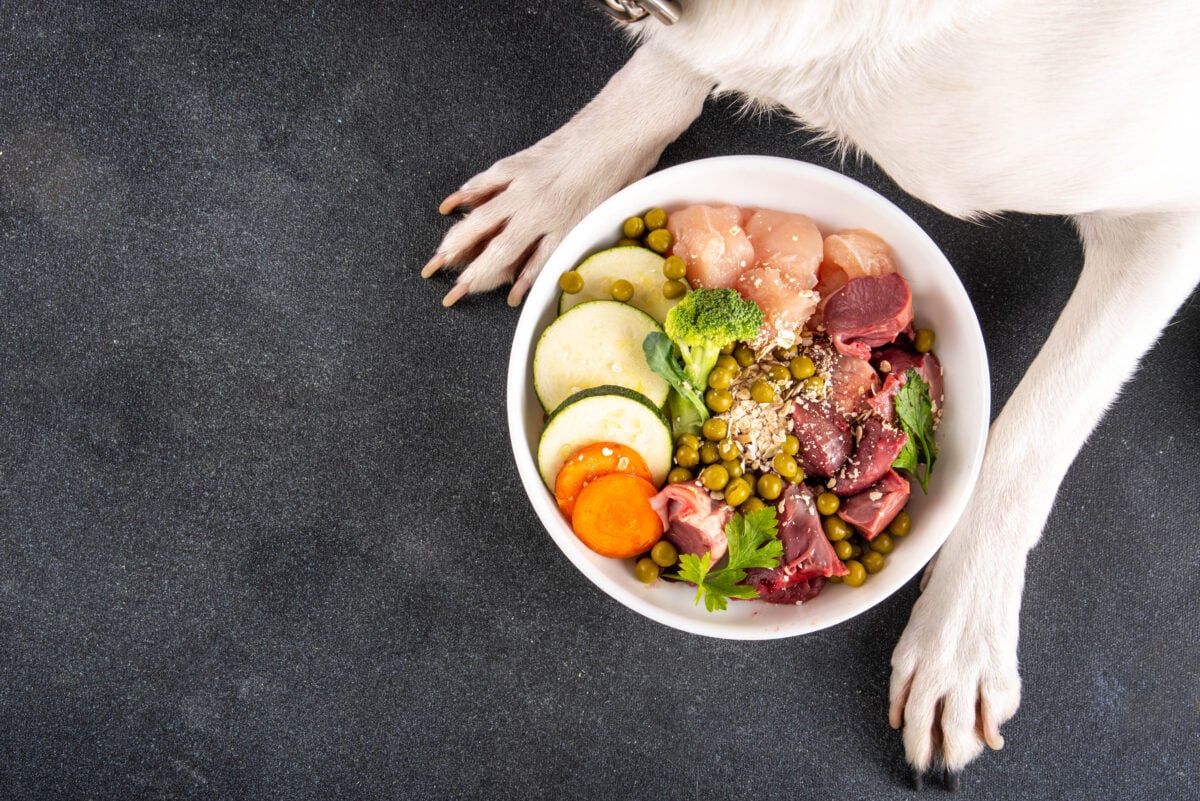
For Chihuahuas, the biggest considerations are:
- Bone size (choking risk)
- Calorie density
- Bacterial contamination risk
Because these dogs are so small, even minor gastrointestinal upset can lead to dehydration more quickly than in larger breeds.
Pros
- Minimally processed, simple ingredient list
- High moisture content
Cons
- Risk of bacterial contamination
- Bone fragments may pose choking or blockage risks
- Difficult to balance without expertise
- Higher cost
If pursuing raw feeding, professionally prepared, commercially balanced raw diets are safer than DIY formulations.
Bottom Line: Raw feeding appeals to some owners, but safety, portion accuracy, and nutrient balance are critical for toy breeds.
Vegan Diet
Dogs are omnivores and can digest plant-based foods when properly formulated. Vegan diets eliminate animal products while still meeting nutritional requirements.
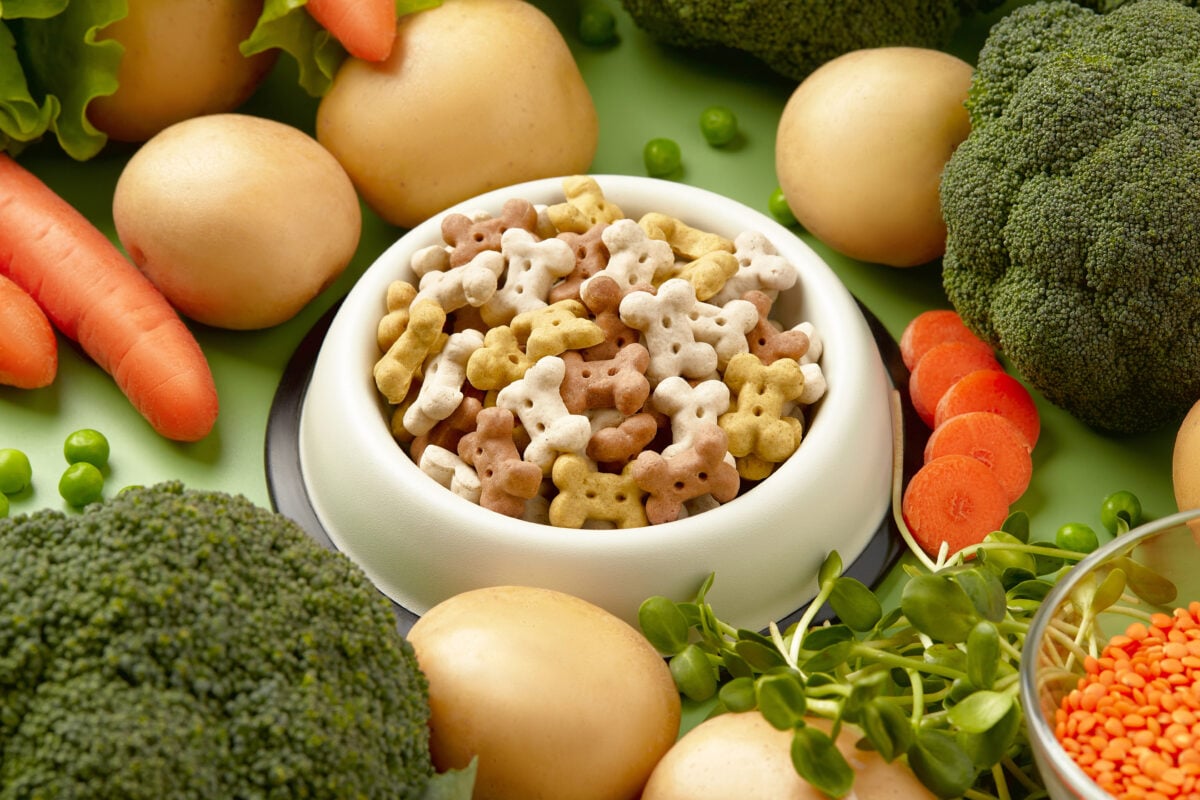
For Chihuahuas, the key concern is protein quality and sufficient calorie density in small portions.
Pros
- Avoids animal-based allergens
- High in fiber and plant phytochemicals
- May suit dogs with specific sensitivities
Cons
- Limited long-term breed-specific research
- Requires careful formulation to meet nutrient needs
Bottom Line: Chihuahuas can thrive on well-formulated vegan diets, but ingredient quality and nutrient balance matter.
How Common Dog Diets Compare (At A Glance)
There’s no single “best” diet for a dog breed. Each feeding style comes with trade-offs related to nutrition, cost, convenience, and risk.
| Diet Type | Primary Protein Source | Prep & Convenience | Cost Range |
|---|---|---|---|
| Commercial Dog Food (Dry & Wet) | Animal proteins, meat meals, or formulated plant proteins | Dry: very convenient / Wet: moderate | $ |
| Homemade or Human-Grade (Cooked) | Animal proteins, plant proteins, or a combination | High | $$–$$$ |
| Raw / PMR / BARF | Raw muscle meat, organs, bone | Moderate to high prep | $$$ |
| Vegan / Plant-Based | Legumes, grains, supplemented amino acids | Very convenient to moderate | $$ |
The Importance Of High-Quality Nutrition
High-quality nutrition from day one is crucial for all breeds, especially Chihuahua. When your dog only eats ¼ to ½ cup of food per day, every bite has to count. There’s no room for empty calories, filler ingredients, or nutrient shortcuts.

Chihuahuas are also known for being picky and prone to sensitive stomachs. Establishing consistent, high-quality feeding habits early helps prevent digestive upset, food aversions, and unnecessary diet changes later.
Why Ingredient Quality Matters More In Toy Breeds
Because Chihuahuas are so small:
- A minor nutrient imbalance can have a bigger impact
- Excess calories accumulate quickly
- Digestive upset can escalate faster than in larger dogs
- Blood sugar fluctuations are more common
Low-quality foods often rely on inexpensive fillers such as corn gluten meal, wheat middlings, artificial colors, and synthetic flavor enhancers. While these ingredients aren’t always dangerous, they typically offer limited nutritional value compared to whole-food protein sources.
Over time, poor-quality diets can contribute to:
- Weight gain
- Dental issues
- Skin and coat problems
- Chronic inflammation
- Blood sugar instability
Nutrition & Gene Expression (What The Research Shows)
Research in nutritional science shows that diet influences gene expression — the process by which certain genes are activated or suppressed. In simple terms, nutrients can influence how the body regulates inflammation, immune function, metabolism, and cellular repair.
This doesn’t mean food “cures” hereditary disease. But it does mean that:
- Anti-inflammatory ingredients may support joint and heart health
- Omega-3 fatty acids can influence immune regulation
- Balanced minerals help maintain metabolic stability
- High-quality protein supports muscle preservation in small breeds
For a long-lived toy breed like the Chihuahua, consistent nutrient quality supports overall resilience as they age.
What To Look For In A Chihuahua Diet
Because Chihuahuas live long lives — often 14–16+ years — their food should support longevity from the start. Look for:
- Named animal proteins (e.g., chicken, turkey, salmon — not “meat by-product”)
- Controlled calorie density
- Appropriate fat levels (toy breeds need energy, but not excess)
- Small-breed formulations
- AAFCO life-stage approval
- No artificial dyes or unnecessary flavor additives
4 Ingredients To Avoid In Dog Food
While no single ingredient determines quality on its own, some additives are more about shelf life and marketing than nutrition. Because Chihuahuas eat such small portions, ingredient quality matters even more.
When reading labels, be cautious of:
- BHA, BHT, or Ethoxyquin: Synthetic preservatives used to prevent fat spoilage. Many higher-quality foods use natural preservatives like mixed tocopherols instead.
- Artificial dyes: Added for visual appeal, but associated with behavioral issues and cancer in human studies
- Vague meat sources (“animal fat,” “meat meal”): Unspecified protein sources make it harder to evaluate quality and traceability.
- Rendered fat: Look for named fats like chicken fat or salmon oil instead of generic “animal fat.”
Why This Is Especially Important For Chihuahuas
Because Chis are so small, it’s much harder to “out-exercise” a poor diet. A 6-pound dog gaining even half a pound represents a significant percentage of total body weight.
Over time, that increases strain on:
- Knees (luxating patella risk)
- Trachea
- Heart
- Liver
High-quality nutrition isn’t about perfection. It’s about minimizing unnecessary stress on a tiny body that already works hard.
At A Glance: Best Dog Food For Chihuahuas
Choosing the right food for a Chihuahua isn’t just about brand; it’s about calorie density, portion control, and ingredient quality in very small servings.
| Puppy | Adult | Senior | Wet | Dry |
|---|---|---|---|---|
 | 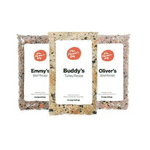 |  |  |  |
| Wellness Core | The Farmer’s Dog | Ollie | Stella & Chewy’s | Acana |
| View on Chewy | Visit Website | View Website | View on Chewy | View on Amazon |
| Read Review | Read Review | Read Review | Read Review | Read Review |
Learn more in our article covering best dog foods for Chihuahuas.
What Nutrients Do Chihuahua Need?
Chihuahuas may be tiny, but their nutritional needs are not simple. Because they burn energy fast, and are prone to blood sugar fluctuations, their diet must be balanced, calorie-dense, and appropriate for toy breeds.
Protein
Protein supports growth, muscle development, immune health, hormone function, and tissue repair. For fast-growing Chihuahua puppies, adequate protein is non-negotiable.
Proteins are made of amino acids. Dogs require 10 essential amino acids that must come from food, including:
- Arginine
- Histidine
- Isoleucine
- Leucine
- Lysine
- Methionine
- Phenylalanine
- Tryptophan
- Valine
High-quality protein sources include chicken, turkey, beef, salmon, eggs, and properly formulated plant-based proteins.
Because Chihuahuas eat small portions, protein quality matters more than protein quantity. Look for named protein sources listed early in the ingredient list.
Fat
Fat is the most concentrated source of energy in your puppy’s diet, and toy breeds rely heavily on it.
Healthy fats support:
- Brain and eye development
- Hormone production
- Absorption of vitamins A, D, E, and K
- Skin and coat health
- Body temperature regulation
DHA, an omega-3 fatty acid commonly sourced from fish oil, is especially important for puppy brain development. Essential fatty acids include:
- Omega-3s (ALA, DHA, EPA)
- Omega-6s (linoleic acid)
Because Chihuahuas are prone to dry skin, balanced omega fatty acids are particularly helpful.
Carbohydrates
Dogs do not have a minimum carbohydrate requirement, but complex carbohydrates can provide fiber, antioxidants, and additional nutrients.
For Chihuahuas, fiber plays a helpful role in:
- Supporting stable digestion
- Promoting healthy gut bacteria
- Aiding stool consistency
Quality carbohydrate sources include pumpkin, quinoa, sweet potatoes, and apples.
Note: In small breeds especially, excessive simple carbohydrates can contribute to weight gain if calorie intake isn’t controlled.
Vitamins & Minerals
Vitamins and minerals support bone development, nerve signaling, immune function, and metabolism. For Chihuahua puppies, proper mineral balance — especially calcium and phosphorus — is critical during early growth.
Rather than micromanaging individual numbers, look for foods that:
- Meet AAFCO standards for growth
- Are formulated specifically for small-breed puppies
- Provide complete and balanced nutrition
Precision matters more than excess supplementation.
Water
Water supports every metabolic process in the body. It helps:
- Transport nutrients
- Regulate body temperature
- Cushion joints
- Aid digestion
As a general guideline, dogs drink about one ounce of water per pound of body weight daily, though this varies with diet type and activity.
Because Chihuahuas are small, dehydration can escalate faster than in larger breeds. Always ensure clean, fresh water is available.
The Big Picture
Chihuahua puppies need six essential nutrients: protein, fat, carbohydrates, vitamins, minerals, and water. You don’t need to memorize nutrient ratios. Instead, choose a high-quality, small-breed puppy formula that meets AAFCO nutritional standards and matches your dog’s calorie needs.
Frequently Asked Questions
Feeding a Chihuahua seems simple — until you’re staring at a measuring cup wondering if you just gave too much or too little. Here are the most common questions owners ask.
Don’t see your question? Respond in the comments, and we’ll get back to you!
How Much Should A Chihuahua Weigh?
According to breed standards, adult Chihuahuas should weigh no more than 6 pounds, though some healthy individuals may fall slightly above that depending on frame size.
In reality, it is common for Chihuahuas to weigh between 7 and 10+ pounds. A healthy weight is less about the exact number and more about body condition:
- Ribs should be easy to feel under light pressure
- A visible waist should appear from above
- The abdomen should tuck upward slightly from the side
Because they are so small, even a ½-pound increase can represent a significant percentage of total body weight.
How Much Should A Chihuahua Eat In A Day?
Most adult Chihuahuas eat between ¼ and ½ cup of food per day, depending on calorie density. More accurately, most adults require roughly 160–260 calories per day, based on weight, activity level, and spay/neuter status.
Puppies require more frequent meals and slightly higher calories per pound during growth.
Always check your food label for calories per cup and measure portions carefully.
How Often Should I Feed My Chihuahua?
Young puppies under three months old should be offered chow four to six times daily. After three months to six months old, they should eat between three and four meals daily. As adults, they can eat between two and three times a day.
Can You Feed A Chihuahua Once Daily?
No. Chihuahuas should eat between two and four meals a day on average.
Should My Chihuahua Eat Dry Or Wet Food?
Both dry and wet food can be appropriate if they meet AAFCO life-stage standards.
Dry food:
- Is convenient and easier to measure
- May help reduce plaque buildup
Wet food:
- Often appeals to picky eaters
- Is more hydrating
Many owners use a combination approach, such as kibble with a small amount of wet food mixed in. The most important factor is nutrient balance and portion control.
Feeding Is Just The Start
Getting your Chihuahua’s feeding right lays the foundation for long-term health, but nutrition is only one part of the picture. Growth, weight management, and overall wellness all work together to help your pup thrive.
If you want to go deeper, check out these resources:
- Chihuahua Growth Chart: Understand what healthy growth looks like month by month and how your pup’s weight should progress.
- Chihuahua Lifespan: Learn what to expect at each life stage and how diet can impact longevity.
- Chihuahua Health Issues: Discover common health concerns in Chihuahuas and how proper nutrition and care can make a difference.
Small dogs may be diminutive in size, but they benefit from big-picture care. These guides will help you support your Chi through every stage of life.