When you purchase through links on our site, we may earn a commission at no extra cost to you. Learn more.
One of the world’s most popular herding dogs, Corgis are lively little companions, well-known for their affectionate and fun-loving personalities. If you already own a Pembroke Welsh Corgi or Cardigan Welsh Corgi or are considering adopting one, you may be wondering, do Corgis have health problems?
Table of Contents
Understanding these common health problems can help you provide better care and catch warning signs early.

Planning Ahead For Vet Bills
Corgis are prone to various health issues, which means vet bills can add up fast. Pet insurance can help you manage the unexpected cost of treatments and surgeries for breed-specific issues.
Learn more about the best pet insurance options for Corgis and get a free quote using the form below.

Common Corgi Health Problems At A Glance
Corgis may be small dogs, but their unique body structure and genetics can make them vulnerable to several expensive and potentially life-changing health problems. This quick-glance table highlights some of the most common conditions seen in Pembroke and Cardigan Welsh Corgis, along with their typical severity, treatment outlook, and potential costs so you can better understand what ownership may realistically involve.
| Condition | Common In Corgis? | Severity | Typical Cost Range | Treatable? |
|---|---|---|---|---|
| IVDD | Extremely common | High | $2,500-$8,000+ | Often |
| Hip Dysplasia | Common | Moderate-High | $1,700-$4,500+ | Yes |
| Degenerative Myelopathy | Moderate | High | Long-term management | No cure |
| Epilepsy | Moderate | Moderate | Ongoing medication/testing | Usually manageable |
| Obesity | Extremely common | Moderate-High | Ongoing management | Yes |
| Cataracts | Moderate | Moderate | $2,700-$4,000 | Often |
Pembroke vs Cardigan Welsh Corgi Health Concerns
Is there a difference between Pembroke and Cardigan Welsh Corgi health issues? Not much. The two breeds are largely similar regarding their inherited health risks.
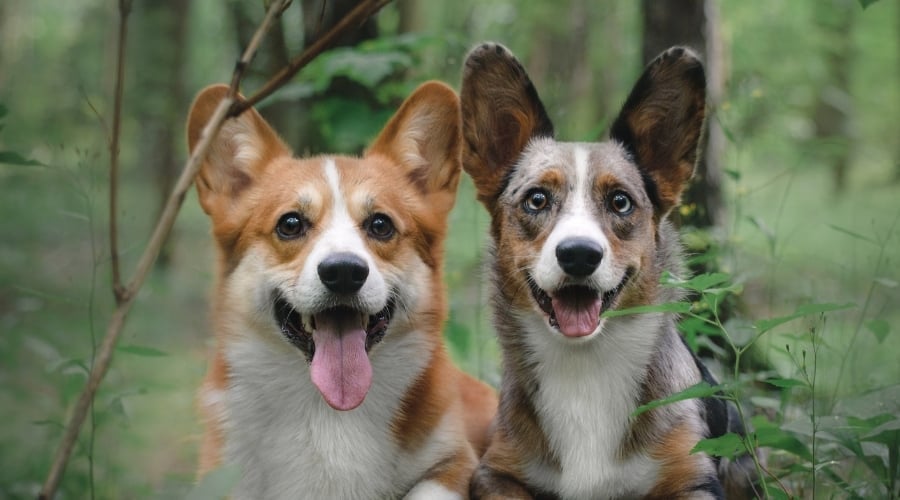
However, it’s interesting to note that there are some distinct differences between the two in some of their physical traits and temperament. See our guide on differentiating between the Cardigan Welsh Corgi and the Pembroke Welsh Corgi if you want to learn more.
10 Common Corgi Health Problems
I spoke with Dr. Rebecca MacMillan, BVetMed, BSAVA, PGCertSAM, MRCVS, to get a practicing veterinarian’s perspective on Corgi health issues. “Both Pembroke and Cardigan Welsh Corgis are generally healthy little dogs, but like many pedigree breeds, they are prone to some conditions,” she says.
Based on Dr. MacMillan’s insights and my research, here are the top 10 most common Corgi health problems. It’s so important to familiarize yourself with the symptoms of each condition so you can contact your vet as soon as you notice signs.
1. Intervertebral Disc Disease (IVDD)
“Corgis are a chondrodystrophic breed like Dachshunds and French Bulldogs. This means they have a genetic abnormality giving them their characteristically short legs,” says Dr. MacMillan. “However, these genetics also put them at a much greater risk of intervertebral disc disease (IVDD).”
“The intervertebral discs normally sit between the bones of the spine (vertebra), acting as shock-absorbing cushions,” says Dr. MacMillan. “The discs can age and harden prematurely in these dogs, causing ruptured material to burst out and press on the spinal cord. This leads to pain, weakness, and even paralysis in affected animals.”
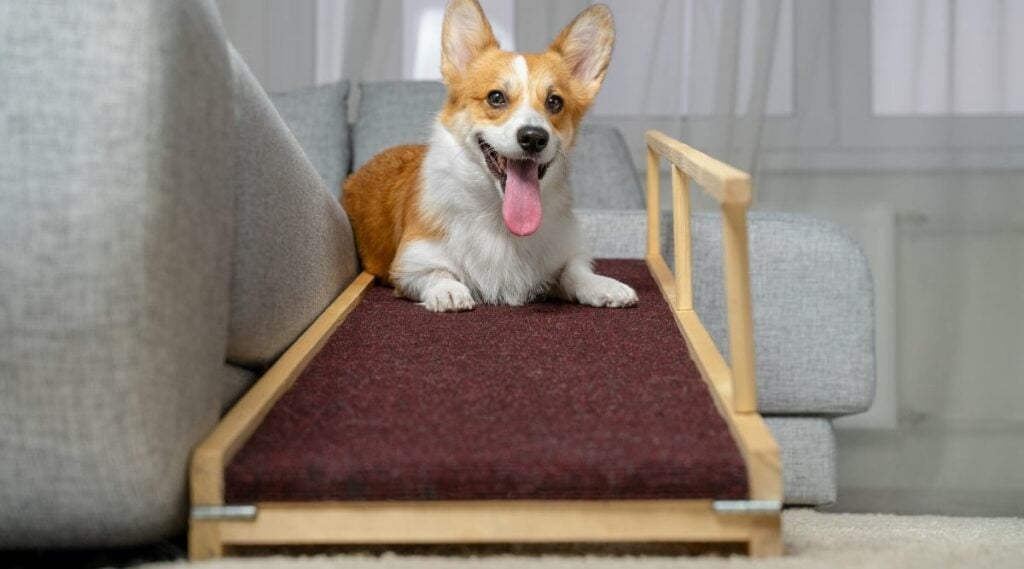
A large study indicated that Pembroke Welsh Corgis rank among the top five breeds most affected by IVDD. The breed’s weight, in conjunction with its short legs, is thought to primarily contribute to the disc degeneration associated with this condition.
IVDD Symptoms
These signs can occur slowly (over several weeks to months) or rapidly (over minutes to hours). Most dogs develop signs over a few days.
- Abnormal, unsteady walking
- Hunched back or neck with tense muscles
- Crying out in pain
- Loss of bladder or bowel control
- Paralysis
Seek emergency veterinary care if your Corgi suddenly cannot walk, drags their back legs, cries out in pain, or loses bladder or bowel control.
IVDD Diagnosis & Treatment
Diagnosing IVDD in Corgis often requires a combination of neurological exams, imaging, pain assessment, and mobility evaluation to determine how severely the spinal cord is affected.
Early signs of IVDD in Corgis can include reluctance to jump, yelping when picked up, wobbling, dragging the back legs, trembling, or sudden paralysis. Because Corgis have long backs and short legs, even mild spinal disc damage can quickly become serious.

Common Diagnostic Tests
Your vet may begin with a neurological exam and spinal X-rays, which typically cost around $150-$250. Advanced imaging, such as CT scans or MRIs, may be recommended to identify the affected disc and evaluate spinal cord compression.
Typical Treatment Options
Mild cases may respond to strict crate rest, anti-inflammatory medications, pain management, and rehabilitation therapies. More advanced cases often require emergency spinal surgery followed by intensive recovery care.
Physical therapy may include:
- Hydrotherapy or underwater treadmill sessions
- Laser therapy (red light therapy)
- Therapeutic stretching and range-of-motion exercises
- Balance and proprioception training
- Acupuncture
- Mobility harnesses or wheelchairs are used in severe cases
Estimated Costs
Insurance claims data estimates IVDD treatment in Corgis can range from roughly $2,500 to nearly $8,000 depending on surgery, hospitalization, rehab, and long-term mobility support.
Common vet costs you may encounter include:
- Spinal X-rays: ~$150-$525
- CT scan: ~$1,345
- CT interpretation: ~$310
- Basic bloodwork: ~$130
- Gabapentin for pain management: ~$28
- Carprofen anti-inflammatory medication: ~$21-$64
- Emergency spinal surgery: several thousand dollars
2. Degenerative Myelopathy
Degenerative myelopathy (DM), a spinal cord disease, is a common condition that can affect the nerves in the spine in both types of Corgi. Similar to the human disease amyotrophic lateral sclerosis (ALS), DM causes progressive muscle weakness and an inability to control hind limbs, eventually leading to paralysis.
DM Symptoms
Symptoms usually don’t begin until dogs are around 8 years old, but they can range from 4 to 14 years old. These are the early warning signs:
- Difficulty getting up from a lying position
- Hind end weakness (difficulty climbing stairs, going for walks, jumping onto furniture, etc.)
- Hindquarters appear to sway when standing still
- Dog falls over easily when pushed from the side
- Dragging the hind feet, causing the nails to look worn down
Contact your vet if your Corgi develops progressive rear leg weakness, frequent stumbling, knuckling, or difficulty standing.
DM Diagnosis & Treatment
Diagnosing degenerative myelopathy in Corgis often involves ruling out other spinal and neurological conditions through physical exams, imaging, genetic testing, and mobility evaluations. Because the disease progresses gradually, early symptoms are frequently mistaken for arthritis or normal aging.
Early signs of degenerative myelopathy may include rear leg weakness, wobbling, crossing the back feet, difficulty standing, worn nails from dragging paws, or a “drunk walking” gait that slowly worsens over time.
Common Diagnostic Tests
Your vet may perform neurological exams, bloodwork, spinal X-rays, CT scans, MRIs, and genetic testing to rule out IVDD, tumors, arthritis, and other neurological diseases that can mimic degenerative myelopathy.
Typical Treatment Options
Although there is no cure, supportive care can help preserve mobility and comfort for as long as possible. Rehabilitation plans may include:
- Hydrotherapy
- Assisted walking exercises
- Strength-building physical therapy
- Laser therapy
- Traction socks and other solutions for slippery floors
- Support harnesses and wheelchairs
- Joint supplements and anti-inflammatory support
Estimated Costs
Long-term management costs can vary widely depending on rehabilitation frequency, assistive devices, and supportive care needs.
Estimated vet costs include:
- Spinal X-rays: ~$150-$525
- CT scan: ~$1,345
- CT interpretation: ~$310
- Basic bloodwork: ~$130
3. Hip Dysplasia
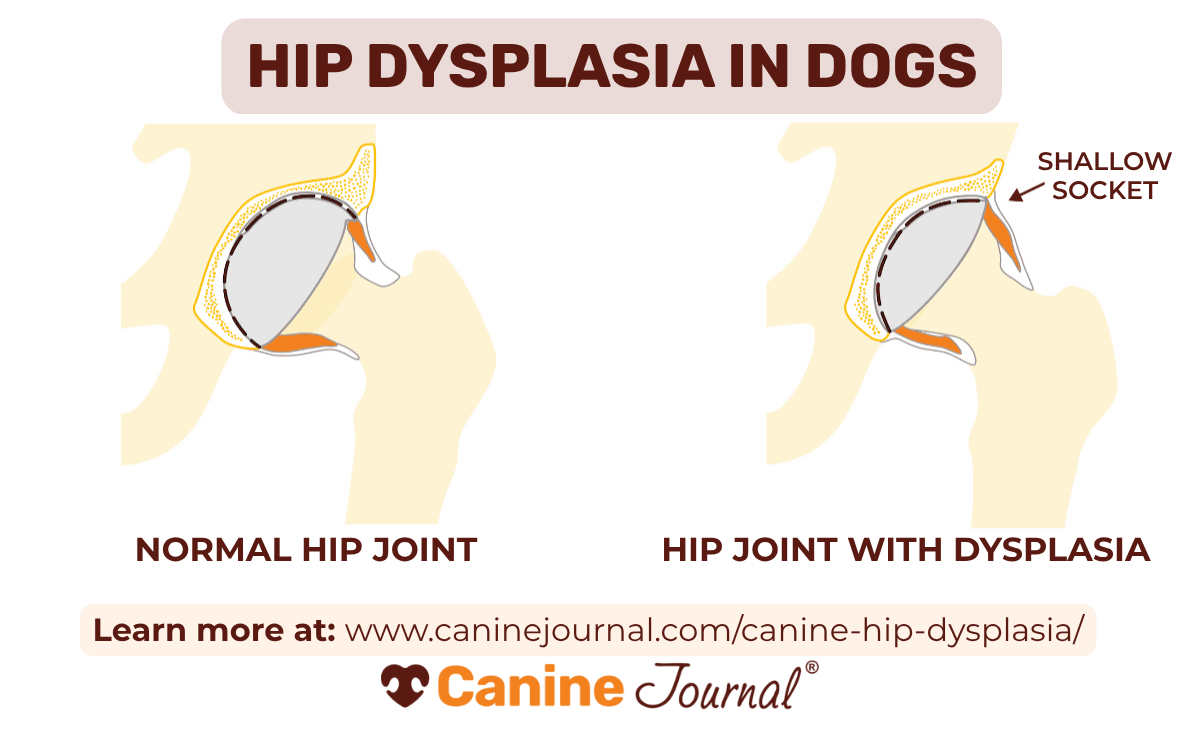
Another inherited orthopedic issue in the Corgi, hip dysplasia occurs when the head of the femur bone doesn’t fit correctly into the hip socket. This chronic condition causes progressively increased pain and decreased mobility. Canine hip dysplasia often leads to other joint problems like arthritis.
“Reputable breeders should screen their dogs for this condition before breeding them,” Dr. MacMillan points out. “While this doesn’t eliminate the chances of puppies inheriting hip dysplasia, it does reduce their risk considerably.”
Hip Dysplasia Symptoms
- Pain or discomfort during exercise
- Lameness
- Stiff back legs
- “Bunny hop” like run
- Stiffness getting up or running
- Struggling to walk up the stairs or take long walks
- Difficulty getting up
- Muscle tone loss in back legs
- Lack of enjoyment with physical activities that were previously enjoyable
Schedule a vet visit if your Corgi shows persistent limping, stiffness, difficulty rising, or signs of chronic pain.
Hip Dysplasia Diagnosis & Treatment
Diagnosing hip dysplasia in Corgis typically involves orthopedic exams, gait analysis, imaging, and long-term mobility assessments to evaluate joint instability and arthritis progression. Because Corgis are low to the ground, even moderate hip pain can significantly affect daily movement and spinal strain.
Early signs of hip dysplasia can include stiffness, bunny hopping, difficulty standing, reluctance to climb stairs, reduced activity levels, limping, or trouble getting comfortable after exercise.
Common Diagnostic Tests
Your vet will typically begin with a physical exam and hip X-rays, which often cost around $150-$250. Sedation may sometimes be recommended to obtain clearer imaging and accurately assess joint looseness and arthritis severity.
Typical Treatment Options
Treatment depends on severity and may range from conservative management to surgical correction.
Physical therapy and supportive care may include:
- Hydrotherapy or underwater treadmill therapy
- Laser therapy (red light therapy)
- Therapeutic stretching exercises
- Weight management programs
- Joint supplements
- Anti-inflammatory medications
- Platelet-rich plasma (PRP) injections
- Massage therapy
- Orthopedic surgery in severe cases
Estimated Costs
Surgery costs for dog hip dysplasia typically range from approximately $1,700 to $4,500+ depending on the procedure type, rehabilitation needs, and geographic location.
Additional vet costs may include:
- X-rays: ~$150-$525
- Sedation for imaging: additional cost may apply
- Basic bloodwork: ~$130
- Carprofen anti-inflammatory medication: ~$21-$64
- Gabapentin for chronic pain: ~$28
4. Epilepsy
Pembroke Welsh Corgis are known to have a higher incidence of epilepsy, a neurological disorder that causes recurrent seizures due to abnormal electrical activity in the brain. The age of onset can vary from six months to six years old.
Epilepsy Symptoms
Many dogs experience what’s called the aura stage prior to the following signs of a seizure, where they appear anxious, fearful, or confused. Seizures typically last 30-90 seconds.
- Stiffening of the neck, body, and legs
- Falling over to the side
- Leg paddling
- Trembling, shaking, and convulsing
- Excessive drooling
- Making a chewing motion
- Loss of bladder and bowel control
- Vocalizing
Emergency care is needed if a seizure lasts longer than five minutes, multiple seizures occur close together, or your dog struggles to recover afterward.
Epilespy Diagnosis & Treatment
Diagnosing epilepsy involves ruling out all other possible causes of seizures. This process involves evaluating the dog’s medical history, a thorough physical exam, blood and urine tests, and x-rays.
Common Diagnostic Tests
Your vet may recommend bloodwork, neurological exams, toxin screening, liver testing, spinal fluid analysis, CT scans, or MRIs to rule out tumors, infections, metabolic disorders, or injuries.
Typical Treatment Options
Many dogs with epilepsy require lifelong seizure management and regular medication monitoring to reduce seizure frequency and severity.
Management plans may include:
- Anti-seizure medications such as phenobarbital or Keppra
- Routine blood level monitoring
- Emergency seizure medications
- Trigger management
- Neurology consultations
- Supportive care after seizure episodes
Estimated Costs
Insurance claims data estimates epilepsy-related treatment costs in Corgis may range from approximately $4,299 to $5,154 depending on medication needs, emergency visits, diagnostics, and long-term monitoring.
Average vet costs include:
- Basic bloodwork: ~$130
- Liver panel: ~$45
- CT scan: ~$1,345
- CT interpretation: ~$310
- Anti-seizure medications: ongoing monthly cost
- Follow-up neurological monitoring: ongoing cost
5. Lymphoma
Lymphoma is a form of cancer that impacts the lymph nodes and the lymphatic system, which is a complex network of lymph vessels, tissues, and organs found throughout the body. Among the various types of lymphoma, multicentric (systemic) lymphoma is the most prevalent, and it affects lymph nodes across the entire body.
Most lymphomas are classified as high-grade and tend to advance quickly. This cancer is most commonly seen in dogs that are middle-aged or older.
Lymphoma Symptoms
The most noticeable indication of multicentric lymphoma is enlarged lymph nodes. These may feel like firm, rubbery bumps beneath your dog’s skin.
The lymph nodes in the neck, under the jaw, and behind the knees are typically the easiest to detect when they swell. Initially, many dogs may not exhibit any signs of illness, but as time goes on, they may start to show additional symptoms.
- Swollen lymph nodes
- Lethargy
- Decreased appetite
- Weight loss
- Facial or leg swelling
- Increased thirst and urination
Contact your vet if you notice unexplained lumps, rapid weight loss, persistent lethargy, or swollen lymph nodes.
Lymphoma Diagnosis & Treatment
Diagnosing lymphoma in Corgis often requires a combination of physical exams, bloodwork, imaging, and tissue sampling to determine the cancer type, stage, and treatment options. Symptoms can initially be subtle and are sometimes mistaken for minor illness or aging.
Common Diagnostic Tests
Your vet may recommend needle aspirates, biopsies, blood panels, chest X-rays, ultrasounds, CT scans, and oncology consultations to evaluate cancer spread and overall health.
Typical Treatment Options
Treatment plans depend on the lymphoma type, cancer stage, and quality-of-life goals for the dog and family.
Treatment and supportive care may include:
- Chemotherapy
- Steroid therapy
- IV fluids
- Appetite stimulants
- Anti-nausea medications
- Oncology specialist consultations
- Pain management
- Palliative or hospice care in advanced cases
Estimated Costs
Cancer treatment costs can become expensive quickly, especially when chemotherapy, advanced imaging, hospitalization, anesthesia, and specialist care are involved.
- Oncology consultation: ~$210
- Follow-up reassessment: ~$105
- Chemotherapy treatment: ~$250 per session
- Chemotherapy administration fee: ~$100
- Needle aspirate: ~$55
- Biopsy: ~$150
- Lymph node excision: ~$330
- General anesthesia: ~$710
- IV fluids: ~$220
- Additional medications and supportive care: $1,145+
- Chest X-rays or advanced imaging: additional cost
6. Multiple Eye Disorders
Like all purebred dogs, Corgis are at risk of developing several ocular disorders due to genetics. These conditions often affect both eyes but not necessarily at the same time. Some can also occur concurrently.
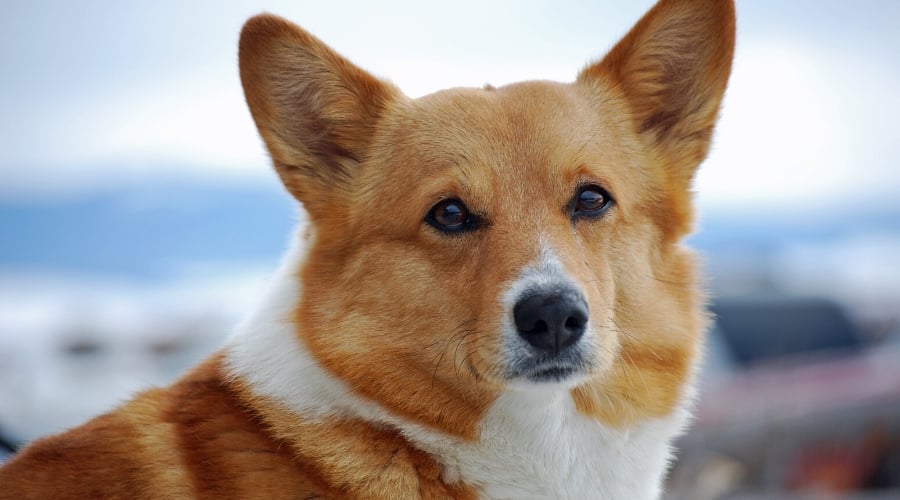
Dr. MacMillan says, “Breeders should screen their dogs for eye conditions before mating them so that they only breed from healthy individuals.”
- Cataracts: A common condition in many dogs (and humans), cataracts occur when the lens becomes firmer and less transparent. As the cataract matures, it becomes cloudy and blocks more and more light from reaching the back of the eye until vision is lost.
- Glaucoma: This eye disorder occurs when eye fluid builds up due to inadequate drainage, leading to pressure within the eye that can cause damage to the retina and optic nerve.
- Distichiasis: An eyelid disorder, distichiasis occurs when extra eyelashes grow from the eyelid margin rather than the eyelid skin. These hairs rub against the eye surface, causing irritation and inflammation.
- Progressive retinal atrophy (PRA): PRA is an inherited condition that eventually leads to blindness. It is not painful, but there is no cure.
Eye Disorder Symptoms
Unless noted above, many eye problems share similar symptoms.
- Eye sensitivity
- Squinty eyes
- Repeated blinking
- Bloodshot or cloudy eyes
- Yellow or green discharge
Seek prompt veterinary care for sudden blindness, eye swelling, severe redness, discharge, or obvious pain.
Eye Disorder Diagnosis & Treatment
Corgis can develop several inherited and age-related eye conditions, including cataracts, progressive retinal atrophy (PRA), glaucoma, dry eye, and distichiasis. Early diagnosis is important because some eye diseases can progress rapidly and permanently affect vision or eye comfort.
Common Diagnostic Tests
Veterinary eye exams may include retinal exams, tear production testing, fluorescein staining, and tools such as an ophthalmoscope or tonometer to evaluate internal eye structures and pressure levels associated with glaucoma. Genetic testing can also help identify inherited diseases like PRA, and responsible breeders are encouraged to screen breeding dogs before producing litters.
Typical Treatment Options
Treatment depends on the specific eye condition and severity. Management and treatment may include:
- Prescription eye drops
- Lubricating ointments
- Anti-inflammatory medications
- Cataract surgery for advanced cataracts
- Glaucoma medications to reduce eye pressure
- Surgical intervention or eye removal in severe glaucoma cases
- Distichiasis treatment through eyelash removal, cauterization, or surgery
- Antioxidants and supportive care for PRA
- Long-term ophthalmology monitoring
Outcomes vary by condition. While PRA and some cataracts lead to permanent vision loss, early detection and treatment of glaucoma or distichiasis can preserve comfort and prevent complications.
Estimated Costs
Dog cataract surgery typically costs around $2,700-$4,000, although ongoing medications, specialist monitoring, and emergency glaucoma care can add additional expenses over time.
7. Von Willebrand Disease
Von Willebrand disease (VWD) type I is an inherited bleeding disorder that affects dogs’ ability to properly clot blood. “VWD causes affected dogs to be deficient in a protein called von Willebrand factor (vWF) that is essential for clotting,” says Dr. MacMillan. “This can lead to bleeding, which can range from mild to severe in nature.”
According to Dr. MacMillan, the disease is much more likely in Pembrokes than in Cardigans.
VWD Symptoms
- Bruises easily
- Excessive bleeding, even from minor cuts
- Bloody gums
- Nose bleeds
- Bloody urine or stool
- Vaginal bleeding in female dogs
- Excessive bleeding during and after surgery
Seek emergency care for uncontrolled bleeding, pale gums, weakness, or collapse.
VWD Diagnosis & Treatment
Von Willebrand disease is an inherited blood clotting disorder that can cause excessive bleeding after injuries, surgeries, or even routine procedures like nail trims. Some dogs may not show symptoms until a bleeding event occurs.
Common Diagnostic Tests
Diagnosis typically involves clotting screenings that measure how long blood takes to clot, along with specialized blood tests that evaluate von Willebrand factor (vWF) levels. In some dogs, the disorder is first discovered during routine pre-surgical testing.
Typical Treatment Options
Management focuses on preventing dangerous bleeding episodes and carefully planning surgical procedures. Treatment and supportive care may include:
- IV medications that temporarily increase circulating vWF levels
- Blood plasma transfusions
- Emergency stabilization
- Surgical precautions
- Restricted activity after injuries
- Careful medication management to avoid bleeding risks
Estimated Costs
Costs vary depending on bleeding severity, hospitalization needs, emergency treatment requirements, and whether surgery or transfusions are necessary.
8. Patent ductus arteriosus (PDA)
Patent ductus arteriosus (PDA) is a congenital heart defect that affects Corgi puppies.

The ductus arteriosus is an opening between the aorta and pulmonary artery that’s present during fetal development, but the opening normally closes at birth. PDA occurs when the ductus arteriosus does not close, causing fluid build-up and strain on the heart.
As puppies grow, PDA worsens and can lead to congestive heart failure, so early diagnosis is key.
PDA Symptoms
- Heart murmur
- Abnormal pulse
- Excessive sleeping
- Difficulty breathing
- Exercise intolerance
- Stunted growth
Seek veterinary care for fainting, breathing problems, severe fatigue, or persistent coughing.
PDA Diagnosis & Treatment
In many Corgis, a heart murmur detected during a routine puppy exam is the first sign of PDA. Because untreated PDA can eventually lead to heart failure, early diagnosis is extremely important.
Common Diagnostic Tests
Diagnostic testing often includes echocardiograms, chest X-rays, cardiac ultrasounds, ECGs, and full cardiovascular assessments performed by a veterinary cardiologist.
Typical Treatment Options
Many dogs require surgery or minimally invasive catheter-based procedures to correct abnormal blood flow and reduce stress on the heart. Treatment plans may include:
- Surgical correction
- Catheter-based closure procedures
- Heart medications
- Oxygen support in severe cases
- Cardiology monitoring and follow-up imaging
Fortunately, PDA can often be cured if caught early enough. Treatment usually involves either open-heart surgery or a minimally invasive catheter-based procedure to close the abnormal blood vessel.
Estimated Costs
Advanced cardiac imaging, specialist consultations, anesthesia, and surgical correction can make PDA treatment expensive, particularly when emergency stabilization is required.
- Echocardiogram: ~$250
- Cardiac ultrasound: ~$175
- Chest X-rays: ~$150-$525
- ECG testing: varies
- Cardiology consultation: additional cost
- Surgical correction or catheter procedure: often several thousand dollars
- Anesthesia and hospitalization: additional cost
9. Hypothyroidism
Hypothyroidism is a lifelong disease that results from the body’s inability to produce sufficient thyroid hormones, leading to a reduced metabolism. This common endocrine disorder usually affects middle-aged dogs (6-7 years old) and can lead to serious health issues without treatment.
Hypothyroidism Symptoms
- Unexplained weight gain
- Lethargy
- Decreased activity level
- Abnormal hair loss without itching
- Dry, dull, brittle coat
- Skin darkening
- Recurrent infections in ears and skin
- Intolerance to cold
- Slow heart rate
Schedule a vet visit for unexplained weight gain, chronic skin problems, hair loss, or severe lethargy.
Hypothyroidism Diagnosis & Treatment
Because symptoms often develop slowly, many owners initially mistake the condition for normal aging or simple weight gain.
Common Diagnostic Tests
Diagnosis typically involves thyroid blood panels, hormone testing, routine bloodwork, and evaluations for related skin or metabolic issues. Depending on your dog’s symptoms, your vet may also recommend additional bloodwork to evaluate organ function and rule out other metabolic conditions.
Typical Treatment Options
Most dogs respond well to lifelong thyroid hormone replacement therapy combined with routine monitoring. Management plans may include:
- Daily thyroid medication
- Routine blood testing
- Weight management support
- Skin and coat treatments
Estimated Costs
Although thyroid medication itself is often relatively affordable, ongoing bloodwork and lifelong monitoring create recurring long-term costs.
- Thyroid testing: ~$55
- Basic bloodwork: ~$130
- Liver panel: ~$45
- Lifelong thyroid medication: ongoing monthly cost
- Routine monitoring bloodwork: recurring expense
10. Obesity
Corgis are a food-motivated breed, which means they can easily pack on the pounds without strict weight management by owners. As a Corgi owner, it’s so important to not overfeed your pup and limit treats to no more than 10% of their daily caloric intake.
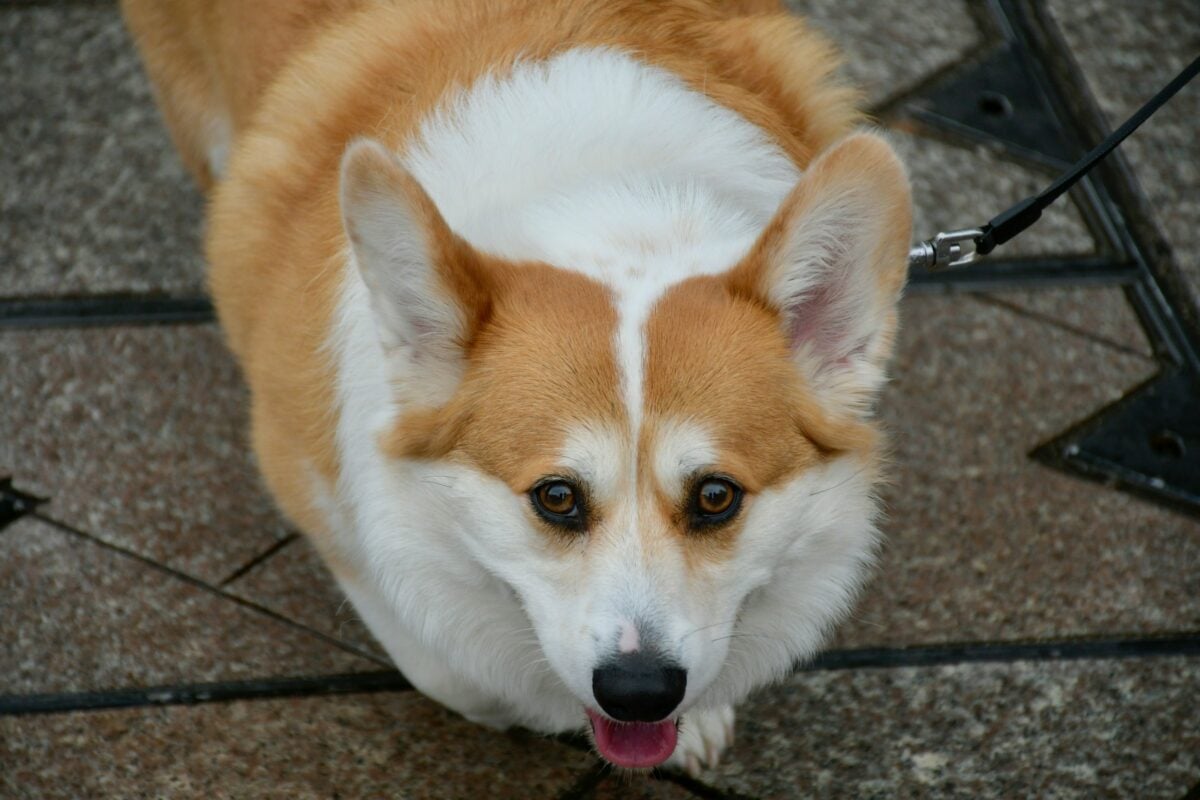
Because Corgis are a small breed, even a few extra pounds over their ideal weight can lead to serious health conditions, like diabetes and heart disease. Also, being overweight can worsen orthopedic conditions like hip dysplasia, degenerative myelopathy, and IVDD, which Corgis are already prone to developing.
Obesity Symptoms
- Noticeable weight gain or loss of waistline
- Difficulty feeling ribs under fat layer
- Reduced stamina during walks or play
- Reluctance to jump or climb stairs
- Joint stiffness or worsening of existing mobility issues
Talk to your vet if your Corgi gains weight rapidly, struggles with mobility, pants excessively, or becomes exercise-intolerant.
Obesity Diagnosis & Treatment
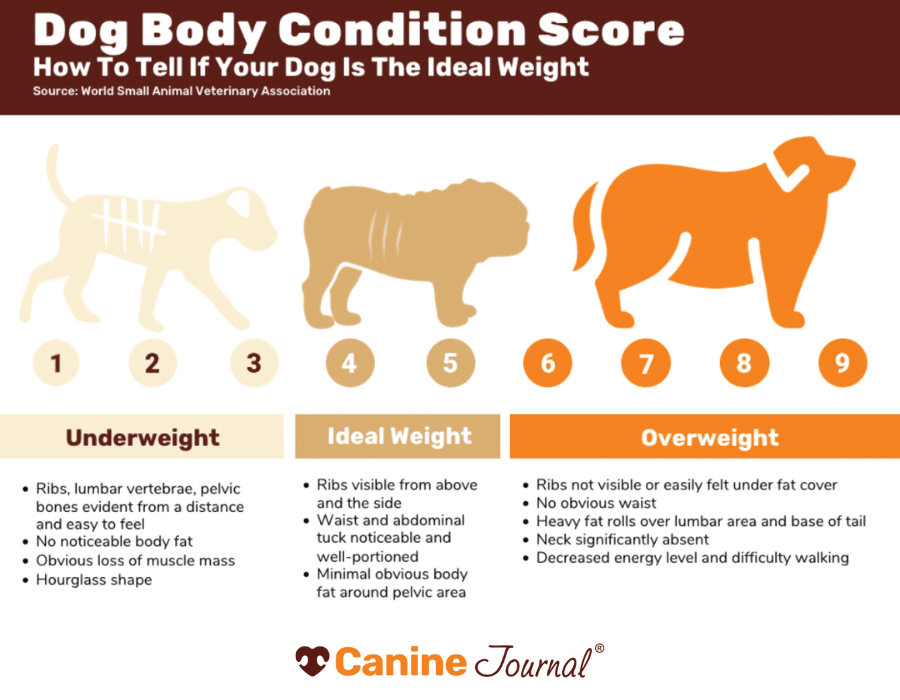
Vets use a body condition score (BCS) to assess whether a Corgi is overweight, typically by examining rib coverage, waistline, and overall fat deposits. Weigh-ins and routine exams help track changes over time.
Weight loss focuses on dietary management and exercise. This may include portion control and limiting treats to under 10% of daily calories. Daily exercise—walks, swimming, or controlled play—helps burn excess energy. Vets may also recommend supplements or prescription foods that support metabolism and joint health.
Most Corgis respond well to gradual weight reduction. Owners should maintain regular weigh-ins and stick to long-term management, since regaining weight can quickly worsen other health conditions.
Consider Doing A DNA Test
Doing an at-home DNA test on your Corgi may shed some light on your pup’s health. These kits test for several of the conditions describe above, including von Willebrand disease, progressive retinal atrophy, degenerative myelopathy, and IVDD. Embark and Wisdom Panel‘s health tests are your best options.
See our reviews of the best at-home dog DNA tests to learn more.
Keep in mind that these tests can only tell you if your Corgi is at a higher risk for these genetic conditions. It doesn’t mean that they will actually develop the disease. Still, knowing that your pup is at risk can help you and your veterinarian keep a close eye on early symptoms.
Average Costs For Several Corgi Health Issues
Fetch Pet Insurance says of its insured Corgis that hip dysplasia, disc disease, and epilepsy are common illnesses they cover. As reported by Fetch, the range of average costs for these health problems are:
- IVDD: $6,661-$7,994
- Hip dysplasia: $3,995-$5,452
- Epilepsy: $4,299-$5,154
Embrace Pet Insurance lists hip dysplasia and IVDD as the most common Pembroke Welsh Corgi health issues in insured pets, with the following average costs based on claims:
- IVDD: $2,500-$7,000
- Hip dysplasia: $1,500-$6,000
Frequently Asked Questions
Here are some questions our readers ask most often about Corgi health problems. If you don’t see yours here, ask us in the comments.
What Do Corgis Usually Die From?
The leading causes of death for Corgis are cancer and degenerative myelopathy. Other common causes include heart disease, kidney failure, and complications from obesity-related conditions.
In older Corgis, multiple health problems often occur together, which can shorten lifespan.
What Is The Life Expectancy Of A Corgi?
A Corgi’s lifespan depends on the type of Corgi.
The more popular Pembroke Corgi lives an average of 12 to 13 years, while the Cardigan Corgi has an average lifespan of 12 to 15 years. However, several factors impact every pup’s lifespan, including genetics, overall health, and lifestyle.
Are Corgis Prone to Back Problems?
Yes. Because of their long backs and short legs, Corgis are at higher risk for intervertebral disc disease (IVDD).
Owners should discourage activities that strain the spine, like jumping off furniture, and keep their Corgi at a healthy weight to reduce stress on the back.
Can You Prevent Corgi Health Problems?
While not all conditions are preventable, you can lower risk by choosing a responsible breeder who screens for genetic diseases, keeping your dog lean, providing regular exercise, and scheduling routine vet checkups. Preventive care makes a big difference in long-term health.
What’s The Best Diet For Corgis?
Because Corgis are prone to so many health issues, feeding them the healthiest diet possible can help keep symptoms at bay and boost their immune systems to fight off their risk for illnesses and infections. See our top picks for the best dog food for Corgis in all life stages. We also have reviews of the best dog food for weight loss if your furry friend struggles with obesity.