Want A Low-Shedding Dog? Here’s How Poodles Deliver (And Why Doodles Don’t Always Shed Less)
When you purchase through links on our site, we may earn a commission at no extra cost to you. Learn more.
Poodles have a reputation for not shedding. And compared to most dogs, that’s true. But “low shedding” doesn’t mean no shedding, and it definitely doesn’t mean low maintenance.
Table of Contents
Here’s what Poodle shedding actually looks like in real life, plus how to care for their coat and how they compare to other popular low-shedding breeds.

The Hair Truth: Do Poodles Shed At All?
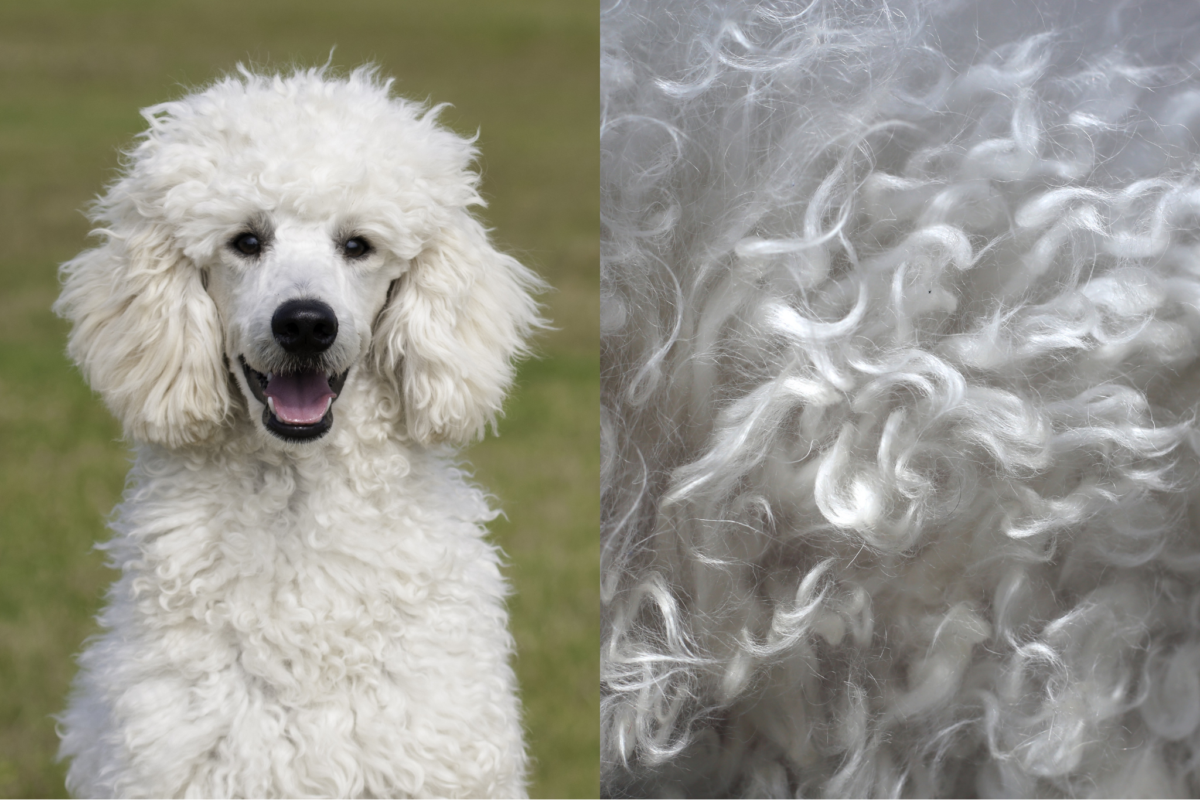
Poodles do shed, just much less than most dogs. You just don’t see it the same way you would with a Labrador or a Husky.
Instead of falling onto your floors, loose hair gets caught in their curly coat. It stays there until you brush it out, wash it out, or your groomer removes it.
Why This Matters
This one difference changes everything about how you manage their coat.
With heavy-shedding breeds, the goal is to reduce how much hair ends up in your home. With Poodles, the goal is to remove hair before it builds up in the coat. If you don’t, that trapped hair turns into tangles, then mats, and eventually a full grooming reset.
Why Poodles Shed So Little (It’s Not What You Think)
Poodles shed less for two reasons: They don’t have a heavy undercoat, and their curls keep loose hair contained.
Unlike many breeds, Poodles have a single-layer coat made of dense, tight curls. There’s no thick undercoat shedding in clumps or seasonal coat blowouts. They’re just one continuous layer of hair that grows, sheds lightly, and stays mostly in place.
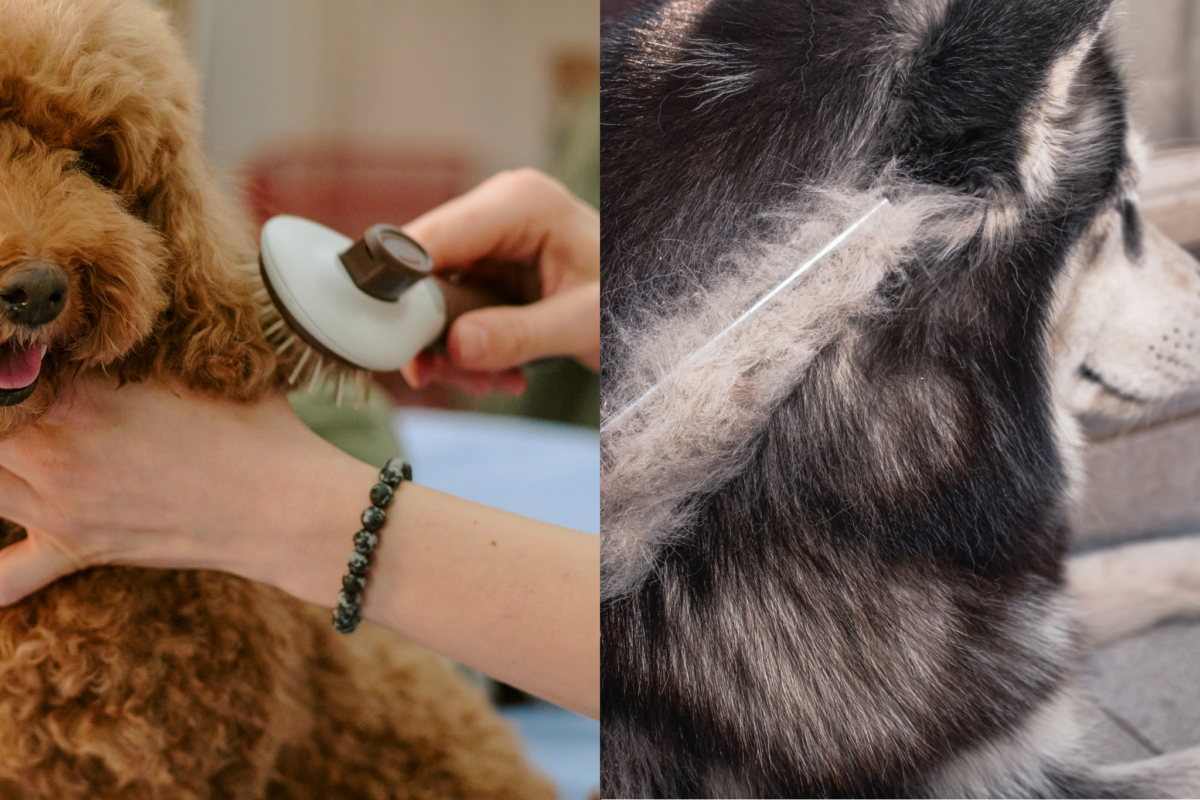
Single Coat vs Double Coat
This is a key feature that makes the Poodle low-shedding.
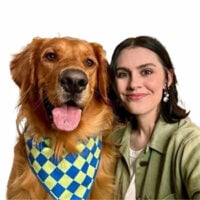
Double-coated dogs (like Golden Retrievers):
- Have a dense undercoat that sheds heavily
- Experience seasonal coat blowouts
- Release large amounts of fur into the environment
Poodles (single-coated):
- Shed lightly and continuously
- Trap loose hair inside the coat
- Don’t have dramatic shedding seasons
The Curl Factor
The curls don’t just change how shedding feels. Poodles were originally bred as water retrievers, and that dense, curly coat is functional.
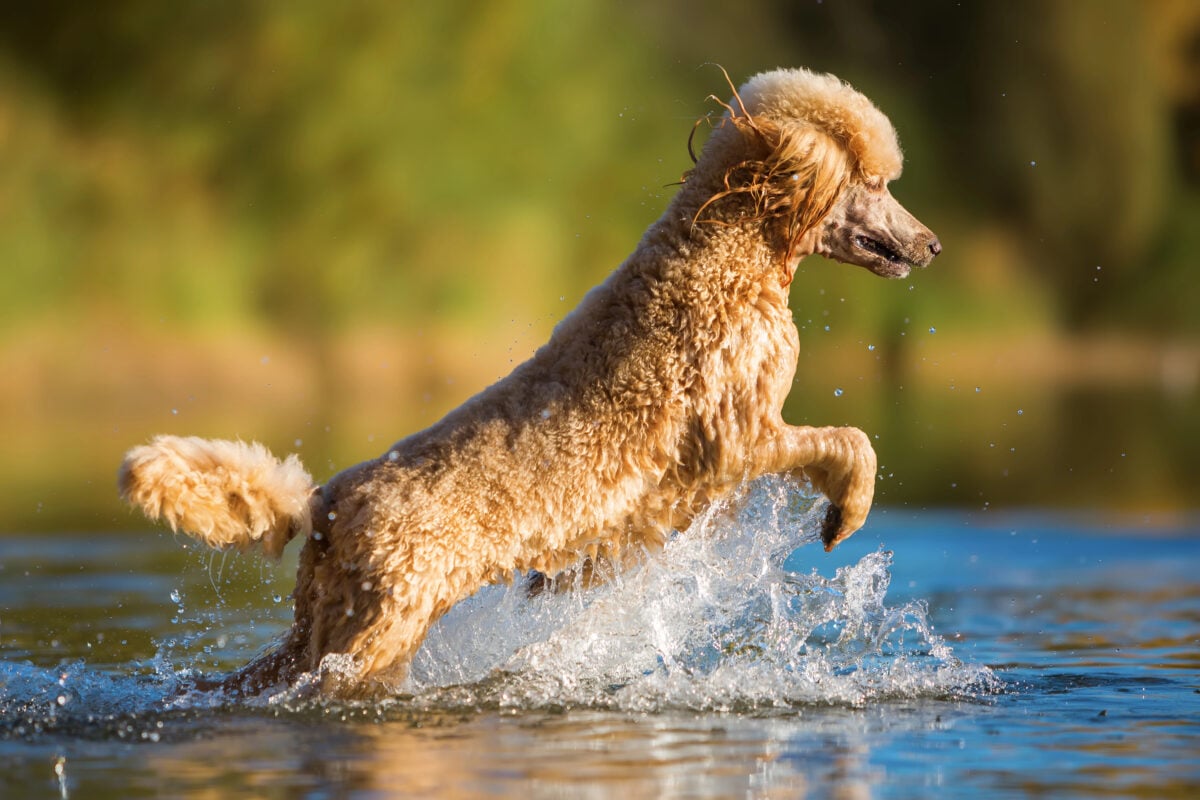
That tight curl pattern:
- Prevents water from fully soaking in
- Traps a layer of air close to the skin for insulation
- Allows the coat to shed water more efficiently once out of it
In cold, wet environments, this helps the dog stay warmer and dry faster.
You’ll See This In Other Water Breeds Too
Poodles aren’t the only dogs with this kind of coat. Other water-working breeds developed similar textures, including:
- Portuguese Water Dogs
- Irish Water Spaniels
- Barbets
- Spanish Water Dogs
Different breeds, same function: insulation and water resistance.
Why That Matters For Shedding
That same structure that keeps Poodles dry and warm is also what keeps loose hair contained. When a hair loosens, it doesn’t fall away easily. It gets caught in the surrounding curls, where it stays until you remove it through brushing or grooming.
Poodle vs Doodle Shedding
A lot of people choose doodles because they want a “Poodle coat” without getting a Poodle. Sometimes that works. Sometimes it doesn’t.
The biggest misconception is this: If a dog has Poodle in it, it will be low-shedding. That’s not how genetics works.
Why Poodles Are Predictable
Poodles are a purebred, which means their coat traits are consistent.
You can expect:
- Tight curls
- Single coat
- Low visible shedding
You know what you’re getting.
Why Doodles Are A Gamble
Doodles are mixes. That means their coat can fall anywhere between the two parent breeds.
Even within the same litter, you might see a:
- Curly coat (most Poodle-like) – tight curls, low visible shedding
- Wavy coat – loose waves, moderate shedding
- Straight coat – minimal curl, higher shedding
Not all doodles are bred the same, and generation plays a major role in coat predictability.
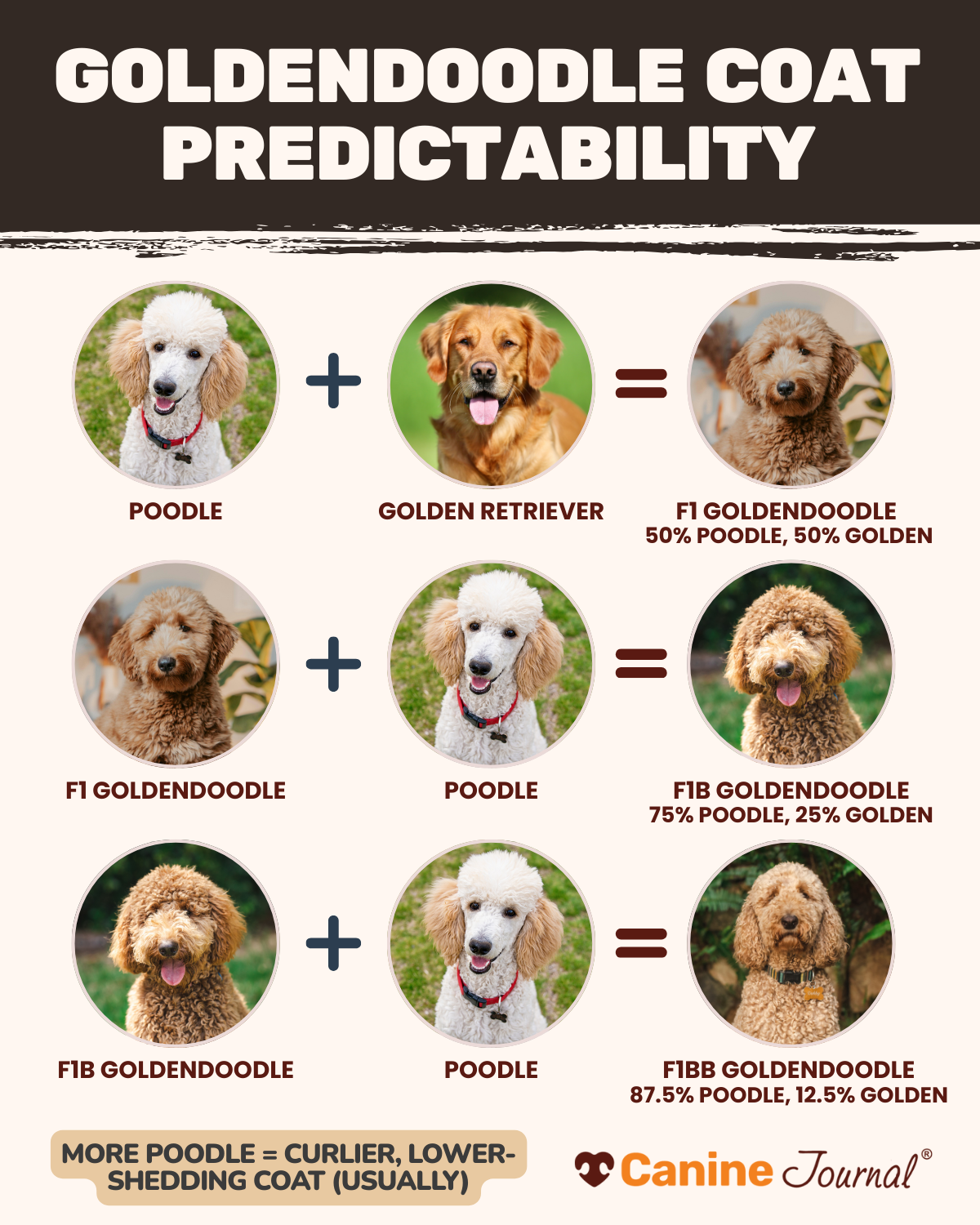
Goldendoodles are a common example: F1 (50% Poodle) are the most unpredictable. F1B (75% Poodle) are more likely to be low-shedding. F1BB (87.5% Poodle) offer the best odds for a consistent, low-shedding coat.
Where Expectations Go Wrong
Because coat type isn’t guaranteed, a Goldendoodle, Labradoodle, or any “-oodle” mix can shed very little, shed moderately, or shed quite a bit.
This is where most frustration comes from. People expect:
- Poodle-level shedding
- Minimal grooming
- Predictable results
But with doodles, you’re trading predictability for variation.
That said, some doodle lines are bred over multiple generations (“multi-gen”) to produce more consistent non-shedding coats and hypoallergenic traits.
Quick Takeaway
If a low-shedding, hypoallergenic coat is your top priority, a Poodle is the most predictable choice. Doodles can get close, but they don’t always.
Learn more in our articles covering Poodles vs. Goldendoodles and Poodles vs. Labradoodles.
Poodle Coat Types Explained
Not all Poodle coats look the same, but they all follow the same basic structure. Understanding what you’re working with makes grooming and shedding a lot easier to manage.
1. The Classic Curly Coat
This is what most people picture when they think of a Poodle.
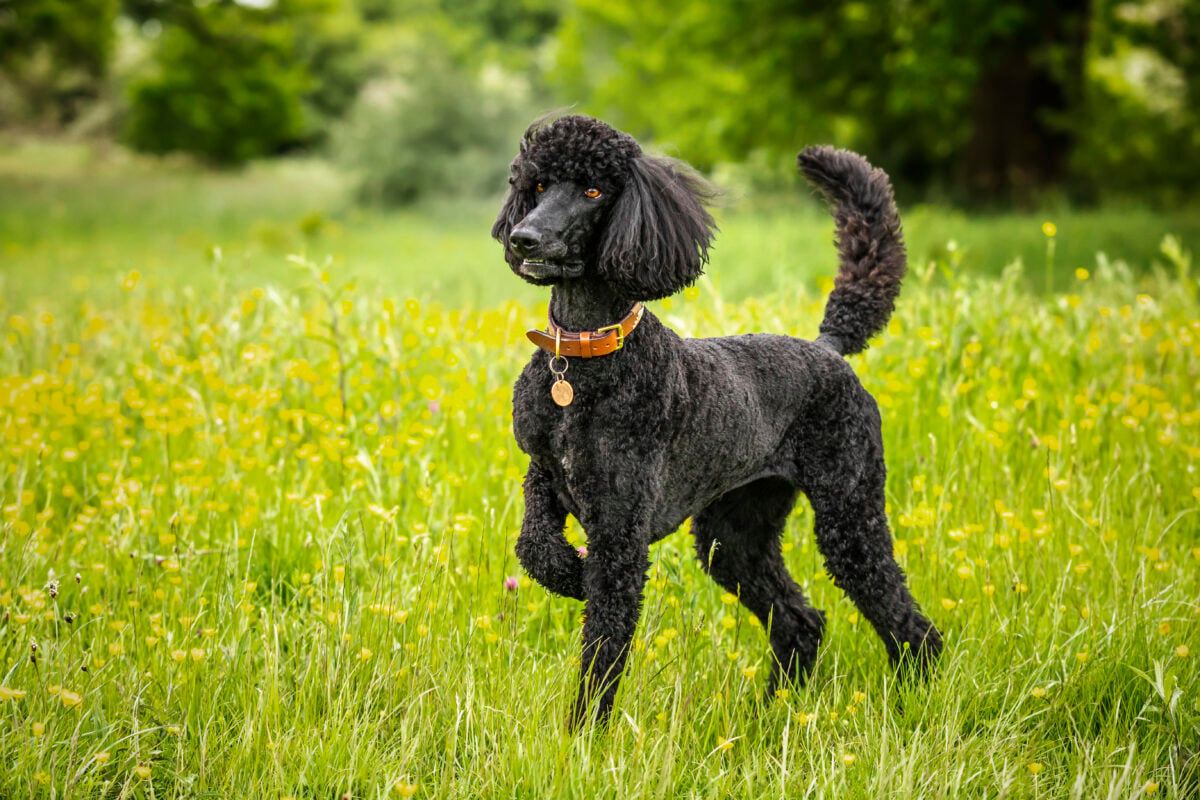
- Dense, textured curls
- Long hair
- Traditionally groomed into puppy cut, sporting clip, or higher-maintenance show cuts (Continental or English Saddle)
- Unless trimmed short, requires consistent brushing to prevent matting
2. The Corded Coat
Instead of being brushed out, the coat forms long cords over time.
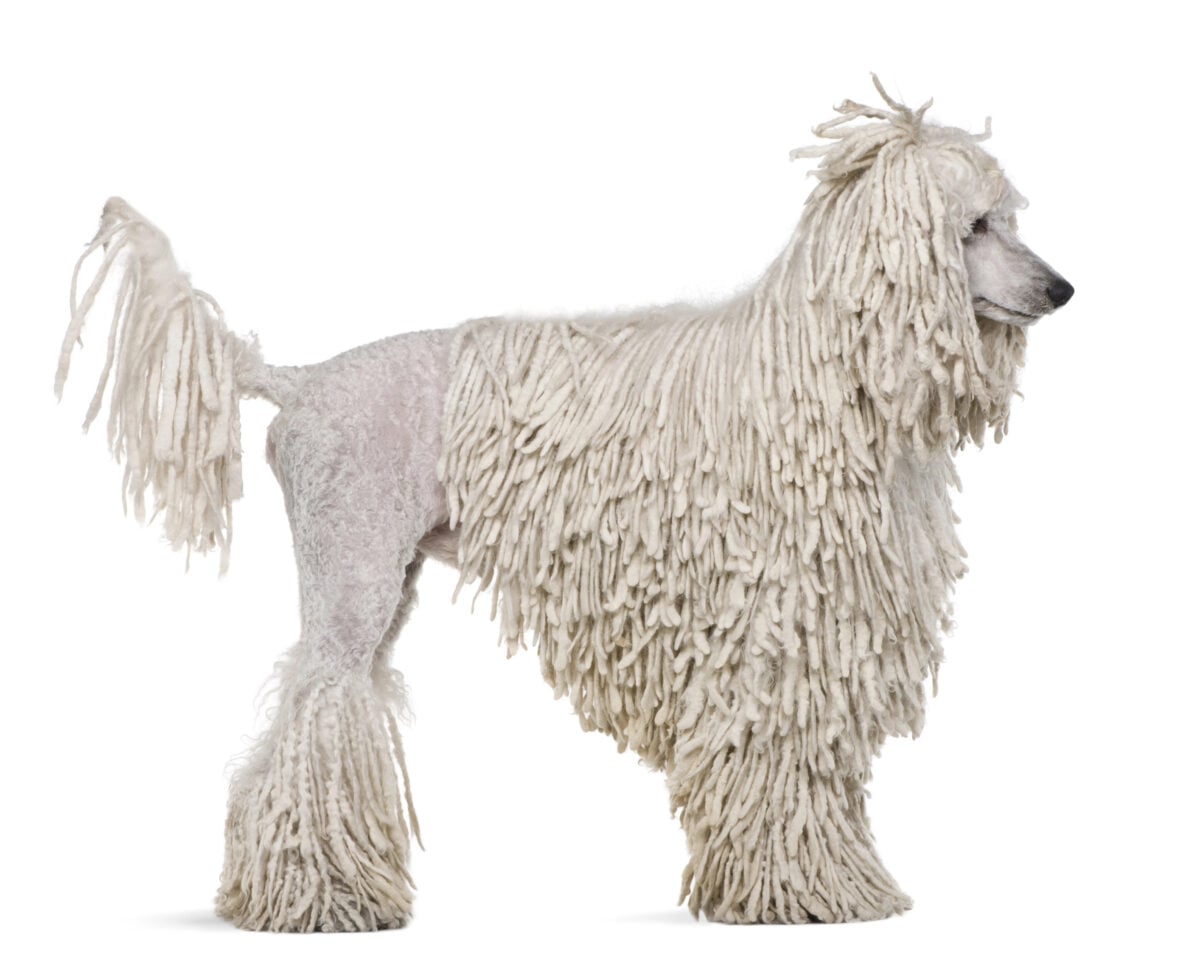
- Hair twists into thick strands
- Very low shedding
- Rare but still part of the breed standard
- Requires careful upkeep to prevent odor and scalp buildup
Coat Length Matters More Than You Think
Shedding doesn’t change much with length, but how it feels does.
Short coat:
- Easier to manage
- Less tangling
- Still requires regular upkeep
Long coat:
- More prone to matting
- Holds onto more loose hair
- Requires frequent brushing or professional grooming
Same shedding level. Very different maintenance.
What Stays Consistent Across All Poodles
No matter the style or length, you can expect:
- A single-layer coat (no heavy undercoat)
- Hair that grows continuously
- Loose strands that stay trapped in the curls
- Regular grooming as part of ownership
Quick Takeaway: The coat doesn’t change how much Poodles shed. It changes how much work it takes to manage it.
When Poodles “Shed” The Most
Poodles don’t have shedding seasons, but that doesn’t mean you’ll never notice an increase in hair.
Puppy Coat Transition
This is the closest thing Poodles have to a “shedding phase.” As puppies grow, their soft coat transitions into a denser, curlier adult coat.
During this time, you may notice:
- More loose hair during brushing
- Increased tangling
- Faster mat formation
This phase usually happens between 6–12 months and can catch new owners off guard.
Bath Time Release
Ever bathed your Poodle and suddenly felt like they were shedding a ton?
That’s because water loosens trapped hair all at once.
You’ll often see:
- Hair collecting in the drain
- Clumps coming out during drying
- More hair than usual after brushing post-bath
It’s not new shedding. It’s buildup being released.
Grooming Appointments
This is where everything comes out at once. If your Poodle hasn’t been brushed consistently, a groomer may remove:
- Weeks of trapped hair
- Hidden tangles and mats
- Loose underlayers within the curls
This can make it feel like your dog suddenly “shed a ton.”
How To Manage Poodle Shedding (Without Ruining The Coat)
The goal isn’t to reduce shedding to zero. It’s to remove trapped hair before it turns into tangles, mats, and bigger problems.
1. Brushing (Non-Negotiable)
This is the single most important part of Poodle coat care. Regular brushing:
- Removes trapped, already-shed hair
- Prevents tangles from tightening into mats
- Keeps the coat breathable and clean
What to aim for:
- Short coat: 2–3 times per week
- Longer coat: daily or every other day
If you skip this step, everything else becomes harder.
2. Bathing (Strategic, Not Excessive)
Bathing helps release built-up hair, but timing matters.
A good bath:
- Loosens trapped hair
- Makes brushing more effective
- Resets the coat
Best practice:
- Bathe every 3–4 weeks (or as needed)
- Always brush before and after
Skipping brushing before a bath can actually make tangles worse.
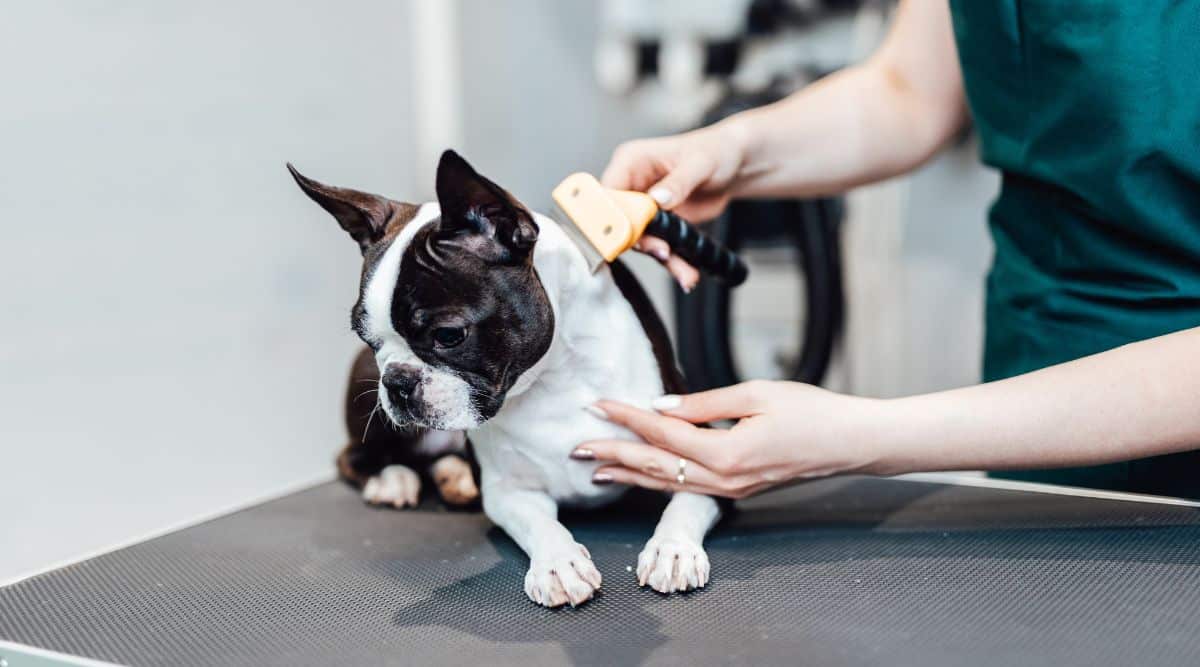
3. Professional Grooming (Your Secret Weapon)
Even with great at-home care, most Poodles need regular grooming.
Groomers:
- Remove excess hair safely
- Prevent severe matting
- Keep coat length manageable
Typical schedule:
- Every 4–8 weeks, depending on coat length
Think of grooming as maintenance, not a luxury.
4. Diet (It Shows In The Coat)
Healthy skin = healthier coat = better shedding control. Poor nutrition can lead to dry, brittle hair and increased shedding.
Look for:
- High-quality protein
- Omega-3 fatty acids
- Balanced nutrients
You’ll often see coat improvements within weeks of diet changes. See our picks for best dog food for Poodles.
5. Tools That Actually Help
The most useful tools for grooming Poodles include:
- Slicker brushes (for daily maintenance)
- Metal combs (for deeper detangling)
- Detangling sprays (for longer coats)
The right tools make the process faster and more effective.
The Mistake That Causes Most Problems
It’s not shedding; it’s neglecting the coat. Skip brushing for a week or two, and suddenly mats form, requiring a full shave-down reset.
Why Your Poodle Might Be Shedding More Than Usual
Poodles don’t typically shed much, so when you suddenly notice more hair than usual, it stands out. Here are the most common reasons behind that change.
1. Inconsistent Grooming
This is the #1 reason shedding suddenly seems worse. When the coat isn’t brushed regularly:
- Loose hair gets trapped
- Tangles tighten into mats
- Hair builds up underneath
Then, when you finally brush or groom them, it all comes out at once. It feels like heavy shedding, but it’s actually delayed buildup.
2. Skin Irritation Or Allergies
When the skin is irritated or inflamed, the coat often follows. You may notice:
- Increased scratching or licking
- Dry, flaky skin
- Dull or brittle hair
This can lead to more hair loosening than usual.
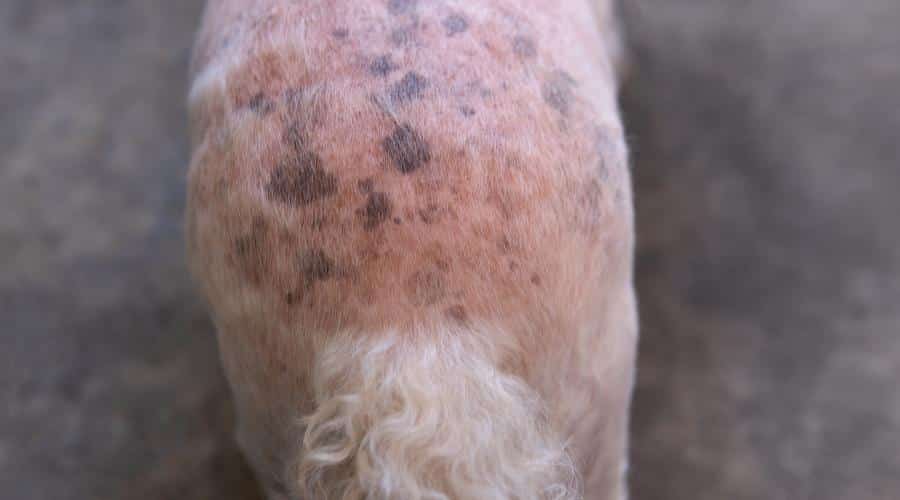
Sebaceous Adenitis (SA)
Sebaceous adenitis (SA) is a rare, immune-mediated, inflammatory, or autoimmune skin disease that destroys sebaceous (oil) glands in dogs, leading to hair loss. Poodles, especially Standard Poodles, are predisposed to this condition.
If you notice persistent hair loss, scaling, or changes in coat texture that don’t improve with grooming or diet, it’s worth asking your vet about.
3. Hormonal Changes & Endocrine Issues
Hormones play a major role in coat health. Changes like pregnancy, heat cycles, or underlying endocrine disorders can affect how the coat grows and sheds.
In particular, Poodles are predisposed to Cushing’s disease, which can cause patchy hair loss. Learn more about Poodle health issues.
4. Poor Diet Or Nutrient Gaps
The coat reflects what’s happening internally. Low-quality nutrition can cause:
- Weak hair structure
- Increased breakage
- Dull, unhealthy coat
Improving diet is often one of the fastest ways to improve coat quality. See our picks for best dog food for Poodles.
5. Stress Or Environmental Changes
Dogs don’t just respond physically. They respond emotionally, too.
Changes like new routines, travel, new pets, or moving homes can sometimes lead to temporary coat changes and increased shedding.
When To Consult The Vet
Most changes are manageable at home, but some signs shouldn’t be ignored:
- Patchy hair loss
- Redness or inflammation
- Excessive scratching
- Sudden, dramatic coat changes
These can point to underlying medical issues. If shedding seems off, the safest move is to consult your veterinarian.
The Hypoallergenic Myth (Important Reality Check)
Poodles are often called “hypoallergenic.” That’s one of the biggest reasons people choose them. But it’s not entirely accurate.
What “Hypoallergenic” Actually Means
There’s no such thing as a completely hypoallergenic dog. All dogs produce allergens. The difference is how those allergens spread.
The main triggers aren’t just hair. They come from:
- Dander (dead skin cells)
- Saliva
- Oils in the coat
Why Poodles Are Better For Some People
Poodles can be a better choice for allergy-sensitive households because they:
- Shed less visibly
- Trap hair and dander in their coat
- Release fewer allergens into the environment
Less spread doesn’t mean zero allergens. It just means more control.
The Grooming Connection
This is where everything ties together. Regular brushing and grooming:
- remove trapped dander
- reduce buildup in the coat
- help limit allergen exposure
Poor grooming can cancel out the “low-shedding” benefit.
Poodle vs Other Low-Shedding Dogs
Poodles aren’t the only low-shedding breed. But they are one of the most predictable. If you’re trying to compare options, here’s how they stack up against other low-shedding dogs.
| Breed | Coat Type | Maintenance |
|---|---|---|
| Poodle | Long, curly | High |
| Bichon Frise | Curly, double coat | Very high |
| Portuguese Water Dog | Long, curly or wavy | High |
| Barbet | Medium to long, curly or wavy | Very high |
| Irish Water Spaniel | Medium-length, curly | Moderate |
| Maltese | Long, silky | High |
| Soft-Coated Wheaten Terrier | Medium-length, wavy and silky | High |
| Yorkshire Terrier | Long, silky | Very high |
| Afghan Hound | Long, silky | High |
| Puli | Long, corded, double coat | Very high |
Frequently Asked Questions
Poodles are often labeled as “non-shedding,” which leads to a lot of confusion. Here are the answers to the most-common questions people have able Poodle coats and shedding.
Don’t see your question? Respond in the comments, and we’ll get back to you!
Do Poodles Shed A Lot?
No. Poodles are considered low-shedding dogs.
They still lose hair. The difference is that loose hair gets trapped in their curls instead of falling onto your floors.
Are Poodles Truly Hypoallergenic?
No dog is completely hypoallergenic. Poodles tend to be more allergy-friendly because they trap dander and shed less visibly, but they can still trigger reactions in sensitive individuals.
Do Poodles Shed More At Certain Times Of Year?
Not in the same way as double-coated breeds. Poodles don’t have heavy seasonal shedding, but you may notice more hair during grooming, bathing, or coat transitions.
When Do Poodles Lose Their Puppy Coat?
Usually between 6 and 12 months old. During this phase, their soft puppy coat transitions into a denser, curlier adult coat, which can lead to more tangling and noticeable hair during brushing.
Do I Need To Take My Poodle To The Groomer?
No, you don’t have to take your Poodle to the groomer to keep their coat healthy. However, many Poodle owners send their dogs to a professional groomer once a month for a clip, bath, and blow-dry.
The monthly trim and wash is time-consuming and requires some level of skill. Whatever is best for you, remember to brush them most days.
My Poodle Has Tangles. How Do I Get Rid Of Them?
Poodles have dense, curly coats that tangle easily, especially if brushing gets skipped.
Start by gently working through small sections with your fingers or a slicker brush. A detangling spray can help loosen knots and reduce breakage. Always work from the ends upward to avoid pulling on the skin.
If the tangles are more advanced, use a comb to carefully separate them. Go slow. If your dog seems uncomfortable, stop and reassess.
If mats are tight, widespread, or close to the skin, it’s time to call a groomer. Trying to cut them out yourself can lead to injury.
If things have gotten too far gone, a full shave may be the kindest option. It resets the coat and gives you a clean slate to maintain moving forward.
Daily or near-daily brushing is the best way to prevent this from happening again.
Start With The Basics
If you’re still figuring out the right routine, these guides will help you build a plan that actually works:
- Best dog brushes for detangling and coat maintenance
- How to groom your dog (and what schedule makes sense)
- Best dog food for Poodles to support healthy skin and coat support