Cane Corso vs Dogo Argentino: Same Intimidating Look, Completely Different Experience

When you purchase through links on our site, we may earn a commission at no extra cost to you. Learn more.
They’re both powerful, athletic, and capable of stopping strangers in their tracks with a single look. To the average person, a Dogo Argentino and a Cane Corso can seem like two versions of the same dog.
Table of Contents
But once you look beyond the muscular build and imposing presence, the differences become much harder to ignore. One was developed to hunt dangerous game across the Argentine countryside. The other spent centuries guarding farms, property, and livestock throughout Italy.
Those origins still shape how these breeds think, behave, and fit into family life today. If you’re trying to decide between a Dogo Argentino and a Cane Corso, the biggest differences aren’t what you’ll see in photos. They’re what you’ll experience every day after bringing one home.
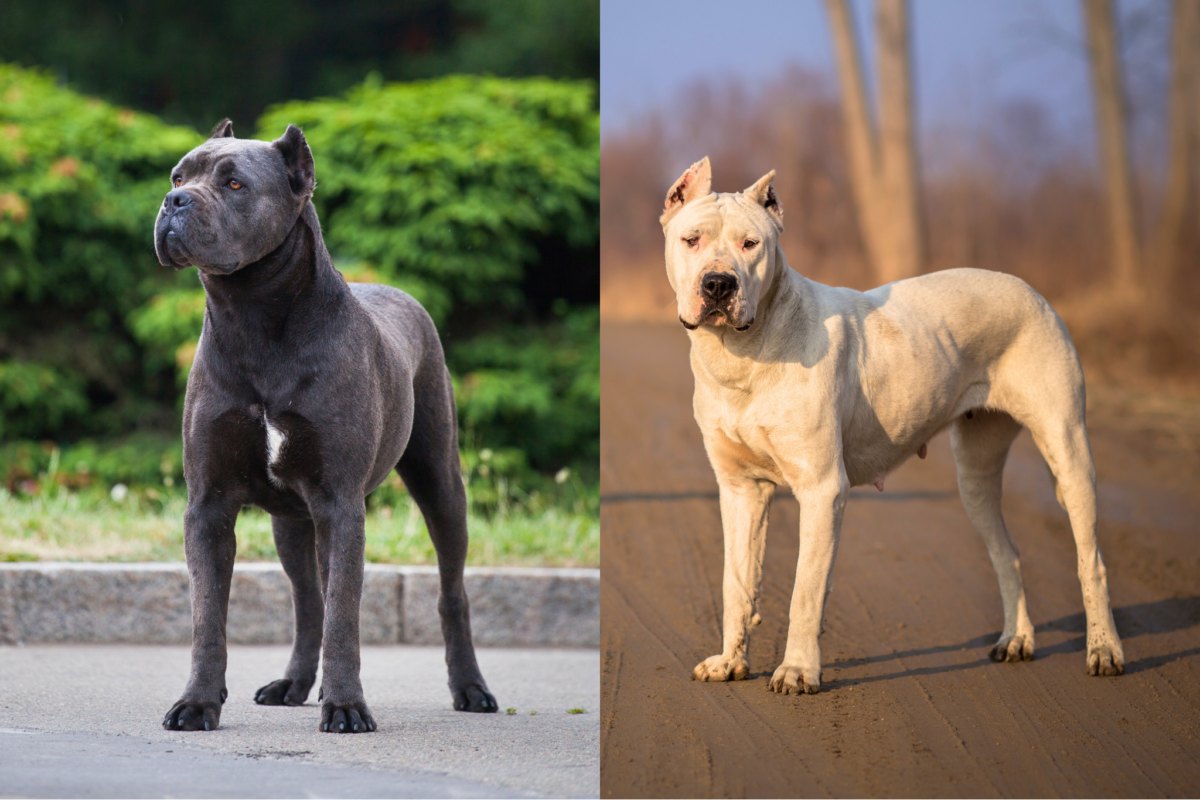
Breed Comparison
- Height23-27 inches
- Height24-27 inches
- Weight90-120 pounds
- Weight80-100 pounds
- TemperamentLoyal, protective, intelligent
- TemperamentProtective, loyal, high prey drive
- EnergyVery High
- EnergyVery High
- HealthAverage
- HealthAverage
- Lifespan9-12 years
- Lifespan10-12 years
- Puppy Prices$900-$1,000
- Puppy Prices$1,500-$3,000
Start Here: The Biggest Differences Most People Miss
At first glance, these dogs seem remarkably similar. They’re both large, confident, mastiff breeds with strong protective instincts and enough presence to make visitors think twice before approaching your front door.
In real life, though, they were bred for very different jobs, and that shapes almost everything about living with them.
- Guardian vs hunter: The Cane Corso was developed to guard property, livestock, and family members. The Dogo Argentino was developed to pursue dangerous game across long distances, including wild boar and puma.
- Energy and exercise needs: The Cane Corso is athletic and capable but often settles more easily once its exercise needs are met. The Dogo Argentino typically requires more physical activity and endurance-based outlets to stay satisfied.
- Prey drive: Cane Corsos can have a healthy prey drive, but their focus is often directed toward guarding and family. Dogo Argentinos were specifically bred to track, chase, and catch large game, which often translates into a stronger instinct to pursue moving animals.
- Strangers and social interactions: Cane Corsos tend to display stronger territorial and guardian instincts around unfamiliar people. Dogo Argentinos can also be reserved with strangers, but they’re often more focused on their environment than on actively monitoring visitors.
- Training style: Cane Corsos often form a strong working partnership with their owners and naturally look for direction. Dogo Argentinos are highly intelligent and trainable as well, but many retain a more independent, determined mindset that reflects their hunting heritage.
Head To Tail: What Sets Them Apart
At a glance, these breeds project a similar image: large, muscular, confident, and capable of intimidating almost anyone who crosses their path.
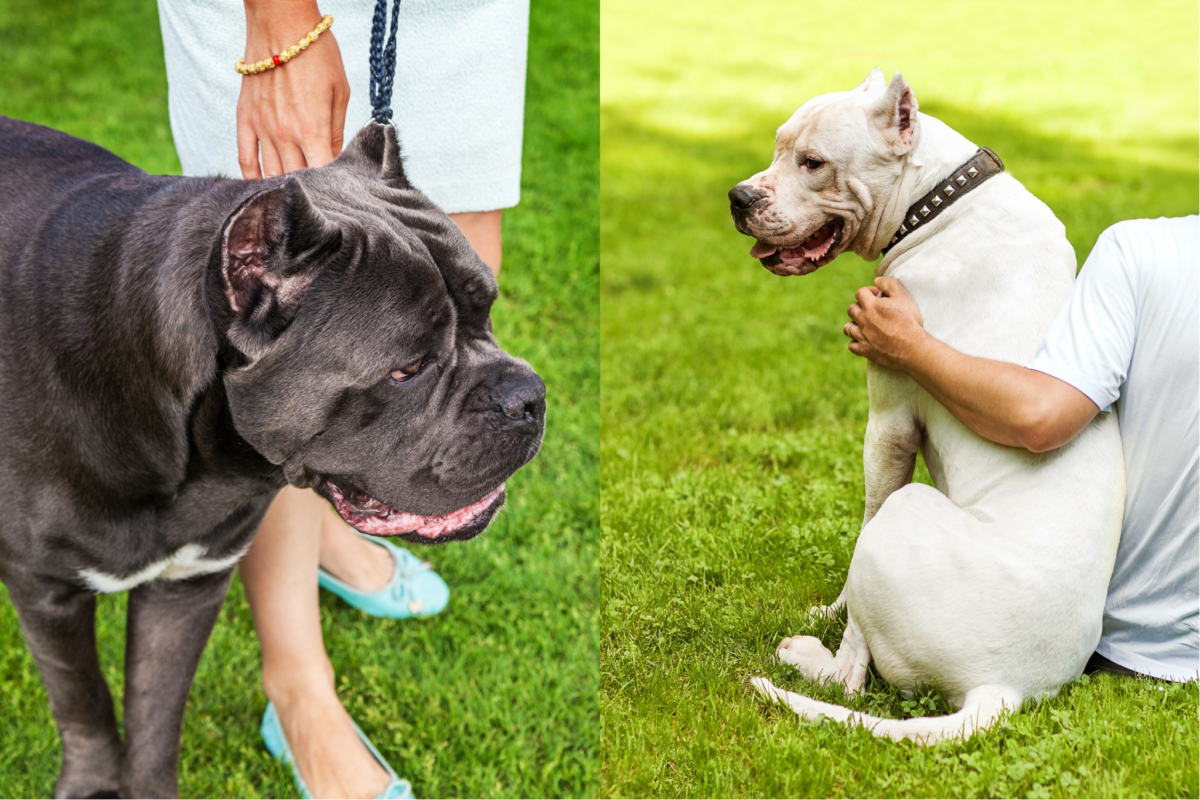
Look closer, though, and their differences become much easier to spot. The Cane Corso carries the heavier, more traditional mastiff build, while the Dogo Argentino looks noticeably more athletic and purpose-built for movement.
Size & Weight
The Cane Corso and Dogo Argentino are similar in height, but the Cane Corso typically carries more mass.
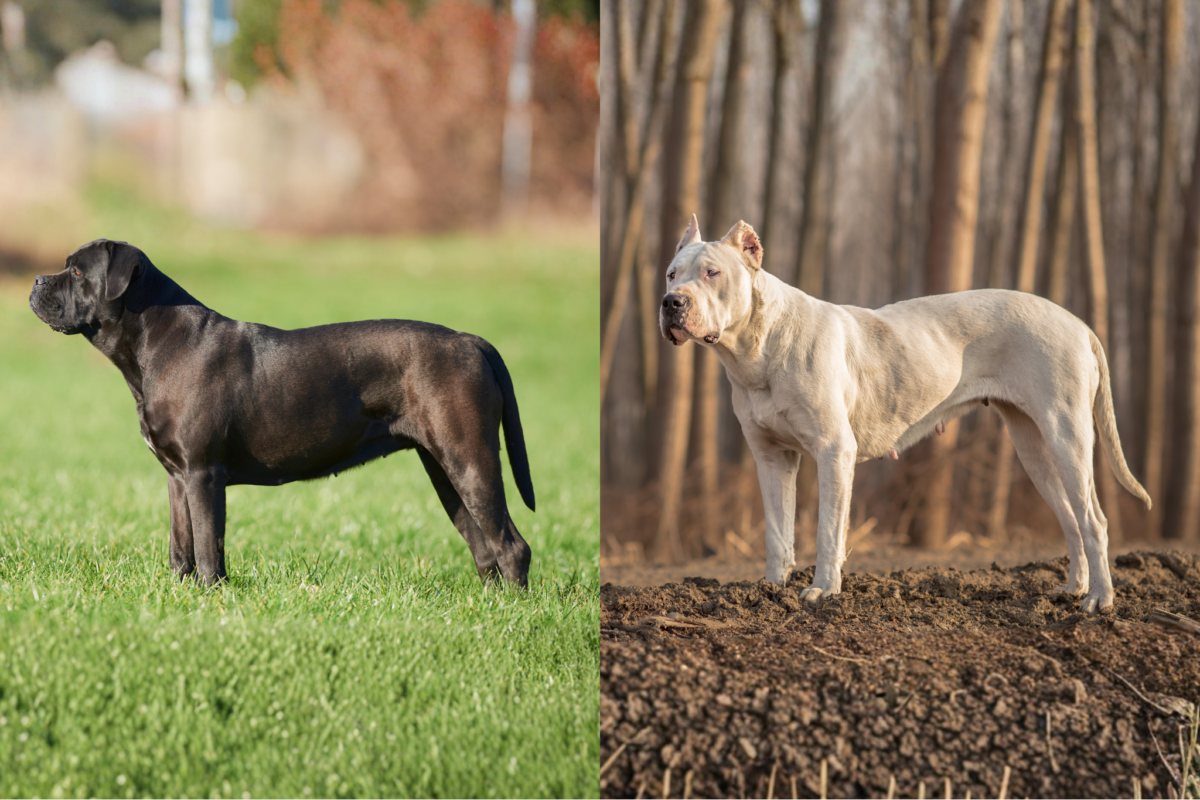
Most Cane Corsos stand 23.5 to 27.5 inches tall and weigh between 90 and 120 pounds. Dogo Argentinos usually stand 24 to 27 inches tall and weigh between 80 and 100 pounds. While both are powerful dogs, the Cane Corso often feels denser and heavier in person.
At A Glance
- Cane Corso: 90-120 pounds, heavier frame
- Dogo Argentino: 80-100 pounds, leaner build
- Height: Similar overall height range
- Overall impression: Cane Corso feels bulkier; Dogo feels more athletic
Body Shape & Muscle
This is where the differences become most obvious.
The Cane Corso was developed as a working guardian and has the broad chest, substantial bone structure, and powerful frame you’d expect from a mastiff. They look sturdy and imposing even when standing still.
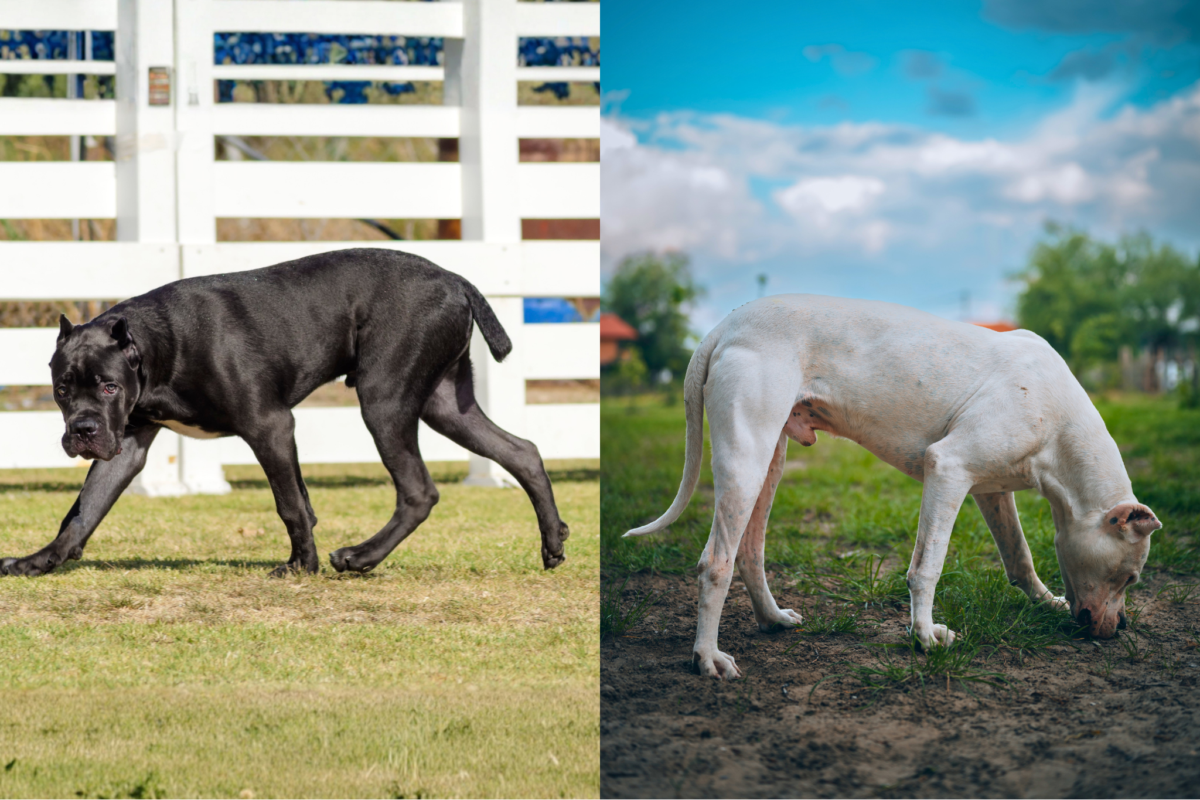
The Dogo Argentino was developed to hunt dangerous game across challenging terrain. Their body is still heavily muscled, but the build is more streamlined. They often appear lighter on their feet and more agile despite their size.
At A Glance
- Cane Corso: Broad chest, thicker bone, mastiff build
- Dogo Argentino: Leaner frame, longer stride, athletic appearance
- Muscle: Both are extremely muscular
- Movement: Corso tends to look powerful; Dogo tends to look athletic
Face & Expression
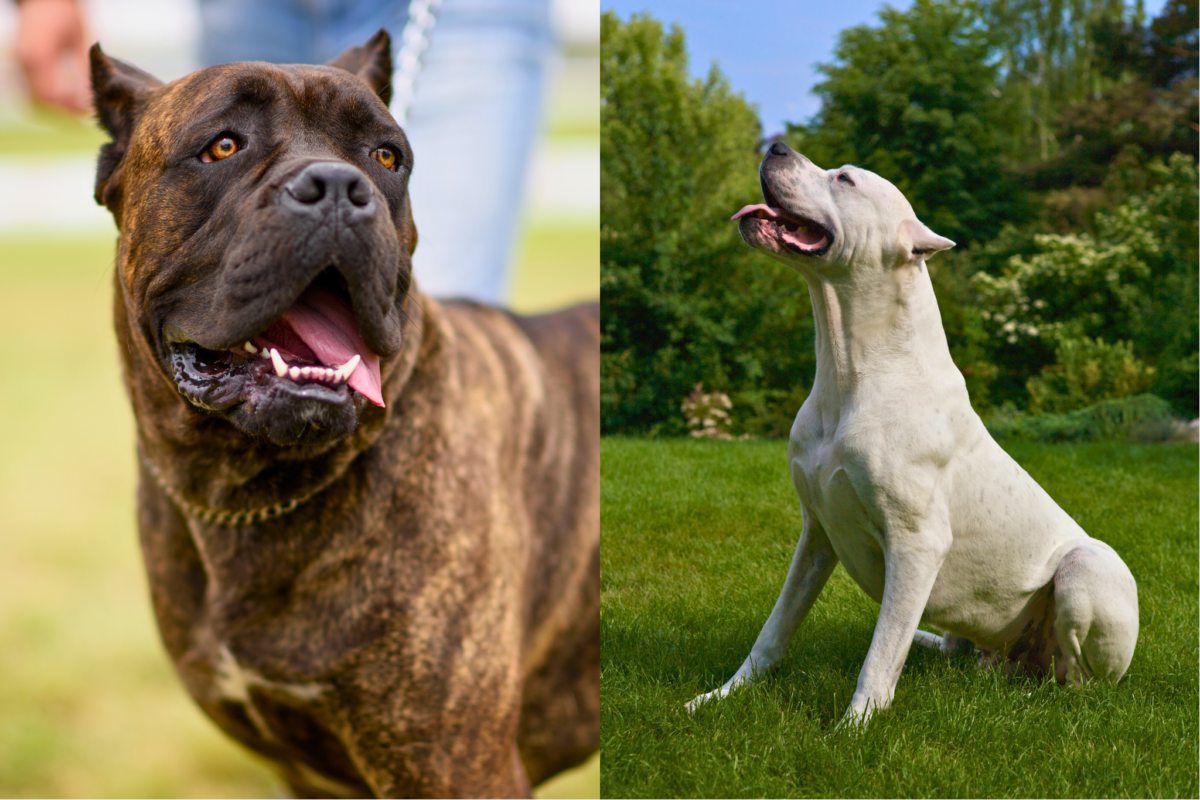
The Cane Corso has the classic mastiff look. Their head is broad and square, with a shorter muzzle, a pronounced stop, and an alert, watchful expression. Even relaxed Cane Corsos often look like they’re evaluating the room.
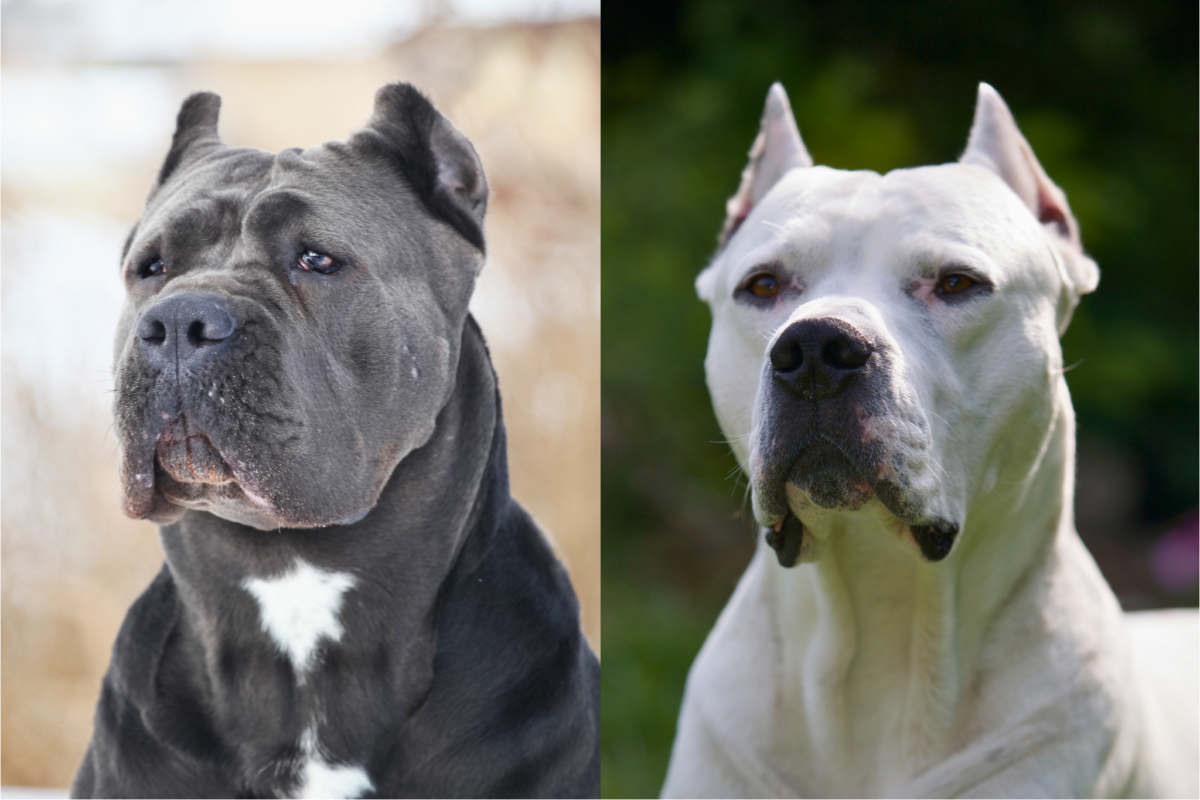
The Dogo Argentino has a cleaner, more athletic head shape. Their muzzle is longer, their facial features are less exaggerated, and their expression often appears more focused than suspicious.
Both breeds may have cropped ears, though naturally they have drop ears.
At A Glance
- Cane Corso: Broad head, shorter muzzle, guardian expression
- Dogo Argentino: Longer muzzle, cleaner facial lines
- Ears: Naturally drop ears in both breeds
- Expression: Corso looks watchful; Dogo looks focused
Coat & Colors
The easiest way to tell these breeds apart may be their coat color.
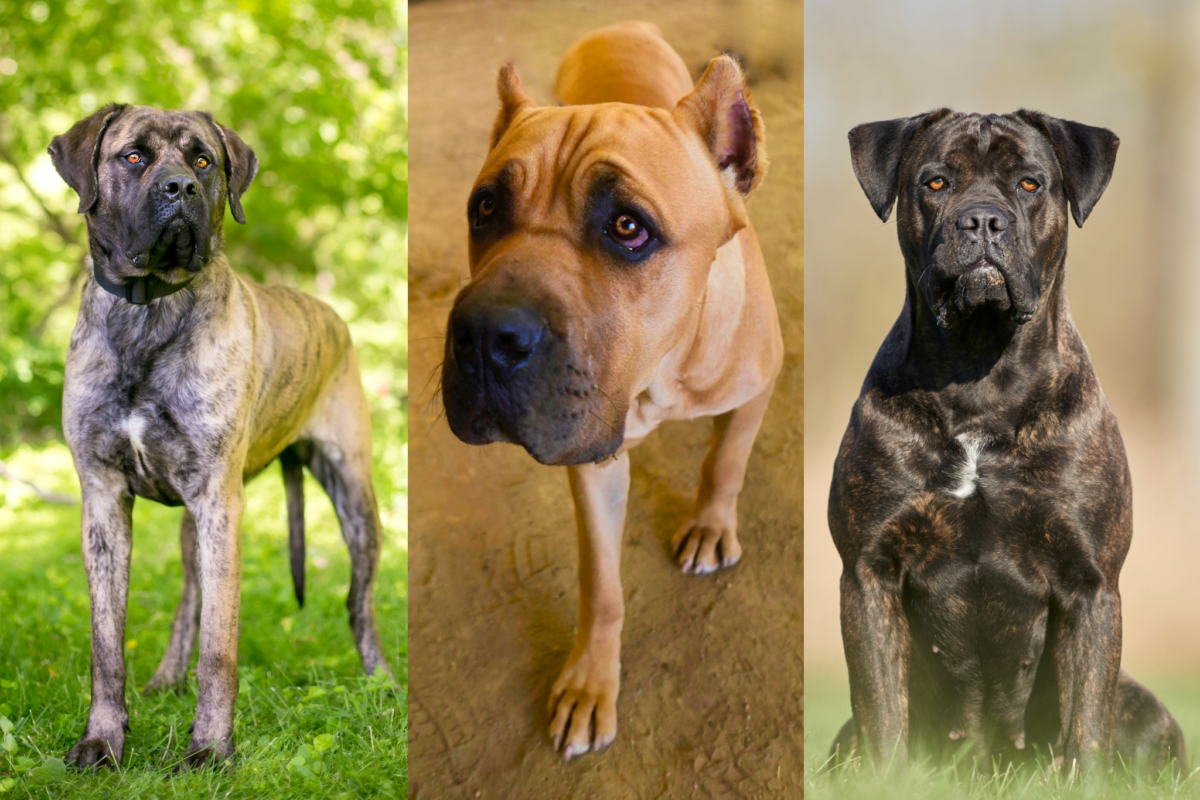
Cane Corsos come in a variety of colors, including black, gray, slate, fawn, red, and brindle. Their short coat is dense, coarse, and weather-resistant.
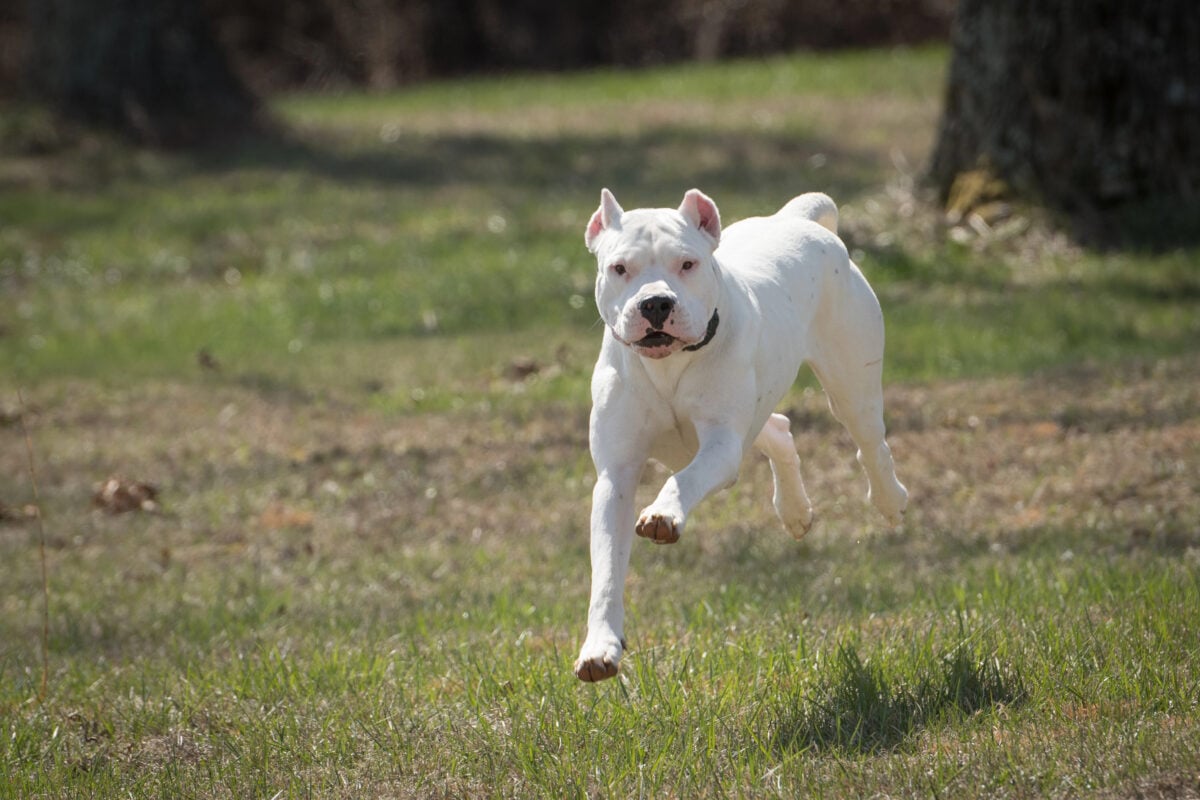
The Dogo Argentino is almost always solid white. Breed standards allow a small dark patch near one eye or ear, but the overall appearance should remain overwhelmingly white. Their coat is short, smooth, and lies close to the body.
At A Glance
- Cane Corso: Black, gray, fawn, red, brindle, and more
- Dogo Argentino: Predominantly white
- Coat length: Short in both breeds
- Most obvious visual difference: Coat color
Temperament: Two Protective Breeds With Very Different Priorities
Both the Cane Corso and Dogo Argentino are powerful working breeds that form strong bonds with their families and take their responsibilities seriously. But their original jobs still influence how they think today.
Around Family & Visitors
Both breeds are deeply loyal to their families and often form especially strong attachments to their primary caregivers. Neither enjoys being isolated from the household for long periods, and both prefer being involved in daily life.
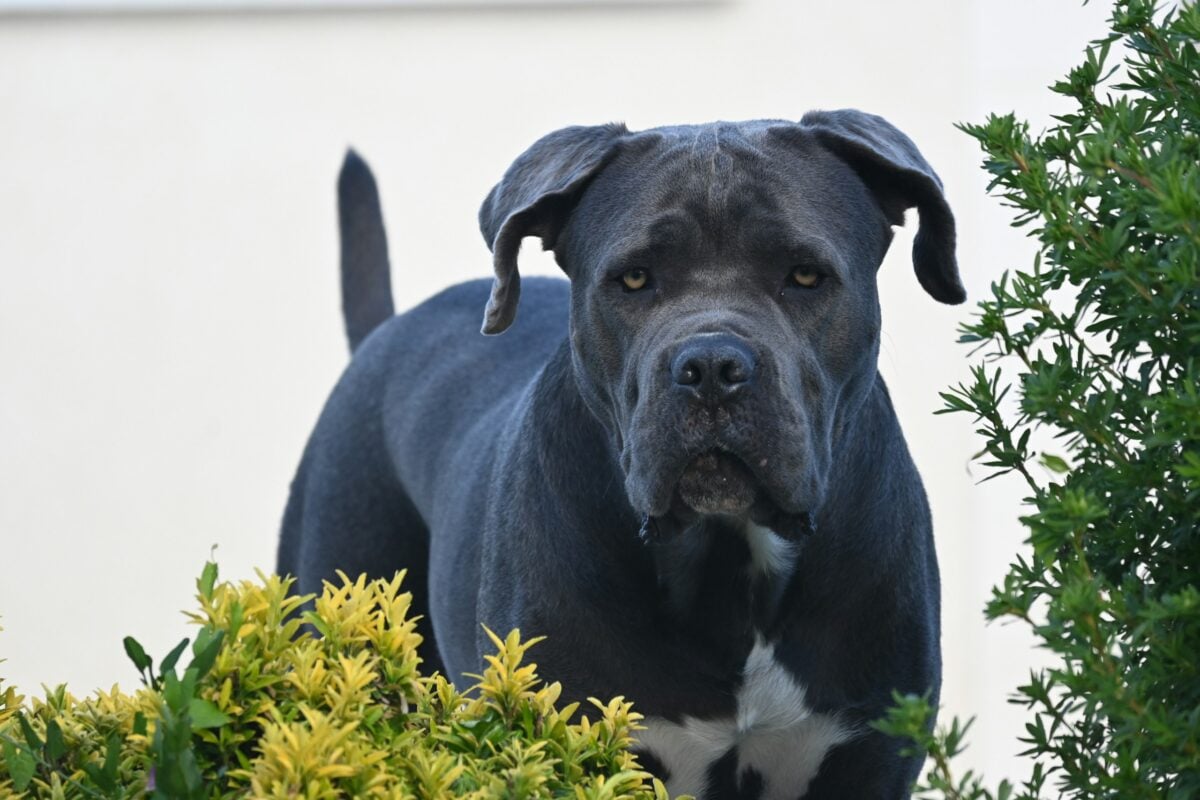
The Cane Corso tends to be more naturally suspicious of strangers. Many Corsos instinctively position themselves between their family and unfamiliar people. Their protective nature is one reason many owners are drawn to the breed.
The Dogo Argentino is also protective and naturally wary of strangers; however, with proper socialization, they can be surprisingly outgoing and people-friendly.
At A Glance
- Cane Corso: More naturally territorial
- Dogo Argentino: Often more socially open
- Family loyalty: Extremely strong in both breeds
- Stranger response: Reserved until properly introduced; may not be suitable for homes with constant guests and unpredictable visitors
With Children & Other Animals
Both breeds can be devoted family companions when raised with children and taught appropriate boundaries from an early age. However, their size and strength mean interactions should always be supervised, especially around younger kids.
When it comes to other animals, concerns vary by breed.
The Cane Corso’s biggest challenge is often other dogs, particularly dogs of the same sex. While many Corsos coexist peacefully with canine housemates, same-sex aggression can occur and should not be overlooked when bringing a Corso into a multi-dog household. Early socialization and careful introductions are especially important.
The Dogo Argentino’s biggest challenge is usually its prey drive. Originally developed to hunt dangerous game, many Dogos retain a strong instinct to chase and pursue smaller animals. Cats, rabbits, guinea pigs, chickens, and other small pets may not be safe companions, even in homes where the dog has received extensive training and socialization.
At A Glance
- Children: Can do well with proper supervision and training
- Cane Corso: Same-sex dog aggression is a common concern
- Dogo Argentino: Greater risk with small animals
- Multi-dog homes: Often easier with opposite-sex pairings
Confidence, Independence, & Emotional Tone
The Cane Corso often feels like a bodyguard. These dogs are intelligent, serious, and highly aware of what is happening around them. Many develop a strong desire to stay close to their family and naturally look to their owners for guidance.
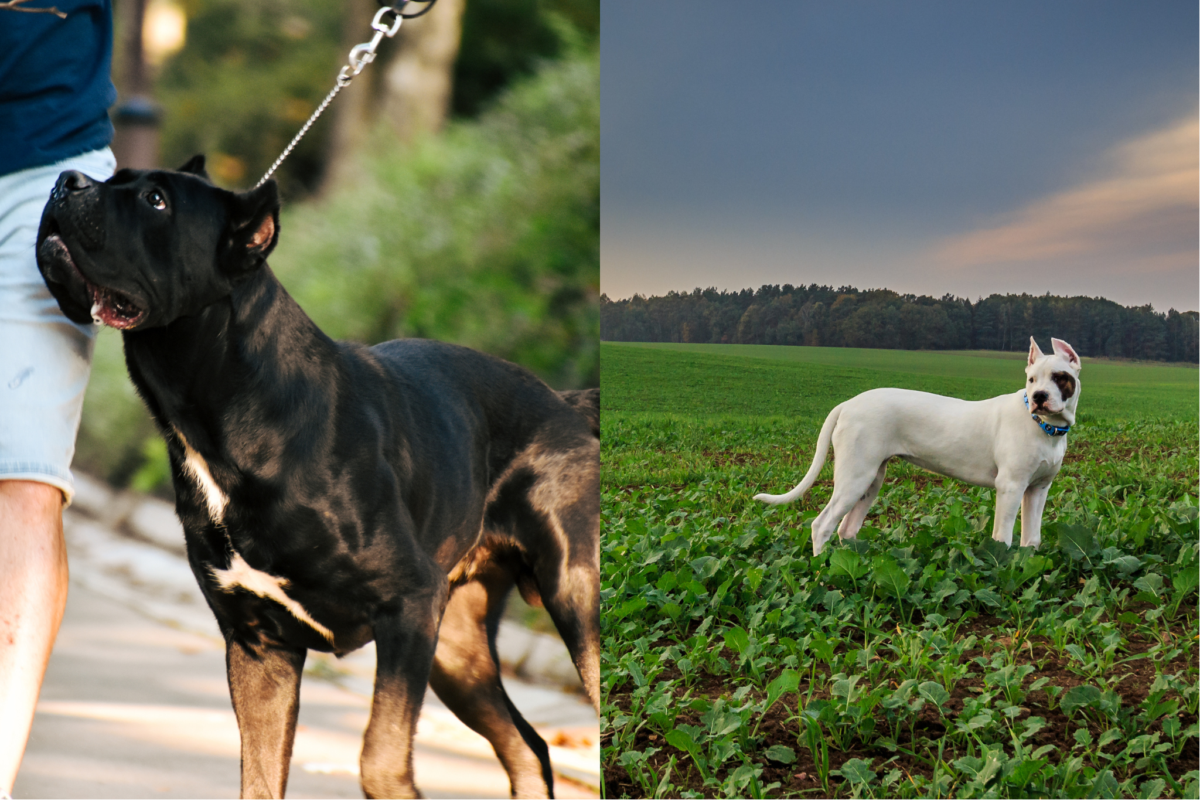
The Dogo Argentino often feels more like an athlete. They are confident, energetic, and driven by activity. While they are affectionate and eager to participate in family life, they tend to have a more independent streak and often need a productive outlet for their energy.
Neither breed is recommended for first-time dog owners. Both require consistent leadership, extensive socialization, and ongoing training to become stable, well-mannered adult dogs.
At A Glance
- Best for: Experienced owners committed to training and socialization
- Cane Corso: Serious, watchful, owner-oriented
- Dogo Argentino: Energetic, playful, independent
Energy & Exercise: What These Dogs Ask Of You
Both breeds are active. But how that energy feels in your daily life can vary widely.
Cane Corso Energy
Most Cane Corsos need at least 60 minutes of exercise daily, though many benefit from more. They enjoy having a job to do and often thrive when exercise is paired with training, structure, and time spent with their owner.

Many Corsos have a noticeable “off switch” once their needs are met. After a good walk, training session, or play period, they’re often content to settle near their family and relax the rest of the evening.
Dogo Argentino Energy
The Dogo Argentino typically requires more exercise, more play, and more mental enrichment than the Cane Corso. These dogs were developed to pursue dangerous game across long distances, and many still have the stamina and drive to match.
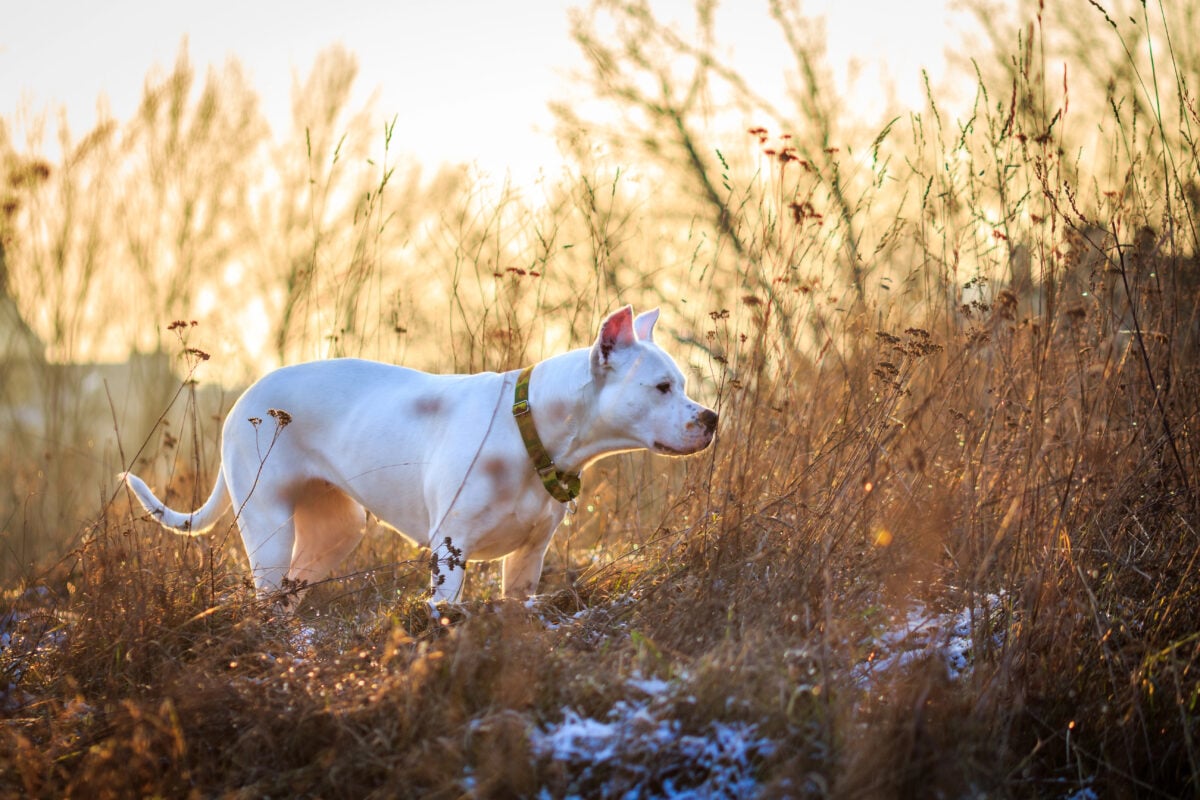
Most Dogos thrive when they have opportunities to run, explore, solve problems, and stay actively engaged with their environment. Without adequate physical and mental outlets, some Dogo Argentinos can become bored and frustrated, and are more likely to develop unwanted behaviors.
Key Takeaway
If you want a powerful dog that can settle into family life once its exercise needs are met, the Cane Corso often feels easier to manage. If you want a dog that thrives on activity, adventure, and ongoing engagement, the Dogo Argentino is usually the more demanding choice.
Training & Intelligence: Which One Is Easier To Work With?
Neither the Cane Corso nor the Dogo Argentino is recommended for first-time dog owners. Both require early socialization, consistent leadership, and ongoing training throughout adulthood.
Cane Corso Training
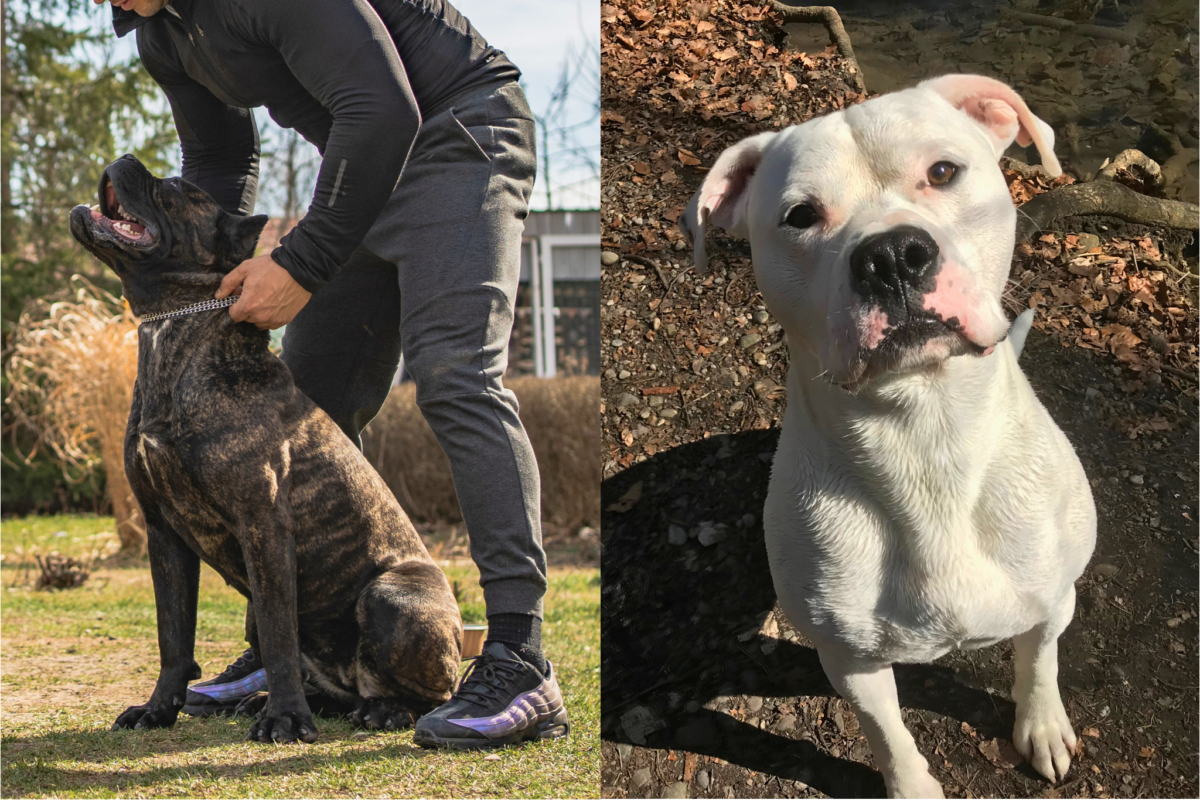
The Cane Corso is intelligent, observant, and often highly responsive to their owner. Many Corsos naturally look to their family for guidance, which can make training feel more collaborative once a strong relationship has been established.
However, these dogs are also confident and capable of making their own decisions. Inconsistent rules, weak leadership, or a lack of boundaries can quickly create problems in a dog that may eventually weigh well over 100 pounds.
Most Cane Corsos respond best to:
- Consistent expectations
- Positive reinforcement
- Early socialization
- Ongoing obedience work
Dogo Argentino Training
The Dogo Argentino is equally intelligent but often more independent. Many owners describe Dogos as dogs that understand commands quickly but do not always feel obligated to comply. Their hunting heritage contributes to a stronger instinct to follow their nose, chase movement, and make decisions without constantly checking in with their handler.
Because of this, training often requires more repetition, more engagement, and more ongoing mental stimulation than many owners expect.
Most Dogo Argentinos respond best to:
- Positive reinforcement
- Early socialization
- Structured training sessions
- Consistent mental enrichment
What First-Time Owners Usually Underestimate
The biggest mistake people make with both breeds is assuming intelligence makes training easier. In reality, highly intelligent working dogs often require more training because they are fully capable of finding their own solutions when left without direction.
Just as important as obedience training is socialization. Both breeds need extensive exposure to different people, dogs, environments, sounds, and everyday situations from an early age. Without it, their natural protective instincts can become problematic.
Key Takeaway: Both breeds need experienced, confident owners. However, most people find the Cane Corso somewhat easier to train because it naturally looks to its family for direction, while the Dogo Argentino often displays a more independent, instinct-driven mindset.
Health & Lifespan
Both breeds are generally healthy for dogs of their size, but neither is considered a long-lived breed. Like many large and giant breeds, they face an increased risk of joint problems, mobility issues, and certain inherited conditions as they age.
The biggest difference is that the Cane Corso tends to be more vulnerable to large-breed orthopedic and digestive issues, while the Dogo Argentino has several breed-specific concerns tied to its genetics and white coat.
Lifespan Comparison
The Cane Corso typically lives between 9 and 12 years. The Dogo Argentino often lives slightly longer, with a typical lifespan of 10 to 12 years.
While a one-year difference may not seem significant, it can amount to thousands of additional walks, training sessions, and family memories over a dog’s lifetime.
Common Health Concerns
Both breeds are prone to hip dysplasia and elbow dysplasia, which occur when joints develop abnormally. These conditions can lead to pain, arthritis, reduced mobility, and costly veterinary care later in life.
Cane Corso owners should pay particular attention to:
- Hip dysplasia
- Elbow dysplasia
- Obesity
- Gastric dilatation-volvulus (canine bloat)
Bloat is especially concerning because it can become life-threatening within hours and often requires emergency surgery. See our full guide to Cane Corso health issues.
Dogo Argentino owners should watch for:
- Congenital deafness
- Glaucoma
- Entropion
- Skin allergies
- Sun sensitivity
Because the breed’s white coat is linked to an increased risk of hearing problems, responsible breeders typically perform BAER testing on puppies before placement.
Which Breed Is Likely To Cost More?
Neither breed is inexpensive to own, especially as they age.
The Cane Corso’s larger size often means higher costs for food, medications, anesthesia, surgeries, and orthopedic treatments. A dog that weighs 120 pounds generally costs more to treat than one that weighs 90 pounds.
The Dogo Argentino may be slightly less expensive to feed, but recurring costs associated with allergies, skin care, eye conditions, or hearing-related concerns can add up over time.
Regardless of breed, maintaining a healthy weight is one of the most effective ways to reduce long-term health risks. Excess weight increases stress on joints and raises the likelihood of arthritis, diabetes, heart disease, and other chronic conditions.
Consider Pet Insurance For Your Large Breed Dog
Large-breed dogs are more likely to experience costly health issues such as hip dysplasia, bloat, and orthopedic injuries. Healthcare tends to be more expensive for large breeds, and pet insurance can be very beneficial in helping you provide the best care for your pup throughout their life.
Most providers will not cover preexisting conditions, like hip dysplasia, so getting your puppy covered before any health issues develop is important. Learn more about what pet insurance covers in our detailed guide. We have also provided details on the best pet insurance for Cane Corsos.
Feeding & Nutrition
Feeding either of these powerful dogs is a significant commitment. Both require high-quality nutrition, and neither is a breed that thrives on bargain-bin dog food.
The biggest difference is simple: the Cane Corso is usually larger, so it typically eats more.

Cane Corso Nutrition
Most adult Cane Corsos consume roughly 1,500 to 2,500 calories per day, depending on their size, age, activity level, and sterilization status.
Because many Corsos weigh well over 100 pounds, food costs can add up quickly. Large-breed formulas are often the best choice, particularly during puppyhood when proper growth and joint development are critical. See our picks for best dog foods for Cane Corsos.
Dogo Argentino Nutrition
Most adult Dogo Argentinos consume roughly 1,300 to 2,100 calories per day, depending on their size, age, activity level, and sterilization status.
Although they typically eat less than a Cane Corso, Dogo Argentinos are highly athletic dogs and may require calorie adjustments during periods of intense activity.
You may want to consider incorporating fresh dog food into your pup’s diet. Fresh foods can be a better option for dogs with allergies, like the Dogo Argentino. Learn more about the best fresh dog foods, as well as human-grade dog food options.
Grooming & Day-To-Day Care
Neither breed requires professional grooming appointments, making them relatively low-maintenance compared to many long-haired breeds.
The difference isn’t so much the amount of grooming required. It’s the type of maintenance each breed tends to need.
Cane Corso Grooming
The Cane Corso has a short, dense coat that requires weekly brushing to remove loose hair and keep shedding under control. Most owners find grooming fairly straightforward throughout the year, though seasonal shedding can temporarily increase maintenance.
The biggest day-to-day challenge is often the dog’s size. Trimming nails, cleaning ears, bathing, and even lifting an injured dog become more complicated when your companion weighs over 100 pounds.
At A Glance
- Weekly brushing
- Moderate seasonal shedding
- Routine ear, nail, and dental care
- Large size makes grooming tasks more challenging
Dogo Argentino Grooming
The Dogo Argentino’s short white coat is also easy to maintain, though many owners report more noticeable shedding than they expected. Regular brushing helps remove loose hair and reduce dander around the home.

Unlike the Cane Corso, Dogo owners also need to think about skin health. Their light-colored coat and non-pigmented skin can make them more susceptible to sunburn, particularly in sunny climates or during extended outdoor activities.
At A Glance
- Moderate shedding
- Routine ear, nail, and dental care
- Sun sensitivity can require extra precautions
- More prone to skin and allergy issues
Which Breed Is Easier To Maintain?
Most owners find both breeds relatively easy to groom compared to long-haired dogs. The Cane Corso’s larger size can make routine care more physically demanding, while the Dogo Argentino’s skin sensitivity and allergy concerns may require a bit more attention year-round.
Puppy Prices
Both breeds can be expensive to purchase from a reputable breeder, but Dogo Argentinos typically have a higher starting price.
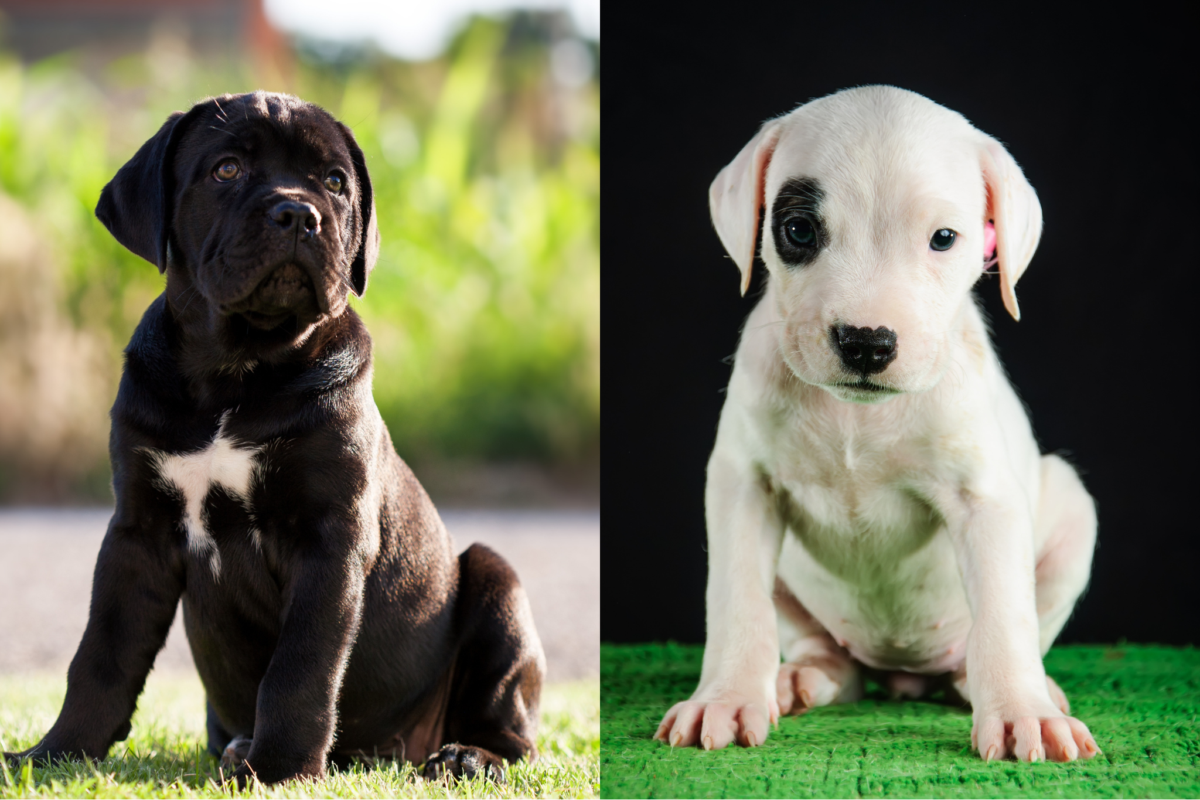
Cane Corso puppies generally cost between $900 and $5,000+, depending on pedigree, breeder reputation, bloodlines, and whether the dog is intended as a pet or show prospect.
Dogo Argentino puppies usually cost between $1,500 and $3,000+. Because the breed has an increased risk of congenital deafness, reputable breeders should perform BAER (Brainstem Auditory Evoked Response) testing on puppies before placement.
Adoption fees for rescue pups can be much lower, but you will not get as much history or health information about the dog. You can try breed-specific rescues like the Dogo Argentino Rescue or Cane Corso Rescue, Inc., which are an excellent place to start.
You can also check with your veterinarian and local rescue groups to see if they have either of these two breeds. Expect to spend anywhere from $50 to about $500 to adopt a dog from a shelter or rescue.
Which Breed Is Right For You?
Both breeds are loyal, intelligent, and deeply devoted to their families. Problems usually arise when owners choose the dog they admire most rather than the dog that actually fits their lifestyle.
Rather than asking which breed is better, it helps to ask which one you’ll enjoy living with every day.
A Cane Corso May Be A Better Fit If…
- You want a dog with strong guardian instincts.
- You prefer a dog that naturally looks to you for direction.
- You want a powerful protector that can settle once its exercise needs are met.
- You are comfortable managing a large, strong dog around visitors and unfamiliar dogs.
- You like the idea of a canine bodyguard that always seems aware of its surroundings.
Cane Corsos often fit best with owners who want a family guardian first and a working companion second.
A Dogo Argentino May Be A Better Fit If…
- You enjoy an active, outdoor-oriented lifestyle.
- You want a dog that can keep up with hiking, running, and adventure.
- You don’t have small pets that could trigger prey drive.
- You enjoy providing training, enrichment, and ongoing mental challenges.
- You appreciate a dog with a confident, independent personality.
Dogo Argentinos often fit best with owners who want an athlete first and a guardian second.
A Quick Reality Check For Both Breeds
Neither breed is ideal if:
- You’re a first-time dog owner.
- You want a low-maintenance or low-energy companion.
- You spend long hours away from home every day.
- You’re uncomfortable handling a large, powerful dog.
- You’re unwilling to commit to training and socialization from puppyhood onward.
Both breeds require experience, consistency, and a willingness to embrace the responsibilities that come with owning a powerful working dog.
Frequently Asked Questions
Choosing between a Cane Corso and a Dogo Argentino often comes down to more than size and appearance. Here are answers to some of the most common questions prospective owners ask when comparing these two powerful breeds.
Don’t see your question? Respond in the comments, and we’ll get back to you!
Which Breed Is More Protective, A Cane Corso Or Dogo Argentino?
The Cane Corso is generally considered the more naturally protective breed. They were developed to guard property, livestock, and family members and often have stronger territorial instincts than the Dogo Argentino.
Which Breed Is Easier To Train?
Most owners find the Cane Corso slightly easier to train because it tends to look to its owner for guidance. Dogo Argentinos are highly intelligent but often have a more independent mindset and stronger instinct-driven behaviors.
Which Breed Has A Higher Prey Drive?
The Dogo Argentino typically has a higher prey drive. Because the breed was developed to hunt large game, many Dogos retain a strong instinct to chase smaller animals. This can make them more challenging to manage around cats, rabbits, and other small pets.
Which Breed Is Better With Other Dogs?
Neither breed is guaranteed to get along with every dog. Cane Corsos can be prone to same-sex dog aggression, while Dogo Argentinos may struggle more with prey drive and dog selectivity. Early socialization is critical for both breeds.
Which Breed Needs More Exercise?
The Dogo Argentino generally requires more exercise, play, and mental enrichment. While both breeds are active, most Dogos have higher endurance and benefit from more opportunities to run, explore, and engage in challenging activities.
Which Breed Costs More To Own?
The Cane Corso often costs more to feed due to its larger size. However, both breeds can be expensive to own because of food costs, veterinary care, training, and potential health issues. Lifetime ownership costs are likely to be substantial regardless of which breed you choose.
Is A Cane Corso Or Dogo Argentino Better For First-Time Owners?
Neither breed is generally recommended for first-time dog owners. Both require extensive socialization, consistent training, confident handling, and owners who understand the responsibilities of managing a large, powerful working dog.
Still Considering Other Mastiff Breeds?
If you’re drawn to the Cane Corso or Dogo Argentino because of their size, loyalty, and protective instincts, they aren’t your only options. Explore these breed profiles:
- English Mastiff: One of the largest dog breeds in the world, known for its gentle nature, deep devotion to family, and surprisingly relaxed personality.
- Bullmastiff: A calmer, more laid-back guardian that was originally bred to protect large estates and often makes an excellent family companion.
- Boerboel: A powerful South African farm guardian with strong protective instincts, impressive athleticism, and a reputation for confidence and courage.