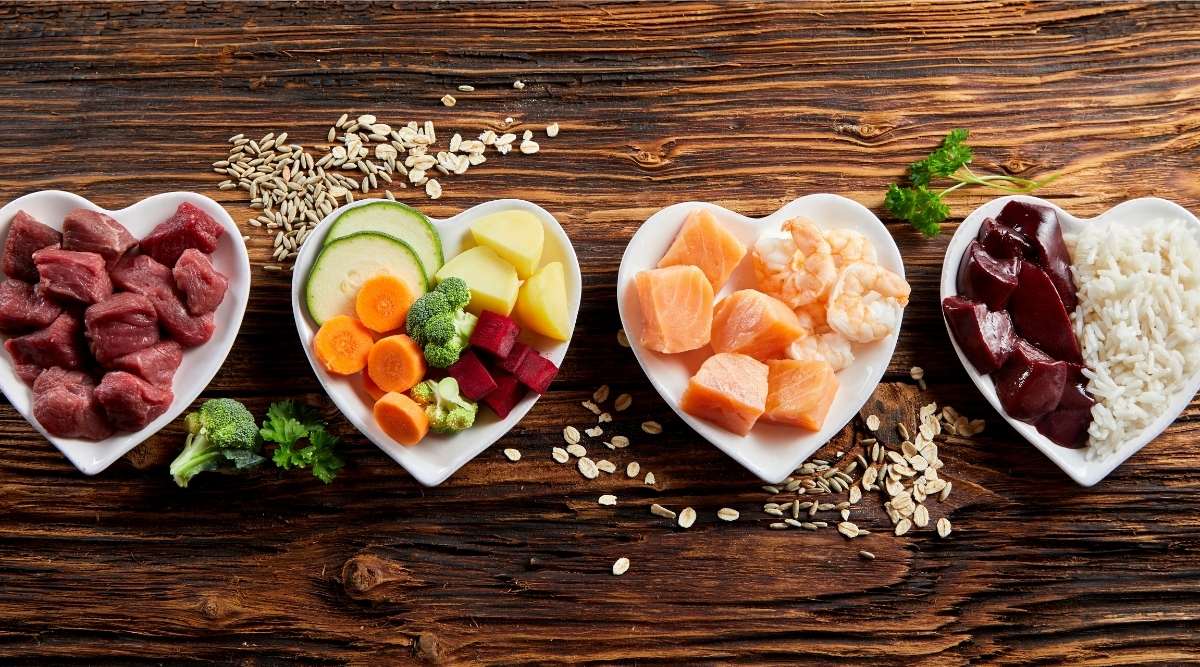
When you purchase through links on our site, we may earn a commission at no extra cost to you. Learn more.
Bringing home a Dachshund puppy feels easy. But with Dachshunds, small overfeeding can turn into big problems, especially for their spines.
Table of Contents
This feeding chart breaks down exactly how much to feed your Dachshund at every stage — from weaning to adulthood — with portion guidance, calorie considerations, and common mistakes to avoid. Bookmark this. You’ll refer back to it more than once.

Quick Answer: How Much Should I Feed My Dachshund Puppy?
Because Dachshunds are small, their daily portions are smaller than many breeds. But precision matters. Even a few extra tablespoons can lead to weight gain.
- Most Miniature Dachshund puppies eat about ¼ to ½ cup per day, divided into 3 to 4 small meals.
- Standard Dachshund puppies often eat about ½ to 1 cup daily, depending on age and growth stage.
- Adult Miniatures typically eat ¼ to ½ cup per day.
- Adult Standards usually eat ½ to 1 cup per day, split into two meals.
These amounts assume dry kibble containing roughly 350 to 450 calories per cup. Portion size varies by age, weight, food type, activity level, and spay or neuter status.
Because Dachshunds are prone to back problems, keeping them lean is critical. Adjust portions based on body condition, not just the measuring cup.
Dachshund Feeding Chart By Age & Weight
Use this chart as a general guide for daily calorie needs and feeding frequency. Then adjust portions slightly based on your dog’s activity level and body condition.
Because Dachshunds vary between miniature and standard sizes, calorie needs can differ significantly.
| Age | Average Weight | Type Of Food | Estimated Daily Calories* | Meals Per Day |
|---|---|---|---|---|
| 0-4 weeks | 0.3–2 lbs | Mother’s milk | Nursing only | On demand |
| 4-8 weeks | 1–4 lbs | Mother’s milk and puppy mush | 150–250 | 4–6 |
| 8 weeks–4 months | 4–10 lbs | Small-breed puppy food | 250–500 | 3–4 |
| 4–6 months | 6–16 lbs | Small-breed puppy food | 350–650 | 3 |
| 6–12 months | 10–25 lbs | Small-breed puppy food | 400–800 | 2–3 |
| 12+ months (Mini) | 8–11 lbs | Adult food | 275–400 | 2 |
| 12+ months (Standard) | 16–25 lbs | Adult food | 550–900 | 2 |
*Calories assume moderate activity and spay or neuter at 6–12 months.
Important Note
A general rule of thumb for adult Dachshunds is about 30 to 40 calories per pound of body weight per day. Miniature Dachshunds usually fall at the lower end of this range. Active Standard Dachshunds may fall toward the higher end.
Because Dachshunds are prone to weight-related back problems, keeping them lean is more important than strictly following cup measurements.
How Much Should You Really Feed A Dachshund? (By Age)
Feeding a Dachshund is about more than just portion size. Their long spine and small frame mean steady growth and weight control matter from day one. Here is how feeding should evolve at each stage.

Weeks 0–4: Nursing Only
What they eat: Mother’s milk (or veterinary-recommended milk replacer)
How often: On demand
Newborn Dachshunds are tiny and fragile. During the first three weeks, they should nurse freely throughout the day. Mother’s milk provides essential fats, immune support, and nutrients needed for early development.
A puppy’s weight may vary based on the size of the litter and how much milk the mother produces. If a puppy is not gaining weight steadily, consult your veterinarian before supplementing. They may recommend a milk substitute to ensure the puppies receive proper nourishment.
Weeks 4–6: Weaning Phase
What they eat: Thickened puppy mush plus nursing
How often: 4–6 small meals daily
By week four, solid intake should gradually increase. Slowly reduce the liquid content of the mush as your puppy adjusts.
Avoid rushing this stage. Sudden diet changes can trigger digestive upset. By week six, most puppies are eating more solid food than milk, even if occasional nursing continues.
Weeks 6–8: Building Independence
What they eat: Thickened puppy mush or small-breed puppy food (softened if needed)
How often: 4–6 meals daily
By this stage, puppies should rely primarily on solid food. Choose a high-quality small-breed puppy formula designed for controlled growth.
Consistency is important. Frequent food brand changes at this age can cause stomach upset. Pick a high-quality small-breed puppy food and stick with it.
8 Weeks–4 Months: Rapid Growth Window
What they eat: Small-breed puppy food (dry, wet, or fresh)
How often: 3–4 meals daily
This is a high-metabolism growth period. Dachshund puppies grow quickly but should not gain excessive fat.
Divide daily calories into multiple small meals to prevent overeating and support steady energy levels. Free feeding is not recommended. Structured meals allow you to monitor intake and adjust portions as needed.
Because Dachshunds are prone to back problems, avoiding rapid weight gain during this phase is especially important.
4–6 Months: Controlled Growth
What they eat: Small-breed puppy formula
How often: 3 meals daily
Growth continues, but at a slower pace. Muscle development and bone strength remain priorities.
This is a good time to begin paying closer attention to body condition. You should be able to feel your puppy’s ribs without pressing hard, and they should have a visible waist from above.
Portion accuracy matters more now. Even small overfeeding can lead to gradual weight gain.
6–12 Months: Slowing Growth
What they eat: Small-breed puppy formula (transition to adult around 10–12 months)
How often: 2–3 meals daily
Most Miniature Dachshunds reach near-adult size earlier than Standards. However, both continue filling out through their first year.
You can gradually reduce to two meals per day if your dog maintains stable energy and body condition.
After spay or neuter, calorie needs often decrease slightly. Monitor weight closely and adjust portions if needed.
12 Months & Beyond: Adult Maintenance
What they eat: Adult small-breed food
How often: 2 measured meals daily
Most Dachshunds transition fully to adult food between 10 and 12 months.
Adult Dachshunds do best on consistent, measured meals rather than free feeding. Because they are prone to obesity and spinal strain, maintaining a lean body condition should always be the priority.
Even one or two extra pounds can significantly increase pressure on their back.
The #1 Feeding Mistake That Causes Dachshunds To Gain Weight
The most common feeding mistake Dachshund owners make is small, consistent overfeeding.

Because Dachshunds are small, even an extra tablespoon of kibble per meal can push them into a calorie surplus. Unlike larger breeds, they do not have much room for error.
Weight gain in Dachshunds is not just cosmetic. Excess fat increases pressure on the spine and may contribute to intervertebral disc disease, a condition the breed is already predisposed to developing.
To prevent weight gain:
- Measure every meal with a standard measuring cup
- Limit table scraps and calorie-dense treats
- Recalculate portions after spay or neuter
- Adjust feeding if activity levels change
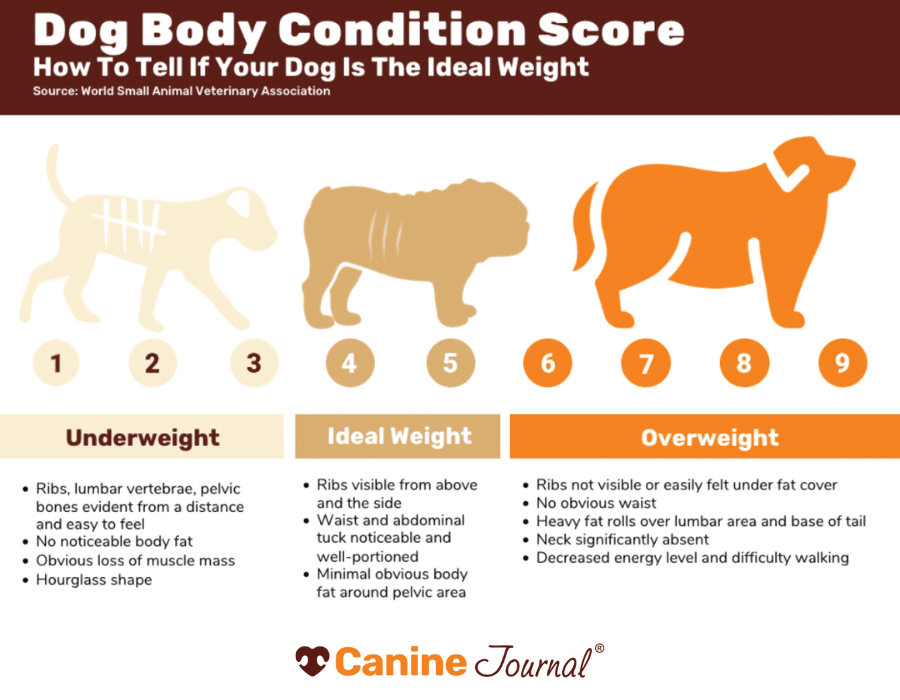
- Use body condition scoring, not just weight
If your Dachshund has lost a visible waistline or you cannot easily feel their ribs, portions likely need adjusting.
How To Tell If Your Dachshund Is Gaining Weight
Because Dachshunds are long and low to the ground, even small weight changes can alter how their body carries stress along the spine. Use this quick checklist once a month.
Rib Check
- You should be able to feel the ribs easily under a thin layer of fat.
- If you have to press firmly to find them, your Dachshund may be overweight.
- If ribs are visibly protruding, they may be underweight.
Dachshunds should feel lean but not bony.
Waistline Test (Top View)
- Look down at your dog from above.
- There should be a visible waist behind the ribcage.
- If the body appears straight, oval, or rounded, excess fat may be developing.
Because Dachshunds have long torsos, fat often accumulates gradually and evenly, making changes harder to notice at first.
Side Profile
- From the side, the abdomen should tuck upward slightly behind the ribs.
- A sagging or level belly line can signal excess fat.
A flat underline places more pressure on the spine during movement.
Spine & Mobility Clues
- Slower to move?
- Less willing to jump?
- Hesitant on stairs?
- Tires quickly during walks?
Small dogs often show stamina changes before obvious body changes.
Scale Reality Check
Weigh your Dachshund monthly. Even a 1-pound increase in a 10- to 12-pound Miniature Dachshund is significant. For Standards, 2 to 3 extra pounds can meaningfully increase spinal load.
Body condition matters more than the number on the scale, but regular weigh-ins help catch gradual creep.
Puppy Food vs Adult Food: Why Switching Too Early Matters For Dachshunds
Puppy food is formulated differently from adult food for a reason.

It contains:
- Higher protein to support muscle growth
- Higher fat to fuel development
- Controlled calcium levels for proper bone formation
Switching to adult food too early can reduce essential nutrients during a critical growth window. However, staying on puppy food too long can increase the risk of excess calorie intake, especially in small breeds that mature quickly.
- For most Miniature Dachshunds, transition around 10 to 12 months is appropriate.
- For Standard Dachshunds, transition may occur closer to 12 months depending on growth rate.
When switching foods, transition gradually over 7 to 10 days to avoid digestive upset. Always monitor body condition during the transition phase, as calorie needs may change once growth slows.
Different Types Of Puppy Food
There is no single “best” diet for every Dachshund. What matters most is nutritional balance, portion control, and consistency.
Below are the most common food options and what Dachshund owners should know about each.
1. Dry Food (Kibble)
Dry kibble is the most common feeding choice for Dachshunds. It is convenient, easy to store, and simple to measure accurately.

Look for small-breed formulas with:
- Moderate calorie density
- Controlled fat levels
- Named animal proteins as the first ingredient
- Balanced calcium and phosphorus
- AAFCO life-stage approval
Smaller kibble pieces are ideal for Dachshunds’ compact jaws and can reduce frustration during meals.
Pros
- Convenient and easy to store
- Easy to measure accurately
- Most budget-friendly option
- Widely available in small-breed formulas
- Crunchy texture may help reduce plaque buildup
Cons
- Calorie-dense, making overfeeding easy
- Quality varies widely between brands
- Some formulas contain low-quality fillers
- Lower moisture content than fresh or wet diets
Bottom Line: High-quality small-breed kibble works very well for most Dachshunds as long as portions are carefully measured and calorie density is appropriate.
2. Wet Food (Canned)
Wet food is softer, more aromatic, and often more appealing to picky eaters. Some Dachshunds prefer the stronger smell and texture.

Because Dachshunds can be selective or sensitive eaters, wet food may help maintain consistent intake. It also provides higher moisture content, which can support hydration.
However, wet food is typically less calorie-dense per ounce, meaning portions may look larger while still delivering similar calories.
Pros
- Highly palatable
- Higher moisture content supports hydration
- Easier to chew for seniors or dogs with dental issues
- Useful as a topper for dry food
Cons
- More expensive than kibble per calorie
- Lower calorie density can require larger portions
- Does not provide the same dental abrasion as kibble
Bottom Line: Wet food can be excellent for picky or senior Dachshunds, but portion control and total calorie intake still matter.
3. Fresh (Human-Grade) Food
Fresh diets use minimally processed, whole ingredients and are typically delivered refrigerated or frozen. For Dachshunds, fresh food can make portion control easier if meals are pre-portioned by calorie level. Because their daily intake is small, ingredient quality becomes even more important.

That said, “human-grade” is a marketing term, not a regulated standard. Quality varies by company. And if you’re paying a premium price tag, you deserve a premium product.
Look for:
- Traceability and transparency when it comes to ingredient sourcing and supply chain
- Recipes made from real meat and whole foods
- Third-party quality control and certifications
- Meals are formulated by board-certified veterinary nutritionists
Pros
- Whole, recognizable ingredients
- Higher moisture content
- Often easier to digest
- Pre-portioned plans simplify feeding
Cons
- Significantly more expensive
- Requires refrigeration or freezing
- Shorter shelf life
- Still requires monitoring to prevent overfeeding
Bottom Line: Fresh food can work beautifully for Dachshunds when properly formulated and portioned, but cost and quality transparency matter.
4. Home-Cooked Diets
Home-cooked diets give owners full control over ingredients, sourcing, and processing methods. One of the biggest advantages is reducing reliance on highly processed foods.

Commercial kibble is cooked at high temperatures during extrusion, which can reduce certain heat-sensitive nutrients. While reputable manufacturers fortify foods to compensate, some owners prefer minimizing heavy processing altogether.
When you prepare food at home, you control:
- Ingredient freshness
- Cooking temperature
- Protein quality
- Fat sources
- Additives and preservatives
- Overall processing intensity
For a small breed like the Dachshund, where daily portions are small, some owners feel that fresher, less processed meals ensure that every bite delivers meaningful nutrition.
That said, control does not automatically equal balance. Dachshunds require precise levels of:
- Amino acids
- Calcium and phosphorus
- Trace minerals
- Essential fatty acids
- Vitamins such as D and E
Even minor imbalances can accumulate over time in small dogs.
Pros
- Complete control over ingredients and processing
- Avoids ultra-processed formulations
- Can prioritize whole, fresh foods
- Can be tailored for allergies or sensitivities
Cons
- Easy to create nutrient imbalances
- Requires supplementation in most cases
- Time-intensive and consistency-dependent
- Often needs veterinary nutrition guidance
Bottom Line: Home-cooked diets offer unmatched control over processing and ingredient quality, but they must be carefully balanced. For Dachshunds, nutrient precision matters just as much as freshness.
4. Raw / PMR / BARF Diets
Raw feeding focuses on uncooked meat, bone, and organ-based diets, sometimes with added vegetables depending on the model. While some owners report benefits, raw diets carry risks that are more significant in small breeds.
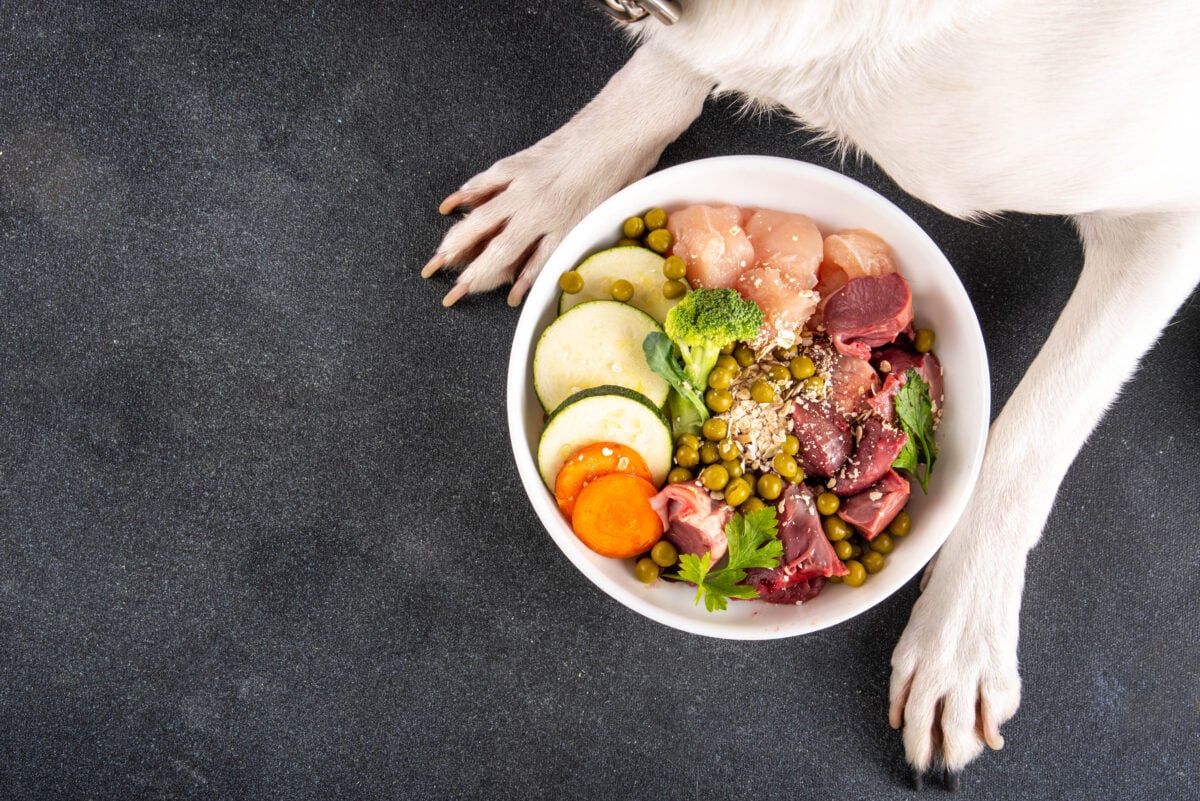
Because Dachshunds are small:
- Bone size poses choking risk
- Gastrointestinal upset can lead to dehydration faster
- Bacterial contamination is a real concern
If you are considering a raw diet for your Doxie, we recommend buying commercial raw dog food. This way, the company is responsible for ensuring your pet with a quality, well-balanced meal.
Pros
- Minimally processed
- Simple ingredient lists
- High moisture content
Cons
- Risk of bacterial contamination
- Bone fragment hazards
- Difficult to balance without expertise
- Higher cost
Bottom Line: Raw feeding appeals to some owners, but safety, balance, and portion accuracy are critical for small breeds like Dachshunds.
5. Vegan / Plant-Based Diets
Well-formulated vegan dog foods rely on plant proteins supplemented with essential amino acids to meet nutritional requirements. Dogs are omnivores and can digest plant foods when properly formulated. However, breed-specific long-term data is limited.
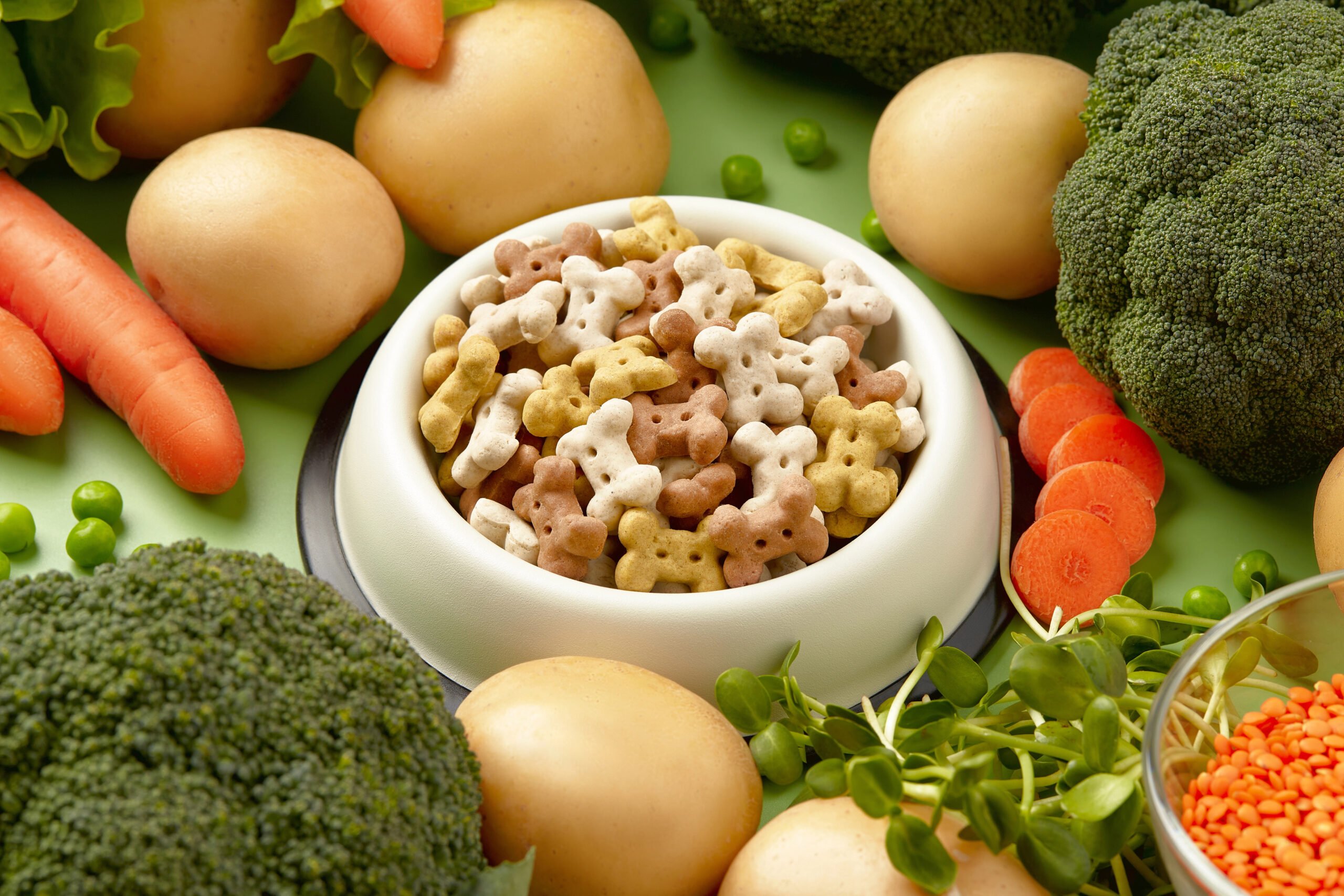
For Dachshunds, the main considerations are:
- Adequate protein quality
- Sufficient calorie density in small portions
- AAFCO compliance
Pros
- Avoids animal-based allergens
- High in fiber and plant phytonutrients
- May suit dogs with specific sensitivities
Cons
- Limited long-term breed-specific research
- Protein quality must be evaluated carefully
Bottom Line: Properly formulated vegan diets can meet nutritional needs, but ingredient quality and amino acid balance are essential.
How Common Dog Diets Compare (At A Glance)
Each feeding style involves trade-offs in nutrition, cost, convenience, and risk.
| Diet Type | Primary Protein Source | Convenience | Cost Range |
|---|---|---|---|
| Commercial Dog Food (Dry & Wet) | Animal proteins, meat meals, or formulated plant proteins | Very high | $–$$ |
| Human-Grade (Cooked) | Whole animal and plant ingredients | Moderate | $$$ |
| Home-Cooked | Custom | Low to moderate | $$–$$$ |
| Raw / PMR / BARF | Muscle meat, organs, bone | Low to moderate | $$$ |
| Vegan / Plant-Based | Legumes, grains, supplemented amino acids | High to moderate | $$ |
Importance Of High-Quality Dog Food For Dachshunds
Dachshunds are prone to obesity and intervertebral disc disease. Excess weight places additional strain on their long spine. Because they eat small portions daily, every calorie must deliver nutritional value.
High-quality food supports:
- Lean muscle maintenance
- Healthy body weight
- Joint and spinal support
- Stable blood sugar
- Digestive health
- Immune resilience
Low-quality diets often rely on inexpensive fillers, artificial colors, and lower-grade protein sources. While not always dangerous, they typically offer less nutritional density per calorie.
Over time, poor-quality diets may contribute to:
- Weight gain
- Chronic inflammation
- Dental issues
- Skin and coat problems
- Energy fluctuations
Bottom Line: For a small breed like the Dachshund, ingredient quality and calorie control are not optional. They are foundational to long-term health and spinal protection.
At A Glance: Best Dog Food For Dachshunds
Choosing the right food for a Dachshund isn’t just about brand; it’s about calorie density, portion control, and ingredient quality in small servings.
| Puppies | Adults | Seniors | Sensitive Stomach |
|---|---|---|---|
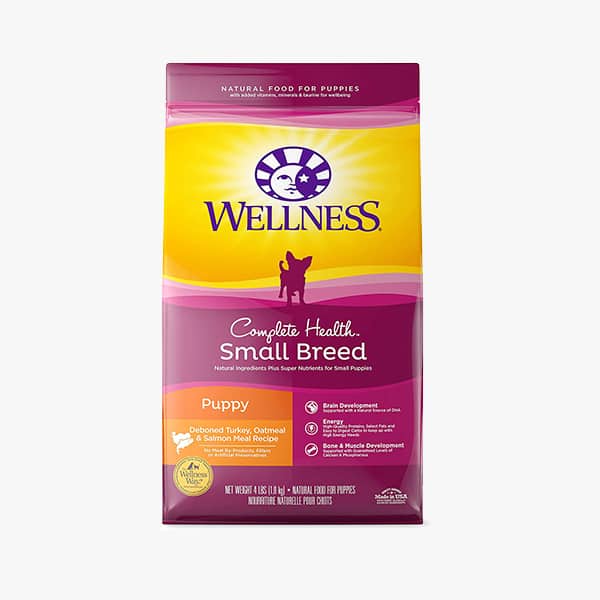 | 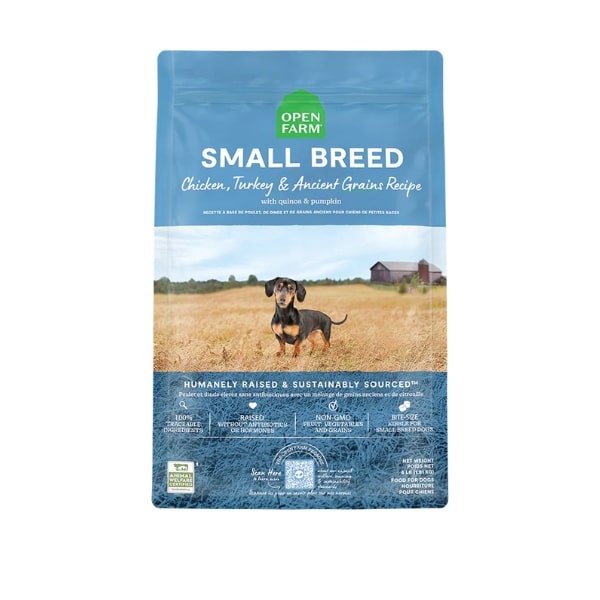 | 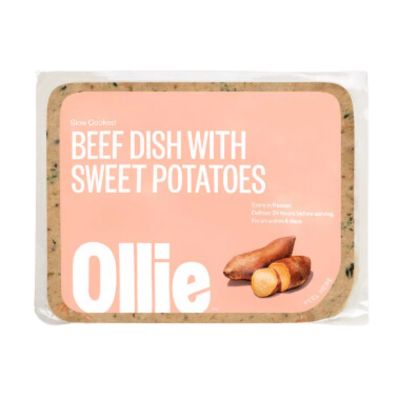 |  |
| Wellness Complete | Open Farm | Ollie | Spot & Tango Unkibble |
| View on Chewy | Visit Website | Visit Website | Visit Website |
| Read Review | Read Review | Read Review | Read Review |
Learn more in our article covering best dog food for Dachshunds.
5 Ingredients To Avoid In Dog Food
Not every ingredient in dog food is there for nutrition. Some are added to improve shelf life, reduce manufacturing costs, or make the product look more appealing to humans.
Because Dachshunds eat small portions each day, ingredient quality matters even more. When calorie intake is limited, every bite should provide real nutritional value.
Here are five ingredients worth avoiding or carefully scrutinizing.
1. BHA, BHT, and Ethoxyquin
Butylated hydroxyanisole (BHA), butylated hydroxytoluene (BHT), and ethoxyquin are synthetic preservatives used to prevent fats from going rancid.
While BHA and BHT are permitted in small amounts and classified as “generally recognized as safe,” animal studies have linked them to cancer at certain exposure levels. Independent consumer advocacy groups have rated BHA as an ingredient to avoid and BHT as a “caution” rating.
Ethoxyquin is not approved for use in human food but is still allowed in animal feed. It has been associated with adverse effects in both animals and humans in some research contexts.
Safer alternatives include natural preservatives such as mixed tocopherols (vitamin E) or rosemary extract.
Bottom Line: Synthetic preservatives extend shelf life, but higher-quality foods typically rely on natural antioxidant systems instead.
2. Artificial Food Dyes & Color Additives
Artificial colors are added to pet food for visual appeal to humans, not for dogs.
- Caramel color may contain 4-methylimidazole (4-MIE), a known animal carcinogen.
- Dyes such as Blue 2, Red 40, Yellow 5, and Yellow 6 have been associated with behavioral issues and cancer in human studies
Dogs do not choose food based on color. These additives serve no nutritional purpose. For a breed prone to allergies and sensitivities like the Dachshund, minimizing unnecessary additives is a reasonable precaution.
Bottom Line: If a food relies on artificial coloring, it is prioritizing appearance over canine health.
3. Unspecified Meat & Bone Meal
Rendering is a process that converts animal by-products into shelf-stable protein meals. Not all rendered ingredients are harmful, but vague labeling is a red flag.
Terms like “meat meal,” “animal by-product meal,” or “meat and bone meal” without specifying the species make it difficult to evaluate protein quality and sourcing. Lower-quality rendered ingredients may come from mixed animal sources and can include variable tissue types. Lack of transparency makes it impossible to assess consistency.
Higher-quality foods typically identify the protein source clearly, such as “chicken meal” or “turkey meal.”
Bottom Line: Named protein sources provide transparency. Generic meat ingredients do not.
4. Propylene Glycol
Propylene glycol is a synthetic compound used to retain moisture in semi-moist dog foods. It does not provide nutritional value. Its purpose is texture preservation and shelf stability.
For Dachshunds, who often do well on simple, minimally processed diets, unnecessary chemical humectants add little benefit.
Bottom Line: Moisture-retaining chemicals may improve texture, but they are not nutritionally necessary.
5. Generic Rendered Fats
Rendered fat is often sprayed onto kibble after processing to enhance flavor and palatability. When listed vaguely as “animal fat” or “poultry fat,” the source may be unclear. Quality can vary, and poorly regulated fat sources may carry oxidation risk if not properly preserved.
Because Dachshunds are highly prone to weight gain, added surface fats can also increase calorie density significantly.
Look for clearly labeled fat sources such as “chicken fat” preserved with mixed tocopherols.
Bottom Line: Clear fat sourcing and natural preservation methods indicate higher manufacturing standards.
Why Is Small Breed Puppy Food Important?
Dachshunds may be small, but their growth period is critical. Puppyhood is when bones, muscles, joints, and connective tissues are developing rapidly. For a long-backed breed prone to intervertebral disc disease, balanced growth matters even more.

Small-breed puppy formulas are designed differently from large-breed or all-life-stage foods. They typically provide:
- Higher calorie density for fast metabolisms
- Smaller kibble size for tiny jaws
- Balanced calcium and phosphorus levels
- Higher protein to support lean muscle growth
- DHA for brain and eye development
Because Dachshund puppies eat very small portions, nutrient concentration must be precise. Too little calcium can impair bone development. Too much can disrupt proper skeletal formation.
Small-breed puppy food helps ensure:
- Controlled, steady growth
- Proper bone mineralization
- Strong muscle development to support the back
- Stable blood sugar levels
What Nutrients Do Dachshunds Need?
Whether young or fully grown, Dachshunds require a balanced mix of protein, fats, carbohydrates, vitamins, minerals, and water to support muscle strength, spinal stability, immune health, and long-term metabolic function. Below are the core nutrients that matter most.

Protein
Protein provides energy, but its role goes far beyond fuel. It supports:
- Muscle strength and structural integrity
- Tissue repair and maintenance
- Hormone production and signaling
- Immune defense
- Fluid and pH balance
- Transport and storage of nutrients
Proteins are made of amino acids. Of the 20 amino acids used in the body, dogs must obtain 10 essential amino acids from their diet because they cannot produce them in sufficient amounts on their own.
Essential amino acids for dogs include:
- Arginine
- Histidine
- Isoleucine
- Leucine
- Lysine
- Methionine
- Phenylalanine
- Threonine
- Tryptophan
- Valine
Tryptophan deserves special mention. It is used to produce serotonin, a neurotransmitter involved in mood regulation. Adequate protein intake supports stable behavior and stress response.
Animal-based proteins such as chicken, turkey, beef, lamb, and fish naturally provide all essential amino acids in balanced proportions. Some plant proteins, including soy and quinoa, can also be complete when properly formulated.
Bottom Line: High-quality, complete protein supports muscle strength, immune health, and long-term structural support for a Dachshund’s back.
Fat
Fat is the most concentrated source of energy in a dog’s diet and performs multiple essential functions. Dietary fat:
- Enables absorption of vitamins A, D, E, and K
- Supports hormone production
- Protects internal organs
- Helps regulate body temperature
- Maintains skin and coat health
Fats are composed of fatty acids. Some fatty acids must come directly from food. Essential fatty acids for dogs include:
- Omega-3: Alpha-linolenic acid (ALA), eicosapentaenoic (EPA), and docosahexaenoic acid (DHA)
- Omega-6: Linoleic acid (LA)
Note: Arachidonic acid (AA) is another omega-6 fatty acid obtained from foods like animal organs and meat. Unlike cats, dogs can convert LA to AA, so it is not considered an essential fatty acid.
Common high-quality fat sources include:
- Chicken fat
- Beef tallow
- Ground flaxseeds or flaxseed oil
- Fish and fish oil from sardines, anchovies, salmon, or krill
Because Dachshunds gain weight easily, fat intake must be controlled without being excessively restricted. The AAFCO recommends a 30:1 ratio of omega-6s to omega-3s, which is reflected in commercial pet foods.
Bottom Line: Healthy fats support hormones, joints, skin, and energy levels, but portion control is essential to prevent weight gain in Dachshunds.
Carbohydrates
Dogs do not have a strict carbohydrate requirement, but carbohydrates can provide useful nutrients and functional benefits. Complex carbohydrates contribute:
- Fiber for digestive health
- Antioxidants and phytonutrients
- Vitamins and trace minerals
- Energy
Dietary fiber plays an important role in:
- Promoting satiety and weight management
- Supporting stable blood sugar levels
- Improving stool quality
- Feeding beneficial gut bacteria, which influences digestion, immunity, and overall well-being
Nutritious carbohydrate sources may include:
For Dachshunds, fiber can be particularly helpful in supporting healthy weight maintenance and digestive consistency.
Bottom Line: Carbohydrates are not just fillers when properly sourced. Quality fiber and complex carbs can support digestion, metabolism, and weight control.
Vitamins & Minerals
Vitamins are organic compounds required for normal cellular function, growth, and metabolic regulation. Minerals are inorganic elements that support structural and biochemical processes. Because Dachshunds eat relatively small portions, micronutrient density must be appropriate.
Bottom Line: Micronutrient balance is just as important as protein and fat quality, especially in small dogs eating small meals.
Water
Water is often overlooked but is essential for every metabolic process in the body. It:
- Aids digestion and nutrient absorption
- Transports nutrients in and out of cells
- Cushions the brain and spinal cord
- Lubricates joints
- Regulates body temperature
A general guideline is that dogs consume roughly one ounce of water per pound of body weight daily, though needs vary based on activity level and diet type.
Because Dachshunds are prone to spinal issues, adequate hydration helps maintain disc and joint health.
Bottom Line: Hydration is foundational. Even the best diet cannot support health without adequate water intake.
Frequently Asked Questions
Feeding a Dachshund often raises practical questions about portions, growth, and diet choices. Below are answers to the most common concerns.
Don’t see your question? Respond in the comments, and we’ll get back to you!
What Should I Feed My Dachshund Puppy?
Dachshund puppies should eat high-quality, small-breed puppy food. Look for food with higher protein and fat content to support their growth and energy needs.
Because Dachshunds are prone to weight gain and spinal strain, controlled growth and proper nutrient balance are more important than rapid size increase.
How Much Should I Feed My Dachshund Puppy?
The amount of food your puppy needs varies based on their age, weight, and activity level. Follow the feeding guidelines on the puppy food packaging and consult with your vet for personalized recommendations.
Use measuring cups to ensure you’re providing the correct portion.
How Do I Know If My Dachshund Puppy Is Eating Enough?
A well-fed Dachshund should:
- Maintain steady growth as a puppy
- Have consistent energy
- Show a visible waist
- Have ribs that are easy to feel but not prominently visible
If your dog appears constantly hungry or is losing weight, portions may need adjustment. If they are gaining weight quickly or losing their waistline, reduce calories slightly.
Body condition matters more than the exact number on the scale.
How Much Do Standard Dachshunds Need Compared To Miniatures?
Size makes a significant difference in daily calorie needs. Miniature Dachshunds typically weigh up to 11 pounds and require fewer total calories. Standard Dachshunds usually weigh between 16 and 32 pounds and require more food to maintain muscle and energy.
However, activity level and metabolism play major roles. Two Dachshunds of the same size may require different portion amounts.
Use weight, body condition, and energy levels to guide adjustments rather than relying solely on breed averages.
Other Dachshund Resources
Now that feeding is sorted, it is important to support your Dachshund’s overall health and comfort. You may also want to explore:
- Supportive beds designed to reduce spinal strain
- Interactive toys to prevent boredom and weight gain
- Pet insurance options tailored to Dachshund health risks
Because Dachshunds are predisposed to back problems, choosing supportive bedding and considering pet insurance early can provide long-term peace of mind.