When you purchase through links on our site, we may earn a commission at no extra cost to you. Learn more.
Some dogs follow their owners from room to room, as if separation is a deeply confusing concept. Independent dogs have a different approach.
Table of Contents
These are the dogs that love their people deeply while still acting like they need occasional emotional distance to focus on their own projects. Some were bred to make decisions without humans nearby. Others simply treat commands like opening statements in a negotiation.
The result is a group of dogs with strong opinions, impressive self-confidence, and very selective availability. Some are dignified observers. Some are tiny dictators. And some look at you like asking them to sit was honestly a little disrespectful.
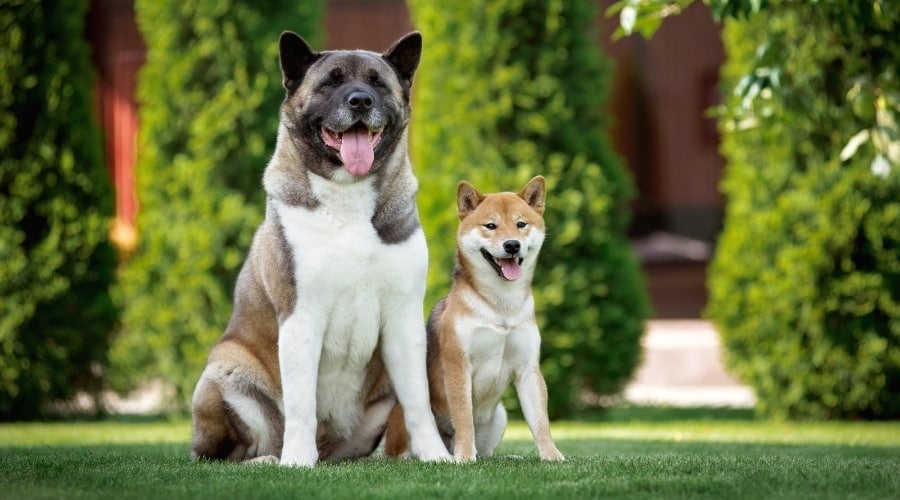
What Independence Looks Like In Dogs
Independent dogs aren’t cold or unfriendly. Most bond closely with their people. They just tend to show it through quiet presence, confidence, and selective affection instead of constant shadowing.
Want our human-written content to rank above AI-generated garbage? Help us out by clicking this button!
For some owners, that’s exactly the appeal. Not everyone wants a dog that follows them into the bathroom like it’s a wellness check.
Independent breeds are often:
- Devoted without being needy
- Comfortable entertaining themselves
- Less prone to separation anxiety
- Perfectly happy coexisting near (not on top of) their owners
Why Independence Can Be Both A Gift And A Potential Problem
Many independent breeds were originally developed to work without constant human direction.
That includes:
- Hunting dogs following scent trails on their own
- Guard dogs assessing threats independently
- Sled dogs making quick decisions in motion
Over time, many of those traits stuck around.
As a result, independent dogs are often:
- Self-confident and decisive
- Emotionally self-contained
- Strong-willed during training
- Suspiciously comfortable ignoring instructions they disagree with
That’s where things can get complicated because independent doesn’t always mean easy.
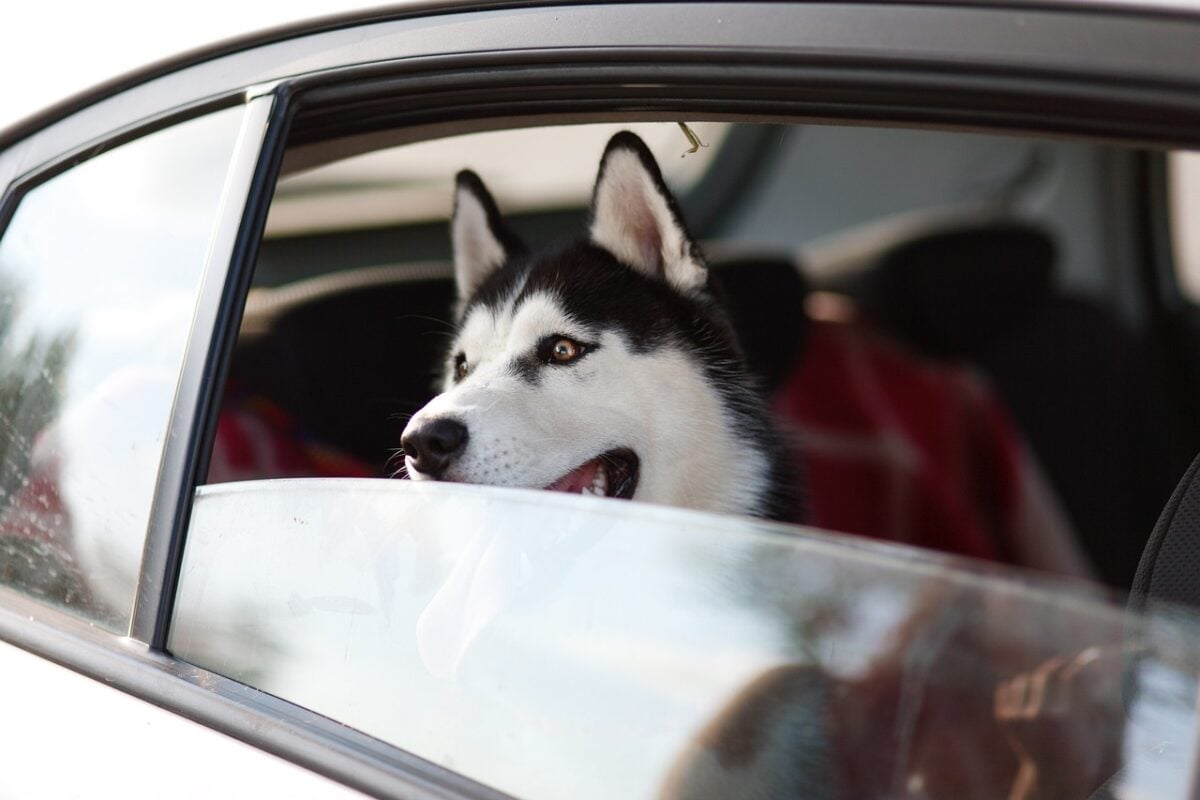
Some independent dogs settle easily and enjoy their own space. Others approach daily life with enough confidence and self-direction that “containment” starts feeling like an ongoing negotiation.
In other words, independence comes in a lot of different forms. Here are 22 dog breeds most likely to do things their own way.
Pint-Sized Dogs With Big Opinions
Independent dogs don’t have to be large to rule the roost. Many smaller breeds are confident, self-directed, and perfectly comfortable running the household emotionally from a distance.
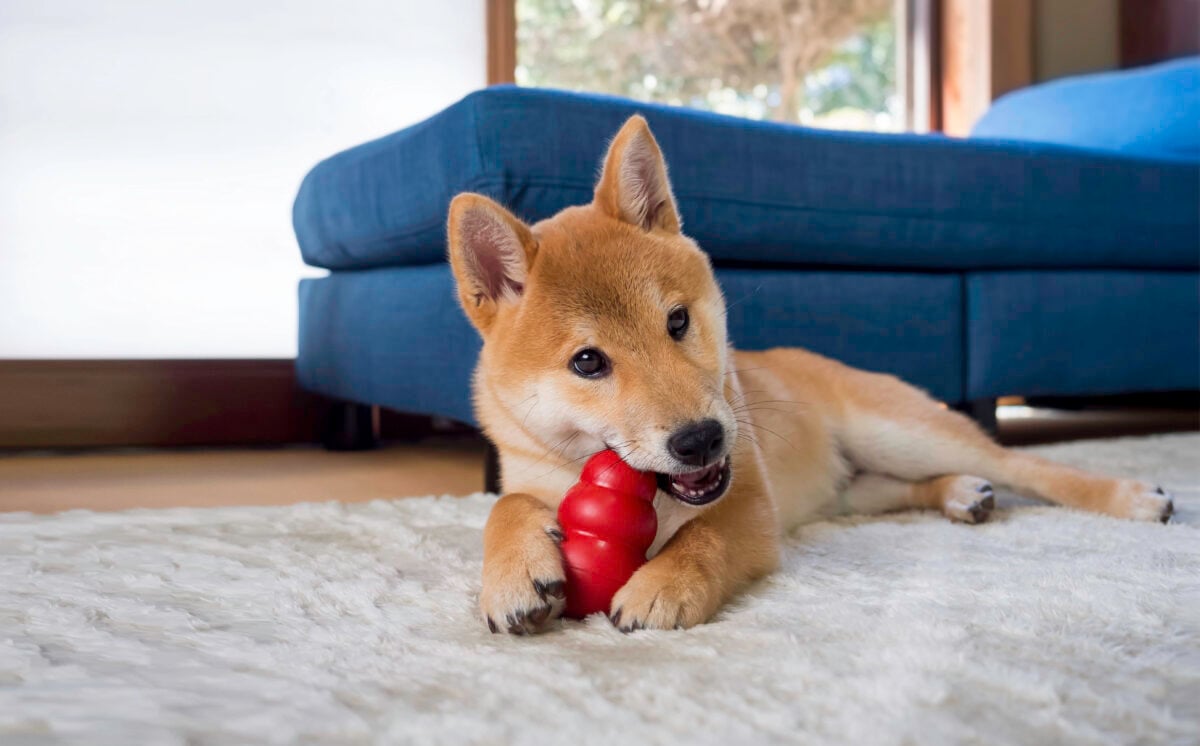
Shiba Inus
Shiba Inus are basically the physical embodiment of “I’ll think about it.”
Originally bred in Japan for hunting, these compact spitz dogs usually weigh under 25 pounds, but they carry themselves like survival experts reluctantly participating in domestic life.
Shibas are intelligent, observant, and famously self-directed. They bond closely with their people, but they’re rarely clingy and generally prefer affection on their own schedule rather than yours.
Why They’re So Independent
- Originally bred to hunt and think independently
- Often more reserved than openly affectionate
- Comfortable entertaining themselves nearby
- Highly intelligent but not always eager to cooperate
- Known for their strong-willed personality
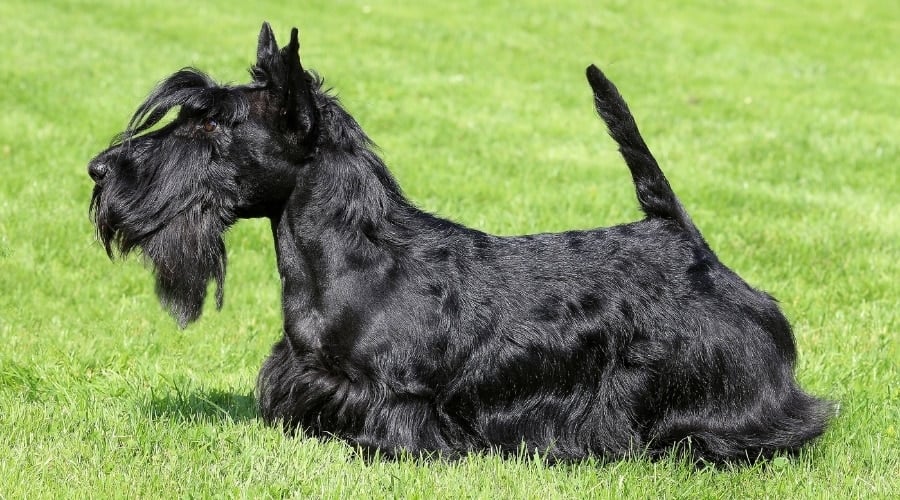
Scottish Terriers
Scottish Terriers are known for being independent, dignified, and extremely confident for their size. Originally bred in Scotland to hunt vermin, these sturdy little terriers typically weigh between 18 and 22 pounds and tend to approach life with a level of confidence that feels wildly disproportionate to their size.
Scotties usually bond closely with their families, but they’re rarely overly clingy or emotionally dramatic. They often prefer affection in smaller doses and carry themselves with the calm certainty of dogs that believe they already understand the situation better than everyone else in the room.
Their Independent Streak
- Originally bred to hunt and work independently
- Naturally confident and self-assured
- Often more reserved than other terriers
- Less emotionally demanding than many small breeds
- Usually happiest when allowed to do things their own way
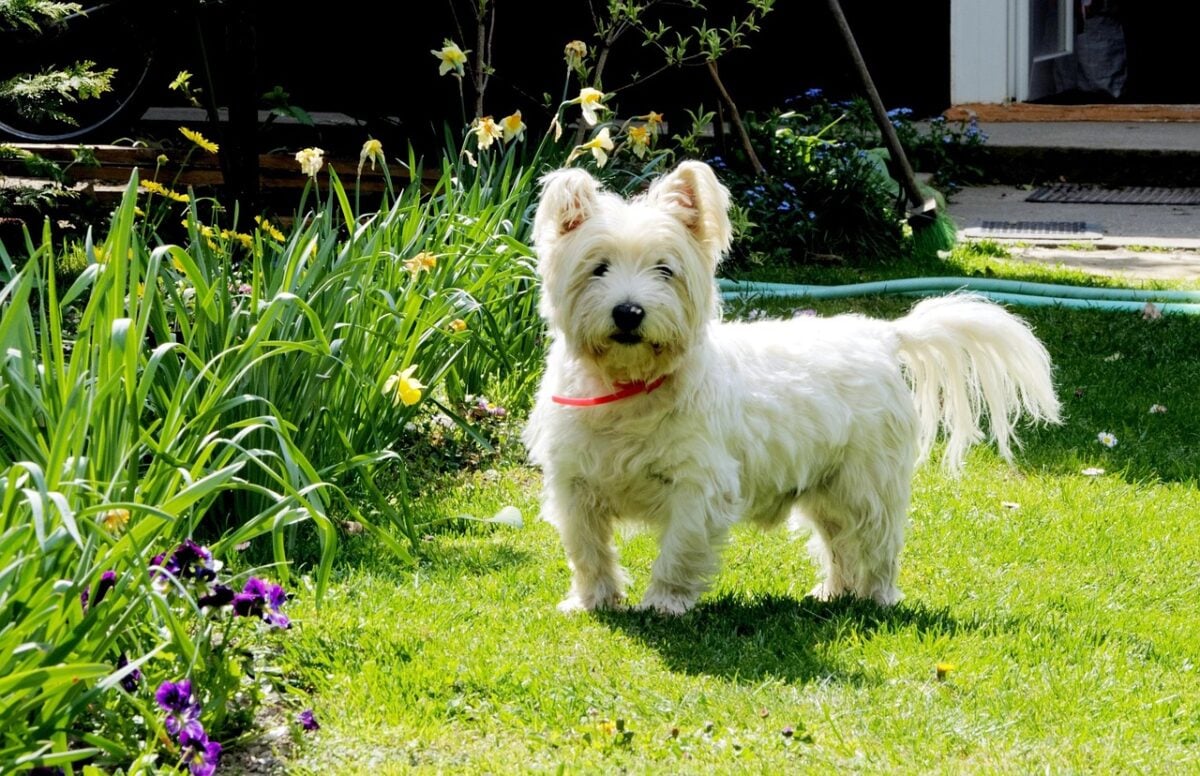
West Highland White Terriers
Westies have the confidence of dogs that assume every room improves slightly once they enter it.
Originally bred in Scotland to hunt rats and other small prey, these sturdy little terriers typically weigh between 15 and 20 pounds and tend to approach life with relentless optimism and very selective listening skills.
Unlike some small breeds that constantly seek reassurance, Westies are usually happy to entertain themselves, investigate the house, or insert themselves into situations nobody invited them into.
What Sets Them Apart
- Originally bred to hunt independently
- Naturally curious and self-confident
- Often fearless despite their small size
- Usually affectionate without being overly clingy
- Strong tendency to investigate absolutely everything
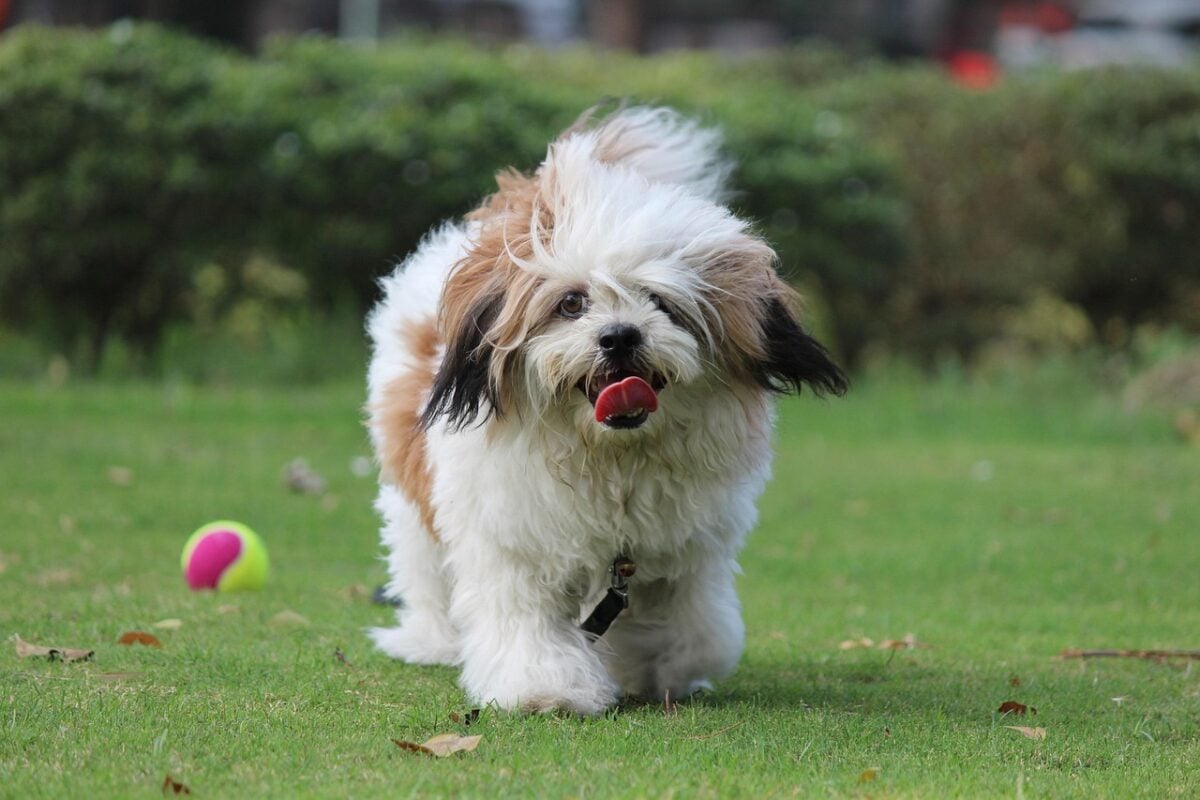
Lhasa Apsos
Lhasa Apsos are alert, independent, and surprisingly self-possessed for such small dogs. Originally bred to guard Tibetan monasteries, these compact companion dogs were developed to watch, assess, and alert rather than constantly seek attention.
They tend to be affectionate with their families while remaining naturally cautious, observant, and emotionally self-contained.
Why They Prefer Doing Things Their Way
- Originally bred as watchdogs in Tibetan monasteries
- Naturally observant and alert
- Often reserved around unfamiliar people
- Usually comfortable entertaining themselves
- Tend to prefer affection on their own terms
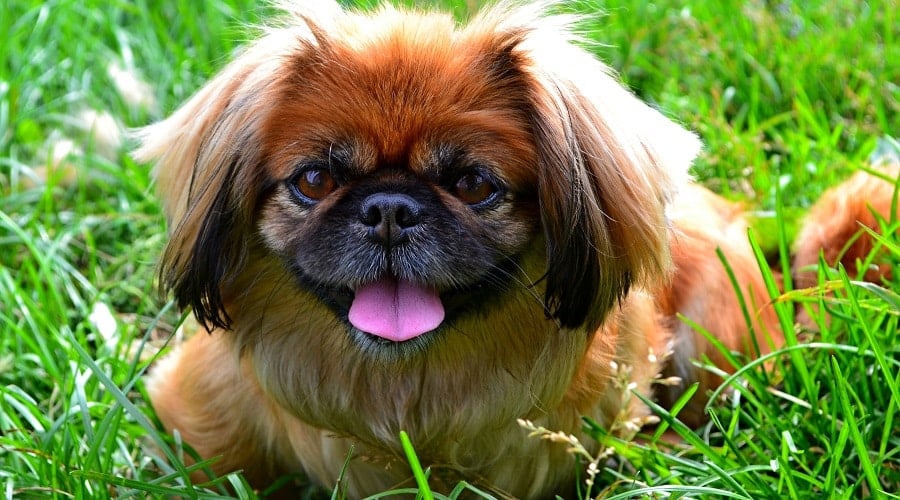
Pekingese
Pekingese were originally bred to live with Chinese royalty, and honestly, many of them still seem mildly offended that modern households expect participation.
These compact companion dogs typically weigh between 7 and 14 pounds and carry themselves with remarkable self-importance for animals small enough to lose arguments with grocery bags.
Pekingese are often affectionate with their families, but they usually prefer calm environments, predictable routines, and affection that is respectful and free of excessive commotion.
Why They’re So Independent
- Originally bred as royal companion dogs
- Often calm and self-contained
- Strong-willed despite their small size
- Often prefers quiet observation over chaos
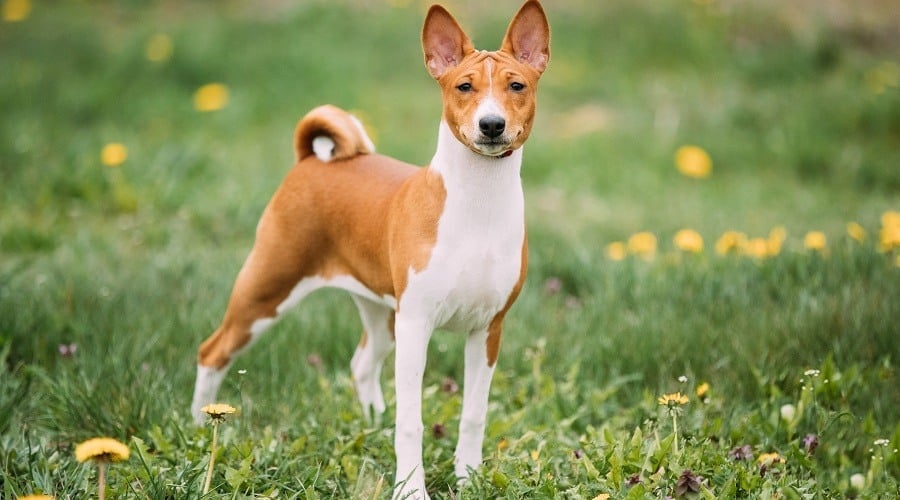
Basenjis
Basenjis are famous for being independent, curious, and almost too self-contained. Originally developed as hunting dogs in Central Africa, these compact, athletic dogs typically weigh between 20 and 25 pounds and were bred to work using their own instincts and judgment.
They’re also one of the most famously “cat-like” dog breeds. Basenjis are known for being clean, quiet, and perfectly content to entertain themselves without constant attention. However, they need intense daily exercise to prevent boredom.
Instead of barking, they make unusual yodel-like sounds, which fit their overall energy of “mysterious woodland creature pretending to be a pet.”
What Sets Them Apart
- Originally bred to hunt independently
- Often reserved and self-contained
- Usually less clingy than many companion breeds
- Intelligent but easily bored with repetition
- Comfortable doing their own thing for long stretches
Miniature Schnauzers
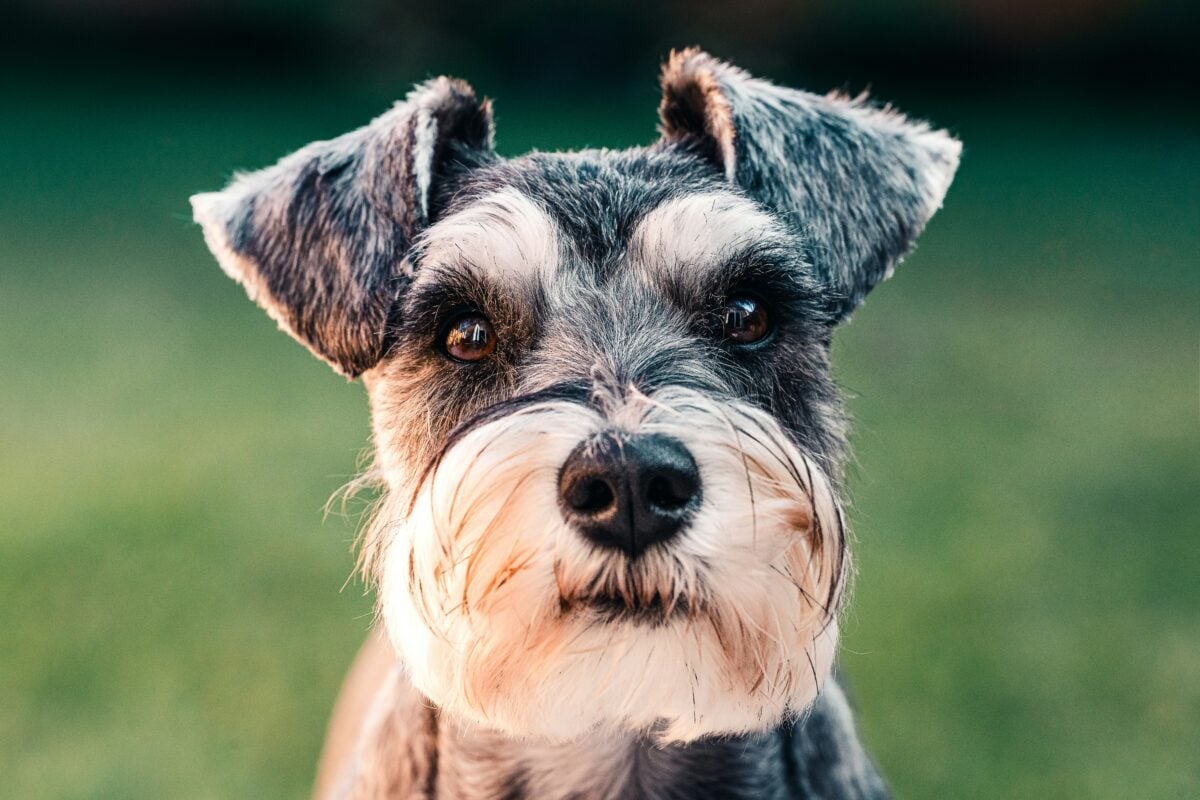
Miniature Schnauzers behave like tiny neighborhood watch captains who appointed themselves without an election. They are alert, independent, and far more self-assured than their size suggests.
Originally bred in Germany as farm dogs and ratters, these compact working dogs typically weigh between 11 and 20 pounds and were developed to think quickly and react without human oversight.
They’re affectionate and social with their families, but also independent enough to entertain themselves and confidently investigate suspicious activity whenever necessary.
Their Independent Streak
- Originally bred to work on farms independently
- Naturally alert and observant
- Usually confident and adaptable
- Less emotionally needy than many small breeds
- Strong opinions about suspicious noises
Japanese Chins
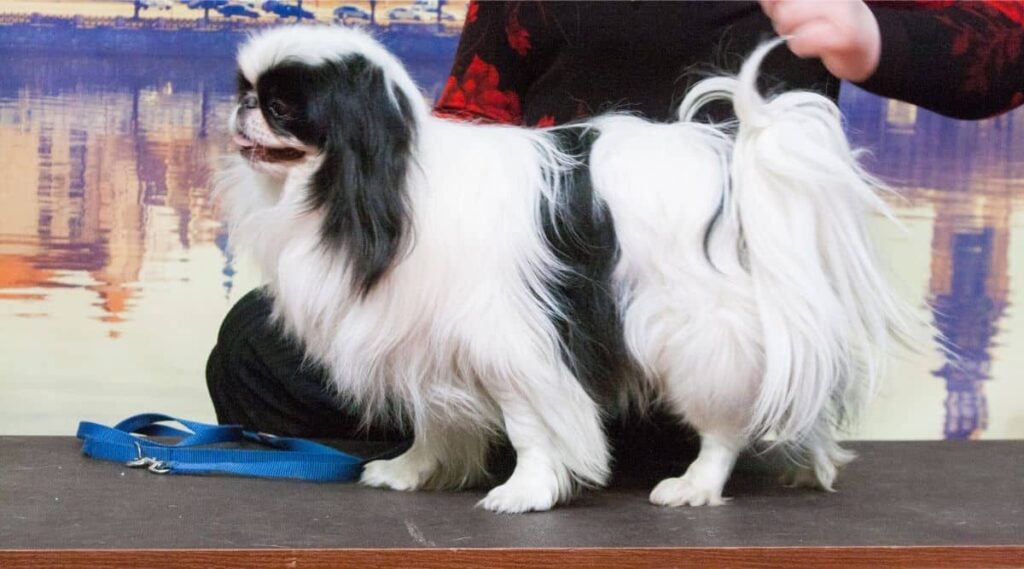
Originally bred as companion dogs for Japanese nobility, Japanese Chins often seem less like dogs and more like tiny aristocrats temporarily tolerating domestic life.
These elegant little dogs typically weigh between 7 and 11 pounds and tend to approach life with calm self-assurance rather than constant emotional chaos.
They’re quiet, observant, and oddly cat-like in both personality and behavior. They bond closely with their people, but they’re often less demanding and more self-contained than many toy breeds. Chins usually seem perfectly happy perched on the back of furniture rather than being emotionally demanding lap dogs.
What Makes Them Independent
- Originally bred as refined companion dogs
- Usually calm and emotionally low-drama
- Often independent for a toy breed
- Comfortable quietly entertaining themselves
- Strong tendency to observe everything from elevated surfaces
Medium-Sized Dogs With Strong Independent Streaks
Some medium-sized independent breeds are energetic problem-solvers. Others are calm observers who prefer doing things on their own terms without making a huge emotional production out of it.
Siberian Huskies
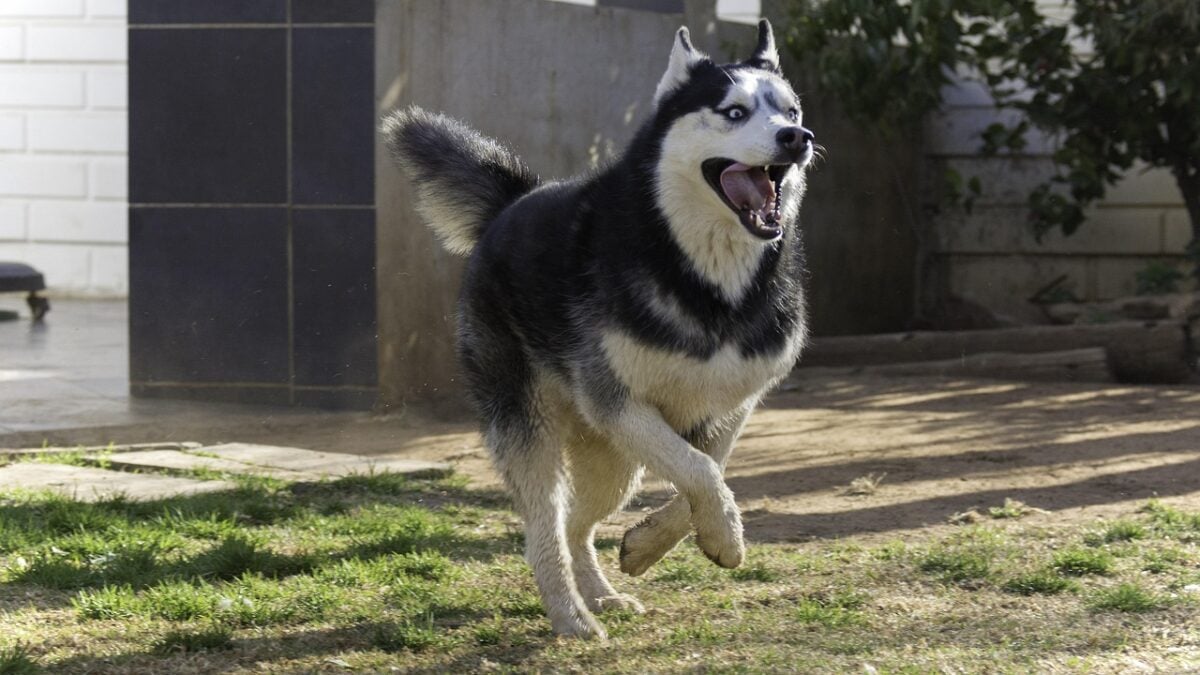
Siberian Huskies are intelligent, athletic, and fully capable of turning a normal afternoon into an unexpected exercise in patience.
Originally bred to pull sleds across long Arctic distances, these energetic dogs typically weigh between 35 and 60 pounds and were developed to think independently in difficult conditions.
Huskies are usually social and affectionate, but they’re also famous for selective listening and an almost inspirational commitment to doing whatever seemed like a better idea at the time.
Why They Prefer Doing Things Their Way
- Originally bred to work with limited human direction
- Extremely intelligent and curious
- Known for escape artist tendencies
- Often more interested in exploration than obedience
- Usually confident and comfortable doing their own thing
English Bulldogs
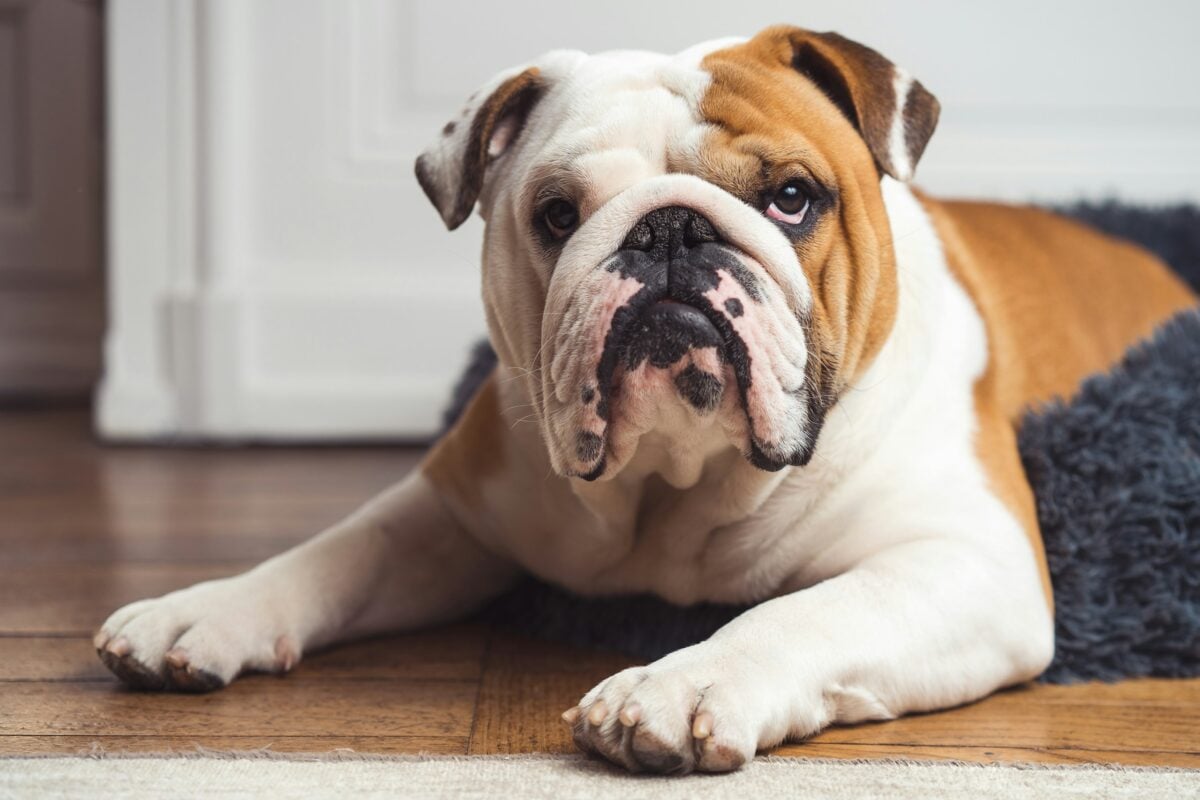
English Bulldogs approach life with the energy of someone who has already sat down and would strongly prefer not to stand up again unless absolutely necessary.
Modern Bulldogs typically weigh between 40 and 50 pounds and are far more interested in comfortable furniture than athletic achievement. While they’re usually affectionate and loyal, they’re also wonderfully stubborn.
Their Most Distinctive Traits
- Usually calm and low-drama indoors
- Less likely to demand constant activity
- Often affectionate without being clingy
- Known for their stubborn streak
Basset Hounds
Basset Hounds move through life with the calm certainty of dogs that have never once felt pressured by a schedule. They’re known for being laid-back, stubborn, and impressively committed to moving at their own pace.
Originally bred in France for scent tracking, these low-slung hounds typically weigh between 40 and 65 pounds and were developed to follow trails independently for long periods of time.
They’re usually affectionate and easygoing, but they’re also perfectly comfortable ignoring the world around them if something more interesting is happening inside their own head.
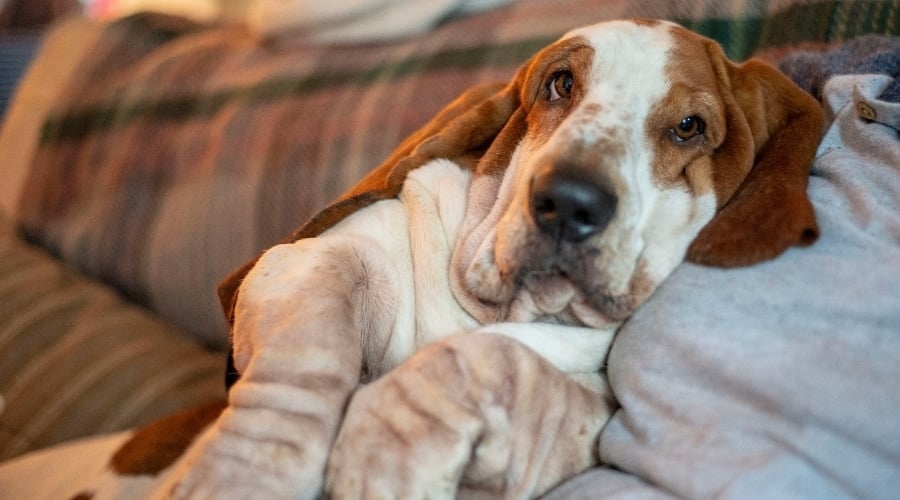
Their Signature Personality Traits
- Originally bred to track scents independently
- Usually calm and emotionally steady
- Less demanding than many active breeds
- Strong tendency to follow their nose over instructions
- Often happiest lounging somewhere comfortable
Chow Chows
Chow Chows are famous for being aloof, independent, and emotionally reserved. Originally developed in China as guard and working dogs, these sturdy, powerful dogs typically weigh between 45 and 70 pounds and often prefer quiet observation over constant interaction.
They tend to bond closely with their families, but they’re usually less openly affectionate and less socially needy than many other breeds. A lot of Chows seem perfectly content to sit nearby, watching the room.
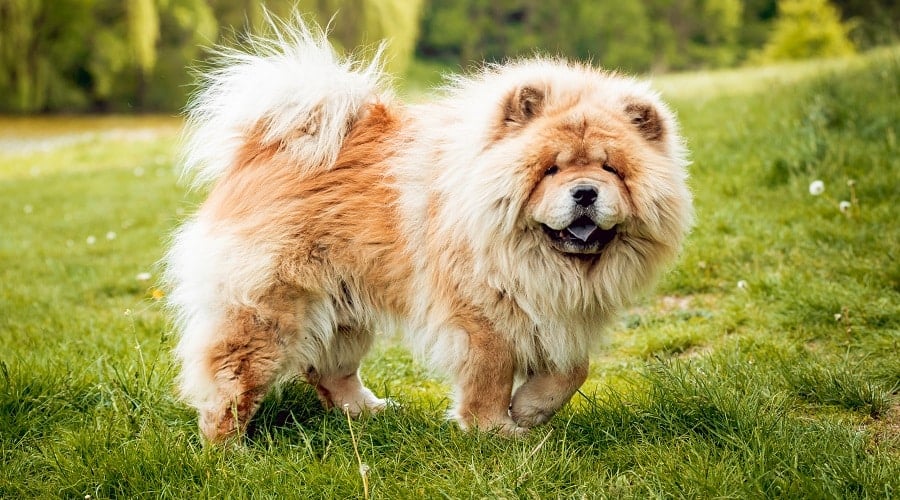
Why They March To Their Own Beat
- Naturally self-contained and observant
- Often less emotionally demanding than other breeds
- Bred to guard and think independently
- Perfectly capable of entertaining themselves nearby
- Deeply loyal without needing constant interaction
Whippets
Like Greyhounds, Whippets are gentle, quiet dogs that alternate between extreme speed and complete stillness with almost no transition period.
Originally bred in England for rabbit hunting and racing, these sleek sighthounds typically weigh between 25 and 40 pounds and are known for being calm and self-contained indoors.
Most Whippets are affectionate without being emotionally overwhelming and perfectly happy curling up nearby for most of the day.
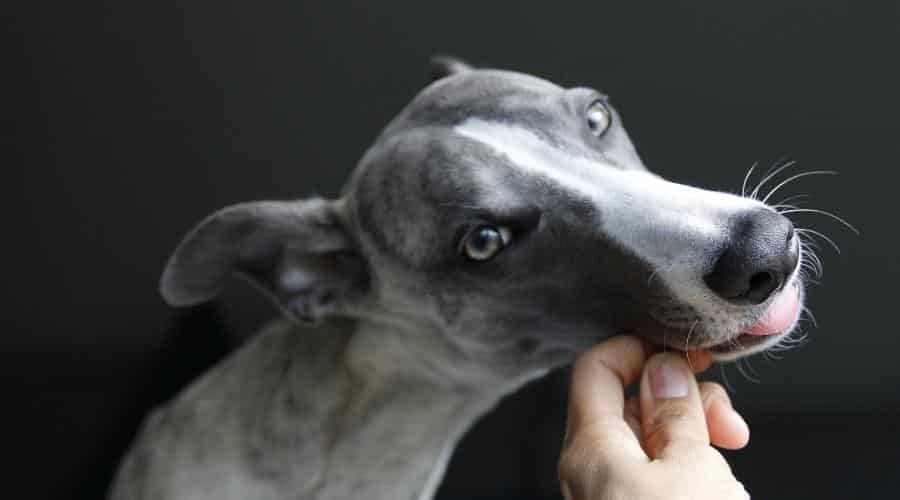
Their Independent Streak
- Originally bred to chase prey using speed and instinct
- Usually calm and low-drama indoors
- Often affectionate without being overly demanding
- Comfortable entertaining themselves quietly
- Strong preference for soft blankets and personal comfort
Airedale Terriers
Airedale Terriers are intelligent, confident, and extremely capable problem-solvers. Originally bred in England to hunt otters and work alongside hunters, these sturdy terriers typically weigh between 50 and 70 pounds and tend to approach life with equal parts curiosity and determination.
They’re usually affectionate with their families, but they also like figuring things out on their own and aren’t known for blind obedience. Airedales often carry themselves like dogs that have already started solving the problem before you finish explaining it.

Their Signature Personality Traits
- Originally bred to work and hunt independently
- Highly intelligent and curious
- Usually confident in new situations
- Strong-willed but adaptable
- Often finds creative solutions nobody asked for
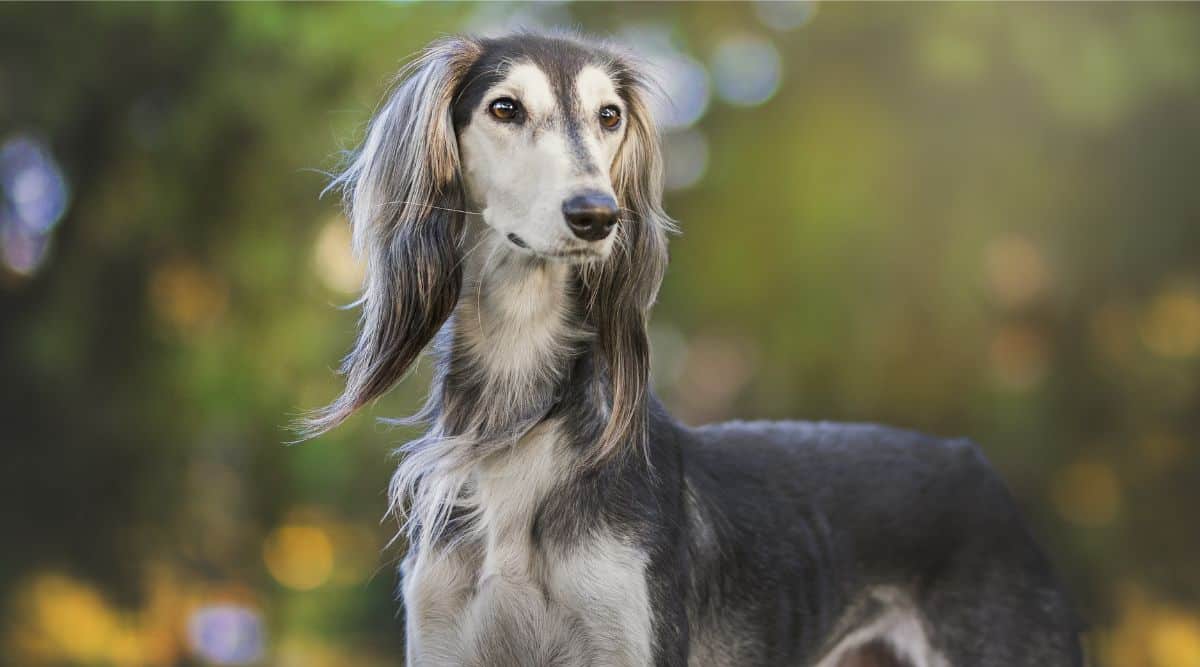
Afghan Hounds
Afghan Hounds are famous for being independent, dignified, and completely uninterested in pretending otherwise. Originally bred in the mountains of Afghanistan for hunting large prey, these striking sighthounds typically weigh between 50 and 60 pounds and were developed to think and react independently in difficult terrain.
They tend to bond with their families, but they’re often more reserved and self-contained than openly eager to please. Afghan Hounds are intelligent dogs, but many approach life with the energy of someone who already had plans, only to have you interrupt with expectations.
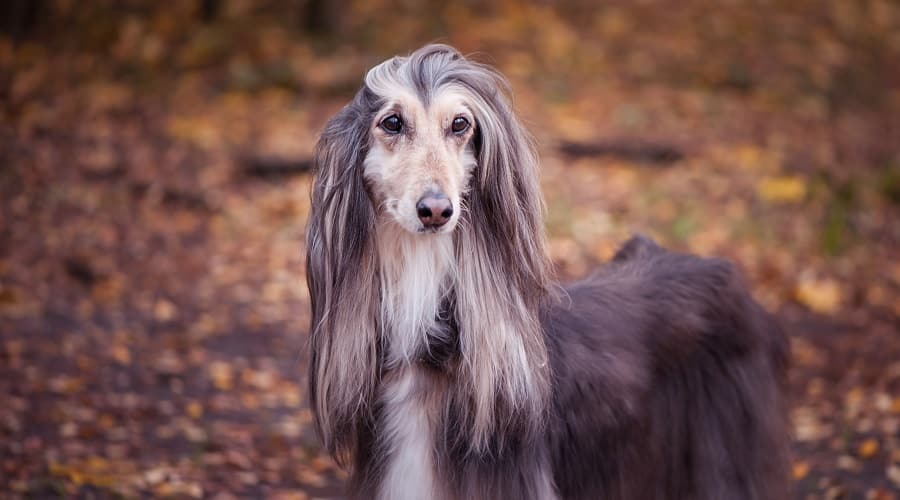
Why They Prefer Doing Things Their Way
- Originally bred to hunt independently in rough terrain
- Often reserved and emotionally self-contained
- Usually less interested in constant attention
- Strong-willed and easily bored with repetition
- Maintains dramatic hair while contributing very little to household chores
Large Independent Dogs With Quiet Confidence
Large independent breeds often have a calmer, steadier presence than people expect. Many were originally developed to guard, hunt, or work with minimal direction, which helps explain why they tend to carry themselves with such quiet confidence.
Akitas
Akitas have the kind of calm confidence that makes other dogs seem emotionally overdressed.
Originally bred in Japan for guarding and hunting, these powerful dogs typically weigh between 70 and 130 pounds and tend to move through the world with quiet certainty rather than frantic enthusiasm.
Most Akitas are deeply loyal to their families, but they’re also naturally reserved, especially with strangers. They’re not usually interested in constant attention or dramatic emotional displays. A lot of them seem perfectly content, sitting silently nearby, assessing the situation like large, emotionally unavailable philosophers.

Where The Independence Comes From
- Originally bred to work and guard independently
- Naturally confident and observant
- Often, reserved around unfamiliar people
- Less emotionally demanding than many breeds
- Usually prefer affection on their own terms
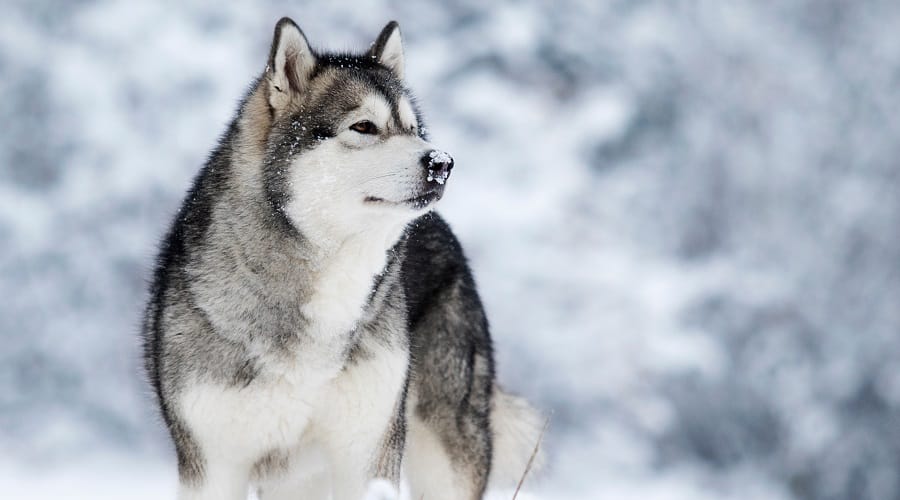
Alaskan Malamutes
Alaskan Malamutes have the kind of calm confidence that makes it very clear they were built for conditions most people would immediately complain about.
These powerful Arctic working dogs typically weigh between 75 and 100 pounds and were bred to haul heavy freight through brutal conditions with minimal direction.
Malamutes are usually affectionate with their families, but they’re also strong-willed, self-reliant, and not especially interested in being micromanaged.
What Makes Them Independent
- Originally bred for endurance work in harsh conditions
- Strong problem-solving instincts
- Often stubborn during training
- Confident and self-assured temperament
- Usually more interested in doing things their way than your way
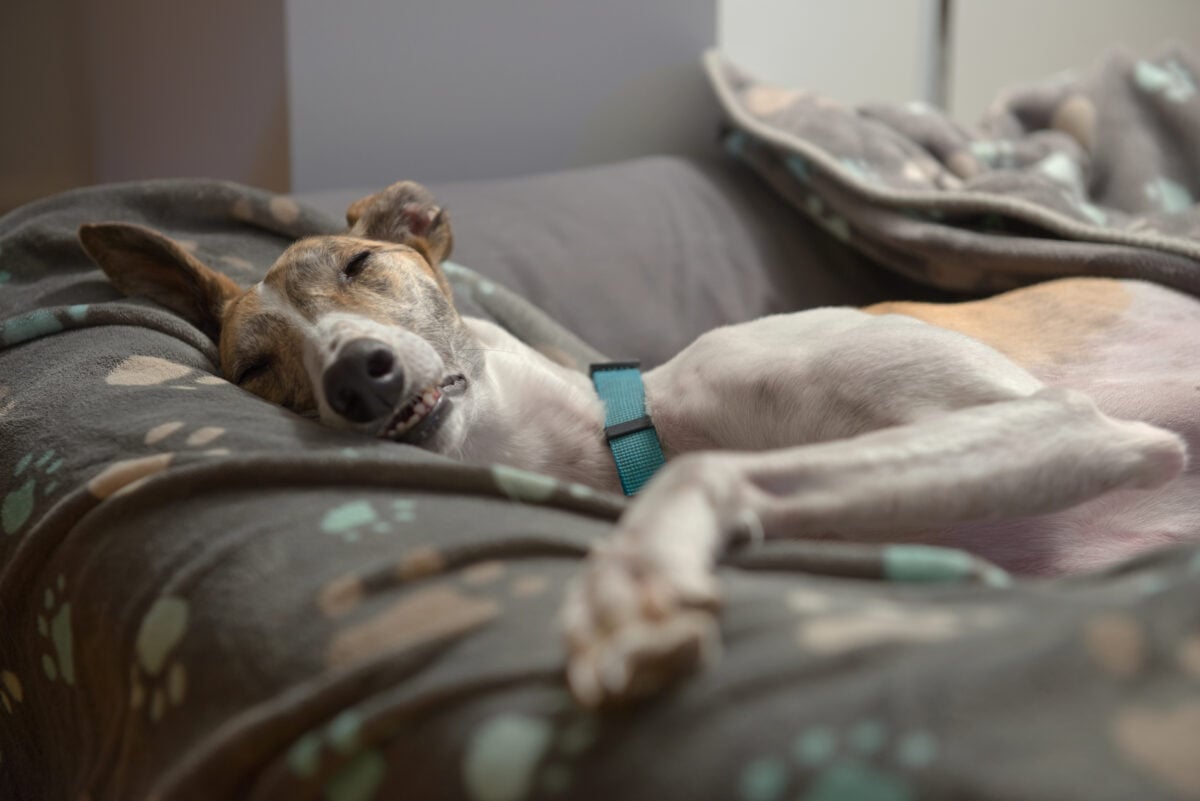
Greyhounds
Although originally bred for hunting game by sight and speed, Greyhounds are dramatically less energetic than people expect. These lean athletic dogs typically weigh between 60 and 70 pounds, but most are calm once they’re indoors.
They’re known for being gentle, independent, quiet, and low-drama dogs that enjoy long naps and peaceful routines. They tend to bond closely with their families without needing constant attention.
What Sets Them Apart
- Originally bred to chase prey independently
- Usually calm and quiet indoors
- Often affectionate without being clingy
- Comfortable relaxing for long stretches
- Built like elite athletes but emotionally committed to napping
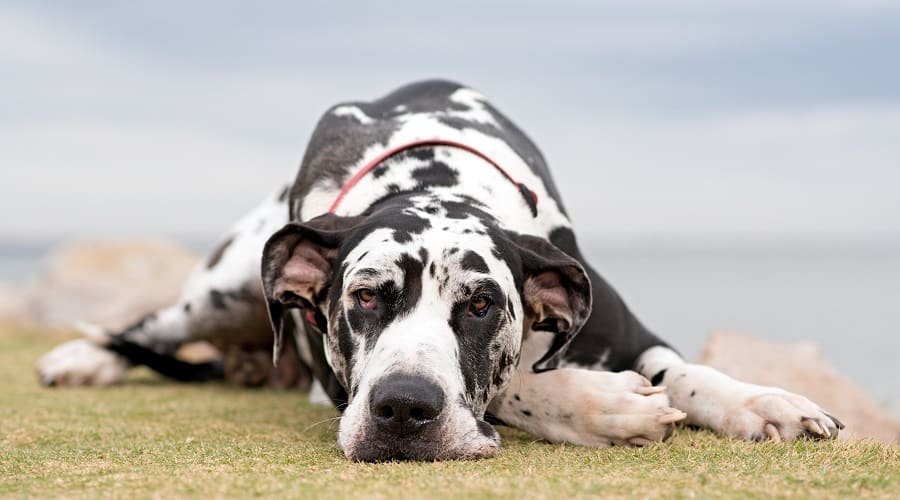
Great Danes
Great Danes somehow manage to be enormous without making a huge emotional production out of it. They’re known for being calm, gentle, and surprisingly low-maintenance for dogs that can weigh as much as a small refrigerator.
Originally bred in Germany for hunting large game, these giant dogs typically weigh between 110 and 175 pounds and tend to carry themselves with quiet confidence rather than frantic energy.
Despite their size, many Danes are surprisingly low-drama indoors and perfectly content spending most of the day lounging quietly near their people.
Their Signature Personality Traits
- Usually calm and easygoing indoors
- Less emotionally demanding than many giant breeds
- Often content simply being near their people
- Typically gentle and steady-tempered
- Capable of occupying an entire couch without apology
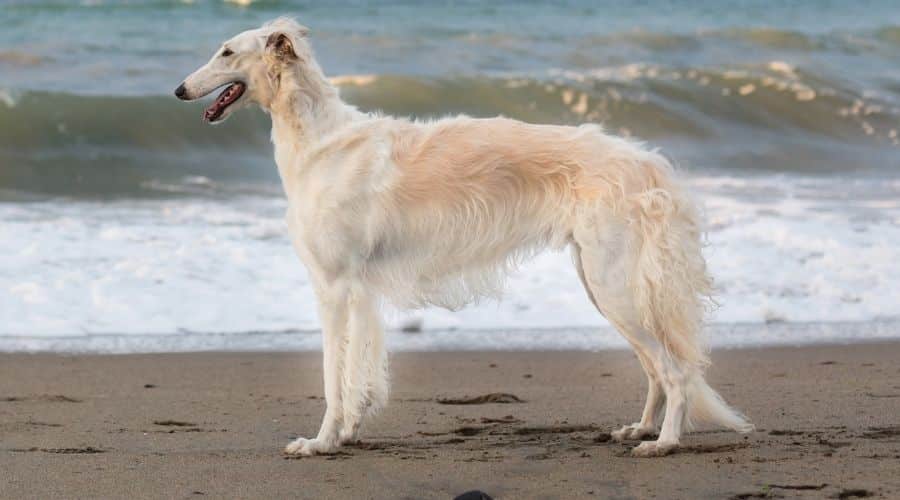
Borzois
Borzois somehow make standing still look expensive.
Originally bred by Russian nobility to hunt wolves, these elegant sighthounds typically weigh between 60 and 105 pounds and tend to move through life with quiet dignity and very little urgency.
They’re affectionate with their families but usually emotionally reserved and perfectly comfortable doing their own thing nearby.
What Sets Them Apart
- Originally bred to hunt using speed and independent judgment
- Usually calm and reserved indoors
- Often less emotionally demanding than other large breeds
- Strong instinct to quietly do their own thing
- Naturally dignified and self-contained
Bullmastiffs
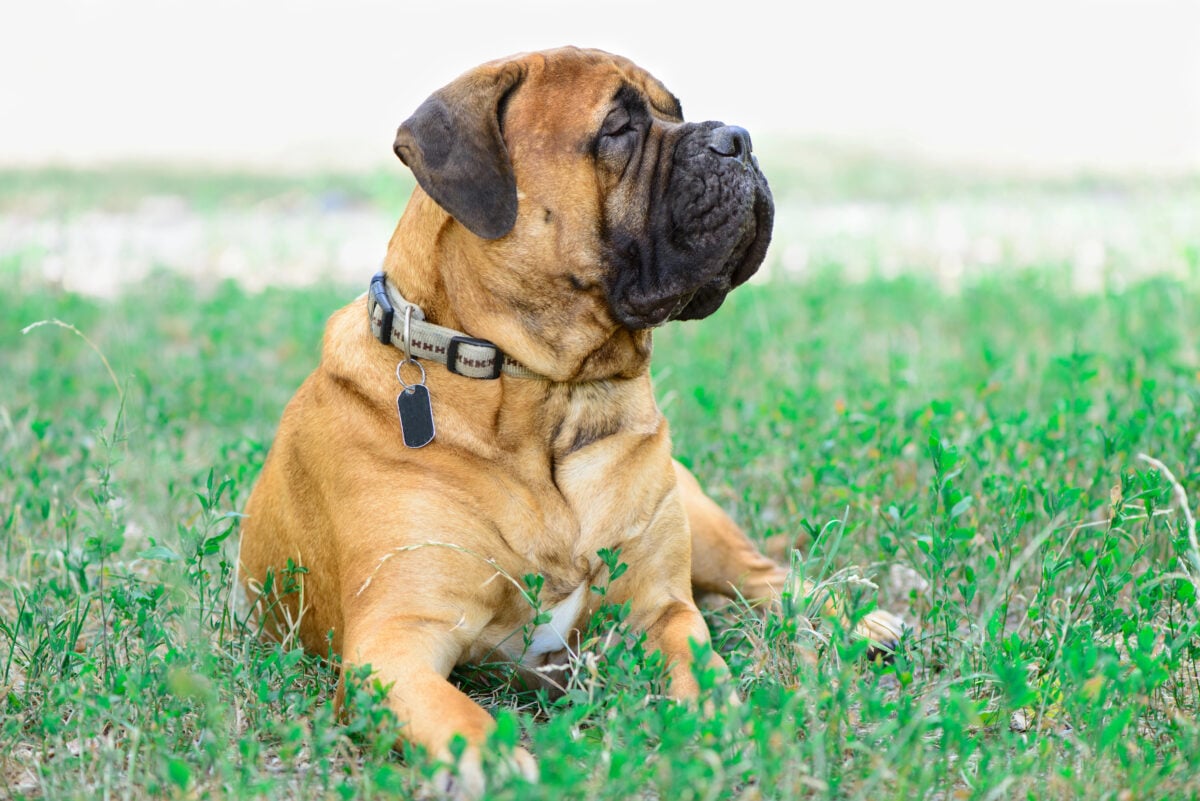
Bullmastiffs are known for being calm, observant, and naturally self-confident. Originally bred in England to guard estates against poachers, these powerful dogs typically weigh between 100 and 130 pounds and were developed to assess situations independently without overreacting.
They’re usually loyal and affectionate with their families, but they’re rarely emotionally frantic about it. Most Bullmastiffs seem perfectly content to quietly monitor the household against unexpected visitors.
What Sets Them Apart
- Originally bred as independent guard dogs
- Naturally calm and steady-tempered
- Usually less reactive than many watchdog breeds
- Often affectionate in subtle ways
- Strong instinct to quietly supervise everything
Irish Wolfhounds
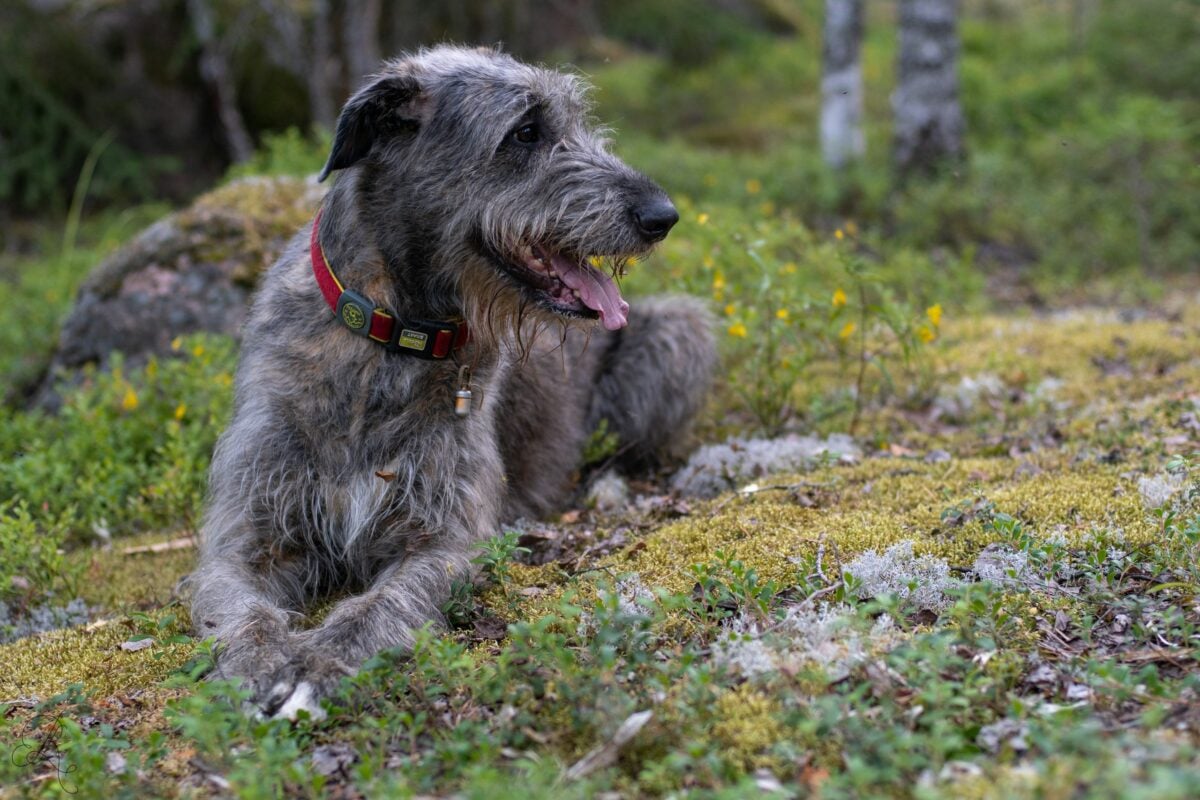
Irish Wolfhounds look like ancient mythical creatures that somehow ended up quietly sharing your living room.
Originally bred in Ireland to hunt wolves and guard property, these giant dogs typically weigh between 105 and 180 pounds and combine impressive size with surprisingly low-drama personalities.
Despite their enormous size, they’re often calm, gentle companions that prefer peaceful coexistence over constant excitement.
Their Most Distinctive Traits
- Originally bred to hunt and guard independently
- Usually calm and emotionally steady
- Often affectionate without being clingy
- Comfortable relaxing quietly nearby
- Somehow enormous while still appearing gentle
Independent Doesn’t Always Mean Low-Maintenance
A dog can be perfectly comfortable doing its own thing and still require an unbelievable amount of effort elsewhere. That’s the part people sometimes underestimate about independent breeds.
Some dogs on this list are calm, adaptable, and happy lounging nearby for most of the day. Others are highly intelligent escape artists with endless stamina and the problem-solving abilities of someone actively trying to defeat your fencing system for personal fulfillment.
A Greyhound and a Siberian Husky are both independent dogs, but the day-to-day experience of living with them is wildly different. The same goes for a laid-back English Bulldog versus a constantly investigating West Highland White Terrier.
That’s why independence works best when it matches your lifestyle.
The Catch With Independent Dogs: Training Can Be… A Conversation
Independent dogs are often extremely intelligent, which sounds wonderful until you realize intelligence and obedience are not even remotely the same thing.
Many of these breeds were developed to solve problems and make decisions without waiting for human direction, which means they don’t always approach training with the eager enthusiasm of a Labrador who just discovered applause exists.
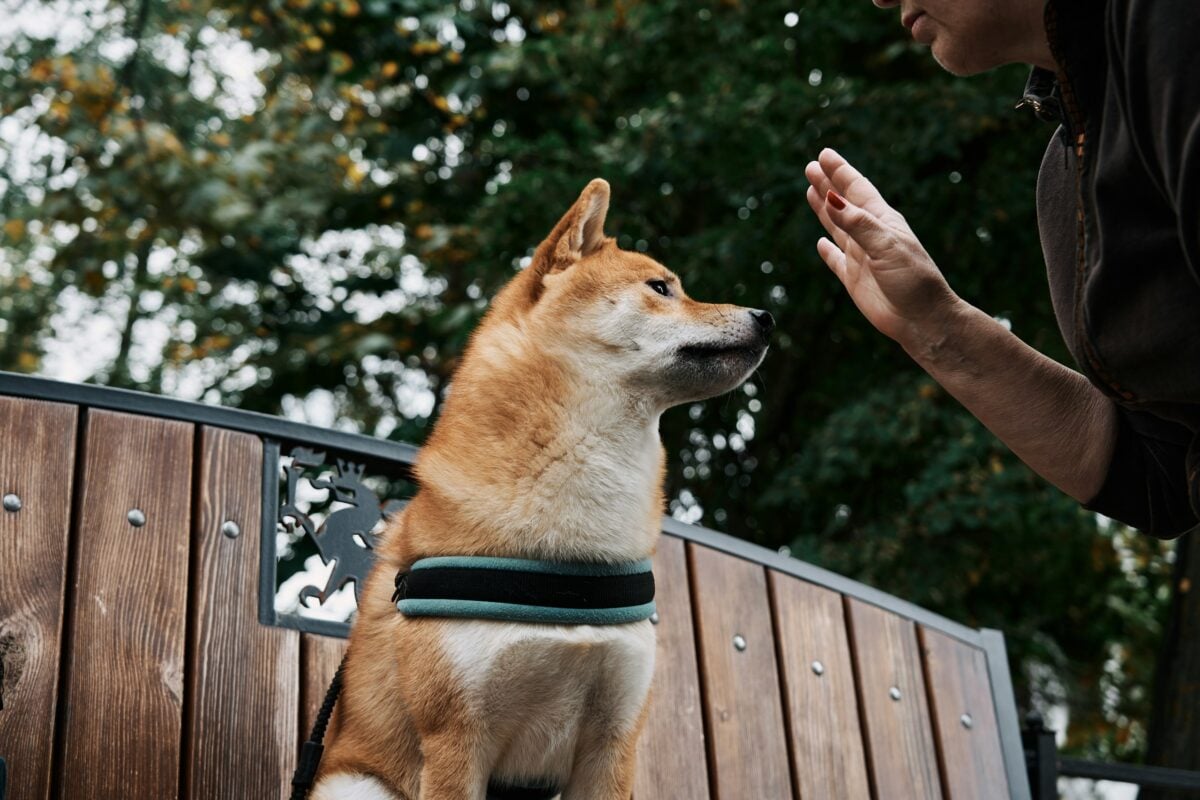
Many independent dogs learn commands very quickly, but they also pick up on:
- Whether you actually mean it
- How consistent you are
- And exactly how many times they can ignore you before the situation becomes inconvenient for everyone involved
That’s why training these breeds often feels less like giving instructions and more like presenting a proposal to someone with several follow-up concerns.
A lot of independent dogs also get bored with repetition quickly. If training becomes too predictable, some breeds start responding with the emotional energy of gifted students who mentally checked out 20 minutes ago.
Of course, independence doesn’t look the same across every breed.
Some dogs are quietly stubborn. Some are chaotically stubborn. And some pretend not to hear you while maintaining unwavering eye contact the entire time.
For example:
| Breed | Training Experience |
|---|---|
| Siberian Husky | “What if we simply didn’t?” |
| Shiba Inu | “I understand your point. Unfortunately, I’ve decided something else.” |
| Chow Chow | Silent judgment followed by selective cooperation |
| English Bulldog | Deep concern about whether this activity is physically necessary |
| Basenji | Mysterious personal agenda that nobody fully understands |
That said, independent doesn’t mean untrainable.
Most of these breeds do best with consistency, patience, mental stimulation, and owners who understand that respect goes a long way.
And honestly, for many people, that independent streak is part of the fun. Because when a dog with strong opinions actually chooses to cooperate with you, it somehow feels a little more earned.
Which Independent Dog Breed Matches Your Personality?
The best independent breed for you usually depends on what kind of personality you actually enjoy living around every day.
- Want a quiet, dignified observer?
A Chow Chow or Akita might be your speed. - Prefer a dog with chaotic intelligence and endless opinions?
The Siberian Husky is already redesigning your plans. - Like dogs that are calm, gentle, and low-drama indoors?
Greyhounds and Great Danes are surprisingly good at professional-level lounging. - Want a small dog with unreasonable confidence?
The Scottish Terrier and West Highland White Terrier have several opinions ready immediately. - Prefer dogs with mysterious art-gallery energy?
Borzois and Afghan Hounds somehow look emotionally unavailable even while standing completely still.
Ultimately, independent dogs aren’t for everyone.
But for the right owner, there’s something oddly rewarding about a dog that loves you deeply while still maintaining the emotional energy of a roommate who occasionally disappears into another room to “recharge.”
Frequently Asked Questions
Still wondering whether an independent dog sounds peaceful, emotionally healthy, or like living with a tiny woodland cryptid that occasionally ignores basic social contracts?
These are some of the most common questions people have about independent dog breeds. If you don’t see yours here, ask us in the comments.
Are Independent Dogs Less Affectionate?
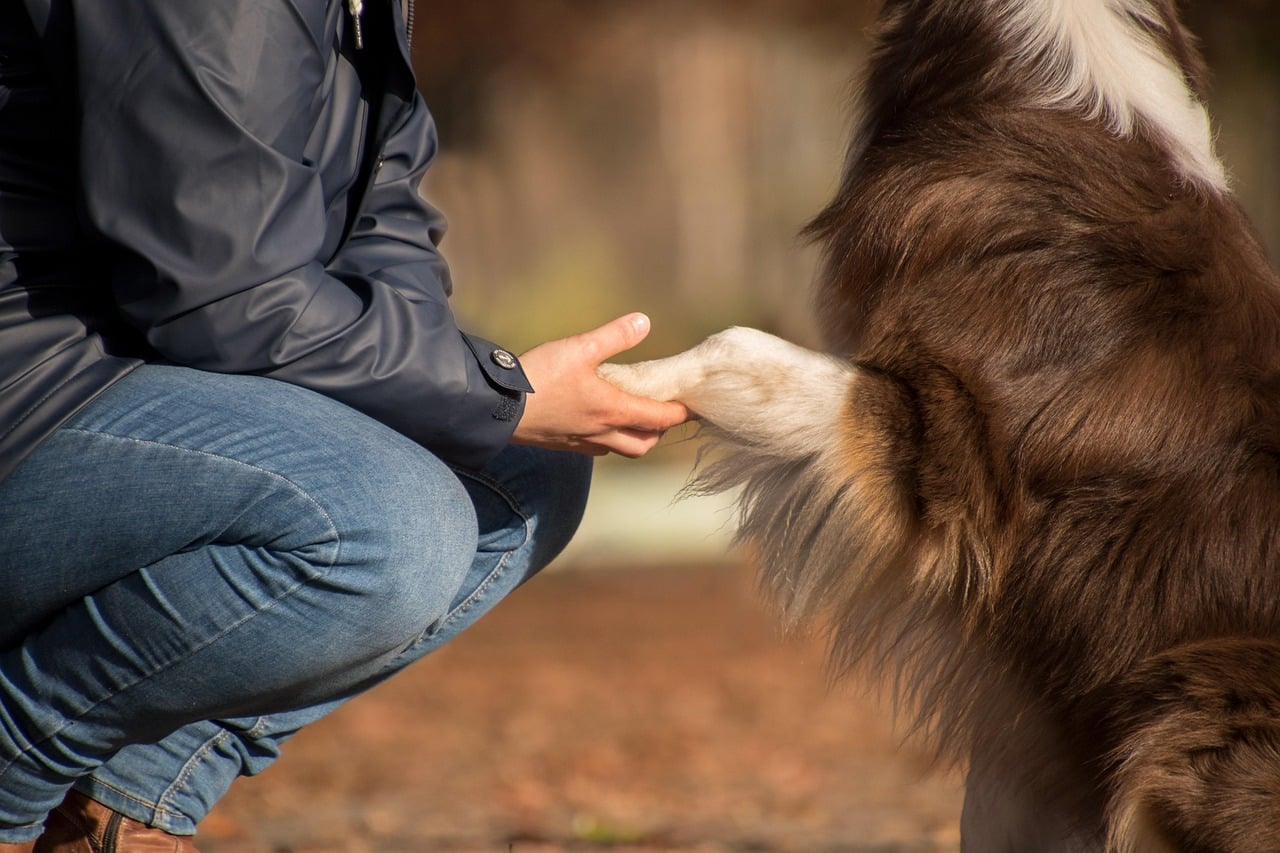
Not necessarily. Many independent breeds bond very deeply with their families. They just tend to show affection in quieter, less emotionally dramatic ways.
Instead of constantly demanding attention, they’re often more likely to sit nearby, quietly follow you from room to room, or casually lean against your leg for a few seconds before acting like none of that just happened.
Are Independent Dogs Better For Busy Owners?
Sometimes, yes. Many independent breeds are less emotionally demanding and more comfortable spending time alone than highly clingy breeds.
That said, independence doesn’t automatically mean low-maintenance. Some independent dogs still need a lot of exercise, mental stimulation, training, or structured routines.
Which Independent Dog Breeds Are Hardest To Train?
Breeds like the Shiba Inu, Basenji, and Siberian Husky are often considered more challenging because they’re intelligent, strong-willed, and easily bored with repetition.
It’s not usually a lack of intelligence. In many cases, it’s more of a philosophical disagreement about why your idea should become their problem.
Are Independent Dogs Good For First-Time Owners?
Some are. Others can be overwhelming for inexperienced owners.
Calmer breeds like the Great Dane or Basset Hound may be easier for some first-time owners than highly stubborn or high-energy breeds like Huskies or certain terriers.
Temperament, energy level, and training needs usually matter more than independence alone.
What’s The Most Cat-like Independent Dog Breed?
The Shiba Inu and Basenji are probably the two breeds most commonly described as cat-like because they tend to be clean, self-contained, selective with affection, and perfectly comfortable ignoring you for personal reasons.
The Japanese Chin also deserves honorable mention for its habit of quietly surveying rooms from elevated vantage points.
Not All Independent Dogs Like Being Alone
Some independent dogs are perfectly happy doing their own thing for a few hours. Others still need a lot more companionship, structure, and daily interaction than people expect.
If you’re specifically looking for breeds that handle solo time well, our guide to dogs that are okay being left alone breaks down which dogs tend to be the most comfortable spending time independently — and which ones absolutely will not be healthily processing your absence.
If you live with an independent dog, we want to hear about it in our comments. Which breed in your house acts emotionally unavailable until the exact moment they decide attention is acceptable? Bonus points if your dog has ever ignored you while maintaining direct eye contact the entire time.