When you purchase through links on our site, we may earn a commission at no extra cost to you. Learn more.
You’re petting your dog and suddenly your stomach drops. There’s a lump you’ve never felt before.
Table of Contents
Before panic sets in, take a breath. Most lumps in dogs — especially older dogs — turn out to be benign. But no lump can be diagnosed by touch alone, which is why having a simple action plan matters.
Start Here: I Found A Lump, licensed via My Dog — Now What?
If you’re here, you’re probably worried. That’s normal. The key is to slow down and assess three things: how it feels, how fast it’s changed, and how your dog is acting overall.
The 30-Second Triage Checklist
Run through this quick assessment before you spiral.
Want our human-written content to rank above AI-generated garbage? Help us out by clicking this button!
1. How Does It Feel?
- Soft and squishy?
- Firm or hard?
- Fixed in place or movable under the skin?
- Warm or painful to touch?
2. Has It Changed Quickly?
- Appeared overnight?
- Grown noticeably in days or weeks?
- Started oozing or bleeding?
3. Is Your Dog Acting Normal?
- Eating normally?
- Energy level unchanged?
- No vomiting? (Read more about dog vomiting)
- No diarrhea? (See signs of concern in our guide to dog diarrhea)
If your dog is otherwise acting completely normal and the lump is small, soft, and not rapidly growing, it is usually reasonable to schedule a routine vet visit rather than rush to emergency care.
Monitor, Call Soon, Or Emergency?
Here’s a simplified decision guide:
| Situation | What You’re Seeing | What To Do |
|---|---|---|
| Monitor At Home (For Now) | Soft, movable lump No pain No rapid growth Dog acting normal | Measure it Take a photo Recheck in 1–2 weeks |
| Call Your Vet Soon | Firm or fixed lump Growing over days/weeks New lump in senior dog Lump near mammary chain | Schedule exam within a few days |
| Seek Urgent Care | Rapid swelling Bleeding or ulcerated mass Painful lump with fever Vomiting, diarrhea, lethargy | Call vet or emergency clinic immediately |
When It’s Probably Not An Emergency
If your dog is eating normally, acting like themselves, and the lump is soft, small, and not rapidly changing, it is usually safe to monitor for a short period before your appointment.
Many benign lumps develop slowly and do not cause pain. In these cases, scheduling a routine exam within the next week or two is reasonable.
Monitoring does not mean ignoring. It means measuring, documenting, and watching for change.
When To Call The Vet Today
Some lumps should not wait. Contact your veterinarian promptly if you notice:
- Rapid growth over days
- Bleeding, oozing, or ulceration
- A firm lump that feels fixed to underlying tissue
- Pain when touched
- Swelling accompanied by lethargy, appetite loss, vomiting, or diarrhea
Systemic symptoms matter. If your dog seems unwell overall, the lump may be part of a larger issue rather than an isolated skin change.
The Honest Truth: Are Most Dog Lumps Cancer?
This is the question most owners are afraid to ask. The honest answer is that many skin lumps in dogs — especially soft, slow-growing ones — are benign. Lipomas, cysts, and harmless growths are extremely common in middle-aged and senior dogs.

Why You Can’t Diagnose By Touch
Here’s the part that matters: You cannot reliably tell whether a lump is cancerous just by looking at it or touching it.
Some benign lumps feel firm. Some cancerous tumors feel soft. Dangerous tumors start small and subtle.
That’s why veterinarians often recommend sampling any new or changing lump, even if it looks harmless.
If cancer is suspected, further testing may evaluate whether it’s a localized skin tumor or part of something more systemic. You can read more about broader signs of concern in our guide to cancer in dogs.
Why Older Dogs Get More Lumps
As dogs age, normal cellular turnover becomes less precise. Fat deposits accumulate, benign tumors become more common, and immune surveillance weakens.
Years of environmental exposure, minor skin trauma, and genetic predispositions also contribute. In short, lumps are often part of the aging process — but that does not mean they should be ignored.
Age increases likelihood, not certainty.
The 8 Most Common Lumps On Dogs (With Pictures)
Understanding what’s common can reduce a lot of unnecessary fear. Below are the growths veterinarians diagnose most often.
1. Lipomas (Fatty Tumors)
Lipomas are one of the most common reasons owners feel a new lump. They often grow slowly and may not require removal unless they interfere with movement.
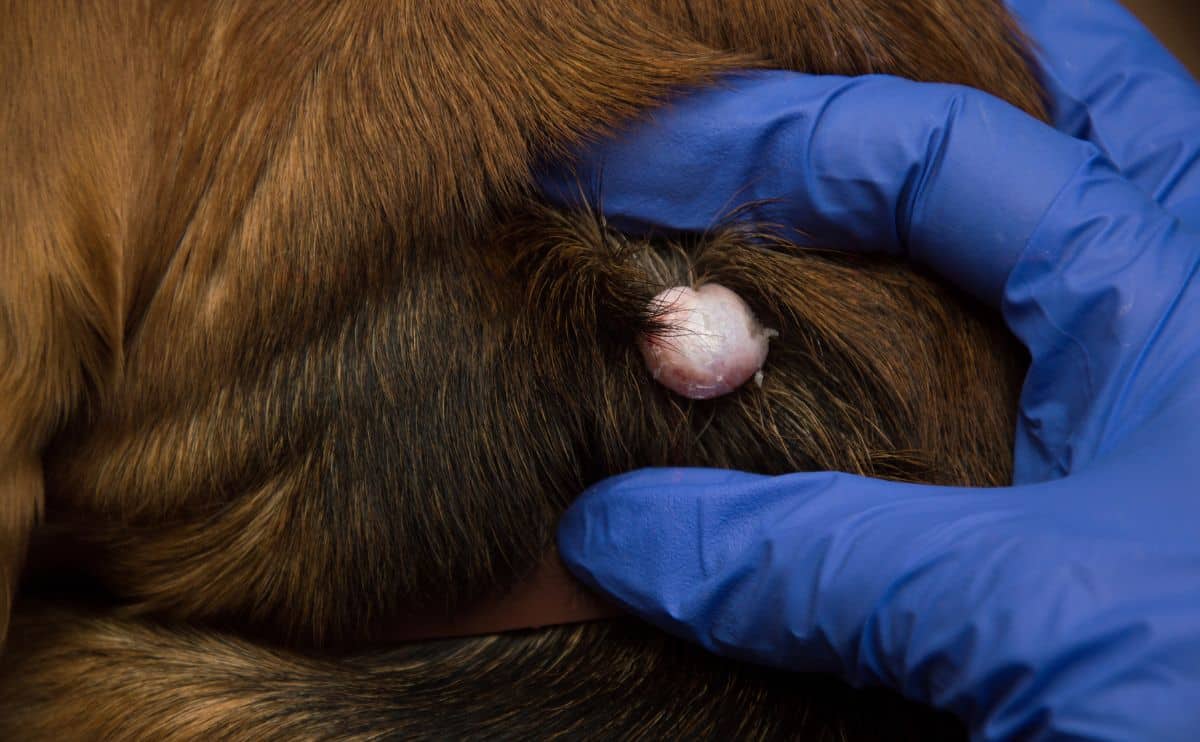
- What they feel like: Soft, doughy, movable under the skin.
- Who gets them: Common in middle-aged and senior dogs, especially overweight dogs.
- Cancer risk level: Almost always benign.
2. Sebaceous Cysts
Sebaceous cysts are blocked oil glands. Some rupture and release thick white or gray material. Learn more about the different types of cysts on dogs.
- What they feel like: Small, round, sometimes firm bumps that may have a central pore.
- Who gets them: Any age, but more common in older dogs.
- Cancer risk level: Benign.
Sebaceous Cysts vs Sebaceous Adenomas
Sebaceous adenomas are benign tumors of the skin’s oil glands. Unlike cysts, which are blocked glands filled with material, adenomas are true growths of gland tissue.
They’re most common in older dogs and often appear as small, wart-like bumps.
Here’s the difference:
- Sebaceous cysts: Blocked oil glands filled with debris; may rupture and release thick white or gray material.
- Sebaceous adenomas: Solid, wart-like growths of oil gland tissue; usually dry and not fluid-filled.
Both are typically non-cancerous. However, because they can resemble other skin tumors, veterinarians may recommend sampling to confirm the diagnosis.
3. Histiocytomas
Histiocytoma can look alarming because they appear suddenly and may ulcerate slightly. In young dogs, they’re often harmless.
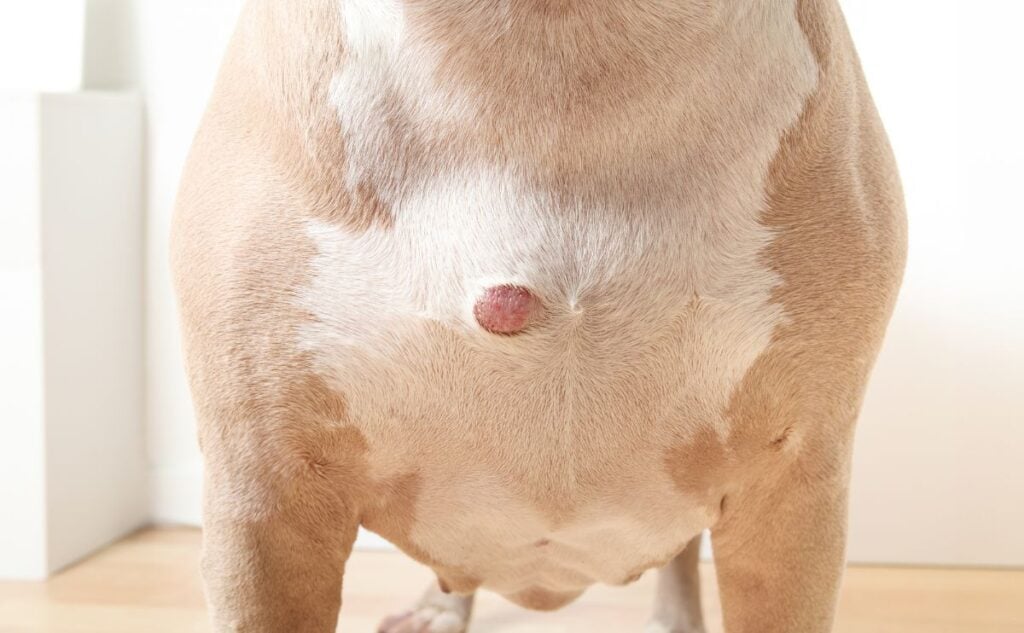
- What they feel like: Small, red, button-like mass.
- Who gets them: Most common in puppies and dogs under three years old.
- Cancer risk level: Benign and often regress on their own.
4. Papillomas (Warts)
Canine papillomas are caused by a virus and often appear around the mouth.
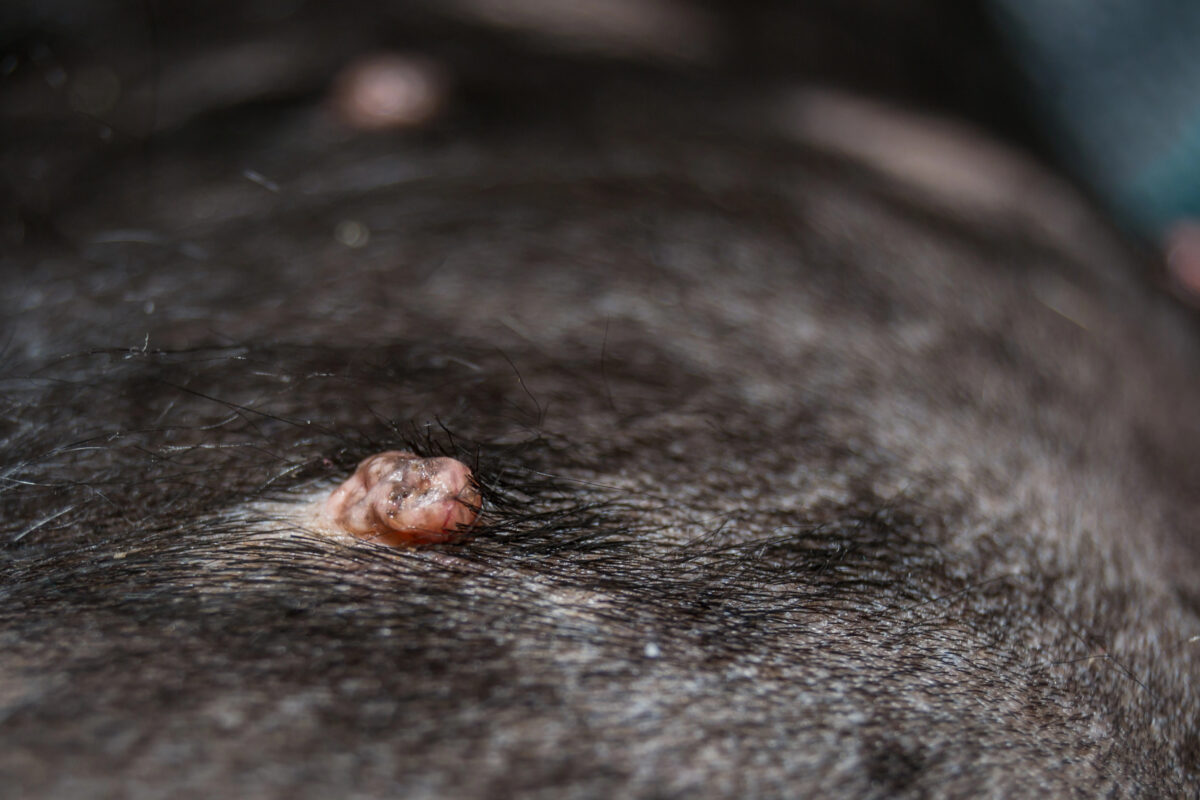
- What they feel like: Cauliflower-like growths.
- Who gets them: Young dogs or dogs with weakened immune systems.
- Cancer risk level: Benign.
5. Mast Cell Tumors
Mast cell tumors are sometimes called “the great pretenders” because they mimic many benign growths. Any suspicious lump may require testing to rule this out.
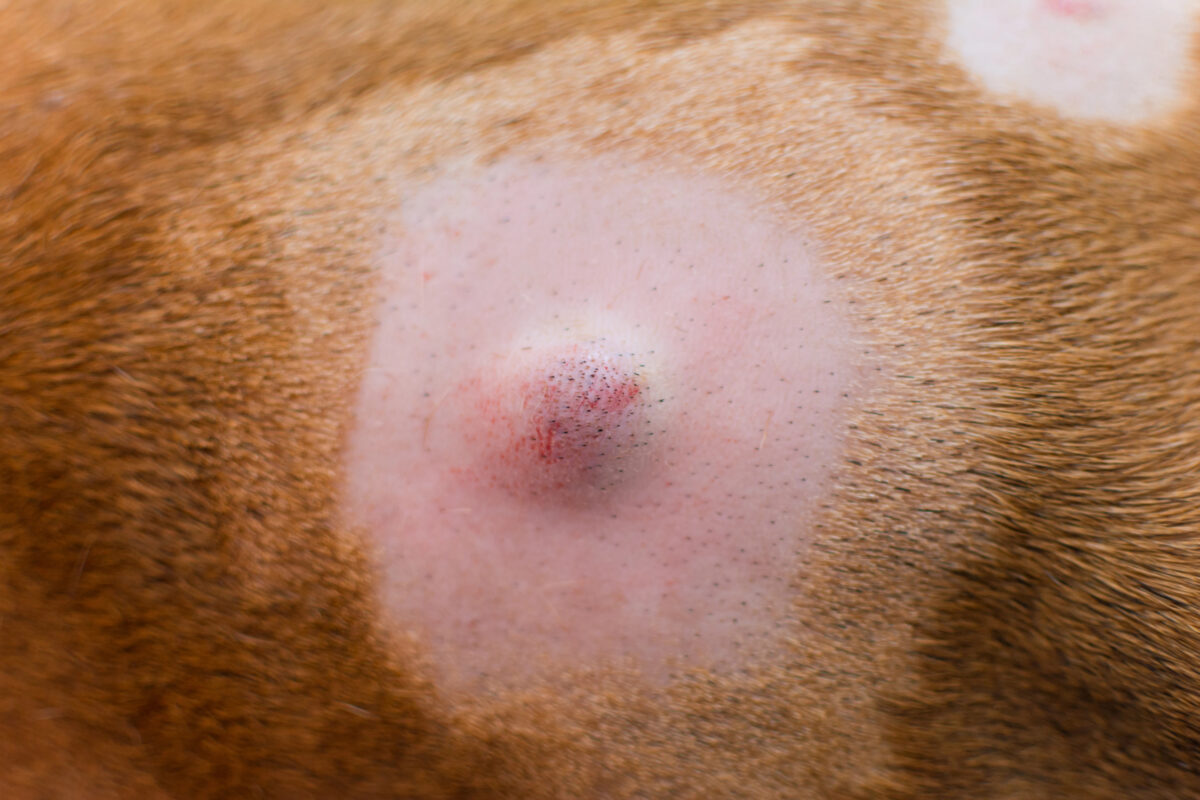
- What they feel like: Highly variable. Can feel soft, firm, flat, or raised.
- Who gets them: More common in Boxers, Boston Terriers, and Labrador Retrievers.
- Cancer risk level: Can be malignant.
Learn more in our detailed guide to mast cell tumor in dogs.
6. Abscesses
Abscesses are pockets of infection under the skin and may rupture or leak pus.
- What they feel like: Warm, swollen, painful lump.
- Who gets them: Dogs with bite wounds or skin trauma.
- Cancer risk level: Not cancerous.
7. Hematomas
Ear hematomas occur when blood vessels rupture under the skin of the ear flap. See our guide on dog ear hematoma for details.
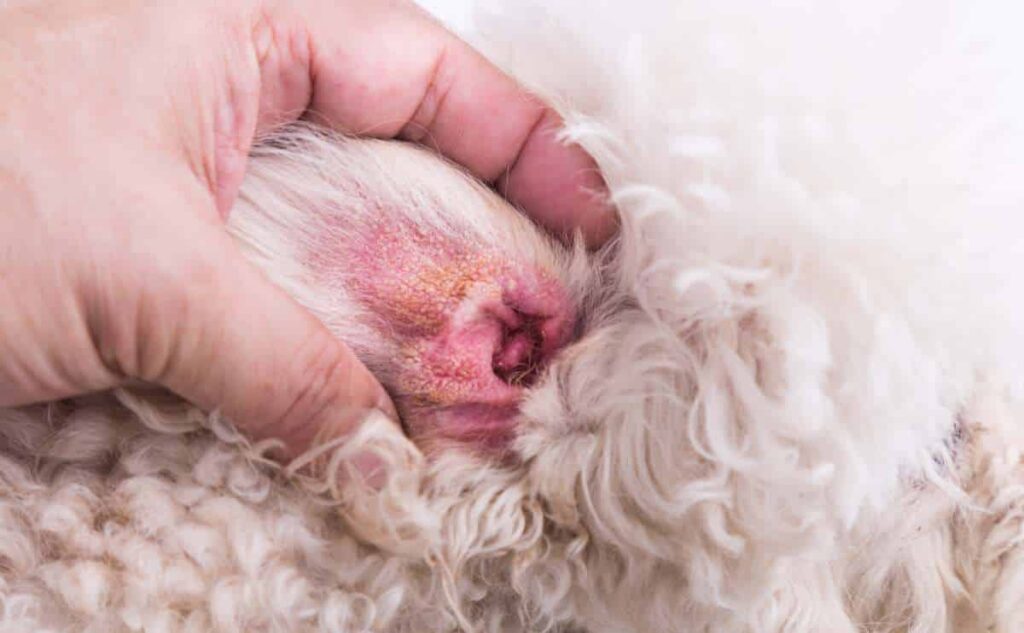
- What they feel like: Fluid-filled swelling, often in the ear.
- Who gets them: Dogs that shake their heads frequently.
- Cancer risk level: Not cancerous.
8. Skin Tags
Skin tags are harmless but may catch on collars or grooming tools. Learn more about skin tags on dogs.
- What they feel like: Small, soft, dangling growth.
- Who gets them: Older dogs.
- Cancer risk level: Benign.
When A “Lump” Isn’t A Lump
Not every bump is a growth. Some are simply reactions or temporary conditions.
It Could Be…
- A tick attached to the skin → See what to look for in our guide to ticks on dogs
- A spider or insect bite → Learn about a possible spider bite on a dog
- Allergic swelling → More on dog skin allergies
- Skin infection or irritation → Explore common dog skin conditions
- Anal gland swelling or impaction → Learn how to express your dog’s anal glands
When in doubt, avoid squeezing or manipulating the area. Some lumps worsen with irritation.
Does Location Matter?
Yes, location matters. A soft lump on your dog’s ribcage is very different from swelling under the tail or a firm mass in the mammary chain. The part of the body where a lump appears can change how concerned you should be and how quickly it should be evaluated.
Some areas are more prone to harmless fatty tumors. Others contain glands, lymph nodes, or specialized tissues where growths may require faster attention.
Lumps On The Belly & Mammary Chain
Lumps along the belly, especially near the nipples, deserve careful attention. Female dogs have multiple mammary glands extending from the chest to the groin. Tumors in this chain are common, particularly in unspayed females.
Mammary tumors can be benign or malignant. Early evaluation improves outcomes. You can read more about these in our full guide to mammary tumors in dogs.
When To Escalate Quickly
Firm lump attached to underlying tissue
- Rapid growth
- Skin ulceration
- Heat or inflammation
Lumps On The Neck
The neck contains important lymph nodes. If you feel swelling under the jaw or along the side of the neck, it may represent enlarged lymph nodes rather than a skin mass.
Enlarged lymph nodes can be reactive (from infection) or part of systemic disease. If multiple lymph nodes feel enlarged at the same time, veterinary evaluation should not be delayed.
Lumps Between The Toes
Interdigital lumps are often inflammatory rather than cancerous.
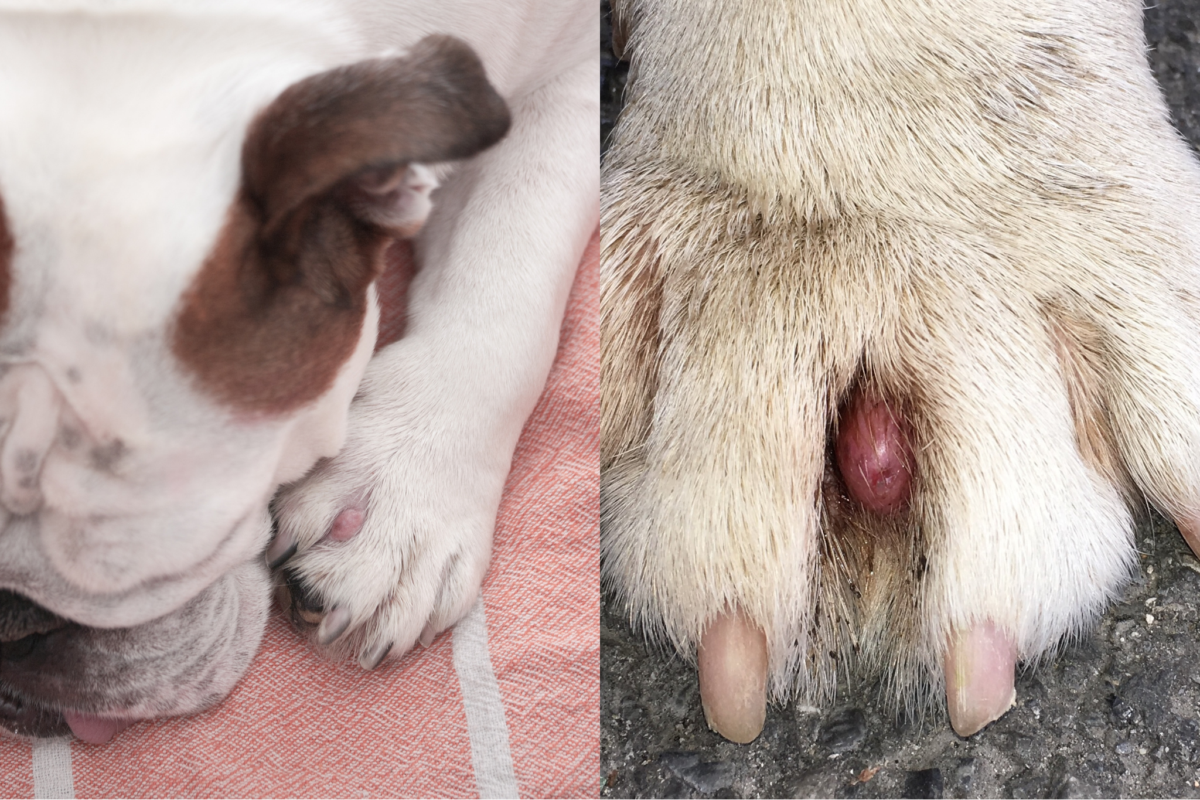
Common causes include:
- Interdigital cysts
- Infected hair follicles
- Foreign bodies
These swellings are usually red, painful, and may cause limping. Because they’re prone to infection, they often require treatment rather than watchful waiting.
Lumps On The Eyelids
Small eyelid masses are often benign growths of oil glands. However, anything affecting the eye should be evaluated promptly to prevent irritation or corneal damage.
If the lump causes squinting, discharge, or rubbing, move the appointment up.
Lumps Under The Tail
Swelling near the anus is different from a typical skin lump. This area contains anal glands, muscle structures, and rectal tissue, so not every “lump” here is a growth.
- The most common cause is anal gland impaction or infection, which can feel like firm swelling on one or both sides of the anus.
- Less commonly, growths in this area may include perianal tumors or anal sac cancers.
- Structural issues such as perineal hernia or rectal prolapse can also create visible swelling.
Because anatomy here is more complex, any new lump under the tail should be evaluated by a veterinarian rather than monitored for long periods.
Can Dogs Get Hemorrhoids?
Nope. Dogs do not develop hemorrhoids the way humans do.
If the swelling is near the anus, it may be related to anal gland problems, rectal prolapse, perineal hernia, or other perianal conditions. We break down these possibilities in our full guide debunking canine hemorrhoids.
Red Flags: Lumps That Need Immediate Attention
Some characteristics increase the likelihood that a lump requires urgent evaluation.
Pay close attention if you notice:
- Rapid growth over days
- Firm, fixed attachment to underlying tissue
- Ulceration or bleeding
- Painful to touch
- Multiple new lumps appearing at once
Also escalate if the lump is accompanied by:
- Lethargy
- Appetite loss
- Weight loss
- Vomiting
- Diarrhea
Systemic symptoms matter more than size alone.
Soft vs Hard Lumps: What Texture Can Tell You
Texture provides clues but not certainty.
- Soft and movable: Often lipomas or benign fatty growths.
- Firm but movable: May be cysts, adenomas, or early tumors.
- Firm and fixed: More concerning, especially if growing.
- Warm and painful: More likely infection or abscess.
Texture helps guide urgency, but it cannot replace testing.
The 2-Week Rule For Dog Lumps
If a lump is small, soft, and your dog is acting normally, a short monitoring period may be reasonable.
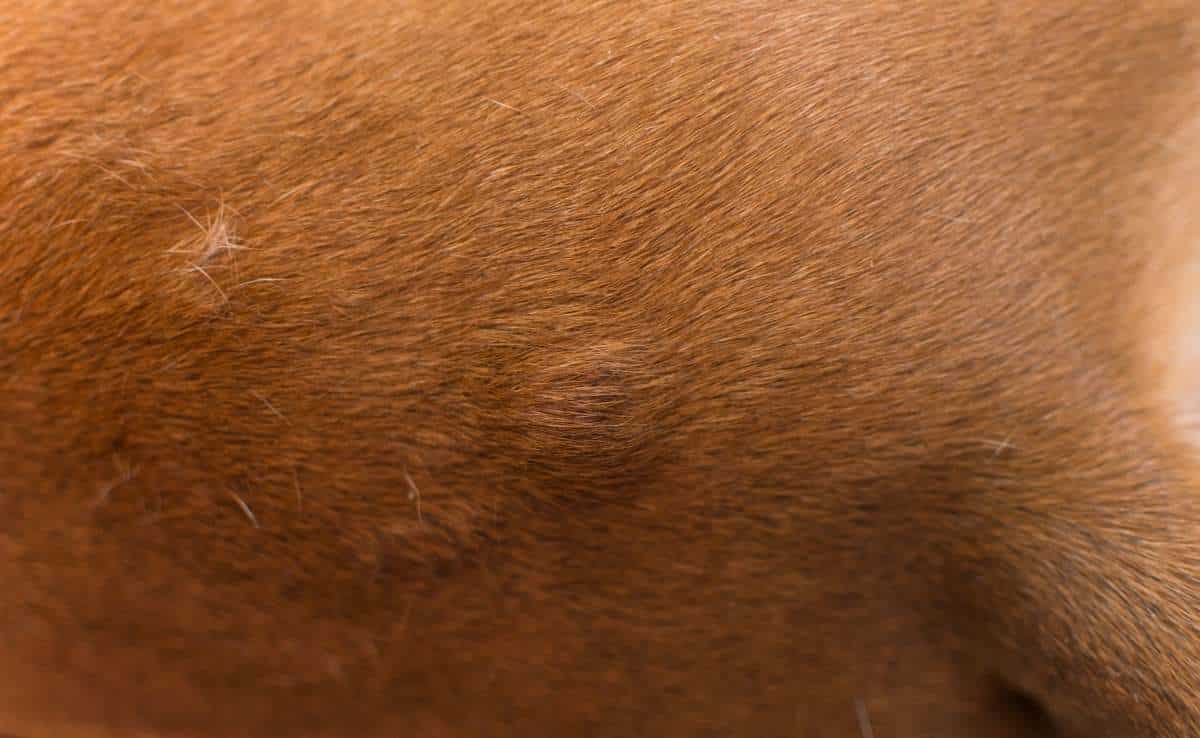
Here’s how to do it correctly:
- Measure the lump (use a ruler or calipers).
- Take a clear photo.
- Recheck in 1–2 weeks.
- Schedule evaluation if it grows, changes shape, or becomes painful.
If there is no change and your dog remains normal, your veterinarian may continue to monitor. If there is growth — even subtle — it’s time to sample.
How Vets Actually Diagnose Lumps
Finding a lump is step one. Diagnosing it is step two.
Veterinarians do not rely on appearance alone. Even experienced clinicians cannot accurately determine whether most masses are benign or malignant just by touch. Here’s how the process typically works.
Physical Examination
Your veterinarian will:
- Assess size and location
- Determine whether it is movable or fixed
- Check nearby lymph nodes
- Ask about timeline and growth
This exam helps determine urgency but does not provide a definitive diagnosis.
Fine Needle Aspiration (FNA)
This is the most common first diagnostic step. A small needle is inserted into the lump to collect cells, which are then examined under a microscope.
It is:
- Quick
- Minimally invasive
- Often done during a regular appointment
- Frequently does not require sedation
FNA can often distinguish between:
- Lipomas
- Cysts
- Mast cell tumors
- Inflammatory lesions
If results are inconclusive, further testing may be needed. For more information on tumor types, see our full guide to dog tumors.
Biopsy
If FNA results are unclear or suggest cancer, a biopsy may be recommended. A biopsy removes a larger tissue sample for more detailed analysis. This can provide definitive diagnosis and grading information.
Biopsies may require sedation or anesthesia depending on the lump’s size and location.
Imaging & Staging
If cancer is diagnosed or strongly suspected, additional tests may be recommended. These can include:
- Bloodwork
- Chest X-rays
- Ultrasound
- CT scan
These tests help determine whether cancer has spread. If skin cancer is suspected, you can learn more in our overview of dog skin cancer and broader signs of cancer in dogs.
Treatment Options: From Watchful Waiting To Surgery
Treatment depends on:
- The type of lump
- Location
- Growth rate
- Your dog’s age and overall health
Not every lump needs to be removed.
Watchful Waiting
Some benign tumors, such as lipomas, may simply be monitored if they:
- Are not growing rapidly
- Do not interfere with movement
- Are not ulcerated
Your vet may recommend measuring and tracking over time.
Surgical Removal
Surgery is the most common treatment for problematic lumps. Removal may be recommended if:
- The lump is malignant
- It is growing
- It interferes with normal movement
- It becomes irritated or infected
For malignant tumors, veterinarians often remove additional surrounding tissue to achieve “clean margins.”
Radiation Or Chemotherapy
If a tumor is malignant and aggressive, additional therapy may be recommended after surgery. This is more common with:
- Mast cell tumors
- High-grade skin cancers
- Anal sac adenocarcinoma
Treatment decisions are individualized based on staging and quality-of-life considerations.
How Much Does Lump Removal Cost?
Costs vary widely based on:
- Geographic region
- Size and complexity
- Whether cancer is involved
- Need for specialty referral
Here’s a general breakdown.
Diagnostic Costs
- Office exam: $50–$100
- Fine needle aspiration: $100–$300
- Cytology lab review: $100–$200
- Biopsy: $300–$800
Surgical Removal Costs
- Simple lump removal: $500–$1,500
- Complex removal (large or invasive): $1,500–$3,000+
- Oncology referral and staging: $2,000–$5,000+
Costs increase if imaging, anesthesia monitoring, or follow-up therapy is required.
Is It Too Late For Insurance If My Dog Already Has A Lump?
If a lump has already been documented by a veterinarian, it is typically considered a pre-existing condition. That means future treatment related to that specific lump may not be covered under a new policy.
However, insurance can still provide coverage for:
- New conditions
- Unrelated illnesses
- Future tumors that are not documented
You can compare coverage options in our full guide to best pet insurance. Routine wellness plans may also help offset the cost of exams and preventative visits. Learn more about annual dog check-ups and available pet wellness plans.

Why Early Evaluation Saves Money
Waiting rarely makes treatment less expensive. Smaller masses are easier to remove, less invasive, and less likely to require advanced staging. Early sampling provides clarity and often reduces overall cost.
Lumps In Puppies vs Senior Dogs
Age changes the probability. Young dogs and older dogs tend to develop different types of lumps — and the context matters.
Lumps In Puppies
In dogs under three years old, many lumps are benign and reactive. Common causes include:
- Histiocytomas (small red “button” tumors)
- Papillomas (viral warts)
- Inflammatory swellings
- Insect bites
Cancer is less common in young dogs, but it is not impossible. Rapid growth, ulceration, or systemic symptoms should still prompt evaluation
Lumps In Senior Dogs
As dogs age, the number of skin and subcutaneous masses increases. Common findings in older dogs include:
- Lipomas
- Sebaceous cysts
- Adenomas
- Mast cell tumors
- Mammary tumors
Age increases likelihood, but it does not confirm malignancy. This is why sampling is often recommended for new lumps in dogs over seven.
Are Certain Breeds More Prone To Tumors?
Yes, breed plays a role. Some breeds have higher incidence of specific tumor types.
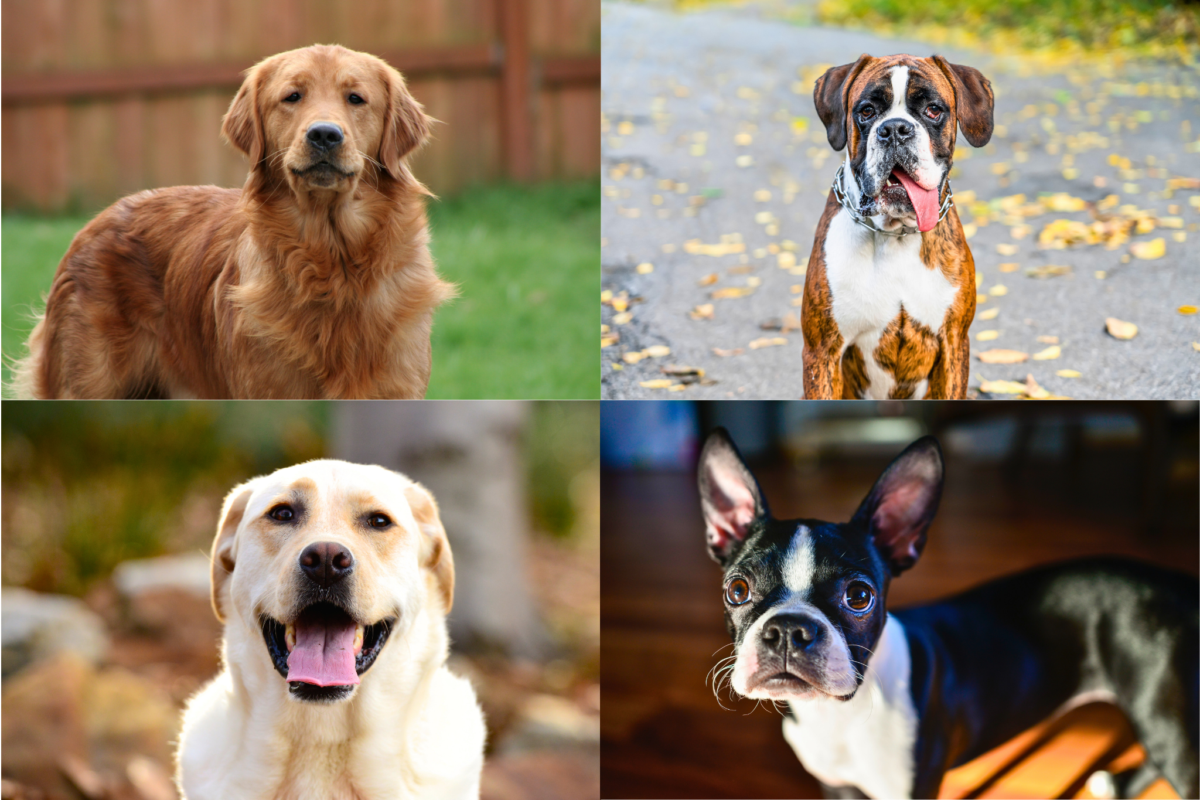
- Boxers: Higher risk of various cancers, including mast cell tumors
- Golden Retrievers: Increased overall cancer risk
- Labrador Retrievers: Prone to mast cell tumors and lipomas
- Boston Terriers: Mast cell predisposition
Breed risk does not guarantee disease. It simply influences probability.
The Emotional Spiral: Why Finding A Lump Feels So Scary
When you feel a lump, your brain often jumps to one word. Cancer.
That reaction is normal. We love our dogs, and sudden physical changes trigger protective instincts. But here’s the balanced truth:
- Many lumps are benign.
- Some are malignant.
- Most cannot be diagnosed by touch alone.
Testing provides clarity. And clarity reduces fear. You are not overreacting by checking; you are being responsible.
Frequently Asked Questions
If you’re still wondering whether a lump is serious, how fast tumors grow, or whether it’s safe to wait, these answers can help clarify your next step. Don’t see your question? Respond in the comments, and we’ll get back to you!
Are Most Dog Lumps Cancerous?
No. Many skin and subcutaneous masses in dogs are benign. However, appearance alone cannot reliably determine malignancy.
Can I Squeeze A Lump On My Dog?
No. Squeezing can cause inflammation, rupture, or infection — especially with cysts or abscesses.
Do Benign Lumps Turn Into Cancer?
Benign tumors generally do not transform into malignant ones. However, new malignant tumors can develop independently.
How Fast Do Cancerous Lumps Grow?
Some malignant tumors grow rapidly, while others grow slowly. Growth rate alone does not confirm cancer.
Should I Wait And See?
If the lump is small, soft, and your dog is otherwise normal, short-term monitoring may be reasonable. Rapid change or systemic symptoms require faster action.
What Age Do Dogs Start Getting Lumps?
Many dogs begin developing benign masses after age seven. Age increases frequency but not certainty of malignancy.
Monitor — Don’t Panic
Finding a lump does not automatically mean cancer. It means it’s time to observe carefully and, when appropriate, test.
If you’re ever unsure, schedule the appointment. Most outcomes are better when addressed early.
For deeper information about tumor types and cancer care, explore our guides on dog tumors and cancer in dogs.