When you purchase through links on our site, we may earn a commission at no extra cost to you. Learn more.
They’re both tiny, ridiculously cute, and look perfectly at home in a handbag or curled up on a throw pillow. So what’s the real difference?
Table of Contents
One is a long-established companion breed known for elegance and devotion. The other is a playful designer mix that might inherit the silky refinement of a Maltese, the curl and bounce of a Poodle, or something entirely in between.
If you’re deciding between these two lap-sized charmers, the real difference isn’t just in the name. It’s in the coat, the maintenance, and the lifestyle.
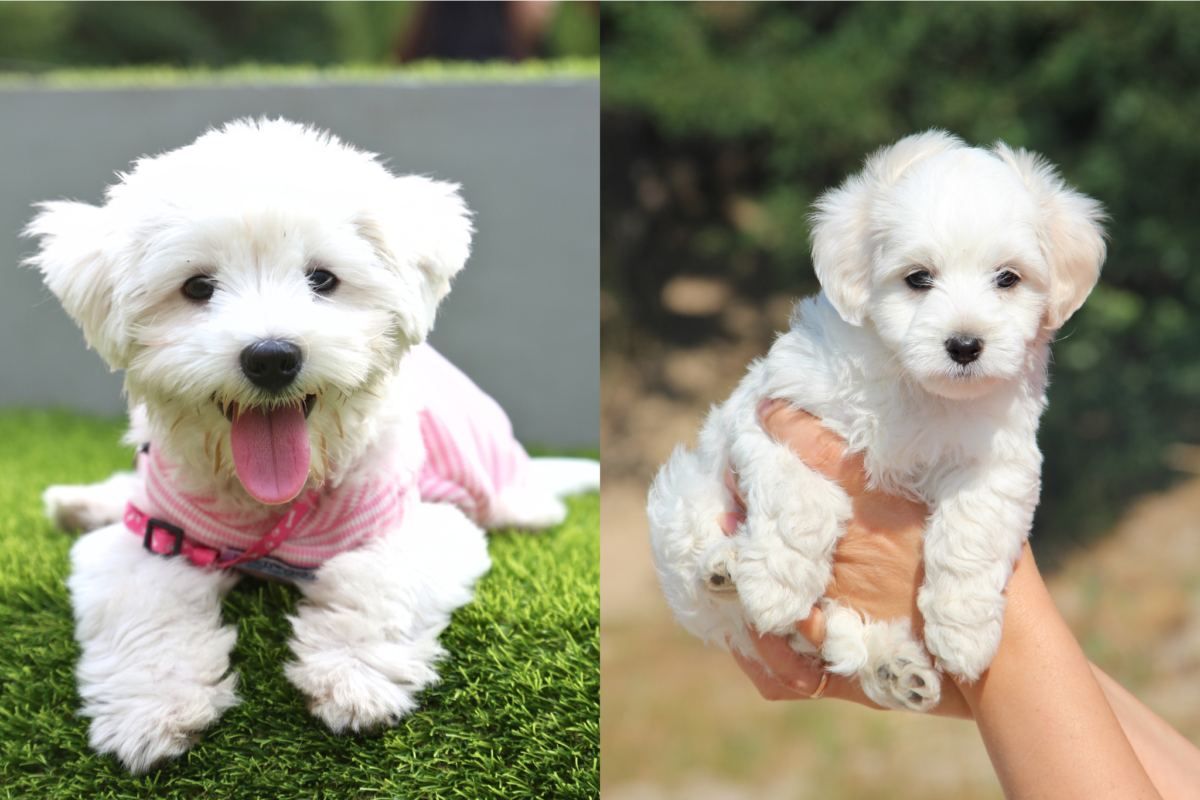
Breed Comparison
- Height8-9 Inches
- Height8-14 Inches
- Weight4-8 Pounds
- Weight5-20 Pounds
- TemperamentDocile, Brave, Playful
- TemperamentAffectionate, Gentle, Lively
- EnergyAverage
- EnergyAverage
- HealthAverage
- HealthAverage
- Lifespan12-15 Years
- Lifespan12-16 Years
- Price$1,000 and Up
- Price$600 and Up
Start Here: The Coat Question
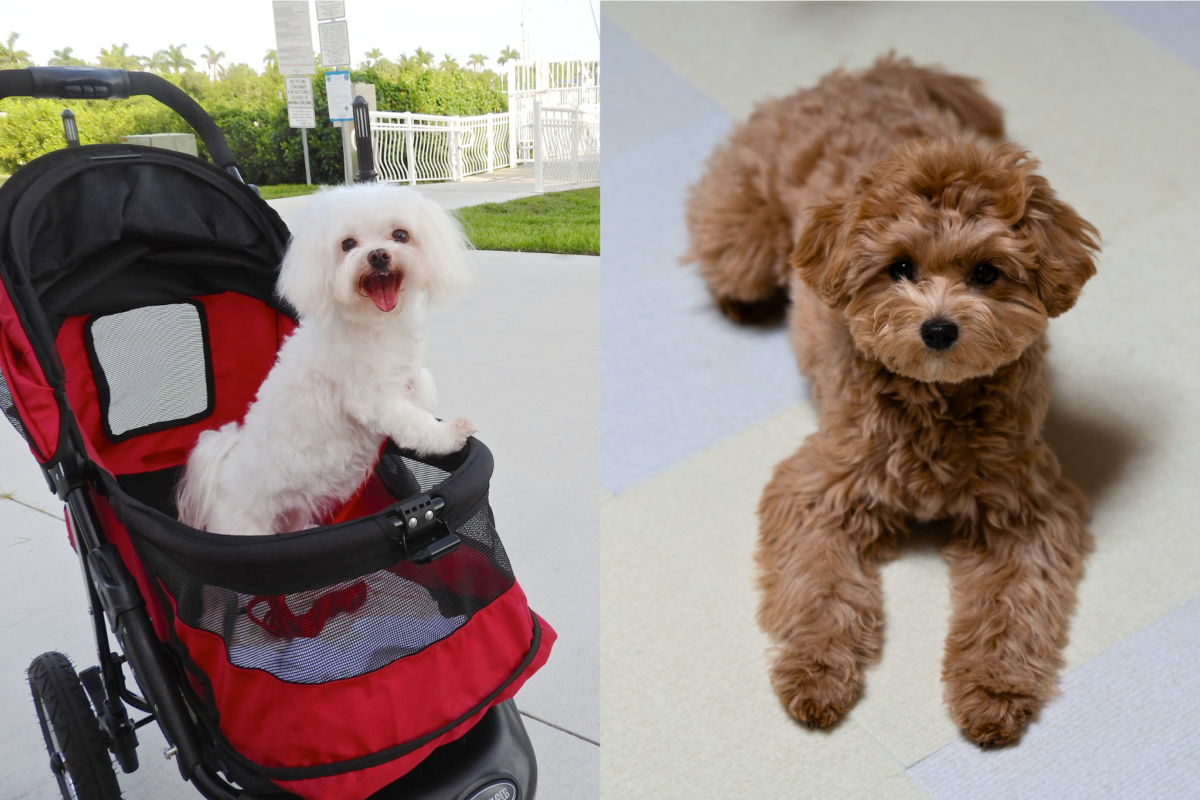
They’re both small. They’re both fluffy. And when they’re trimmed into the same “teddy bear” haircut, they can look nearly identical in photos.
Want our human-written content to rank above AI-generated garbage? Help us out by clicking this button!
But the coat is where this decision quietly becomes a long-term commitment.
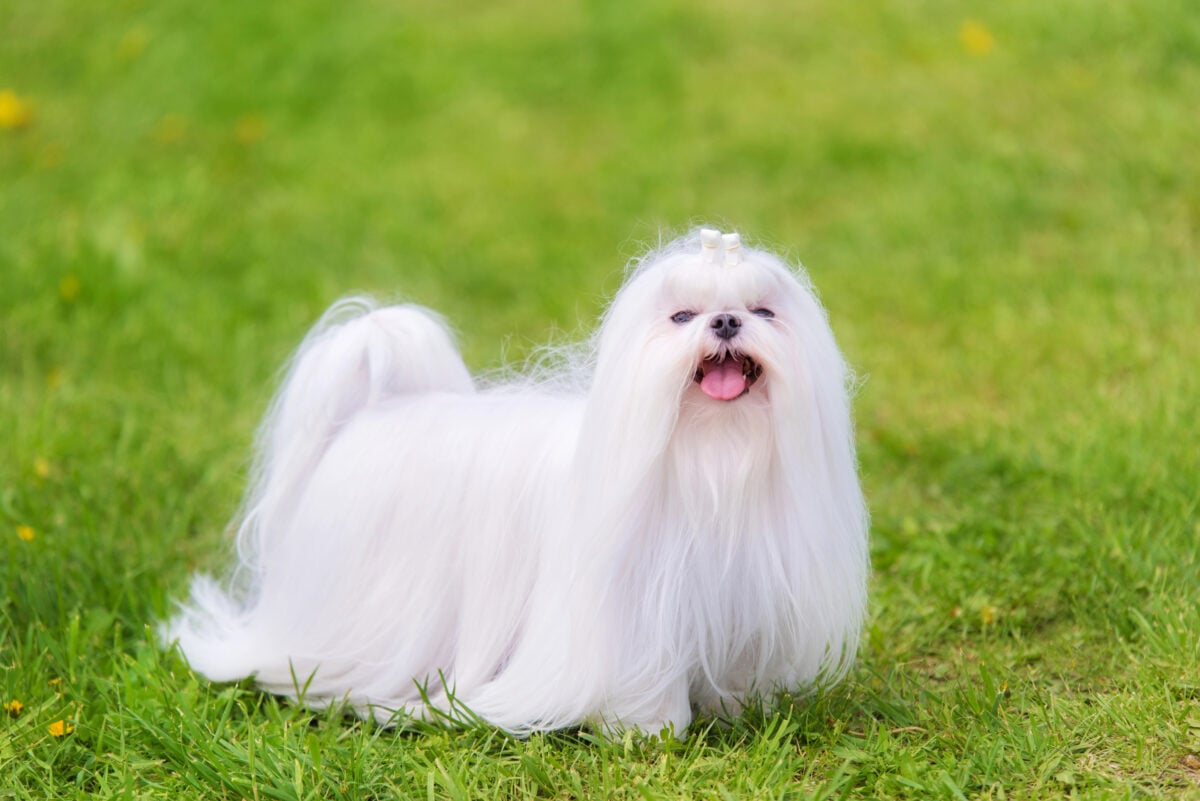
A Maltese has one of the most recognizable coats in the toy dog world: long, silky, and always white. It grows continuously, falls straight, and — when left untrimmed — can reach all the way to the ground. There’s very little mystery about what you’re getting.
A Maltipoo, on the other hand, is a mixed breed. That means the coat can vary widely depending on which parent they takes after.
Some inherit the Maltese’s silky texture. Others take on the tighter curls of the Toy Poodle. Many land somewhere in between, with a soft, wavy coat that looks like a living plush toy.
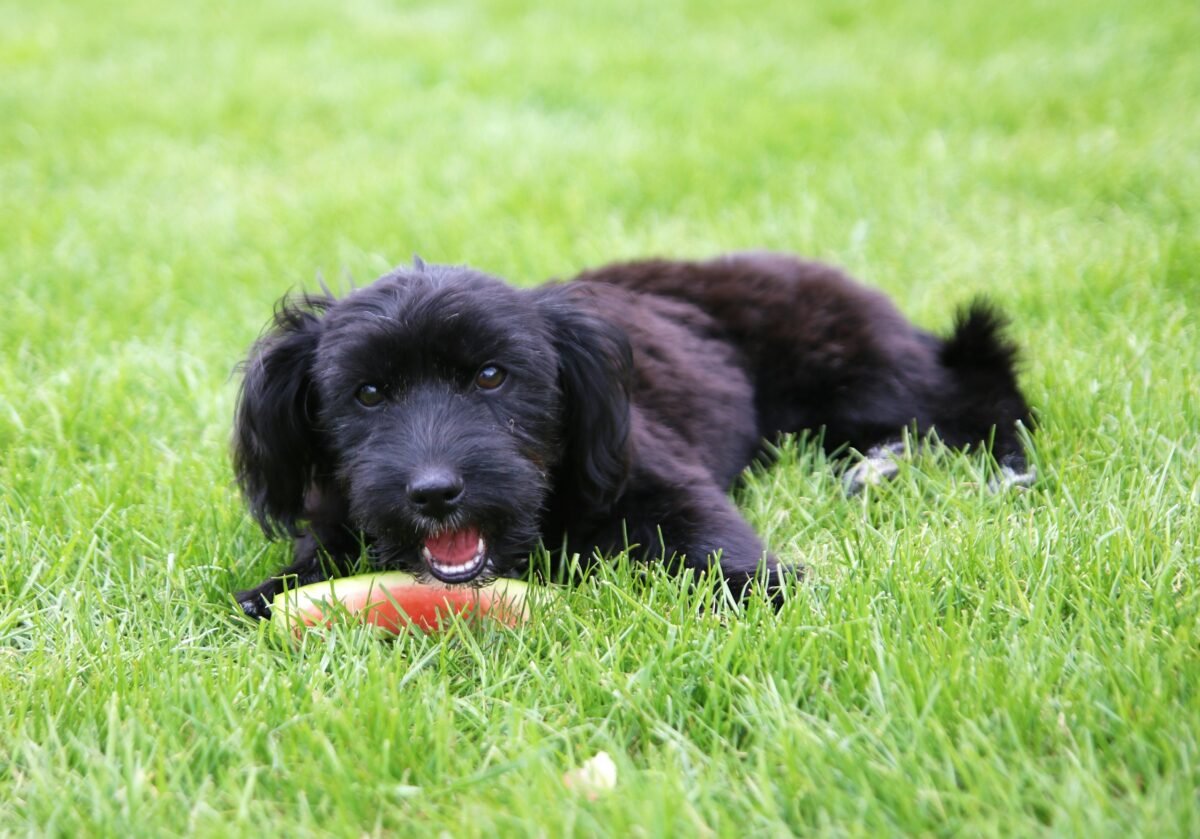
Color is another major difference. A Maltese comes only in white. A Maltipoo can appear in white, cream, apricot, gray, silver, black, brown, or even multi-toned variations.
Both breeds are often described as hypoallergenic because neither has the dense double coat you see in breeds like a Golden Retriever or Pomeranian. They shed very little, more like humans shed hair.
But low shedding does not mean low maintenance. Their hair grows continuously, and regular brushing and professional grooming are simply part of life with either dog.
The difference is predictability. With a Maltese, you know the texture, growth pattern, and grooming demands. With a Maltipoo, coat type can vary — even within the same litter — which means brushing frequency and grooming costs can vary too.
If you’re choosing based on looks alone, it’s worth thinking about what that look requires to maintain.
Head To Tail: What Sets Them Apart
Even when they’re trimmed into similar “teddy bear” cuts, subtle differences show up in size, structure, and coat behavior. Here’s how they compare from head to tail.
Size & Weight
The Maltese is consistently small and compact. Most stand between 8 and 10 inches tall and weigh just 4 to 8 pounds.
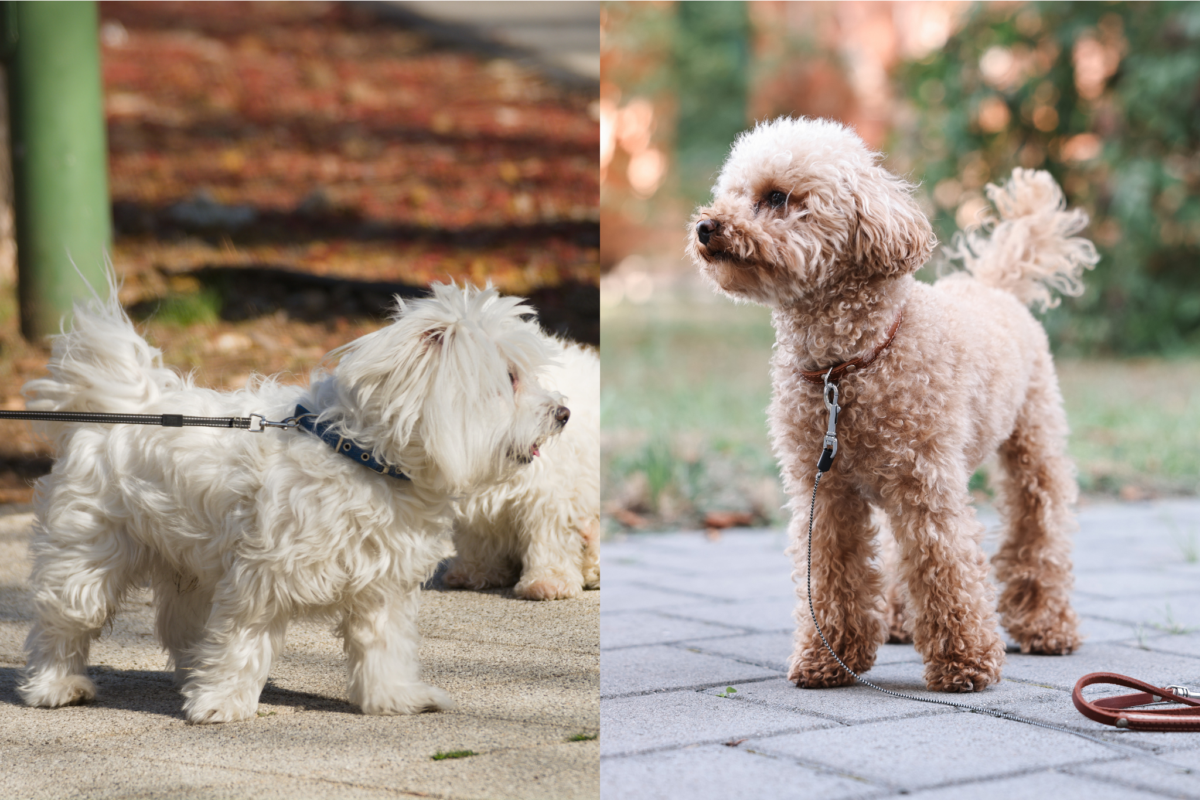
The Maltipoo varies more. Depending on whether a Toy or Miniature Poodle parent is involved, they can range from 8 to 14 inches tall and weigh anywhere from 5 to 20 pounds.
In other words, a Maltese will almost always stay tiny. A Maltipoo might but there’s more range.
Face & Expression
Both breeds have dark, round eyes that stand out against lighter coats. Their expressions are soft, alert, and often described as “button-like.”
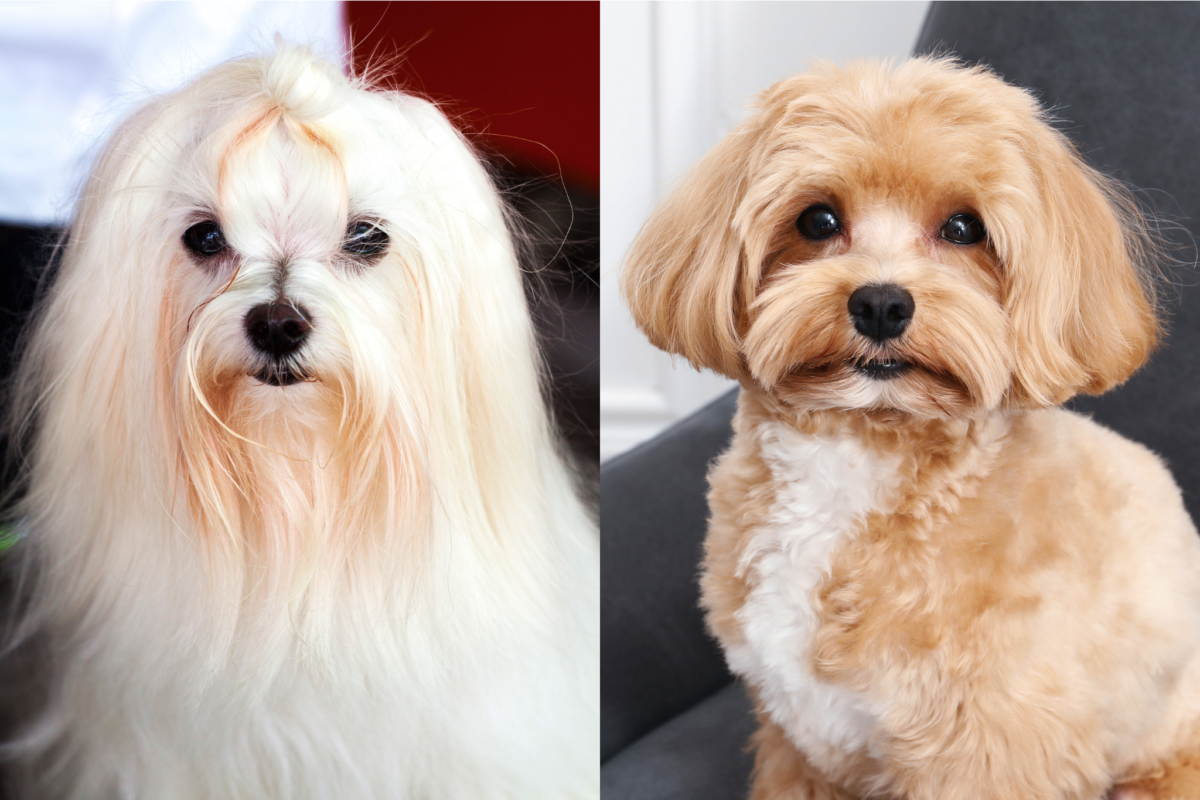
The difference is subtle. Maltese faces are typically refined and symmetrical, especially when the coat is long and straight. Maltipoos may inherit a slightly rounder or fuller muzzle from the Poodle, particularly in curlier-coated individuals.
In shorter trims, the distinction becomes even harder to spot.
Coat & Colors
This is where differences become more obvious.
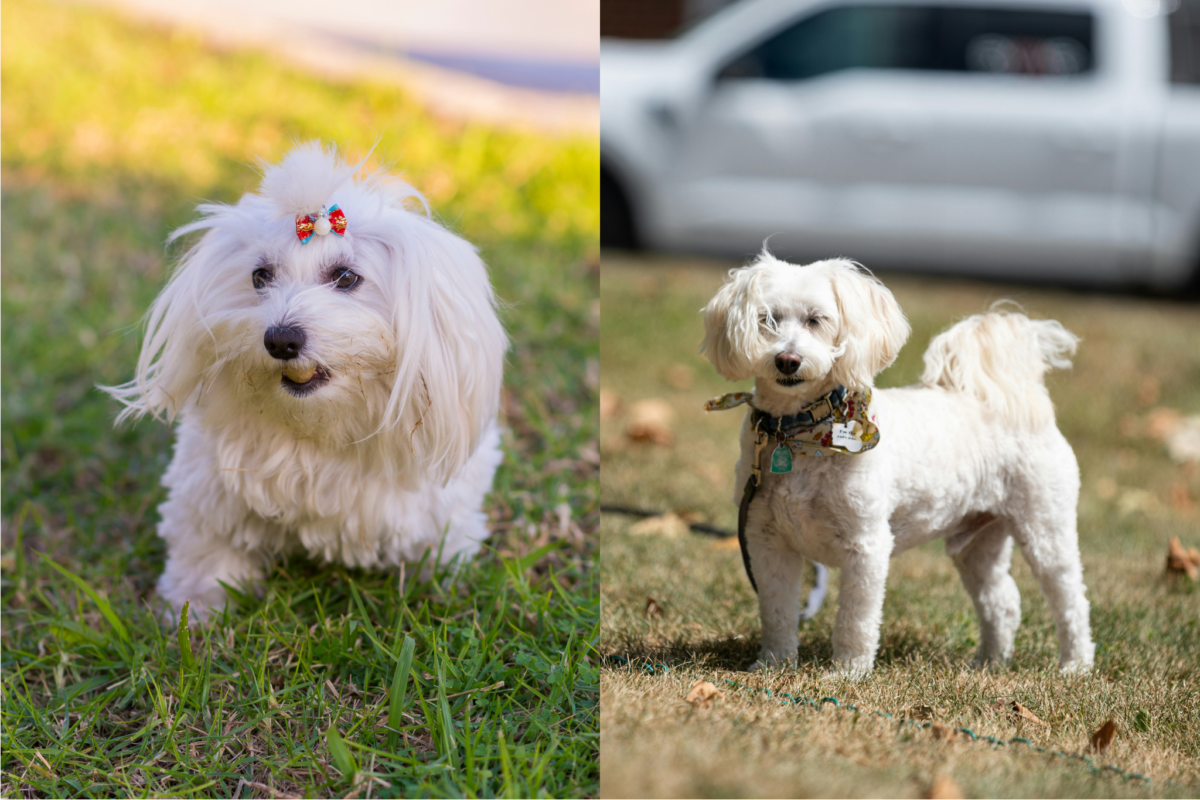
A Maltese comes in one color: white. The coat is straight, silky, and uniform in texture.

A Maltipoo offers more variety. They can appear in white, cream, apricot, gray, silver, black, brown, or multi-toned shades. Texture can range from loose waves to tighter curls, depending on which parent they resemble more.
Even within the same litter, coat type can vary.
Shedding & Allergies: The Hypoallergenic Question
Both breeds are considered low-shedding and are often recommended for allergy-sensitive households. Because neither has a dense double coat, hair falls out minimally and grows continuously instead.
But coat texture matters. Curlier Maltipoos may trap loose hair more effectively, while straighter coats may require more frequent brushing to prevent tangles.
No dog is completely hypoallergenic, but both breeds are among the lower-shedding companion options.
Temperament: Lap Dog Or Social Butterfly
Both breeds were bred for companionship. Neither is aloof or independent in the traditional sense. But the way they express attachment can feel very different.
Affection & Bonding Style
The Maltese is deeply people-focused. They are happiest when physically close to their person, often content to spend long stretches curled in a lap or following their owner from room to room. Their devotion is steady and predictable.
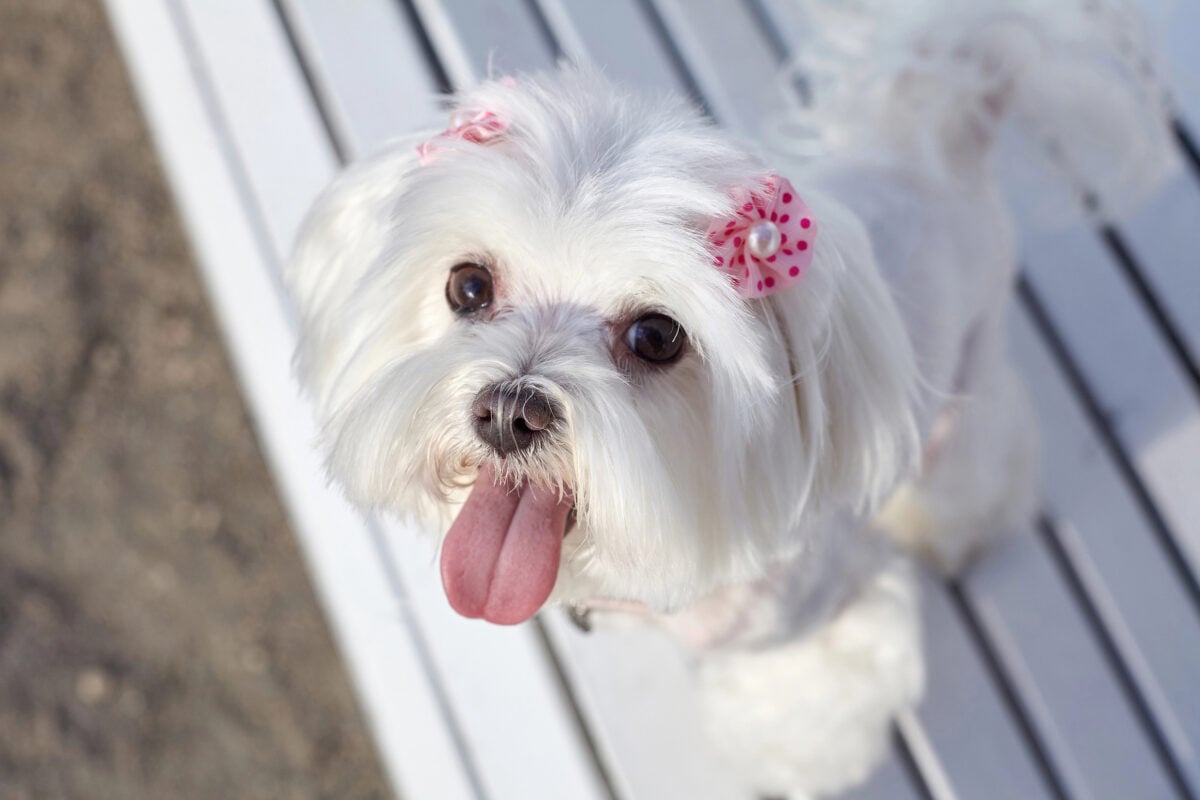
The Maltipoo tends to be equally affectionate but often more animated. Thanks to their Poodle influence, many are curious, alert, and eager to engage. They still love lap time, but it’s usually after a burst of activity.
Both form strong attachments and can struggle if left alone for long periods. Separation anxiety is common in both, especially without proper training and enrichment.
In short: Maltese lean calm and devoted. Maltipoos often add an extra layer of energy.
Playfulness & Energy Levels
Neither breed is high-energy in the traditional sense, but there is a difference in drive.

The Maltese is generally content with short walks and indoor play. Many are perfectly satisfied with moderate activity followed by long stretches of lounging.
The Maltipoo tends to need slightly more daily engagement. Thirty minutes of walking plus interactive play is common, especially for Maltipoos with stronger Poodle traits.
That extra curiosity can show up as:
- More toy obsession
- More interest in training
- More enthusiasm for outings
With Kids & Pets
Both the Maltese and the Maltipoo are affectionate, people-oriented dogs. They tend to bond closely with their family and often enjoy being involved in daily life, whether that means following you from room to room or curling up beside you on the couch.
Because of their small size, however, they are generally better suited for homes with older, gentle children. Neither breed is built for rough play.
Accidental drops, squeezing, or overly enthusiastic handling can easily lead to injury. Supervision and clear boundaries are essential, especially in busy households.
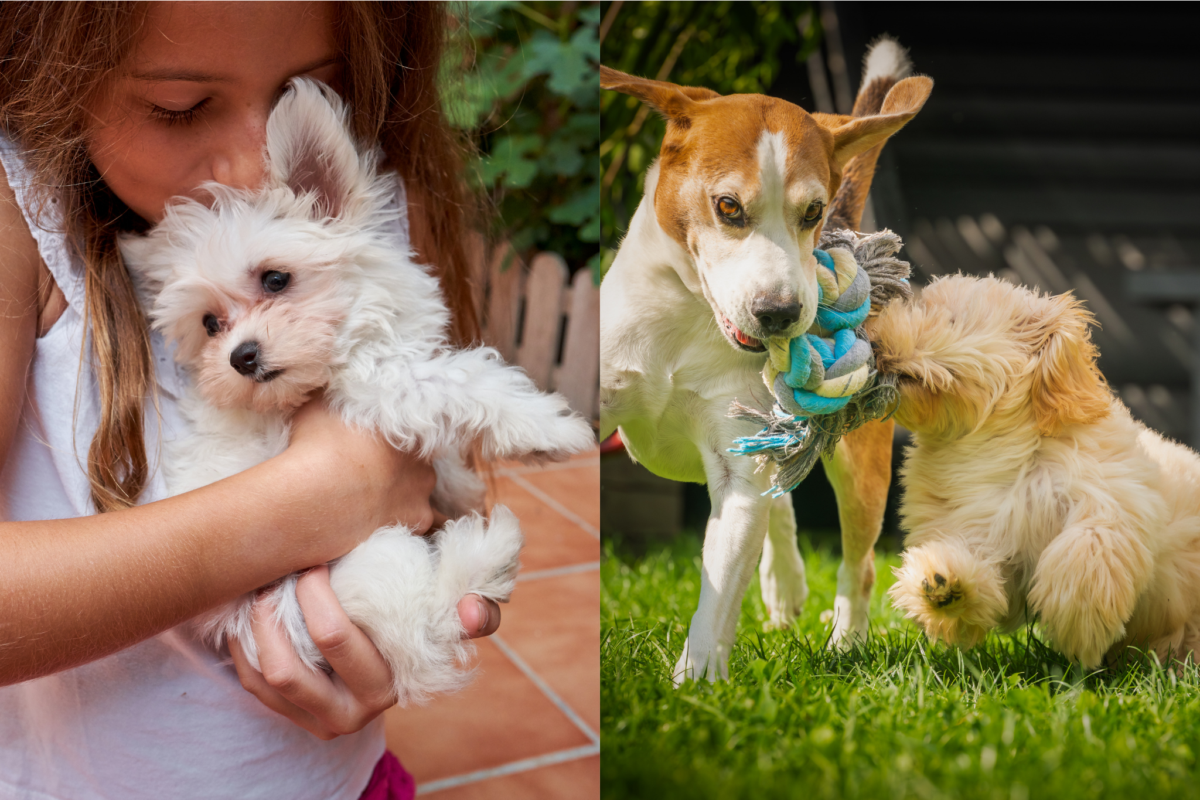
When properly socialized, both breeds can do well with other dogs. The Maltese is typically friendly but may develop small-dog reactivity if overindulged or under-socialized.
The Maltipoo, depending on its Poodle influence, often has a slightly more outgoing or curious personality and may adapt more easily to multi-dog homes.
With cats, outcomes vary more by individual temperament than breed. Early introductions and calm environments tend to produce the best results.
If your home is active, loud, or filled with young children, size and durability should be part of the decision. These are companion dogs first — not rough-and-tumble playmates.
Separation Tolerance: These Dogs Bond Hard
Both the Maltese and the Maltipoo are deeply people-oriented companion dogs. They form strong attachments and prefer being near their person whenever possible.
Neither breed does well with long hours alone on a regular basis. Left without enough attention or mental stimulation, they may develop:
- Excessive barking
- Destructive chewing
- House-soiling
- Anxiety behaviors
The Maltese, in particular, is known for intense devotion to one primary person. Maltipoos, especially those with higher Poodle influence, may have slightly more independence, but they still crave daily interaction.
If you work long hours away from home, plan for midday visits, doggy daycare, or enrichment toys. These breeds thrive when they feel included in daily life.
Living With One: Daily Care & Routine
Both the Maltese and the Maltipoo are companion dogs first and foremost. They’re happiest when they’re near their people, involved in daily routines, and treated like part of the household rather than background decor.
Home Environment (Apartment Living)
Both breeds adapt well to apartment living due to their small size and moderate exercise needs. Neither requires a large yard to be content.
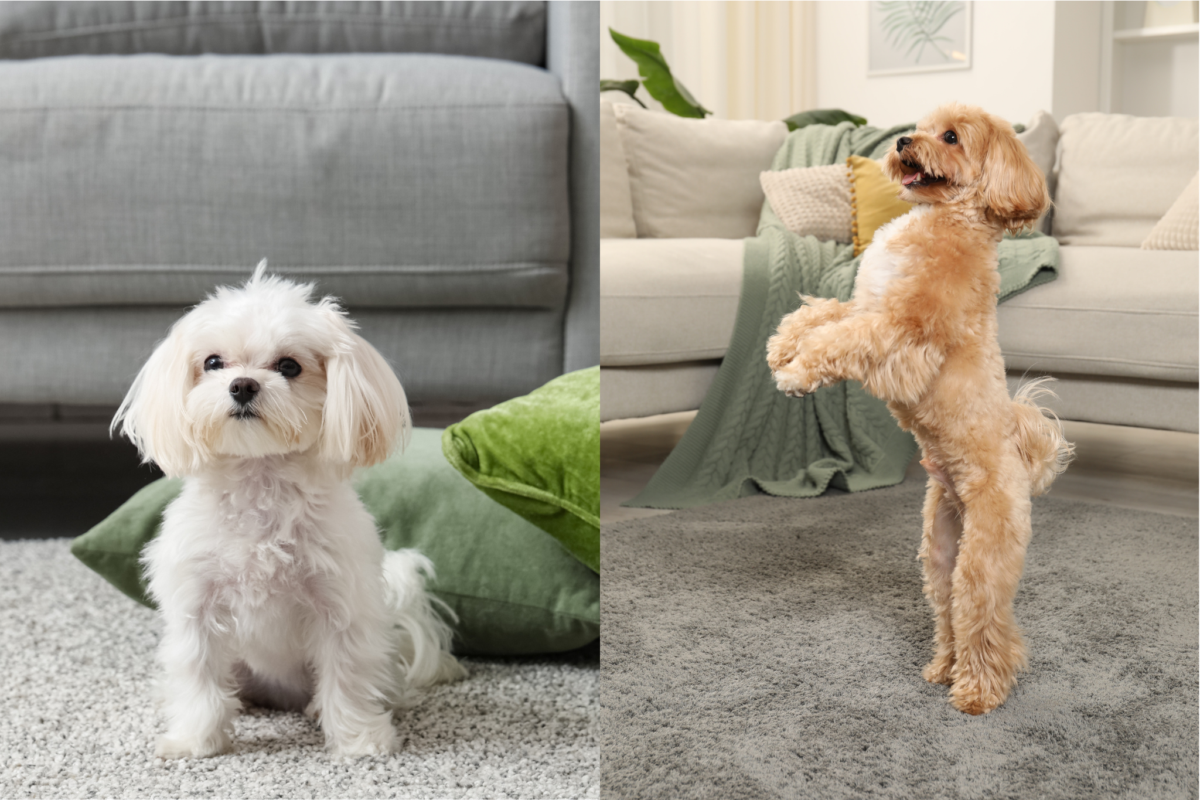
A Maltese is typically more laid-back indoors. Short walks and indoor play are usually enough to keep them satisfied. They’re content curling up beside you for long stretches.
A Maltipoo often has slightly higher energy, especially if they inherit more of the Poodle’s curiosity and playfulness. They still do well in apartments, but they may need more structured playtime or mental stimulation to stay settled.
Noise sensitivity can also matter in close quarters. Maltese can be prone to alert barking if not trained early. Maltipoos may also bark, but early socialization and routine help minimize nuisance habits in either breed.
Bottom line: Both thrive in small spaces, but the Maltipoo may require a bit more engagement to prevent boredom.
Apartment-Friendly, But Not Low-Interaction
- Small size makes them space-efficient
- Daily walks are short and manageable
- Mental stimulation prevents nuisance barking
- Neither enjoys being ignored for long periods
Intelligence & Trainability
Both breeds are people-oriented and respond well to positive reinforcement training.
The Maltese is intelligent but can be slightly independent. They enjoy learning, especially when rewards and praise are involved, but they may test boundaries if consistency slips.
The Maltipoo often benefits from the Poodle’s high trainability and eagerness to work. Many pick up commands quickly and enjoy learning tricks or participating in structured training games.
House-training can take patience with either breed, particularly in toy-sized dogs. Smaller bladders mean more frequent bathroom breaks, especially during puppyhood.
Early socialization is important for both to prevent small-dog reactivity or excessive alert barking.
Overall: Both are smart, but the Maltipoo may feel slightly more driven and responsive in training sessions.
Feeding & Nutrition
Because of their small size, both breeds eat modest portions compared to larger dogs. Exact portions vary based on age, metabolism, and body condition, so veterinary guidance is always best.
Both breeds can also be prone to weight gain if overfed. Treats add up quickly on a five-pound dog, so moderation matters.
Tiny Dogs, Tiny Margins: On a small dog, even a few extra treats per day can tip the scale. Consistent portion control keeps joints and heart health on track long-term.
Grooming & Maintenance: The Real Commitment
Both breeds have continuously growing hair. That means neither is a “wash and go” dog. Their coats require consistent brushing, trimming, and maintenance to stay healthy and mat-free.
The question isn’t whether you’ll groom. It’s how often and how much work is required for the routine.
Professional Grooming Frequency
Most Maltese and Maltipoos require professional grooming every 4 to 8 weeks, depending on coat length and style.
A Maltese’s straight, silky hair mats when neglected but is generally more predictable to manage. Groomers know what to expect from a purebred Maltese coat.
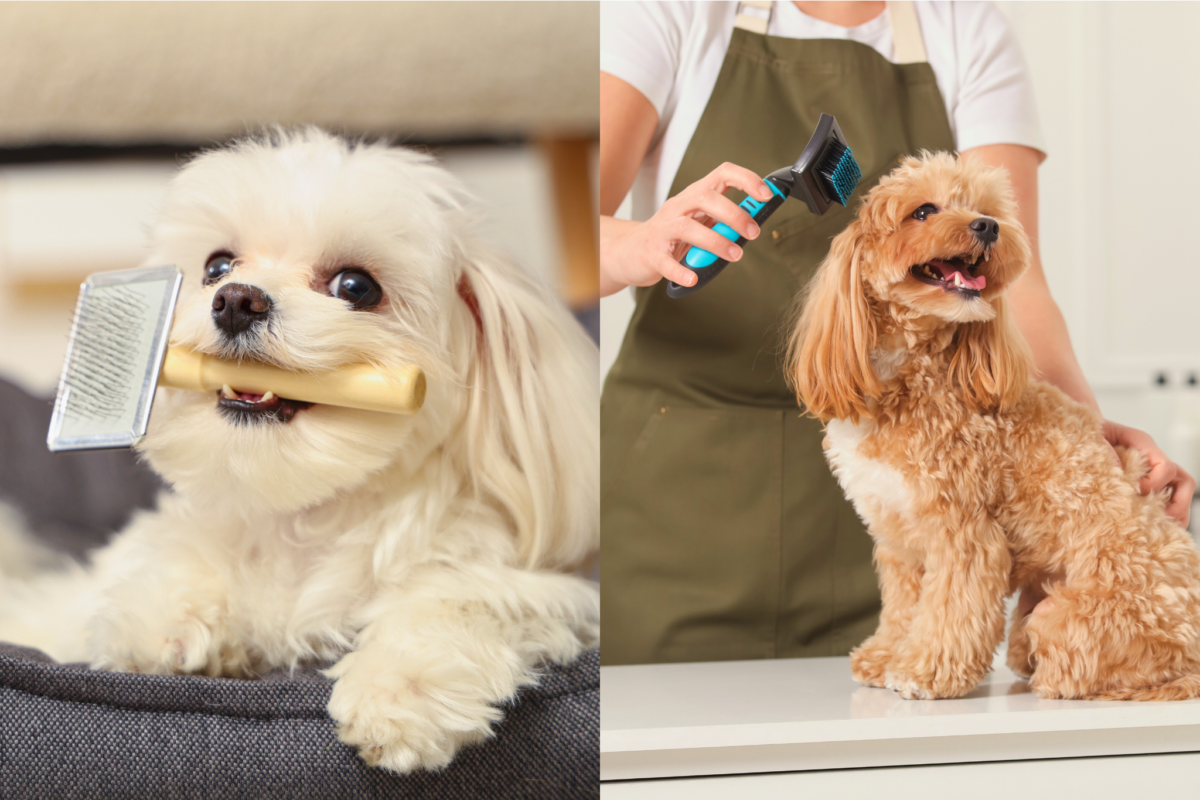
A Maltipoo’s coat can vary significantly. Tighter curls may require more frequent brushing and shaping. Looser waves may mat more easily if brushed inconsistently.
Because coat texture differs from dog to dog, grooming schedules for Maltipoos often depend on the individual.
Brushing Needs
A Maltese with a longer coat often needs daily brushing to prevent tangles and split ends. Keeping the coat trimmed shorter reduces daily effort but still requires consistency.
Maltipoos may need brushing anywhere from several times per week to daily, depending on curl density. Curly coats trap loose hair, which can quickly form mats close to the skin if neglected.
Curly Coats = Hidden Mats: Mats often form underneath the surface layer of fluff. By the time you see them, they may already be tight against the skin.
Tear Staining
Both breeds are prone to tear staining, particularly lighter-coated dogs. The reddish-brown staining beneath the eyes is common in small white breeds and may require regular wiping or specialized tear-stain products to manage.

While it doesn’t usually indicate a serious health issue, it does require ongoing upkeep to keep the face clean and bright.
Cost Over Time
Professional grooming is not optional for most owners of either breed. Depending on your region, grooming appointments for small dogs can range widely per visit. Over a lifetime, that recurring cost becomes part of ownership.
The Maltese’s predictability can make budgeting easier. The Maltipoo’s coat variability may mean slightly different maintenance depending on curl type and density. Either way, these breeds trade low shedding for higher grooming commitment.
Low Shedding Isn’t Free: Less hair on your furniture often means more time — or money — spent at the groomer.
The Fun Part: Styling
Here’s where both breeds shine. Because their hair grows continuously, they can be styled in a variety of cuts. Check out our guide to Maltese haircuts for inspiration.

Health & Longevity
Both the Maltese and the Maltipoo are generally healthy small breeds, especially when responsibly bred.
Common Concerns In Both Breeds
Like all toy-sized dogs, the Maltese and Maltipoo share a few common health vulnerabilities.
Luxating Patella
Luxating patella is a condition that involves the kneecap slipping out of place and is common in many small breeds. Mild cases may cause occasional skipping in gait, while severe cases may require surgical correction.
Dental Disease
Toy breeds often experience dental crowding due to their small jaw size. Regular brushing and professional cleanings are especially important to prevent periodontal disease
Collapsing Trachea
Small breeds are more prone to weakening of the cartilage rings that support the windpipe, leading to a collapsed trachea. Using a harness instead of a collar helps reduce strain on the neck.
Harness Over Collar: Because of their size and tracheal sensitivity, both breeds benefit from walking with a harness rather than a neck collar. View our picks for best harnesses for small dogs.
Maltipoo Health Considerations
Because Maltipoos are a hybrid, some people assume they are automatically healthier than purebreds. Genetic diversity can reduce the likelihood of inheriting certain recessive conditions but only if both parents are properly health tested.
A poorly bred Maltipoo can inherit health issues from either side. A well-bred Maltipoo with screened parents can be very healthy.
Lifespan
Both breeds are known for relatively long lifespans compared to larger dogs.
- Maltese typically live around 12–15 years.
- Maltipoos often fall within a similar 12–15 year range, sometimes longer depending on size and overall health.
As with most small dogs, maintaining a healthy weight and consistent dental care plays a major role in longevity.
Cost: Purchase Price & Lifetime Expenses
When it comes to upfront cost, there’s more variation than most buyers expect.
A well-bred Maltese typically costs around $1,400 on average, though prices can rise depending on pedigree, breeder reputation, and location.

Maltipoo pricing varies more widely. Because they are a designer mix, prices can range anywhere from $600 to $4,000 depending on demand, breeder practices, and whether both parents are health tested.
Beyond The Purchase Price
The bigger financial consideration is long-term maintenance. Both breeds require:
- Professional grooming every 4–8 weeks
- Routine veterinary care
- Dental cleanings
- High-quality small-breed nutrition
Because their coats grow continuously, grooming becomes a recurring expense rather than an occasional one.
Which One Fits Your Life Better?
Both breeds are affectionate, low-shedding companion dogs. The better choice comes down to how much predictability, energy, and grooming. Here’s how they compare in real life.

Best For Someone Who Wants Predictability: Maltese
If you like knowing exactly what you’re getting, the Maltese offers consistency.
- Always white
- Always straight, silky coat
- Consistently tiny size
- Stable temperament profile
There’s very little mystery in how a Maltese will look or mature.
Best For Someone Who Loves Variety: Maltipoo
Maltipoo offers more visual flexibility:
- Multiple coat colors
- Wavy to curly texture options
- Slightly more playful energy in many cases
Just understand that with variety comes less predictability.
Best For Apartment Living: Both
Their small size makes both excellent apartment dogs. The Maltese tends to be slightly calmer indoors. The Maltipoo may need a bit more interactive play, especially if they inherit more Poodle energy.
Best For First-Time Owners: Maltese
The Maltese’s predictability and slightly lower energy level may feel easier for a brand-new dog owner. That said, a well-bred Maltipoo with early socialization can be equally manageable.
Best For Allergy-Sensitive Homes: Both (With Realistic Expectations)
Neither breed has a dense double coat, and both shed minimally. However, no dog is truly hypoallergenic. If allergies are severe, spending time with the individual dog before committing is essential.
3 Common Myths About Maltese & Maltipoos
Because both breeds are small, fluffy, and often marketed as “hypoallergenic teddy bears,” a few assumptions tend to follow them. Let’s clear up the most common ones.
1. Maltipoos Are Automatically Healthier Than Maltese
Mixed breeds can benefit from genetic diversity, but that doesn’t mean they are automatically healthier. A well-bred Maltese from health-tested parents can be just as healthy as a Maltipoo. Likewise, a poorly bred Maltipoo can inherit health issues from either side.
Health depends far more on responsible breeding, screening, and care than on whether a dog is labeled “purebred” or “designer.”
2. Maltese Are High-Maintenance Divas
The Maltese does require consistent grooming, but temperament-wise, they are typically gentle, affectionate companion dogs. Their elegant coat can give the impression of fragility, yet many Maltese are sturdy, adaptable, and playful within their small size.
The maintenance is in the hair, not in the personality.
3. Hypoallergenic Means No Grooming
Both breeds are often recommended for allergy-sensitive homes because they shed minimally and lack a dense double coat. But minimal shedding does not equal minimal effort.
Hair that grows continuously must be brushed and trimmed regularly. Without upkeep, mats form quickly, especially in curlier-coated Maltipoos.
Low shedding simply shifts the work from your vacuum to your grooming routine.
Frequently Asked Questions
Choosing between two small companion breeds often comes down to details. If you’re still weighing the pros and cons, these are the questions buyers ask most often.
Don’t see your question? Respond in the comments, and we’ll get back to you!
Do Maltese Or Maltipoos Shed More?
Both breeds shed very little compared to double-coated dogs. Because neither has a dense undercoat, hair falls out minimally and grows continuously instead.
That said, low shedding does not eliminate grooming needs. Regular brushing and professional trims are still required.
Are Maltipoos Calmer Than Maltese?
In many cases, it’s the opposite. Maltese tend to be slightly more laid-back and content with lap time, while Maltipoos often inherit a bit more playfulness and curiosity from the Poodle side. Individual temperament varies, especially in mixed breeds.
Which Breed Is Easier To Train?
Both breeds respond well to positive reinforcement. Maltipoos may have a slight edge due to the Poodle’s high trainability and eagerness to learn. However, consistency and early socialization matter more than breed alone.
Which Is Better For Apartment Living?
Both are excellent apartment dogs thanks to their small size. Maltese may settle more easily into quiet indoor routines, while Maltipoos might require slightly more structured play to stay mentally stimulated.
Are Maltese Or Maltipoos Truly Hypoallergenic?
No dog is completely hypoallergenic. Both breeds are considered low-shedding and are often better tolerated by people with mild allergies. Spending time with the individual dog before committing is always recommended.
Which Breed Lives Longer?
Both breeds typically live between 12 and 15 years, sometimes longer with proper care. Maintaining a healthy weight, consistent dental hygiene, and regular veterinary visits plays a significant role in longevity.
Do Maltese Or Maltipoos Bark A Lot?
Both breeds can be alert barkers if not trained early. Maltese are sometimes known for small-dog reactivity, while Maltipoos may bark out of excitement or boredom. Early training and mental stimulation help manage excessive barking in either breed.
Which Breed Is Better For First-Time Owners?
Both can work well for first-time owners. The Maltese may feel more predictable in size, coat, and temperament. A well-bred and properly socialized Maltipoo can also be an excellent choice, particularly for someone who enjoys a slightly more energetic companion.
More Breed Comparisons
Still deciding? Comparing breeds side by side is one of the best ways to narrow down what truly fits your lifestyle.
If you’re considering other small companion dogs, you might also want to explore:
Choosing the right companion isn’t just about which one looks cutest in photos. It’s about finding the one that fits your routine, your tolerance for grooming, and your idea of daily life.