When you purchase through links on our site, we may earn a commission at no extra cost to you. Learn more.
If your dog starts coughing, skipping meals, or slowing down after a day at daycare, it could be more than kennel cough.
Table of Contents
Dog flu spreads fast, lasts longer than most colds, and can escalate quietly before owners realize what’s going on.
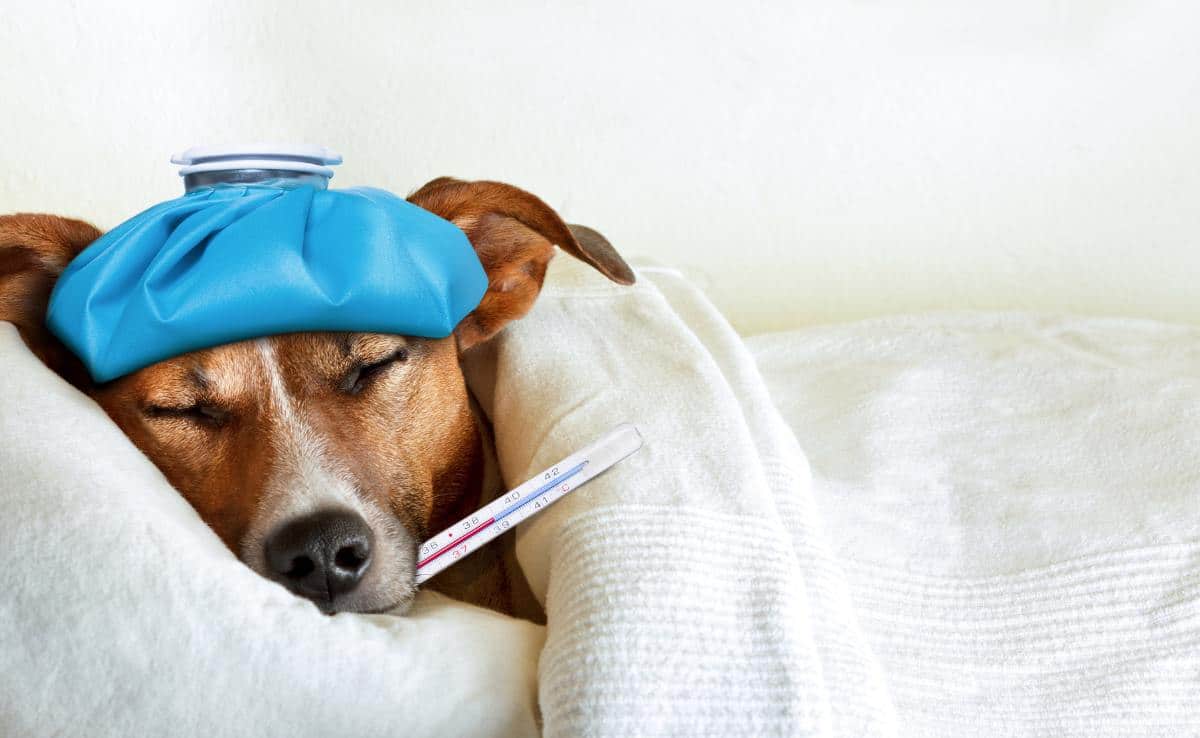
If Your Dog Seems “Off,” It Might Be More Than A Cold
If your dog comes home from daycare with a cough, skips dinner, or suddenly looks tired in a way that does not match their routine, it could be dog flu. The early signs are easy to dismiss, but dog flu spreads fast and often hits harder than owners expect.
You know your dog better than anyone. When something feels different, it is worth paying attention.
What Dog Flu Really Is
Canine influenza is currently caused by the H3N2 influenza A virus, which spreads through droplets released when a sick dog coughs, sneezes, or breathes near other dogs. These droplets can travel through shared air in social settings, which is why outbreaks often start in places where dogs gather.
Quick Note: Canine influenza does not occur regularly in dogs the way human flu does. The Centers For Disease Control and Prevention (CDC) also reports that a previous strain, H3N8, has not been detected since 2016 and is no longer considered to be actively circulating.
Where H3N2 Originally Came From
The H3N2 canine influenza virus originated in birds before it adapted to dogs.
The first H3N2 cases were reported in 2004, with confirmed spread from dogs to cats in later years. The first U.S. cases appeared in April 2015.
How Dogs Catch Flu Without You Noticing
A dog can be contagious before they look sick, which makes prevention challenging. They can pick up the virus from shared air in busy dog spaces or from objects touched by infected dogs.
The virus can survive:
- Up to 48 hours on hard surfaces
- Up to 24 hours on clothing
- Up to 12 hours on human hands
This makes cleaning routines important, especially in multi-dog environments.
The Early Dog Flu Symptoms That Are Easy to Miss
Dog flu often starts with subtle changes. Many owners report their dog seemed almost normal in the morning and noticeably worse by evening.
Common Symptoms
- Cough
- Runny or drippy nose
- Fever or warm ears
- Goopy or unusual eye discharge
- Fatigue or unusual sleepiness
- Skipping meals or reduced appetite
Two or more symptoms together should prompt you to call your veterinarian.
What Dog Flu Looks Like In Real Life
Most dogs exhibit symptoms that initially resemble a human cold. Some dogs appear mildly ill for several days before their symptoms intensify. Others develop a cough that progresses quickly.
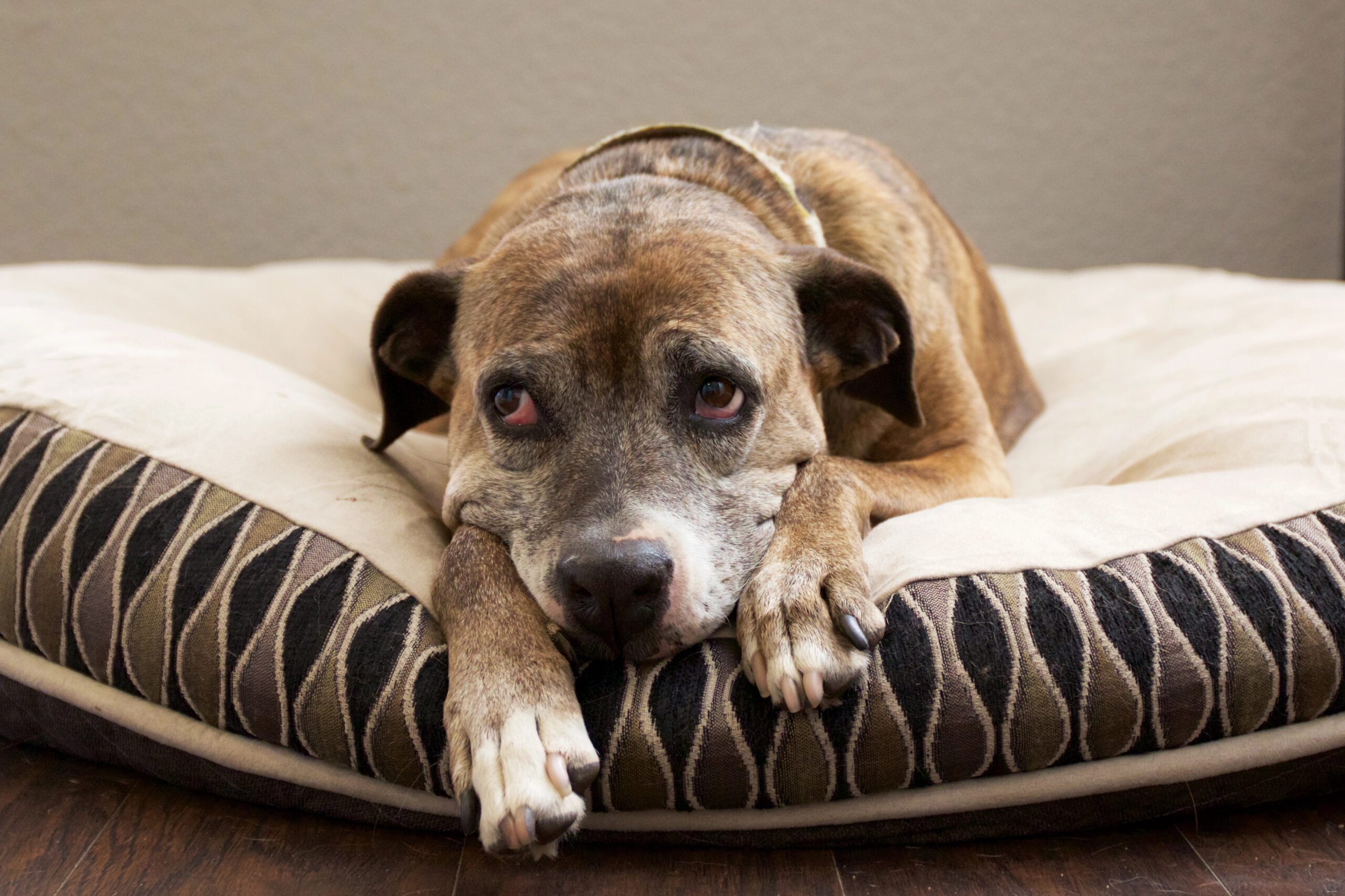
Dogs may:
- Nap more
- Refuse treats they usually love
- Look droopy in the face
- Avoid playing
- Choose quiet spots instead of greeting you at the door
Owners often report they “just knew something was wrong” before symptoms became obvious.
Why Some Dogs Get Sick Faster Than Others
Dogs who spend time in group environments have a higher risk of catching respiratory illnesses. The risk is especially high in places with close quarters, such as kennels, shelters, daycares, and busy boarding facilities.
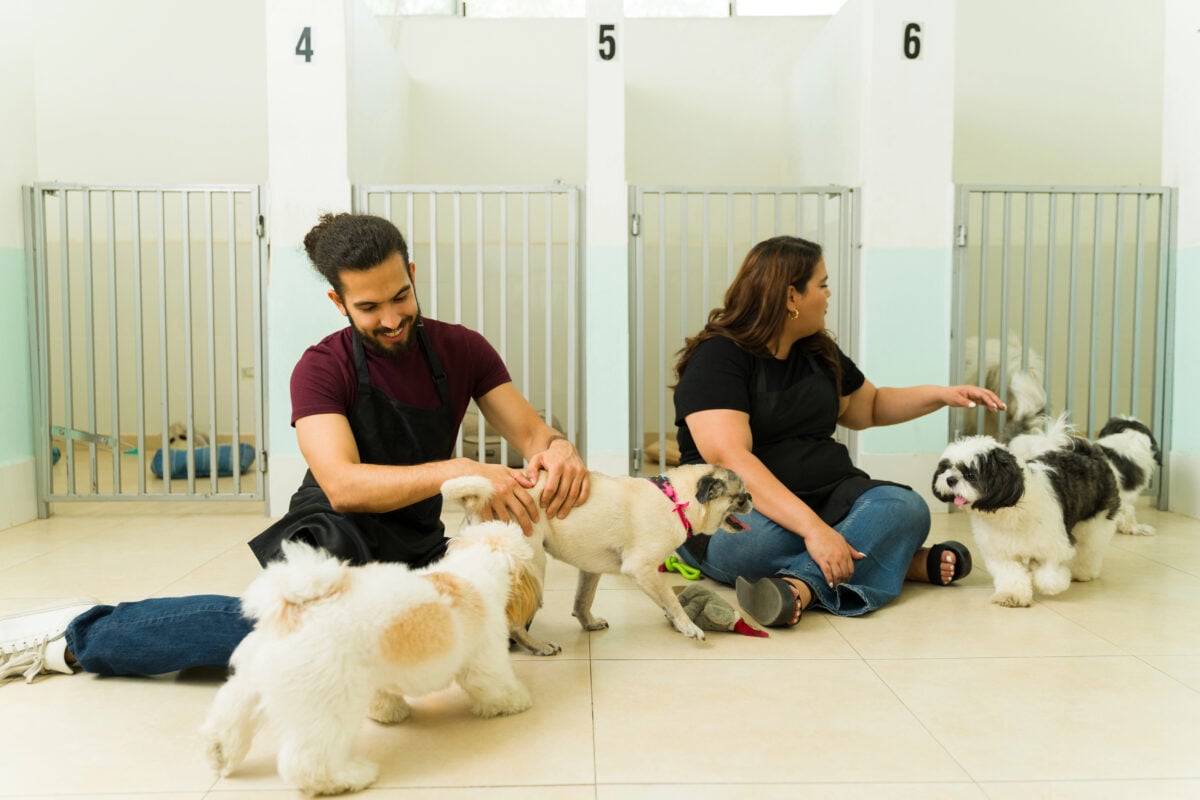
Dogs with weaker immune systems, puppies, and senior dogs may develop more severe symptoms. Even healthy adults can develop complications when exposed to high viral loads.
Quick Takeaway: If your dog regularly interacts with other dogs, they are more vulnerable than dogs who stay home.
How Long Dog Flu Really Lasts
Dog flu usually lasts 2 to 3 weeks. Recovery is often longer in dogs with other health conditions or dogs who were exposed to large groups of infected dogs.
A cough often lingers even after the virus has passed. Nasal discharge, eye discharge, and appetite issues tend to improve earlier in the recovery period.
Dogs may continue shedding the virus for several weeks after symptoms appear. Even dogs who seem fully recovered can still spread flu to others, so your veterinarian should guide you on when it is safe to return to parks, grooming, daycare, or boarding.
What Recovery Looks Like Week By Week
- Week 1: Symptoms often peak. Appetite may drop, coughing intensifies, and sleep becomes more frequent.
- Week 2: Coughing may continue, but appetite usually improves. Energy levels remain low.
- Week 3 and beyond: Most dogs feel significantly better. A lingering cough is common, but it should gradually improve.
If symptoms worsen at any point, call your veterinarian.
Dog Flu Treatment: What Actually Helps
No medication kills canine influenza. Treatment focuses on comfort and preventing complications.
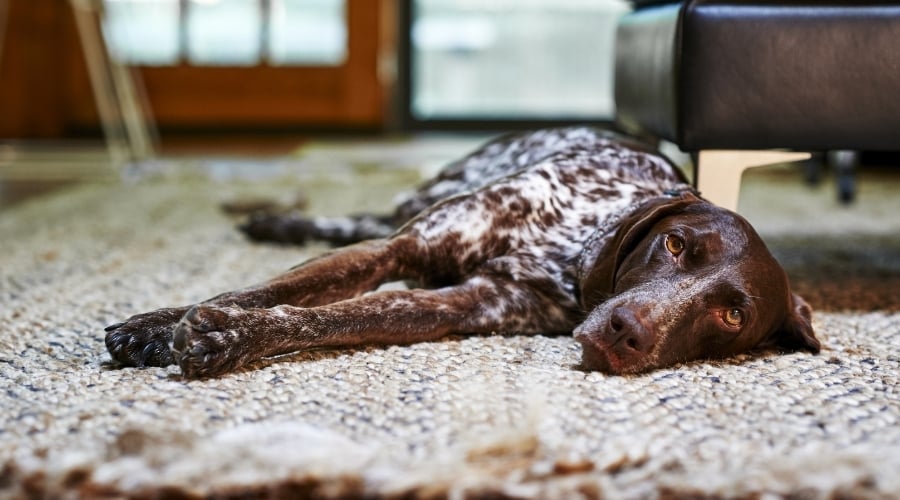
Common treatments include:
- Fluids for hydration
- Rest and quiet time
- Vet-prescribed cough medication
- Anti-nausea medication if appetite is low
- Oxygen support in severe cases
Never give human cold or flu medicine to dogs. Many ingredients can be toxic.
How To Care For Your Dog At Home During Recovery
Most cases of dog flu can be managed effectively with home care. Helpful at-home steps include:
- Using a humidifier in the room where your dog rests
- Offering warm broth to encourage hydration
- Creating a quiet environment
- Serving smaller meals more frequently
- Keeping exercise minimal
- Monitoring breathing throughout the day
Rest is the key to a smooth recovery. Dogs who push themselves often delay healing.
When To Call The Vet Immediately
Some symptoms require urgent attention.
Call your vet if your dog has:
- Difficulty breathing
- Blue or pale gums
- No appetite for more than 24 hours
- Severe lethargy
- Continuous coughing
- Coughing that triggers gagging or vomiting
- A fever that keeps rising
These signs may indicate pneumonia or another complication.
What To Do Right Now If Your Dog Might Have The Flu
If you suspect your dog has been exposed, follow this simple plan.
60-Second Action Plan
- Separate your dog from other pets
- Wash your hands and change your clothes before touching other dogs
- Check their temperature if you have a dog thermometer
- Offer water and monitor drinking
- Note any changes in breathing
- Call your veterinarian and report symptoms
Early communication can prevent complications.
Human Safety: Humans cannot catch dog flu. The CDC reports that there has not been a single documented case of human infection with a canine influenza virus anywhere in the world.
How To Protect Your Dog From The Flu
Prevention is crucial because dog flu spreads rapidly in social settings.
1. Keep Your Dog Home When Sick
Avoid parks, daycares, and dog-friendly businesses if your dog is coughing or has recently recovered from a cough. This protects your dog and the community.
2. Ask Smarter Questions At Daycare Or Boarding
Before dropping off your dog, ask:
- Have you seen recent respiratory cases
- How often do you sanitize bowls and toys
- Do you use separate ventilation for sick dogs
- Do staff wash their hands between handling pets
These questions help you gauge risk levels.
3. Sanitize Dog Gear Regularly
Clean your dog’s bowls, toys, bedding, leashes, and collars more often during flu season. Simple handwashing can significantly reduce transmission.
Should You Consider The Flu Vaccine?
A vaccine is available for canine influenza, including both the H3N2 and H3N8 strains. The vaccine cannot entirely prevent infection, but it often reduces the severity of symptoms and lowers the risk of spread.

The American Veterinary Medical Association (AVMA) reports that routine vaccinations for canine influenza are not recommended for all dogs. It may be beneficial in areas where the virus is known to be circulating or in situations where your dog is regularly exposed to groups of dogs.
Your veterinarian can help you decide whether your dog is a good candidate. The decision depends on lifestyle, local risk, and your dog’s overall health.
Puppies can begin vaccination as early as six weeks old. The recommended protocol includes two doses given two to four weeks apart, followed by a booster within one year of the second dose.
Dogs in high-risk settings should receive annual boosters for continued protection. A single vaccination does not provide strong immunity in environments with heavy exposure.
Dog Flu Severity: Dog flu is rarely fatal. The death rate is estimated at 1 to 5 percent, and most healthy dogs recover fully with rest and supportive care.
How To Protect Other Dogs In Your Household
If you live with more than one dog, the flu can spread quickly. Use this plan:
- Separate food and water bowls
- Keep sick and healthy dogs in different rooms
- Wash your hands between interactions
- Clean shared surfaces daily
- Rotate dogs outdoors instead of walking together
Most households can prevent the spread with basic precautions.
When Dog Flu Becomes Pneumonia
Pneumonia is a potential complication of dog flu. It can develop even in young and otherwise healthy dogs.
Warning signs include:
- Shallow or rapid breathing
- Grunting while resting
- Persistent fever
- Blue-tinged gums
- Extreme lethargy
Pneumonia requires immediate veterinary care.
What To Expect At The Vet
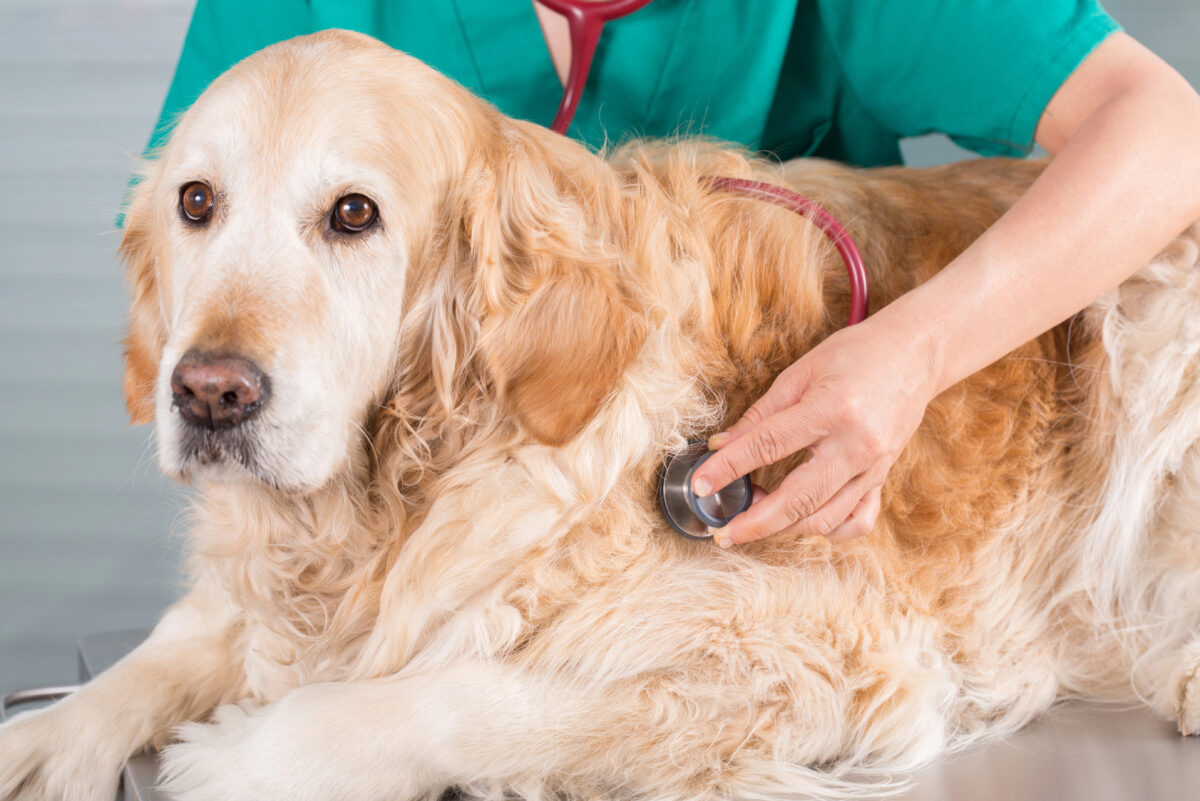
Your veterinarian may perform a complete physical exam, nasal swab testing, temperature check, chest X-rays (if pneumonia is suspected), and blood work (in severe cases).
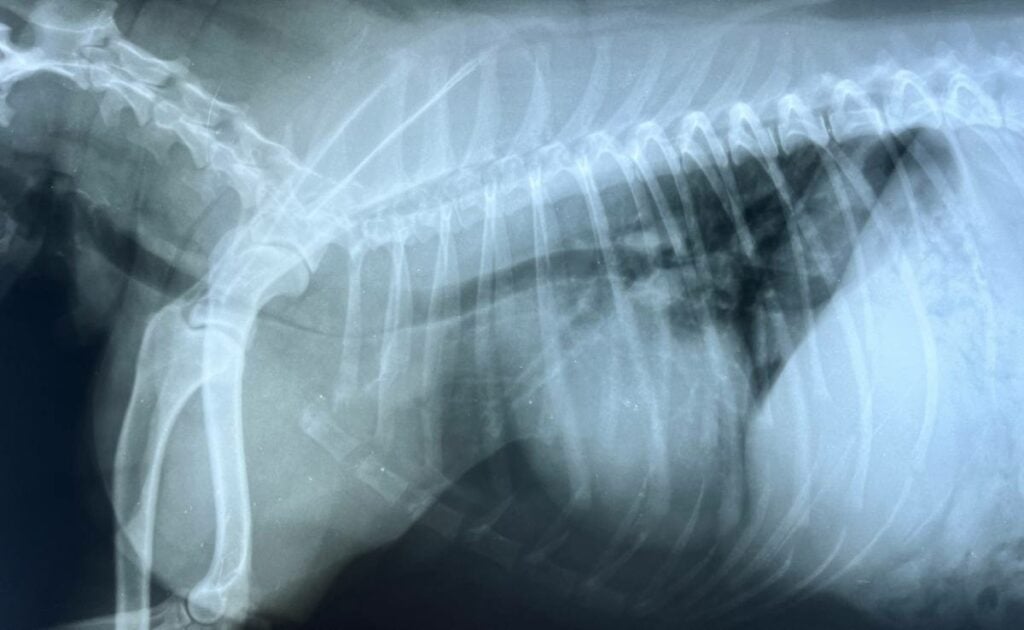
Most cases do not require hospitalization, but vets may recommend oxygen therapy for dogs with breathing challenges.
Cost Of Treating Dog Flu
Costs vary widely depending on severity. Typical expenses include:
- Exam fees
- Diagnostic tests
- X-rays
- Prescription cough medication
- Hospitalization if needed
Pet insurance can significantly reduce unexpected costs, especially during outbreaks.

Long-Term Health After Dog Flu
Most dogs recover fully. Long-term complications are rare but may include:
- Chronic cough
- Lower exercise tolerance
- Recurrent respiratory infections in dogs with weak immune systems
Regular check-ins with your vet can catch lingering issues early.
When Your Dog Can Return To Normal Activities
Ask your veterinarian for personalized guidance, but most dogs need:
- At least 2 weeks away from dog parks
- At least 3 weeks away from daycare or boarding
- A slow return to exercise
- One final assessment if coughing continues
Returning too soon increases the chance of relapse.
A Look Back At The 2023 Respiratory Wave
Veterinarians in several states reported an increase in unusual respiratory illnesses during the summer and fall of 2023. Dogs exhibited symptoms of kennel cough, such as coughing, sneezing, nasal discharge, and fatigue, but many developed more severe symptoms that progressed quickly to pneumonia.
Some dogs did not respond to standard treatments or tested negative for the typical causes of kennel cough.
Although this wave of the mystery respiratory illness peaked in 2023, its lessons remain applicable today. Respiratory illnesses can evolve over time, and dog flu may be one of several contributors during these surges.
Frequently Asked Questions
Many dog parents have the same questions when their pup starts coughing or acting tired. This FAQ addresses the most common concerns, including how long dog flu lasts and when it is time to call the vet.
Don’t see your question? Respond in the comments, and we’ll get back to you.
How Can I Tell if My Dog Has The Flu Or Kennel Cough?
Dog flu tends to last longer and causes more whole-body symptoms, such as fever, low appetite, and fatigue. Kennel cough often stays mild and is primarily a throat irritation that does not affect a dog’s energy as much.
Is Dog Flu Contagious To Humans?
No. The CDC reports that dog flu does not spread to humans, and cases of cross-species transmission are extremely rare.
You should still wash your hands regularly, especially if you interact with multiple dogs.
Does Dog Flu Affect Cats?
Dog flu does not commonly infect cats, but rare cases have been documented with certain strains. If you have both cats and dogs, keep sick dogs isolated until your veterinarian confirms it is safe to reconnect them.
How Long Is A Dog With The Flu Contagious?
Dogs can spread the flu for several weeks, even after symptoms improve. Most veterinarians recommend keeping dogs home from group settings for at least 21 days.
Can A Vaccinated Dog Still Get The Flu?
Yes. The vaccine reduces the severity of symptoms but does not always block infection.
Dogs who are vaccinated often recover faster and are less likely to spread the virus to others.
Can Puppies Get the Dog Flu?
Yes. Puppies are especially vulnerable because their immune systems are still developing.
If you notice coughing, runny eyes, or low energy in a puppy, contact your veterinarian immediately.
Do Indoor Dogs Still Get The Flu?
Yes. Indoor dogs can be exposed through shared hallways, apartment dog runs, or contact with visiting pets. Many indoor-only dogs catch the flu during boarding or grooming.
What Foods Can Help a Dog With the Flu?
Warm broth, softened kibble, and smaller meals can encourage dogs to eat when they feel sick. Avoid introducing new foods during recovery, as upset stomachs are common.
Related Articles You May Find Helpful
If you want to learn more about dog health and respiratory illnesses, explore these guides: