When you purchase through links on our site, we may earn a commission. Here’s how it works.
If your dog looks or behaves differently from others, it can raise a lot of questions. When a pup shows unusual facial features, delayed growth, or learning challenges, many pet parents begin to wonder whether dogs can be born with Down syndrome, and what that might mean for their dog’s future.
Table of Contents
Dogs and humans share many congenital and genetic conditions, including heart defects, epilepsy, hip dysplasia, dwarfism, and certain cancers. Because Down syndrome is a relatively common condition in humans, it’s natural to ask whether our canine companions can be affected in the same way.
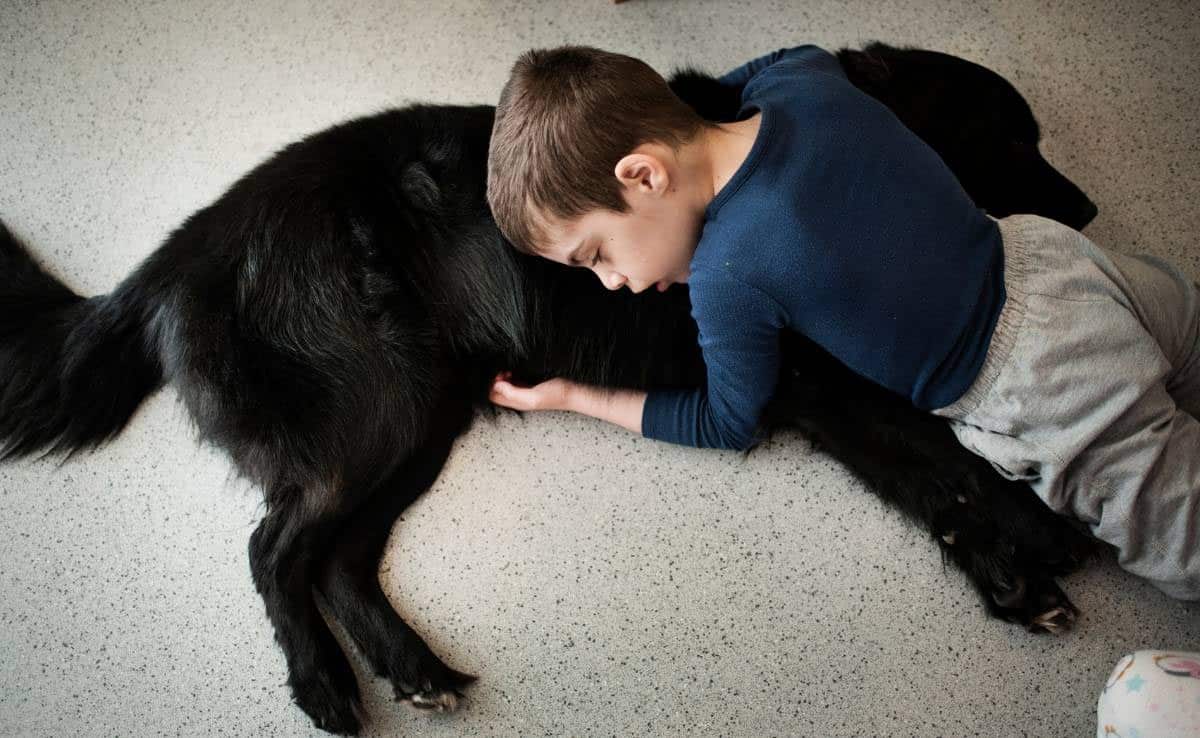
In this article, we’ll explore what Down syndrome is, why it’s often misunderstood when it comes to dogs, and what might actually be behind the traits some dogs display, along with how to support your dog’s health and well-being at every stage of life.
A Note for Concerned Pet Parents
If you’re reading this because your dog looks or behaves differently, you’re in good company, and you’re doing the right thing. Asking questions and speaking with your veterinarian are important steps toward understanding your dog’s needs.
What Is Down Syndrome?
Down syndrome is a congenital condition in which a person is born with an extra chromosome. Chromosomes are structures within a cell’s nucleus that contain our genes. They determine how the body forms and grows during pregnancy and after birth.
Medically, Down syndrome is classified as trisomy 21, a chromosomal condition in which an extra copy of chromosome 21 alters normal development, according to the Centers for Disease Control and Prevention (CDC).
This extra chromosome changes how a baby’s body and brain normally develop, which can cause certain physical abnormalities and mental challenges. An estimated one in 700 babies in the U.S. is born with Down syndrome, according to the CDC. While every case differs, some common characteristics include:
- Mild to moderate intellectual impairment
- Shorter in height
- Poor muscle tone or loose joints
- A tongue that tends to stick out of the mouth
- A flattened face
- Almond-shaped eyes that slant upward
- A short neck
- Small hands and feet
- Eye or hearing problems
Can Dogs Have Down Syndrome?
No, Down syndrome isn’t a recognized condition in dogs, although it’s a pretty common misconception that dogs and many other mammals can have Down syndrome. Similar chromosomal abnormalities have only been found in primates like chimps and apes. But there’s no research to confirm that dogs can have Down syndrome.
Understanding Canine Chromosomes vs. Human Chromosomes
One of the main reasons dogs cannot have Down syndrome lies in basic genetics.
While dogs and humans share some congenital conditions, their genetic structures are very different. Humans typically have 23 pairs of chromosomes, while dogs have 39 pairs. Down syndrome in humans occurs when a baby is born with an extra copy of chromosome 21, a condition known as Trisomy 21. This specific chromosomal arrangement simply does not exist in dogs.
Even if a dog were born with an abnormal number of chromosomes, the result would not mirror Down syndrome. Each species organizes genetic information differently, meaning chromosomal changes lead to species-specific outcomes.
This is why veterinarians do not diagnose Down syndrome in dogs; instead, they look for specific, diagnosable conditions that explain a dog’s symptoms and guide treatment options.
Down Syndrome in Humans vs. Look-Alike Conditions in Dogs
Understanding these conditions starts with recognizing how human genetics and canine biology differ. The chart below offers a simple comparison to make those distinctions clearer.
| Feature | Humans (Down Syndrome) | Dogs (Look-Alike Conditions) |
|---|---|---|
| Cause | Trisomy 21 | Various genetic or developmental disorders |
| Species | Humans and some primates | Dogs |
| Chromosome pairs | 23 | 39 |
| Diagnosis | Genetic testing | Veterinary exams, imaging, and lab tests |
| Quality of life | Varies by individual | Often very good with proper care |
Myth vs. Reality: Dogs & Down Syndrome
Let’s clear up a few myths about dogs and Down syndrome.
Myth: Dogs can be born with Down syndrome just like humans.
Reality: Down syndrome is specific to humans and some primates. Dogs can have other genetic or developmental conditions that may look similar.
Myth: Dogs with these conditions suffer or have a poor quality of life.
Reality: Many dogs with developmental disorders live happy, affectionate lives with proper care.
Why the “Dogs With Down Syndrome” Myth Persists
The idea that dogs can have Down syndrome persists because humans naturally compare traits across species. When a dog shows facial differences, delayed learning, or growth abnormalities, the comparison feels intuitive, even though the genetics don’t align.
Social media has also played a role, with well-meaning posts labeling dogs as having Down syndrome to generate sympathy or awareness. While often rooted in compassion, this label can unintentionally spread misinformation.
Why Some Dogs Look Like They Have Down Syndrome
Although dogs cannot have Down syndrome, some dogs may physically or behaviorally resemble characteristics commonly associated with the condition in humans. This resemblance is usually caused by congenital, developmental, or genetic disorders that affect growth, facial structure, muscle tone, or cognitive function.
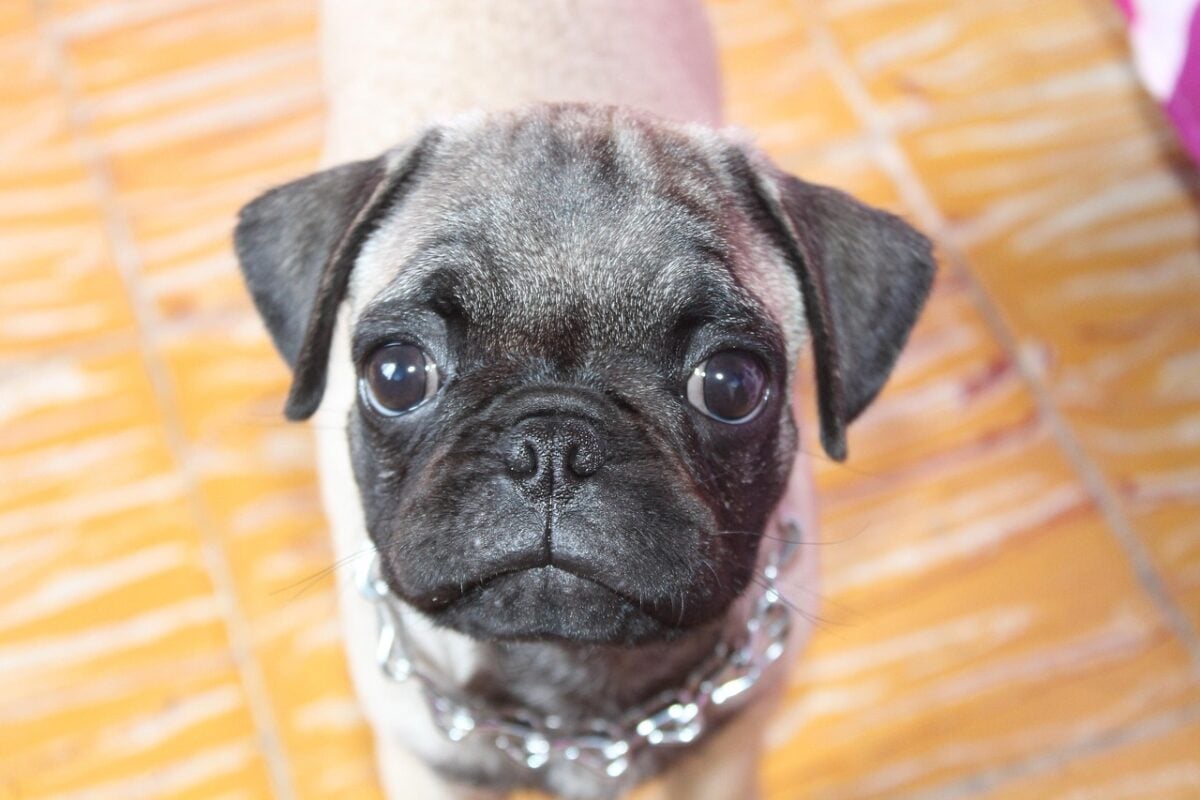
In many cases, these dogs are born with differences that influence how their skull forms, how their muscles develop, or how their nervous system functions. Veterinary experts at the Cornell University College of Veterinary Medicine note that these conditions vary widely in severity and long-term outlook.
Because these features overlap with common descriptions of Down syndrome in humans, well-meaning pet owners may assume a connection. However, the underlying causes in dogs are entirely different and often unrelated to chromosomal duplication.
It’s important to remember that looking different does not mean suffering. Many dogs with developmental conditions are affectionate, playful, and capable of living fulfilling lives with proper care.
How To Tell If Your Dog Has Down Syndrome–Like Symptoms
Dogs with developmental or genetic disorders may show a combination of physical, cognitive, and sensory differences. While no single sign is definitive, patterns can emerge over time.
Physical signs may include:
- Slower-than-normal growth
- Shortened limbs or unusual body proportions
- Abnormal facial structure
- Poor muscle tone or loose joints
- Delayed tooth eruption
Behavioral or cognitive signs may include:
- Difficulty learning basic commands
- Reduced awareness of surroundings
- Delayed response to stimuli
- Trouble with coordination or balance
Sensory-related signs:
- Vision impairment
- Partial or complete hearing loss
If your dog exhibits several of these symptoms, a veterinarian can help determine whether the cause is neurological, hormonal, or genetic.
What You Shouldn’t Assume About Your Dog
Seeing unusual traits doesn’t automatically mean your dog is in pain, has a shortened lifespan, or can’t be trained. In many cases, assumptions do more harm than the condition itself.
What Conditions Are Commonly Mistaken for Down Syndrome in Dogs?
The most common conditions that cause Down syndrome-like signs in dogs (and most predisposed breeds) include:
Congenital Hypothyroidism
Congenital hypothyroidism affects thyroid hormone production and can cause stunted growth, mental dullness, and delayed development. Dogs may appear lethargic or immature compared to their littermates.
Breeds more commonly affected include:
- Rat Terrier
- Toy Fox Terrier
- Wire Fox Terrier
- Giant Schnauzer
While these breeds may be more frequently diagnosed, any dog can develop this condition.
Pituitary Dwarfism
This rare disorder affects growth hormone production and results in unusually small stature and delayed physical development.
Breed most commonly associated:
- German Shepherd Dog
Congenital Hydrocephalus
Hydrocephalus causes a buildup of cerebrospinal fluid in the brain, which may affect neurological development.
Breeds with increased risk include:
- Boston Terrier
- Chihuahua
- English Bulldog
- Maltese
- Pug
- Pekingese
- Yorkshire Terrier
Portosystemic Shunt
This liver condition interferes with the body’s ability to remove toxins from the bloodstream.
Breeds more frequently diagnosed include:
- Beagle
- Cairn Terrier
- Irish Wolfhound
- Old English Sheepdog
- Yorkshire Terrier
Can These Conditions Be Treated?
While some developmental conditions cannot be cured, many can be managed through medication, diet adjustments, physical therapy, or routine monitoring. Early diagnosis often leads to better long-term outcomes.
Veterinarians often see dogs labeled as having “Down syndrome” when the real issue is a treatable medical condition. Proper diagnosis helps rule out pain, manage symptoms, and ensure the dog has the best possible quality of life.
How Veterinarians Diagnose Conditions That May Look Like Down Syndrome
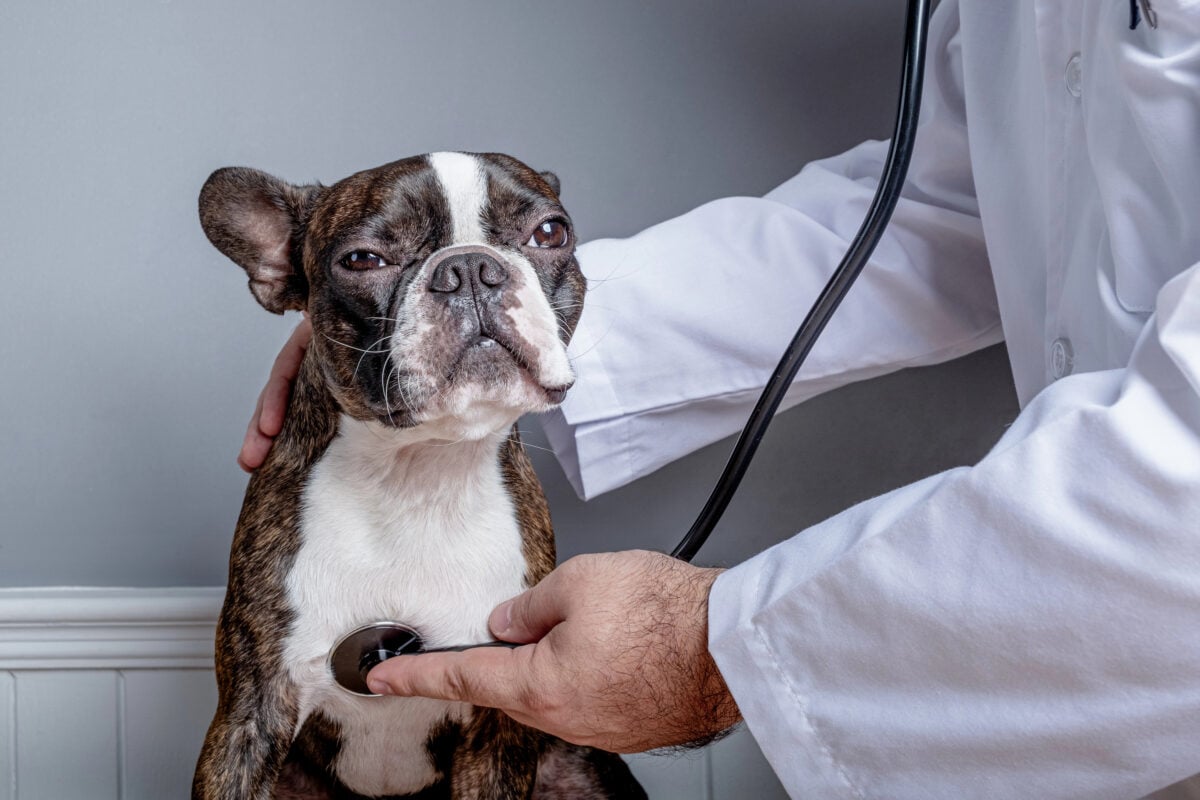
When a dog shows physical or developmental differences, veterinarians don’t rely on appearance alone. Instead, they use a step-by-step diagnostic approach to understand what’s happening beneath the surface and determine whether a condition is present, and if so, how it can be managed.
Physical Examination
The diagnostic process usually begins with a thorough physical exam. A veterinarian will assess your dog’s size, body proportions, facial structure, muscle tone, coordination, and reflexes. They’ll also review your dog’s growth history, behavior, and any changes you’ve noticed over time.
This exam helps identify whether a dog’s traits fall within normal variation or suggest an underlying medical issue.
Blood Panels and Hormone Testing
Blood tests are often used to evaluate organ function, hormone levels, and metabolic health. These tests can help diagnose conditions such as congenital hypothyroidism, liver disorders, or other systemic issues that may affect growth or cognitive function.
Bloodwork is especially valuable because some conditions that look developmental are actually treatable medical problems.
Imaging (X-Rays, CT Scans, or MRI)
If neurological or structural concerns are suspected, imaging may be recommended. Tools like X-rays, CT scans, or MRI scans allow veterinarians to examine the brain, skull, spine, or internal organs.
For example, imaging can help confirm conditions like hydrocephalus or identify abnormalities that may not be visible during a physical exam.
Genetic and DNA Testing
In some cases, veterinarians may suggest genetic or DNA testing to identify inherited risk factors or rule out certain conditions. While these tests don’t diagnose Down syndrome (which dogs cannot have), they can provide useful insight into breed-related genetic risks and help guide long-term care planning.
The best at-home dog DNA test kits screen for more than 200 canine genetic conditions to see if your dog is at a higher risk for developing certain diseases. Results can help you and your vet develop a better health plan for your pup’s future. Another plus, you can discover your dog’s breed makeup if you have a mixed-breed dog.
Dog DNA tests can identify genetic risk factors for certain inherited conditions, but they are not diagnostic on their own.
Genetic testing is most effective when interpreted alongside clinical exams and other diagnostic results. Results should always be reviewed with a veterinarian, who can interpret them in the context of clinical findings.
Why a Proper Diagnosis Matters
Accurate diagnosis allows veterinarians to:
- Rule out painful or progressive conditions
- Identify treatments or management strategies
- Help pet parents set realistic expectations
- Focus on quality of life rather than labels
Most importantly, it ensures your dog receives appropriate, compassionate care tailored to their individual needs. Once a diagnosis is made, the focus shifts from finding answers to supporting your dog’s long-term health and happiness.
Can Dogs With Developmental Disabilities Live Happy Lives?
Yes, many dogs with developmental or genetic disorders can live happy, meaningful lives.
With appropriate veterinary care, routine monitoring, and a supportive home environment, these dogs often thrive. While they may require extra patience or accommodations, they are just as capable of forming strong bonds and experiencing joy as any other dog.

In fact, many pet parents report that caring for a special-needs dog creates a deeper emotional connection, built on trust, empathy, and understanding.
Frequently Asked Questions About Dogs & Down Syndrome
Many pet parents ask similar questions in the comments after noticing their dog looks or behaves a little differently. To help address the most common concerns we hear, we’ve answered a few of the questions readers ask most often below. If you don’t see yours or have experience to share, we’d love to hear it in the comments.
Can dogs be born with Down syndrome?
No. Dogs cannot be born with Down syndrome. Down syndrome is a human genetic condition caused by trisomy 21, meaning an extra copy of chromosome 21. Dogs have a completely different chromosomal structure, which makes this condition biologically impossible in dogs.
Can dogs have chromosomal abnormalities at all?
Yes, dogs can be born with genetic or chromosomal abnormalities, but they are not the same as Down syndrome. These abnormalities may affect growth, neurological development, hormone production, or organ function and are diagnosed based on clinical signs and veterinary testing.
Can dogs with developmental disabilities be trained?
Yes. Many dogs with developmental or cognitive challenges can be trained, though they may learn more slowly or need modified training techniques. Consistency, patience, and positive reinforcement often lead to excellent results.
Are these conditions hereditary?
Some genetic conditions in dogs can be inherited, while others occur spontaneously. In humans, most Down syndrome cases are not inherited, according to the Centers for Disease Control and Prevention, and similar variability exists in dogs with genetic disorders.
Are dogs with Down syndrome–like conditions in pain?
Not necessarily. Many dogs with developmental differences are not in pain and live comfortable lives. Some conditions may require monitoring or treatment, but pain is not automatic. A veterinarian can determine whether discomfort is present and recommend appropriate care.
Supporting Your Dog’s Health for Life
Whether your dog has a developmental condition or is simply a little different than others, one thing matters most: lifelong health, comfort, and quality of life. Every dog, regardless of ability, benefits from consistent care, preventive medicine, and a routine that supports both physical and mental well-being.
Regular veterinary visits play a critical role in catching potential issues early, especially for dogs with special needs or underlying medical conditions. Daily care matters just as much. Maintaining a healthy weight, ensuring appropriate exercise, and adjusting activity levels to suit your dog’s abilities all contribute to long-term wellness. Some dogs may need shorter or slower walks, while others thrive with structured routines that provide consistency and reassurance.
Most importantly, caring for a dog with special needs isn’t about fixing what’s different; it’s about supporting what makes them thrive. With the right knowledge, veterinary guidance, and compassionate care, dogs of all abilities can live happy, fulfilling lives alongside the people who love them.
Your Story Could Help Another Dog
Caring for a dog, especially one with special medical needs, often comes with moments of learning and reflection. If you have an experience or insight you’d like to share, you’re welcome to add it in the comments.