When you purchase through links on our site, we may earn a commission at no extra cost to you. Learn more.
Imagine two Labrador Retrievers standing side by side. One is thick-boned, calm, and ready to curl up beside you. The other is lean, athletic, and scanning the world for the next adventure.
Table of Contents
They’re both Labs — just bred for different purposes.
Here’s the real difference between the English (bench) and American (field) Labrador, and how to choose the right fit for your home.

Breed Comparison
- Height21-25 Inches
- Height21-25 Inches
- Weight55-85 Pounds
- Weight55-80 Pounds
- TemperamentIntelligent, Friendly, Loving
- TemperamentEnergetic, Intelligent, Friendly
- EnergyHigh Energy
- EnergyIntense
- HealthAverage
- HealthAverage
- GroomingAverage
- GroomingAverage
The Story Behind The Two Labrador Types
English Lab. American Lab. Same breed on paper, very different dogs in real life.
If you have ever seen a thick, blocky-headed Lab next to a lean, leggy one, you have already met the two main Labrador “types.” What makes one a couch-ready family dog and the other a field-working machine comes down to history, purpose, and decades of selective breeding.
To understand English vs. American Labs, you have to go all the way back to a dog that was not English, not American, and not even called a Labrador.
English Lab: The Calm, Blocky-Headed Classic
The Labrador story starts in the 19th century in Newfoundland, Canada, where a rugged working dog called the St. John’s dog earned a reputation as the fisherman’s best friend. These dogs were bred to work in icy waters, hauling in nets, retrieving fish, and bringing back ducks and other waterfowl.
Visiting English nobles fell in love with this hard-working retriever and began bringing him back to Great Britain. There, breeders refined and standardized the look, favoring a solid frame, broad head, and kind expression. They eventually renamed the dog the Labrador Retriever, even though no one is entirely sure why the “Newfoundland” name did not stick.

Over time, the version developed in England became the basis for the modern show, or “bench,” Labrador. These dogs were bred to match the written breed standard as closely as possible, which is why English Labs today are typically shorter, thicker, and more heavily built than their field cousins.
American Lab: The Lean, Driven Athlete
While English breeders were polishing the Lab’s appearance, Canadian fishermen and North American hunters were focused on one thing: performance. They continued breeding Labrador-type dogs primarily for work, selecting for stamina, drive, and a strong desire to retrieve.
This working focus set the stage for what we now call the American, or “field,” Lab. These dogs kept a leaner, taller, more athletic build that made long days in the marsh or field easier on their bodies. The goal was not a perfect show-ring outline, but a dog that could work hard, think quickly, and keep going.
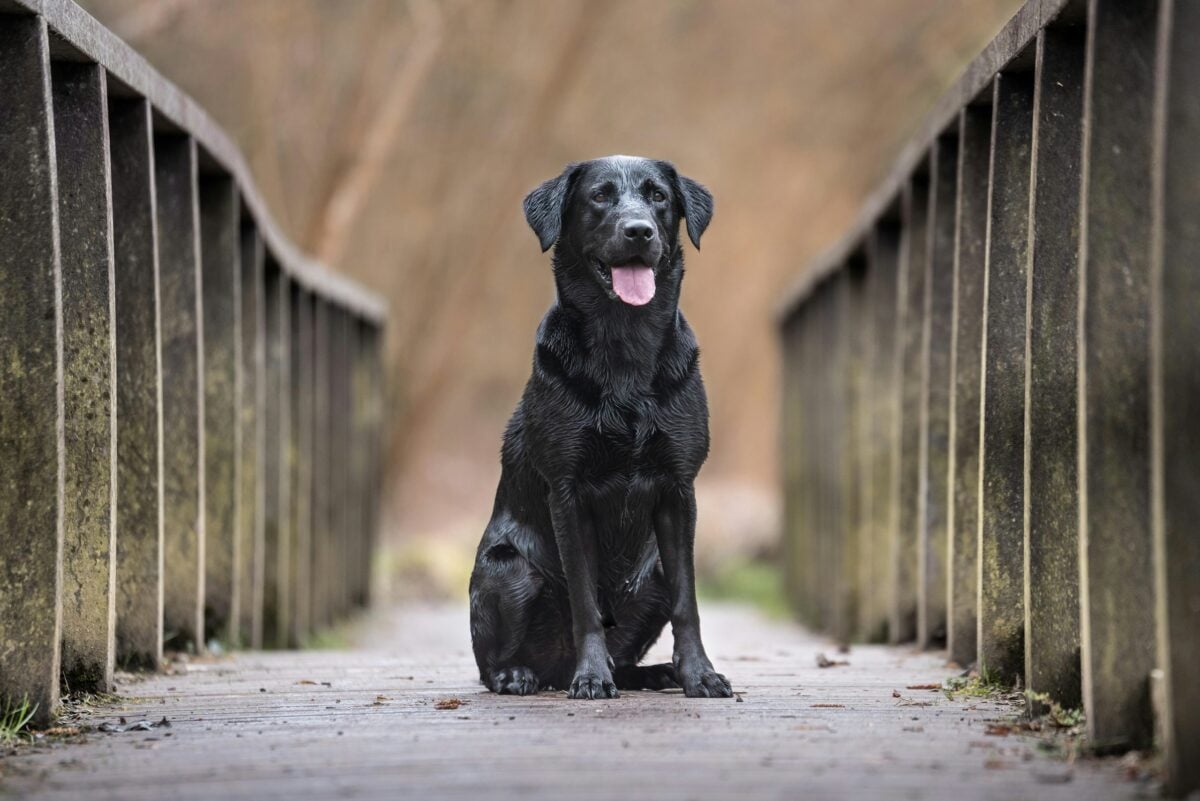
In 1917, the American Kennel Club officially recognized the Labrador Retriever. Since then, Labs have climbed to the top of the popularity charts and stayed there. The breed has been ranked the most popular dog in America for decades, thanks to both its handsome looks and its versatility as a working dog.
Quick History Recap: How One Breed Split Into Two Types
- Both are still one AKC-recognized breed, but selective breeding for different purposes shaped their looks and energy in very different ways.
- The modern Labrador began as the St. John’s dog in Newfoundland, Canada.
- Early Labs worked alongside fishermen, retrieving fish, ducks, and other water animals.
- English nobles brought the dogs to Britain and refined them into a show-standard retriever.
- Canadian and American breeders continued to focus on work ability and field performance.
- Over time, this created two recognizable types: English (bench/show) Labs and American (field/working) Labs.
English Labrador vs American Labrador Appearance: Built Different On Purpose
At first glance, both English and American Labs look like classic Labrador Retrievers. Same friendly face, same solid, medium-to-large build. Stand them side by side, though, and the differences become clear.
The official breed standard from the AKC lists Labs as 21.5 to 24.5 inches tall and 55 to 80 pounds, with females on the smaller end and males on the larger end. How each type fills out that height and weight is where the story changes.
Side-By-Side: One Tank, One Sprinter
English (bench) Labs are bred to match the show standard as closely as possible. That usually means:
- A shorter, more compact body
- A deeper, barrel-shaped chest
- Heavier bone and a thicker overall frame
They often sit on the shorter to mid end of the height range and the higher end of the weight range, with plenty of substance and a big, solid presence.
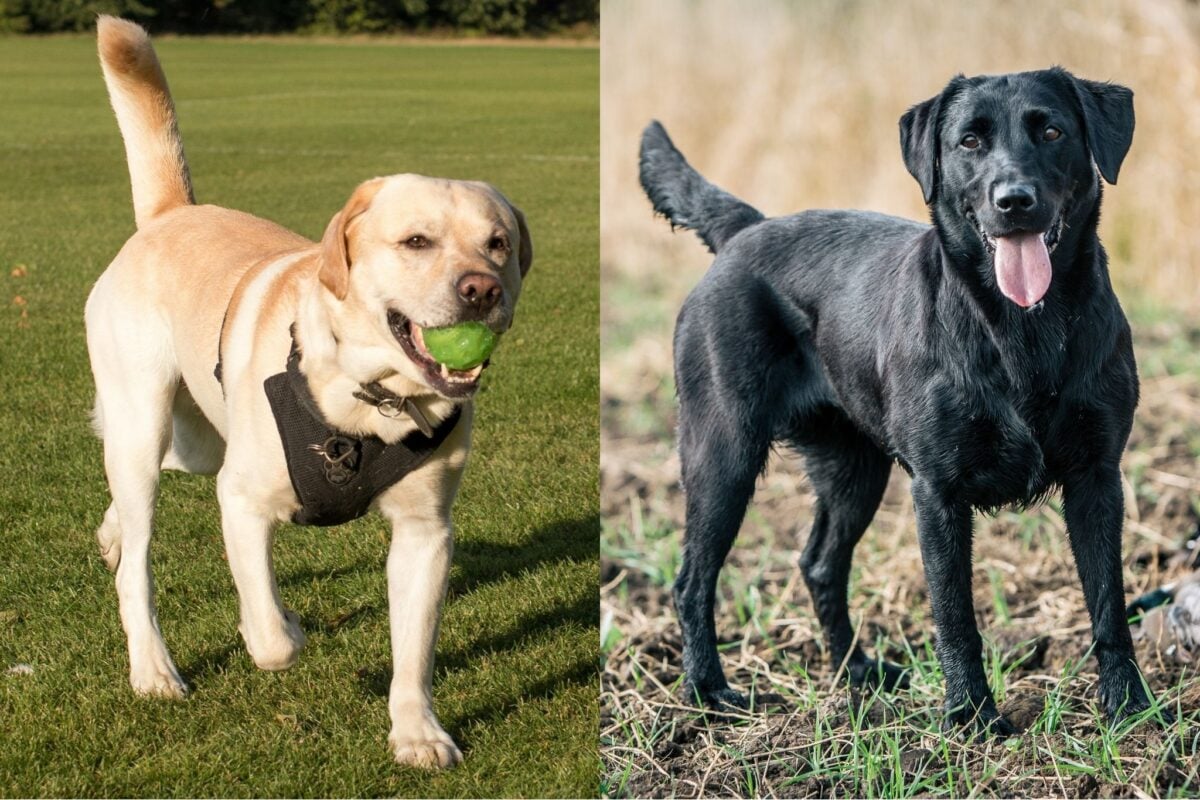
American (field) Labs are bred first for function. They frequently:
- Stand slightly taller
- Carry less overall bulk
- Show more visible muscle definition and a leaner outline
Field Labs usually land on the taller end of the height range and the lighter end of the weight range, giving them a sleeker, more athletic look that supports long days of work.
Head, Body, Coat: The Tell-Tale Features
If you look closely at the head and outline, you can usually tell which type you are seeing.
English Labs typically have:
- A broader, blockier head
- A shorter, thicker neck
- A deeper chest and shorter legs
- A thicker double coat and a very solid “otter” tail
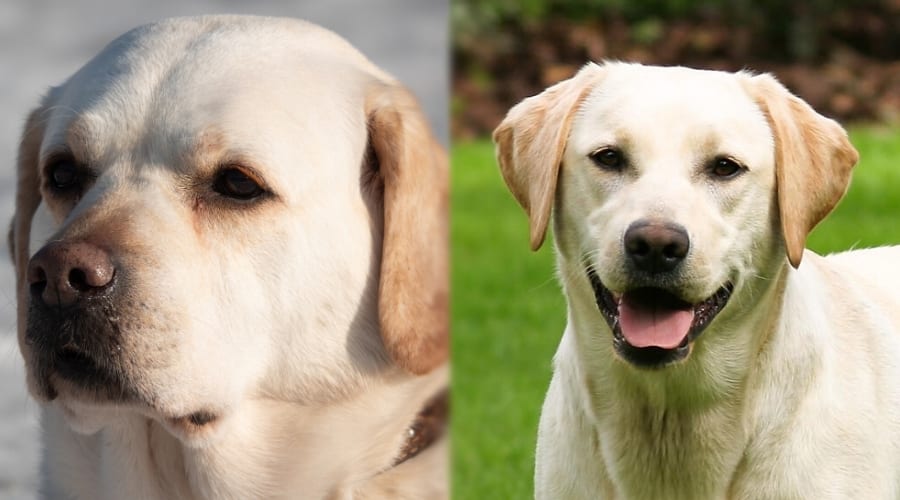
American Labs typically have:
- A narrower, more refined head
- A longer neck and longer muzzle
- A taller, more rectangular frame
- A slightly thinner coat, still double-layered but not as dense
Both types are well within the same AKC standard, but the emphasis on show-ring structure versus field performance nudges their bodies in different directions.
Color, Texture & “Hands-On” Differences
Both English and American Labs come in the traditional Labrador colors, and both have the famous double coat that works like a built-in wetsuit. That double coat helps protect them in cold water, which is part of why they excel as retrievers.

English Labs often feel a bit thicker-coated, especially around the neck and tail. Their fur can give the impression of a heavier, plush dog. American Labs, while still well-protected, may feel slightly sleeker to the touch, with a little less fluff but just as much shedding.
Regardless of type, both are moderate-to-heavy shedders, especially when they blow their coats seasonally.
Appearance Recap: English Lab vs American Lab
- Size and build: English Labs are stockier and heavier; American Labs are taller and leaner.
- Head and frame: English Labs have broader heads and deeper chests; American Labs have longer legs, necks, and muzzles.
- Coat: Both have water-resistant double coats, but English Labs often have denser fur and a thicker otter tail.
- Standard: Both fall under the same AKC Labrador Retriever standard, but decades of selective breeding created two very recognizable silhouettes.
English Labrador vs American Labrador Temperament: Same Love, Different Speeds
Both Labrador types are famously friendly, eager to please, and deeply devoted to their people. But when you zoom in on their personalities day to day, the English and American Labs bring very different energy to a home.
Understanding those differences can help you choose a dog whose pace fits your life.

English Lab: Steady, Low-Key & Family-Oriented
English Labs tend to have a calmer, more relaxed temperament. They’re the type to settle beside you, follow your routine, and ease into family life with fewer bursts of chaos. Their steadiness often makes them feel easier to train, especially for first-time dog owners.
These dogs love affection and thrive on being close to their people. They enjoy activity but rarely operate at full throttle, making them an excellent match for families who want a friendly, dependable companion without nonstop intensity.
American Lab: High-Drive, Bold & Always Ready To Go
American Labs were bred for all-day field work, and you feel that the moment they wake up. They’re energetic, curious, and always looking for something to do. Their boldness makes them more prone to take on challenges, explore new tasks, and push themselves physically.
This enthusiasm can look like independence or distractibility during training, especially in puppyhood. Many owners describe field Labs as “a puppy until age four,” full of zoomies, excitement, and perpetual motion. But with enough exercise and mental stimulation, their affection and loyalty shine just as brightly.
Family Fit & Social Style
No matter the type, Labs adore their people. Both English and American Labs are affectionate, gentle with children, and typically welcoming of new faces. They are social dogs who thrive in homes where someone is readily available to play, walk, or simply be nearby.
The most significant difference is simply intensity. English Labs generally bring softer, slower energy. American Labs bring enthusiasm that spills into every part of their day.
Temperament Recap: English Lab vs American Lab
- Energy intensity is the key difference
- English Labs have calmer, steadier temperaments
- American Labs are higher energy and more driven
- English Labs often feel more manageable for beginners
- American Labs enjoy challenges and active environments
- Both types are affectionate and family-friendly
English Labrador vs American Labrador Energy: How Much Daily Work Do They Really Need?
Labradors are one of the world’s most energetic breeds, but the kind of energy they bring varies by type. Both the English and American Lab need daily movement, mental stimulation, and a way to burn off excitement — but one does it with steady enthusiasm, while the other acts like they’ve had three espressos before breakfast.
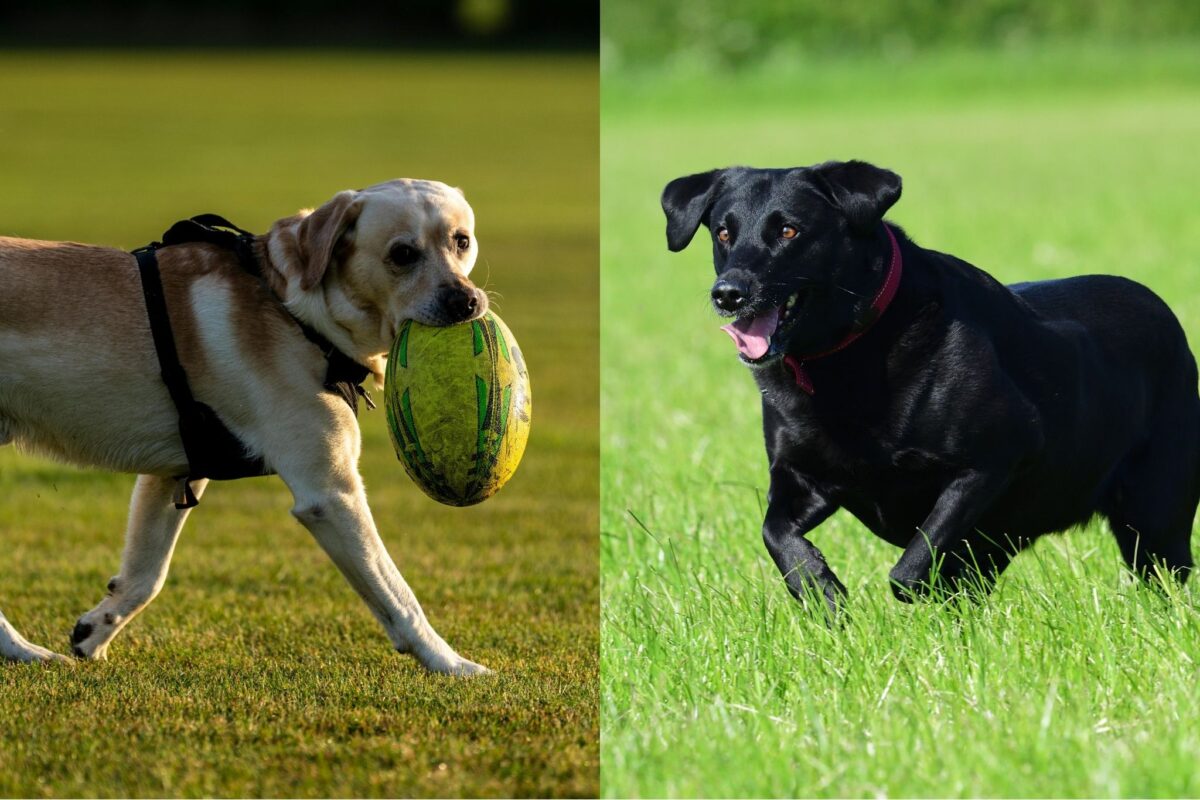
English Lab: Play, Cuddle, Repeat
English Labs still have plenty of pep, but their energy comes in calm, predictable waves. They love walks, games of fetch, and splashing in water, but they’re usually quicker to relax once their needs are met. After a good outing, many English Labs are content to curl up beside you and settle into home life.
Their temperament tends to make them slightly easier to manage indoors. They’re active, but not overwhelmingly demanding, especially when compared to their field-bred cousins.
American Lab: Exercise First, Everything Else Second
American Labs are built for endurance — and it shows. These dogs have a level of drive and intensity that often lasts well into adulthood.
Swimming, running, retrieving, and long outdoor adventures are where American Labs shine. Without enough activity, they can become restless or destructive simply because they have so much energy to release.
The Lifestyle Match: Can You Keep Up?
No matter the type, Labs need at least 60 minutes of daily exercise, plus playtime or brain games like tug-of-war, puzzle toys, or training sessions. They are working dogs at heart, and insufficient activity almost always leads to mischief. View our guide to the best dog toys for Labrador Retrievers.
If you live near a lake or enjoy outdoor activities, both Labs will happily join you. Their love for water runs deep — retrieving from lakes, ponds, and even backyard kiddie pools can provide excellent mental and physical stimulation.
Watch: English Lab vs American Lab — same game, different vibes.
Energy Recap: English Lab vs American Lab
- English Labs settle more quickly after activity
- American Labs have higher stamina and drive
- Both require at least 60 minutes of daily exercise
- Water activities are ideal for both types
- English Labs match moderate activity homes
- American Labs thrive with very active owners
English Labrador vs American Labrador Training: Which One Is Truly Easier To Train
Labradors are known for their intelligence and willingness to learn, but the English and American types approach training with slightly different mindsets. Both pick up commands quickly, but their energy levels and focus can make the experience feel very different for owners.
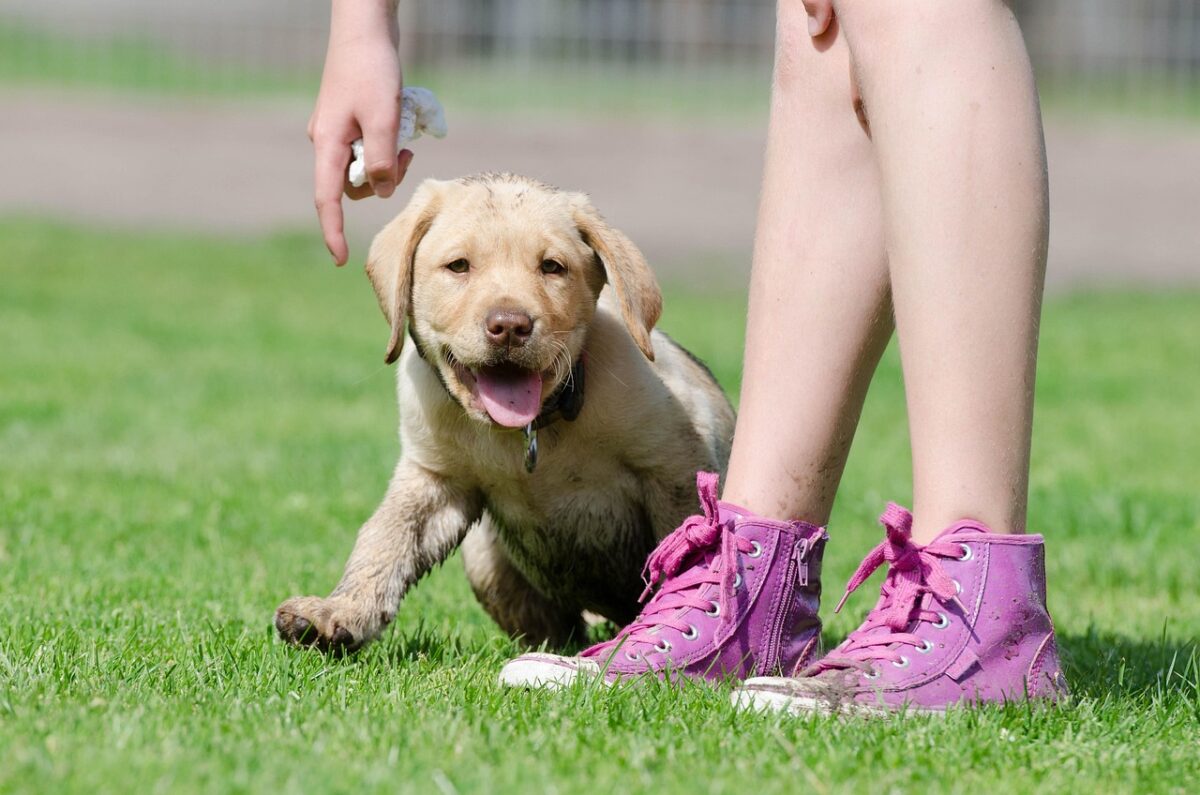
English Lab: Steady, Focused & Eager To Please
English Labs tend to bring a calm and thoughtful presence to training sessions. Their lower overall intensity makes it easier for them to concentrate, especially at younger ages. Many owners find them more manageable because they stay engaged instead of bouncing from one distraction to another.
These dogs thrive in homes that use gentle consistency. Positive reinforcement, clear routines, and engaging activities help English Labs excel in both family life and basic obedience.
American Lab: Brilliant, Driven & Easily Distracted
American Labs are highly intelligent, but their high-octane energy can overshadow that brainpower during early training. A field-bred Lab often arrives at every session ready for action and may need help settling into a focused mindset.
This is not stubbornness. It is excitement and enthusiasm for the world around them.
Once that energy is directed, American Labs learn at an impressive pace. They excel in advanced training, retrieving work, scent games, and search tasks. They simply require a little more patience from owners in the beginning.
Which Dog Fits Your Training Style
If you prefer calm sessions with a dog who is ready to listen, the English Lab may feel easier. If you love working with a highly motivated dog and you enjoy active, engaging training, the American Lab may be the better match.
Both types need early socialization and positive reinforcement. Introducing new people, dogs, environments, and sounds during puppyhood helps build confidence and reduces the risk of behavior problems later.
Training Recap: English Lab vs American Lab
- Both learn quickly with positive reinforcement
- English Labs suit first-time owners
- American Labs succeed in advanced training and field work
- Early socialization is essential for both
English Labrador vs American Labrador Health: What Owners Should Expect
Both English and American Labs belong to the same breed, which means they share the same general health profile. Their differences have more to do with lifestyle and activity level than genetics.
Knowing the most common issues and how to manage them will help you keep your Lab healthy for years to come.
English Lab: Joint Care & Weight Management
English Labs tend to have heavier frames, which can place more stress on their joints over time. This makes hip and elbow care an essential part of long-term health. Their calmer temperament also means they can gain weight more quickly if exercise routines are inconsistent.
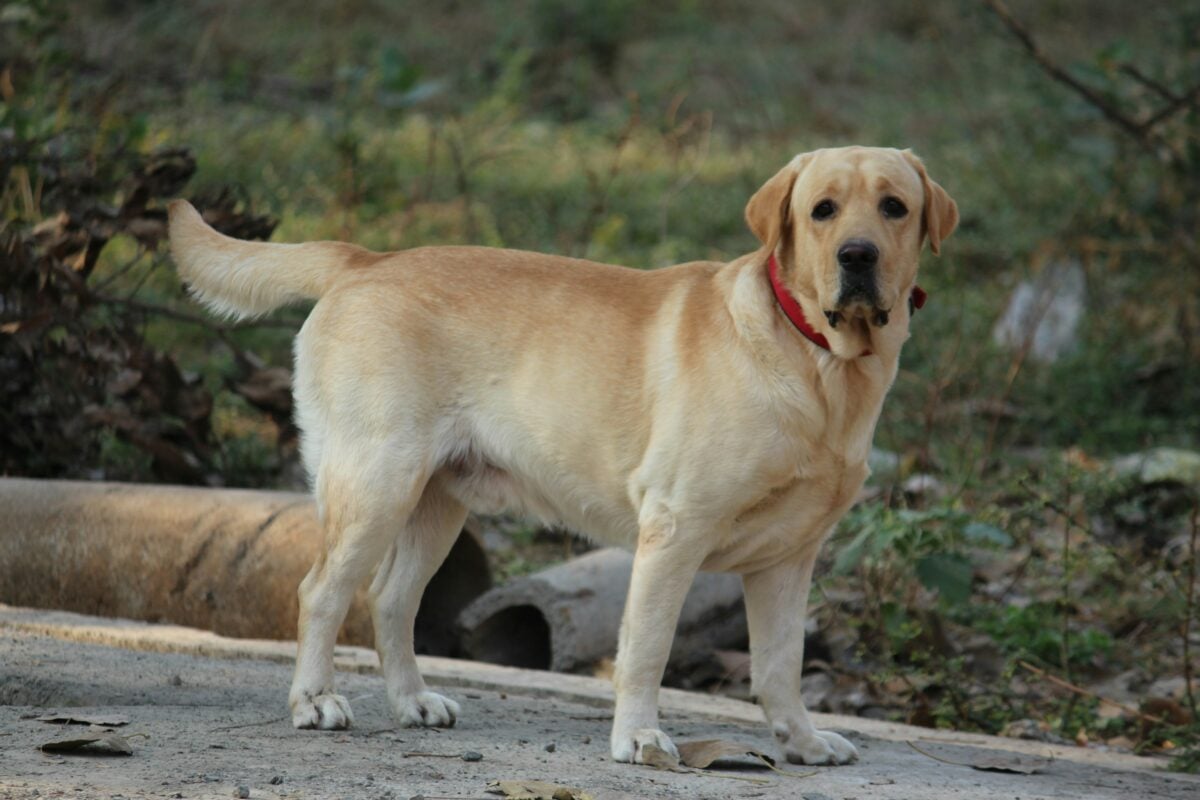
Extra weight can worsen existing joint issues, so regular activity and a balanced diet are essential. Most English Labs remain healthy with proper weight control and routine vet care.
American Lab: Active Bodies & Higher Injury Risk
American Labs are leaner and more athletic, but their high-drive lifestyle can increase the chance of activity-related injuries. Their enthusiasm for running, jumping, and retrieving puts extra strain on their joints and muscles, especially during adolescence.
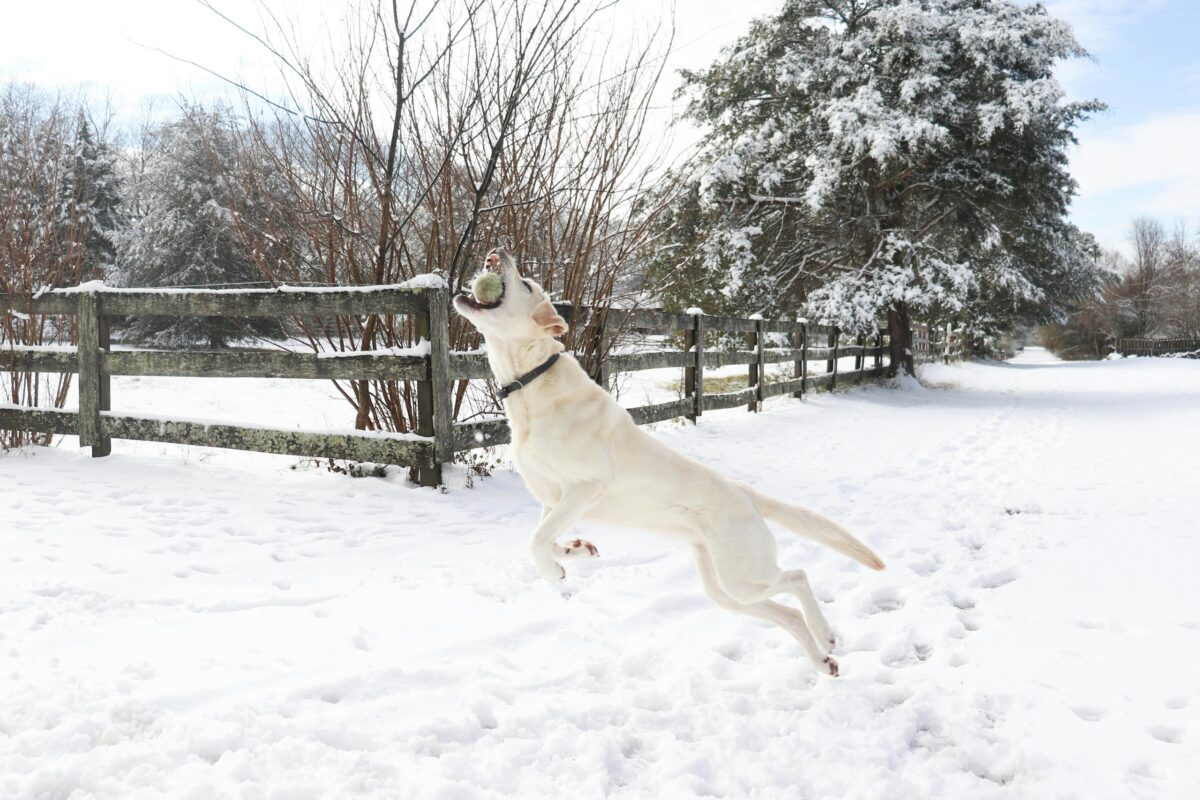
Field Labs may also be more prone to overexertion. Conditions such as exercise-induced collapse can occur during intense activity. Understanding your dog’s limits and pacing exercise sessions can reduce risk.
Shared Health Concerns For Both Types
Because English and American Labs are the same breed, they are vulnerable to several genetic conditions. Common issues include hip and elbow dysplasia, cataracts, and Progressive Retinal Atrophy, which can lead to gradual vision loss.
Both types can also experience exercise-induced collapse. Although rare, it causes sudden loss of muscle control after strenuous activity. Routine vet visits and awareness of early symptoms can make a significant difference in long-term outcomes.
Long-Term Considerations For Every Lab Owner
Annual checkups, weight monitoring, and early intervention are the most effective tools for keeping Labs healthy. Genetics play a role, but lifestyle choices have a significant impact on joint health, weight stability, and overall quality of life.
You can also get pet insurance to help cover any vet expenses that come your way. View our guide to the best pet insurance for Labrador Retrievers.
Health Recap: English Lab vs American Lab
- Healthy weight control protects mobility
- Both types share risks for hip and elbow dysplasia
- Cataracts and Progressive Retinal Atrophy are common concerns
- Regular vet visits support early detection
English Labrador vs American Labrador Nutrition: Hungry Breeds With Different Needs
Feeding a Labrador is not just about topping off the food bowl. Labs love to eat, and both types need balanced nutrition to maintain healthy weight, muscle tone, and joint support.
The goals are the same, but the ideal portion sizes and calorie counts can vary slightly depending on your dog’s build and activity level.
English Labs: Slow Metabolism & Easy Weight Gain
English Labs often carry more body mass, which means they need careful portion control. Their calmer lifestyle and heavier frame make them more susceptible to weight gain, and extra pounds can quickly put strain on the hips and elbows.
Choosing a high-quality food that matches their age and energy level helps maintain a healthy body condition. Treats should be monitored closely since this type can easily overeat if given the chance.
American Labs: High-Burn Athletes Who Need Steady Fuel
American Labs are more active and may need slightly more calories, especially if they work, hike, or swim regularly. Their lean build and strong drive to move mean they often burn energy faster throughout the day.
Owners should still avoid overfeeding. Even field Labs can gain weight when their exercise levels fluctuate or when training treats add up. Consistency in portion size keeps their athletic frame in top condition.
Puppy Nutrition: Start Healthy Habits Early
Growing Labs need high-quality puppy food that supports joint development and controlled growth. Large-breed puppy formulas help prevent rapid weight gain, which reduces stress on developing bones.
As Labs age, foods rich in glucosamine, chondroitin, and omega fatty acids can support mobility and coat health.
For more tips, view our Labrador puppy feeding guide.
Choosing Food Formats: Kibble, Wet, Fresh, Or Freeze-Dried
The best format depends on your dog’s unique needs, but quality matters for every Lab. Look for complete and balanced options made with real protein, healthy fats, and no unnecessary fillers.
Whether you choose kibble, wet food, or a fresh diet, the focus should be on nutrition that matches your Lab’s age, size, and energy level.

Puzzle feeders, slow bowls, and training treats used in moderation can also help keep food-loving Labs mentally stimulated and physically healthy.
Nutrition Recap: English Lab vs American Lab
- Most adult Labs eat about three cups of food daily
- English Labs need careful portion control
- American Labs may need more calories during heavy activity
- Both benefit from joint-support nutrients
- Treats should be given in moderation
English Labrador vs American Labrador Grooming: Shedding, Brushing & Bathtime Basics
Labradors may look low maintenance, but their double coats require steady care throughout the year. Both the English and American type shed heavily, especially during seasonal coat changes.
Understanding their grooming needs will keep their skin healthy, their coats clean, and your home a little less covered in fur.
English Lab: Thicker Coat & More Weekly Brushing
English Labs often have slightly denser double coats, which can collect more loose fur and require more frequent brushing. Their plush coats help insulate them in cold weather, but they also trap dirt and debris more easily.
Regular brushing helps control shedding and keeps their coat healthy. During seasonal shedding, daily brushing may be needed to manage the extra hair.
American Lab: Sleeker Coat With The Same Amount Of Shedding
American Labs tend to have thinner coats, but they shed just as much. Their sleeker fur makes loose hair more noticeable around the house. Consistent brushing keeps shedding under control and helps distribute the natural oils that protect their skin.
Even with their active lifestyle, field Labs need routine grooming to remove dirt and maintain coat health.
Shared Grooming Needs
Both Lab types have classic double coats that work like natural wetsuits. This coat structure is great for swimming, but leads to heavy shedding in spring and fall. Bathing every six weeks helps keep their skin clean without stripping essential oils.

Dog wipes and gentle sprays can help freshen them between baths, especially after outdoor play. A regular schedule prevents mats, keeps shedding manageable, and supports overall coat health.
Grooming Recap: English Lab vs American Lab
- Seasonal care: Daily brushing may be needed when coats transition for warm or cold weather
- Brushing schedule: Once or twice a week and more often during shedding seasons
- Double coat: Both have thick double coats that shed heavily in spring and fall
- Bathing: Every six weeks with gentle dog shampoo
- Tools to keep on hand: Deshedding tool, slicker brush, and dog-safe wipes
- Coat differences: English Labs may feel thicker, but shedding is similar in both types
English Labrador vs American Labrador Cost: What You Can Expect To Spend
The price of an English or American Lab depends on bloodlines, breeder reputation, and whether the dog comes from show or working stock. While both types fall within a similar range, families considering a Labrador should think about long-term expenses as well as the upfront cost.

Initial Puppy Price
Most families can expect to pay at least $1,200 for a Labrador puppy from a reputable breeder. English Labs with show-quality lineage may cost more because breeders invest heavily in producing dogs that closely match the breed standard. Working or field-line Labs may also cost more if they come from proven hunting or performance parents.
Bloodline and pedigree tend to influence price more than whether the dog is English or American.
First-Year Costs: Setup & Medical Care
The first year of Labrador ownership usually comes with higher expenses. Puppies need multiple vet visits, vaccinations, training supplies, and quality food designed for large-breed growth. Owners should also budget for crates, bedding, toys, collars, leashes, and grooming tools.
Whether you choose an English or American Lab, the first-year total commonly reaches several thousand dollars.
Ongoing Costs: Food, Grooming & Vet Bills
Both Lab types are medium to large dogs with hearty appetites. Food, treats, routine vet care, grooming supplies, and occasional medical concerns can make yearly costs significant.
Field Labs may require more investment in training or structured activity programs. Show-line Labs may require more grooming if their coat is especially dense.
Rescues are an option for families looking for a lower-cost alternative. Adoption fees are typically far below breeder prices and often include vaccinations and spay or neuter surgery.
Lifetime Cost Estimate
Across a Labrador’s lifetime, the total cost of ownership can easily reach many thousands of dollars. Factors such as medical issues, training needs, and food quality can raise or lower the overall amount. Planning ahead helps ensure your Lab receives consistent care from puppyhood through their senior years.
Cost Recap: English Lab vs American Lab
- Lifetime investment: Long-term care for a Labrador can be substantial, so budgeting ahead is helpful
- Puppy price: Most puppies start at 1,200 dollars or more
- Price differences: Show-line English Labs and proven field-line American Labs may cost extra
- First-year expenses: Vet care, supplies, food, and training can reach several thousand dollars
- Ongoing needs: Food, grooming tools, medical care, and training add to yearly costs
- Rescue option: Adoption is often more affordable and may include basic medical services
Frequently Asked Questions
Still deciding which Labrador type fits your home and lifestyle? These are the most common questions owners ask when comparing English and American Labs. If we missed yours, feel free to respond in the comments so we can help.
Which Type Is Better For Duck Hunting?
American or field Labradors are usually the preferred choice for hunting. Their lean build and high energy help them work longer in the field. English Labs can hunt, but they were not bred with the same performance focus.
Which Type Is Easier To Train?
Both types learn quickly, but English Labs often feel easier for beginners because they have lower overall energy. American Labs can be more distracted during puppyhood, although they excel once their enthusiasm is directed. With consistent training, both become highly reliable companions.
Which One Weighs More?
English Labs tend to weigh slightly more because of their stockier, heavier build. American Labs are usually taller but slimmer and carry less bulk.
Weight can vary by individual dog, but English Labs typically have a thicker frame.
Are There Any Differences In Their Tails?
Most Labs share the same classic otter tail. English Labs sometimes have a slightly thicker tail due to their denser coat and wider build. The difference is subtle and not typically noticeable unless the dogs are side by side.
Are There Size Differences Between The Two Types?
Both types fall within the same AKC height and weight range, but they distribute that size differently. English Labs are thicker and shorter, while American Labs are taller and leaner.
The overall size difference is slight, but the build makes each type look distinct.
What’s Next For You & Your Pup?
Now, whether you’re ready to welcome a new Lab into your home — or want to give your current one the best life possible — the next step is getting the details right.
- Want help naming your new Lab? Check out our full list of popular and unique Labrador Retriever names.
- Curious about how big your puppy will get — and when? Our growth chart lays out typical size milestones so you can track healthy development.
- Wondering how long you’ll share life with your furry best friend? Get the full scoop on Labrador Retriever lifespan, health, and senior care.