When you purchase through links on our site, we may earn a commission at no extra cost to you. Learn more.
Some dogs seem to come with a lifetime subscription to vet bills, non-stop shedding, and enough daily exercise to train for a marathon. You love dogs, but you also have a life, a budget, and only so many hours in the day.
Table of Contents
What if you could find a dog that’s relatively healthy and easier to care for?
The sweet spot looks different for everyone. Some breeds are easy to groom but need more activity; others require a little extra brushing but are happy with a gentler routine.
These 16 offer promising health prospects and manageable care in different ways, including a few familiar favorites you might not expect.

What Makes A Dog Breed Healthy And Low Maintenance?
We weren’t looking for dogs that never need a groomer, rarely get sick, or are content with a five-minute walk. The goal is a realistic balance of favorable health prospects and everyday care needs that won’t overwhelm your life.
Here’s what we considered:
- Health & Longevity: Favorable life expectancy, a generally sound physical build, and relatively manageable inherited health risks.
- Grooming & Shedding: Practical coat care, whether that means occasional brushing or regular grooming appointments that fit your routine.
- Exercise Needs: Activity levels that suit different lifestyles, from leisurely daily walks to more energetic play and outdoor adventures.
- Temperament & Training: Dogs that can adapt to household routines with appropriate training, socialization, and attention.
- Everyday Upkeep: Dental care, skin issues, special handling, and other responsibilities that can make ownership more demanding.
A long lifespan doesn’t automatically mean fewer health problems, and a short coat doesn’t automatically mean an easy dog. Some breeds that seem like obvious choices have trade-offs worth knowing about.
16 Healthy Dog Breeds That Won’t Take Over Your Life
Your ideal companion might be a devoted couch snuggler, a scruffy little adventurer, or a dog whose fancy appearance hides a surprisingly practical side.
Some familiar favorites made our list, along with a few breeds you might never have considered. Each brings something different to the table, including a few ownership quirks worth knowing before you fall in love.
Just like people, even generally healthy dogs can develop medical problems. That’s why we’ve included potential health concerns in each breed breakdown. These are conditions worth knowing about, not a prediction of what your dog will experience.
1. Whippet
Whippets look like they belong on a racetrack, but many adults are more interested in claiming the most comfortable spot on your couch. These sleek athletes offer a surprisingly appealing combination of good health and laid-back companionship.
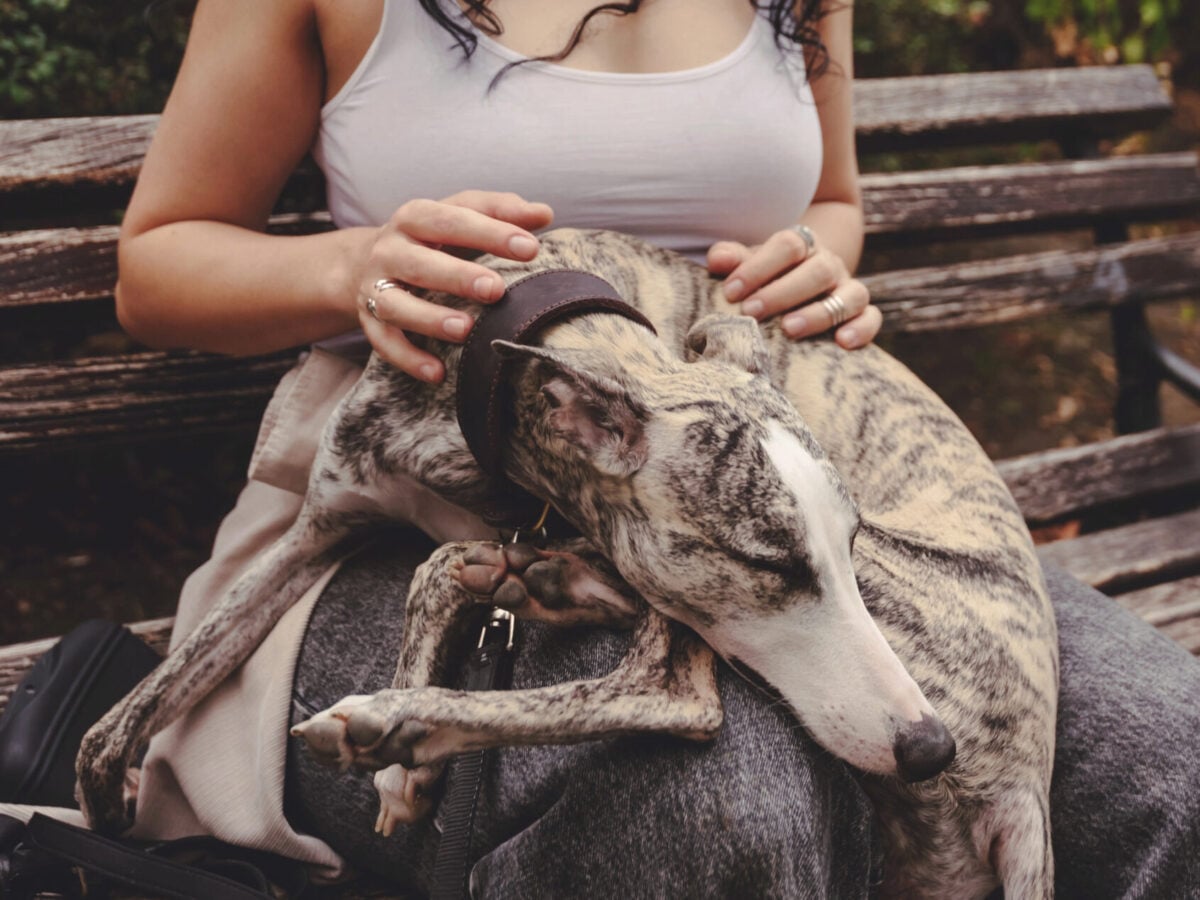
Their lean, functional build avoids some of the structural problems associated with more exaggerated breeds, and they’re generally considered relatively healthy and long-lived. But what really wins people over is their gentle, affectionate nature.
Whippets often form close bonds with their families and have very little concept of personal space. If there’s room beside you, they’ll happily occupy it. If there isn’t, they’ll probably try anyway.
Of course, a Whippet can go from professional napper to full-speed squirrel chaser in seconds. Their hunting instincts are very much intact, and their thin coats offer little protection against cold weather. Don’t be surprised if your dog needs a winter wardrobe nearly as extensive as yours.
Breed Breakdown
- Size: Medium, 25–40 pounds
- Typical Lifespan: 12–15 years
- Daily Exercise: Moderate; daily walks and opportunities for safe running
- Temperament & Training: Gentle, affectionate, and intelligent; responds well to positive reinforcement but can be independent
- Grooming & Shedding: Minimal grooming; light to moderate shedding
- Potential Health Concerns: Heart disease, inherited eye disorders, congenital deafness
- Biggest Consideration: Strong prey drive makes off-leash exercise risky outside securely enclosed areas
2. Papillon
With those enormous butterfly ears and a flowing, silky coat, the Papillon looks like a dog that comes with a standing salon appointment. Surprisingly, this elegant little breed is much easier to maintain than its appearance suggests. Without a dense undercoat, regular brushing is usually enough to keep tangles under control.
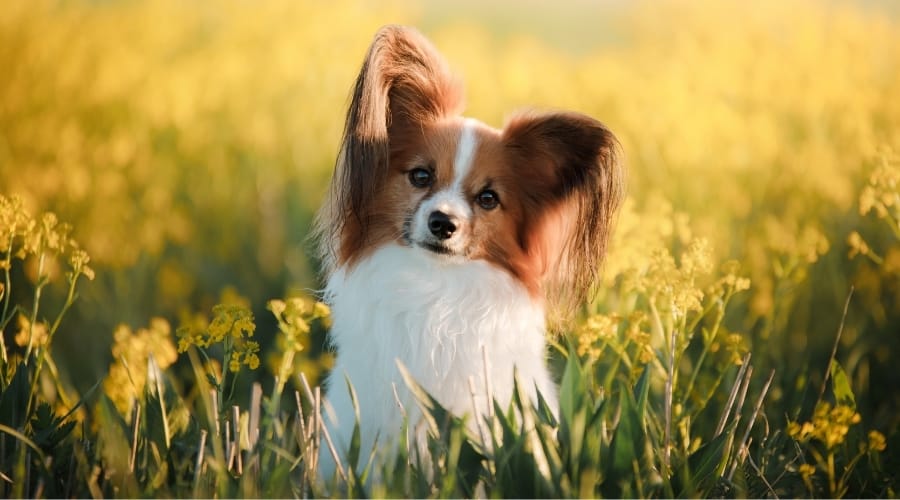
Papillons also have impressive longevity and a generally favorable health reputation, with many remaining active well into their teens. But what really makes them delightful companions is how much they enjoy doing things with their people.
A Papillon doesn’t just learn tricks because it’s smart. It often seems genuinely thrilled that you’ve invented another activity for the two of you to tackle together.
These cheerful little dogs are surprisingly athletic and often excel at obedience and agility. But you don’t need to build an obstacle course in your living room. Interesting walks, interactive games, and time with their favorite person can go a long way.
Breed Breakdown
- Size: Toy, 5–10 pounds
- Typical Lifespan: 14–16 years
- Daily Exercise: Moderate; daily walks, interactive play, and mental stimulation
- Temperament & Training: Friendly, lively, and highly intelligent; eager to learn and generally easy to train
- Grooming & Shedding: Brushing once or twice weekly; moderate shedding and no routine professional clipping
- Potential Health Concerns: Patellar luxation, progressive retinal atrophy (PRA), and heart conditions
- Biggest Consideration: Delicate size requires careful handling, especially around young children and larger dogs
3. Rat Terrier
If a squirrel has crossed your backyard in the past 24 hours, a Rat Terrier probably knows where it went, what time it arrived, and whether it’s planning to return. These pint-sized detectives miss absolutely nothing, a talent that made them invaluable on American farms and makes them endlessly entertaining household companions.

Fortunately, all that personality comes in a generally hardy, long-lived little dog. Their athletic build and uncomplicated coat make everyday care relatively straightforward. They’re also quick learners who enjoy figuring things out, especially when treats are involved.
What makes them such engaging companions is that they often want you in on the adventure. Whether you’re playing tug, exploring a new trail, or inventing a ridiculous game in the living room, a Rat Terrier is usually delighted to participate. They’re affectionate dogs who often form strong attachments to their families.
The catch is that their brains rarely take a day off. Without enough to do, they may start inventing activities you hadn’t approved.
Breed Breakdown
- Size: Small, 10–25 pounds
- Typical Lifespan: 12–18 years
- Daily Exercise: Moderate to high; daily walks, active play, and mental stimulation
- Temperament & Training: Intelligent, affectionate, and trainable; can be independent and determined
- Grooming & Shedding: Weekly brushing; moderate shedding, sometimes heavier seasonally
- Potential Health Concerns: Patellar luxation, primary lens luxation, and hip dysplasia
- Biggest Consideration: Strong prey drive and a busy mind require consistent activity and secure outdoor spaces
4. Beagle
A Beagle can locate a forgotten cracker beneath your couch with astonishing precision, yet somehow fail to hear you calling from 10 feet away. These cheerful little scent hounds have noses that rarely take a day off, and following an interesting smell is practically a full-time occupation.

Fortunately, Beagles are generally hardy dogs with favorable longevity and uncomplicated grooming needs. Their sturdy build and manageable size make them practical companions for families willing to keep them active.
What really makes Beagles special is their wonderfully social nature. Bred to work in packs, they often love having company, whether that’s another dog, a houseful of family members, or their favorite person curled up beside them. They’re affectionate, playful, and usually enthusiastic about whatever the family has planned.
Just keep an eye on the snack supply. Beagles are enthusiastic eaters, and their tendency to gain weight makes portion control especially important.
Breed Breakdown
- Size: Small to medium, typically 20–30 pounds; smaller varieties may weigh less
- Typical Lifespan: 10–15 years
- Daily Exercise: Moderate to high; at least an hour of daily walks, play, and scent-based activities
- Temperament & Training: Friendly, affectionate, and sociable; intelligent but easily distracted by scents
- Grooming & Shedding: Weekly brushing; moderate year-round shedding with heavier seasonal coat loss
- Potential Health Concerns: Obesity, ear infections, epilepsy, and hypothyroidism
- Biggest Consideration: Powerful scent instincts and a tendency to bay or howl require secure outdoor spaces, patient training, and understanding neighbors
5. Miniature Schnauzer
With those bushy eyebrows and magnificent beard, the Miniature Schnauzer looks like a distinguished little gentleman who has serious concerns about how you’re running the household. Fortunately, behind that stern expression is a playful, affectionate companion with a wonderful sense of fun.
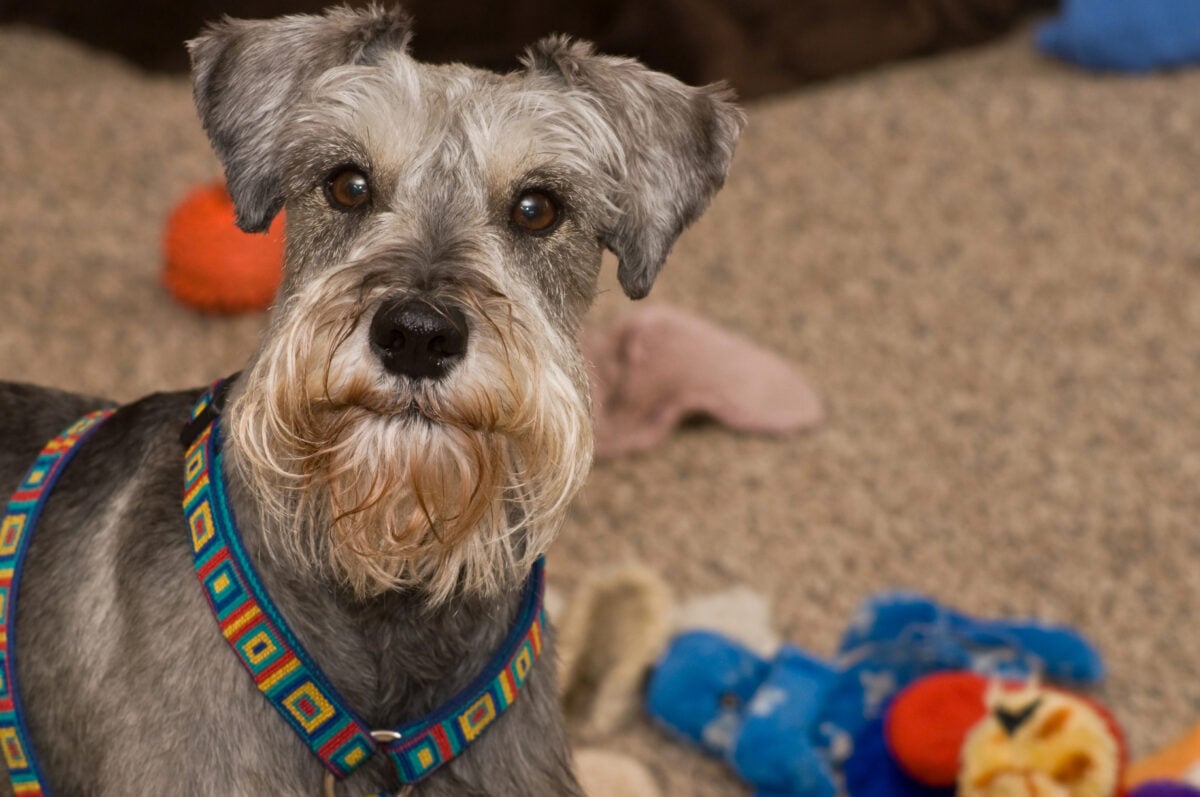
Mini Schnauzers are sturdy, generally long-lived dogs with manageable exercise needs and an impressive ability to learn new things. They’re often eager to please, making them more cooperative than their terrier heritage might suggest.
Owners especially love how involved these dogs become in family life. They’re enthusiastic playmates, devoted companions, and famously chatty little characters who seem to have something to say about every household development.
Their low-shedding coats are another advantage, although that distinguished beard doesn’t maintain itself. Regular brushing and professional grooming are part of the deal. And unless you establish some ground rules, your Schnauzer may personally announce every delivery, visitor, and suspicious leaf.
Breed Breakdown
- Size: Small, 11–20 pounds
- Typical Lifespan: 12–15 years
- Daily Exercise: Moderate; approximately 45–60 minutes of walks, play, and mental stimulation
- Temperament & Training: Affectionate, alert, and intelligent; generally responsive to positive training but can be vocal
- Grooming & Shedding: Low shedding; regular brushing and professional clipping approximately every 6–8 weeks
- Potential Health Concerns: Pancreatitis, hyperlipidemia (elevated blood fats), urinary stones, and cataracts
- Biggest Consideration: Strong watchdog instincts can lead to excessive barking without early training and socialization
6. Smooth Collie
Love the loyal, gentle personality of Lassie but not the elaborate hairdo? The Smooth Collie offers those same devoted companion qualities in a much more manageable coat. Just don’t mistake short hair for a fur-free house. These dogs still shed, sometimes with remarkable enthusiasm.
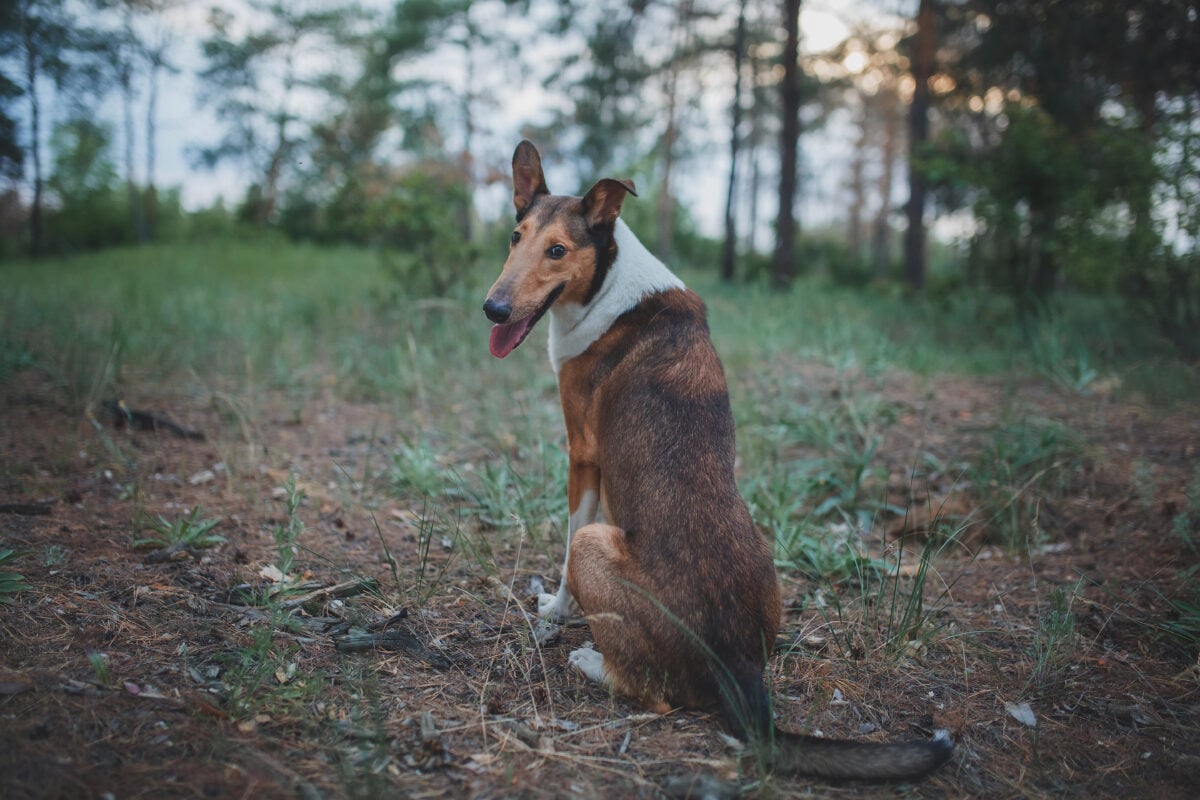
Smooth Collies are generally sturdy, athletic dogs with favorable longevity and a relatively natural, functional build. They’re also intelligent, responsive to training, and typically eager to cooperate with their people.
What really sets them apart is their sensitivity to the people they love. Many seem remarkably tuned in to household moods, noticing when someone’s upset or when the family routine changes. They’re affectionate without necessarily demanding constant cuddles, and they often have a gentle, watchful way of keeping everyone together.
That herding heritage can occasionally surface as barking or attempts to organize family members who never asked to be organized.
Breed Breakdown
- Size: Medium to large, 50–75 pounds
- Typical Lifespan: 12–14 years
- Daily Exercise: Moderate; daily walks, play, and mental stimulation
- Temperament & Training: Gentle, affectionate, and highly trainable; sensitive and eager to please
- Grooming & Shedding: Weekly brushing; moderate to heavy shedding, especially during seasonal coat changes
- Potential Health Concerns: Collie eye anomaly (CEA), MDR1-related medication sensitivity, and dermatomyositis
- Biggest Consideration: Herding instincts and alert barking require consistent training and appropriate mental engagement
7. Miniature Pinscher
The Miniature Pinscher is nicknamed the “King of Toys,” and anyone who’s lived with one knows the title wasn’t awarded for modesty. These tiny dogs carry themselves like royalty, strutting through life with the confidence of a Doberman three times their size. Fortunately, their grooming needs are considerably less impressive than their egos.
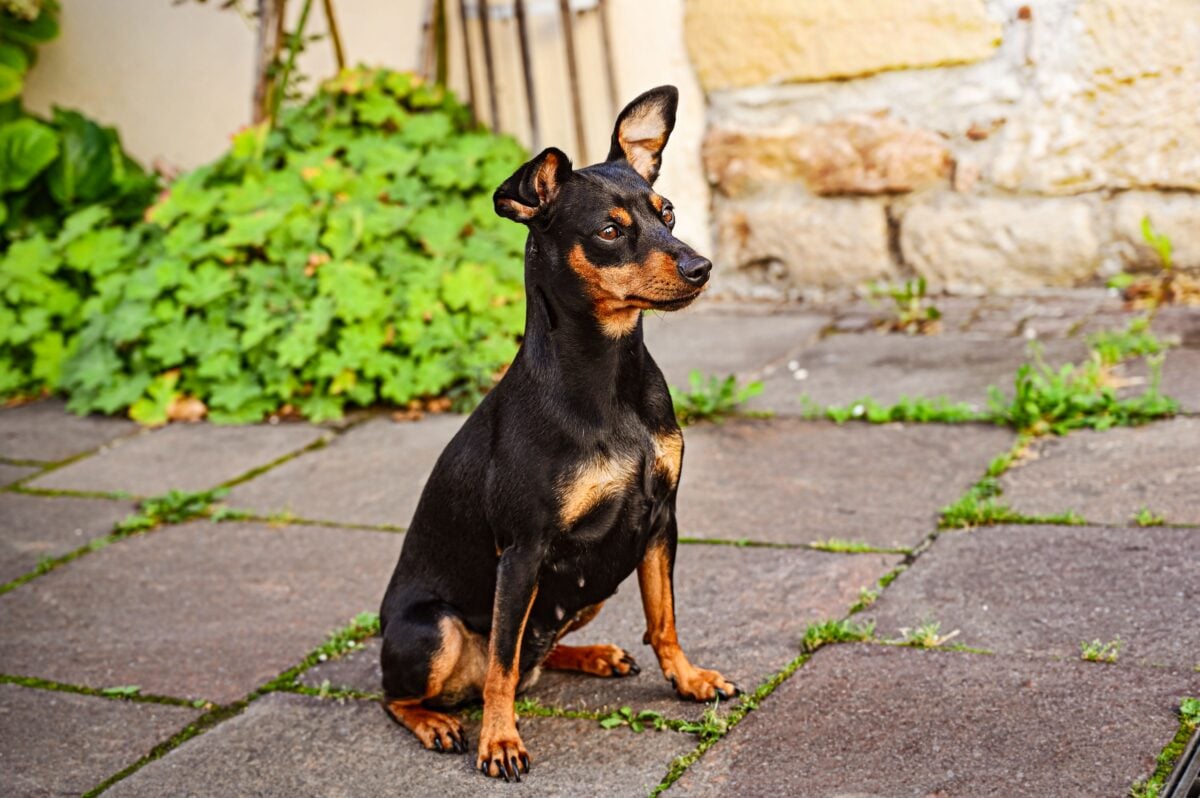
Min Pins are generally healthy, sturdy little dogs that often live well into their teens. Their sleek coats are remarkably easy to maintain, and their compact size makes them practical companions for smaller homes.
What makes them so entertaining is the fierce devotion hiding beneath all that swagger. A Min Pin might spend the morning challenging the vacuum cleaner’s authority, then spend the evening curled up against their favorite person, perfectly content to be adored.
Their independent streak means training requires patience, and that fearless attitude doesn’t always come with an accurate understanding of their own size.
Breed Breakdown
- Size: Toy, 8–10 pounds
- Typical Lifespan: 12–16 years
- Daily Exercise: Moderate to high; daily walks, energetic play, and mental stimulation
- Temperament & Training: Fearless, affectionate, and intelligent; independent and sometimes stubborn
- Grooming & Shedding: Minimal grooming with weekly brushing; light shedding
- Potential Health Concerns: Patellar luxation, Legg-Calvé-Perthes disease, and eye disorders
- Biggest Consideration: High energy, alert barking, and a strong-willed personality require consistent training and engagement
8. Lhasa Apso
The Lhasa Apso may look like a fluffy little lapdog, but this breed spent centuries guarding Tibetan monasteries and palaces, and it hasn’t forgotten the job description. Strangers don’t automatically earn a warm welcome, and your Lhasa may insist on conducting its own background check.
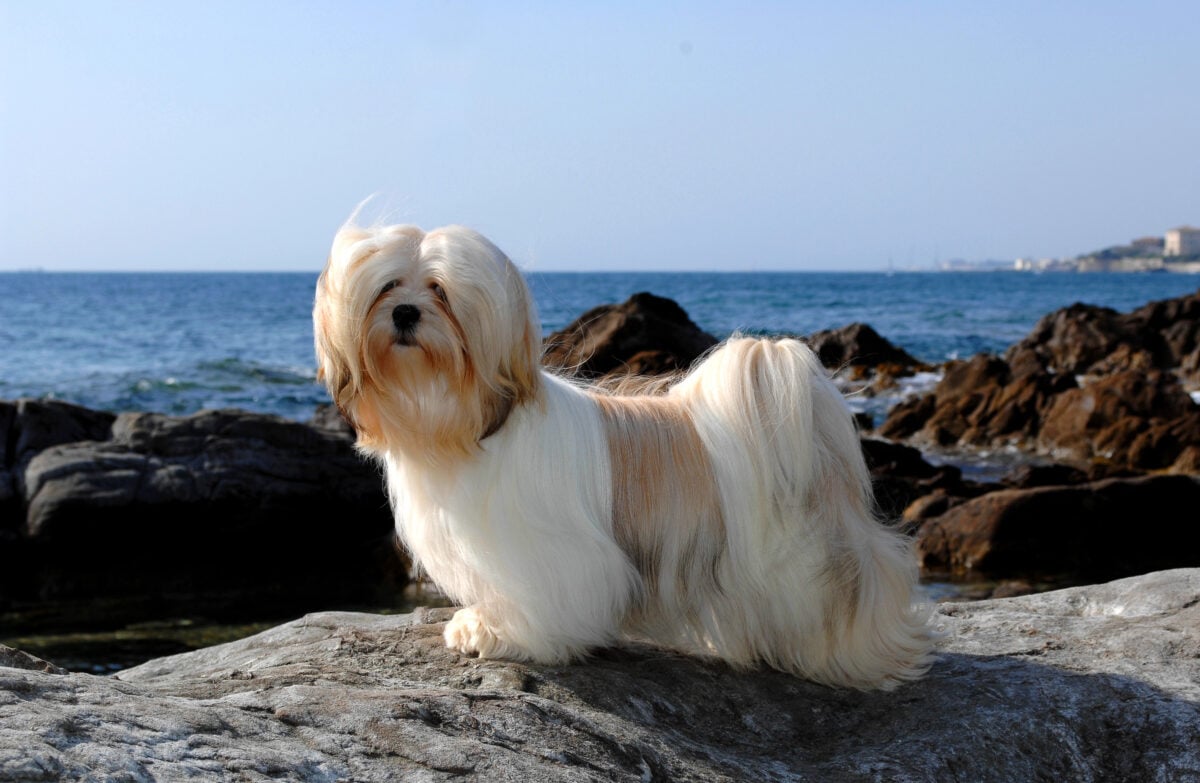
With their families, however, these little dogs reveal a wonderfully affectionate, sometimes mischievous side. Lhasas are devoted companions who enjoy being near their favorite people without demanding constant entertainment. They’re also surprisingly playful, although their independent streak means they occasionally prefer doing things on their own terms.
Generally hardy and long-lived, Lhasa Apsos have relatively modest exercise needs, making them appealing for less active households. Their gorgeous coats are the catch. A short puppy cut makes maintenance easier, but regular brushing and grooming appointments are still part of the deal.
Breed Breakdown
- Size: Small, 12–18 pounds
- Typical Lifespan: 12–15 years
- Daily Exercise: Low to moderate; daily walks, indoor play, and mental stimulation
- Temperament & Training: Devoted, confident, and playful; independent and sometimes wary of strangers
- Grooming & Shedding: Low shedding; frequent brushing and regular professional grooming, even with a short coat
- Potential Health Concerns: Renal dysplasia, patellar luxation, dry eye, and other eye disorders
- Biggest Consideration: Grooming is an ongoing commitment, and their independent watchdog personality requires patient training and socialization
9. Staffordshire Bull Terrier
Staffordshire Bull Terriers are built like miniature bodybuilders, but many seem convinced they’re lapdogs. These muscular little powerhouses have an enormous capacity for affection, and personal space is often the first casualty of their devotion.
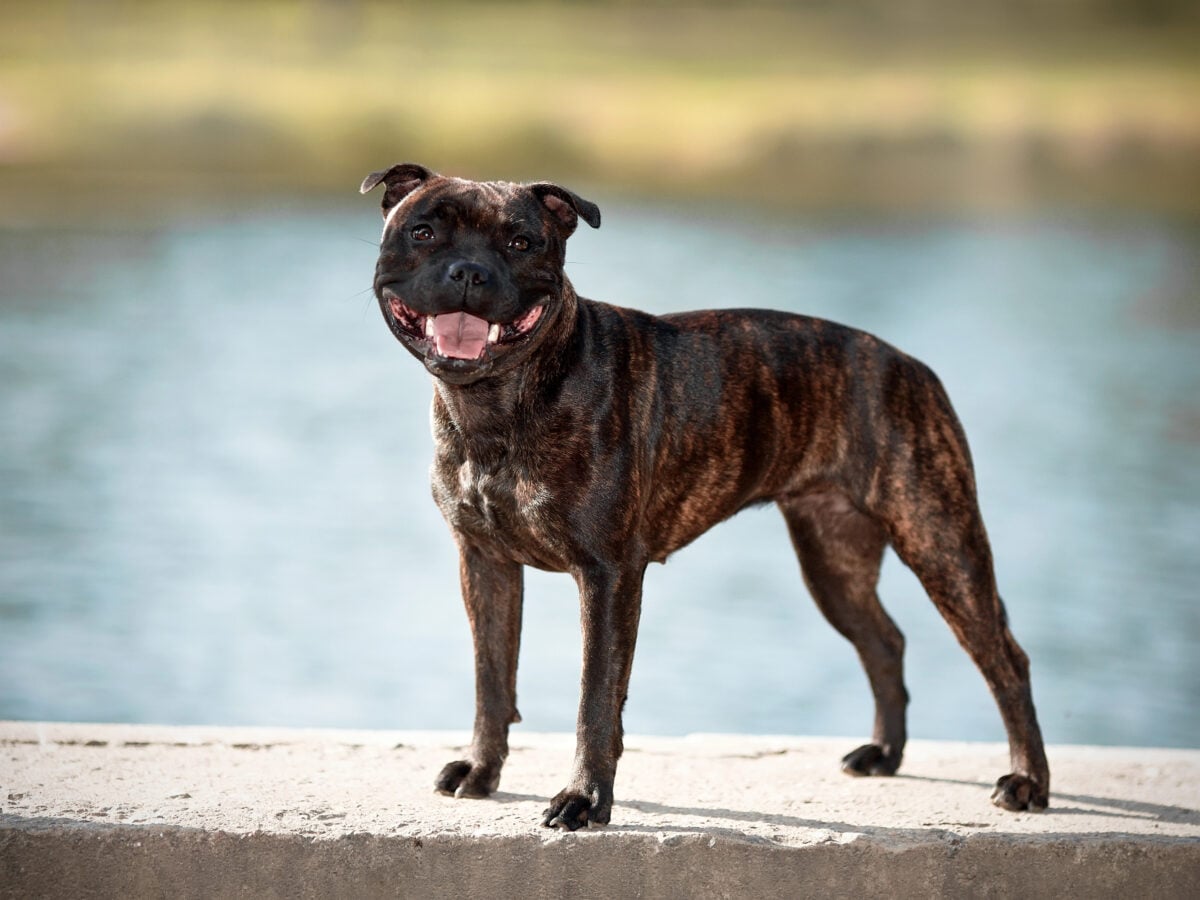
A Staffie doesn’t just want to live in your house. They want to participate in whatever you’re doing, whether that’s making dinner, watching television, or attempting a workout with a four-legged personal trainer who insists on supervising every repetition. They’re playful, people-loving companions who thrive on being part of family life.
Their sturdy build, generally favorable health outlook, and short, easy-care coats make them appealing to owners who don’t want an elaborate grooming routine. Responsible breeding and health screening remain important, however.
Keeping a Staffie happy takes considerably more effort than maintaining its coat. These energetic dogs need regular exercise, consistent training, and early socialization. Their strength and potential selectivity around other dogs make thoughtful handling especially important.
Breed Breakdown
- Size: Medium, 24–38 pounds
- Typical Lifespan: 12–14 years
- Daily Exercise: Moderate to high; brisk daily walks, energetic play, and mental stimulation
- Temperament & Training: Affectionate, playful, and people-oriented; intelligent but sometimes headstrong, requiring consistent positive training
- Grooming & Shedding: Weekly brushing; light to moderate shedding and minimal coat maintenance
- Potential Health Concerns: Hereditary cataracts, L-2-hydroxyglutaric aciduria (L-2-HGA), and skin allergies
- Biggest Consideration: Strength, energy, and potential dog selectivity require responsible handling, training, and socialization
10. Tibetan Spaniel
Tibetan Spaniels have spent centuries perfecting the art of watching the world from above. Originally kept by Tibetan monks, these little dogs still love a good vantage point. The back of your sofa isn’t just furniture. It’s their personal observation deck, complete with a front-row view of neighborhood activity.
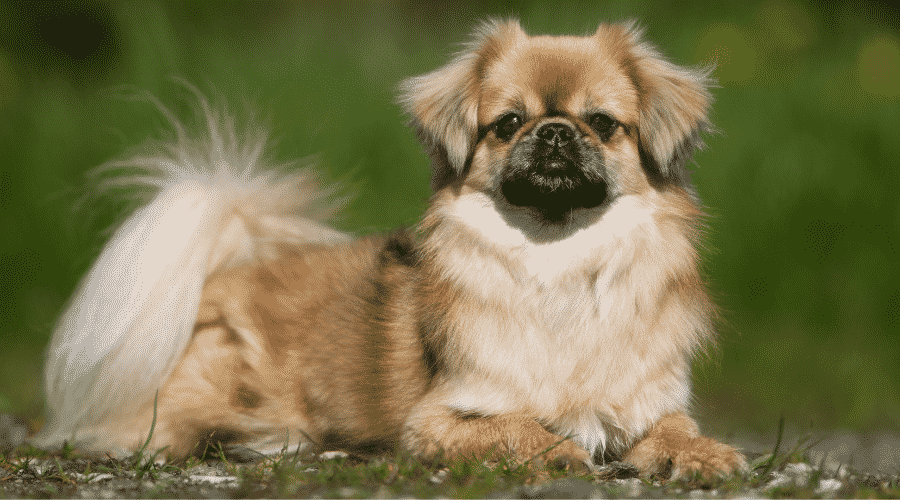
They also have impressive longevity. A large UK study reported a median lifespan of 15.2 years, making them one of the longer-lived breeds examined. Their exercise needs are relatively modest, and their silky coats are easier to manage than their fluffy appearance suggests.
Tibetan Spaniels are affectionate companions, but they prefer a relationship built on mutual respect. They love being near their people, often settling beside you rather than demanding constant attention. They’re clever, sensitive, and perfectly capable of deciding that your latest command is more of a suggestion.
Breed Breakdown
- Size: Small, 9–15 pounds
- Typical Lifespan: 12–15 years
- Daily Exercise: Low to moderate; daily walks and indoor play
- Temperament & Training: Affectionate, observant, and intelligent; independent-minded and sometimes reserved with strangers
- Grooming & Shedding: Brushing two or three times weekly; moderate shedding with heavier seasonal coat loss
- Potential Health Concerns: Progressive retinal atrophy (PRA), patellar luxation, and other inherited eye disorders
- Biggest Consideration: Independent temperament and watchdog barking can make training and apartment living more challenging
11. Jack Russell Terrier
Jack Russell Terriers don’t believe in wasted weekends. If you planned to spend Saturday doing absolutely nothing, your dog may already have scheduled a hike, three games of fetch, and a thorough inspection of the garden. These compact little athletes bring extraordinary enthusiasm to ordinary life.
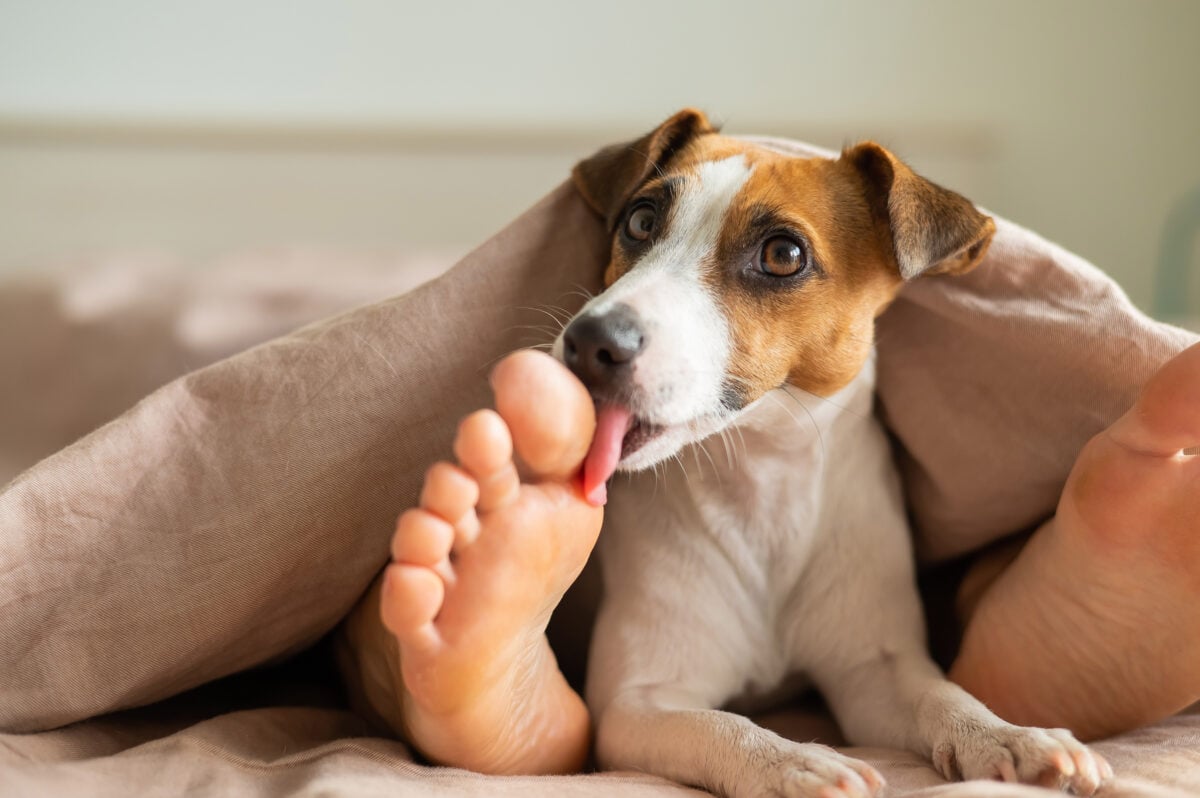
Fortunately, their sturdy, athletic builds and impressive longevity make them appealing from a health standpoint. Smooth-coated Jack Russells are also remarkably easy to groom, although their rough-coated relatives need a little more attention.
What makes them such rewarding companions is their eagerness to share the action. They’re devoted, playful dogs who love learning tricks, exploring new places, and turning practically anything into a game. You don’t just own a Jack Russell. You become their favorite teammate.
The catch? Their energy reserves seem to operate under different laws of physics. These determined little hunters need substantial daily exercise and mental stimulation, making them better suited to active owners than anyone seeking a relaxed lapdog.
Breed Breakdown
- Size: Small, typically 9–17 pounds
- Typical Lifespan: 13–15 years
- Daily Exercise: High; vigorous daily activity, interactive games, and challenging mental stimulation
- Temperament & Training: Devoted, fearless, and highly intelligent; learns quickly but needs consistent, engaging training
- Grooming & Shedding: Weekly brushing for smooth coats; rough or broken coats may need occasional hand-stripping; moderate shedding
- Potential Health Concerns: Patellar luxation, primary lens luxation, and congenital deafness
- Biggest Consideration: Intense energy, strong prey drive, and a need for constant engagement can overwhelm less active households
12. Havanese
If your Havanese could speak, they’d probably introduce themselves to every visitor before you reached the front door. These cheerful little charmers have a remarkable talent for making friends, and they often behave as though every person they meet has arrived specifically to admire them.
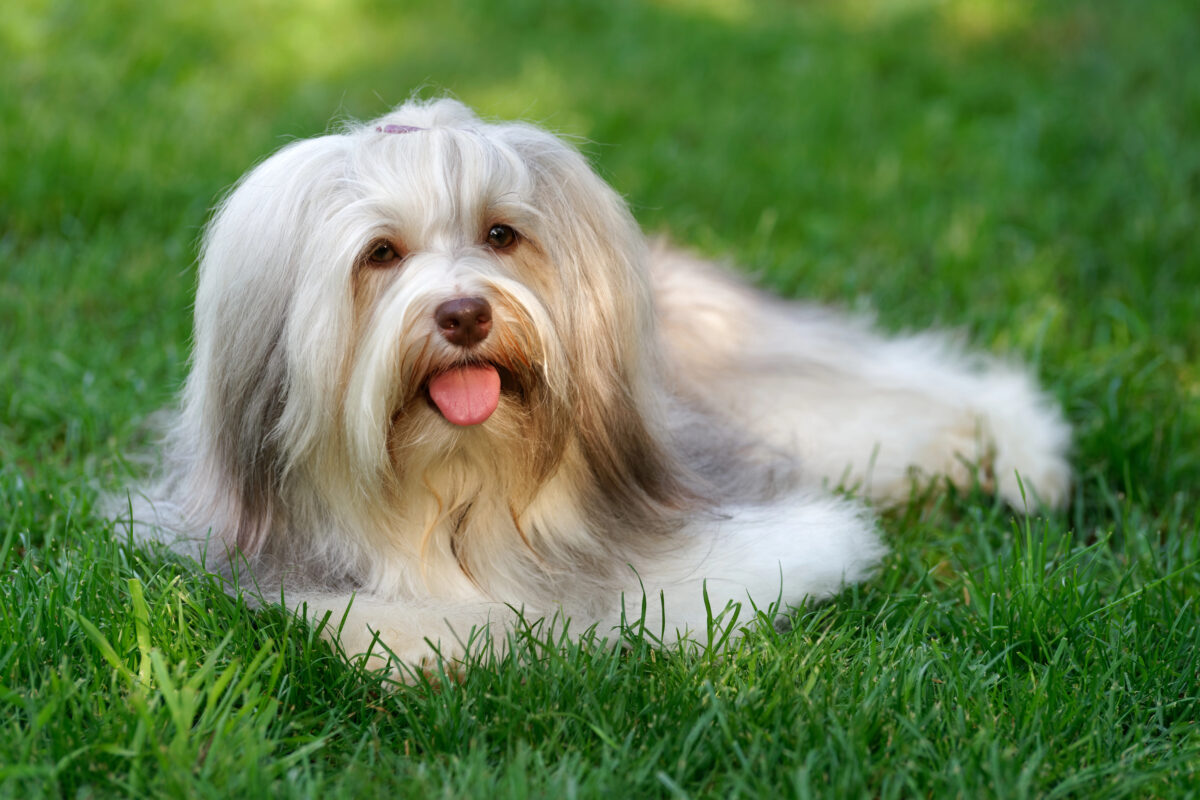
Originally bred as companions in Cuba, Havanese are affectionate, playful dogs who thrive on human interaction. They’re natural little entertainers, often figuring out which silly antics earn the biggest laughs and happily performing an encore.
Their generally favorable health outlook, impressive longevity, and modest exercise needs make them appealing for many households. They’re also intelligent and adaptable, enjoying everything from interactive games to a relaxing afternoon with their favorite person.
The catch is that their beautiful coats require real commitment. A short puppy cut makes brushing easier, but regular grooming appointments are still part of the bargain.
Breed Breakdown
- Size: Toy, 7–13 pounds
- Typical Lifespan: 14–16 years
- Daily Exercise: Low to moderate; daily walks, indoor play, and interactive games
- Temperament & Training: Affectionate, sociable, and playful; intelligent and generally eager to please
- Grooming & Shedding: Low shedding; frequent brushing for longer coats or regular clipping and upkeep with a short pet trim
- Potential Health Concerns: Patellar luxation, hip dysplasia, cataracts, and heart conditions
- Biggest Consideration: Strong attachment to their people can make extended periods alone difficult, and coat maintenance requires ongoing attention
13. Border Terrier
With their scruffy coats, whiskery faces, and permanently curious expressions, Border Terriers look like little old men who’ve spent their lives working outdoors. Beneath that unassuming appearance is a sturdy, generally healthy little dog with impressive longevity and a practical build designed for an active life.
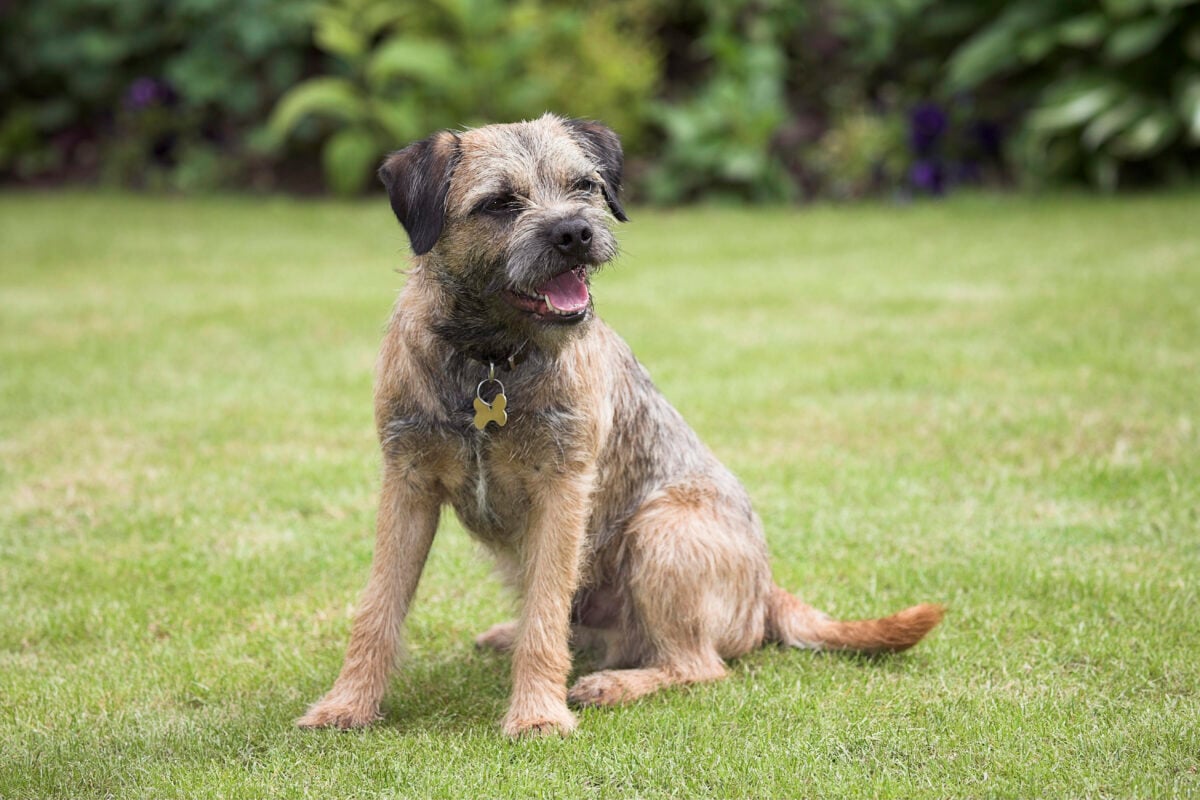
What makes Border Terriers particularly appealing is their friendly, people-loving nature. While some terriers seem determined to pursue their own agendas, Borders are often surprisingly cooperative. They’re cheerful little adventure buddies who genuinely enjoy being part of the family, whether that means exploring a woodland trail or keeping you company on a lazy Sunday.
Their weather-resistant coats naturally shed dirt and rarely need bathing, although periodic hand-stripping helps maintain that wiry texture.
Just remember that a friendly personality doesn’t cancel out centuries of hunting instincts. Your Border might be perfectly content curled up beside you one minute and consider an unfamiliar rabbit a personal assignment the next.
Breed Breakdown
- Size: Small, 11–16 pounds
- Typical Lifespan: 12–15 years
- Daily Exercise: Moderate to high; daily walks, active play, and outdoor adventures
- Temperament & Training: Friendly, affectionate, and intelligent; generally cooperative but can be independent when distracted
- Grooming & Shedding: Weekly brushing and periodic hand-stripping; generally light shedding
- Potential Health Concerns: Hip dysplasia, patellar luxation, inherited eye disorders, and spongiform leukoencephalomyelopathy (often called shaking puppy syndrome)
- Biggest Consideration: Strong prey drive requires secure fencing and careful supervision around small animals
14. English Cocker Spaniel
An English Cocker Spaniel can make a trip to the mailbox feel like a major family outing. These merry little sporting dogs greet ordinary life with a wagging tail and the hopeful expression of someone who’s certain a tennis ball is involved.

What makes them such lovable companions isn’t just their enthusiasm. English Cockers have a wonderfully affectionate side, often leaning into a scratch or delivering a favorite toy as a polite request to play. They’re intelligent, eager to cooperate, and generally a pleasure to train.
Their athletic build and respectable longevity make them appealing, although they aren’t quite as carefree as their cheerful personalities suggest. Those beautiful feathered ears and legs require regular grooming, and ear infections are a particular concern.
Show and working lines also differ significantly. Working-bred Cockers can have considerably more energy and hunting drive, so choosing the right type matters.
Breed Breakdown
- Size: Medium, 26–34 pounds
- Typical Lifespan: 12–14 years
- Daily Exercise: Moderate to high; daily walks, active play, and opportunities to retrieve and explore
- Temperament & Training: Merry, affectionate, and intelligent; generally eager to please and responsive to positive training
- Grooming & Shedding: Brushing several times weekly, regular trimming, and ear care; moderate shedding
- Potential Health Concerns: Ear infections, periodontal disease, inherited eye disorders, and hip dysplasia
- Biggest Consideration: Working-line Cockers can have especially demanding exercise and mental stimulation needs
15. Lancashire Heeler
Imagine a dog with Corgi-like short legs and the confidence to boss around an animal 50 times its weight. That’s the Lancashire Heeler, a compact British cattle dog that has never let its size interfere with its ambitions.
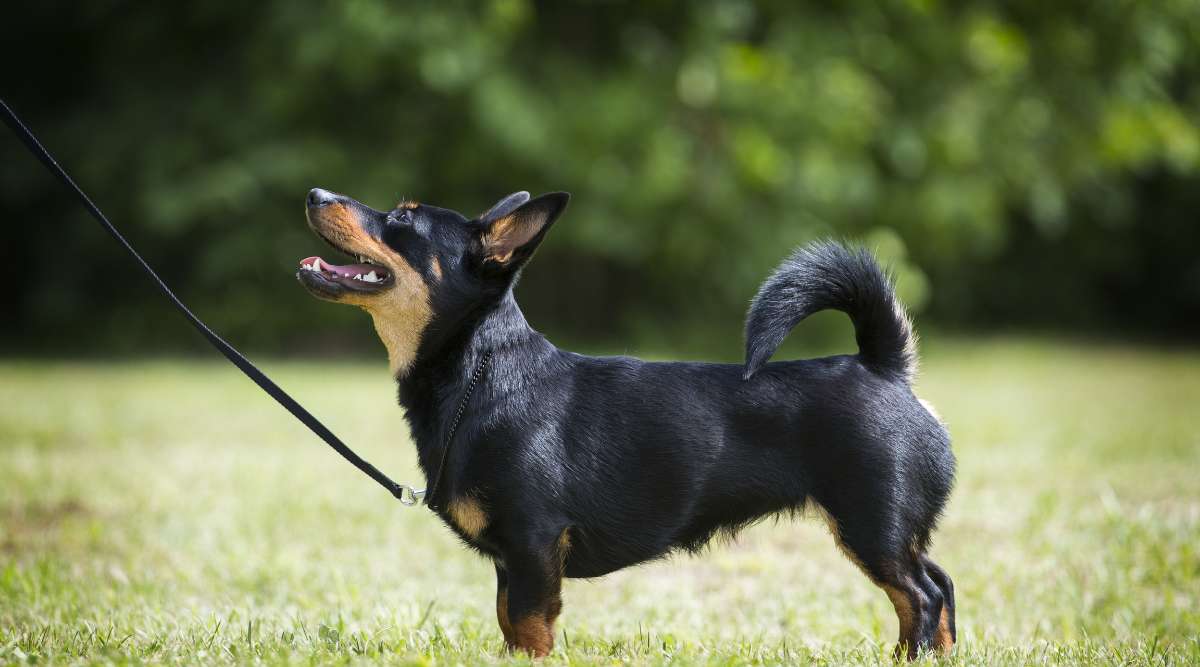
What’s especially impressive is the breed’s longevity. One UK study reported a median lifespan of 15.4 years for Lancashire Heelers, among the highest of the breeds examined. Although research on this uncommon breed is limited, its sturdy build and practical, easy-care coat add to its appeal.
Despite their working background, these affectionate little dogs often develop wonderfully playful bonds with their families. Many enjoy being close to their people, switching happily between energetic games and curling up beside someone after a busy day.
Of course, their cattle-herding instincts can occasionally produce some ambitious attempts to organize the household. Children running through the backyard may discover they’ve acquired a very small, very enthusiastic traffic controller.
Breed Breakdown
- Size: Small, 9–17 pounds
- Typical Lifespan: 12–15 years
- Daily Exercise: Moderate; daily walks, interactive play, and mental stimulation
- Temperament & Training: Affectionate, clever, and playful; learns quickly but can be independent and occasionally bossy
- Grooming & Shedding: Weekly brushing; moderate shedding with heavier seasonal coat loss
- Potential Health Concerns: Primary lens luxation, collie eye anomaly, and patellar luxation
- Biggest Consideration: Herding instincts and an alert personality can lead to barking, heel-nipping, and attempts to control movement
16. Cairn Terrier
Long before Toto followed Dorothy down the Yellow Brick Road, Cairn Terriers were scrambling across Scotland’s rocky countryside hunting small animals. That scruffy little face may look adorable, but a remarkably tough, determined dog lies beneath all that hair.
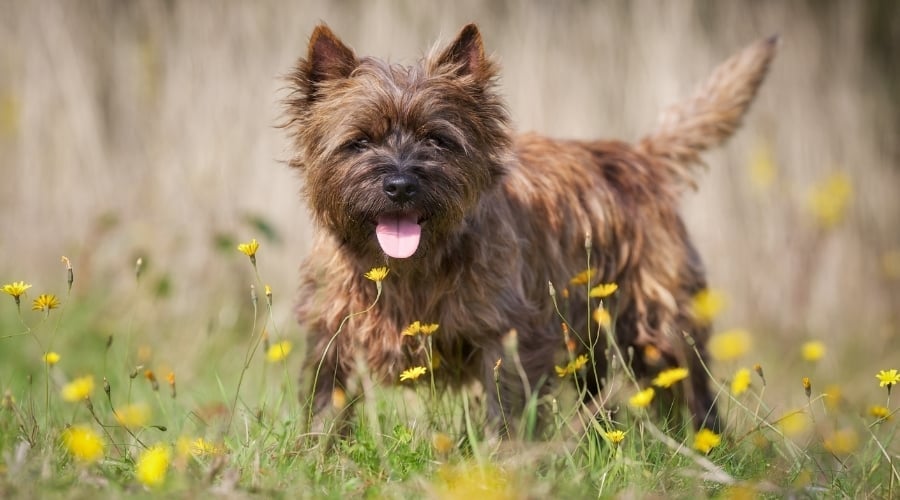
Cairns are generally hardy, long-lived terriers with compact, athletic builds and relatively straightforward care needs. Their weather-resistant coats are practical for outdoor adventures, although periodic hand-stripping helps maintain that distinctive wiry texture.
What makes Cairns such lovable companions is their combination of independence and genuine enthusiasm for family life. They’re affectionate without being overly clingy, happy to join whatever you’re doing, and perfectly capable of finding their own entertainment when you’re busy.
Of course, their idea of entertainment doesn’t always match yours. A Cairn can turn an ordinary walk into an expedition, particularly if there’s a suspicious hole in the ground. And if you’ve recently planted something expensive in your garden, you might want to supervise that expedition.
Breed Breakdown
- Size: Small, typically 13–14 pounds
- Typical Lifespan: 13–15 years
- Daily Exercise: Moderate; daily walks, playtime, and opportunities to explore
- Temperament & Training: Cheerful, affectionate, and independent; intelligent but sometimes stubborn and easily distracted
- Grooming & Shedding: Brushing once or twice weekly and periodic hand-stripping; generally light shedding
- Potential Health Concerns: Ocular melanosis, liver shunts, kidney abnormalities, and rare globoid cell leukodystrophy
- Biggest Consideration: Digging, barking, and strong hunting instincts require patience, secure outdoor spaces, and consistent training
Why Didn’t These Long-Lived Dog Breeds Make The List?
Wondering why some familiar favorites are missing? Where’s the Dachshund, Chihuahua, or Shiba Inu? After all, these dogs can live well into their teens, and some seem remarkably easy to care for.
The catch? A long lifespan doesn’t necessarily mean fewer health problems or less work for owners.
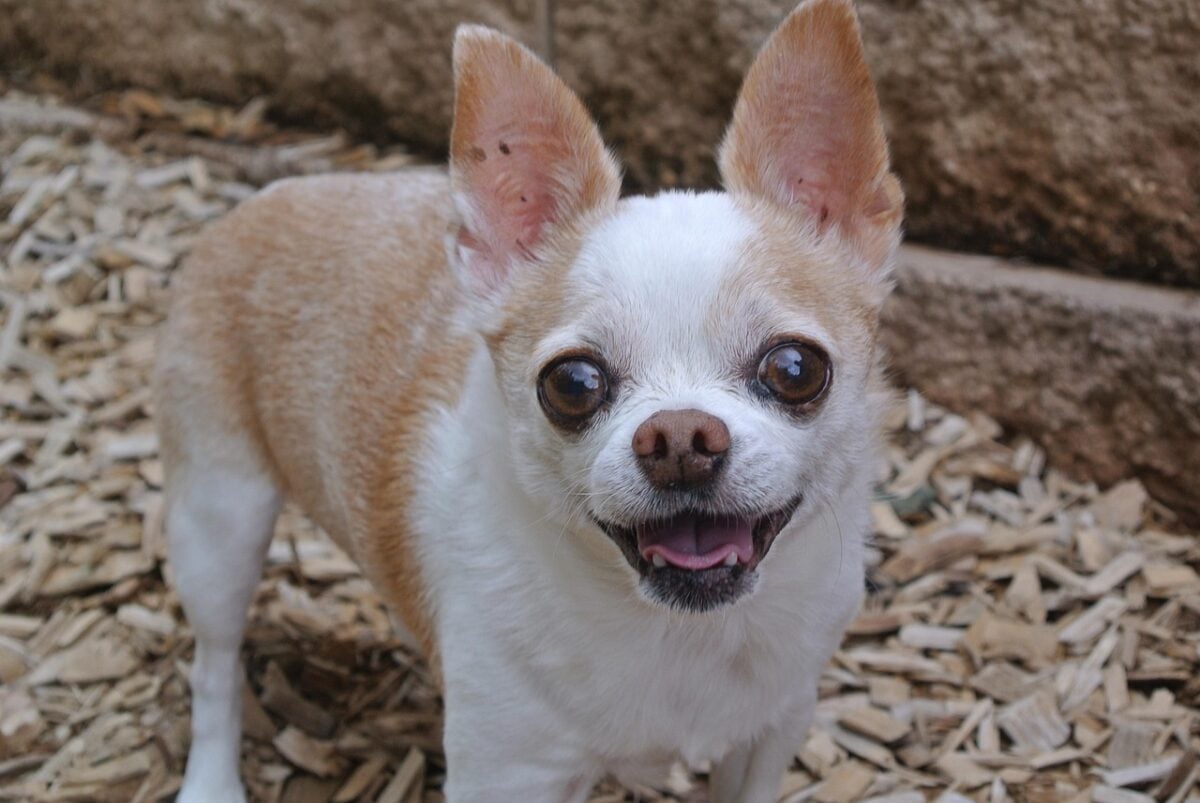
Here are five popular breeds that didn’t quite make our list.
- Dachshund: Miniature Dachshunds have impressive longevity, but their elongated backs put them at significant risk of intervertebral disc disease (IVDD), which can cause severe pain, mobility problems, and even paralysis.
- Chihuahua: Tiny size and minimal grooming make Chihuahuas appealing, and many live into their teens. However, dental disease, heart problems, and fragile little bodies can make their care more complicated than expected.
- Shiba Inu: These independent Japanese dogs are remarkably long-lived. Heavy seasonal shedding, strong hunting instincts, and a stubborn streak can make everyday ownership surprisingly demanding.
- Pembroke Welsh Corgi: Adorable, intelligent, and often long-lived, Corgis also shed heavily and have strong herding instincts. Their long-backed build and susceptibility to certain inherited conditions are worth considering.
- Border Collie: These brilliant working dogs can enjoy long, active lives. Unfortunately, their exercise and mental stimulation needs can make owning one feel like supervising a gifted toddler who has discovered caffeine.
These aren’t unhealthy or undesirable breeds. They simply illustrate why longevity, easy grooming, and manageable everyday care don’t always go hand in hand.
Which Healthy, Low-Maintenance Dog Fits Your Lifestyle?
A dog that’s easy for one household might be exhausting for another. Someone who enjoys long daily walks may find an energetic terrier delightful, while a person who prefers relaxed evenings might be happier with an adult Whippet.
The trick is finding a dog whose needs already fit your routine, rather than hoping they’ll eventually adjust to yours.
| If You’re Looking For… | Breeds Worth Considering |
|---|---|
| Minimal grooming | Whippet, Miniature Pinscher, Staffordshire Bull Terrier |
| A more relaxed companion | Adult Whippet, Tibetan Spaniel, Lhasa Apso |
| A small dog who loves learning | Papillon, Miniature Schnauzer |
| A friendly family companion | Beagle, Smooth Collie, English Cocker Spaniel |
| An energetic adventure buddy | Rat Terrier, Jack Russell Terrier, Border Terrier |
| Less shedding (but more grooming) | Havanese, Miniature Schnauzer, Lhasa Apso |
| A compact, playful companion | Cairn Terrier, Lancashire Heeler |
One factor worth considering is how much time your dog will spend alone. Even breeds with modest exercise needs may struggle with long periods of isolation, particularly if they’re accustomed to having someone around.
And if you’re hoping for a calmer companion, don’t overlook adult dogs. An established personality and predictable daily routine can make finding the right match considerably easier.
How To Find A Healthy Dog, Not Just A Healthy Breed
Finding a breed with favorable health prospects is a good start. But the individual dog you bring home matters just as much as the breed’s reputation.
Two dogs of the same breed can have very different medical histories, temperaments, and care needs.
Look Beyond The Breeder’s Promises
A breeder saying their dogs are healthy isn’t the same as providing evidence. Responsible breeders should be willing to discuss inherited conditions and show results from recommended health screenings.
Before committing to a puppy:
- Ask about breed-specific testing. Depending on the breed, this may include DNA tests, orthopedic evaluations, eye examinations, or cardiac screening.
- Request documentation. Ask to see actual results rather than accepting assurances that the parents have been “vet checked.”
- Ask about family health history. Find out whether parents or close relatives have developed inherited diseases and at what ages.
- Pay attention to temperament. A healthy puppy should also be appropriately socialized and raised in an environment that supports normal development.

Don’t Overlook Adult Dogs And Rescues
If you’re adopting, ask about the dog’s veterinary history, current medications, energy level, and any ongoing care requirements.
An adult dog may already have established habits and a more predictable personality, making it easier to judge whether their needs fit your household.
Remember to budget for routine veterinary care. Even a relatively healthy dog still needs preventive appointments, dental care, parasite prevention, and occasional treatment for life’s unexpected surprises.
Frequently Asked Questions
Still have questions about healthy, low-maintenance dogs? We’ve answered a few common ones below. Have another question? Share it in the comments!
Are Small Dog Breeds Generally Healthier Than Large Dogs?
Smaller breeds tend to live longer on average, but that doesn’t necessarily mean they’re healthier in every respect. Some are especially vulnerable to dental disease, kneecap problems, and inherited heart conditions.
Larger dogs generally have shorter lifespans and may face increased risks of certain orthopedic conditions. However, individual health depends on genetics, breeding, body condition, and veterinary care.
Are Mixed-Breed Dogs Healthier And Easier To Care For?
Sometimes, but not automatically. Mixed-breed dogs may benefit from greater genetic diversity, which can reduce the likelihood of certain inherited conditions. However, they can still inherit health problems from either parent.
Their grooming and activity needs also vary considerably. A mixed-breed dog with a simple coat and moderate energy might be an excellent low-maintenance companion, while another could inherit demanding traits from both parents.
Do Shorthaired Dogs Always Need Less Grooming?
Not necessarily. A short coat may require little brushing, but some shorthaired breeds shed heavily throughout the year.
Dogs with dense double coats can leave impressive amounts of hair around the house, especially during seasonal shedding. Meanwhile, certain longer-coated breeds have relatively manageable coats that don’t require frequent professional trimming.
Less hair doesn’t always mean less cleaning.
Is An Adult Dog Easier To Care For Than A Puppy?
Often, yes. Puppies need frequent bathroom breaks, socialization, supervision, and plenty of training. They also have an impressive ability to turn ordinary household objects into expensive chewing experiments.
An adult dog may already be house-trained, comfortable with household routines, and past the most demanding developmental stages.
However, age alone doesn’t guarantee easier ownership. An adult with unresolved behavioral problems or significant medical needs may require more attention than a well-adjusted puppy.
Found A Breed You Love? Here’s What To Explore Next
Maybe you’ve discovered a breed you’d never considered, or perhaps your longtime favorite looks even more appealing now. Before you start researching breeders or scrolling through adoption photos, there’s plenty more worth exploring.
These guides can help you narrow your choices and prepare for life with your future companion:
- Healthiest Dog Breeds: Discover more breeds known for impressive longevity and favorable health prospects.
- Best Dog Breeds For Busy People: Find dogs better suited to packed schedules and households that rarely slow down.
- How To Pick The Right Dog Breed: Compare the personality, size, activity level, and other traits that matter most for your lifestyle.
- How Much Does Owning A Dog Really Cost?: Get a realistic picture of food, veterinary care, grooming, and those expenses nobody warns you about.
- 11 Things To Know Before Adopting A Dog: Prepare for bringing home your new companion without learning every lesson the hard way.
Now we’re curious: Do you have a dog who’s surprisingly easy to care for, or one who makes you work for every minute of that unconditional love? Tell us the breed and what they’re really like to live with in the comments!