When you purchase through links on our site, we may earn a commission. Here’s how it works.
Your dog staring at you… whining… What if they could just tell you when they need to go out — like, literally ring a bell?
Table of Contents
That’s the magic of bell training. It turns potty time into communication time, and yes, it works for puppies and full-grown dogs.
Here’s how to teach your dog to “speak” in jingles (plus the best bells to buy if you don’t want your house to sound like a cat café).
The Trick That Lets Your Dog Tell You They Need To Go Out
Your dog’s staring at you again. You ask, “Do you need to go out?” They just blink.
Two minutes later, there’s a suspicious puddle by the rug.
Now imagine your dog ringing a little bell instead. Clear signal, no confusion, no soggy carpets.
That’s the idea behind bell training. It’s a simple trick that teaches your dog to let you know when it’s time to go to the bathroom by ringing a bell near the door. It works for puppies still learning the ropes and adult dogs who need a better way to communicate.
Bell training doesn’t just prevent accidents. It turns potty time into teamwork. Once your dog realizes they can “talk” to you, they’ll never go back to whining or scratching the door again.
Quick Takeaway: Bell training helps dogs associate sound with action, enabling them to tell you exactly when it’s time to go out.
Why Bell Training Works Like Magic (According To Dog Psychology)
Ever heard of Pavlov’s dogs? The famous experiment where ringing a bell made dogs drool for dinner? Bell training uses the same science, but with a much cleaner outcome.
Dogs are natural pattern seekers. When they notice that a certain sound (the bell) always leads to a specific result (going outside), their brains quickly make the connection. Before long, they’re ringing on their own — not for food, but for freedom.
It’s called classical conditioning, and it’s one of the easiest ways to teach a reliable behavior. Every time you pair the bell with a trip outdoors, your dog’s confidence grows. They begin to understand that ringing the bell isn’t random. It’s their voice.
Quick Takeaway: Dogs learn fastest when every action has a clear reward. Ring = Door opens = Happy bladder.
The 5-Step Bell Training Method (No Fancy Skills Required)
Here’s the good news. You don’t need to be a professional trainer or a psychology major to teach this. All you need are a few supplies, consistency, and patience.
What You’ll Need
- A training bell or button near your dog’s usual exit
- Small training treats or another favorite reward
- A calm environment with minimal distractions
- A cue word such as “outside”
- Time for short, regular sessions
Now let’s walk through it.
Step 1: Set Up The Bell
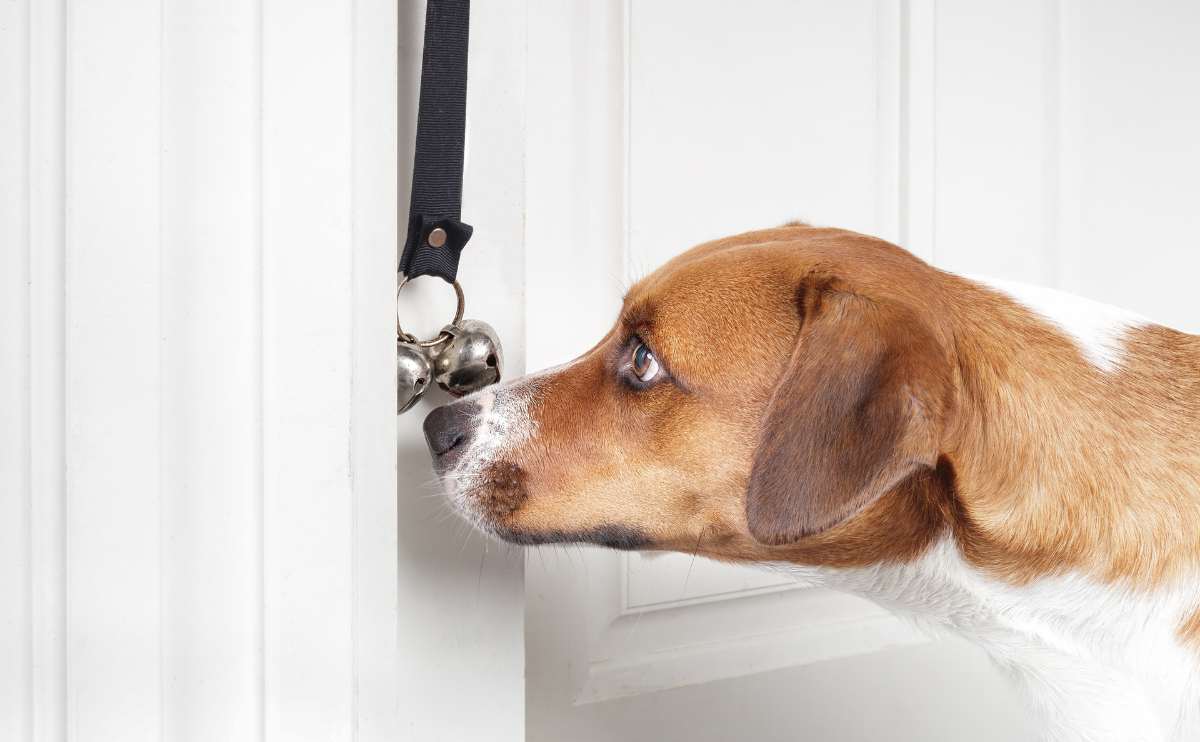
Hang or place the bell close enough for your dog to touch with their nose or paw. If you have more than one exit, add a bell to each door.
Step 2: Ring It Every Time You Go Out
Each time you take your dog out, ring the bell yourself and say your cue word. Do this consistently so they start linking the sound to outdoor time.
Step 3: Encourage Them to Touch It
After a few days, hold a treat near the bell. When they sniff or tap it, let it ring.
Say “outside,” open the door, and reward them. They’ll start realizing the bell equals access.
Step 4: Let Them Lead the Way
Once they understand, stop ringing the bell yourself. Stand nearby and wait.
When they do it on their own, praise them and head straight outside.
Step 5: Fade the Treats, Keep the Praise
When the behavior becomes reliable, switch from treats to verbal praise or playtime. They’ll keep ringing because the action works, not just for snacks.
Alternative Path: Teach The Touch Command First
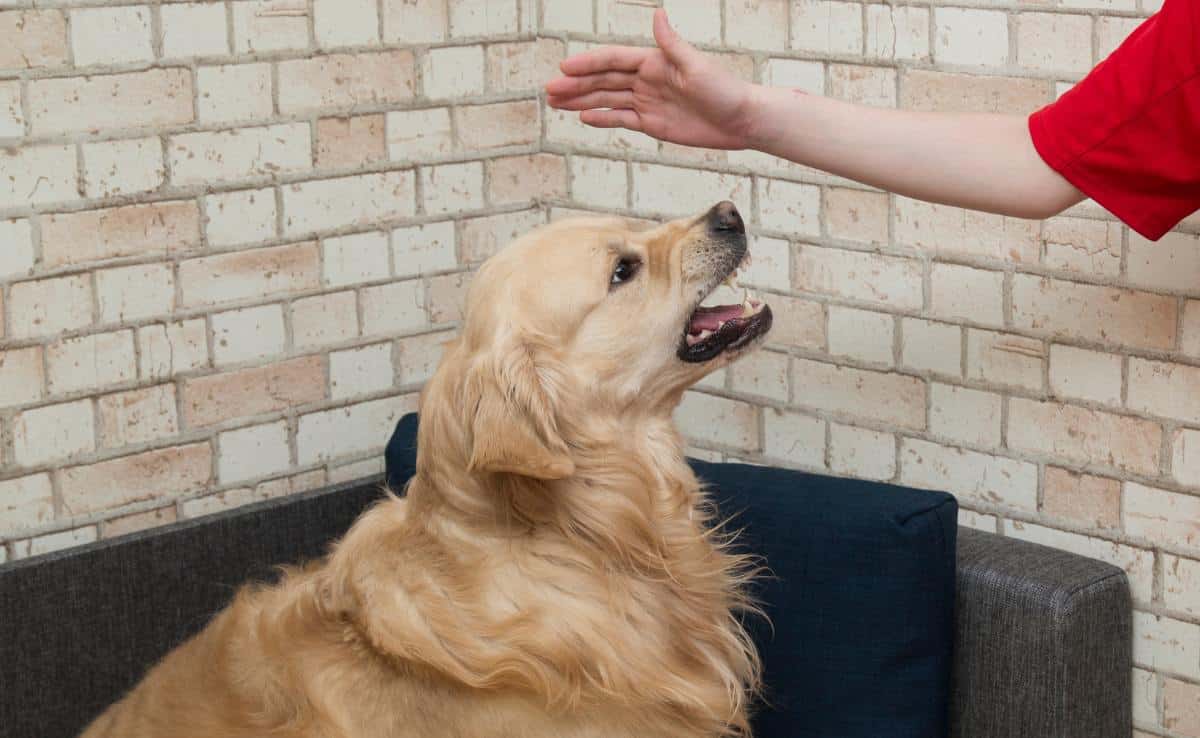
Before introducing the bell, some pet parents start by teaching the dog a “touch” command.
You hold out your hand, the dog touches it with their nose, and you reward.
Once the dog reliably touches your hand on cue, transfer the behavior by asking the dog to touch the bell (instead of your hand) and reward it.
After that’s solid, start asking for the touch to ring to the outside sequence.
Why It Works: Some dogs understand the touch command faster than the full “ring the bell”. This method builds confidence and simplifies the learning curve.
See the method in action:
Quick Takeaway: Touch → Bell → Door. If the bell alone is confusing your dog, the touch step may be the missing bridge.
Bell Training For Puppies: The Fast-Track To Housebreaking
Puppies learn fast, but they also forget fast. Bell training gives their short attention spans a clear pattern to follow: ring, door, relief.
Start the habit early. Each time your puppy goes out, ring the bell and say “outside.”

After a few days, gently encourage them to do it before you open the door. When they succeed, throw a small celebration. A few seconds of excitement tells them they’ve done something amazing.
Don’t worry if it takes a few weeks. Some puppies pick it up overnight, others take longer.
Keep sessions short and upbeat. Frustration slows learning, while praise speeds it up.
Pro Tip: Pair treats with affection. Consuming too many snacks can lead to overexcitement or stomach issues. A quick pet and cheerful “good job” goes a long way.
Bell Training Adult Dogs
Changing behavior in adult dogs can be more complicated than with the puppy, but contrary to popular belief, older pups can be taught new tricks and behaviors with the right approach.
When conditioning an adult dog with a bell, it may be best to teach them to ring it first without associating it with going outside. Once they have learned how to ring, they can connect the dots.
Trainer Tip: For stubborn learners, start with the “touch” technique. Teach them to touch your hand on cue first, then transfer that to the bell for a faster breakthrough.
Bell Training Mistakes Everyone Makes (And Easy Fixes)
Even the best-intentioned owners can send mixed signals during training. Avoid these common pitfalls to keep things clear and consistent.
1. Moving Your Dog’s Paw Or Head To Ring The Bell
It’s tempting to “help” your dog by nudging their paw or nose toward the bell, but that only teaches them that you make the sound. Dogs learn through discovery, not direction. They need to figure out that their own action creates the ring.
Instead, let them explore. Hold a treat or toy near the bell and wait.
The moment they make contact, praise and open the door. The key is showing them that the bell responds to their movement — not yours.
2. Skipping The Bell On Busy Days
Consistency is what cements this habit. If you sometimes open the door without using the bell, your dog won’t know which behavior triggers outdoor time. That confusion resets progress and forces you to start over.
Even if you’re in a hurry, take two seconds to ring the bell first. This small step reinforces the link that ringing always means the door opens. Every repetition matters, even the rushed ones.
3. Overdoing The Treats
Initially, treats help maintain motivation. But if your dog starts ringing constantly just for snacks, it’s time to adjust. Over-rewarding can backfire, turning the bell into a snack dispenser instead of a communication tool.
The fix is simple: only reward your dog after they go to the bathroom. Praise them for ringing, but save the treat for successful potty trips. Once they realize treats come after the full routine, fake rings stop quickly.
4. Expecting Instant Results
Every dog learns at their own pace. Some make the connection in a few days, while others take several weeks. Frustration often leads owners to give up right before their dog “gets it.”
If progress feels slow, take a breath and remind yourself that repetition builds reliability. Keep sessions short, end on a positive note, and celebrate small wins. Those small moments of success add up faster than you think.
5. Giving Up Too Soon
Bell training isn’t complicated, but it does require consistency. Many owners stop trying when their dog loses interest or gets distracted. In reality, that’s often the moment just before the breakthrough.
Stay with it. Once your dog understands they can control the door by ringing, you’ll see the excitement in their eyes. It’s the same spark as when they first learn to sit or shake — communication finally clicks.
Quick Takeaway: Be consistent, patient, and reward real effort. Dogs are natural communicators once they understand the rules.
When Your Dog Gets Too Good At It (The Bell Addict Problem)
Some dogs love bell training a little too much. Once they figure out that ringing gets your attention, it can turn into a game.
You’ll hear a ring every few minutes, and your dog will look at you like, “Well? Door, please.”
Why It Happens
Dogs are smart. They quickly learn that the bell makes you react, even if it’s just to glance their way.
That little spark of attention can be just as rewarding as a treat. For others, the bell becomes entertainment — a way to test how often they can make you move.
How To Fix It
The best way to stop excessive ringing is to remove the payoff. Only respond when your dog actually goes to the bathroom after ringing.
If they hit the bell just for fun, stay calm and ignore it. Within a few days, they’ll figure out that fake rings don’t open doors or earn praise.
If your dog keeps abusing the system, introduce short “quiet times.” Hang the bell out of reach for an hour, then bring it back when you’re ready to supervise again. It helps reset the behavior and reminds them that the bell has a purpose.
When Technology Helps
For some dogs, switching to a smart bell can make life easier. Models with softer tones or light indicators are less stimulating than jingling bells and more challenging for dogs to abuse. They’re also easier for you to track — no more guessing whether that noise came from your dog or the wind.
Quick Takeaway: Keep rewarding real communication, not noise for fun. Dogs are fast learners, and once the ringing stops getting attention, the habit fades.
Best Dog Bell For Potty Training
There are a variety of different products available to assist pet parents. Many are quite simple, while others may include other elements.
We have taken a look at a few of the options out there and share our reviews below. These come in both traditional forms as well as electronic varieties.
Best Basic Dog Doorbell: BLUETREE Adjustable Bells Review
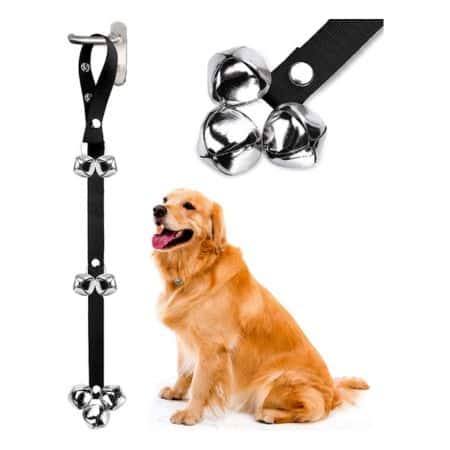
If you’re new to bell training, start here. These classic hanging bells are durable, affordable, and easy to install. The adjustable strap allows you to choose the perfect height for your dog — low enough for a small breed, and higher for a tall pup.
Each strap features seven metal jingles for a clear sound, ensuring you’ll always hear your dog ring it, even from another room. They’re ideal for puppies and first-time trainers who want a simple, no-fuss setup.
Why It Works: The sound is sharp enough to grab attention but not harsh. It’s the perfect balance between “I heard that” and “turn that thing off.”
Best For: Puppies or new trainers looking for a dependable starter option.
Price
- Starting at $6.99
Personal Experience With BLUETREE Dog Training Bells
I currently have this set of doggy doorbells by BLUETREE. They are made well and easily attached to my door handle.
I have a very small pup, a Poodle Beagle mix, so I used a suction cup to get them closer to his eye level. Once installed, they are effortless to use.
I am trying this method due to my pup, Falkor, being stubborn about going out to potty. He refuses to go out when our other dog does but then whines and begs to go out just a brief time later.We hope the training will help eliminate some of this behavior by letting him communicate more clearly that he wants to go out.
We are working on ringing. He can reach them with his nose and gets excited when we ring the bells to go outside. Hopefully, we will move into using the bell to go outside soon.
My larger dog, Daisy, picked up on ringing the bells with her nose right away and has rung it a few times to go out on her own. She seems to like that she can get our attention whenever she hits that bell.
Best Electronic Dog Doorbell: Mighty Paw Smart Doorbell Review
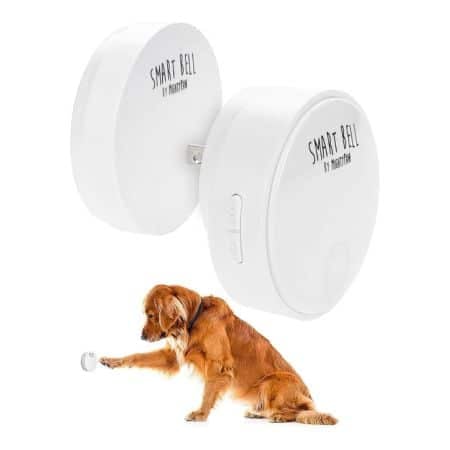
This pick is for dog owners who prefer tech over jingles. The Mighty Paw Smart Doorbell uses a flat button that lights up and chimes when pressed. There’s no wiring, no batteries, and it installs in seconds.
The wireless range extends through walls, allowing you to place multiple buttons both inside and outside. Dogs can use their nose or paw to press it, and the tone is adjustable to three different volumes. It’s practical, modern, and great for homes where constant jingling would drive you crazy.
Why It Works: The visual light cue helps both you and your dog recognize success — especially useful for households with noise sensitivity or multiple pets.
Best For: Smart-home owners or dogs who love pushing buttons.
Price
- Starting at $29.99 (1 pack)
Best Desk Style Dog Bells For Potty Training: Comsmart Pet Potty Training Doorbells Review
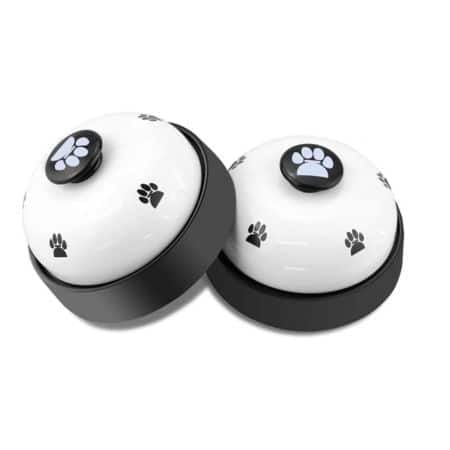
For dogs who prefer a straightforward approach, the Comsmart bell feels intuitive. It sits flat on the floor, resembling a small desk bell, and only requires a light tap to ring. The anti-slip base keeps it from sliding, and it’s small enough to take on trips or move between doors.
It’s made of sturdy metal with cute paw-print designs, adding a touch of charm while resisting rust. Cats can use it too, making it a good choice for multi-pet households.
Why It Works: Some dogs find pressing easier than nose nudging, especially seniors or smaller breeds. The flat design removes any hesitation.
Best For: Small dogs, seniors, or anyone who wants a no-install, portable option.
Price
- Starting at $7.99
Treats, Toys & Rewards: The Secret To Training That Sticks
Bell training only works when your dog feels that it’s worth the effort. The right rewards keep your dog motivated and eager to repeat the behavior.
Why Rewards Matter
Positive reinforcement teaches dogs that their actions have power. When ringing the bell leads to good things, they’ll keep doing it.
- Use small treats that can be eaten quickly.
- Give the reward immediately after the correct behavior occurs, so the connection is reinforced.
- Keep sessions short and upbeat
- Pair treats with verbal praise (“yes,” “good job”) for double impact.
Quick Takeaway: The faster the reward follows the ring, the faster your dog learns.
Mixing It Up Keeps It Fun
Dogs love patterns but lose interest in repetition. Keeping rewards unpredictable maintains enthusiasm.
- Rotate between treats, toys, and praise.
- End each session on a win — success builds momentum.
- Change locations occasionally to reinforce generalization.
- Keep a “jackpot” reward (like chicken or cheese) for breakthrough moments.
Trainer’s Tip: Varying rewards keeps dogs curious and prevents burnout.
Alternatives To Treats
Not all dogs are food-driven, and that’s okay. Some respond better to interaction or activity.
- Try toy rewards, such as tug ropes or balls, for play-motivated dogs.
- Use praise and affection for socially driven pups.
- Offer short play sessions after each success, rather than treats.
- Experiment until you discover what your dog finds most exciting.
Quick Takeaway: Motivation looks different for every dog — tailor it to what makes yours light up.
When To Phase Out Treats
Once your dog reliably rings the bell, you can start to fade food rewards while maintaining a strong behavior.
- Begin by reducing treats gradually, not all at once.
- Replace snacks with verbal praise or playtime.
- Continue rewarding occasionally to maintain motivation.
- Never ignore the effort completely — even experienced dogs need acknowledgment.
Why It Works: You’re shifting from “bribery” to communication that your dog enjoys repeating.
Frequently Asked Questions About Bell Training
Bell training seems simple, but it’s normal to hit a few bumps along the way. These are the questions most dog owners ask once they start the process, and the answers that help keep training on track.
Don’t see your question? Ask us in the comments!
How Long Does Bell Training Take?
Most dogs start making the connection within a week or two, but full reliability can take a month or more. Puppies often learn faster because they’re already forming bathroom habits, while adult dogs may need extra time to replace old routines.
Consistency is key. The more often you pair the bell with going outside, the sooner your dog realizes that ringing makes doors open. Even short, regular sessions are more effective than long, inconsistent ones.
Will My Dog Ring The Bell Just For Fun?
It happens. Some dogs enjoy testing their new power and start ringing just to see what happens. At first, this can look like regression, but it’s actually proof they understand how the bell works.
The fix is simple: only reward after your dog goes to the bathroom outside. When the extra attention stops, so will the fake rings.
Dogs are clever, but they do not waste energy on behaviors that no longer pay off.
Can Older Dogs Learn Bell Training?
Yes, and many do surprisingly well. Older dogs may take a bit longer to adapt, but once they understand the pattern of ring, door, and outside, the behavior sticks. In fact, seniors often benefit most because the bell gives them an easier way to communicate urgent needs.
Keep sessions short and positive. Use soft treats and plenty of praise to build enthusiasm. Older dogs do not need to move fast; they just need consistency and encouragement.
What’s The Best Age To Start Bell Training?
You can start as soon as your puppy begins housebreaking, usually around eight to ten weeks old. At that age, they are naturally forming routines and respond well to repetition.
If your puppy seems confused at first, do not rush. Keep reinforcing the connection every time they go out. With enough consistency, even the most distracted pups will get it.
Should I Use Treats Forever?
Not forever, but do not phase them out too soon. Treats jump-start learning and keep your dog motivated early on. Once ringing becomes a habit, you can slowly replace treats with praise, play, or affection.
Think of it as moving from training mode to maintenance mode. The goal is for your dog to keep ringing because communication works, not because snacks do.
Wondering About Other Training?
Bell conditioning can be a valuable tool for both puppies and adults. However, there are many other types of training you may want to consider with your pup. These include clicker training, proper leash behavior, teaching your pup not to bark excessively, general socialization, stopping bad behavior, and more.
For persistent or destructive behavior, it’s crucial to seek out the advice of a certified and experienced animal trainer. If you cannot go to in-person classes, there are plenty of online options that also offer one-on-one sessions.