When you purchase through links on our site, we may earn a commission. Here’s how it works.
Bailey was the kind of dog who never met a lake he didn’t love. He’d leap after every splash, gulping water between tosses of his favorite tennis ball.
Table of Contents
But within hours of a sunny afternoon swim, he was trembling, disoriented, and struggling to stand.
It wasn’t exhaustion or heatstroke — it was water intoxication, a rare but life-threatening reaction when dogs swallow too much water too quickly.
Here’s how it happens, what to watch for, and how to keep your dog safe during water play.
What Is Water Intoxication In Dogs?
Water intoxication, also known as dilutional hyponatremia, occurs when a dog drinks an excessive amount of water in a short time. This overwhelms the body’s ability to maintain sodium balance, leading to dangerously diluted blood.
When sodium levels drop too quickly, the body’s cells begin to absorb water to compensate.
This internal flooding can cause swelling in vital organs — most dangerously, the brain.
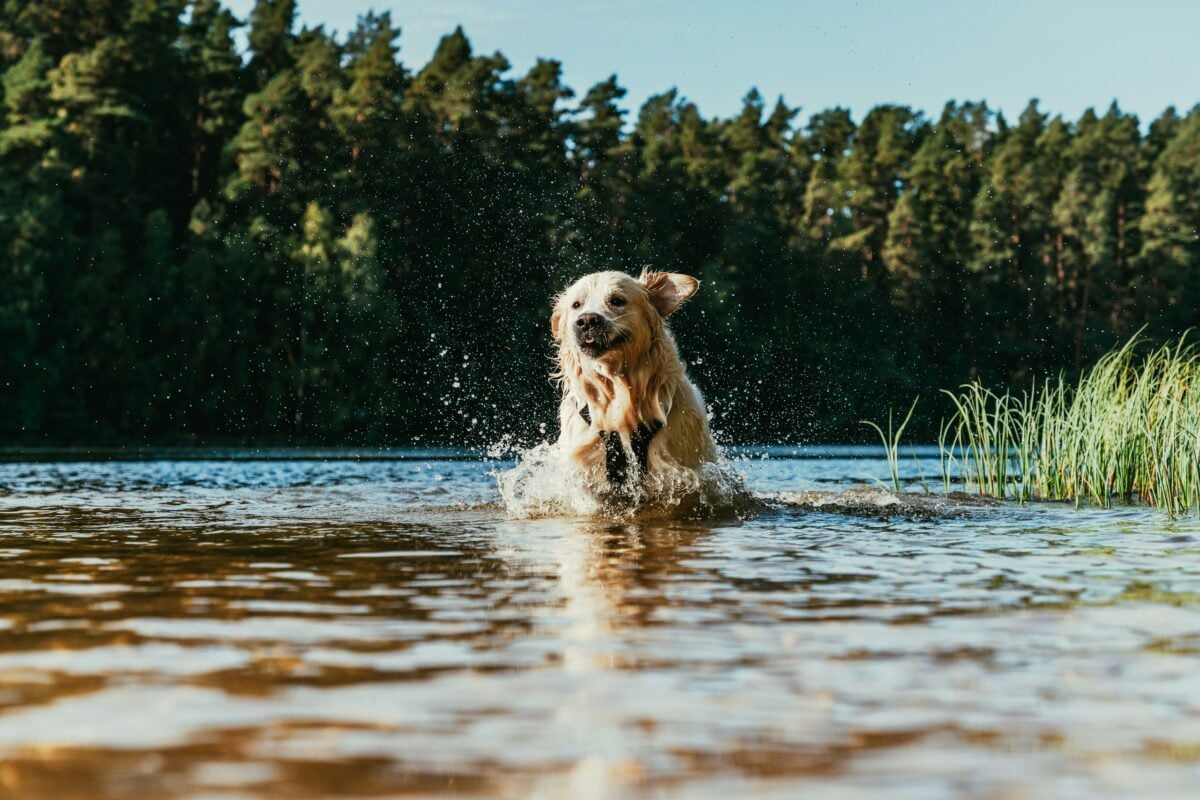
Quick Takeaway: Dogs don’t have to “chug” water for this to happen. Playful gulping during fetch, swimming, or sprinkler games can be enough to trigger water intoxication.
How Dogs End Up Drinking Too Much Water
Most cases happen in warm weather, when dogs are swimming, chasing toys, or snapping at streams from a hose or sprinkler.
Excited dogs don’t realize how much they’re swallowing — they just keep playing.
Certain breeds are more prone to overdrinking during play, especially Retrievers, Border Collies, and Spaniels, who naturally love water. Small dogs are also at higher risk, as it takes less water to overwhelm their systems.
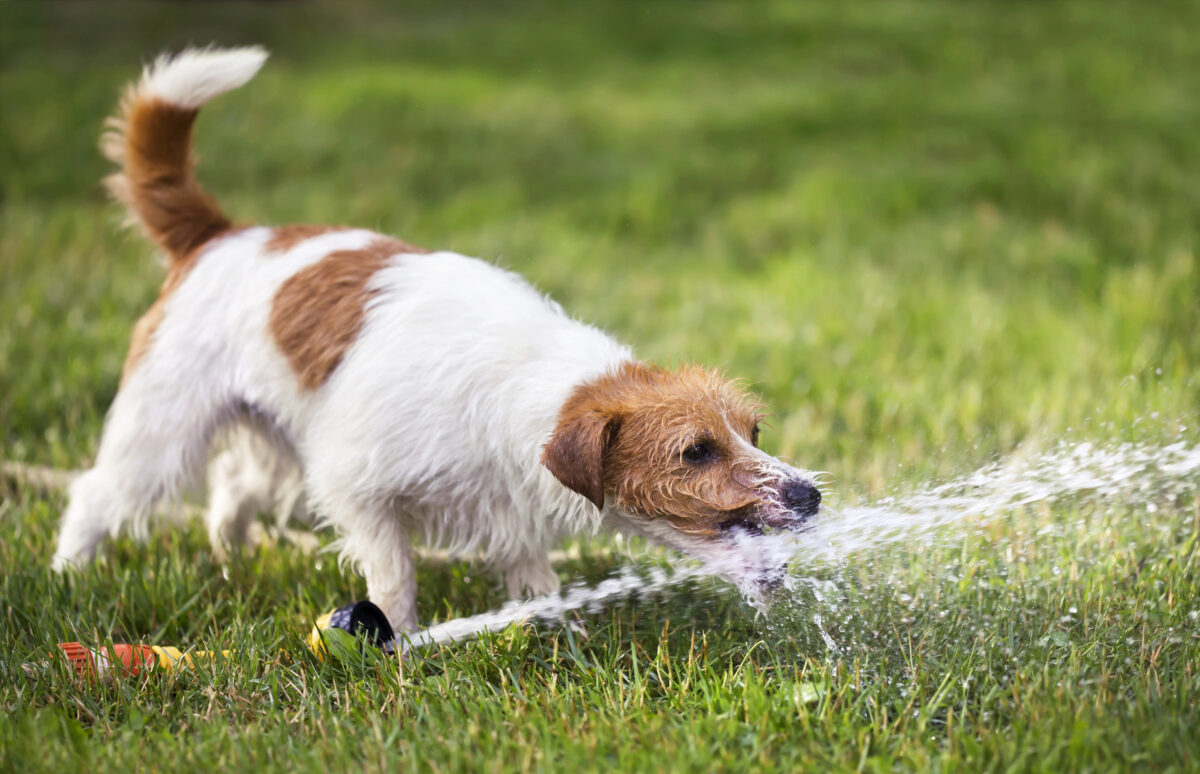
Pro Tip: If your dog tends to “mouth” water constantly during fetch or swim sessions, limit play to 5–10 minutes at a time and offer breaks with dry rest periods.
What Happens Inside The Body
The body constantly works to maintain balance, a process called homeostasis. That balance includes stable levels of water and electrolytes, such as sodium, which are regulated primarily by the kidneys.
Under normal conditions, the kidneys act like gatekeepers, deciding how much water and sodium to keep or excrete. But when a dog consumes too much water too quickly, even the smartest kidney can’t keep up. The excess water dilutes sodium in the bloodstream.
As sodium levels drop, the difference between the fluid inside and outside cells becomes extreme, forcing cells to absorb water and swell — particularly those in the brain.
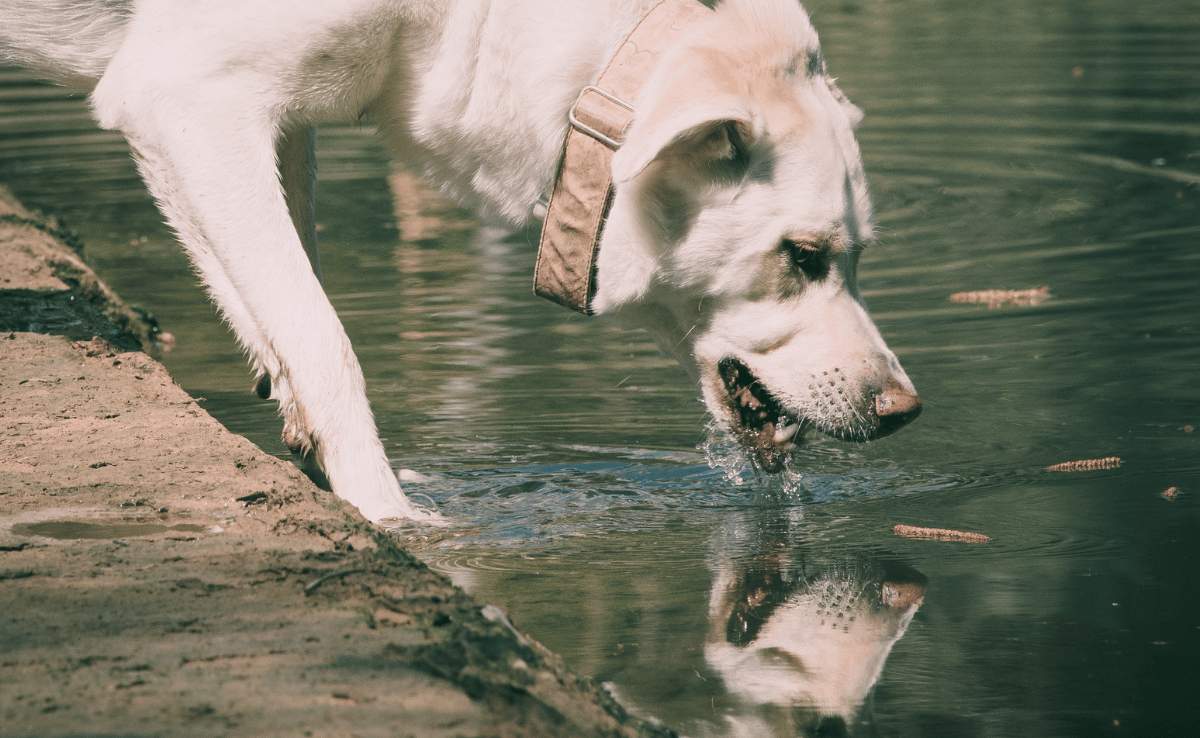
Quick Takeaway: Water intoxication isn’t about dehydration or “too much drinking overall.” It’s about speed and volume in a short time.
What Happens When Dogs Drink Too Much Water
Normally, the water and salt levels in blood and cells are balanced.
But when a dog gulps massive amounts of freshwater, the blood becomes thin and diluted.
Cells begin acting like sponges, soaking up water to equalize the imbalance.
As brain cells swell, they press against the skull, leading to neurological symptoms — confusion, staggering, and seizures.

Warning Signs: Symptoms of Water Intoxication In Dogs
Early signs can appear as simple fatigue, but they escalate rapidly.
Here’s what to watch for:
- Lethargy or listlessness
- Nausea, drooling, or vomiting
- Swollen belly or bloating
- Loss of coordination or stumbling
- Pale gums or glassy eyes
- Difficulty breathing
- Collapse or seizures in severe cases
Mild cases may resolve with rest and close monitoring, but moderate or severe cases can deteriorate within hours. Don’t assume it’s just “too much playtime.”
Quick Takeaway: If your dog appears wobbly or dazed after swimming, treat it as an emergency until you can confirm otherwise.
Can Water Intoxication Be Fatal?
Yes. Once brain swelling begins, oxygen and blood flow to vital areas can be disrupted.
In advanced cases, dogs may lose consciousness, stop breathing, or experience irreversible brain damage.
Even in intensive care, survival rates for dogs arriving with seizures or coma are low.That’s why early recognition — before symptoms escalate — is the difference between recovery and tragedy.

Vet Tip: If you suspect water intoxication, don’t wait to “see if it passes.” Head straight to the vet or emergency hospital.
What To Do Right Away If You Suspect Water Intoxication
Stay calm, but act fast.
Here’s what to do before you reach the vet:
- Remove your dog from water immediately.
- Do not offer more water or food. The goal is to stop further dilution.
- Dry your dog and keep them warm. Low body temperature often accompanies intoxication.
- Head to the nearest emergency vet. Call ahead so the clinic can prepare sodium and IV support.
If you’re far from a vet, keep your dog quiet and limit movement until help is available. Movement increases circulation, which can worsen brain swelling.
Quick Takeaway: There’s no safe home remedy. Professional treatment is essential once symptoms start.
Water Intoxication Treatment For Dogs (Vet & Home Care)
Treatment depends on severity and how quickly the dog is seen.
Veterinarians will run blood work to check sodium and electrolyte levels and start IV fluids to rebalance them gradually.
For mild cases, hospitalization and close monitoring may be enough. Severe cases often require anti-seizure medication, diuretics, and oxygen or ventilator support.
Even with treatment, the prognosis can be poor if brain swelling is advanced. That’s why prevention and early intervention are so critical.

Vet Tip: Recovery time can vary. Dogs may need several days of rest, limited activity, and follow-up bloodwork before returning to regular routines.
What About Saltwater Poisoning? (Beach & Ocean Risks)
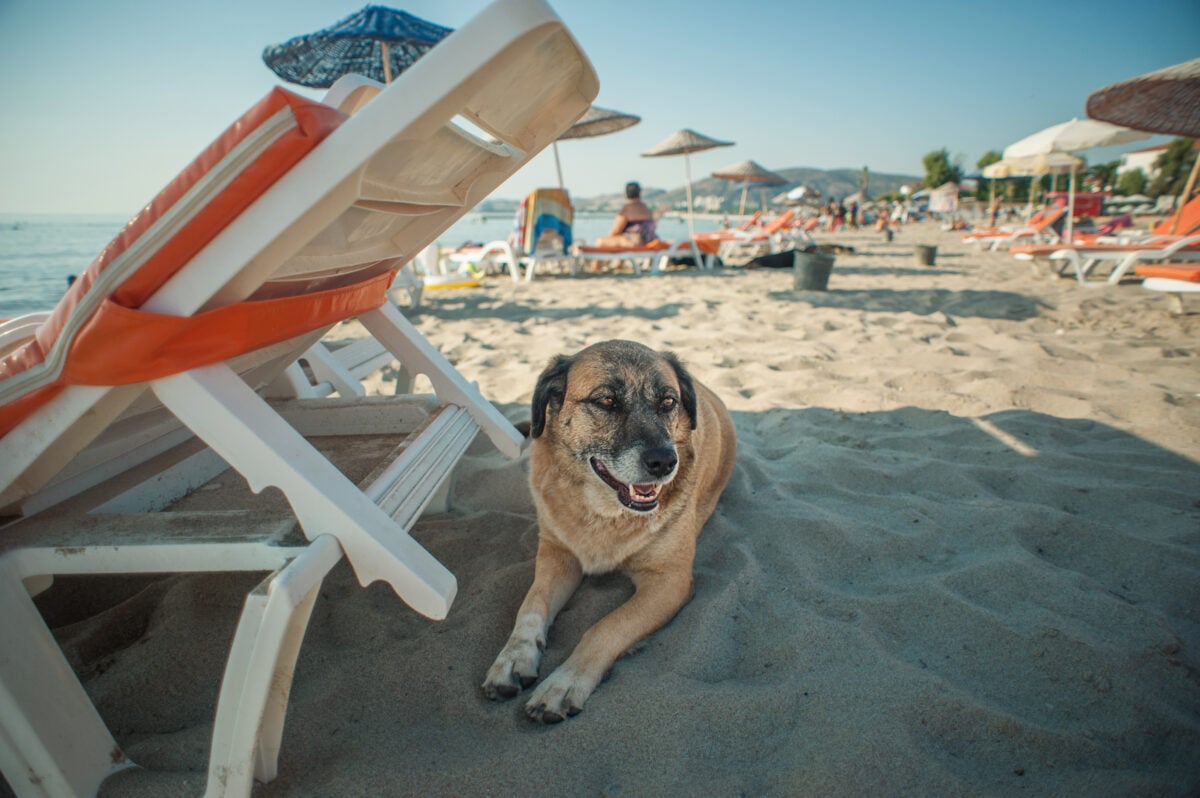
Freshwater intoxication’s salty twin happens at the beach. When dogs drink too much ocean water, sodium levels spike instead of drop — causing dehydration and tremors.
Signs of saltwater poisoning include excessive thirst, vomiting, and muscle stiffness. It’s easier to treat, but still dangerous if left unattended. Offer plenty of fresh water during and after beach trips.
If your dog appears shaky, lethargic, or starts vomiting, consult your veterinarian immediately.
Quick Takeaway: Both freshwater and saltwater can be risky. One dilutes sodium, the other overloads it.
Other Water-Related Dangers To Watch For
Water intoxication isn’t the only danger that can sneak up during summer play. Even when your dog avoids gulping too much water, there are other hidden hazards that can cause serious illness.
Blue-Green Algae (Cyanobacteria)
Some lakes and ponds bloom with toxic blue-green algae in warm weather. Dogs can get sick just from licking their fur after swimming, and exposure can cause vomiting, seizures, or liver failure.

Giardia & Other Parasites
Freshwater streams and ponds can harbor parasites like Giardia, which spreads through contaminated water or mud. Symptoms include diarrhea, fatigue, and stomach cramps that may last for weeks.
Infections
Moisture trapped inside the ears creates the perfect environment for bacteria and yeast. Dogs who swim often should have their ears and paws gently dried and cleaned after every session.

Chlorine & Pool Chemicals
Even clear pool water can irritate skin, eyes, and digestive tracts if swallowed. Always rinse your dog thoroughly after a swim and discourage them from drinking from the pool.
Play It Safe: Water Safety Tips For Every Dog
Water play is healthy fun, as long as it’s done safely.
Here’s how to keep your pup protected:
- Start slow. Introduce your dog to water gradually, letting them wade before swimming.
- Limit continuous water play to 10 minutes at a time.
- Plan rest breaks. Give your dog time to dry off, catch their breath, and rebalance electrolytes.
- Watch for early fatigue. Heavy panting, drooping tail, or less enthusiasm can signal overexertion.
- Use a life vest. A dog flotation vest adds buoyancy and slows water intake while swimming.
- Always supervise. Dogs can tire faster than expected — especially in deep water or under heat stress.
- Avoid high-pressure hoses and sprinklers. These encourage gulping and can lead to water intoxication.
Pro Tip: Train your dog with a “break” or “out” cue during water games to help them pause and refocus.
Our Story: Rio’s First Swim Day
Rio has always loved water, but I’ve learned that enthusiasm can outpace safety.
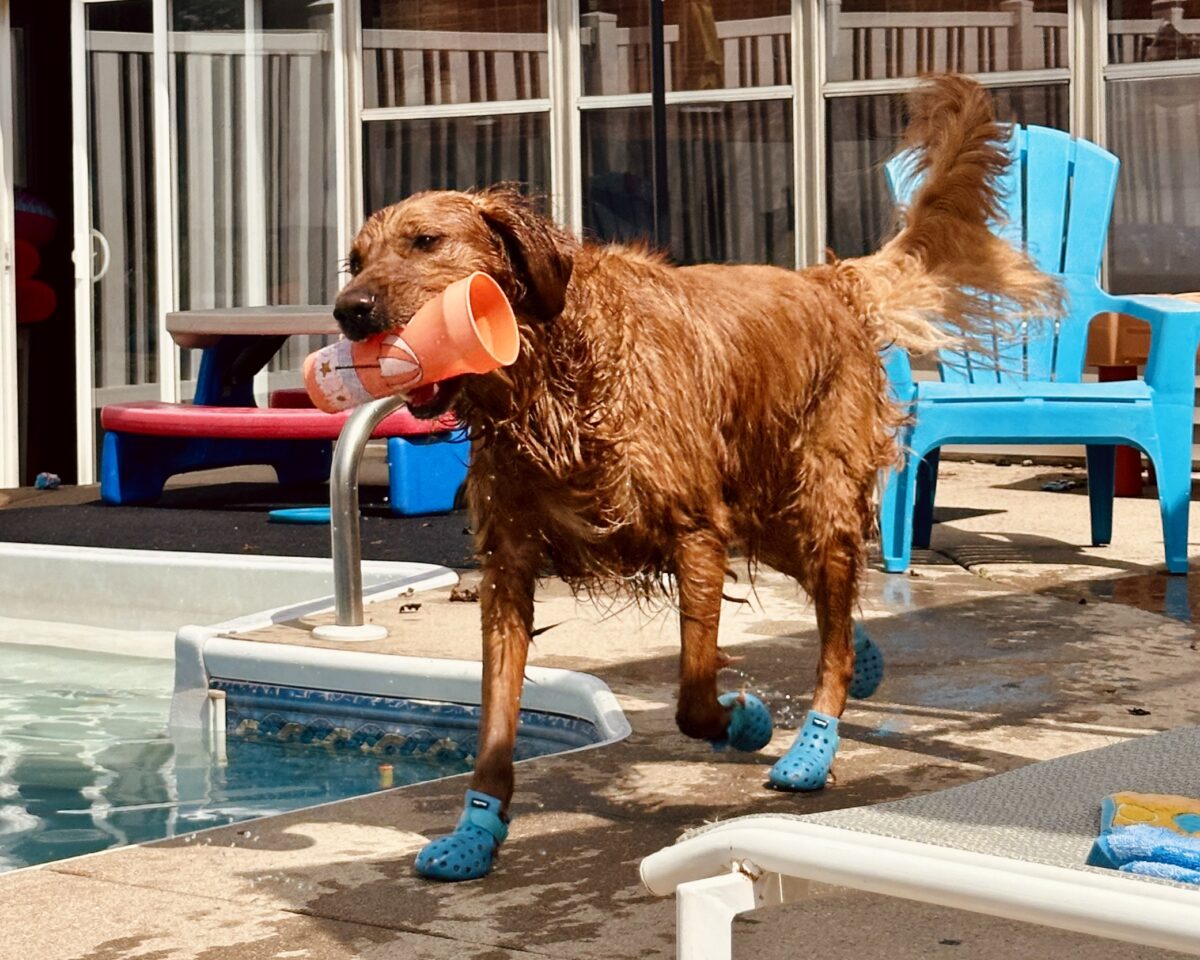
On his first pool day, he was ecstatic— leaping, fetching, and even trying to “rescue” every floating toy he saw. It didn’t take long to realize he was swallowing more water than looked safe.
Since then, our swim days look a little different. Sessions are shorter, we build in float breaks, and dry-land naps are part of the routine.
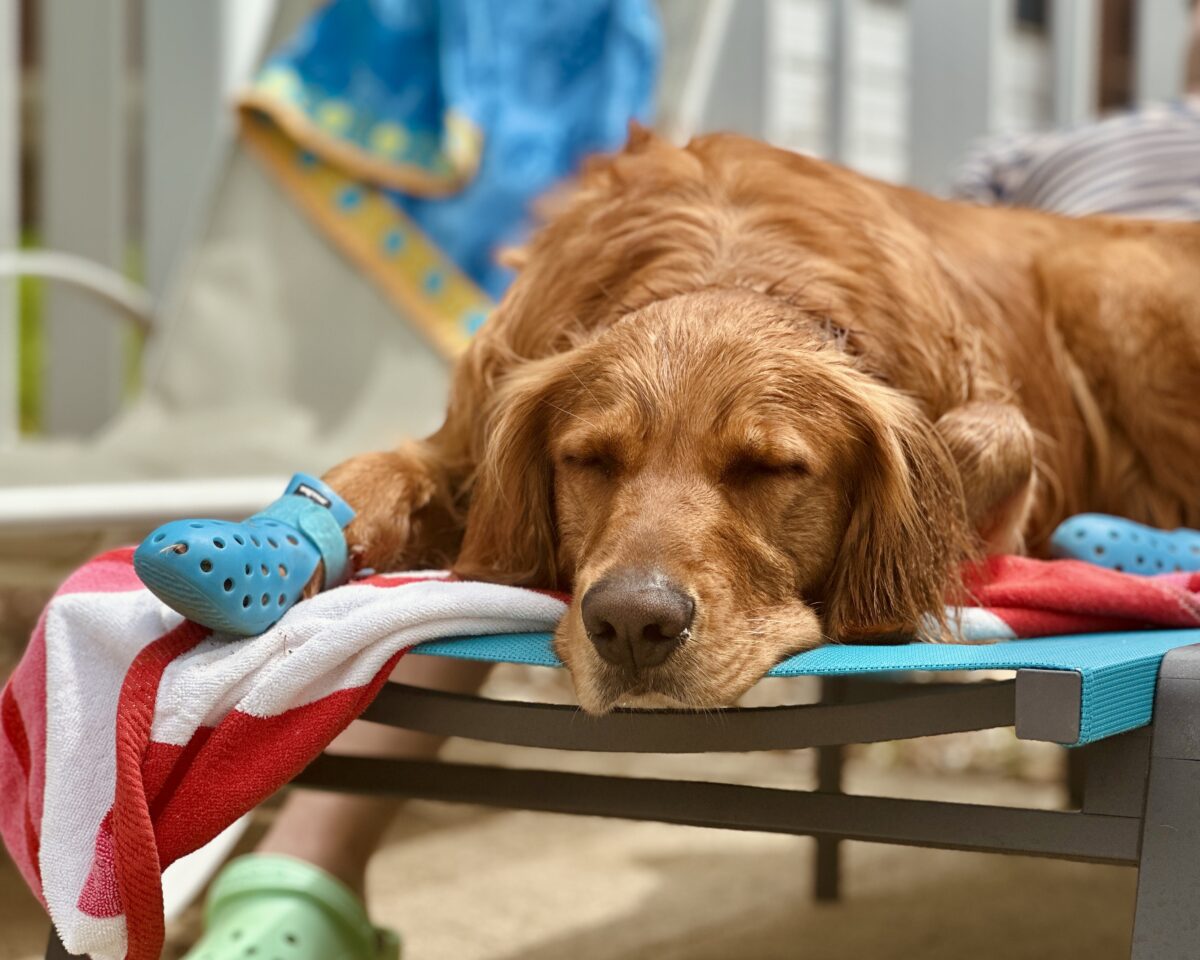
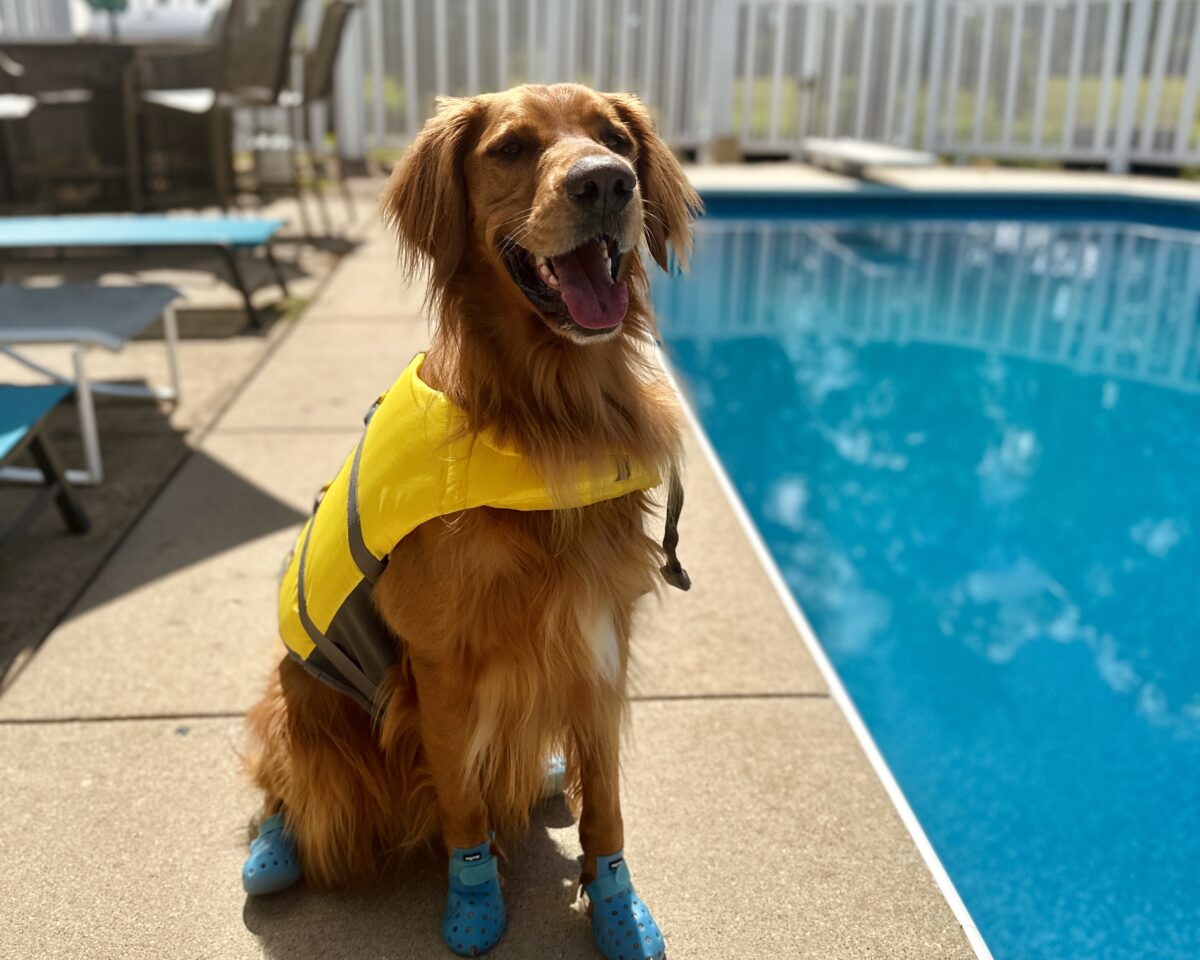
He doesn’t love the enforced downtime, but it keeps him safe, and his bright yellow life jacket helps keep his head higher above the water, reducing how much he gulps between splashes.
Frequently Asked Questions
Even with awareness, water intoxication can feel confusing because it happens so fast and mimics exhaustion or overexertion.
These common questions can help you spot the difference, respond quickly, and prevent it from happening again. Don’t see your question? Ask us in the comments.
How Fast Can Water Intoxication Happen In Dogs?
Symptoms can appear within one to two hours of excessive water intake, though some dogs deteriorate in as little as 30 minutes. The faster a dog drinks or swallows water during play, the greater the risk of sudden sodium imbalance and brain swelling.
Can Puppies Get Water Intoxication Too?
Yes. Puppies are often at higher risk because their kidneys and electrolytes are less stable than adults. They also tire more quickly and may not recognize when to stop.
Keep water play short and always supervised.
Which Breeds Are Most At Risk For Water Intoxication?
Breeds that love retrieving or water play — Labradors, Golden Retrievers, Border Collies, and Spaniels — are most often affected. Small dogs are also at higher risk because it takes less water to overwhelm their systems.
Can Dogs Recover Fully From Water Intoxication?
Mild cases can recover completely with prompt veterinary treatment and monitoring. Severe cases involving seizures or coma may have long-term neurological effects or may not survive despite aggressive care.
How Much Water Is Too Much For A Dog?
There’s no exact amount because body size and play style matter, but swallowing large volumes within a short time — for instance, repeatedly biting at water or gulping while swimming — should always be a red flag.
What’s The Difference Between Dehydration And Water Intoxication?
Dehydration occurs when dogs lose too much water and electrolytes, while intoxication happens when they consume too much water, diluting sodium. Both disrupt homeostasis and can be dangerous without quick treatment.
Is It Safe For Dogs To Swim Every Day?
Daily swimming can be fine for healthy adult dogs, as long as the sessions are short and balanced with dry rest. Watch for fatigue, ear irritation, or any changes in energy or appetite after regular swimming days.
Can I Train My Dog Not To Gulp Water While Playing?
Yes. You can teach impulse control around water just like with food.
Start by practicing a “break” or “leave it” cue near shallow water, rewarding calm behavior before throwing toys or turning on sprinklers. Over time, this builds awareness and pacing during play.
Keep Your Dog Safe Around Water
If your dog loves swimming, sprinklers, or lake fetch, awareness is the best protection. Learn the early signs, limit play sessions, and always give your dog time to rest and rebalance.
For more warm-weather safety advice, check out these helpful guides: