When you purchase through links on our site, we may earn a commission at no extra cost to you. Learn more.
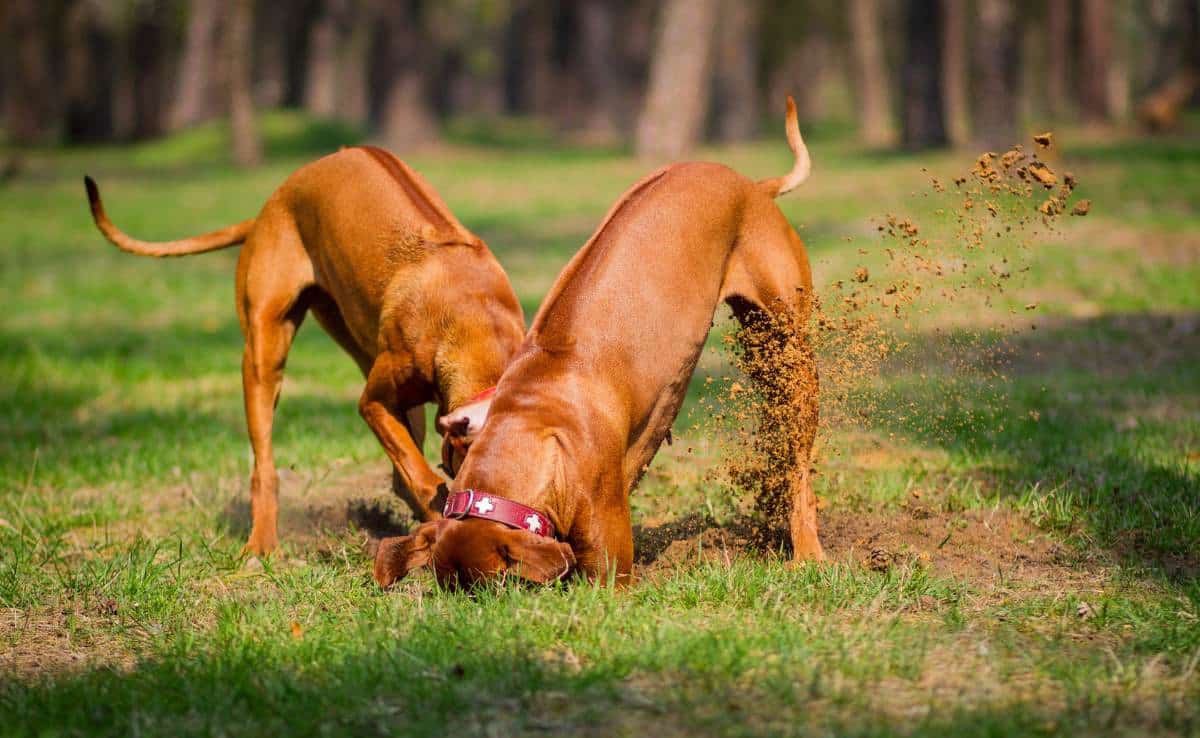
If there were no physical fence between your dog and the street, would you trust them to stay in your yard? For some dogs, the answer is an easy yes. For others, all it takes is one squirrel, one passing dog, or one exciting distraction for months of training to disappear in an instant.
Table of Contents
Invisible fences have helped countless owners safely contain their dogs, but they aren’t a magic solution. Whether they work depends on your dog’s personality, prey drive, training, and how they’ll react when real life inevitably tests the boundary. Before you rely on one, here’s what you should know.
Start Here: The Real Question Isn’t Whether Invisible Fences Work
Invisible fences absolutely can work. Thousands of dogs safely use them every day.
The bigger question is whether they’ll work for your dog.
Unlike a traditional fence, an invisible fence doesn’t physically stop your dog from leaving your property. Instead, it teaches them to recognize and avoid a boundary using training, warning signals, and, depending on the system, a static correction.
That means your dog’s success depends on more than the technology itself; it depends on their temperament, training, impulse control, and how they respond when something outside the boundary suddenly becomes more exciting than staying inside it.
Two neighbors can install the exact same invisible fence and have completely different experiences. One dog happily stays within the boundary for years, while another bolts after a rabbit on the very first day.
Throughout this guide, we’ll help you decide whether an invisible fence is a smart fit for your dog, your property, and your lifestyle.
How Invisible Fences Actually Work
Unlike a traditional fence, an invisible fence doesn’t create a physical barrier around your property. Instead, it teaches your dog where the boundary is and relies on training to encourage them to stay inside it.
Not all invisible fences work the same way. Traditional in-ground systems use a wire buried around the perimeter of your yard to create the boundary. Wireless systems use localized radio signals from a central transmitter to establish a containment area, while GPS dog fences rely on satellite technology to create customizable virtual boundaries without the need to bury wire.
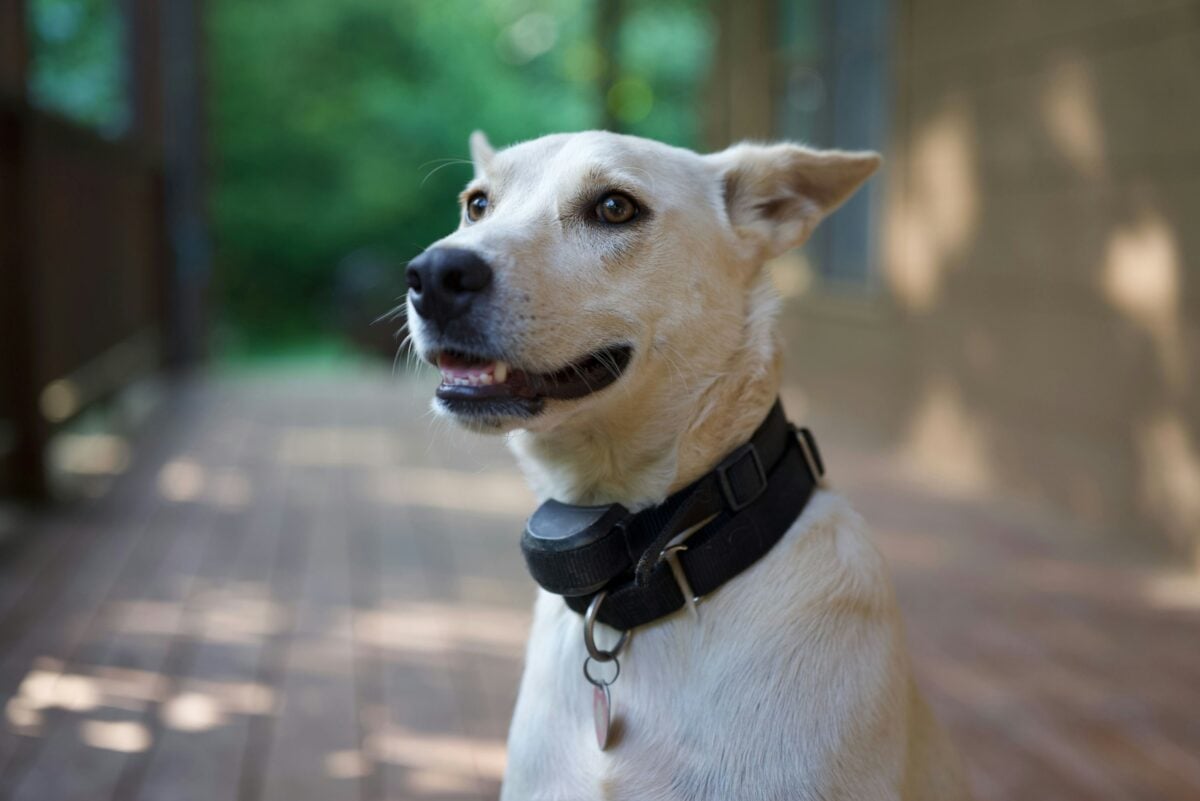
Regardless of the technology, the goal is the same. As your dog approaches the boundary, their collar first delivers a warning, such as a beep, tone, vibration, or voice cue. If they continue forward, many systems then deliver a static correction designed to discourage them from crossing the line.
If you’re still deciding between different containment technologies, our guide to wireless dog fences compares the most common options and explains how each type works.
How An Invisible Fence Works
- Your dog approaches the boundary.
- The collar gives a warning tone, vibration, or other alert.
- If your dog continues, most systems deliver a static correction.
- Over time, your dog learns to recognize the warning and turn back before reaching the correction zone.
The goal isn’t for your dog to fear the boundary. It’s for them to understand where it is.
The Three Things Every Invisible Fence Needs
An invisible fence is only as effective as the dog using it. Most successful systems rely on three key ingredients:
- A clearly defined boundary that your dog can consistently recognize.
- Patient, consistent training so your dog understands where the boundary begins.
- A dog willing and able to respect that boundary, even when distractions appear.
In other words, the collar doesn’t keep your dog in the yard. The training does.
5 Reasons Why Many Owners Love Invisible Fences
Invisible fences have remained popular for decades because they solve problems that traditional fencing can’t always address. For the right dog and the right property, they can be an effective containment solution.
1. Cleaner Views & Lower Cost
Installing a physical fence isn’t always practical. It can be expensive, require permits, block scenic views, or violate neighborhood or HOA rules.
Invisible fences define your dog’s boundaries without changing the appearance of your property. For many homeowners, they’re also significantly less expensive than installing hundreds of feet of traditional fencing.
2. Dogs Have More Freedom
Many invisible fence systems allow dogs to roam across an entire property rather than being confined to a small fenced enclosure. For owners with larger yards, that can mean more room to run, explore, and exercise while still maintaining defined boundaries.
3. Flexible For Large Properties
Invisible fences are often easier to install and customize on properties where traditional fencing would be difficult or prohibitively expensive. Whether you have several acres, unusual landscaping, wooded areas, or irregular property lines, many systems can be adjusted to fit your layout more easily than a physical fence.

4. Easier Than Maintaining A Traditional Fence
Wood fences need staining. Gates sag. Storms knock down panels. Even chain-link fences eventually require repairs.
Invisible fences eliminate much of that ongoing maintenance, making them an appealing option for owners who want containment without the upkeep of a traditional fence.
5. No Fence Restrictions
Some neighborhoods prohibit certain fence styles or limit fence height. Historic districts, HOAs, and local zoning rules may also restrict what homeowners can build.
Because invisible fences don’t alter the appearance of your property, they can provide a containment option when traditional fencing isn’t permitted or simply isn’t desirable.
At A Glance: Why Owners Choose Invisible Fences
| Benefit | Why It Matters |
|---|---|
| Lower cost | Often less expensive than installing a traditional fence, especially on larger properties. |
| Cleaner views | Keeps your yard open without blocking scenic views or changing the landscape. |
| More freedom | Allows many dogs to roam a larger portion of the property than a small fenced enclosure. |
| Flexible installation | Can be adapted to large, wooded, or irregularly shaped properties. |
| Low maintenance | No fence panels, gates, or posts to repair, paint, or replace. |
| HOA-friendly | May be an option where traditional fences aren’t allowed or are heavily restricted. |
What Invisible Fences Can’t Do
As useful as invisible fences can be, they have one important limitation: they rely on your dog’s behavior rather than a physical barrier. That means they can’t prevent every situation or eliminate every risk. If your dog is highly motivated, frightened, or distracted, they may still choose to cross the boundary.
An invisible fence also can’t:
- Keep neighborhood dogs out of your yard
- Prevent wildlife from entering your property
- Stop people from walking into your yard
- Physically restrain a determined dog
Understanding these limitations doesn’t mean invisible fences are ineffective. It simply means they work best as part of a broader training and management plan — not as a guarantee that your dog will never leave the yard.
The Biggest Question: What Happens When Something More Exciting Appears?
An invisible fence is easy to trust on a quiet afternoon when your dog is calmly sniffing the grass. The real test comes when something more exciting appears.
A squirrel darts across the yard. A neighbor’s dog runs by. A child rides a bike down the street.
For many dogs, the training holds. They hear the warning, remember the boundary, and turn back. For others, the distraction is simply more powerful than the lesson.
That’s why the biggest safety question isn’t whether an invisible fence works — it’s whether it will still work when your dog’s instincts take over.
Would Your Dog Cross The Boundary?
No one knows your dog better than you. Before relying on an invisible fence, ask yourself to answer these questions honestly. If you answer “yes” to several of them, your dog may need additional training, closer supervision, or a different type of containment.
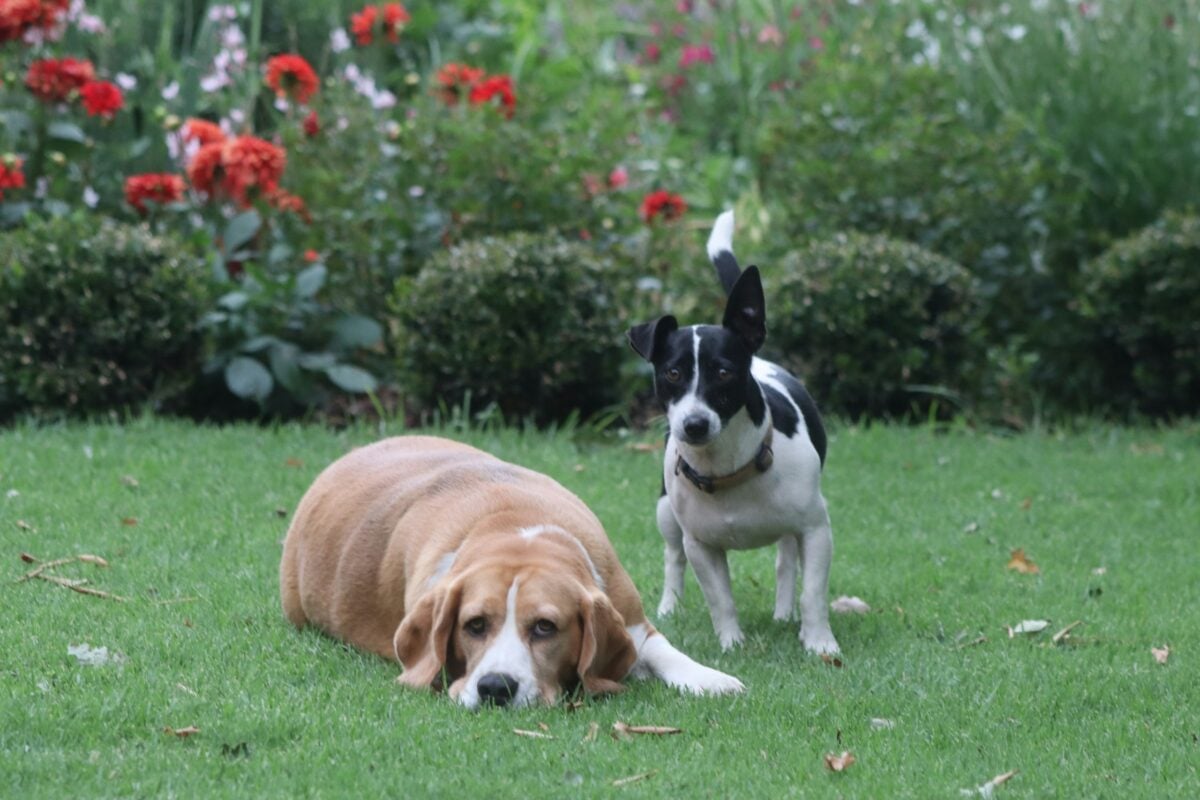
Your Dog May Be A Good Candidate If They…
- Have excellent recall, even outdoors
- Frequently check in with you during walks or play
- Respond reliably despite everyday distractions
- Have a lower prey drive
- Recover quickly after becoming excited
- Respect boundaries you’ve already taught them
You May Want To Think Twice If Your Dog…
- Chases squirrels, rabbits, deer, or birds without hesitation
- Ignores commands when excited
- Has escaped your yard before
- Is fearful or easily startled by loud noises
- Reacts strongly to other dogs, people, or moving vehicles
- Has never been consistently trained to respect boundaries
- Is still a young puppy learning basic obedience
An invisible fence isn’t a personality test your dog either passes or fails. Instead, it’s a reminder that every containment system depends on the individual dog using it. The better you understand your dog’s instincts, the easier it becomes to choose the safest option for your situation.
Dogs That May Not Be Good Candidates
Invisible fences aren’t one-size-fits-all. While many dogs learn their boundaries successfully, others may struggle because of their instincts, temperament, age, or training experience.
If your dog falls into one of the following categories, you’ll likely need extra training, closer supervision, or a different type of containment.
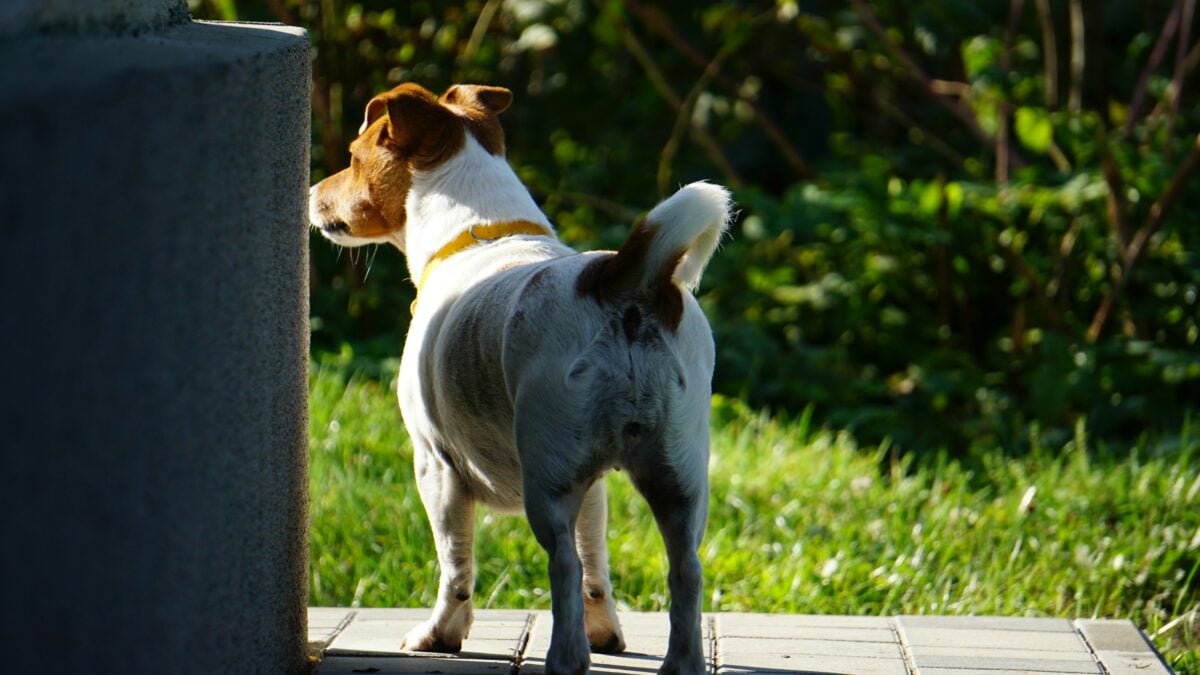
High Prey Drive Dogs
Some dogs are hardwired to chase.
If your dog routinely bolts after squirrels, rabbits, deer, birds, or neighborhood cats, an invisible fence may not be enough to override those instincts. Once the chase begins, many dogs become so focused on their target that they ignore sounds, commands, and sometimes even the boundary they’ve been trained to respect.
That doesn’t mean high prey drive dogs can never succeed with an invisible fence, but they often require more extensive training and careful management.
Fearful Or Anxious Dogs
Dogs that are naturally nervous or easily startled may have a harder time building confidence around an invisible boundary.
For some sensitive dogs, unexpected noises, strangers, or unfamiliar situations can trigger panic. Instead of turning back toward the safety of the yard, they may react impulsively and cross the boundary to escape whatever frightened them.
Reactive Dogs
Dogs that bark, lunge, or become overly excited when they see other dogs, people, bicycles, or vehicles may also struggle.
If your dog’s emotions regularly outweigh their ability to listen, the distraction itself can become more powerful than the boundary training. Reactivity should be addressed through behavior modification, not containment alone.
Independent Escape Artists
Some dogs simply enjoy testing limits.
If your dog has a history of climbing fences, digging under them, squeezing through gates, or looking for ways to explore beyond the yard, an invisible fence may not provide the level of security you’re hoping for.
Dogs that have learned that escaping is rewarding are often willing to tolerate discomfort if they believe something exciting awaits on the other side.
Puppies Still Learning
Young puppies are still developing impulse control, confidence, and an understanding of basic commands.
Before introducing an invisible fence, your puppy should have a solid foundation in training, including a reliable recall and an understanding of boundaries. Rushing the process before they’re developmentally ready can create confusion and slow their progress.
Training Makes Or Breaks Everything
The biggest mistake owners make is assuming the invisible fence will do the training for them. An invisible fence is a training tool, not a substitute for training. The collar simply reinforces a boundary your dog has already learned to recognize.
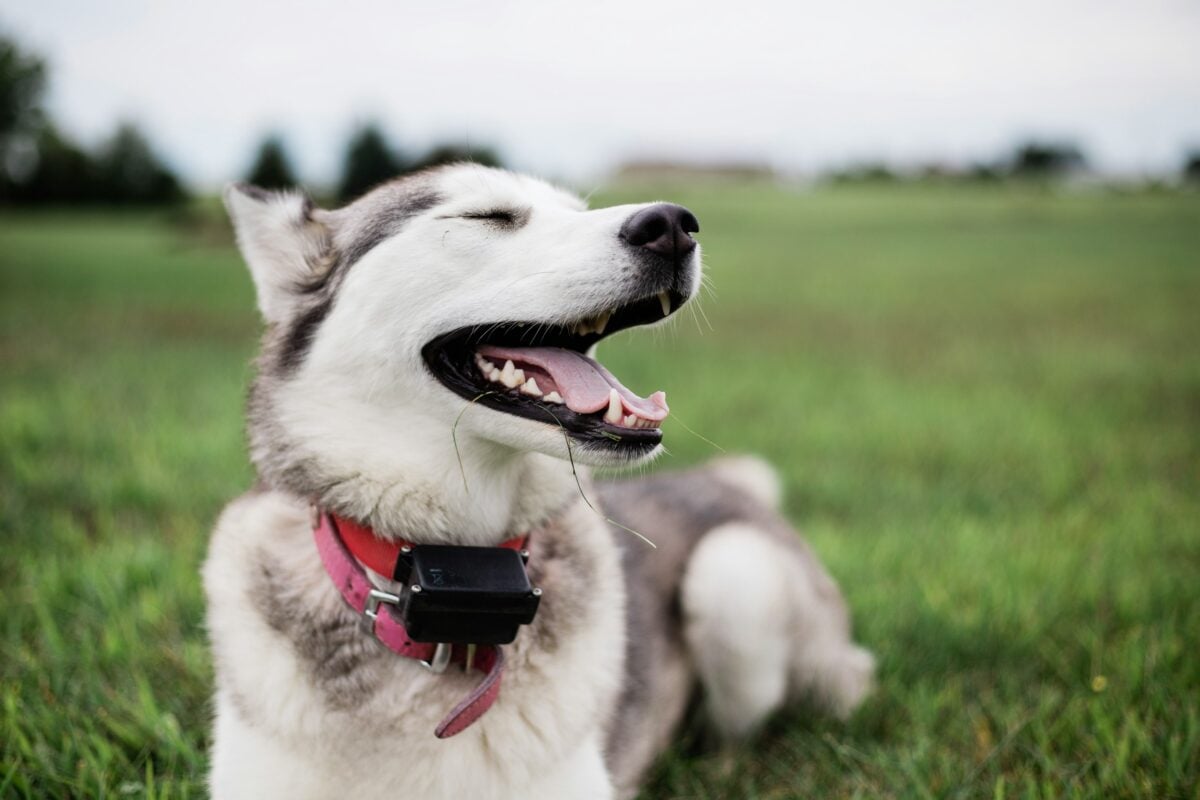
Without consistent practice, your dog has no reason to understand where it’s safe to stop.
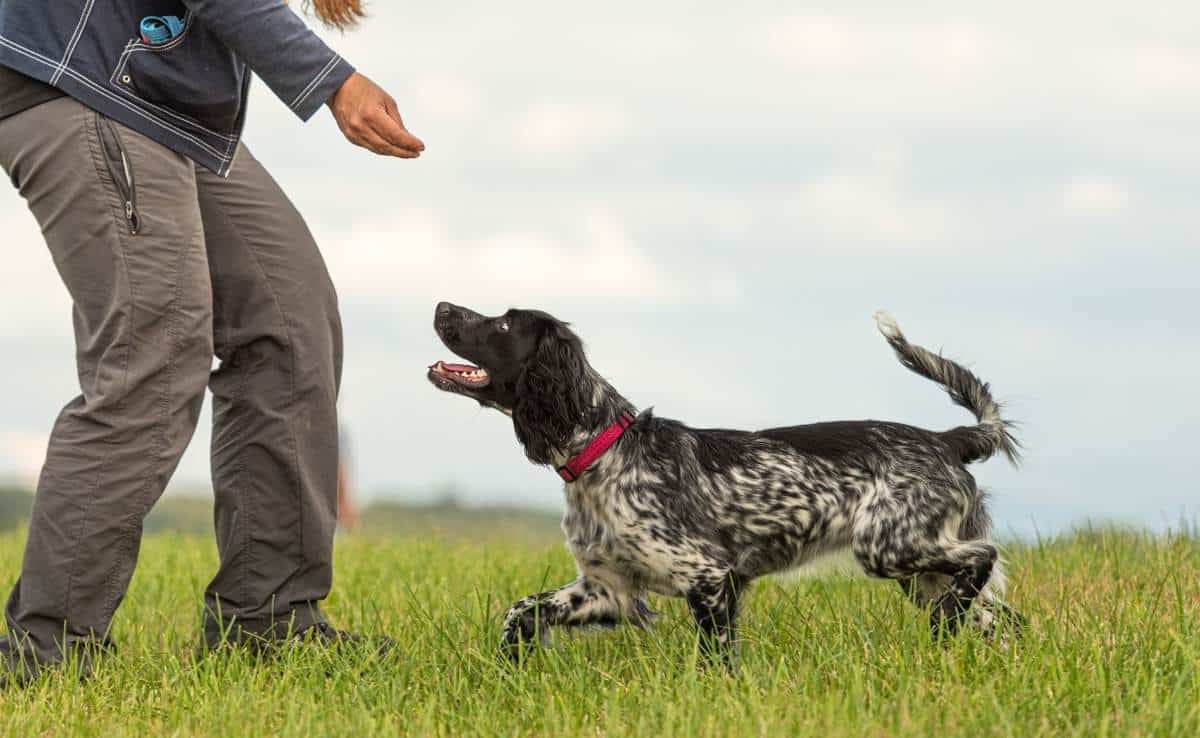
Most manufacturers recommend introducing the boundary gradually using visual flags, supervised training sessions, and plenty of positive reinforcement. The goal is for your dog to recognize the warning signal and voluntarily turn around before reaching the correction zone.
Training isn’t a one-week project, either. Many dogs need several weeks of consistent practice before they’re ready to spend time outside without direct supervision. Even then, it’s important to continue reinforcing the boundary, especially after long winters, vacations, or other breaks in routine.
Remember, you’re not teaching your dog to fear leaving the yard. You’re teaching them where the yard ends.
Want to learn more about the collars themselves? Read our guide to invisible fence collars to compare features, correction options, and what to look for before buying.
Signs Your Dog Is Ready
Before relying on an invisible fence, your dog should consistently:
- Turn back after hearing the warning signal
- Respond reliably to recall outdoors
- Ignore everyday distractions without crossing the boundary
- Remain calm around people, dogs, and wildlife near the property line
- Understand where the boundary is, even after the training flags are removed
If your dog can’t do those things consistently, they’re probably not ready to rely on the fence alone.
Invisible Fence vs Physical Fence vs GPS Fence
No containment system is perfect. Traditional fences, invisible fences, and GPS dog fences each have strengths and limitations. The best choice depends on your dog’s temperament, your property, your budget, and how much you’re willing to invest in training.
| Feature | Physical Fence | Traditional/Wireless Invisible Fence | GPS Virtual Fence |
|---|---|---|---|
| How it works | Physical barrier | Buried wire or radio signal creates a virtual boundary | Satellite GPS creates a customizable virtual boundary |
| Physical barrier |  | No | No |
| Requires training | Minimal | | |
| Keeps your dog contained | | Depends on training | Depends on training |
| Keeps other dogs or wildlife out | | No | No |
| Works well on large properties | Can be expensive | | |
| Portable | No | Wire: No Wireless: Limited | |
| Visual impact | High | None | None |
| Maintenance | Moderate | Low | Low |
| Best for | Owners wanting a secure physical barrier | Well-trained dogs with clearly defined property boundaries | Active owners, travelers, or properties where wire installation isn’t practical |
All three options can be effective when used appropriately. A traditional fence provides the strongest physical containment, while invisible and GPS fences rely much more heavily on your dog’s training, temperament, and ability to respect boundaries.
Choosing the right system isn’t about finding the newest technology — it’s about choosing the solution that best fits your dog and your lifestyle.
Before You Decide
By now, you’ve probably got a good sense of whether your dog could succeed with an invisible fence. But your dog is only part of the equation.
Before making a decision, think about your property, your daily routine, and the level of safety you’re comfortable with. Sometimes the best containment solution has less to do with the technology and more to do with the environment your dog lives in.
Ask yourself:
- Is my yard next to a busy road or high-traffic area?
- Do loose neighborhood dogs, wildlife, or livestock regularly come onto my property?
- Will my dog ever be outside without supervision?
- Am I willing to spend several weeks consistently training before relying on the fence?
- Do I have the time to reinforce the boundary as my dog learns?
- Am I choosing an invisible fence because it’s the best fit — or simply because it’s the easiest option?
- Would a physical fence give me greater peace of mind?
There isn’t a single right answer for every dog owner. The goal is to choose the containment system that best fits your dog’s behavior, your property, and your lifestyle.
So… Would You Trust One?
The answer isn’t the same for every dog. For a well-trained dog with reliable recall, moderate prey drive, and an owner committed to consistent training, an invisible fence can be an effective way to create safe boundaries. For a dog that regularly chases wildlife, ignores commands when excited, or struggles with fear or reactivity, a physical fence may provide a greater margin of safety.
An invisible fence works best when it complements good training, responsible supervision, and an honest understanding of your dog’s personality. If you’re relying on the collar alone to keep your dog safe, it’s probably not the right solution.
Frequently Asked Questions
Choosing a containment system is an important safety decision, so it’s natural to have questions. Here are answers to some of the concerns dog owners ask most often.
Don’t see your question? Respond in the comments, and we’ll get back to you!
Are Invisible Fences Safe For Dogs?
When used according to the manufacturer’s instructions and paired with proper training, many dogs safely use invisible fences for years. However, they’re not appropriate for every dog, and no containment system eliminates risk entirely.
Can Dogs Run Through Invisible Fences?
Yes. A highly motivated dog may ignore the warning and cross the boundary to chase wildlife, greet another dog, or react to something frightening. That’s why training is just as important as the fence itself.
What Happens If My Dog Crosses The Boundary?
With many systems, the correction stops once your dog leaves the correction zone. However, some dogs become reluctant to cross back into the yard because they anticipate another correction. Proper training is designed to reduce the likelihood of this happening.
GPS dog fences offer one additional advantage: if your dog does leave the virtual boundary, many GPS collars allow you to view their real-time or near real-time location through a companion app, making it easier to locate and recover your dog. While this can provide valuable peace of mind, it shouldn’t be viewed as a substitute for reliable training or a guarantee that your dog won’t escape.
Do Invisible Fences Keep Other Dogs Or Wildlife Out?
No. Invisible fences only influence the dog wearing the collar. They don’t prevent loose dogs, coyotes, wildlife, or people from entering your property.
Are GPS Dog Fences Better Than Traditional Invisible Fences?
It depends on your property and your needs. GPS fences offer greater flexibility and don’t require buried wire, making them popular for large properties and travel. Traditional systems may provide more consistent boundaries on smaller residential lots.
Do Invisible Fences Work For Stubborn Dogs?
Some independent dogs can learn invisible fence boundaries successfully, while others may ignore them when sufficiently motivated. Success depends far more on the individual dog’s temperament and training than on breed alone.
At What Age Can A Dog Use An Invisible Fence?
Most manufacturers recommend waiting until puppies are developmentally ready for consistent training and basic obedience. Check the recommendations for your specific system before introducing an invisible fence.
Can I Leave My Dog Outside Alone With An Invisible Fence?
Many owners do, but an invisible fence shouldn’t replace supervision, especially if your dog is still learning the boundary or lives in an area with heavy traffic, frequent wildlife, or loose neighborhood dogs.
Keep Learning About Dog Fences & Containment
If you’ve decided an invisible fence could be a good fit for your dog, the next step is choosing the right system. Different technologies, features, and training approaches can make one option a better choice than another depending on your property and your dog’s needs.
To continue your research, explore our in-depth Halo Collar vs. SpotOn Collar comparison, read our Halo Collar Review, or see our complete SpotOn GPS Fence Review to learn how today’s most popular GPS dog fences compare in real-world use.
Keep Learning About Dog Fences & Containment
Choosing the right containment system doesn’t end with deciding whether an invisible fence is right for your dog. If you’re ready to compare specific options, these guides can help:
- Halo Collar vs. SpotOn Collar: See how two of the most popular GPS dog fences compare in features, pricing, training, and performance.
- Halo Collar Review: Learn how Halo works, what features it offers, and whether it’s the right fit for your dog and property.
- SpotOn GPS Fence Review: Explore our hands-on review of SpotOn, including setup, accuracy, battery life, and real-world performance.