When you purchase through links on our site, we may earn a commission at no extra cost to you. Learn more.
It’s hard to look at a Chihuahua burrowed under a blanket or a Golden Retriever proudly carrying a stuffed toy and imagine a wolf anywhere in their family tree. But every dog alive today has roots stretching back to ancient wolves.
Table of Contents
How did we get from powerful Ice Age predators to everything from tiny lapdogs to giant, drooling couch companions?
Scientists are still uncovering surprising details about how dogs evolved, and some of those ancient changes help explain why your dog looks, thinks, and behaves the way they do today.
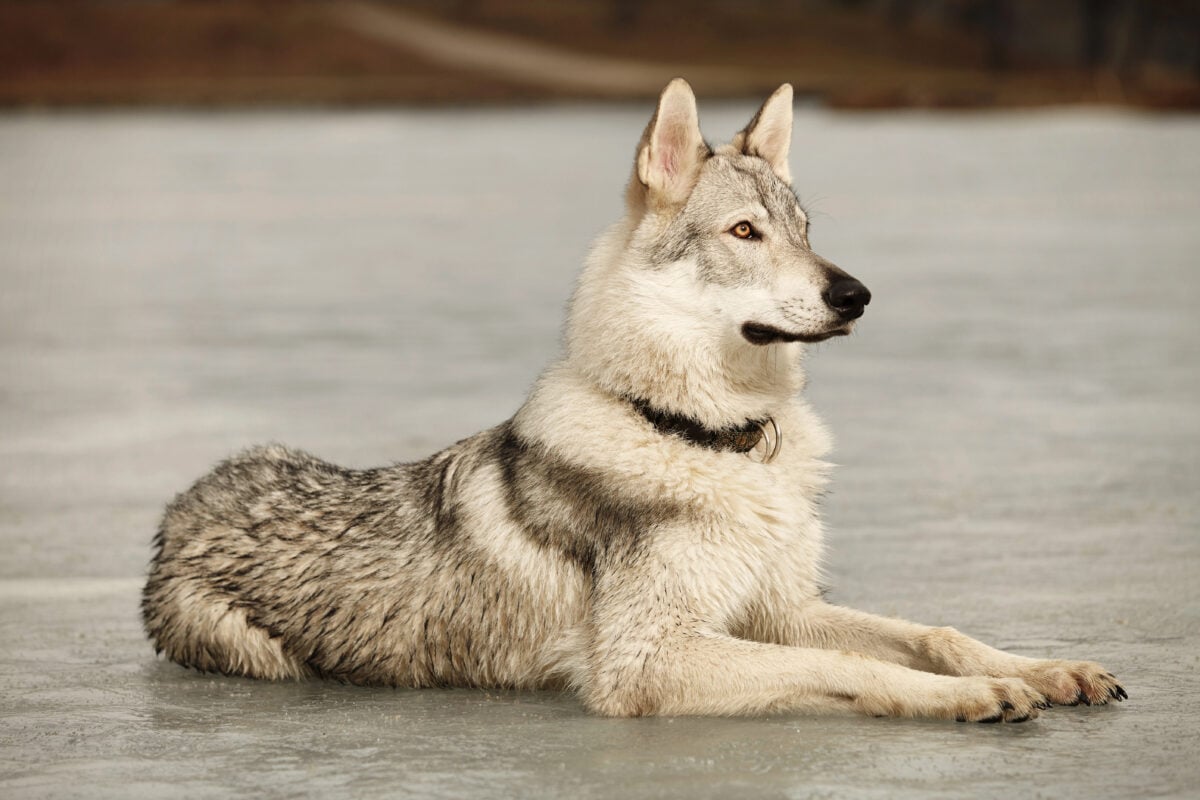
Where Do Dogs Come From?
All domestic dogs descended from ancient wolf populations, but not from the gray wolves roaming forests and wilderness areas today. Modern wolves and dogs share an ancient ancestry but have followed different evolutionary paths for thousands of years.
Scientists still debate exactly when and where that separation began. What they do know is that dogs were living alongside humans long before farming, written language, or anything resembling a modern dog breed existed.
And despite the enormous differences between a Great Dane and a Dachshund, both belong to the same domesticated species.
Quick Dog Evolution Timeline: From Wolves To Modern Dogs
- 20,000+ years ago — Ancient wolf ancestors
The lineage leading to domestic dogs was likely emerging during the last Ice Age, although the exact timing of domestication remains uncertain. - 16,000–14,000 years ago — Early dogs
Dogs were already living alongside hunter-gatherers. A 2026 study published in Nature identified domestic dog DNA from remains dating back approximately 15,800 years. - 11,000 years ago — Different dog lineages
Dogs had already developed at least five major genetic lineages, showing how widely their ancestors had spread. - Thousands of years ago — Dogs take on new roles
- People increasingly valued dogs for hunting, guarding, and other tasks, helping shape different physical and behavioral traits.
- Past few hundred years to today — Modern breeds and DNA discoveries
Selective breeding established many of today’s recognizable breeds, while modern genetics is revealing new details about their ancient ancestry.
How Did Wolves Become Dogs?
Imagine an Ice Age campsite thousands of years ago. Humans are preparing food, and somewhere beyond the firelight, a wolf is watching. Could an encounter like this have started one of the most remarkable partnerships in animal history?
Scientists aren’t certain how domestication began, but one possibility is that it started with wolves that were unusually tolerant of people.
The Wolves That Weren’t Afraid Of Humans
Most modern wild wolves naturally avoid humans. But some ancient wolves may have been bolder or less fearful than others, making them more willing to approach human camps.
Those differences could have given certain wolves an advantage. Animals that found food near people might have survived and reproduced more successfully, passing some of their behavioral tendencies to their offspring.
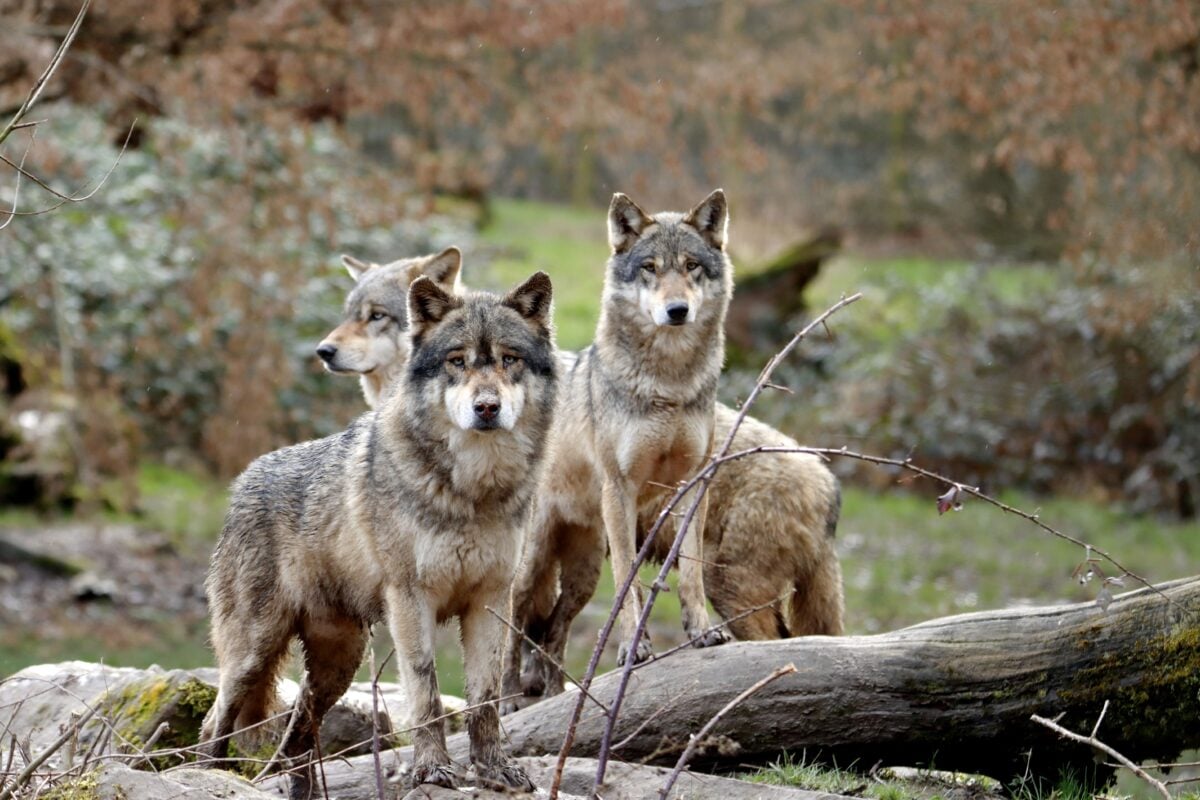
Over many generations, natural selection could have favored wolves that were less fearful of humans. Eventually, people may have encouraged animals they found useful or easier to live alongside, further shaping the population.
But becoming less afraid of humans isn’t necessarily the same as becoming domesticated. And that distinction has led researchers to question the familiar story.
Did Wolves Domesticate Themselves?
One problem with the scavenging theory is whether Ice Age hunter-gatherers produced enough leftover food to sustain wolves living near their camps.
A 2021 scientific review of wolf domestication theories examined the evidence and explored a different possibility: humans may have played a much more active role from the beginning.
Scientists have proposed several ways the relationship could have developed:
- Scavenging: Less fearful wolves found food near human camps and gradually adapted to living around people.
- Raising wolf pups: Humans adopted young wolves, and some developed lasting social bonds with their human caregivers.
- Hunting partnerships: Cooperation between people and early dog ancestors may have strengthened an already developing relationship.
These possibilities aren’t necessarily mutually exclusive, and researchers still debate which played the greatest role.
What’s remarkable is that dogs became our first domesticated animals, thousands of years before humans began domesticating livestock such as sheep, goats, and cattle.
How Domestication Changed Dogs’ Behavior & Biology
Some of the biggest differences between dogs and wolves aren’t immediately visible. Domestication also influenced how dogs communicate with people and even how their bodies process food.
Dogs Became Remarkably Good At Reading Humans
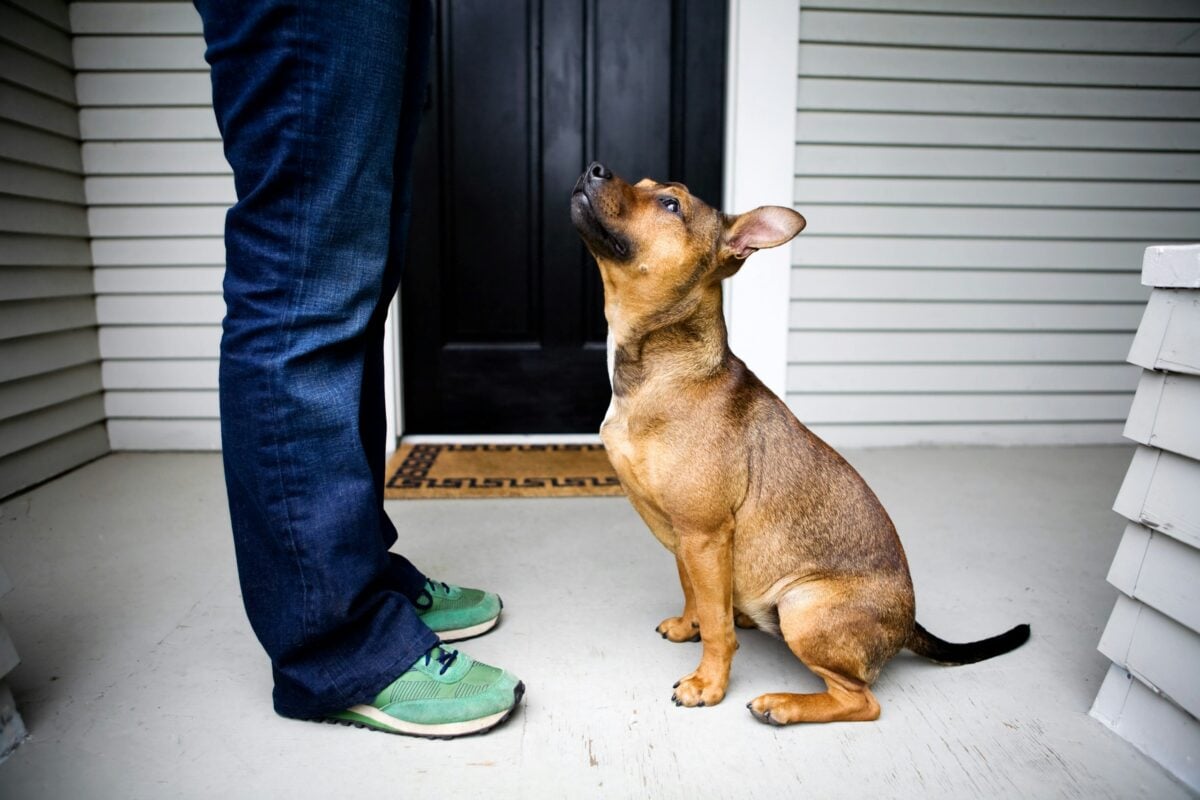
Ever notice how your dog follows your pointing finger, watches your face, or seems to know exactly when you’re about to do something interesting?
A 2021 study published in Current Biology compared 44 dog puppies with 37 wolf puppies raised with extensive human contact. The dog puppies were more attracted to people, made more eye contact, and were better at interpreting human gestures.
Interestingly, both groups performed similarly on certain memory and self-control tasks. The difference wasn’t simply intelligence. Dogs showed an early-developing advantage in communicating with humans, even when the wolves had been carefully socialized.
Even Their Digestion Changed
Here’s a less obvious evolutionary surprise: many dogs developed a greater ability to digest starch than wolves.
Some dog populations evolved additional copies of a gene called AMY2B, which helps produce amylase, an enzyme that breaks down starch.
A 2016 study published in Heredity found that most dogs had substantially more copies of this gene than wolves. But dogs from Arctic regions and Australia often had fewer copies.
The difference appears to be linked to the spread of agriculture. Dogs living alongside farming communities had greater exposure to starch-rich foods, while populations associated with hunting and gathering followed different dietary histories.
Domestic Dogs Vs. Modern Wolves: What’s Actually Different?
A Siberian Husky howling in the backyard might sound remarkably wolf-like, but modern dogs and wolves differ in important ways that go well beyond floppy ears, curly tails, and a willingness to sleep under the covers.
Here’s how they compare.
| Trait | Domestic Dogs | Modern Gray Wolves |
|---|---|---|
| Appearance | Huge variety in size, skull shape, ears, and tails | More consistent proportions, longer muzzles, and larger teeth |
| Human relationships | Generally comfortable living and cooperating with people | Usually wary of humans |
| Social structure | Flexible social groups shaped by their environment | Typically live in family groups |
| Reproduction | Often breed once or twice yearly, depending on the dog | Usually breed once yearly, seasonally |
| Diet | Adapted to varied foods, including starch-rich diets | Primarily eat animal prey |
| Communication | Especially responsive to human gestures | Skilled at communicating with other wolves |
What About The Whole “Alpha Wolf” Thing?
Wild wolf packs aren’t usually in constant battles for dominance. They’re typically family groups, with adult parents guiding their offspring through hunting, traveling, and raising younger pups.
The popular image of an aggressive “alpha wolf” fighting to maintain control came largely from observations of unrelated wolves living together in captivity. But those animals were placed in an artificial social environment, where competition and dominance hierarchies were more apparent.
In a 1999 study of wild wolves, researcher L. David Mech described a very different arrangement. The so-called alpha pair was usually just the parents, with the adults sharing responsibilities for finding food, protecting pups, and guiding the family. Their leadership generally came from being the breeding adults, not constantly fighting to maintain their position.
And that matters for dog owners. You don’t need to act like a dominant wolf to earn your dog’s cooperation. Clear communication, consistency, and reward-based training are much better approaches than intimidation.
Which Dog Breeds Are Closest To Wolves?
Take one look at a Siberian Husky or Alaskan Malamute, and it’s easy to imagine a wolf somewhere in the family tree. The pointed ears, thick coat, and piercing stare certainly help sell the resemblance.
But looking like a wolf and being genetically closer to wolves aren’t necessarily the same thing. Some breeds have distinctive ancestral lineages, while others carry small traces of wolf DNA inherited long after domestication.
Which Breeds Have The Oldest Genetic Lineages?
Genetic studies have identified certain breeds with what scientists call basal lineages. These are genetically distinctive branches of the dog family tree that separated relatively early from lineages leading to many other modern breeds.
Examples identified in genetic studies include:
- Akita: A Japanese spitz breed with a distinctive genetic lineage.
- Chow Chow: An East Asian breed that retains a recognizable ancestral genetic signature.
- Shiba Inu: A Japanese breed identified among basal lineages in some studies.
- Siberian Husky: A northern sled dog with genetic connections to older Arctic dog populations.
- Basenji: An African hunting breed with a particularly distinctive genetic history.
- Saluki: A Middle Eastern sighthound identified among basal lineages.
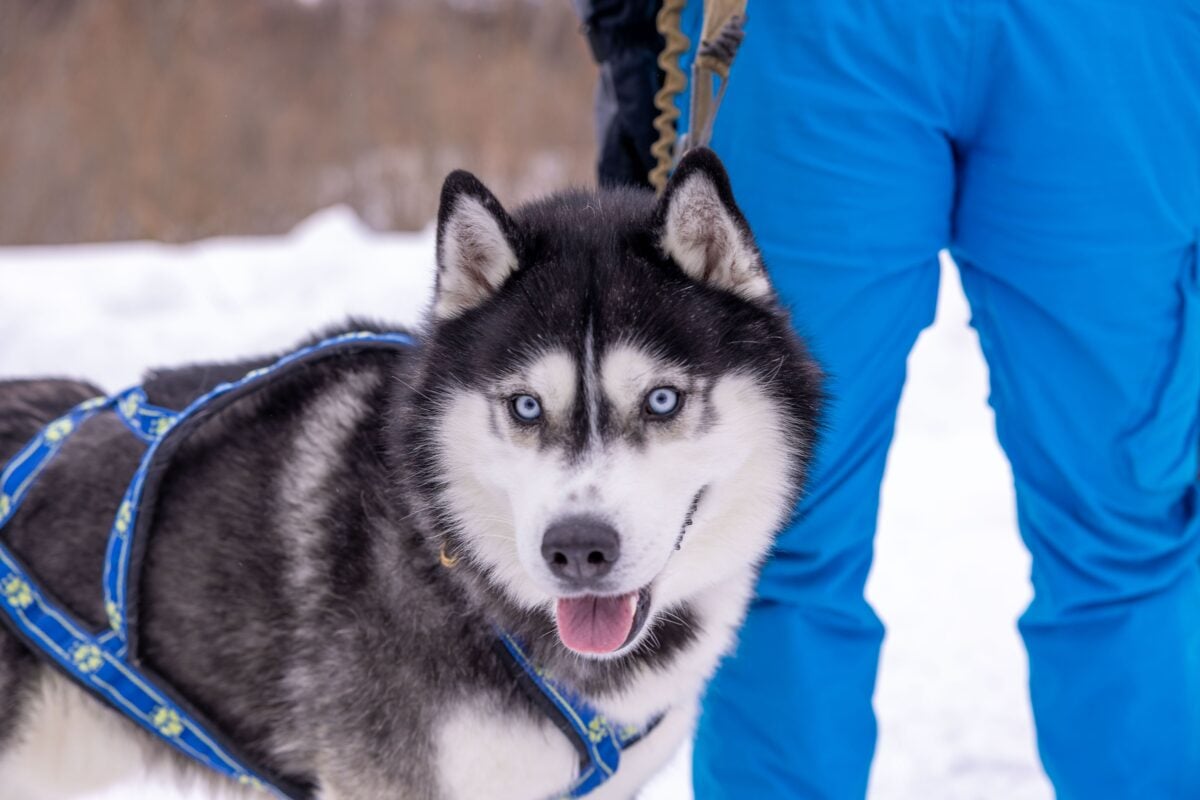
A study published in Proceedings of the National Academy of Sciences found that some breeds retained these distinctive genetic signatures partly because they had experienced less interbreeding with other modern breed populations.
That doesn’t mean today’s Akita or Basenji has remained unchanged for thousands of years. Nor does it mean these breeds are more primitive, more wolf-like in behavior, or direct representatives of the earliest domestic dogs.
Do Some Modern Dogs Actually Have Wolf DNA?
Here’s where the family tree gets particularly interesting.
A 2025 genetic study analyzing 2,693 dog and wolf genomes found evidence of post-domestication wolf ancestry in approximately 64% of the modern breed dogs examined.
Before you start questioning your Poodle’s family history, the amount was usually tiny. In dogs with detectable wolf ancestry, those inherited segments covered approximately 0.14% of their genomes on average.
The researchers traced much of this ancestry to interbreeding that occurred hundreds of generations ago, rather than recent wolfdog crosses.
So even breeds that look nothing like wolves may carry small genetic traces from much later encounters between dogs and their wild relatives.
How “Wolfy” Is Your Dog?
Some dog DNA tests offer another interesting way to explore ancient ancestry. For example, Embark’s Wolfiness Score examines genetic markers in regions of DNA that differ between dogs and wolves and may have played a role in domestication.
A higher Wolfiness Score doesn’t mean your dog is part wolf. It indicates that your pup carries more of certain ancient genetic variants, not necessarily DNA inherited from a recent wolf ancestor.
That distinction matters if your dog gets a surprisingly high score, especially when their most wolf-like activity is claiming your favorite spot on the couch.
Where Did The First Dogs Live?
East Asia? Europe? Somewhere in Siberia? Scientists have searched for the birthplace of domestic dogs for decades, and ancient DNA is finally narrowing down the possibilities.

A 2022 study published in Nature analyzed DNA from 72 ancient wolves, some dating back 100,000 years. Researchers found that dogs were most closely related to ancient wolves from eastern Eurasia.
But there was a twist. Dogs from the Middle East and Africa also carried ancestry linked to a different wolf population in western Eurasia. That could mean dogs were domesticated more than once, or that early dogs interbred with other wolves as they spread into new regions. The research couldn’t determine which explanation was correct.
Then, in March 2026, scientists uncovered another remarkable clue. The study identified domestic dog DNA in remains from Türkiye dating back approximately 15,800 years, along with a dog from Britain that lived around 14,300 years ago.
Even more surprising, these early dogs were genetically similar despite living thousands of miles apart. Dogs were already widespread across western Eurasia during the Ice Age, long before farming and permanent villages transformed human life.
So why hasn’t anyone found the original birthplace?
Ancient wolf and dog bones can be difficult to distinguish, and DNA doesn’t always survive thousands of years underground. More importantly, finding a 15,800-year-old dog in Türkiye doesn’t mean domestication started there. Its ancestors may already have traveled enormous distances with prehistoric people.
How Humans Shaped Modern Dog Breeds
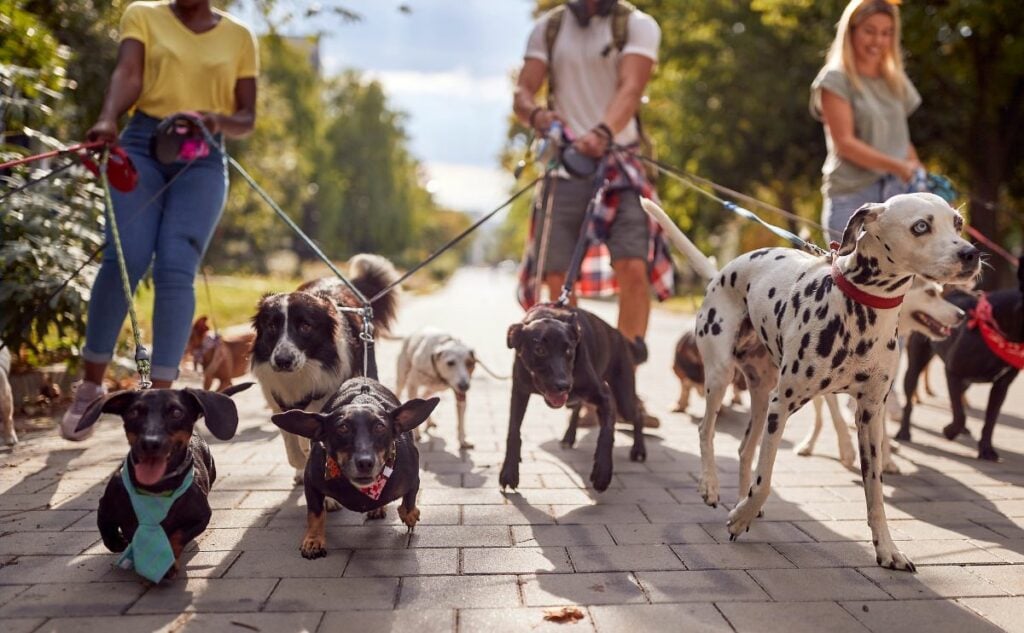
Think about the difference between a Greyhound and a Bulldog. One has a long, lean body built for speed. The other has a stocky frame, a broad head, and a much shorter muzzle.
Both descended from ancient wolves, yet generations of human breeding produced animals with dramatically different bodies and abilities. And that transformation started much earlier than you might think.
Dogs Were Already Different Thousands Of Years Ago
It’s tempting to assume dogs looked mostly alike until people started creating modern breeds. But archaeological evidence tells a different story.
A 2025 study published in Science examined 643 ancient and modern dog and wolf skulls, some dating back 50,000 years. Researchers found that distinctive dog skull shapes were appearing around 11,000 years ago, with substantial variation among early dogs.
This diversity developed thousands of years before modern breed standards existed. Early dogs weren’t miniature versions of today’s Pugs or Bulldogs, but their skulls were already taking on different shapes as dog populations spread and changed.
Humans Started Breeding Dogs For Specific Jobs
As people increasingly relied on dogs, certain physical characteristics and abilities became especially valuable.
Through artificial selection, humans chose dogs with desirable inherited traits for breeding. Over generations, those traits could become more common, producing dogs increasingly suited to particular tasks.
Some familiar examples include:
- Herding: Border Collies and Australian Cattle Dogs were developed for controlling livestock.
- Tracking: Beagles and Bloodhounds were bred for scenting ability and persistence.
- Retrieving: Labradors and Golden Retrievers were developed to locate and retrieve game.
- Sled work: Huskies and Malamutes were selected for endurance and working in cold climates.
- Hunting underground: Breeders developed terriers to pursue animals into burrows and other confined spaces.
Eventually, appearance and companionship became increasingly important breeding goals, too.
During the 19th century, kennel clubs and organized breeding programs began establishing formal breed standards. Dogs that once varied considerably in appearance became more uniform within individual breeds, producing many of the recognizable characteristics we see today.
Selective Breeding Also Changed Dogs’ Health
But creating such extraordinary variety came with trade-offs.
Selecting for exaggerated physical features can increase the risk of certain health problems. Flat-faced breeds such as Pugs, French Bulldogs, and English Bulldogs provide a particularly clear example.
These dogs are more susceptible to brachycephalic obstructive airway syndrome (BOAS), a condition in which narrowed or obstructed airways make breathing difficult.
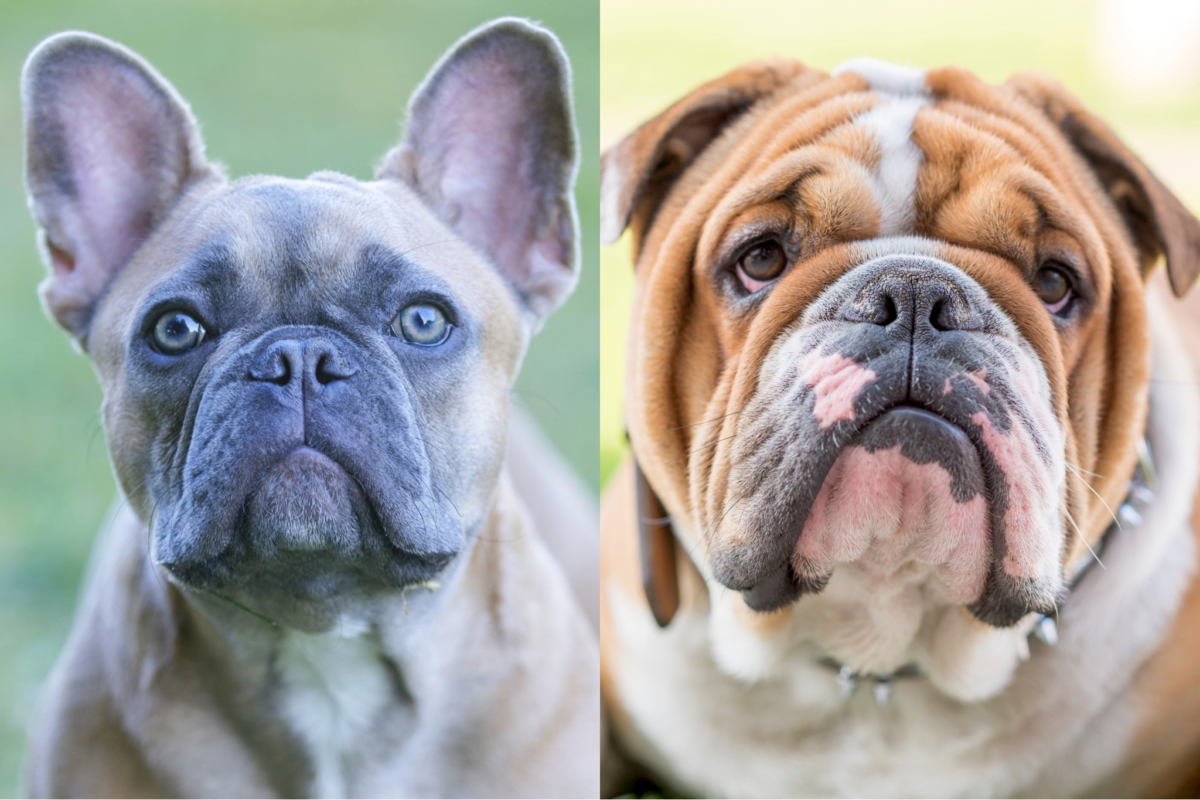
A 2015 study published in PLOS ONE examined more than 850 dogs across two study groups and found that the shorter a dog’s muzzle was relative to its skull, the greater its risk of BOAS. In the first group, more than 80% of dogs with the most extreme facial shortening were affected.
Breeding within relatively small genetic populations can also increase the likelihood of inherited disorders, particularly when both parents carry the same harmful genetic variants.
These health risks aren’t inevitable for every purebred dog, but they help explain why responsible breeding involves much more than producing puppies that look a certain way.
What Dog Evolution Means For Your Dog Today
Your dog may be thousands of years removed from their ancient wolf ancestors, but that history still influences what they enjoy, how they behave, and what they need from us. Some everyday habits make a lot more sense when you consider the jobs dogs were once expected to do.
Why Dogs Bond So Closely With Us
Dogs don’t simply tolerate human company. Many actively seek us out for affection, comfort, play, and a little help figuring out what’s happening around them.
That close relationship is part of what makes domestic dogs so remarkable. Your dog may look to you when something unfamiliar happens, follow you from room to room, or settle more easily when you’re nearby.
Of course, some dogs take companionship to another level. Apparently, going to the bathroom alone wasn’t part of the arrangement.
Those Old Working Instincts Haven’t Disappeared
Your dog doesn’t need to have worked a day in their life for certain inherited tendencies to show up.
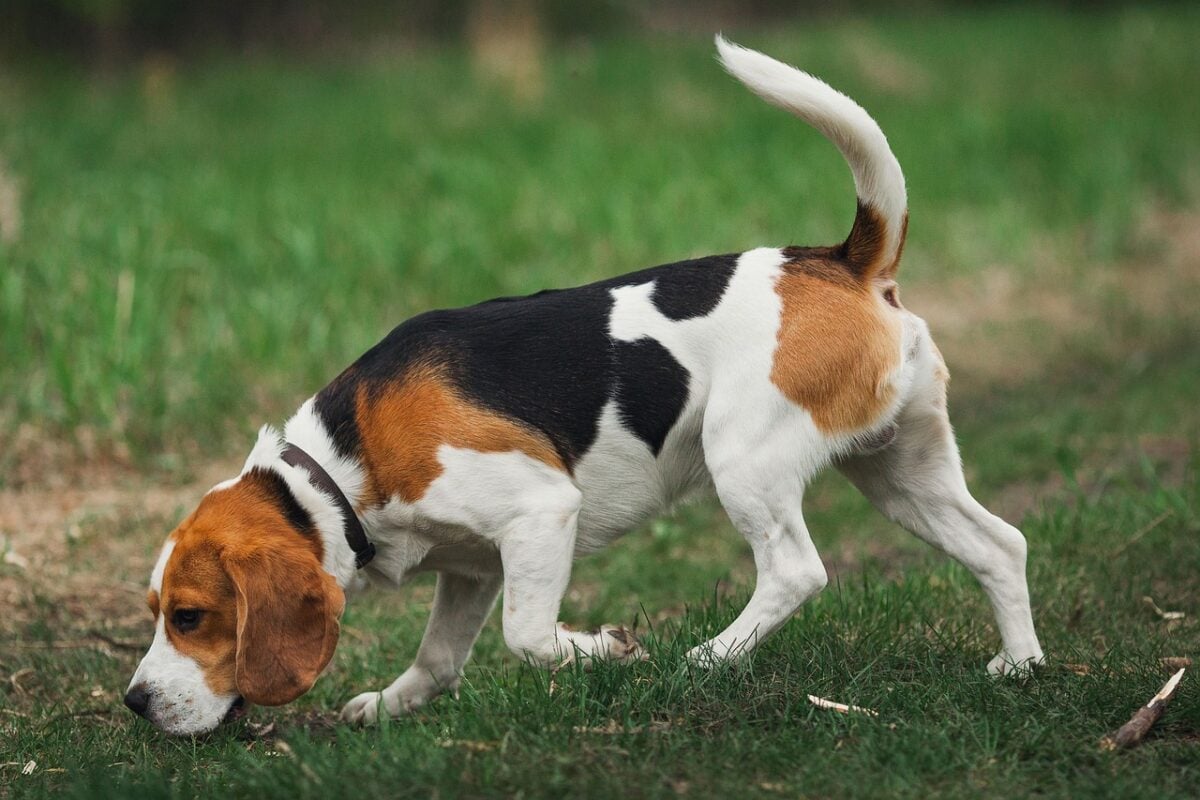
A herding dog might become fascinated by anything that moves, while a scent hound may find following an interesting smell far more rewarding than listening to you call their name.
The useful question isn’t just what your dog’s ancestors did, but what that history might tell you about their needs today.
- Always following scents? Try scent trails, treat searches, or nose-work games that encourage natural sniffing behavior.
- Fixated on movement? Give your dog appropriate outlets through structured games, training, or activities that involve controlled chasing.
- Constantly carrying things? Retrieving games and teaching your dog to bring specific objects can make good use of that interest.
- Digging up the yard? A designated digging area or buried-toy game may satisfy the urge without sacrificing your flower beds.
These activities aren’t limited to particular breeds, either. A mixed-breed dog may have strong working instincts, while a purebred dog might show little interest in the activities associated with its ancestry.
Breed History Is A Clue, Not A Personality Test
Knowing your dog’s breed background can be useful, but it doesn’t tell you everything about the dog in front of you.
A 2022 study published in Science analyzed genetic data alongside behavioral information from more than 18,000 dogs. Researchers found that breed explained only about 9% of the variation in individual dogs’ behavior.
Some tendencies were more strongly associated with breed ancestry than others, but breeds still overlapped considerably. A dog’s training, experiences, environment, and individual temperament also shape how those tendencies show up.
So while breed history can point you toward activities your dog might enjoy, paying attention to what actually motivates your particular dog is much more useful than relying on a breed description.
Your Labrador may have absolutely no interest in swimming, while your supposedly laid-back companion breed could turn out to be the household’s most enthusiastic athlete.
What Can Your Dog’s DNA Reveal About Their Ancestry?
Ever wondered whether your mixed-breed dog has some Husky hiding in their family tree? Or why your supposedly purebred pup has a few unexpected physical traits?
At-home dog DNA tests can uncover some fascinating details about your dog’s genetic background. Depending on the test, a simple cheek swab may reveal:
- Breed ancestry: Which breeds contributed to your dog’s genetic makeup, sometimes across several generations.
- Genetic relatives: Other tested dogs that share portions of your pup’s DNA.
- Inherited traits: Genetic clues about coat color, size, and other physical characteristics.
- Potential health risks: Certain genetic variants associated with inherited diseases, although these findings aren’t a diagnosis or a guarantee your dog will develop a condition.
Results can vary between testing companies, particularly for dogs with complex ancestry, because each company uses its own genetic reference database.
Curious what your dog’s DNA might reveal? Check out our guide to the best dog DNA tests to compare your options.
Frequently Asked Questions
Dog evolution has raised some fascinating questions, and scientists are still uncovering new answers. Here are a few more things you might be wondering about. Have another question? Let us know in the comments!
What Was The First Dog On Earth?
There wasn’t one identifiable “first dog.” Domestication happened gradually over many generations, making it impossible to pinpoint the exact animal that crossed the evolutionary line from wolf to dog.
But one early dog offers a remarkable glimpse into our prehistoric relationship.
The Bonn-Oberkassel dog, discovered buried alongside two humans in Germany, lived approximately 14,200 years ago. A 2018 archaeological study found evidence that the young dog had suffered from a serious illness, possibly canine distemper, and survived for weeks afterward.
Researchers believe the dog may have survived because humans cared for it, suggesting dogs were already valued for more than their practical usefulness.
Are Dogs Related To Foxes?
Yes! Dogs and foxes both belong to the Canidae family, along with wolves, coyotes, and jackals.
However, their evolutionary branches separated millions of years ago. Dogs are much more closely related to wolves than foxes. So while a Shiba Inu might look remarkably fox-like, that resemblance doesn’t mean foxes contributed to its ancestry.
Can Dogs And Wolves Still Have Puppies Together?
Yes. Modern dogs and gray wolves can interbreed and produce fertile offspring, commonly called wolfdogs.
Despite their different evolutionary histories, dogs and wolves remain closely related enough to reproduce successfully. Their offspring can also reproduce.
However, wolfdogs aren’t simply domestic dogs with a more dramatic appearance. They may inherit behavioral traits that make them particularly challenging to manage, and some areas restrict their ownership.
Can Domestic Dogs Turn Back Into Wolves?
No. A domestic dog living in the wild doesn’t turn back into a wolf.
Dogs that live and reproduce without human care may become feral, developing behaviors that help them survive independently. Over many generations, natural selection can also shape these populations.
But that doesn’t reverse thousands of years of evolutionary history or restore the ancestral wolf populations from which domestic dogs descended.
A feral dog is still a dog, even if it has never slept on a couch or heard the words “Who’s a good boy?”
Your Dog’s Ancient Instincts Are Still Showing
Your dog may be thousands of years removed from their wolf ancestors, but some surprisingly familiar behaviors have deep evolutionary roots. Want to understand more about what makes your pup tick?
Explore these Canine Journal guides:
- Can Dogs Understand Humans? — Learn how dogs interpret our words, gestures, and emotions after thousands of years living alongside us.
- How Do Dogs Communicate With Each Other? — Decode the body language and social signals dogs use with their own kind.
- 20 Dog Breeds That Will Find A Job If You Don’t Give Them One — Discover how generations of selective breeding shaped dogs that still crave a job.
- Why Do Dogs Howl? — Explore the fascinating reasons dogs still use this ancient form of communication.
Which of your dog’s ancestral instincts shows up most often? Does your pup herd the family, follow every scent, or howl along with the neighborhood sirens? Tell us about your dog’s breed and funniest inherited habit in the comments!